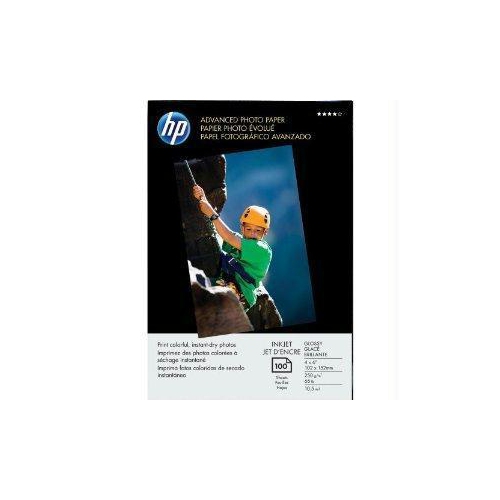
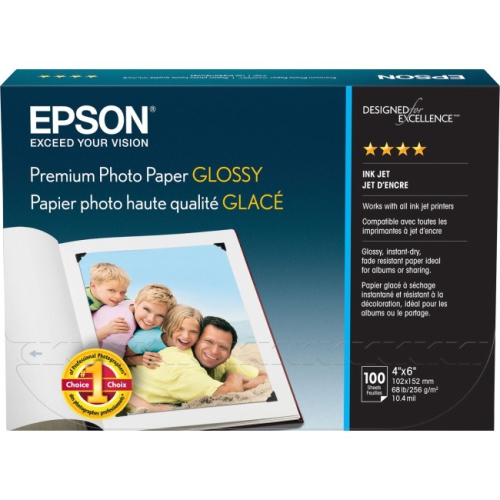
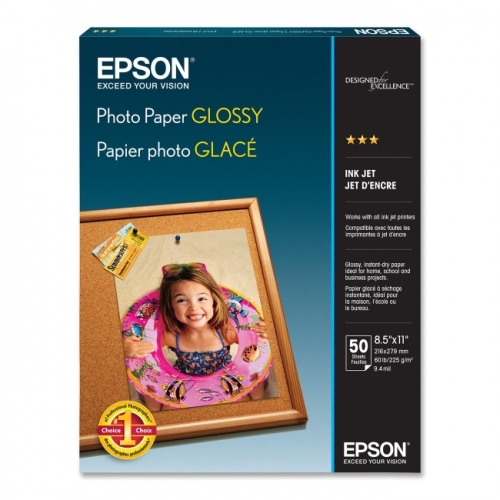
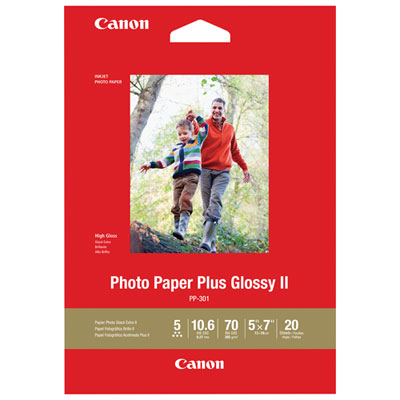
Back To School Photo Paper For Creative & Photography Classes

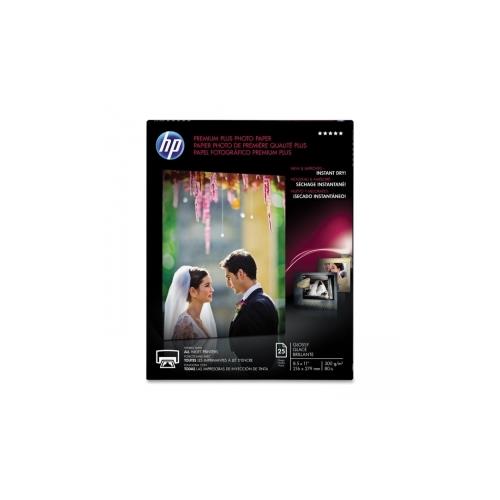
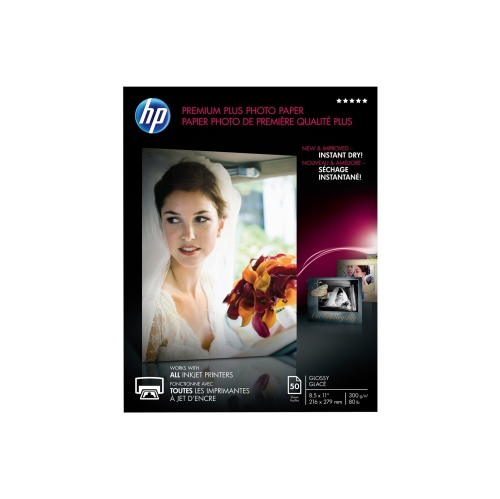
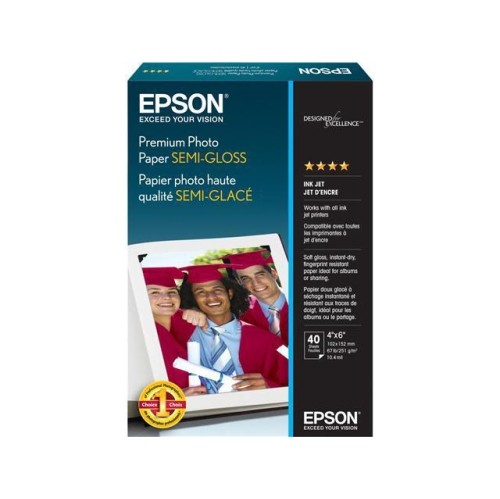
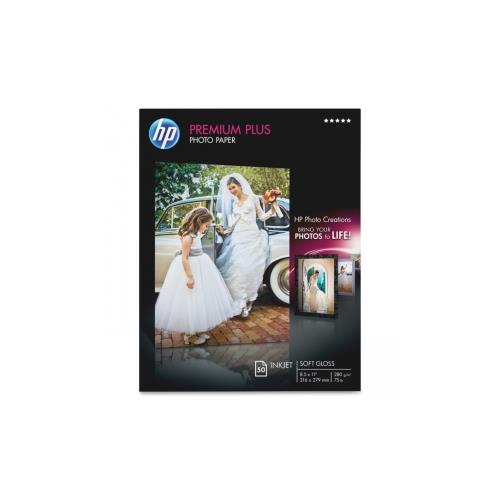
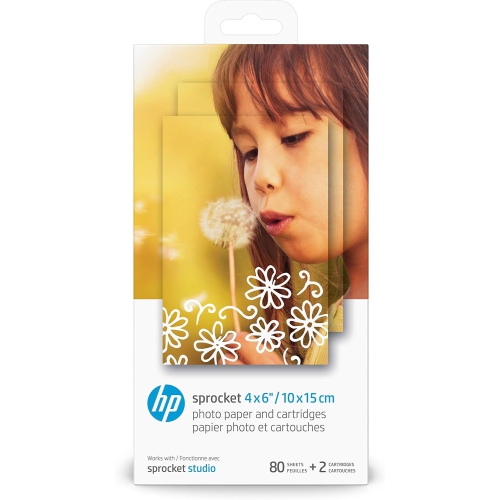
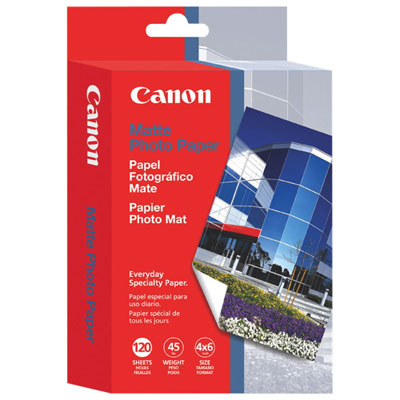
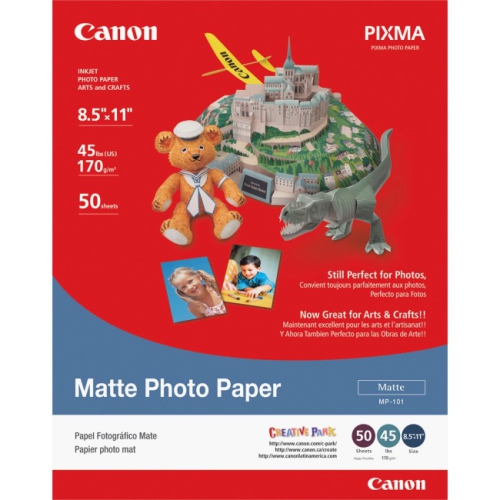
Find back-to-school photo paper for creative and photography classes, from printed portfolios to visual projects. Browse photo paper options with your assignment in mind, comparing paper size, finish, and printer compatibility to choose a suitable match for your images and coursework.
Read More

Sort

Back To School Photo Paper For Creative & Photography Classes
Back to School Photo Paper for Creative & Photography Classes brings classroom ideas off the screen and into a form students can hold, arrange, and share. From a first photography assignment to a carefully edited final portfolio, the paper beneath an image helps shape how it looks and feels. A glossy finish can give colourful still-life photos and high-contrast images a bright, polished appearance, while matte paper offers a softer look with less glare under classroom lighting. Lustre and satin finishes sit between the two, offering a gentle sheen that suits many portraits, landscapes, and everyday subjects. For students working across photography, graphic design, and visual arts, having a few finish options leaves room to experiment with presentation. Think of a row of autumn leaf studies pinned above a desk, a sequence of black-and-white architectural prints laid out for critique, or a full-page photograph becoming the centrepiece of a mixed-media project. The right photo paper helps make those details part of the finished work rather than something that stays on a laptop.

Printer compatibility is one of the most useful details to check when choosing paper for school projects. Photo paper designed for inkjet printing is not automatically suitable for a laser printer, and each printer has limits on the sizes, thicknesses, and finishes it can handle. Matching the paper to the printer’s specifications and selecting the appropriate paper setting can help produce clearer detail and more consistent colour. Sheet size matters just as much: smaller prints are handy for visual journals, reference boards, and assignments that bring several images together, while larger sheets give individual photographs more space in a portfolio or display. If a project calls for edge-to-edge printing, both the printer and the chosen paper size need to support it. Paper weight, usually listed in grams per square metre, gives a useful indication of how substantial a sheet may feel, though weight and thickness are not interchangeable. A heavier sheet can lend a finished print a pleasing sense of substance, but it still needs to feed safely through the printer. Double-sided photo paper can also be useful for handmade books and presentation pieces, provided it is intended for printing on both surfaces.

Pack size and finish are worth considering alongside the way a student actually works. Someone printing frequent assignment drafts may appreciate a larger supply in a familiar size, while a student preparing a small exhibition might want a particular surface for the final presentation. Keeping some sheets available for test prints makes it easier to spot a shadow that looks too dark or a crop that feels too tight before printing an entire series. Matte finishes can be comfortable to view during group critiques, where overhead lights may reflect off glossier surfaces, while glossy prints can bring extra visual impact to vivid subjects. Prints intended for mounting, framing, or frequent handling may also call for attention to drying time and the paper maker’s storage directions; a freshly printed image should be allowed to dry as directed before it goes into a sleeve or a stack. For a photography student, an art-club member, or a young creative setting up a study space, photo paper makes a practical gift that supports work throughout the school year. Paired with access to a compatible printer, it gives students a straightforward way to turn practice shots, design experiments, and carefully planned compositions into tangible pieces they can submit, display, and keep.

Read More

FAQ

Some products may be subject to Environmental Handling Fees (EHF) depending on your province. Learn more about EHFs.