Back To School Scientific Calculators For Students

Find back-to-school scientific calculators for students preparing for maths and science classes. Browse options with functions for fractions, exponents, and trigonometry, and compare displays and layouts to find a calculator that suits your coursework. Check your teacher’s requirements and exam rules before choosing a model.
Read More

Sort

Back To School Scientific Calculators For Students

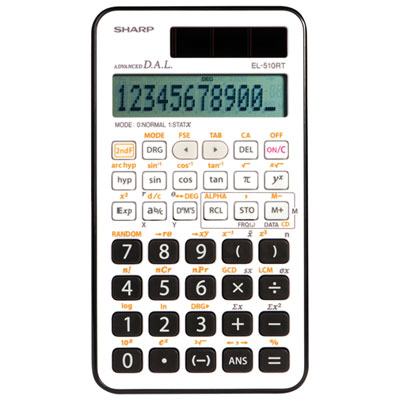
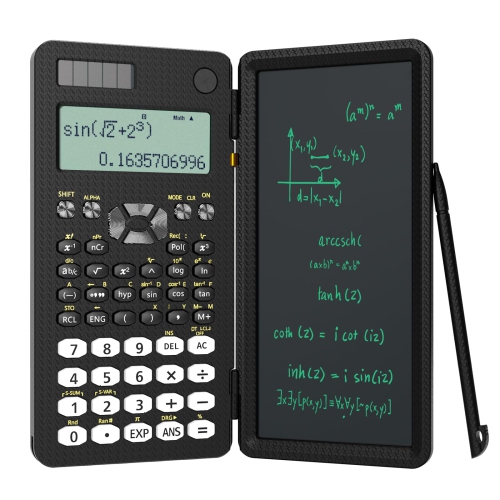
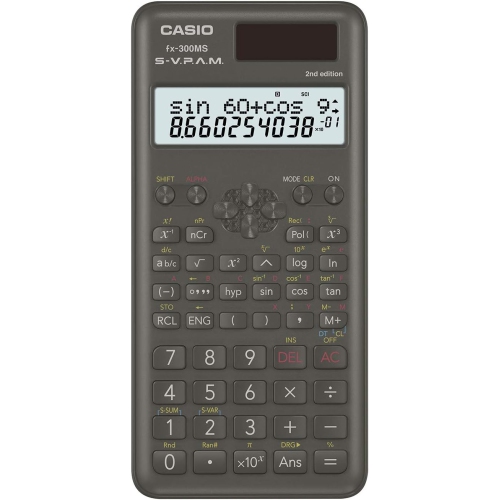
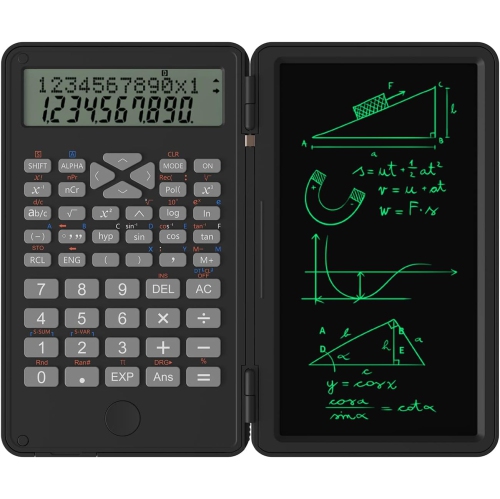
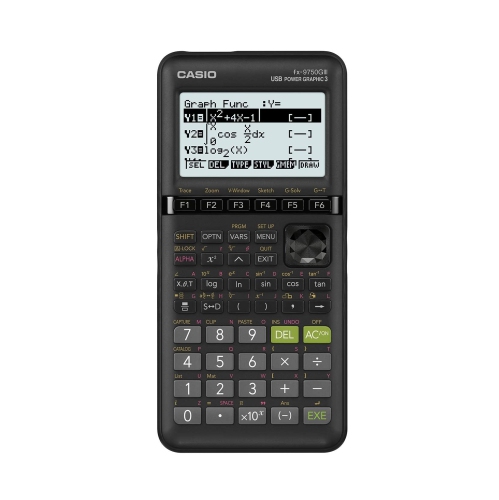
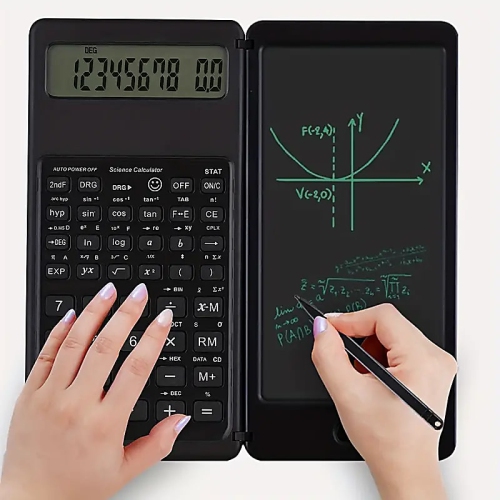
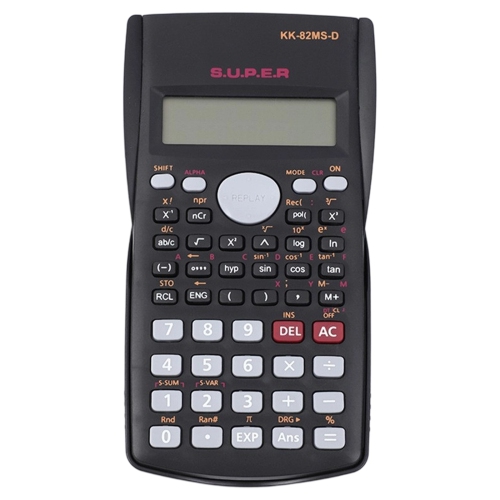
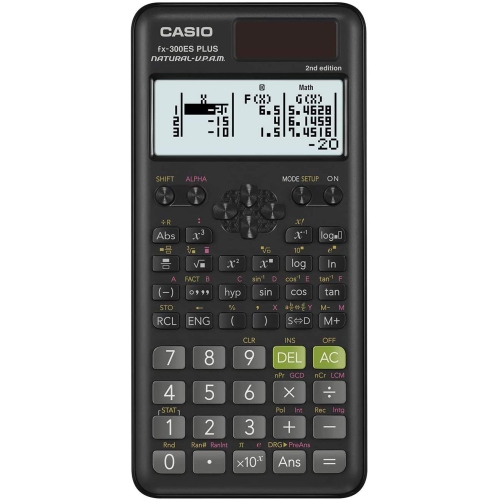
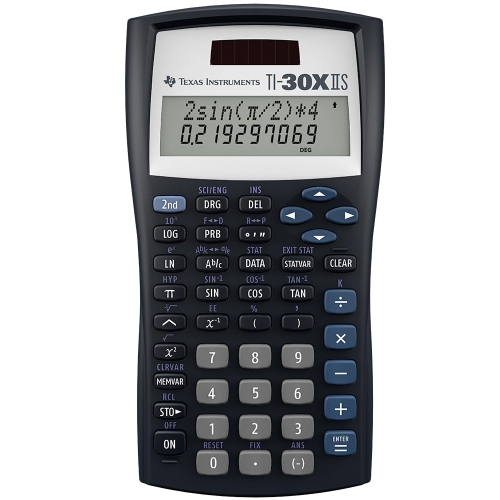
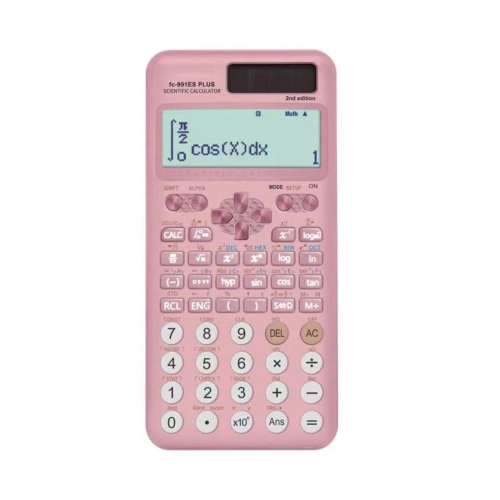
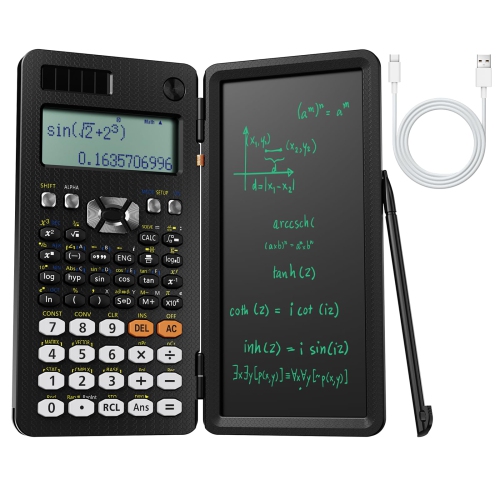
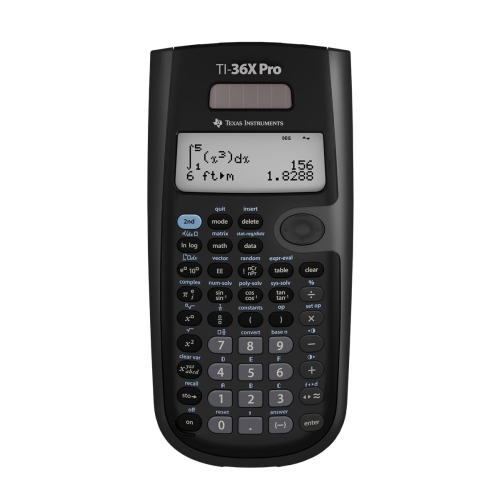
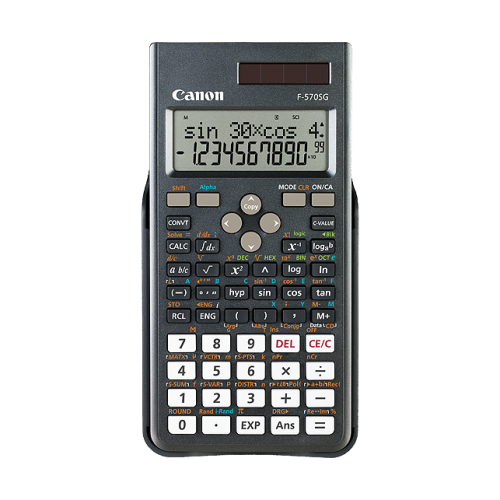
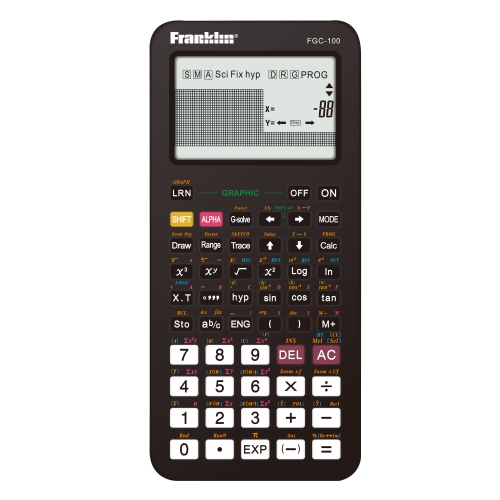
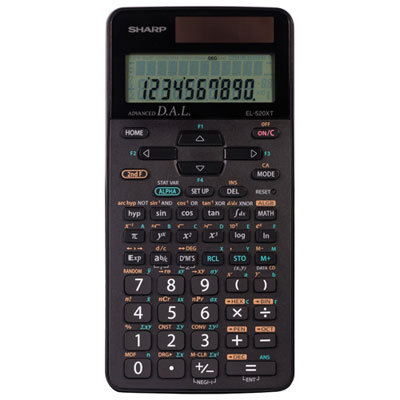
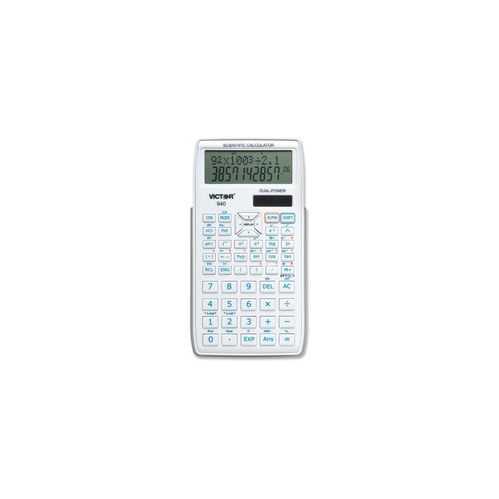
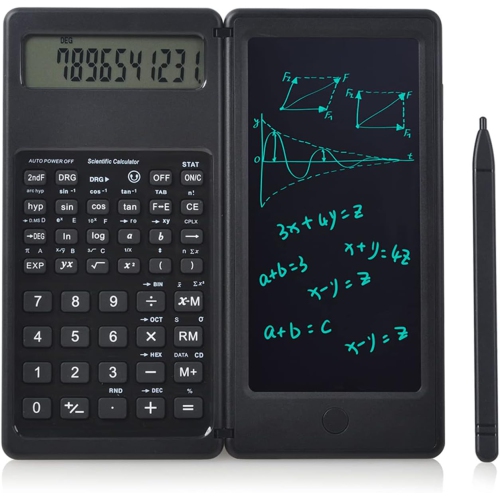
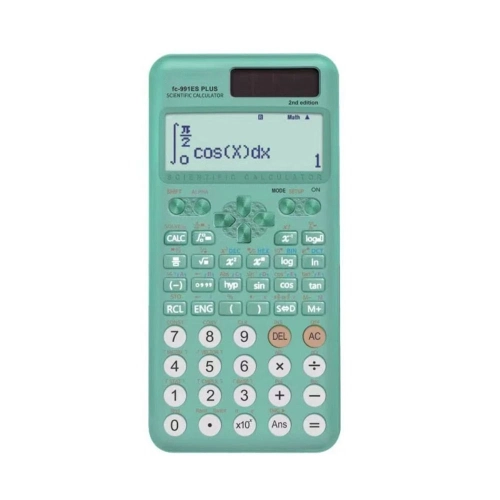
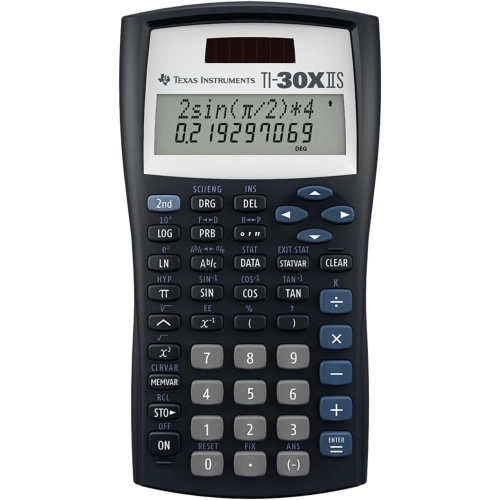
A scientific calculator earns its place in a school bag long before the first big exam. From checking fractions at the kitchen table to working through trigonometry in a busy classroom, it gives students a practical tool for handling calculations as their coursework becomes more demanding. This collection of Back to School Scientific Calculators for Students brings together options for learners building confidence in mathematics, tackling high school science, or preparing for college and university courses. Unlike a basic calculator, a scientific model typically supports functions such as powers, roots, logarithms, and trigonometric calculations, although the exact capabilities vary. Those functions can be useful across algebra, geometry, chemistry, and physics, where a single problem may involve several steps and very large or very small numbers. For many students, the right choice is not the calculator with the longest feature list, but one that covers their course requirements and feels straightforward enough to use every day.

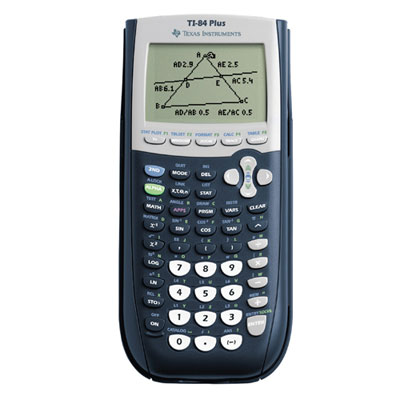
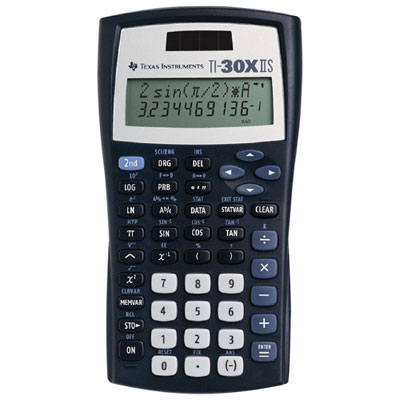
Start with the teacher’s supply list or the course’s calculator policy, especially when shopping for a student moving into a new grade or programme. Some classes and examinations restrict programmable features, stored information, or particular calculator types, and a scientific calculator is not necessarily a substitute for a required graphing calculator. Once those requirements are clear, the display and keypad deserve close attention. A textbook-style display can make fractions, exponents, and expressions easier to compare with a worksheet, while a multi-line screen can help students review an entry alongside its result. Clearly labelled keys, accessible brackets, and an easy-to-find delete function are small details that matter when a student is correcting a missed digit halfway through a calculation. Depending on the course, useful features may include fraction-to-decimal conversion, scientific notation, statistical calculations, or equation-solving functions. It is also worth checking how easily students can switch between degrees and radians: the wrong mode can produce an unexpected answer even when the numbers have been entered correctly. Familiarity with these everyday controls often matters more during a timed test than having extra functions that rarely get used.

Practical details help narrow the selection further, particularly for a calculator that will travel between a desk, a locker, and an overfilled backpack. Consider the overall size, screen readability, key spacing, and whether a protective cover is included. A compact design leaves more room in a pencil case, while a larger keypad may feel more comfortable for students who prefer clearly separated buttons. Power options vary, so check whether a model uses batteries, solar assistance, or a combination, along with any battery replacement requirements. For parents, grandparents, or anyone putting together a back-to-school gift, a scientific calculator can be a thoughtful addition to notebooks and other classroom essentials; confirming the required features first helps make the gift genuinely useful. Having it ready before classes begin also gives a student time to practise entering fractions, retrieving previous answers, and clearing old calculations without the pressure of a deadline. By the time homework is spread across the table and an assignment calls for several lines of working, a familiar calculator can help keep attention on understanding the problem rather than searching for the right key.

Read More

FAQ

Some products may be subject to Environmental Handling Fees (EHF) depending on your province. Learn more about EHFs.