Back To School Advanced Scientific Calculators
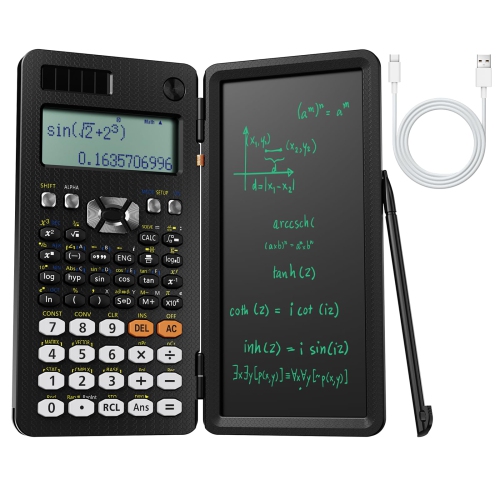
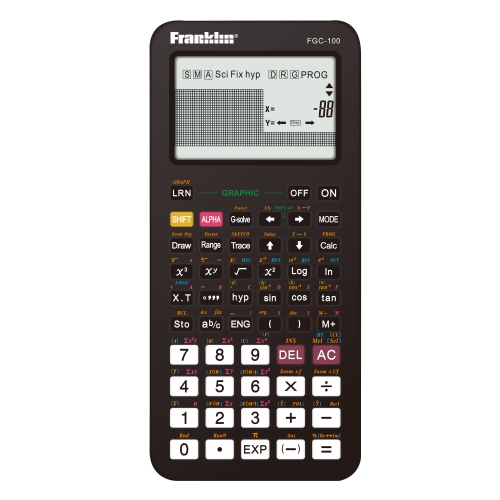
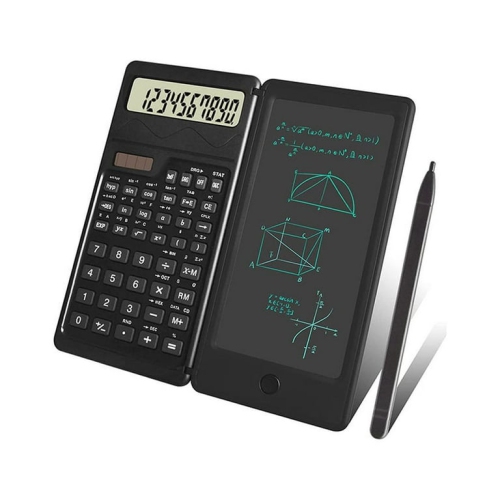
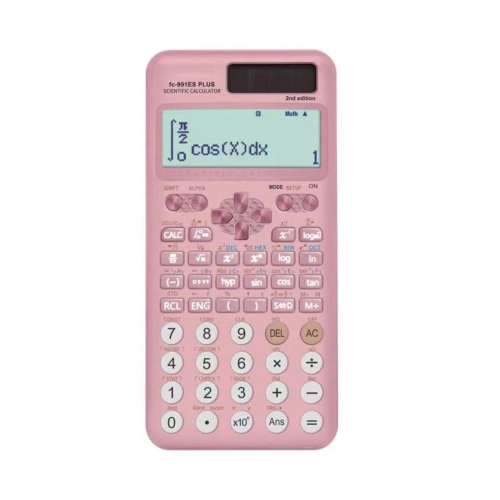
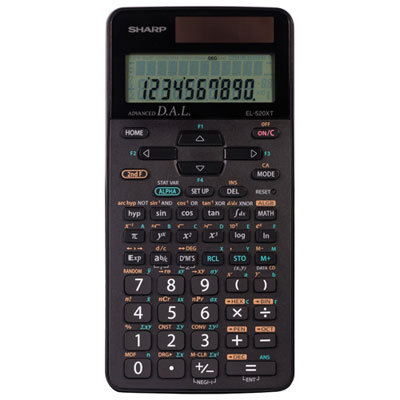
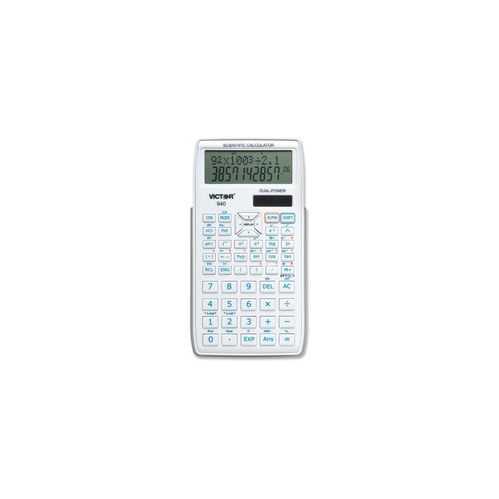
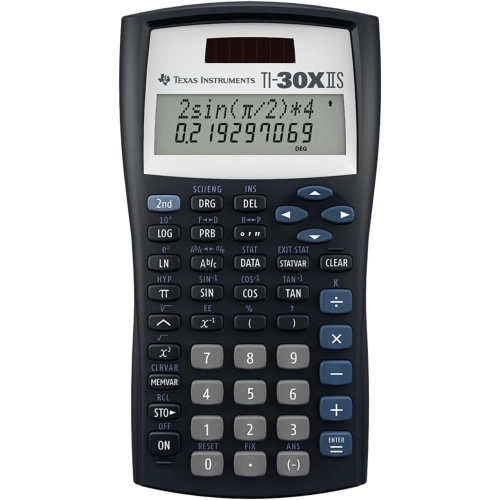
Find advanced scientific calculators for back-to-school maths and science courses. Browse options with functions for algebra, trigonometry and statistics, and compare displays, input methods and calculation features to suit your coursework. Check your school’s calculator requirements and exam rules before choosing a model.




FAQ
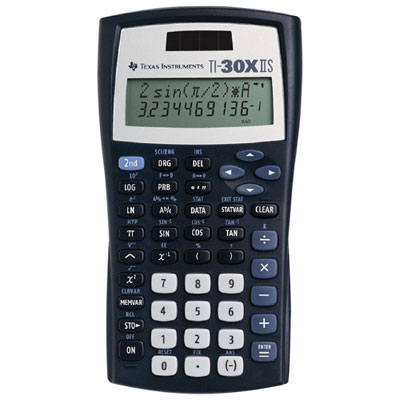
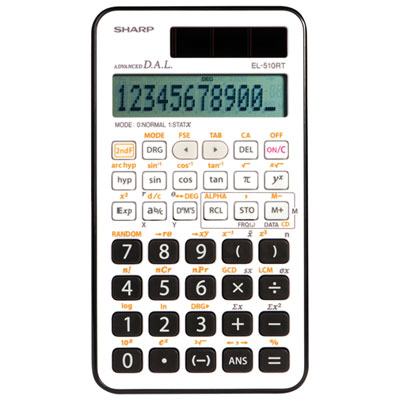
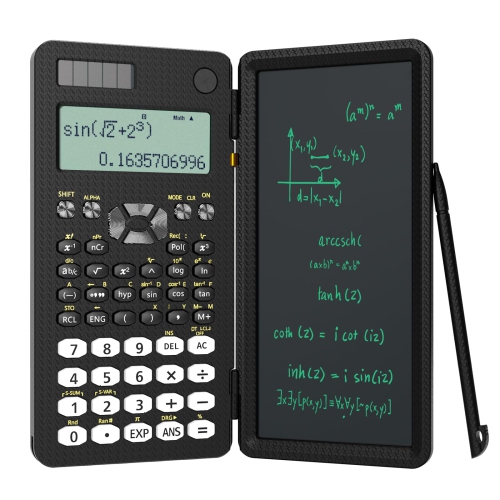
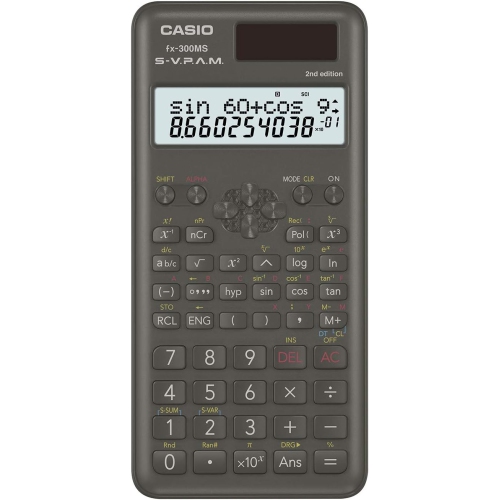
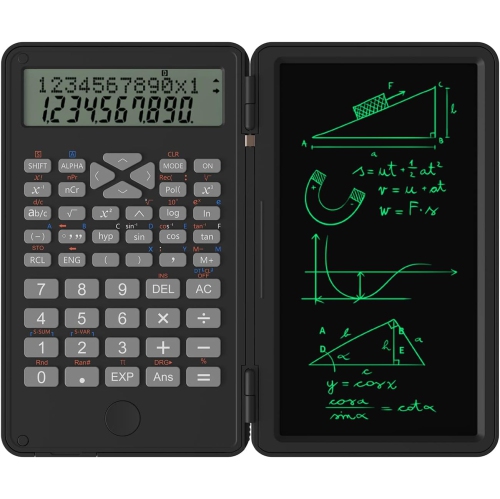
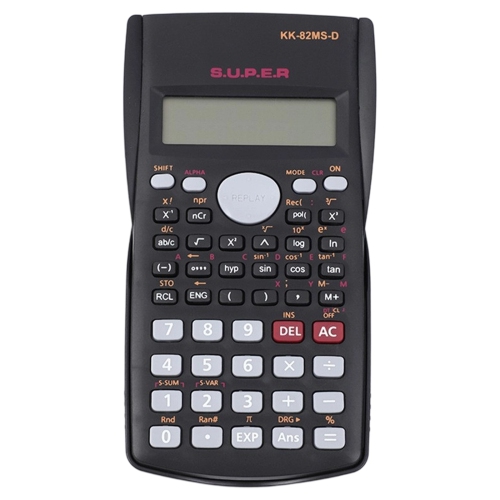
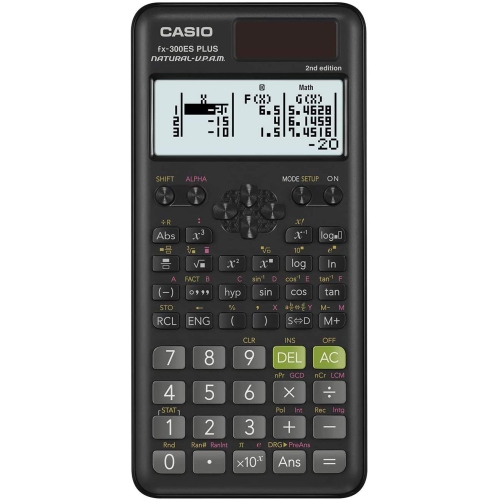
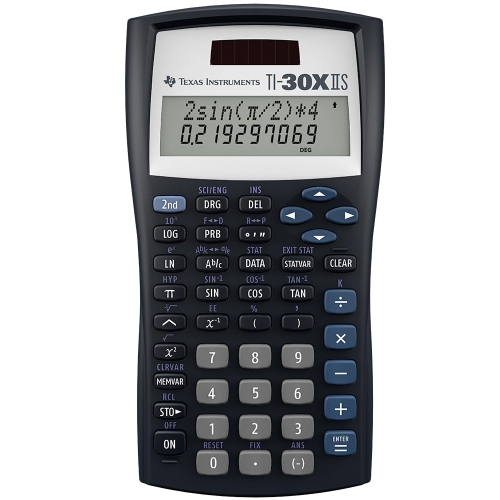
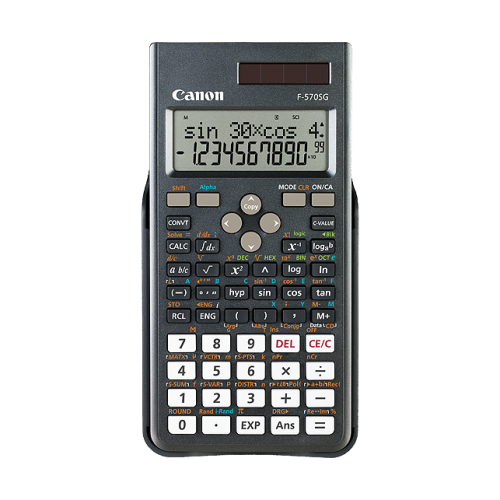
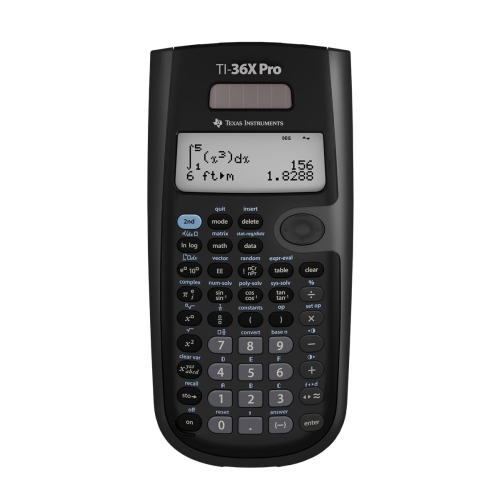
Look for functions that match your courses, such as fractions, logarithms, trigonometry, statistics and scientific notation. Some advanced scientific calculators also support complex numbers, matrices and equation solving. A textbook-style display can show fractions and expressions in a format similar to your class notes.
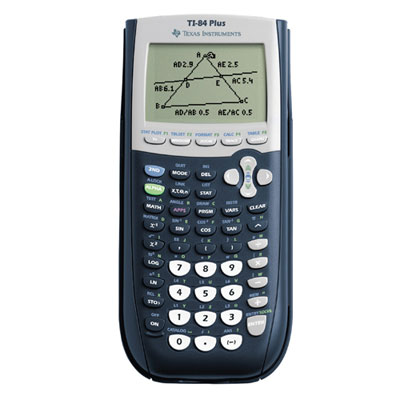
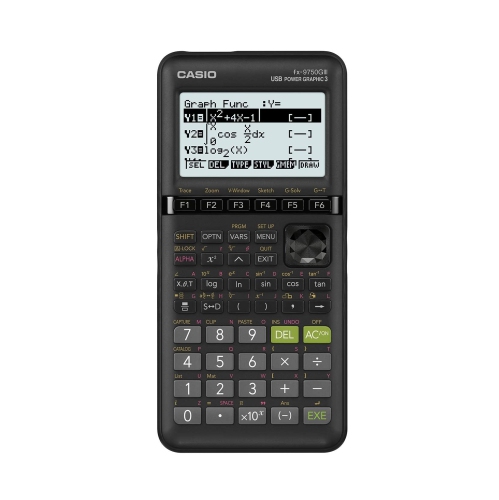
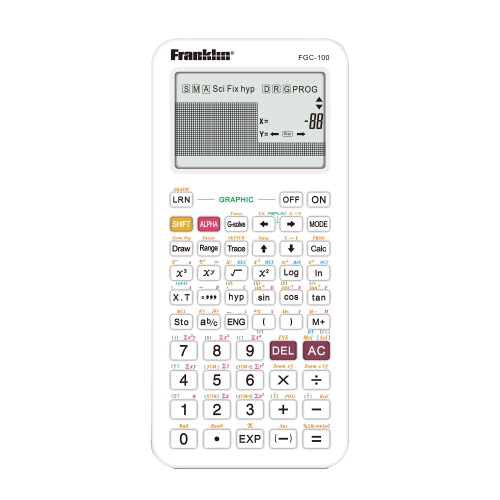
An advanced scientific calculator handles mathematical functions and numerical calculations but generally does not plot graphs. A graphing calculator can typically display graphs and provide additional tools for exploring functions and data. Your course requirements will help determine which type you need.
Calculator rules vary by school, course and exam. Some allow non-programmable scientific calculators but restrict models with programmable features, stored notes or symbolic algebra capabilities. Check your teacher’s requirements and the exam’s approved calculator list before choosing one.
Advanced scientific calculators are commonly used in secondary and post-secondary mathematics, physics, chemistry and statistics. Depending on their functions, they can handle calculations involving exponents, trigonometric ratios, probability and complex numbers. Required features vary by course.
Check whether angles should be entered in degrees or radians, and choose the appropriate calculation mode for your assignment. You may also need to adjust the number display between standard, scientific and engineering notation. Review fraction, decimal and rounding settings to match your teacher’s instructions.
Top selling and popular products
Discover more categories related to Back To School Advanced Scientific Calculators
Some products may be subject to Environmental Handling Fees (EHF) depending on your province. Learn more about EHFs.