Basic Calculators
Our selection of basic calculators offers simplicity and efficiency for all your mathematical needs. Whether you're a student, professional, or simply looking for a user-friendly device to handle basic arithmetic tasks, these calculators are designed to provide accuracy and convenience at your fingertips. Explore our range of basic calculators to find the perfect solution for your everyday computing requirements.
Sort
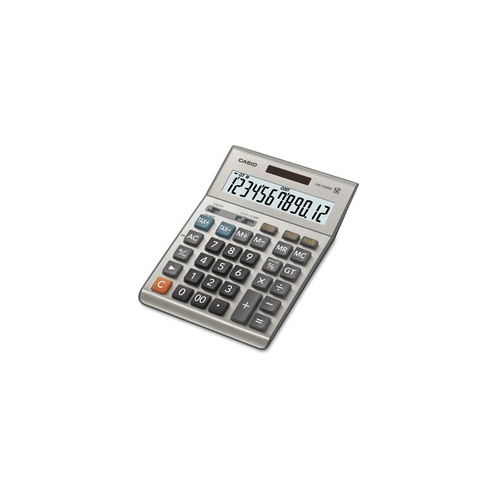
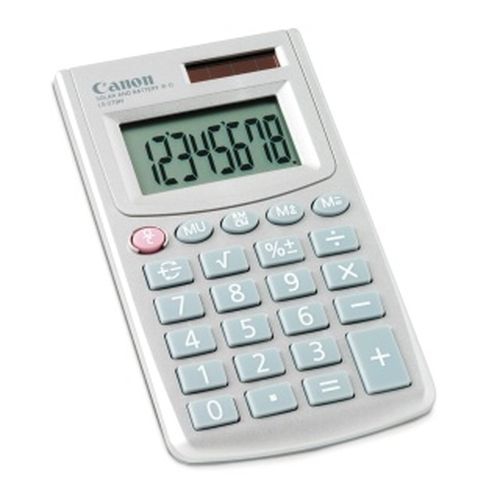
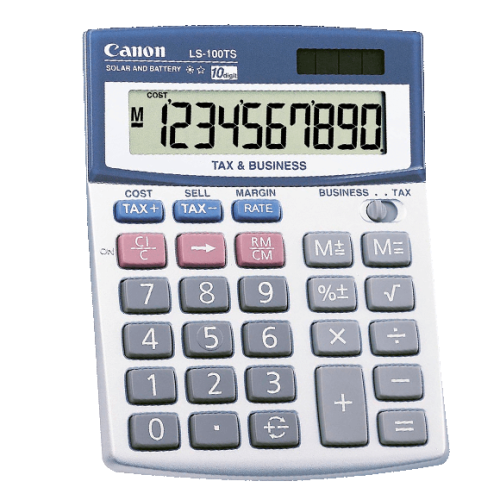

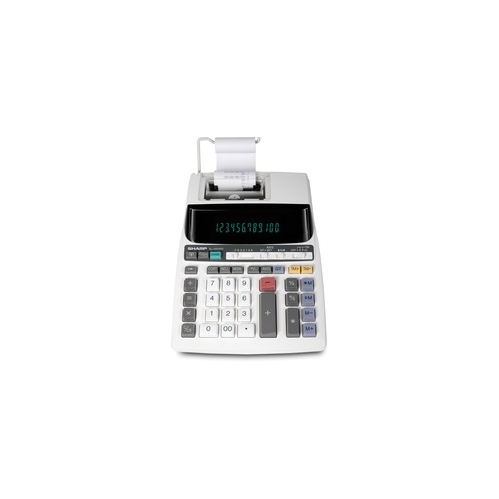
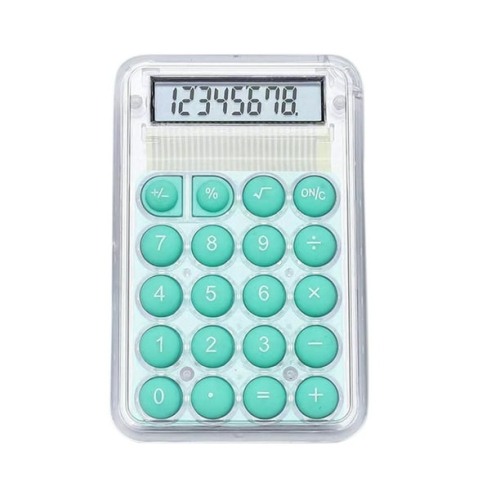
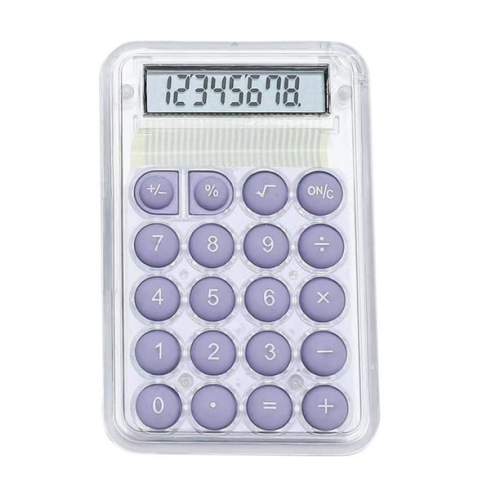
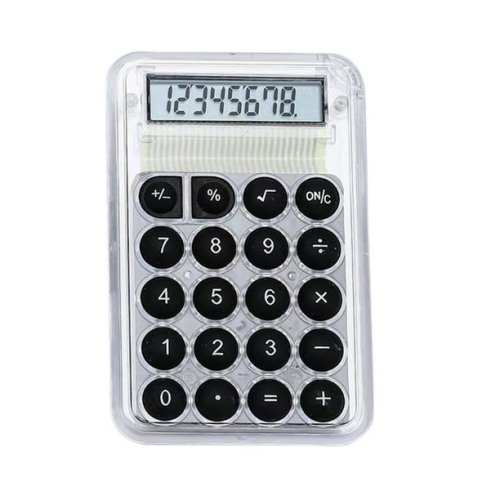
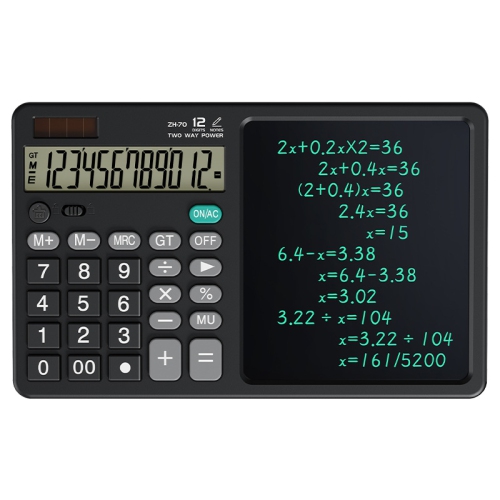
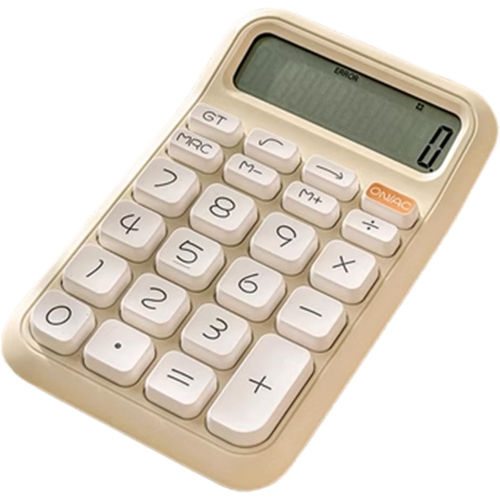
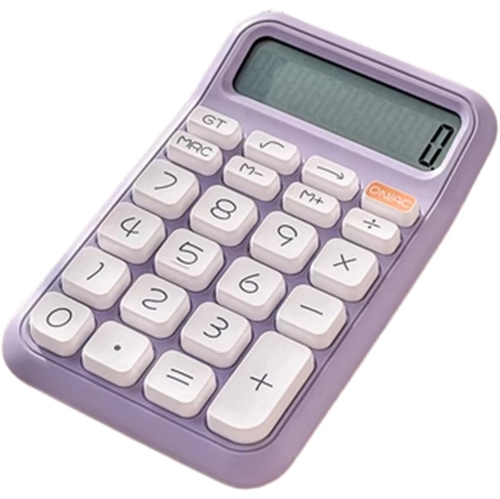
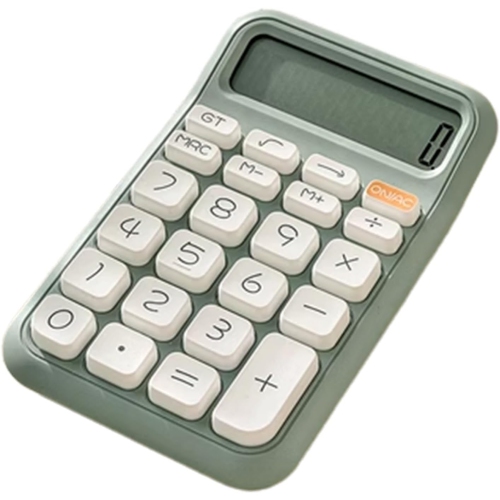
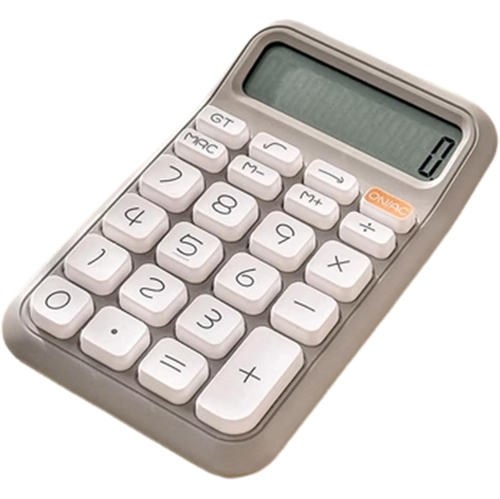
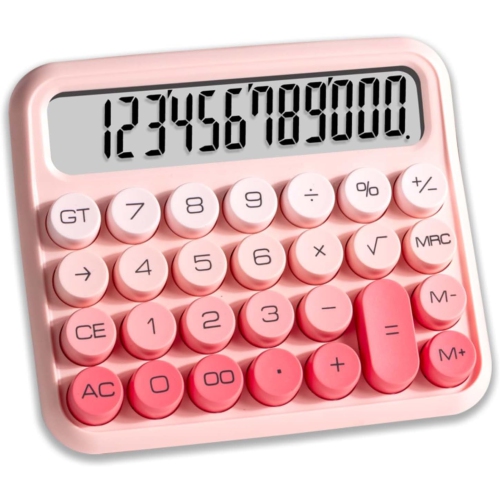
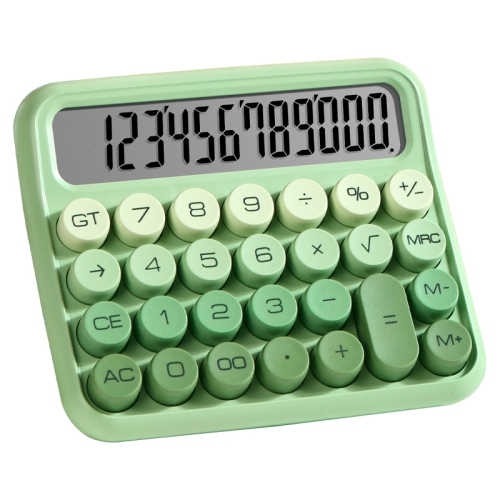
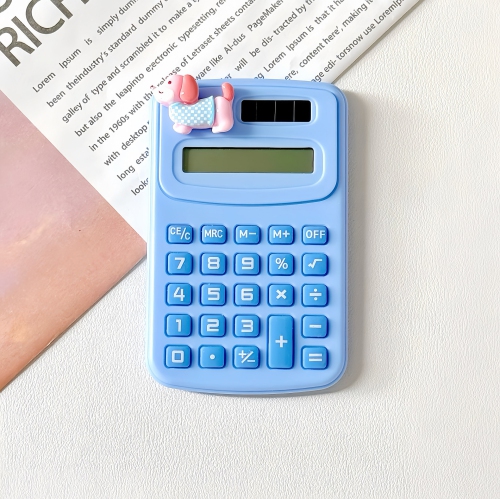
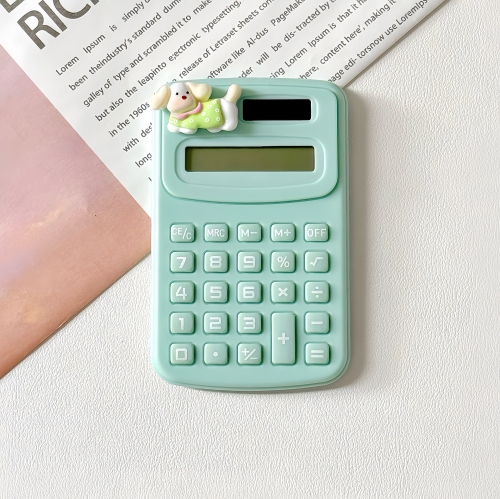
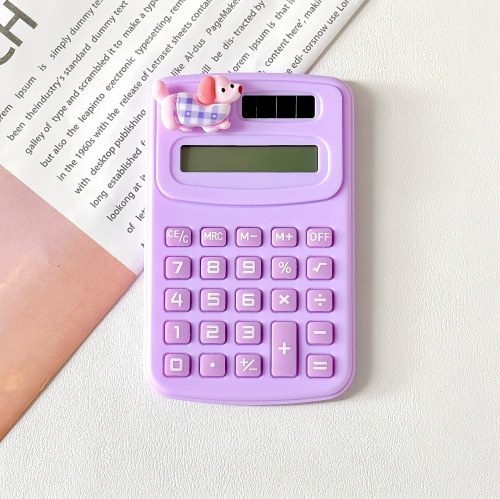
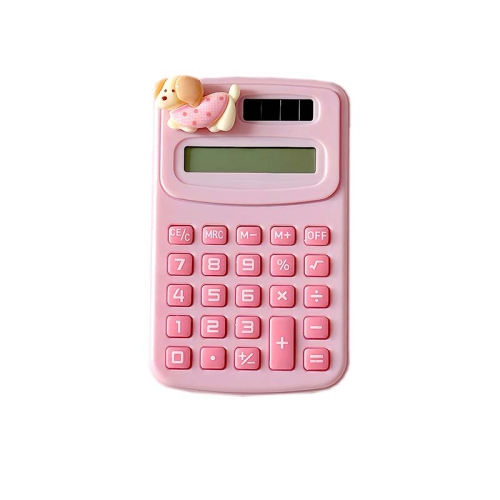
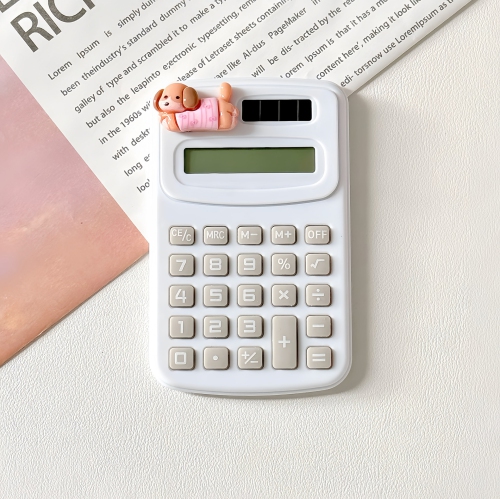
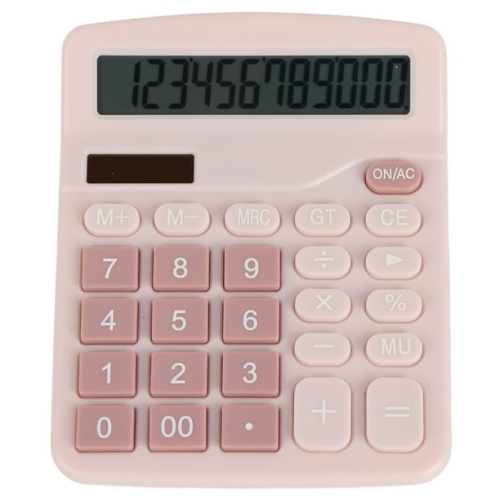
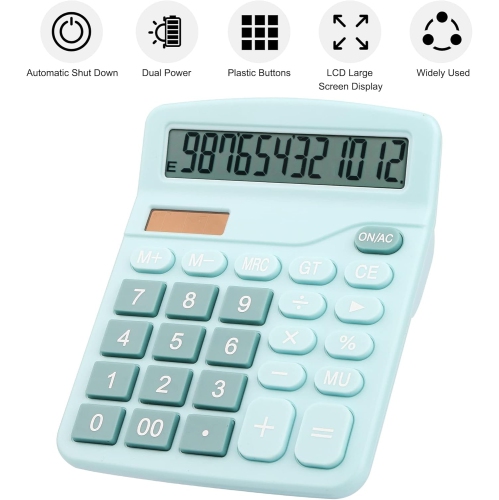
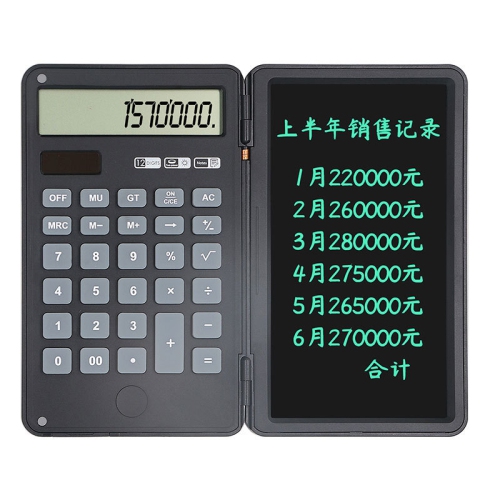
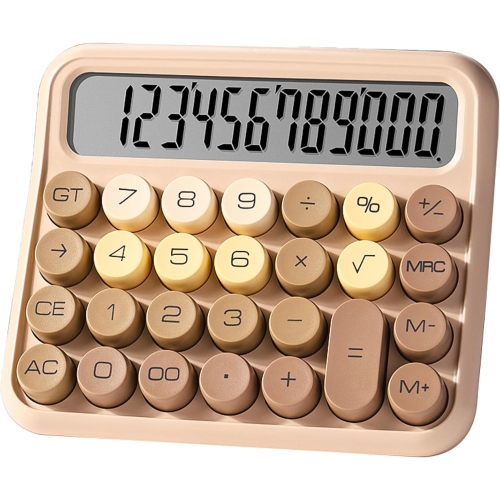
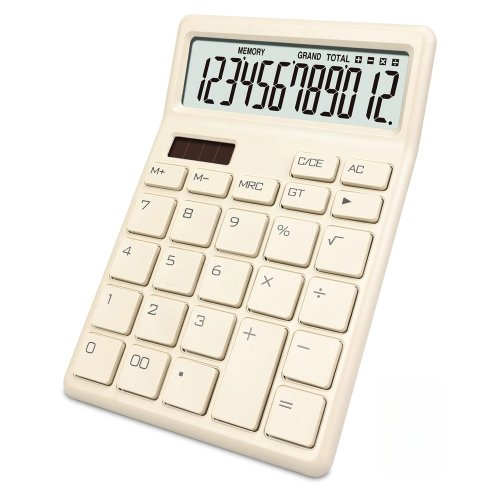
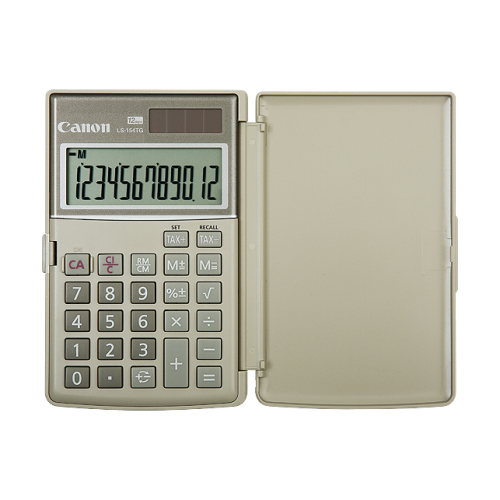
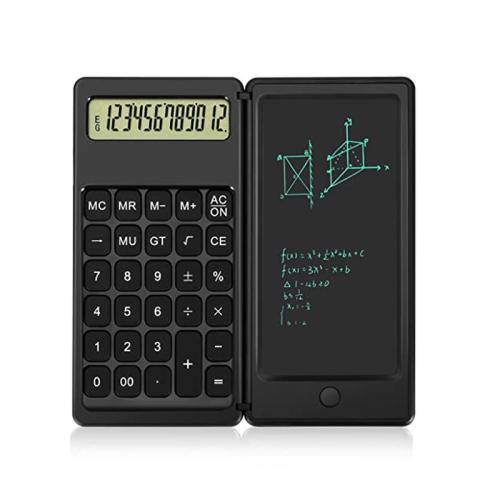
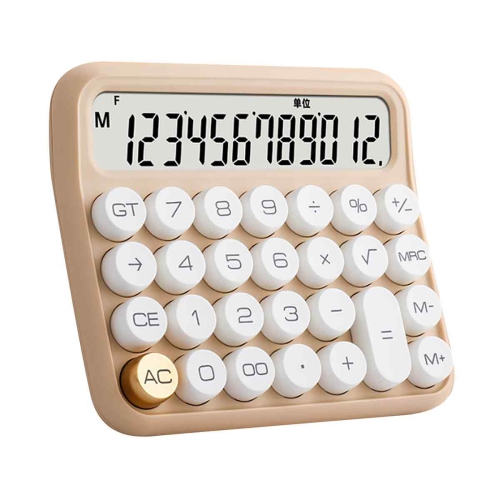
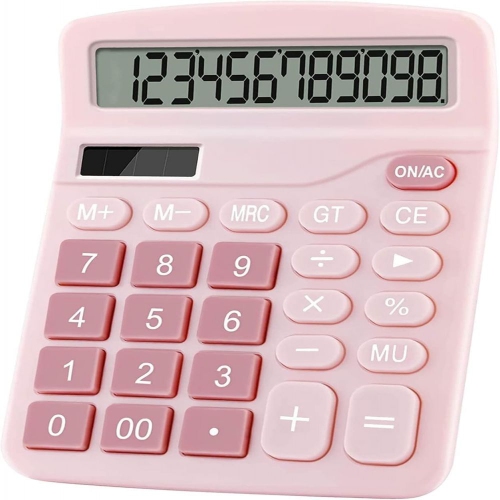
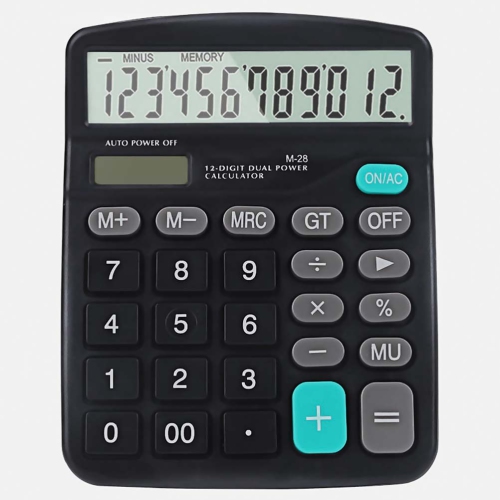
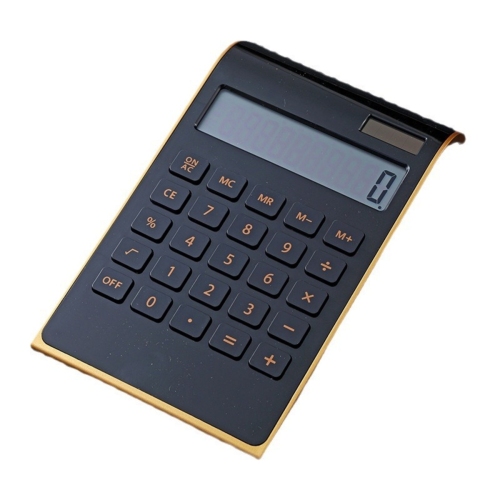
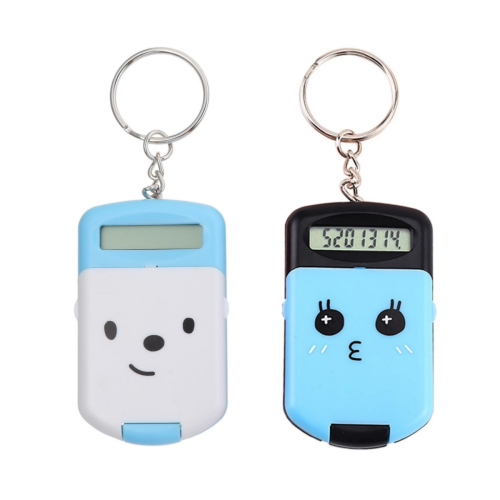
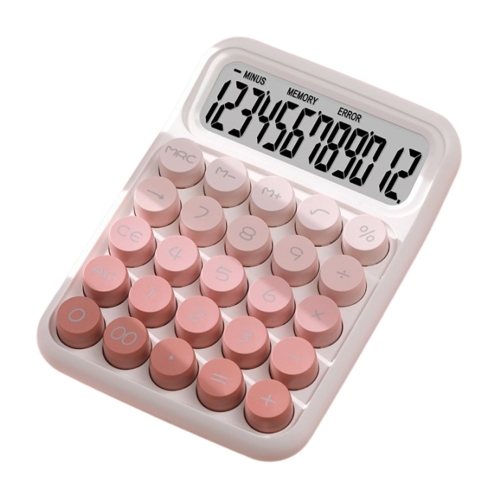
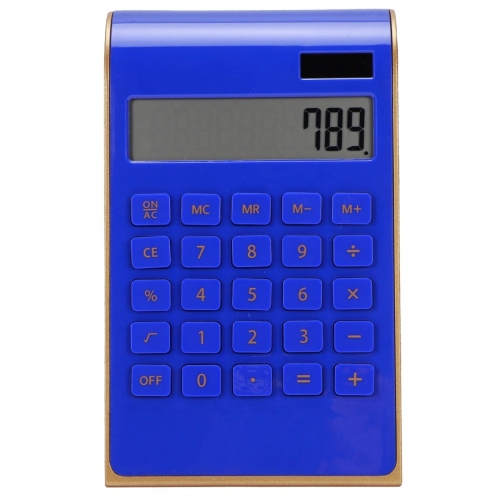
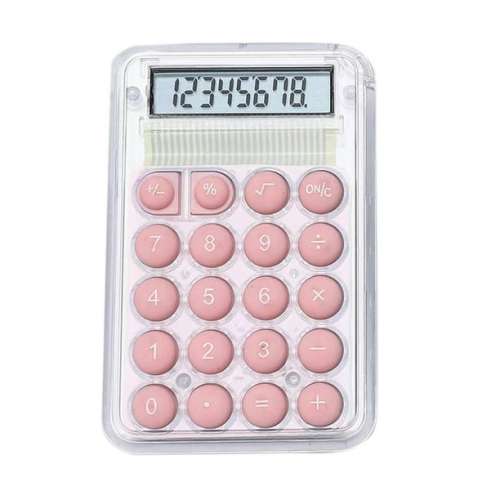
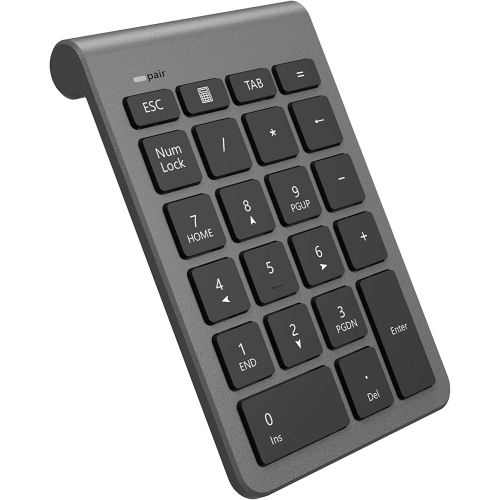
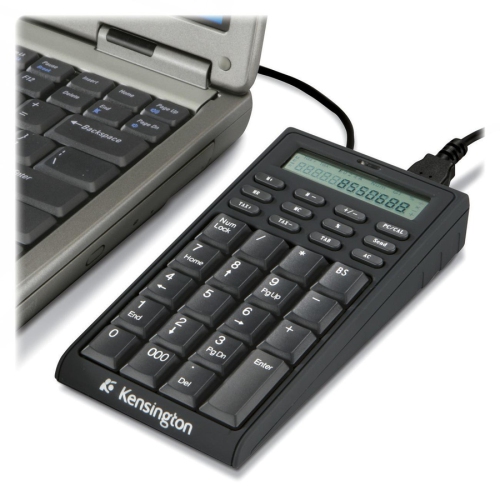
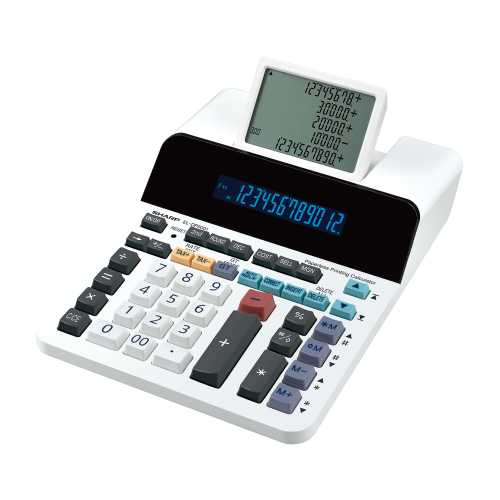
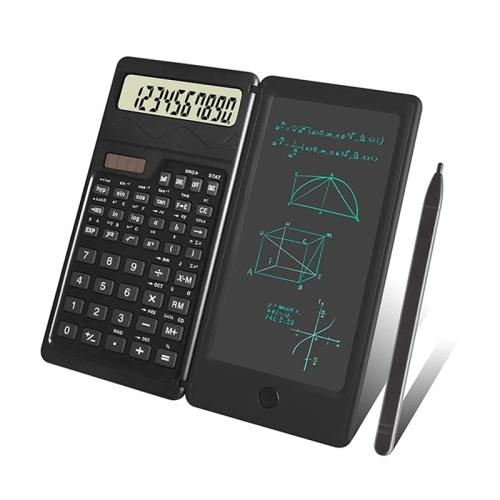
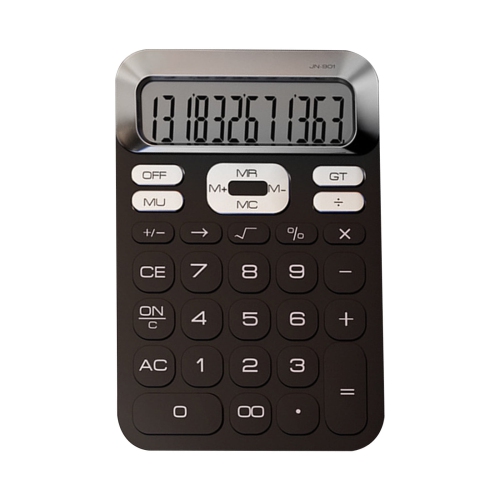
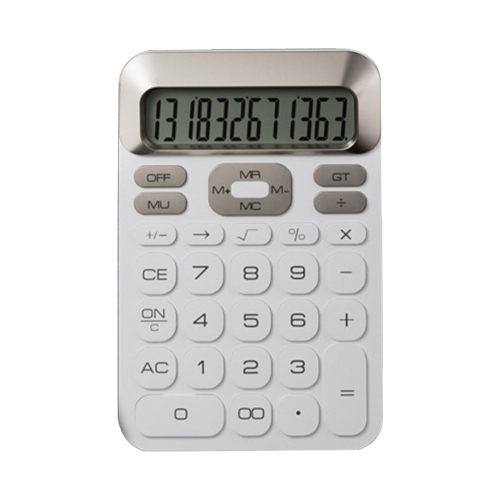
A practical companion for school, home, and everyday work
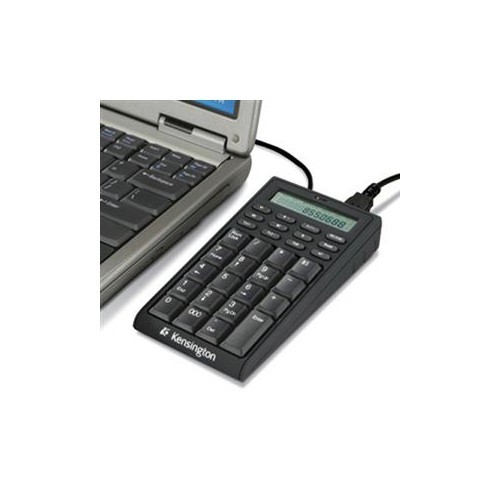
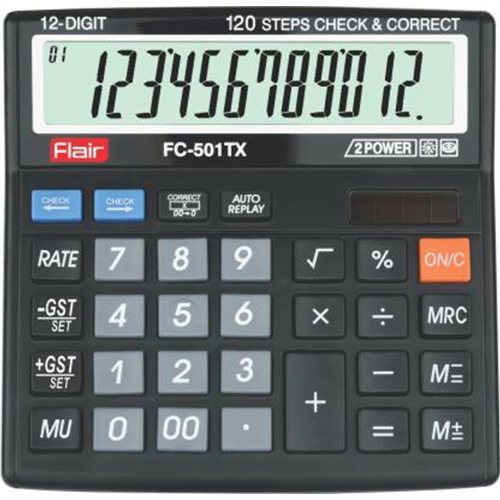
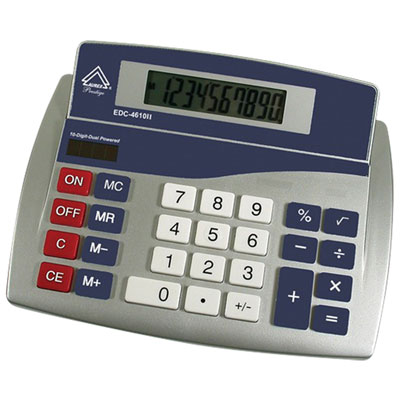
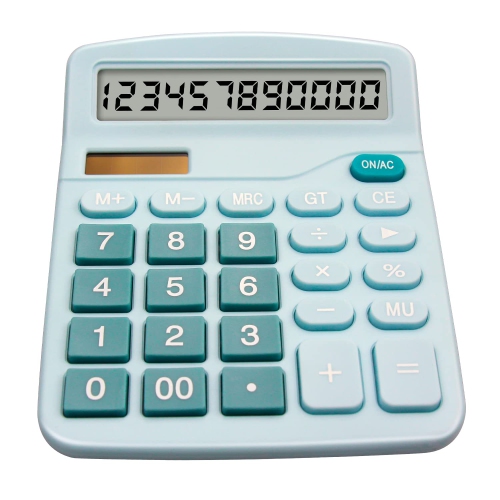
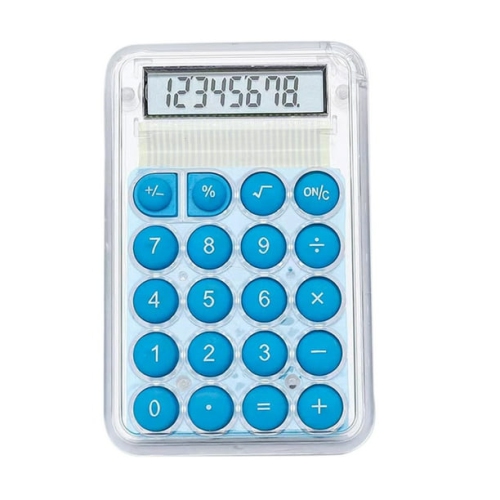
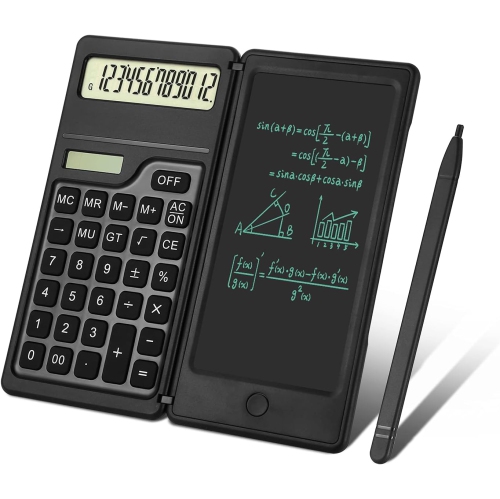
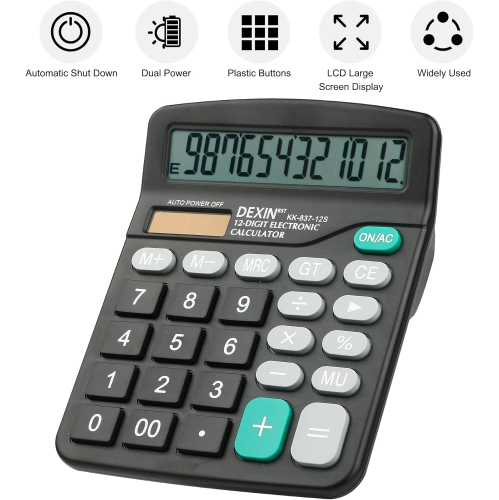
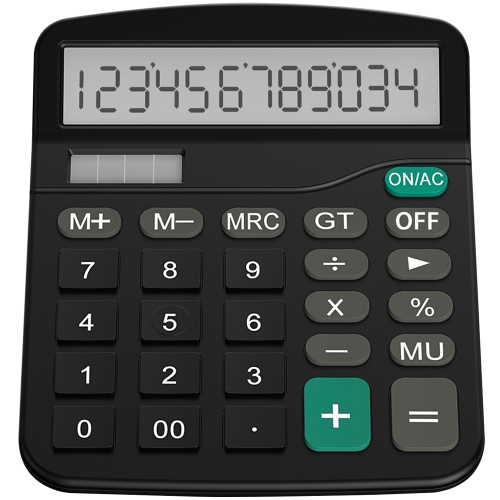
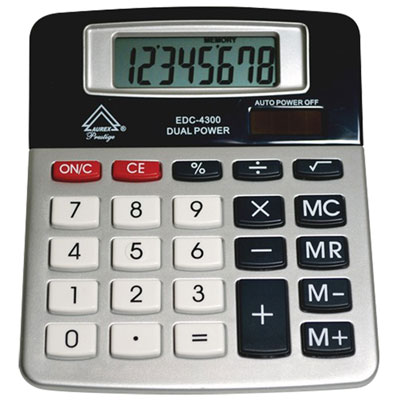
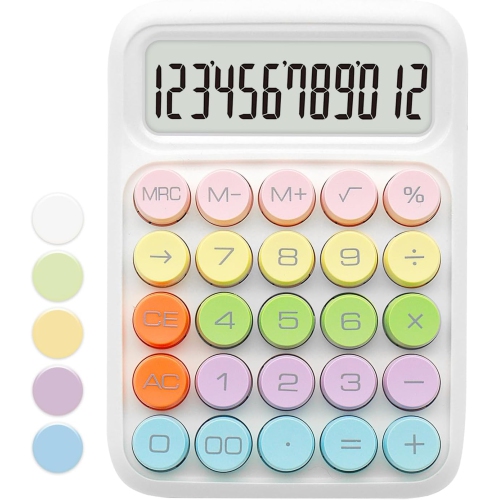
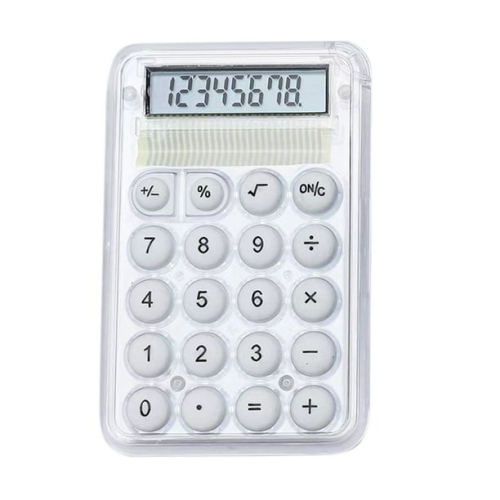
Basic calculators are practical tools for everyday number work, whether they sit beside a home computer, travel in a student’s backpack, or remain within reach at a reception desk. Designed for straightforward calculations, they typically handle addition, subtraction, multiplication, and division with clear, easy-to-read displays and simple keypad layouts. That uncomplicated design is part of their appeal: users can enter figures quickly without navigating menus, apps, notifications, or a learning curve. A basic calculator can be useful for checking a grocery total, splitting a restaurant bill, comparing prices, balancing a household budget, calculating change, or working through homework and classroom exercises. It can also be a dependable backup when a phone is charging, a laptop is being used for another task, or a busy workspace calls for a dedicated tool that can be picked up and used immediately. Students often appreciate having one for arithmetic practice and assignments, while parents may keep one in a kitchen drawer for recipes, measurements, and household planning. In an office, a calculator can help with invoices, order quantities, mileage totals, and quick estimates during a conversation, without interrupting the flow of work. At home, it is the sort of item that proves its value in small moments: checking a sale total, dividing shared expenses among friends, or confirming that a series of numbers has been entered correctly. For anyone who prefers a physical keypad and a focused display, a basic calculator offers a direct, familiar way to work with numbers.
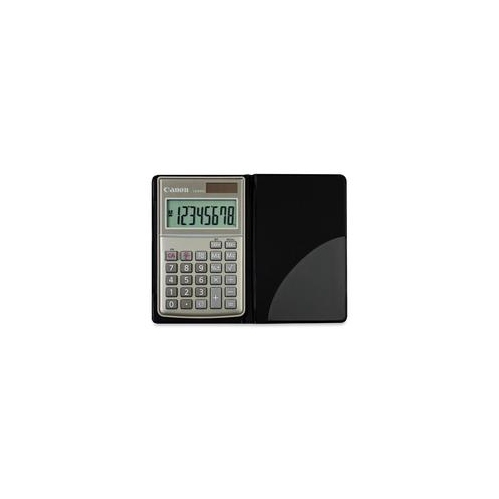
When choosing a basic calculator, start by thinking about where and how it will be used. A compact design is convenient for a pencil case, desk drawer, or mobile workstation, while a larger format can be more comfortable for frequent use and easier to read at a glance. Display size and contrast matter, particularly for users who spend time reviewing long totals or working in different lighting conditions. Key spacing is another useful consideration: well-spaced buttons can make data entry feel more natural and help reduce accidental presses, while raised or clearly marked keys provide helpful tactile feedback. Look for a layout that places the most frequently used operations in familiar positions, with a prominent equals key and an easy-to-find clear function. Some basic calculators include memory keys, percentage functions, sign-change keys, or a square-root function, which can make routine calculations more efficient without adding unnecessary complexity. Solar-assisted power can be convenient in a bright office or classroom, while battery operation provides dependable use in dimmer rooms, drawers, and travel bags; some models combine both approaches. A protective cover or sturdy casing may be worthwhile when the calculator will move between classrooms, worksites, or appointments. It is also helpful to consider whether the calculator will be shared. A classroom, community centre, small business, or family household may benefit from a durable, easy-to-understand model that different users can operate comfortably. Anyone who regularly needs more advanced mathematical, scientific, financial, or statistical functions may prefer to explore Complex Calculators, while users focused on everyday arithmetic may find that a basic model keeps the experience faster and more approachable. Reading the specifications before buying can help confirm the display type, power source, dimensions, included cover, and available functions, ensuring the calculator suits the intended setting rather than simply taking up space in a desk organizer.
Basic calculators can also make thoughtful gifts for students, new employees, home office users, teachers, tutors, and anyone settling into a new routine that involves regular number work. They are especially useful as part of a back-to-school supply kit, a study area refresh, or a practical office-care package, and they can be paired with notebooks, pens, folders, or a desk organizer without requiring a guess about personal style. A student preparing for a new course may appreciate a straightforward calculator that supports arithmetic practice without the distraction of a larger electronic device. Someone starting a small business or managing invoices from home may use one for quick totals while keeping spreadsheets open on a computer. Families may place one near a calendar and household bills so that calculations remain in one convenient spot, and older relatives may prefer a clearly labelled keypad that is easier to handle than a calculator app on a small screen. During the cooler months, when more planning and paperwork may happen indoors, a dedicated calculator can become part of a comfortable study nook, home office, or craft table. It may be used to calculate fabric quantities, compare project costs, portion recipes, track workout repetitions, or divide expenses for a group activity. The best choice depends on the user’s habits: a frequent traveller may favour a lightweight model, a teacher may prioritize visibility and durability, and a home user may prefer a wider display with an uncluttered layout. With the right combination of readability, responsive keys, useful functions, and convenient power, a basic calculator becomes a reliable little companion for school, work, household tasks, and the everyday decisions that are easier when the numbers are right in front of you.
When choosing a basic calculator, start by thinking about where and how it will be used. A compact design is convenient for a pencil case, desk drawer, or mobile workstation, while a larger format can be more comfortable for frequent use and easier to read at a glance. Display size and contrast matter, particularly for users who spend time reviewing long totals or working in different lighting conditions. Key spacing is another useful consideration: well-spaced buttons can make data entry feel more natural and help reduce accidental presses, while raised or clearly marked keys provide helpful tactile feedback. Look for a layout that places the most frequently used operations in familiar positions, with a prominent equals key and an easy-to-find clear function. Some basic calculators include memory keys, percentage functions, sign-change keys, or a square-root function, which can make routine calculations more efficient without adding unnecessary complexity. Solar-assisted power can be convenient in a bright office or classroom, while battery operation provides dependable use in dimmer rooms, drawers, and travel bags; some models combine both approaches. A protective cover or sturdy casing may be worthwhile when the calculator will move between classrooms, worksites, or appointments. It is also helpful to consider whether the calculator will be shared. A classroom, community centre, small business, or family household may benefit from a durable, easy-to-understand model that different users can operate comfortably. Anyone who regularly needs more advanced mathematical, scientific, financial, or statistical functions may prefer to explore Complex Calculators, while users focused on everyday arithmetic may find that a basic model keeps the experience faster and more approachable. Reading the specifications before buying can help confirm the display type, power source, dimensions, included cover, and available functions, ensuring the calculator suits the intended setting rather than simply taking up space in a desk organizer.
Basic calculators can also make thoughtful gifts for students, new employees, home office users, teachers, tutors, and anyone settling into a new routine that involves regular number work. They are especially useful as part of a back-to-school supply kit, a study area refresh, or a practical office-care package, and they can be paired with notebooks, pens, folders, or a desk organizer without requiring a guess about personal style. A student preparing for a new course may appreciate a straightforward calculator that supports arithmetic practice without the distraction of a larger electronic device. Someone starting a small business or managing invoices from home may use one for quick totals while keeping spreadsheets open on a computer. Families may place one near a calendar and household bills so that calculations remain in one convenient spot, and older relatives may prefer a clearly labelled keypad that is easier to handle than a calculator app on a small screen. During the cooler months, when more planning and paperwork may happen indoors, a dedicated calculator can become part of a comfortable study nook, home office, or craft table. It may be used to calculate fabric quantities, compare project costs, portion recipes, track workout repetitions, or divide expenses for a group activity. The best choice depends on the user’s habits: a frequent traveller may favour a lightweight model, a teacher may prioritize visibility and durability, and a home user may prefer a wider display with an uncluttered layout. With the right combination of readability, responsive keys, useful functions, and convenient power, a basic calculator becomes a reliable little companion for school, work, household tasks, and the everyday decisions that are easier when the numbers are right in front of you.
Top selling and popular products
-
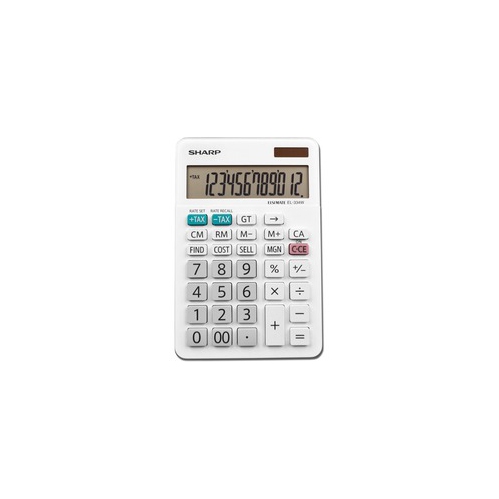 Your price for this item is $17.99
 -
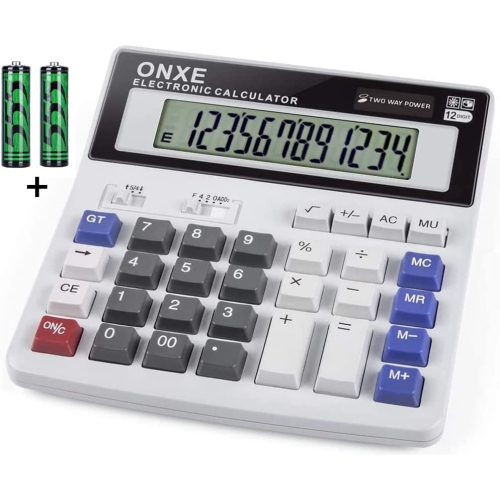 Your price for this item is $49.96
 -
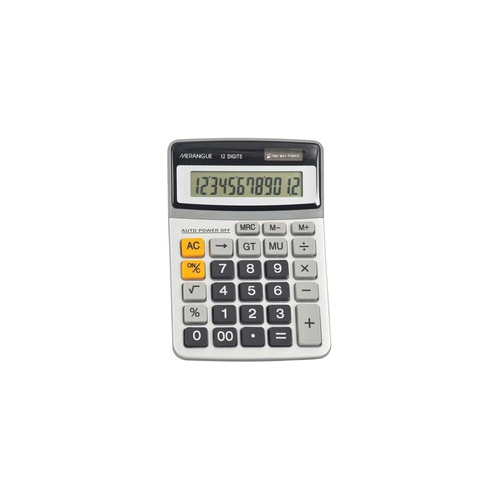 Your price for this item is $6.99
 -
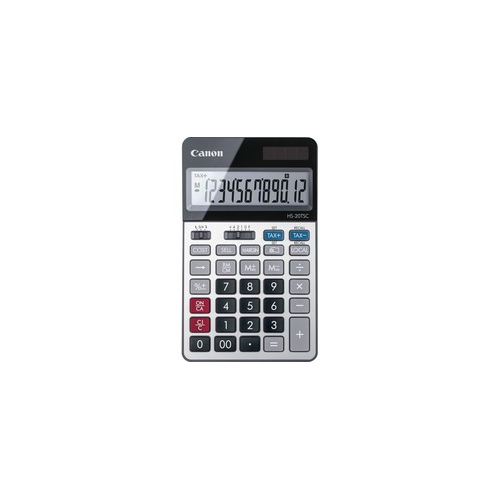 Your price for this item is $16.99
 -
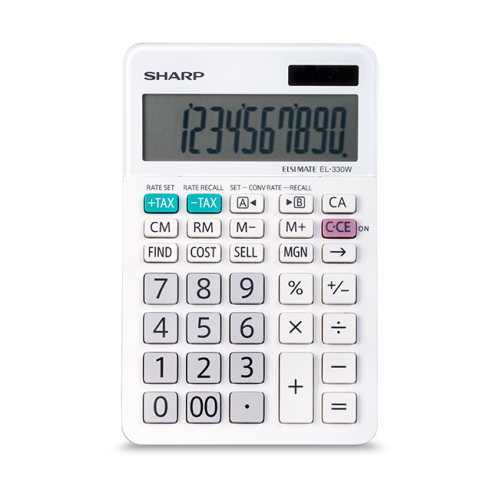 Your price for this item is $28.68
 -
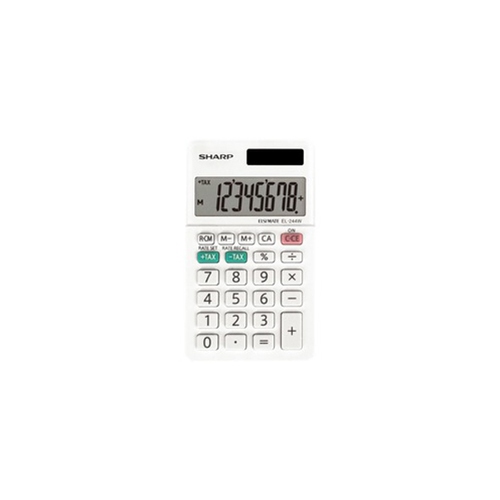 Your price for this item is $7.99
 -
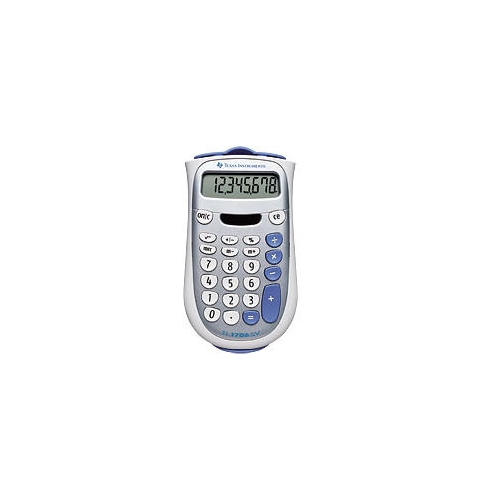 Your price for this item is $19.99
 -
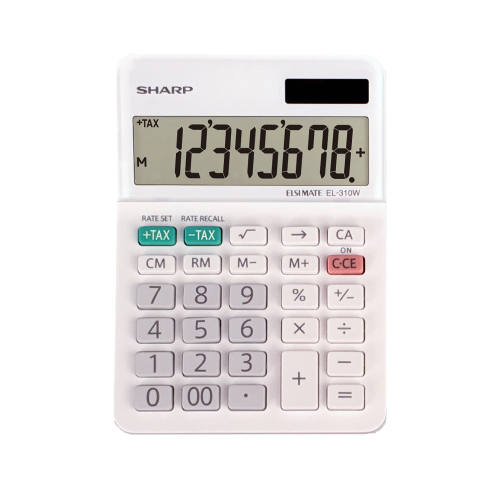 Your price for this item is $11.99
Discover more categories related to Basic Calculators
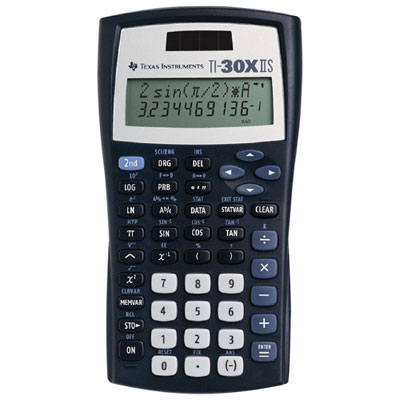
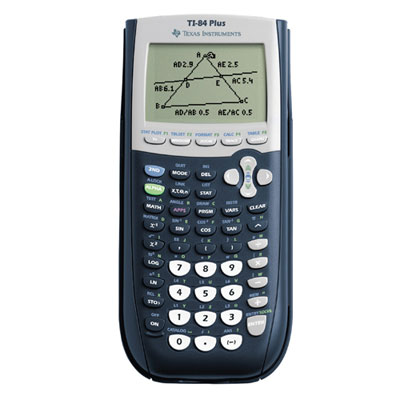
Top Collections:
Pokemon Centers, Kindle Devices, Best Budget Office Chairs, Apple iPhones 16, Best Laptops for Writers, iPhone 15 Apple, Canon G7X Cameras, Refurbished Apple Laptops, Alarm Clock, Motorola Razr Phones
Some products may be subject to Environmental Handling Fees
(EHF) depending on your province.
Learn more about EHFs.