Binding Tools
Whether you're a student, professional, or DIY enthusiast, having the right binding tools can make all the difference in organizing and presenting your important documents. From sleek and professional-looking reports to neatly bound personal projects, our selection of binding tools has everything you need to achieve a polished finish. With a variety of options available, you can easily find the perfect binding tool to suit your specific needs and preferences. Explore our collection today and discover the convenience and versatility that these essential tools bring to your document binding tasks.
Sort


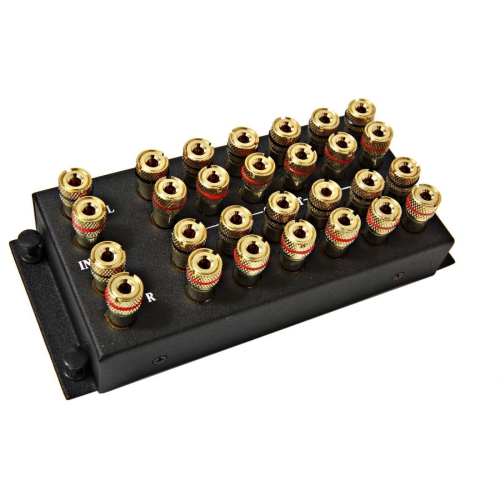
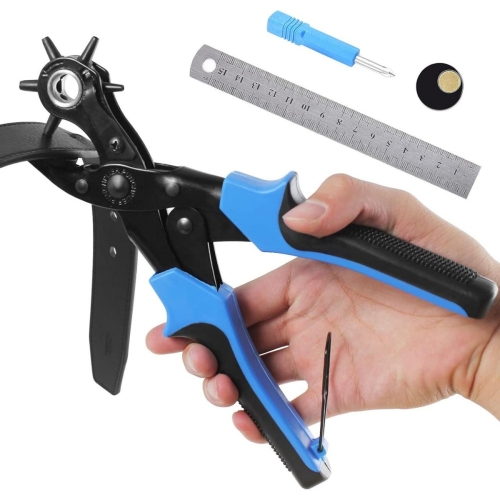
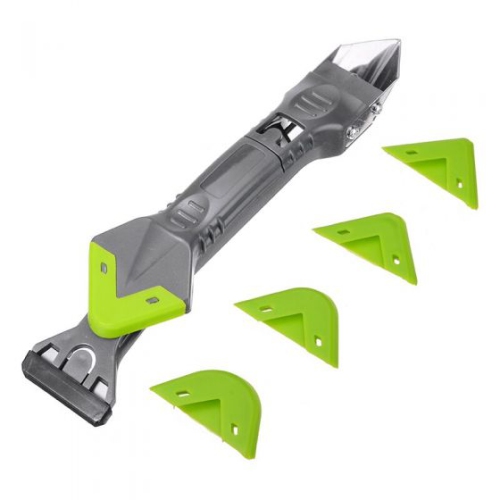
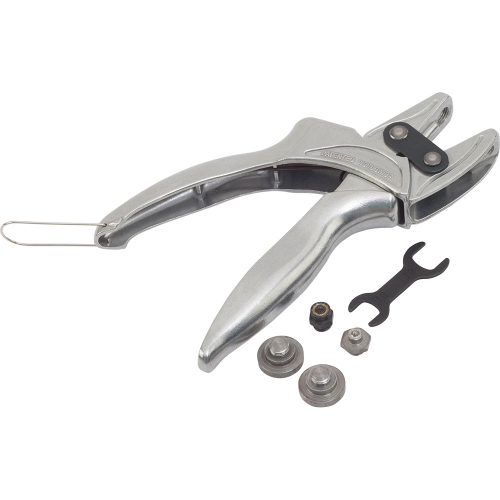
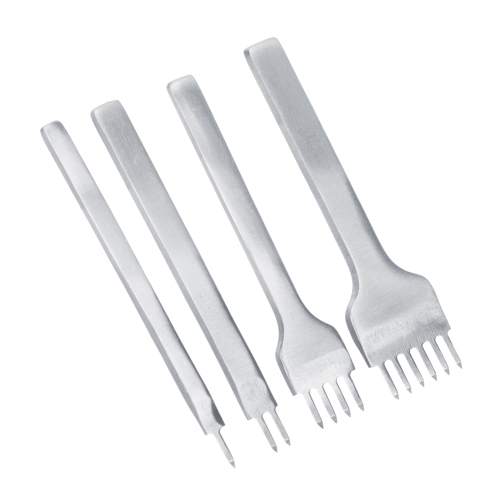
![ALBERTATECH [Five Speaker] Home Theater Wall Plate - Premium Quality Plated Copcooper Banana Binding Post Coupler Type In Gold](https://multimedia.bbycastatic.ca/multimedia/products/500x500/160/16089/16089176.jpeg)
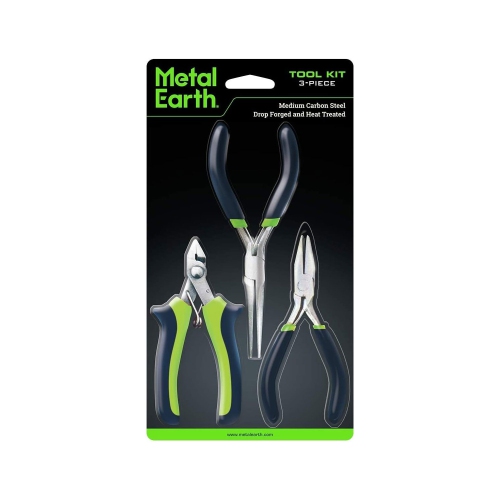
Cleaner finishes for quilts and polished paper documents
Binding tools are designed to make the final stages of a project more accurate, tidy, and repeatable, whether you are finishing a quilt or assembling professional-looking documents. In quilting, a binding tool is typically an acrylic guide used to measure, mark, and trim the two tails of quilt binding so they meet with a smooth, nearly invisible join. This small step can make a noticeable difference: instead of overlapping bulky fabric or guessing where to cut, you can follow clear reference lines and create a consistent seam allowance. Many quilters attach the binding around the quilt edge first, leaving an opening of approximately 12 inches between the starting and ending points. Once the binding is stitched in place, the tails can be laid flat, measured against the guide, and marked according to the tool’s instructions. One end is cut or marked in the first position, then the tool is rotated or flipped to align the second tail. After trimming, the ends are joined with a standard 1/4-inch seam before the binding is sewn closed and finished by hand or machine. The result is a flatter, cleaner transition that helps the binding sit neatly around the quilt. This type of tool can be particularly helpful for quilters who are learning how to finish their first quilt, working with a patterned fabric where an uneven join is easy to notice, or completing several projects with different fabric widths. It also suits experienced makers who prefer dependable measurements over repeated trial and error. When choosing a quilting binding tool, consider the size and readability of its markings, the clarity of its printed instructions, the durability of the acrylic, and whether it is suitable for the binding width used in your projects. A transparent guide makes it easier to see the stitch line and fabric beneath it, while clearly marked seam and cut lines can help reduce mistakes when working with small tails or tightly woven fabrics. Keeping the tool alongside a rotary cutter, quilting ruler, fabric marker, and cutting mat can create a practical setup for finishing quilts, placemats, table runners, mug rugs, and other sewn projects.
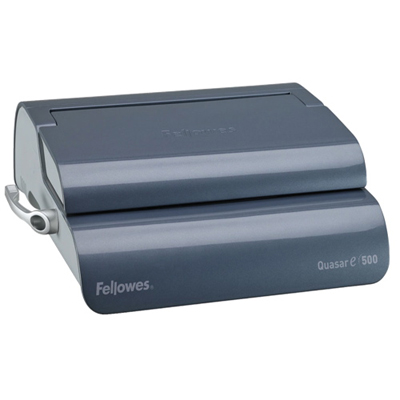
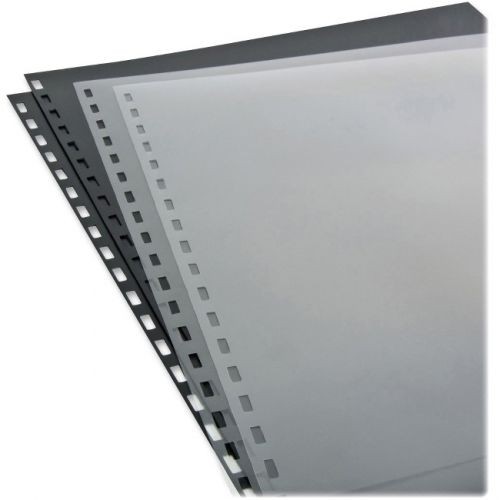
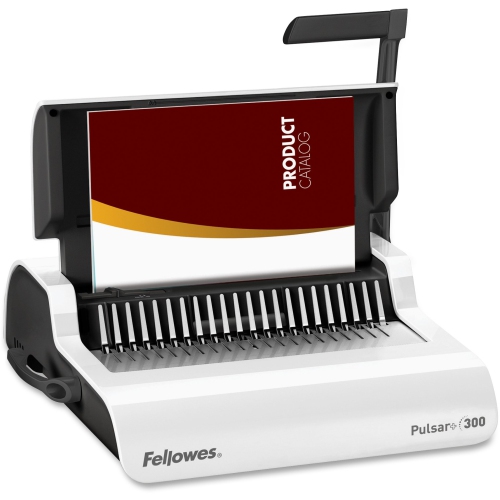
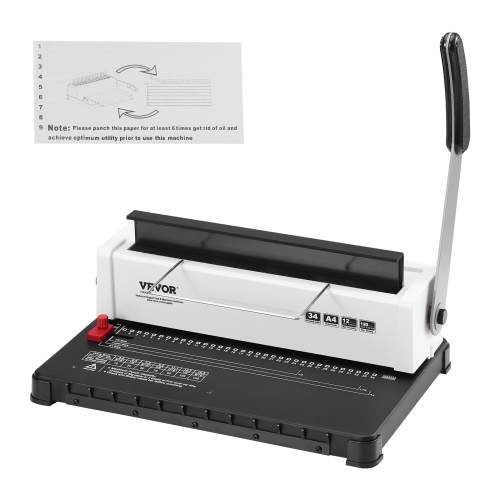
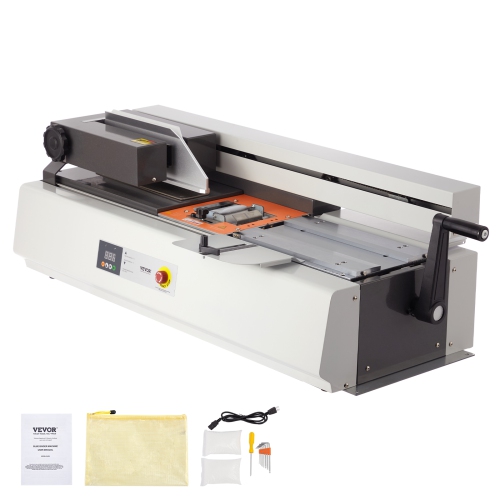
Binding tools can also refer to equipment used to assemble paper documents, presentations, reports, recipe collections, school projects, and small booklets. Office binding machines generally work by punching holes in a stack of pages and securing them with a spine, or by applying heat to seal pages into a cover. Comb-style systems are useful when pages may need to be added, removed, or rearranged later, making them a practical choice for training materials, reference documents, and working drafts. Thermal systems create a more book-like finish and can be well suited to polished reports, portfolios, and keepsake documents that are intended to stay together. Before selecting an office binding tool, think about the typical paper size, the number of pages handled in one session, the thickness of the covers, and the type of finish you want. Punch capacity is important when binding larger stacks, while adjustable margins and selectable punching patterns can make the tool more versatile across different formats. It is also worth considering the size of the machine and the space available on a desk or worktable, particularly if it will be stored between projects. For a home office, classroom, studio, or small business, a binding tool can turn loose pages into an organised document that is easier to transport, present, and store. Look for compatible spines, covers, and other supplies so the binding system can support the documents you create most often. People who enjoy planning, crafting, teaching, or organising may appreciate binding tools as useful gifts, especially when paired with paper, covers, fabric, or other project materials. They can help bring a little order to a crowded worktable: a stack of printed pages becomes a presentation-ready booklet, while fabric strips and a quilt top move closer to a finished piece. For additional equipment used in workshops, studios, and practical workspaces, explore Trade Tools.
The best binding tool depends on the material being joined and the kind of finish you want to achieve. Quilting templates are focused on precision at corners, seams, and binding tails, so transparent construction, accurate markings, and comfortable handling are key considerations. Some compact templates are made for mitered corners on smaller projects such as mug rugs and placemats, helping you form crisp turns without repeatedly measuring each edge. Document binders, by contrast, should be selected according to page capacity, binding method, operating controls, and the availability of matching supplies. For either type, clear instructions can be valuable, particularly when a tool uses a specific alignment method or requires the material to be positioned in a certain direction. A little preparation also improves results: press quilt binding before joining it, keep fabric edges even, remove loose threads, and test a new template on a scrap piece before using it on a finished project. For paper documents, collate pages carefully, check that covers are aligned, and avoid exceeding the recommended capacity. During the cooler months, binding tools can be a welcome addition to an indoor craft area, study space, home office, or shared family workspace, providing a practical way to spend time on hands-on projects and bring unfinished ideas to completion. Whether you are completing a meaningful quilt, preparing a presentation, assembling classroom materials, or organising pages for long-term reference, the right binding tool helps create a cleaner edge, a stronger presentation, and a more satisfying finished result.
Binding tools can also refer to equipment used to assemble paper documents, presentations, reports, recipe collections, school projects, and small booklets. Office binding machines generally work by punching holes in a stack of pages and securing them with a spine, or by applying heat to seal pages into a cover. Comb-style systems are useful when pages may need to be added, removed, or rearranged later, making them a practical choice for training materials, reference documents, and working drafts. Thermal systems create a more book-like finish and can be well suited to polished reports, portfolios, and keepsake documents that are intended to stay together. Before selecting an office binding tool, think about the typical paper size, the number of pages handled in one session, the thickness of the covers, and the type of finish you want. Punch capacity is important when binding larger stacks, while adjustable margins and selectable punching patterns can make the tool more versatile across different formats. It is also worth considering the size of the machine and the space available on a desk or worktable, particularly if it will be stored between projects. For a home office, classroom, studio, or small business, a binding tool can turn loose pages into an organised document that is easier to transport, present, and store. Look for compatible spines, covers, and other supplies so the binding system can support the documents you create most often. People who enjoy planning, crafting, teaching, or organising may appreciate binding tools as useful gifts, especially when paired with paper, covers, fabric, or other project materials. They can help bring a little order to a crowded worktable: a stack of printed pages becomes a presentation-ready booklet, while fabric strips and a quilt top move closer to a finished piece. For additional equipment used in workshops, studios, and practical workspaces, explore Trade Tools.
The best binding tool depends on the material being joined and the kind of finish you want to achieve. Quilting templates are focused on precision at corners, seams, and binding tails, so transparent construction, accurate markings, and comfortable handling are key considerations. Some compact templates are made for mitered corners on smaller projects such as mug rugs and placemats, helping you form crisp turns without repeatedly measuring each edge. Document binders, by contrast, should be selected according to page capacity, binding method, operating controls, and the availability of matching supplies. For either type, clear instructions can be valuable, particularly when a tool uses a specific alignment method or requires the material to be positioned in a certain direction. A little preparation also improves results: press quilt binding before joining it, keep fabric edges even, remove loose threads, and test a new template on a scrap piece before using it on a finished project. For paper documents, collate pages carefully, check that covers are aligned, and avoid exceeding the recommended capacity. During the cooler months, binding tools can be a welcome addition to an indoor craft area, study space, home office, or shared family workspace, providing a practical way to spend time on hands-on projects and bring unfinished ideas to completion. Whether you are completing a meaningful quilt, preparing a presentation, assembling classroom materials, or organising pages for long-term reference, the right binding tool helps create a cleaner edge, a stronger presentation, and a more satisfying finished result.
Top selling and popular products
-
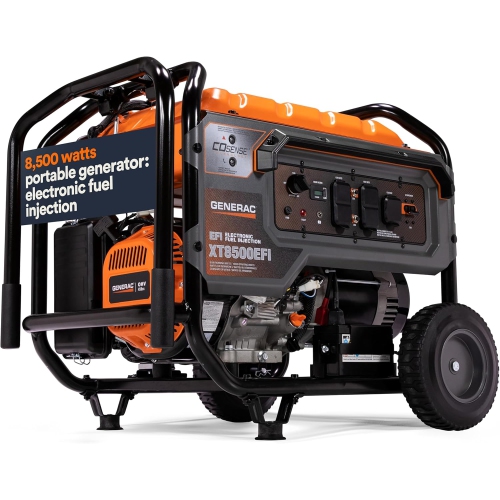 Your price for this item is $3000
 -
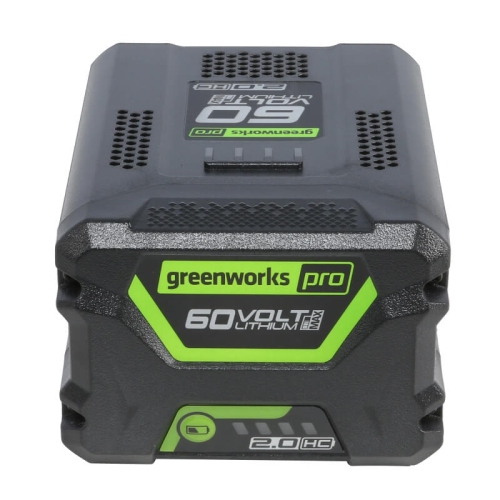 Your price for this item is $124.45
 -
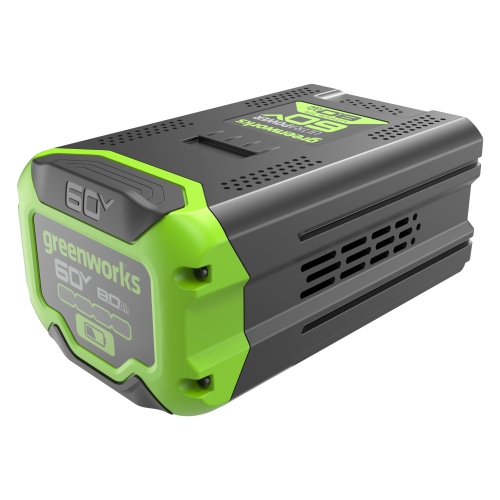 Your price for this item is $329.99
 -
 Your price for this item is $139.99
 -
 Your price for this item is $264
 -
 Your price for this item is $217.55
 -
 Your price for this item is $739.99
 -
 Your price for this item is $599.99
Discover more categories related to Binding Tools
Top Collections:
Pokemon Centers, Kindle Devices, Best Budget Office Chairs, Apple iPhones 16, Best Laptops for Writers, iPhone 15 Apple, Canon G7X Cameras, Refurbished Apple Laptops, Alarm Clock, Motorola Razr Phones
Some products may be subject to Environmental Handling Fees
(EHF) depending on your province.
Learn more about EHFs.