Building Tools
Whether you're a seasoned professional or a DIY enthusiast, having the right building tools is essential for any construction project. From hammers and screwdrivers to power drills and saws, our selection of high-quality building tools will help you tackle any job with precision and efficiency. Explore our range of tools designed to meet the needs of contractors, carpenters, plumbers, electricians, and hobbyists alike. Find everything you need to build, repair, or renovate your space with confidence and ease.
Sort
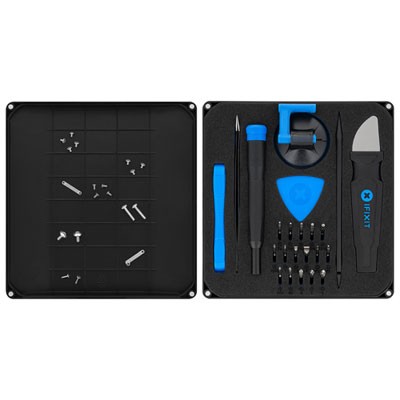
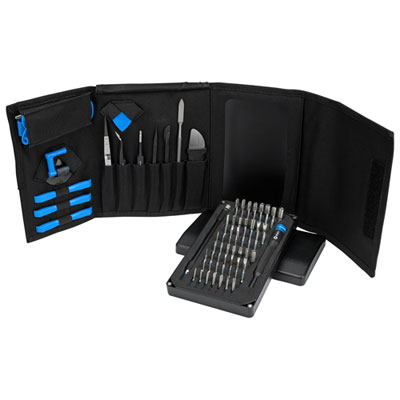
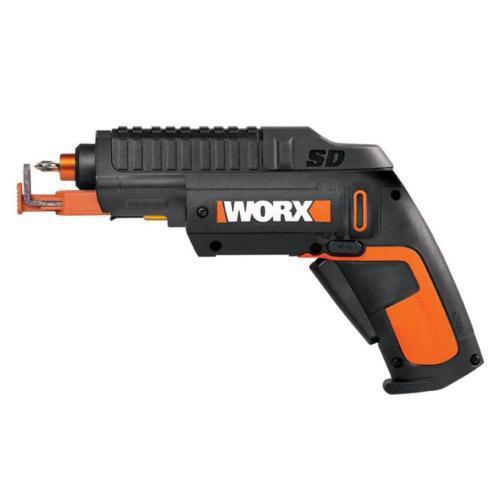
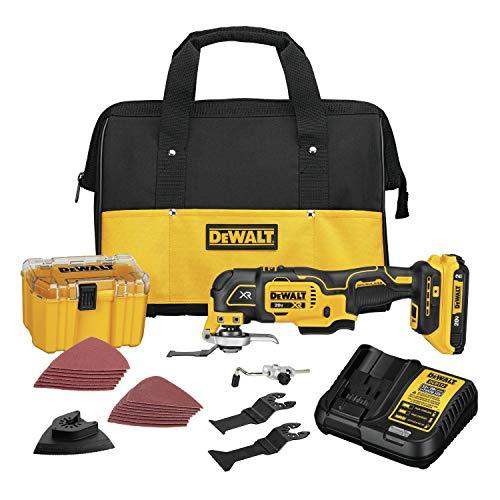
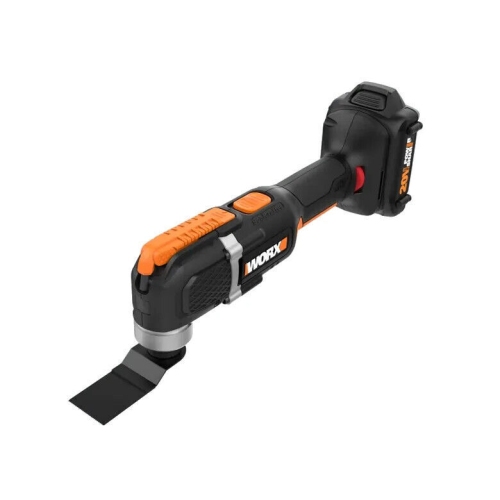

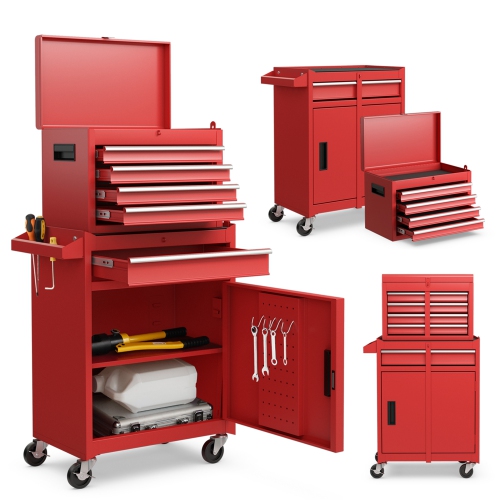

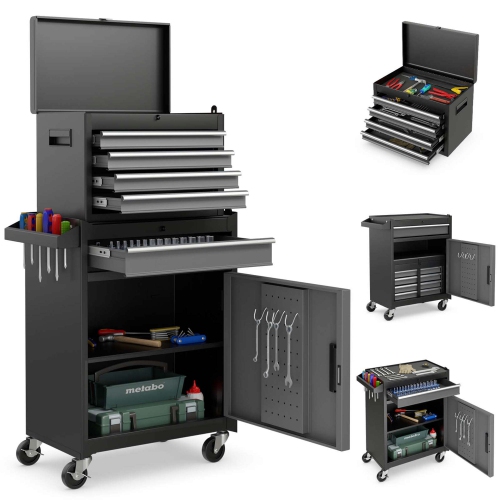
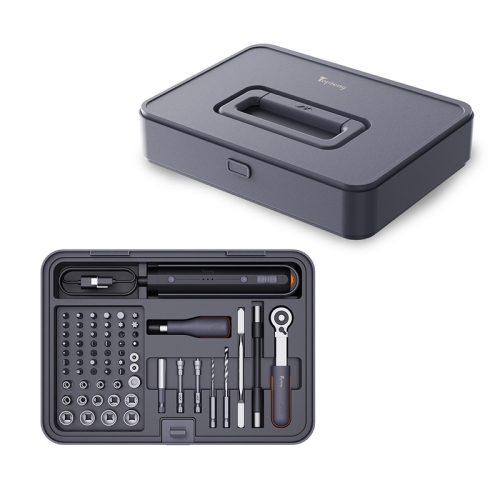
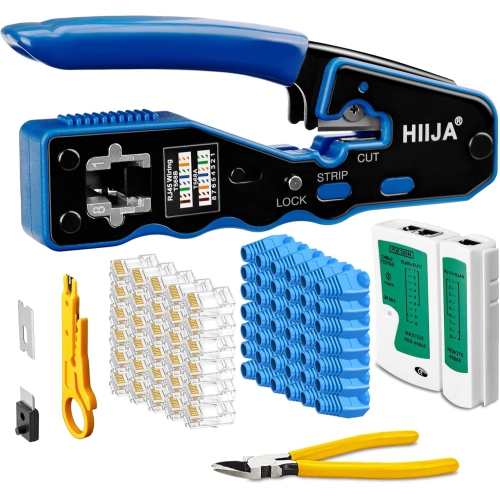

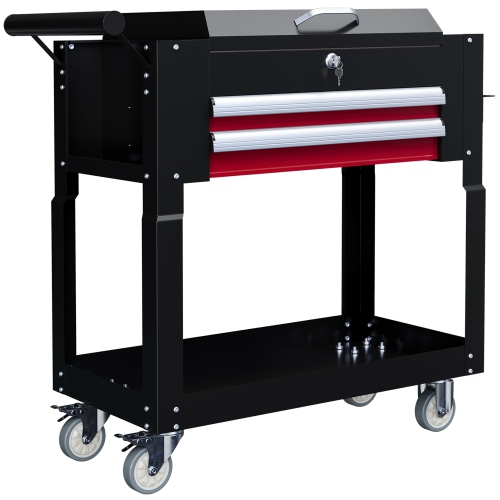
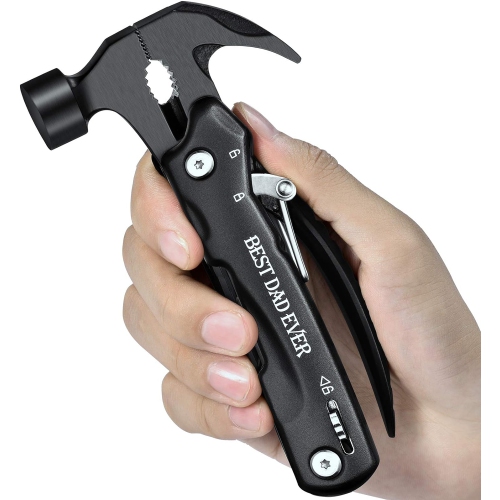
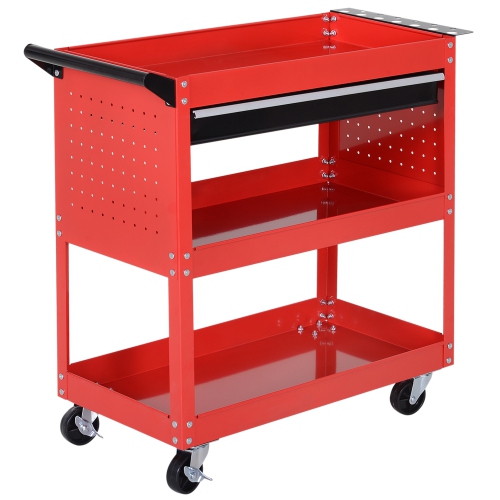
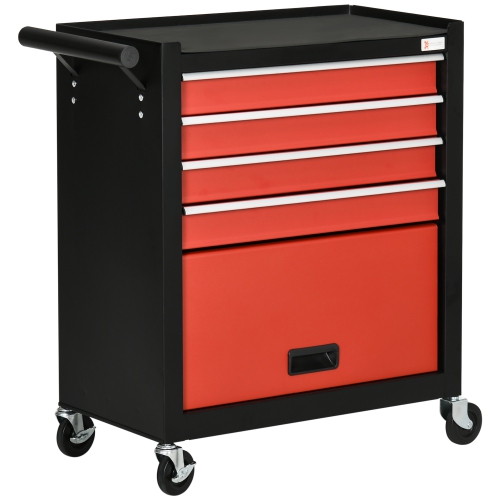
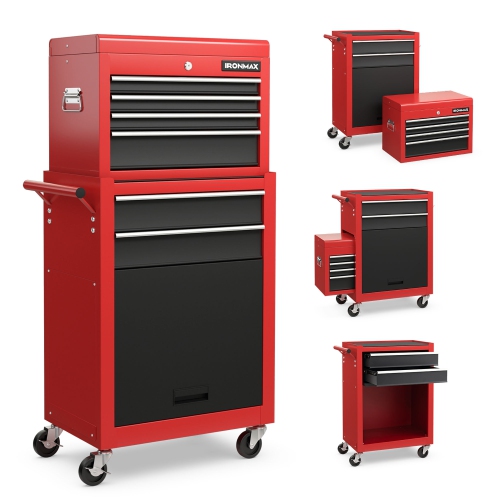
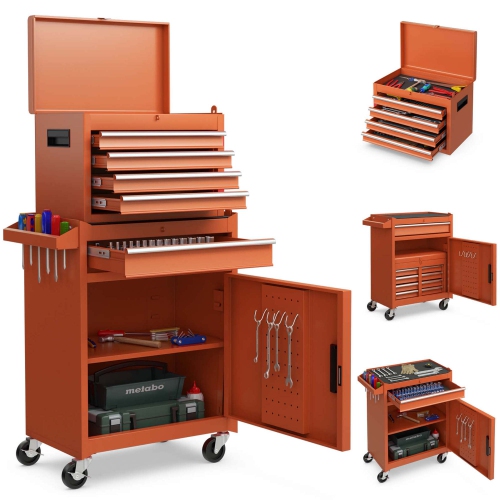
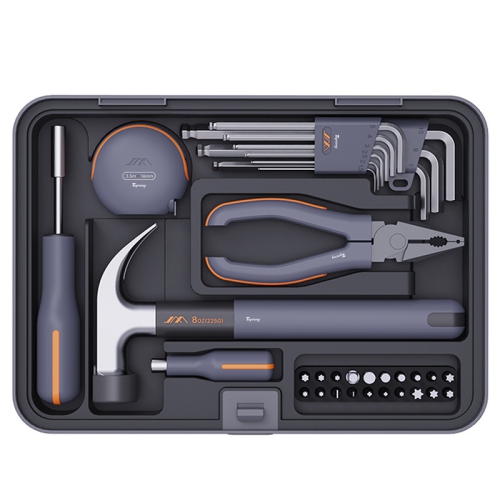
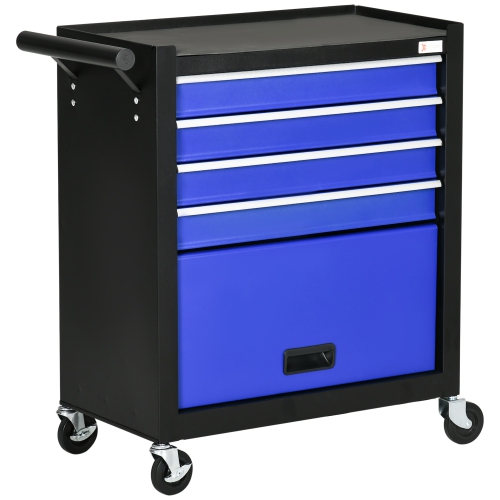
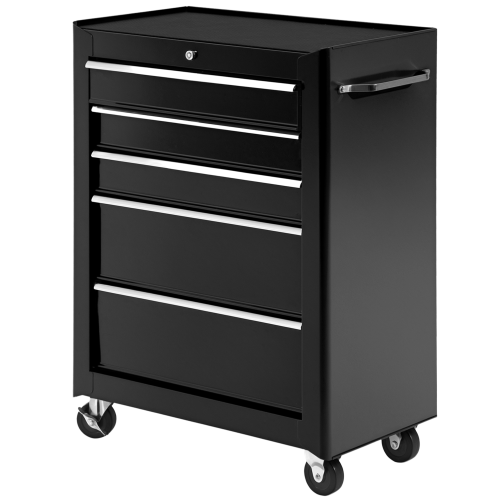
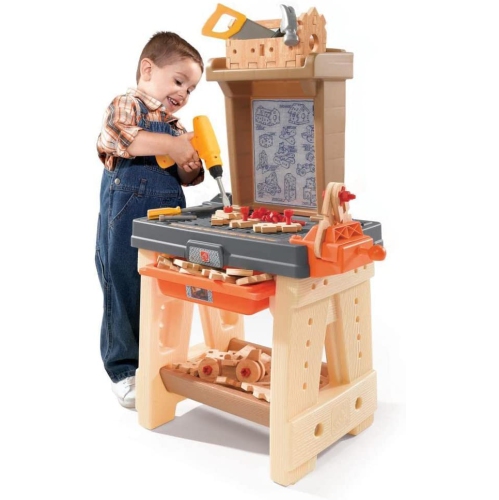
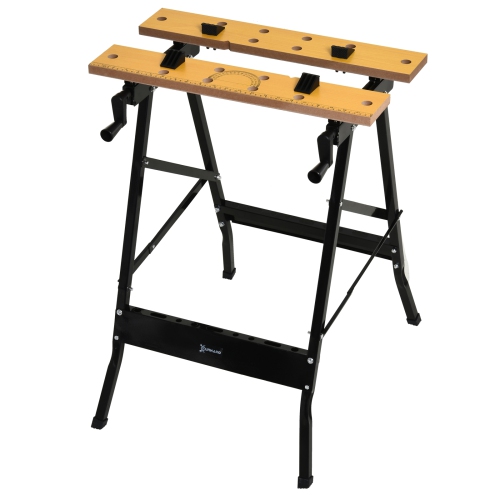
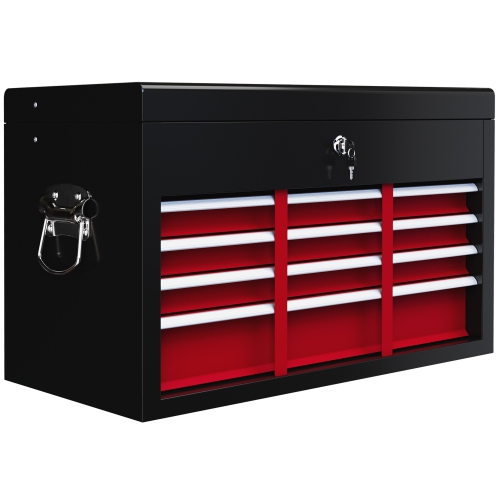
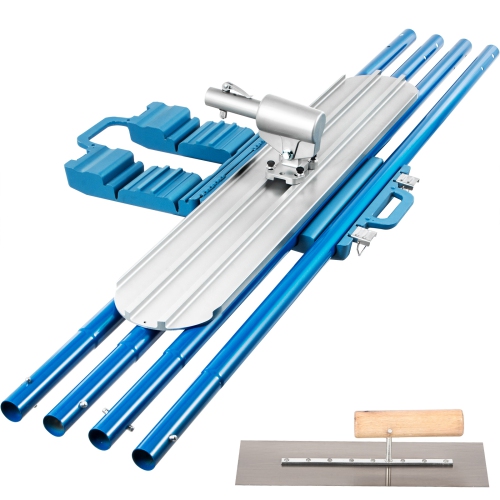
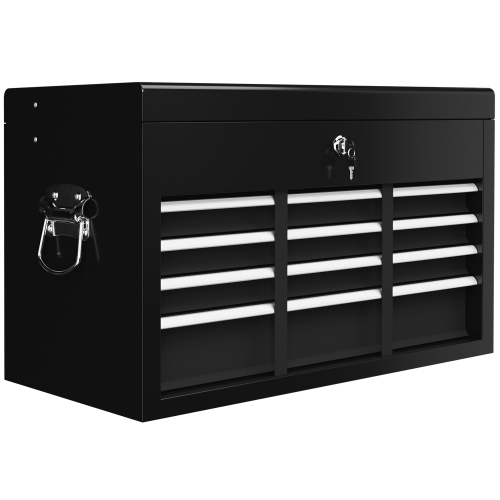
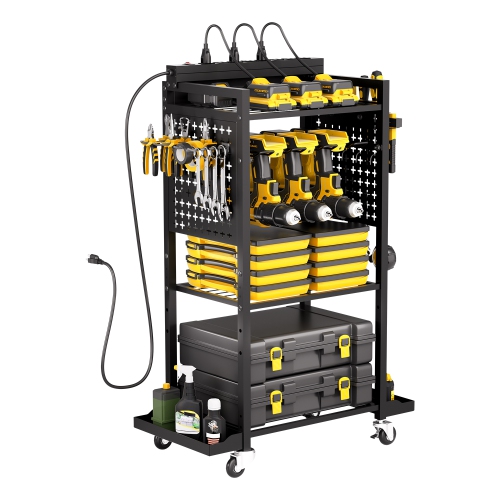
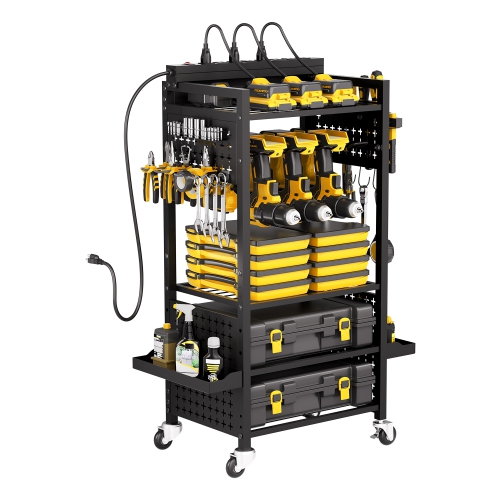
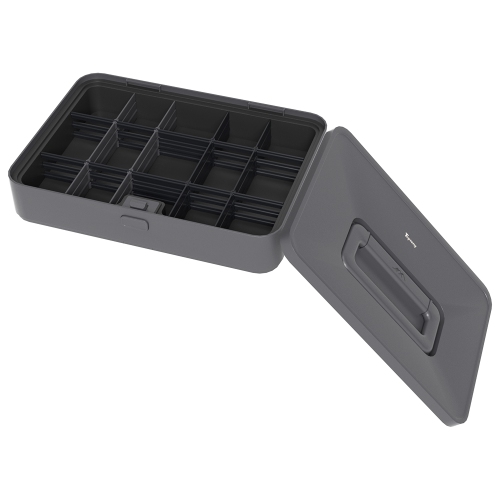

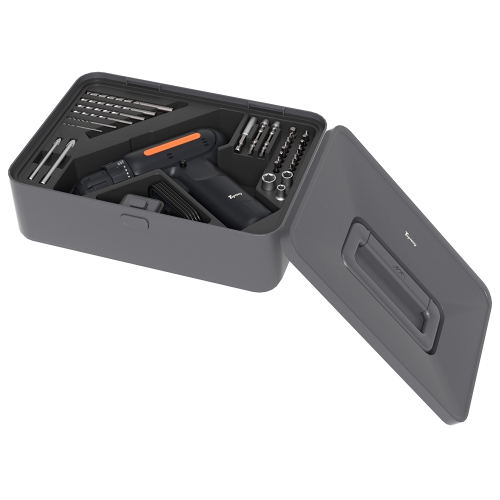
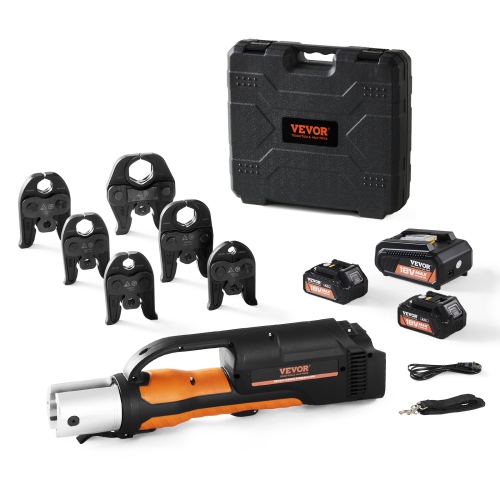
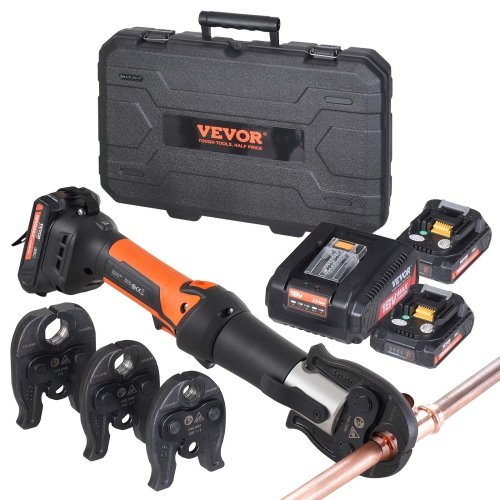
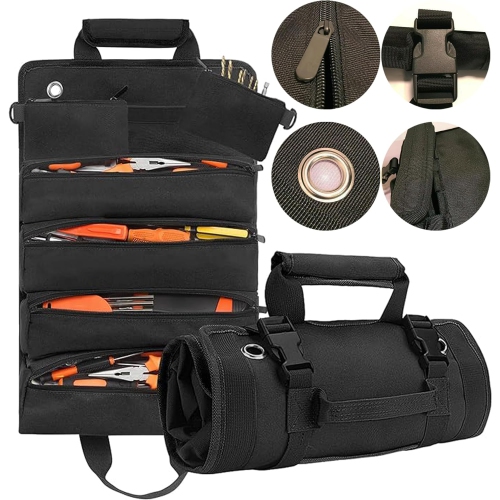
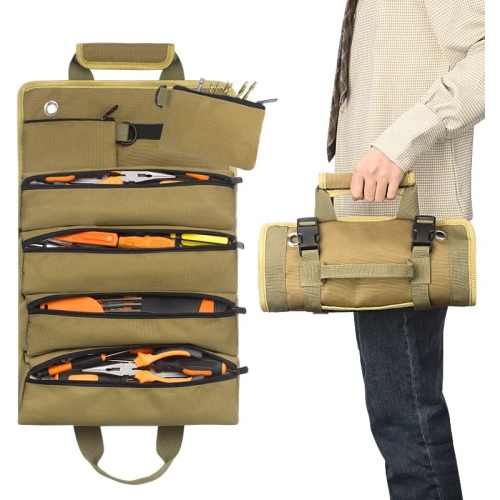
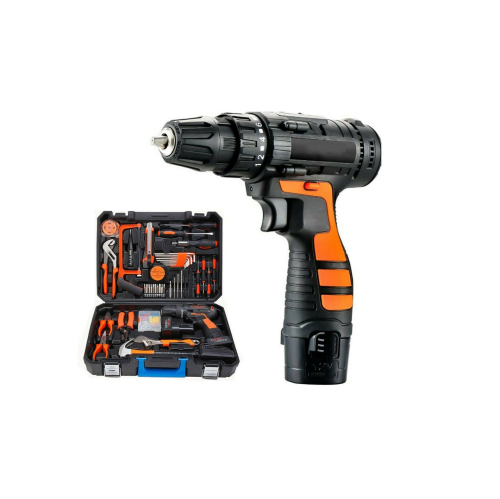
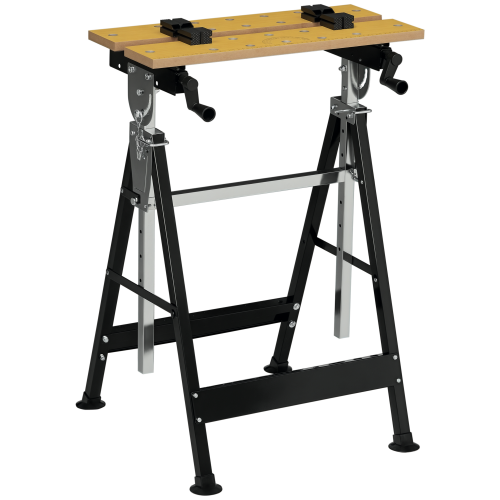
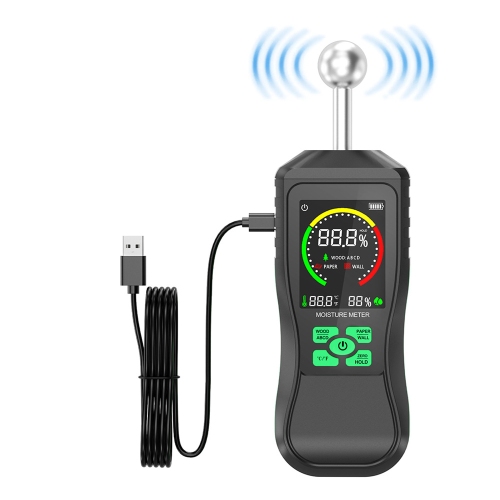
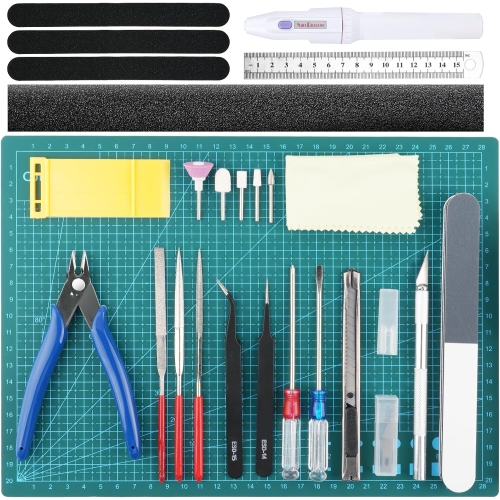
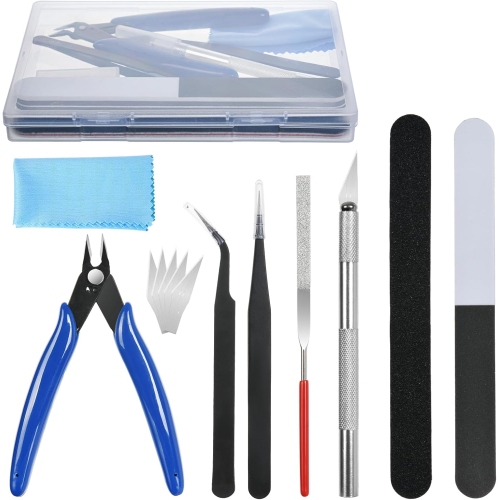
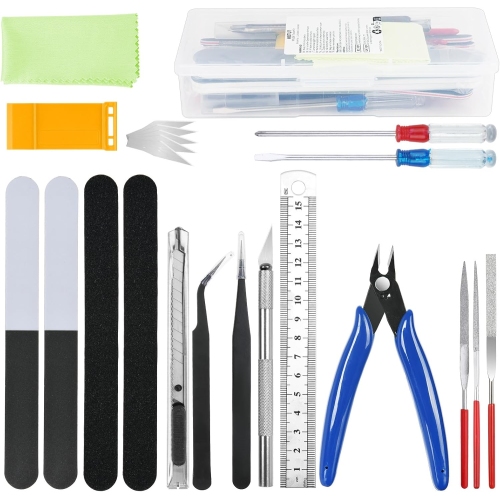
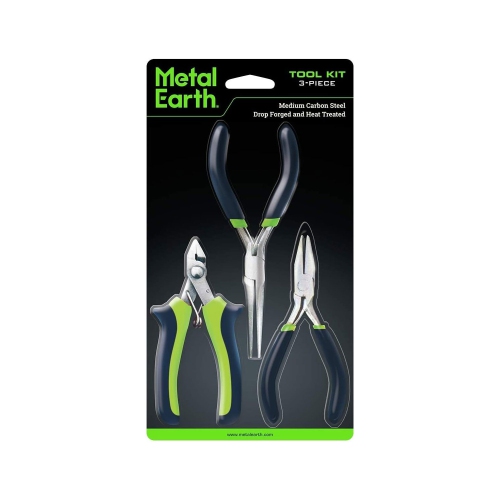
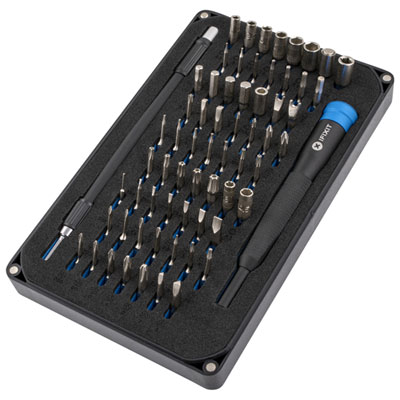


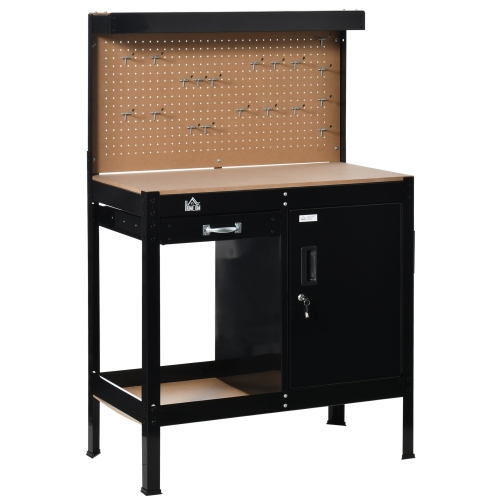
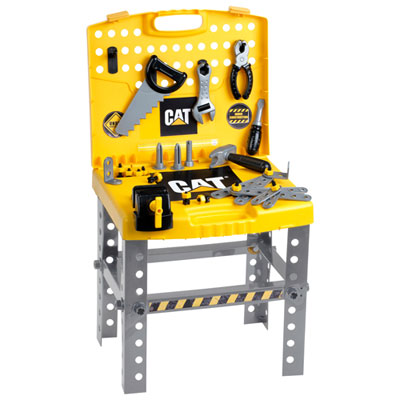
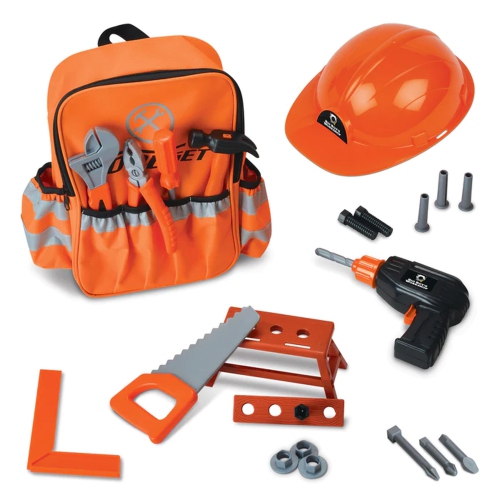

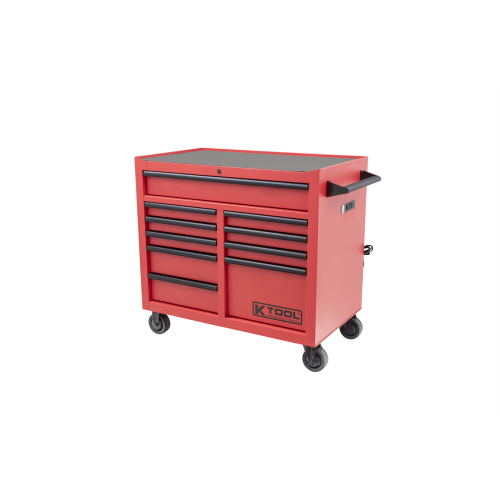

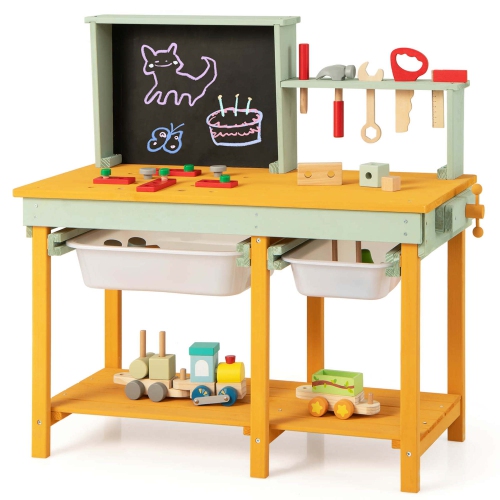
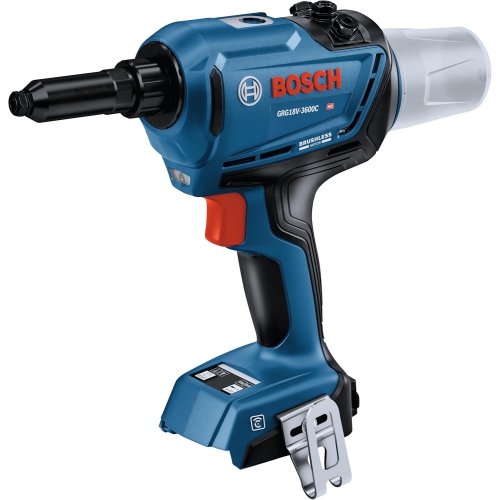
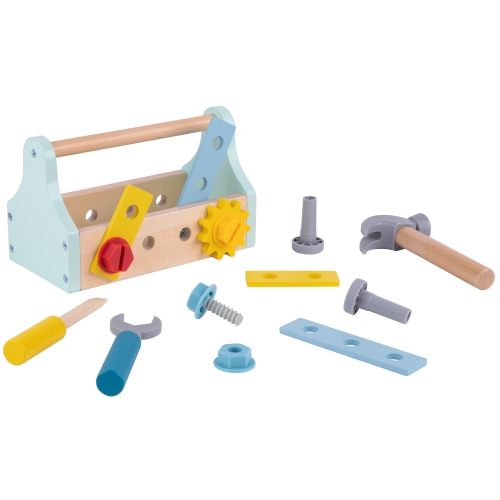
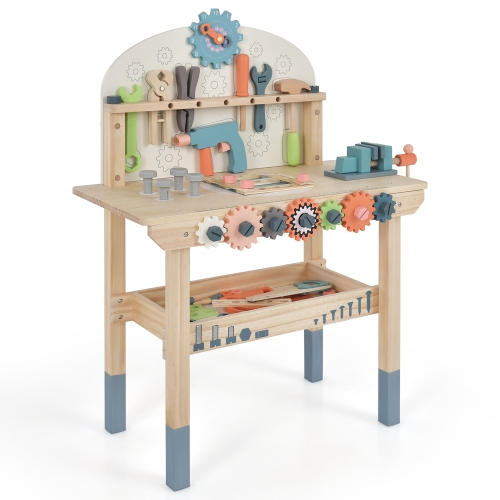
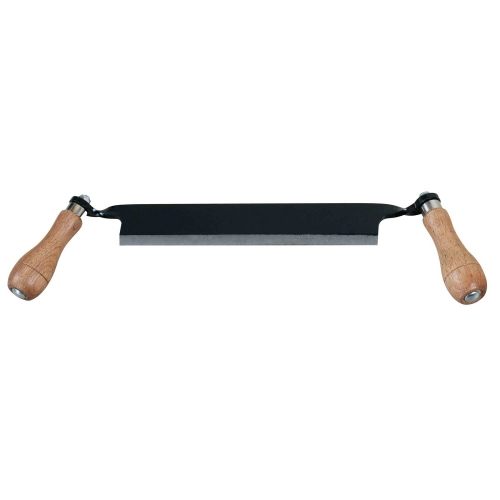
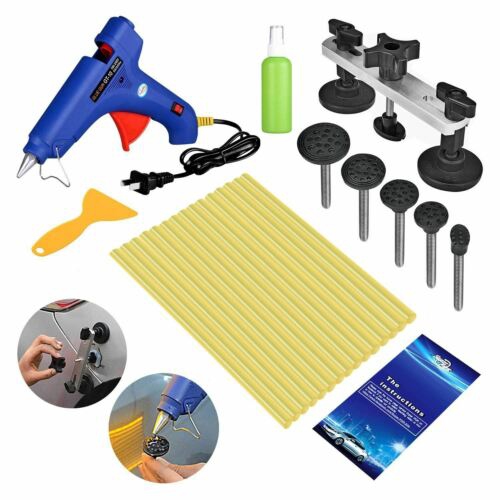
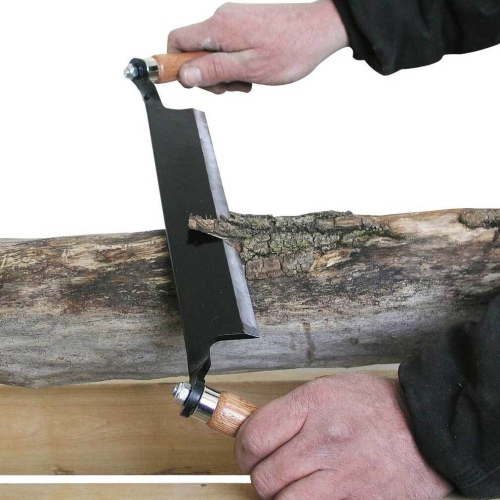
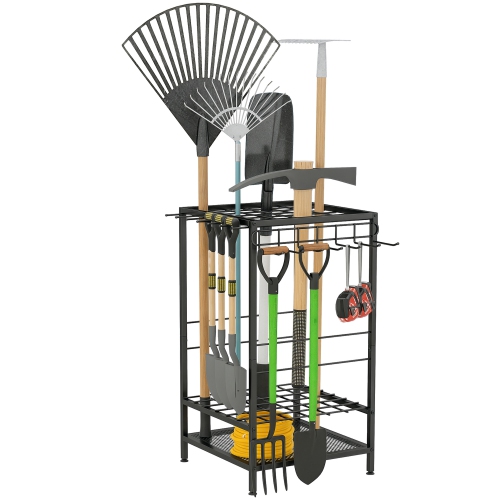
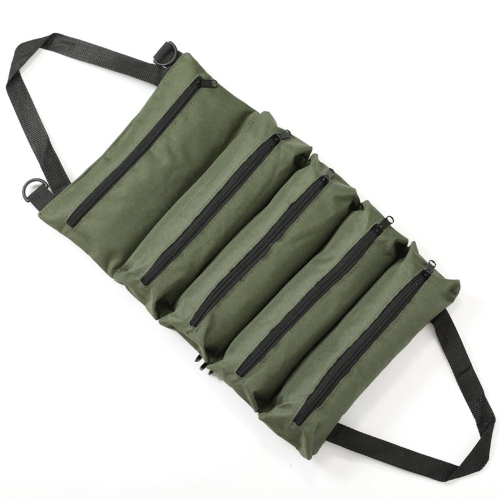
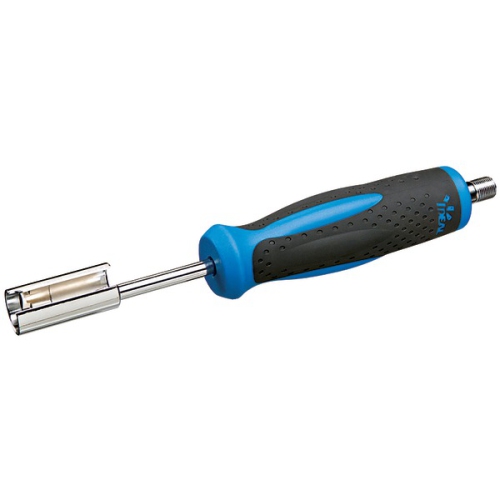
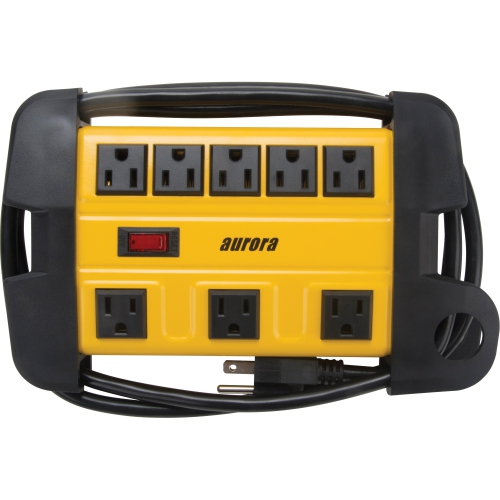
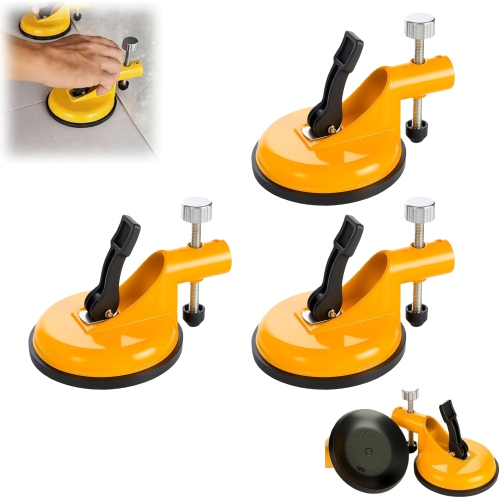
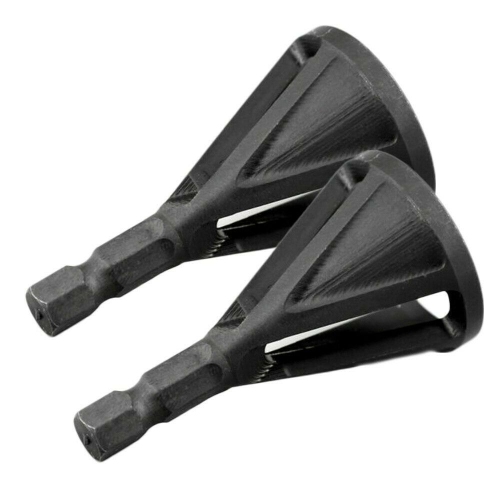
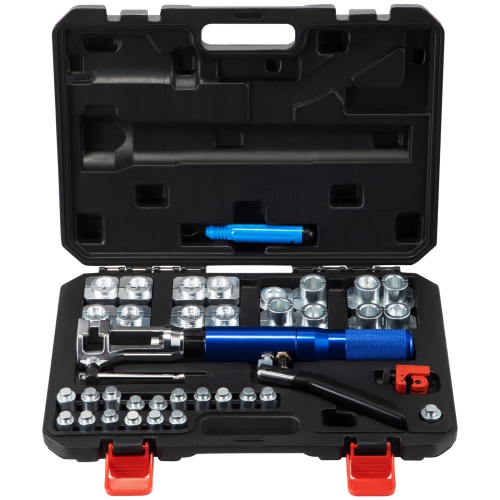
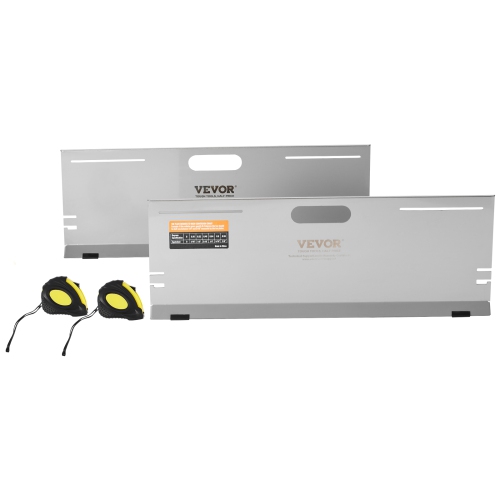
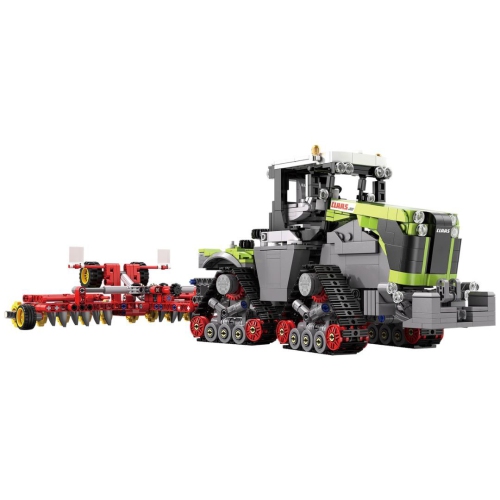
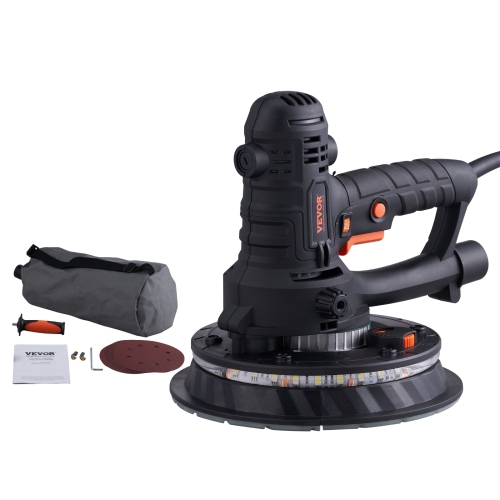
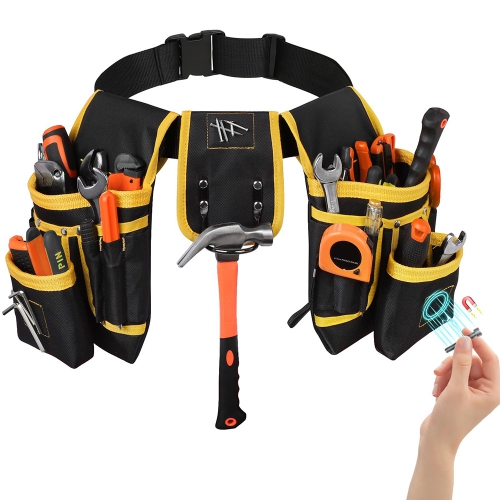
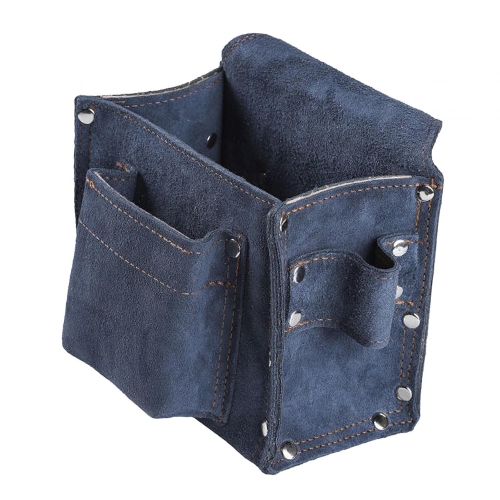
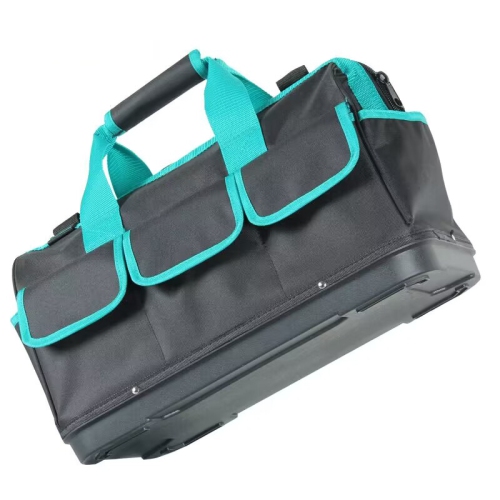
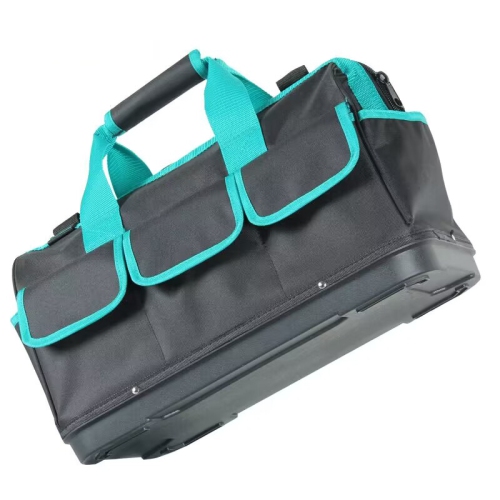
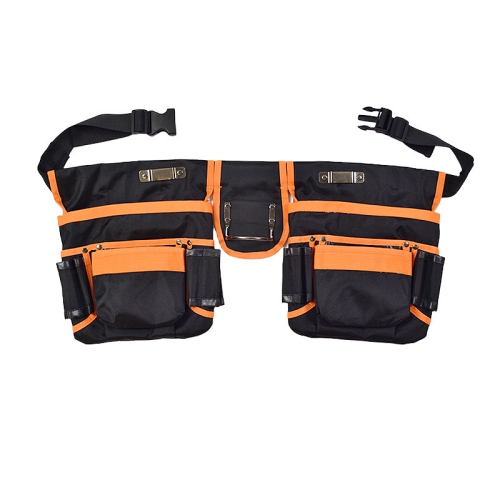
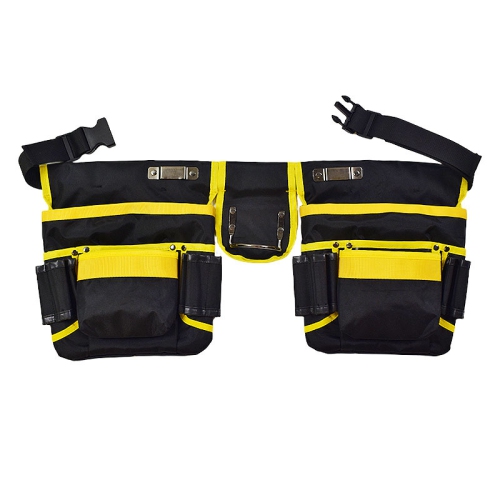

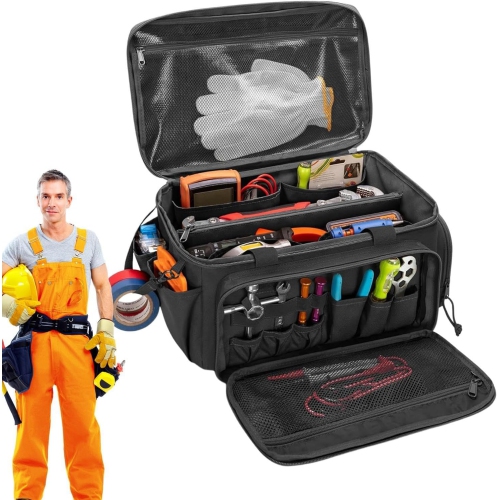
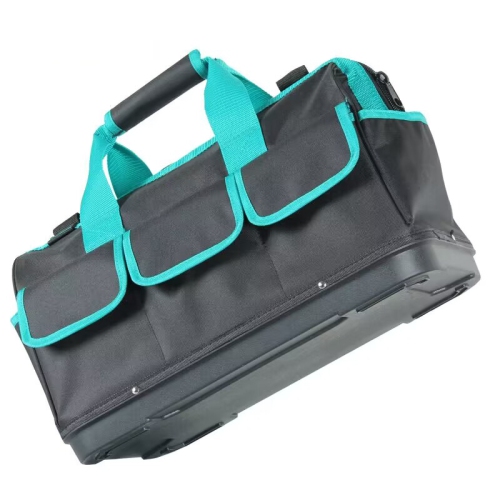
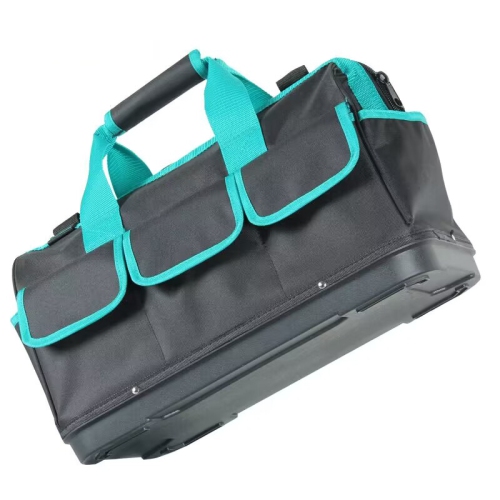
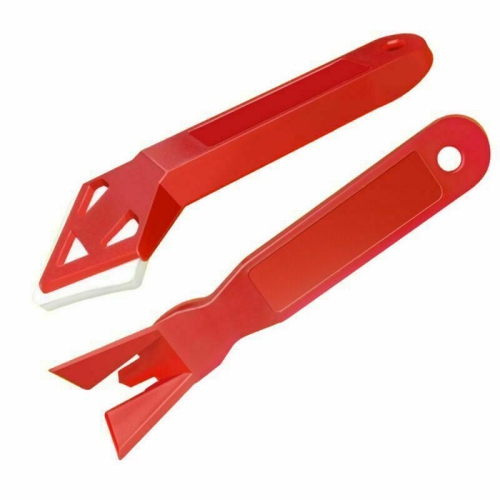

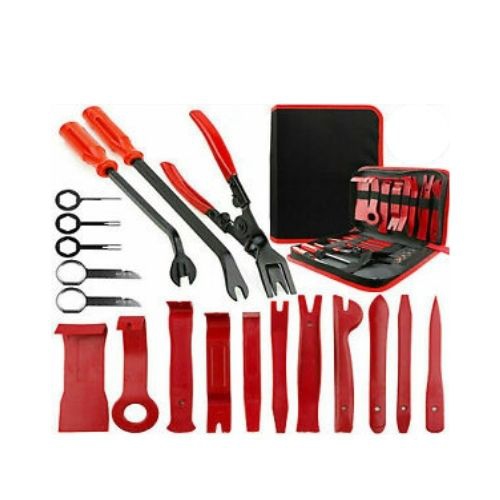

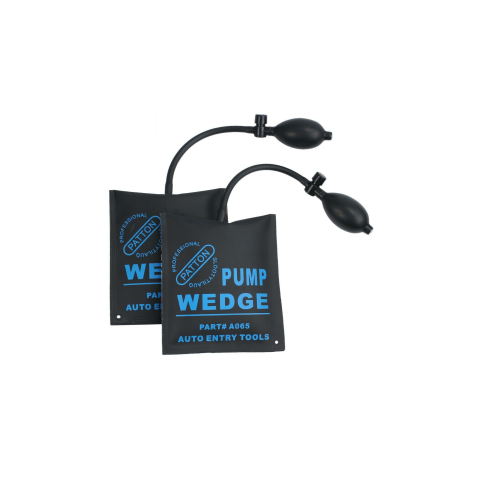
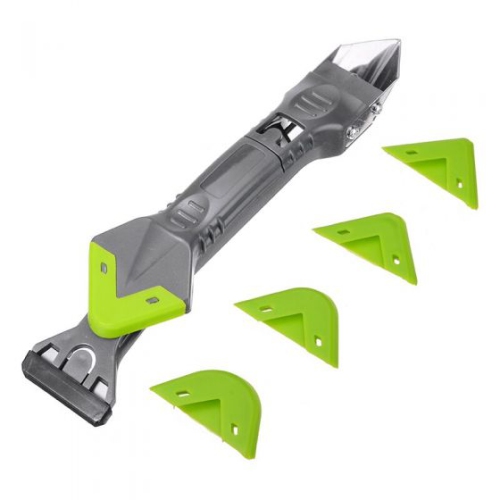
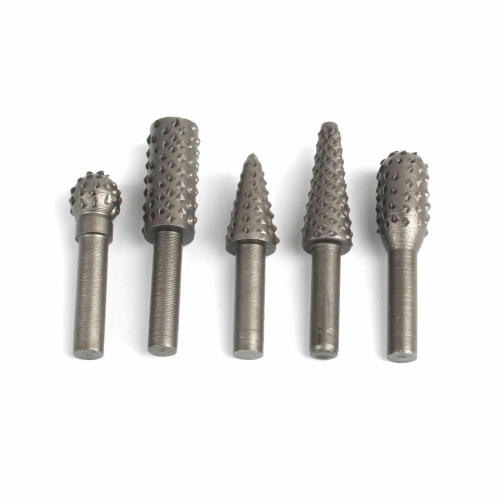
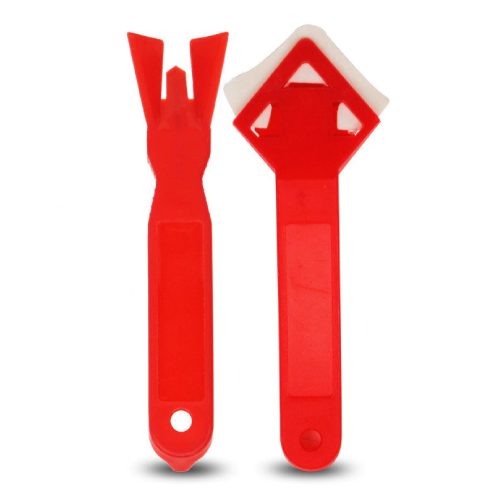
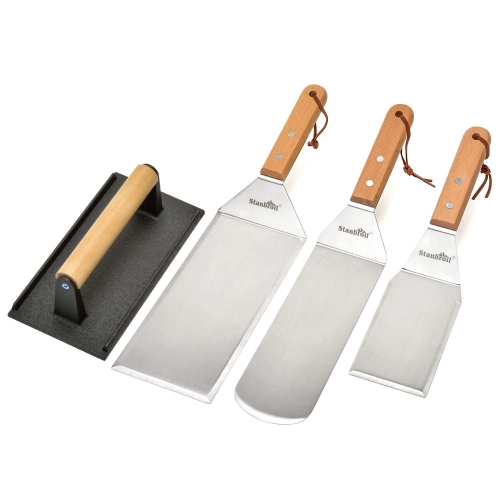
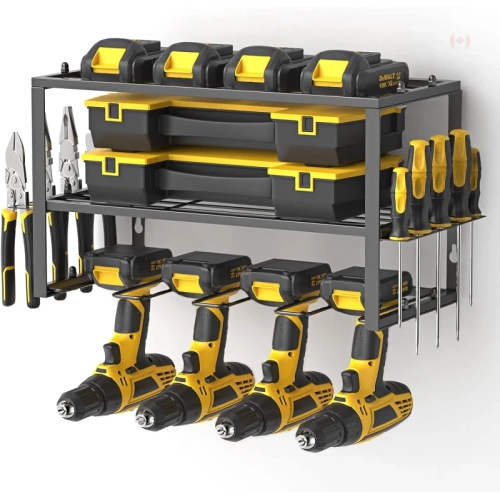
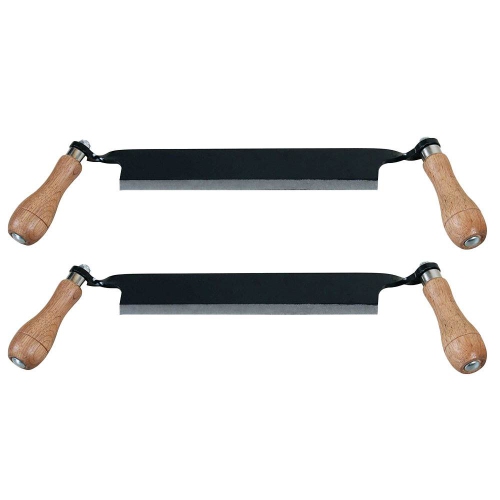
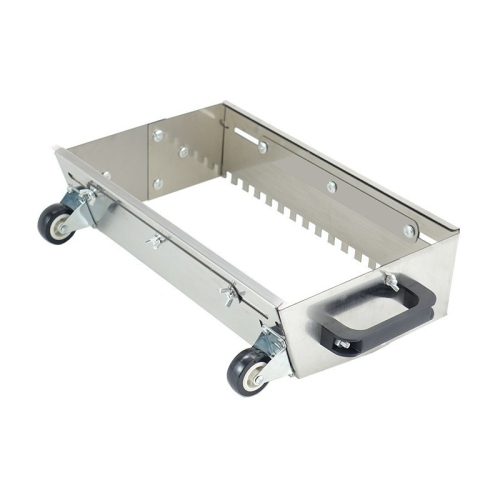
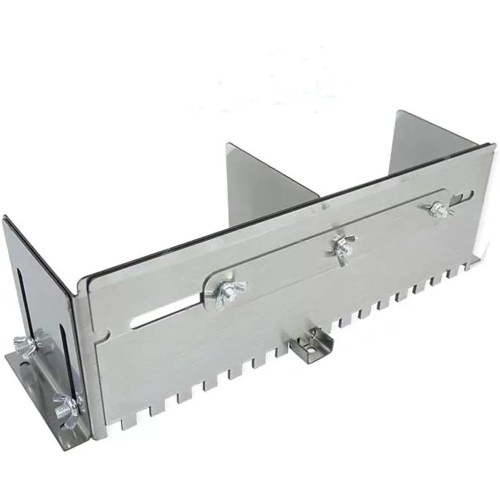
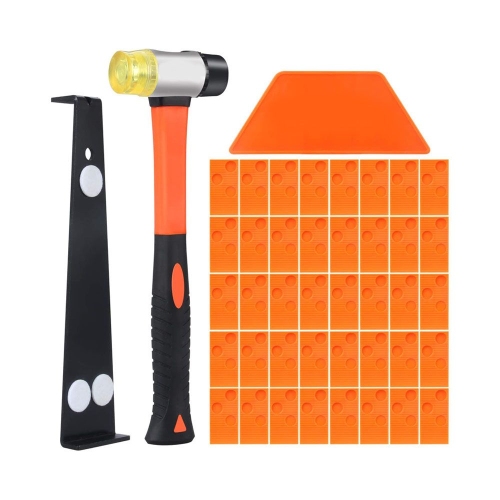
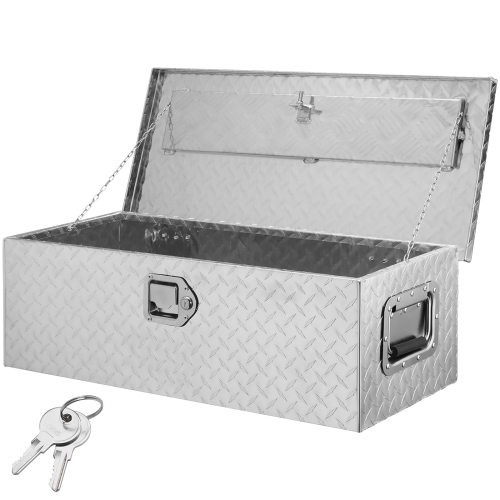
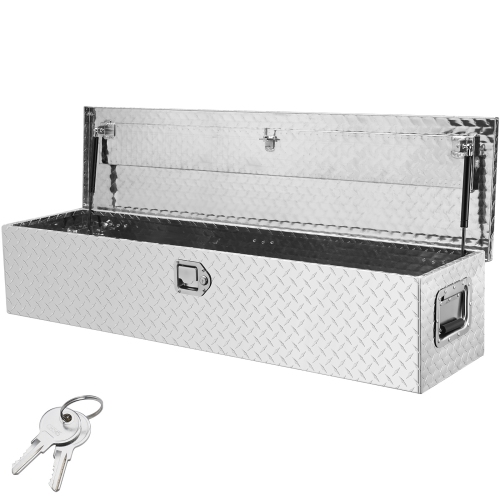
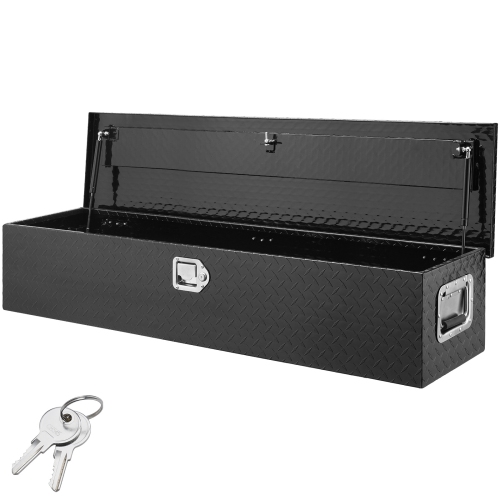
Accuracy and control for every home project
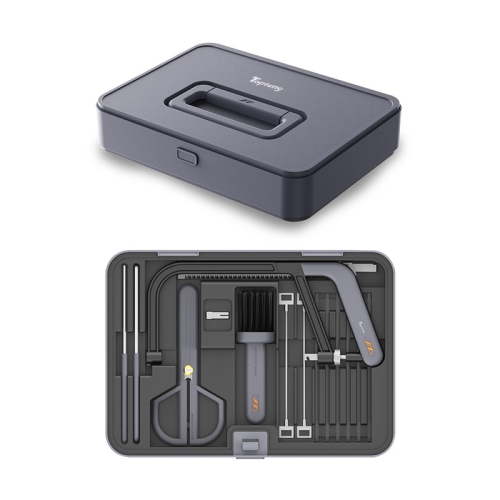
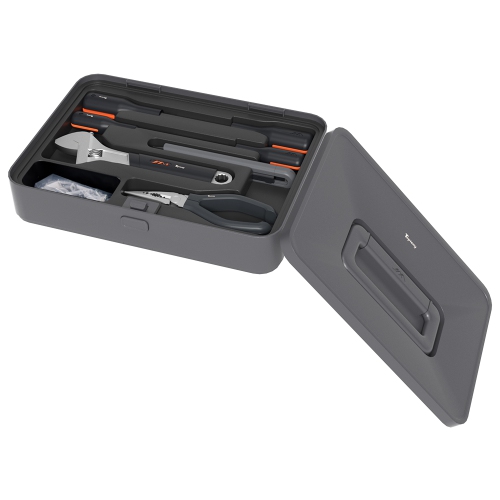
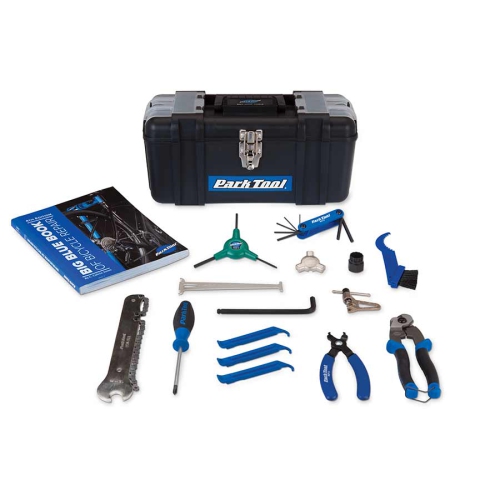
Building tools bring accuracy, control and momentum to projects around the home, workshop or job site. The right selection may include manual hand tools for careful measuring and finishing, as well as motorized power tools for faster cutting, drilling and demolition. A hammer remains useful for driving and removing nails, assembling wood components and handling everyday repairs, while a tape measure helps turn a rough idea into dependable dimensions before materials are cut. A spirit level is essential when installing shelves, framing walls, hanging cabinets or checking whether a surface is truly horizontal or vertical. Its small air bubble can reveal a slight lean that may not be obvious at first glance, yet can make a finished project look uneven. A utility knife is helpful for scoring drywall, trimming insulation, opening packaging and making controlled cuts through suitable materials; look for a retractable design and keep spare blades stored safely. A speed square can guide accurate 90-degree and 45-degree marks, making it easier to lay out cuts on boards and keep repeated measurements consistent. These basic tools often become the dependable core of a collection, whether they are being used for a weekend repair, a furniture-building project, a renovation or regular maintenance around the home. Before choosing, consider the types of materials involved, the level of precision required and how often each tool will be used. Comfortable handles, clear markings, sturdy construction and easy storage can make a noticeable difference when a project stretches across several hours.
Power tools add speed and versatility when a project involves many fasteners, thick boards or heavier materials. A cordless drill can create holes and drive screws without being tied to an outlet, making it convenient for assembling furniture, building storage, installing hardware and working in spaces where cords are awkward. When comparing one, consider battery compatibility, charging time, speed settings, clutch control, chuck size and how comfortably it fits in the hand. A circular saw is designed for quick, straight cuts through boards and sheet materials, and it can be particularly useful when building framing, shelving, work surfaces or outdoor structures. A guide, suitable blade and stable support surface can help produce cleaner, more controlled results. For rough cutting and dismantling, a reciprocating saw uses a push-pull blade to work through materials such as lumber, pipes and other approved building materials. Its strength is speed and access, especially when a project involves removal rather than delicate finishing. No matter which building tools are selected, safety should be part of the purchase decision. Eye protection, hearing protection, work gloves where appropriate, dust control and secure footwear can help make a busy work area more manageable. Read the manufacturer’s instructions, use the correct blade or bit for the material, keep hands clear of cutting paths and disconnect or remove the battery before changing accessories. During the cooler months, indoor repairs and workshop projects may become more appealing, while outdoor work can still be handled comfortably whenever conditions are dry and visibility is good.
Building tools can suit experienced tradespeople, new homeowners, renters who handle permitted repairs, hobbyists and anyone preparing for a larger home project. They can also make practical gifts for a person setting up a first workshop, moving into a new home or developing an interest in woodworking, renovation or do-it-yourself projects. For a beginner, a thoughtfully chosen combination of measuring, marking, fastening and cutting tools may be more useful than a single highly specialised item. For someone who already has a collection, look for ways to complement existing equipment, such as adding compatible accessories, improved storage or a tool suited to a material they work with often. It helps to think through the project from start to finish: measure the space, mark the material, make the cut, fasten the pieces and check the result as you go. A level surface, a square corner and a properly driven screw are small details that can determine whether the finished work feels solid and looks polished. Keeping tools clean, dry and organised also makes the next task easier, particularly when a project pauses between the warmer and cooler parts of the season. For planning layouts, arranging dimensions or visualising a build before materials are purchased, digital resources such as Design Tools can complement hands-on equipment. Whether the goal is a quick repair or a more ambitious build, choosing tools that match the material, workspace and user’s experience can make each step more confident, precise and rewarding.
Power tools add speed and versatility when a project involves many fasteners, thick boards or heavier materials. A cordless drill can create holes and drive screws without being tied to an outlet, making it convenient for assembling furniture, building storage, installing hardware and working in spaces where cords are awkward. When comparing one, consider battery compatibility, charging time, speed settings, clutch control, chuck size and how comfortably it fits in the hand. A circular saw is designed for quick, straight cuts through boards and sheet materials, and it can be particularly useful when building framing, shelving, work surfaces or outdoor structures. A guide, suitable blade and stable support surface can help produce cleaner, more controlled results. For rough cutting and dismantling, a reciprocating saw uses a push-pull blade to work through materials such as lumber, pipes and other approved building materials. Its strength is speed and access, especially when a project involves removal rather than delicate finishing. No matter which building tools are selected, safety should be part of the purchase decision. Eye protection, hearing protection, work gloves where appropriate, dust control and secure footwear can help make a busy work area more manageable. Read the manufacturer’s instructions, use the correct blade or bit for the material, keep hands clear of cutting paths and disconnect or remove the battery before changing accessories. During the cooler months, indoor repairs and workshop projects may become more appealing, while outdoor work can still be handled comfortably whenever conditions are dry and visibility is good.
Building tools can suit experienced tradespeople, new homeowners, renters who handle permitted repairs, hobbyists and anyone preparing for a larger home project. They can also make practical gifts for a person setting up a first workshop, moving into a new home or developing an interest in woodworking, renovation or do-it-yourself projects. For a beginner, a thoughtfully chosen combination of measuring, marking, fastening and cutting tools may be more useful than a single highly specialised item. For someone who already has a collection, look for ways to complement existing equipment, such as adding compatible accessories, improved storage or a tool suited to a material they work with often. It helps to think through the project from start to finish: measure the space, mark the material, make the cut, fasten the pieces and check the result as you go. A level surface, a square corner and a properly driven screw are small details that can determine whether the finished work feels solid and looks polished. Keeping tools clean, dry and organised also makes the next task easier, particularly when a project pauses between the warmer and cooler parts of the season. For planning layouts, arranging dimensions or visualising a build before materials are purchased, digital resources such as Design Tools can complement hands-on equipment. Whether the goal is a quick repair or a more ambitious build, choosing tools that match the material, workspace and user’s experience can make each step more confident, precise and rewarding.
Top selling and popular products
-
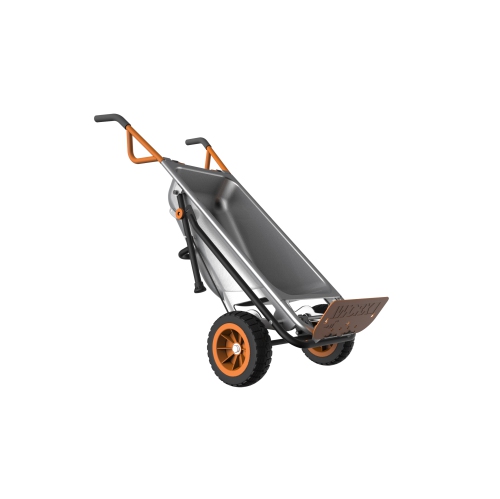 Your price for this item is $329.99
 -
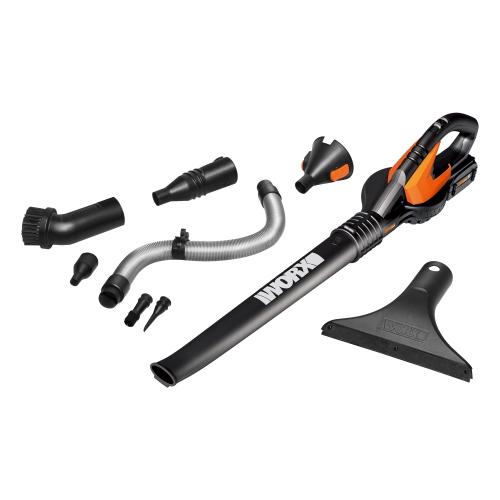 Your price for this item is $189.99
 -
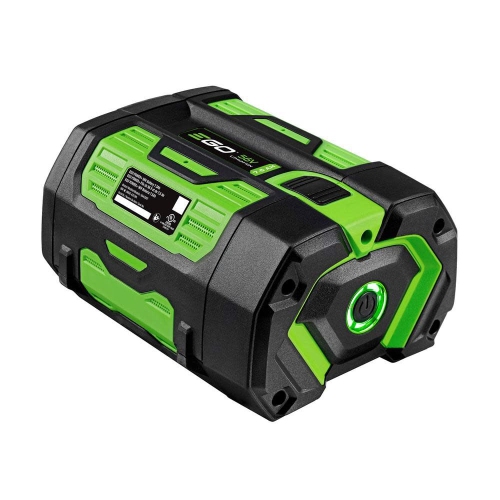 Your price for this item is $449.99
 -
 Your price for this item is $359.99
 -
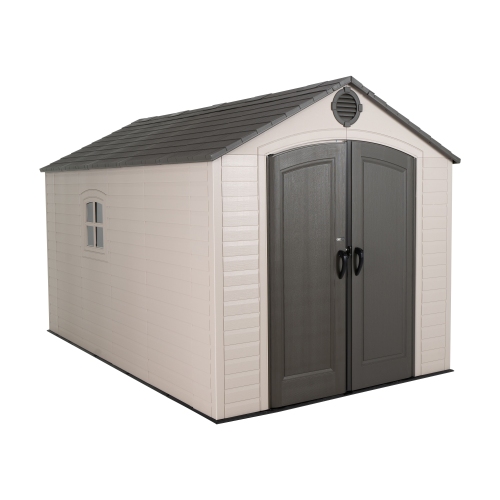 Your price for this item is $3028.99
 -
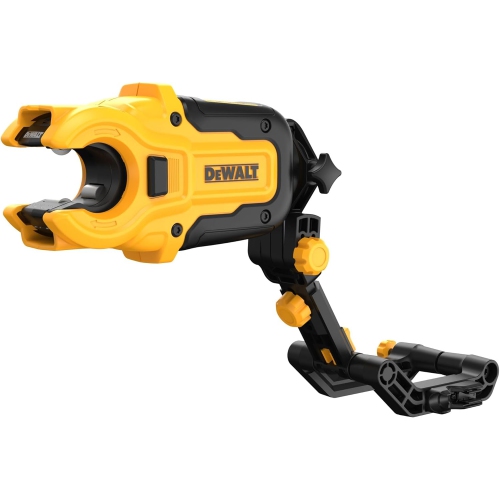 Your price for this item is $94.99
 -
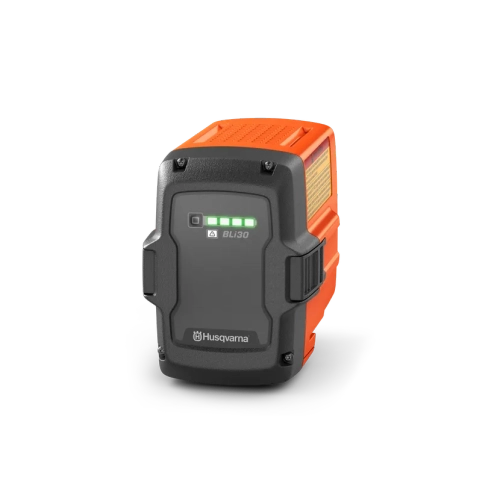 Your price for this item is $299.99
 -
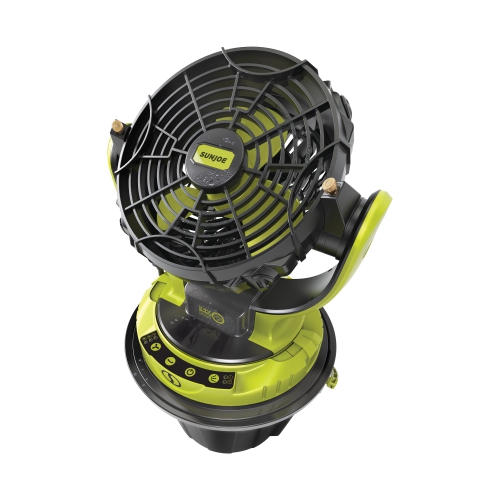 Your price for this item is $189.99
Discover more categories related to Building Tools
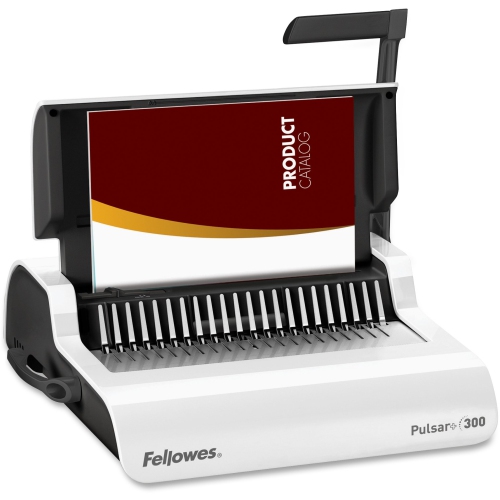
Top Collections:
Pokemon Centers, Kindle Devices, Best Budget Office Chairs, Apple iPhones 16, Best Laptops for Writers, iPhone 15 Apple, Canon G7X Cameras, Refurbished Apple Laptops, Alarm Clock, Motorola Razr Phones
Some products may be subject to Environmental Handling Fees
(EHF) depending on your province.
Learn more about EHFs.