Bullet Tip Markers
If you're looking to add a splash of vibrant color to your artwork, crafts, or projects, look no further than this wide selection of bullet tip markers. These versatile markers feature a precise bullet-shaped tip that allows for smooth and controlled strokes, making them perfect for everything from doodling and lettering to coloring and highlighting. With a range of bold and bright colors to choose from, you'll have all the tools you need to unleash your creativity and make your creations truly stand out.
Sort



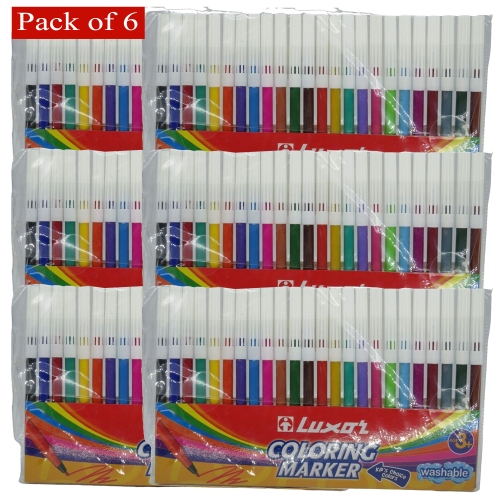
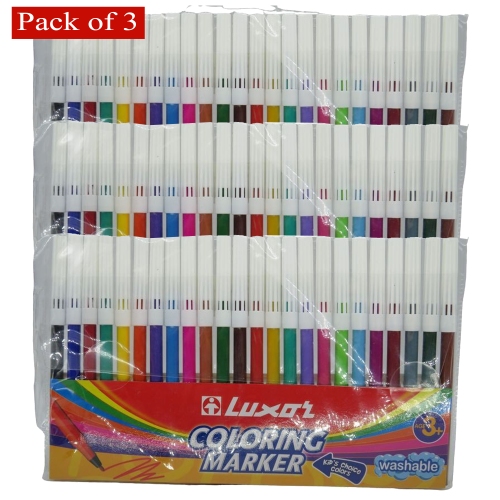


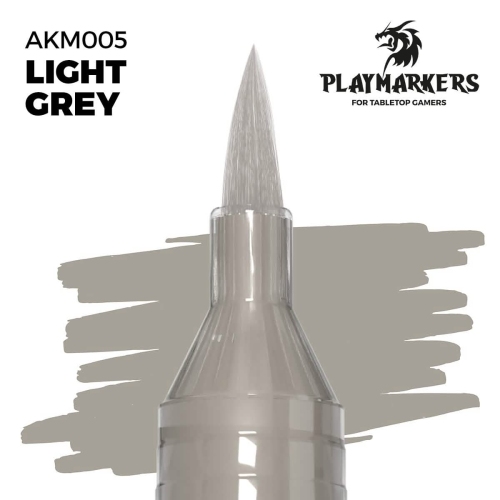


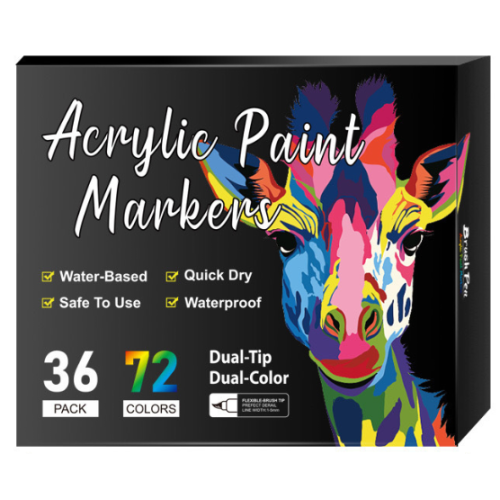


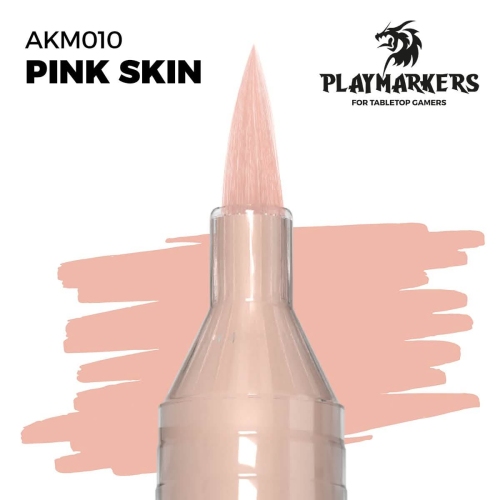
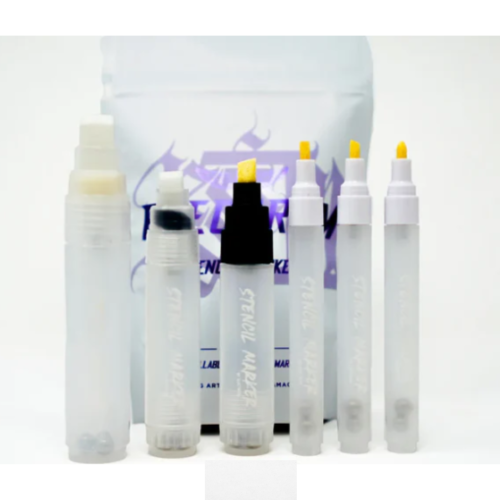
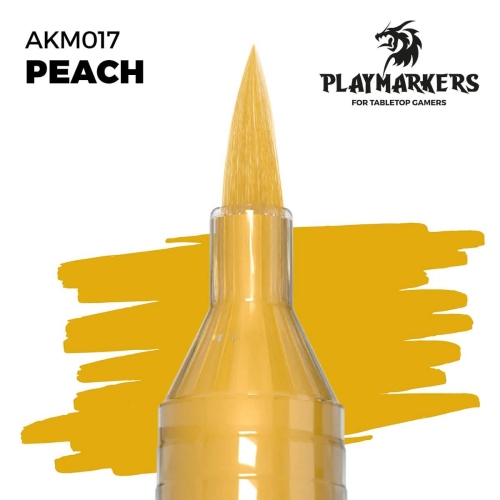
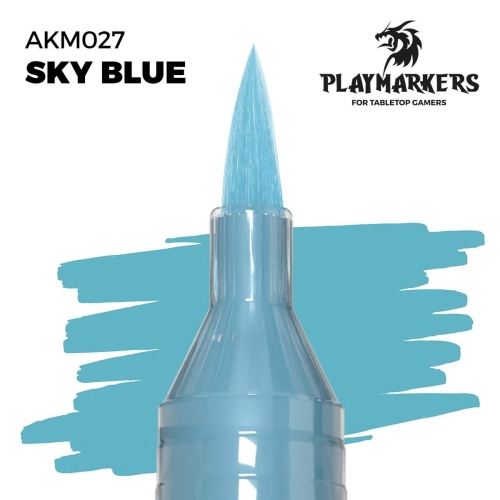
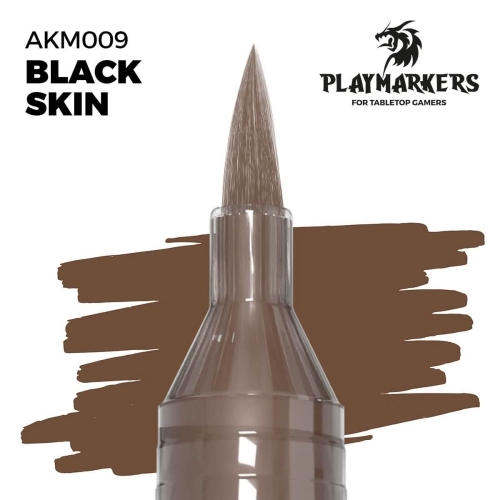


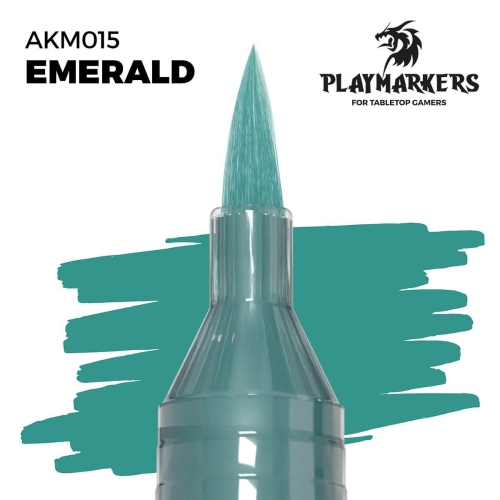
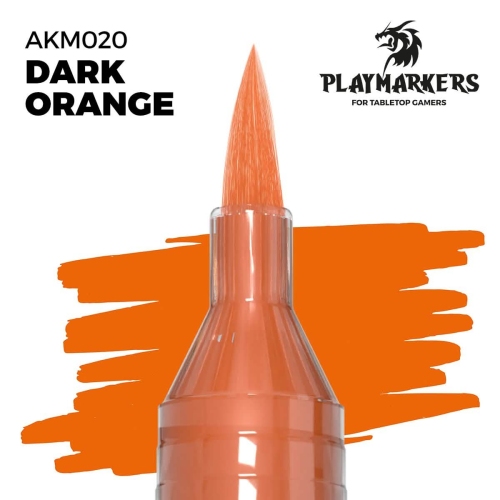
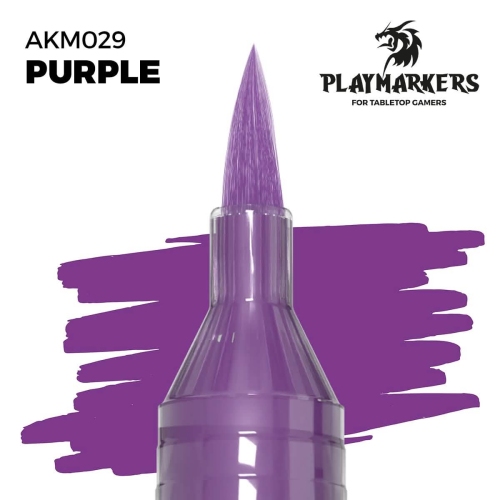
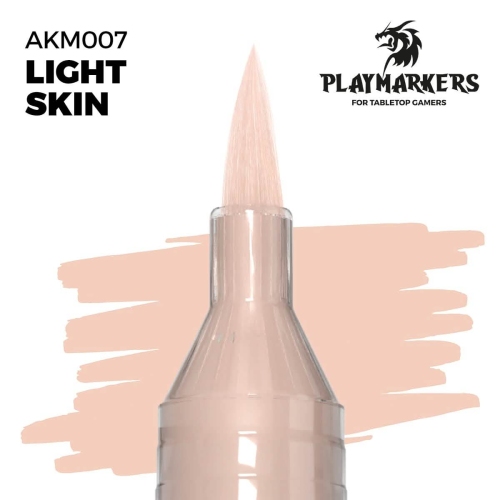

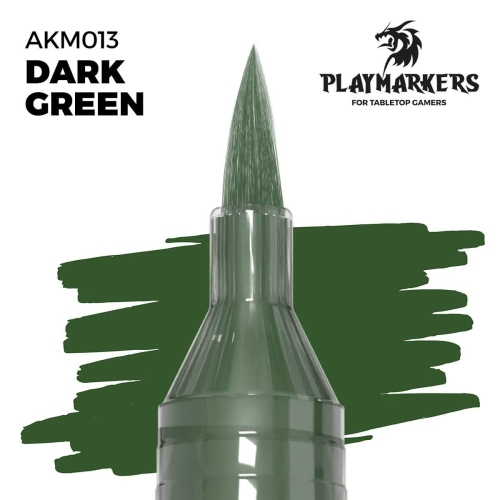
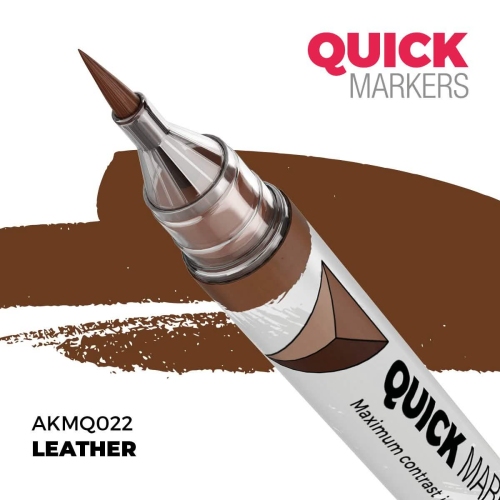
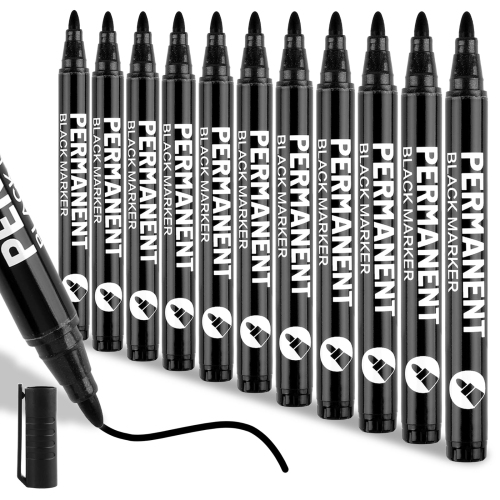
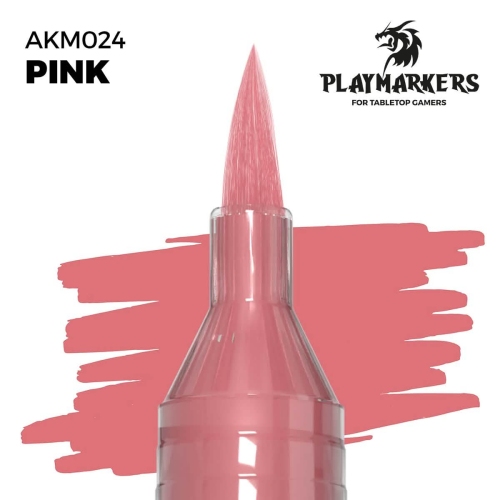


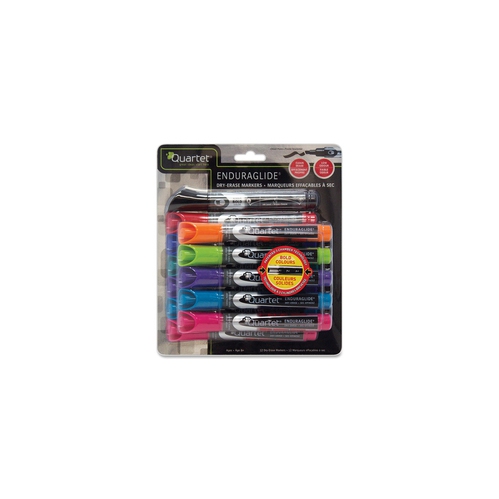

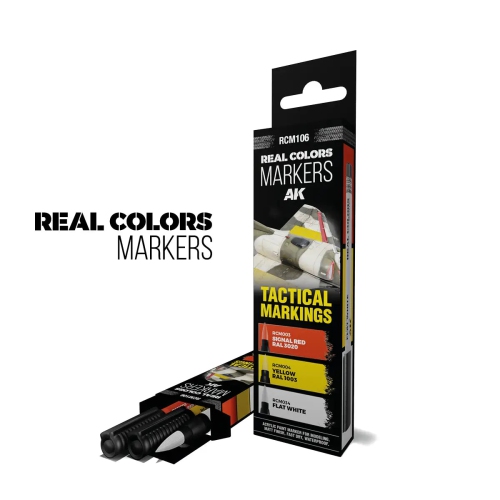
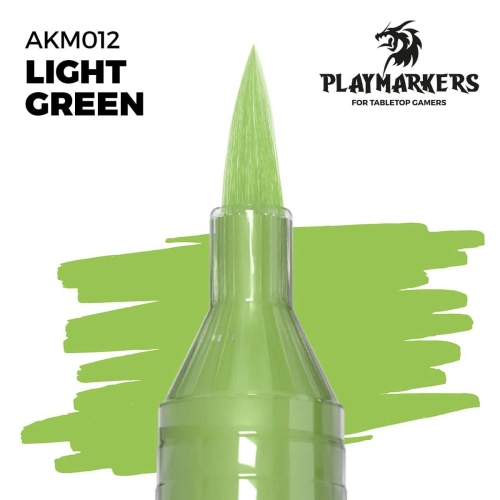
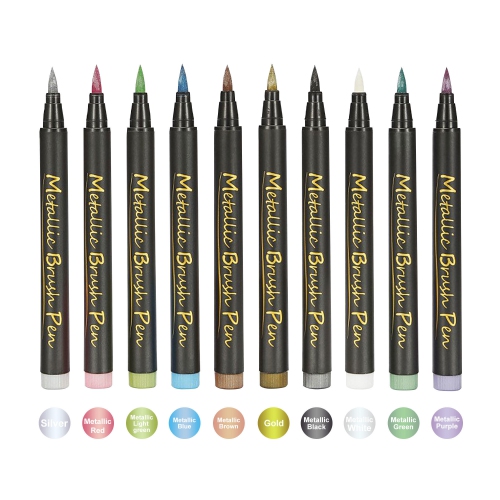
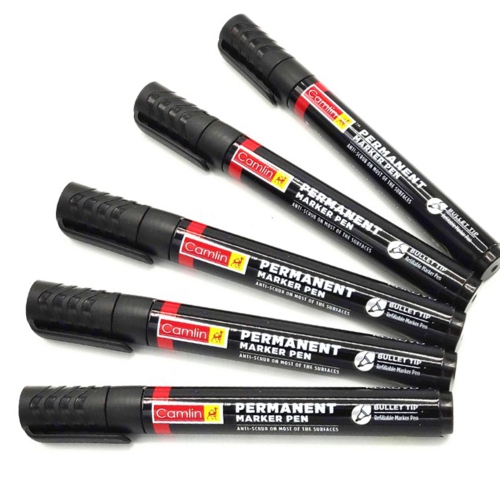
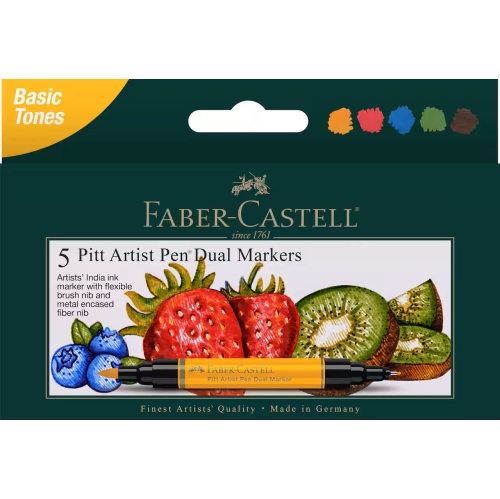

How rounded nibs help everyday lettering stay clear
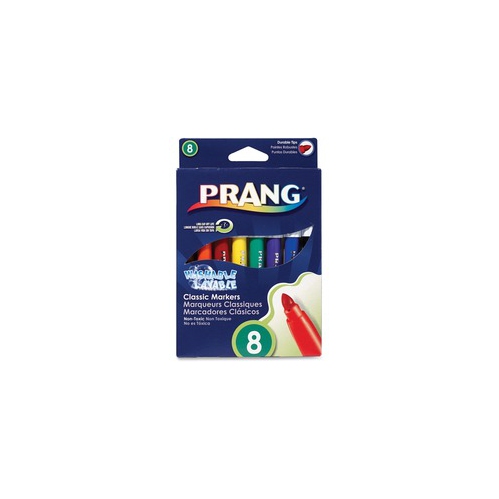
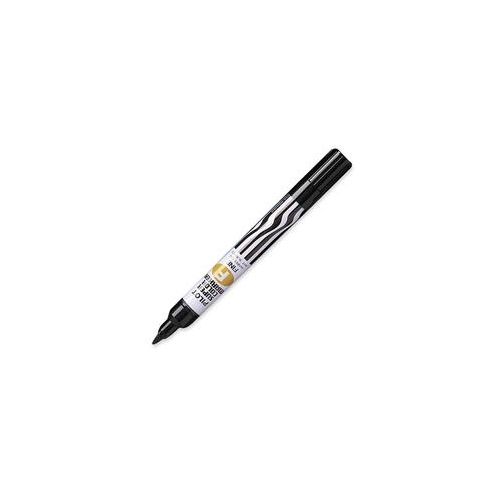
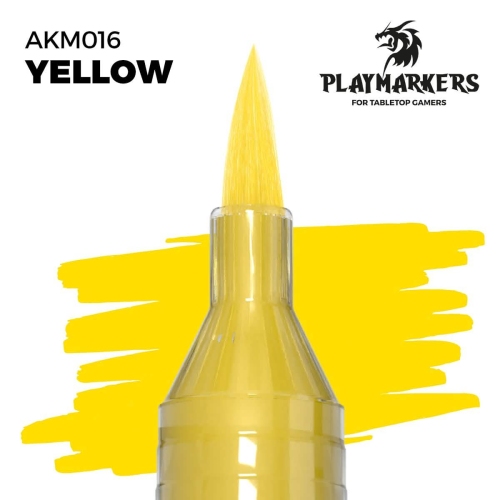
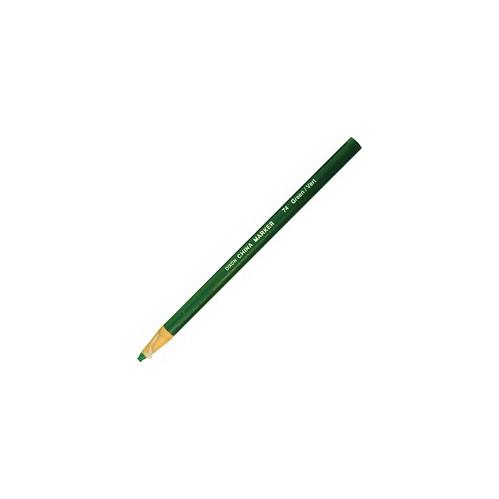
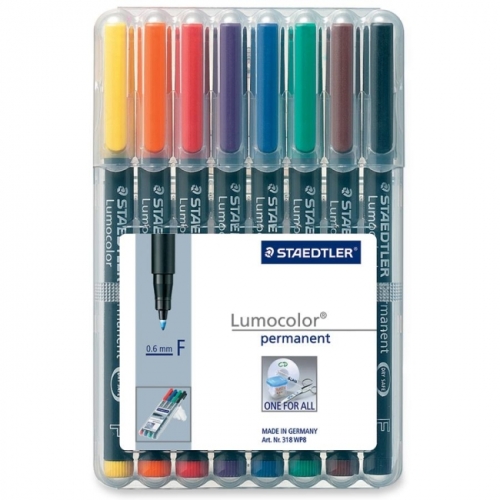
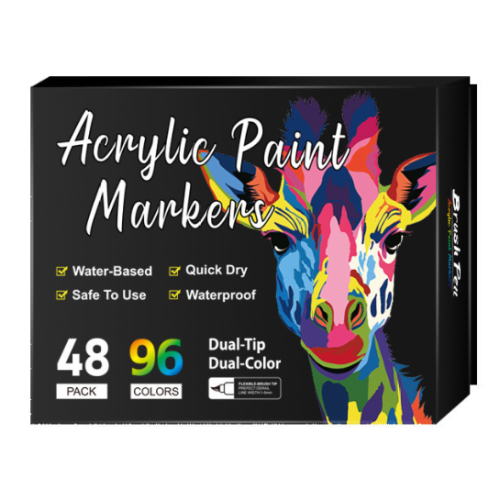
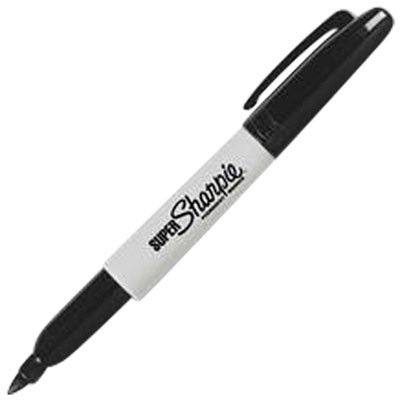
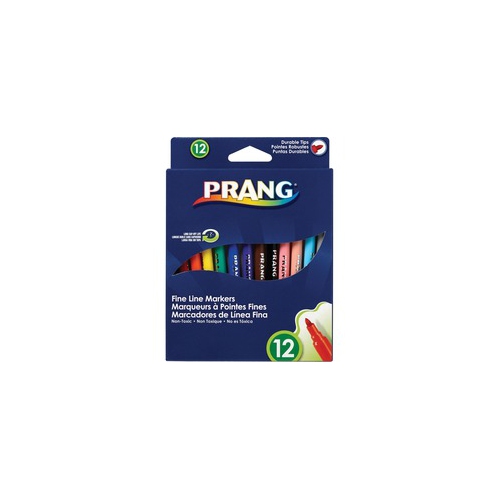
Bullet tip markers have a rounded, point-shaped nib designed to produce clear, consistent lines for writing, colouring, drawing, and labelling. Unlike a chisel tip, which has a broad edge and a narrow corner, a bullet tip offers a more uniform stroke as the marker moves across the surface. That makes it a practical shape for everyday handwriting, simple outlines, and lettering that needs to stay legible at a glance. A name on a storage label, a heading on a project board, or a bold outline around an illustration can all benefit from this straightforward tip design. Bullet tips come in different sizes, so the shape alone does not determine how fine or broad the mark will be. A smaller nib suits compact handwriting and detailed outlines, while a larger nib creates stronger lines for signs and larger lettering. The stated line width is a useful point of comparison, although pressure, writing angle, and the texture of the surface can affect the result. Firm fibre nibs generally provide a controlled feel, while softer nibs may offer a little more variation under pressure. On smooth paper, a well-matched marker should glide without requiring a heavy hand; pressing harder can flatten the tip rather than improve ink flow. Students, teachers, office workers, artists, and hobbyists may use the same basic nib shape for very different tasks, from colour-coded study notes to handmade cards and clearly marked workshop containers. Colour selection also changes the role of a set. Dark shades offer strong contrast for readable labels, while assorted colours help separate subjects, distinguish categories, and add definition to drawings. For someone who enjoys stationery or hands-on projects, a coordinated selection of bullet tip markers can make a thoughtful gift, especially when the ink type suits the paper or craft materials they already use.
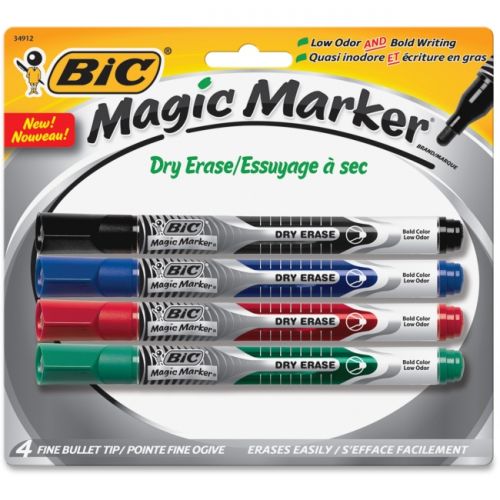
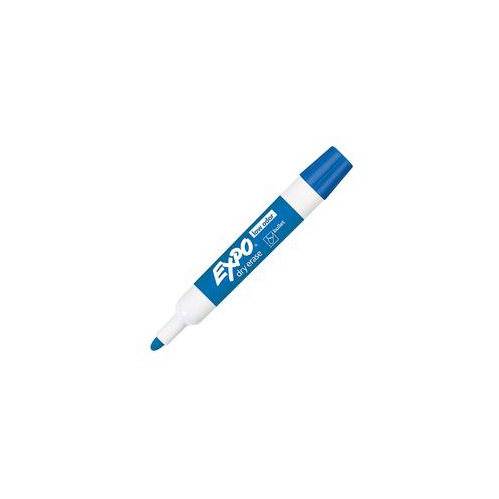
The most important distinction between bullet tip markers is often the ink rather than the tip. Water-based colouring markers are commonly suited to paper-based work, but water-based does not automatically mean washable, permanent, or suitable for every age group. Washable formulas are designed to make cleanup easier on the materials specified by the manufacturer, though some fabrics and porous surfaces can still retain colour. Permanent marker inks are formulated for lasting marks on compatible surfaces, which may include paper, cardboard, plastic, metal, or glass. Their performance varies with the formula and the surface finish: a mark that holds well on a cardboard box may rub off a slick plastic lid or fade with repeated exposure to light. Water resistance, fade resistance, and resistance to abrasion are separate properties, so a permanent designation should not be taken as a promise of all three. Dry-erase bullet tip markers serve a different purpose, leaving removable writing on compatible whiteboards and other approved non-porous surfaces. Paint markers can provide a more opaque line for decorative work, including lighter colours over darker backgrounds, but they may require shaking, priming, or a curing period according to their directions. For paper projects, sheet thickness and finish matter as much as colour choice. Thin notebook paper may allow ink to feather or bleed through, while marker-compatible paper can help preserve a cleaner edge. A protective sheet underneath is useful when working on loose pages or filling large areas with colour. On hard surfaces, dust, oil, and residue can interfere with adhesion; a clean, dry test area helps establish how the ink behaves before the main lettering begins. When labels call for smaller lettering than a broader bullet nib comfortably allows, Fine Tip Permanent Markers offer another format for compact, lasting marks. Fine describes the line size, while bullet describes the nib shape, so the two terms can overlap.
Comfort, construction, and care influence how useful bullet tip markers remain through repeated use. Barrel diameter affects grip: a slimmer body can feel familiar to someone accustomed to a pen, while a wider barrel may be easier for some users to hold during longer colouring sessions or large-lettering tasks. A secure cap helps limit ink loss between uses, and a cap that fits onto the end of the barrel can be convenient where the design permits it. Plastic barrels are common in everyday stationery, while some markers use metal bodies for a sturdier feel; neither material alone determines ink quality or tip life. The nib takes much of the wear, particularly on rough cardboard, unfinished wood, or textured craft surfaces. Using light, steady pressure and matching the marker to its intended surface helps preserve the rounded point. A tip used repeatedly on abrasive material may no longer make crisp lettering on a small label, even when plenty of ink remains. Promptly replacing the cap is important unless the marker specifically allows a stated period of cap-off use. Storage orientation can vary by ink system, especially for paint and dual-ended markers, so the package directions are more reliable than a single rule for every type. Keeping caps, barrels, and storage compartments free of stray ink also makes shared supplies easier to handle. In classrooms and family craft spaces, age suitability and the stated safety information deserve attention; a non-toxic designation does not mean a marker is intended for skin, food-contact surfaces, or use without appropriate supervision. Some solvent-based formulas also require good ventilation during use. For shared office supplies, readable colour labels and an organized case make it easier to return the right marker after a meeting or planning session. For drawing and lettering, separating everyday labelling markers from those reserved for clean paper work helps keep nibs in better condition. These practical differences make the right combination of tip size, ink formula, and barrel design more meaningful than colour count alone.
Top selling and popular products
-
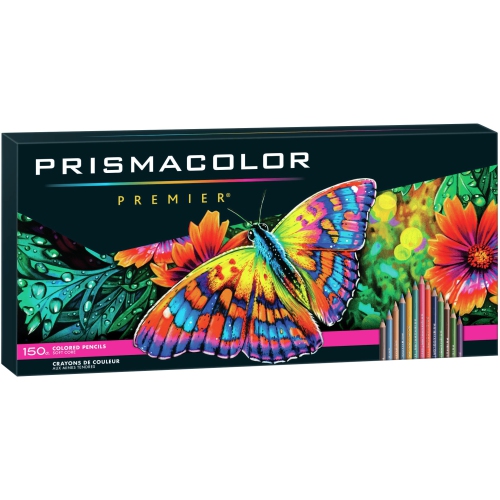 Your price for this item is $179.99
-
 Your price for this item is $1.99
-
 Your price for this item is $2.99
-
 Your price for this item is $10.49
-
 Your price for this item is $29.99
-
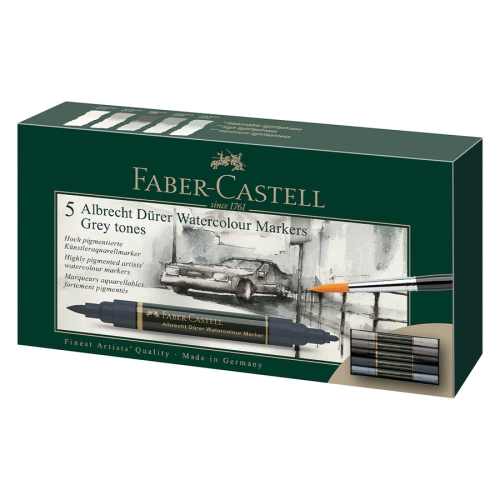 Your price for this item is $22.99
-
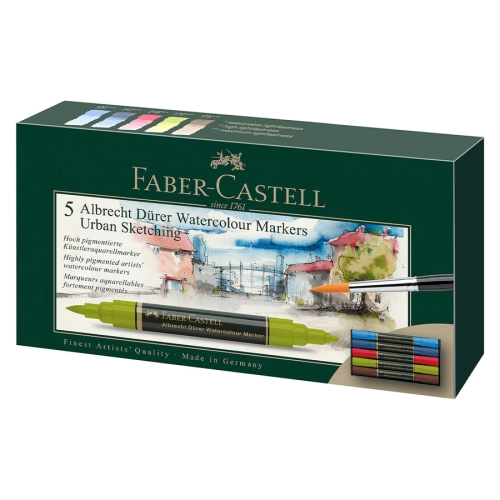 Your price for this item is $26.99
-
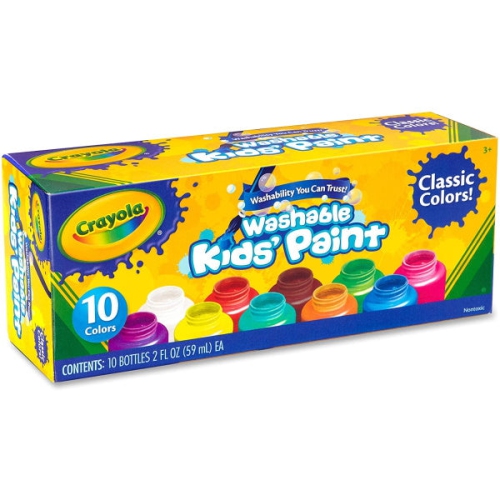 Your price for this item is $37.94
Discover more categories related to Bullet Tip Markers
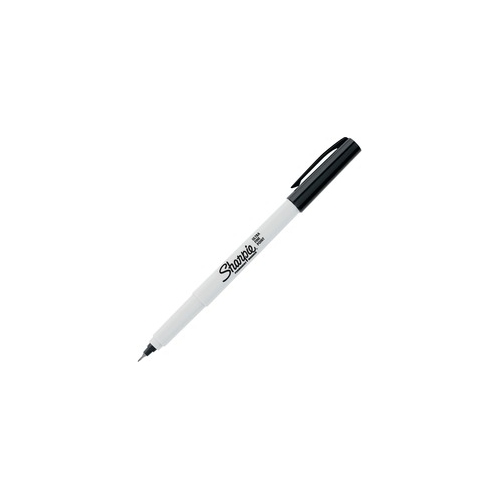


Top Collections:
Pokemon Centers, Kindle Devices, Best Cameras for Sports Photography, Pokémon 30th Celebration Cards, Apple iPhones 16, Canon G7X Cameras, iPhone 15 Apple, Flip Phones, Samsung Galaxy Phones, Alarm Clock
Some products may be subject to Environmental Handling Fees
(EHF) depending on your province.
Learn more about EHFs.