Fine Tip Markers
Looking to add a pop of color and precision to your artwork or writing? Look no further than our collection of fine tip markers. These versatile tools are perfect for creating intricate details, adding vibrant hues, and achieving professional-looking results. Whether you're an artist, a student, or simply someone who loves to doodle, our range of fine tip markers offers a wide variety of colors and styles to suit your creative needs. From bold and bright shades to subtle and muted tones, these markers are designed to deliver smooth lines and impeccable accuracy. Elevate your creativity with our selection of fine tip markers and let your imagination run wild.
Sort
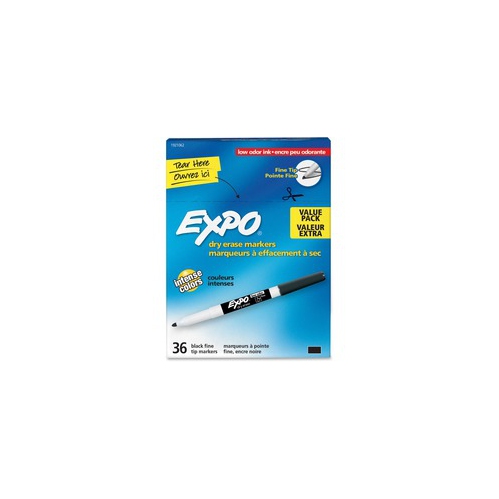
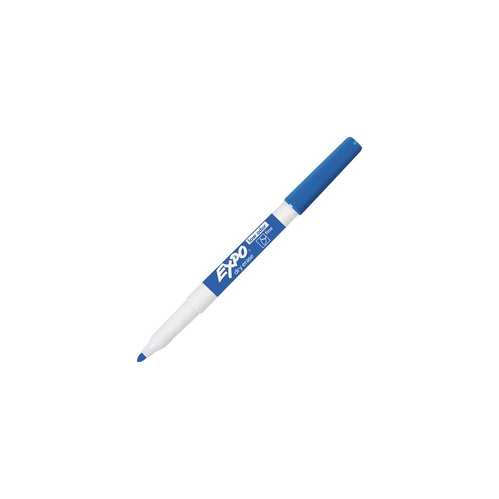
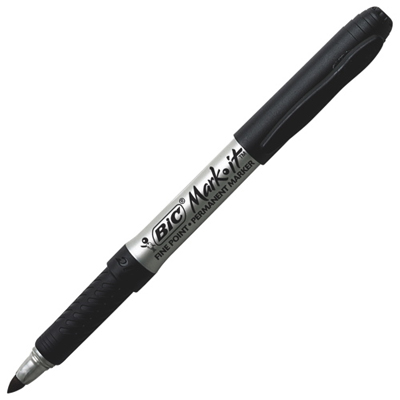
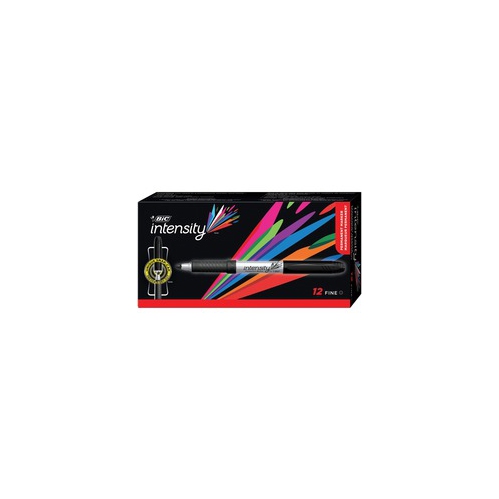

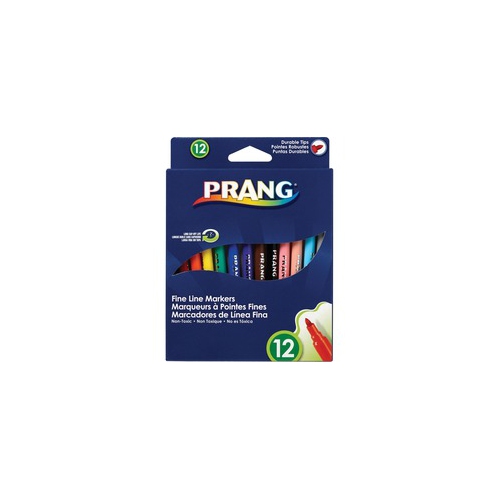
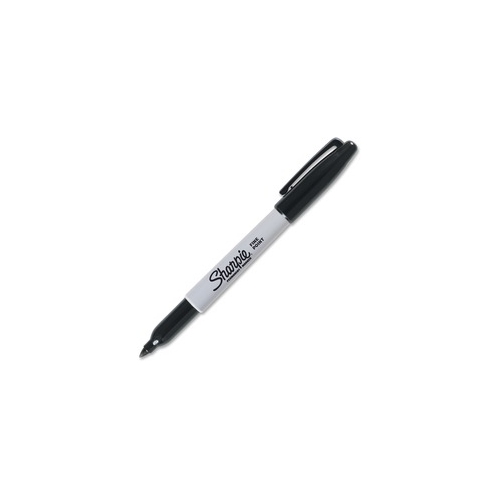

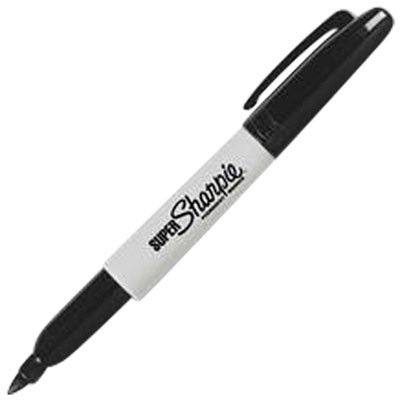



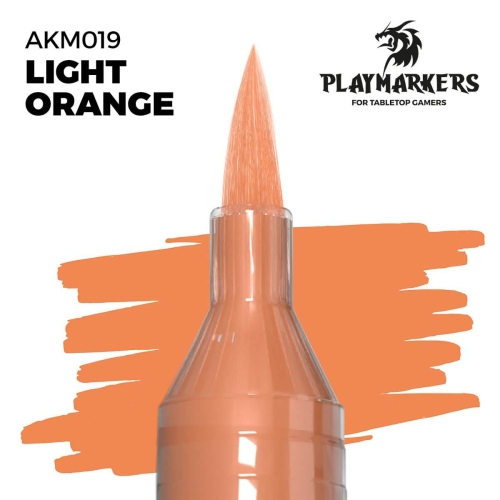
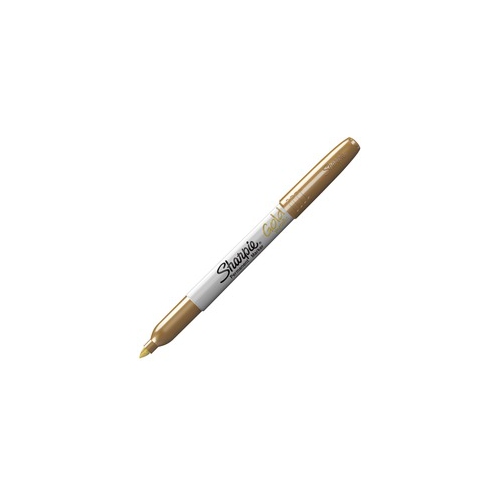
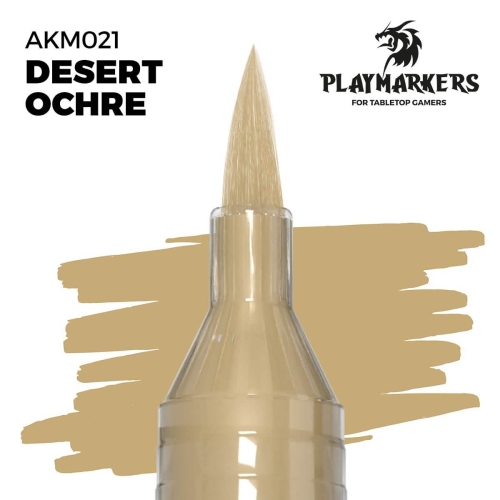
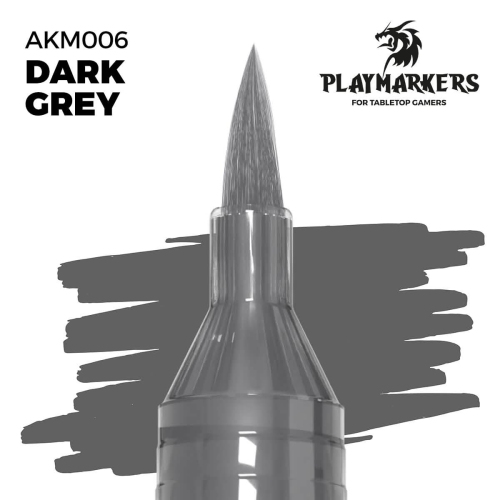
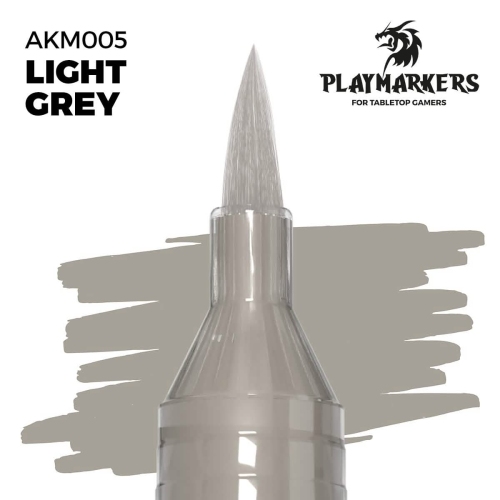

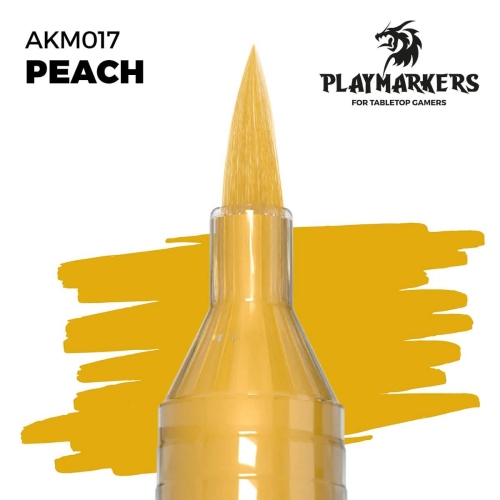
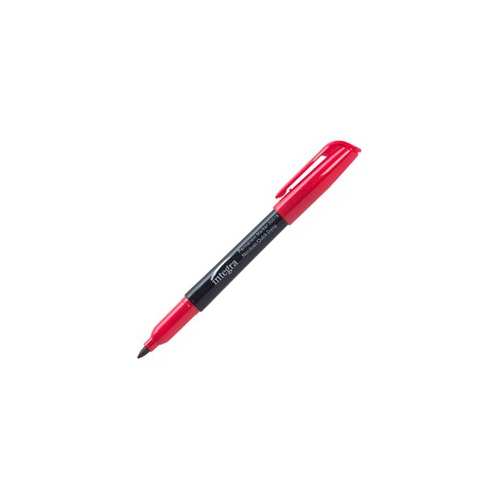
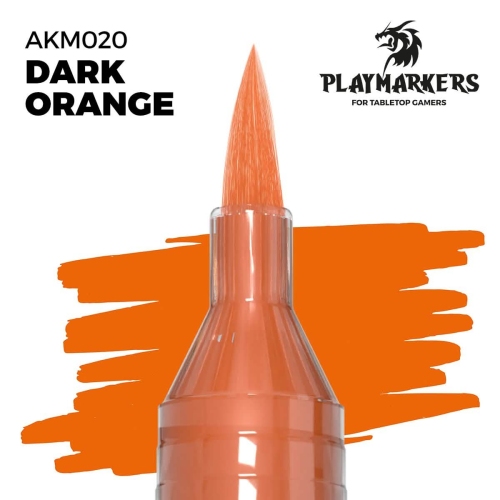
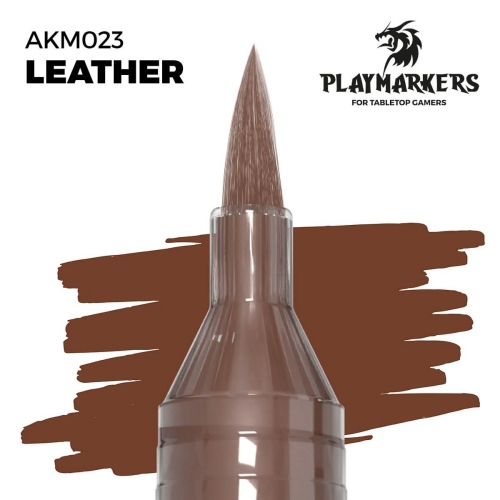

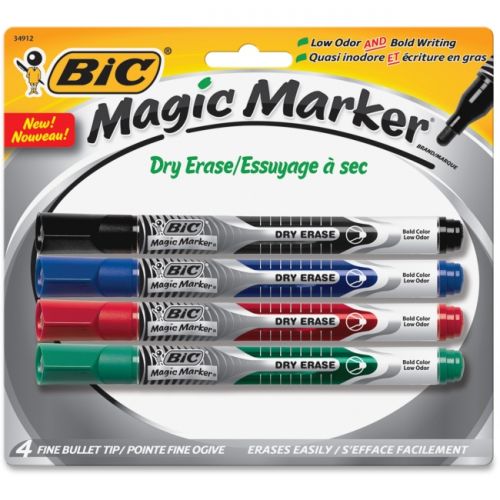
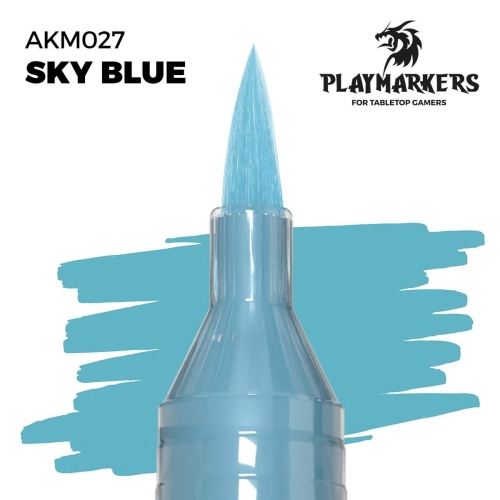
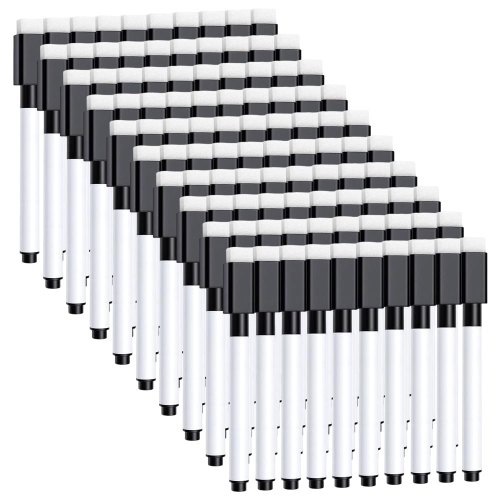
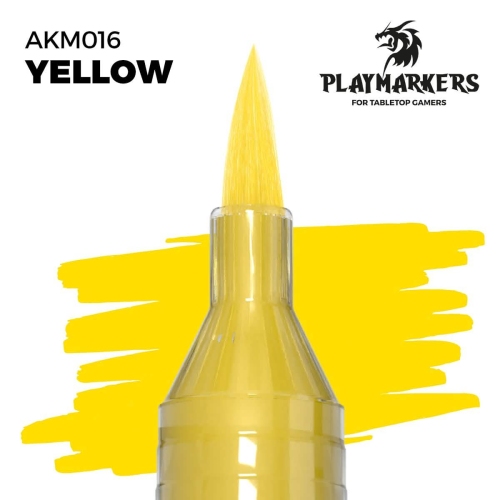
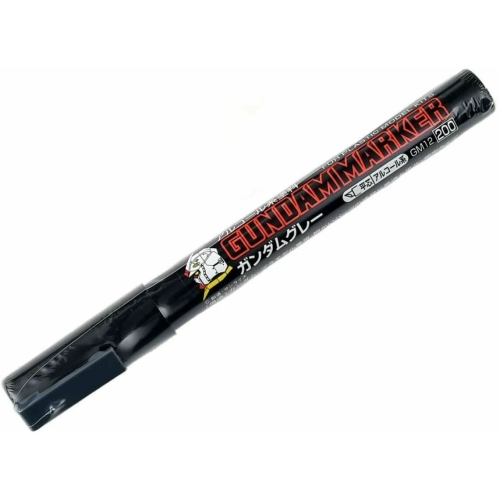
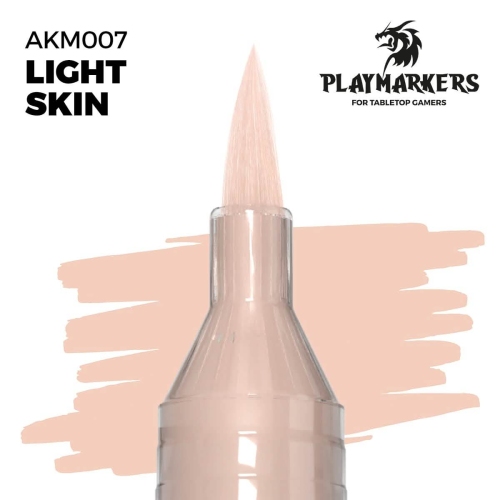
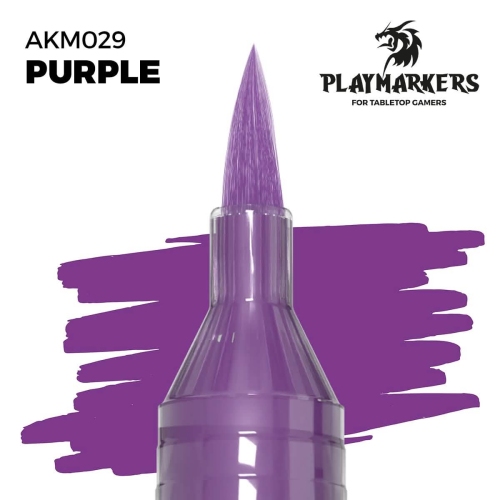
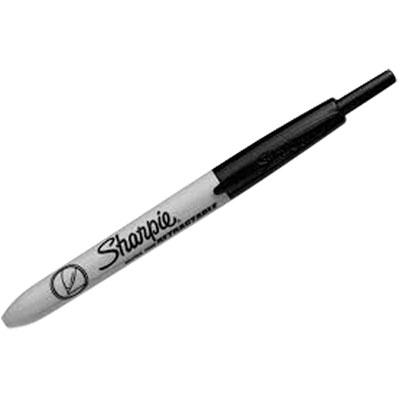
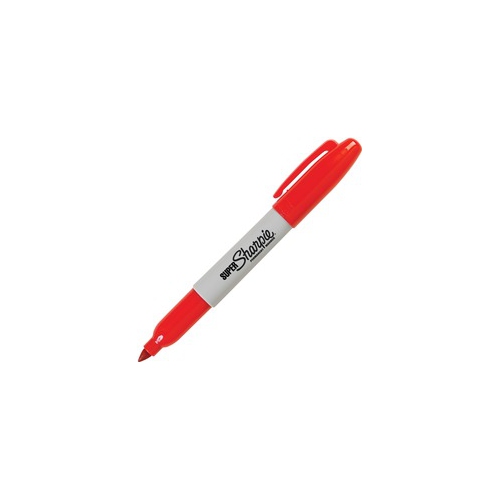
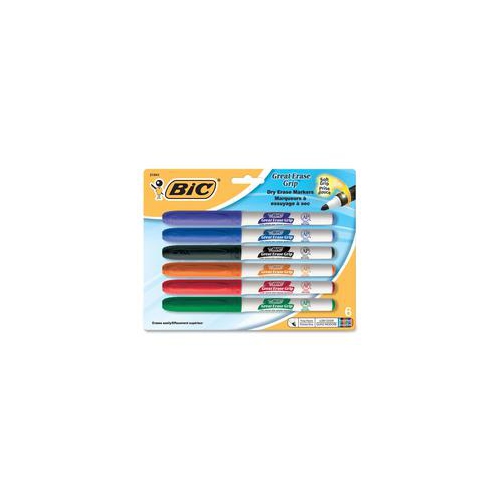
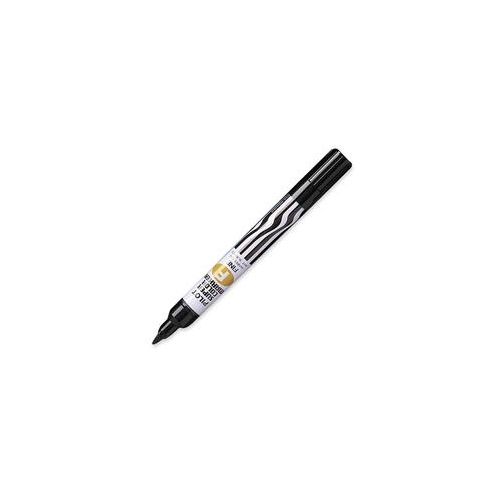

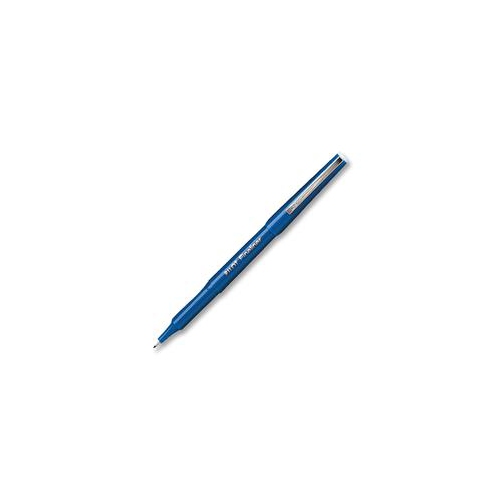


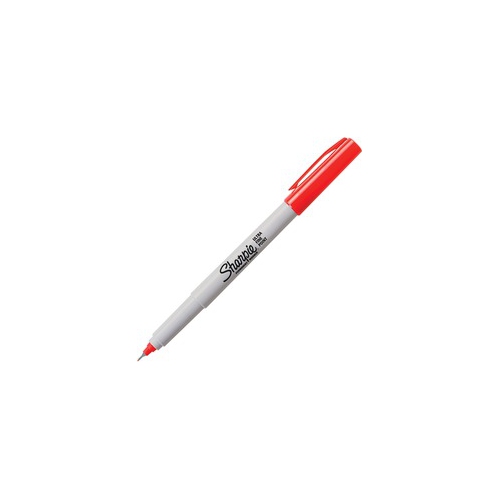
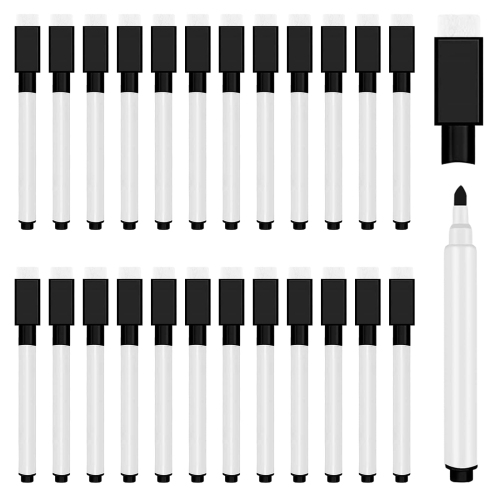
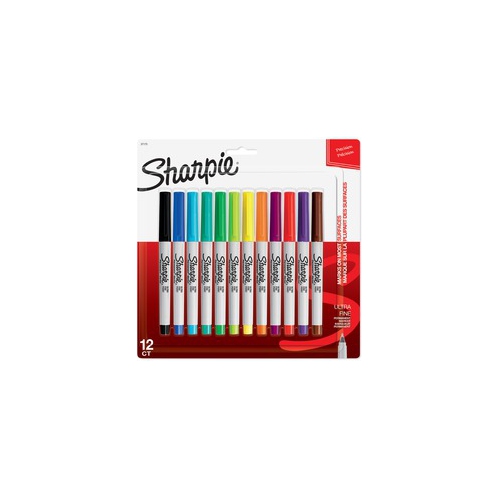













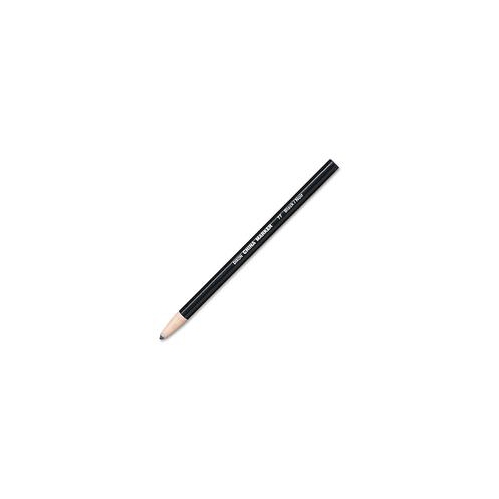
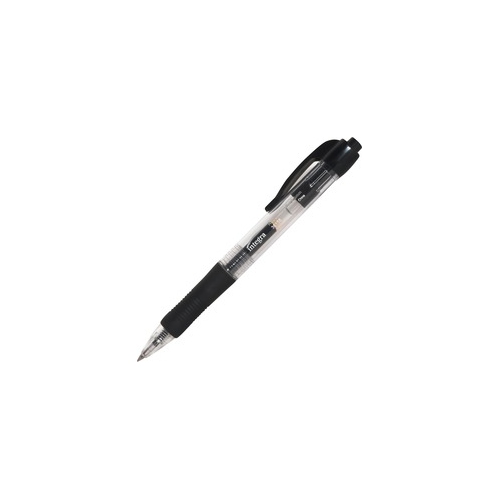

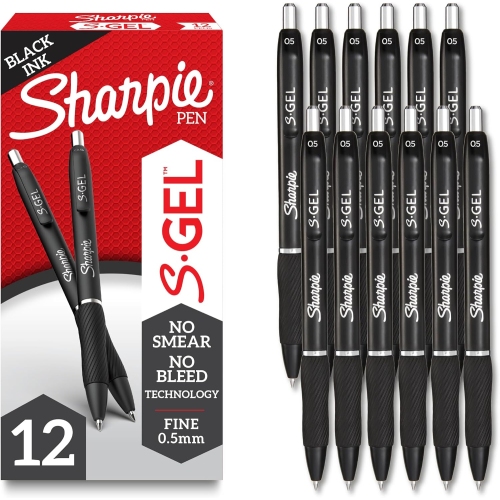


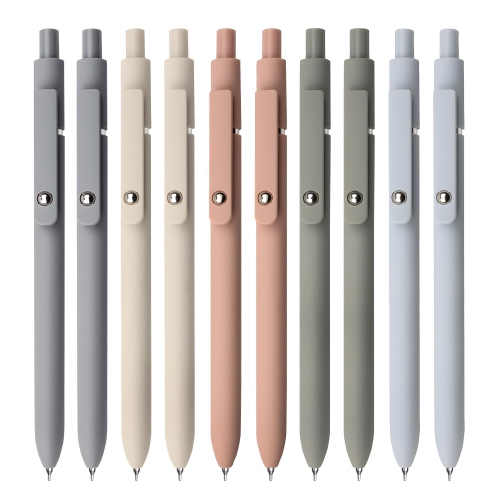



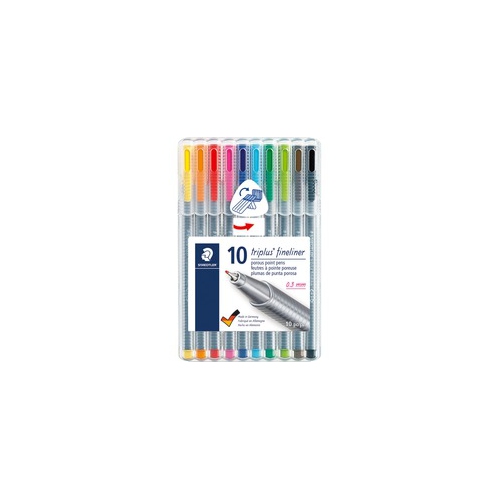
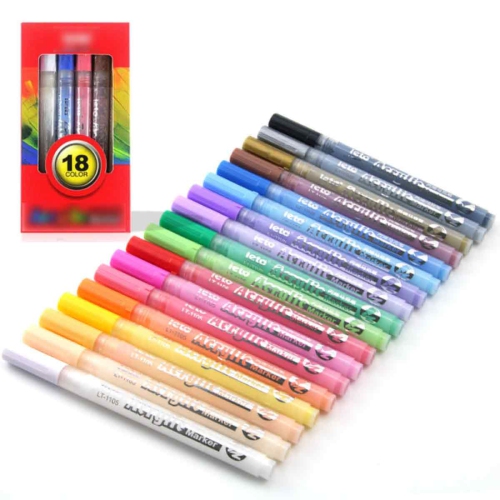
Precise lines depend on more than tip size
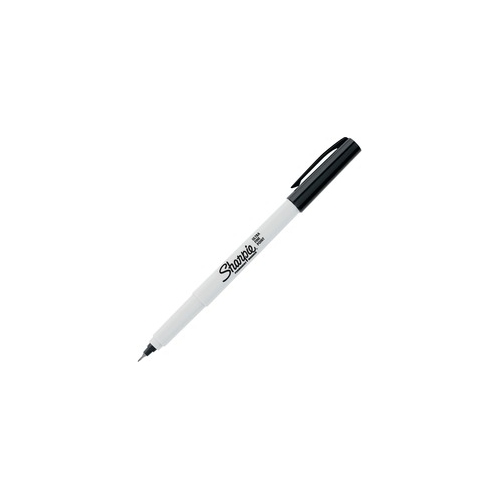
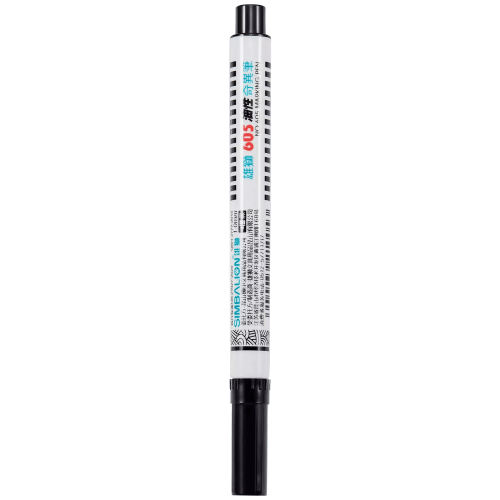
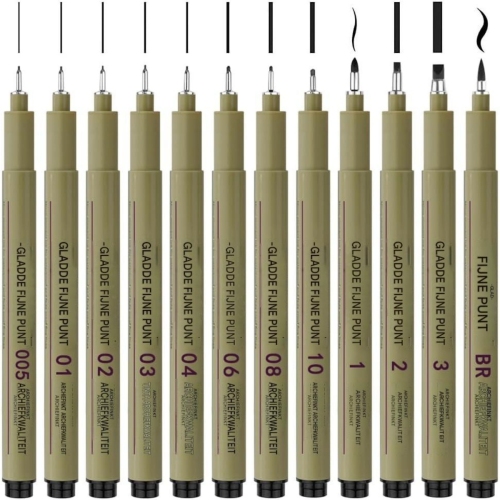
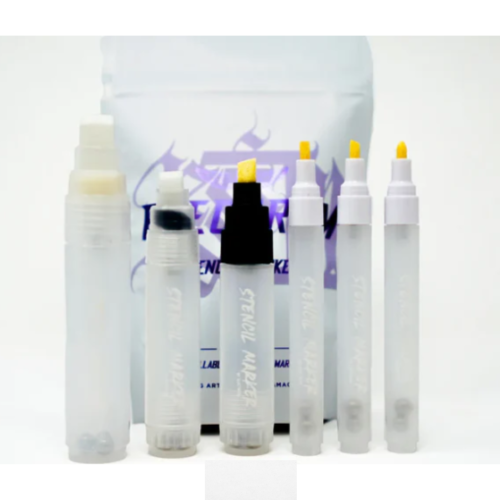
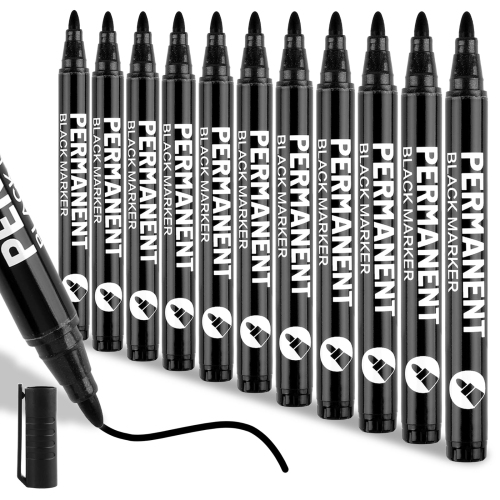
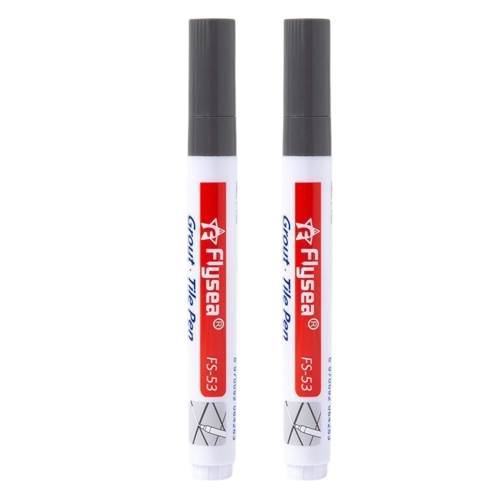
Fine tip markers bring clear, controlled lines to handwriting, illustrations, labels, and detailed creative work. Their narrow nibs make them useful for tasks where a broad marker would cover too much space, such as adding street names to a hand-drawn map, outlining a small sketch, or fitting notes into a planner’s daily boxes. The category includes washable colouring markers, permanent markers for labelling suitable surfaces, and drawing markers designed for precise line work. Although these types can look similar, their inks and nibs serve different purposes. A marker for a child’s colouring page has different requirements from one used to label a storage bin or finish an architectural sketch. Fine tip is also a relative description rather than a single standardized width: a narrow writing marker may leave a noticeably different line from a technical drawing marker. Stated line widths, where provided, offer a more useful comparison than the word “fine” alone. The finished stroke also depends on paper texture, absorbency, writing angle, and pressure. A firm, supported nib generally suits small lettering and consistent outlines, while a slightly softer fibre tip may feel more comfortable for relaxed drawing and handwritten cards. Fine tips should not be confused with brush tips, which are designed to change stroke width more dramatically as pressure and angle change. Barrel shape matters during longer sessions, too. A comfortable grip and a well-balanced body can make repeated annotation or detailed colouring less tiring, while a secure cap helps protect the nib between uses. Students organizing notes, artists adding cross-hatching, and people keeping household labels readable can all benefit from a marker matched to the scale of the task. For shoppers comparing marker-style lines with narrower writing instruments, Fine Tip Pens offer a related category for everyday writing and detailed notation. The distinction is not always sharp, so ink characteristics, tip construction, and intended surfaces are worth considering alongside the product category.
Ink type has a major influence on how fine tip markers behave. Washable markers are intended to make cleanup easier under the conditions stated on their packaging, making them a practical consideration for shared craft tables and children’s drawing activities. Washable does not mean every mark will lift from every fabric or finish, however, and age recommendations and safety labelling still matter. Water-based drawing markers are commonly used for paper projects, lettering, and colouring, but water-based ink is not automatically washable or water-resistant once dry. Permanent fine tip markers are intended to leave lasting marks on specified surfaces, which may include paper, cardboard, plastic, metal, or glass, depending on the formulation. A marker described as permanent is not necessarily suitable for every smooth surface, nor does that description guarantee resistance to sunlight, rubbing, or cleaning products. Alcohol-based inks can dry quickly and produce strong colour, although they may spread through absorbent paper or show through to the other side. Pigment-based drawing inks may offer qualities such as water resistance or resistance to fading, but those claims should be confirmed in the product details rather than assumed. For technical drawing, consistent flow and a predictable line can matter as much as colour intensity. A clean outline helps keep small diagram labels legible and prevents closely spaced hatch marks from merging into a dark patch. Paper choice affects these results: smooth, suitably sized paper can support crisp edges, while thin notebook sheets may allow feathering or bleed-through. A protective sheet beneath the working page can help prevent transferred ink from reaching the next page or the desk. On coated paper and smooth labels, drying time may be longer, even when the same ink feels dry almost immediately on ordinary paper. Anyone combining markers with watercolour, highlighters, or other inks should check compatibility on a spare piece of the intended paper. Allowing each layer to dry can reduce smudging, but only ink formulated for water resistance should be expected to remain stable beneath a wet wash. These differences make surface compatibility and ink performance central to choosing markers for artwork, office use, or household organization.
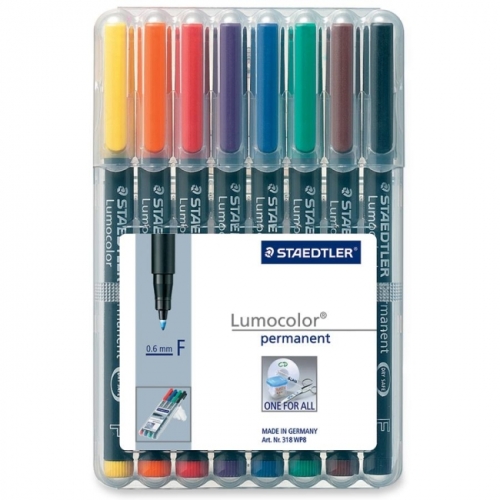
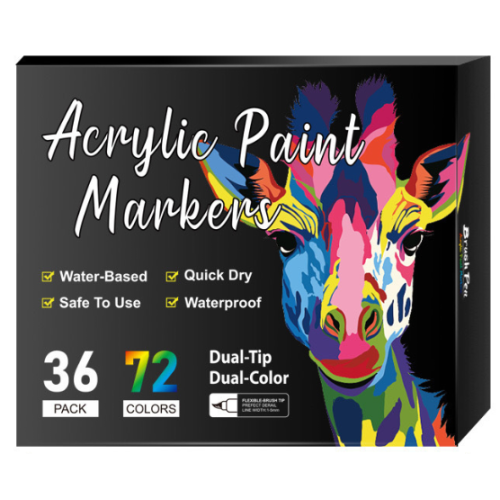
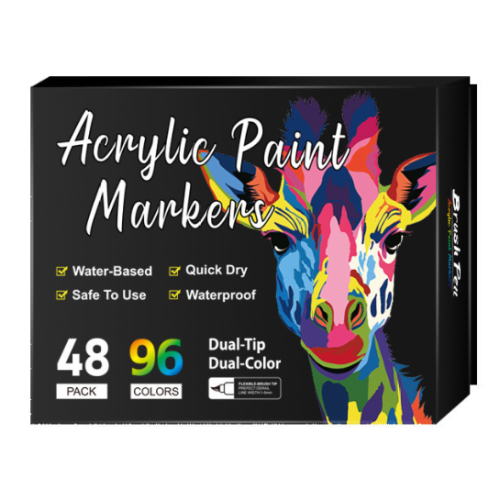
Colour selection and set size are most useful when they reflect how the markers will actually be used. A compact range of clearly distinguishable colours can be enough for calendar entries, subject headings, and diagram annotations, while a broader palette gives illustrators more options for shading small shapes and separating neighbouring details. Black, blue, and other dark shades often provide strong contrast for handwriting; lighter colours can work well for accents but may be harder to read in tiny lettering. For colour-coded notes, combining colour with labels or symbols keeps the information understandable when pages are photocopied or viewed by someone who has difficulty distinguishing certain shades. Cap colours provide a convenient reference, though a small swatch on the intended paper gives a better impression of the ink’s actual appearance. Fine tip markers can make a thoughtful gift for a student who enjoys organized notes, a journal keeper, or someone who spends time sketching and making cards. For younger users, washable ink, suitable age labelling, and a manageable barrel size are more relevant than the largest possible colour range. A case or tray can help keep colours together and protect tips from being knocked around in a drawer or bag. Durability also depends on everyday handling: pressing harder rarely makes a fine nib perform better and can flatten or fray its point, especially on rough paper or textured cardboard. Replacing caps promptly and keeping the cap interior free of dried ink helps maintain a reliable seal. Storage direction varies by marker construction, so the manufacturer’s instructions are more dependable than a general rule about storing every marker upright or flat. Dual-ended designs may have different storage recommendations from single-tip markers. With suitable paper, gentle pressure, and proper care, fine tip markers provide a straightforward way to add readable detail, precise outlines, and purposeful colour to work ranging from a labelled folder to a carefully finished illustration.
Top selling and popular products
-
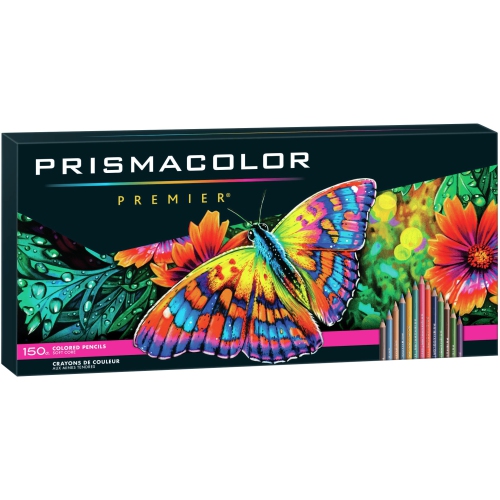 Your price for this item is $179.99
-
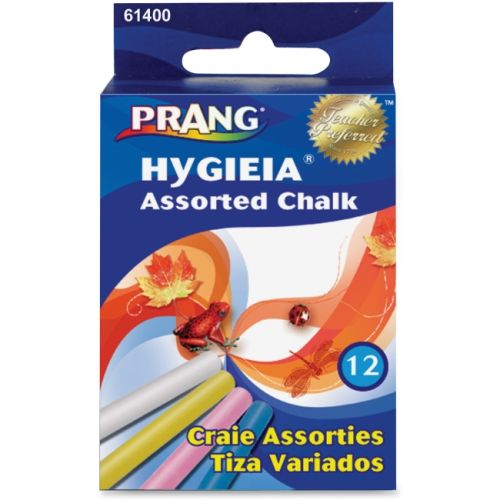 Your price for this item is $2.99
-
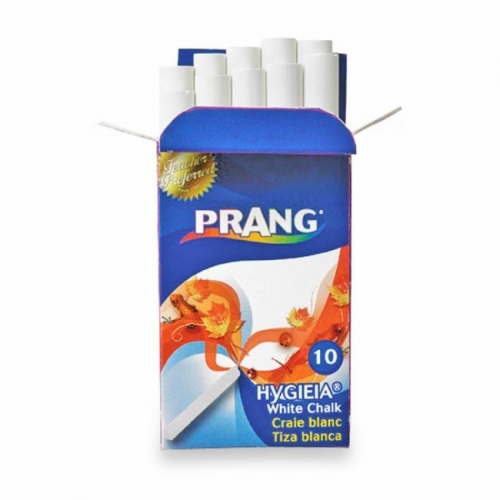 Your price for this item is $1.99
-
 Your price for this item is $10.49
-
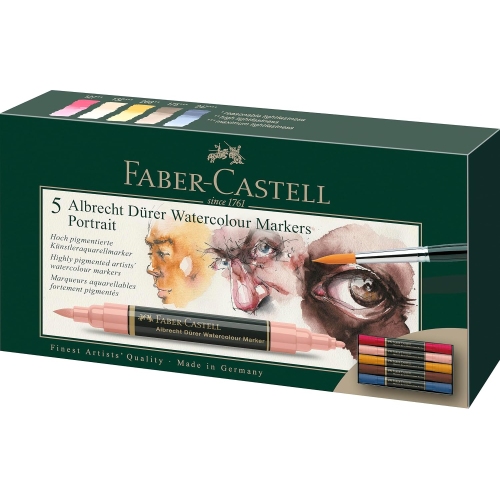 Your price for this item is $29.99
-
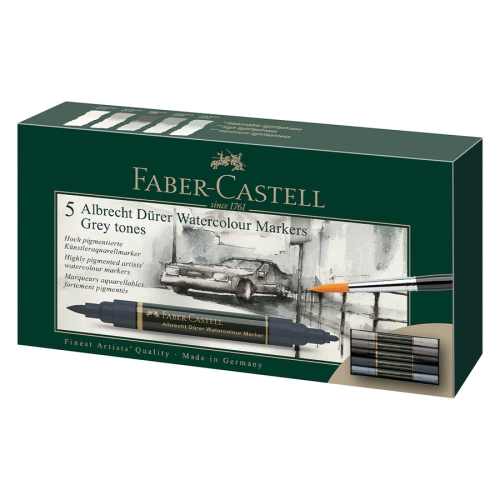 Your price for this item is $22.99
-
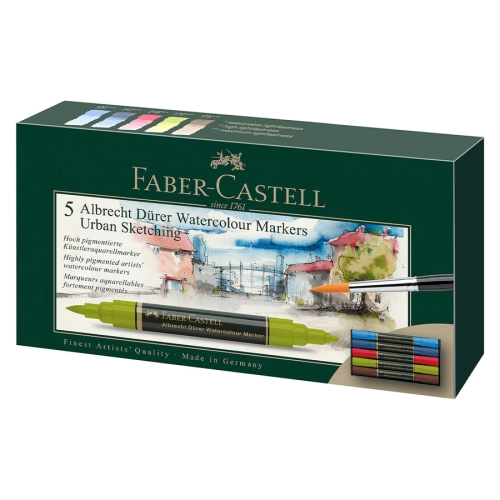 Your price for this item is $26.99
-
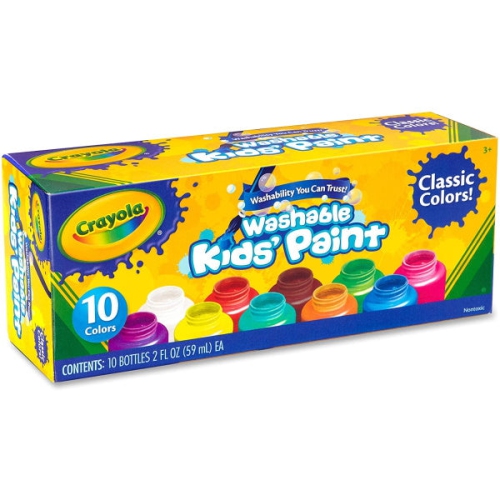 Your price for this item is $37.94
Discover more categories related to Fine Tip Markers
Top Collections:
Pokemon Centers, Kindle Devices, Best Cameras for Sports Photography, Pokémon 30th Celebration Cards, Apple iPhones 16, Canon G7X Cameras, iPhone 15 Apple, Flip Phones, Samsung Galaxy Phones, Alarm Clock
Some products may be subject to Environmental Handling Fees
(EHF) depending on your province.
Learn more about EHFs.