Calculator Paper Rolls
Whether you're a student, accountant, or business owner, having a reliable supply of calculator paper rolls is essential for keeping track of your calculations. These versatile and high-quality paper rolls are designed to fit various types of calculators, ensuring smooth and efficient printing every time. With their durable construction and precise measurements, these calculator paper rolls offer excellent performance and longevity. Explore our wide selection of calculator paper rolls to find the perfect fit for your calculator needs.
Sort
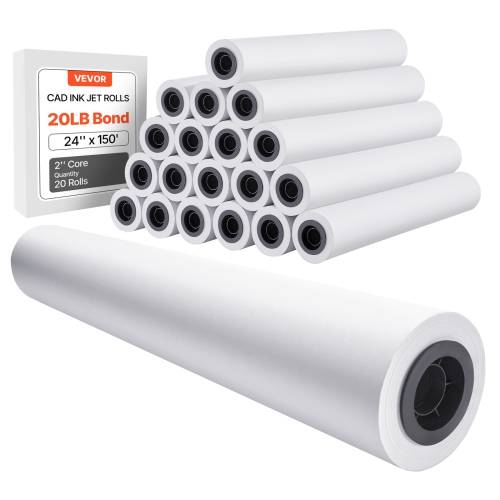
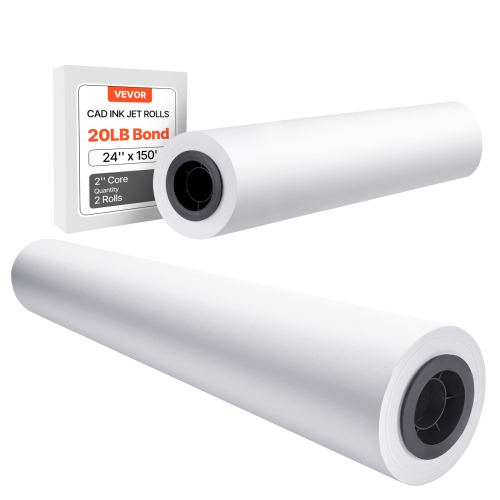
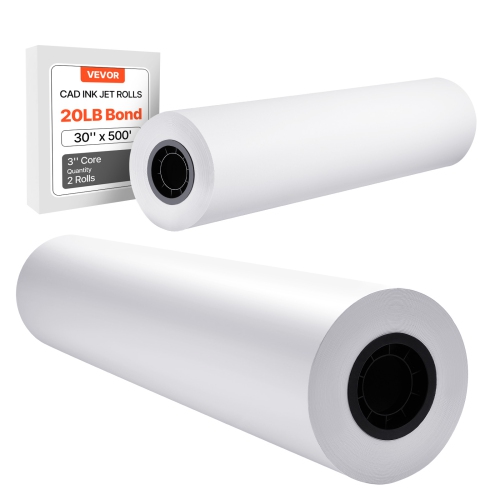
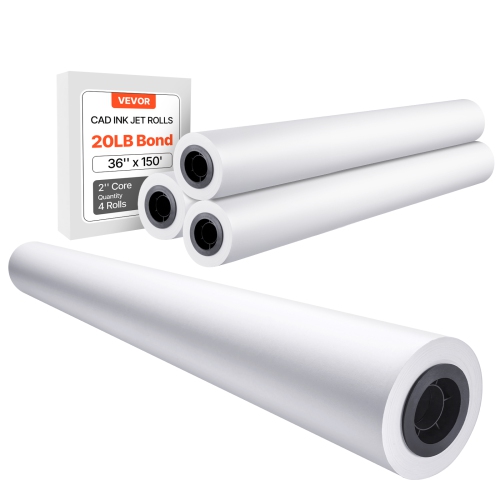
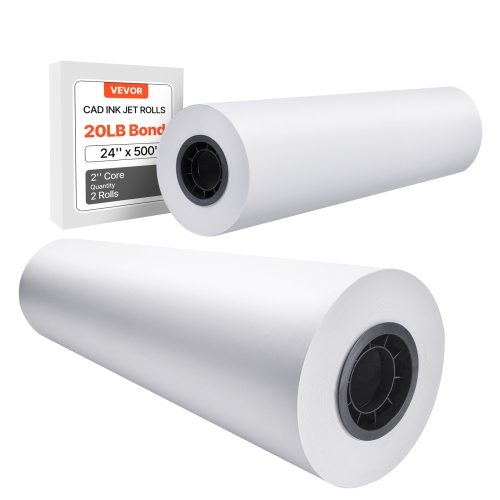
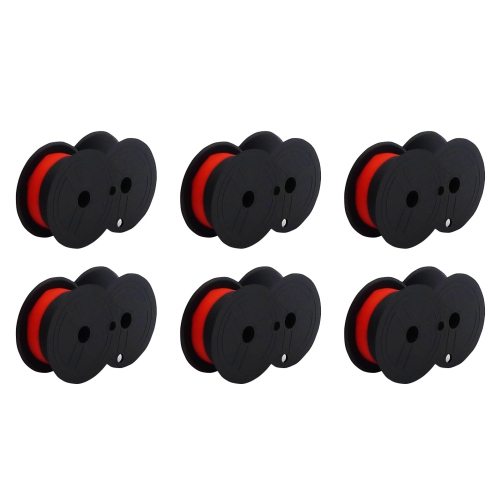

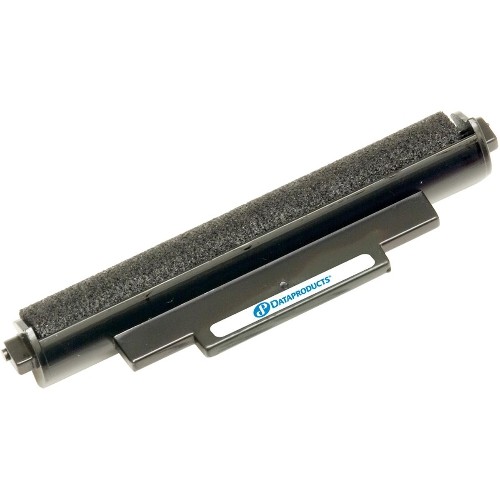



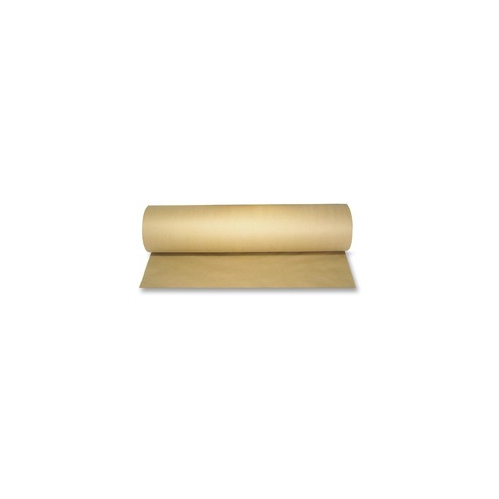
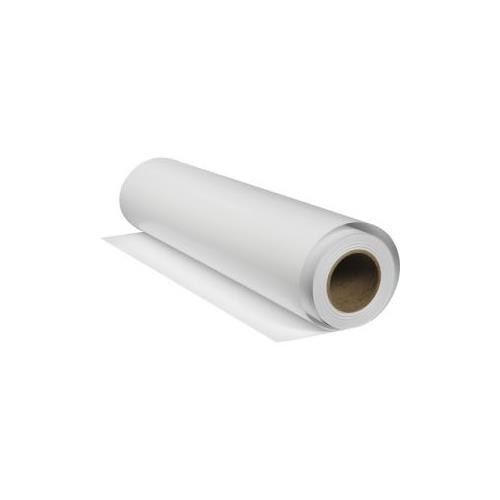
A readable paper trail starts with the right roll
Calculator paper rolls are narrow rolls of paper used in compatible printing calculators and adding machines to create a physical record of calculations. With the calculator’s print function enabled, the paper captures entered figures, arithmetic operations, and totals in a format that can be reviewed away from the keypad. Often called adding machine paper or calculator tape, these rolls serve a practical purpose wherever a screen alone is not enough. A bookkeeper can attach a calculation strip to a group of invoices, a shop owner can compare a printed total with a cash count, and a volunteer treasurer can keep an itemized calculation alongside expense receipts. The printed sequence makes it easier to spot a duplicated entry, trace an unexpected subtotal, or show how a final amount was reached without repeating the entire calculation. That usefulness depends on both the paper and the calculator: the symbols, spacing, and details printed on the strip are determined by the machine’s functions and settings. Clear, evenly fed paper helps preserve the distinction between individual entries and totals, especially when a calculation runs over many lines. For someone handling household accounts, reimbursement claims, or small-business paperwork, a readable strip can provide useful context when returning to a task later. Calculator paper rolls are consumable supplies rather than universal accessories, so their suitability rests on the printer mechanism and physical dimensions specified for the calculator. A roll that looks similar to another may still have a different width, core opening, or outside diameter. Matching those details supports dependable feeding and keeps the printed record easy to read. The most useful choice is therefore the paper that fits the machine correctly and suits the way its calculations will be checked, shared, or filed.
Paper type is a defining difference within calculator paper rolls. Many printing calculators use plain bond paper with an ink ribbon or ink roller, while some use thermal paper that develops an image through contact with a heated print head. These systems require different supplies; thermal paper and plain paper should not be treated as interchangeable simply because the rolls have similar dimensions. For an impact-printing calculator, the paper provides the surface while the ribbon or roller supplies the ink. If the machine supports two-colour printing, such as separate colours for positive and negative figures, that distinction comes from the compatible printing supplies and mechanism rather than from ordinary white calculator paper. Thermal paper has a coated printing surface and does not rely on an ink ribbon to form its image. Alongside the printing method, paper width determines whether the roll follows the feed path properly and provides the intended space for each printed line. The maximum outside diameter affects whether a full roll can sit freely in its holder or compartment, while the core opening must suit any spindle or support used by the machine. Roll length also matters, but a longer roll is only useful when its overall size remains within the calculator’s limits. A compact desk calculator may have much less room around its paper holder than a larger office model. The direction in which the paper unwinds is another practical detail, particularly with thermal paper, where the printable surface must face the print head. Smooth edges, a firmly formed core, and an evenly wound roll contribute to consistent movement through the mechanism. Paper that is crushed, loosely wound, or damaged along its edges can be harder to load and may feed unevenly. Manufacturer specifications offer a more reliable basis for matching a roll than appearance alone, especially when replacing paper in an older adding machine or a calculator shared across several workstations.
Day-to-day handling influences how useful a printed calculation remains after it leaves the calculator. A clean, smooth paper surface gives small digits and arithmetic symbols room to remain distinct, while a tidy roll helps prevent the strip from curling awkwardly around nearby paperwork. During a long reconciliation, letting the printed tape extend freely rather than bunching it against a desk accessory can make the sequence easier to follow. Loading should follow the calculator’s instructions, with the leading edge prepared as directed and the roll seated without pressure against its sides. If printing becomes faint on a machine that uses ink, replacing the paper alone may not resolve the problem; the ribbon or ink roller may also need attention. Uneven feeding can likewise reflect a loading issue or debris in the paper path rather than an unsuitable paper surface. Unused rolls are best kept clean, dry, and protected from crushing, with their wrapping left in place until needed where practical. Thermal printouts deserve particular care because exposure to strong light, heat sources, and certain chemicals can affect their readability. For calculations that need to be retained, storage conditions and the paper manufacturer’s stated characteristics matter more than an assumption that every printed strip will last equally well. Important records may also warrant a scanned copy under the organization’s recordkeeping procedures. Printed tapes can contain account details, transaction amounts, or other private information, so filing and disposal should reflect the sensitivity of the contents. Although the rolled format is shared with other paper supplies, the intended uses differ: Photo Paper Rolls are designed for compatible photographic printing applications, not as a substitute for calculator paper. For routine arithmetic records, correctly matched calculator rolls keep the focus on legible figures, reliable paper movement, and a calculation trail that is straightforward to review.
Top selling and popular products
-
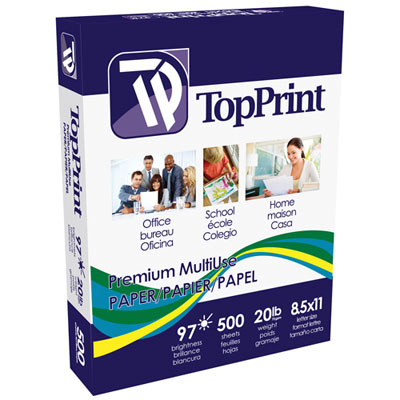 Your price for this item is $10.99
-
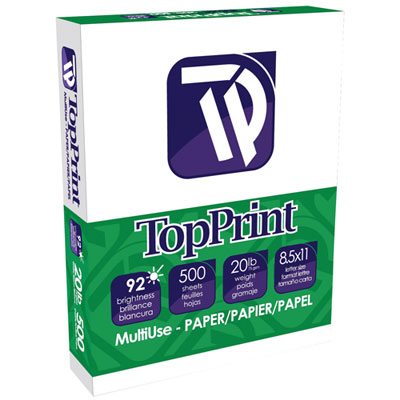 Your price for this item is $10.49
-
 Your price for this item is $11.99
-
 Your price for this item is $78.99
-
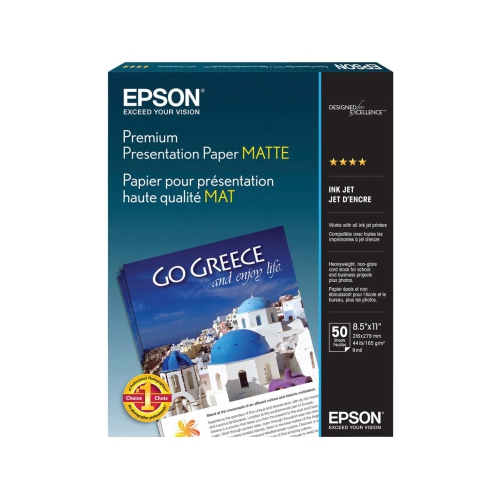 Your price for this item is $21.7
-
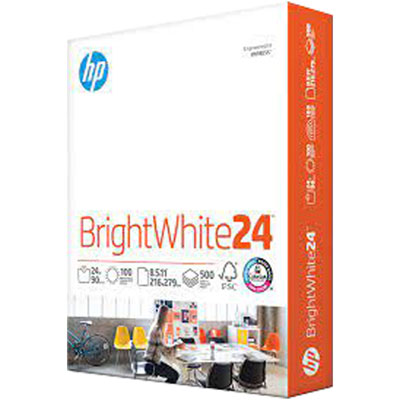 Your price for this item is $21.99
-
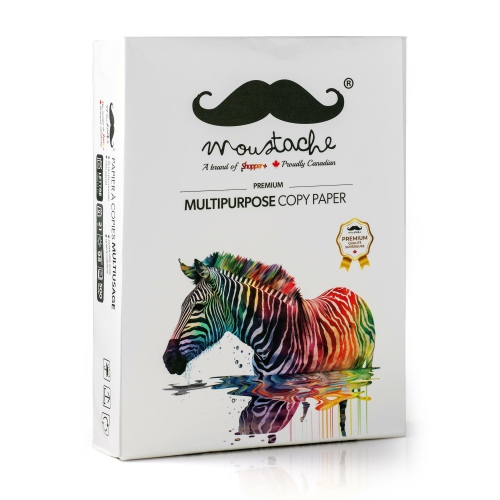 Your price for this item is $18.99
-
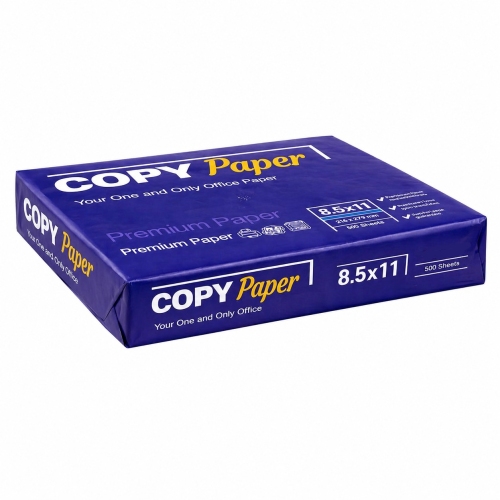 Your price for this item is $22.49
Discover more categories related to Calculator Paper Rolls

Top Collections:
Best Black Friday Deals This Year, Best Black Friday Deals On Electronics, Kindle Devices, Best Black Friday Deals On Apple Products, Best Budget Office Chairs, Best Cameras for Sports Photography, Dyson Airwrap, Canon G7X Cameras, Best Laptops for Writers, Samsung Galaxy Phones
Some products may be subject to Environmental Handling Fees
(EHF) depending on your province.
Learn more about EHFs.