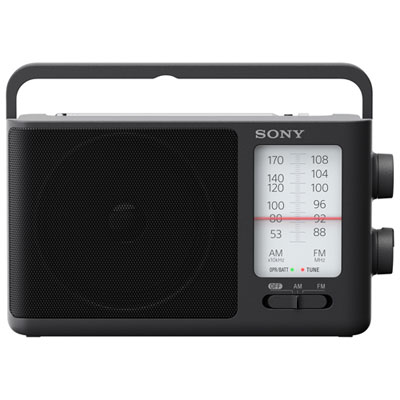
Camping Walkie Talkies
Whether you're embarking on a family camping trip or venturing into the great outdoors with friends, staying connected is essential for a safe and enjoyable experience. Camping walkie talkies are the perfect solution, offering reliable communication in remote areas where cell service may be limited or non-existent. With a range of features designed specifically for outdoor enthusiasts, these rugged devices allow you to easily communicate with your companions, coordinate activities, and ensure everyone stays connected no matter where your adventures take you. From long-range capabilities to weather-resistant designs, explore our selection of camping walkie talkies to find the perfect companion for your next outdoor excursion.
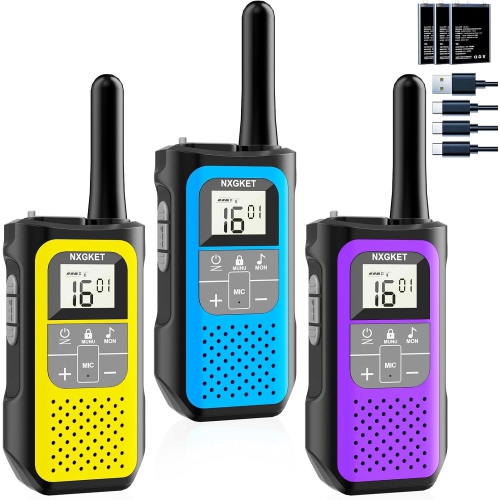
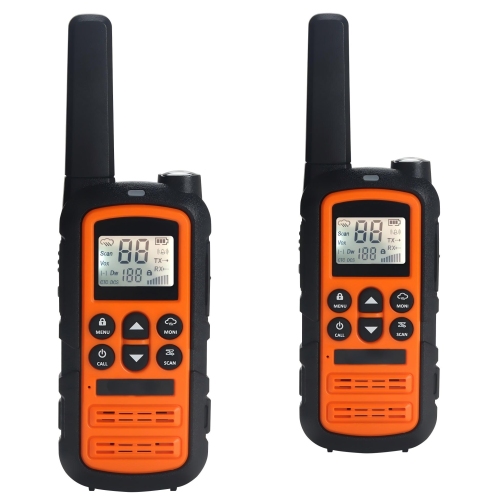
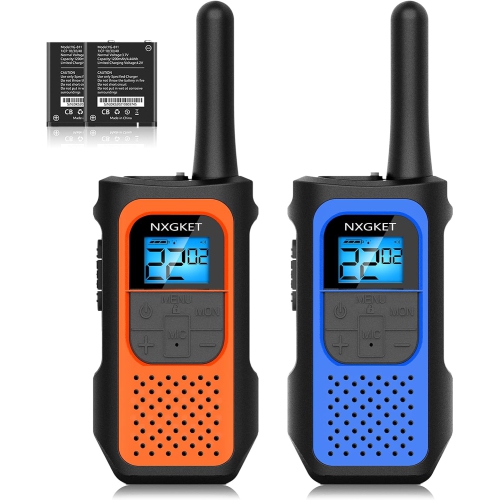
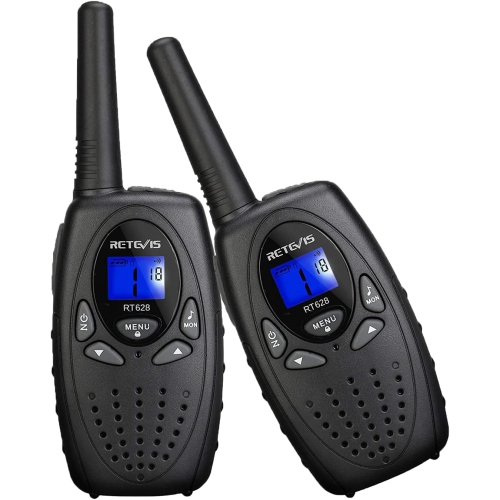
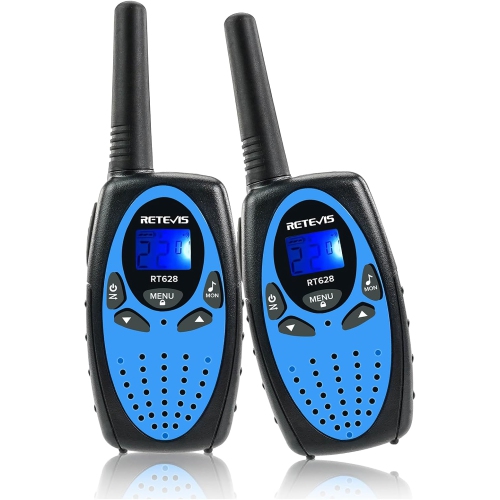
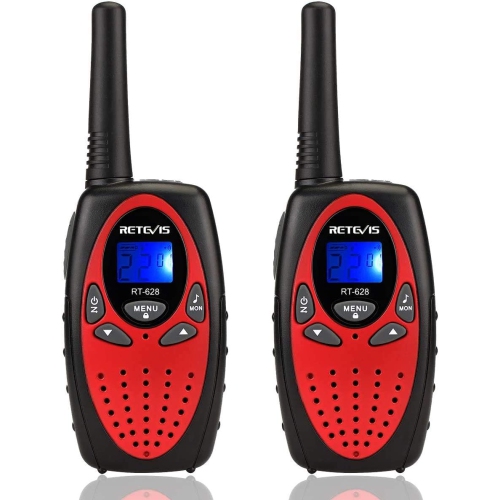
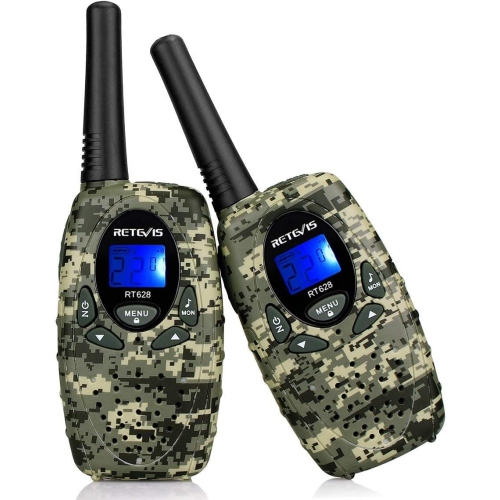
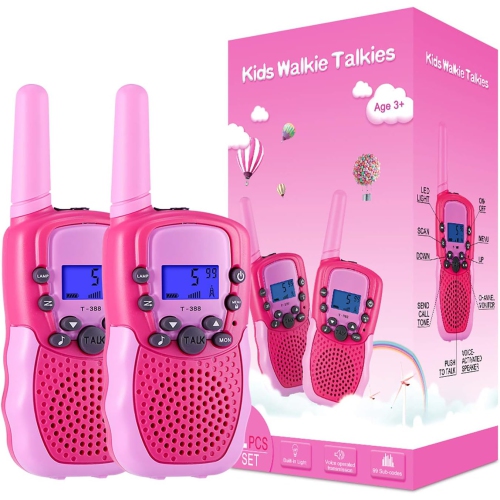
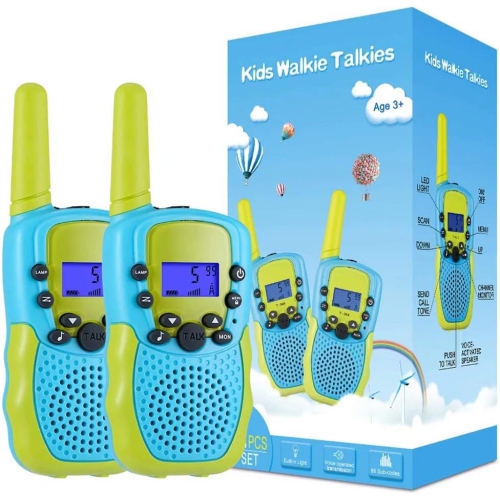
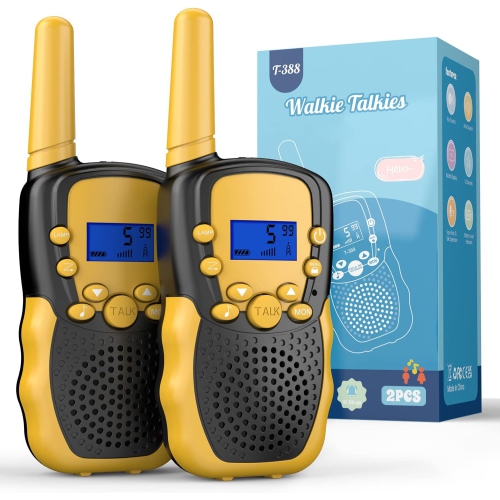
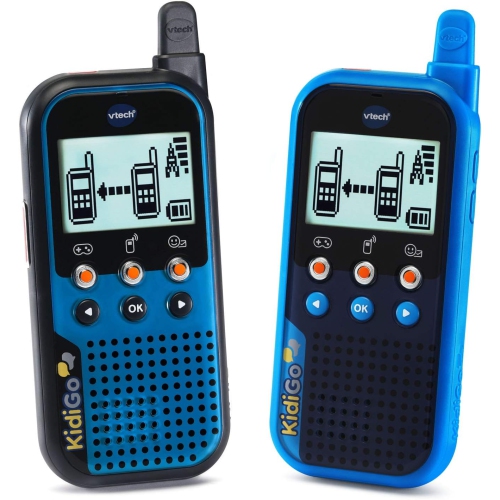
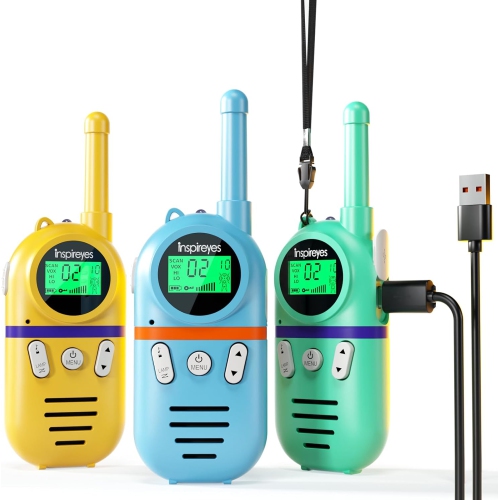
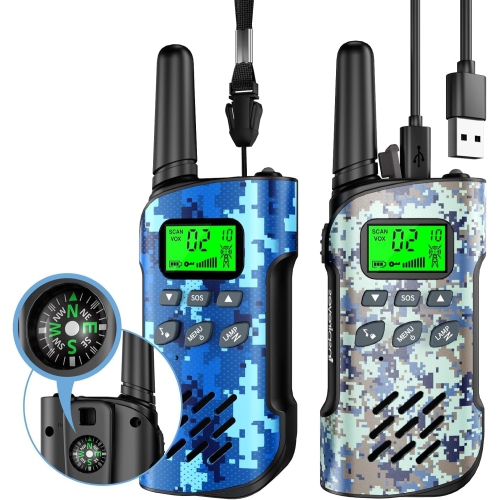
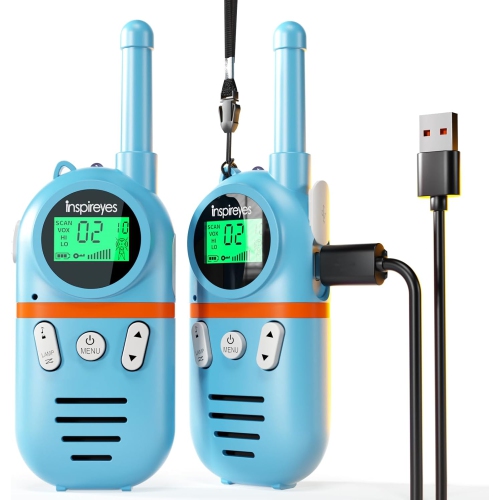
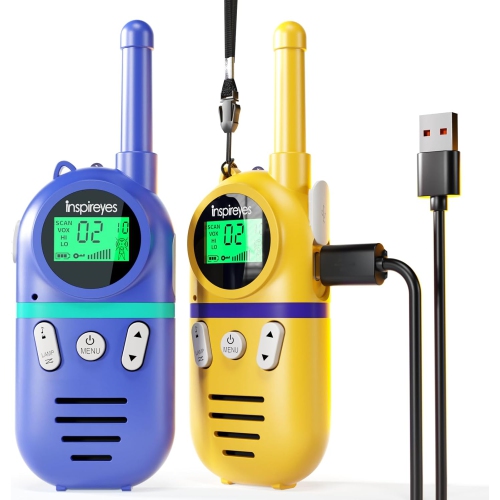
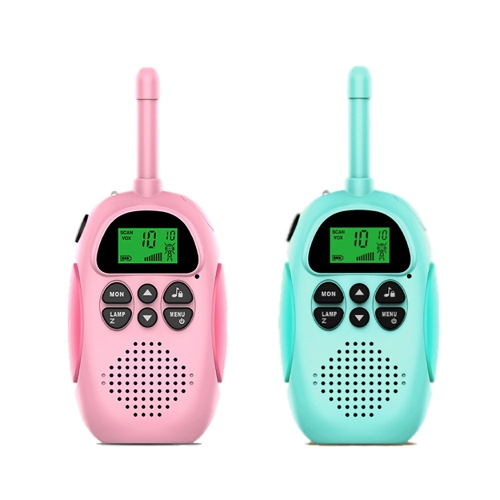
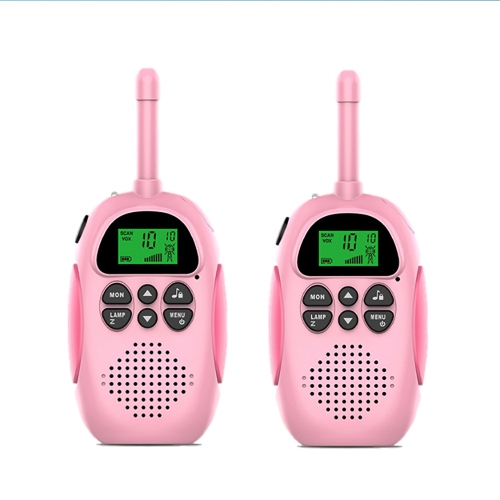
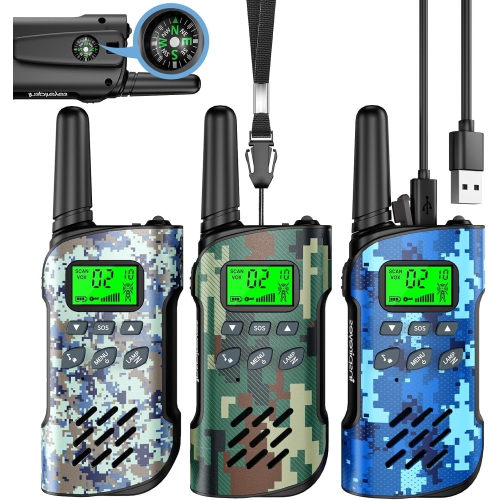
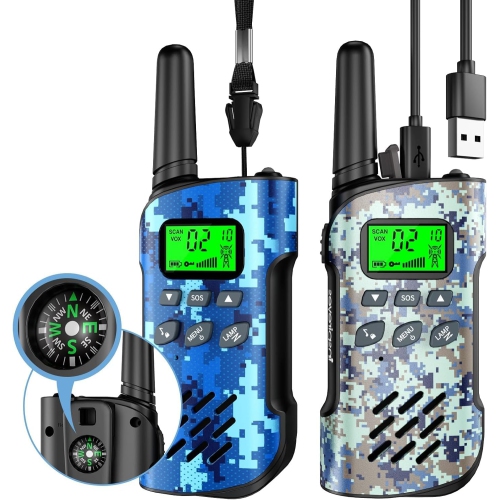







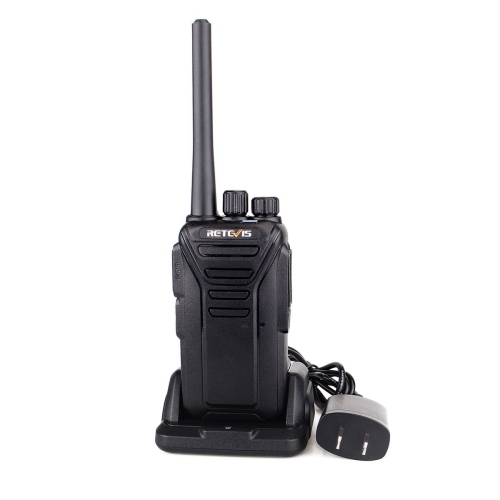
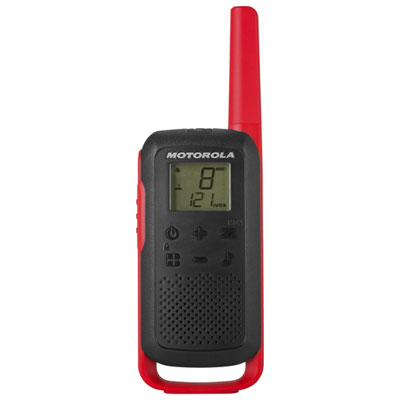
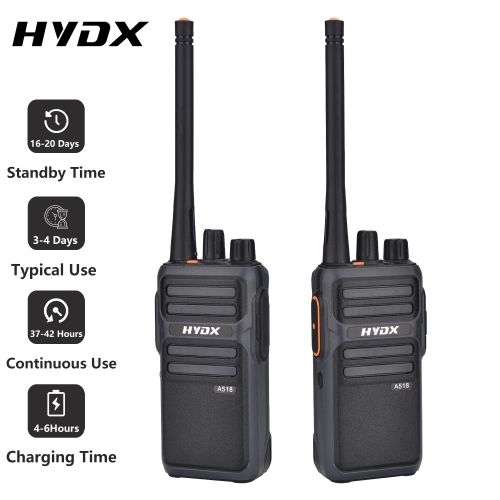

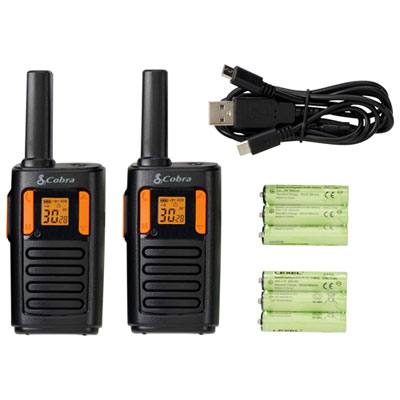

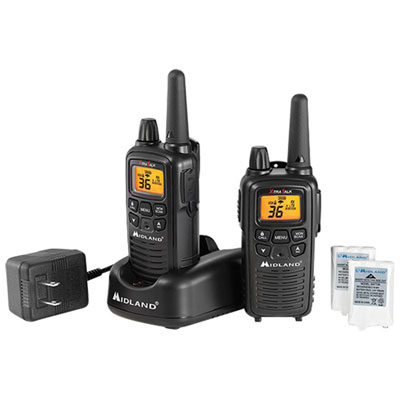
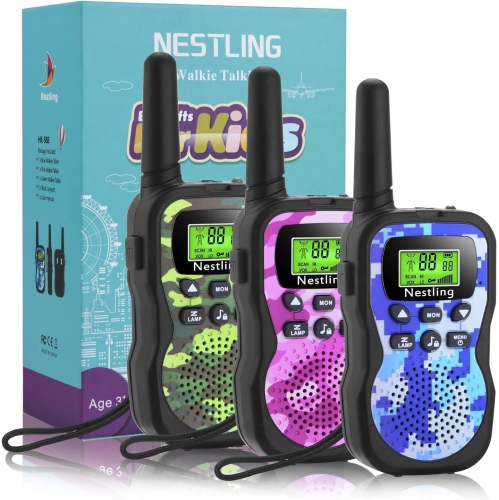

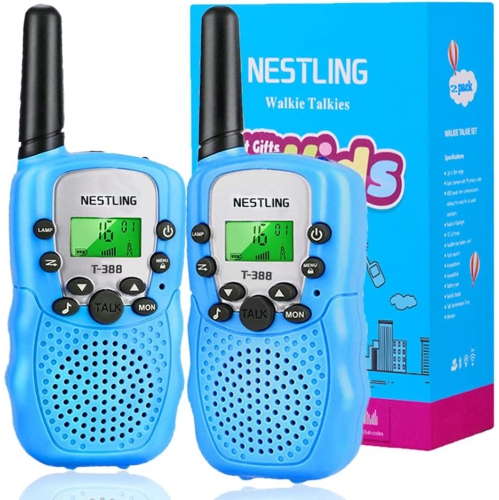
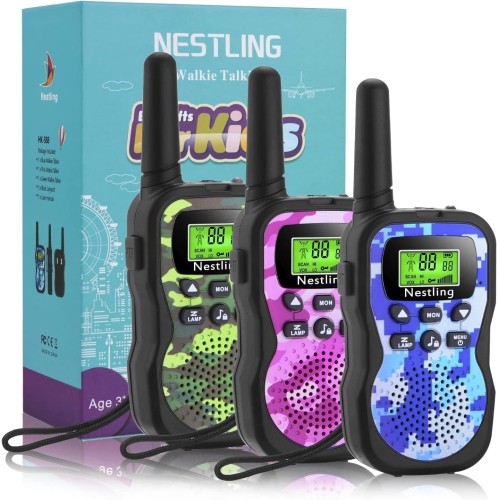
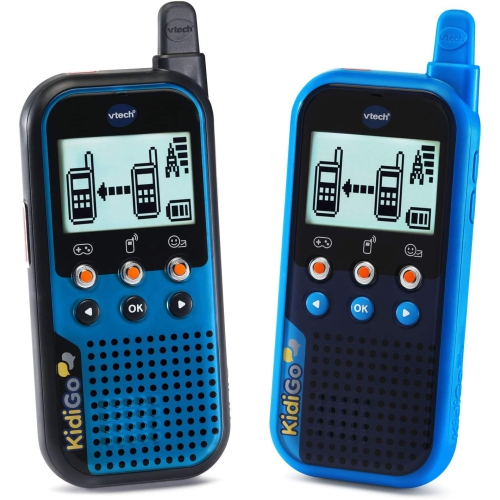
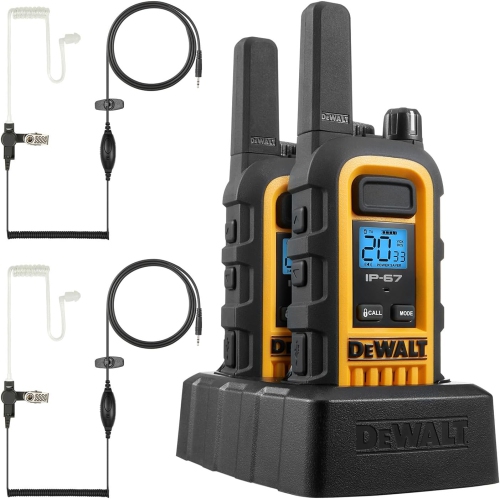
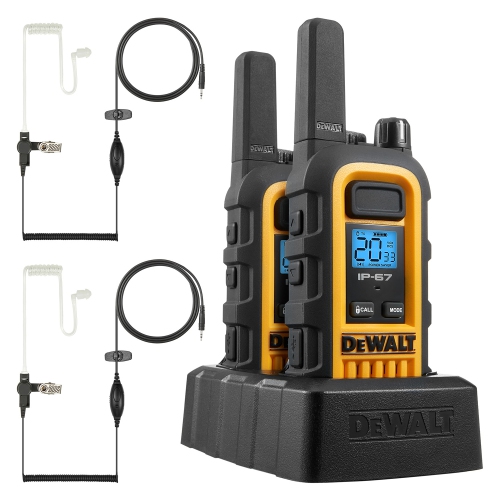
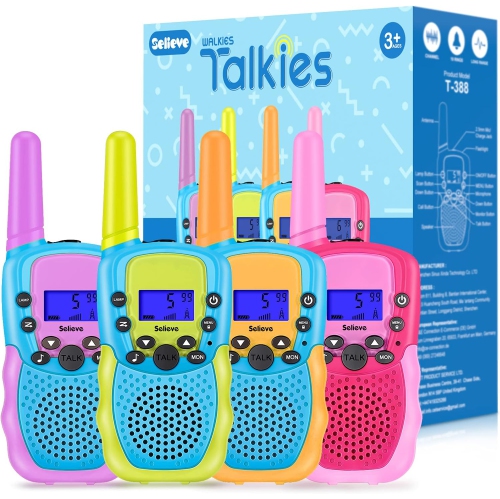
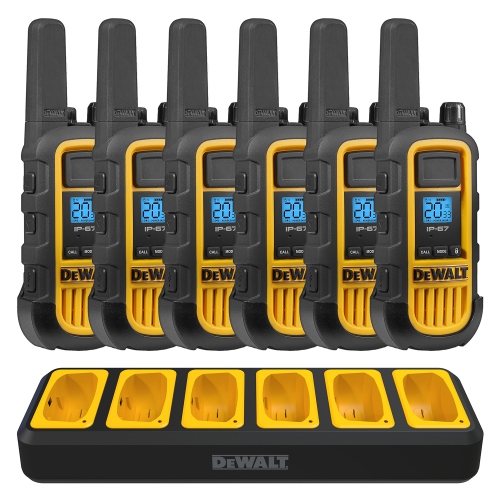
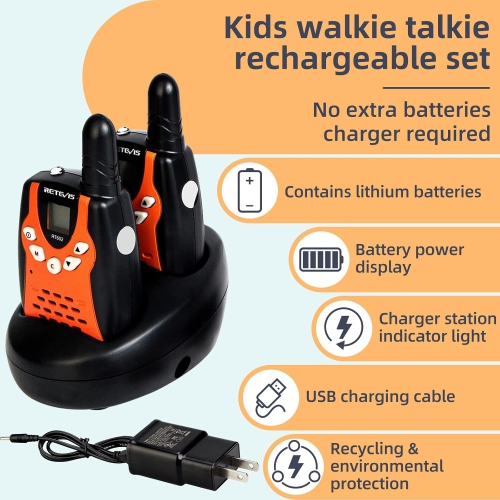
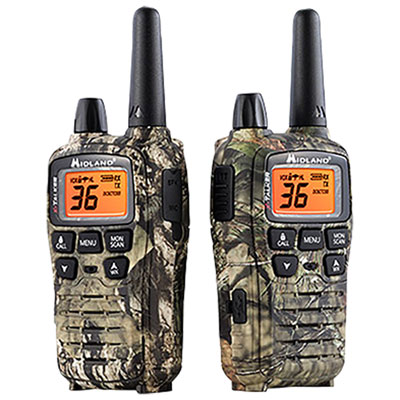

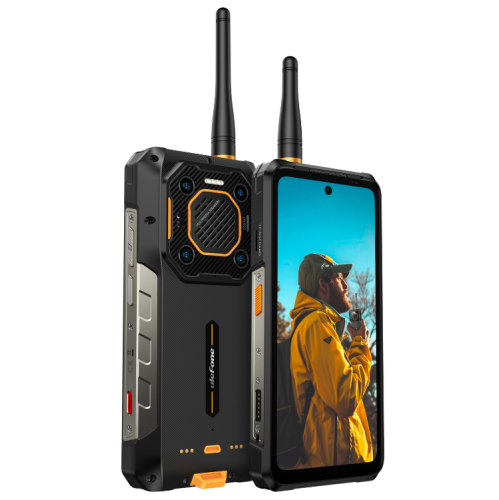
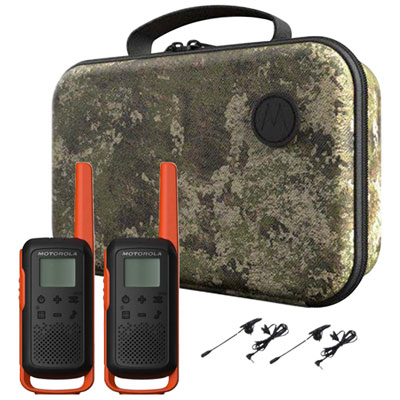
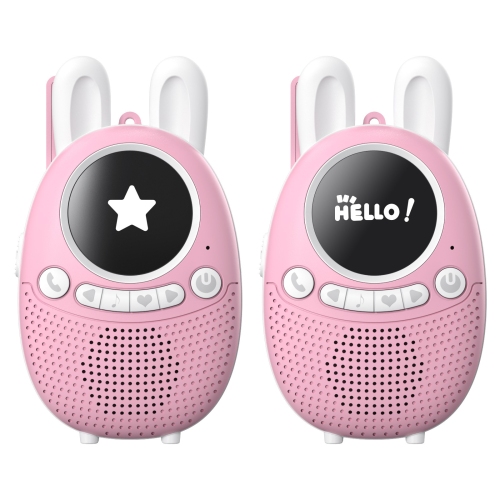

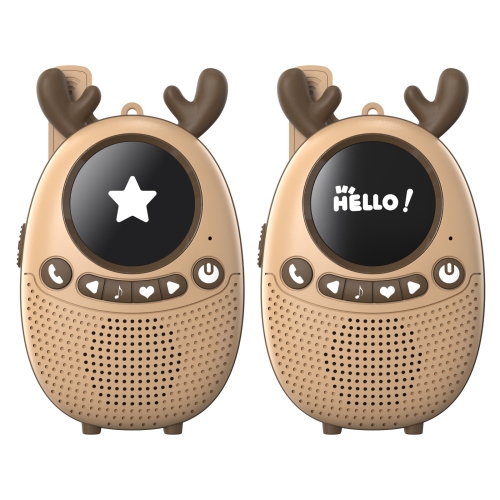
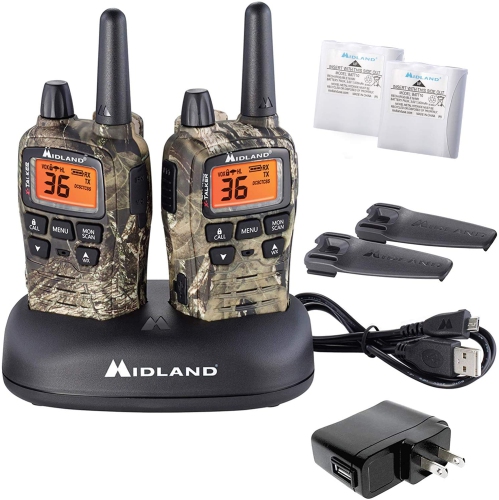
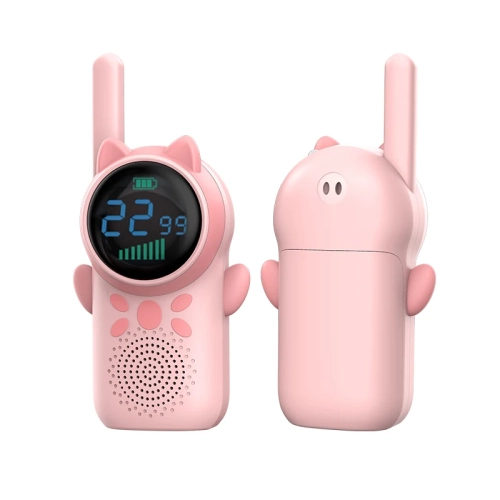
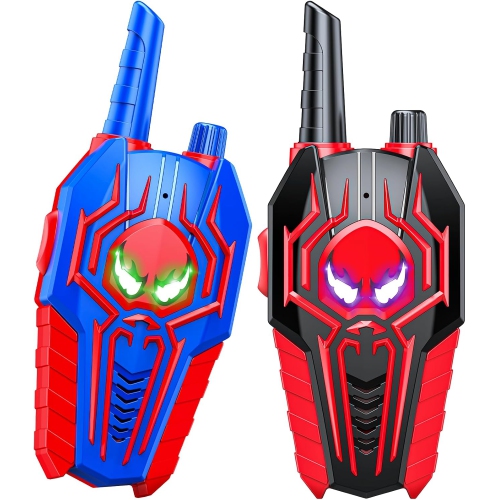


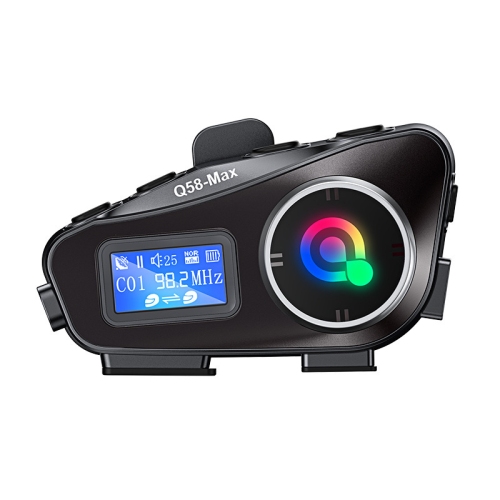
Reliable communication for campsites, trails, and changing conditions
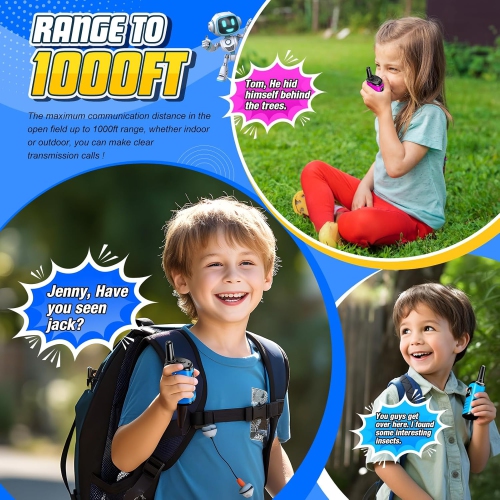
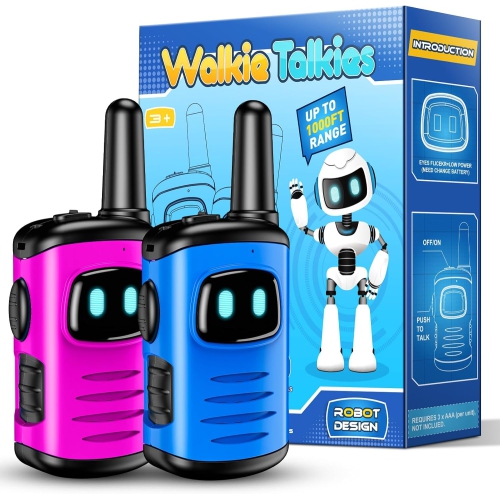
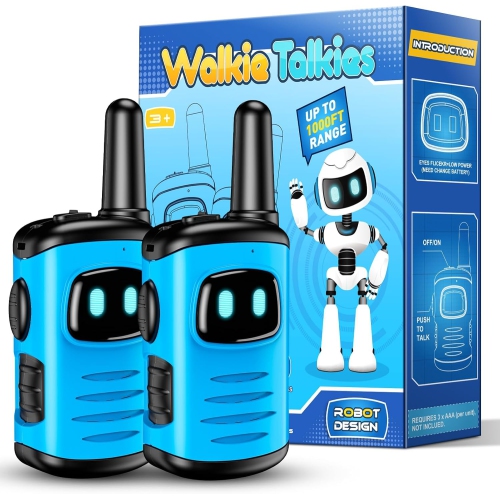
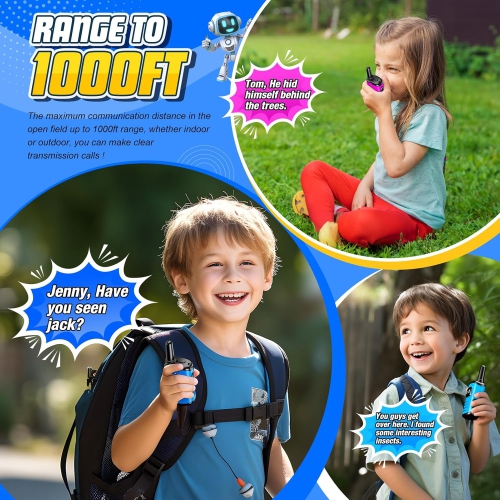
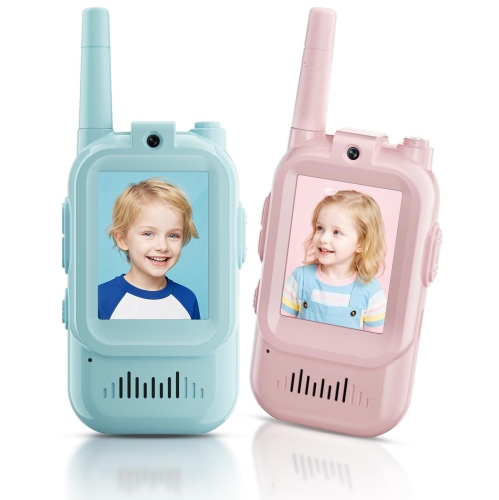
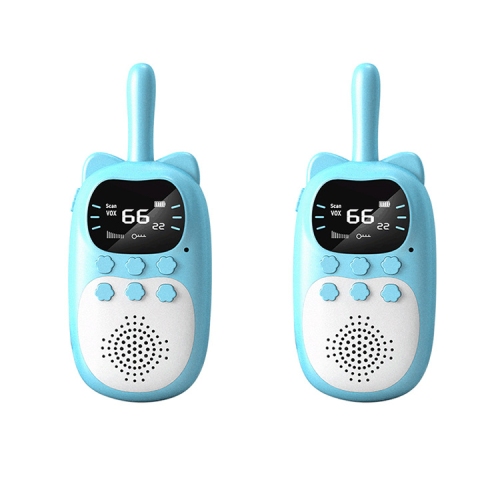
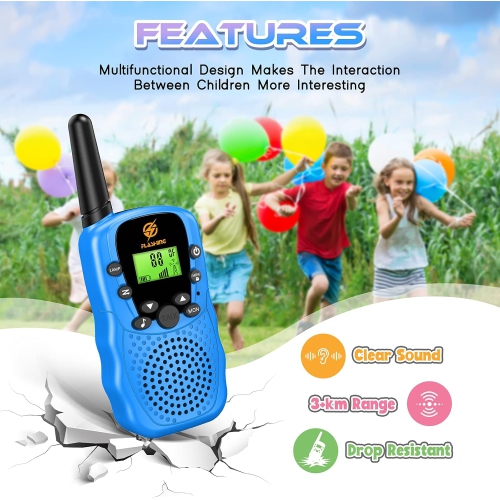
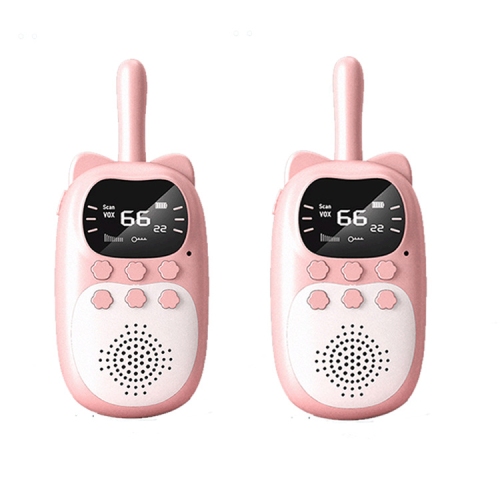
Range is one of the most important considerations, but advertised distances should be treated as an ideal maximum rather than a guarantee. Radios typically perform best with a clear line of sight, such as across an open field, a quiet lake, or a campground with few obstructions. Trees, thick brush, rock faces, buildings, hills, and changes in elevation can shorten the usable range considerably. Two people standing on opposite sides of a wooded campsite may have a very different experience from two people communicating across open water. For backcountry outings, it is worth testing the radios before setting out and agreeing on a simple communication plan, including which channel to use, when to check in, and what to do if a message is missed. Privacy codes can reduce unwanted chatter from other users on the same channel, but they do not make a conversation private or secure. Families may appreciate multiple channels and call tones for identifying the right group, while experienced campers may prefer a rugged design with dependable controls and a long operating time. Hands-free voice activation, often called VOX, can be convenient when setting up a tent, carrying a canoe, preparing food, or helping a child, although wind and surrounding noise can trigger transmission on some settings. For the clearest communication, hold the radio a short distance from your mouth, speak at a steady volume, and pause briefly after pressing the button before talking.
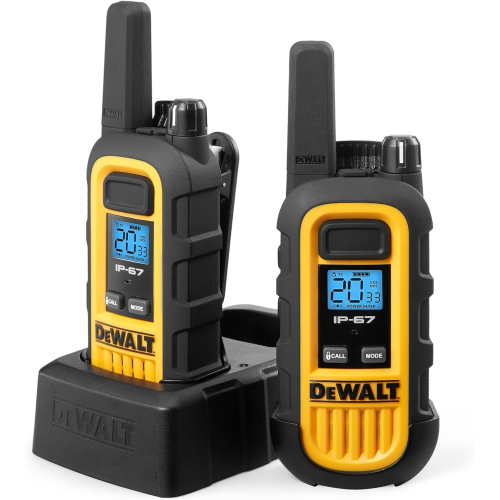
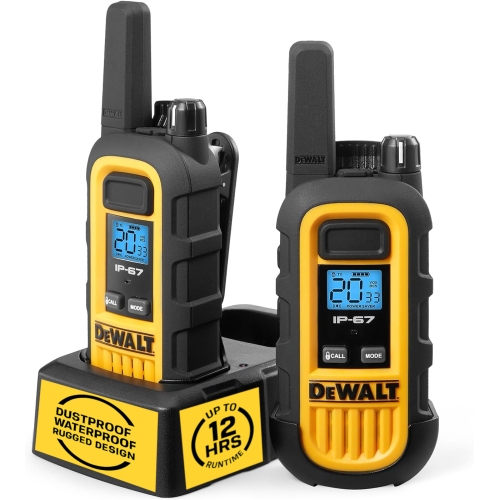
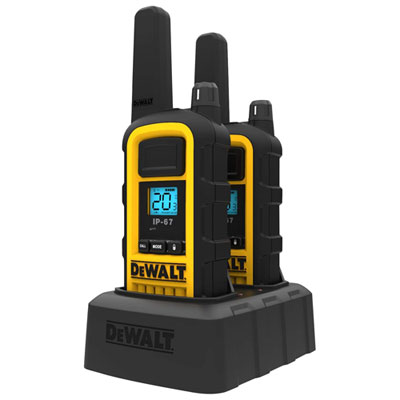
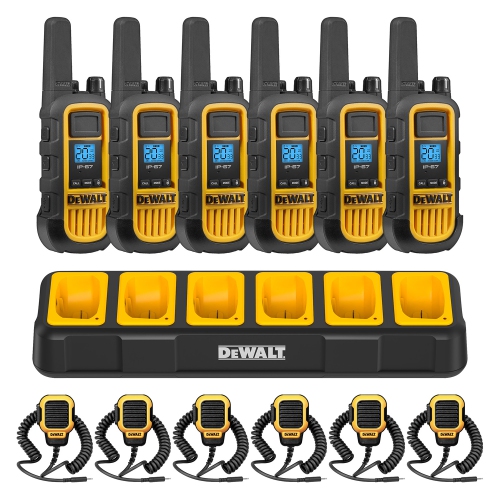
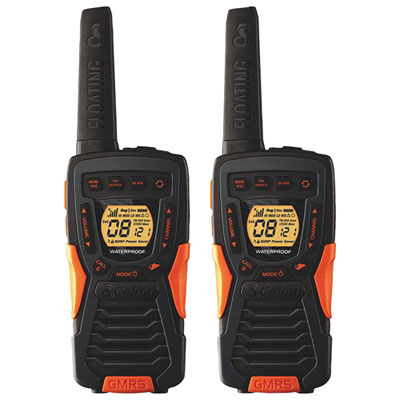
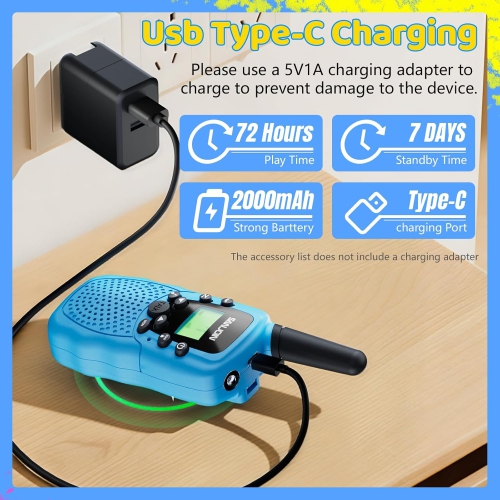
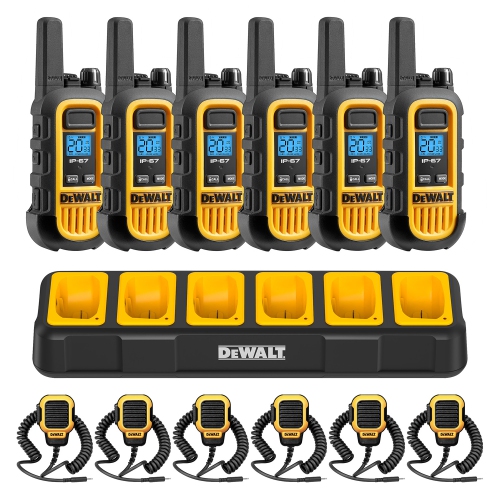
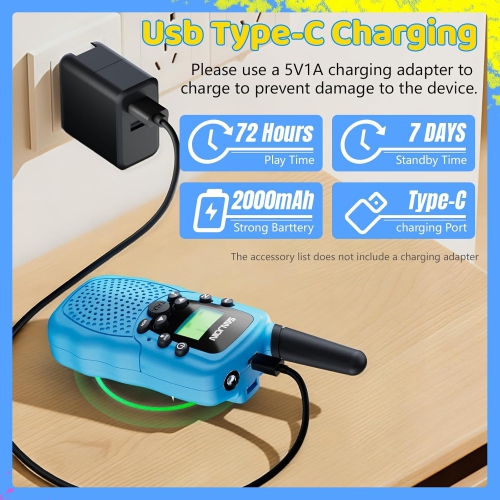
Outdoor conditions can change quickly, so durability and power are just as important as sound quality. Water-resistant or waterproof construction helps protect a radio from rain, splashes, damp gear, and accidental drops near a creek or lake. An IP rating can provide useful information about resistance to dust and water; for example, an IP67-rated device is designed to withstand dust and temporary immersion under specified testing conditions. Floating models can be especially practical for canoeing, kayaking, fishing, dockside use, or family trips where a radio could slip from a pocket into the water. Even when a radio is built for wet conditions, check that the battery compartment is properly closed before exposure and rinse away salt or grit as recommended by the manufacturer. Battery life also deserves attention, particularly for multi-day camping trips where an outlet may be far away. Rechargeable models can be convenient for regular use, while radios that accept standard alkaline batteries can be easier to keep running in remote places. Pack a charged spare battery set, a compatible charging cable, or a portable USB power bank when possible, and remember that features such as bright displays, scanning, weather alerts, and frequent transmission can use power more quickly. Weather channels and alert functions can provide useful warnings about approaching storms where supported, but they should complement—not replace—local forecasts, campground notices, and emergency instructions. During the warmer season and through the cooler months, camping walkie talkies can bring a practical sense of confidence to everyday outdoor communication, whether they are clipped to a backpack on a forest walk, resting beside a picnic table, or ready in a gear bin for the next weekend away.
Top selling and popular products
-
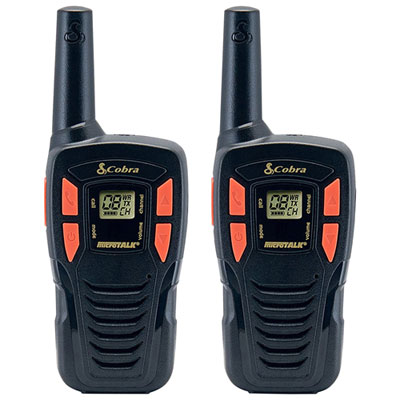 Your price for this item is $69.99
 -
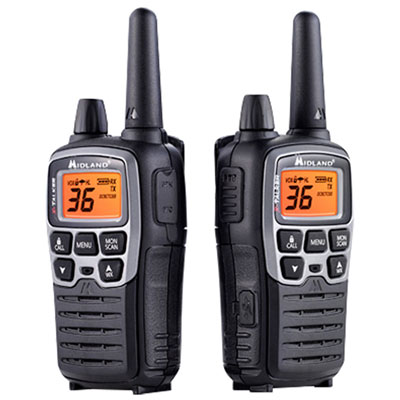 Your price for this item is $139.99
 -
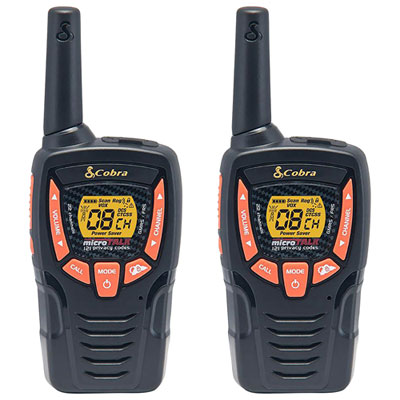 Your price for this item is $89.99
 -
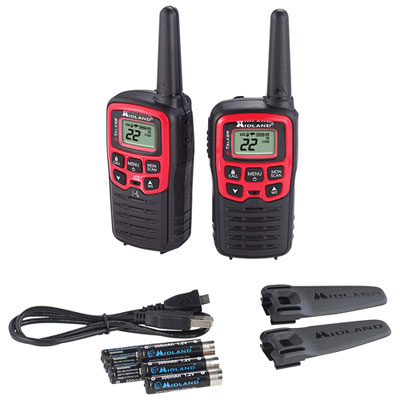 Your price for this item is $89.99
 -
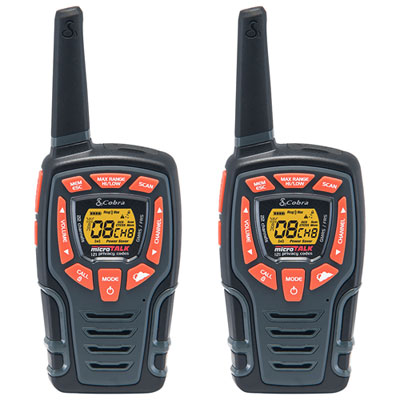 Your price for this item is $129.99
 -
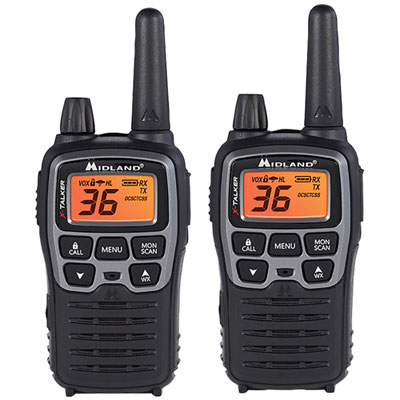 Your price for this item is $179.99
 -
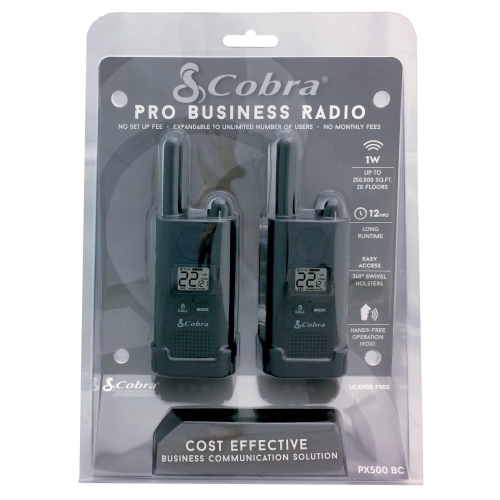 Your price for this item is $57.25
 -
 Your price for this item is $178.99