Card Files
Organizing your important documents and keeping track of your business cards has never been easier with these card files. Whether you're a professional looking to streamline your office space or a student in need of a reliable storage solution, our card files are designed to meet your organizational needs. With various sizes and styles available, you can find the perfect card file to fit seamlessly into your workspace.
Sort

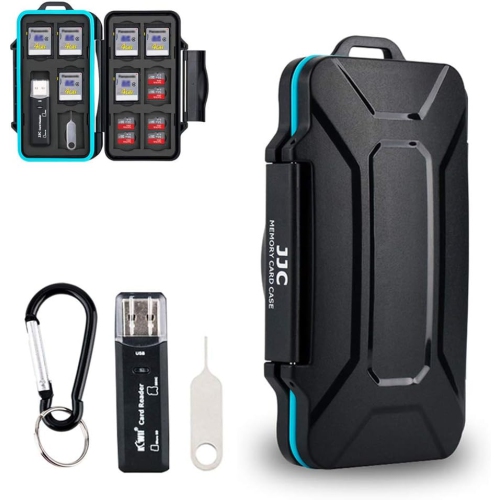
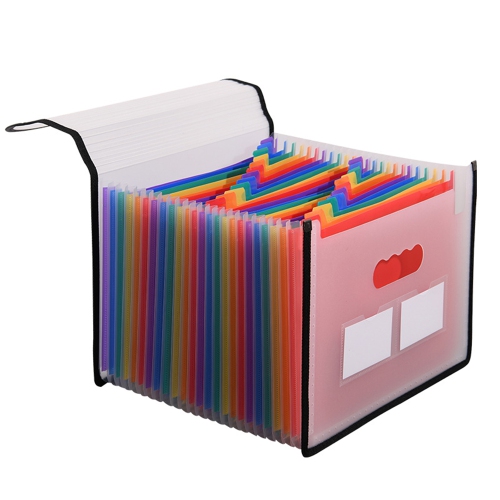
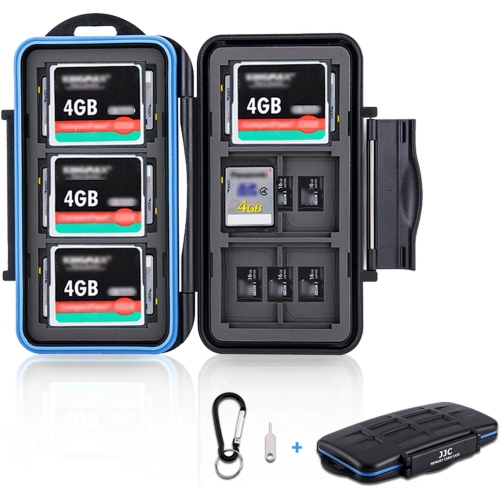
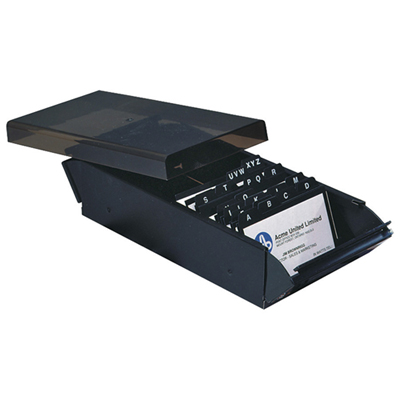
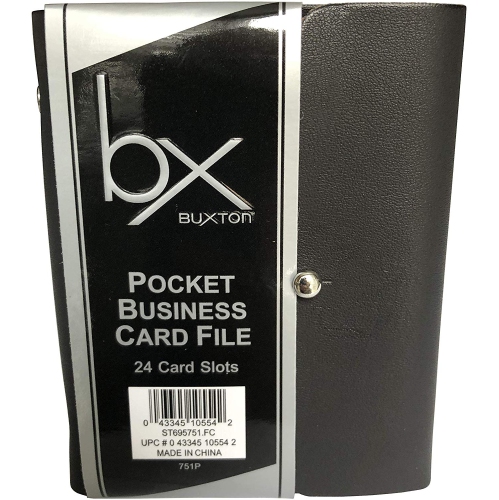
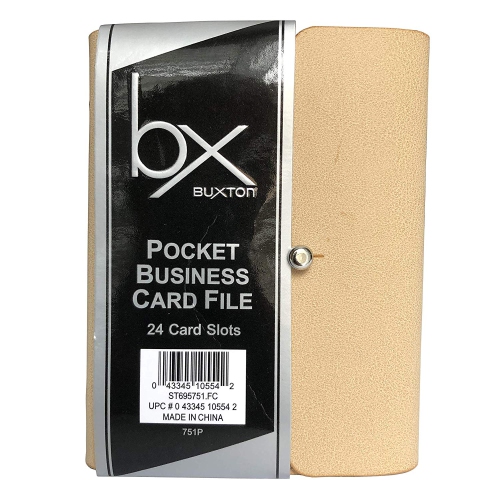
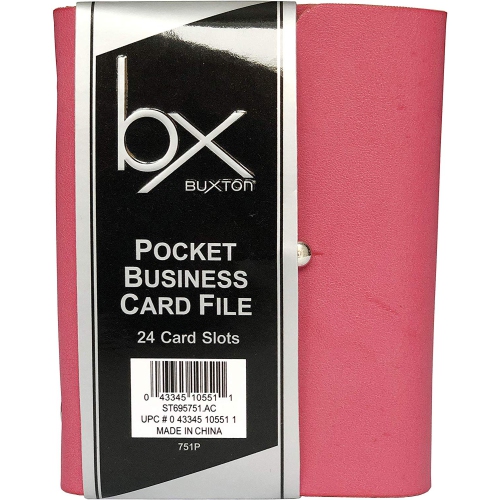
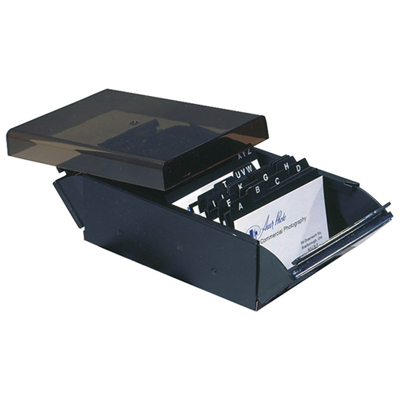
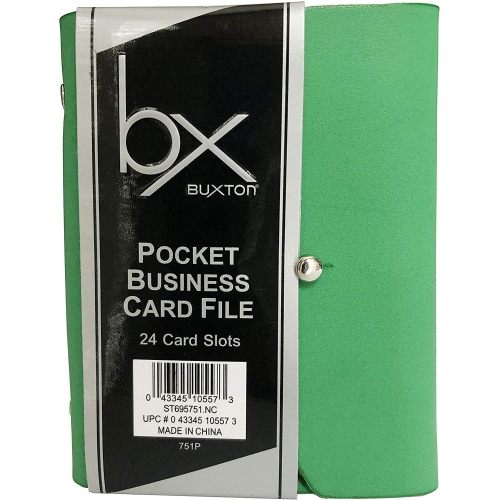
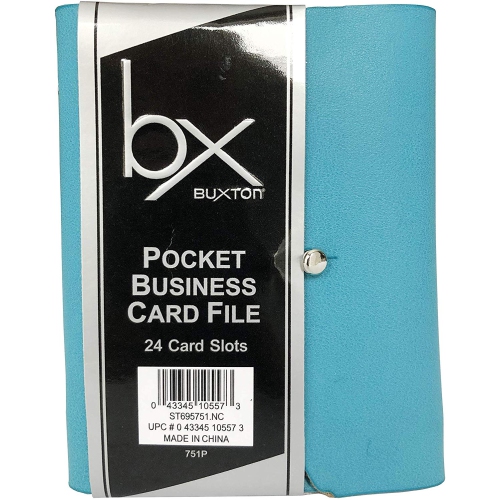

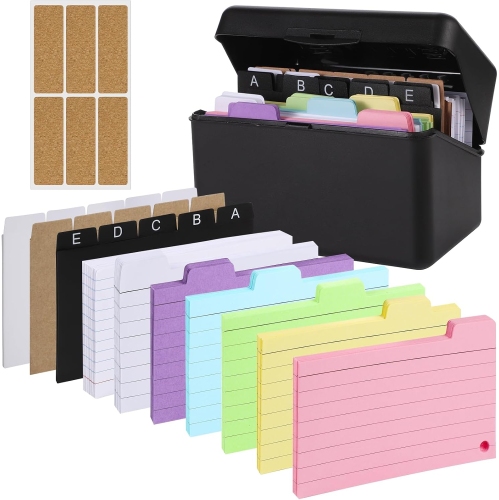
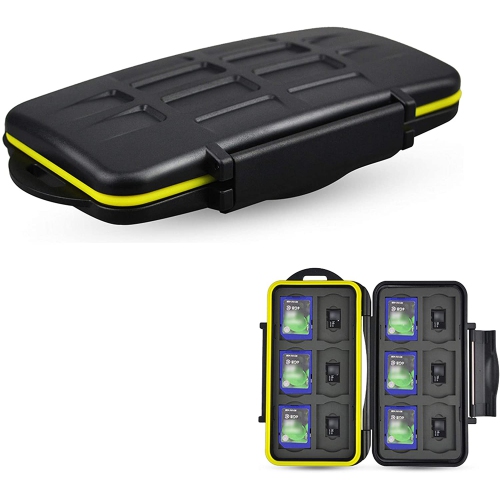
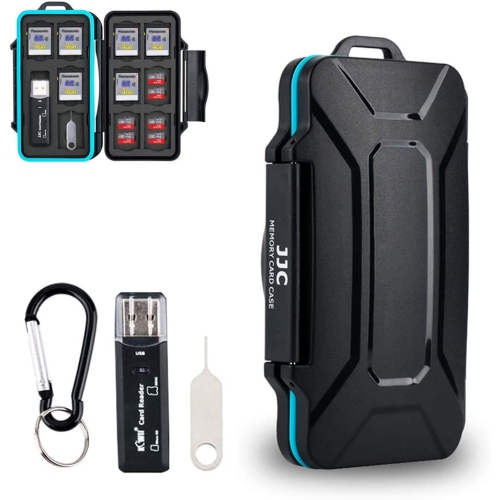
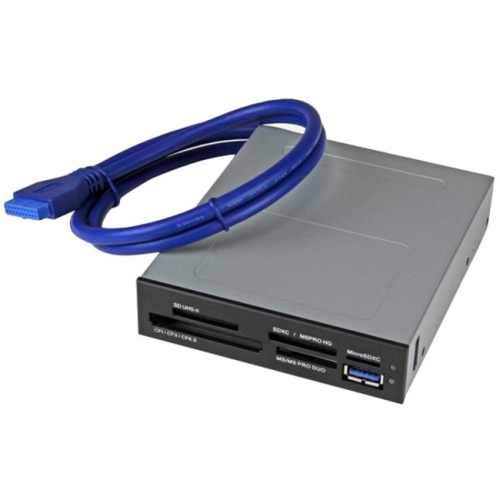

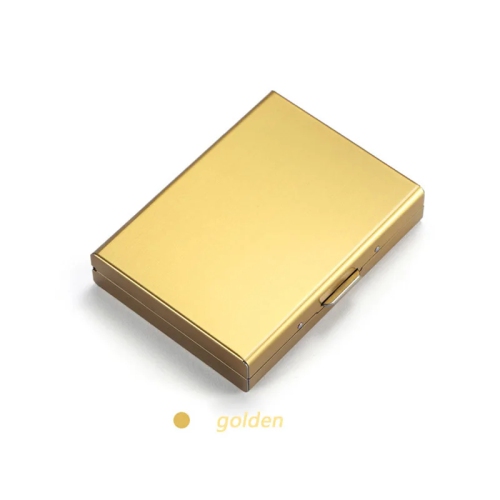
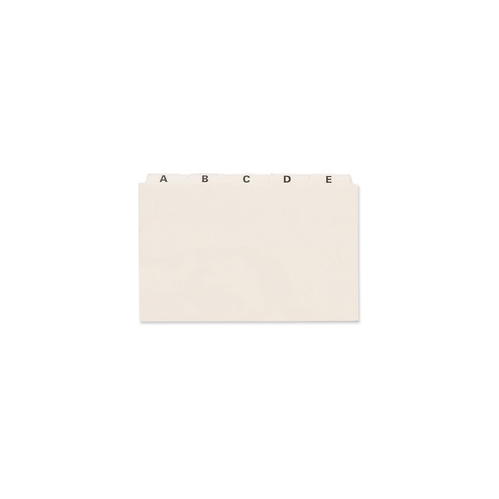
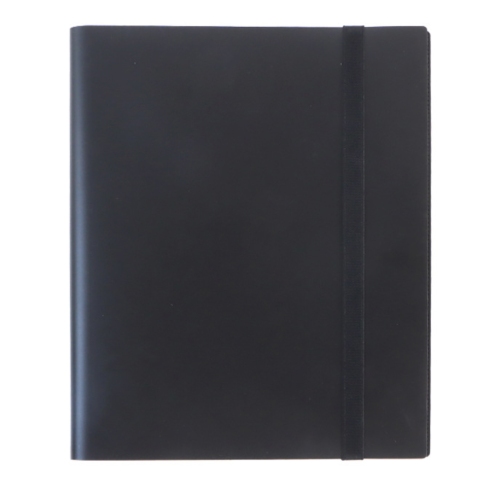
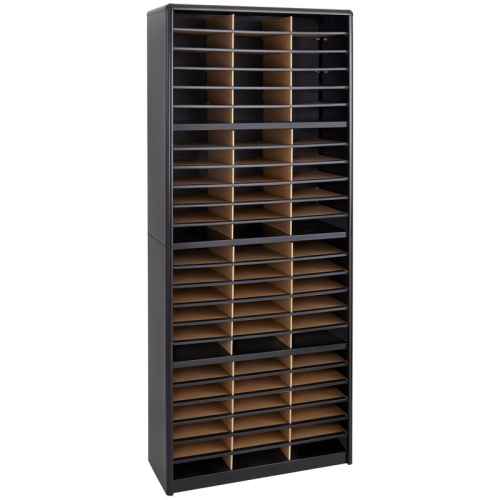
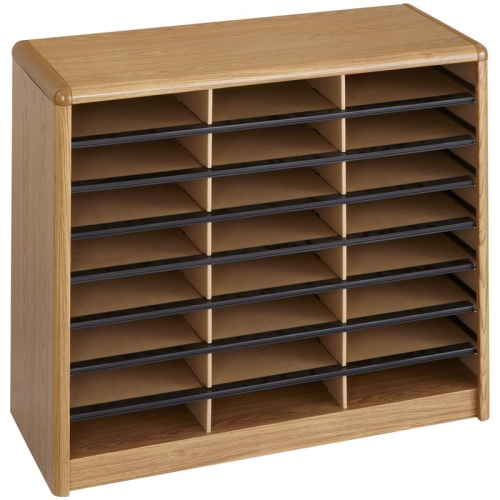
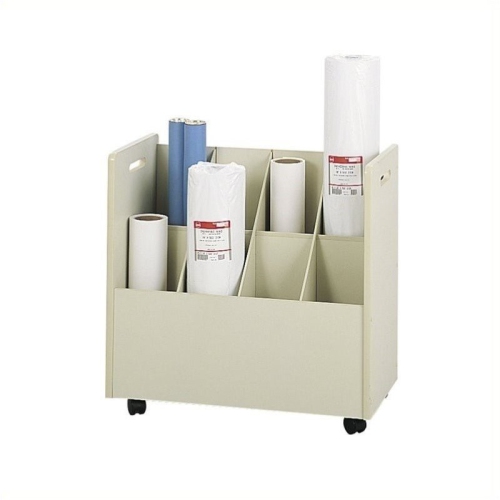
Practical systems for sorting notes, contacts and records
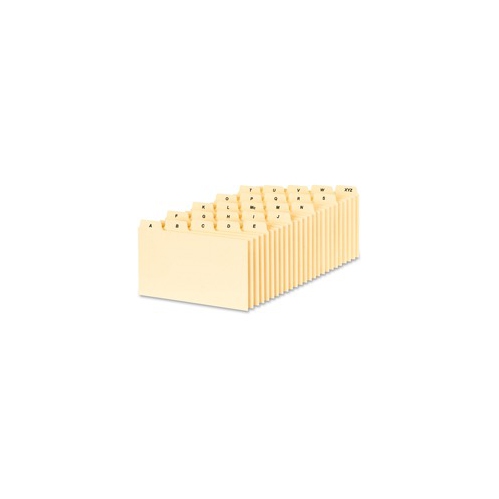
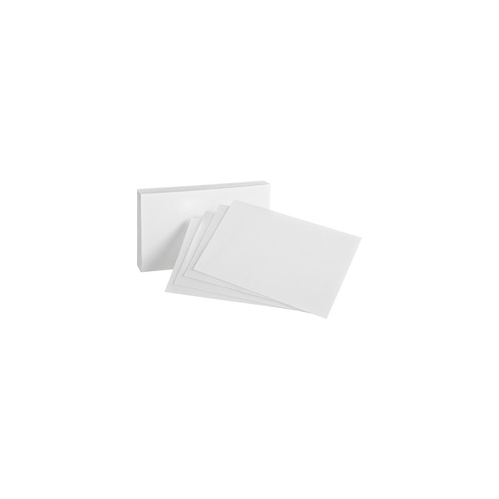
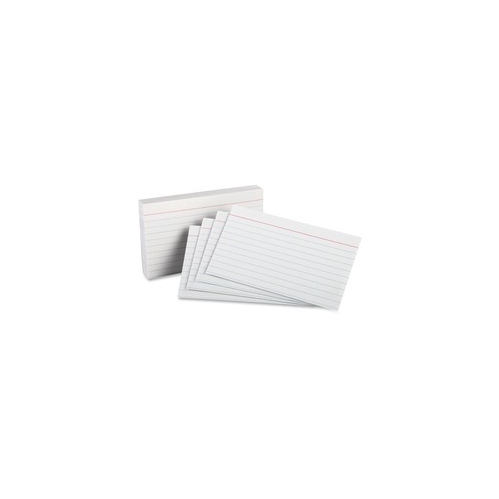
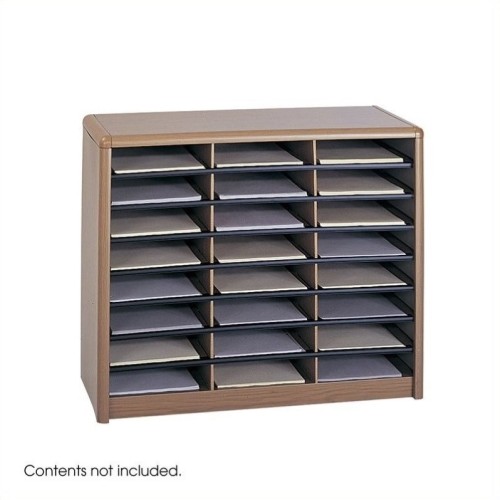
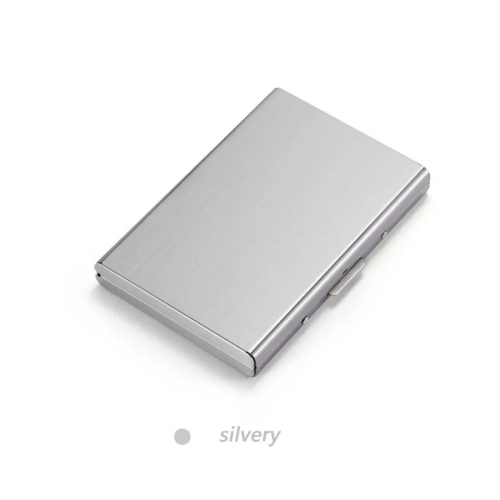
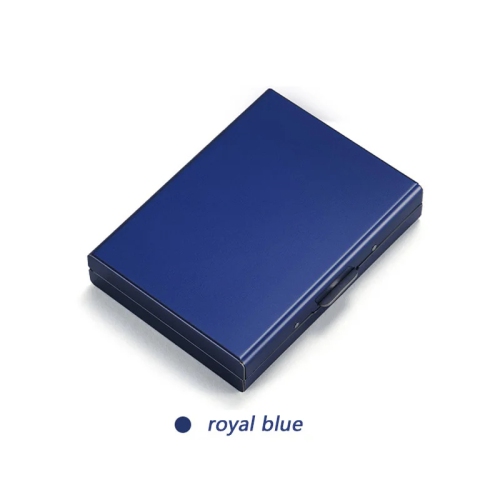
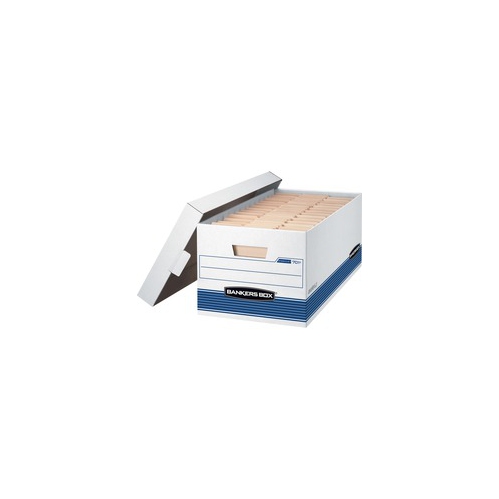
Card files are practical storage systems for organizing small records on index cards, making information easy to add, browse, update and retrieve without sorting through loose papers. A traditional card file may include a box, drawer, tray or rotary holder, along with index cards and dividers arranged alphabetically, numerically, by category or by colour. Common card sizes include 3 x 5 inch, 4 x 6 inch and 5 x 8 inch cards, so checking the dimensions of the holder and dividers before purchasing helps ensure a proper fit. A compact file can sit beside a telephone, on a kitchen counter or in a home office, while a larger organizer may be better suited to a busy workspace with records that need frequent access. Card files can hold contact details, customer notes, inventory references, project reminders, quotations, vocabulary cards, research points and other small pieces of information. They are especially useful when a record changes often, since a single card can be removed and replaced without reorganizing an entire notebook. For a straightforward filing system, write one subject, person, recipe or reference on each card, then use labelled dividers to separate broad groups. Alphabetical tabs work well for names and contacts, numerical tabs suit stock or account references, and colour-coded sections can make categories easy to recognize at a glance. Clear, consistent labelling is often more valuable than an elaborate system: a quick scan across neatly marked tabs should reveal where a record belongs and where it can be found later.
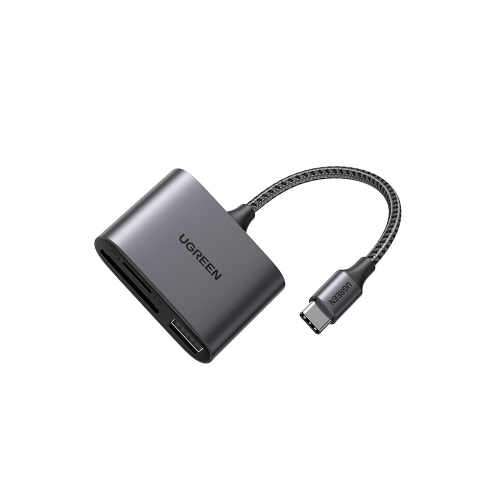
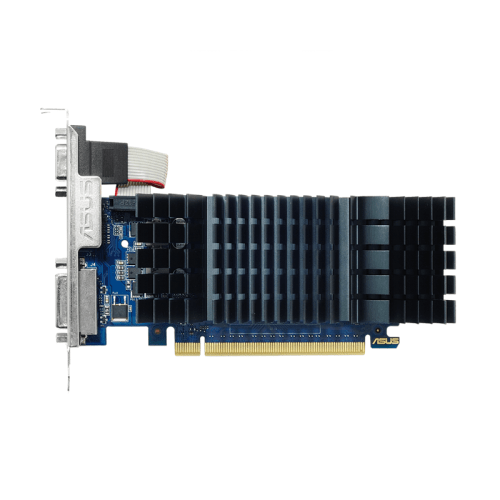
When choosing card files, consider the type and volume of information you plan to store, how often you will access it and where the organizer will be kept. A lightweight desktop file may be convenient for a short list of frequently used contacts, while a sturdier box or cabinet can accommodate growing collections of recipes, business records or study notes. Look for features that support comfortable daily use, such as a stable base, smooth-opening drawers, a cover that protects cards from dust and dividers that are easy to reposition. If cards will be handled by several people, a design that opens widely and keeps contents visible can make shared filing less frustrating. For handwritten records, choose cards with a surface suited to the pen or pencil you use most; lined cards can help keep notes tidy, while blank cards offer flexibility for diagrams, sketches and irregular details. If the file will be carried between rooms or taken to meetings, size and weight matter as much as capacity. A portable holder should keep cards secure while still allowing them to be removed without bending corners. Those building a paper-based reference system alongside a computer may also want to think about digital organization. Small computer components, including options described under Card Low Profile, relate to compact setups rather than physical index-card storage, so identifying whether you need a paper organizer, a computer accessory or both can help keep a purchase focused. For household use, card files can gather appliance details, service contacts, measurements and maintenance notes in one dependable place. In a home office, they can support call records, client information and project tracking. Students and researchers can use individual cards for sources, quotations and key terms, allowing notes to be rearranged as an assignment develops.
Card files can also be useful gifts for someone setting up a home office, studying a new subject, planning a collection or preserving family recipes and addresses. They suit people who enjoy a tactile system and appreciate being able to hold, sort and annotate information directly. A thoughtful setup might include a file, blank cards and dividers, with the sections labelled for the recipient’s routine rather than left as a generic stack. In a kitchen, cards can be grouped by baking, weeknight meals, preserves or family favourites; in a workshop, they can track parts, measurements and project steps; in a study space, they can separate subjects, definitions and reference sources. During the cooler months, when more time is often spent indoors organizing cupboards, paperwork and creative projects, a card file can turn a crowded pile of notes into a useful working archive. It is also a practical option for anyone who prefers an offline backup of essential information, provided sensitive details are stored securely and the file is kept in a suitable place. Before completing a purchase, confirm the card dimensions, available capacity, divider style and overall footprint, then consider whether the opening mechanism and writing space match the way you plan to use it. With the right combination of cards, labels and compartments, a card file becomes more than a container: it is a simple, adaptable reference system that keeps everyday information close at hand and easy to find.
When choosing card files, consider the type and volume of information you plan to store, how often you will access it and where the organizer will be kept. A lightweight desktop file may be convenient for a short list of frequently used contacts, while a sturdier box or cabinet can accommodate growing collections of recipes, business records or study notes. Look for features that support comfortable daily use, such as a stable base, smooth-opening drawers, a cover that protects cards from dust and dividers that are easy to reposition. If cards will be handled by several people, a design that opens widely and keeps contents visible can make shared filing less frustrating. For handwritten records, choose cards with a surface suited to the pen or pencil you use most; lined cards can help keep notes tidy, while blank cards offer flexibility for diagrams, sketches and irregular details. If the file will be carried between rooms or taken to meetings, size and weight matter as much as capacity. A portable holder should keep cards secure while still allowing them to be removed without bending corners. Those building a paper-based reference system alongside a computer may also want to think about digital organization. Small computer components, including options described under Card Low Profile, relate to compact setups rather than physical index-card storage, so identifying whether you need a paper organizer, a computer accessory or both can help keep a purchase focused. For household use, card files can gather appliance details, service contacts, measurements and maintenance notes in one dependable place. In a home office, they can support call records, client information and project tracking. Students and researchers can use individual cards for sources, quotations and key terms, allowing notes to be rearranged as an assignment develops.
Card files can also be useful gifts for someone setting up a home office, studying a new subject, planning a collection or preserving family recipes and addresses. They suit people who enjoy a tactile system and appreciate being able to hold, sort and annotate information directly. A thoughtful setup might include a file, blank cards and dividers, with the sections labelled for the recipient’s routine rather than left as a generic stack. In a kitchen, cards can be grouped by baking, weeknight meals, preserves or family favourites; in a workshop, they can track parts, measurements and project steps; in a study space, they can separate subjects, definitions and reference sources. During the cooler months, when more time is often spent indoors organizing cupboards, paperwork and creative projects, a card file can turn a crowded pile of notes into a useful working archive. It is also a practical option for anyone who prefers an offline backup of essential information, provided sensitive details are stored securely and the file is kept in a suitable place. Before completing a purchase, confirm the card dimensions, available capacity, divider style and overall footprint, then consider whether the opening mechanism and writing space match the way you plan to use it. With the right combination of cards, labels and compartments, a card file becomes more than a container: it is a simple, adaptable reference system that keeps everyday information close at hand and easy to find.
Top selling and popular products
-
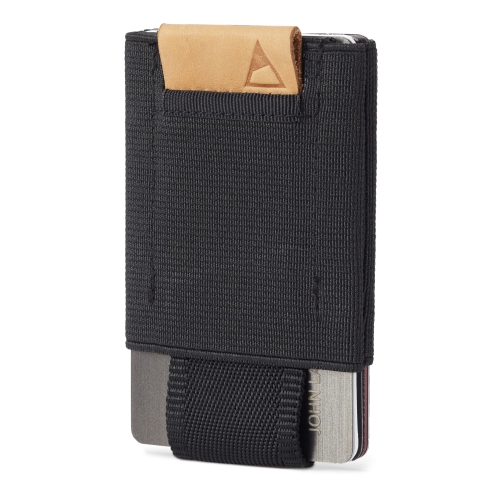 Your price for this item is $39.99
 -
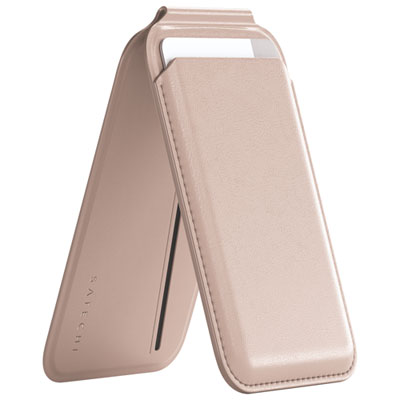 Your price for this item is $59.99
 -
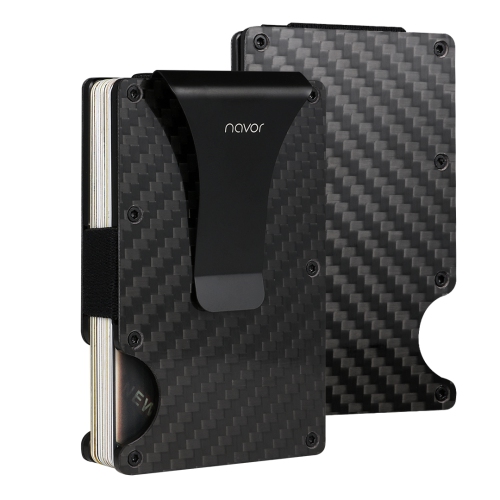 Your price for this item is $19.95
 -
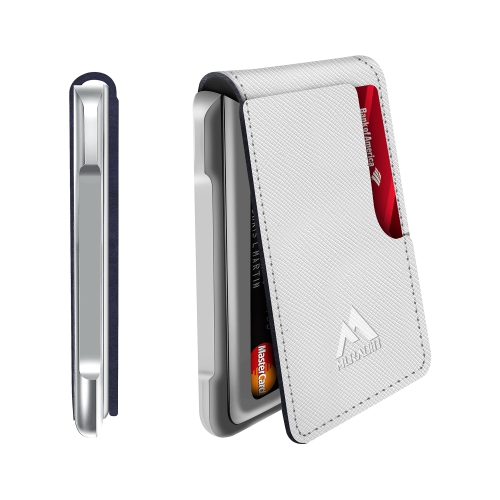 Your price for this item is $49.99
 -
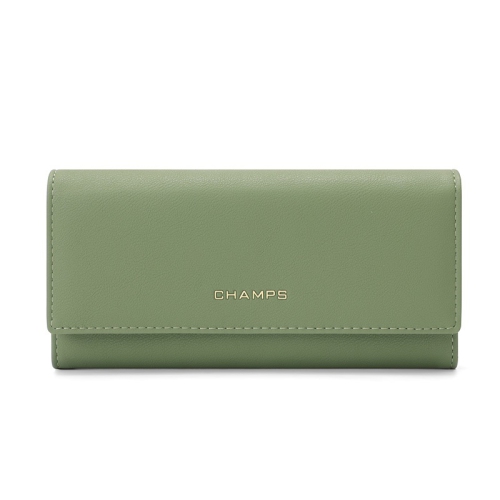 Your price for this item is $47.99
 -
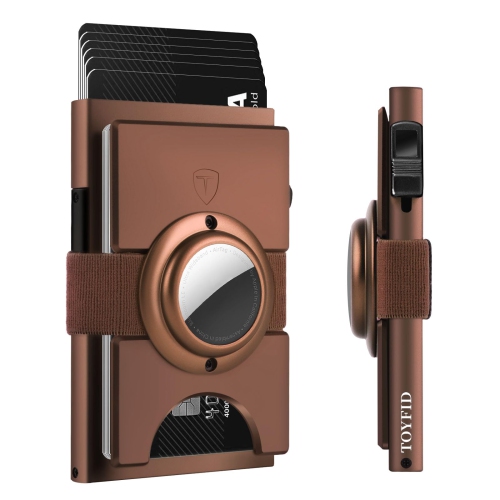 Your price for this item is $46.96
 -
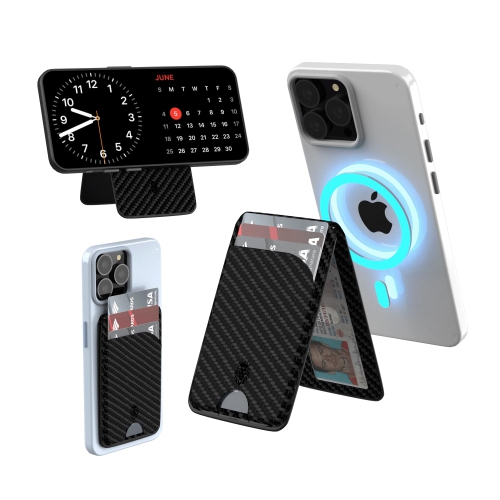 Your price for this item is $49.99
 -
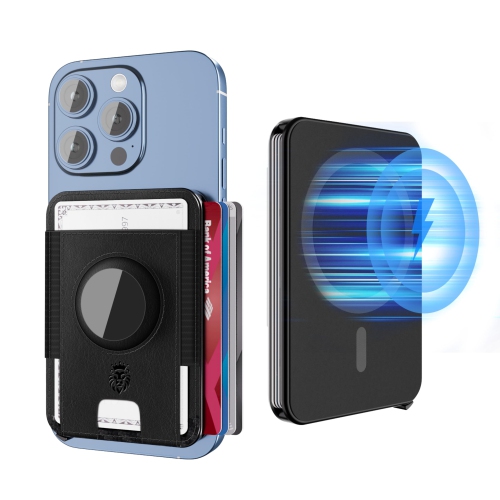 Your price for this item is $49.99
Discover more categories related to Card Files
Top Collections:
Pokemon Centers, Kindle Devices, Best Budget Office Chairs, Apple iPhones 16, Best Laptops for Writers, iPhone 15 Apple, Canon G7X Cameras, Refurbished Apple Laptops, Alarm Clock, Motorola Razr Phones
Some products may be subject to Environmental Handling Fees
(EHF) depending on your province.
Learn more about EHFs.