Classification Folders
Organize your documents with ease using our selection of classification folders. These versatile folders are designed to keep your paperwork neat, tidy, and easily accessible. Whether you're sorting important files at the office or keeping track of important documents at home, our classification folders offer the perfect solution. With their durable construction and multiple dividers, these folders make it simple to categorize and locate your papers in no time. Browse through our wide range of options to find the perfect classification folder for your needs.
Sort
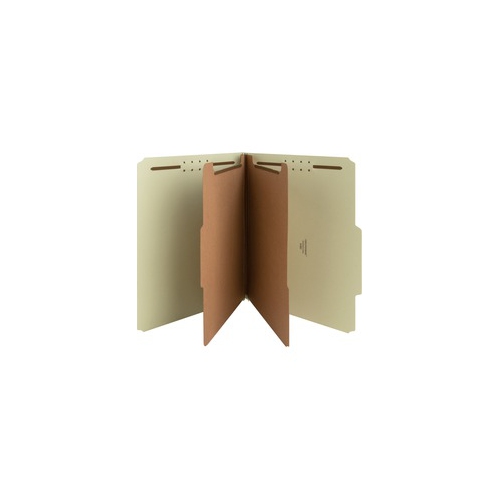
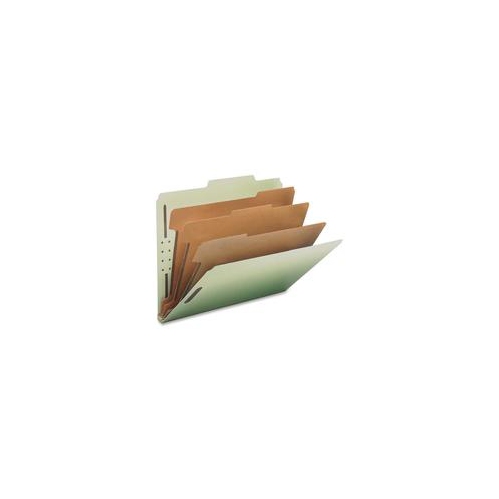
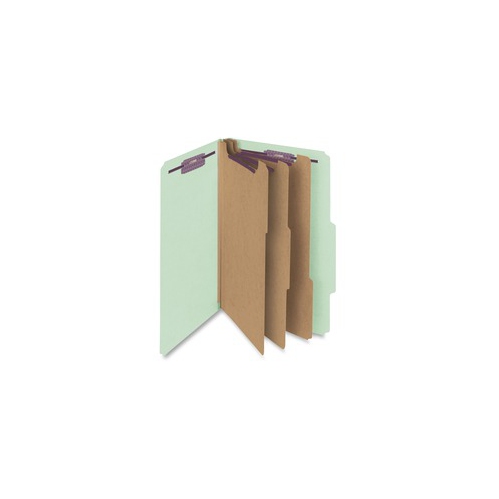
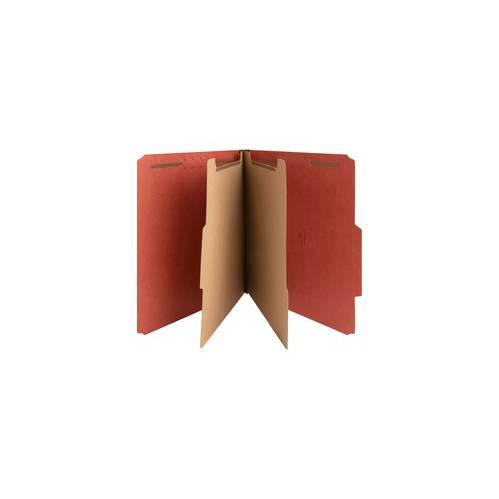
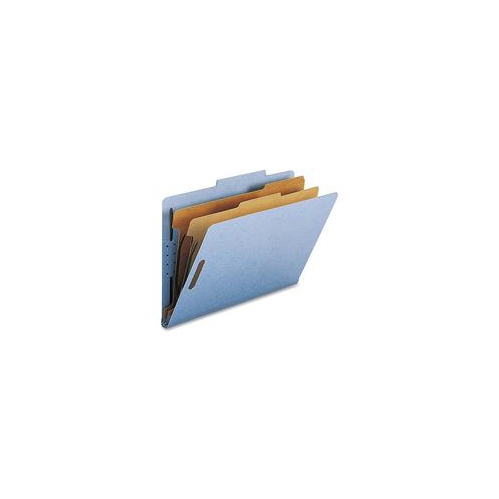
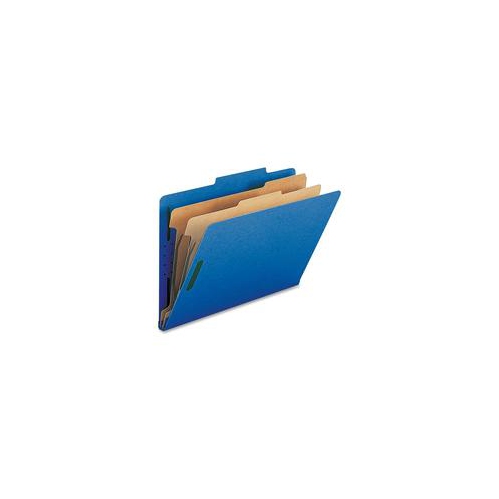
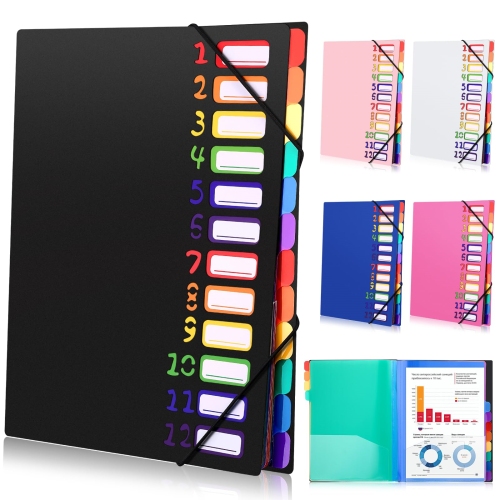
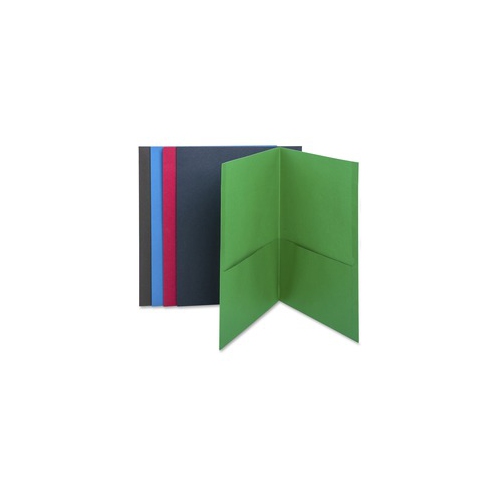
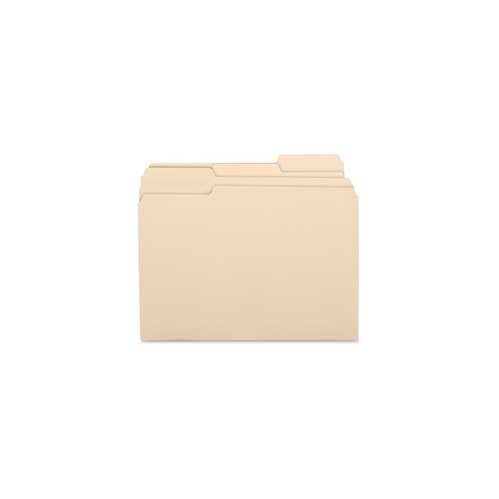
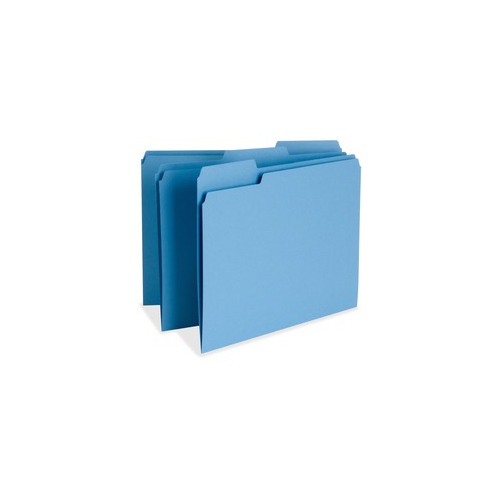
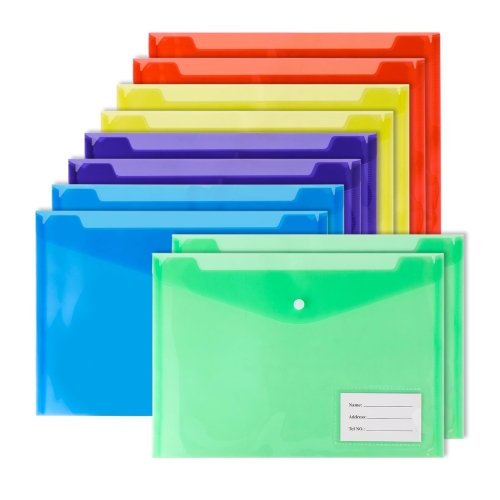
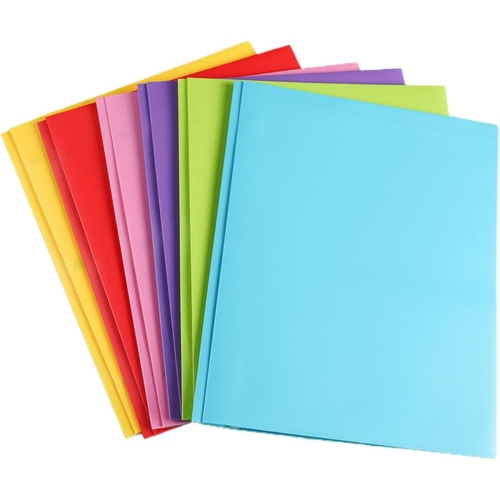
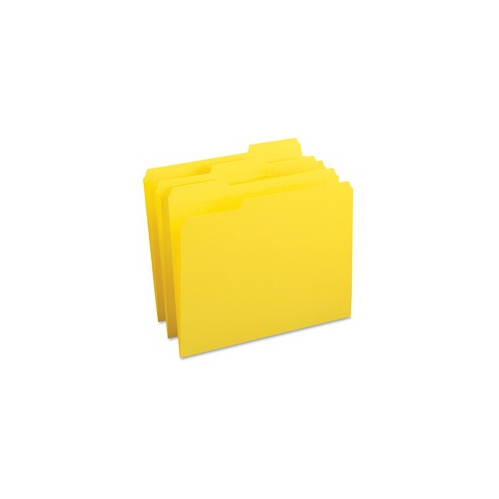
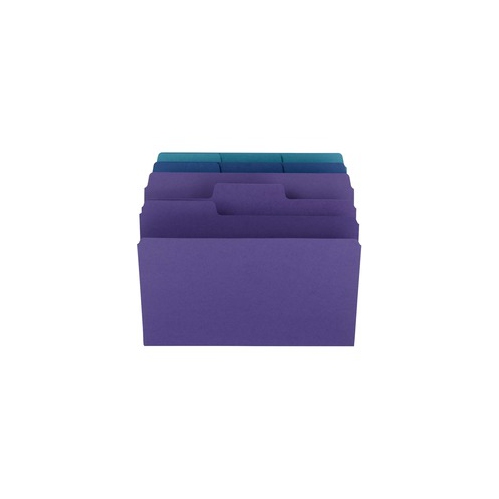
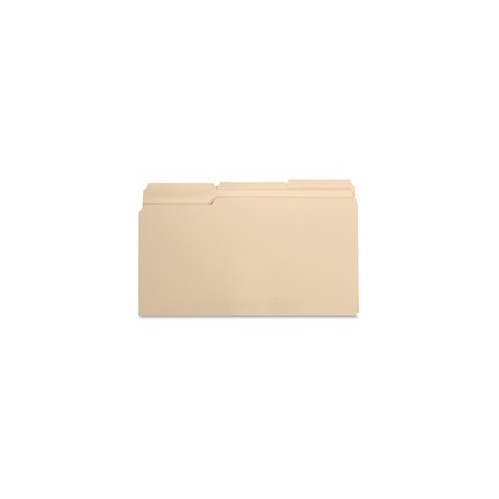
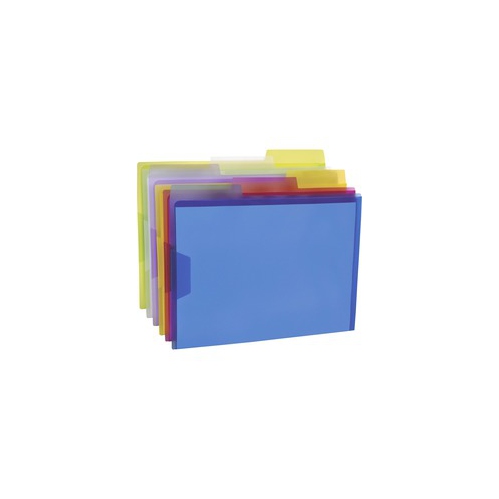
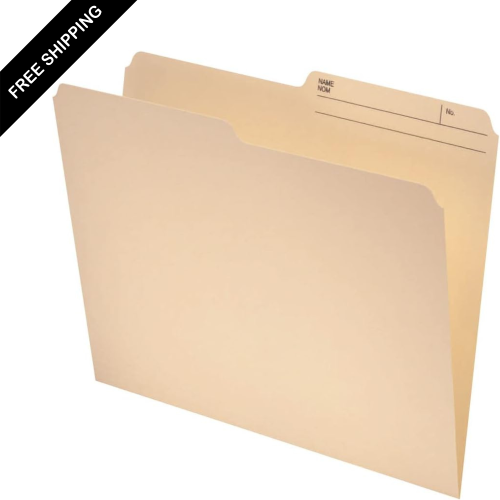
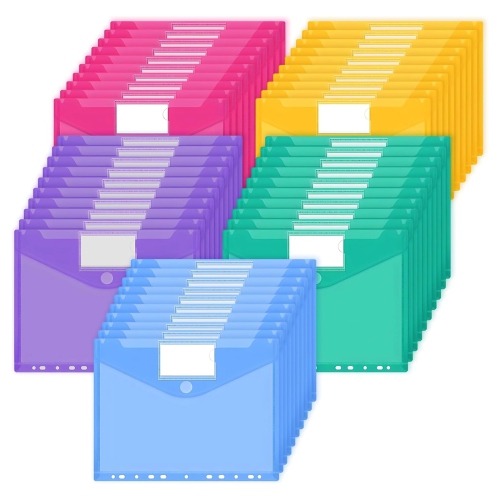
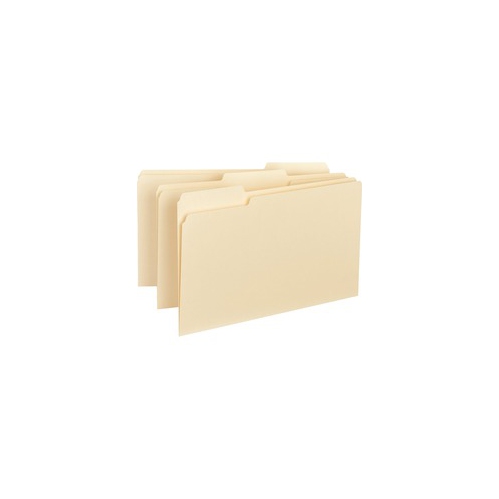
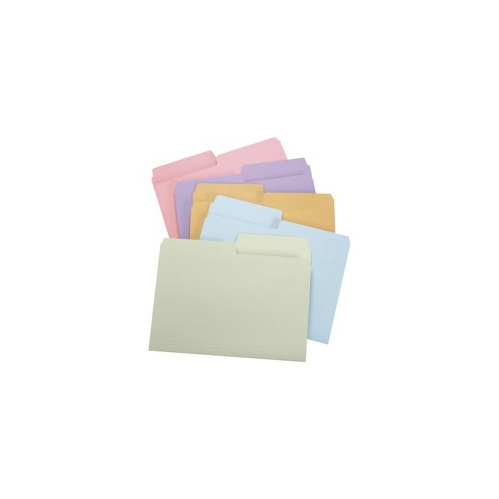
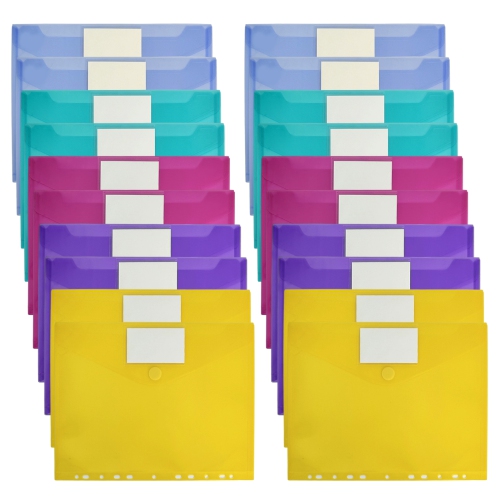
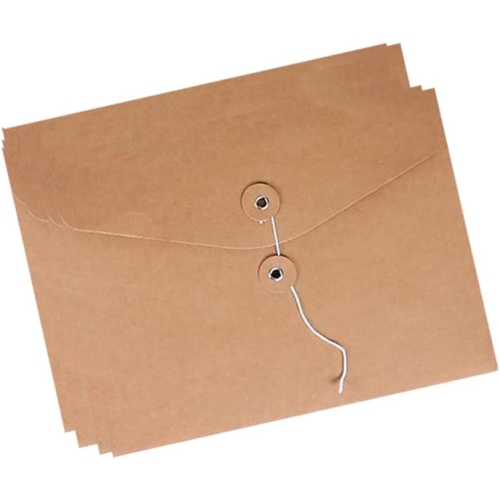
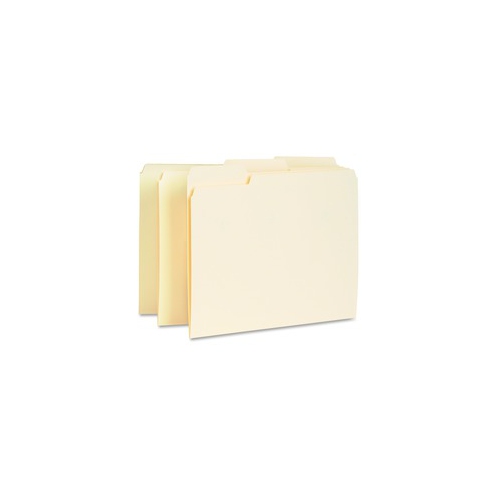
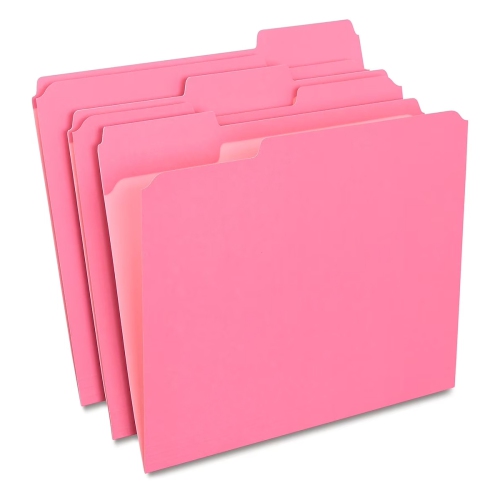
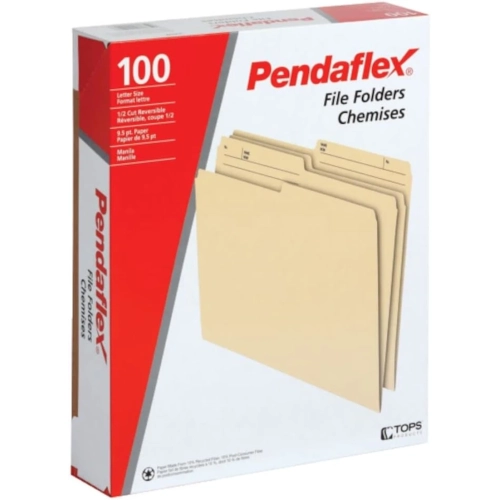
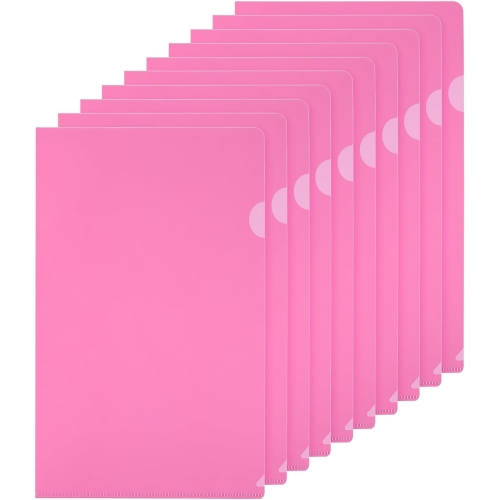
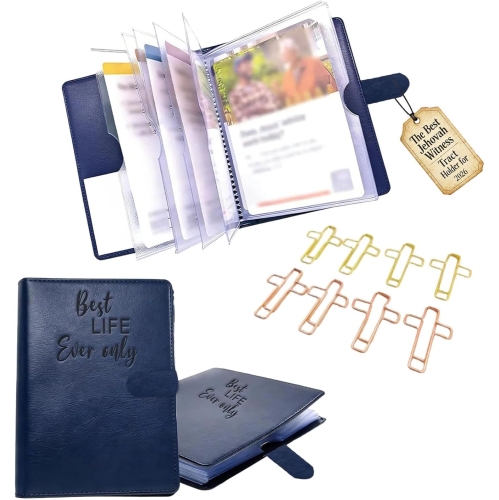
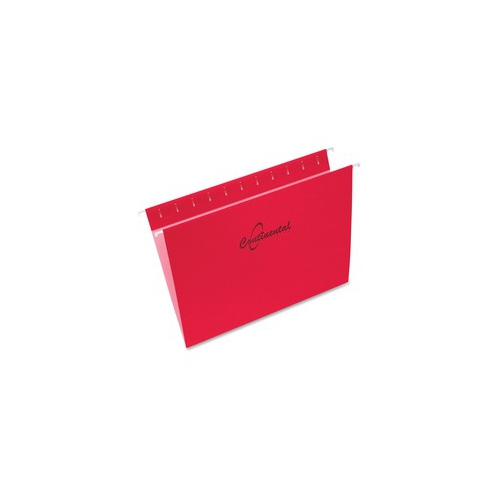
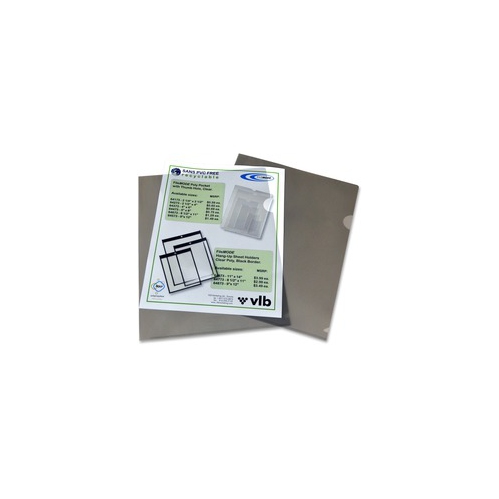

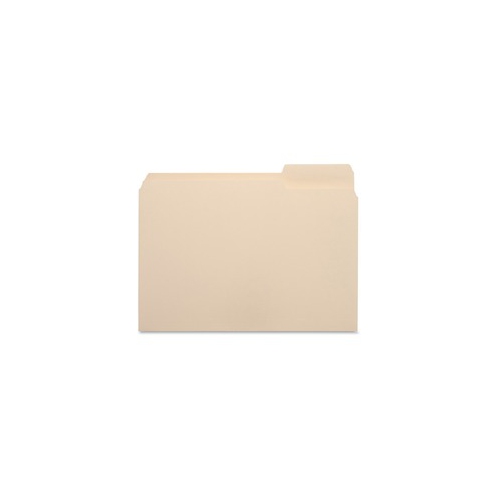
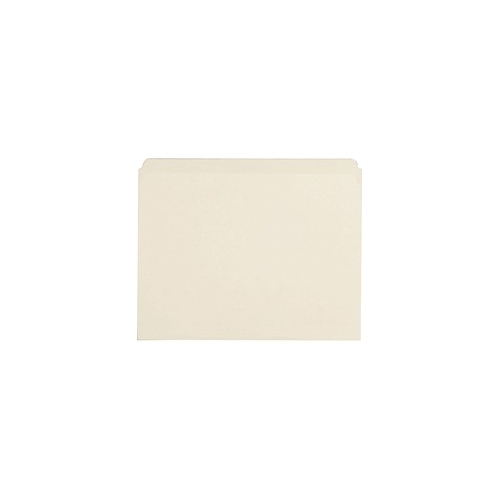
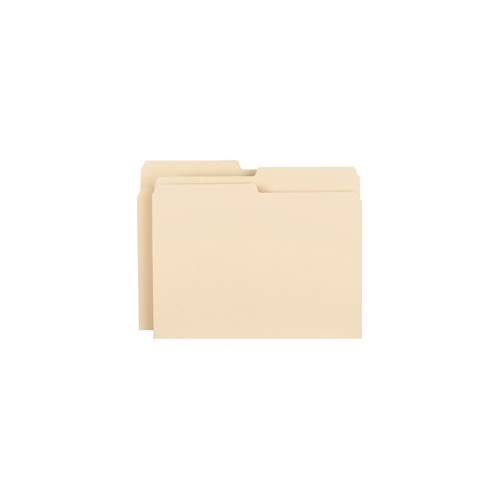
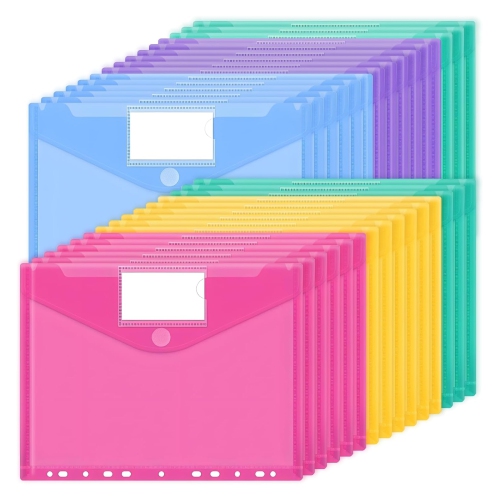
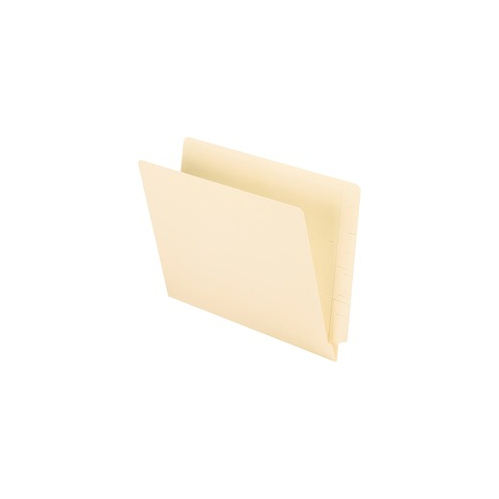
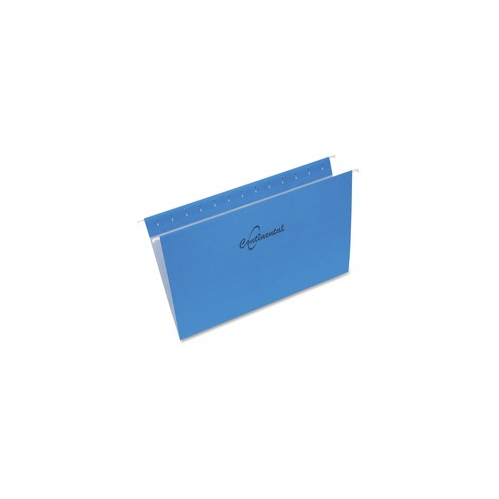
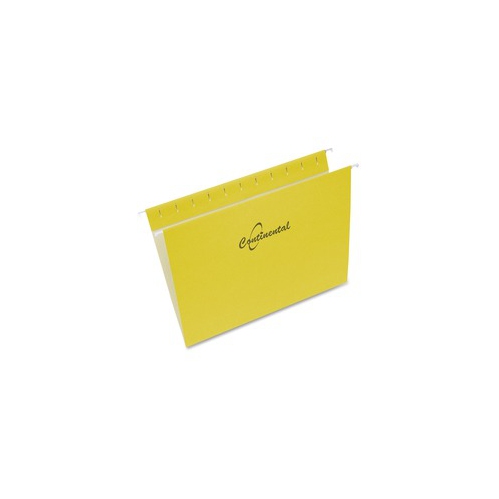
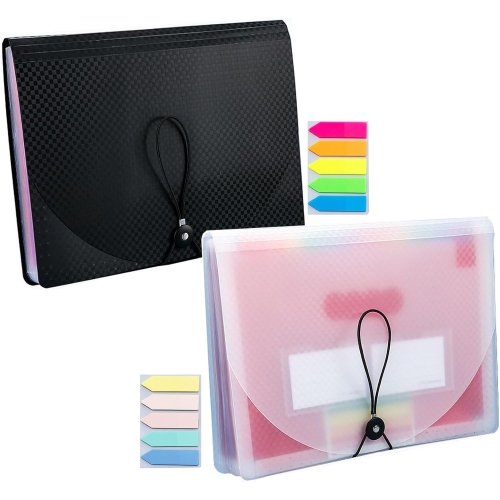
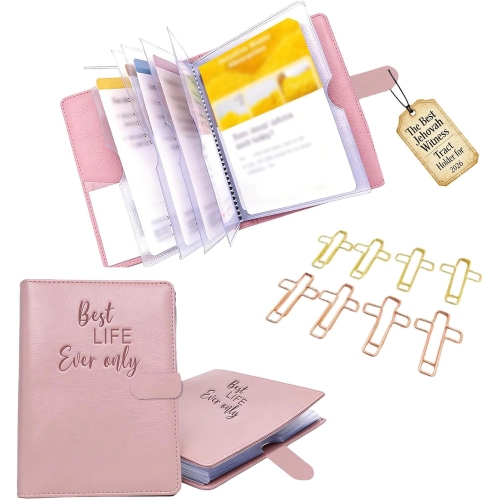

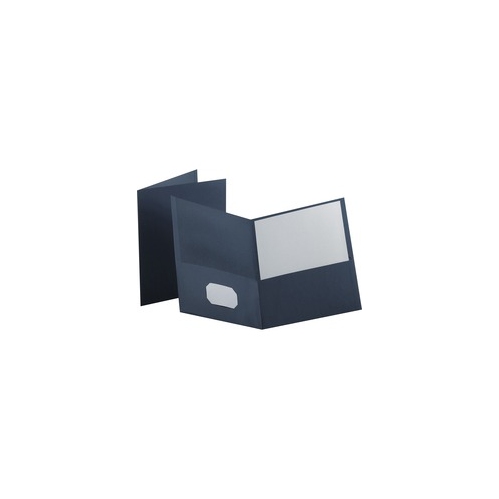
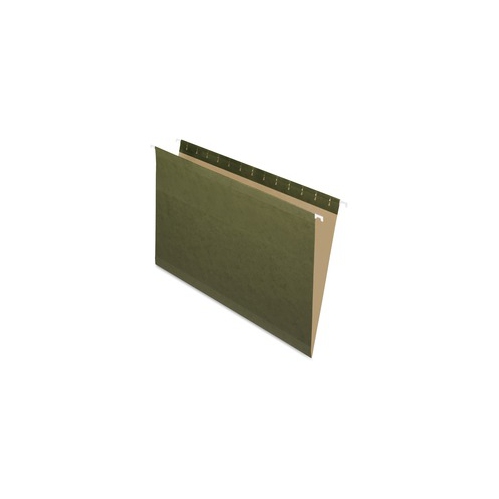

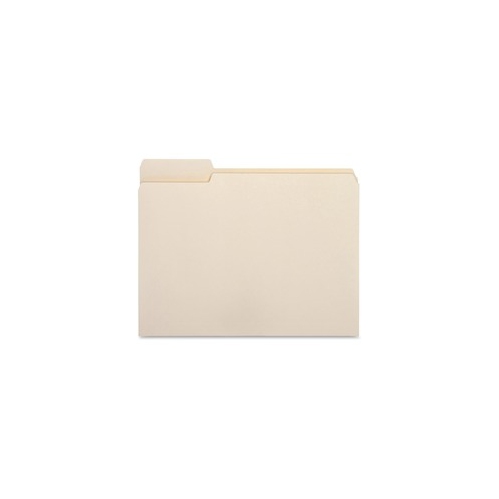
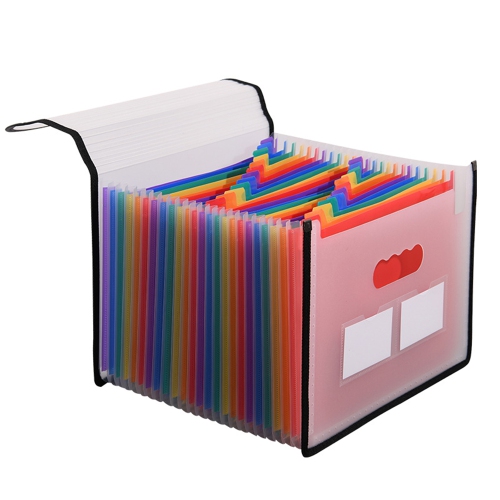
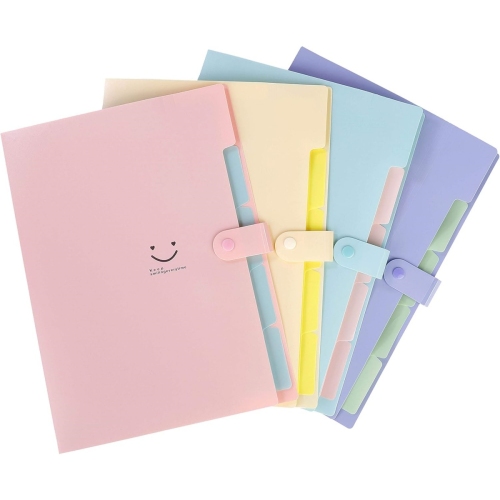
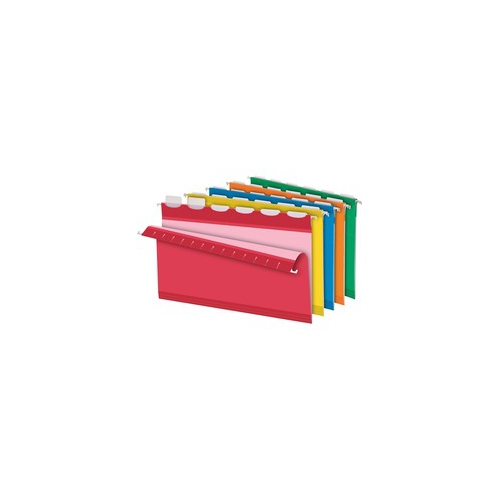
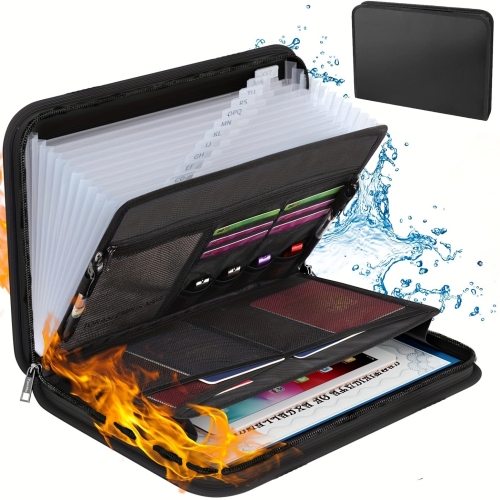
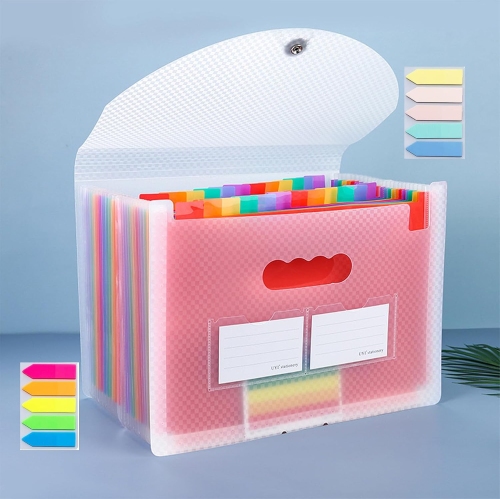
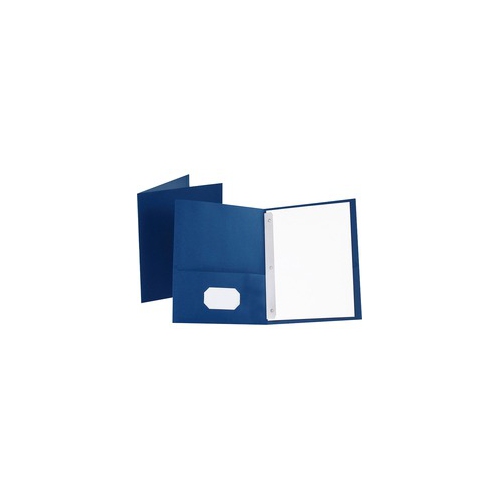
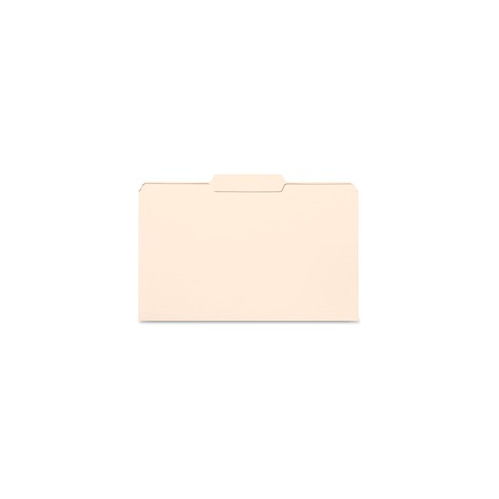
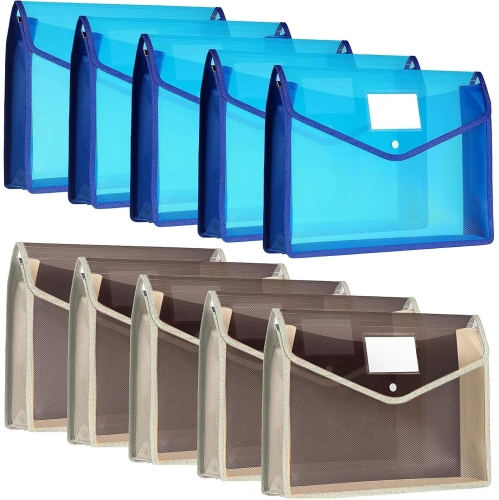
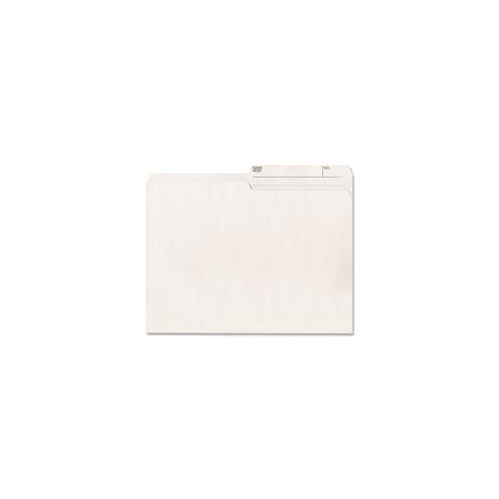

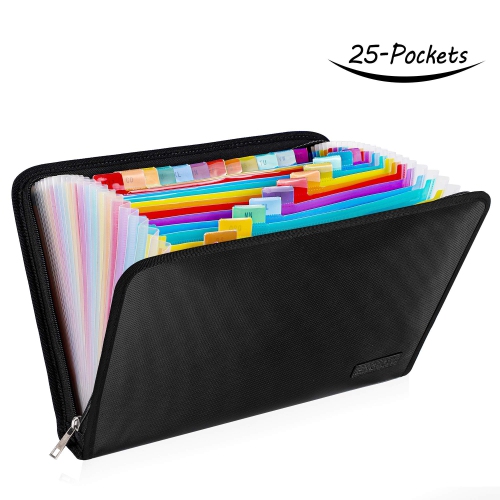

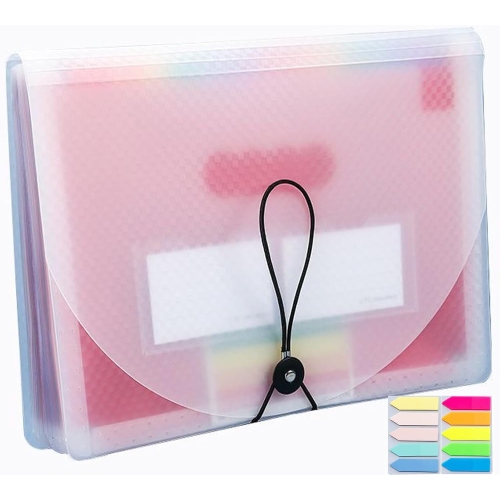
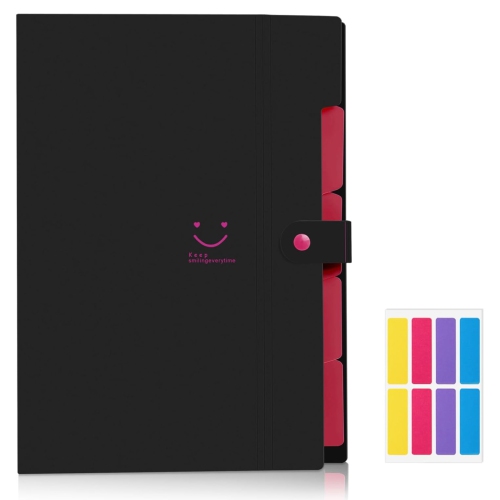
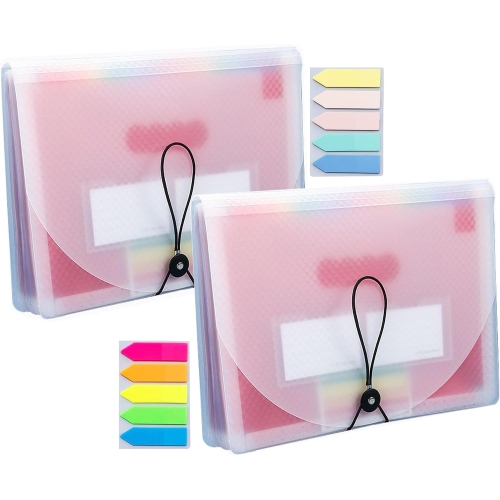

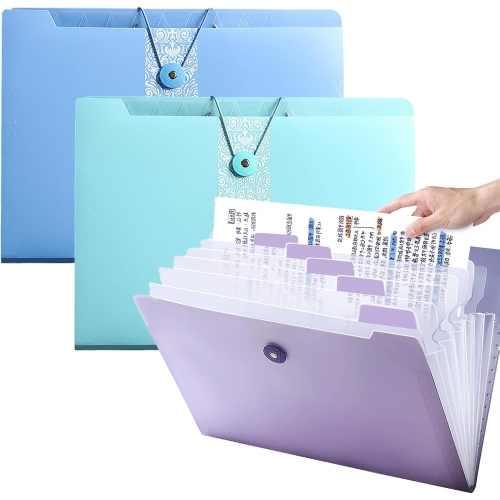

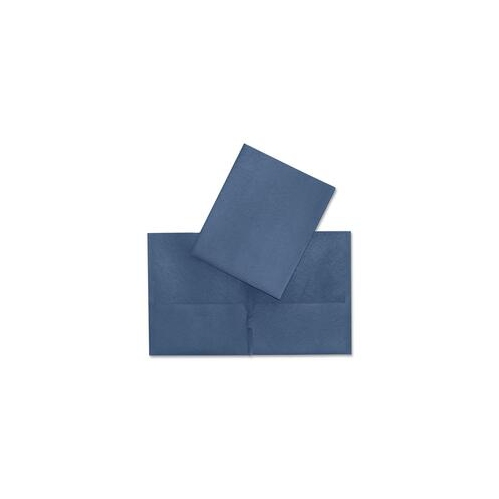
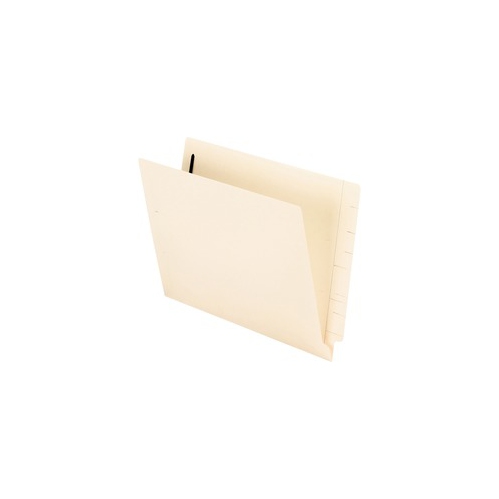
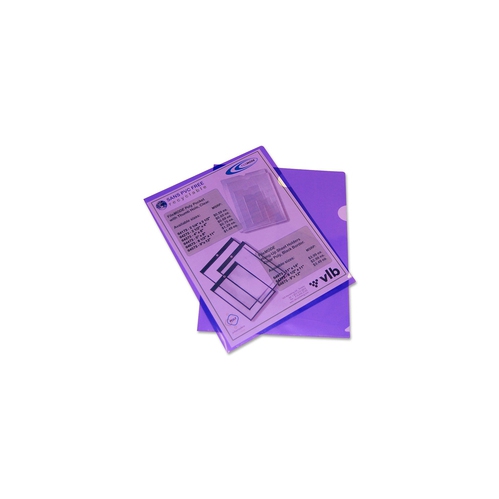
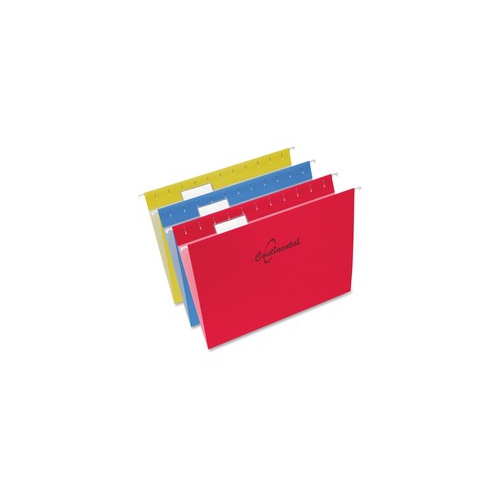

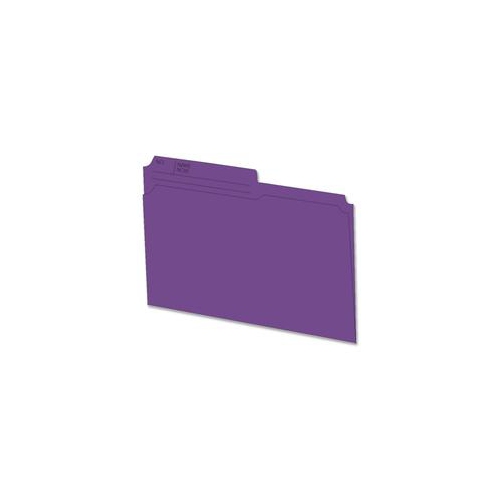

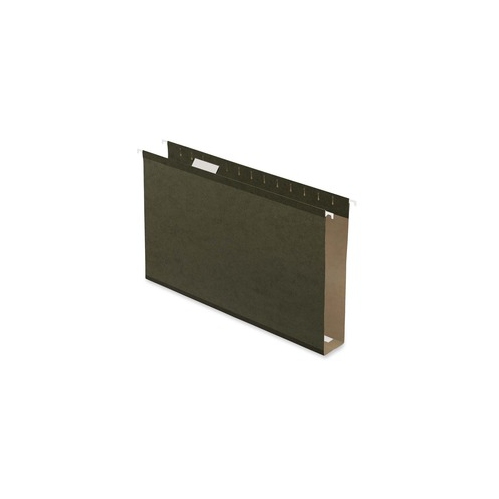
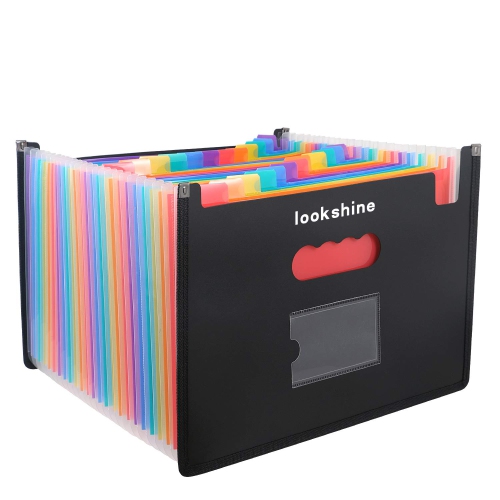
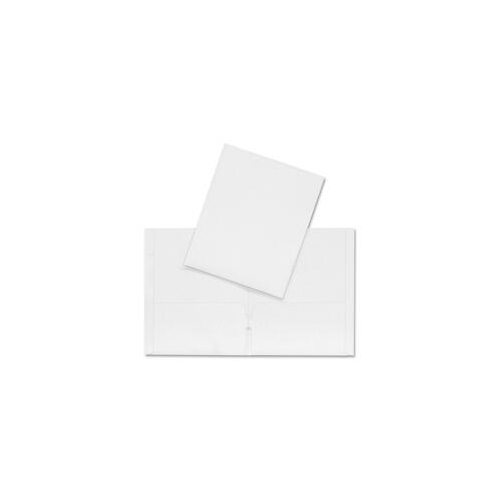

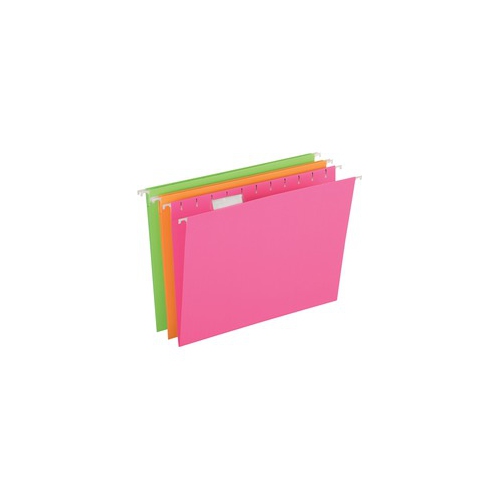

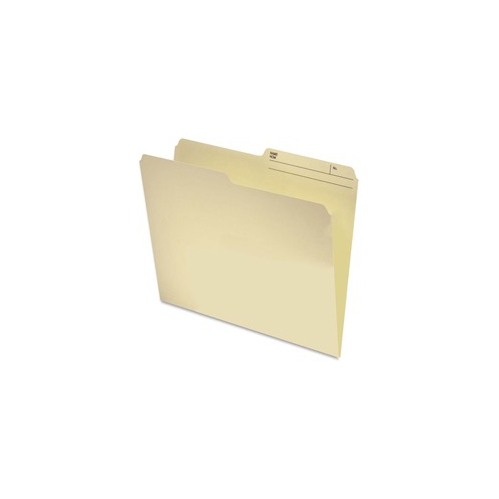
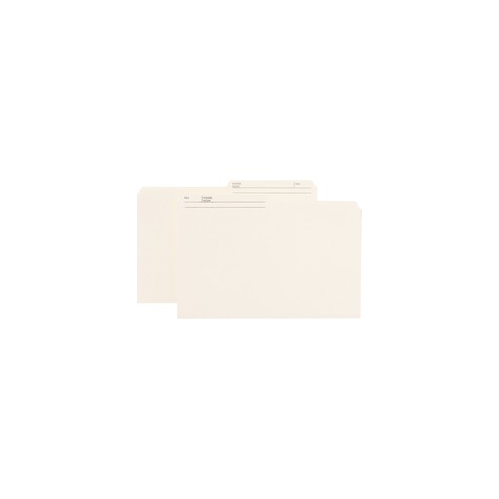
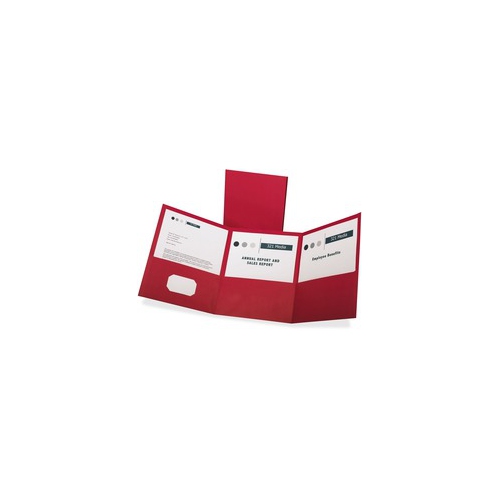
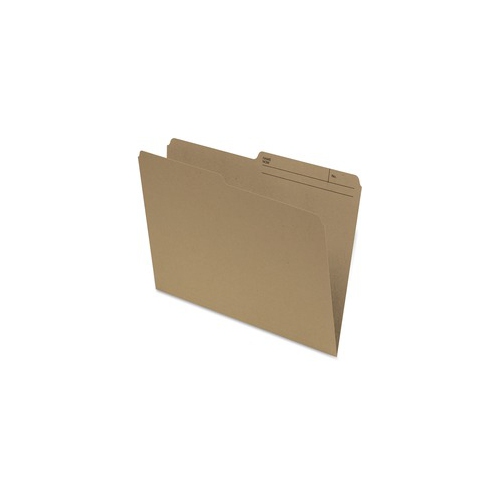
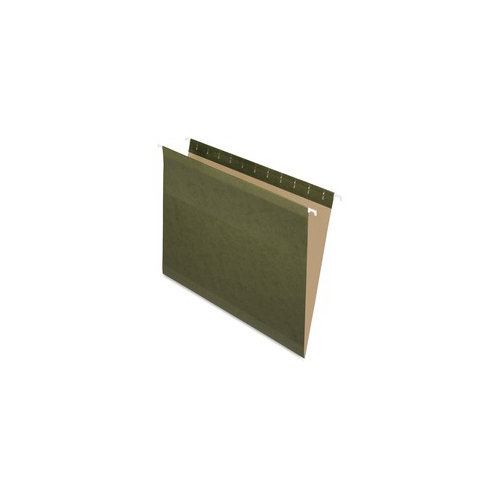
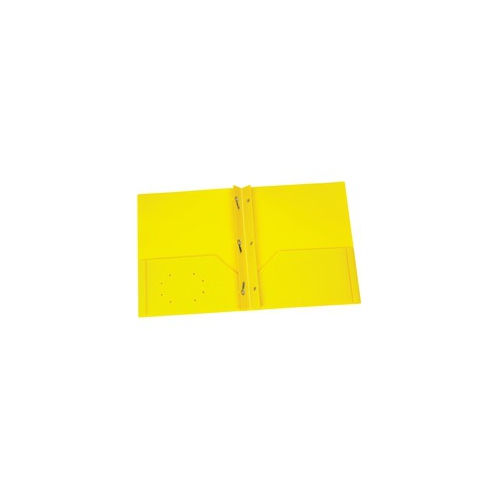
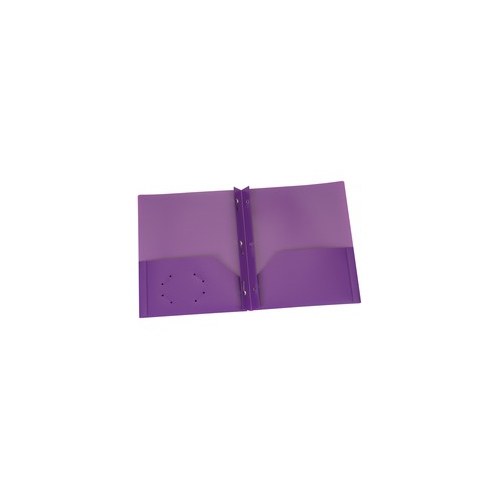
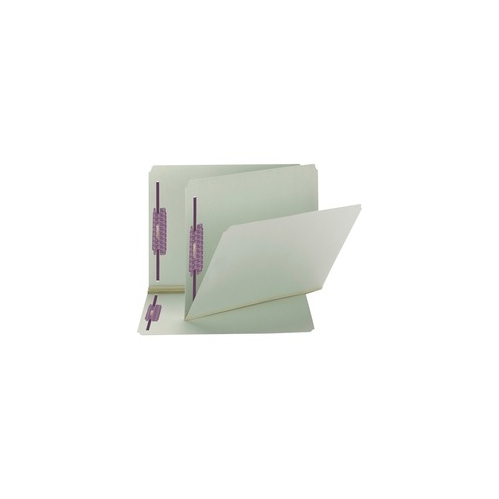
Structured filing for records, projects, and everyday paperwork
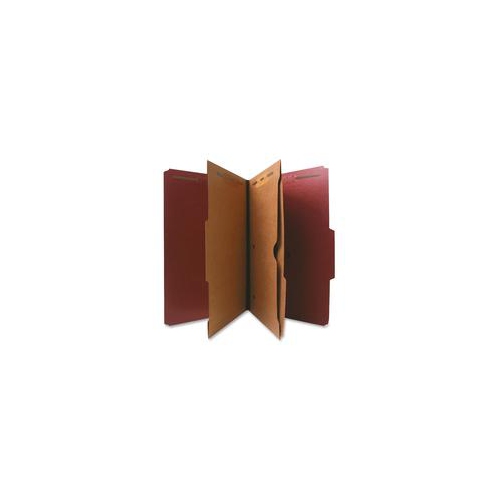
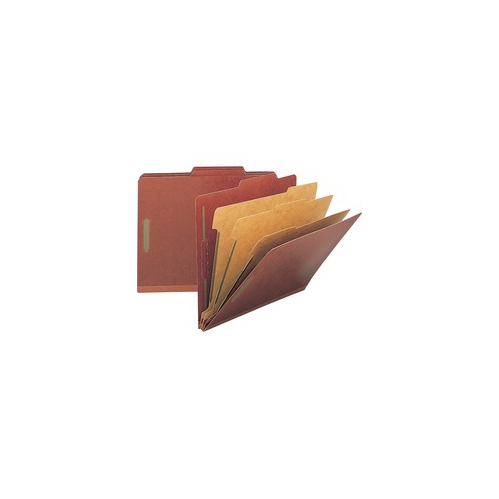
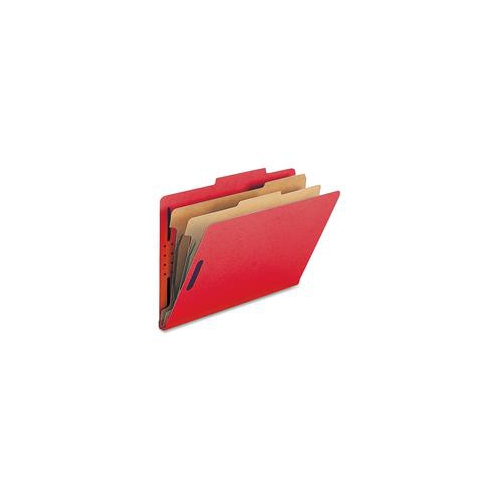
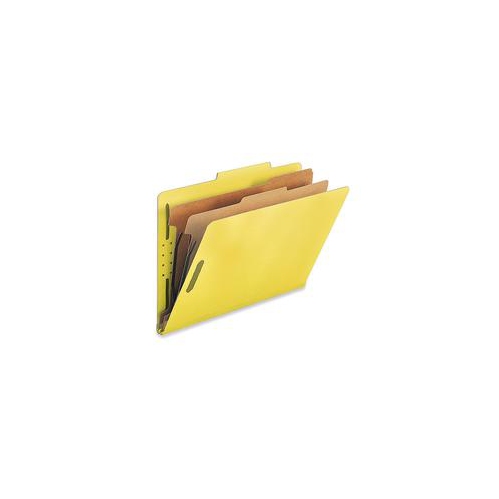
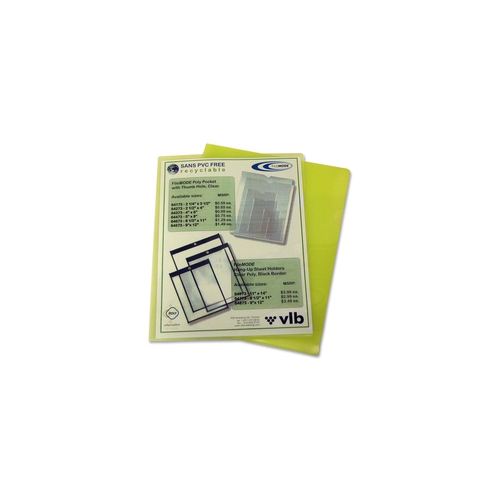
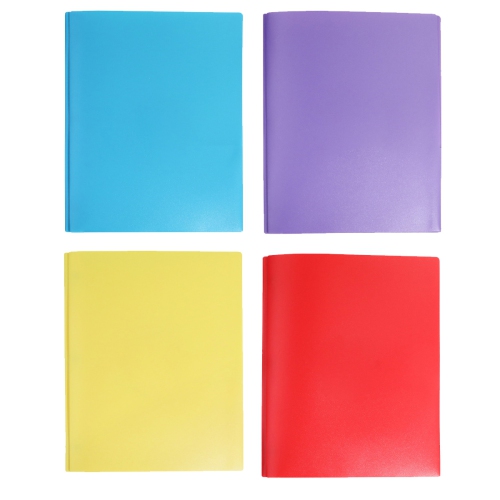
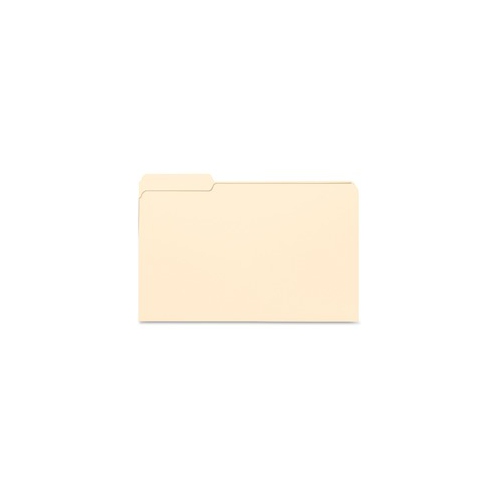
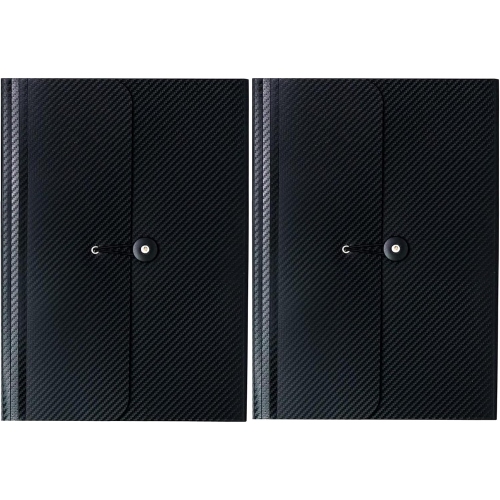
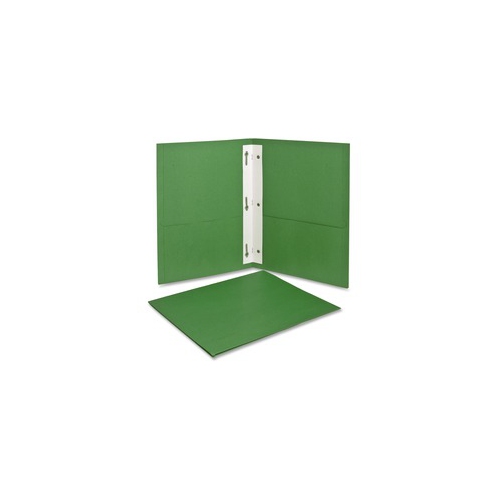
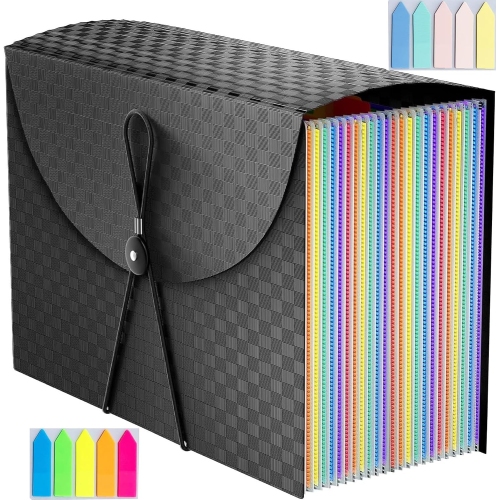
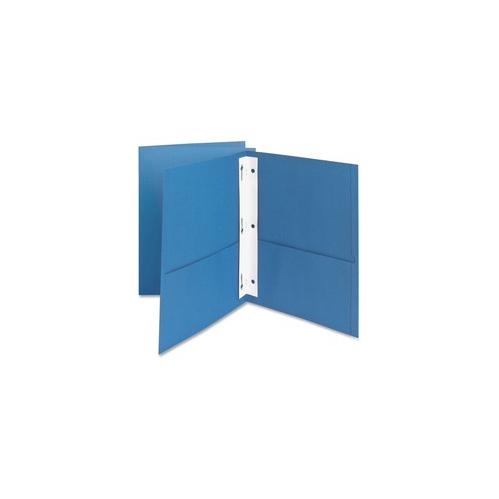
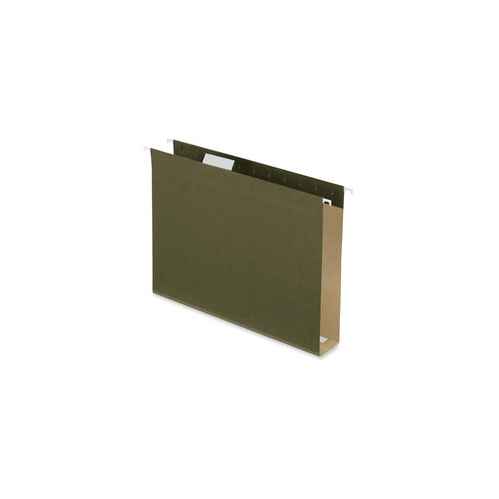
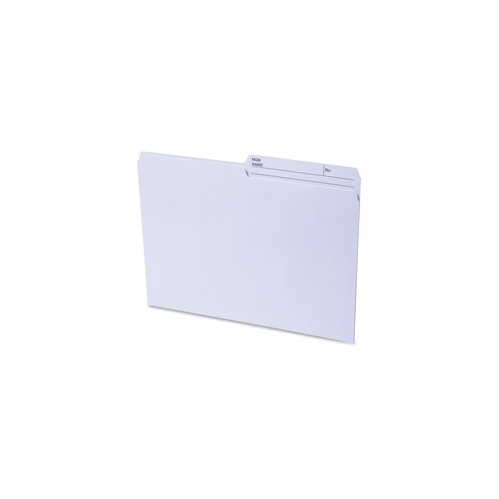
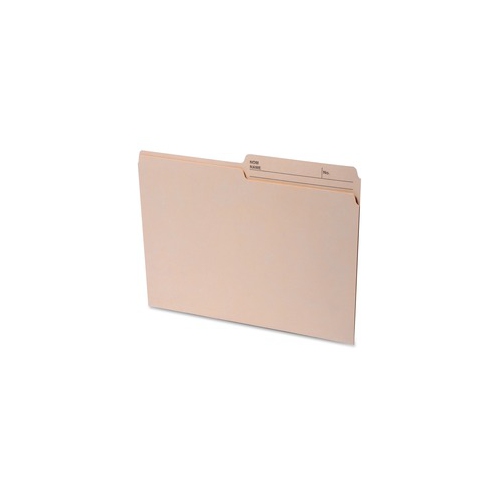
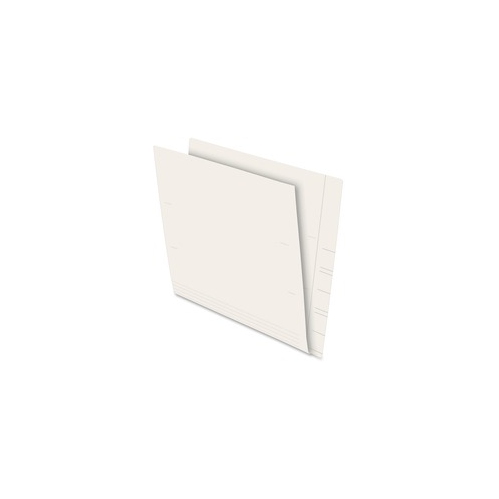
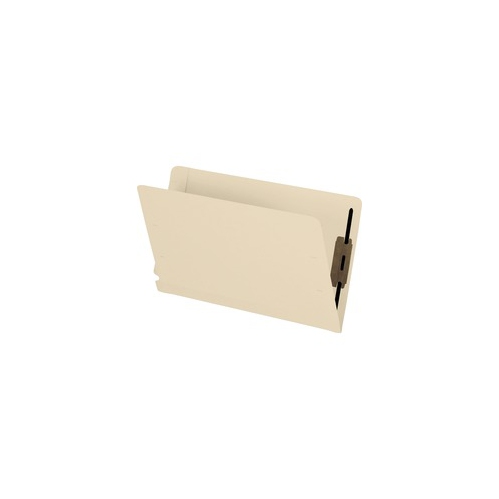
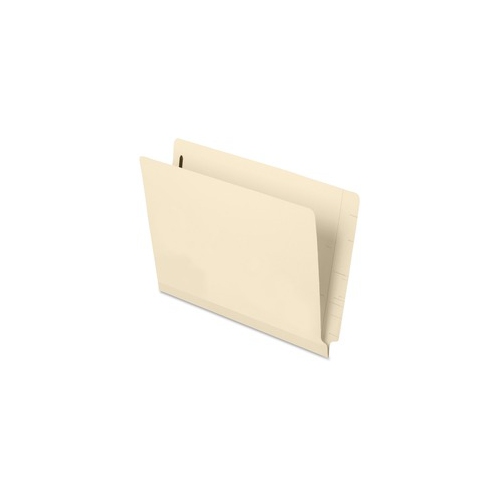
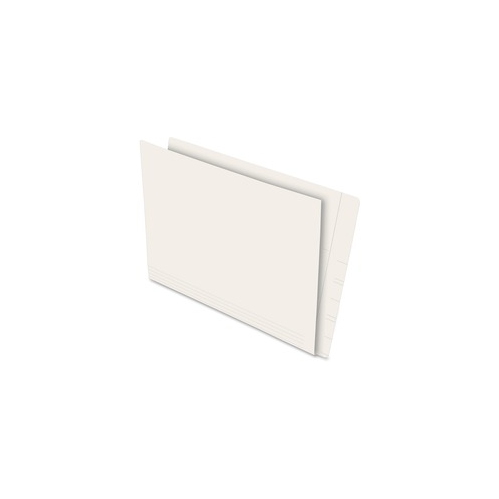
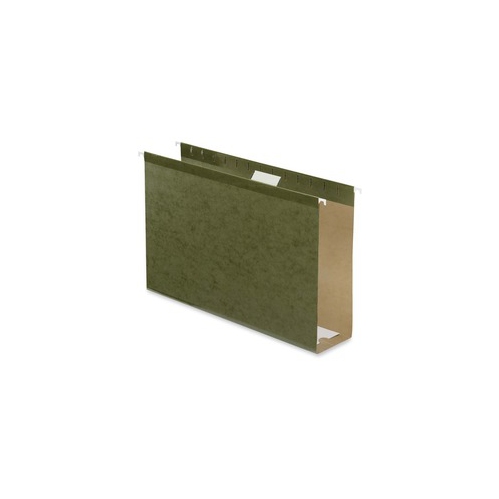
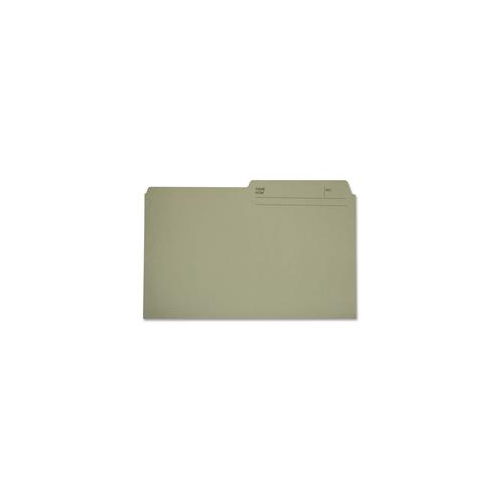
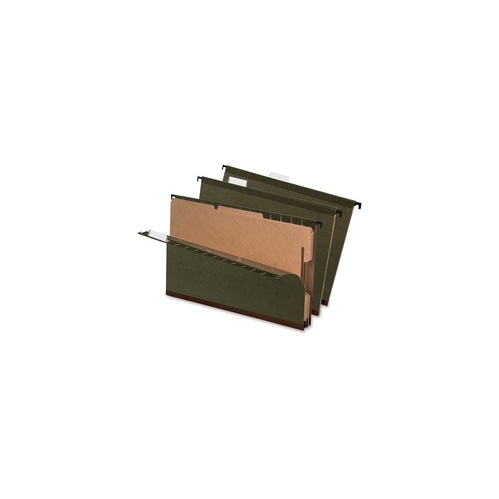
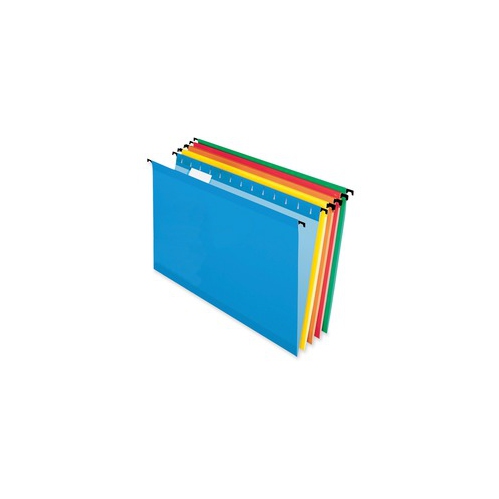
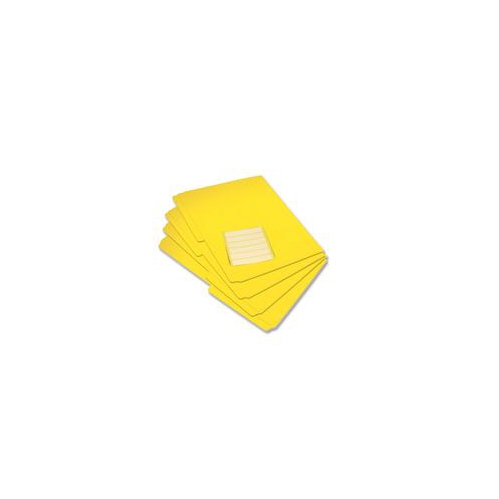
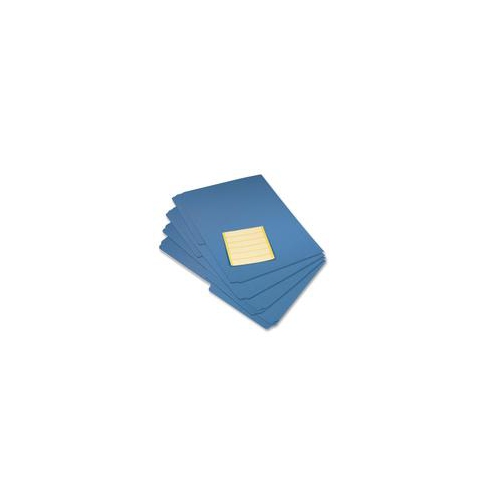
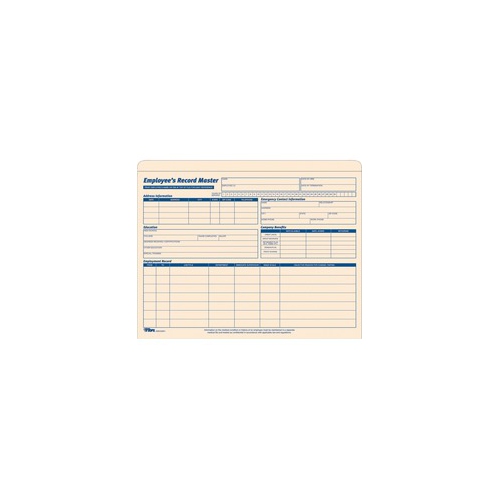
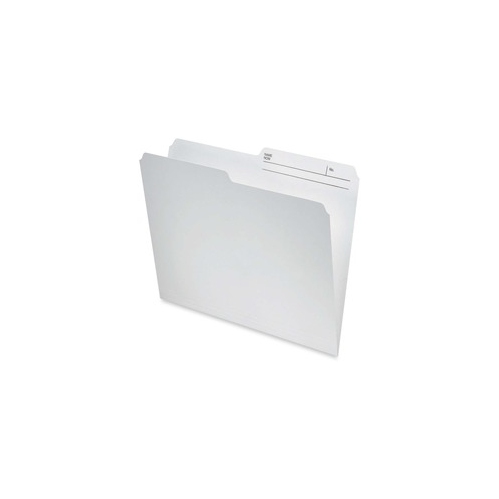
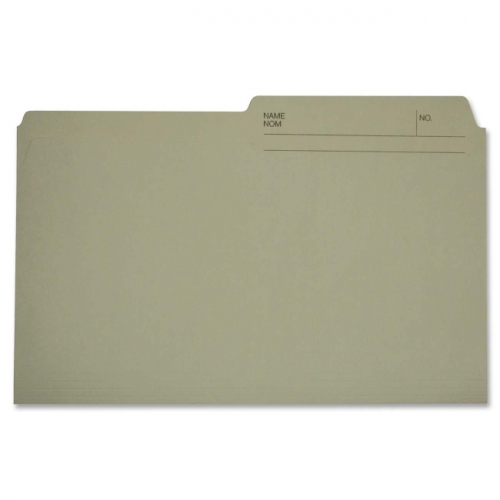
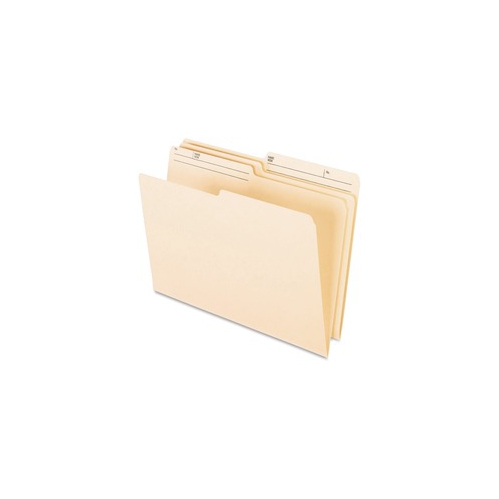
Classification folders are designed for organizing records that need more structure than a standard file folder can provide. Built with a sturdy cover, internal dividers, and metal prongs or fasteners, they can separate several related groups of papers while keeping everything together in one compact file. Depending on the layout, a single folder may create up to eight distinct filing surfaces, making it easier to arrange information by date, category, person, stage, or priority. The dividers provide clear sections for loose documents, while the fasteners hold punched papers securely in place so they are less likely to slide out, become mixed with other records, or disappear at the bottom of a drawer. Many classification folders also feature reinforced gussets that expand to accommodate thicker stacks, which is useful when a file grows over time with forms, notes, correspondence, reports, receipts, or supporting documentation. Look for pressboard or other heavy-duty covers when folders will be handled frequently, carried between offices, or stored in filing cabinets for extended periods. A coated or reinforced edge can add durability in busy workplaces, while clearly labelled tabs make contents easier to identify at a glance. Before choosing a format, consider the kind of paperwork you need to store, whether documents will be hole-punched, how many sections are required, and how much room the completed folder will need. A slim folder can suit a short-term project or a small set of records, while an expanding format is better for files that will receive additions throughout the season. For projects that mainly need separate pockets without built-in fasteners, Divider Folders may offer a useful alternative or companion filing solution.
Classification folders are commonly used wherever documents need to remain organized, private, and easy to retrieve. In a legal office, separate sections can hold case notes, correspondence, court documents, research, financial records, and evidence lists, allowing a file to move from an open desk to a meeting room without several loose folders travelling along with it. Medical and dental offices can use different sections for patient histories, test results, referrals, treatment notes, and billing paperwork, helping staff keep related information together while maintaining a consistent filing routine. Human resources departments may organize employee records by applications, tax forms, training documents, performance reviews, and leave records. In schools, educators and administrators can use them for student information, permission forms, assessment materials, attendance records, and communication with families. They are also practical in small businesses, clinics, property offices, construction teams, and home offices where one project may generate a surprisingly large amount of paper. A folder for a renovation, for example, could keep estimates in one section, invoices in another, measurements in a third, and permits or contractor correspondence behind a separate divider. For household use, classification folders can bring order to insurance documents, vehicle records, home maintenance receipts, warranties, and important financial paperwork. They are especially helpful when several people need to understand the same file, because labelled sections create a simple visual system that can be followed without extensive explanation. As the weather warms and routines shift, they can help manage travel documents, school registrations, seasonal business records, or moving paperwork; during the cooler months, they remain useful for keeping tax-related documents, appointment records, and indoor projects neatly arranged. Their practical design also makes them a thoughtful choice for a student, new homeowner, office administrator, caregiver, or anyone setting up a workspace, although they are generally purchased for usefulness rather than presentation.
When selecting classification folders, pay attention to capacity, construction, fastening style, divider arrangement, and the type of storage you already use. A folder with two or three dividers may be enough for a modest project, while a more complex file benefits from several sections that prevent unrelated pages from being stacked together. Fasteners positioned at different points inside the folder can support multiple categories of punched documents; check that the prongs open and close smoothly and are firmly attached to the cover or divider. Reinforced gussets are valuable for active files because they allow the folder to expand as new paperwork arrives, but make sure the finished size will still fit comfortably in your cabinet, shelf, or portable file box. Cover weight matters as well: lighter materials may suit occasional reference use, whereas thick pressboard construction is better for records that will be opened, transported, and returned to storage repeatedly. Consider labelling before filing, using a broad title on the tab and consistent names for each internal section. For example, a project folder might use headings such as “Planning,” “Correspondence,” “Receipts,” and “Completed,” while a personnel file might use headings that match the organization’s established record-keeping practices. Avoid overcrowding a folder simply because it can expand; pages are easier to review when each section has enough space to turn and remove documents without bending them. It is also helpful to group papers in chronological order or place the newest information at the front, then use the same method across every folder in a series. With a clear labelling system and a format suited to the volume of paperwork, classification folders can turn a crowded desk, cabinet, or drawer into a dependable reference system that supports everyday work from late summer through the cooler months and beyond.
Classification folders are commonly used wherever documents need to remain organized, private, and easy to retrieve. In a legal office, separate sections can hold case notes, correspondence, court documents, research, financial records, and evidence lists, allowing a file to move from an open desk to a meeting room without several loose folders travelling along with it. Medical and dental offices can use different sections for patient histories, test results, referrals, treatment notes, and billing paperwork, helping staff keep related information together while maintaining a consistent filing routine. Human resources departments may organize employee records by applications, tax forms, training documents, performance reviews, and leave records. In schools, educators and administrators can use them for student information, permission forms, assessment materials, attendance records, and communication with families. They are also practical in small businesses, clinics, property offices, construction teams, and home offices where one project may generate a surprisingly large amount of paper. A folder for a renovation, for example, could keep estimates in one section, invoices in another, measurements in a third, and permits or contractor correspondence behind a separate divider. For household use, classification folders can bring order to insurance documents, vehicle records, home maintenance receipts, warranties, and important financial paperwork. They are especially helpful when several people need to understand the same file, because labelled sections create a simple visual system that can be followed without extensive explanation. As the weather warms and routines shift, they can help manage travel documents, school registrations, seasonal business records, or moving paperwork; during the cooler months, they remain useful for keeping tax-related documents, appointment records, and indoor projects neatly arranged. Their practical design also makes them a thoughtful choice for a student, new homeowner, office administrator, caregiver, or anyone setting up a workspace, although they are generally purchased for usefulness rather than presentation.
When selecting classification folders, pay attention to capacity, construction, fastening style, divider arrangement, and the type of storage you already use. A folder with two or three dividers may be enough for a modest project, while a more complex file benefits from several sections that prevent unrelated pages from being stacked together. Fasteners positioned at different points inside the folder can support multiple categories of punched documents; check that the prongs open and close smoothly and are firmly attached to the cover or divider. Reinforced gussets are valuable for active files because they allow the folder to expand as new paperwork arrives, but make sure the finished size will still fit comfortably in your cabinet, shelf, or portable file box. Cover weight matters as well: lighter materials may suit occasional reference use, whereas thick pressboard construction is better for records that will be opened, transported, and returned to storage repeatedly. Consider labelling before filing, using a broad title on the tab and consistent names for each internal section. For example, a project folder might use headings such as “Planning,” “Correspondence,” “Receipts,” and “Completed,” while a personnel file might use headings that match the organization’s established record-keeping practices. Avoid overcrowding a folder simply because it can expand; pages are easier to review when each section has enough space to turn and remove documents without bending them. It is also helpful to group papers in chronological order or place the newest information at the front, then use the same method across every folder in a series. With a clear labelling system and a format suited to the volume of paperwork, classification folders can turn a crowded desk, cabinet, or drawer into a dependable reference system that supports everyday work from late summer through the cooler months and beyond.
Top selling and popular products
-
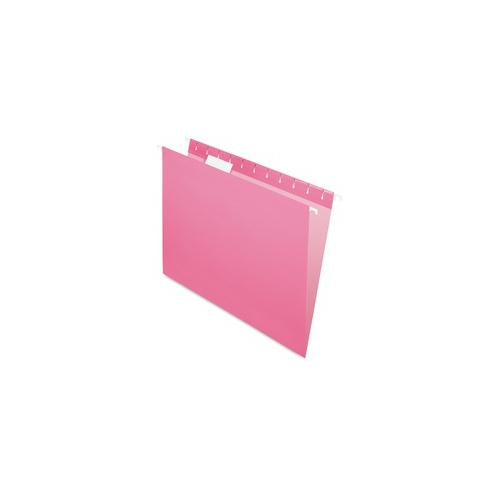 Your price for this item is $44.99
 -
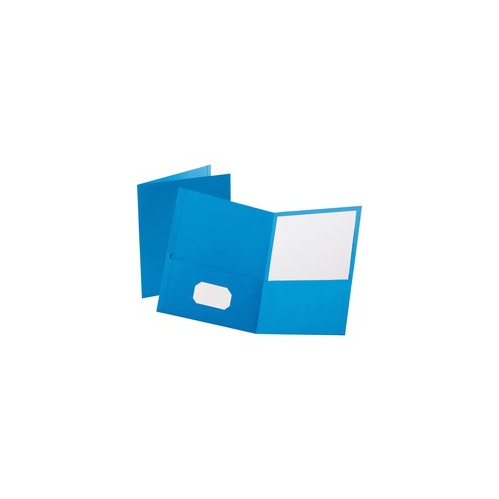 Your price for this item is $18.99
 -
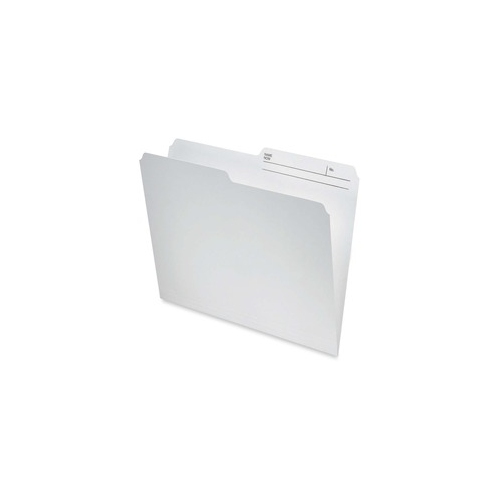 Your price for this item is $28.99
 -
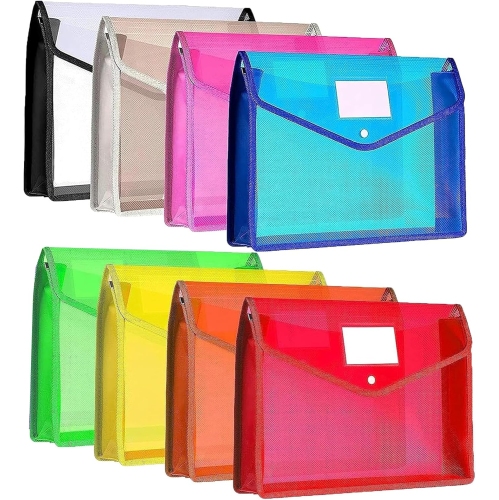 Your price for this item is $39.17
 -
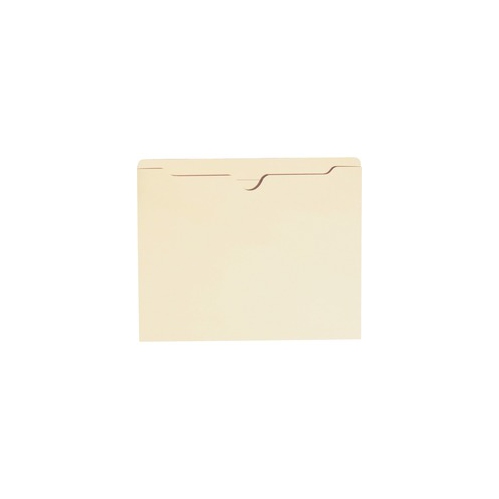 Your price for this item is $1.99
 -
 Your price for this item is $30.99
 -
 Your price for this item is $24.99
 -
 Your price for this item is $40.99
Discover more categories related to Classification Folders


Top Collections:
Pokemon Centers, Best Cameras for Sports Photography, Kindle Devices, Samsung Galaxy Phones, Canon G7X Cameras, Pokémon 30th Celebration Cards, Refurbished Apple Laptops, iPhone 15 Apple, Laptops for Students, Budget Smartphones
Some products may be subject to Environmental Handling Fees
(EHF) depending on your province.
Learn more about EHFs.