Paper File Folders
Organize your documents with ease using these paper file folders. Whether you're tidying up your home office or streamlining your work space, these versatile folders are a must-have for almost any organization enthusiast. With a range of sizes and styles to choose from, you can find the perfect fit for all your important papers, receipts, and documents. Keep everything in order and easily accessible with our high-quality paper file folders, designed to make your life simpler and more efficient.
Sort
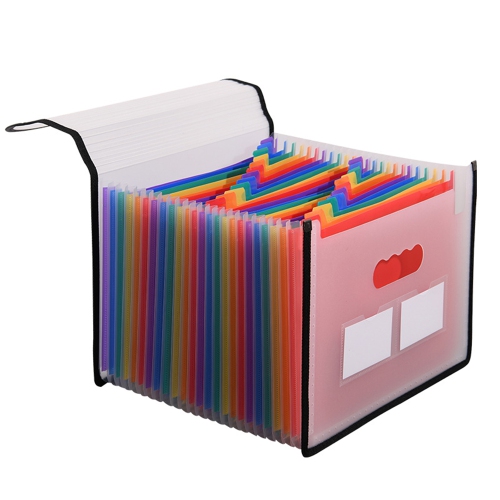
![NAVOR Expanding File Folder With 24 Pockets, Portable A4 Paper Size File Organizer, Suitable for Home/office/study/travel With Colored Labels [Black]](https://multimedia.bbycastatic.ca/multimedia/products/500x500/171/17163/17163062.jpeg)
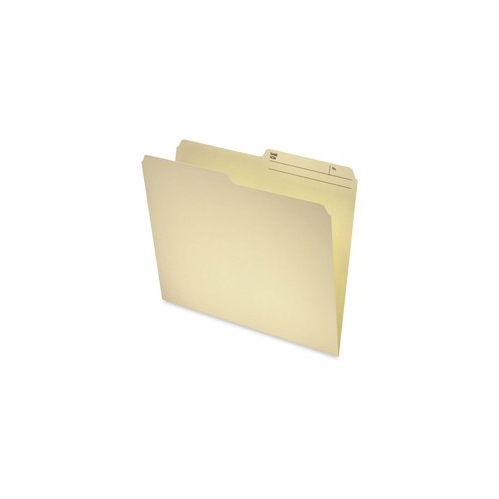
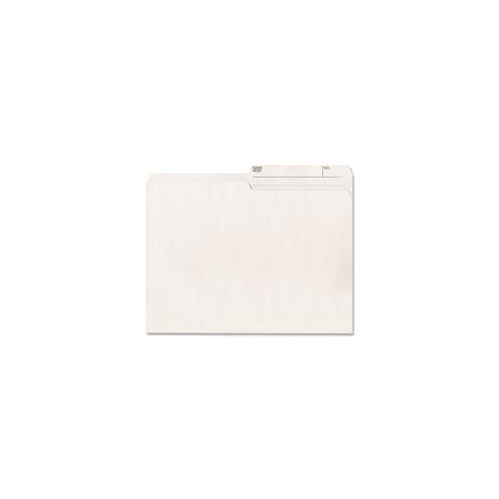


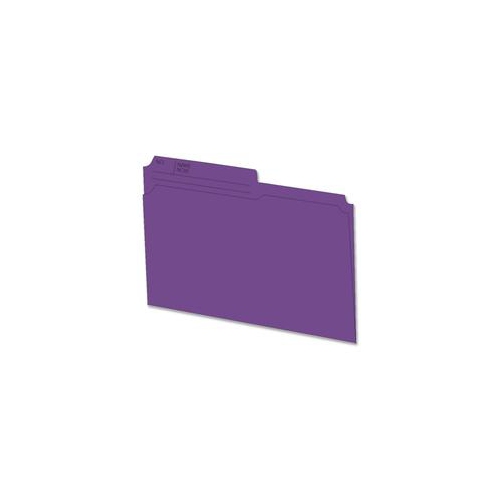
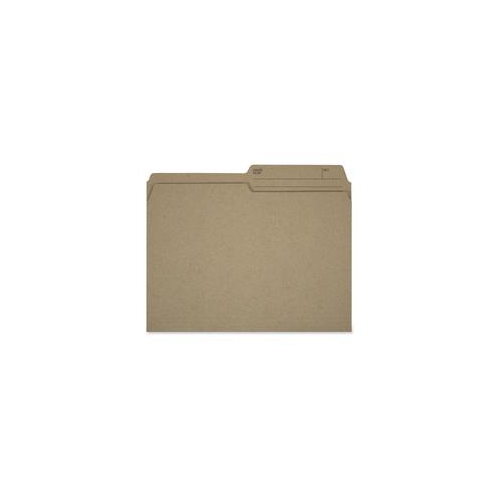




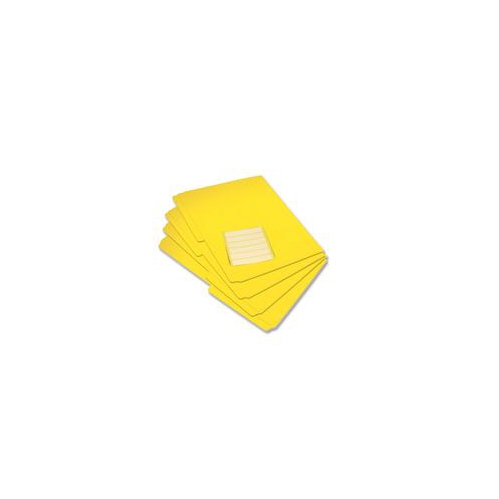
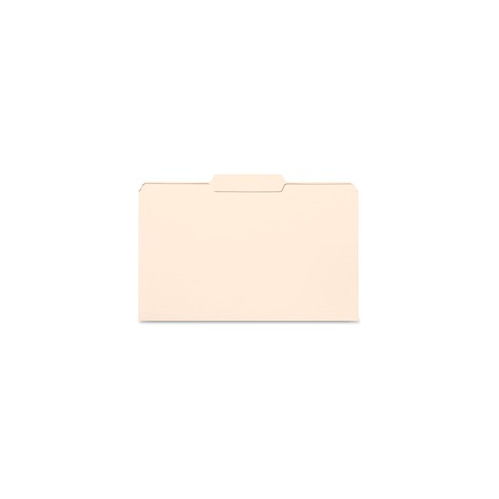
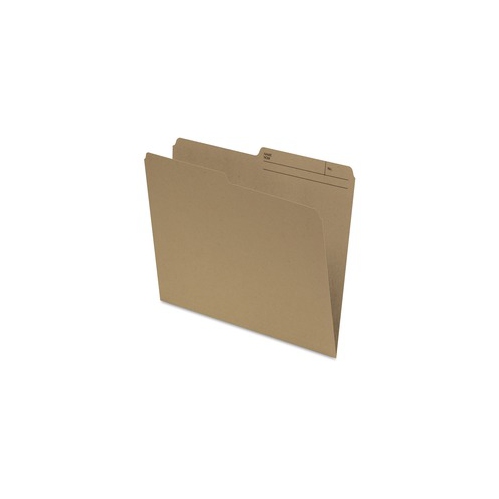

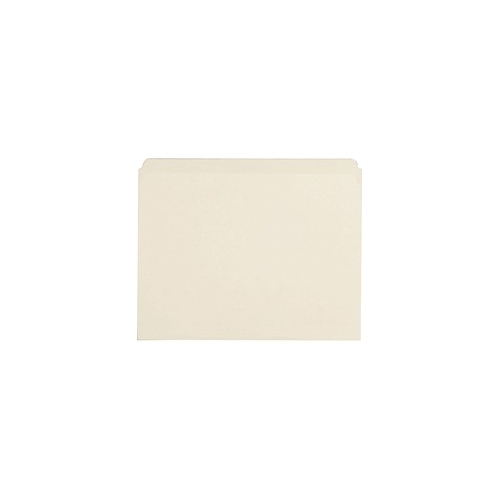
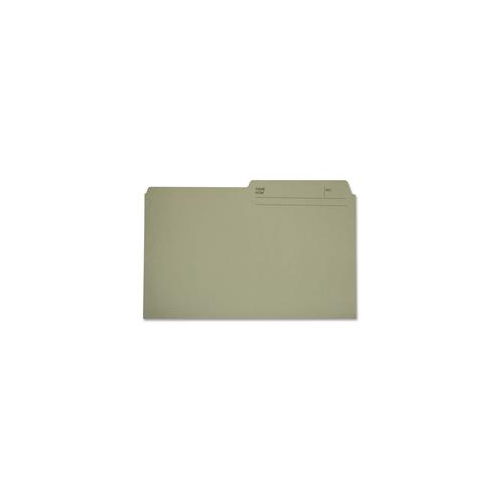
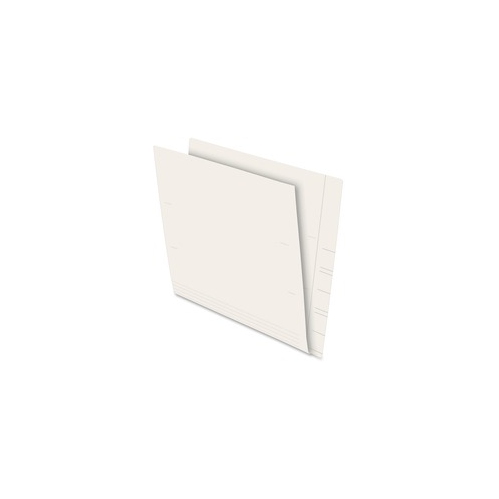
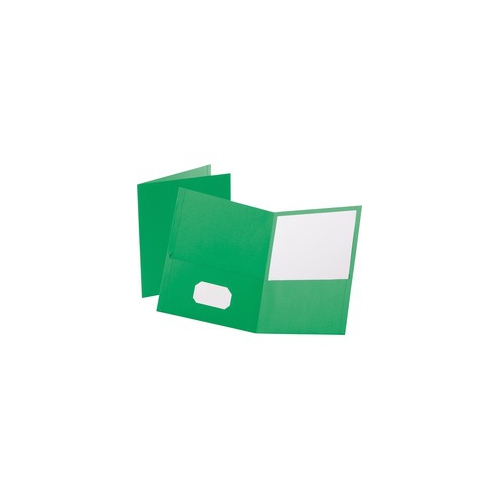
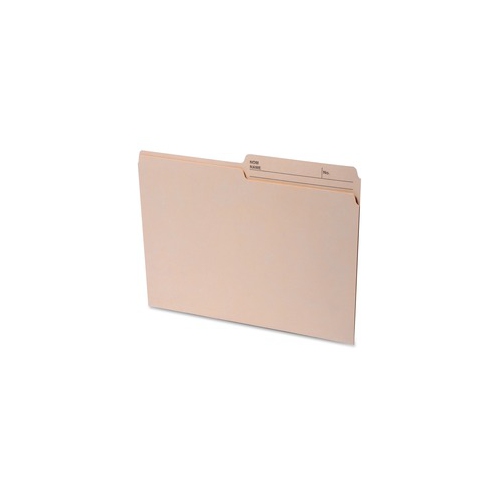


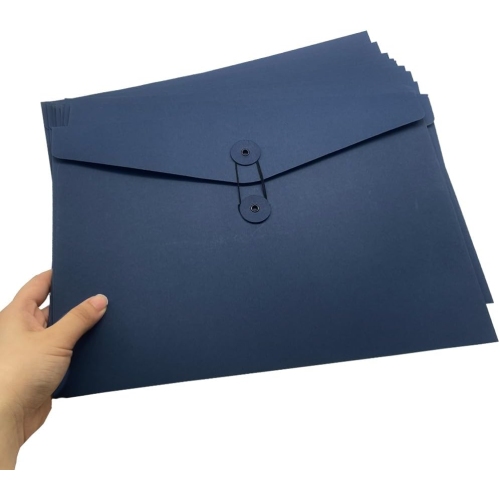
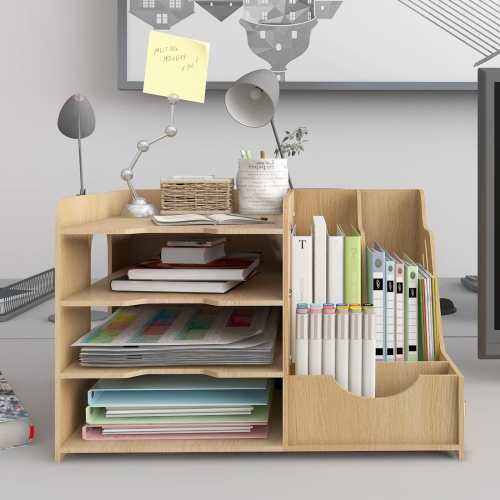
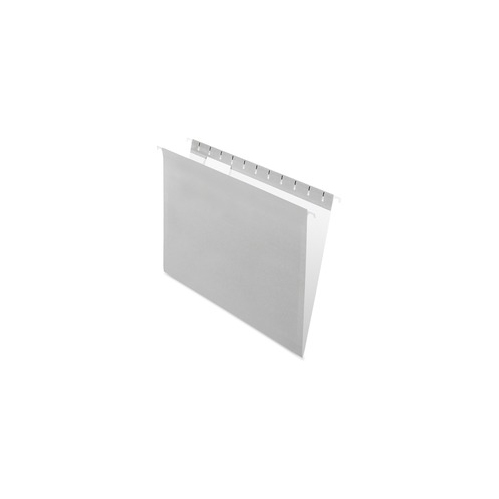
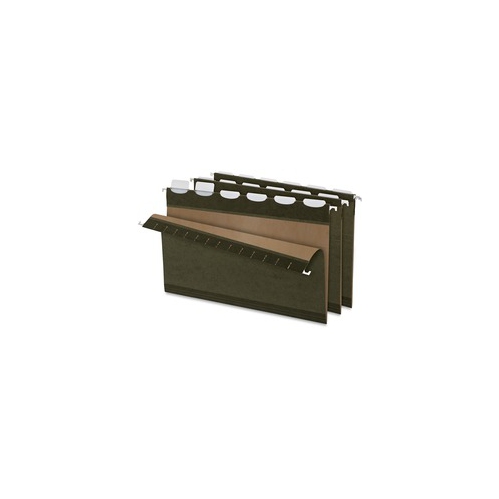
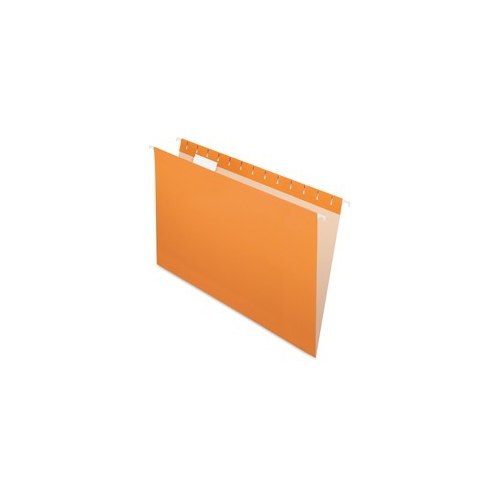
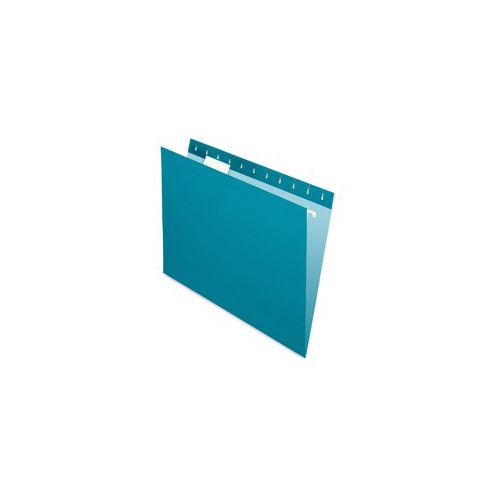
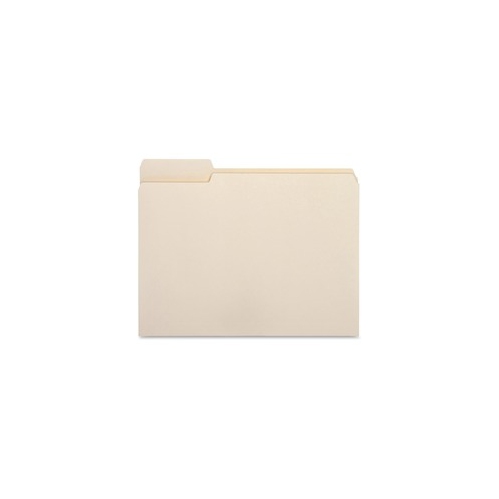
Simple filing systems bring order to everyday paperwork
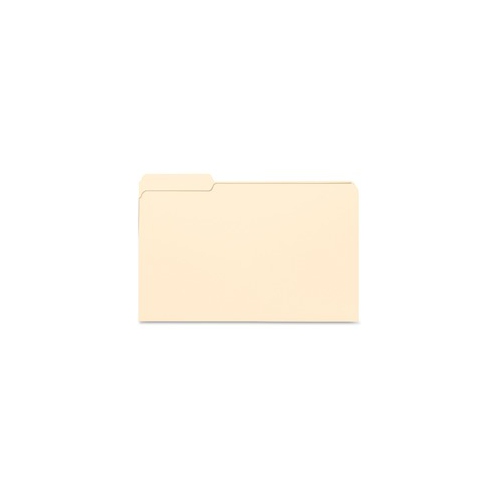
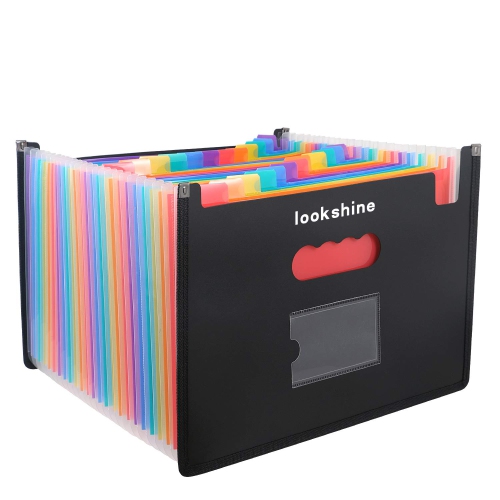
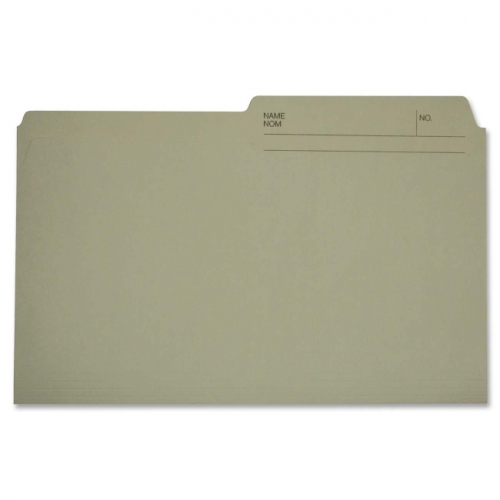
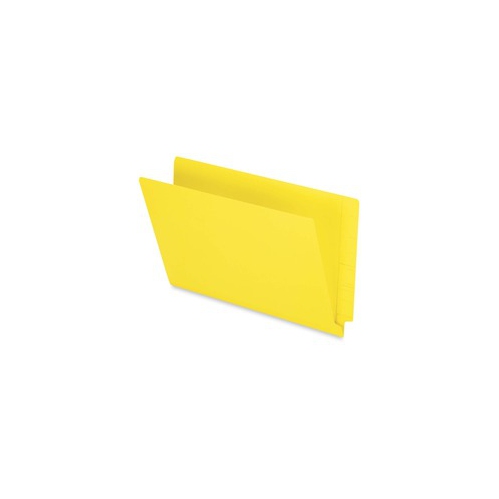
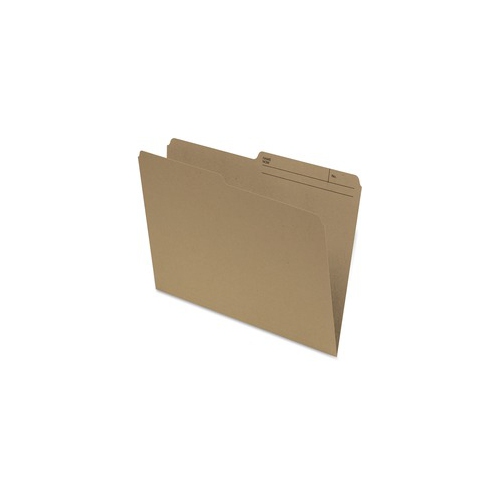
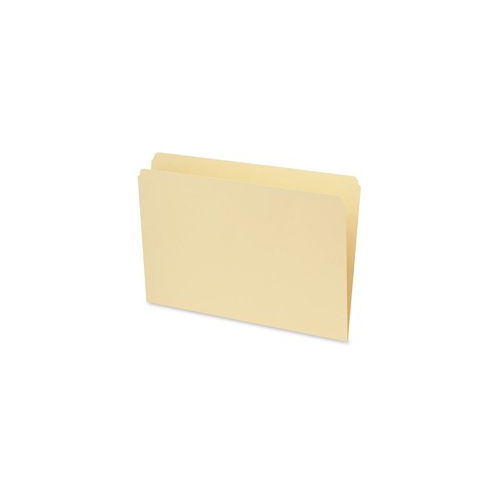
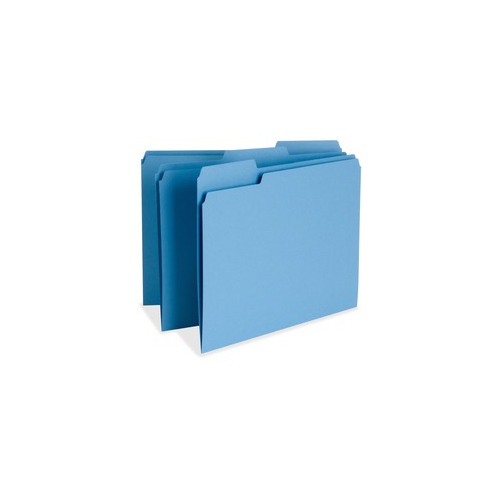
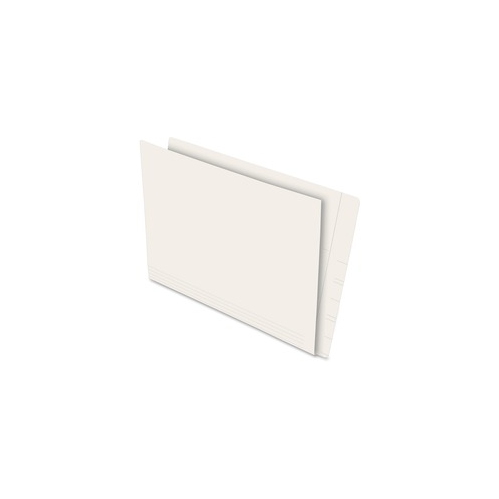
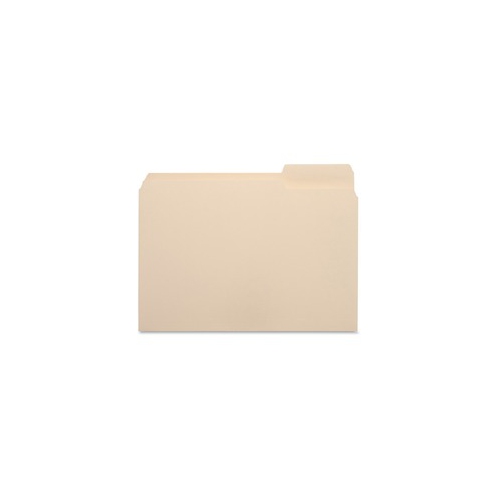
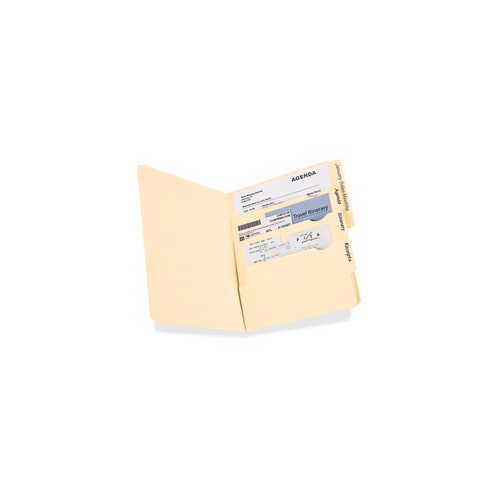
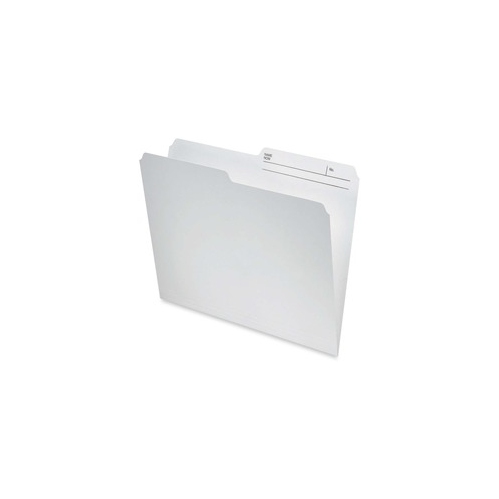
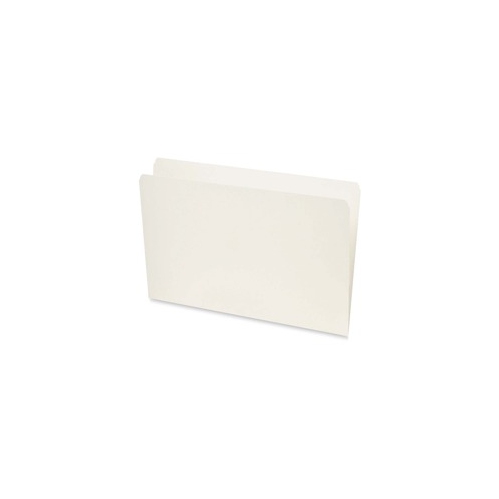
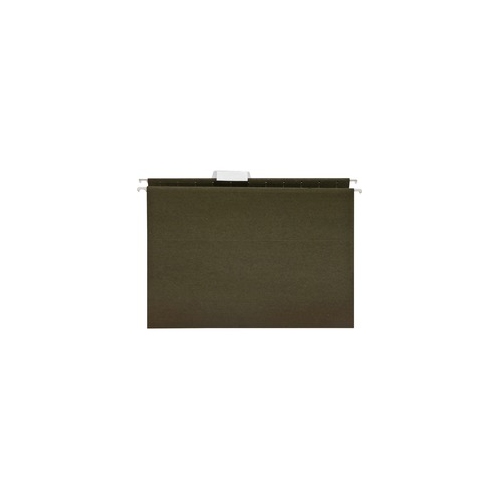
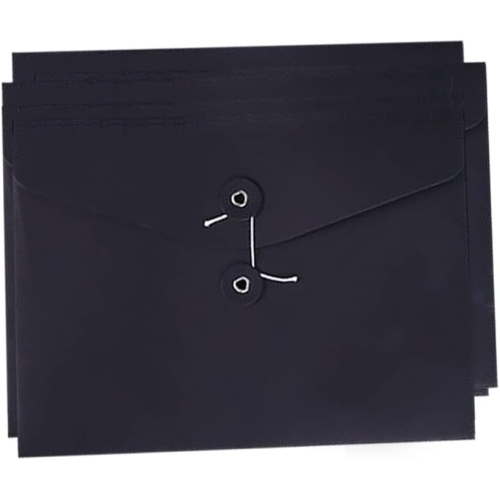
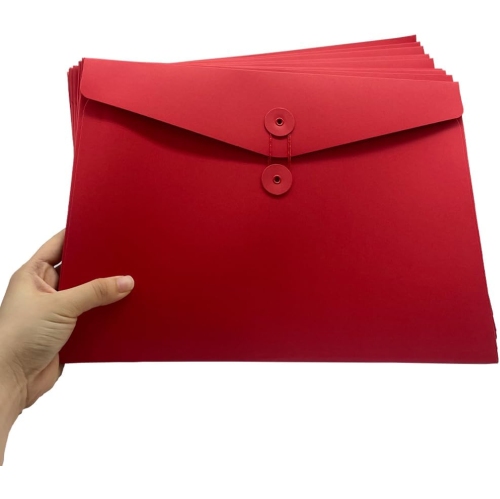
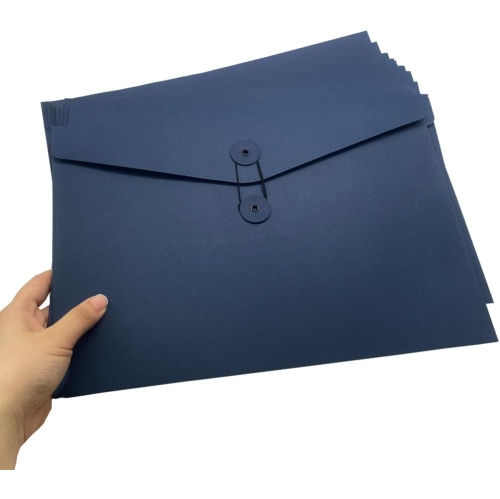
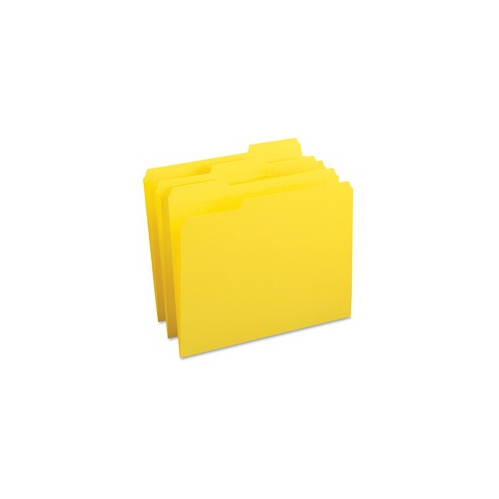
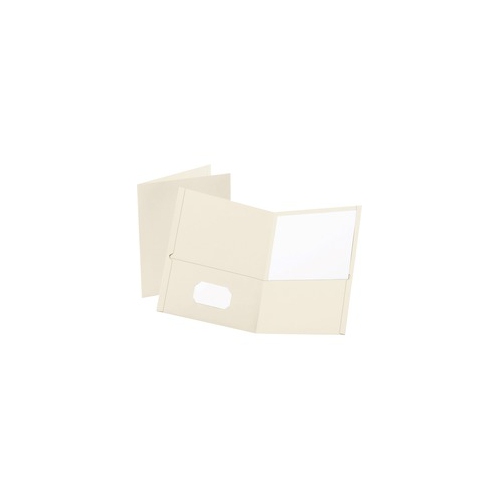
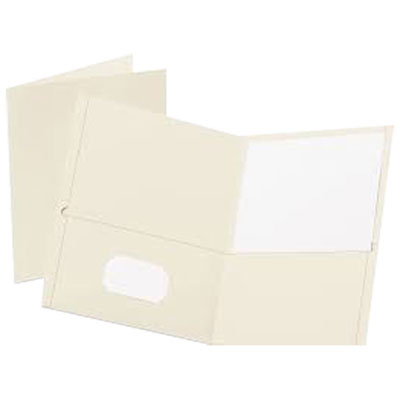
Paper file folders are a practical way to bring order to loose documents at home, at school, or in a workplace. Made from folded paper or cardstock, they create a simple cover for invoices, forms, notes, reports, receipts, project materials, and other papers that can easily become mixed together. A well-organized filing system can make a desk feel calmer and help important information stay within reach when it is needed. Use one folder for each client, household member, course, project, account, or category, then label the tab clearly so the contents can be identified at a glance. They are useful for filing documents in a drawer, arranging papers in a filing box, or grouping materials on a shelf before they are moved to long-term storage. Paper file folders are also easy to write on, sort by colour, and rearrange as priorities change. For a home office, they can separate tax documents, insurance papers, medical records, warranties, and household receipts. In a family command centre, folders can hold school notices, activity schedules, travel details, and appointment paperwork. Students can use them to keep notes and handouts together for each class, while teachers, small-business owners, reception teams, and administrative staff can use them to maintain clear, accessible records. For shoppers who work with standard office documents, Letter Size File Folders are designed for the dimensions commonly used for everyday forms, statements, and printed pages. Choosing folders that match the paper size helps prevent corners from bending and makes filing more efficient.
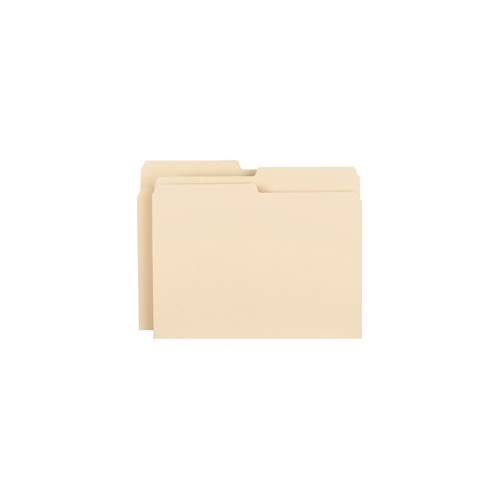
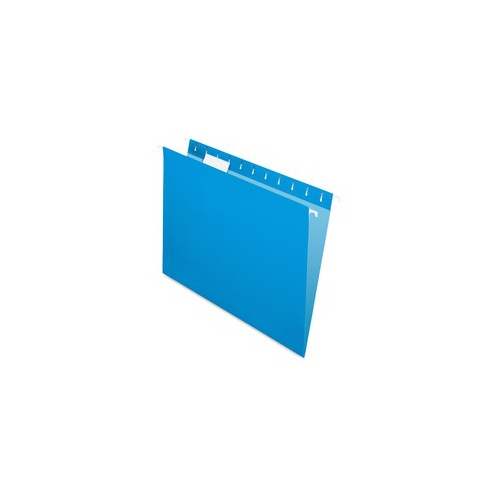
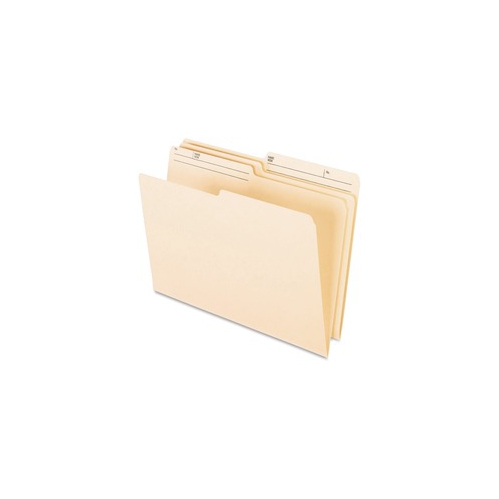
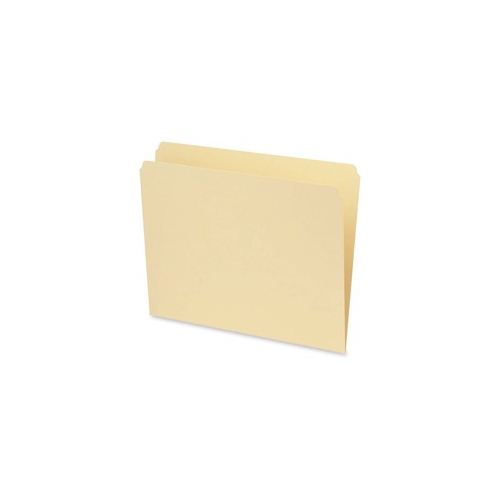
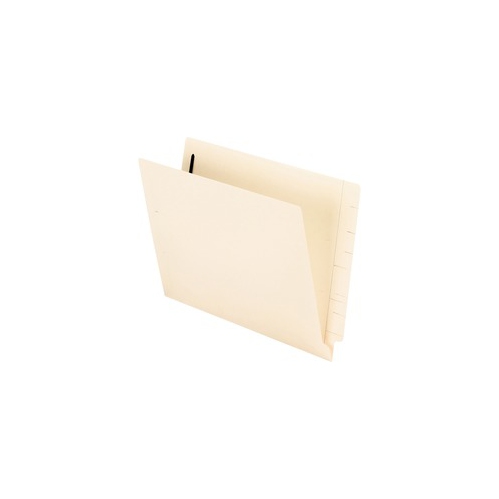
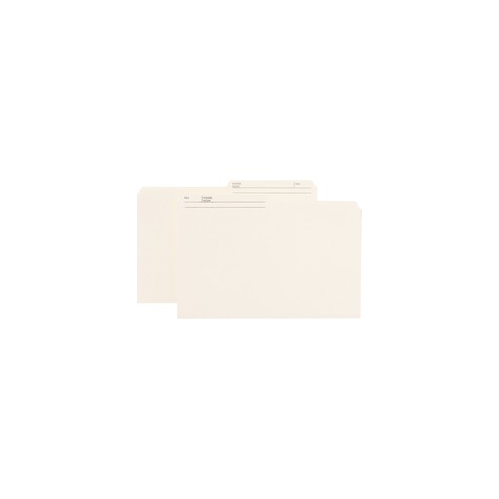
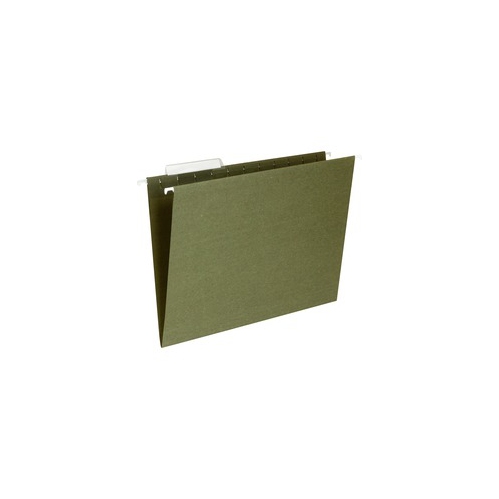
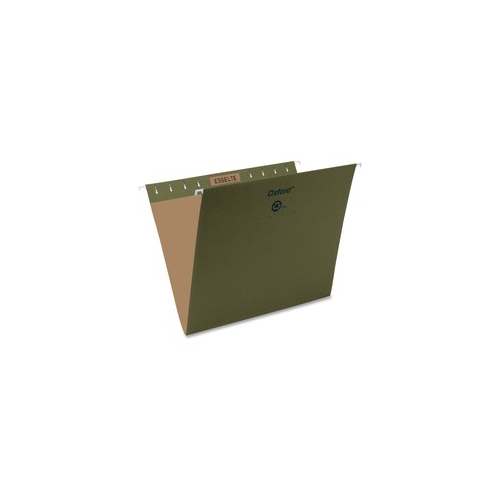
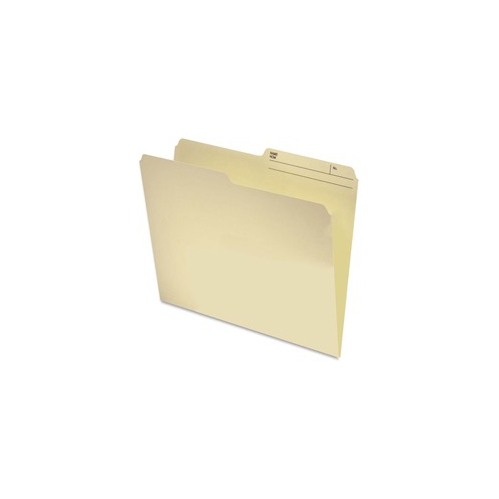
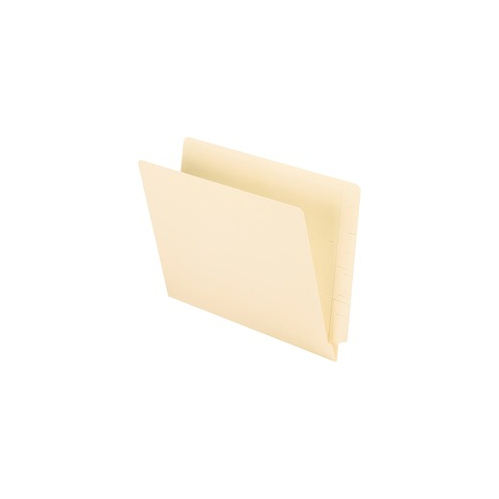
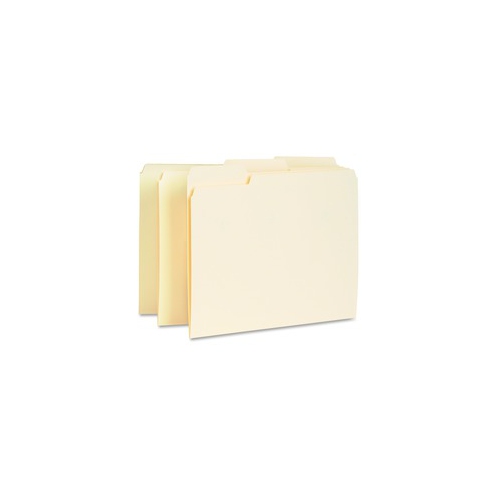
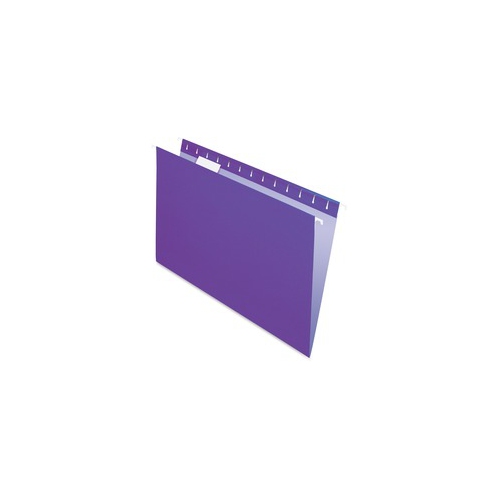
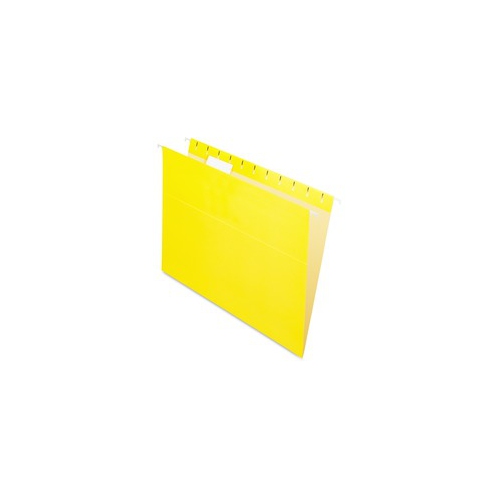
Size is one of the first details to consider when comparing paper file folders. Letter-size folders are suited to most household and office paperwork, while legal-size folders provide extra length for legal documents, contracts, architectural pages, and other materials that do not fit comfortably in a standard folder. Check the dimensions of the filing drawer, box, cabinet, or shelf where the folders will be stored before selecting a format. The tab style also affects how folders work within a filing system. Top-tab folders have tabs along the upper edge and are a familiar choice for vertical filing cabinets and desktop organizers. Their labels can be read while folders are standing side by side, making them convenient for alphabetical or category-based systems. End-tab folders have tabs along the side edge and are often used in open-shelf filing systems, where folders face forward and the label is visible from the aisle or front of the shelf. The position and width of the tab can make a noticeable difference when several folders are stored together. A 1/2-cut tab extends across roughly half the folder width and offers a broad writing area, while 1/3-cut tabs take up about one-third of the width and can be staggered across a row for easier browsing. Reversible tabs can add flexibility when a folder needs to be repositioned in a different section. Consider the paper weight as well: lighter stock is convenient for everyday sorting and larger filing projects, while heavier cardstock can offer more structure for folders that will be handled often or carried between locations. A smooth writing surface makes labels easy to read, and a reinforced edge can help a folder keep its shape when it is filled with multiple pages.
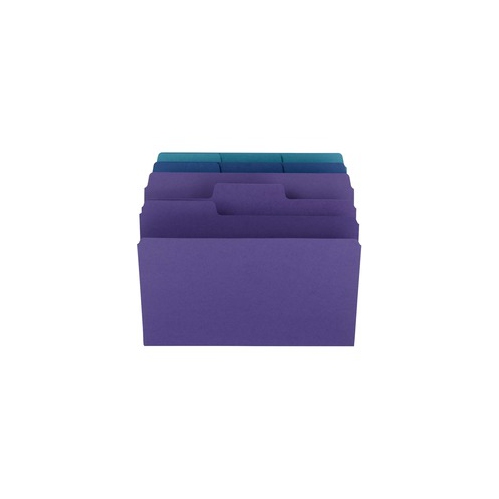
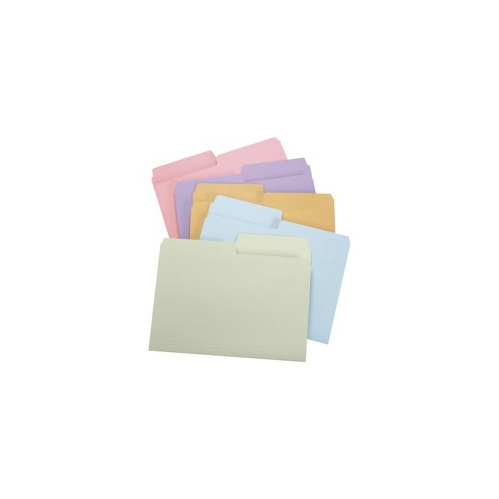
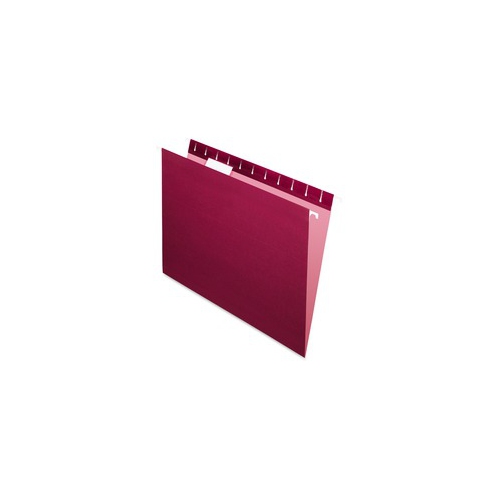
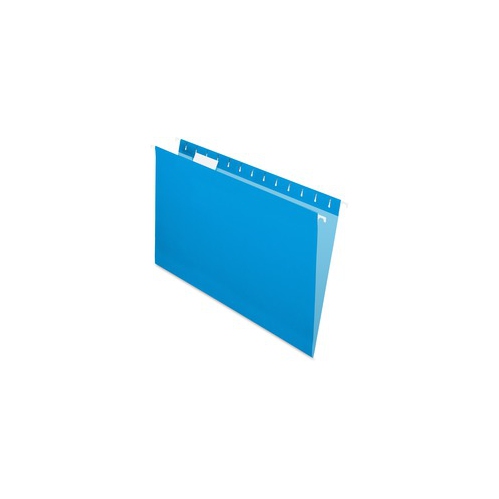
Colour and pack size can help tailor a filing system to the way documents are used. Traditional manila folders offer a straightforward, professional appearance and work well when files are arranged alphabetically or labelled with a consistent naming system. Assorted colours can make categories easier to recognize from a distance; for example, one colour might identify financial paperwork, another could be used for school records, and a third could hold home maintenance information. A colour system is especially helpful in busy offices, shared households, and study areas where several groups of papers are handled at once. When choosing a pack, estimate how many active categories need folders and leave room for new files, rather than filling a drawer so tightly that folders become difficult to remove. Larger packs are useful for offices, classrooms, moves, records projects, and anyone building a filing system from the ground up. Smaller packs can suit a home desk, a student preparing for a new term, or a person setting up a compact workspace. Paper file folders can also be a thoughtful practical gift for a new graduate, first-time renter, home-based professional, caregiver, or anyone preparing to organize a move. They pair naturally with labels, a filing box, a desk organizer, or a document tray, creating a useful starting point for managing paperwork. For the clearest results, label each folder with a specific description, place frequently used files near the front, and review the contents occasionally so inactive papers can be moved aside. With the right size, tab style, stock, and pack quantity, paper file folders provide a simple, adaptable foundation for keeping documents protected, sorted, and ready to find during every season.
Size is one of the first details to consider when comparing paper file folders. Letter-size folders are suited to most household and office paperwork, while legal-size folders provide extra length for legal documents, contracts, architectural pages, and other materials that do not fit comfortably in a standard folder. Check the dimensions of the filing drawer, box, cabinet, or shelf where the folders will be stored before selecting a format. The tab style also affects how folders work within a filing system. Top-tab folders have tabs along the upper edge and are a familiar choice for vertical filing cabinets and desktop organizers. Their labels can be read while folders are standing side by side, making them convenient for alphabetical or category-based systems. End-tab folders have tabs along the side edge and are often used in open-shelf filing systems, where folders face forward and the label is visible from the aisle or front of the shelf. The position and width of the tab can make a noticeable difference when several folders are stored together. A 1/2-cut tab extends across roughly half the folder width and offers a broad writing area, while 1/3-cut tabs take up about one-third of the width and can be staggered across a row for easier browsing. Reversible tabs can add flexibility when a folder needs to be repositioned in a different section. Consider the paper weight as well: lighter stock is convenient for everyday sorting and larger filing projects, while heavier cardstock can offer more structure for folders that will be handled often or carried between locations. A smooth writing surface makes labels easy to read, and a reinforced edge can help a folder keep its shape when it is filled with multiple pages.
Colour and pack size can help tailor a filing system to the way documents are used. Traditional manila folders offer a straightforward, professional appearance and work well when files are arranged alphabetically or labelled with a consistent naming system. Assorted colours can make categories easier to recognize from a distance; for example, one colour might identify financial paperwork, another could be used for school records, and a third could hold home maintenance information. A colour system is especially helpful in busy offices, shared households, and study areas where several groups of papers are handled at once. When choosing a pack, estimate how many active categories need folders and leave room for new files, rather than filling a drawer so tightly that folders become difficult to remove. Larger packs are useful for offices, classrooms, moves, records projects, and anyone building a filing system from the ground up. Smaller packs can suit a home desk, a student preparing for a new term, or a person setting up a compact workspace. Paper file folders can also be a thoughtful practical gift for a new graduate, first-time renter, home-based professional, caregiver, or anyone preparing to organize a move. They pair naturally with labels, a filing box, a desk organizer, or a document tray, creating a useful starting point for managing paperwork. For the clearest results, label each folder with a specific description, place frequently used files near the front, and review the contents occasionally so inactive papers can be moved aside. With the right size, tab style, stock, and pack quantity, paper file folders provide a simple, adaptable foundation for keeping documents protected, sorted, and ready to find during every season.
Top selling and popular products
-
 Your price for this item is $15.99
 -
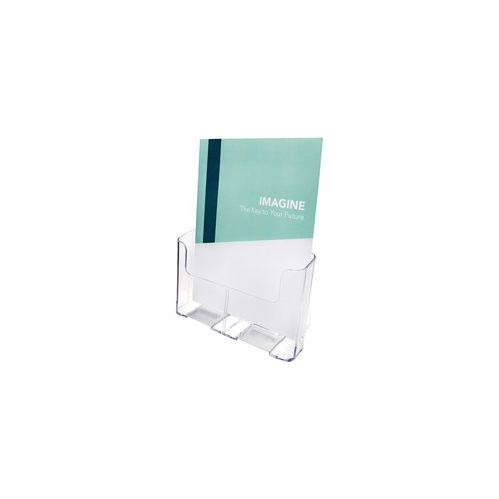 Your price for this item is $18.99
 -
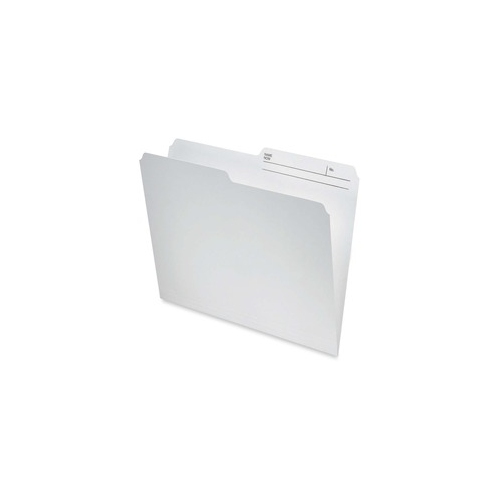 Your price for this item is $28.99
 -
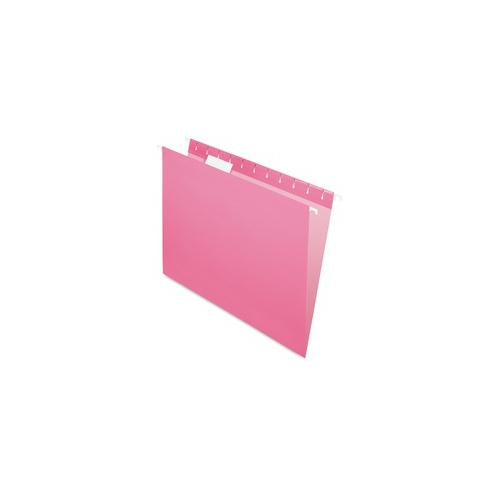 Your price for this item is $44.99
 -
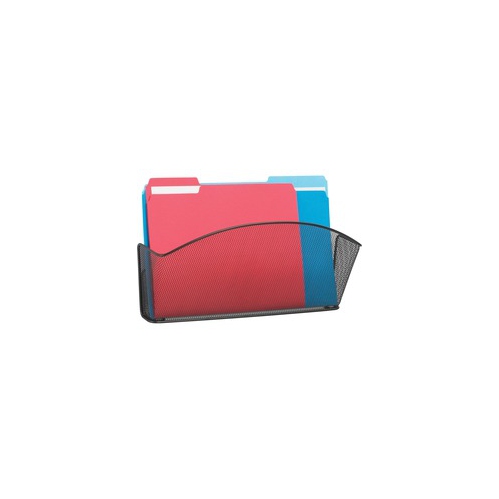 Your price for this item is $40.99
 -
 Your price for this item is $16.99
 -
 Your price for this item is $22.66
 -
 Your price for this item is $25.45
Discover more categories related to Paper File Folders

Top Collections:
Pokemon Centers, Kindle Devices, Best Budget Office Chairs, Apple iPhones 16, Best Laptops for Writers, iPhone 15 Apple, Canon G7X Cameras, Refurbished Apple Laptops, Alarm Clock, Motorola Razr Phones
Some products may be subject to Environmental Handling Fees
(EHF) depending on your province.
Learn more about EHFs.