Colorful Cards
Infuse your creativity with a splash of color by exploring our vibrant selection of colorful cards. Perfect for every occasion, these eye-catching cards offer a unique way to express your sentiments, whether you're celebrating a birthday, sending a heartfelt thank you, or simply brightening someone's day. With an array of designs and hues to choose from, you can find the perfect card to match any personality or style. Dive into our collection and discover how a simple gesture can create lasting memories.
Sort
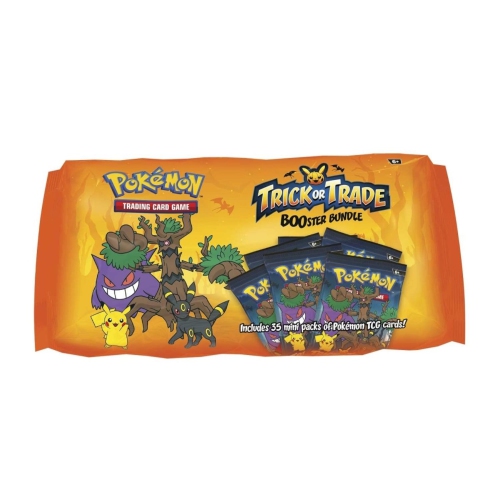
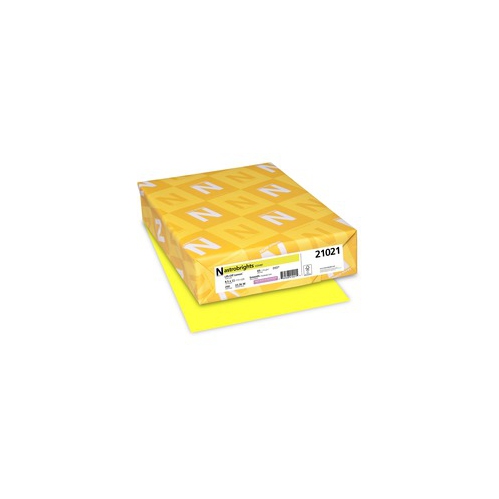
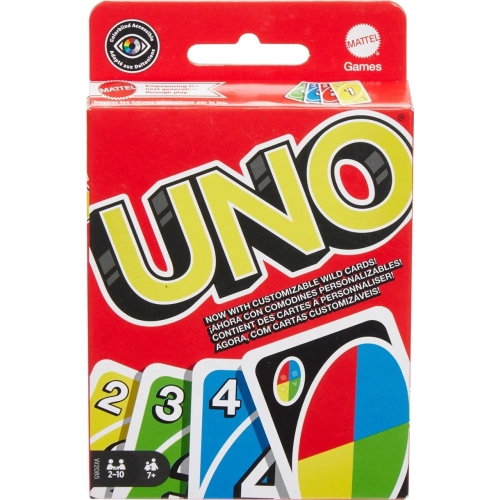
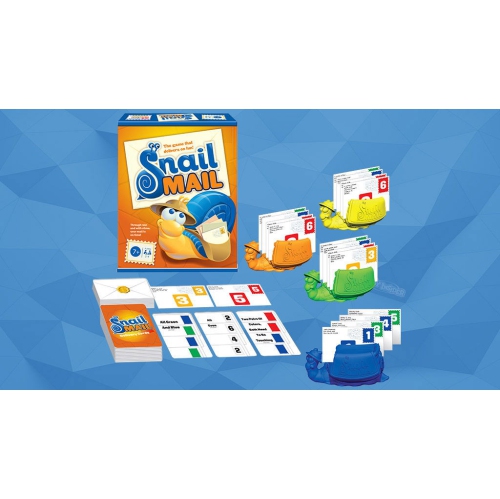



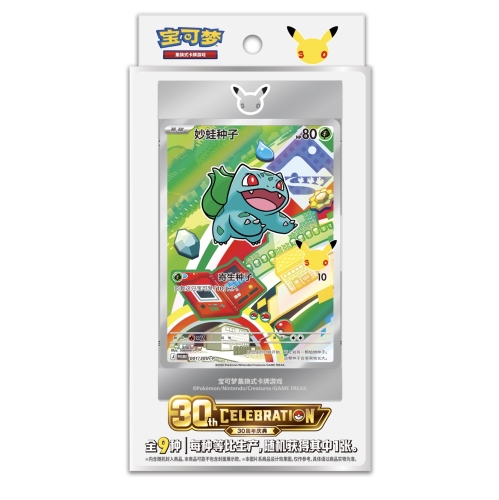
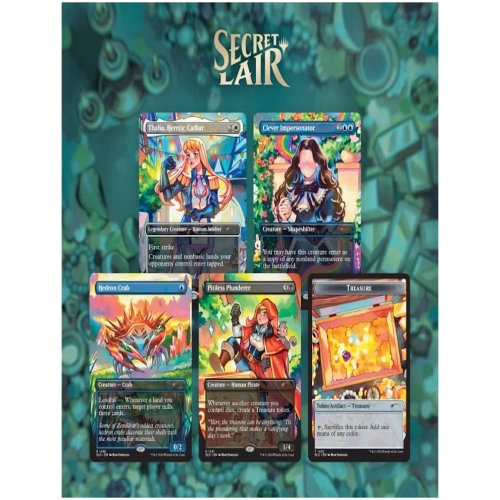
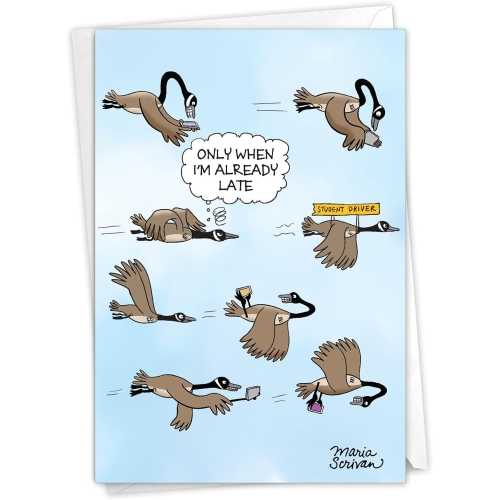
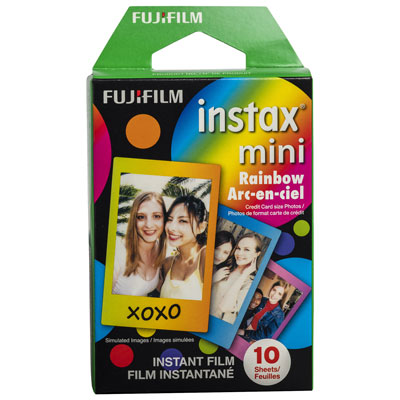

![LEGO : Vip [Holiday Gift Wrapping Set #5006482]](https://multimedia.bbycastatic.ca/multimedia/products/500x500/152/15269/15269402.jpeg)

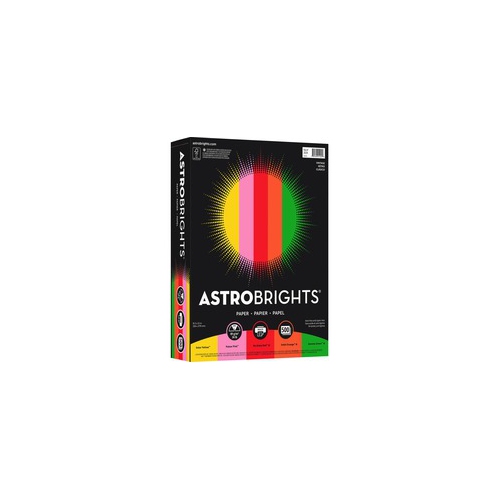
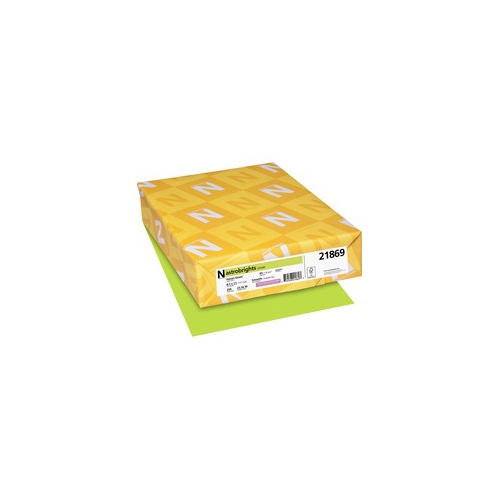

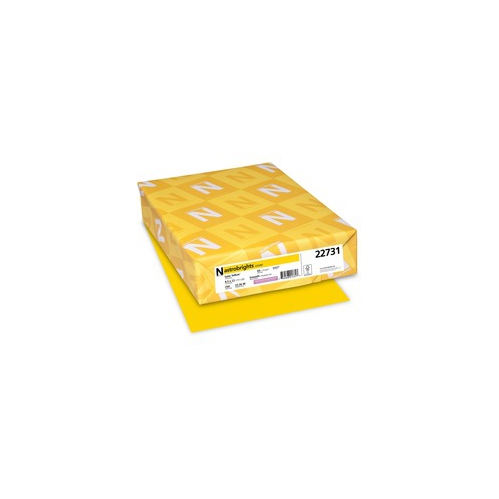
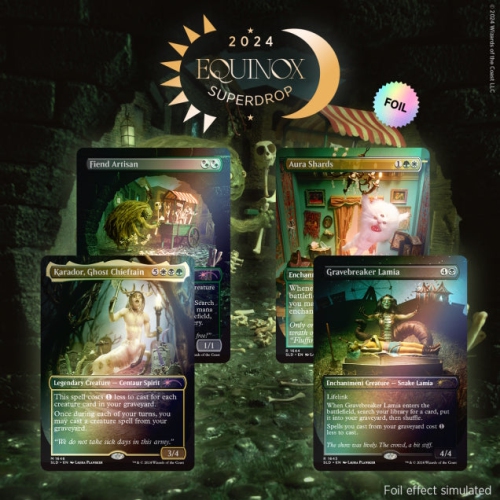
![INTI CREATES CO. Card-En-Ciel [Nintendo Switch]](https://multimedia.bbycastatic.ca/multimedia/products/500x500/193/19384/19384330.jpeg)

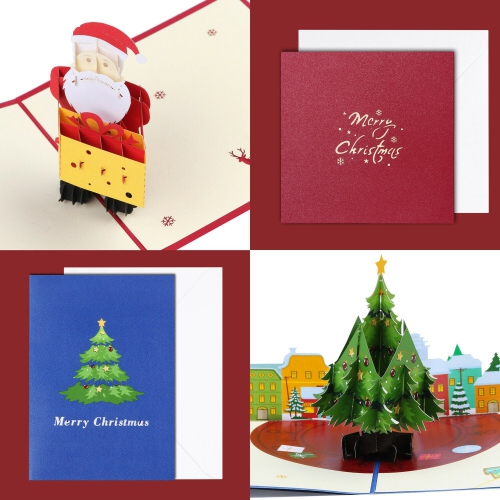
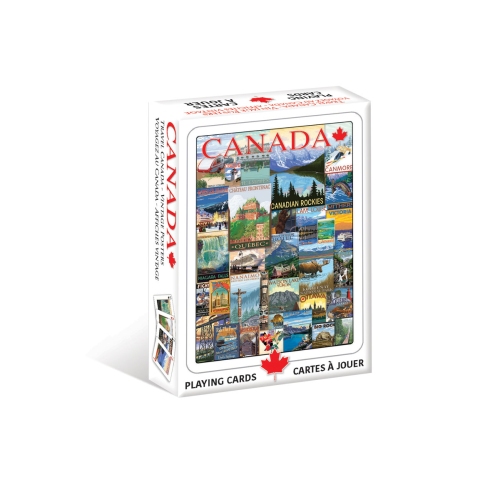
Bright artwork makes an impression before the envelope opens
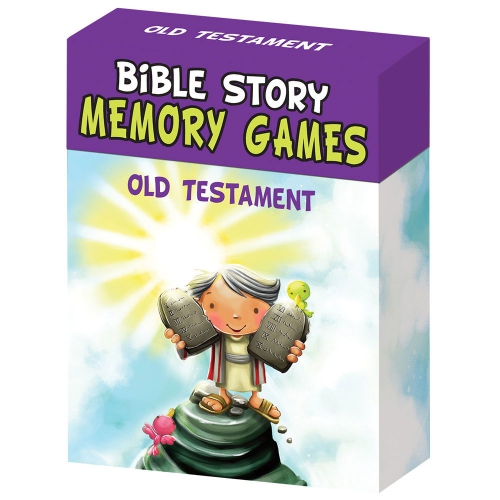
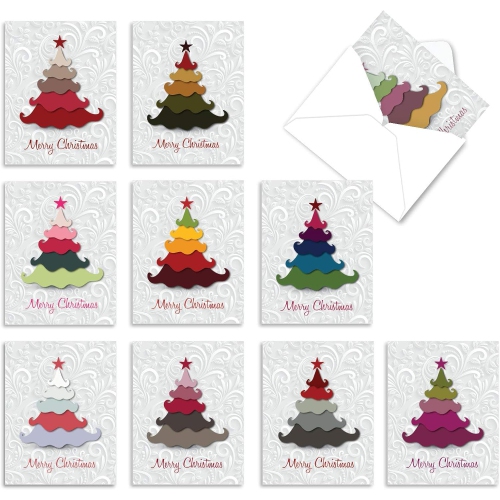
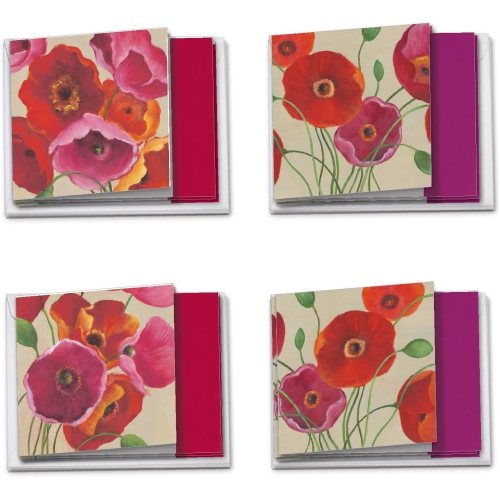
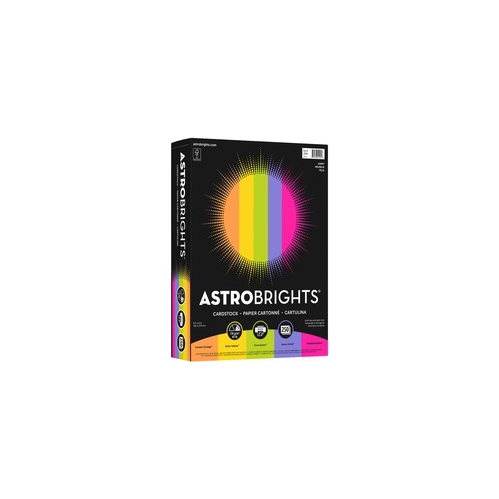
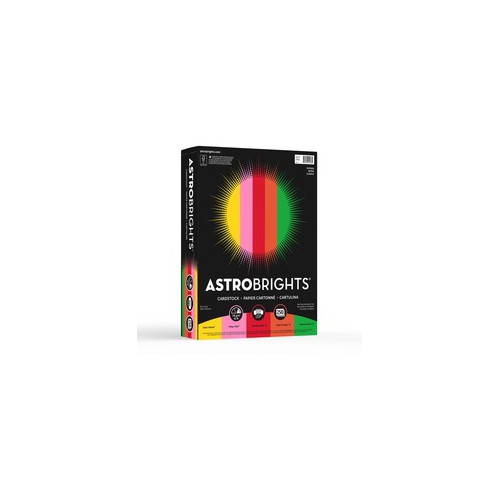
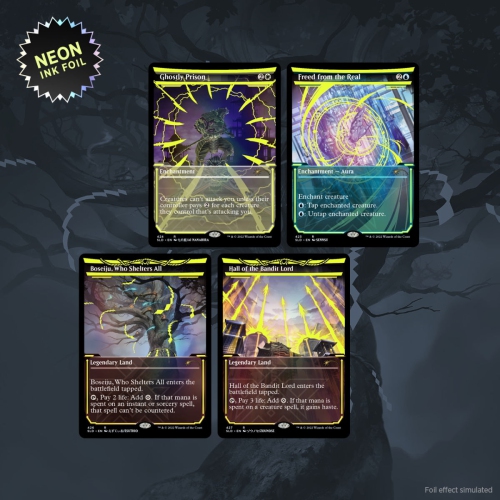
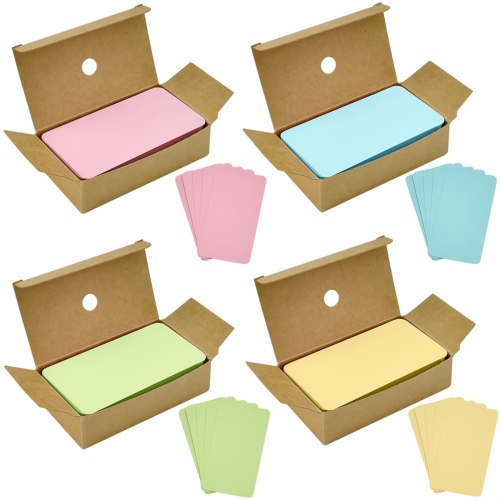
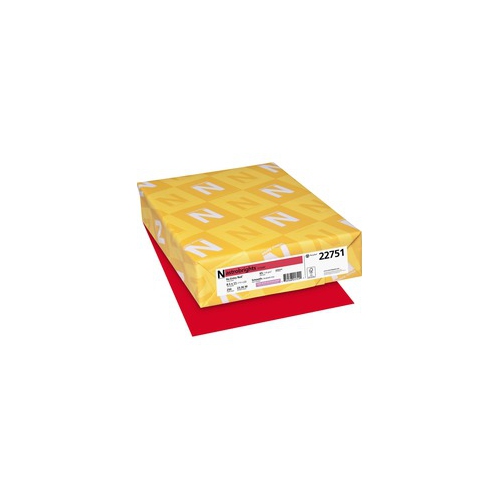
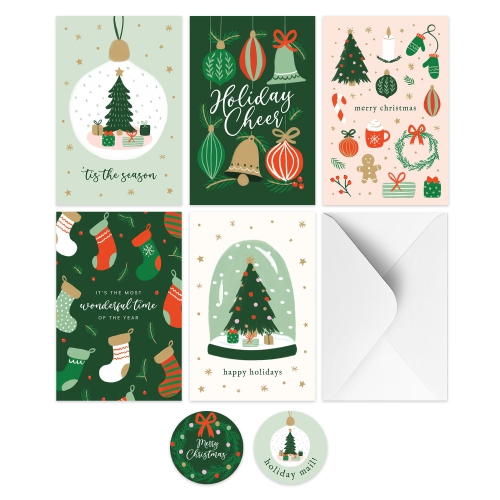
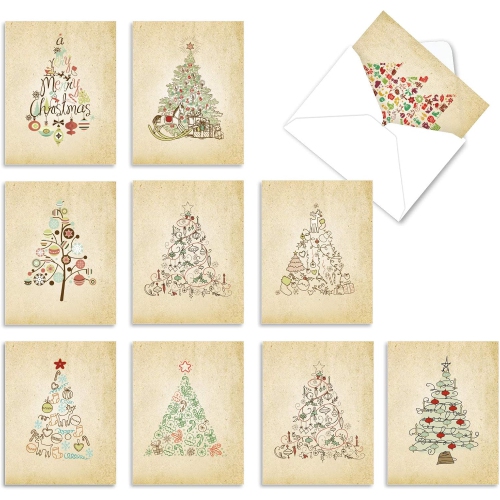
Colourful cards bring bright artwork, expressive patterns, and a personal touch to everyday messages, celebrations, creative activities, and tabletop games. The term covers several familiar types of paper goods: greeting and note cards for handwritten messages, colour-your-own cards for personal artwork, educational flashcards for practice and play, and playing cards with distinctive designs. Each has a different purpose, but colour can help set a mood, separate information, or make a small object more engaging to use. For correspondence, a vivid cover can feel cheerful before the envelope is even opened. Rainbow stripes, painted flowers, geometric shapes, and simple blocks of colour offer different ways to match a recipient’s taste without relying on a printed sentiment. Blank interiors leave room for a birthday wish, a thank-you after dinner, congratulations on a graduation, or a few thoughtful lines sent simply to stay in touch. A smaller note card suits a short message tucked beside a gift, while a larger folded format provides space for several people to sign without crowding the page. Flat cards work well for brief notes and invitations, particularly when the reverse offers a clear writing area. The balance between artwork and usable space matters: a richly patterned front can be striking, but a light, uncluttered interior keeps handwriting easy to read. Envelope fit is another practical detail, especially when a card includes raised lettering, ribbon, or an attached embellishment. Those additions need more room than a flat sheet of cardstock, and extra thickness may affect mailing requirements. For a coordinated celebration, cards can share a few shades with colourful decorations without matching every detail. A bright accent repeated on an invitation, a table setting, and a handwritten place card can tie the occasion together while leaving plenty of room for individual style. When the card itself is part of the gift, the message inside often becomes the detail that makes it worth keeping.
Paper weight, surface finish, and construction influence how colourful cards look and feel in use. Heavier cardstock generally feels more substantial and is better suited to standing on a shelf, while lighter card can be easier to handle in a stack or use for simple paper projects. A clean fold helps a greeting card close neatly, and firmly attached layers are less likely to catch when it slides into an envelope. Matte and uncoated surfaces often suit handwriting, though heavily textured paper can interrupt a fine pen stroke. Glossy finishes can give printed colours a vivid appearance, but some inks may smear or take longer to dry on a coated surface. For a message that stays legible, the writing area and the chosen pen need to work together; a small test on matching spare paper can prevent an unwanted smudge. Colour-your-own cards add another consideration because the paper must suit the medium. Coloured pencils allow controlled shading and fine details, whereas markers can produce bold areas of colour but may show through thinner sheets. Water-based painting requires paper intended to handle moisture rather than ordinary card that may buckle. A protective sheet beneath the artwork helps keep a table clean and prevents transferred colour from marking another card. These formats can suit children making a card for a grandparent, adults who enjoy drawing, or friends sharing a relaxed craft activity. Broad outlines leave room for loose colouring, while intricate patterns invite slower, more detailed work. Embellishments such as glitter, beads, or loose pieces call for age-appropriate handling and supervision around young children. Finished cards last better when stored flat, away from spills and prolonged direct sunlight, which can fade printed or hand-applied colour. Keeping spare envelopes and cards together in a dry drawer or storage box also protects corners from bending and makes it easier to find a clean writing surface when a personal message comes to mind.
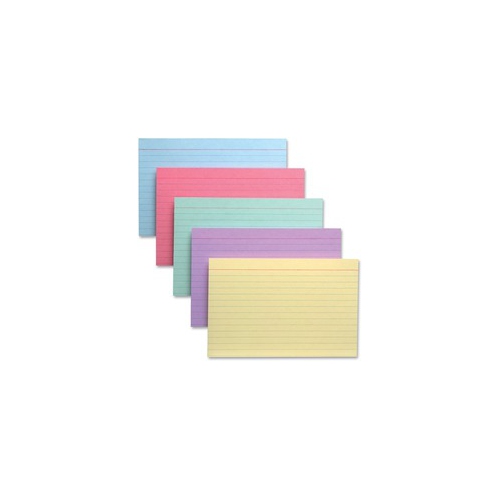
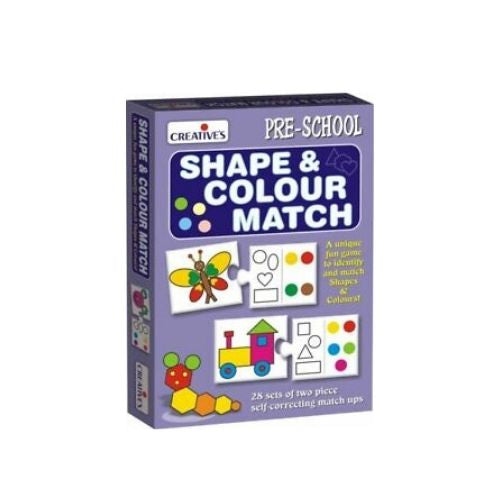
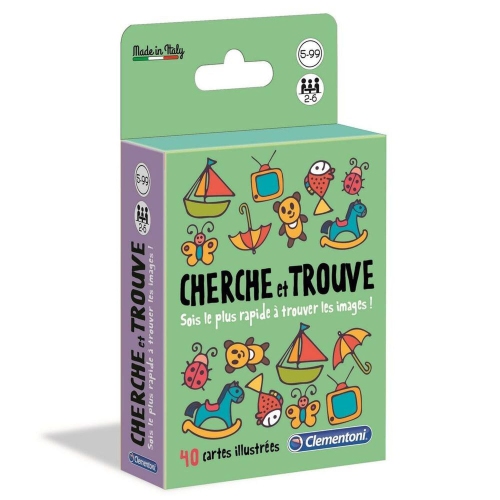
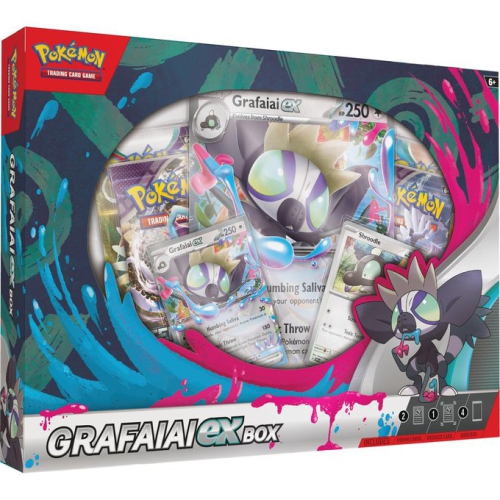
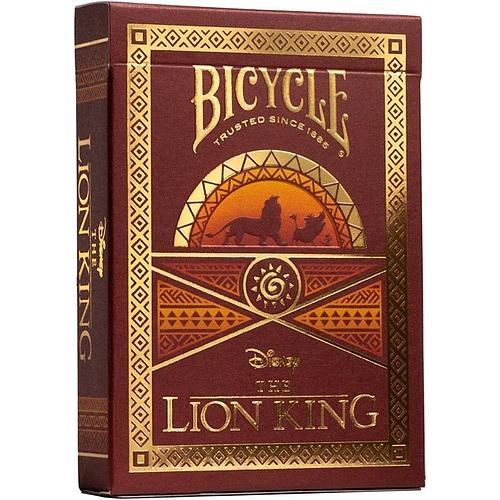
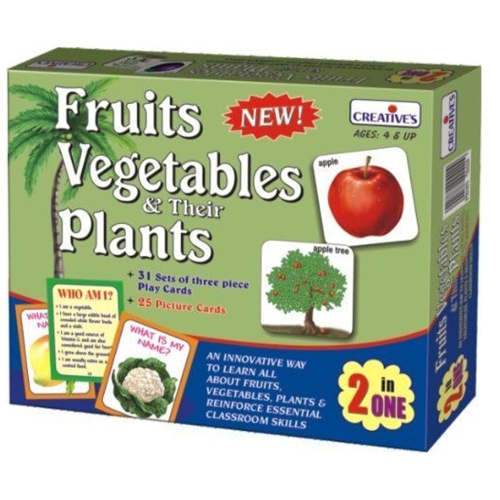
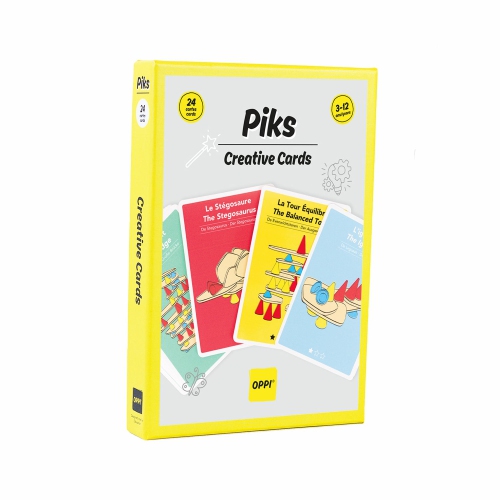
Colourful educational cards and playing cards shift the focus from correspondence to repeated handling, so readability and durability become especially important. Flashcards may use contrasting backgrounds, clear pictures, and simple words to support activities involving colour names, shapes, letters, numbers, or vocabulary. Colour is most useful when it reinforces the information rather than competing with it: a clear red circle on a plain background is easier to identify than the same shape surrounded by busy artwork. Written labels and recognizable symbols provide additional cues, so an activity does not depend on distinguishing colours alone. Parents, caregivers, and educators might use picture cards for matching pairs, sorting objects into groups, or encouraging a child to describe what appears on a card. A short activity at a kitchen table can be as simple as grouping matching colours and then naming a familiar object in each shade. The difficulty should reflect the learner’s abilities, with uncluttered images for early recognition and more detailed prompts for longer conversations. Card size matters here, too: larger images can be easier to see during a shared activity, while compact formats take up less space when stored or carried. Rounded corners and sturdy construction can make frequent handling more comfortable, but age guidance remains important. Laminated or coated cards may tolerate light wiping when their care instructions allow it; ordinary paper cards should stay dry. For playing cards, vivid artwork needs to leave numbers, suits, and other game information easy to read across a table. Consistent backs help keep cards indistinguishable when face down, while a smooth finish supports dealing and shuffling. A deck that is too large or stiff may be awkward for smaller hands, and elaborate illustrations can slow a game if essential markings are hard to find. Colourful card formats can make thoughtful gifts for people who enjoy handwritten correspondence, creative projects, learning activities, or regular game nights. Matching the format to that familiar pastime gives the colour a purpose beyond appearance, whether the cards end up in a keepsake box, spread across a craft table, or shared among friends.
Paper weight, surface finish, and construction influence how colourful cards look and feel in use. Heavier cardstock generally feels more substantial and is better suited to standing on a shelf, while lighter card can be easier to handle in a stack or use for simple paper projects. A clean fold helps a greeting card close neatly, and firmly attached layers are less likely to catch when it slides into an envelope. Matte and uncoated surfaces often suit handwriting, though heavily textured paper can interrupt a fine pen stroke. Glossy finishes can give printed colours a vivid appearance, but some inks may smear or take longer to dry on a coated surface. For a message that stays legible, the writing area and the chosen pen need to work together; a small test on matching spare paper can prevent an unwanted smudge. Colour-your-own cards add another consideration because the paper must suit the medium. Coloured pencils allow controlled shading and fine details, whereas markers can produce bold areas of colour but may show through thinner sheets. Water-based painting requires paper intended to handle moisture rather than ordinary card that may buckle. A protective sheet beneath the artwork helps keep a table clean and prevents transferred colour from marking another card. These formats can suit children making a card for a grandparent, adults who enjoy drawing, or friends sharing a relaxed craft activity. Broad outlines leave room for loose colouring, while intricate patterns invite slower, more detailed work. Embellishments such as glitter, beads, or loose pieces call for age-appropriate handling and supervision around young children. Finished cards last better when stored flat, away from spills and prolonged direct sunlight, which can fade printed or hand-applied colour. Keeping spare envelopes and cards together in a dry drawer or storage box also protects corners from bending and makes it easier to find a clean writing surface when a personal message comes to mind.
Colourful educational cards and playing cards shift the focus from correspondence to repeated handling, so readability and durability become especially important. Flashcards may use contrasting backgrounds, clear pictures, and simple words to support activities involving colour names, shapes, letters, numbers, or vocabulary. Colour is most useful when it reinforces the information rather than competing with it: a clear red circle on a plain background is easier to identify than the same shape surrounded by busy artwork. Written labels and recognizable symbols provide additional cues, so an activity does not depend on distinguishing colours alone. Parents, caregivers, and educators might use picture cards for matching pairs, sorting objects into groups, or encouraging a child to describe what appears on a card. A short activity at a kitchen table can be as simple as grouping matching colours and then naming a familiar object in each shade. The difficulty should reflect the learner’s abilities, with uncluttered images for early recognition and more detailed prompts for longer conversations. Card size matters here, too: larger images can be easier to see during a shared activity, while compact formats take up less space when stored or carried. Rounded corners and sturdy construction can make frequent handling more comfortable, but age guidance remains important. Laminated or coated cards may tolerate light wiping when their care instructions allow it; ordinary paper cards should stay dry. For playing cards, vivid artwork needs to leave numbers, suits, and other game information easy to read across a table. Consistent backs help keep cards indistinguishable when face down, while a smooth finish supports dealing and shuffling. A deck that is too large or stiff may be awkward for smaller hands, and elaborate illustrations can slow a game if essential markings are hard to find. Colourful card formats can make thoughtful gifts for people who enjoy handwritten correspondence, creative projects, learning activities, or regular game nights. Matching the format to that familiar pastime gives the colour a purpose beyond appearance, whether the cards end up in a keepsake box, spread across a craft table, or shared among friends.
Top selling and popular products
-
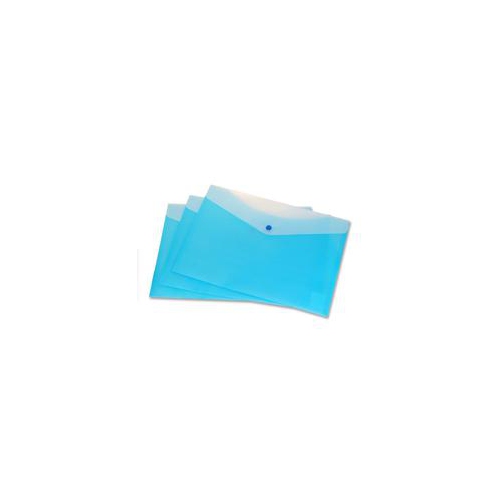 Your price for this item is $4.99
 -
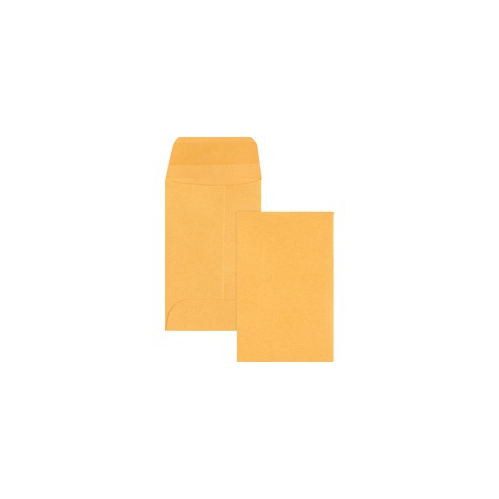 Your price for this item is $23.99
 -
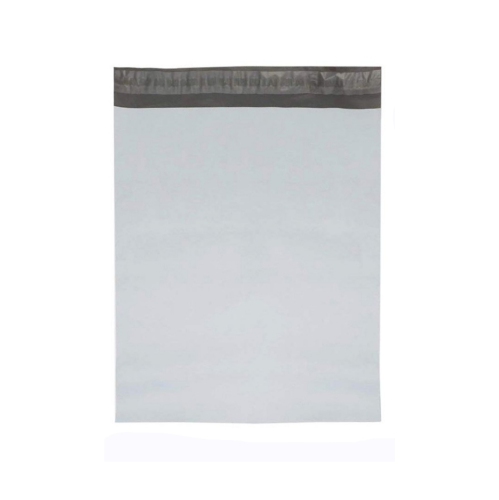 Your price for this item is $22.99
 -
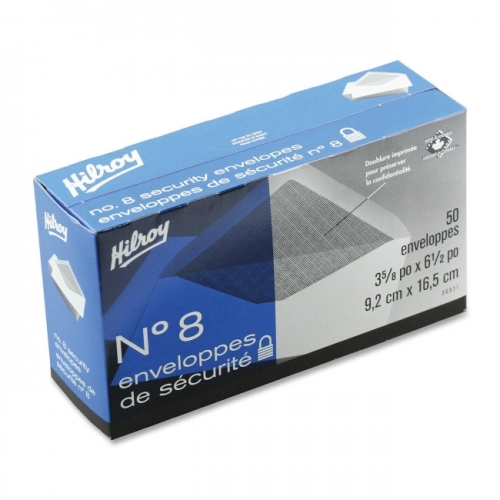 Your price for this item is $3.99
 -
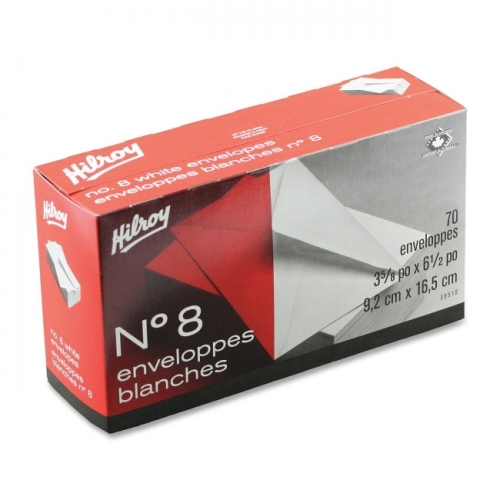 Your price for this item is $3.99
 -
 Your price for this item is $14.99
 -
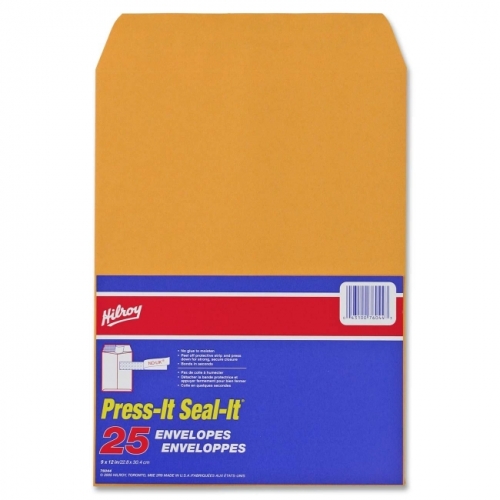 Your price for this item is $6.99
 -
 Your price for this item is $6.99
Discover more categories related to Colorful Cards
Top Collections:
Pokemon Centers, Kindle Devices, Best Budget Office Chairs, Apple iPhones 16, Best Laptops for Writers, iPhone 15 Apple, Canon G7X Cameras, Refurbished Apple Laptops, Alarm Clock, Motorola Razr Phones
Some products may be subject to Environmental Handling Fees
(EHF) depending on your province.
Learn more about EHFs.