CR1216 Batteries
CR1216 batteries are essential power sources for a wide range of small electronic devices, including watches, calculators, key fobs, and more. These compact, coin-shaped batteries are known for their reliability and long-lasting performance, making them a popular choice for both everyday use and specialized applications. Whether you're looking to replace an old battery or stock up for future needs, our selection of CR1216 batteries ensures you'll find the right fit for your devices. Explore our variety of options to keep your gadgets running smoothly and efficiently.
Sort
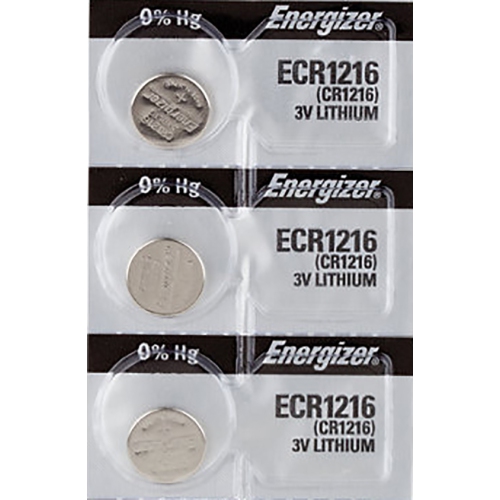

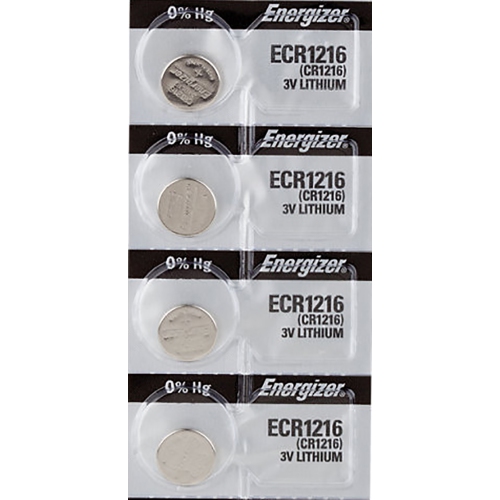


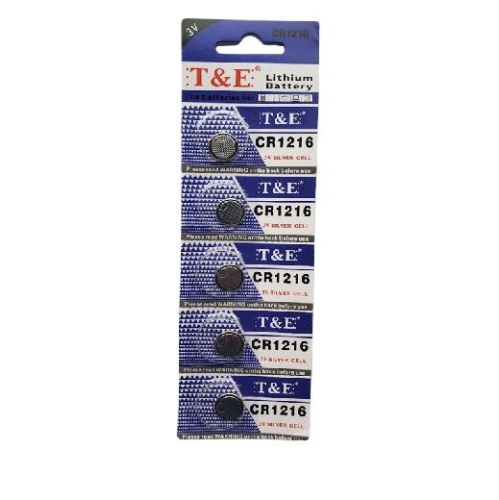


Matching the right coin cell helps small devices perform reliably
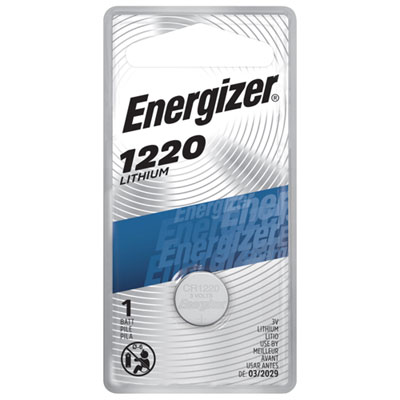
CR1216 batteries are compact 3-volt lithium coin cell batteries designed for small electronic devices that need dependable, low-profile power. Measuring approximately 12.5 mm in diameter and 1.6 mm in thickness, they fit battery compartments made specifically for this slim format. Their lithium manganese dioxide chemistry provides a nominal voltage of 3 volts and a typical capacity of roughly 25 to 34 mAh, although actual runtime depends on the device, its power demands, and how often it is used. These batteries are commonly found in digital watches, small calculators, fitness trackers, compact electronic accessories, car key fobs, keyless entry remotes and certain glucose monitors or other medical meters. They can also be used in small lights, memory-backup applications and specialty electronics that specify the CR1216 size. When replacing a coin cell, the exact designation matters more than a similar appearance. A CR1216 is thinner than a CR1220 and narrower than a CR2016, so a larger or thicker battery may not sit correctly in the compartment, may prevent the cover from closing or may place pressure on the contacts. Check the device manual, the marking on the original battery or the label inside the battery compartment before ordering. Some manufacturers may list compatible designations such as DL1216, ECR1216, BR1216, 5034LC or KCR1216, but compatibility should always be confirmed against the device instructions rather than assumed from a similar number.
A fresh CR1216 battery can be useful to keep in a household drawer, travel case, desk organiser or tool kit, particularly when a watch, remote or small measuring device is used regularly. A dim watch display, unreliable key fob response, calculator that fades between uses or fitness tracker that shuts down unexpectedly may simply need a replacement coin cell, although the device should be inspected for other issues if the new battery does not resolve the problem. These batteries are small enough to pack for travel without taking up meaningful space, making them convenient for people who rely on a watch or compact electronic accessory while commuting, travelling or spending time outdoors. They can also make a practical addition to a care package or gift for someone who uses several small household devices, especially during the cooler months when a forgotten remote or entry fob can become an unwelcome inconvenience. For devices used by children, older adults or anyone who relies on a medical meter, selecting the exact battery size and following the device maker’s replacement instructions is especially important. Before installation, wash and dry your hands, compare the positive and negative markings, and avoid touching both sides of the cell unnecessarily. Open the compartment carefully so its small screws, clips or cover do not get lost, then place the new battery in the same orientation as the original. If a device requires a professional battery replacement, such as a sealed watch or specialised medical equipment, follow that recommendation instead of forcing the compartment open.
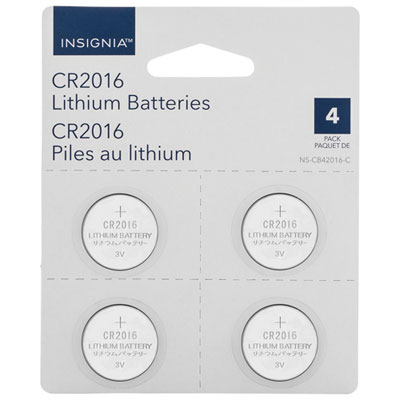
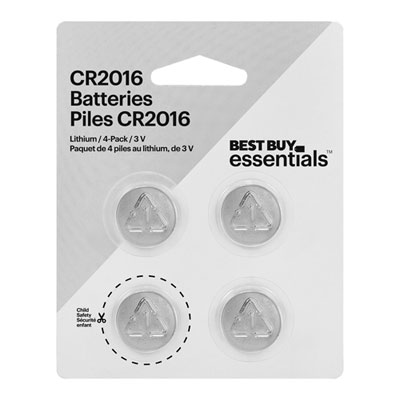
CR1216 batteries are non-rechargeable disposable cells, so they should not be connected to a charger or placed in equipment intended for rechargeable batteries. Store unused cells in their original packaging or another secure container, away from loose metal objects such as keys, coins, screws and tools that could bridge the terminals. Keep them in a cool, dry location and out of reach of children and pets. Coin cells can be dangerous if swallowed, so use extra care when handling them in homes where young children or animals may be present; seek urgent medical assistance if ingestion is suspected. Do not bend, crush, puncture or open a battery, and stop using one that appears swollen, damaged or corroded. When choosing a pack, consider how many devices need replacement batteries, whether you want a spare for travel, and the storage date or packaging condition. A sealed package with clear size and voltage information helps reduce the chance of picking up an incompatible cell. If a device calls for a different coin cell, review its specifications rather than substituting based only on the diameter or voltage. For example, a CR2016 may also be a 3-volt lithium coin cell, but its larger 20 mm diameter means it is not a direct replacement for a CR1216; see Battery CR2016 options when a device specifically lists that size. Matching the battery code, dimensions, voltage and terminal orientation gives small electronics the best chance of operating reliably and helps prevent loose-fitting or forced replacements.
Top selling and popular products
-
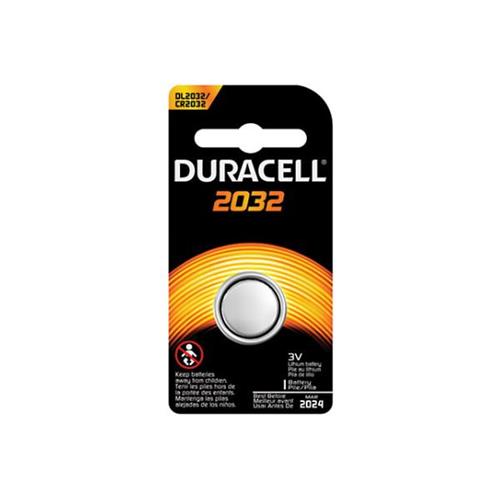 Your price for this item is $25.97
-
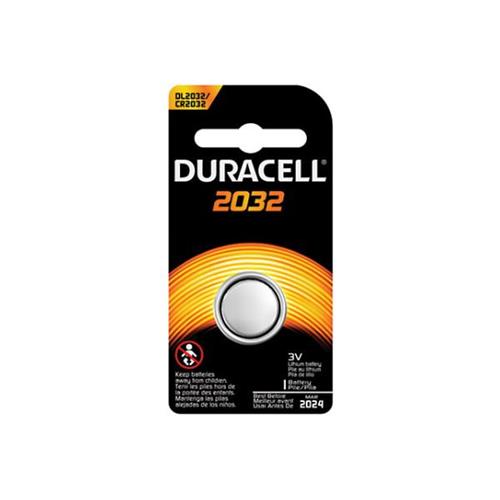 Your price for this item is $45.97
-
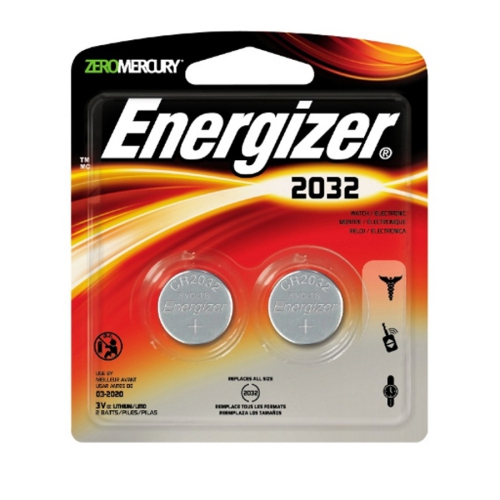 Your price for this item is $9.99
-
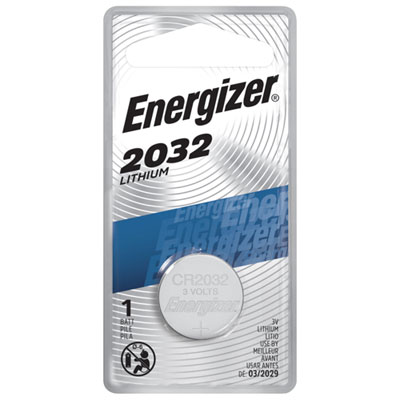 Your price for this item is $10.99
-
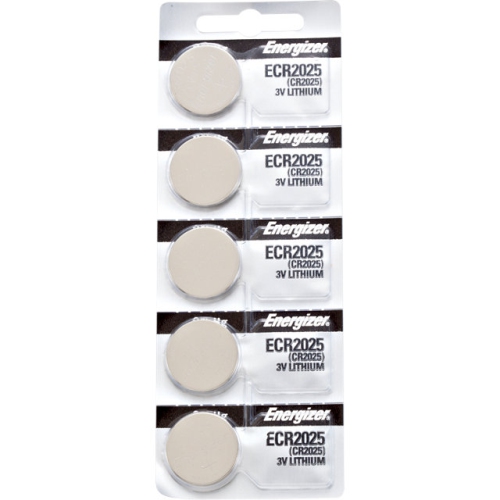 Your price for this item is $6.99
-
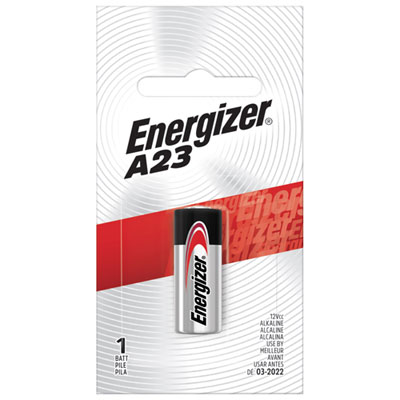 Your price for this item is $6.97
-
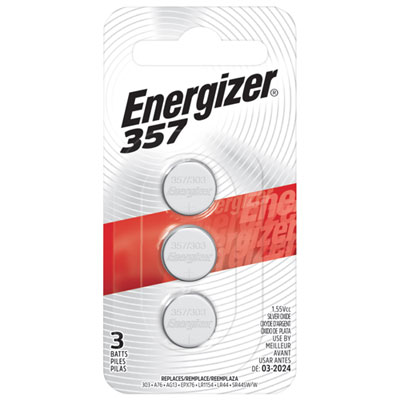 Your price for this item is $12.99
-
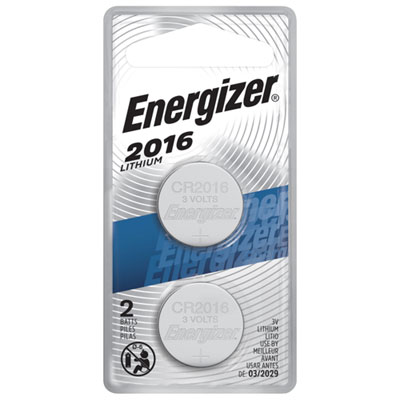 Your price for this item is $10.99
Discover more categories related to CR1216 Batteries
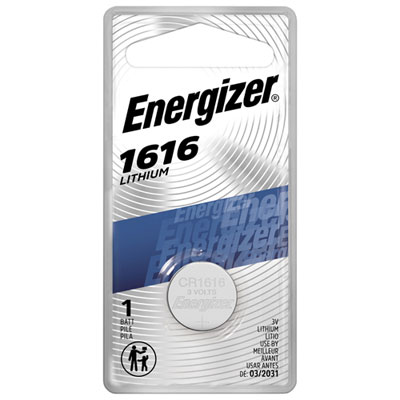
Top Collections:
Pokemon Centers, Best Cameras for Sports Photography, Kindle Devices, Samsung Galaxy Phones, Canon G7X Cameras, Pokémon 30th Celebration Cards, Refurbished Apple Laptops, iPhone 15 Apple, Laptops for Students, Budget Smartphones
Some products may be subject to Environmental Handling Fees
(EHF) depending on your province.
Learn more about EHFs.