CR1632 Batteries
Find the right power solution for your small electronic devices with a CR1632 Battery. Designed to fit a variety of gadgets, these compact batteries are a convenient choice for keeping key fobs, watches, calculators, and other electronics running smoothly. Explore a wide selection of CR1632 Battery options to ensure your devices stay powered up when you need them most. Shop with confidence and discover reliable battery performance for all your everyday essentials.
Sort




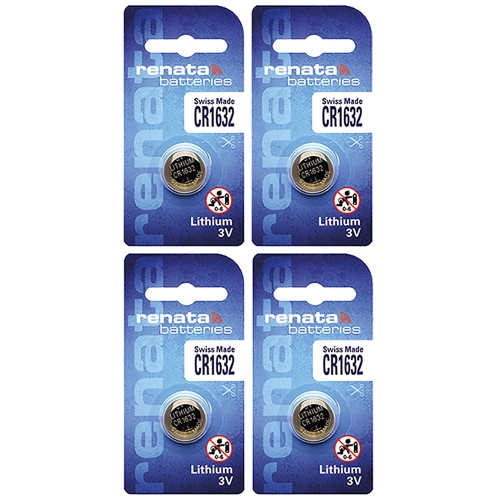
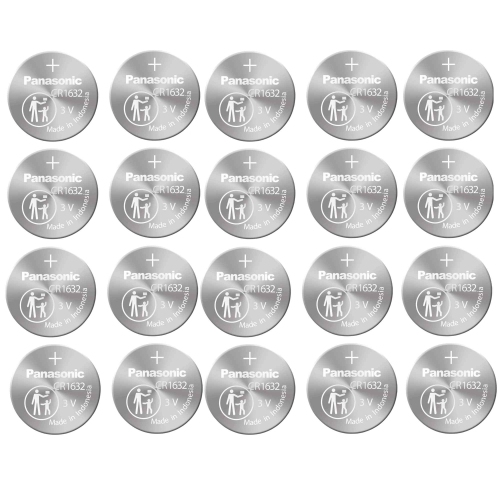
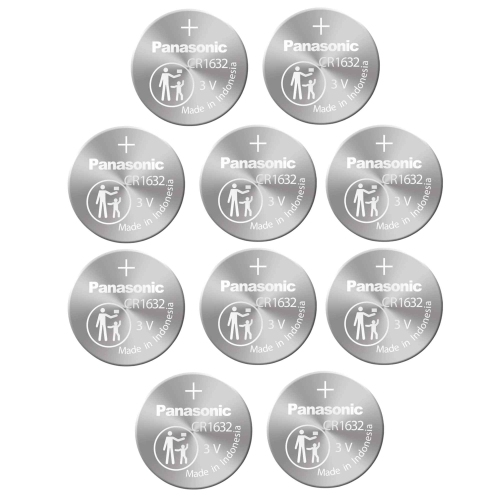
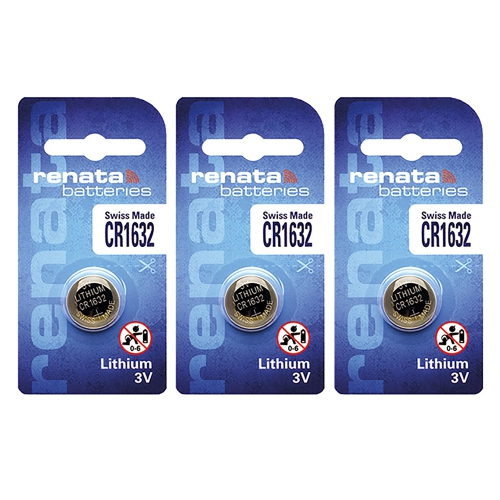





Coin cell compatibility goes beyond matching the voltage
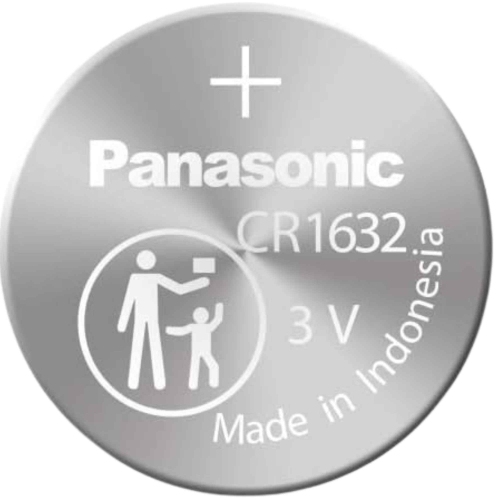
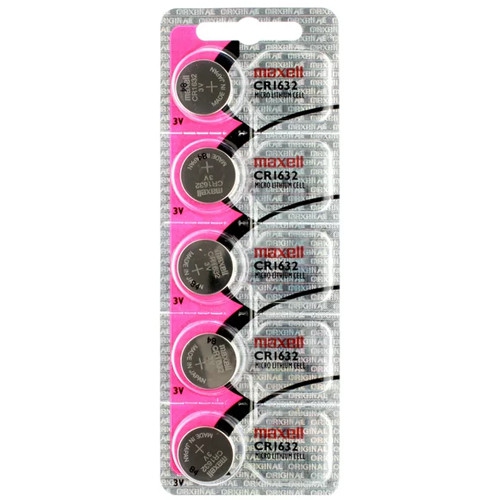
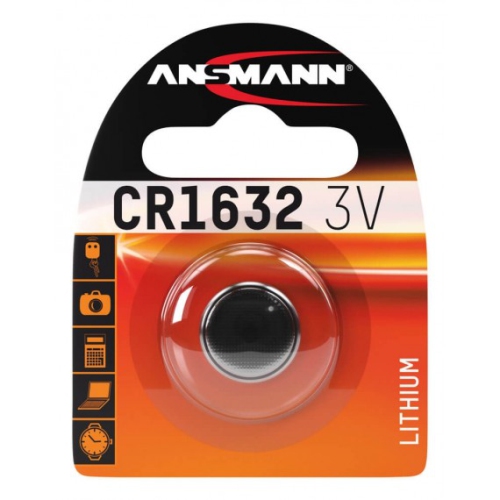
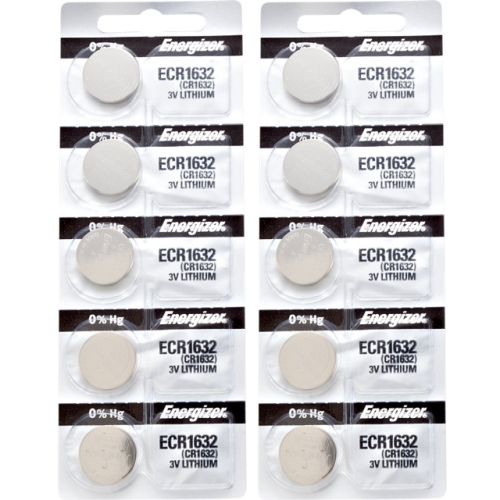
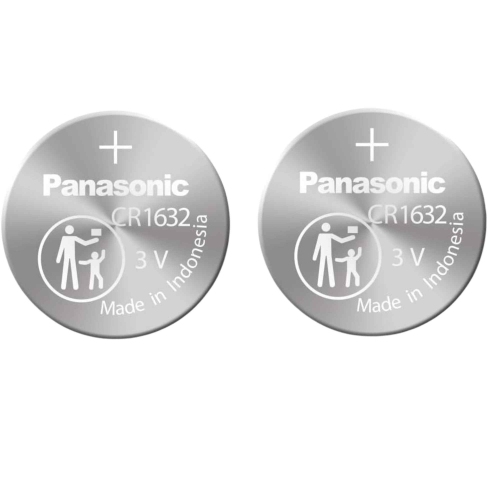
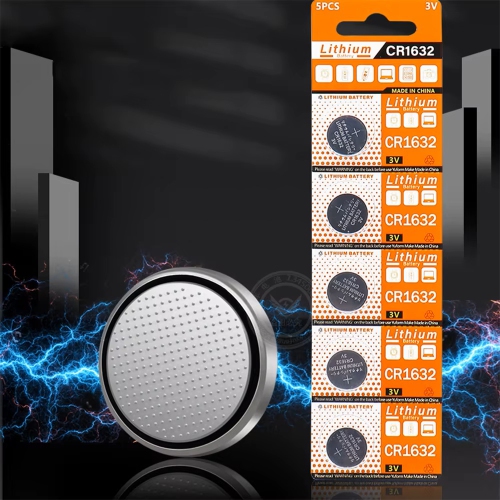
CR1632 batteries are compact, non-rechargeable lithium coin cells with a nominal voltage of 3 V, a diameter of 16 mm, and a thickness of 3.2 mm. Their lithium manganese dioxide chemistry provides power in a slim, round format suited to small electronic devices designed for this battery size. Typical applications include compatible car key fobs, compact remote controls, calculators, watches, fitness sensors, and certain small medical devices. Compatibility depends on the exact device, rather than its general category: two remotes that look almost identical may require different coin cells. The CR1632 designation is therefore more useful than appearance alone when identifying a replacement. Typical capacity is approximately 120 to 140 mAh, although the stated capacity and test conditions vary by manufacturer. That figure describes stored electrical charge, not a fixed number of hours of use. A key fob that sends brief signals a few times a day places different demands on its battery than a sensor that takes frequent readings or communicates regularly with another device. Power draw, operating patterns, and the device’s minimum voltage requirement all influence how long a cell remains useful. Lithium manganese dioxide cells are valued for their relatively steady voltage during much of their service life, helping compatible electronics operate within their intended power range. Their sealed metal casing contains the internal materials and provides the contact surfaces that connect with the battery holder. Although the casing feels sturdy, a coin cell is not designed to withstand bending, crushing, puncturing, or attempts to open it. For everyday use, the appeal is straightforward: a small power source can fit inside a pocket-sized control or a compact instrument without requiring a bulky battery compartment. Replacing a depleted cell with the correct type can restore ordinary functions such as locking a vehicle remotely or powering a compatible display, provided the battery is the cause of the problem. A fresh cell will not resolve worn buttons, damaged contacts, or other device faults.
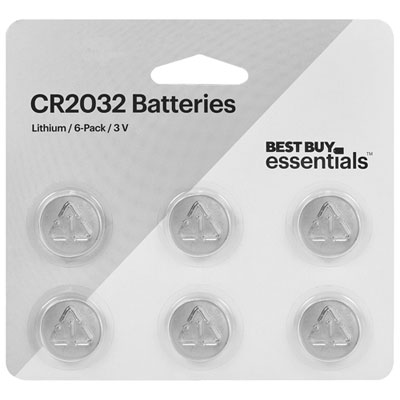
Physical fit matters just as much as voltage when comparing CR1632 batteries with other coin-cell formats. The numbers in CR1632 identify its nominal dimensions: 16 mm across and 3.2 mm thick. Another battery may share the same 3 V rating while being too wide, too thin, or otherwise unsuitable for the holder. For comparison, Cr2032 Batteries measure 20 mm in diameter and 3.2 mm in thickness, so they are not interchangeable with CR1632 cells simply because both are lithium coin batteries. A battery that sits loosely may lose contact when a device moves, while one forced into a tight compartment can damage the holder or prevent the cover from closing properly. The marking on the original battery, the label inside the compartment, and the device documentation are useful points of reference for confirming the required size and chemistry. A rechargeable cell with similar dimensions is not an automatic substitute, since its voltage characteristics and charging requirements may differ. Terminal style also matters: a standard loose coin cell is different from a battery supplied with welded tabs, wires, or a connector for a particular assembly. Those attachments should match the equipment’s requirements rather than being improvised. Within a compatible battery compartment, the positive and negative faces must align with the marked polarity. Clean, dry contact surfaces help maintain a dependable connection, while corrosion, moisture, or a bent retaining clip can cause intermittent operation even with a fresh battery. Devices with a gasket or sealed cover also depend on that closure being seated correctly after replacement; the battery itself does not establish the device’s water resistance. Some electronics retain their settings during a battery change, while others may require a reset or pairing procedure described in their documentation. These details are especially relevant for frequently handled accessories, where a loose cover or poor contact can turn a simple battery replacement into an inconsistent connection. For medical equipment, the manufacturer’s specified battery type and replacement instructions take priority over assumptions based on size.
Packaging, storage, and handling are practical considerations for anyone keeping CR1632 batteries for household electronics, vehicle remotes, or compatible personal devices. An individually sealed cell can remain protected until it is needed, and clearly marked packaging makes the battery designation and any date information easier to identify later. Some CR1632 batteries have a stated shelf life of eight to ten years under specified storage conditions, but shelf life varies and should not be confused with operating life inside a device. A battery stored for years may still be within its stated storage period without delivering the same service time as a newly manufactured cell under every use pattern. Original packaging helps separate cells from one another and from conductive objects such as keys, coins, tools, or jewellery. Loose batteries carried together in a drawer or bag can make unintended electrical connections, creating a short circuit and heat. A dry storage location away from direct sunlight and heat sources helps protect the packaging and battery, while clean, dry hands reduce the chance of leaving moisture or residue on the contact surfaces. CR1632 cells are single-use batteries and must not be placed in a charger, heated, dismantled, or soldered directly. Their small size also makes secure storage essential around children and pets. Both new and used coin cells can cause serious injury if swallowed or inserted into the body; suspected ingestion requires immediate emergency medical attention, even if there are no obvious symptoms. A device’s battery compartment should close securely, including any retaining screw or child-resistant feature it was designed to use. Used cells should remain out of reach while awaiting disposal, with their terminals covered using non-conductive tape and local battery collection requirements followed. For households with several compatible devices, keeping batteries labelled and separated makes replacements easier to identify without mixing loose cells. These everyday habits support safe handling and help ensure that the correct CR1632 battery is ready for its intended use.
Top selling and popular products
-
 Your price for this item is $25.97
-
 Your price for this item is $45.97
-
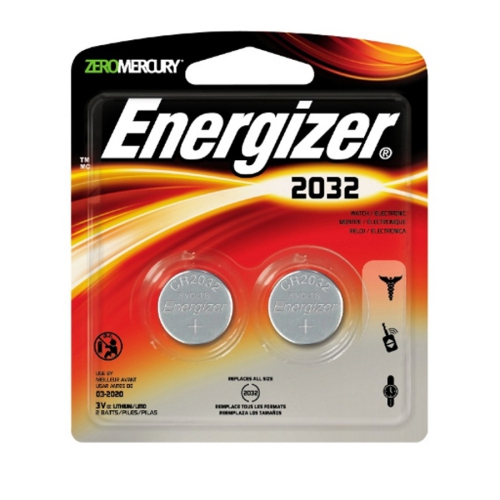 Your price for this item is $9.99
-
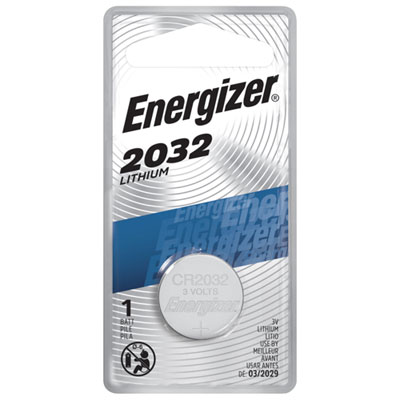 Your price for this item is $10.99
-
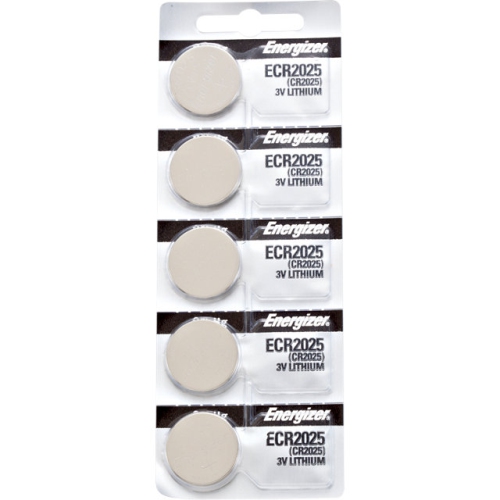 Your price for this item is $6.99
-
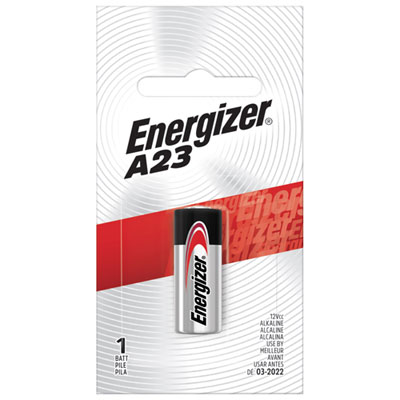 Your price for this item is $6.97
-
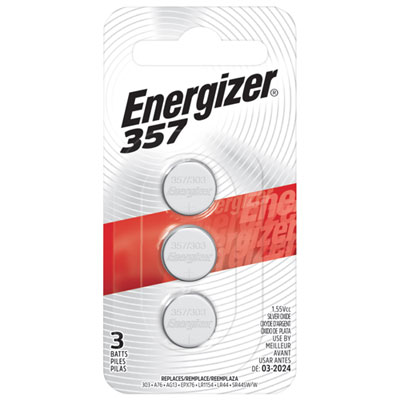 Your price for this item is $12.99
-
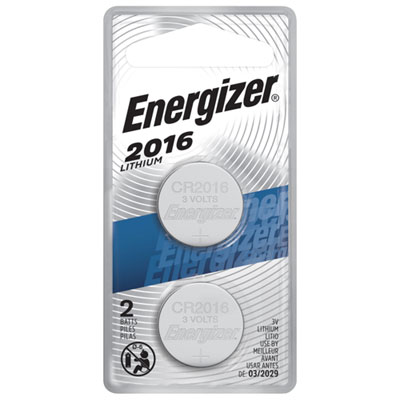 Your price for this item is $10.99
Discover more categories related to CR1632 Batteries
Top Collections:
Pokemon Centers, Best Cameras for Sports Photography, Kindle Devices, Samsung Galaxy Phones, Canon G7X Cameras, Pokémon 30th Celebration Cards, Refurbished Apple Laptops, iPhone 15 Apple, Laptops for Students, Budget Smartphones
Some products may be subject to Environmental Handling Fees
(EHF) depending on your province.
Learn more about EHFs.