CR2412 Batteries
Find the right power solution for your small electronics with a CR2412 Battery. Ideal for a range of devices, these compact batteries offer reliable energy to keep your gadgets running smoothly. Whether you're replacing an old battery or stocking up for future use, the CR2412 Battery ensures you have dependable performance when you need it most. Explore options and enjoy convenient shopping for all your battery needs.
Sort

Why coin cell thickness matters as much as voltage
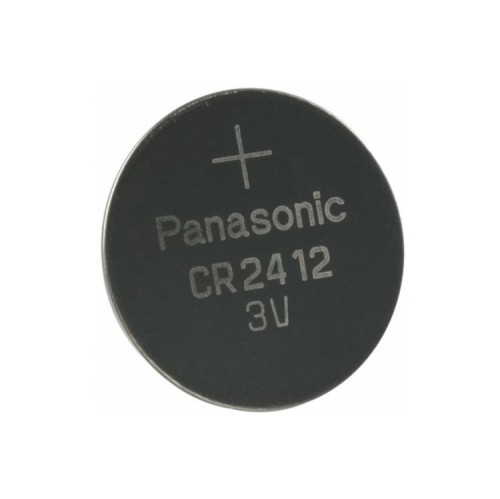
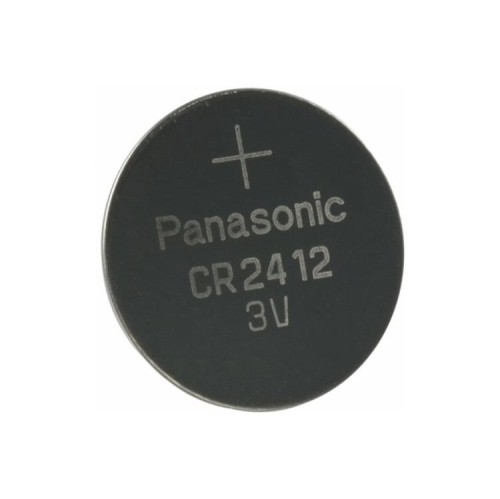
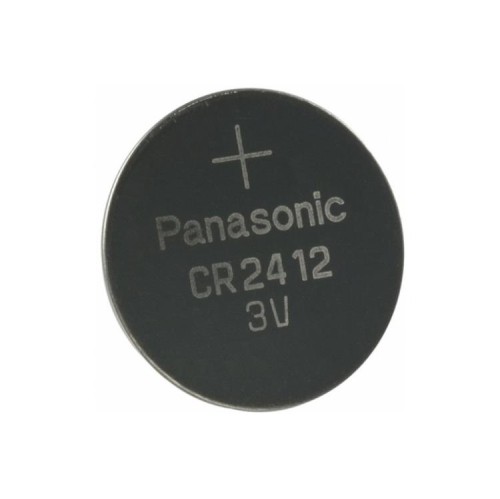
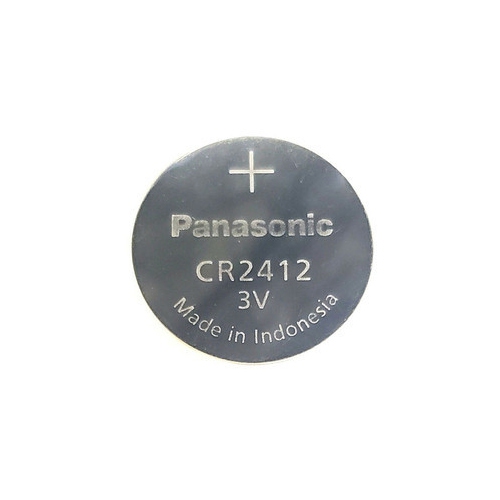
CR2412 batteries are thin, non-rechargeable lithium coin cells used in compatible watches, compact electronic instruments, and other small devices that require this particular battery size. A CR2412 battery has a nominal voltage of 3 volts, measures approximately 24.5 mm in diameter and 1.2 mm in height, and typically has a capacity of around 100 mAh. Exact capacity and performance depend on the manufacturer’s specifications and the conditions under which the cell is used. Its lithium manganese dioxide chemistry supplies power from a shallow, round metal casing, making it suitable for electronics with very little room inside the battery compartment. That slim profile is an important part of its purpose: in a watch or another closely fitted device, even a small difference in battery thickness can affect whether the cover closes properly and whether the electrical contacts sit correctly. The CR2412 designation is therefore more useful than appearance alone when identifying a replacement. Many coin cells look much alike when placed side by side, but their voltage, diameter, thickness, and chemistry can differ. The battery code printed on the existing cell, together with the device’s documentation, provides a reliable starting point for confirming compatibility. These batteries are intended for equipment designed around a small, primary lithium power source, rather than devices that recharge through a cable or charging dock. Their capacity suits modest energy requirements, but it does not translate into a single predictable service life. A watch movement, an electronic display, and a device that operates intermittently can each draw power differently. Features such as lights, alarms, or frequent transmissions may also influence how long a compatible cell lasts. For someone maintaining a favourite watch or keeping a small everyday instrument working, the appeal of a CR2412 battery is straightforward: the correct electrical specification in a particularly thin format, without having to alter the device or compromise the fit of its casing.
Physical compatibility deserves as much attention as the voltage rating. A battery compartment is built around specific dimensions, contact positions, and retaining hardware, so a cell that appears close in size is not necessarily an acceptable replacement. A thicker battery can press against the cover, distort a retaining clip, or place stress on internal components; a thinner one may not make dependable contact. Matching a 3-volt rating alone is not enough. For comparison, CR2477 Batteries have a substantially thicker profile and should not be treated as interchangeable with CR2412 batteries, even though both belong to the lithium coin cell family. Any alternative designation needs to be confirmed against the equipment manufacturer’s approved specifications rather than inferred from a similar number. Polarity matters too: the positive and negative sides must line up with the markings in the holder. In a compact watch case, those details can be difficult to see without good lighting and suitable tools. A watch with a tightly fitted back, delicate retaining parts, or a water-resistance seal may be better handled by a qualified repair professional. Opening and closing the case can disturb the gasket, and replacing the battery does not by itself confirm that the original water resistance has been preserved. The condition of the compartment also affects reliability. Clean, dry contacts and an undamaged holder help the battery sit securely, while residue, corrosion, or a bent contact may cause intermittent operation even with a fresh cell. A device that loses power when moved, for instance, may have a connection problem rather than simply a depleted battery. For electronics that store settings, a battery change may also require the time, preferences, or other information to be entered again. Keeping the operating instructions nearby helps clarify those device-specific requirements without relying on guesswork or assuming that every coin-cell-powered device behaves the same way.
Care and storage are especially important with small batteries that can easily disappear into a drawer or become mixed with loose household objects. An unused CR2412 cell is best kept in its original protective packaging until needed, with its identification and date information still readable. Loose storage beside keys, coins, screws, or other metal objects can allow the terminals to make an unintended electrical connection, creating a short circuit. A dedicated, secure storage location also makes it easier to distinguish unused batteries from spent ones. The metal casing should remain intact; a cell that is swollen, leaking, corroded, or otherwise damaged is not suitable for installation. CR2412 batteries are single-use cells and must not be placed in a charger or treated as rechargeable batteries. Attempting to recharge, puncture, crush, or dismantle one can cause injury. Their shallow shape also creates a serious swallowing hazard, particularly for young children. Both new and used coin cells need to be kept out of children’s reach and away from pets, and any device that uses them should have a properly secured battery compartment. A used cell can still cause harm after it no longer powers the device. Suspected swallowing or insertion into the nose or ear requires immediate medical attention rather than waiting for symptoms. When a battery reaches the end of its useful life, local battery collection or household hazardous waste instructions can clarify safe handling and disposal. For everyday performance, realistic expectations are just as valuable as careful storage. A stated capacity is measured under defined test conditions, not a guarantee that every device will run for a particular number of hours or years. The device’s power demands, usage pattern, and contact condition all play a role. Clear identification, correct fit, intact packaging, and safe handling make CR2412 batteries a practical replacement category for the small electronics specifically designed to use them.
Top selling and popular products
-
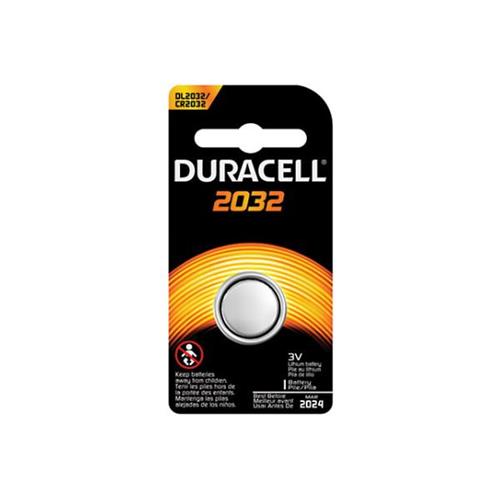 Your price for this item is $25.97
-
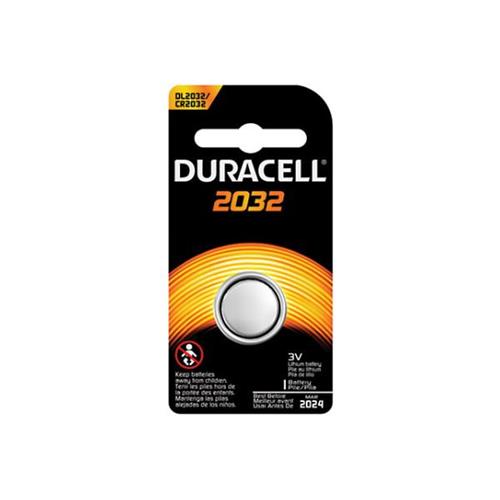 Your price for this item is $45.97
-
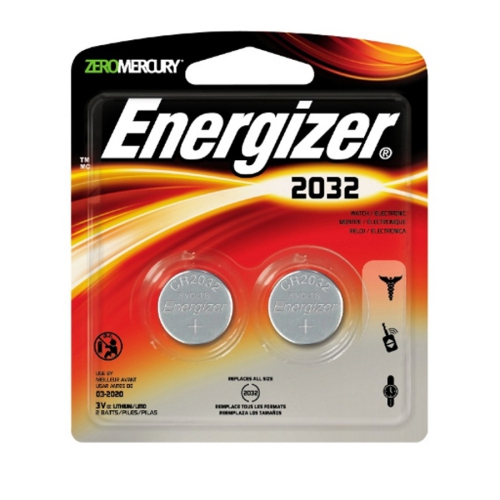 Your price for this item is $9.99
-
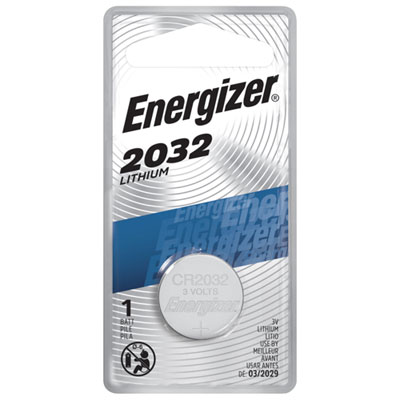 Your price for this item is $10.99
-
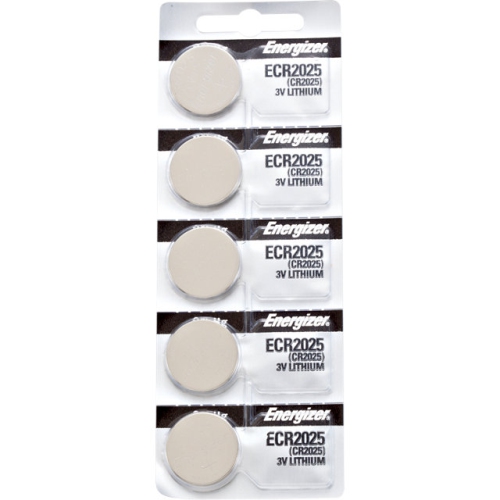 Your price for this item is $6.99
-
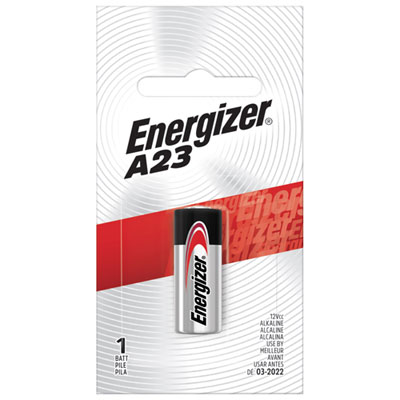 Your price for this item is $6.97
-
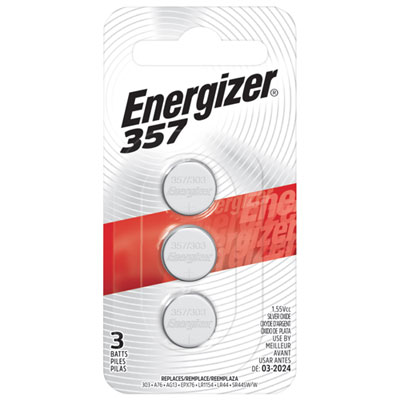 Your price for this item is $12.99
-
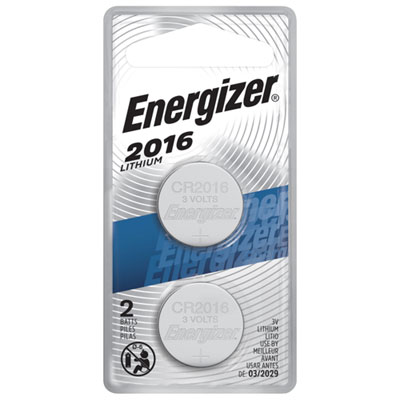 Your price for this item is $10.99
Discover more categories related to CR2412 Batteries


Top Collections:
Pokemon Centers, Best Cameras for Sports Photography, Kindle Devices, Samsung Galaxy Phones, Canon G7X Cameras, Pokémon 30th Celebration Cards, Refurbished Apple Laptops, iPhone 15 Apple, Laptops for Students, Budget Smartphones
Some products may be subject to Environmental Handling Fees
(EHF) depending on your province.
Learn more about EHFs.