Drawing Papers
Whether you're an aspiring artist or a seasoned pro, having the right drawing paper is essential for bringing your creative visions to life. At Best Buy, we understand the importance of quality materials in achieving stunning artwork. That's why we offer a wide selection of drawing papers that cater to different techniques, styles, and preferences. From smooth surfaces ideal for detailed pencil sketches to textured sheets perfect for charcoal or pastel work, our range of drawing papers ensures that you'll find the perfect canvas to unleash your artistic talents. Explore our collection today and elevate your artistry to new heights.
Sort
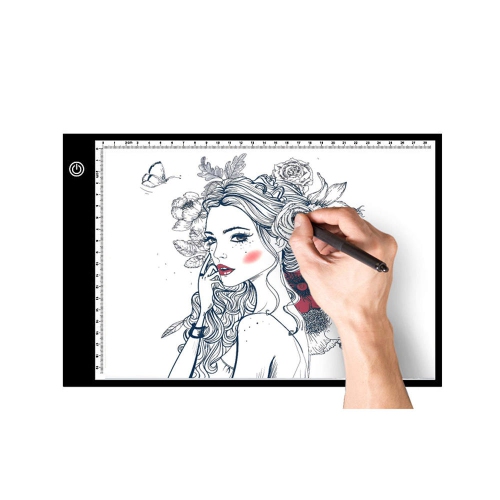
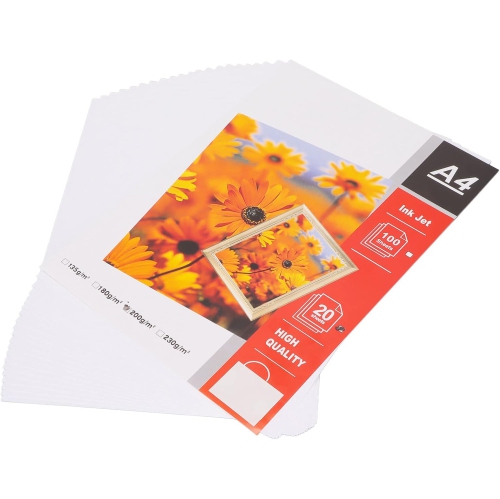
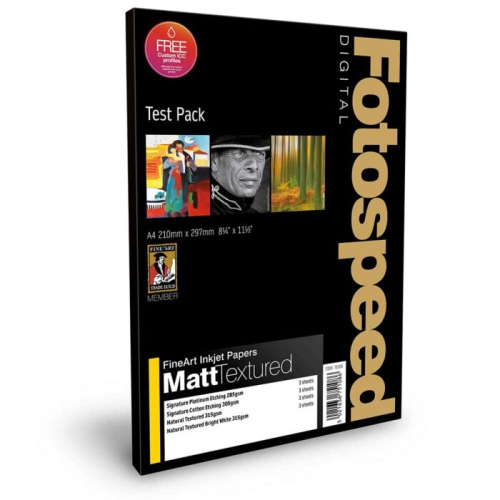
Paper weight and texture guide every drawing technique
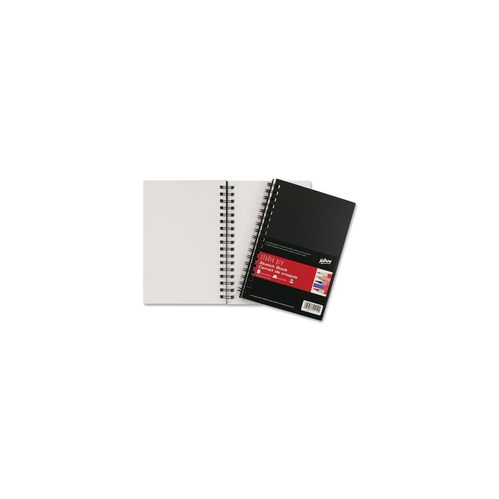
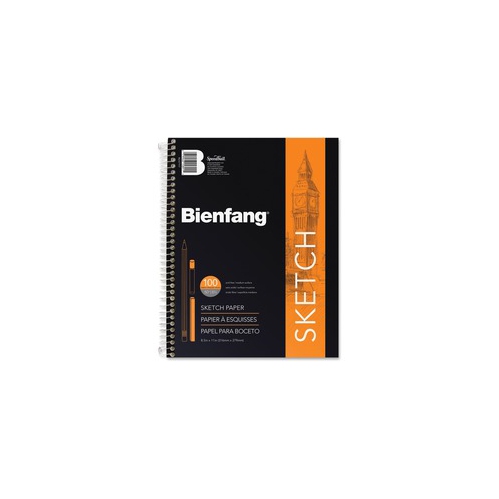
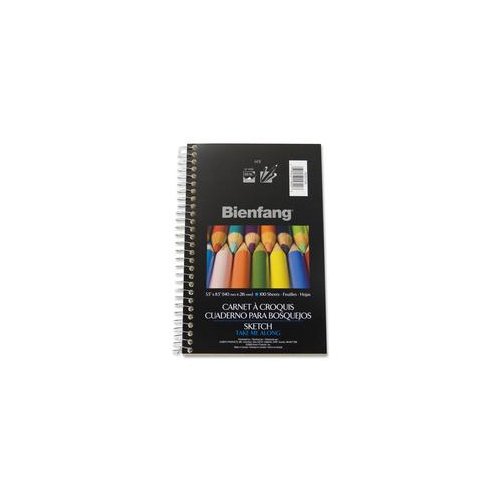
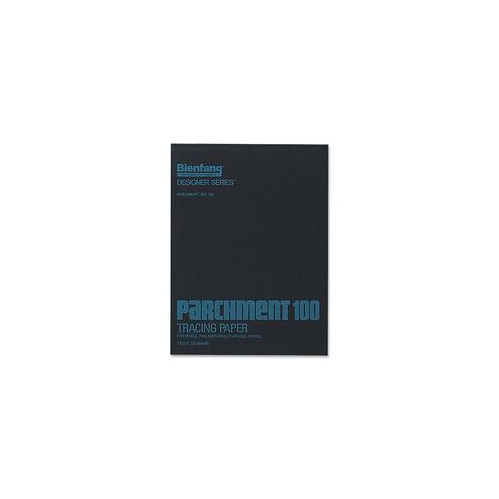
Drawing papers provide a dependable surface for developing ideas, practising technique, and creating finished artwork with graphite, charcoal, pastel, coloured pencil, ink, or other dry media. Compared with lightweight sketch paper, drawing paper is generally heavier and more resilient, making it better suited to repeated erasing, layered shading, blending, and more deliberate mark-making. Paper weight is often shown in pounds (lb) or grams per square metre (gsm); a higher number usually indicates a thicker sheet that is less likely to buckle, tear, or become distressed when an artist works over the same area several times. For quick warm-ups, gesture drawings, classroom exercises, and rough compositions, lighter sketch-style sheets can be convenient and easy to carry. For portraits, still-life studies, figure drawings, architectural details, and artwork intended to be kept or displayed, a medium- to heavyweight drawing paper can provide a more secure foundation. The surface texture, often called tooth, is equally important. A lightly textured sheet gives graphite and coloured pencil something to grip, supporting smooth gradients while retaining enough friction for controlled lines. A more pronounced tooth can hold charcoal and pastel particles, producing rich, expressive marks and making it easier to build depth without losing the character of the medium. Smooth surfaces are well suited to fine outlines, small details, technical drawings, and precise pen work, while textured surfaces create a softer, more tactile appearance. Artists who enjoy moving between techniques may appreciate versatile drawing paper that accommodates pencil, charcoal, pastel, and light ink applications without feeling overly specialised.
When selecting drawing papers, consider the medium, the desired finish, the scale of the artwork, and the way the finished piece will be handled. Graphite artists often look for a surface that allows delicate lines, broad side shading, and clean erasing, while charcoal artists may prefer a toothier sheet that catches loose pigment and supports dramatic dark values. Pastel work benefits from a texture that holds multiple layers, especially when an artist blends with a finger, cloth, or blending tool and then returns with sharper accents. Toned paper in shades such as grey, tan, or black offers a different approach by providing a middle value from the beginning. The artist can work into the existing tone with dark marks while adding highlights using white pencil, chalk, or pastel, which can make reflective objects, clouds, fabric, and skin tones appear especially dimensional. Bristol-style paper, with its smooth or vellum-like surface and firm, card-like feel, is another consideration for highly detailed drawings, pen-and-ink work, lettering, and carefully controlled marker applications. Paper size matters as well: compact pads are easy to use at a desk, in a studio corner, or while travelling, whereas larger sheets give the arm more room for sweeping charcoal gestures and full compositions. A pad with a reliable binding can keep sheets together during storage, while loose sheets can be useful when an artist wants to choose the exact size, mount the work, or protect individual drawings separately. Acid-free paper is often preferred for artwork that may be stored, framed, given as a gift, or revisited years later, as it is designed to resist yellowing and brittleness over time. It is also worth checking whether the paper is intended for dry media only or can accommodate light washes and mixed-media touches, since heavier paper may tolerate limited moisture better than a thin sheet, but no drawing paper should be assumed to behave like watercolour paper.
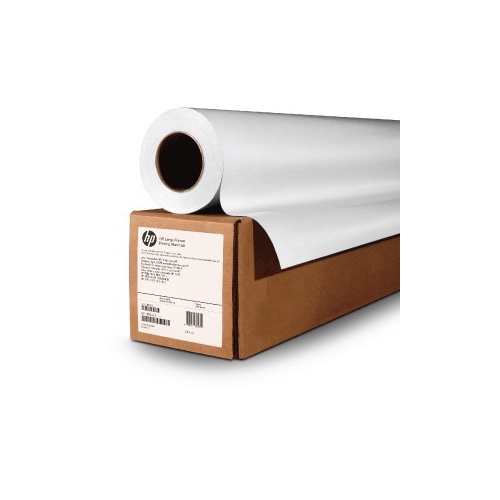
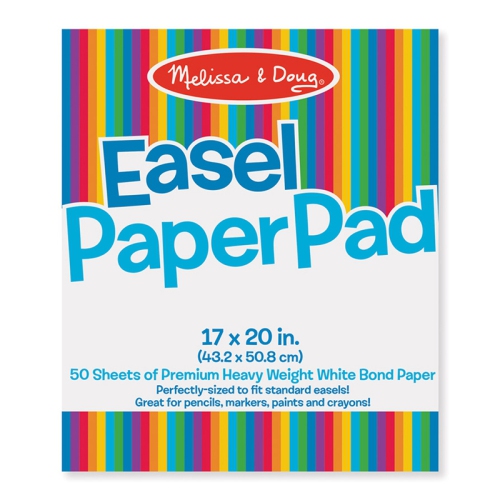
Drawing papers are suitable for a wide range of ages and experience levels. Beginners can use them to learn how pressure changes a pencil line, how charcoal responds to texture, or how layered marks create form and contrast. Students may keep a pad for assignments, observational studies, and portfolio pieces, while experienced artists can select different surfaces for polished work, experimental studies, or a daily drawing practice. They can also make a thoughtful gift for someone who enjoys illustration, animation, fashion design, calligraphy, journalling, or hands-on creative projects. A new pad can be paired with an existing pencil case or art set, allowing the recipient to begin immediately without committing to a particular subject or style. Families may keep drawing paper available for rainy-day activities, quiet table projects, and collaborative artwork, and it can be especially useful during the cooler months when more time is spent indoors. For classrooms, studios, and shared creative spaces, choosing a combination of weights and textures gives different users the freedom to work in their preferred way. Artists who like large gestures or who create posters, life-size studies, and presentation pieces may also want to explore Drawing Paper Rolls for a continuous working surface and flexible cutting options. Before placing paper in a portfolio or frame, allow heavily layered charcoal or pastel work to settle and consider using an appropriate fixative according to the medium’s instructions. Storing finished drawings flat, with clean protective sheets between them, can help prevent smudging and edge damage. Whether the goal is a first set of practice sketches, a carefully rendered portrait, or an ongoing collection of visual notes, the right drawing paper can make the act of creating feel more controlled, comfortable, and rewarding.
When selecting drawing papers, consider the medium, the desired finish, the scale of the artwork, and the way the finished piece will be handled. Graphite artists often look for a surface that allows delicate lines, broad side shading, and clean erasing, while charcoal artists may prefer a toothier sheet that catches loose pigment and supports dramatic dark values. Pastel work benefits from a texture that holds multiple layers, especially when an artist blends with a finger, cloth, or blending tool and then returns with sharper accents. Toned paper in shades such as grey, tan, or black offers a different approach by providing a middle value from the beginning. The artist can work into the existing tone with dark marks while adding highlights using white pencil, chalk, or pastel, which can make reflective objects, clouds, fabric, and skin tones appear especially dimensional. Bristol-style paper, with its smooth or vellum-like surface and firm, card-like feel, is another consideration for highly detailed drawings, pen-and-ink work, lettering, and carefully controlled marker applications. Paper size matters as well: compact pads are easy to use at a desk, in a studio corner, or while travelling, whereas larger sheets give the arm more room for sweeping charcoal gestures and full compositions. A pad with a reliable binding can keep sheets together during storage, while loose sheets can be useful when an artist wants to choose the exact size, mount the work, or protect individual drawings separately. Acid-free paper is often preferred for artwork that may be stored, framed, given as a gift, or revisited years later, as it is designed to resist yellowing and brittleness over time. It is also worth checking whether the paper is intended for dry media only or can accommodate light washes and mixed-media touches, since heavier paper may tolerate limited moisture better than a thin sheet, but no drawing paper should be assumed to behave like watercolour paper.
Drawing papers are suitable for a wide range of ages and experience levels. Beginners can use them to learn how pressure changes a pencil line, how charcoal responds to texture, or how layered marks create form and contrast. Students may keep a pad for assignments, observational studies, and portfolio pieces, while experienced artists can select different surfaces for polished work, experimental studies, or a daily drawing practice. They can also make a thoughtful gift for someone who enjoys illustration, animation, fashion design, calligraphy, journalling, or hands-on creative projects. A new pad can be paired with an existing pencil case or art set, allowing the recipient to begin immediately without committing to a particular subject or style. Families may keep drawing paper available for rainy-day activities, quiet table projects, and collaborative artwork, and it can be especially useful during the cooler months when more time is spent indoors. For classrooms, studios, and shared creative spaces, choosing a combination of weights and textures gives different users the freedom to work in their preferred way. Artists who like large gestures or who create posters, life-size studies, and presentation pieces may also want to explore Drawing Paper Rolls for a continuous working surface and flexible cutting options. Before placing paper in a portfolio or frame, allow heavily layered charcoal or pastel work to settle and consider using an appropriate fixative according to the medium’s instructions. Storing finished drawings flat, with clean protective sheets between them, can help prevent smudging and edge damage. Whether the goal is a first set of practice sketches, a carefully rendered portrait, or an ongoing collection of visual notes, the right drawing paper can make the act of creating feel more controlled, comfortable, and rewarding.
Top selling and popular products
-
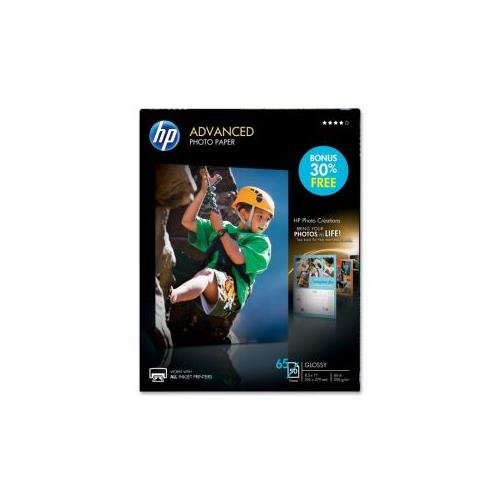 Your price for this item is $47.68
 -
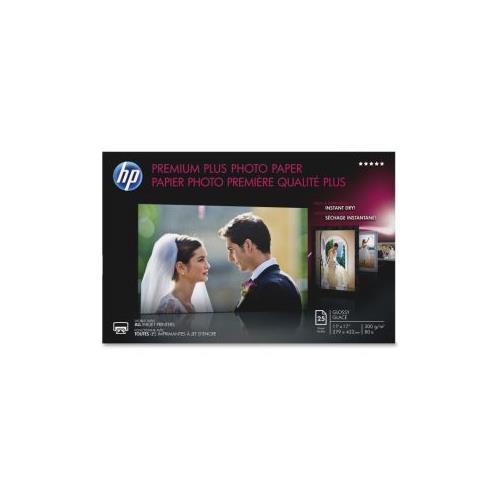 Your price for this item is $80.68
 -
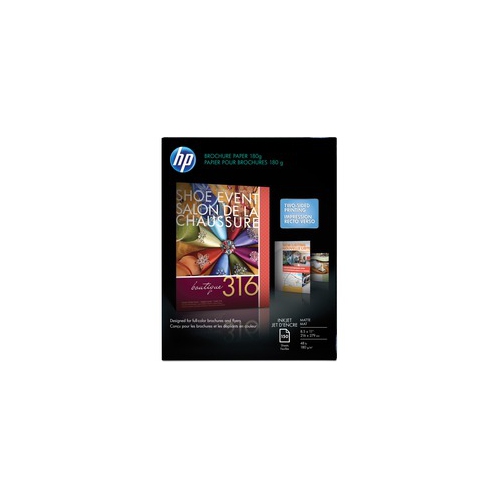 Your price for this item is $45.99
 -
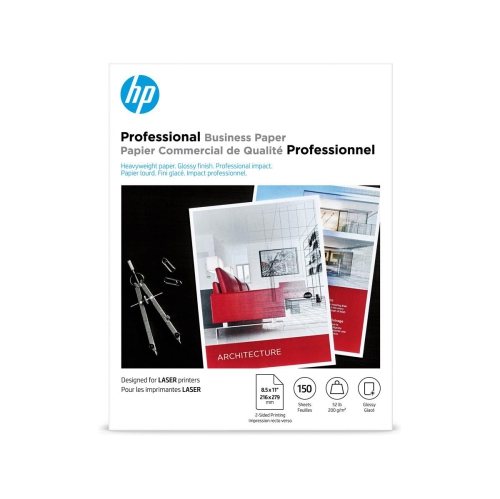 Your price for this item is $45.79
 -
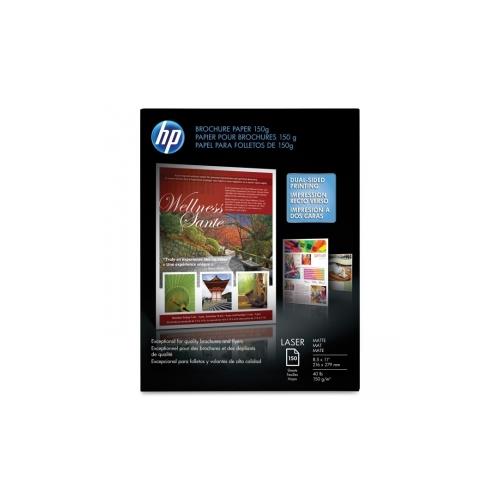 Your price for this item is $37.99
 -
 Your price for this item is $358.99
 -
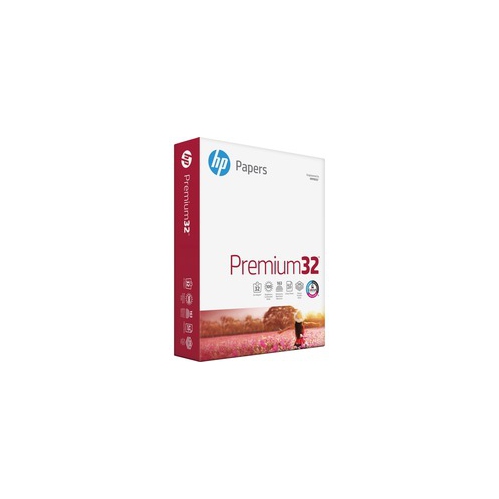 Your price for this item is $31.99
 -
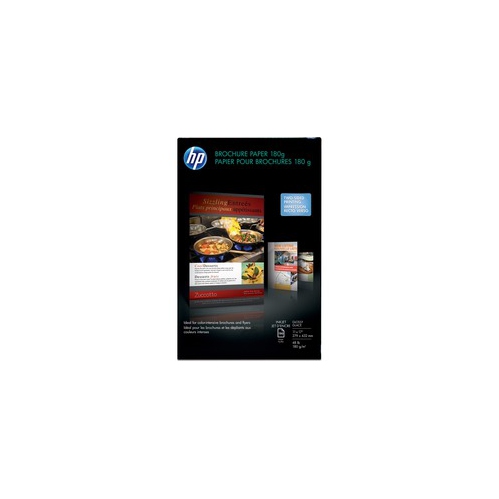 Your price for this item is $103.99
Discover more categories related to Drawing Papers
Top Collections:
Pokemon Centers, Kindle Devices, Best Budget Office Chairs, Apple iPhones 16, Best Laptops for Writers, iPhone 15 Apple, Canon G7X Cameras, Refurbished Apple Laptops, Alarm Clock, Motorola Razr Phones
Some products may be subject to Environmental Handling Fees
(EHF) depending on your province.
Learn more about EHFs.