Sketching Papers
Whether you're a seasoned artist or just starting out on your creative journey, finding the right sketching paper is essential for bringing your artistic visions to life. With a wide variety of options available, our collection of sketching papers offers something for every artist's unique needs and preferences. From heavyweight papers that can withstand multiple layers of media to smooth surfaces that allow for precise detailing, our selection ensures that you'll find the perfect canvas to unleash your creativity. Explore our range of sketching papers and elevate your artwork to new heights.
Sort
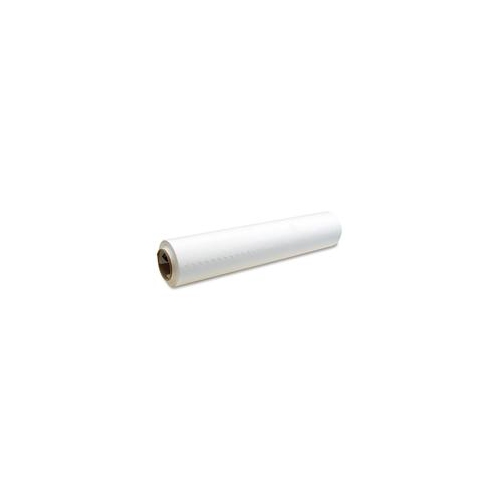
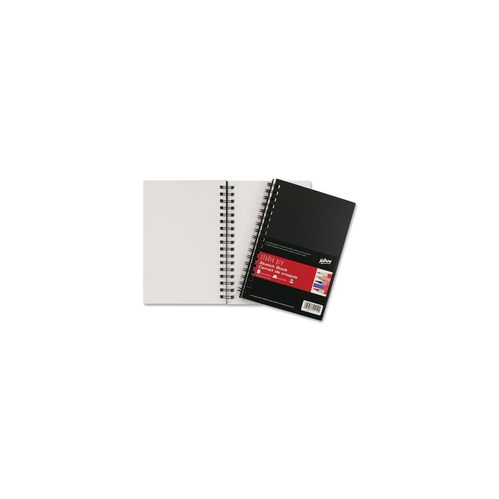
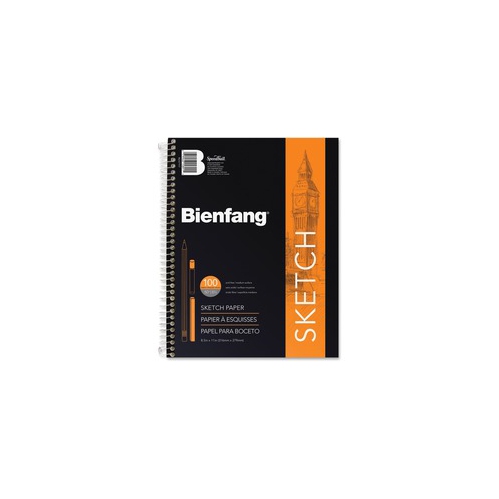
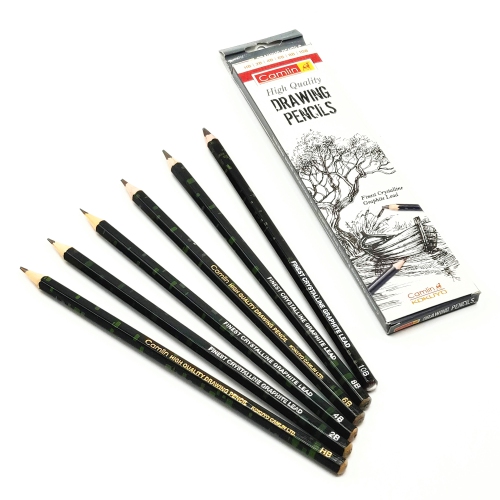
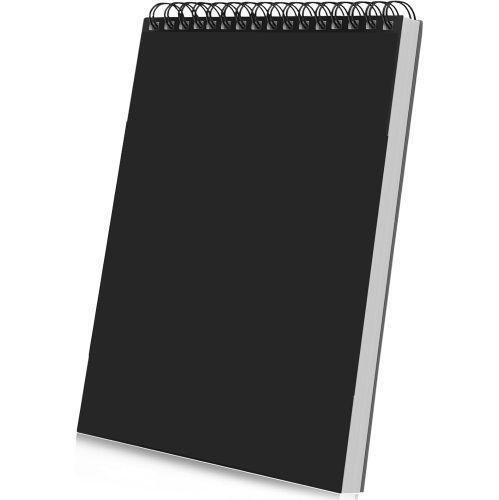
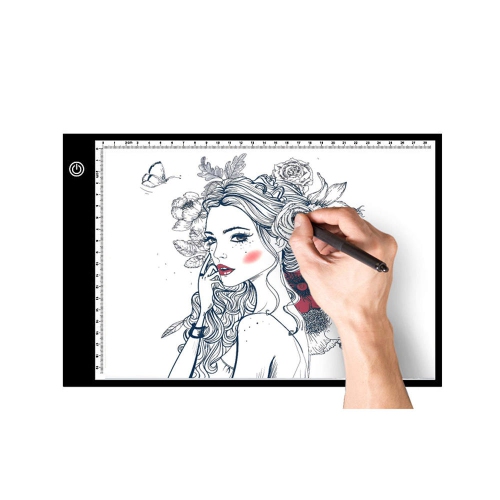
A practical foundation for studies, practice and everyday drawing
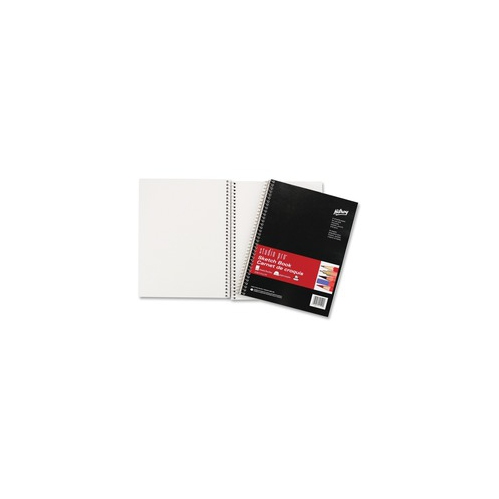
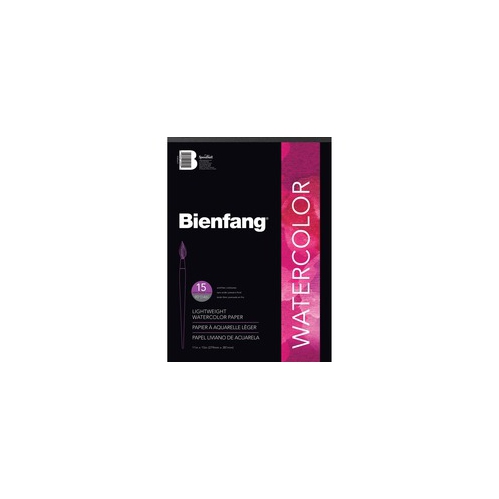
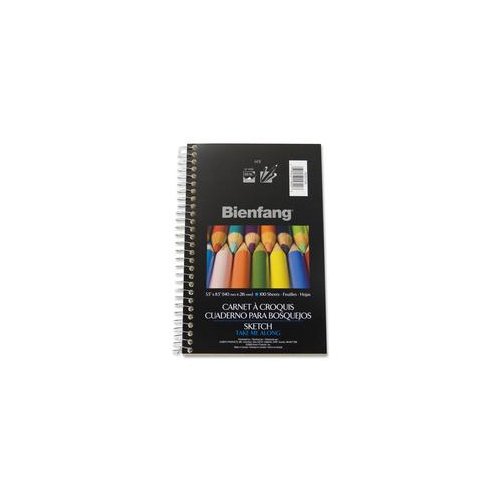
Sketching papers are designed for ideas in progress: quick studies, warm-ups, gesture drawings, rough compositions and everyday practice with dry media. Compared with heavier drawing or watercolour stock, sketch paper is generally lighter and more economical, making it practical to use freely without worrying about filling every page with a finished work. Most sketching papers fall in the range of approximately 50 lb to 74 lb, or about 75 to 120 GSM, although weights and finishes vary. Their surface usually has a light tooth, meaning a fine texture that gives graphite, coloured pencil, charcoal and soft pastel particles something to grip. That subtle texture can add richness to broad, expressive marks while still allowing enough control for careful outlines and shading. A smooth surface may suit precise line work, technical layouts or delicate pencil details, while a slightly more textured sheet can help charcoal and pastel build visible tone. When choosing sketching papers, consider the media that will be used most often, the level of detail required and whether the pages are intended for private practice, classroom work or a portfolio of developing ideas. A pad with generous page count is useful for regular exercises and spontaneous observations, while a smaller book can slip into a backpack for drawing on a commute, during a quiet afternoon outdoors or while travelling. Larger formats provide more room for sweeping movements and figure studies, whereas compact pages encourage quick compositions and are easy to keep beside a desk. Spiral-bound pads can lie flat as you work and make turning pages simple, while glue-bound pads offer a clean, tear-away edge when a sheet needs to be removed for reference or display. Cover strength, page orientation and the quality of the binding also matter, particularly for students and artists who carry their paper from one location to another.
The surface and weight of sketching paper help determine how a drawing will feel from the first mark to the final adjustment. Graphite glides across a fine surface for light construction lines, layered shading and controlled hatching, while charcoal benefits from a little tooth that holds powdery pigment in place. Coloured pencils can be built up gradually, though very lightweight paper may reach its limit sooner when many layers are applied. Sketch paper is especially well suited to gesture drawing, perspective drills, thumbnail layouts, still-life studies and keeping a visual record of everyday surroundings. It is also useful for testing a composition before transferring it to a more substantial sheet. A quick series of small drawings can reveal whether a subject is balanced, where the darkest values should sit and how much empty space a finished piece may need. Because practice paper is intended for exploration, it is a comfortable choice for artists who want to experiment with unfamiliar tools or loosen a highly careful drawing style. It can handle ordinary erasing and revisions, but repeated heavy erasing may roughen the surface, and extensive layering can cause a thin sheet to buckle, tear or become shiny in places. Sketching papers are not usually the best option for wet media such as paint, markers or heavily applied ink; moisture can seep through, feather across the surface or make the sheet warp. For finished drawings, intensive blending or techniques that require repeated corrections, consider a sturdier option such as Drawing Papers. Keeping the intended technique in mind helps prevent frustration and makes it easier to choose a paper that responds naturally to each mark.
Sketching papers can suit beginners learning how pressure changes a pencil line, experienced artists filling pages with studies, design students developing layouts and families looking for a creative activity to share during the cooler months. They also make thoughtful gifts for someone who enjoys drawing, especially when paired with a selection of pencils, sharpeners or erasers that support regular practice. A blank pad can be less intimidating than a single sheet intended for display because it gives the artist room to make imperfect marks, turn the page and try again. For children and teens, lightweight paper offers a practical place to draw characters, buildings, animals and imaginative scenes without using premium art stock for every experiment. For adult artists, it can become a visual journal filled with café sketches, architectural details, garden observations and small studies made while travelling. When selecting a pad as a gift or for personal use, look for a format that matches the artist’s habits: a pocket-sized book for portable sketching, a medium pad for everyday use or a larger format for expressive figure and landscape work. Neutral or lightly coloured paper can change the mood of graphite and charcoal drawings, while bright white paper makes pale highlights and subtle value changes easier to see. It is worth checking whether the pages are perforated, how securely the binding holds them and whether the pad can open comfortably without forcing the spine. Store unused paper flat or protected from excessive moisture, and use a clean sheet beneath the drawing hand to reduce smudging as you work. With the right surface, sketching becomes an approachable routine rather than a formal occasion: a few lines before class, a page during a quiet break or a series of studies made as the weather warms and the days invite more time outdoors. The best sketching papers leave enough room for mistakes, revisions and unexpected discoveries while providing a dependable foundation for the marks that matter most.
The surface and weight of sketching paper help determine how a drawing will feel from the first mark to the final adjustment. Graphite glides across a fine surface for light construction lines, layered shading and controlled hatching, while charcoal benefits from a little tooth that holds powdery pigment in place. Coloured pencils can be built up gradually, though very lightweight paper may reach its limit sooner when many layers are applied. Sketch paper is especially well suited to gesture drawing, perspective drills, thumbnail layouts, still-life studies and keeping a visual record of everyday surroundings. It is also useful for testing a composition before transferring it to a more substantial sheet. A quick series of small drawings can reveal whether a subject is balanced, where the darkest values should sit and how much empty space a finished piece may need. Because practice paper is intended for exploration, it is a comfortable choice for artists who want to experiment with unfamiliar tools or loosen a highly careful drawing style. It can handle ordinary erasing and revisions, but repeated heavy erasing may roughen the surface, and extensive layering can cause a thin sheet to buckle, tear or become shiny in places. Sketching papers are not usually the best option for wet media such as paint, markers or heavily applied ink; moisture can seep through, feather across the surface or make the sheet warp. For finished drawings, intensive blending or techniques that require repeated corrections, consider a sturdier option such as Drawing Papers. Keeping the intended technique in mind helps prevent frustration and makes it easier to choose a paper that responds naturally to each mark.
Sketching papers can suit beginners learning how pressure changes a pencil line, experienced artists filling pages with studies, design students developing layouts and families looking for a creative activity to share during the cooler months. They also make thoughtful gifts for someone who enjoys drawing, especially when paired with a selection of pencils, sharpeners or erasers that support regular practice. A blank pad can be less intimidating than a single sheet intended for display because it gives the artist room to make imperfect marks, turn the page and try again. For children and teens, lightweight paper offers a practical place to draw characters, buildings, animals and imaginative scenes without using premium art stock for every experiment. For adult artists, it can become a visual journal filled with café sketches, architectural details, garden observations and small studies made while travelling. When selecting a pad as a gift or for personal use, look for a format that matches the artist’s habits: a pocket-sized book for portable sketching, a medium pad for everyday use or a larger format for expressive figure and landscape work. Neutral or lightly coloured paper can change the mood of graphite and charcoal drawings, while bright white paper makes pale highlights and subtle value changes easier to see. It is worth checking whether the pages are perforated, how securely the binding holds them and whether the pad can open comfortably without forcing the spine. Store unused paper flat or protected from excessive moisture, and use a clean sheet beneath the drawing hand to reduce smudging as you work. With the right surface, sketching becomes an approachable routine rather than a formal occasion: a few lines before class, a page during a quiet break or a series of studies made as the weather warms and the days invite more time outdoors. The best sketching papers leave enough room for mistakes, revisions and unexpected discoveries while providing a dependable foundation for the marks that matter most.
Top selling and popular products
-
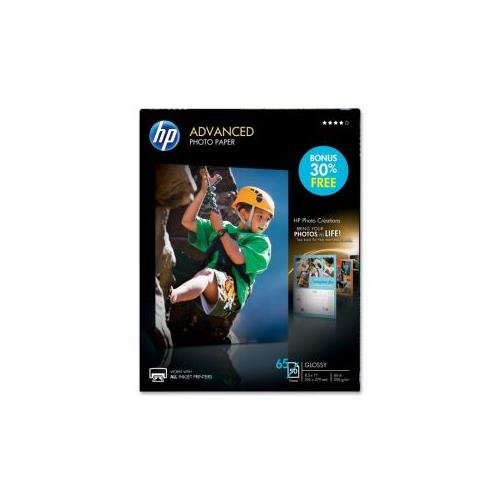 Your price for this item is $47.68
 -
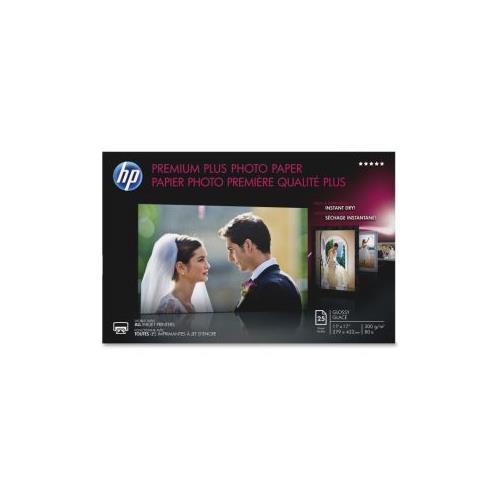 Your price for this item is $80.68
 -
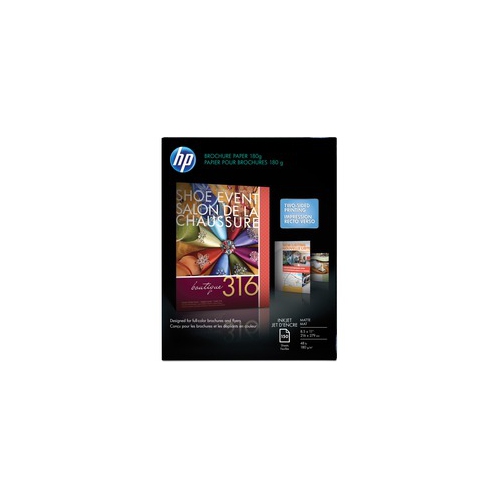 Your price for this item is $45.99
 -
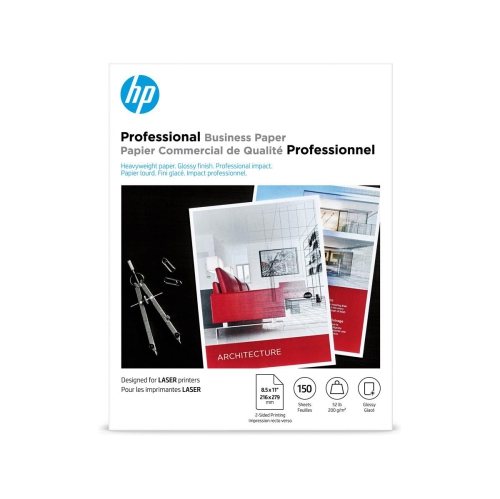 Your price for this item is $45.79
 -
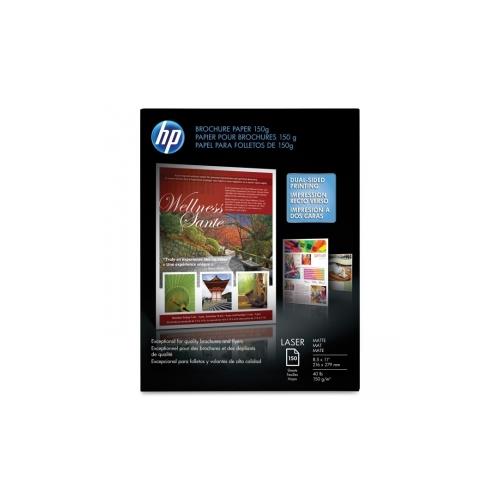 Your price for this item is $37.99
 -
 Your price for this item is $358.99
 -
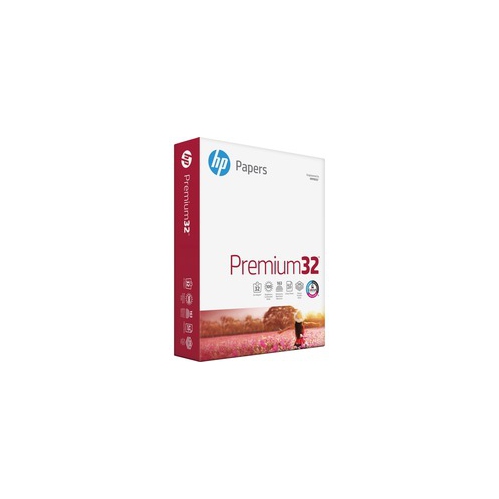 Your price for this item is $31.99
 -
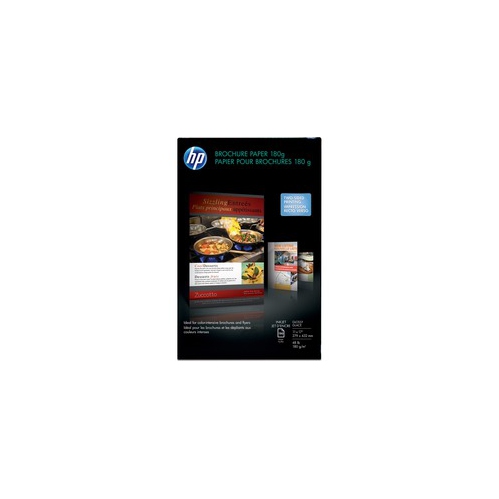 Your price for this item is $103.99
Discover more categories related to Sketching Papers
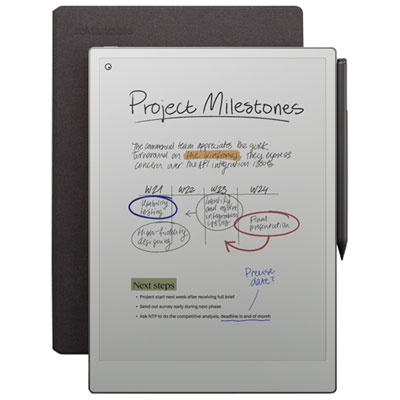
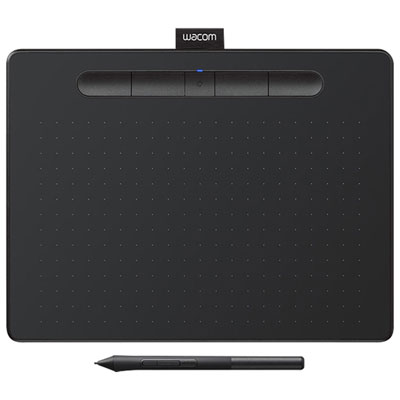
Top Collections:
Pokemon Centers, Kindle Devices, Best Budget Office Chairs, Apple iPhones 16, Best Laptops for Writers, iPhone 15 Apple, Canon G7X Cameras, Refurbished Apple Laptops, Alarm Clock, Motorola Razr Phones
Some products may be subject to Environmental Handling Fees
(EHF) depending on your province.
Learn more about EHFs.