Engineering Papers
Explore a wide selection of engineering papers designed to meet the needs of students, professionals, and hobbyists alike. Whether you're working on technical drawings, architectural plans, or intricate diagrams, our range of engineering papers offers superior quality and versatility for all your projects. From grid patterns to isometric designs, find the perfect paper to bring your ideas to life with precision and clarity. Elevate your drafting experience with our collection of engineering papers that deliver exceptional performance and reliability every time you put pen to paper.
Sort
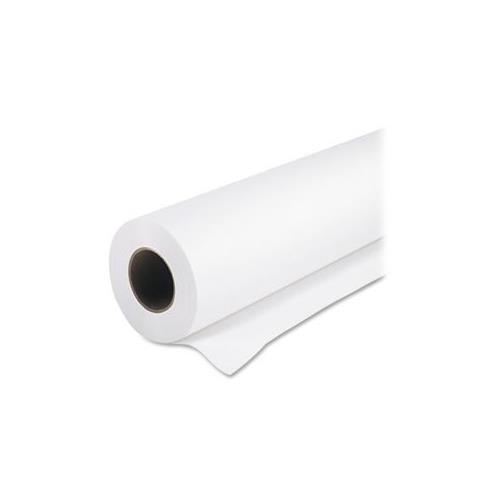
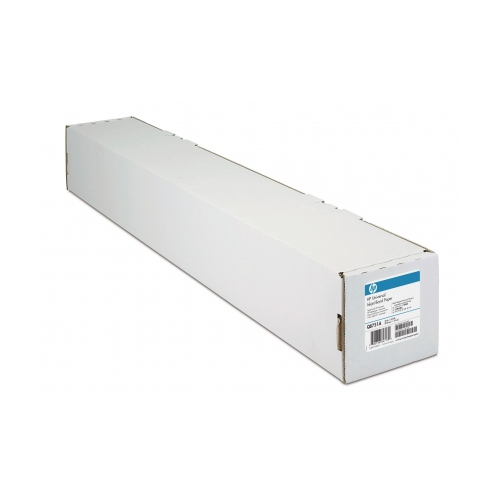
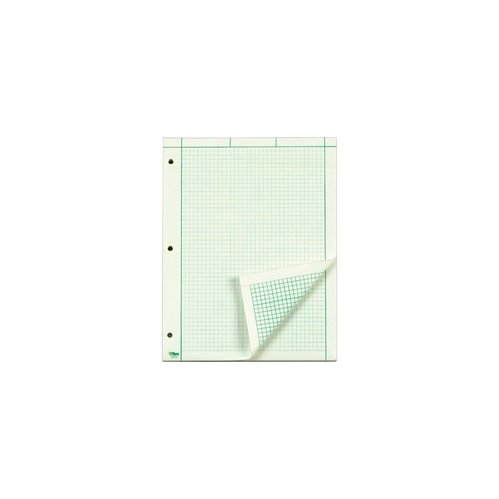

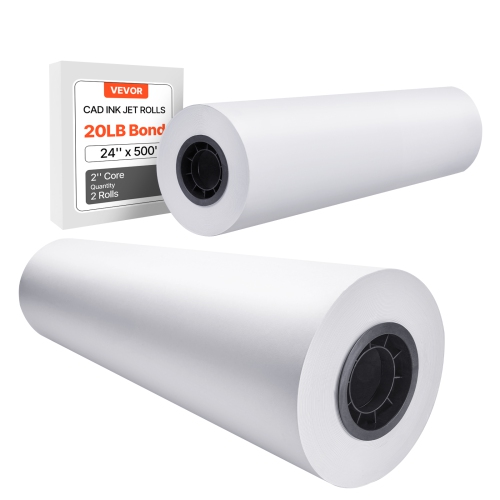
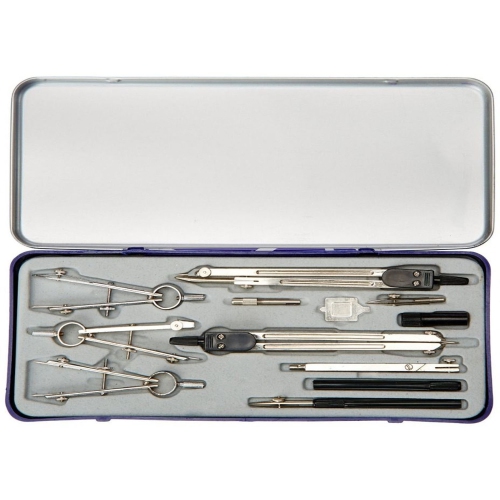
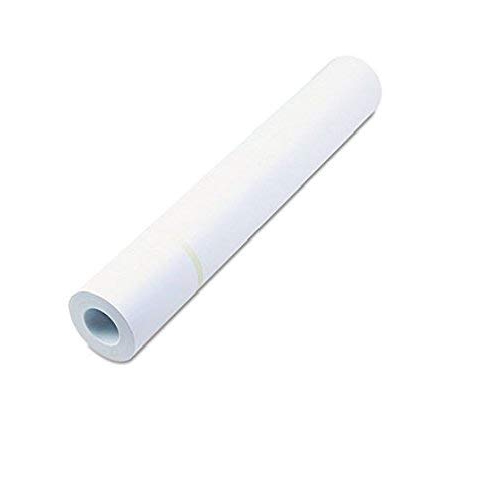
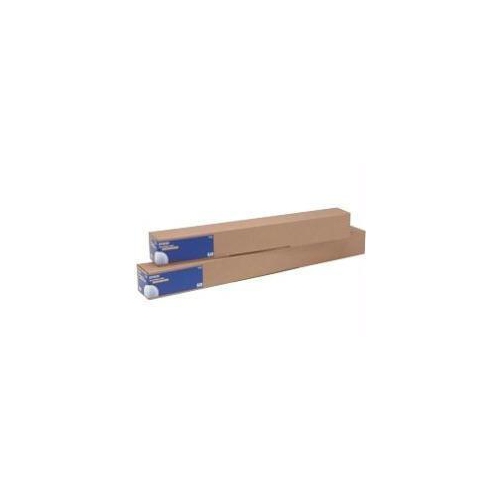
Precise grids for drafting, calculations, and technical planning
Engineering papers are designed for accurate planning, technical drawing, calculations, and visual problem-solving. In a product-listing context, the term usually refers to physical grid paper made for engineering, drafting, mathematics, architecture, and other technical work rather than published academic articles. Its defining feature is a precise grid, commonly arranged at five squares per inch, which helps users draw straight lines, measure proportions, plot coordinates, and create scale diagrams without relying on a ruler for every mark. Depending on the intended use, engineering paper may be printed on strong bond paper for everyday writing and sketching or on transparent vellum for layered drawings, tracing, overlays, and design revisions. Some formats are suited to bound notebooks or desk-based planning, while loose sheets can be arranged, shared, filed, or added to a project folder. When choosing engineering paper, consider the grid size, paper dimensions, sheet format, opacity, weight, and the tools that will be used on the surface. Fine grids are helpful for detailed mechanical parts, electrical diagrams, geometry, and carefully measured layouts, while larger grids can be easier to read when working with broad concepts, classroom exercises, or quick plans. A darker grid may be useful for rapid drafting, whereas a lighter, less distracting grid can make notes, formulas, and coloured annotations easier to see. Paper that handles pencil, mechanical pencil, pen, marker, or technical drawing instruments well can make a noticeable difference during long work sessions, especially when a page needs to hold both a diagram and the calculations supporting it. Smooth paper allows clean lines and comfortable erasing, while a slightly more substantial sheet can resist curling, tearing, or excessive show-through when a project is handled repeatedly. For students, instructors, hobbyists, and professionals, having the right paper nearby can turn an empty desk into a practical workspace: a few measured lines become a bridge design, a circuit layout, a room plan, a machine component, or a graph that makes a difficult equation easier to understand. Engineering paper can also be useful for keeping a visual record of ideas. A designer might begin with rough notes in one corner, build a scaled drawing in the centre, and use the margins to record dimensions, materials, tolerances, or questions for the next revision. That combination of structure and flexibility makes it suitable for both early concepts and more developed technical work.
These papers can support many areas of study and work, including civil engineering, mechanical engineering, electrical engineering, software and systems planning, architecture, construction, physics, mathematics, robotics, and product design. A civil engineering student may use a grid to sketch site layouts, drainage plans, or load paths; a mechanical engineering learner may map dimensions for a component or explore how moving parts fit together; and an electrical student may use it to arrange symbols, connections, and circuit relationships clearly. In software and systems work, paper can provide a useful place to plan flowcharts, logic diagrams, interface layouts, and network structures before anything is built on a screen. Teachers can use it for classroom demonstrations, scale exercises, coordinate work, and design assignments, while parents and caregivers may find it helpful for children who enjoy construction, drawing, science experiments, or hands-on challenges. It is also a practical addition to a home office, workshop, makerspace, studio, or study area, particularly during the cooler months when more creative and technical projects move indoors. Engineering paper can make a thoughtful gift for a student beginning a technical programme, a young inventor who fills notebooks with sketches, or a hobbyist who enjoys model building, electronics, woodworking, and design challenges. For more inspiration, browse Engineering Gifts for ideas that pair naturally with planning, building, and problem-solving activities. Before purchasing, think about whether the recipient needs paper for precision drafting, classroom practice, artistic experimentation, or long-term project documentation. Sheet size matters when a drawing must show several stages or fit a title block, while portability is valuable for lectures, site visits, libraries, and shared workspaces. It can also help to consider how the finished pages will be stored: loose sheets are convenient for sorting and scanning, while pads and bound formats keep related work together. For formal technical work, consistent grids and clean pages can make diagrams easier to review and reproduce. For personal projects, the same structure can reduce the intimidation of a blank page and offer a dependable starting point. Although “engineering papers” can also describe scholarly research articles published in peer-reviewed journals and indexed in academic databases, the physical papers presented in this assortment are intended for drawing, writing, calculations, and visual planning. They give ideas a visible framework, helping users move from an initial thought to a measured sketch, a tested layout, or a clearly explained solution.
These papers can support many areas of study and work, including civil engineering, mechanical engineering, electrical engineering, software and systems planning, architecture, construction, physics, mathematics, robotics, and product design. A civil engineering student may use a grid to sketch site layouts, drainage plans, or load paths; a mechanical engineering learner may map dimensions for a component or explore how moving parts fit together; and an electrical student may use it to arrange symbols, connections, and circuit relationships clearly. In software and systems work, paper can provide a useful place to plan flowcharts, logic diagrams, interface layouts, and network structures before anything is built on a screen. Teachers can use it for classroom demonstrations, scale exercises, coordinate work, and design assignments, while parents and caregivers may find it helpful for children who enjoy construction, drawing, science experiments, or hands-on challenges. It is also a practical addition to a home office, workshop, makerspace, studio, or study area, particularly during the cooler months when more creative and technical projects move indoors. Engineering paper can make a thoughtful gift for a student beginning a technical programme, a young inventor who fills notebooks with sketches, or a hobbyist who enjoys model building, electronics, woodworking, and design challenges. For more inspiration, browse Engineering Gifts for ideas that pair naturally with planning, building, and problem-solving activities. Before purchasing, think about whether the recipient needs paper for precision drafting, classroom practice, artistic experimentation, or long-term project documentation. Sheet size matters when a drawing must show several stages or fit a title block, while portability is valuable for lectures, site visits, libraries, and shared workspaces. It can also help to consider how the finished pages will be stored: loose sheets are convenient for sorting and scanning, while pads and bound formats keep related work together. For formal technical work, consistent grids and clean pages can make diagrams easier to review and reproduce. For personal projects, the same structure can reduce the intimidation of a blank page and offer a dependable starting point. Although “engineering papers” can also describe scholarly research articles published in peer-reviewed journals and indexed in academic databases, the physical papers presented in this assortment are intended for drawing, writing, calculations, and visual planning. They give ideas a visible framework, helping users move from an initial thought to a measured sketch, a tested layout, or a clearly explained solution.
Top selling and popular products
-
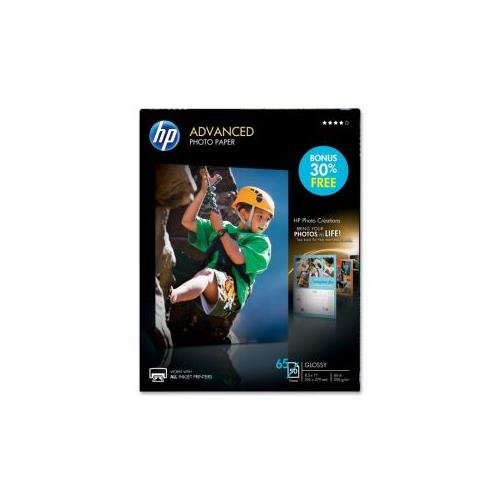 Your price for this item is $47.68
 -
 Your price for this item is $80.68
 -
 Your price for this item is $45.99
 -
 Your price for this item is $45.79
 -
 Your price for this item is $37.99
 -
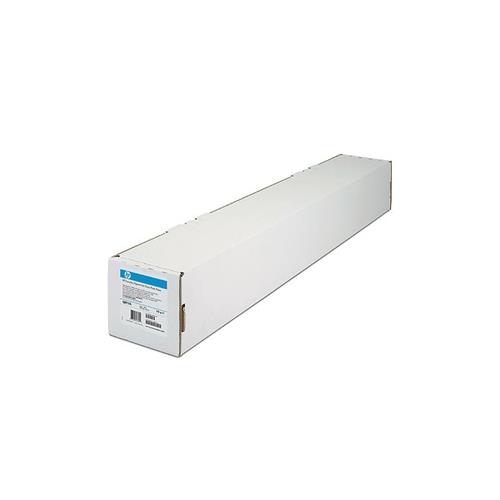 Your price for this item is $358.99
 -
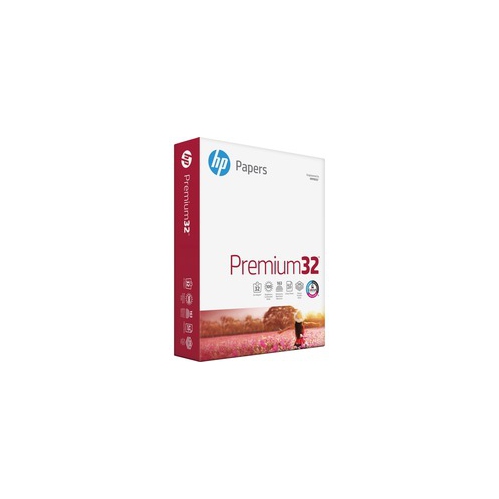 Your price for this item is $31.99
 -
 Your price for this item is $103.99
Discover more categories related to Engineering Papers

Top Collections:
Pokemon Centers, Kindle Devices, Best Budget Office Chairs, Apple iPhones 16, Best Laptops for Writers, iPhone 15 Apple, Canon G7X Cameras, Refurbished Apple Laptops, Alarm Clock, Motorola Razr Phones
Some products may be subject to Environmental Handling Fees
(EHF) depending on your province.
Learn more about EHFs.