Engineering Gifts
Dive into the world of innovation and creativity with a curated selection of engineering gifts that are sure to inspire and engage. Whether for a budding engineer or a seasoned professional, these thoughtfully chosen items cater to a passion for problem-solving and design. From cutting-edge gadgets to educational kits, each gift is designed to challenge the mind and spark curiosity. Perfect for birthdays, holidays, or any occasion that celebrates ingenuity, these engineering gifts will delight and motivate anyone with an interest in the marvels of modern technology.
Sort

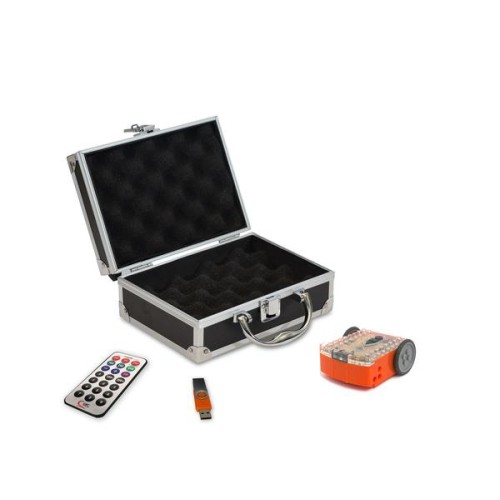
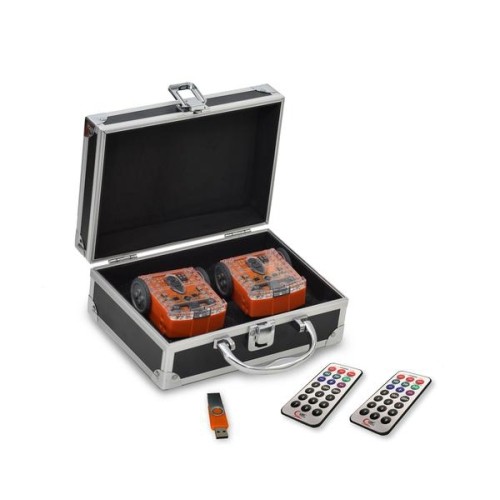
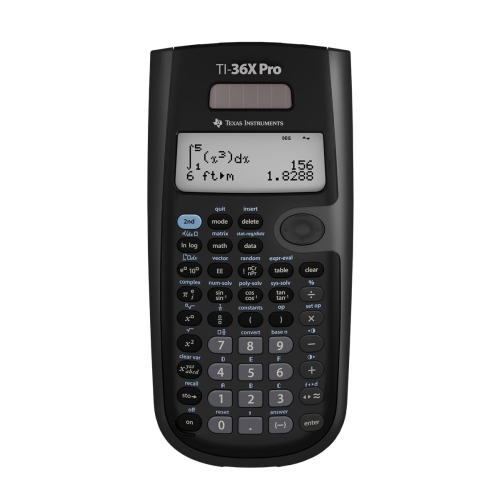
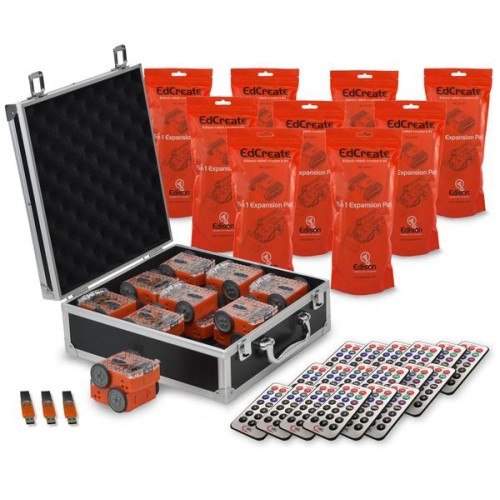
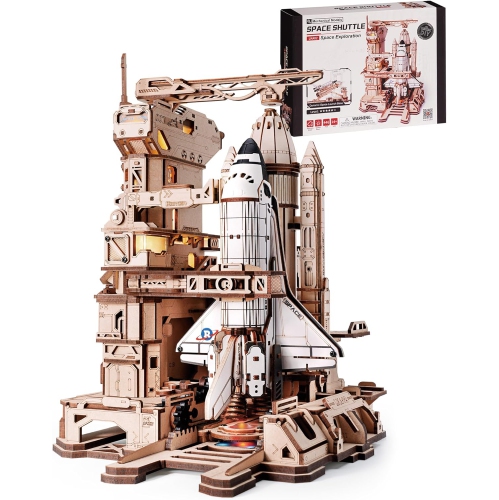
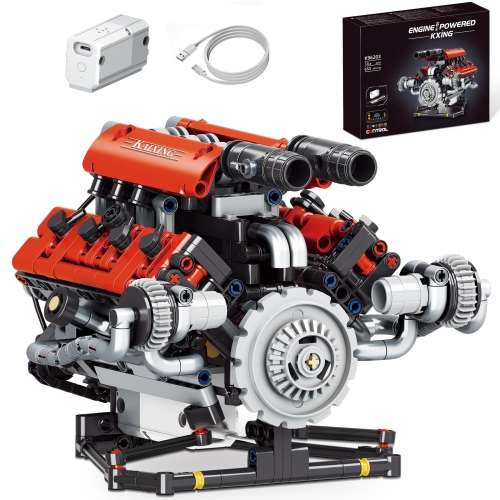

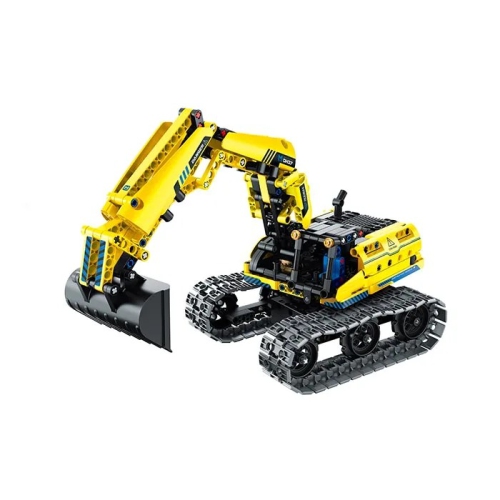
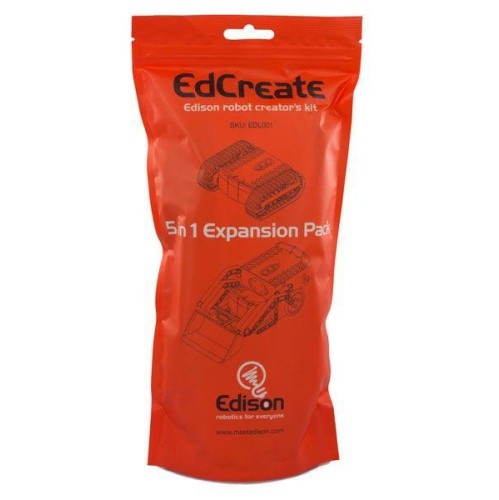

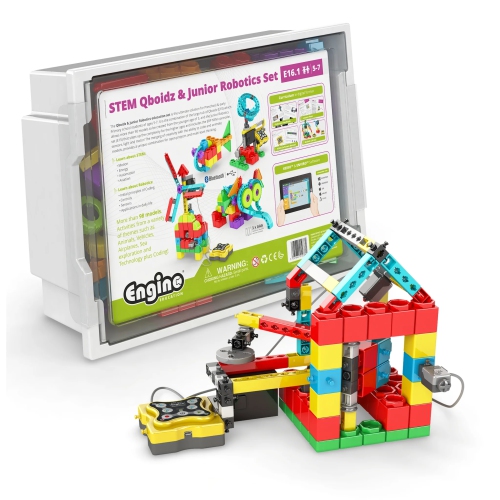
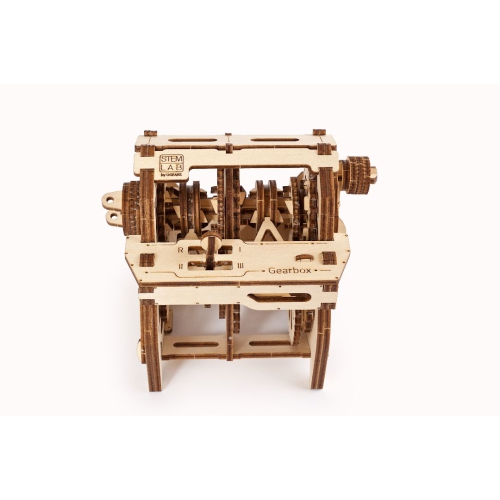
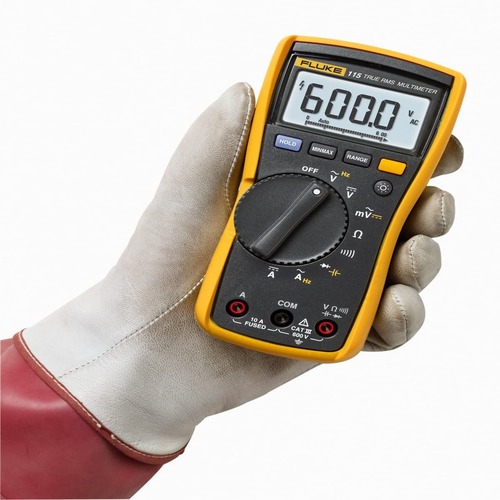
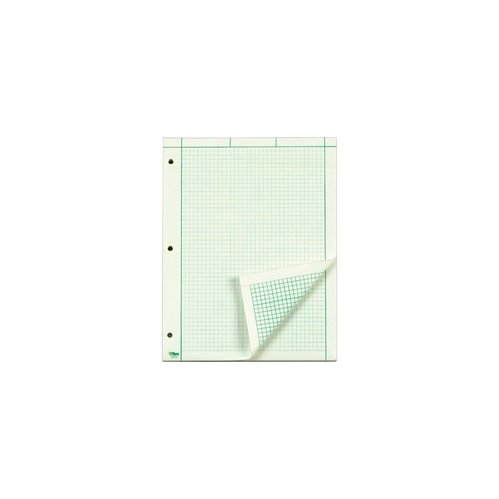
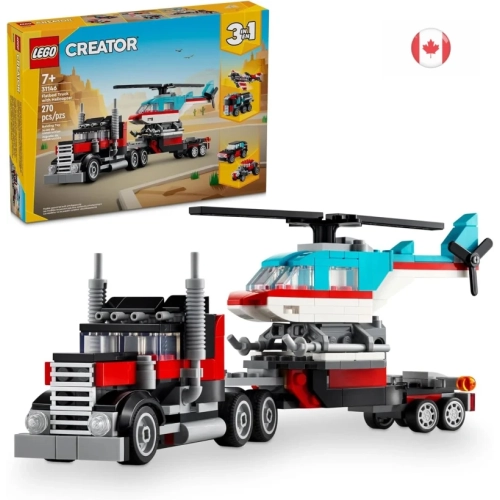
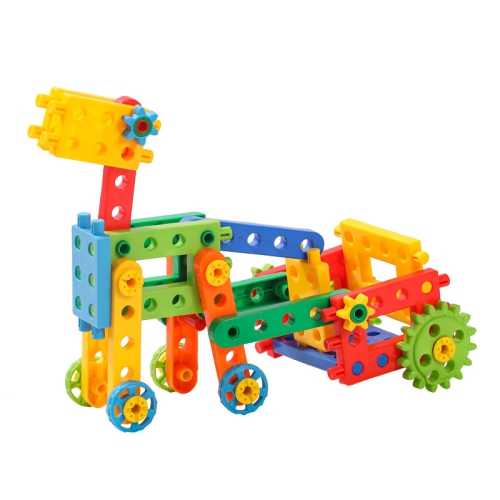
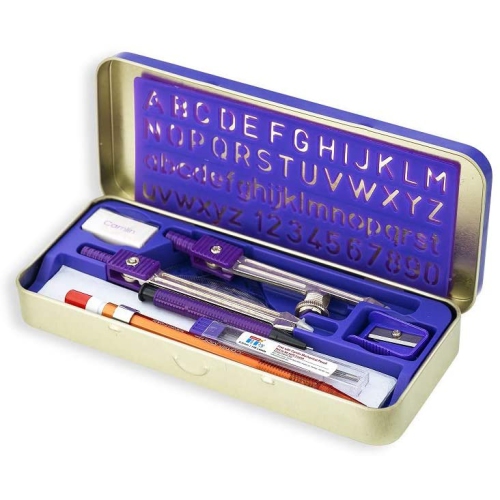
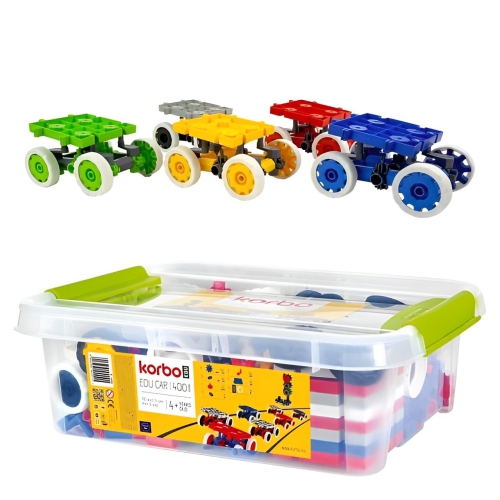
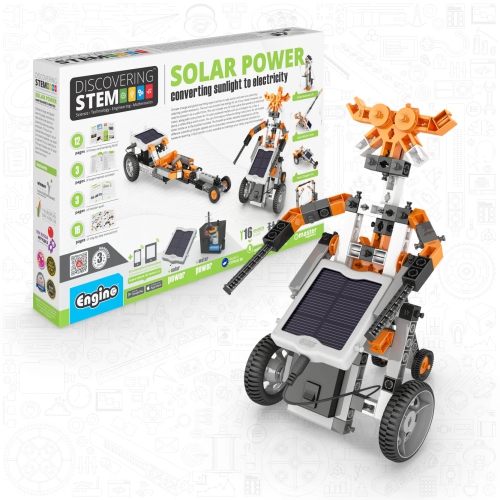
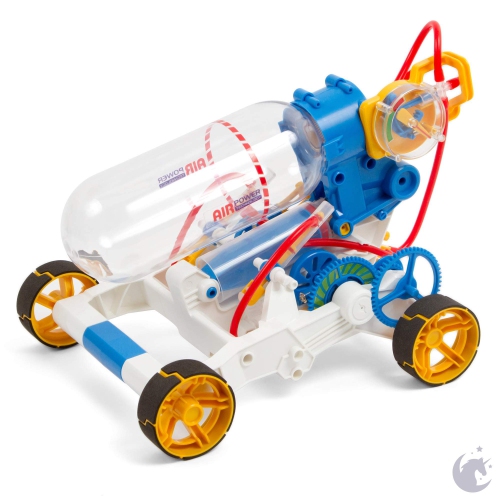
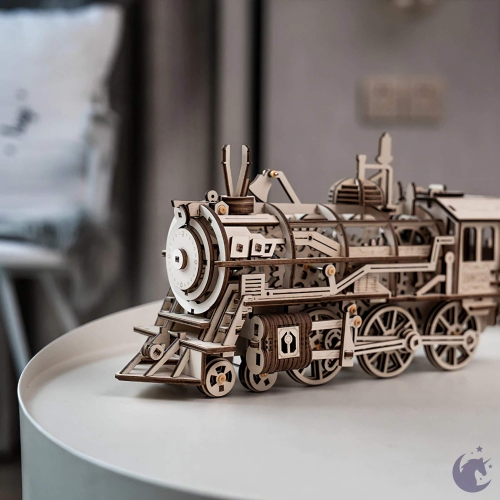
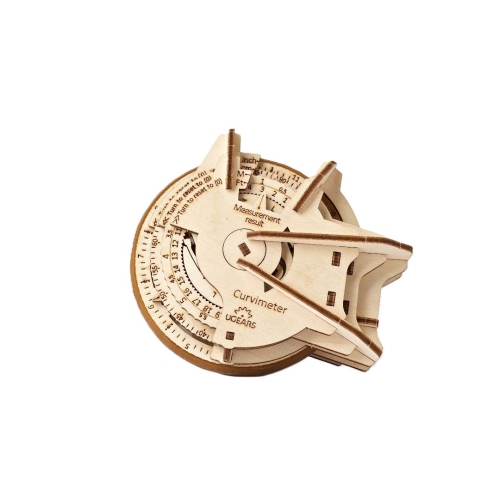
Thoughtful gifts connect with interests, not just job titles
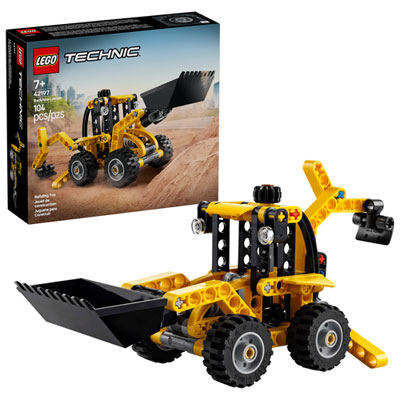
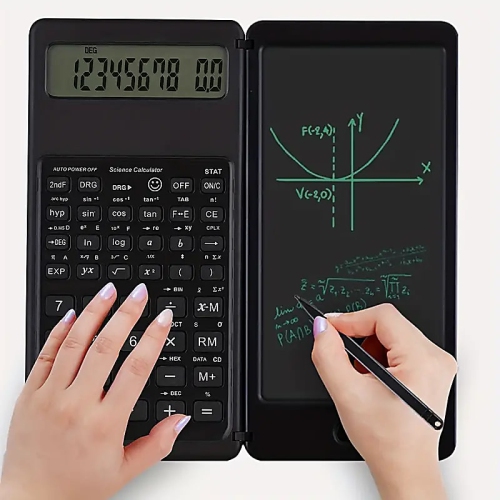
Engineering gifts combine practical usefulness with thoughtful design, giving curious minds something to build, test, solve, or use in everyday work. They can suit engineering students, experienced professionals, hands-on hobbyists, and anyone who enjoys understanding how things work. The strongest connection is usually to the recipient’s interests rather than their job title alone. A mechanical engineer may appreciate the movement of gears and linkages, while someone interested in electronics may enjoy tracing the relationship between a circuit and its output. Civil engineering interests often centre on structures, loads, and the way individual components work together; software-focused interests may lean towards logic, automation, and a comfortable computer setup. These interests overlap, so a gift does not need to imitate someone’s working day to feel personal. An absorbing puzzle can provide a welcome change from a screen, and a construction project can turn an abstract idea into something tangible. Practical desk accessories, technical drawing supplies, model-building materials, and hands-on learning sets each serve a different purpose, from making familiar tasks easier to opening up a new hobby. For a student moving between lectures, shared study spaces, and a small desk at home, portability and straightforward storage can matter as much as technical complexity. For someone with a dedicated workshop, a gift that supports careful assembly or repeat experimentation may be a better fit. Birthdays, graduations, professional milestones, and holiday gift exchanges all offer natural occasions for engineering-themed gifts, but the recipient’s preferred pace matters too. Some people enjoy an intricate challenge spread across several evenings; others prefer something useful immediately, without a lengthy setup. A well-matched gift respects that difference. It offers a satisfying experience at the right level, whether that means the quiet concentration of fitting parts together or the everyday pleasure of using an accessory whose shape and function have clearly been considered.
Materials and construction influence how an engineering gift feels in the hand, how it holds up to repeated use, and where it is best suited. Metal components can provide reassuring weight and rigidity, although finish quality, edge treatment, and resistance to corrosion matter more than weight alone. Moulded plastic can make assemblies lighter and easier to handle, particularly when parts need to be joined and separated many times. Wooden components offer a distinct texture and appearance, with joints and surface finishes affecting how smoothly pieces fit together. None of these materials is automatically the best choice: intended use determines whether a lightweight portable design or a heavier tabletop format makes more sense. Moving assemblies benefit from consistent tolerances, secure connections, and parts that travel freely without requiring excessive force. For gifts used at a desk, fit includes both the available space and the person using them. A broad working surface may accommodate an extended building project, while a shared table calls for components that can be packed away neatly between sessions. Computer accessories should suit the recipient’s hand size, preferred grip, operating system, and connection options; an unfamiliar shape is not necessarily a comfortable one. Clear compatibility information is especially important when a gift depends on software, a particular port, or additional equipment. Care requirements deserve similar attention. Dust can interfere with small mechanisms, moisture can affect unfinished wood and some metals, and loose pieces are easily misplaced without divided storage. Cleaning and maintenance should follow the manufacturer’s directions, especially around electrical contacts, coated surfaces, or precision parts. A gift intended for a workshop or field setting also needs protection appropriate to that use; a sturdy appearance alone does not establish resistance to water, impact, or heavy wear. For measuring accessories, readable markings and suitable units are useful considerations, but novelty designs should not be mistaken for calibrated equipment. Gifts used in professional tasks need to meet the recipient’s actual accuracy and safety requirements rather than simply look technical.
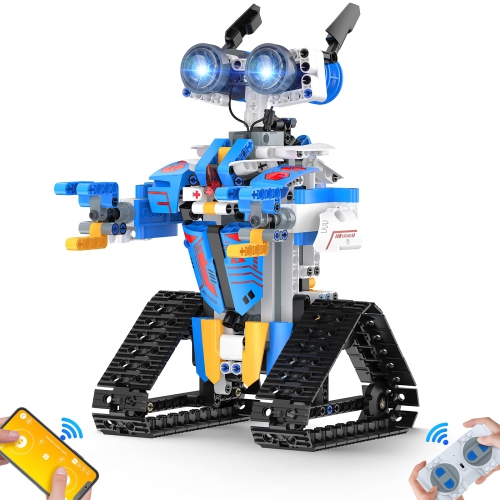
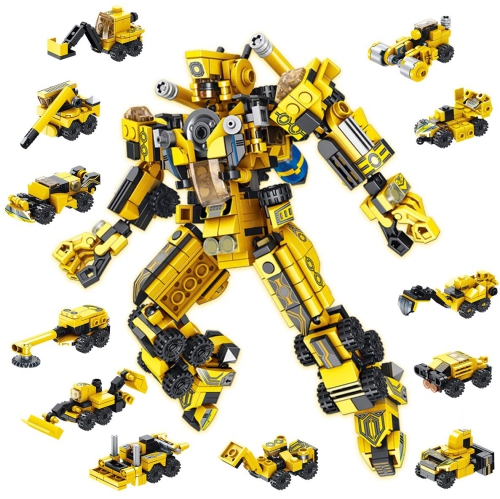
Hands-on engineering gifts are particularly appealing when they make a principle visible. A structure that bends under a small load, a mechanism that changes the direction of motion, or a circuit that responds to an input can make an idea easier to understand than a diagram alone. The appeal often lies in the sequence: assembling the parts, noticing an unexpected result, adjusting one detail, and trying again. That process can be enjoyable for adults as well as younger learners, provided the level of challenge fits their experience. For children and families, the Engineering Toys theme connects this curiosity with play, where building and testing can become a shared activity rather than a formal lesson. Age guidance, small-part warnings, and any supervision requirements remain important, particularly for sets involving magnets, batteries, tools, or powered movement. A younger beginner may benefit from larger components and clear visual instructions, while a confident builder may enjoy more open-ended possibilities and fewer prescribed steps. Adults can also have very different preferences: detailed directions can make an unfamiliar subject approachable, whereas flexible components may appeal to someone who likes inventing their own solutions. The experience beyond the initial assembly matters as well. Designs that can be taken apart, adjusted, or arranged in different ways give the recipient more reasons to return to them. Clear diagrams, legible labels, and accessible instructions help keep the challenge focused on the engineering rather than on deciphering the setup. During the cooler months, a manageable tabletop project can fit naturally into an evening indoors, with enough room left to pause and return later. A completed model may become a display piece, while a reusable challenge can live within reach for short breaks between tasks. Whether the gift supports focused work, relaxed experimentation, or time spent building together, its lasting appeal comes from matching useful features with genuine curiosity. Engineering gifts feel most personal when they acknowledge not only what someone knows, but also what they enjoy discovering.
Materials and construction influence how an engineering gift feels in the hand, how it holds up to repeated use, and where it is best suited. Metal components can provide reassuring weight and rigidity, although finish quality, edge treatment, and resistance to corrosion matter more than weight alone. Moulded plastic can make assemblies lighter and easier to handle, particularly when parts need to be joined and separated many times. Wooden components offer a distinct texture and appearance, with joints and surface finishes affecting how smoothly pieces fit together. None of these materials is automatically the best choice: intended use determines whether a lightweight portable design or a heavier tabletop format makes more sense. Moving assemblies benefit from consistent tolerances, secure connections, and parts that travel freely without requiring excessive force. For gifts used at a desk, fit includes both the available space and the person using them. A broad working surface may accommodate an extended building project, while a shared table calls for components that can be packed away neatly between sessions. Computer accessories should suit the recipient’s hand size, preferred grip, operating system, and connection options; an unfamiliar shape is not necessarily a comfortable one. Clear compatibility information is especially important when a gift depends on software, a particular port, or additional equipment. Care requirements deserve similar attention. Dust can interfere with small mechanisms, moisture can affect unfinished wood and some metals, and loose pieces are easily misplaced without divided storage. Cleaning and maintenance should follow the manufacturer’s directions, especially around electrical contacts, coated surfaces, or precision parts. A gift intended for a workshop or field setting also needs protection appropriate to that use; a sturdy appearance alone does not establish resistance to water, impact, or heavy wear. For measuring accessories, readable markings and suitable units are useful considerations, but novelty designs should not be mistaken for calibrated equipment. Gifts used in professional tasks need to meet the recipient’s actual accuracy and safety requirements rather than simply look technical.
Hands-on engineering gifts are particularly appealing when they make a principle visible. A structure that bends under a small load, a mechanism that changes the direction of motion, or a circuit that responds to an input can make an idea easier to understand than a diagram alone. The appeal often lies in the sequence: assembling the parts, noticing an unexpected result, adjusting one detail, and trying again. That process can be enjoyable for adults as well as younger learners, provided the level of challenge fits their experience. For children and families, the Engineering Toys theme connects this curiosity with play, where building and testing can become a shared activity rather than a formal lesson. Age guidance, small-part warnings, and any supervision requirements remain important, particularly for sets involving magnets, batteries, tools, or powered movement. A younger beginner may benefit from larger components and clear visual instructions, while a confident builder may enjoy more open-ended possibilities and fewer prescribed steps. Adults can also have very different preferences: detailed directions can make an unfamiliar subject approachable, whereas flexible components may appeal to someone who likes inventing their own solutions. The experience beyond the initial assembly matters as well. Designs that can be taken apart, adjusted, or arranged in different ways give the recipient more reasons to return to them. Clear diagrams, legible labels, and accessible instructions help keep the challenge focused on the engineering rather than on deciphering the setup. During the cooler months, a manageable tabletop project can fit naturally into an evening indoors, with enough room left to pause and return later. A completed model may become a display piece, while a reusable challenge can live within reach for short breaks between tasks. Whether the gift supports focused work, relaxed experimentation, or time spent building together, its lasting appeal comes from matching useful features with genuine curiosity. Engineering gifts feel most personal when they acknowledge not only what someone knows, but also what they enjoy discovering.
Top selling and popular products
-
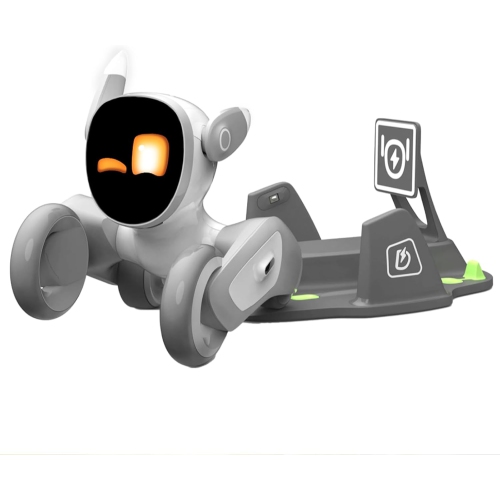 Your price for this item is $699.99
 -
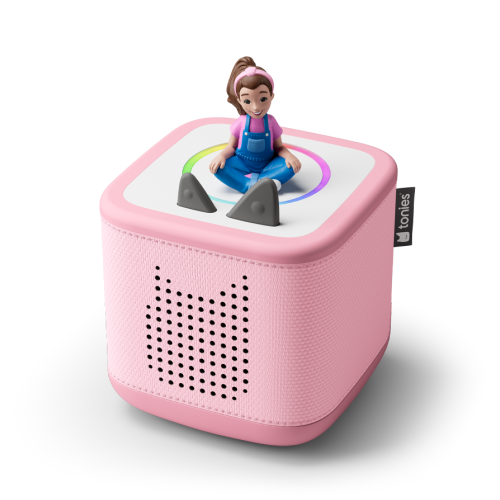 Your price for this item is $199.99
 -
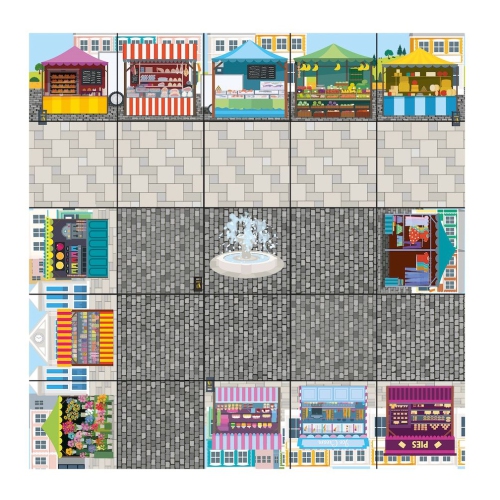 Your price for this item is $75.99
 -
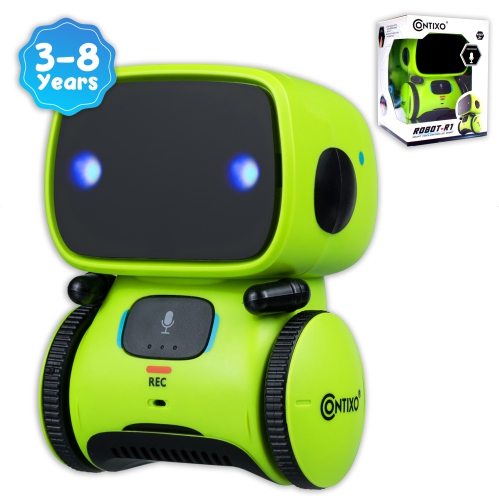 Your price for this item is $39.99
 -
 Your price for this item is $55.95
 -
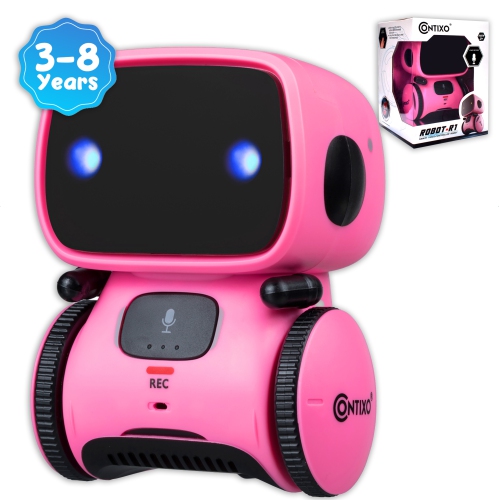 Your price for this item is $39.99
 -
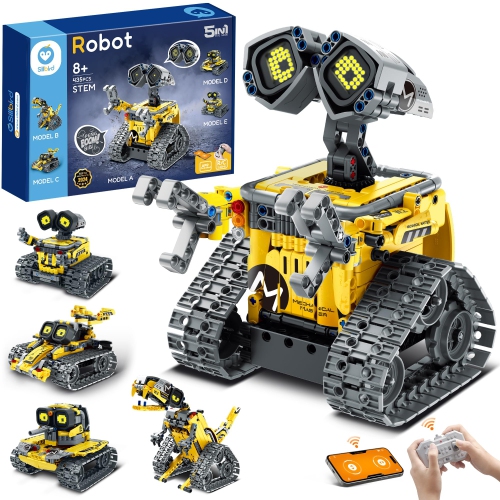 Your price for this item is $116.96
 -
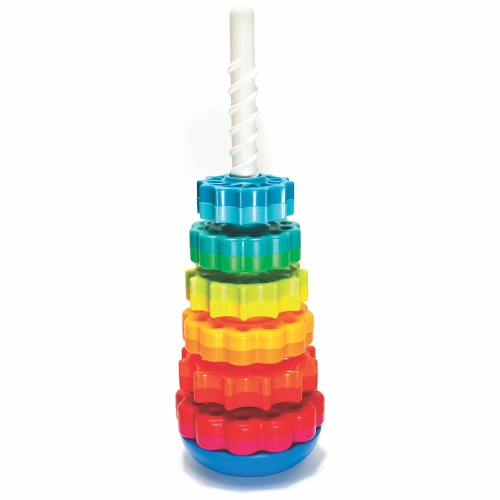 Your price for this item is $52.17
Discover more categories related to Engineering Gifts
Top Collections:
Pokemon Centers, Kindle Devices, Best Budget Office Chairs, Apple iPhones 16, Best Laptops for Writers, iPhone 15 Apple, Canon G7X Cameras, Refurbished Apple Laptops, Alarm Clock, Motorola Razr Phones
Some products may be subject to Environmental Handling Fees
(EHF) depending on your province.
Learn more about EHFs.