Tools for Engineering Students
Tools for engineering students are essential for tackling coursework, projects, and creative problem-solving. From precise measuring instruments to reliable calculators and innovative design software, the right equipment helps streamline complex tasks and enhance productivity. Whether you're working on assignments in the lab or collaborating on group projects, having dependable tools can make a significant difference in your academic journey. Explore a wide selection of tools for engineering students designed to support learning and hands-on application throughout your studies.
Sort
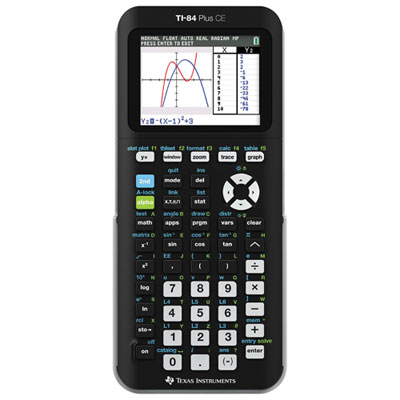
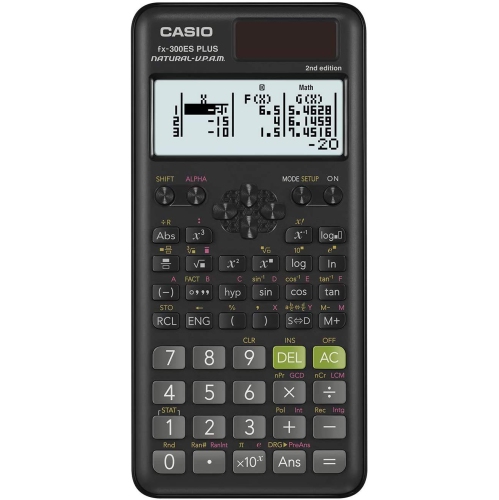
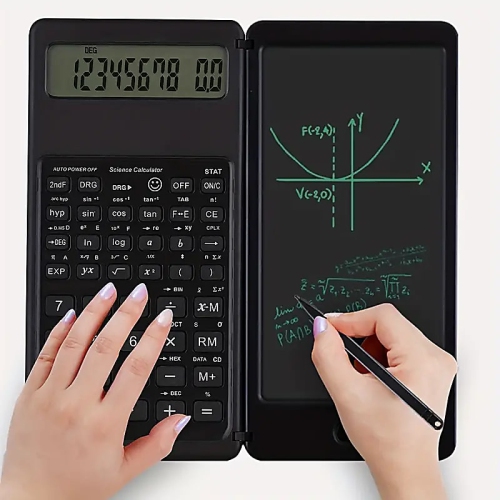
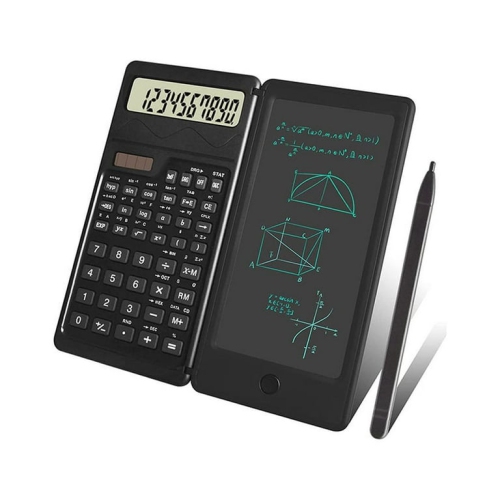


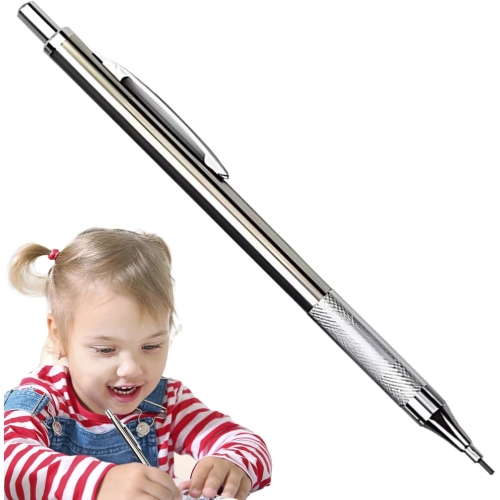
From first sketches to working models you can verify
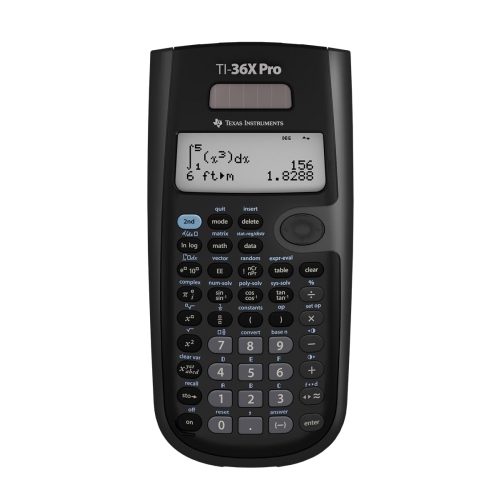
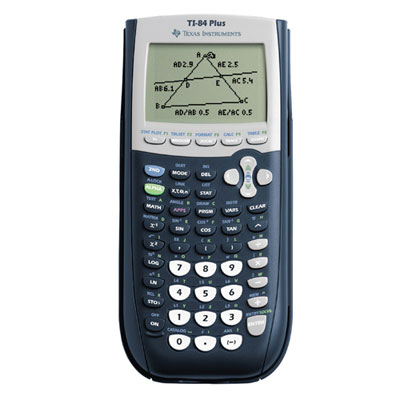
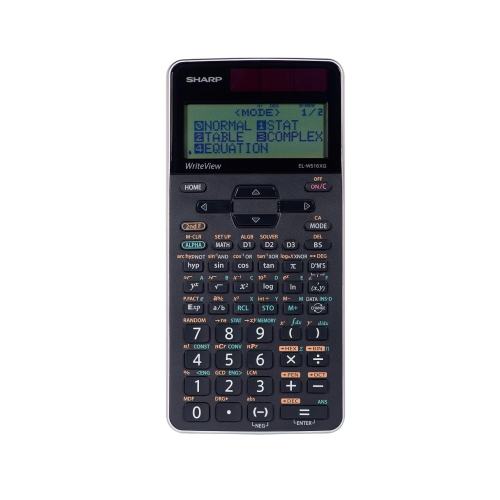
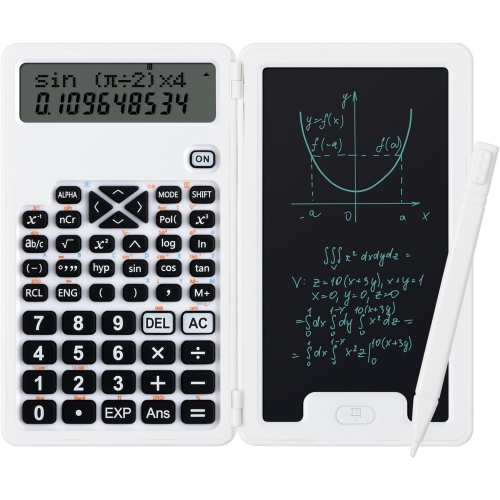
Tools for engineering students bring together computing equipment, calculation aids, drafting supplies and hands-on measuring tools to support coursework, laboratory work and design projects. Their purpose is to help turn an idea into a calculation, a drawing, a working model or a result that can be checked and explained. The right mix depends on the discipline: mechanical engineering often involves three-dimensional modelling and physical prototypes, electrical engineering centres on circuits and signals, civil engineering draws heavily on plans and measurements, and computer engineering combines programming with hardware development. A computer suited to the program’s software requirements is a central part of that toolkit. Processor performance, memory, graphics capabilities and storage all affect how comfortably it handles large assemblies, simulations, datasets or several applications open at once. A report with a few diagrams places different demands on a computer than a detailed model with hundreds of components. Compatibility matters just as much as performance, since some course applications require a particular operating system or hardware configuration. A portable setup makes it easier to move between lectures, shared study spaces and project meetings, while a larger display can provide room for drawings, code and reference material side by side. Keyboard comfort, screen readability, battery life and connections for external displays or laboratory equipment also shape everyday use. Calculation aids remain useful for checking units, solving equations and confirming whether a software result is plausible; permitted functions can vary between courses and exams, so faculty requirements matter. Digital tools may support numerical analysis, technical drawing, programming and documentation, but they serve different roles rather than replacing one another. AI assistants can help explain unfamiliar terminology or suggest approaches to a coding problem, although their output still needs verification against course material, calculations and academic integrity requirements. For students, the value of these tools lies in making work easier to inspect: a clearly labelled graph, a traceable calculation and an organized project folder can be as important as the speed of the equipment producing them.
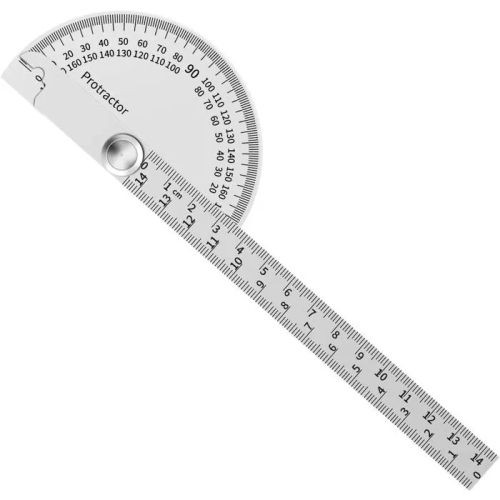
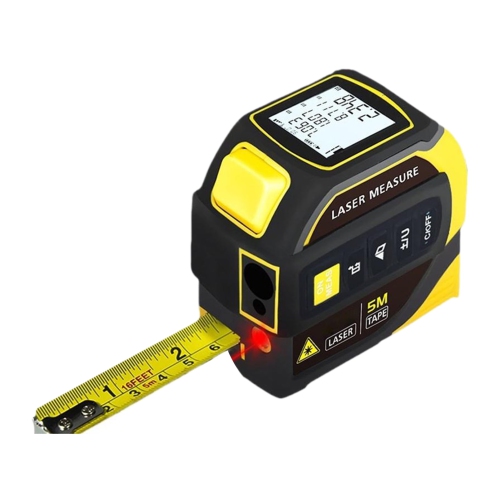
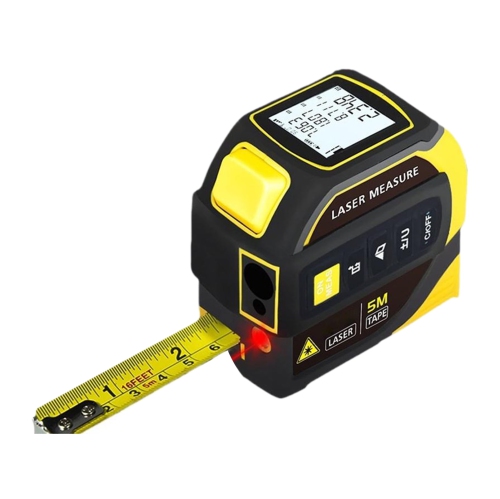
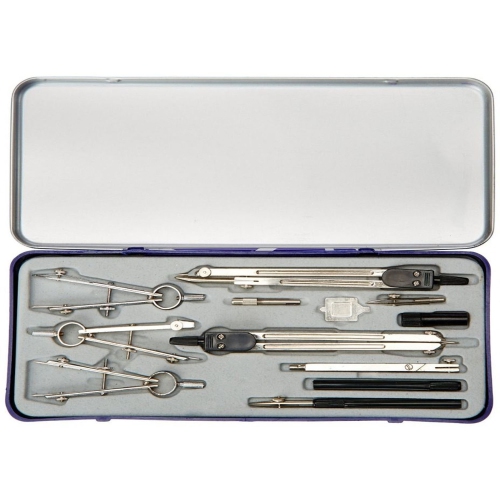
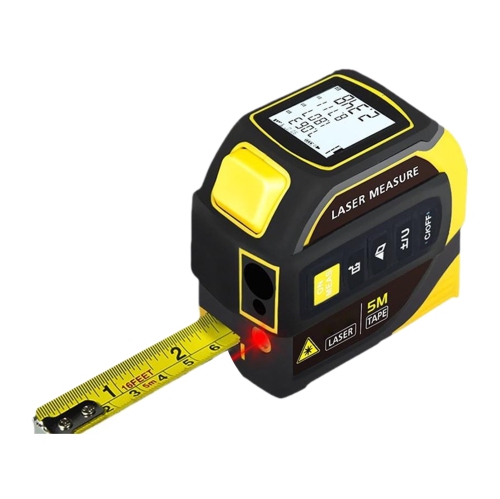
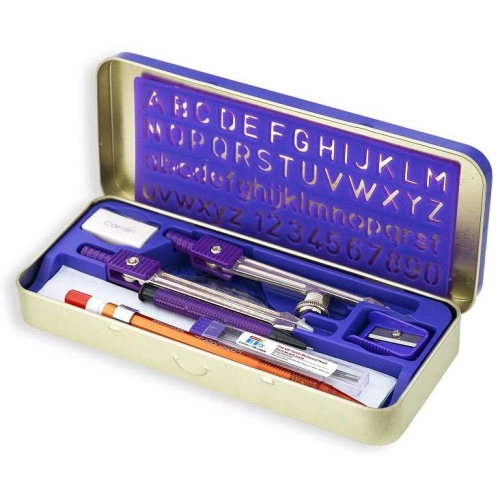
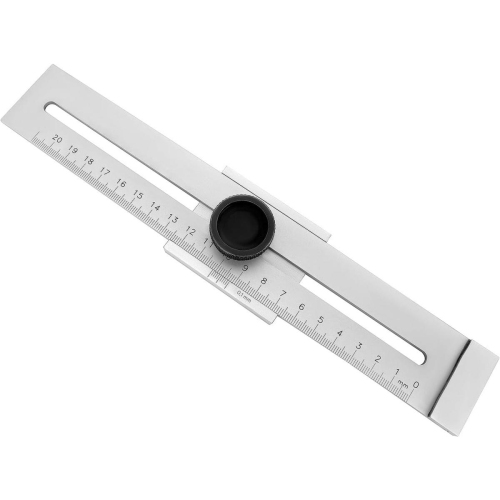
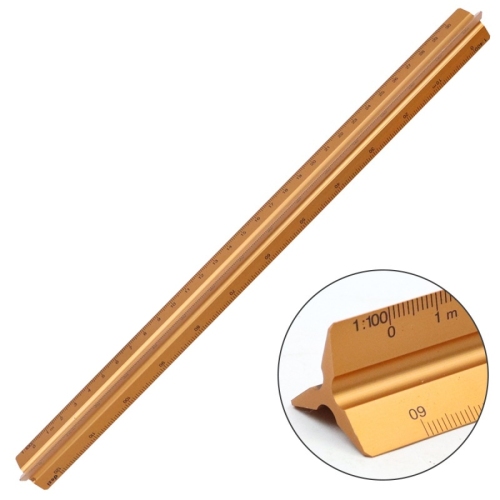
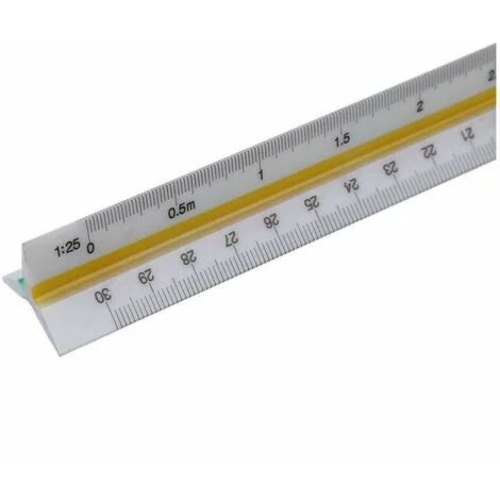
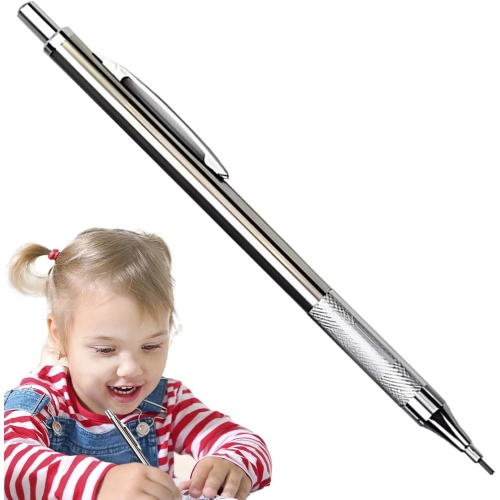
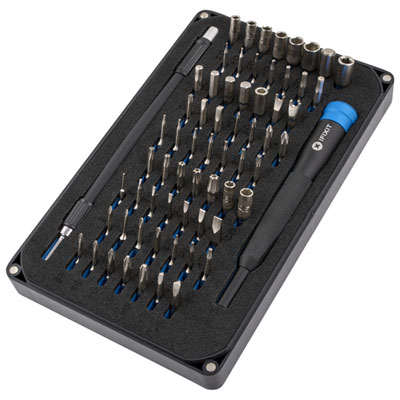
Physical drafting and measuring tools give engineering work a tangible reference point, especially when a dimension on a screen needs to match a real component. Straightedges, scales, squares and marking tools support clean layouts, readable sketches and consistent measurements. A quick hand-drawn section can clarify how two parts fit together before a detailed digital drawing is ready, while a carefully marked centre line can help keep a prototype aligned during assembly. Materials influence how these tools feel and hold up to use. Metal construction can provide rigidity and resistance to wear, while clear plastic can make underlying lines easier to see; etched markings are less likely to rub away than surface printing. Smooth edges, readable graduations and a comfortable grip are practical details during repeated use. For measuring instruments, resolution and accuracy are not interchangeable: a display may show small increments without guaranteeing that every measurement is accurate to that level. The measuring range, stated accuracy and suitability for the material being checked matter more than the number of digits alone. A student checking a small shaft, a sheet thickness or the spacing between mounting holes may need different measuring surfaces and techniques. Electrical testing equipment likewise needs to suit the circuit and the task, with appropriate ratings, sound leads and clear controls. Work involving mains electricity or unfamiliar equipment belongs within the training and supervision required by the institution. Assembly tools should fit both the fastener and the hand using them; an awkward grip or poorly matched tip makes controlled work harder and can damage a part. Compact tools can be useful for small mechanisms and electronic assemblies, while heavier work calls for equipment designed for that load. Protective storage helps preserve measuring faces, keeps sharp edges covered and prevents loose tools from pressing against a computer in a bag. Clean, dry storage, gentle cleaning according to the manufacturer’s directions and checks for wear help keep frequently used tools dependable throughout repeated projects.
A practical student toolkit also includes the equipment that makes sustained work more comfortable and keeps a project organized from the first sketch to the final presentation. An adjustable chair, a stable work surface and a display positioned at a comfortable viewing height can support long sessions of modelling, coding or report writing. Task lighting helps make fine markings and small components easier to see without relying on a bright screen to illuminate the workspace. Fit matters here as much as it does with handheld tools: seating should suit the user and desk height, and input devices should allow a relaxed working position rather than forcing an awkward reach. In a shared room or compact study area, the footprint of equipment matters, along with space for notebooks, reference sheets and any parts being assembled. Cases, divided storage and clearly labelled compartments make it easier to find a needed lead or fitting without interrupting a group’s progress. Tools for coursework often overlap with the broader range of Engineering Tools used for technical drawing, measurement and prototyping, though a student’s needs usually develop alongside the projects assigned. A first-year student may benefit most from dependable everyday study equipment, while someone working on a capstone project may need more specialized capabilities for a particular design. Accessories for carrying and protecting equipment can be thoughtful gifts when the recipient’s course requirements or preferred setup are not fully known. Durable stitching, padded compartments and secure closures help protect equipment during regular travel between home and campus, while the bag’s size and strap fit affect carrying comfort. Shared projects also benefit from reliable ways to connect, transfer and protect files. Keeping working files organized and maintaining a separate backup can prevent a damaged device or accidental deletion from undoing hours of work. Together, these details support the less visible side of engineering study: arriving prepared, finding the right tool quickly, documenting changes and keeping equipment ready for the next calculation, test or design review.
Top selling and popular products
-
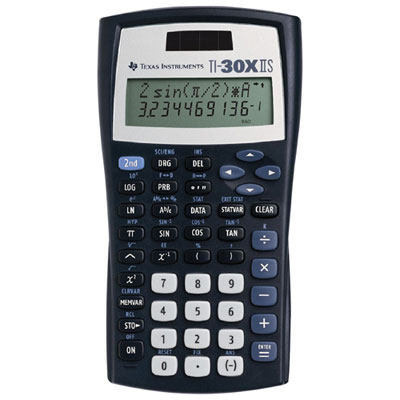 Your price for this item is $23.99
-
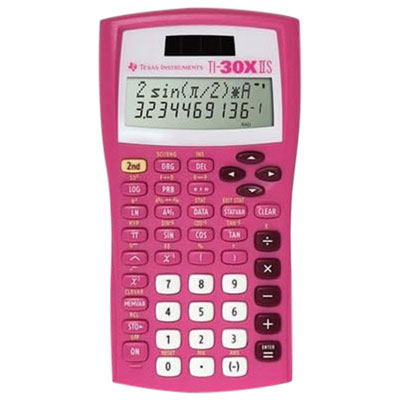 Your price for this item is $25.99
-
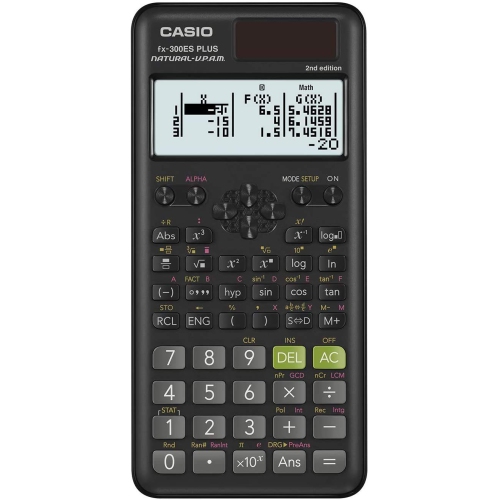 Your price for this item is $26.99
-
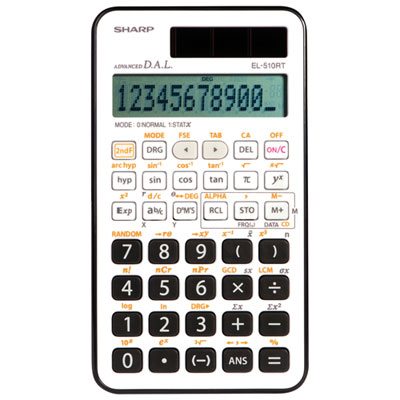 Your price for this item is $16.99
-
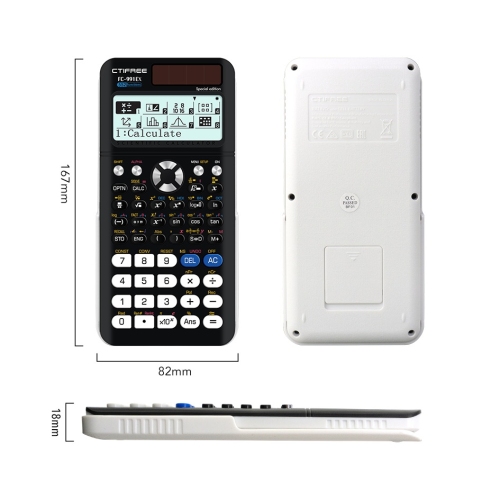 Your price for this item is $51.99
-
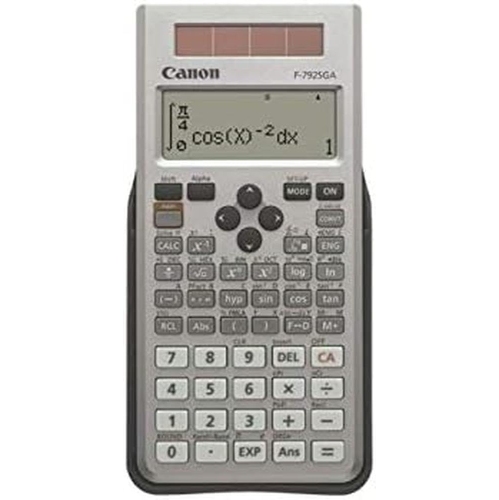 Your price for this item is $46.99
-
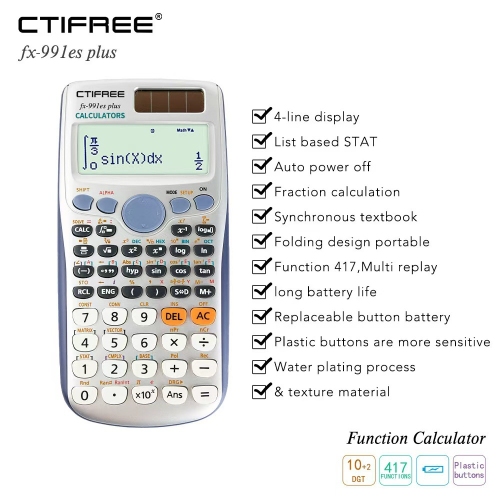 Your price for this item is $43.99
-
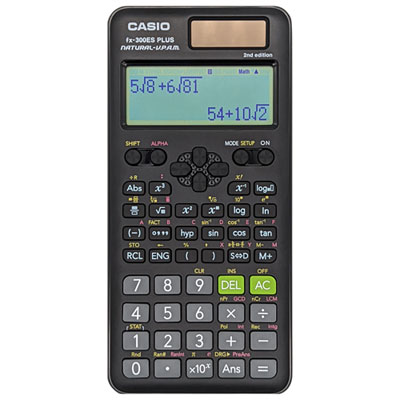 Your price for this item is $21.99
Discover more categories related to Tools for Engineering Students
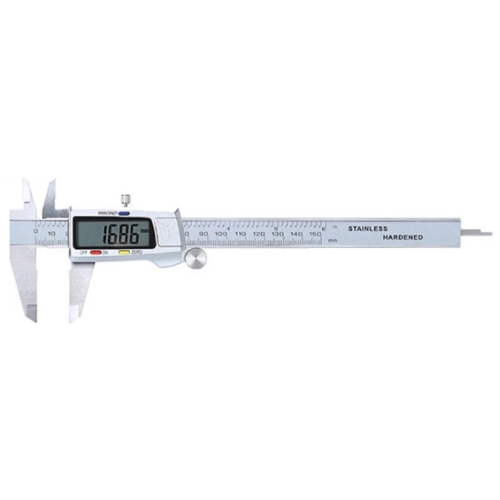
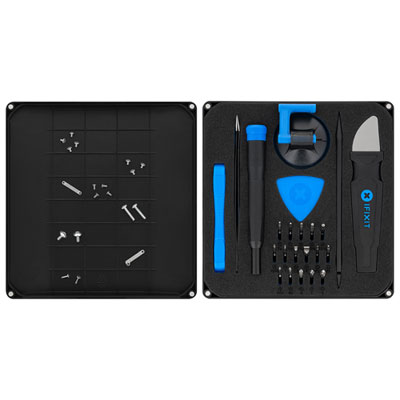
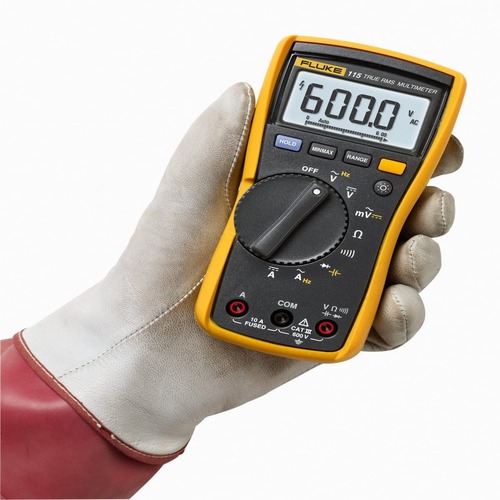
Top Collections:
Best Black Friday Deals This Year, Best Black Friday Deals On Electronics, Kindle Devices, Pokemon Centers, Best Black Friday Deals On Apple Products, Best Cameras for Sports Photography, Dyson Airwrap, Pokémon 30th Celebration Cards, Apple iPhone 17 Pro, Canon G7X Cameras
Some products may be subject to Environmental Handling Fees
(EHF) depending on your province.
Learn more about EHFs.