File Folders With Tabs
Organize your documents with ease using these file folders with tabs. Whether you need to sort important paperwork at the office or keep track of your personal files at home, these versatile folders are designed to simplify your filing system. With a variety of sizes and colors available, you can find the perfect file folder to suit your needs. From letter-sized folders for everyday use to legal-sized options for larger documents, these file folders have got you covered.
Sort


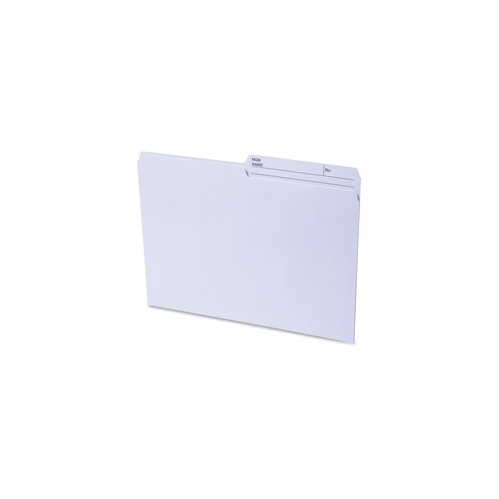
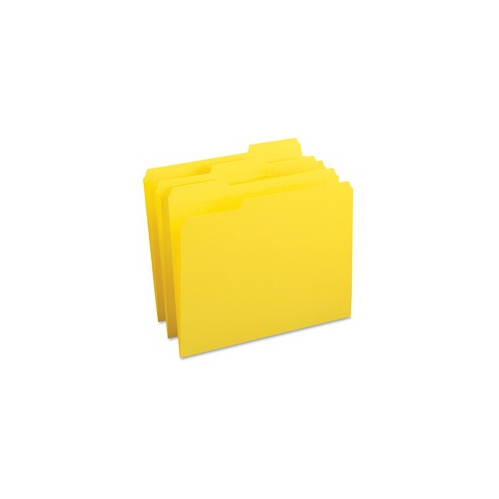


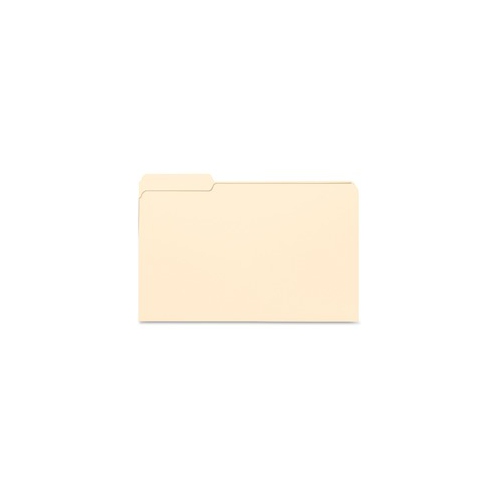
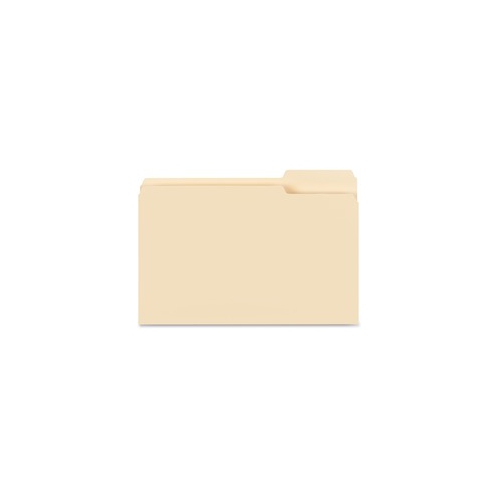

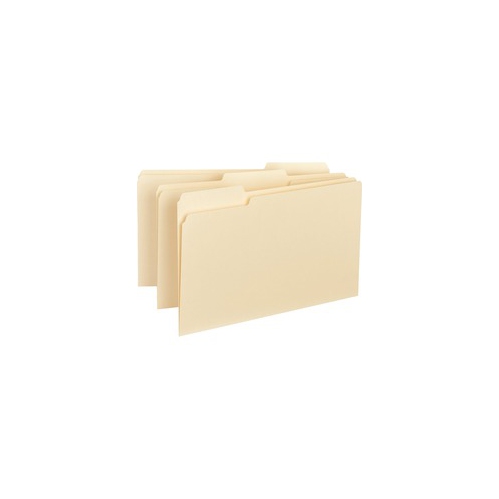

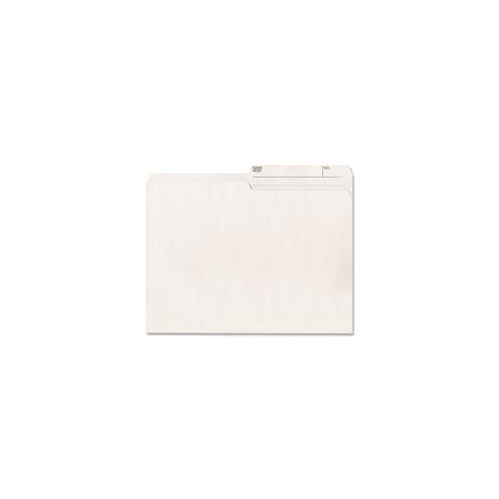

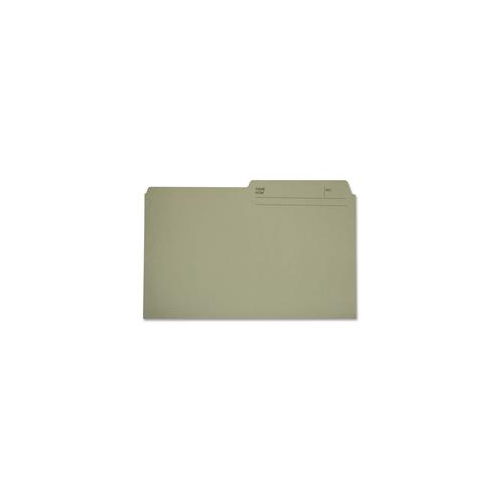
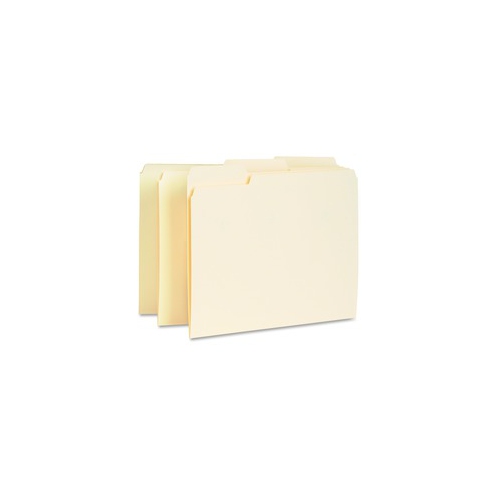
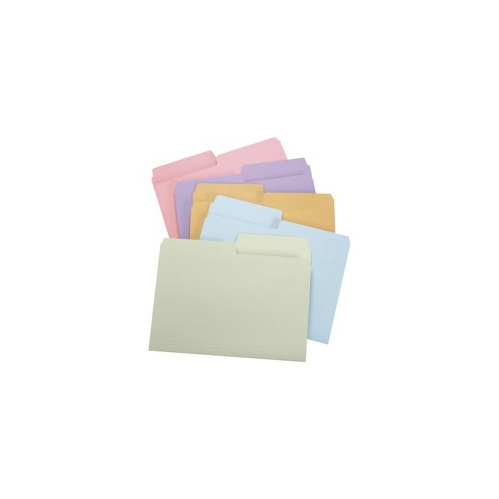
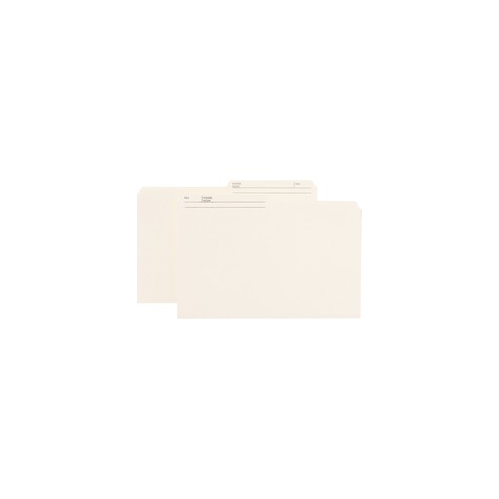
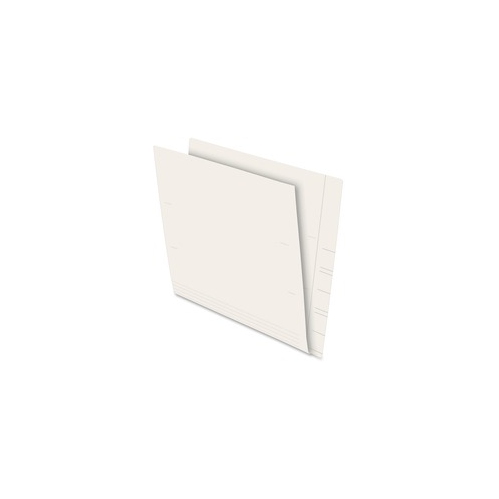
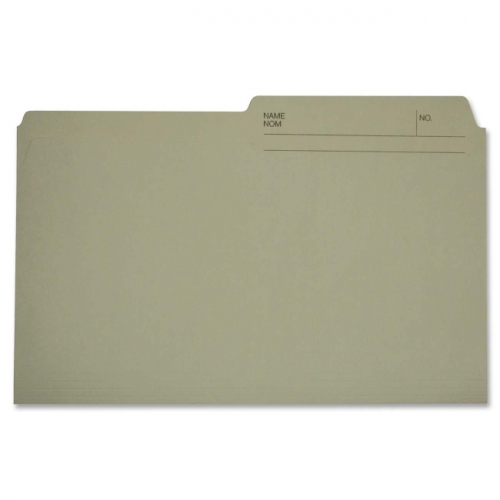
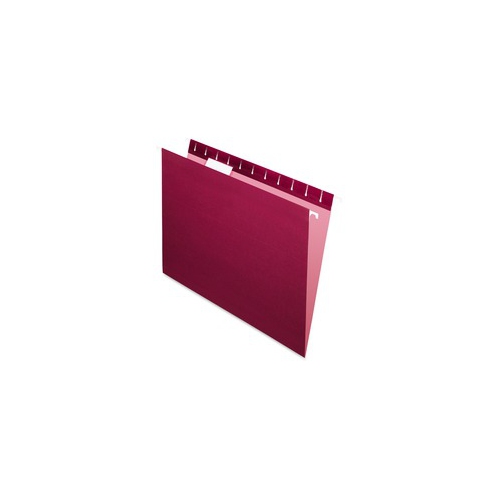
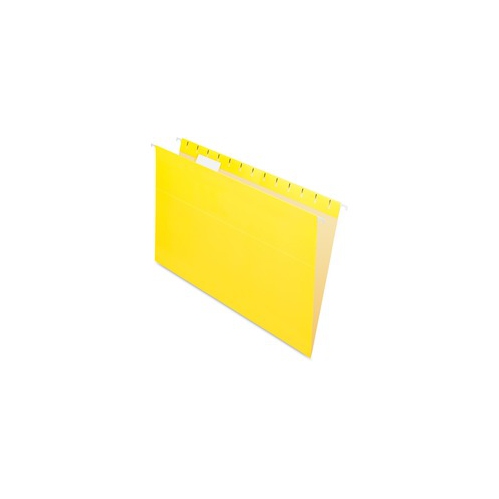
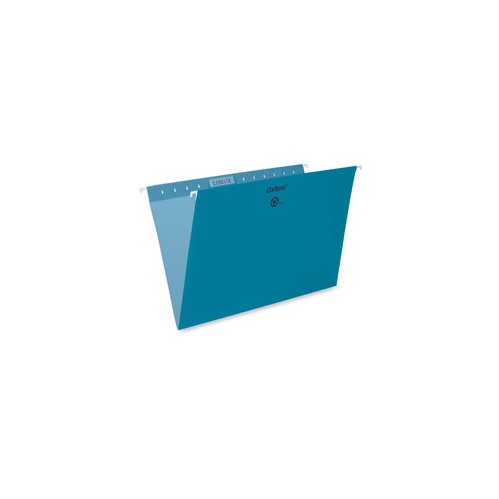
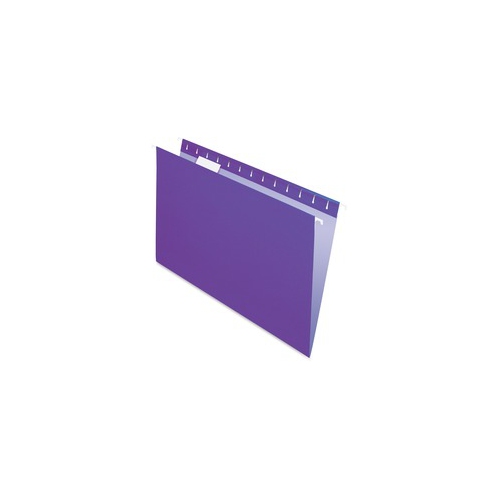
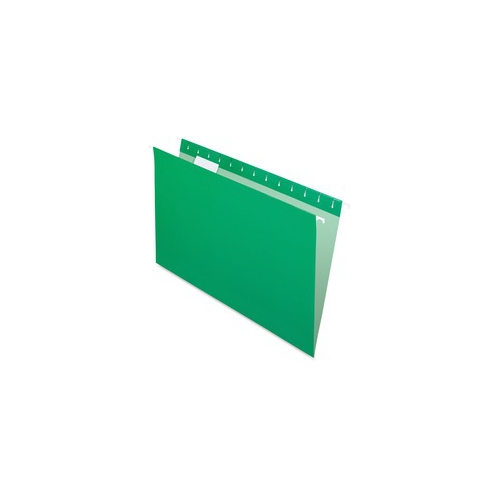
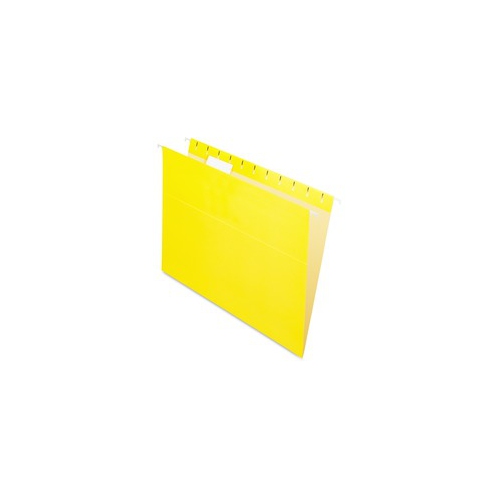
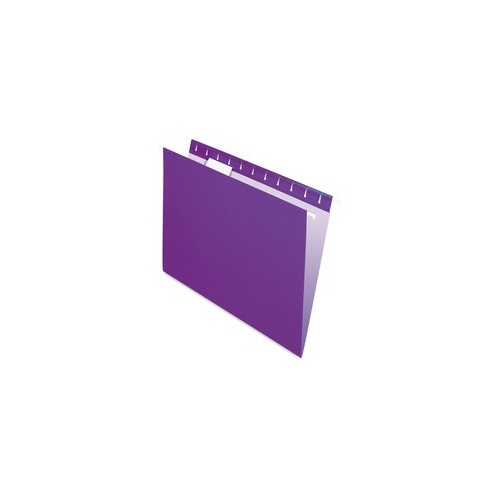
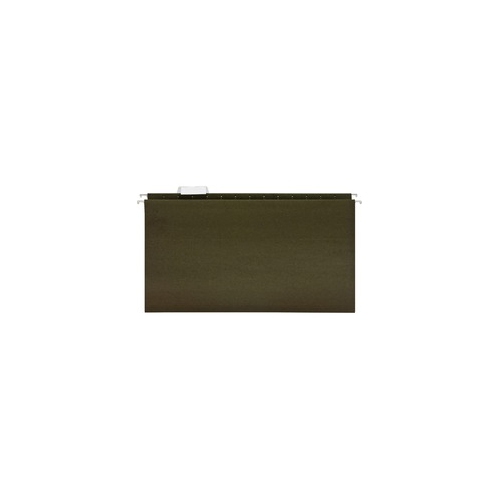

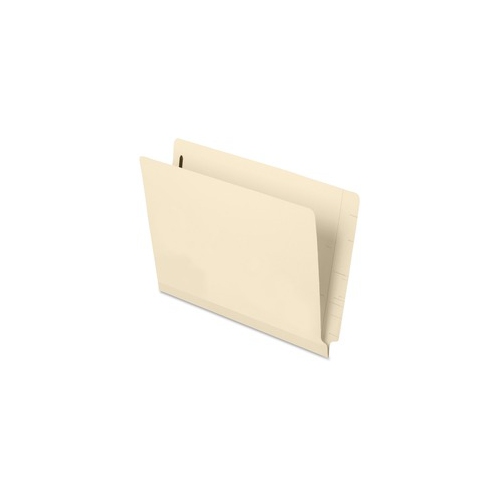
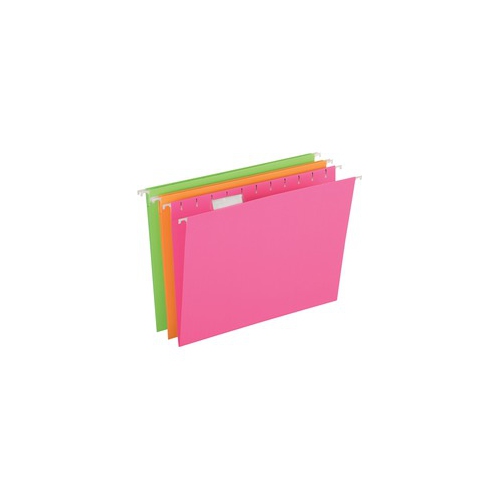
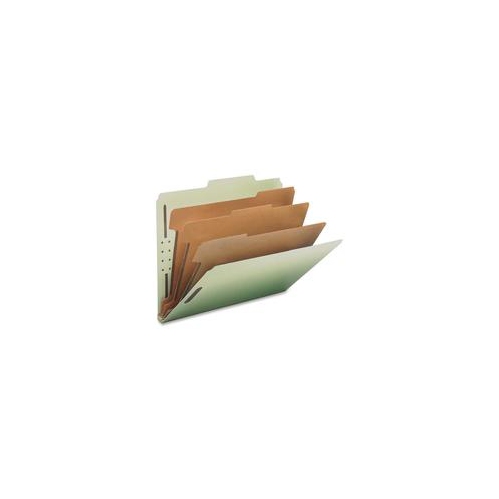
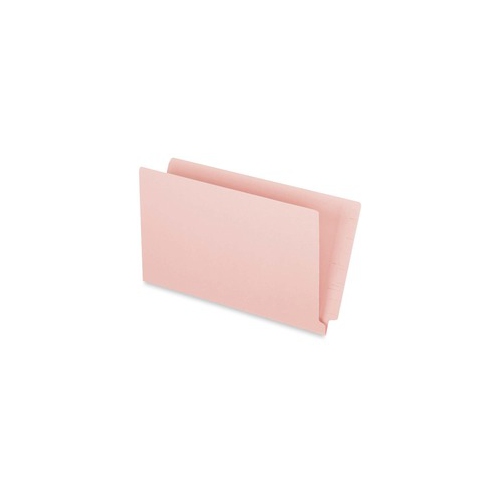
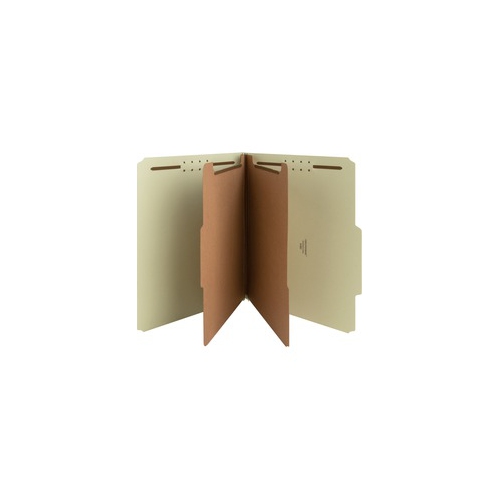
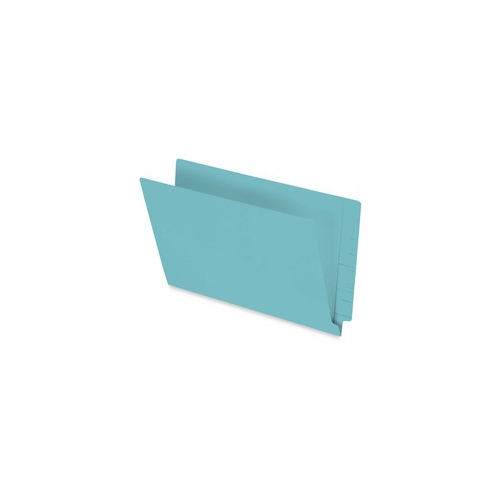
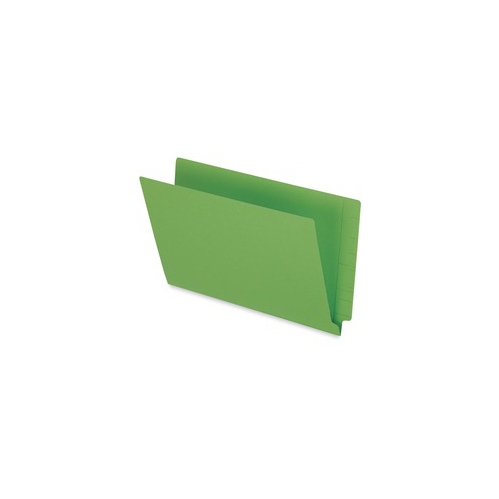
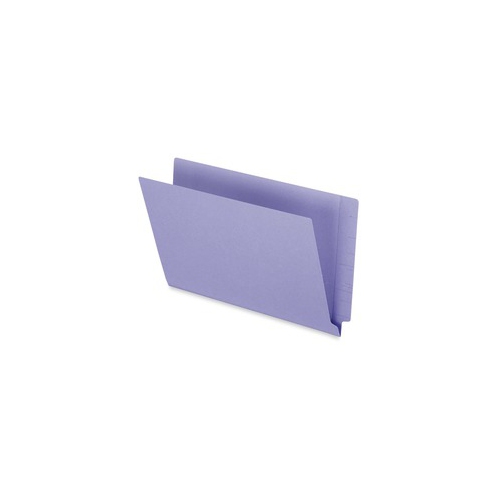
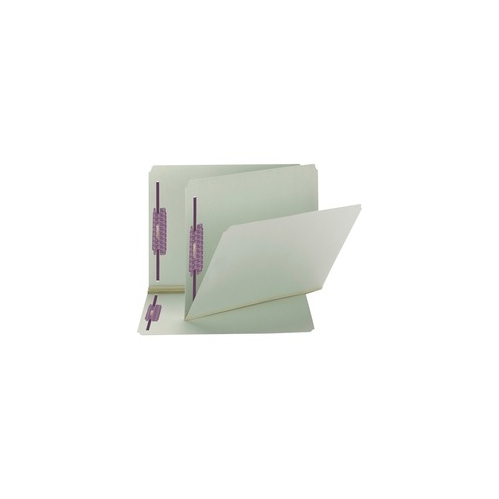
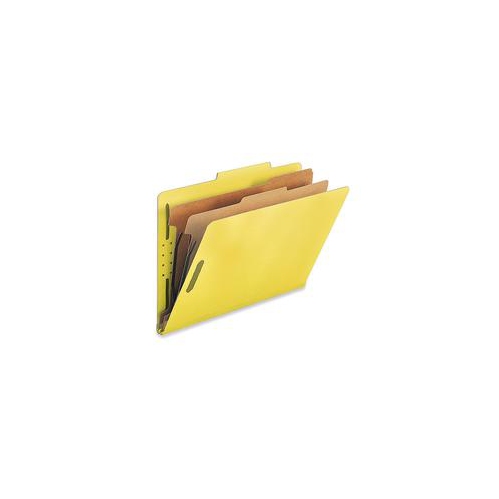
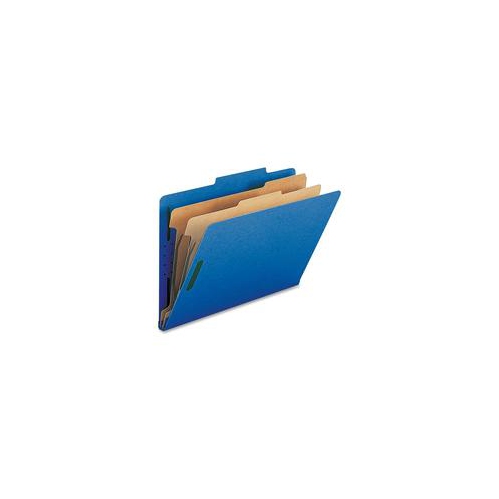
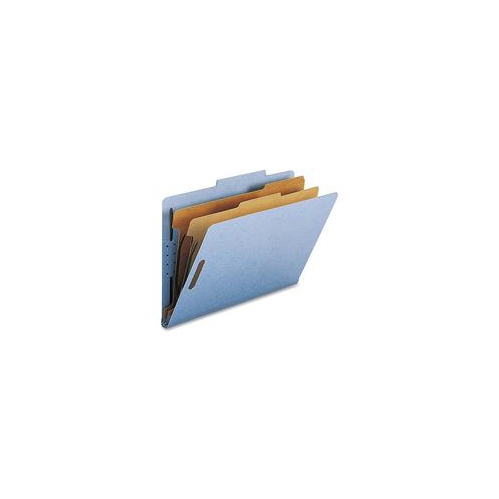
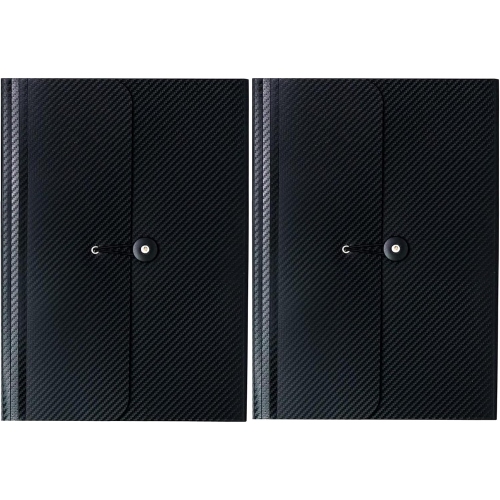
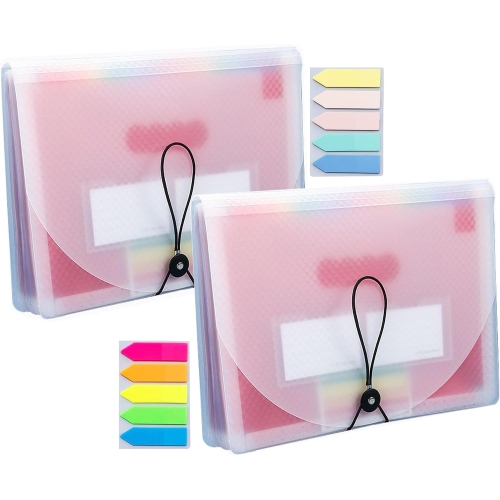
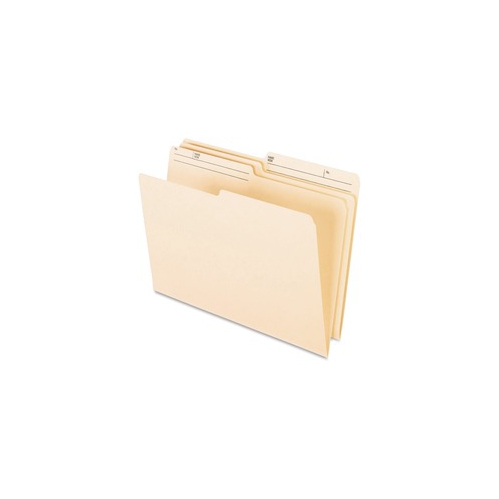

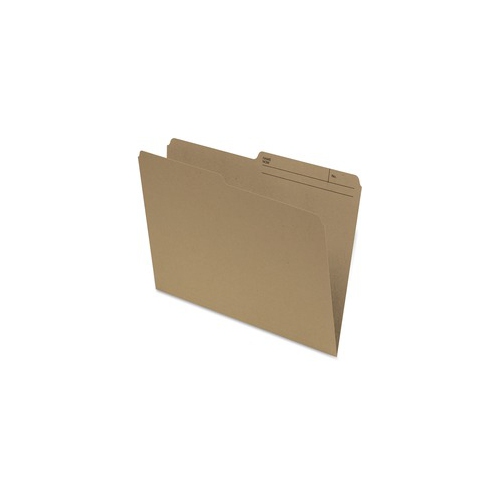
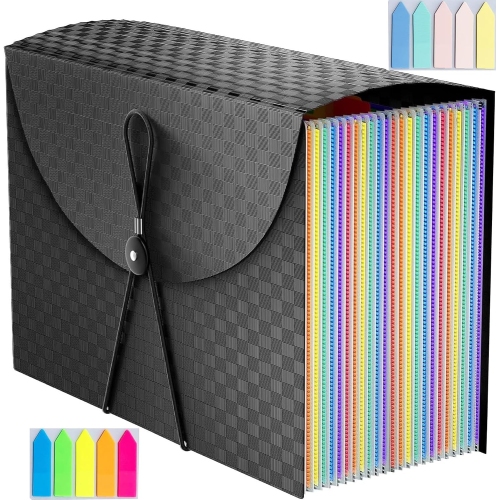
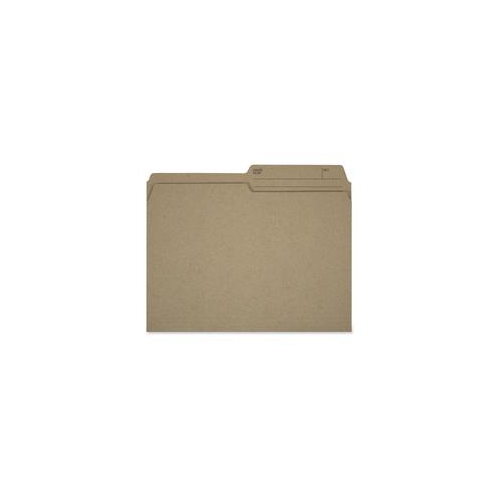
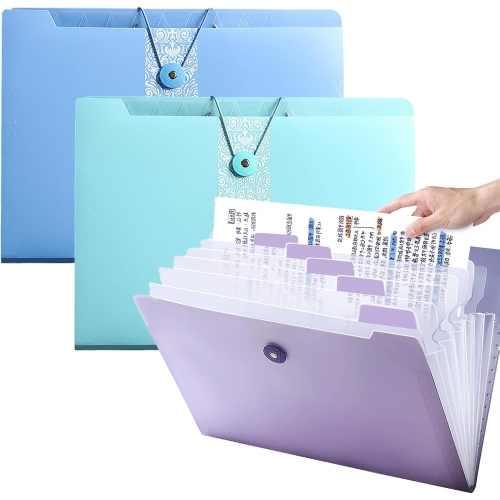
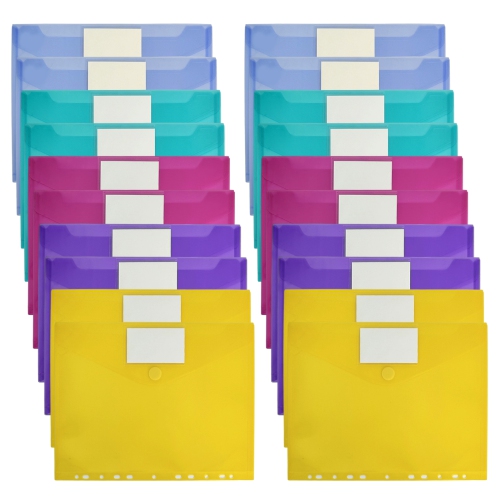

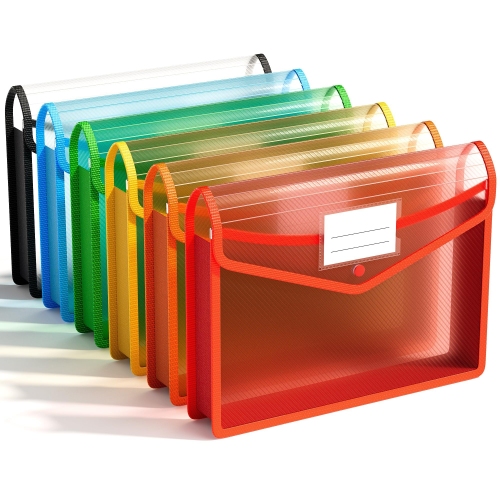
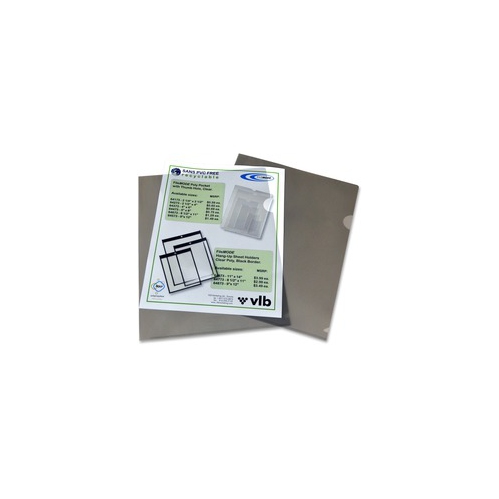
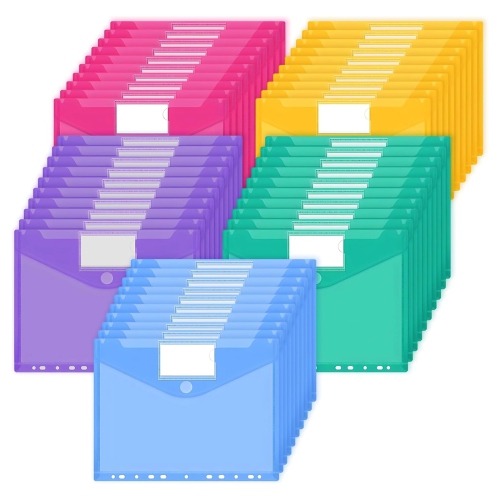
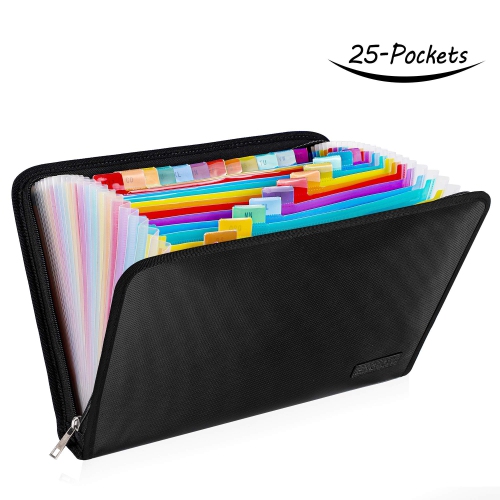
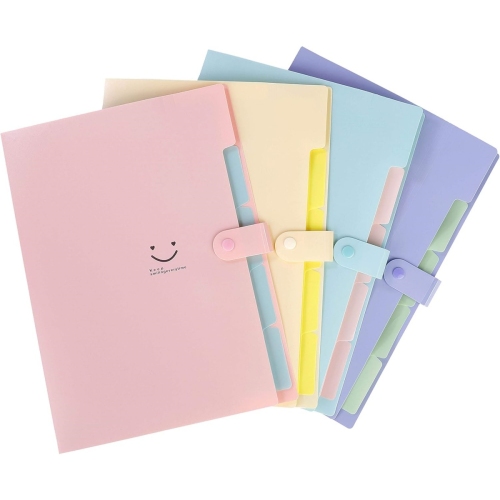
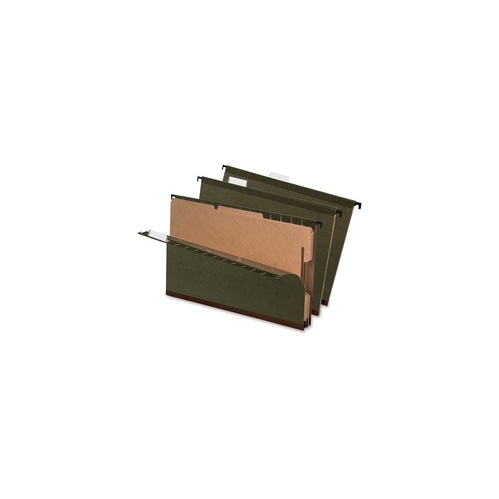
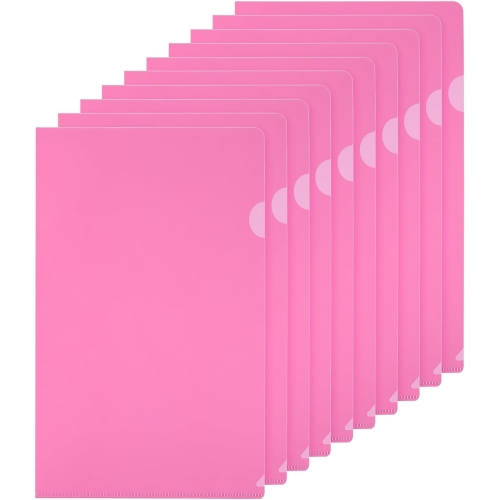
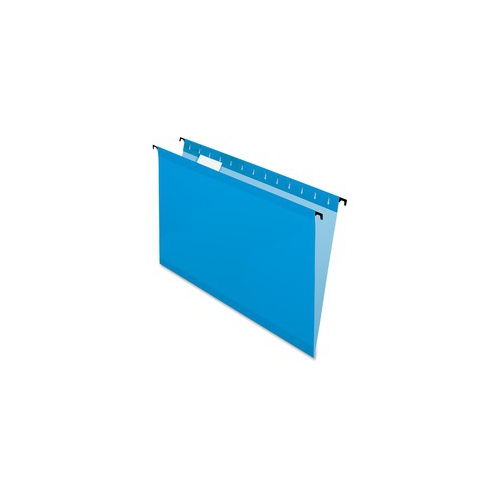
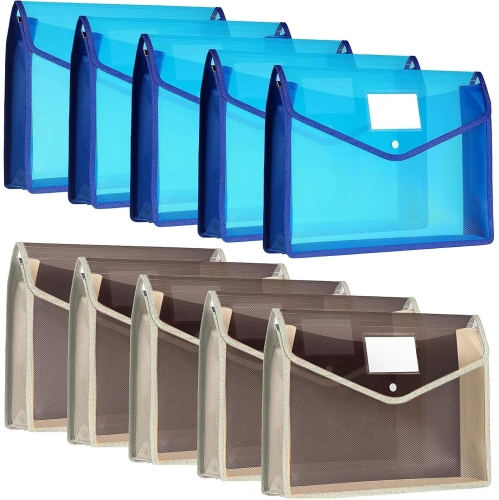
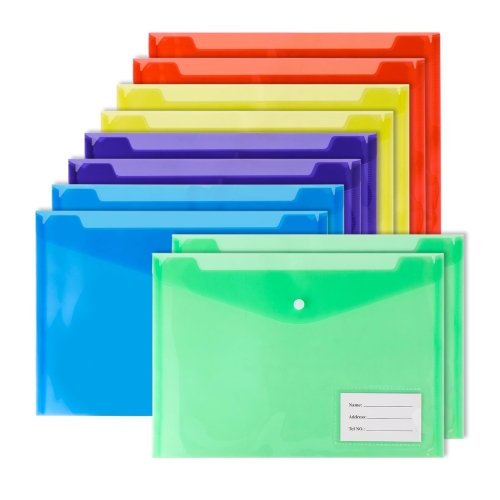
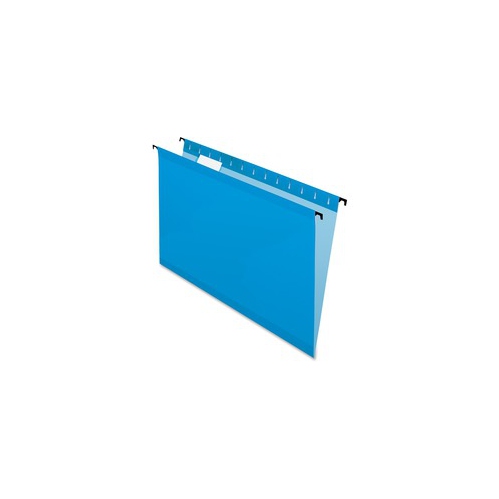
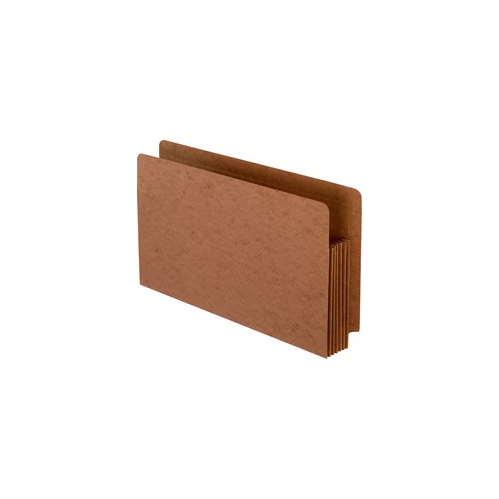
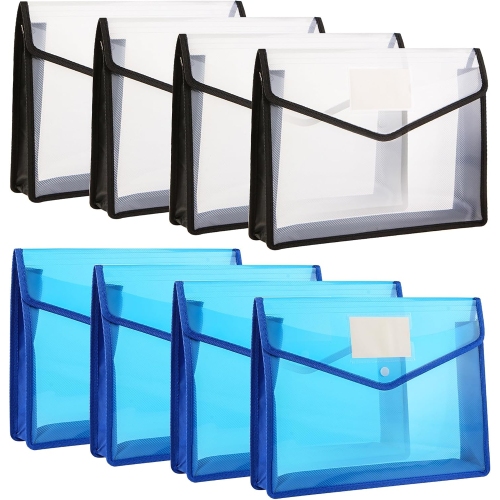
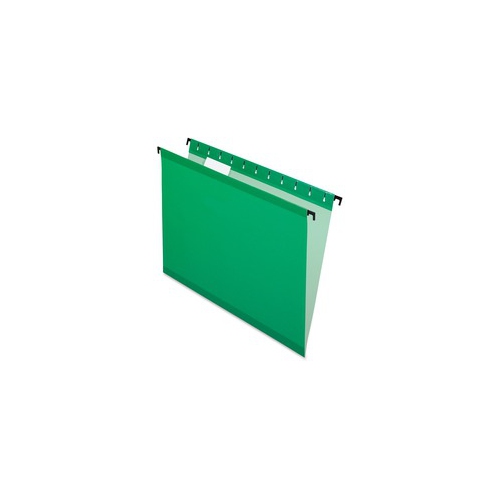

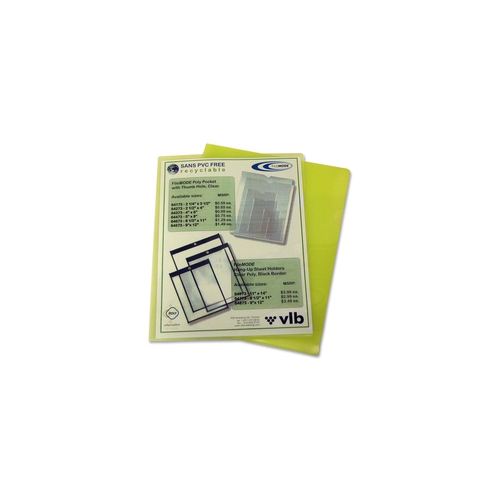
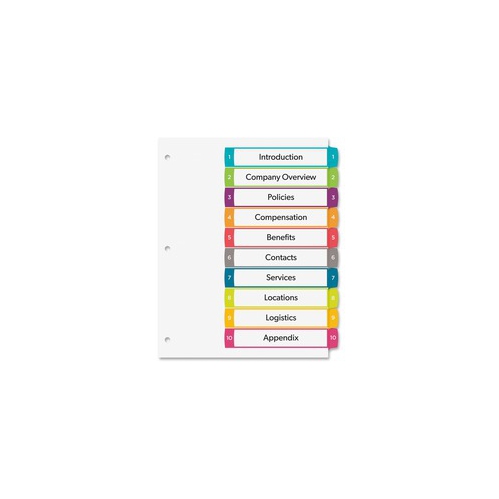
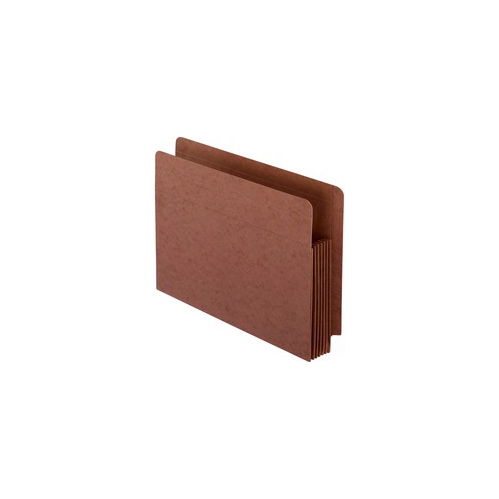
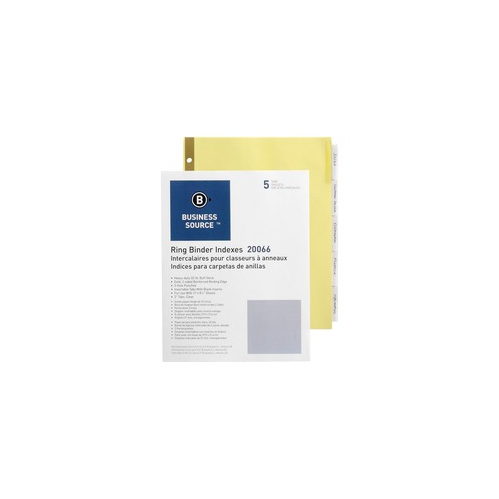
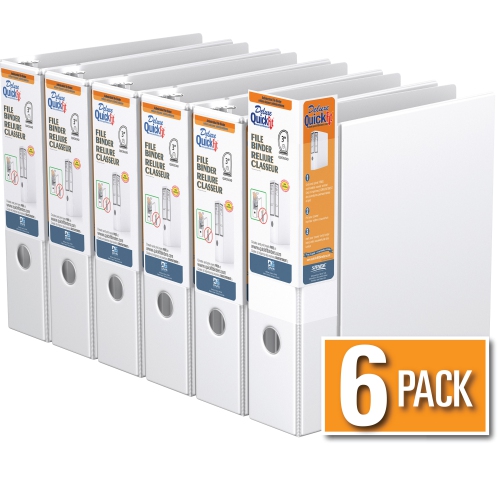
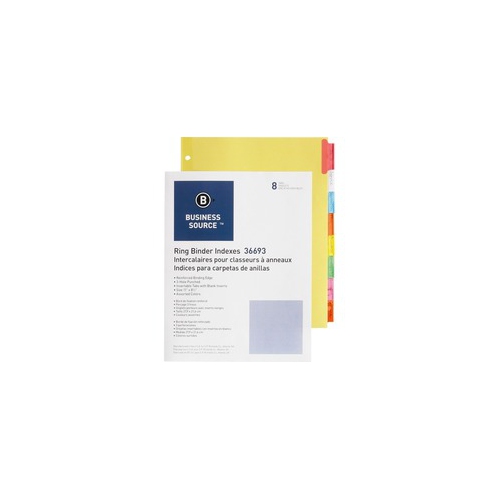

A clearer way to organize everyday paper records
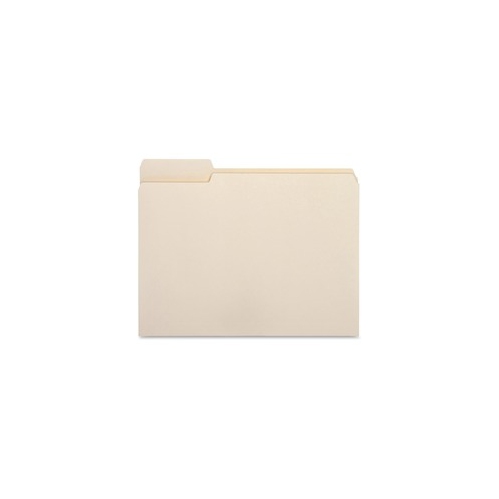
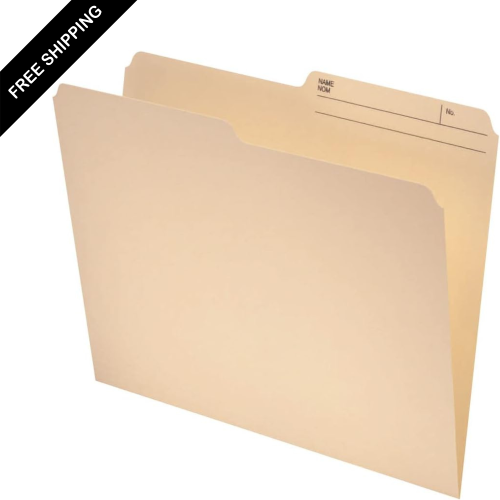
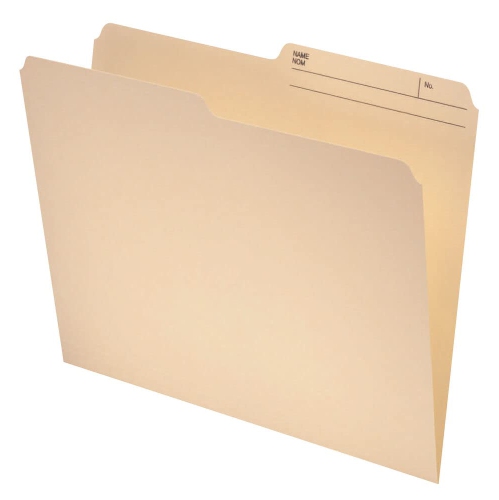
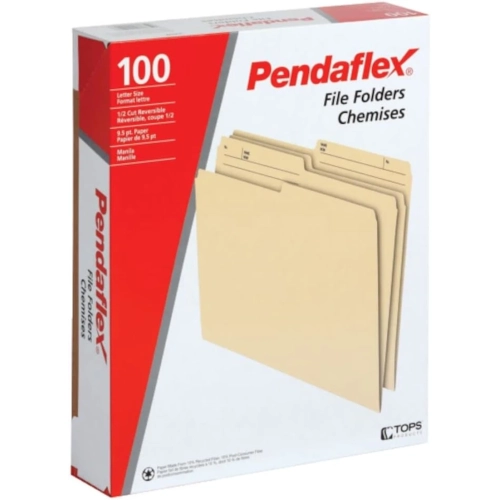
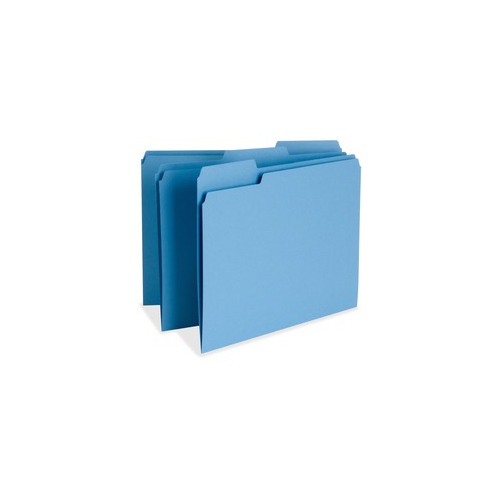
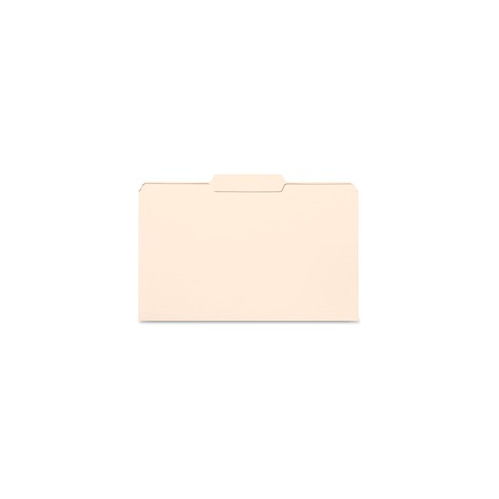
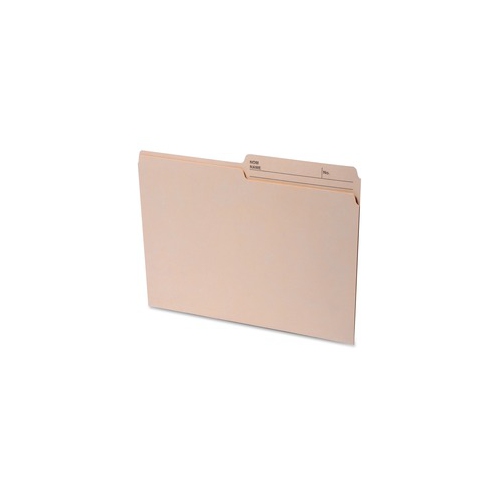
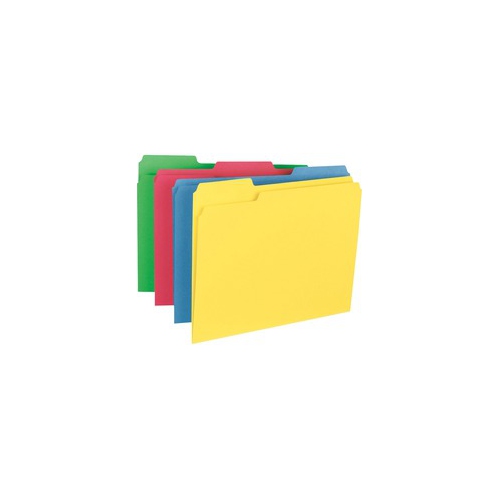
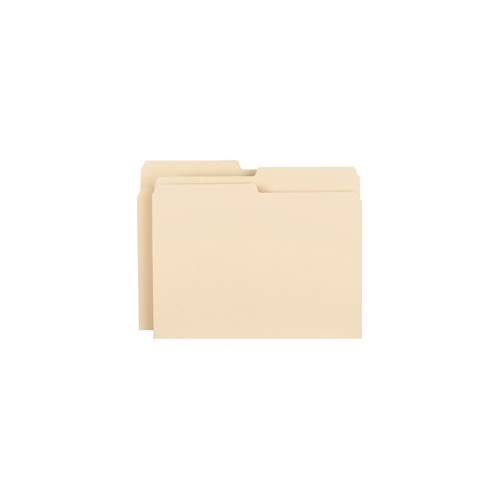
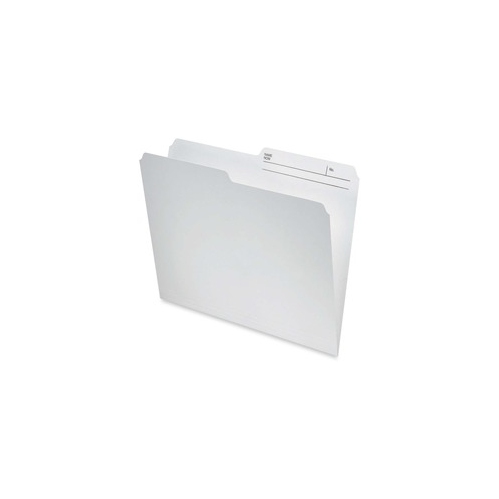
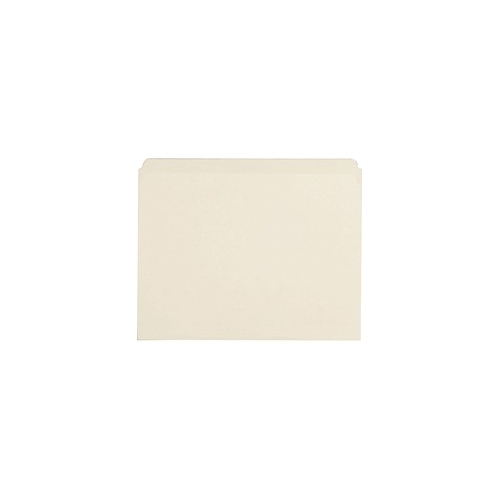
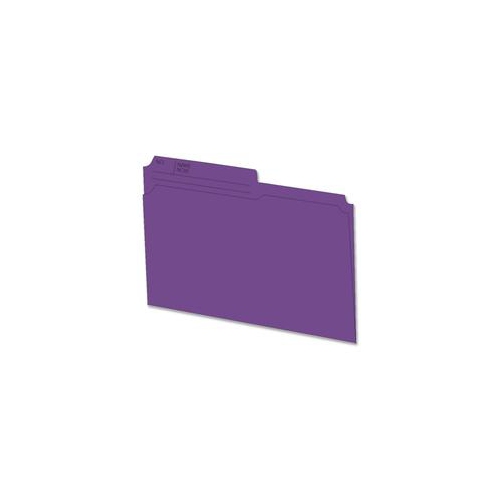
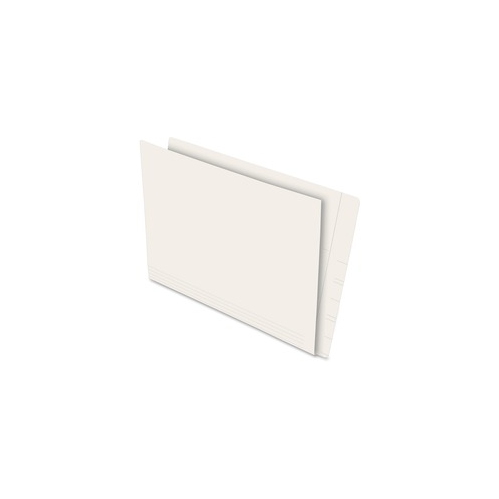
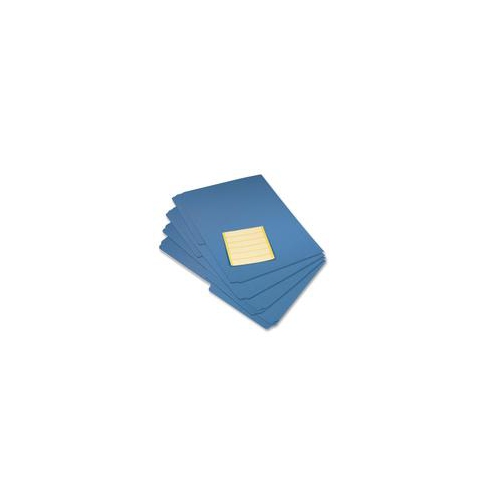
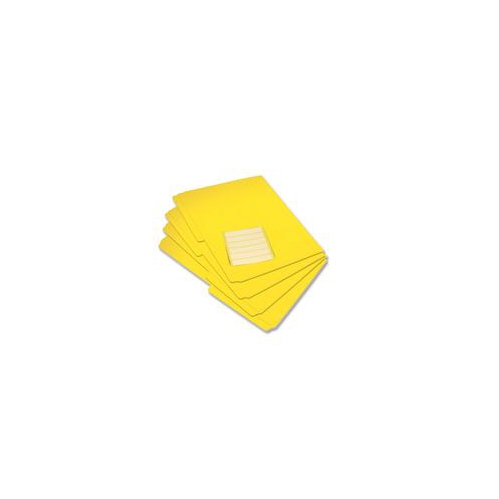
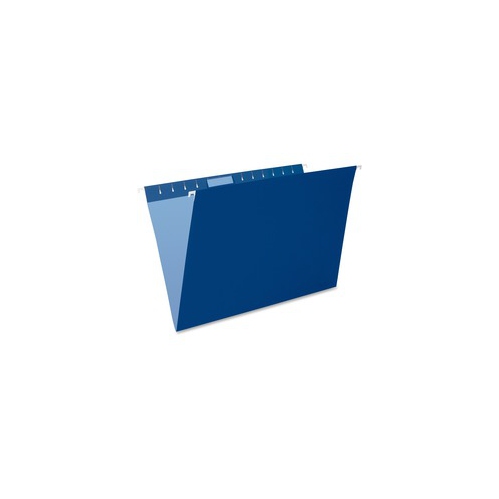
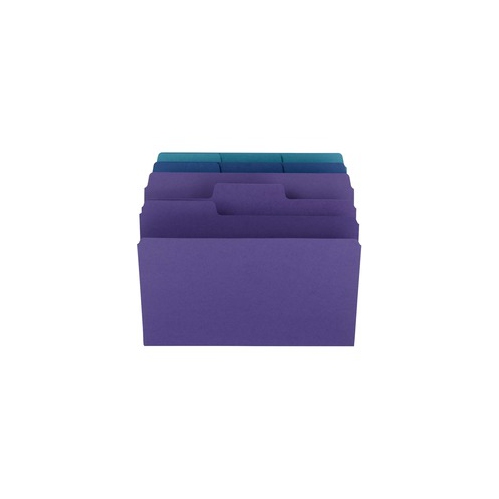
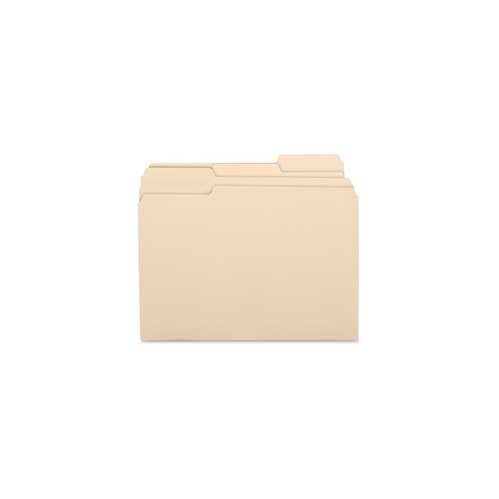
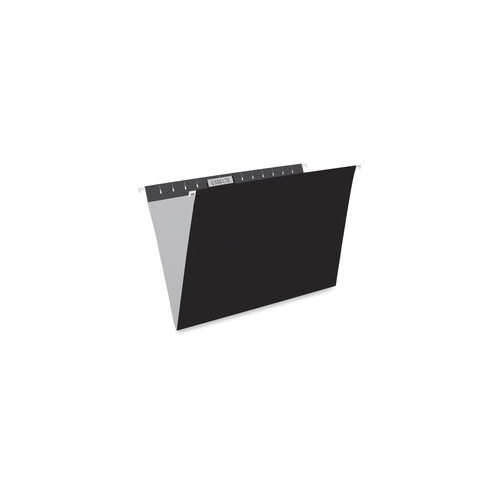
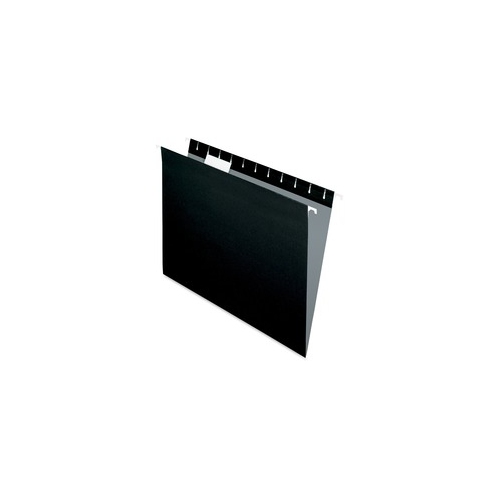
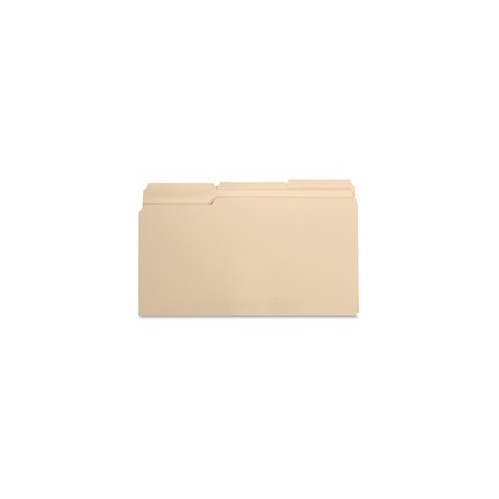
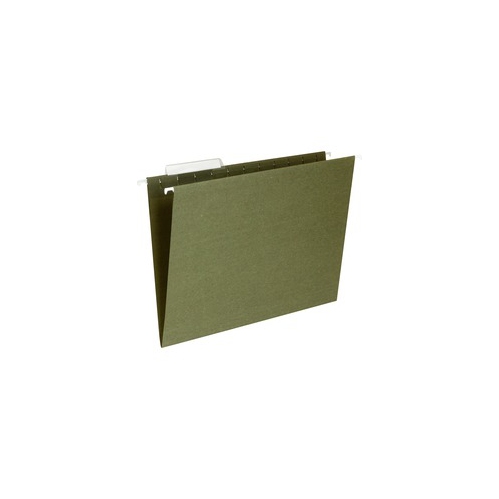
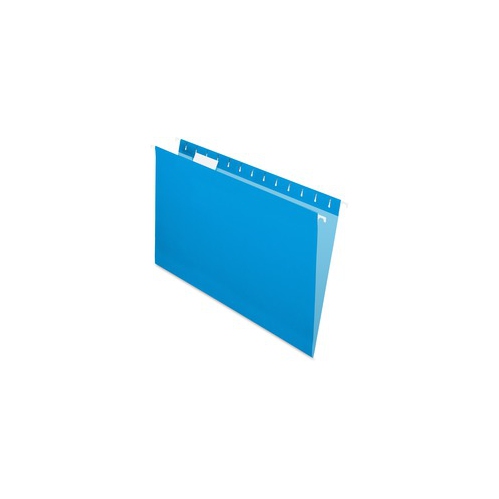
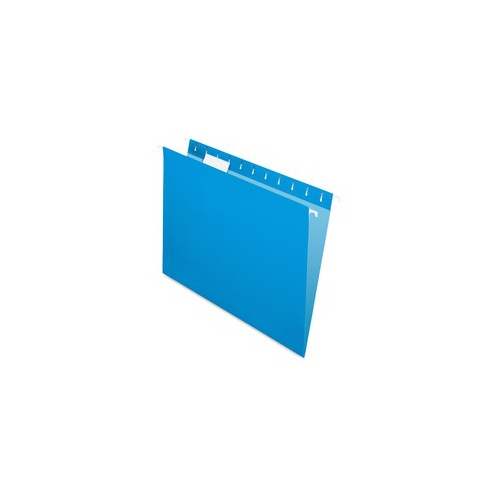
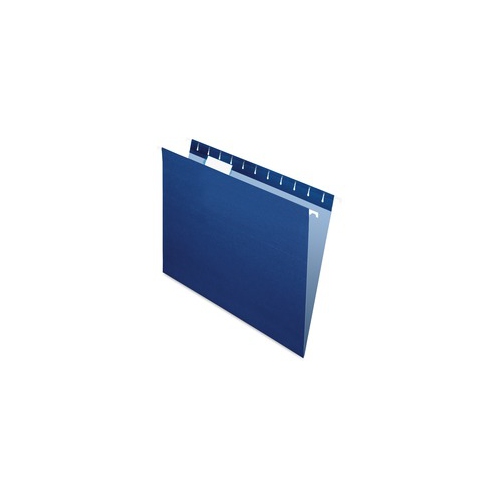
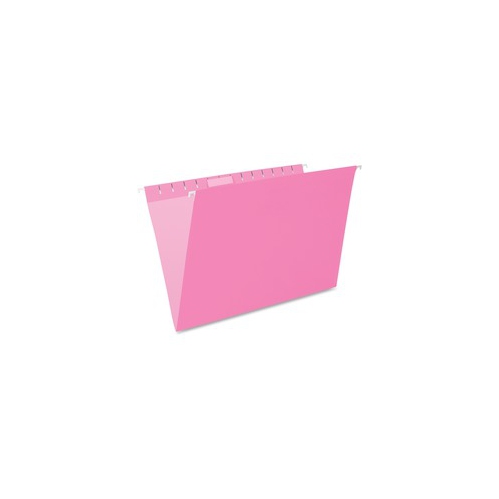
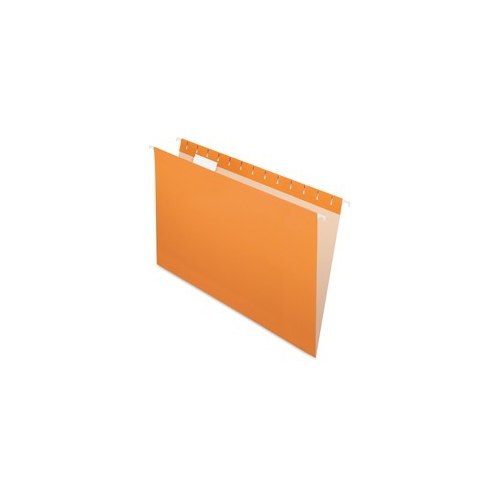
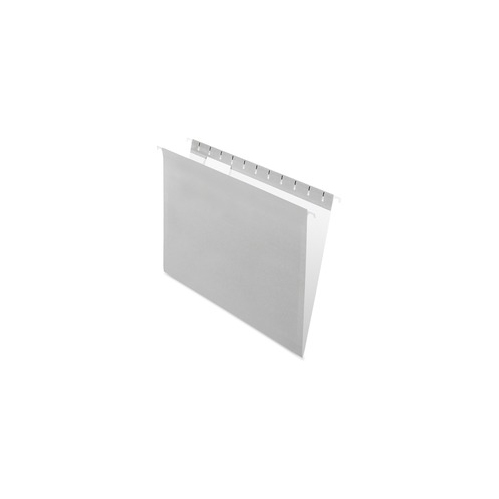
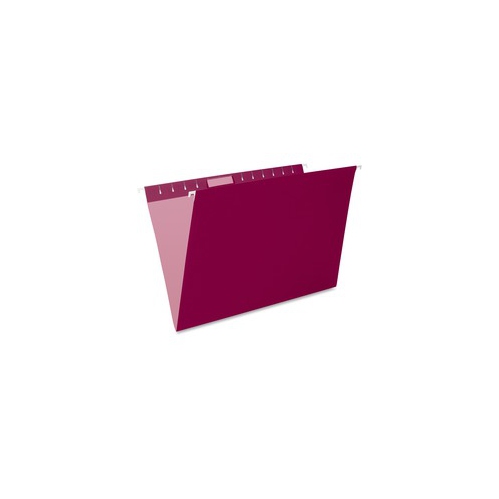
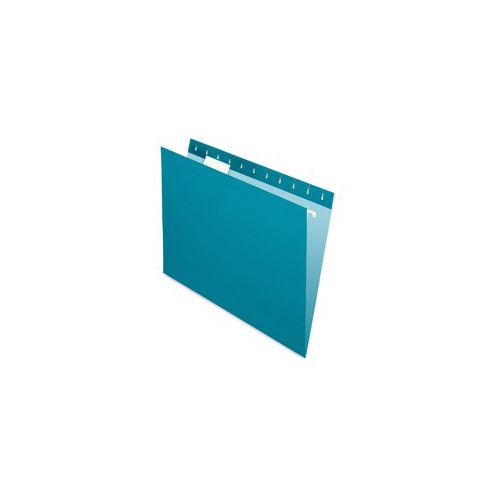
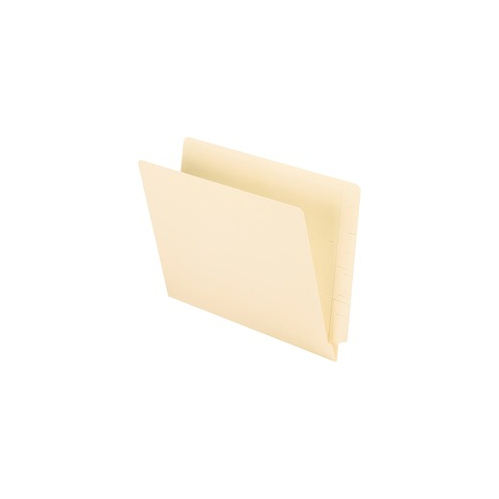
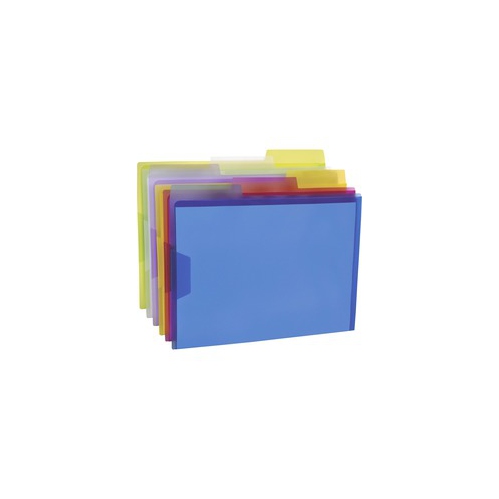
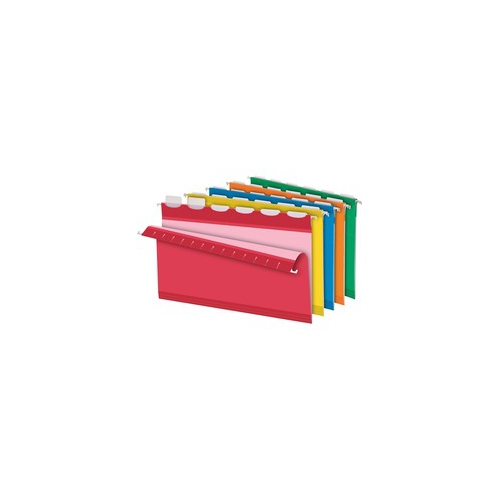
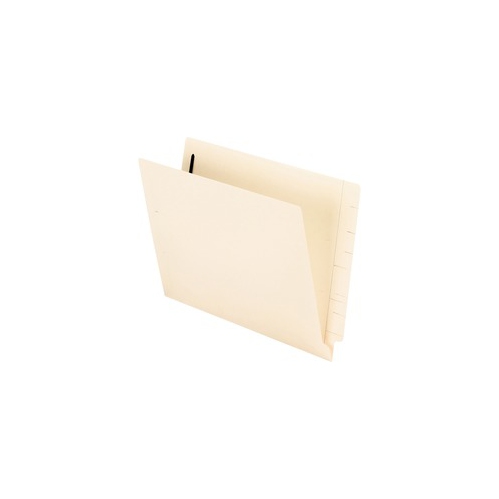
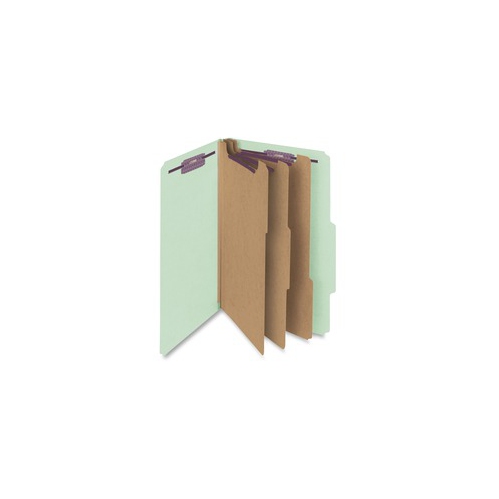
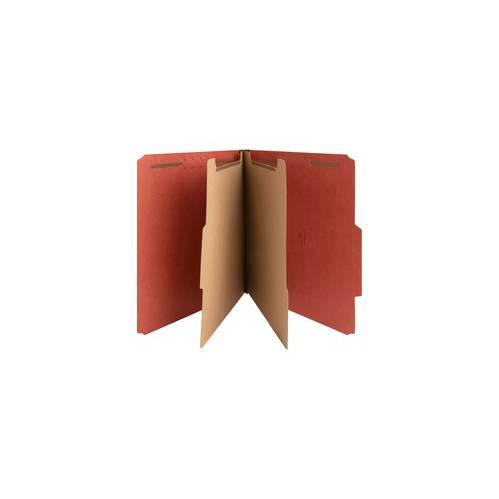
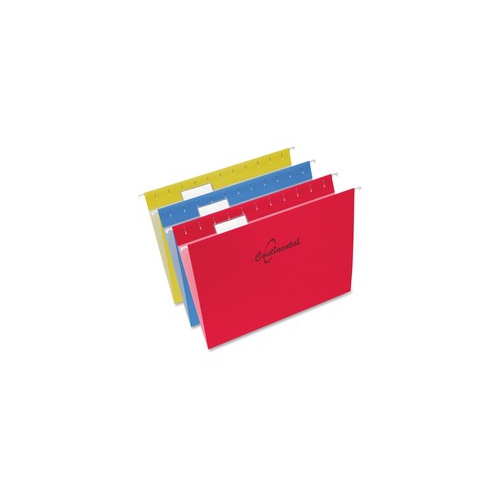
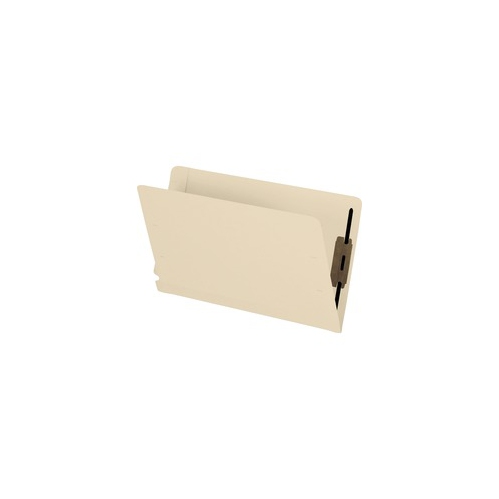
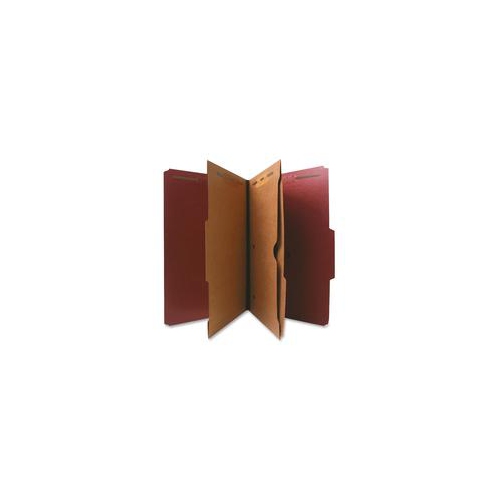
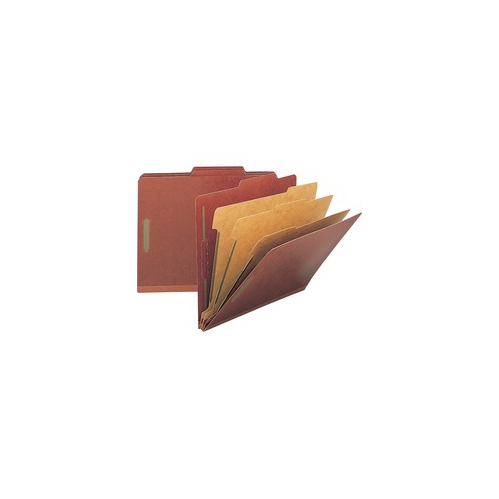
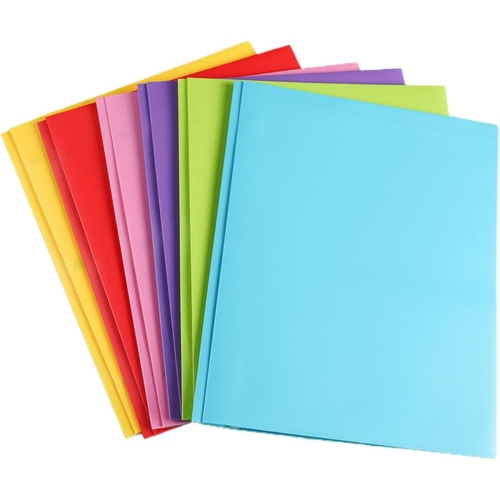
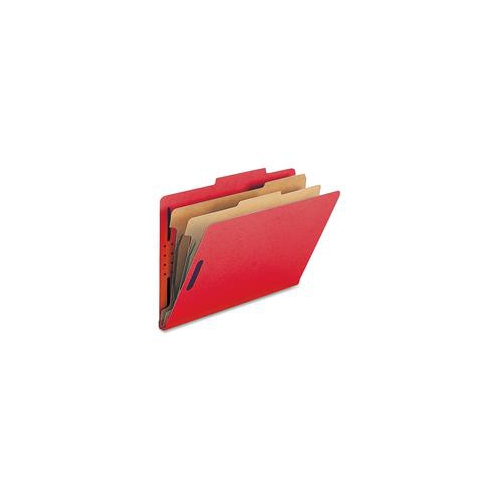
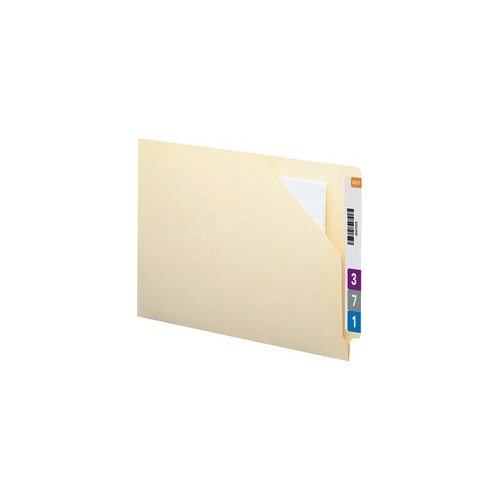
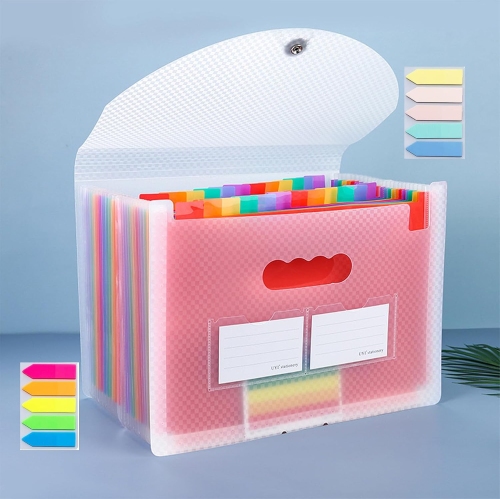
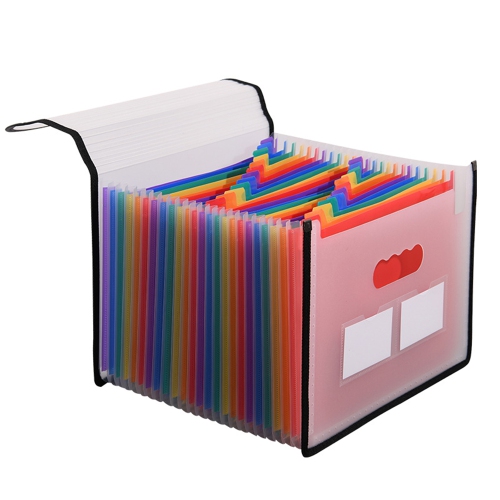
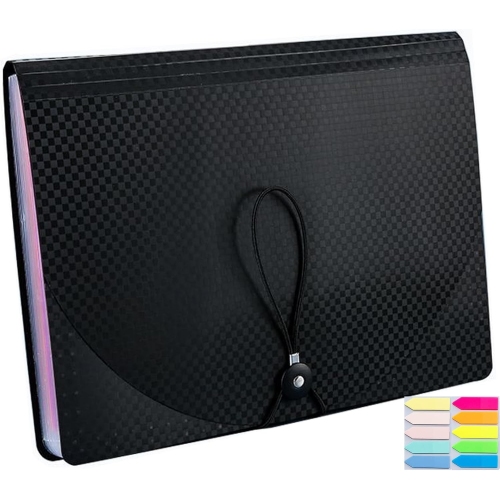
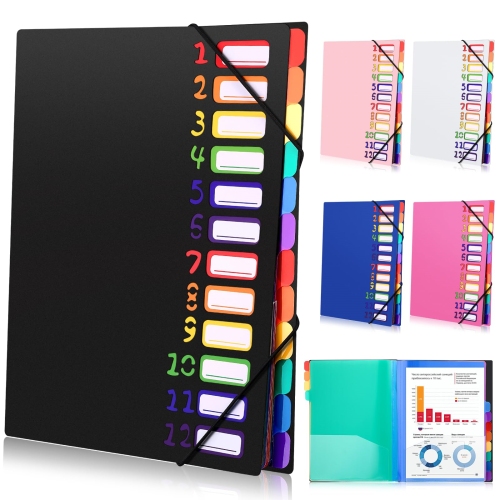
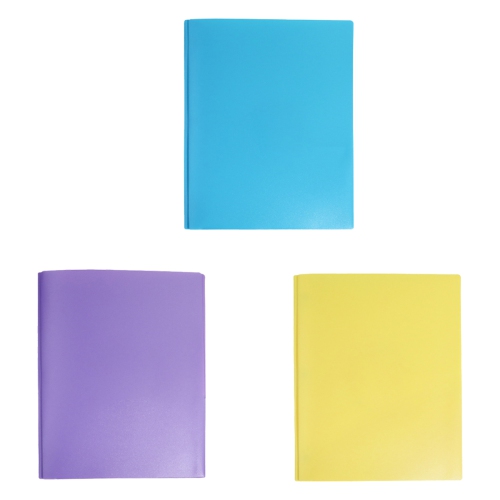
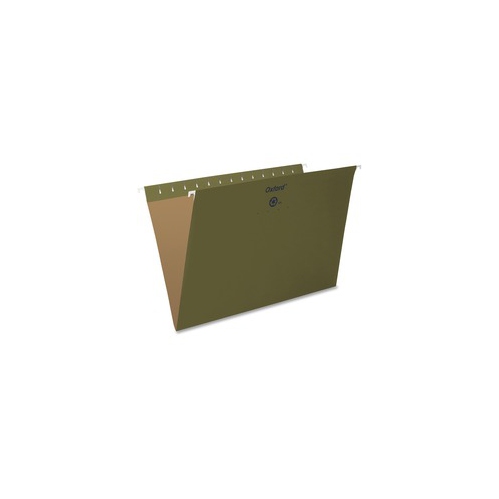
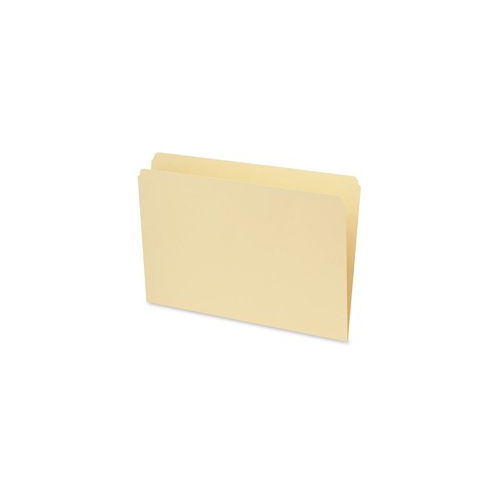
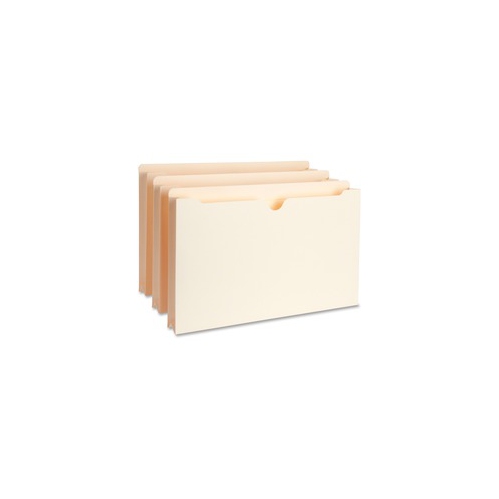
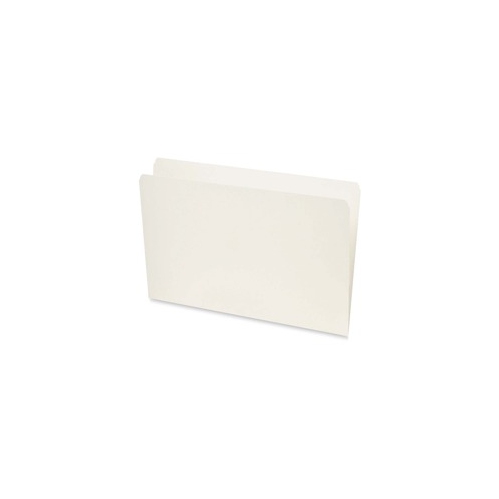
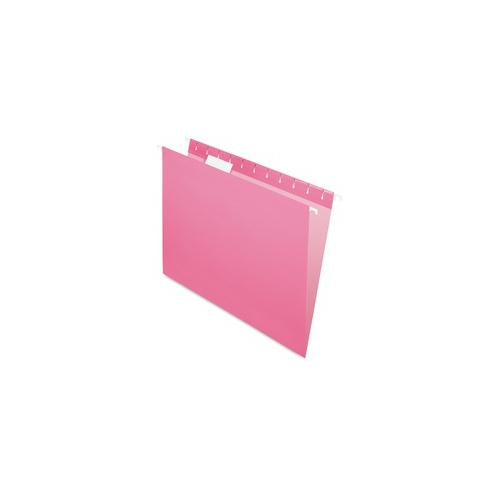
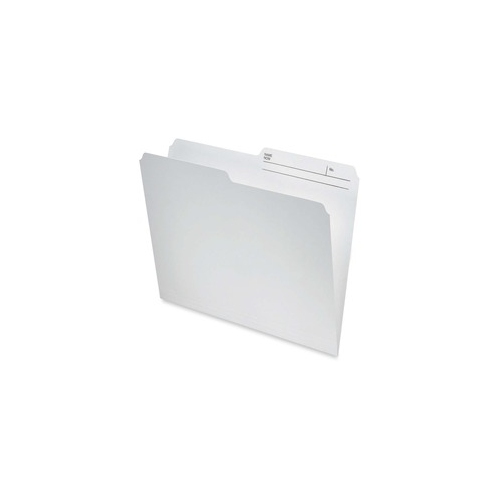
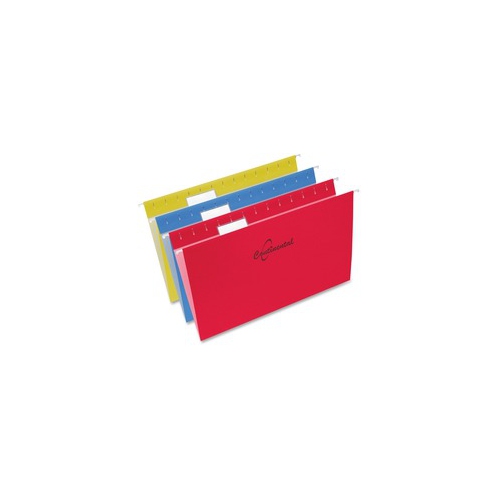
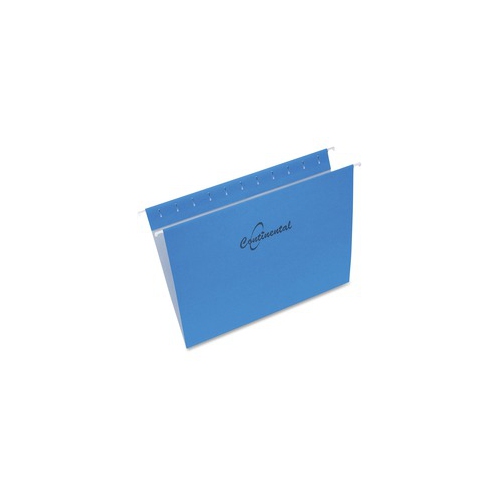
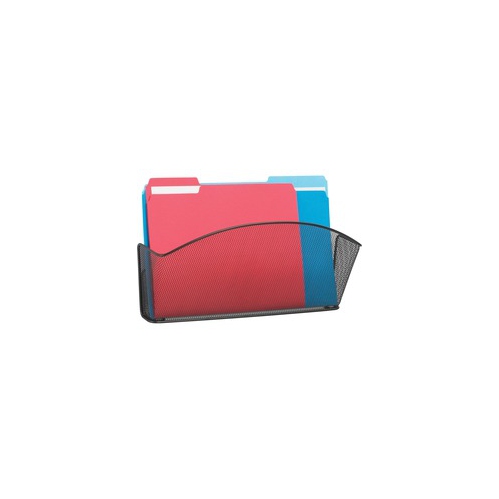
File folders with tabs make it easier to give paperwork a clear home, whether they are used in a filing cabinet, a desk drawer, a storage box, or on an open shelf. The raised tab provides a visible space for a handwritten or printed label, so important information can be identified without removing every folder from the row. They are useful for sorting household records, school documents, receipts, warranties, project notes, invoices, forms, and workplace paperwork. In a home office, folders might separate banking documents, insurance information, home maintenance records, and personal correspondence. In a busy workplace, they can help organize client files, purchase orders, meeting materials, human resources paperwork, or records that need attention. A familiar filing challenge is a drawer filled with identical folders that all look the same from above; properly positioned tabs and consistent labels can turn that jumble into an orderly system where a document can be found at a glance. When choosing file folders with tabs, start by checking the paper size they are designed to hold. Letter-size folders are a common choice for everyday documents measuring 8.5 x 11 inch, while legal-size folders accommodate longer paperwork measuring 8.5 x 14 inch. Matching the folder size to the documents and the filing equipment helps prevent bent edges, overfilled folders, and drawers that do not close smoothly. It is also worth considering how often the files will be handled. Lightweight paper folders can work well for short-term sorting, temporary projects, or documents that are accessed occasionally. Thicker stock, reinforced edges, and reinforced tabs are better suited to records that are opened frequently or stored for longer periods. Look for enough capacity for the intended papers without making each folder so full that labels are hidden or documents slide out. A tidy filing system usually works best when each folder has a defined purpose and the label uses a simple, consistent naming style.
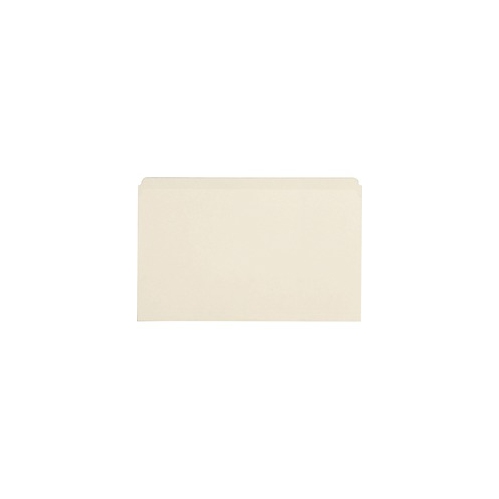
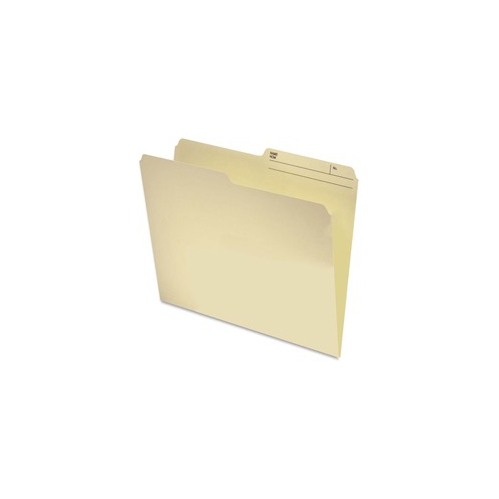
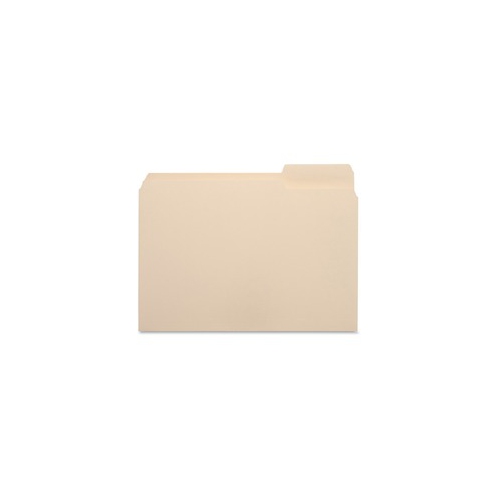
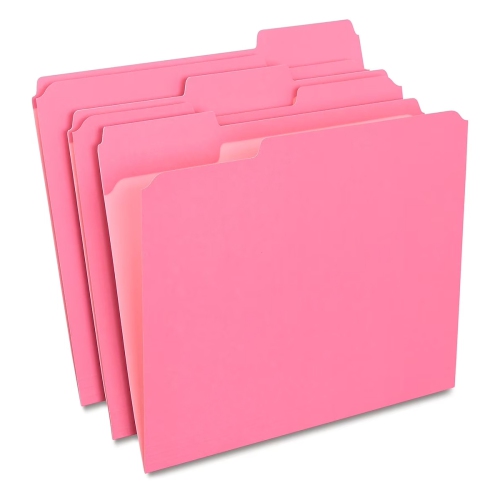
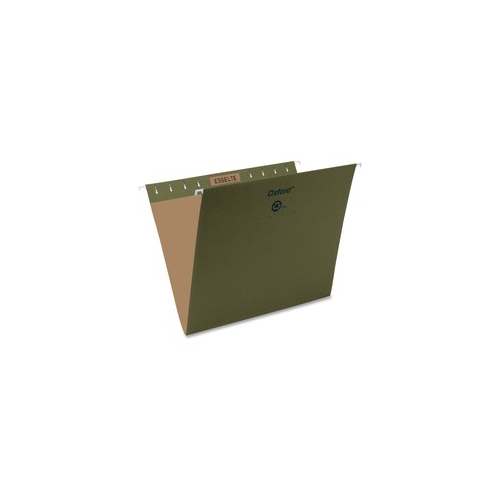
Tab placement and shape have a direct effect on how easily a filing system can be read. Top-tab folders are designed for upright filing drawers, where the label rises above the folder and can be viewed from the front as the drawer opens. A 1/3-cut tab divides the tab area into left, centre, and right positions, allowing successive folders to stagger their labels across the drawer. This layout keeps labels from overlapping and makes it easier to scan a group of related files. A 1/2-cut tab spans approximately half the folder width and leaves more room for longer titles, such as “Appliance Purchase Receipts” or “Annual Tax Documents.” A straight-cut, or 1-cut, tab extends across the full width and is often useful for a broad category, a major section, or a folder that needs a prominent heading. End-tab folders place the label along the side edge rather than across the top, making them practical for shelf-based storage and systems where folders are viewed from the front. Reversible or foldable tabs can offer added flexibility when the filing orientation changes, while colour-coded stock can provide a quick visual cue for separating departments, family members, projects, or levels of priority. Manila remains a familiar neutral option for traditional filing, while assorted colours or muted tones can support a more detailed system when used with a clear labelling plan. Before selecting a style, consider the furniture or container where the folders will live, the direction in which the files will be viewed, and the amount of label space needed. For papers that require further separation inside a folder, File Dividers can help create smaller sections without turning every category into a separate folder.
File folders with tabs can be useful for almost anyone who manages paper records, from students keeping course notes together to families sorting school forms, medical paperwork, travel documents, and household bills. They can also be a practical addition to a new home office, a shared workspace, a classroom supply area, or a small business that needs a straightforward filing routine. During the cooler months, when more time may be spent indoors catching up on paperwork and organizing household tasks, a dependable folder system can make everyday administration feel less scattered. They are also a thoughtful choice for someone setting up a desk, preparing for a new term, managing a renovation, or starting a new role that involves regular record keeping. To create a system that remains useful, group documents by a category that makes sense in daily life rather than by an overly detailed scheme. For example, a household might use separate folders for utilities, property information, vehicle records, and warranties, then add more specific folders only when a category becomes difficult to manage. Label the tab with the subject and, when helpful, a year or project name. Place frequently used folders near the front or in the most accessible section, and reserve less frequently consulted records for the back of a drawer or a higher shelf. Avoid packing unrelated papers into one folder simply because it has available space; a clear label is most helpful when the contents match it closely. It can also help to leave a little room for new documents, especially for ongoing projects and recurring records. With the right size, tab cut, orientation, material, and labelling approach, file folders with tabs provide a simple way to keep paper documents visible, grouped, and ready to retrieve when they are needed.
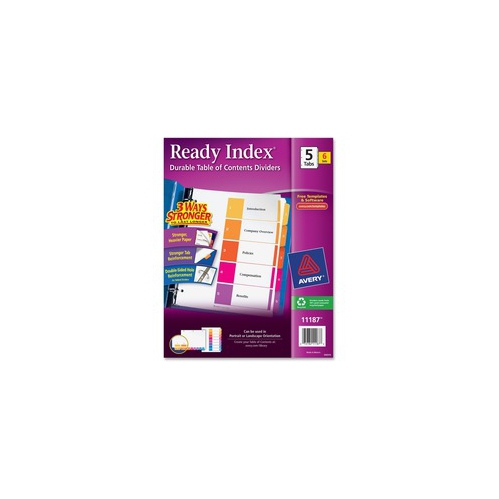
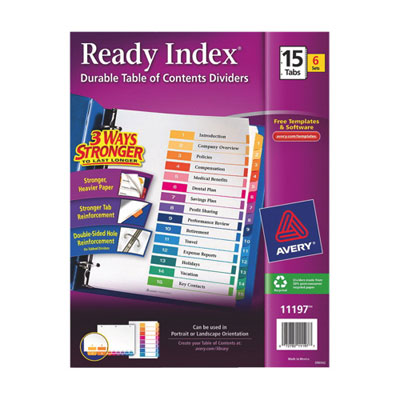
Tab placement and shape have a direct effect on how easily a filing system can be read. Top-tab folders are designed for upright filing drawers, where the label rises above the folder and can be viewed from the front as the drawer opens. A 1/3-cut tab divides the tab area into left, centre, and right positions, allowing successive folders to stagger their labels across the drawer. This layout keeps labels from overlapping and makes it easier to scan a group of related files. A 1/2-cut tab spans approximately half the folder width and leaves more room for longer titles, such as “Appliance Purchase Receipts” or “Annual Tax Documents.” A straight-cut, or 1-cut, tab extends across the full width and is often useful for a broad category, a major section, or a folder that needs a prominent heading. End-tab folders place the label along the side edge rather than across the top, making them practical for shelf-based storage and systems where folders are viewed from the front. Reversible or foldable tabs can offer added flexibility when the filing orientation changes, while colour-coded stock can provide a quick visual cue for separating departments, family members, projects, or levels of priority. Manila remains a familiar neutral option for traditional filing, while assorted colours or muted tones can support a more detailed system when used with a clear labelling plan. Before selecting a style, consider the furniture or container where the folders will live, the direction in which the files will be viewed, and the amount of label space needed. For papers that require further separation inside a folder, File Dividers can help create smaller sections without turning every category into a separate folder.
File folders with tabs can be useful for almost anyone who manages paper records, from students keeping course notes together to families sorting school forms, medical paperwork, travel documents, and household bills. They can also be a practical addition to a new home office, a shared workspace, a classroom supply area, or a small business that needs a straightforward filing routine. During the cooler months, when more time may be spent indoors catching up on paperwork and organizing household tasks, a dependable folder system can make everyday administration feel less scattered. They are also a thoughtful choice for someone setting up a desk, preparing for a new term, managing a renovation, or starting a new role that involves regular record keeping. To create a system that remains useful, group documents by a category that makes sense in daily life rather than by an overly detailed scheme. For example, a household might use separate folders for utilities, property information, vehicle records, and warranties, then add more specific folders only when a category becomes difficult to manage. Label the tab with the subject and, when helpful, a year or project name. Place frequently used folders near the front or in the most accessible section, and reserve less frequently consulted records for the back of a drawer or a higher shelf. Avoid packing unrelated papers into one folder simply because it has available space; a clear label is most helpful when the contents match it closely. It can also help to leave a little room for new documents, especially for ongoing projects and recurring records. With the right size, tab cut, orientation, material, and labelling approach, file folders with tabs provide a simple way to keep paper documents visible, grouped, and ready to retrieve when they are needed.
Top selling and popular products
-
 Your price for this item is $44.99
 -
 Your price for this item is $18.99
 -
 Your price for this item is $28.99
 -
 Your price for this item is $39.17
 -
 Your price for this item is $1.99
 -
 Your price for this item is $30.99
 -
 Your price for this item is $24.99
 -
 Your price for this item is $40.99
Discover more categories related to File Folders With Tabs
Top Collections:
Pokemon Centers, Best Cameras for Sports Photography, Kindle Devices, Samsung Galaxy Phones, Canon G7X Cameras, Pokémon 30th Celebration Cards, Refurbished Apple Laptops, iPhone 15 Apple, Laptops for Students, Budget Smartphones
Some products may be subject to Environmental Handling Fees
(EHF) depending on your province.
Learn more about EHFs.