Flashlight Batteries
Ensure your flashlight never runs out of power with our selection of high-quality flashlight batteries. Designed to provide long-lasting energy and reliable performance, these batteries are essential for keeping your flashlight shining bright in any situation. Whether you're camping in the great outdoors or navigating a power outage at home, having spare flashlight batteries on hand is a smart way to stay prepared. Browse our range of options to find the right batteries for your flashlight needs.
Sort
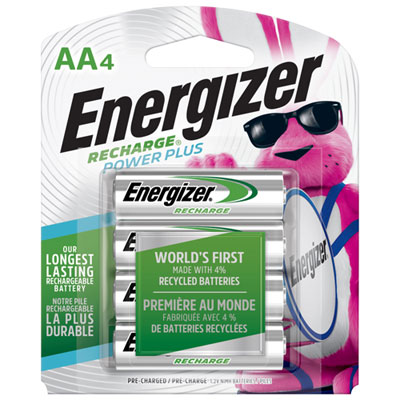

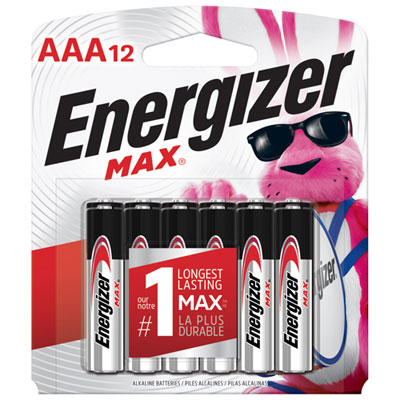
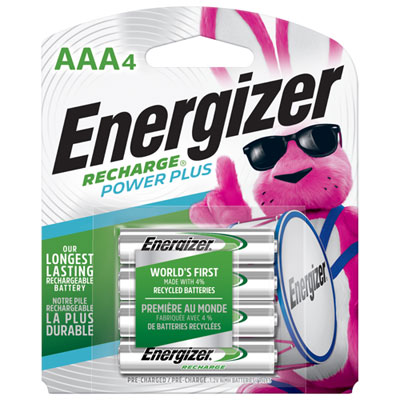
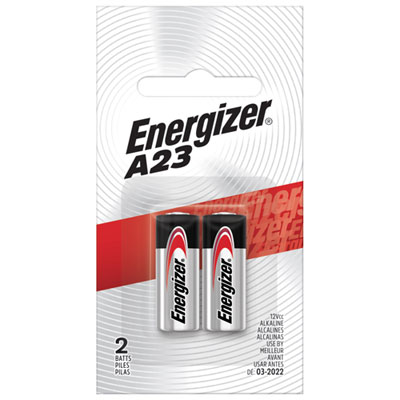

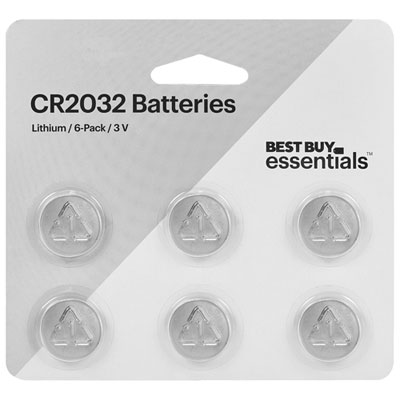
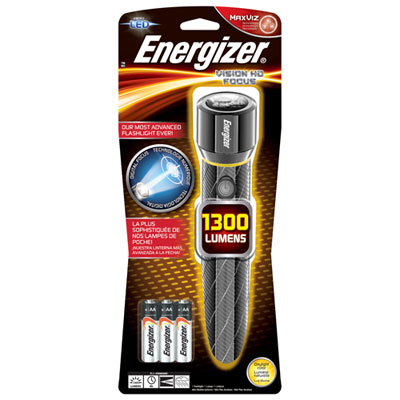
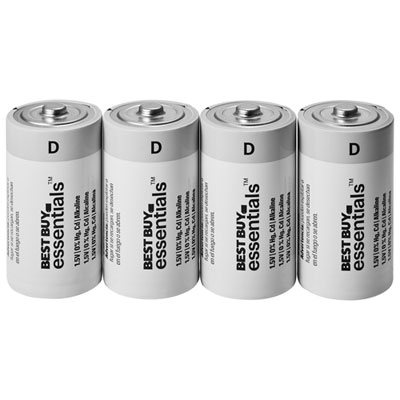
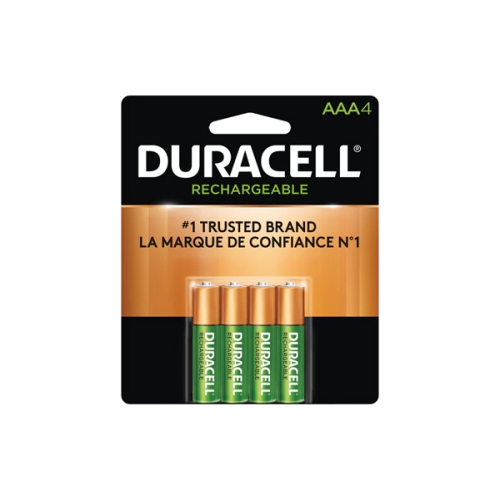
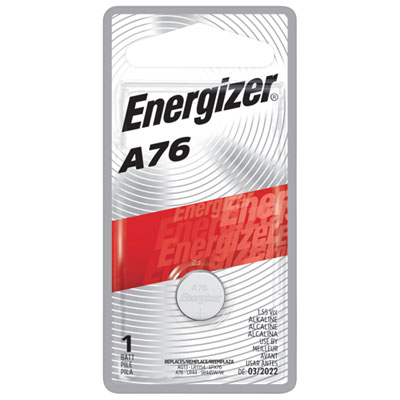
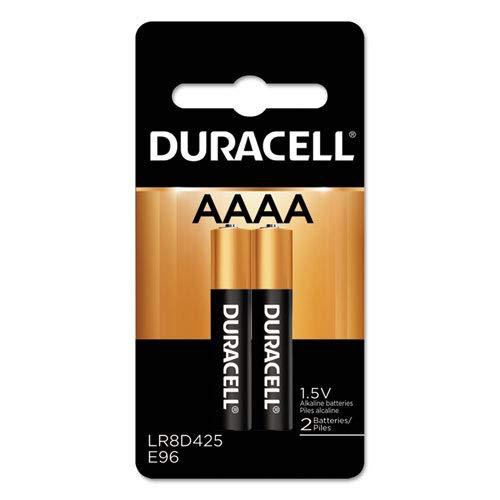
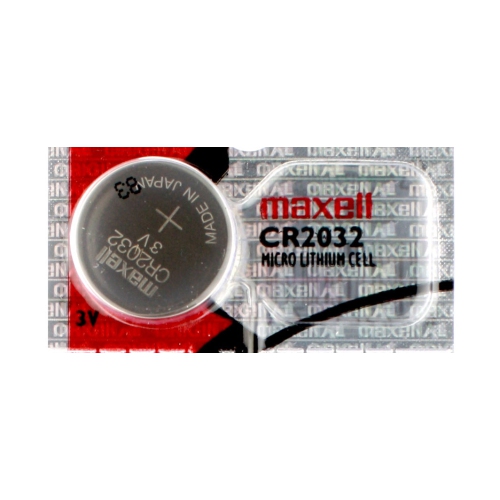
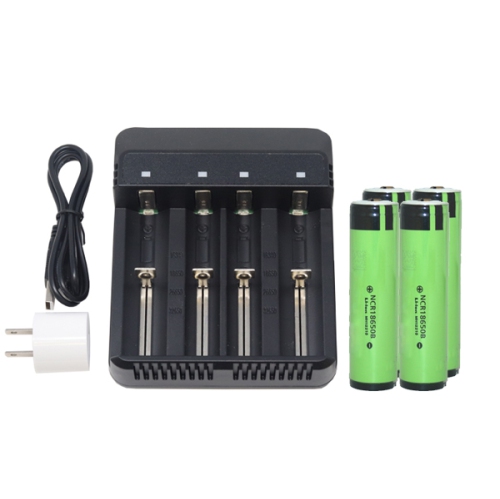

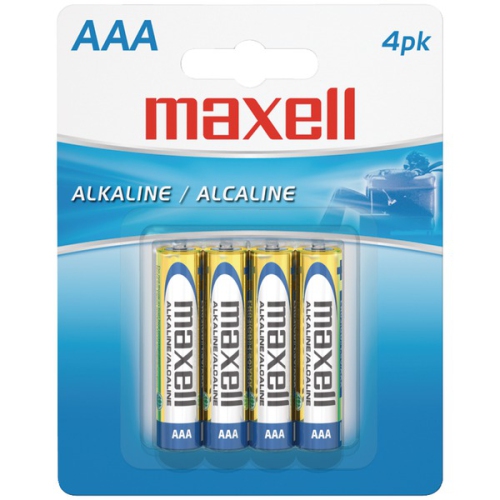
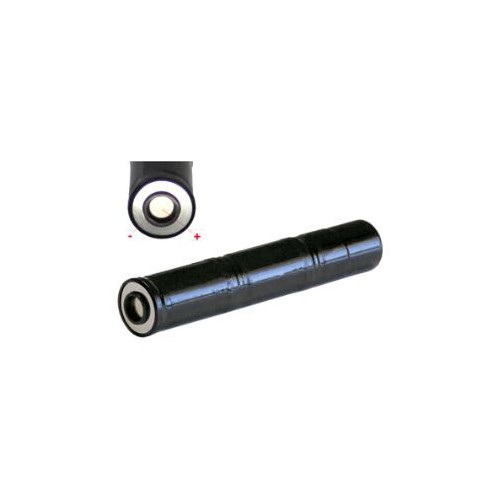
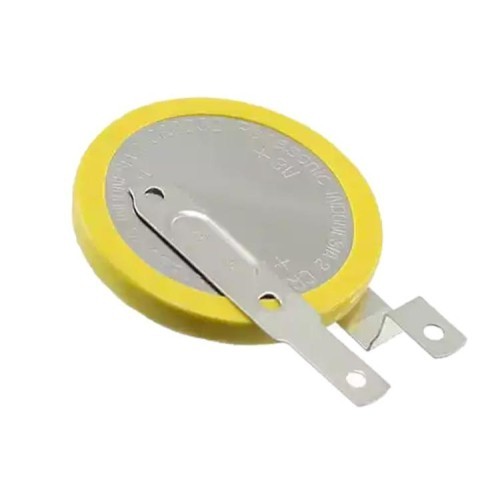
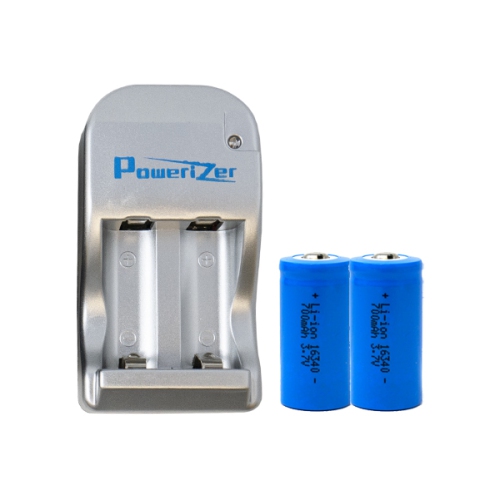
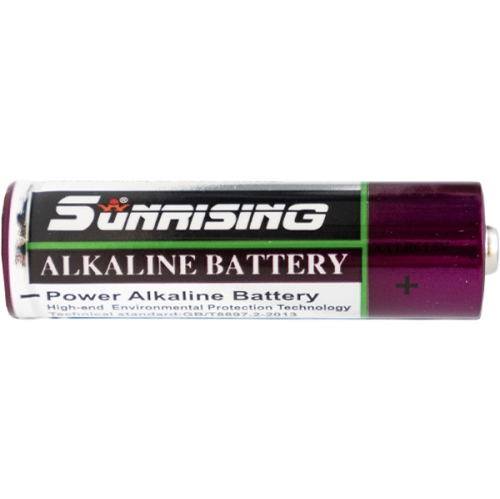
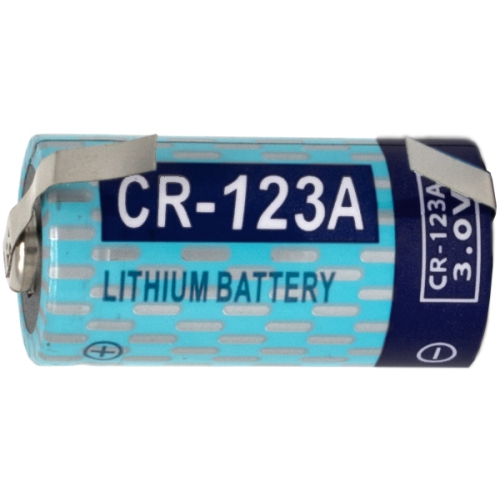
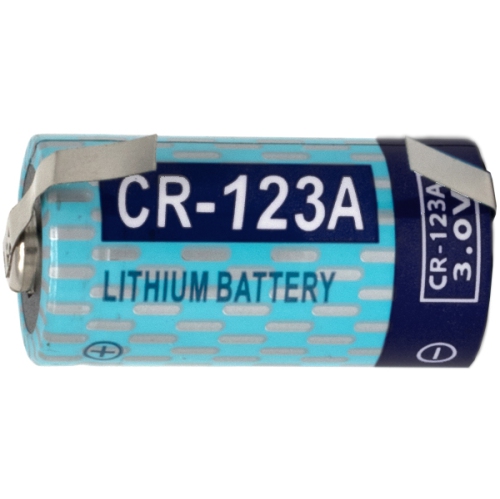
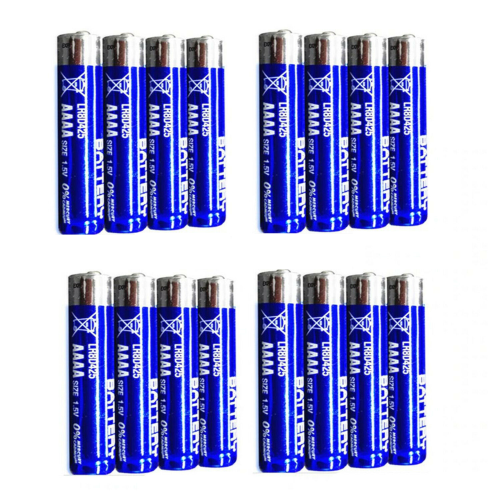
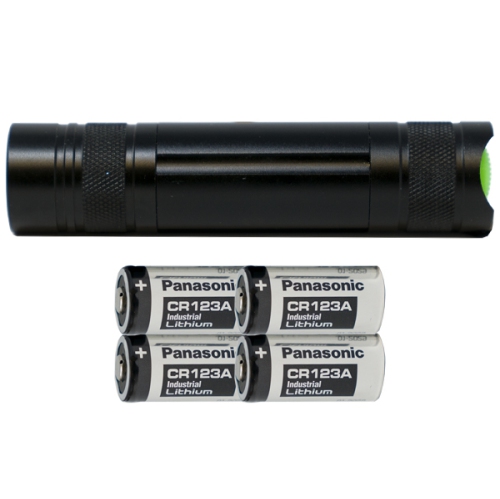
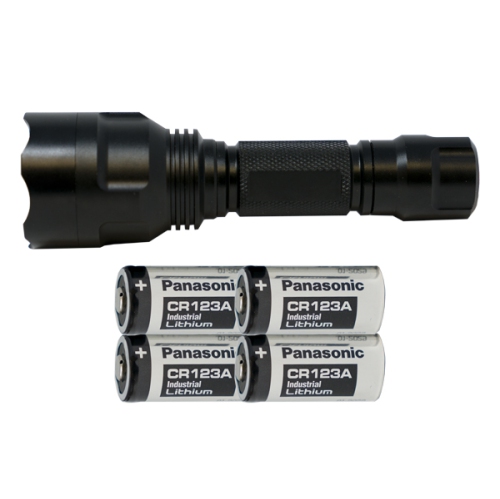
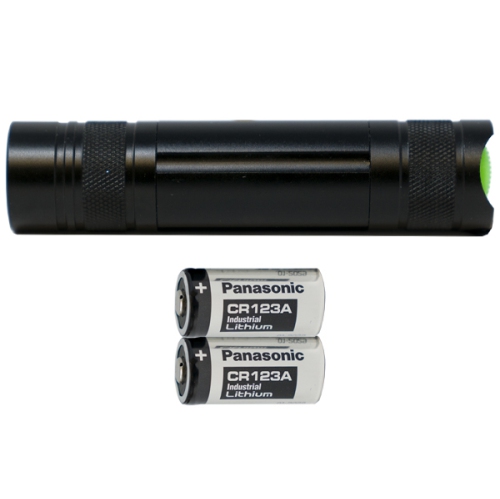
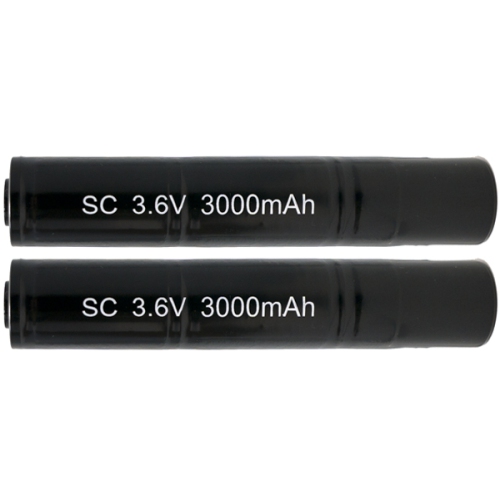
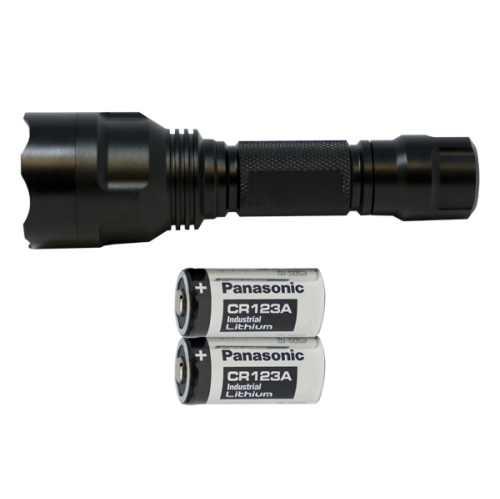
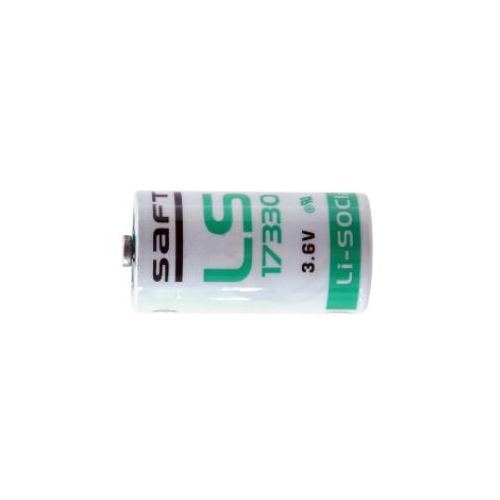
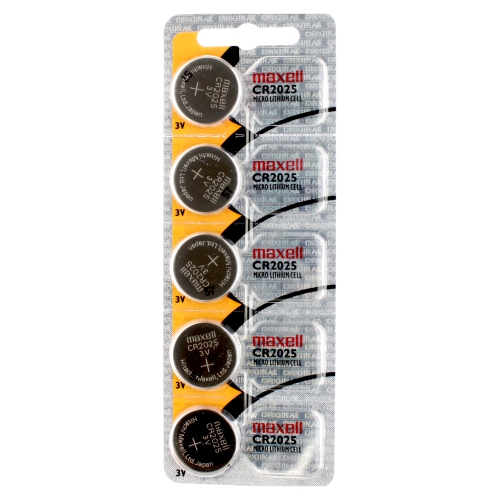
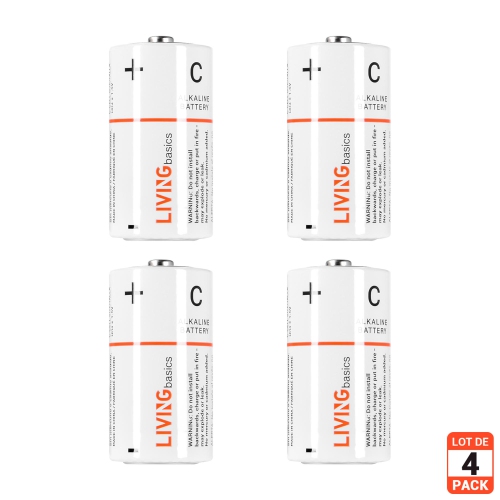



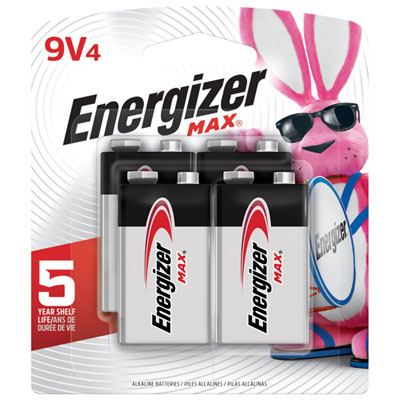
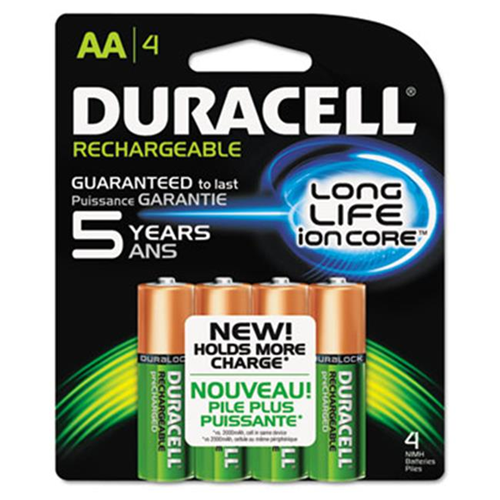
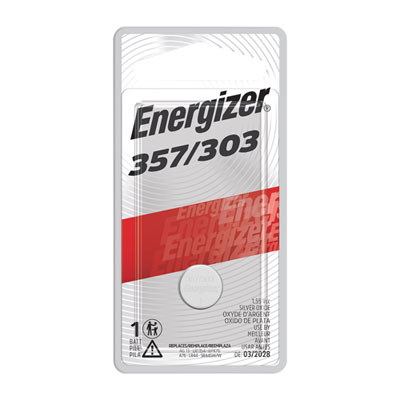
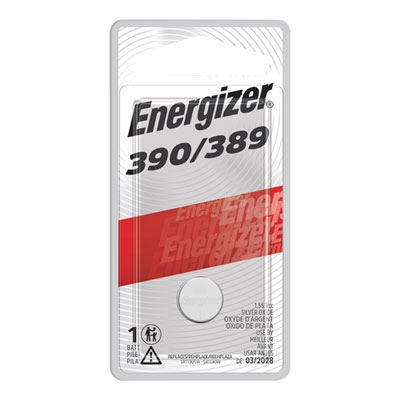
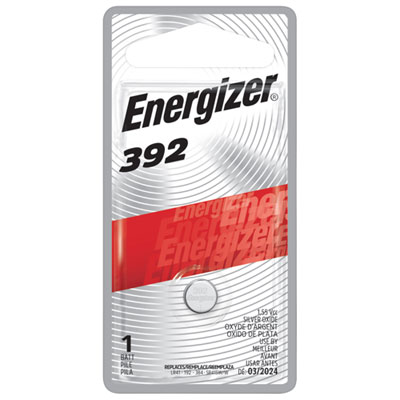
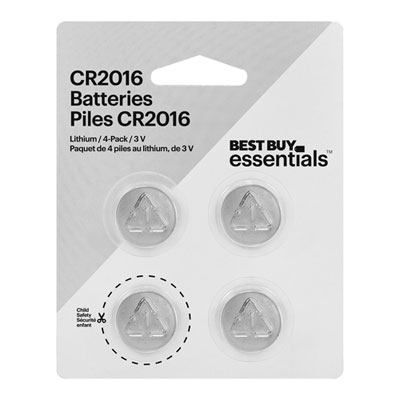
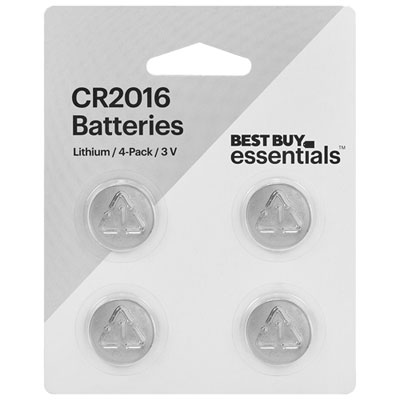


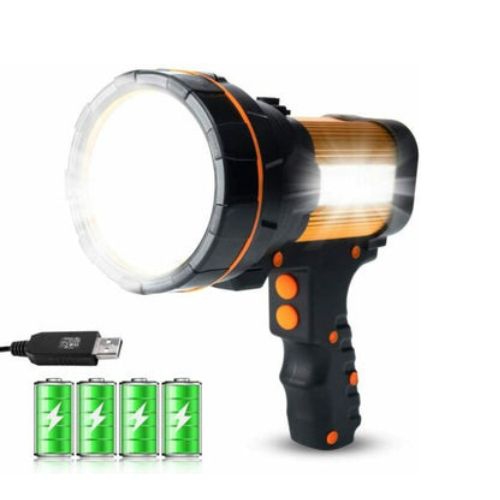
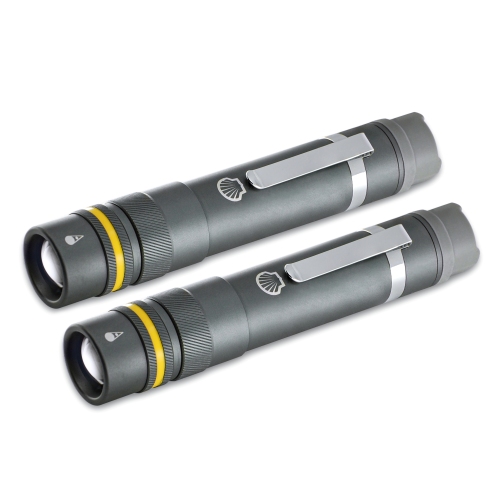
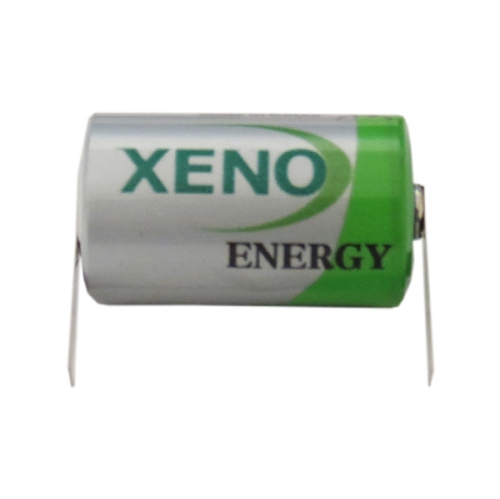
Reliable power for outages, adventures, and everyday tasks
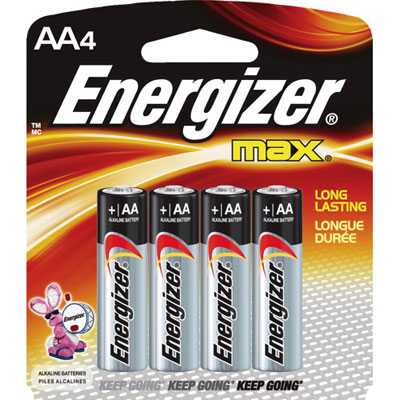
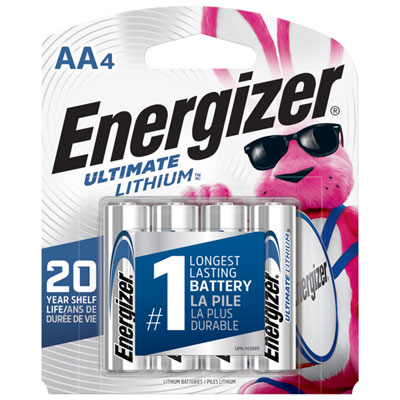
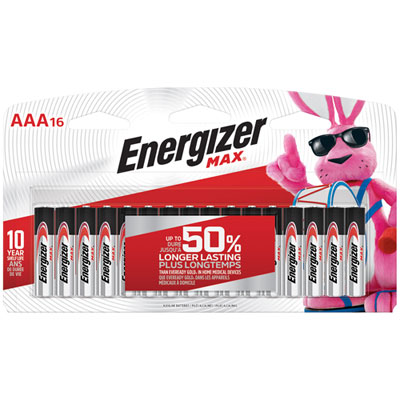
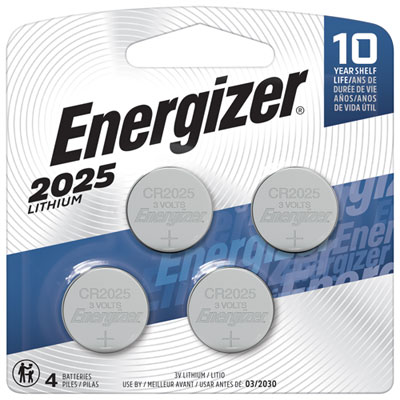
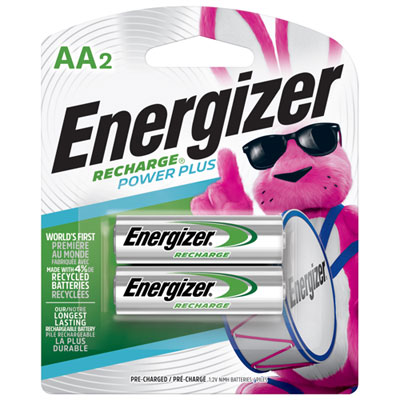
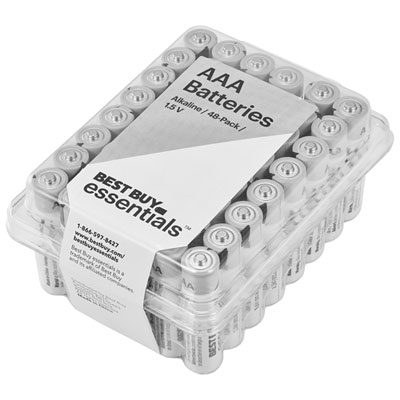
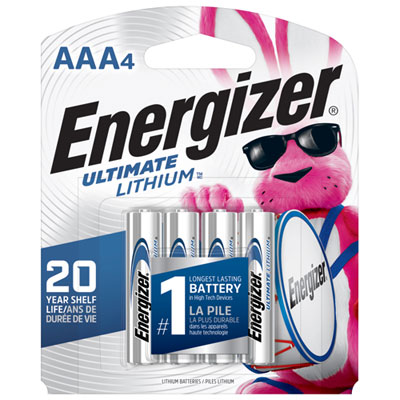
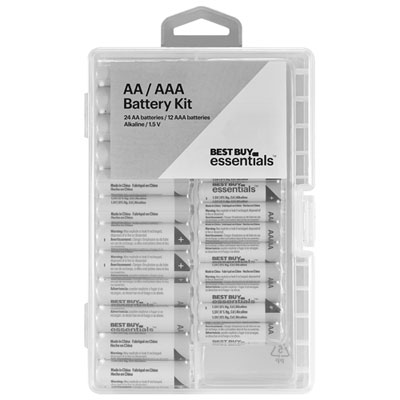
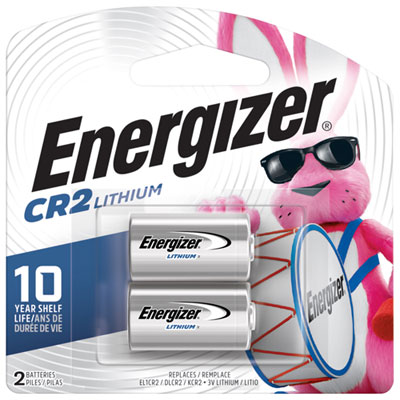
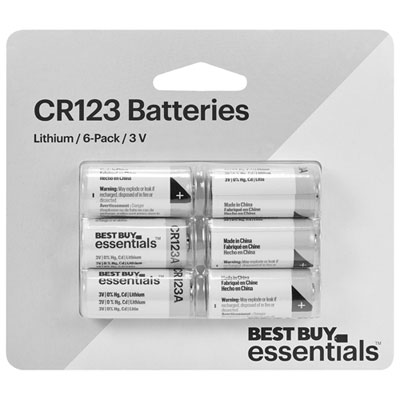
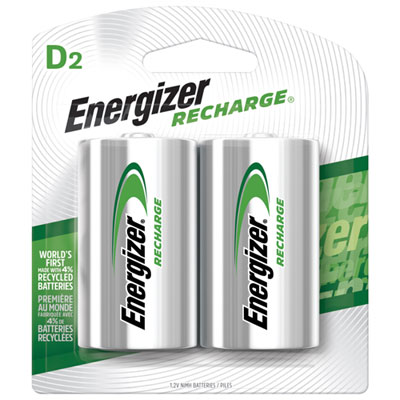
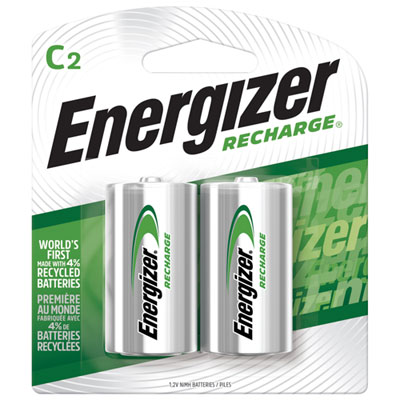
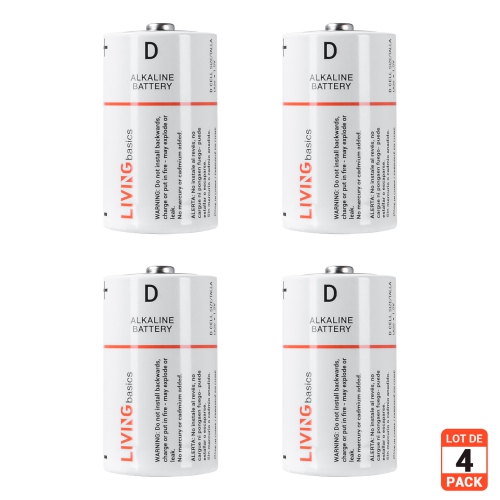
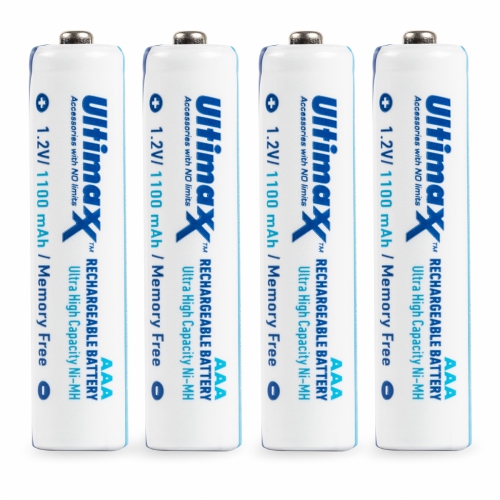
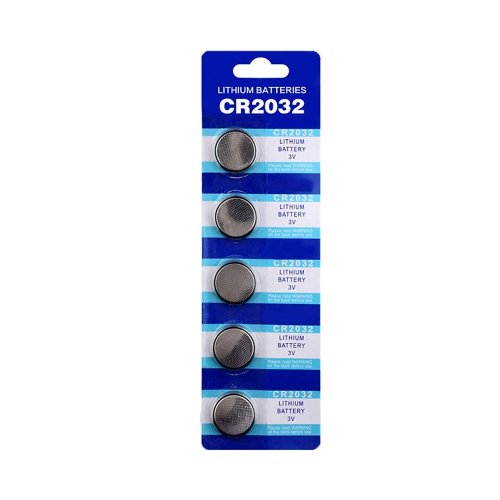
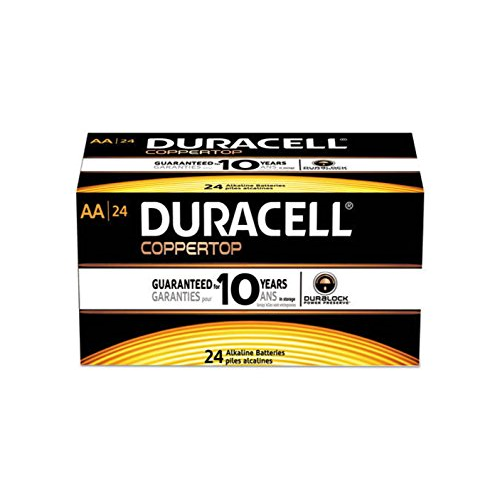
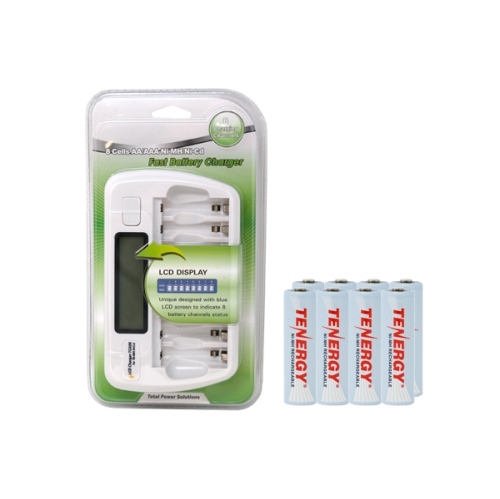
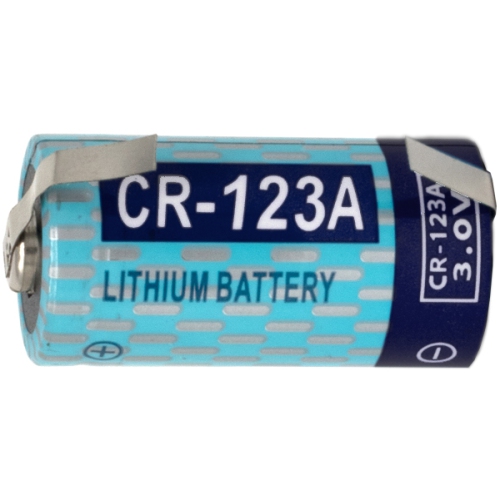
Flashlight batteries are available in several sizes and chemistries, so the best choice depends on the light you own, how often you use it, and the type of performance you need. Start by checking the flashlight’s manual or the markings inside its battery compartment. Common household flashlights use alkaline AAA, AA, C, or D cells, while compact high-output lights may require specialty lithium cells such as CR123A, 14500, 18650, or 21700 batteries. The size is only one part of the match: voltage, polarity, physical length, terminal style, and discharge rating also matter. A battery that fits inside a flashlight is not necessarily safe or suitable for it. Standard alkaline batteries are convenient for general-purpose lights, emergency kits, bedside torches, and children’s flashlights because they are widely available and simple to install. They work well for occasional use, although demanding LED flashlights can draw power faster than basic alkaline cells can comfortably provide. If a flashlight will sit in a drawer for long periods, inspect its batteries from time to time and remove them before extended storage, since leakage can damage contacts and internal components. Rechargeable nickel-metal hydride, commonly called NiMH, batteries are often a practical option for compatible AA and AAA flashlights that see regular use. They provide a steady output and can be recharged between outings, making them convenient for a light used around the home, in a vehicle, at a cottage, or on evening walks. Keep in mind that rechargeable cells generally have a lower nominal voltage than alkaline batteries, so some flashlights may show a different brightness or runtime. Lithium primary batteries, including CR123A-style cells, are designed for single use and are valued for their long storage life, light weight, and dependable performance in colder conditions. They can suit emergency supplies, outdoor equipment, and tactical-style flashlights that specifically call for them. For modern, high-lumen flashlights, rechargeable lithium-ion cells such as 18650 and 21700 formats can offer substantial capacity and strong current delivery, but they require closer attention to the manufacturer’s specifications. Lithium-ion batteries may use protected or unprotected designs, flat-top or button-top terminals, and different discharge ratings. Never substitute one format for another without confirming compatibility, and do not assume that a USB-rechargeable cell has the same dimensions or electrical characteristics as a conventional battery of the same general type.
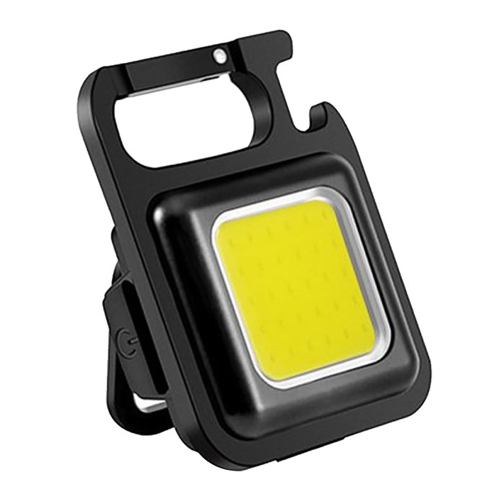
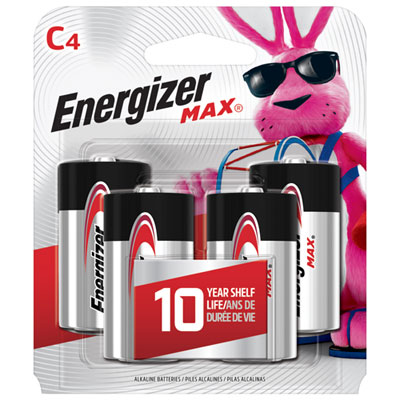
When choosing flashlight batteries from a product list, consider the role the light plays in your routine. A small pocket flashlight carried on a keychain or kept in a glove compartment may benefit from compact cells with dependable shelf life, while a powerful work light used during repairs, renovations, camping trips, or walks after dark may need a battery designed for higher current demands. For a backup light in an emergency kit, prioritise the size and chemistry recommended by the flashlight manufacturer, then keep spare batteries sealed in their original packaging in a cool, dry place. A dedicated drawer, tool box, or storage case can help prevent loose batteries from touching coins, keys, or other metal objects, which may cause them to discharge or heat up. Families may appreciate having the most frequently used sizes on hand, particularly AA, AAA, C, and D cells for household lights, radios, and other everyday devices. If your flashlight uses larger cells, explore options such as D Cell Batteries for Flashlights to find batteries suited to that format. Rechargeable batteries can be a useful gift for someone who relies on a flashlight for work, home maintenance, travel, or outdoor recreation, provided the recipient already has a compatible charger and equipment. A complete setup may include spare cells, a charger intended for the exact chemistry, and a case that keeps batteries organised; avoid pairing a lithium-ion battery with a charger designed only for NiMH cells. For safety, use batteries with matching chemistry, size, age, and charge level, and avoid mixing old and new cells or combining partially charged and fully charged batteries in the same flashlight. Replace batteries that are swollen, dented, torn, leaking, unusually hot, or otherwise damaged, and follow local disposal instructions rather than placing rechargeable or lithium batteries in household garbage. During the cooler months, lithium primary cells can be useful for outdoor lights exposed to low temperatures, while a rechargeable setup may be convenient for lights used frequently indoors or on the go. As the weather warms, dependable spares are handy for campsites, garages, patios, travel bags, and evening activities. Whether you are replacing a depleted set, preparing an emergency kit, or keeping a favourite flashlight ready by the door, matching the battery to the light’s voltage and power requirements is the most important step toward safe, reliable illumination.
When choosing flashlight batteries from a product list, consider the role the light plays in your routine. A small pocket flashlight carried on a keychain or kept in a glove compartment may benefit from compact cells with dependable shelf life, while a powerful work light used during repairs, renovations, camping trips, or walks after dark may need a battery designed for higher current demands. For a backup light in an emergency kit, prioritise the size and chemistry recommended by the flashlight manufacturer, then keep spare batteries sealed in their original packaging in a cool, dry place. A dedicated drawer, tool box, or storage case can help prevent loose batteries from touching coins, keys, or other metal objects, which may cause them to discharge or heat up. Families may appreciate having the most frequently used sizes on hand, particularly AA, AAA, C, and D cells for household lights, radios, and other everyday devices. If your flashlight uses larger cells, explore options such as D Cell Batteries for Flashlights to find batteries suited to that format. Rechargeable batteries can be a useful gift for someone who relies on a flashlight for work, home maintenance, travel, or outdoor recreation, provided the recipient already has a compatible charger and equipment. A complete setup may include spare cells, a charger intended for the exact chemistry, and a case that keeps batteries organised; avoid pairing a lithium-ion battery with a charger designed only for NiMH cells. For safety, use batteries with matching chemistry, size, age, and charge level, and avoid mixing old and new cells or combining partially charged and fully charged batteries in the same flashlight. Replace batteries that are swollen, dented, torn, leaking, unusually hot, or otherwise damaged, and follow local disposal instructions rather than placing rechargeable or lithium batteries in household garbage. During the cooler months, lithium primary cells can be useful for outdoor lights exposed to low temperatures, while a rechargeable setup may be convenient for lights used frequently indoors or on the go. As the weather warms, dependable spares are handy for campsites, garages, patios, travel bags, and evening activities. Whether you are replacing a depleted set, preparing an emergency kit, or keeping a favourite flashlight ready by the door, matching the battery to the light’s voltage and power requirements is the most important step toward safe, reliable illumination.
Top selling and popular products
-
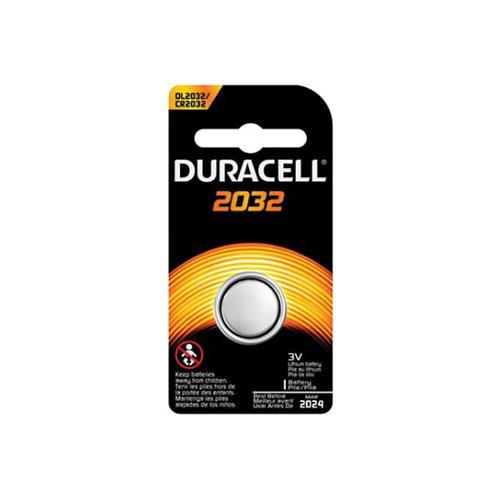 Your price for this item is $25.97
 -
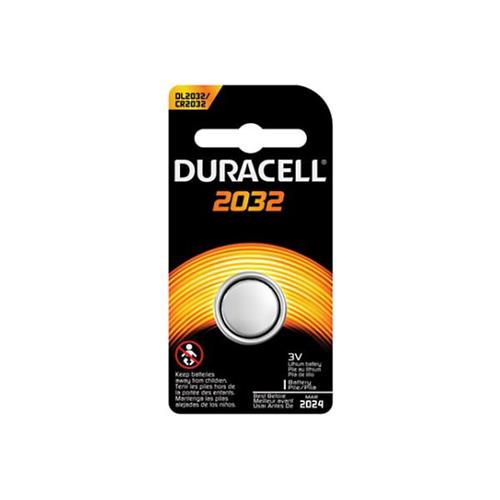 Your price for this item is $45.97
 -
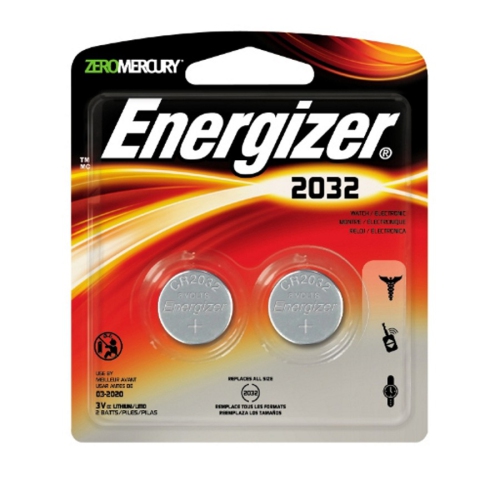 Your price for this item is $9.99
 -
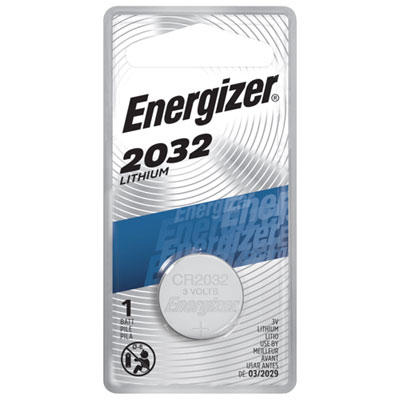 Your price for this item is $10.99
 -
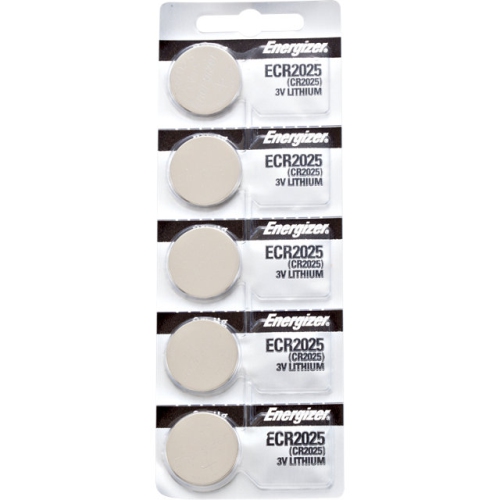 Your price for this item is $6.99
 -
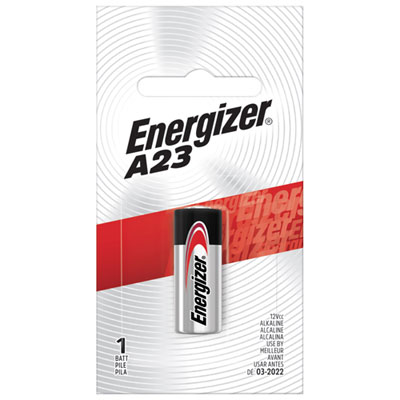 Your price for this item is $6.97
 -
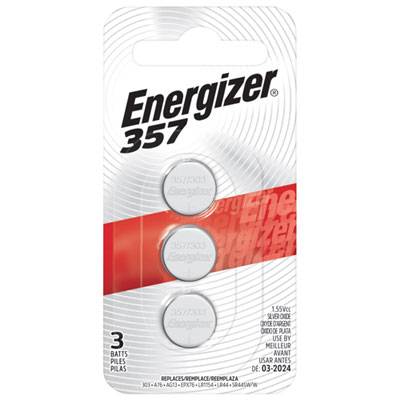 Your price for this item is $12.99
 -
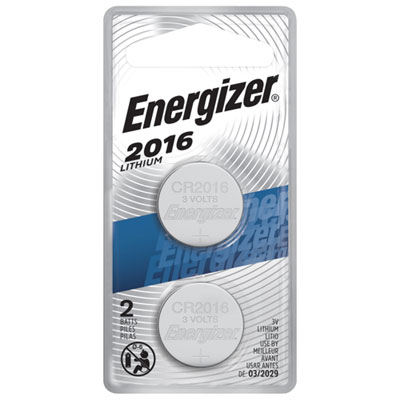 Your price for this item is $10.99
Discover more categories related to Flashlight Batteries
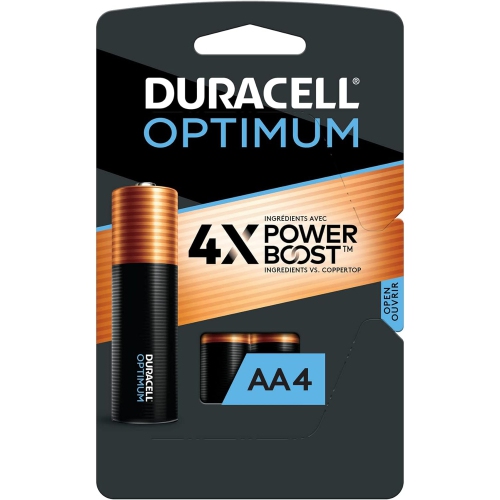
Top Collections:
Pokemon Centers, Kindle Devices, Best Budget Office Chairs, Apple iPhones 16, Best Laptops for Writers, iPhone 15 Apple, Canon G7X Cameras, Refurbished Apple Laptops, Alarm Clock, Motorola Razr Phones
Some products may be subject to Environmental Handling Fees
(EHF) depending on your province.
Learn more about EHFs.