Glossy Print Papers
Glossy Print Paper is the perfect choice for anyone looking to achieve vibrant, high-quality prints at home, in the office, or for creative projects. Designed to enhance photos, presentations, and marketing materials, this paper delivers a polished finish that brings out the best in every image. Whether you’re printing cherished memories or important documents, Glossy Print Paper offers a professional look that stands out. Explore a wide selection of sizes and pack options to find the ideal fit for your printer and project needs.
Sort

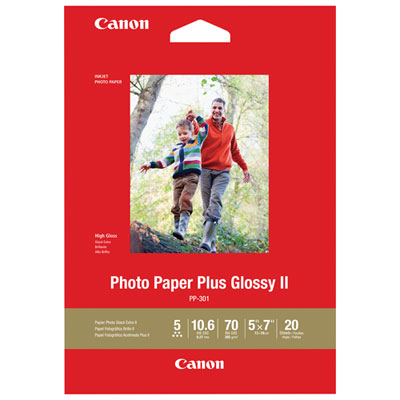

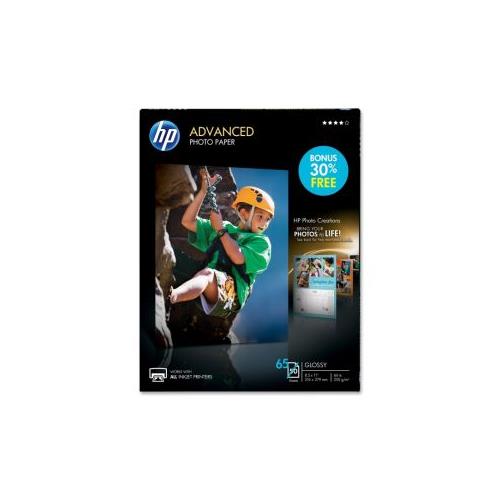
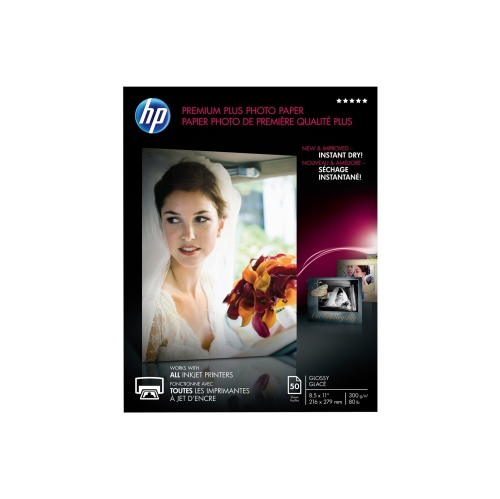

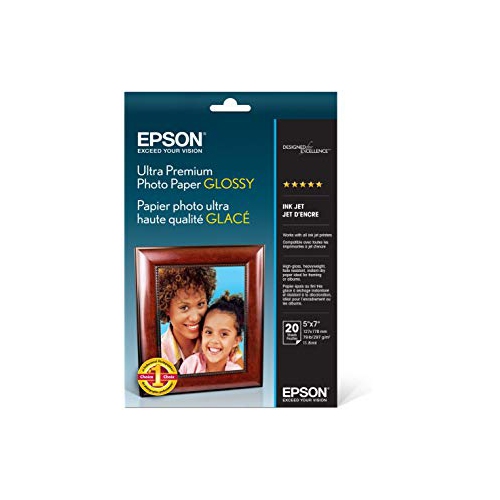



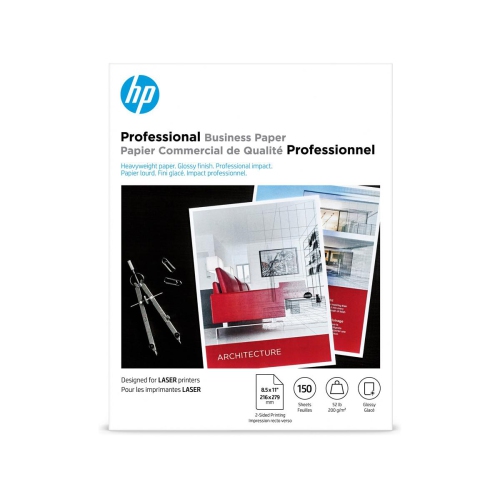
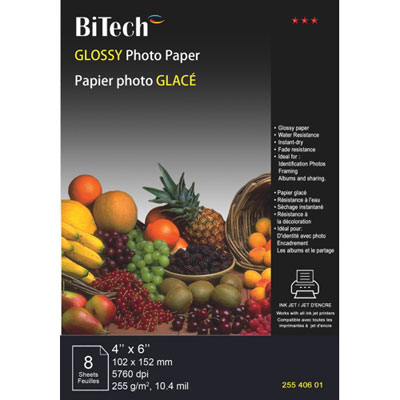
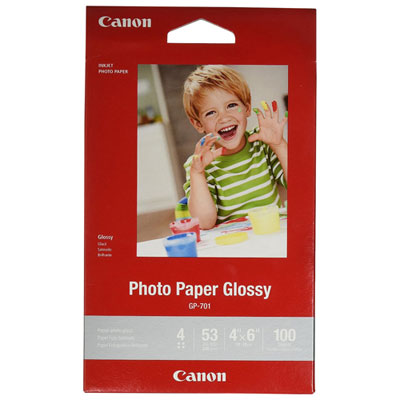



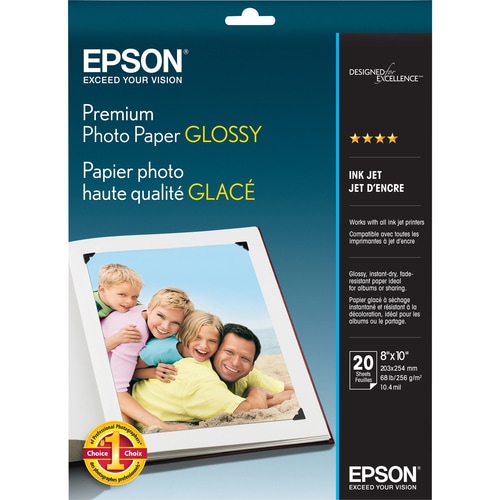
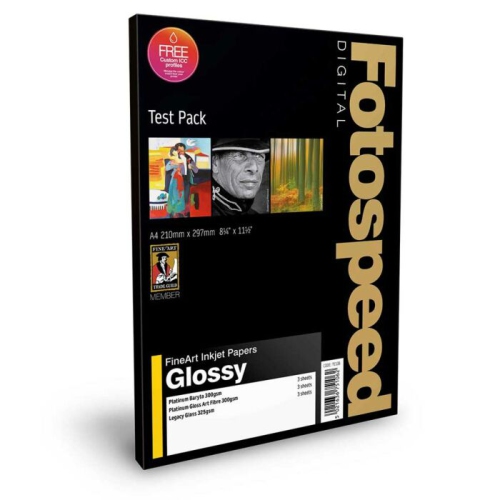
Vivid photo prints depend on more than shine
Glossy print papers are coated printing sheets with a smooth, reflective finish that helps photographs and colour graphics look vivid and sharply defined. Their shiny surface can give printed images rich-looking colours, deep blacks, and crisp detail, making them a natural choice for photo albums, framed pictures, portfolios, and visually focused handouts. The coating and compatible ink or toner work together to reproduce an image, so the finished result depends on more than shine alone. A close-up portrait, for example, benefits from subtle skin tones and clear facial detail, while a photograph of a painted mural relies on strong colour separation and contrast. Glossy paper can suit both, provided the printer, paper, and image settings are well matched. It also has a distinctive look under light: reflections can lend a photograph a polished appearance, but they may make small text or dark areas harder to see from certain angles. A print intended for a brightly lit reception desk has different viewing needs from one tucked into an album. High-gloss finishes emphasize a shiny appearance, while finishes described as satin or lustre generally offer a less reflective alternative; terminology can vary between paper ranges. Surface brightness and the shade of the paper base also influence how an image appears, especially in pale backgrounds and highlights. For photographers, students, families, and small business owners, these differences help determine whether a sheet suits a keepsake, a presentation, or a promotional piece. Printed family portraits can become thoughtful gifts, while a collection of travel photographs can turn a digital folder into something easy to share around a table. The original file still matters: a well-exposed, high-resolution photograph gives glossy paper more detail to reproduce than a heavily compressed image. A glossy finish adds presentation value, but it cannot restore missing detail or correct an out-of-focus photograph. Its appeal lies in giving suitable images a smooth, tactile form that can be displayed, passed along, or kept for later.
Printer compatibility is one of the most important distinctions between glossy print papers. Inkjet photo paper is designed to receive liquid ink, while laser-compatible glossy paper must work with toner and the heat involved in laser printing. These types should not be treated as interchangeable unless the paper is explicitly labelled for both technologies. Some inkjet coatings also perform differently with dye-based and pigment-based inks, making the stated compatibility useful even when the sheet size looks right. Size, weight, and thickness affect how the paper feeds and what the finished print feels like. Common formats include 4 x 6 inch and 5 x 7 inch photo sheets, along with 8.5 x 11 inch letter-size paper for larger images, layouts, and presentation pages. Borderless printing depends on the printer supporting that feature for the chosen size and paper type; otherwise, a narrow unprinted margin may remain. Paper weight, usually expressed in grams per square metre, offers a useful indication of substance, although it does not describe thickness or stiffness on its own. A heavier sheet can feel more substantial when handed to someone, while a lighter sheet may suit pages that need to bend easily inside an album. The printer’s supported media weight, thickness, and feed path remain the deciding limits. A dedicated photo tray or manual feed slot may be required for certain formats, depending on the printer. Single-sided glossy paper typically has one coated printing surface, whereas double-sided versions are made for projects that need printing on both faces. Printing on an uncoated reverse can produce a noticeably different result, so the intended layout matters before the sheet reaches the tray. Matching the printer’s media setting to the paper helps control ink application and, on supported devices, paper handling. A small test print is particularly useful for checking skin tones, shadow detail, cropping, and text legibility before committing a full-page photograph or a batch of presentation materials.
Handling and storage help preserve the appearance of glossy prints from the moment they leave the printer. Fresh inkjet prints may need time to dry fully, even when the surface seems dry to a light touch; the paper manufacturer’s drying guidance is the best reference. Keeping freshly printed sheets separate helps prevent smudges, surface marks, or ink transfer. Clean, dry hands and a light grip along the edges reduce fingerprints, which can be especially visible in dark image areas. For trimming, a clean paper trimmer can produce straight borders for frames, display boards, or album layouts, while a test cut helps establish how a particular coating behaves. Folding a thick glossy sheet without suitable preparation may crack the coating, so projects such as folded cards need paper intended for that use and a printer that can handle it. Once finished, prints benefit from flat storage away from direct sunlight, excess moisture, and sources of heat. A glossy finish does not automatically make paper waterproof, resistant to fingerprints, or suitable for outdoor display. Long-term appearance depends on the paper, ink or toner, light exposure, and storage method, rather than gloss level alone. Photo-safe sleeves, albums, and mounting materials can help protect keepsakes from repeated handling, while an appropriate frame keeps a displayed print supported. Glass and a glossy surface can create overlapping reflections, making placement worth considering when arranging photographs near lamps or windows. For projects combining images with charts, illustrations, or text-heavy pages, Color Printing Papers offer a broader category to consider alongside photo-focused glossy sheets. A portfolio might use glossy paper for image pages and a less reflective finish for written descriptions. Matching the surface, format, and handling needs to the finished project helps create prints that look considered and remain practical to view, share, and store.
Top selling and popular products
-
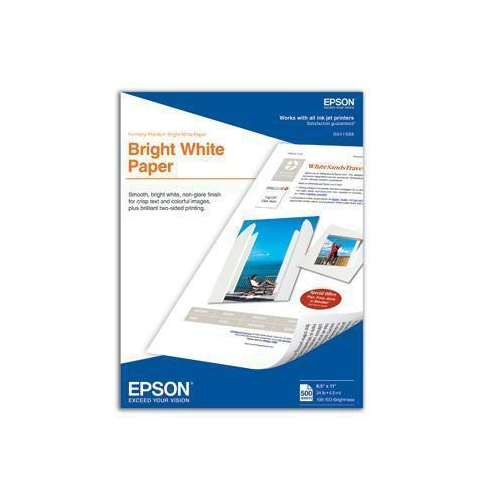 Your price for this item is $33.37
-
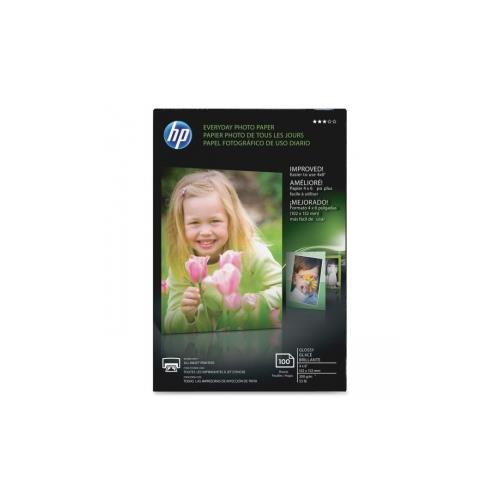 Your price for this item is $24.68
-
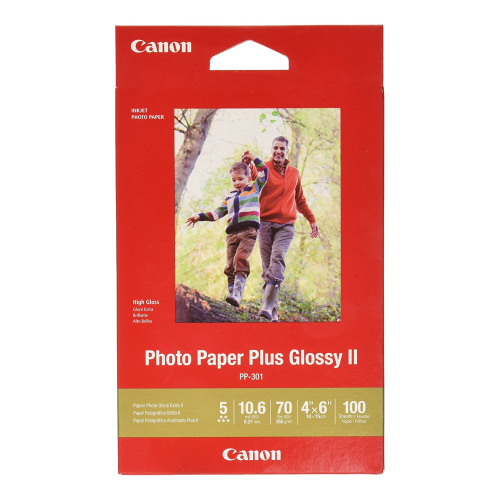 Your price for this item is $43.79
-
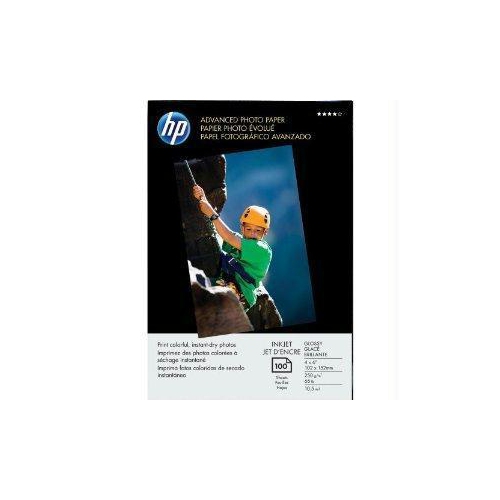 Your price for this item is $31.68
-
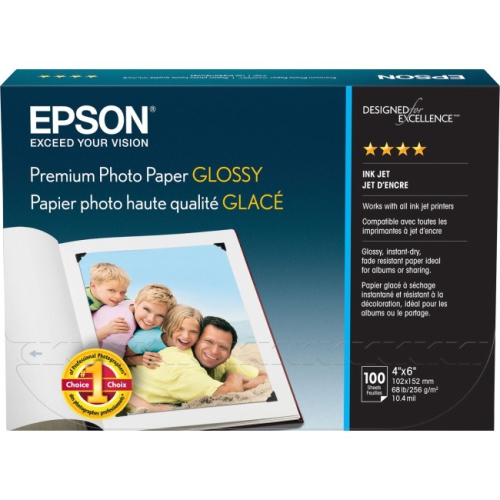 Your price for this item is $24.68
-
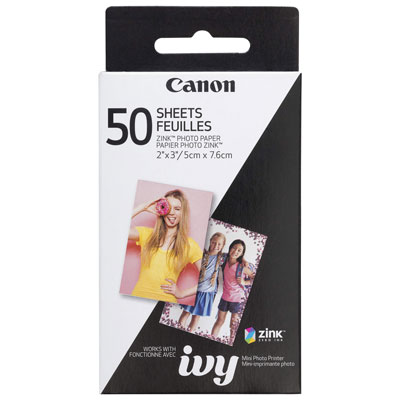 Your price for this item is $39.99
-
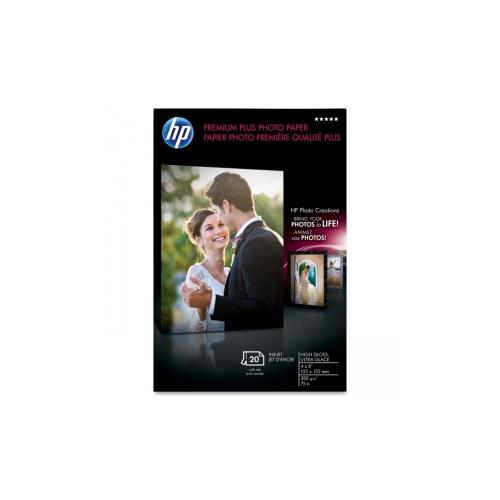 Your price for this item is $28.99
-
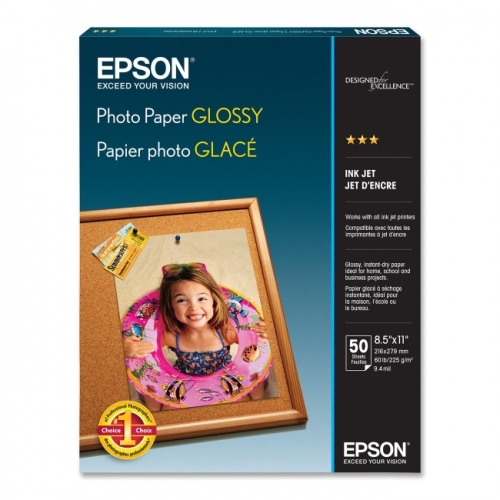 Your price for this item is $65.68
Discover more categories related to Glossy Print Papers
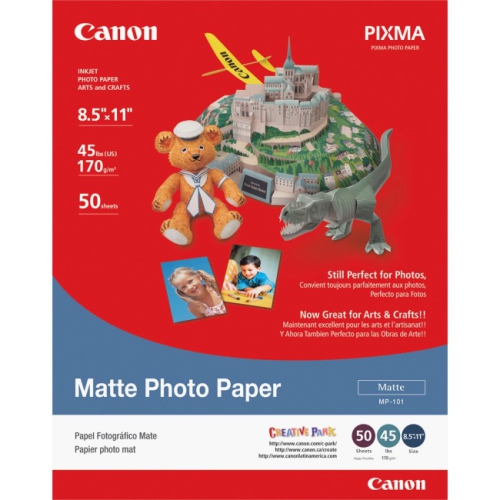
Top Collections:
Best Black Friday Deals This Year, Best Black Friday Deals On Electronics, Kindle Devices, Best Black Friday Deals On Apple Products, Best Budget Office Chairs, Best Cameras for Sports Photography, Dyson Airwrap, Canon G7X Cameras, Best Laptops for Writers, Samsung Galaxy Phones
Some products may be subject to Environmental Handling Fees
(EHF) depending on your province.
Learn more about EHFs.