Matte Papers
Discover the perfect canvas for your creative projects with our selection of matte paper. Ideal for photographers, artists, and DIY enthusiasts, matte paper offers a smooth, non-reflective finish that enhances the depth and detail of any printed image. Whether you're printing photos, crafting invitations, or working on graphic designs, this versatile paper type ensures vibrant colors and sharp text while minimizing glare. Explore a variety of sizes and weights to suit your needs, and elevate your prints with the sophisticated look that only matte paper can provide.
Sort
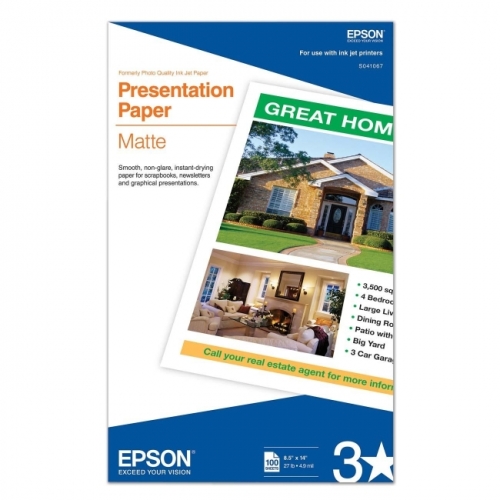
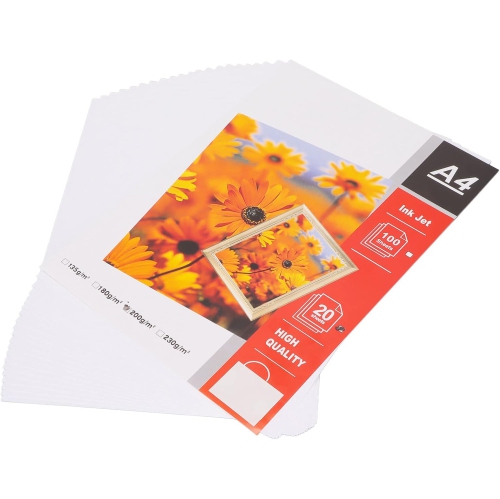
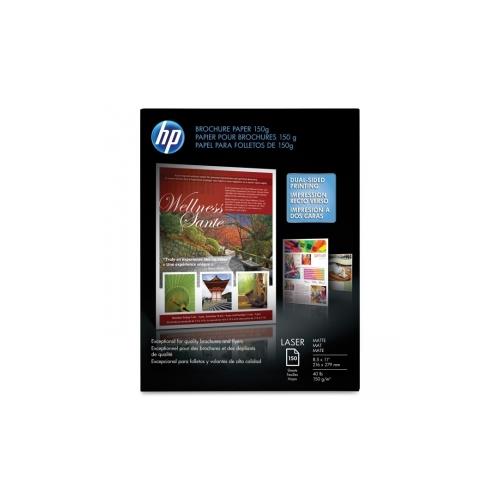
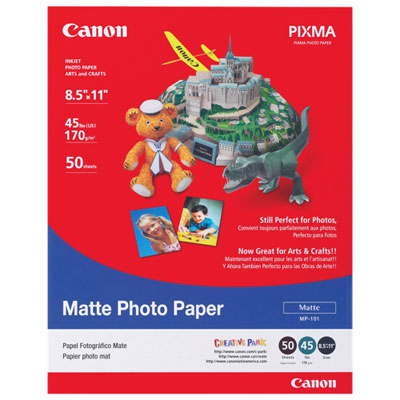
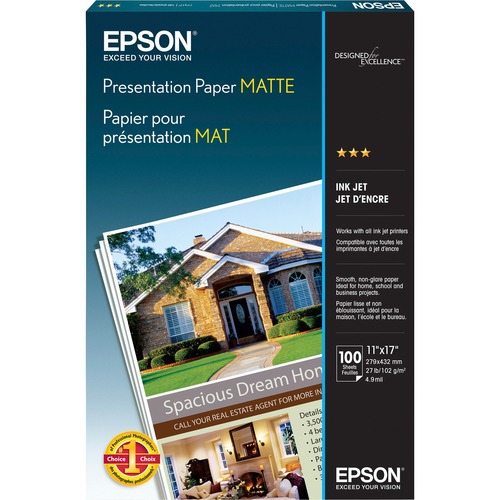
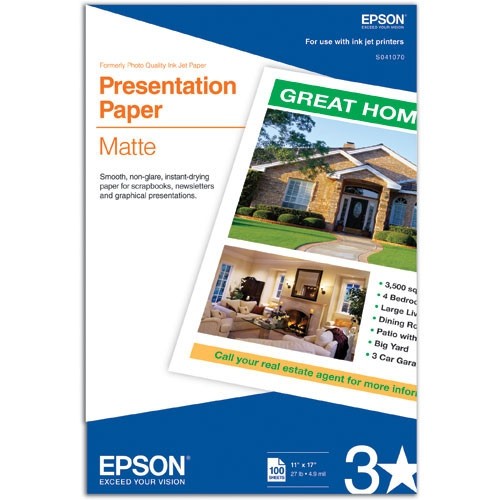
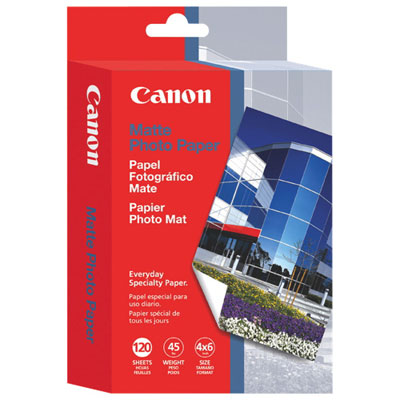
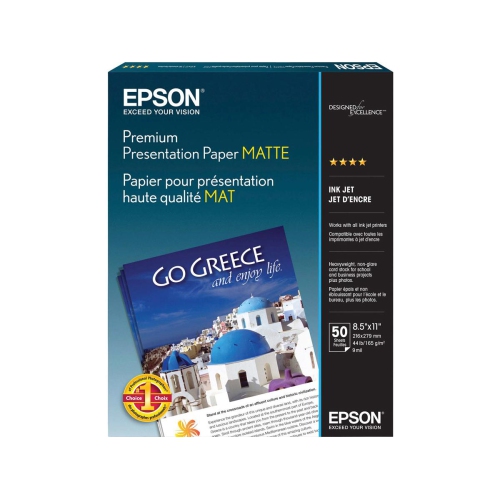
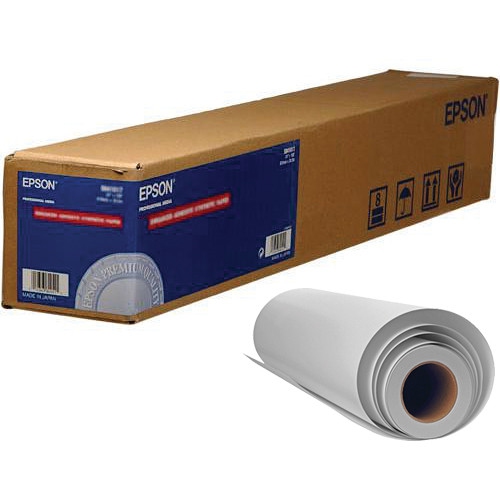
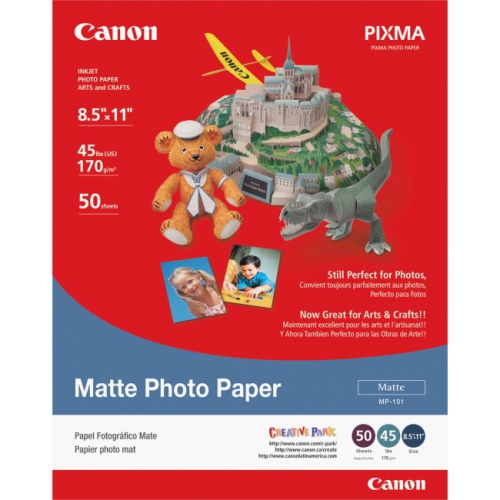


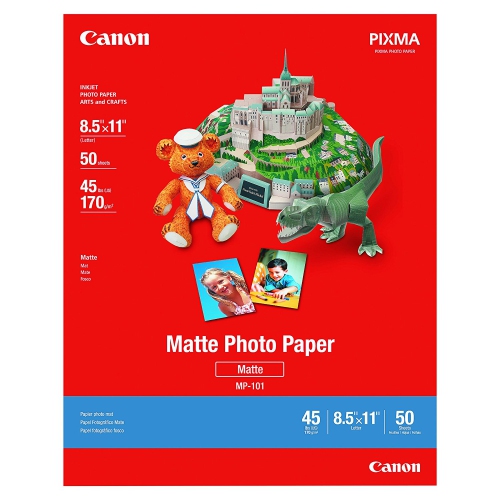
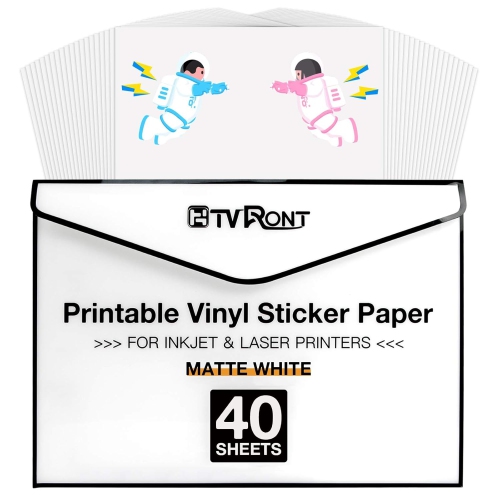
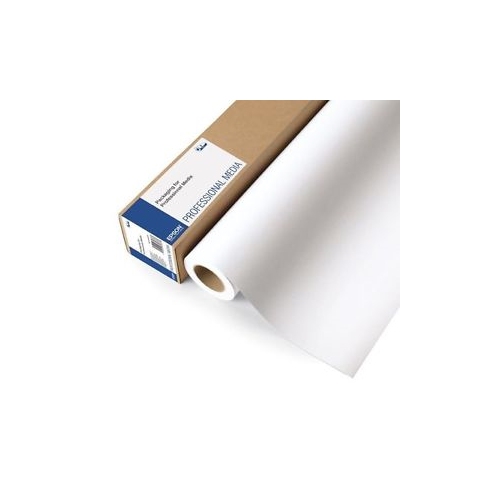
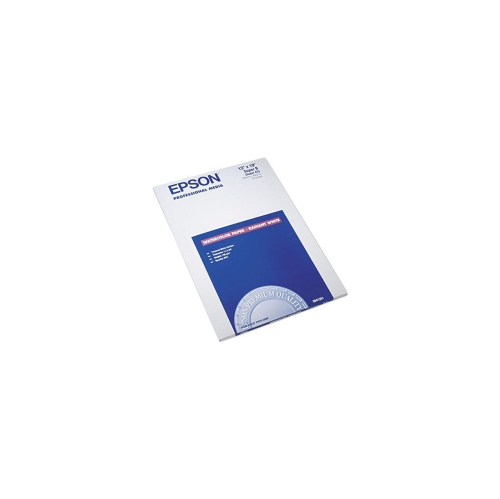
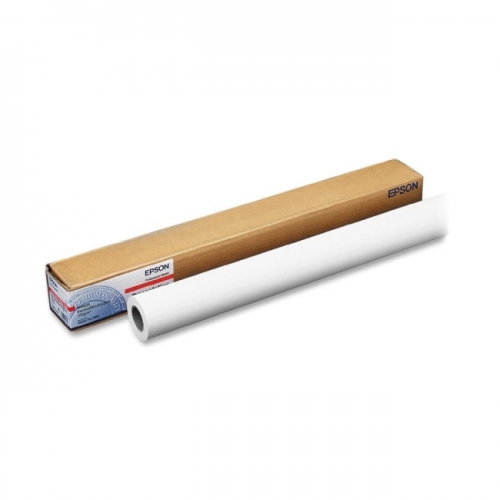
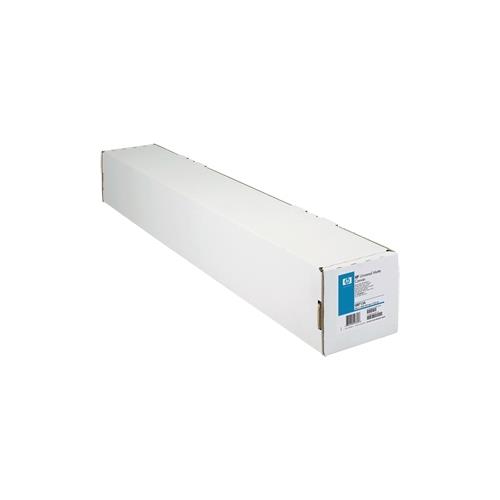
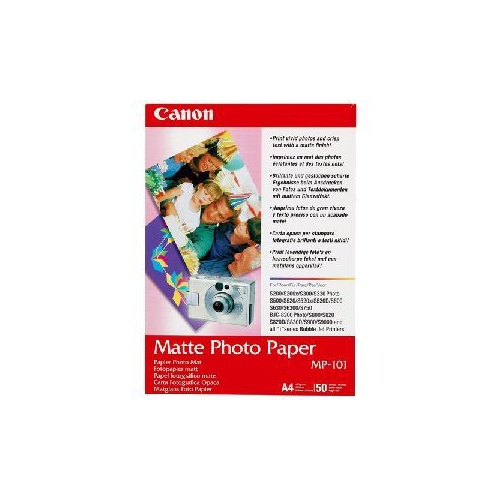
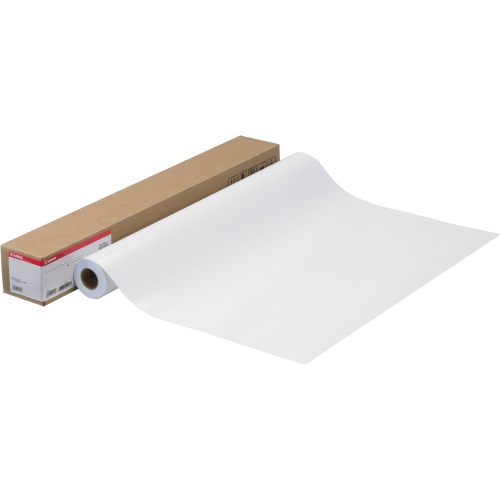
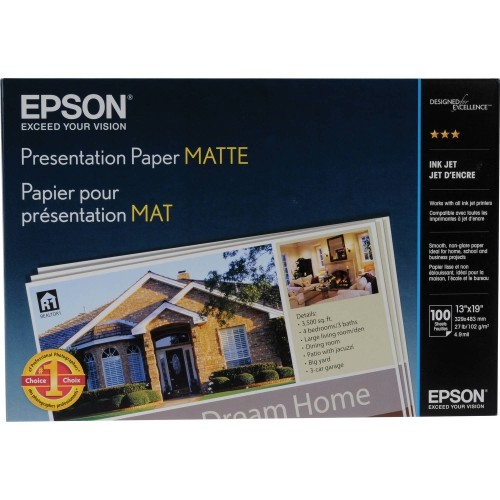

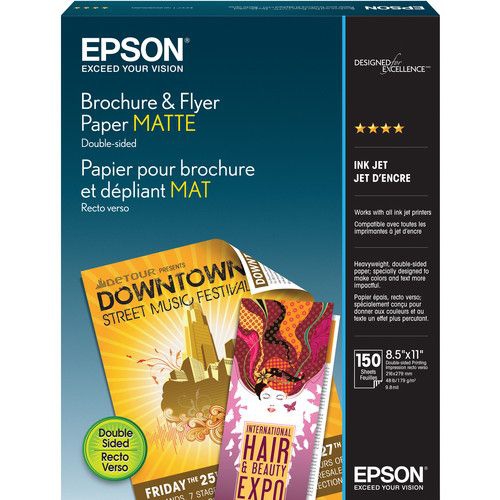
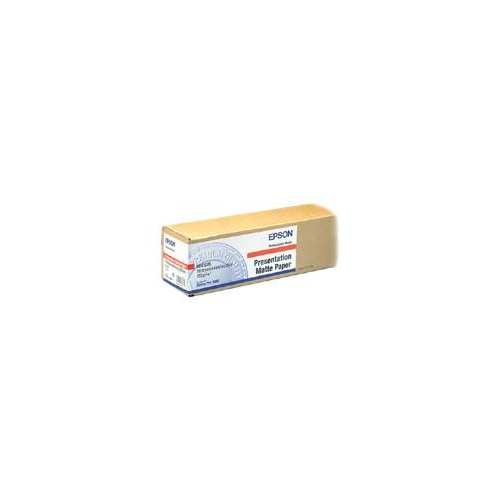
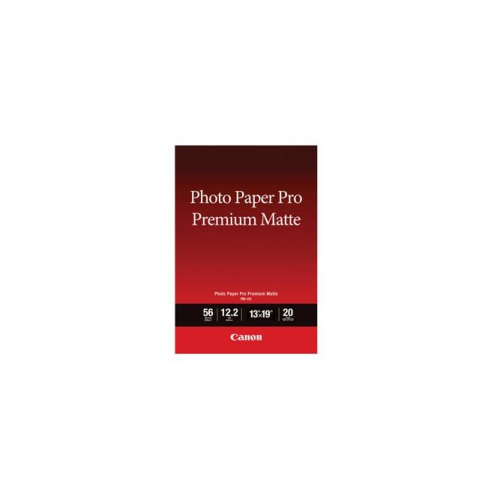
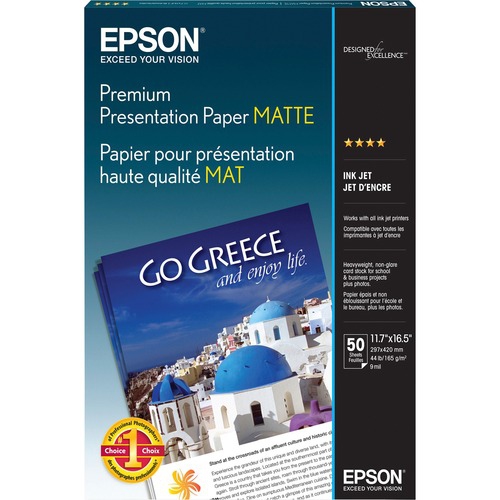
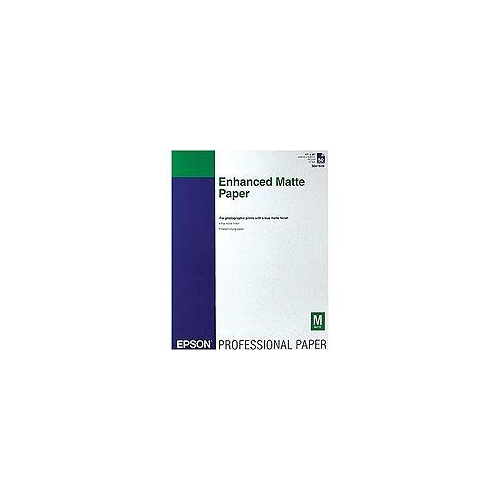


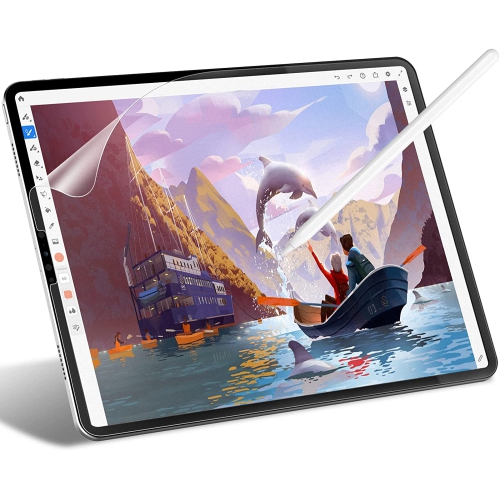
Less glare lets your printed details take centre stage
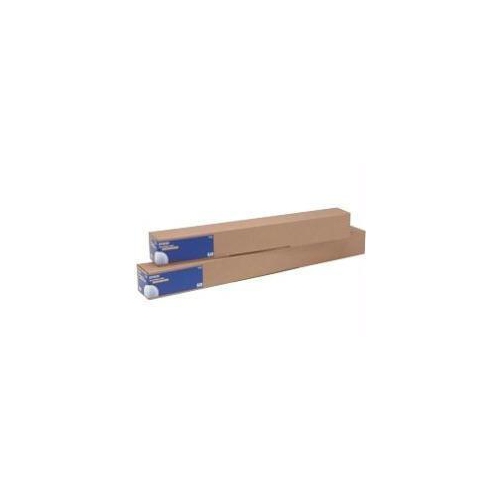
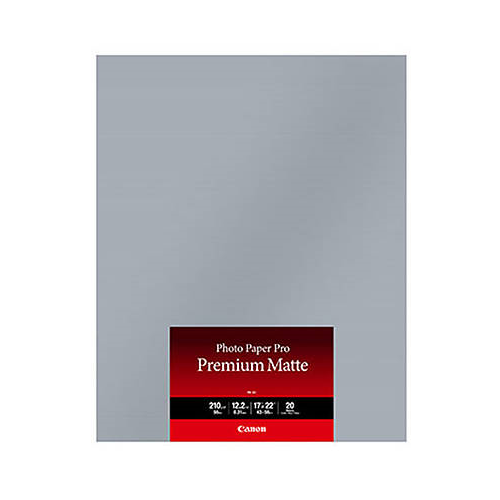
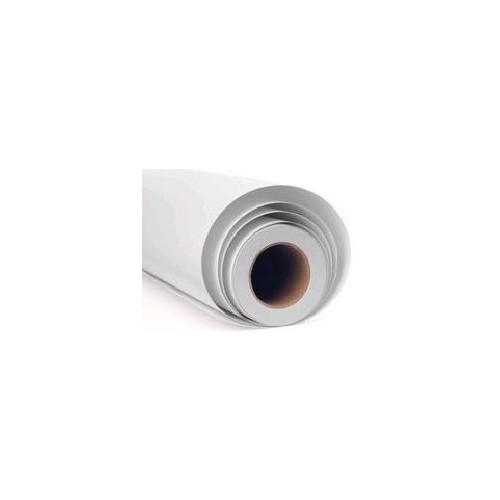
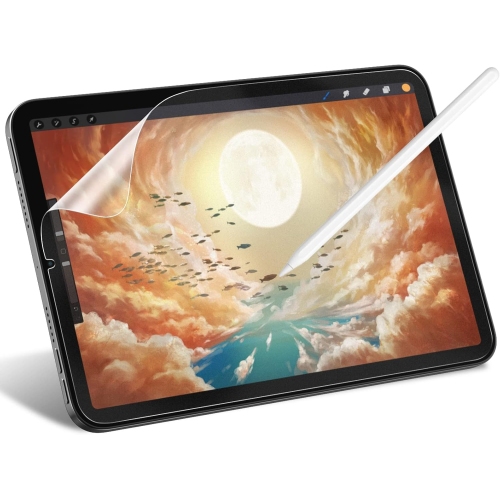
Matte papers have a flat, low-sheen finish that scatters reflected light, reducing the bright glare associated with glossy surfaces. This makes them a practical choice for photographs, art reproductions, presentation pages, and text-heavy documents that need to remain comfortable to view under different lighting conditions. A family portrait displayed near a lamp, a restaurant menu handled throughout the day, or a portfolio opened across a meeting table can all benefit from a surface that does not catch as much distracting reflection. Matte finishes also tend to make fingerprints less noticeable than glossy finishes, although oils, dirt, and abrasion can still mark the paper. The visual effect is understated: colours can appear softer, fine textures become part of the presentation, and text remains easy to read when the paper and print settings are well matched. Matte paper is not simply another name for ordinary copy paper. The category includes uncoated sheets as well as specially coated photo, presentation, and fine art papers designed to receive ink in controlled ways. Coated matte papers can reproduce crisp details without a shiny top layer, while uncoated papers often suit everyday writing and simpler printed documents. Surface texture varies from smooth and even to visibly textured, with each finish affecting the character of the final image. Smooth paper can suit detailed illustrations, architectural drawings, and small type; a textured surface may lend depth to a watercolour reproduction or a landscape photograph. Some papers use wood-pulp fibres, while others incorporate cotton fibres for particular fine art applications. Fibre content alone does not establish print quality or lifespan, so the coating, ink compatibility, and storage conditions also matter. For photographers, students, artists, and small-business owners, the appeal of matte papers lies in this balance of readable detail, tactile character, and a restrained finish that lets the printed content take centre stage.
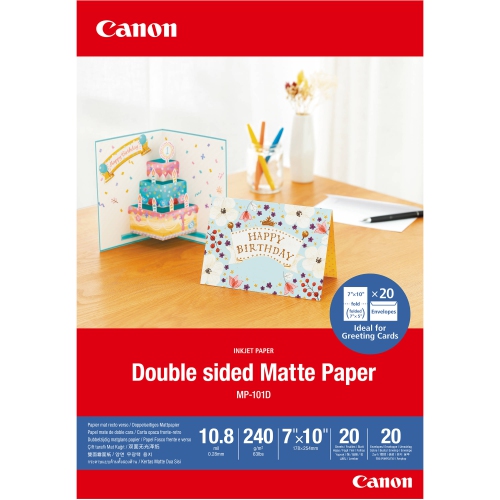
Printer compatibility is one of the most important differences between matte papers. Inkjet papers are made to manage liquid ink, while laser-compatible papers must tolerate the heat used to bond toner to the sheet. A matte finish does not make a paper suitable for both technologies, and a coating intended only for inkjet printing should not be put through a laser printer unless the paper manufacturer explicitly permits it. Within inkjet printing, compatibility with dye-based or pigment-based inks can also influence colour reproduction, drying, and resistance to fading. Paper weight, usually expressed in grams per square metre, or gsm, offers a useful indication of substance, but it is not the same as thickness or stiffness. Two papers with the same gsm can feel different because of their fibre composition and construction. Lighter sheets can suit multi-page handouts and routine documents, while heavier papers may give photographs, certificates, and presentation covers a more substantial feel. The printer’s supported weight and thickness limits remain important, particularly with rigid sheets that may need a rear feed or a straighter paper path. Size matters just as much: letter-size sheets measure 8.5 x 11 inches, while photo formats, larger sheets, and rolls serve different layouts and printer types. Leaving enough space for required margins helps prevent cropped captions or borders that print unevenly. For brochures, portfolios, and other work printed on both sides, a double-sided matte coating allows each face to receive ink as intended. Opacity is another consideration, since a sheet that lets a dark photograph show through can make text on the reverse harder to read. When folding thicker paper into cards or covers, a clean score can help produce a neater crease, although some coatings may still crack along a fold. These details make a noticeable difference in familiar projects, from a student’s illustrated assignment to a photographer’s leave-behind portfolio or a set of neatly printed instructions for a community workshop.
The best match between matte paper and its intended use also depends on how the finished piece will be handled and displayed. For a framed photograph or art print, the paper’s base colour can influence the image: a warm white may complement muted portraits and sepia tones, while a brighter white can suit crisp graphics and cooler colour palettes. Matte surfaces generally produce less apparent contrast and shallower blacks than comparable glossy photo papers, but the result varies with the coating, printer, and ink. A small test print is useful when shadow detail, skin tones, or subtle gradients matter. Selecting the appropriate media setting helps the printer apply ink correctly, and a matching colour profile, when supplied for the paper and printer combination, can improve consistency. A screen remains a backlit view of an image rather than an exact preview of reflected light on paper; Matte Monitors can reduce distracting screen reflections during photo editing, but a physical proof still reveals how the chosen sheet affects the finished print. For keepsakes, acid-free paper and documented permanence information are worth considering alongside the ink system, since no matte finish alone guarantees archival performance. Printed photographs given as gifts, illustrated family recipes, and personal artwork can all gain a considered, tactile quality from a well-chosen sheet. Everyday care helps preserve that appearance. Handling paper by its edges keeps skin oils away from the printable surface, and allowing prints to dry for the manufacturer’s stated time before stacking reduces the chance of transfer or scuffing. Matte paper is not automatically waterproof, so menus, signs, and frequently handled pages may need a suitable protective sleeve or other finish. Unused sheets keep their shape best when stored flat in their original packaging, away from moisture, direct sunlight, and large temperature changes. For finished prints, protective storage and display away from strong light help limit fading and surface damage. With the right combination of surface, weight, and printer compatibility, matte papers can give both everyday documents and carefully prepared creative work a clear, polished presentation.
Printer compatibility is one of the most important differences between matte papers. Inkjet papers are made to manage liquid ink, while laser-compatible papers must tolerate the heat used to bond toner to the sheet. A matte finish does not make a paper suitable for both technologies, and a coating intended only for inkjet printing should not be put through a laser printer unless the paper manufacturer explicitly permits it. Within inkjet printing, compatibility with dye-based or pigment-based inks can also influence colour reproduction, drying, and resistance to fading. Paper weight, usually expressed in grams per square metre, or gsm, offers a useful indication of substance, but it is not the same as thickness or stiffness. Two papers with the same gsm can feel different because of their fibre composition and construction. Lighter sheets can suit multi-page handouts and routine documents, while heavier papers may give photographs, certificates, and presentation covers a more substantial feel. The printer’s supported weight and thickness limits remain important, particularly with rigid sheets that may need a rear feed or a straighter paper path. Size matters just as much: letter-size sheets measure 8.5 x 11 inches, while photo formats, larger sheets, and rolls serve different layouts and printer types. Leaving enough space for required margins helps prevent cropped captions or borders that print unevenly. For brochures, portfolios, and other work printed on both sides, a double-sided matte coating allows each face to receive ink as intended. Opacity is another consideration, since a sheet that lets a dark photograph show through can make text on the reverse harder to read. When folding thicker paper into cards or covers, a clean score can help produce a neater crease, although some coatings may still crack along a fold. These details make a noticeable difference in familiar projects, from a student’s illustrated assignment to a photographer’s leave-behind portfolio or a set of neatly printed instructions for a community workshop.
The best match between matte paper and its intended use also depends on how the finished piece will be handled and displayed. For a framed photograph or art print, the paper’s base colour can influence the image: a warm white may complement muted portraits and sepia tones, while a brighter white can suit crisp graphics and cooler colour palettes. Matte surfaces generally produce less apparent contrast and shallower blacks than comparable glossy photo papers, but the result varies with the coating, printer, and ink. A small test print is useful when shadow detail, skin tones, or subtle gradients matter. Selecting the appropriate media setting helps the printer apply ink correctly, and a matching colour profile, when supplied for the paper and printer combination, can improve consistency. A screen remains a backlit view of an image rather than an exact preview of reflected light on paper; Matte Monitors can reduce distracting screen reflections during photo editing, but a physical proof still reveals how the chosen sheet affects the finished print. For keepsakes, acid-free paper and documented permanence information are worth considering alongside the ink system, since no matte finish alone guarantees archival performance. Printed photographs given as gifts, illustrated family recipes, and personal artwork can all gain a considered, tactile quality from a well-chosen sheet. Everyday care helps preserve that appearance. Handling paper by its edges keeps skin oils away from the printable surface, and allowing prints to dry for the manufacturer’s stated time before stacking reduces the chance of transfer or scuffing. Matte paper is not automatically waterproof, so menus, signs, and frequently handled pages may need a suitable protective sleeve or other finish. Unused sheets keep their shape best when stored flat in their original packaging, away from moisture, direct sunlight, and large temperature changes. For finished prints, protective storage and display away from strong light help limit fading and surface damage. With the right combination of surface, weight, and printer compatibility, matte papers can give both everyday documents and carefully prepared creative work a clear, polished presentation.
Top selling and popular products
-
 Your price for this item is $33.37
 -
 Your price for this item is $24.68
 -
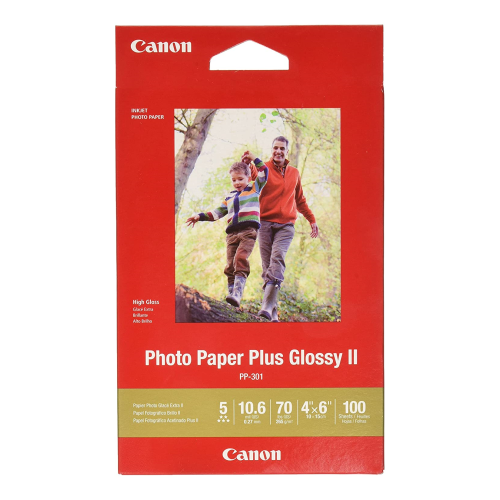 Your price for this item is $29.99
 -
 Your price for this item is $31.68
 -
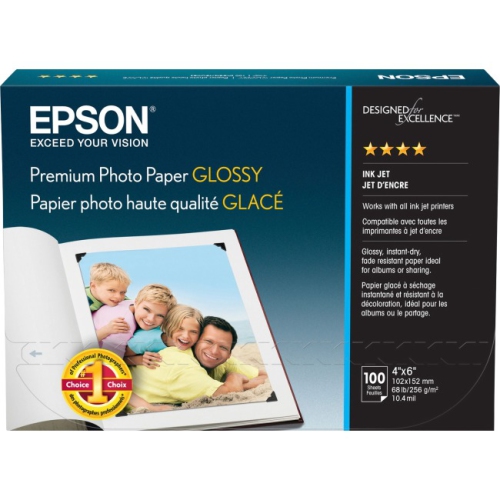 Your price for this item is $31.68
 -
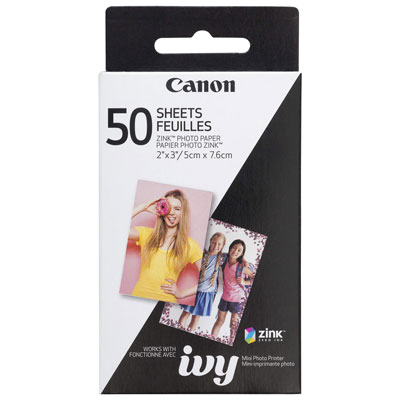 Your price for this item is $39.99
 -
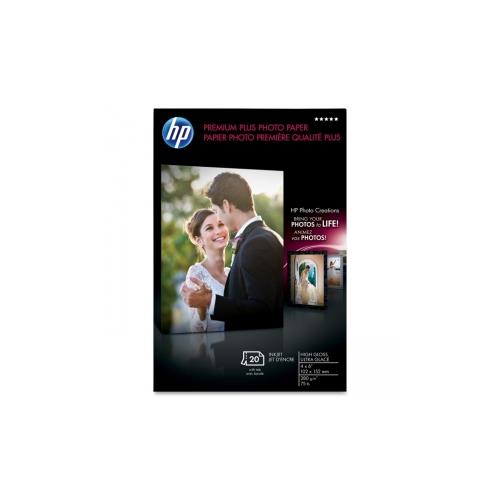 Your price for this item is $28.99
 -
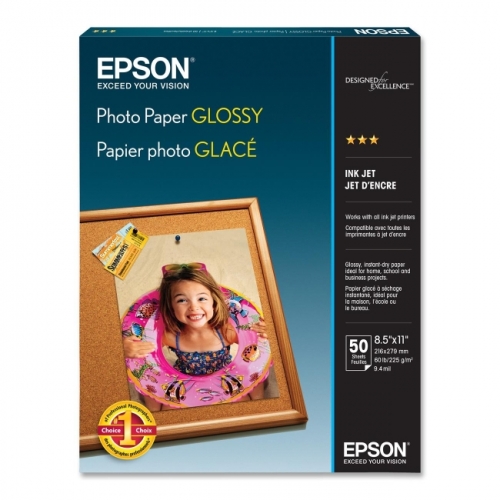 Your price for this item is $48.68
Discover more categories related to Matte Papers

Top Collections:
Pokemon Centers, Kindle Devices, Best Budget Office Chairs, Apple iPhones 16, Best Laptops for Writers, iPhone 15 Apple, Canon G7X Cameras, Refurbished Apple Laptops, Alarm Clock, Motorola Razr Phones
Some products may be subject to Environmental Handling Fees
(EHF) depending on your province.
Learn more about EHFs.