Green File Folders
Organize your documents in style with our selection of green file folders. Whether you're a student, professional, or just someone who likes to keep things tidy, these vibrant folders are the perfect addition to any filing system. Made from durable materials, they are designed to withstand daily use and protect your important papers. With their eye-catching green color, these file folders not only make it easy to locate specific documents but also add a pop of personality to your workspace. Explore our range of green file folders today and bring a touch of organization and flair to your office or home.
Sort








A colour cue that makes paperwork easier to identify
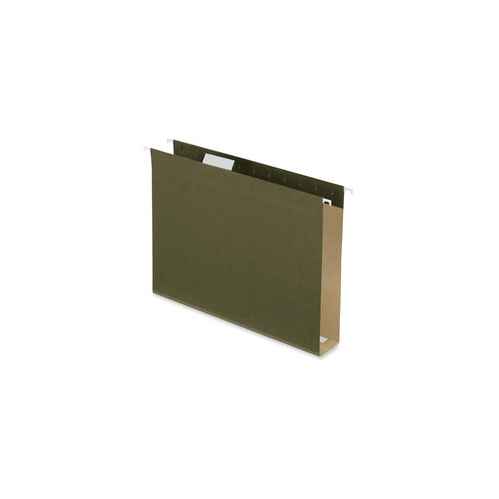
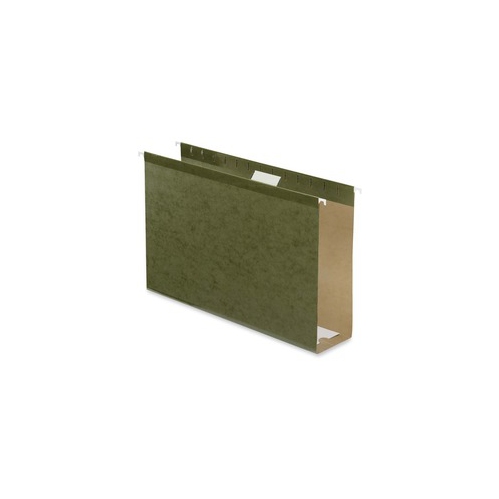
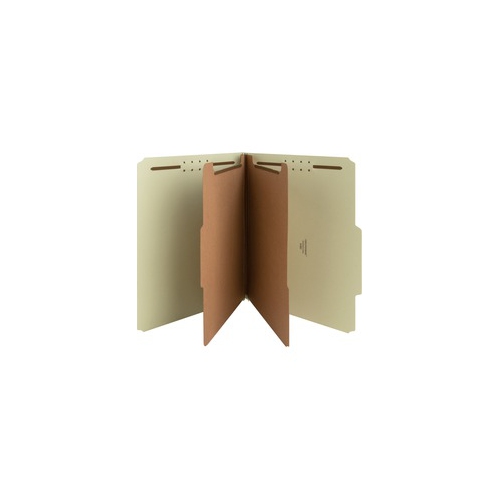
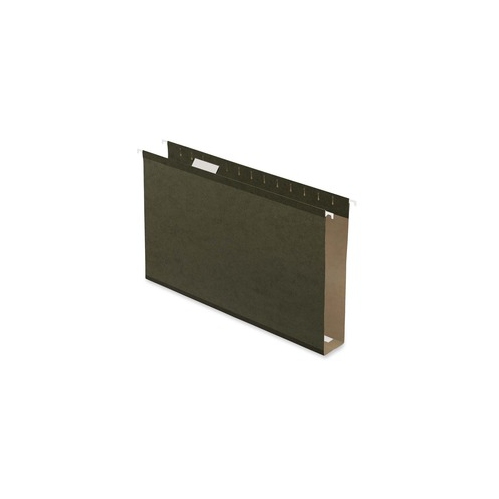
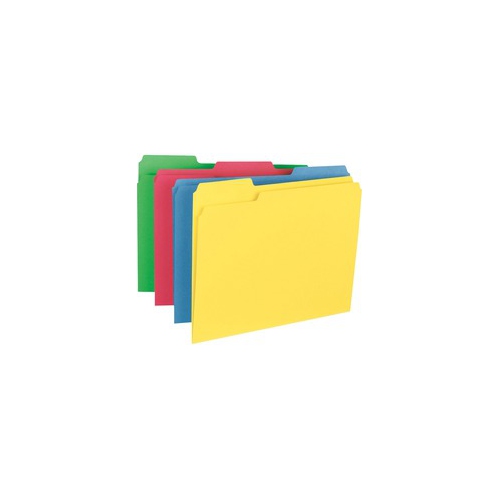
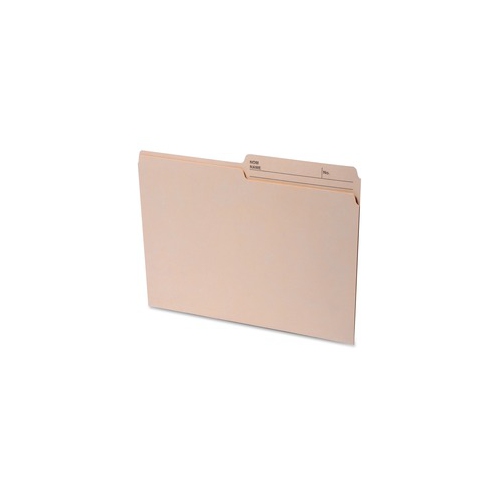
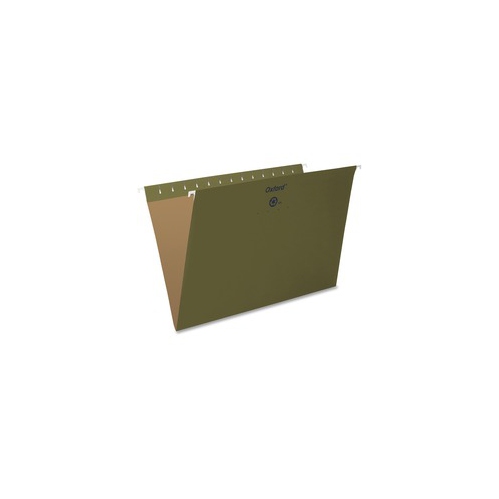
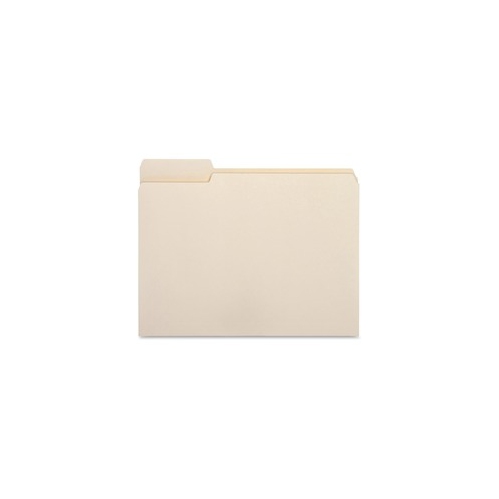
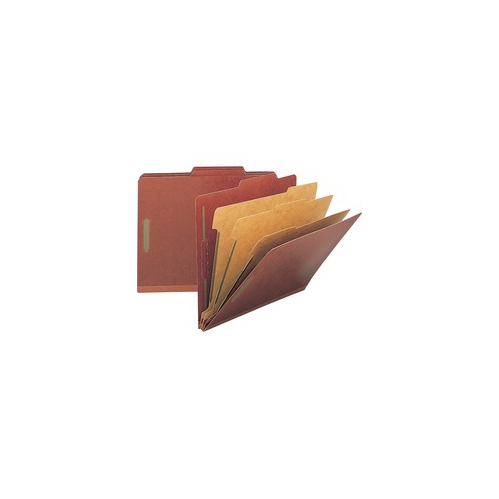
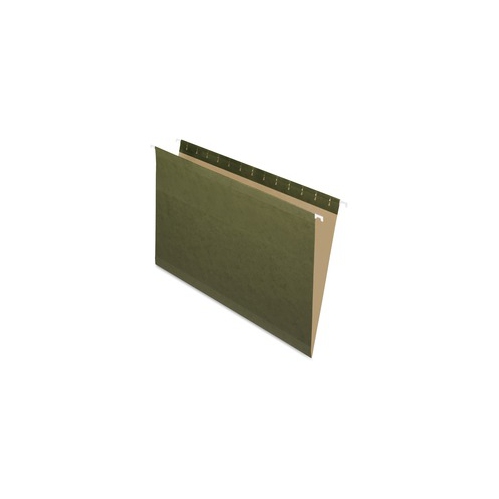
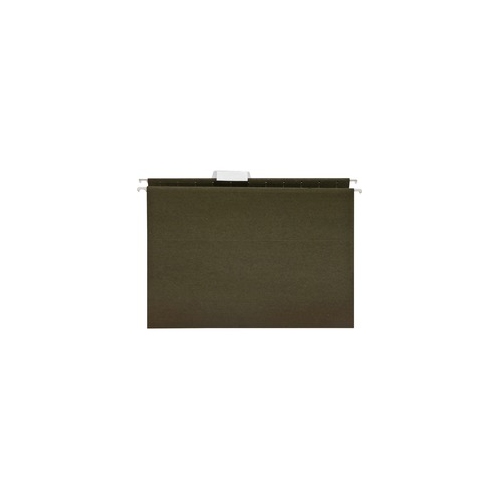
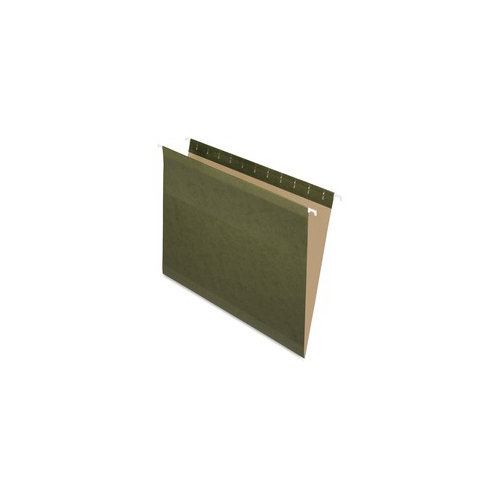
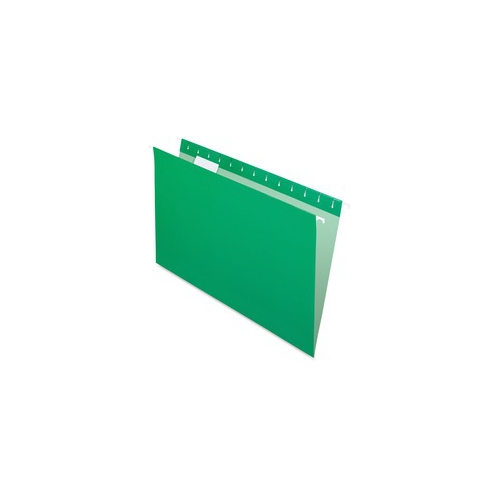
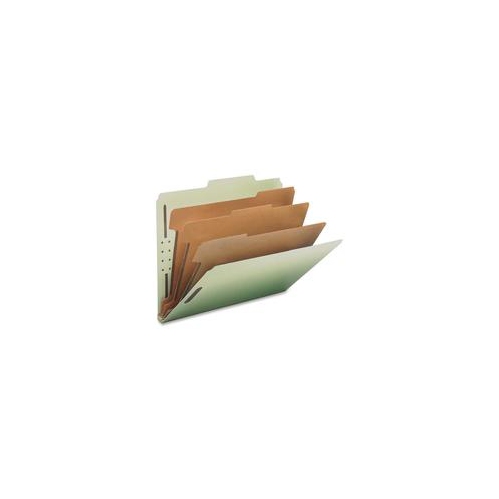
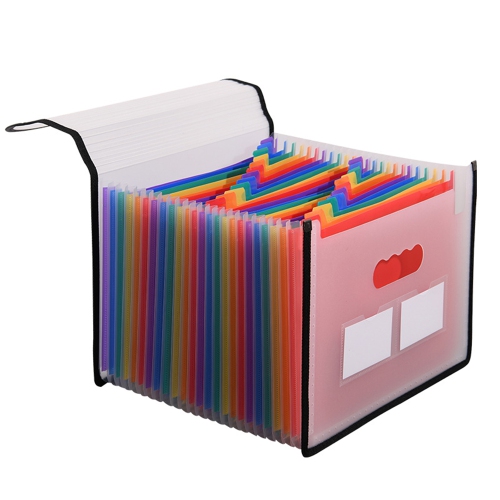
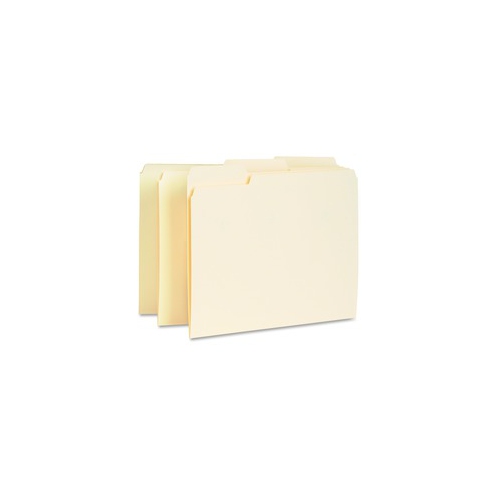
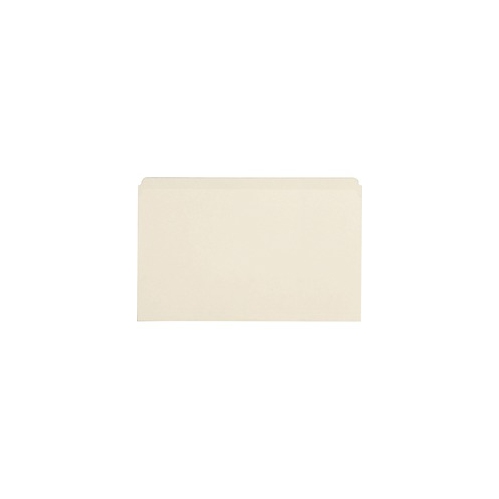
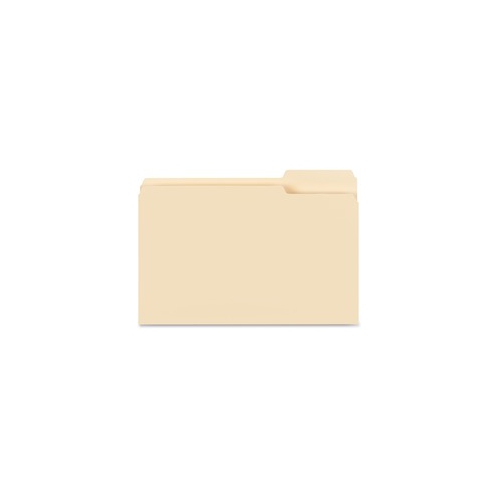
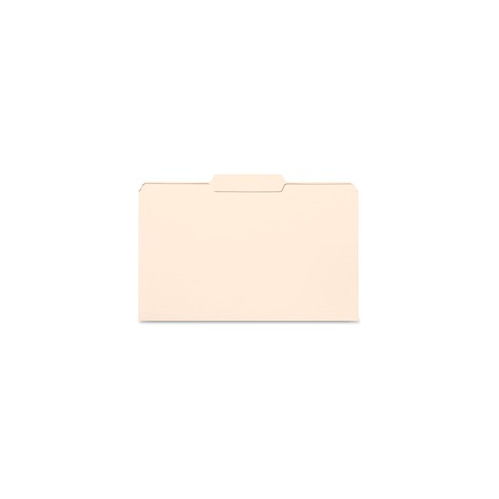
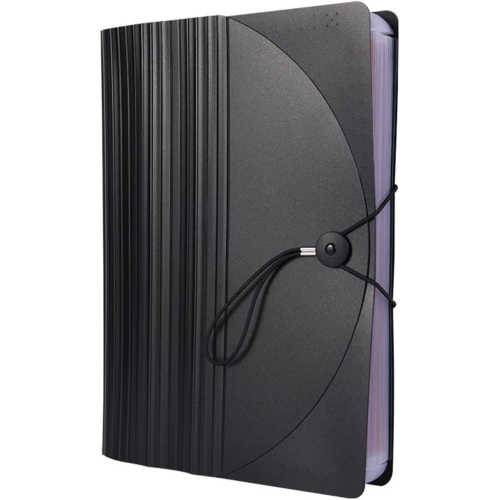
Green file folders organize paper documents while adding a clear colour cue to a desk, drawer, or filing cabinet. The green refers to the folder’s colour, which can help distinguish one group of documents from another without reading every label. In a home office, green might identify household paperwork, while a shared workplace could assign it to a department, client group, or project stage. Common formats include standard top-tab folders, hanging folders, and expanding folders, each suited to a different way of storing and handling papers. Standard folders fold around a stack of documents and are easy to lift out for a meeting or place inside a larger filing system. Hanging folders have support rods with hooks that rest on compatible drawer rails, keeping separate groups of papers upright. Expanding folders provide additional room for files that grow over time, although their capacity and closure style vary. Size is an important distinction: letter-size folders are intended for sheets measuring 8.5 by 11 inches, while legal-size folders accommodate sheets measuring 8.5 by 14 inches. A legal-size folder needs a suitably sized drawer or storage box; extra length is not useful if the folder cannot sit properly inside it. A4 sheets have different dimensions again, so paperwork from multiple sources may need a closer fit check. For documents in protective sleeves, the sleeve’s outer measurements matter as much as the paper size. The same applies to stapled packets, folded plans, and divider sheets with projecting tabs. A folder that comfortably holds loose pages may feel cramped once these extras are added. Green file folders are useful for students sorting course handouts, households keeping appliance paperwork together, and office teams separating active projects from completed files. Their value comes from making paper easier to identify, retrieve, and return to the right place, whether the system fills one small box or several cabinet drawers.
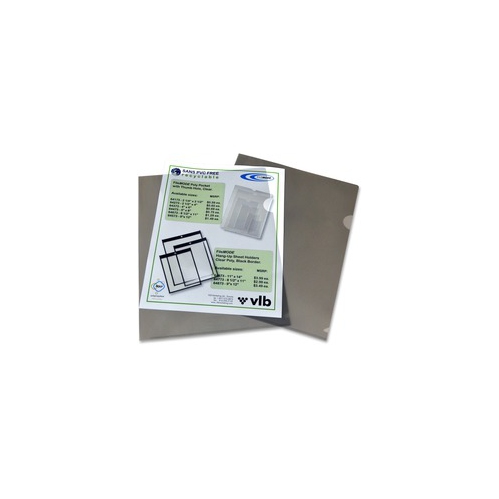
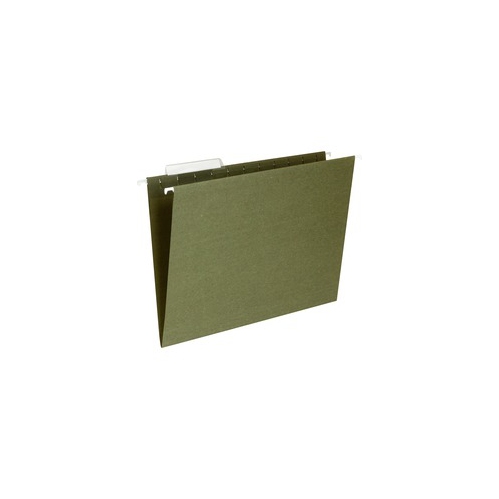
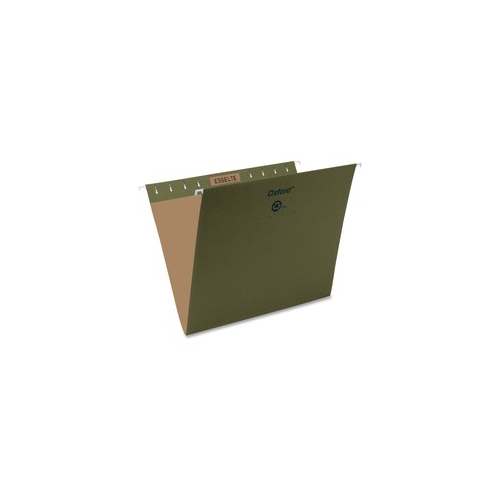
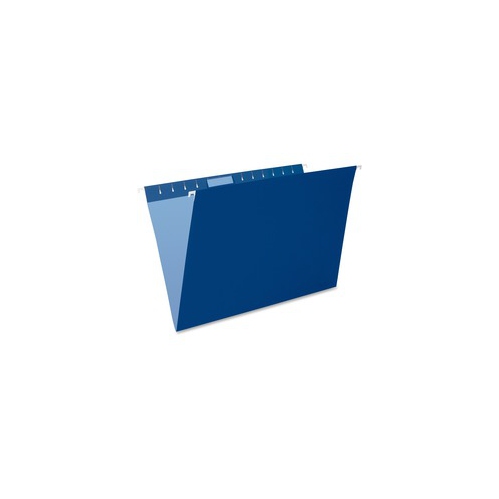
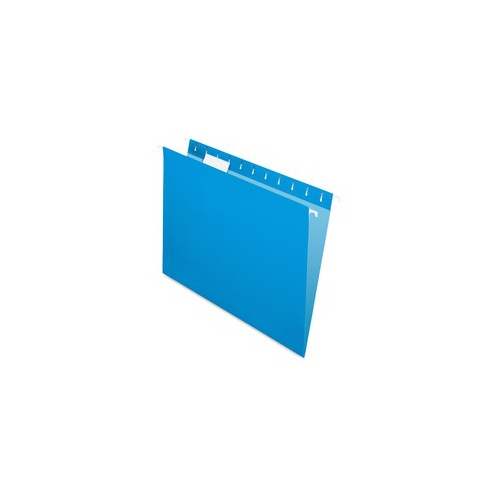
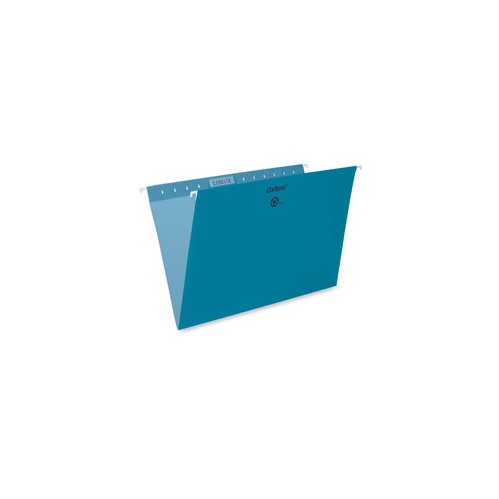
Material and construction affect how a green file folder feels in the hand and how well it handles repeated use. Paper-based folders are often made from card stock or pressboard, with thickness influencing stiffness and resistance to bending. A lighter folder can suit a slim set of documents that stays mostly in storage, while a sturdier construction may be more practical for paperwork handled throughout the day. Reinforced tabs help support the area most often pinched when a folder is pulled from a drawer, and reinforced folds can be useful where a growing stack puts pressure on the base. Plastic folders offer a different feel and may tolerate splashes and frequent handling better than uncoated paper, but an open folder should not be treated as waterproof protection. Surface finish also matters: some materials accept pencil or pen directly, while others work better with adhesive labels. Tab placement changes how easily names can be scanned across a row. Half-cut tabs provide a broad writing area; third-cut tabs can create staggered label positions when arranged consistently. Full-width tabs offer more space for longer descriptions, although visibility still depends on the drawer layout and neighbouring folders. For rail-based storage, Standard Green Hanging File Folders provide a useful category to consider alongside folders that sit inside them. Hanging formats need to match both the intended paper size and the cabinet’s rail arrangement. The overall width across the support rods is different from the width of the paper compartment, so checking the filing furniture’s specifications helps prevent a poor fit. Some hanging designs use movable label holders, allowing labels to be positioned where they are easiest to see. Interior folders can then separate smaller subjects within a broader hanging file, such as individual service visits within a vehicle-maintenance section. This arrangement also makes it possible to carry only the relevant paperwork to an appointment while leaving the main filing structure in place.
A useful green filing system balances clear categories with enough space to handle everyday changes. Rather than filling each folder until the sides bow outward, leave room for pages to slide in and out without catching on corners or fasteners. Scored bases can allow some folders to widen, but expansion should stay within the intended design; forcing a thick bundle into a narrow folder can split folds, distort tabs, and make neighbouring files harder to reach. For a household, separate folders for insurance documents, repair invoices, and school forms can keep unrelated papers from becoming one difficult stack. A small business might use green for supplier paperwork, with a consistent label format that begins with the supplier name and ends with the document period. In a classroom or study space, green folders can bring together assignment sheets, reference notes, and marked work for one subject. Colour works best alongside readable text rather than replacing it, particularly in shared spaces where people may distinguish shades differently. Pale green, bright green, and dark green can also appear similar under some lighting, so labels should carry the essential meaning. Keep wording short enough to read at a glance, and use consistent placement so eyes can follow a predictable line across the drawer. Durability depends partly on care: store folders upright with suitable support, avoid overcrowding the drawer, and keep paper-based materials away from liquids and damp storage areas. Remove grit or loose debris before it rubs against documents, and follow any material-specific cleaning guidance for wipeable surfaces. Repeatedly covering old labels can make tabs bulky, so replacing a worn label or folder often produces a cleaner result than adding another layer. Important original documents may need protective sleeves or storage materials specifically intended for long-term preservation, rather than ordinary office folders alone. Confidential paperwork also needs appropriate secure storage; a coloured folder organizes information but does not restrict access to it. With the right dimensions, readable tabs, and a construction suited to the frequency of use, green file folders can make routine paperwork feel orderly without turning a simple filing task into an elaborate system.
Material and construction affect how a green file folder feels in the hand and how well it handles repeated use. Paper-based folders are often made from card stock or pressboard, with thickness influencing stiffness and resistance to bending. A lighter folder can suit a slim set of documents that stays mostly in storage, while a sturdier construction may be more practical for paperwork handled throughout the day. Reinforced tabs help support the area most often pinched when a folder is pulled from a drawer, and reinforced folds can be useful where a growing stack puts pressure on the base. Plastic folders offer a different feel and may tolerate splashes and frequent handling better than uncoated paper, but an open folder should not be treated as waterproof protection. Surface finish also matters: some materials accept pencil or pen directly, while others work better with adhesive labels. Tab placement changes how easily names can be scanned across a row. Half-cut tabs provide a broad writing area; third-cut tabs can create staggered label positions when arranged consistently. Full-width tabs offer more space for longer descriptions, although visibility still depends on the drawer layout and neighbouring folders. For rail-based storage, Standard Green Hanging File Folders provide a useful category to consider alongside folders that sit inside them. Hanging formats need to match both the intended paper size and the cabinet’s rail arrangement. The overall width across the support rods is different from the width of the paper compartment, so checking the filing furniture’s specifications helps prevent a poor fit. Some hanging designs use movable label holders, allowing labels to be positioned where they are easiest to see. Interior folders can then separate smaller subjects within a broader hanging file, such as individual service visits within a vehicle-maintenance section. This arrangement also makes it possible to carry only the relevant paperwork to an appointment while leaving the main filing structure in place.
A useful green filing system balances clear categories with enough space to handle everyday changes. Rather than filling each folder until the sides bow outward, leave room for pages to slide in and out without catching on corners or fasteners. Scored bases can allow some folders to widen, but expansion should stay within the intended design; forcing a thick bundle into a narrow folder can split folds, distort tabs, and make neighbouring files harder to reach. For a household, separate folders for insurance documents, repair invoices, and school forms can keep unrelated papers from becoming one difficult stack. A small business might use green for supplier paperwork, with a consistent label format that begins with the supplier name and ends with the document period. In a classroom or study space, green folders can bring together assignment sheets, reference notes, and marked work for one subject. Colour works best alongside readable text rather than replacing it, particularly in shared spaces where people may distinguish shades differently. Pale green, bright green, and dark green can also appear similar under some lighting, so labels should carry the essential meaning. Keep wording short enough to read at a glance, and use consistent placement so eyes can follow a predictable line across the drawer. Durability depends partly on care: store folders upright with suitable support, avoid overcrowding the drawer, and keep paper-based materials away from liquids and damp storage areas. Remove grit or loose debris before it rubs against documents, and follow any material-specific cleaning guidance for wipeable surfaces. Repeatedly covering old labels can make tabs bulky, so replacing a worn label or folder often produces a cleaner result than adding another layer. Important original documents may need protective sleeves or storage materials specifically intended for long-term preservation, rather than ordinary office folders alone. Confidential paperwork also needs appropriate secure storage; a coloured folder organizes information but does not restrict access to it. With the right dimensions, readable tabs, and a construction suited to the frequency of use, green file folders can make routine paperwork feel orderly without turning a simple filing task into an elaborate system.
Top selling and popular products
-
 Your price for this item is $15.99
 -
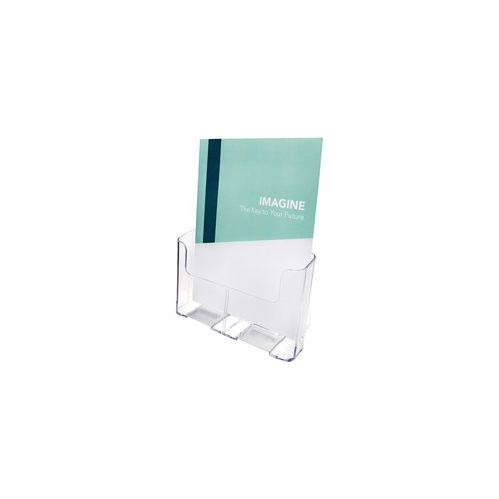 Your price for this item is $18.99
 -
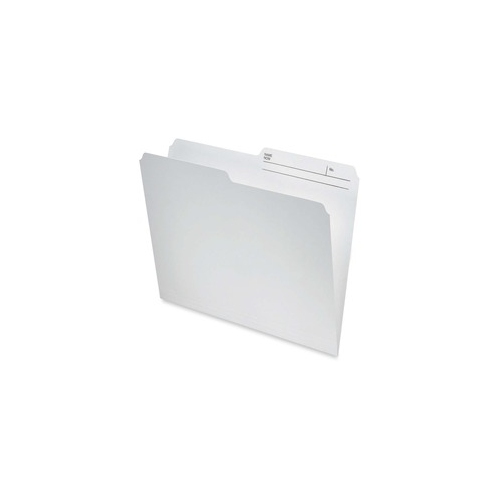 Your price for this item is $28.99
 -
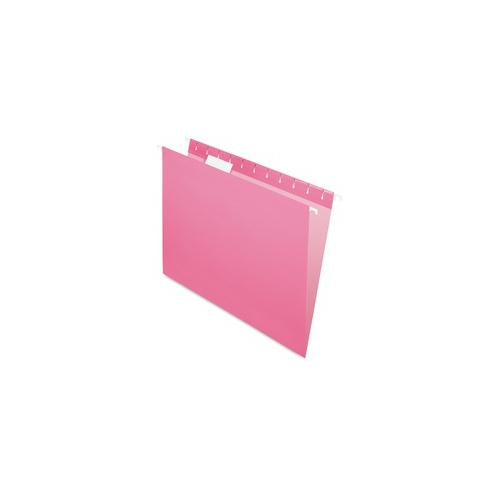 Your price for this item is $44.99
 -
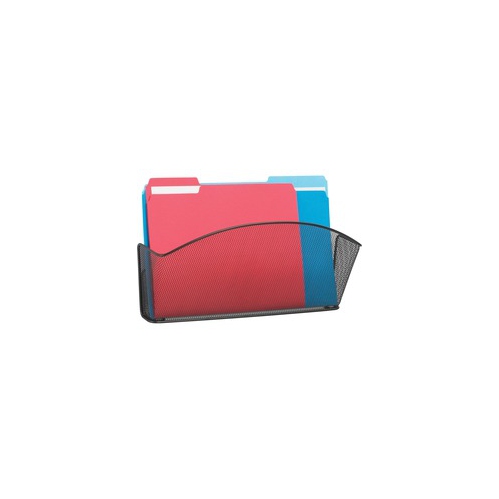 Your price for this item is $40.99
 -
 Your price for this item is $16.99
 -
 Your price for this item is $22.66
 -
 Your price for this item is $25.45
Discover more categories related to Green File Folders
Top Collections:
Pokemon Centers, Kindle Devices, Best Budget Office Chairs, Apple iPhones 16, Best Laptops for Writers, iPhone 15 Apple, Canon G7X Cameras, Refurbished Apple Laptops, Alarm Clock, Motorola Razr Phones
Some products may be subject to Environmental Handling Fees
(EHF) depending on your province.
Learn more about EHFs.