Legal File Folders
Organize your important documents effortlessly with our wide range of legal file folders. Whether you need to keep track of legal papers, contracts, or important records, these file folders are designed to provide a secure and efficient storage solution. With various sizes, colors, and materials to choose from, finding the perfect fit for your office or home has never been easier. Here are some great options available.
Sort



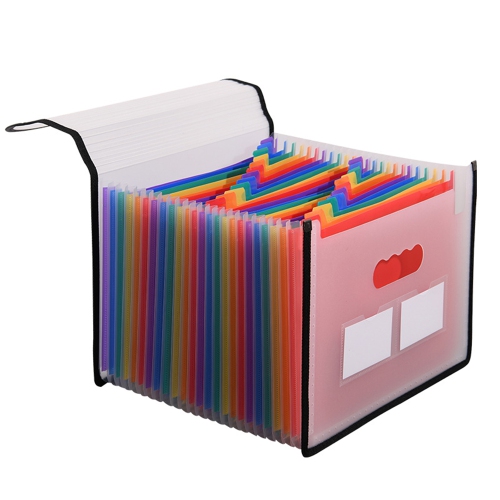








![NAVOR Expanding File Folder With 24 Pockets, Portable A4 Paper Size File Organizer, Suitable for Home/office/study/travel With Colored Labels [Black]](https://multimedia.bbycastatic.ca/multimedia/products/500x500/171/17163/17163062.jpeg)
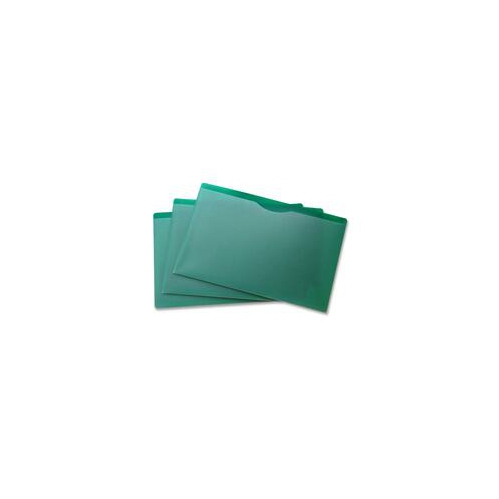
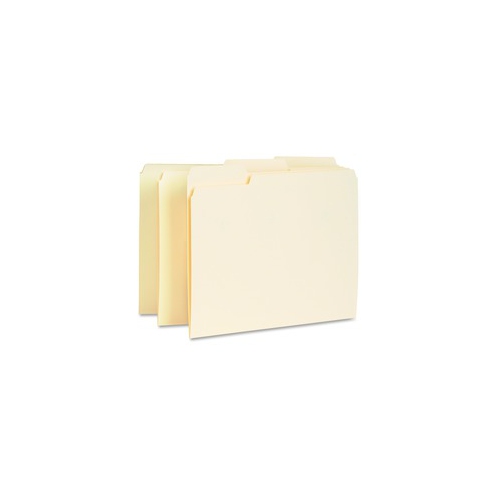
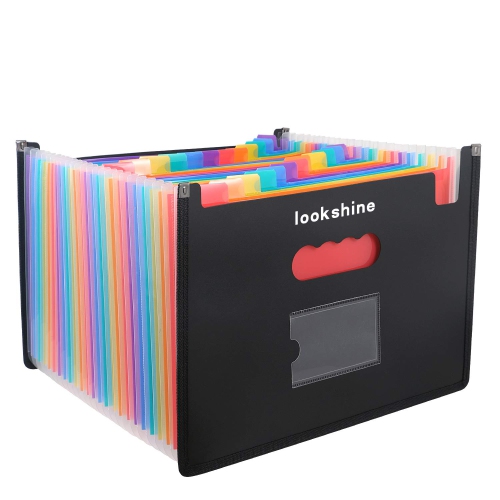
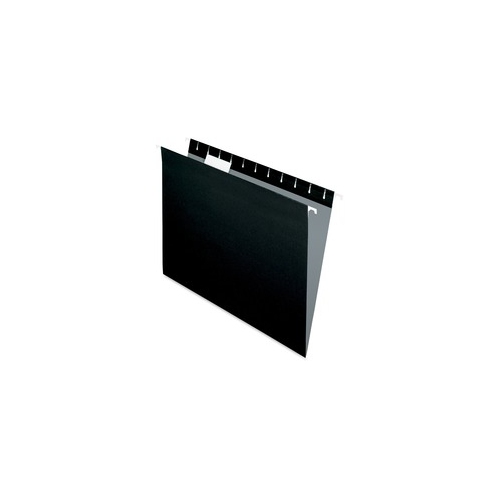
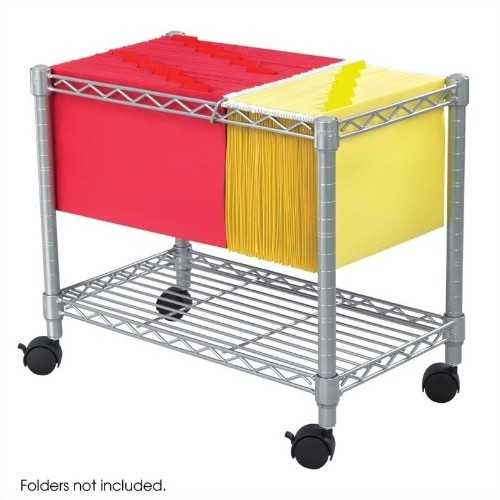
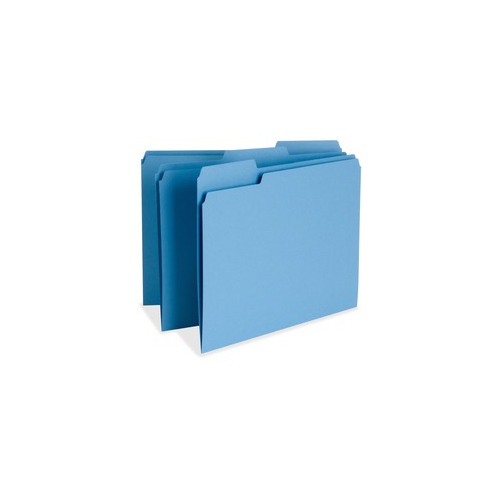
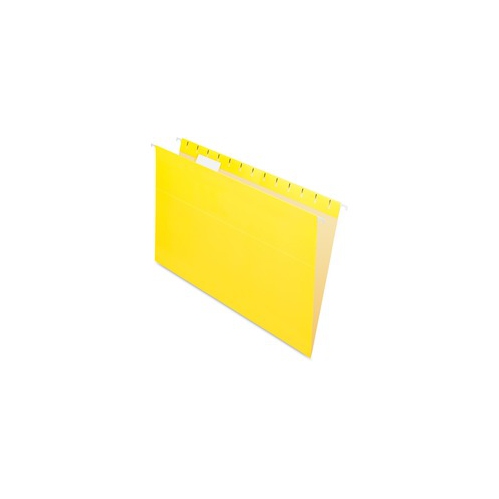
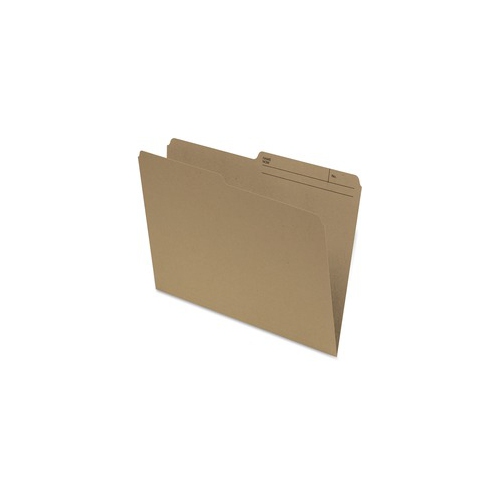
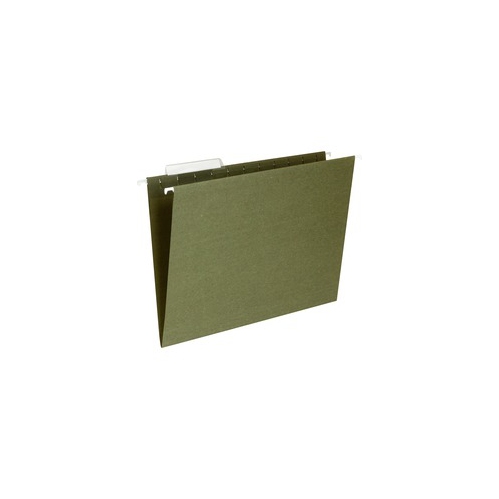
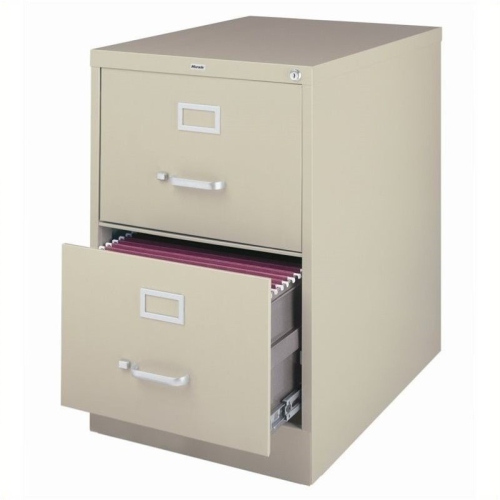
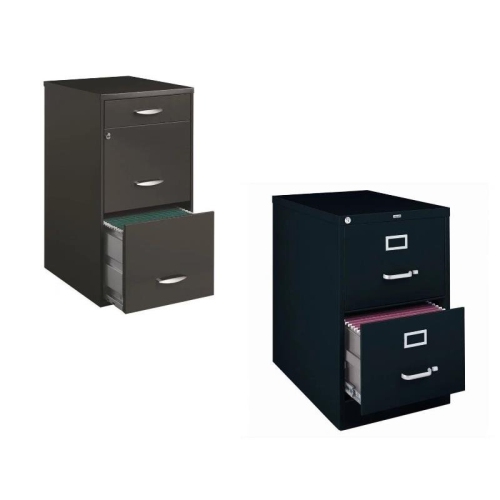
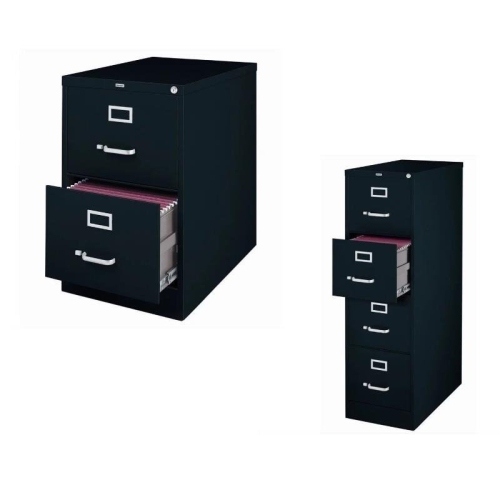
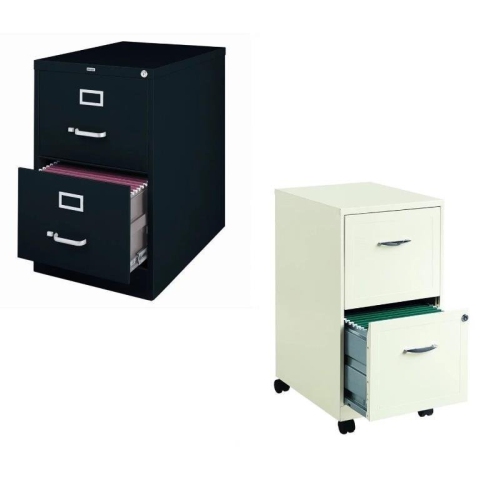
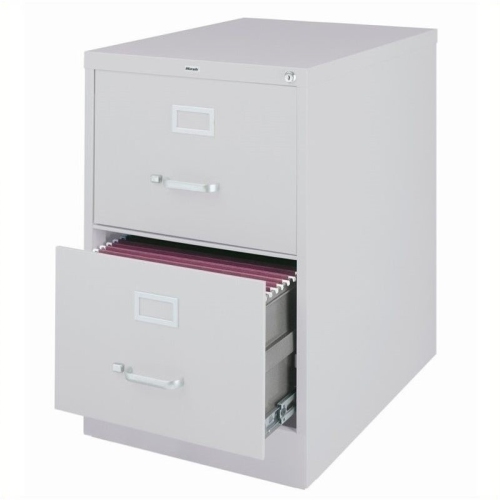
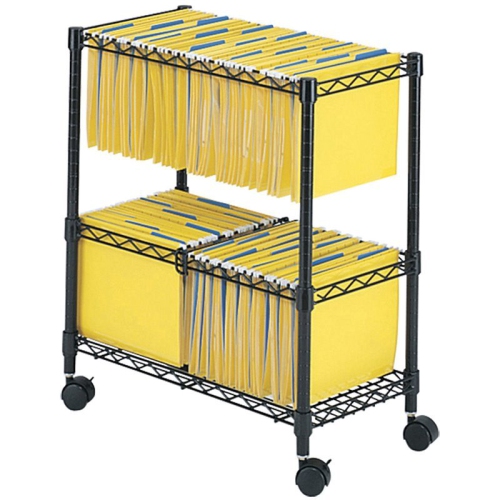
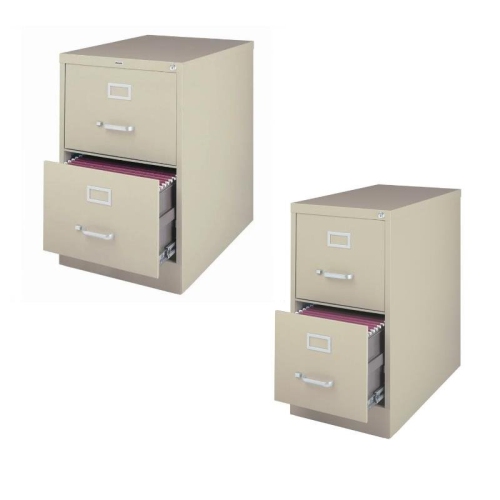
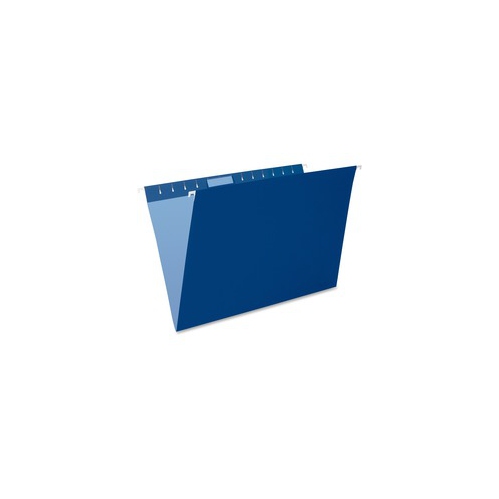
More room for longer documents to lie flat
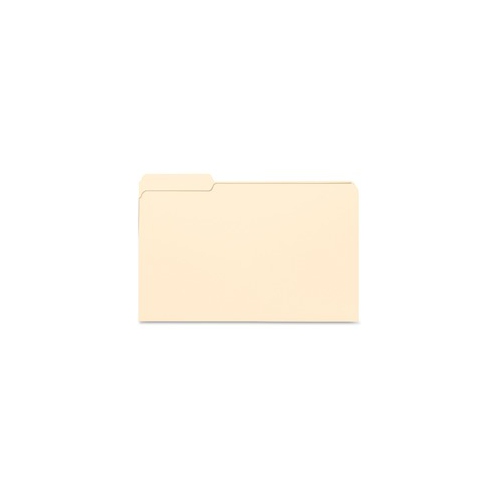
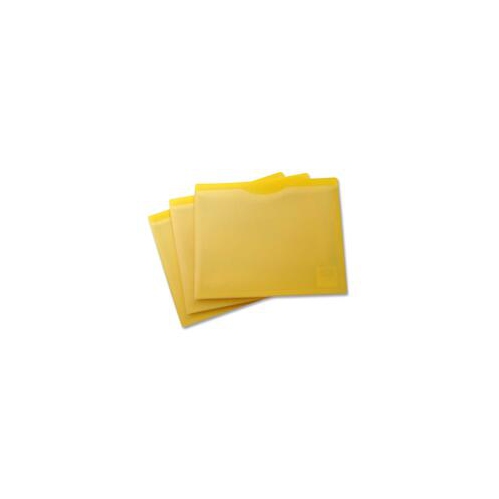
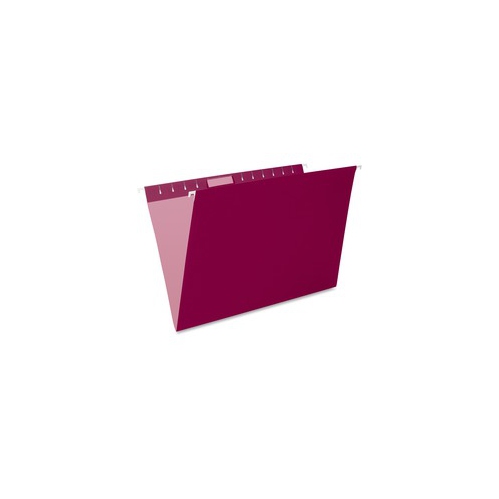
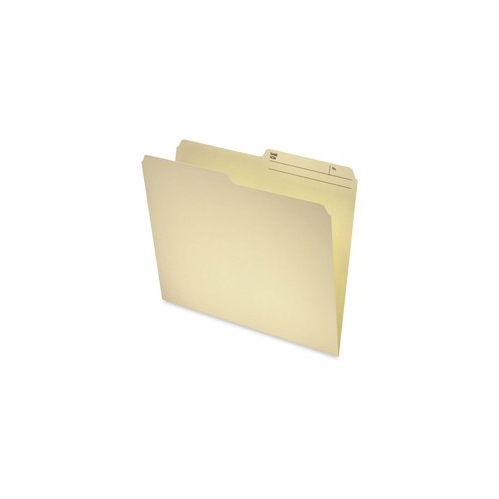
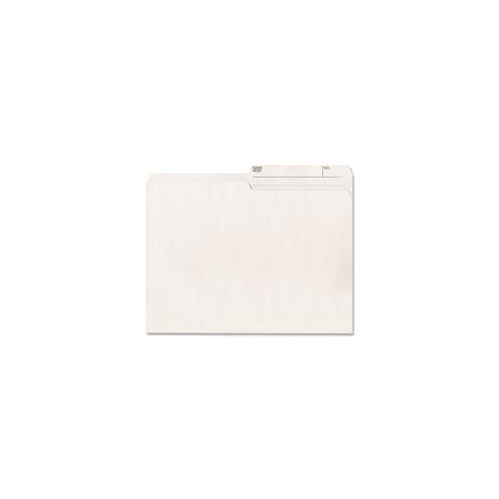
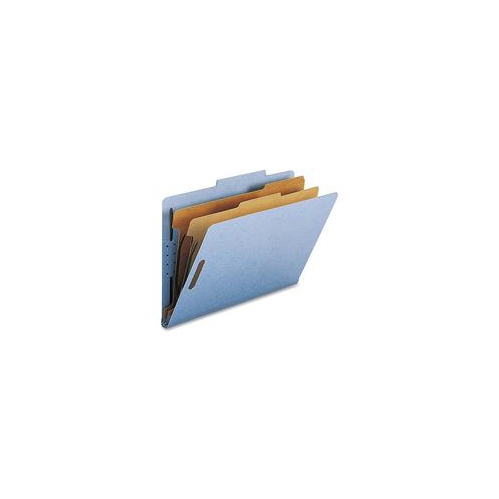
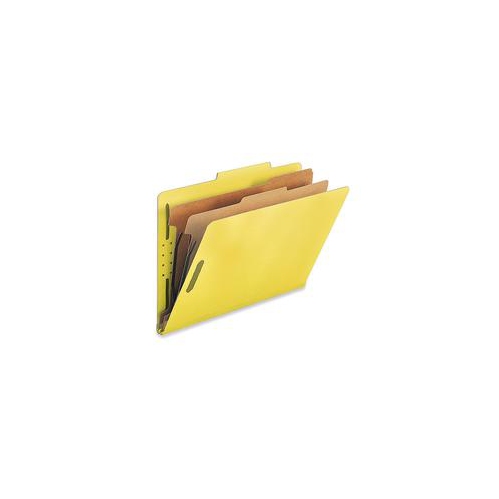
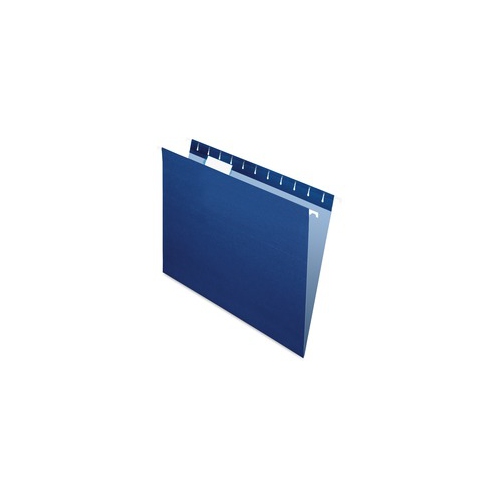
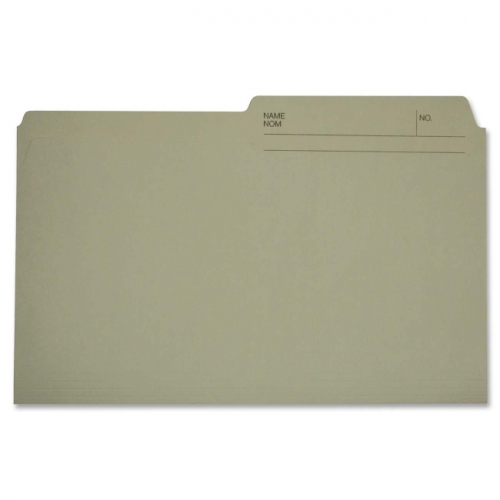
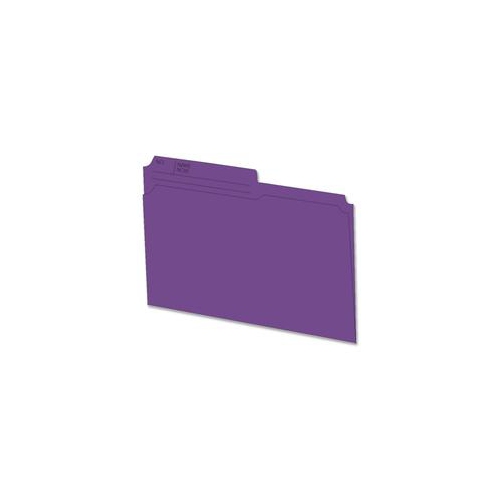
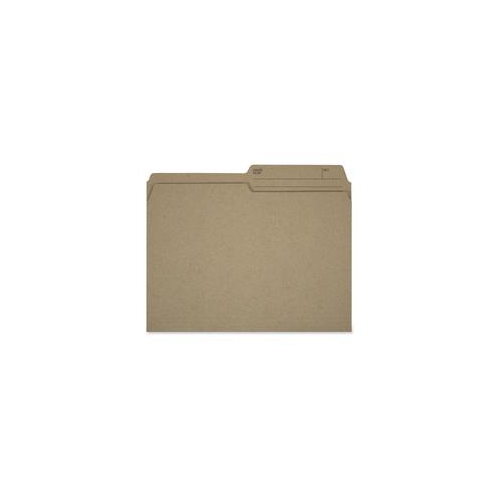
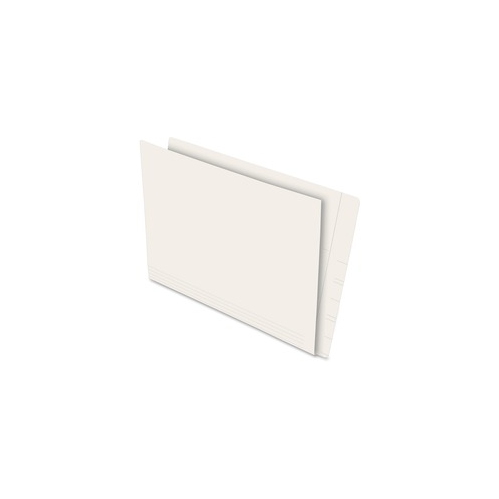
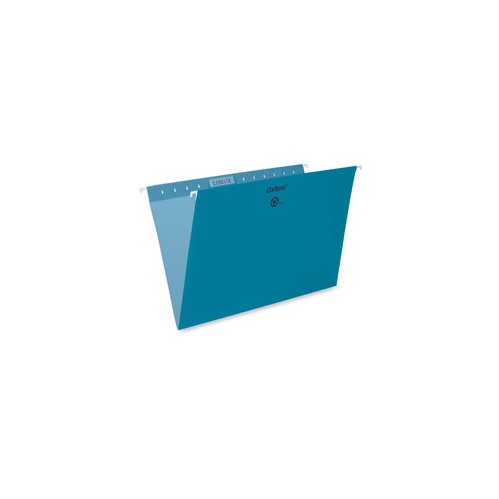
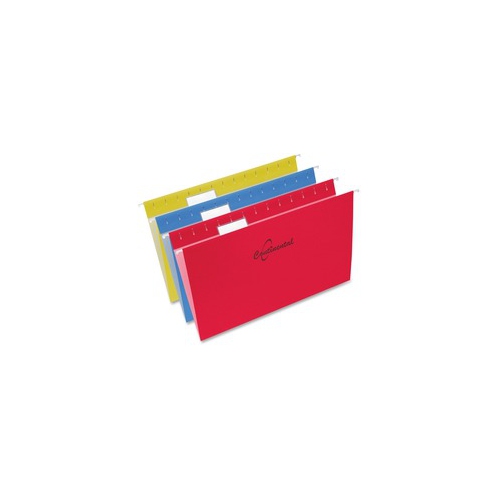
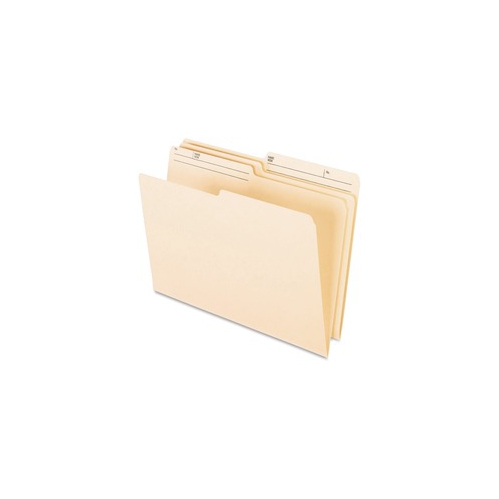
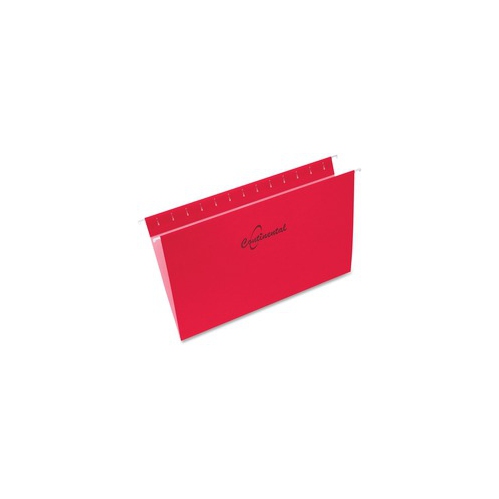
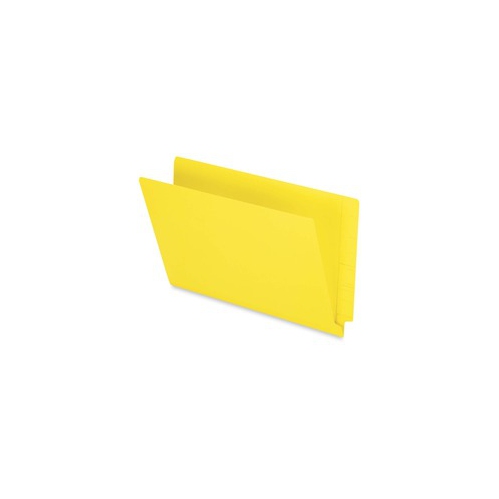
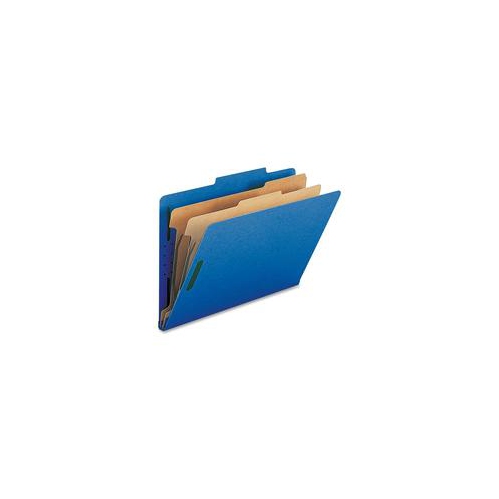
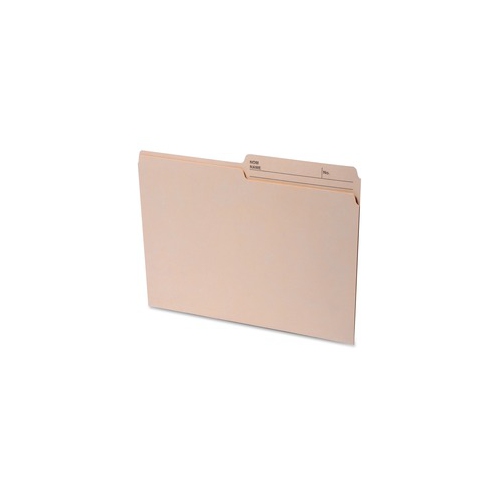
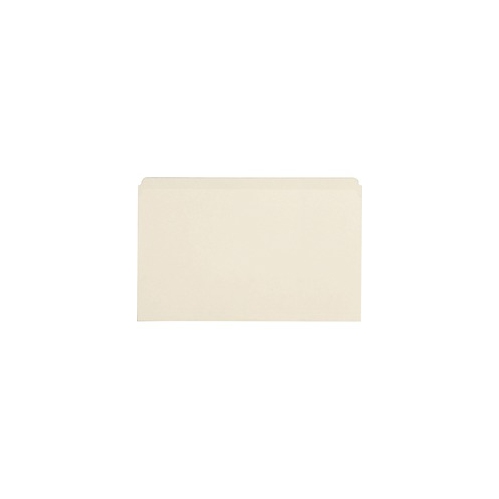
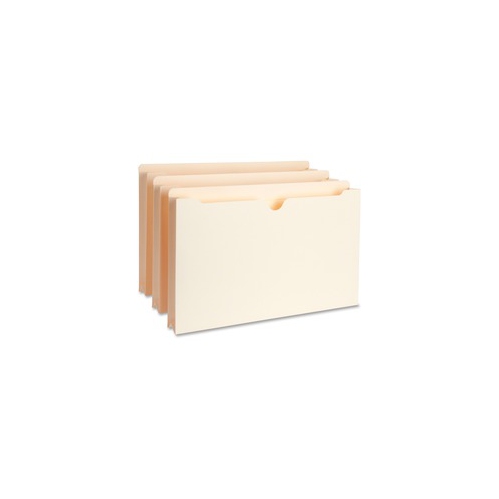
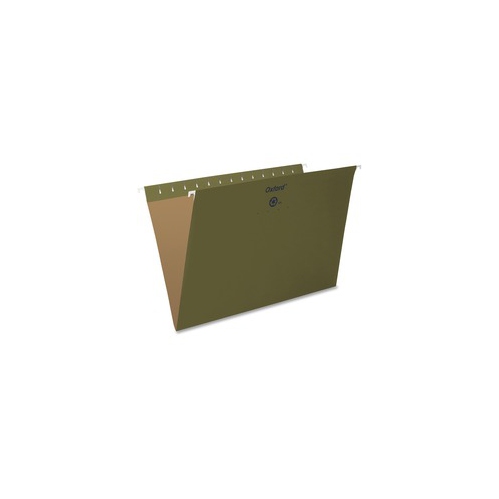
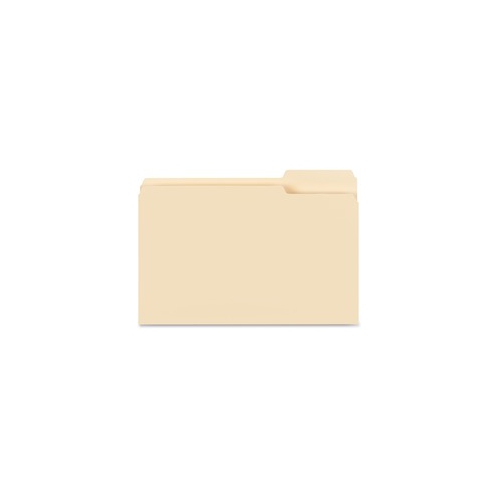
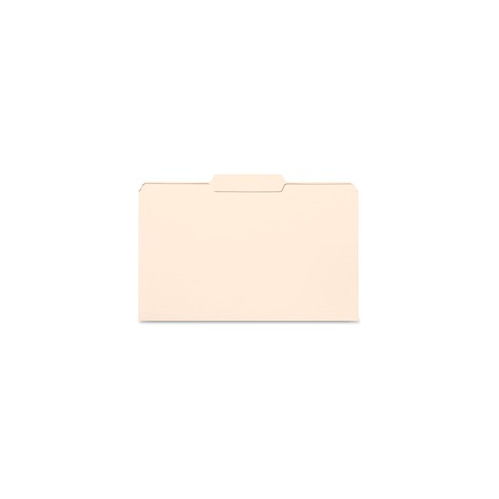
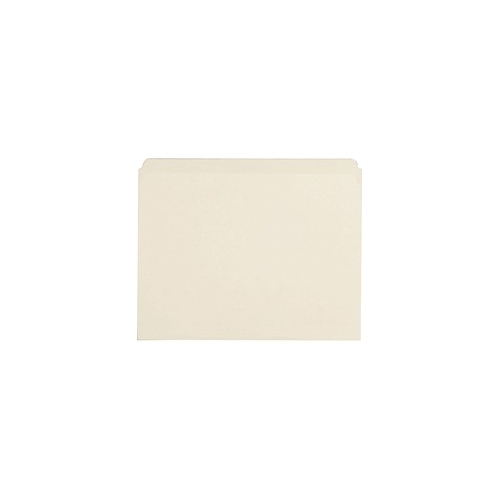
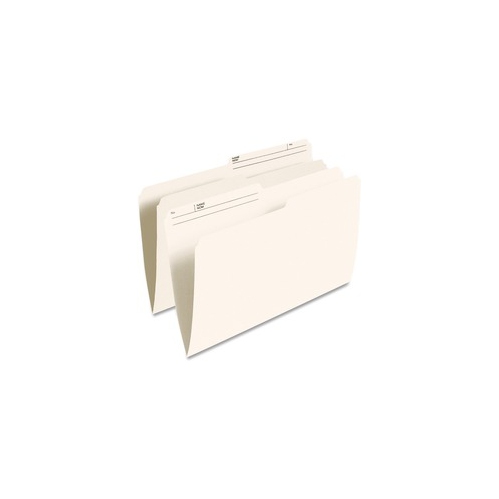
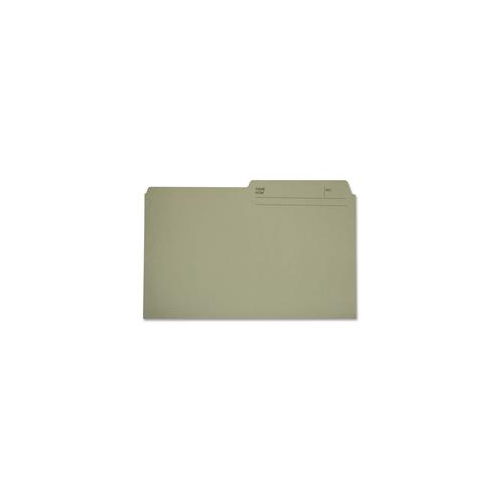
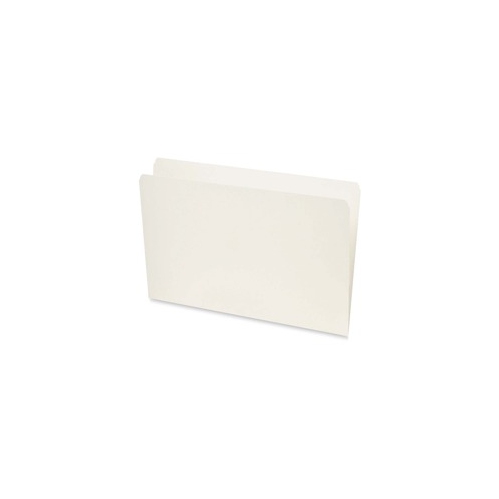
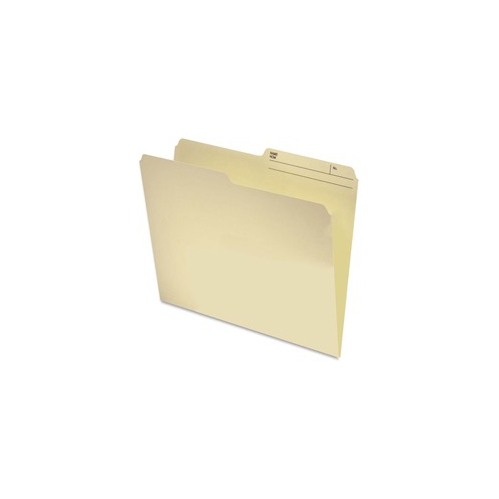
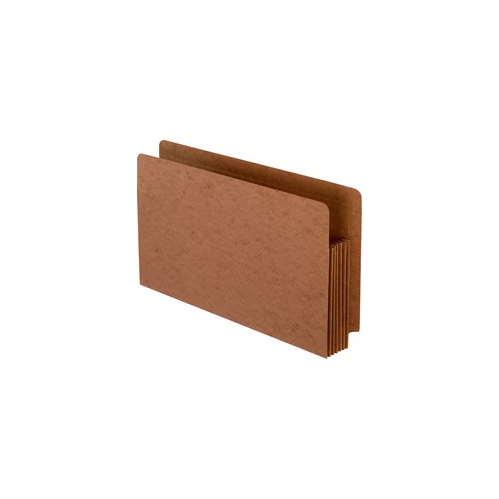
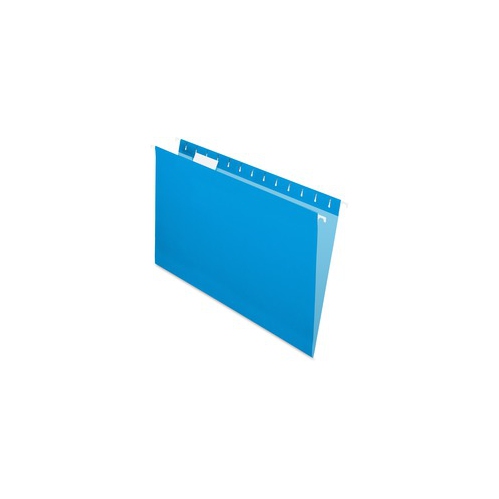
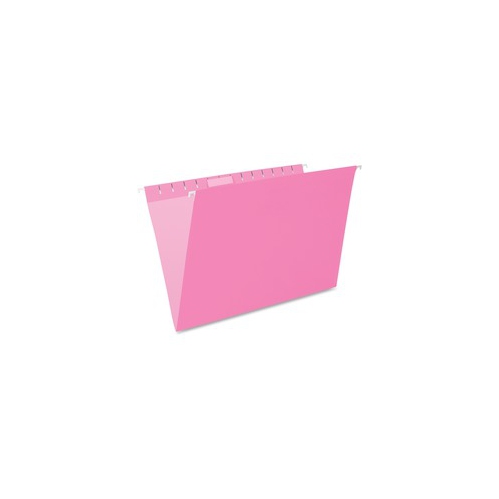
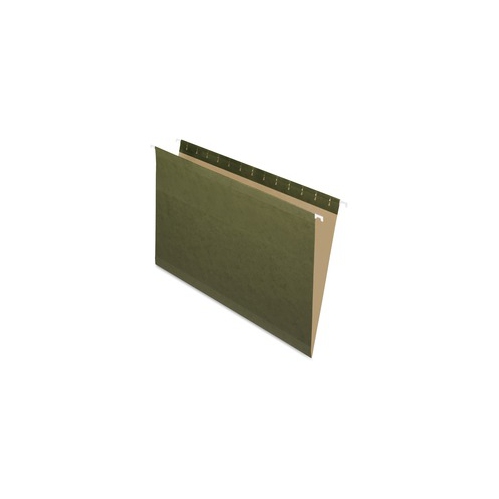
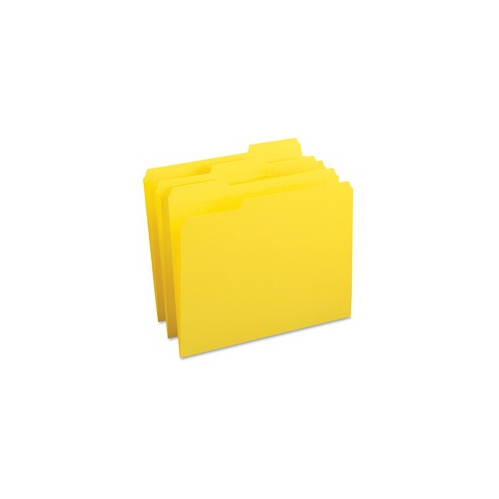
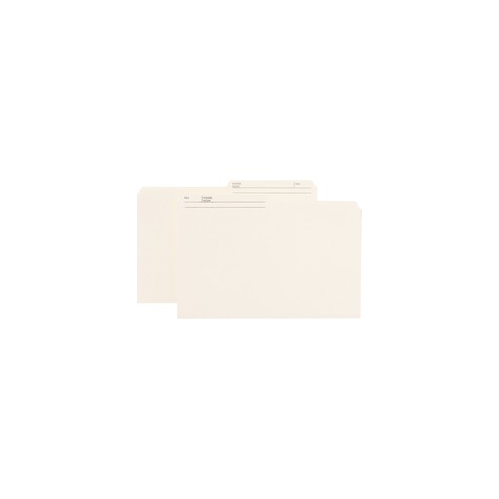
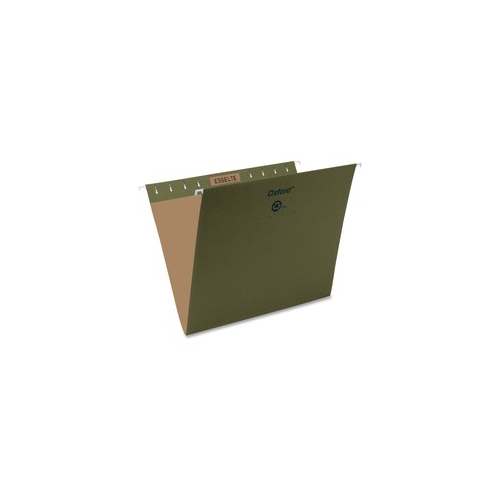
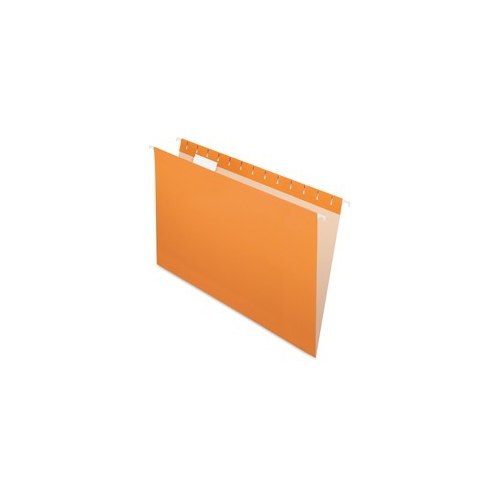
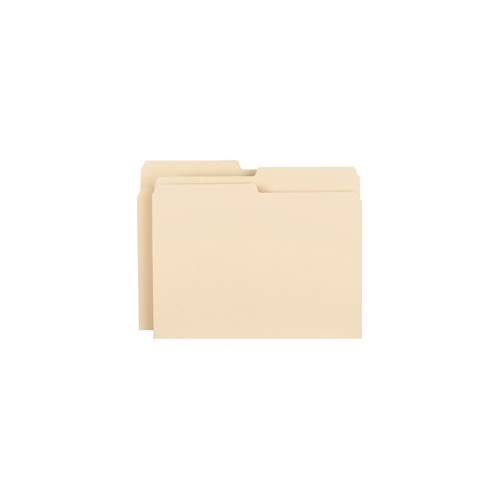
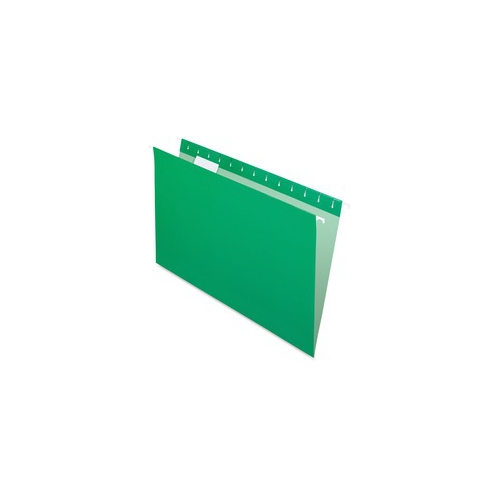
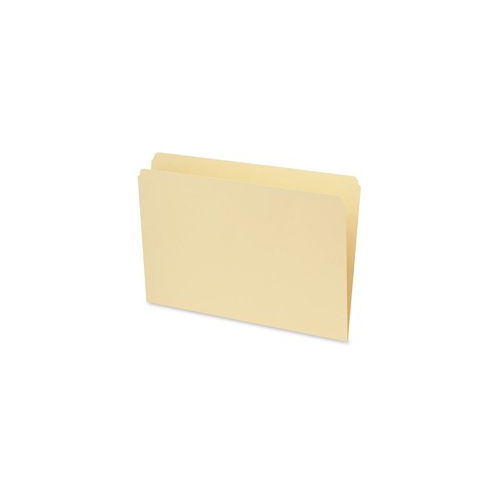
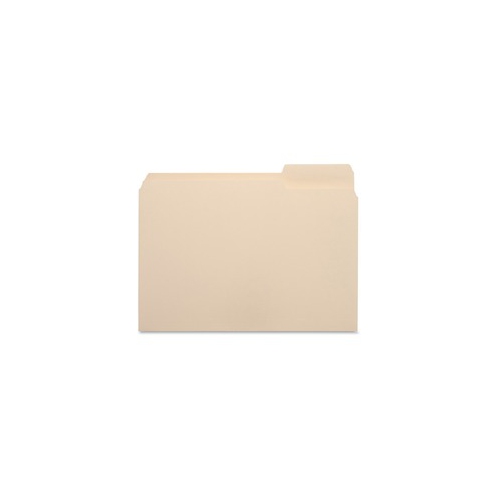
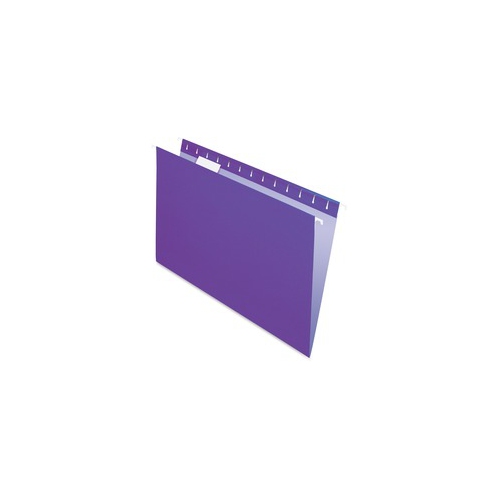
Legal file folders give longer documents a place to sit flat, with space for the full page rather than a folded edge or an exposed corner. Designed around legal-size paper measuring 8.5 by 14 inches, they are useful for contracts, property documents, insurance paperwork, administrative forms, and other materials that need more room than letter-size folders provide. The word “legal” refers to the paper format, not a restriction on who can use the folder: these supplies belong just as comfortably in a home office, school administration office, or small business as they do in a law practice. A household might keep mortgage papers and supporting correspondence together, while an office administrator might separate client files by name, project, or account number. The extra length is especially helpful when a file contains a mixture of legal-size forms and letter-size attachments, although smaller loose sheets can shift unless the folder has a suitable retaining feature. Standard folders offer a straightforward way to group related pages, while hanging folders provide support within compatible filing drawers. Interior folders can also sit inside hanging folders to divide a larger subject into smaller sections, such as signed agreements, correspondence, and supporting documents. Tab position affects how easily those sections can be read at a glance. Staggered tabs can keep neighbouring labels visible, while a consistent tab position may suit an established filing system. Full-width tabs provide more writing space for longer descriptions. Clear, consistent labels make a practical difference when several people handle the same paperwork, particularly when names are similar or files move between a desk and a cabinet. For broader paper-based filing needs, Paper File Folders offer a related category to explore alongside the longer legal format. The most useful arrangement is one that matches the documents themselves and the way they are retrieved, whether that means opening the same active file several times a day or storing completed paperwork for occasional reference.
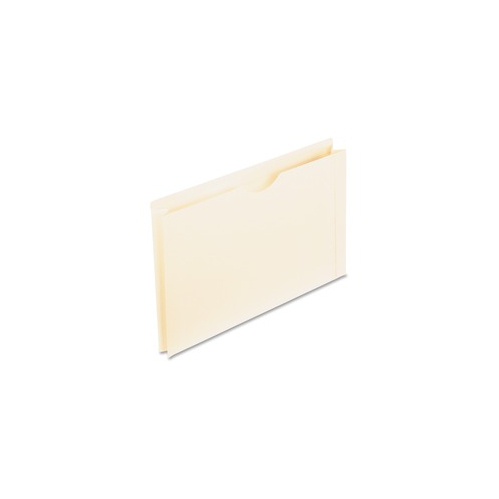
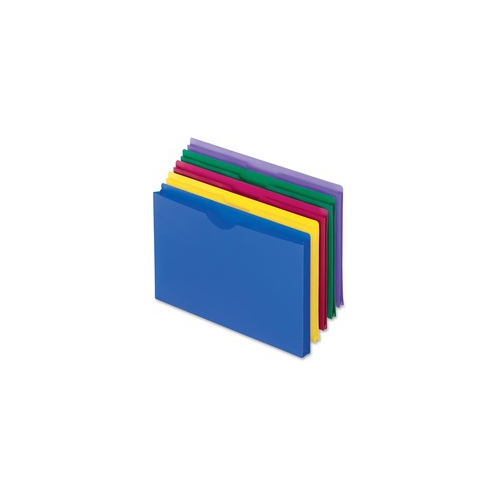
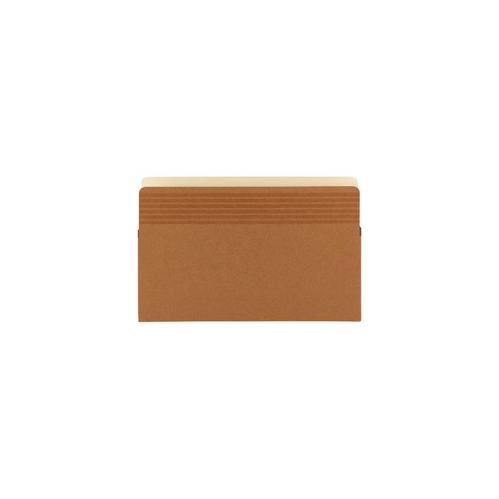
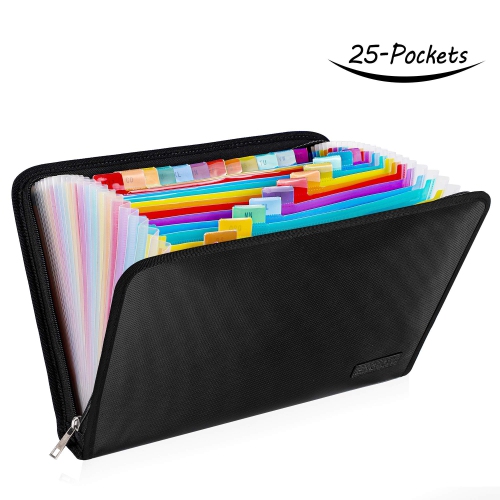
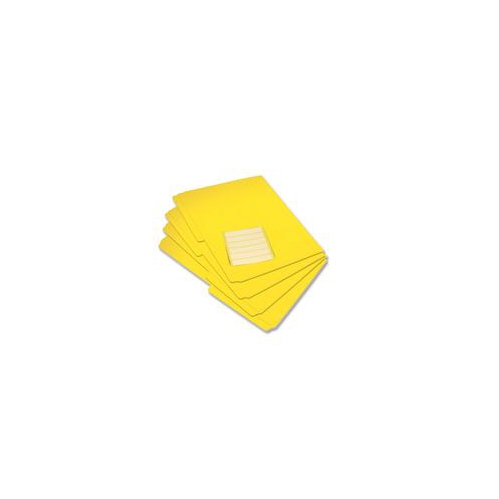
Materials and construction influence how a legal file folder feels in the hand and how well it stands up to repeated handling. Manila and other paper stock folders are familiar choices for routine filing, offering a writable surface and enough structure to keep modest stacks of paperwork together. Heavier stock generally provides more rigidity, though thickness alone does not determine durability; the fold, tab construction, and quality of the edges also matter. Reinforced tabs can be useful where labels are handled frequently, and reinforced folds help support files that are opened and closed throughout the working day. Pressboard folders provide a firmer structure for substantial document sets, while plastic folders can offer resistance to splashes and surface marks. A plastic cover does not make an open folder waterproof, so the distinction matters when paperwork travels in a bag beside a drink bottle or passes through a busy reception area. Smooth surfaces may be easier to wipe clean, while paper surfaces tend to accept pencil, ink, and adhesive labels more readily. Colour can serve a practical purpose beyond appearance: separate colours might distinguish departments, property addresses, or stages of a project, with written labels preserving clarity for anyone unfamiliar with the system. Expansion capacity deserves similar attention. A slim folder works well for a small set of forms, but a thick stack can force the cover apart and strain the fold. Scored bases or expanding designs allow additional room, subject to the folder’s stated capacity. Fasteners can keep punched pages in sequence, which is helpful for files reviewed page by page, but they are less convenient for documents that cannot be hole-punched. Dividers help separate multiple sections without creating several loose bundles. For original certificates, signed papers, or delicate documents, a folder that holds pages without punching or adhesive contact may be preferable. Where long-term preservation matters, clearly stated archival properties are more useful than assumptions based on colour or appearance; ordinary office folders should not automatically be treated as suitable for permanent storage.
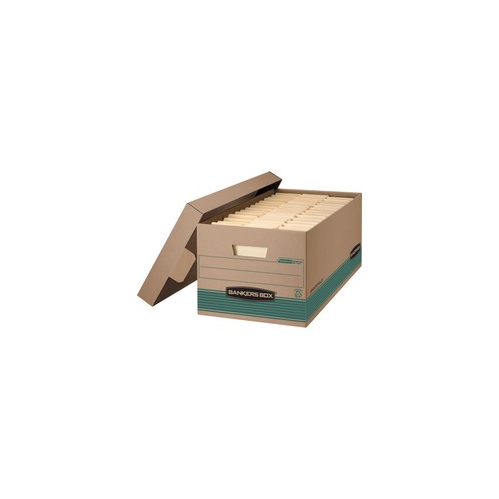
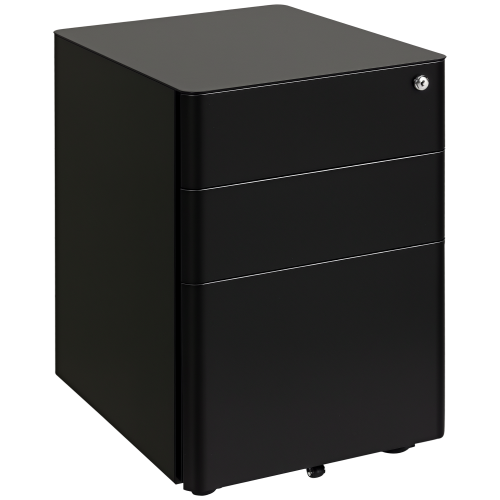
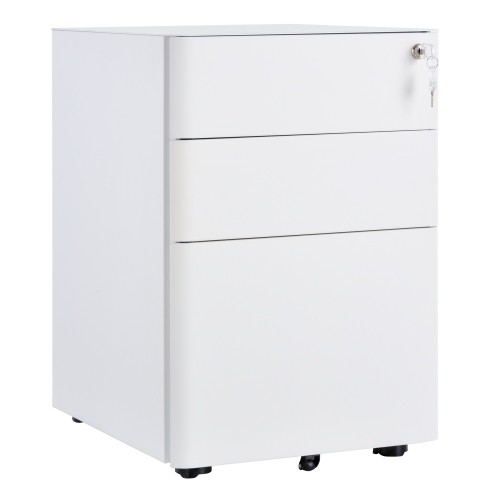
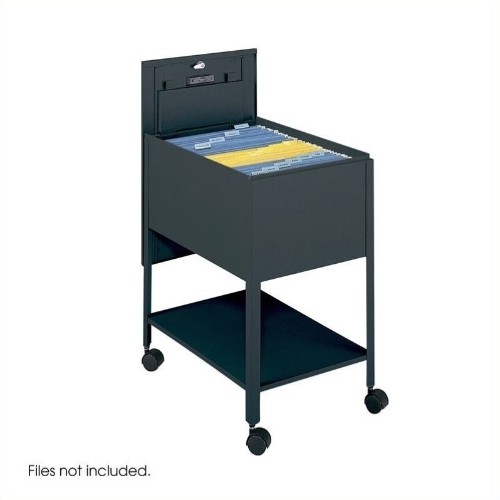
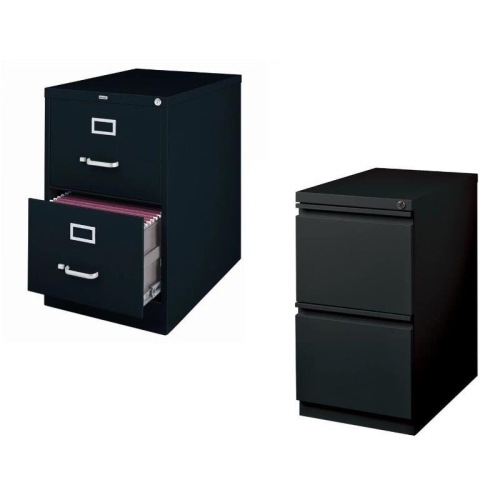
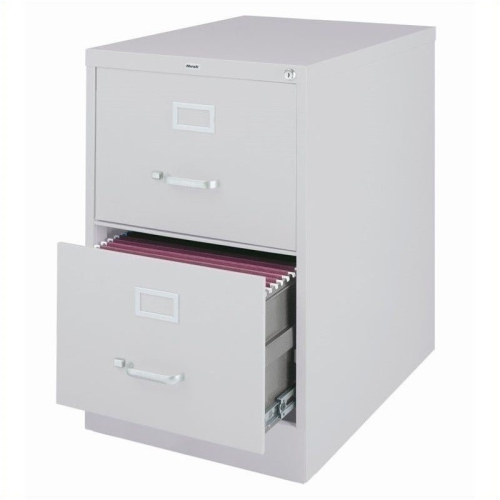
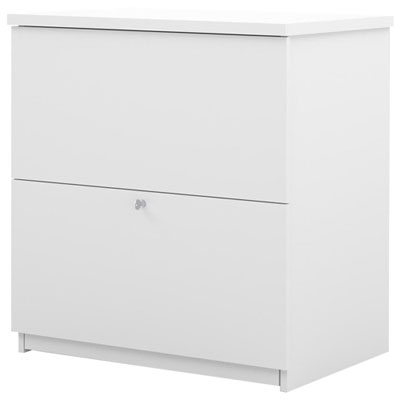
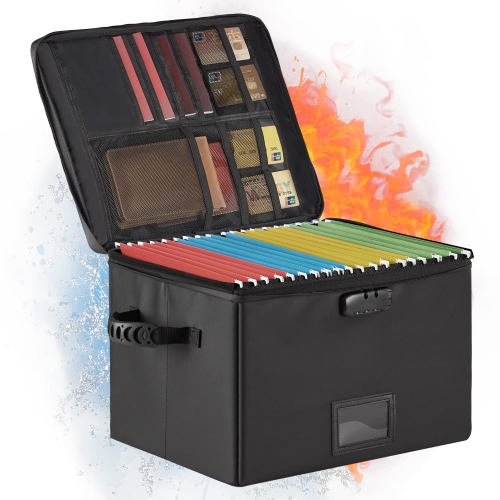
Fit extends beyond paper dimensions to the drawer, storage box, desk organizer, or carrying bag that will hold the folder. Legal-size hanging folders need rails configured for that format, and a cabinet described as suitable for both letter and legal files may require an adjustment before use. The height of raised tabs can also affect clearance beneath a drawer opening or box lid. A folder’s outside dimensions are larger than the sheets it holds, so checking the complete measurements helps avoid a tight fit that bends corners or catches labels. This is particularly relevant for mobile work, where a bag may hold a legal-size sheet but not comfortably accommodate a loaded folder. At a desk, the right capacity keeps active paperwork accessible without letting the file spread across the work surface. A property manager may need several clearly divided sections for one address, while a consultant carrying a short agreement may prefer a lighter folder that slips easily into a document case. Shared offices benefit from folders that are easy to identify and return to the same location, and home filing systems work best when everyday bills remain distinct from documents needed only occasionally. Care is generally simple but depends on the material. Paper folders should be kept dry and handled with clean hands, while wipeable surfaces should be cleaned according to their care directions and allowed to dry before documents are replaced. Overfilled folders, bent fasteners, and torn tabs make files harder to handle and can leave pages less supported. Replacing a damaged folder before its contents spill is a small task that helps maintain an orderly system. Labels should remain legible and firmly attached, with outdated descriptions removed or covered to prevent confusion. Folders keep documents grouped, but they do not provide privacy on their own; sensitive personal or business paperwork still belongs in appropriate secure storage. Matched to the paper size, storage space, and handling demands, legal file folders make longer documents easier to protect, identify, and retrieve without unnecessary folding or sorting.
Materials and construction influence how a legal file folder feels in the hand and how well it stands up to repeated handling. Manila and other paper stock folders are familiar choices for routine filing, offering a writable surface and enough structure to keep modest stacks of paperwork together. Heavier stock generally provides more rigidity, though thickness alone does not determine durability; the fold, tab construction, and quality of the edges also matter. Reinforced tabs can be useful where labels are handled frequently, and reinforced folds help support files that are opened and closed throughout the working day. Pressboard folders provide a firmer structure for substantial document sets, while plastic folders can offer resistance to splashes and surface marks. A plastic cover does not make an open folder waterproof, so the distinction matters when paperwork travels in a bag beside a drink bottle or passes through a busy reception area. Smooth surfaces may be easier to wipe clean, while paper surfaces tend to accept pencil, ink, and adhesive labels more readily. Colour can serve a practical purpose beyond appearance: separate colours might distinguish departments, property addresses, or stages of a project, with written labels preserving clarity for anyone unfamiliar with the system. Expansion capacity deserves similar attention. A slim folder works well for a small set of forms, but a thick stack can force the cover apart and strain the fold. Scored bases or expanding designs allow additional room, subject to the folder’s stated capacity. Fasteners can keep punched pages in sequence, which is helpful for files reviewed page by page, but they are less convenient for documents that cannot be hole-punched. Dividers help separate multiple sections without creating several loose bundles. For original certificates, signed papers, or delicate documents, a folder that holds pages without punching or adhesive contact may be preferable. Where long-term preservation matters, clearly stated archival properties are more useful than assumptions based on colour or appearance; ordinary office folders should not automatically be treated as suitable for permanent storage.
Fit extends beyond paper dimensions to the drawer, storage box, desk organizer, or carrying bag that will hold the folder. Legal-size hanging folders need rails configured for that format, and a cabinet described as suitable for both letter and legal files may require an adjustment before use. The height of raised tabs can also affect clearance beneath a drawer opening or box lid. A folder’s outside dimensions are larger than the sheets it holds, so checking the complete measurements helps avoid a tight fit that bends corners or catches labels. This is particularly relevant for mobile work, where a bag may hold a legal-size sheet but not comfortably accommodate a loaded folder. At a desk, the right capacity keeps active paperwork accessible without letting the file spread across the work surface. A property manager may need several clearly divided sections for one address, while a consultant carrying a short agreement may prefer a lighter folder that slips easily into a document case. Shared offices benefit from folders that are easy to identify and return to the same location, and home filing systems work best when everyday bills remain distinct from documents needed only occasionally. Care is generally simple but depends on the material. Paper folders should be kept dry and handled with clean hands, while wipeable surfaces should be cleaned according to their care directions and allowed to dry before documents are replaced. Overfilled folders, bent fasteners, and torn tabs make files harder to handle and can leave pages less supported. Replacing a damaged folder before its contents spill is a small task that helps maintain an orderly system. Labels should remain legible and firmly attached, with outdated descriptions removed or covered to prevent confusion. Folders keep documents grouped, but they do not provide privacy on their own; sensitive personal or business paperwork still belongs in appropriate secure storage. Matched to the paper size, storage space, and handling demands, legal file folders make longer documents easier to protect, identify, and retrieve without unnecessary folding or sorting.
Top selling and popular products
-
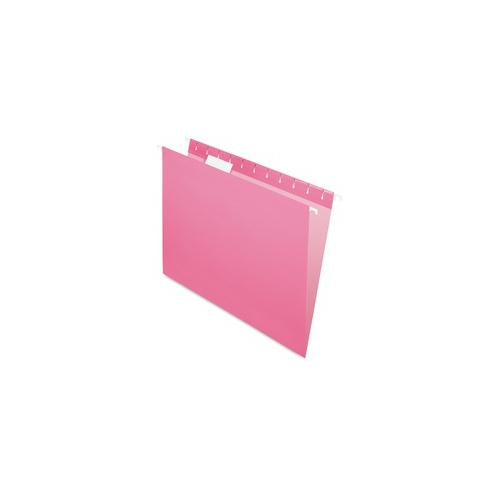 Your price for this item is $44.99
 -
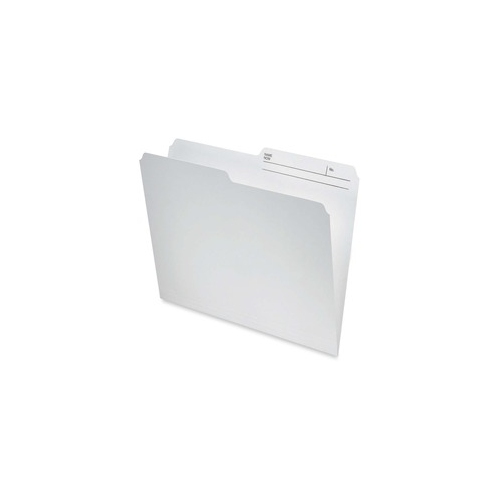 Your price for this item is $28.99
 -
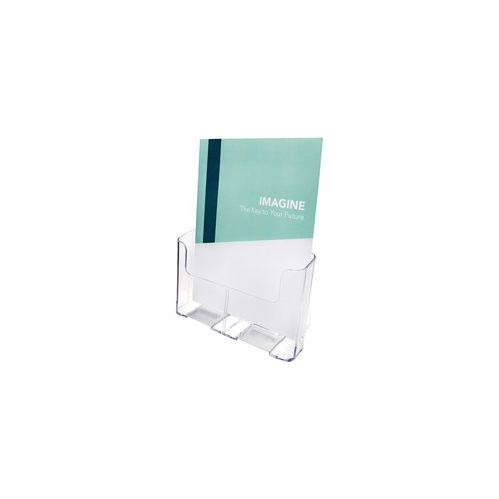 Your price for this item is $18.99
 -
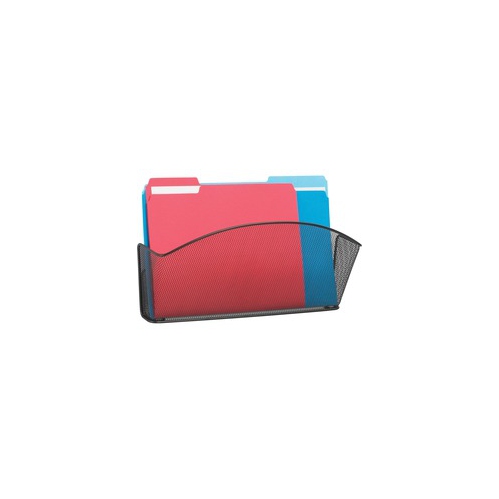 Your price for this item is $40.99
 -
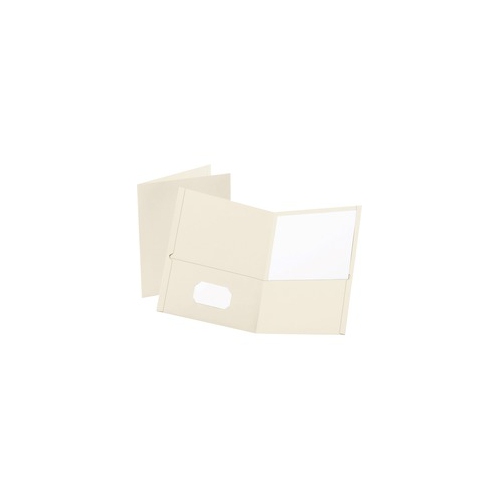 Your price for this item is $16.99
 -
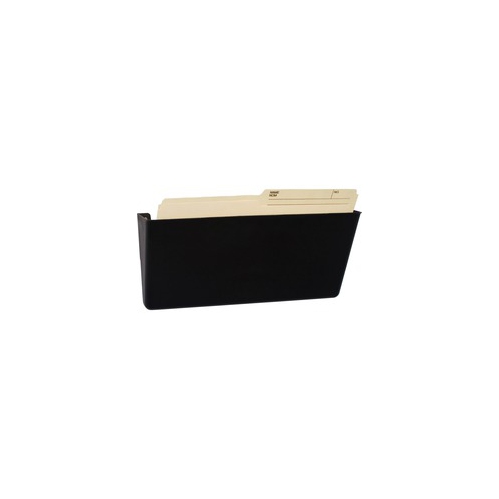 Your price for this item is $15.99
 -
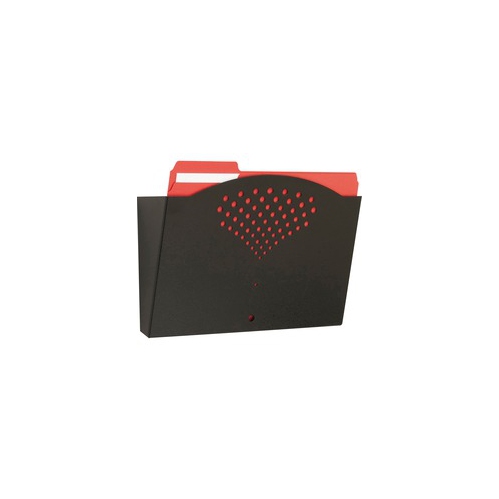 Your price for this item is $40.99
 -
 Your price for this item is $15.99
Discover more categories related to Legal File Folders
Top Collections:
Pokemon Centers, Kindle Devices, Best Budget Office Chairs, Apple iPhones 16, Canon G7X Cameras, iPhone 15 Apple, Alarm Clock, Refurbished Apple Laptops, Flip Phones, Best Laptops for Writers
Some products may be subject to Environmental Handling Fees
(EHF) depending on your province.
Learn more about EHFs.