Heavy Duty Grocery Carts
When it comes to tackling your grocery haul with ease, heavy-duty grocery carts are an essential tool to have in your arsenal. These sturdy and reliable carts are designed to withstand the weight of your groceries while providing you with the convenience of transporting them effortlessly from the store to your car and then into your home. Whether you're stocking up on pantry staples, fresh produce, or household essentials, a heavy-duty grocery cart can make your shopping experience more efficient and enjoyable. Explore our selection of robust carts that are built to handle even the heaviest loads, making grocery shopping a breeze.
Sort
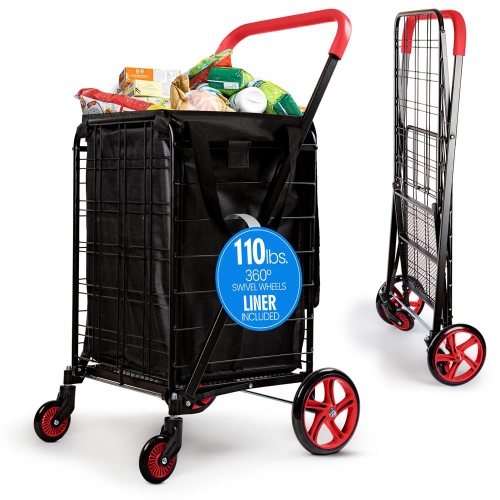
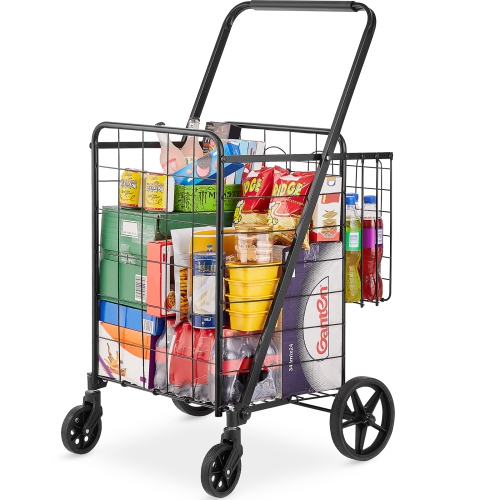
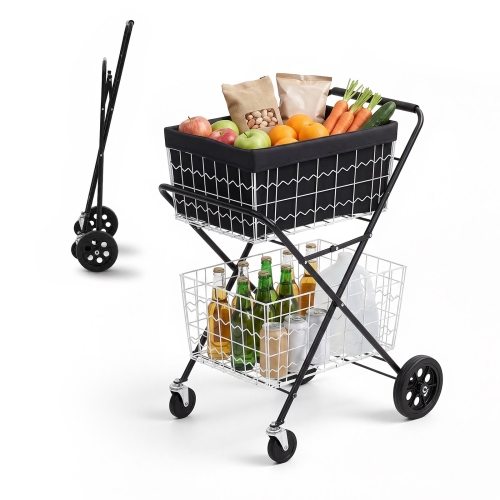
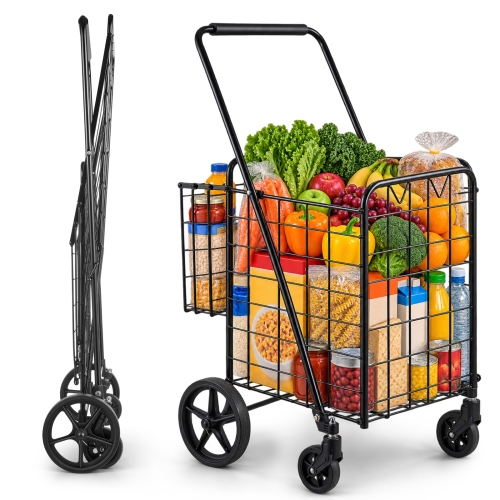
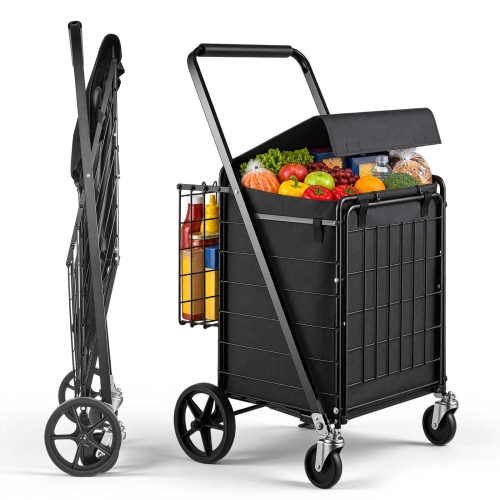
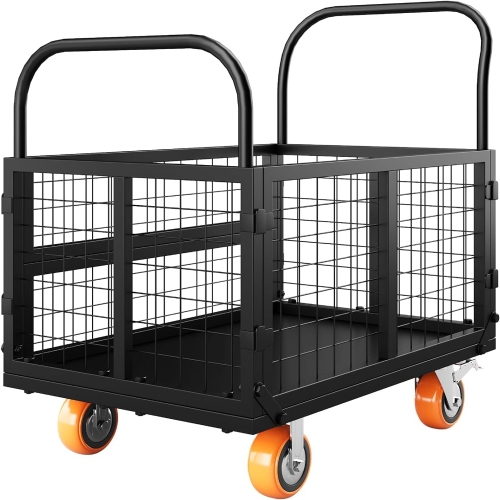
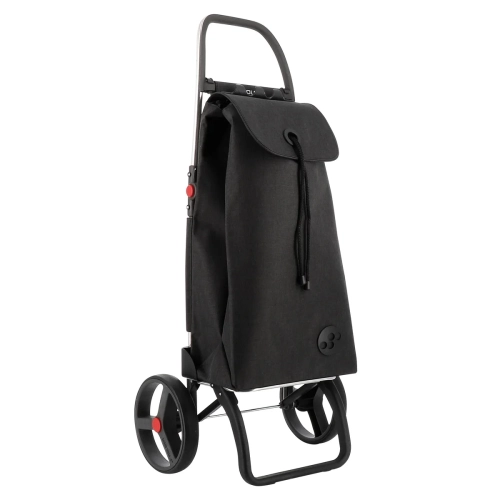
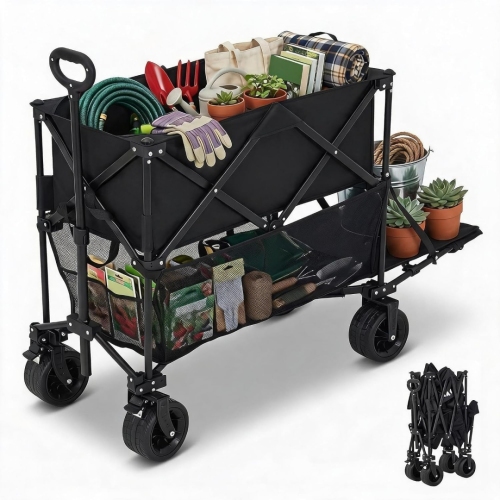



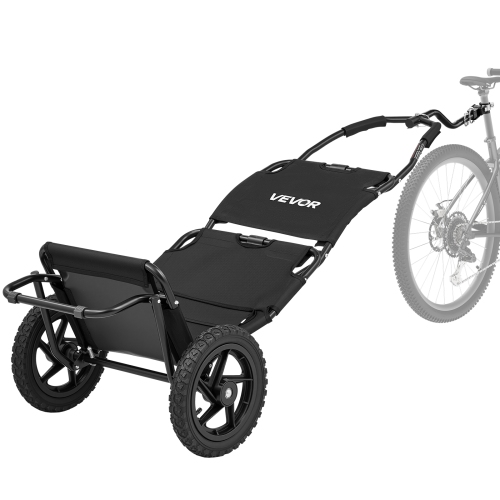
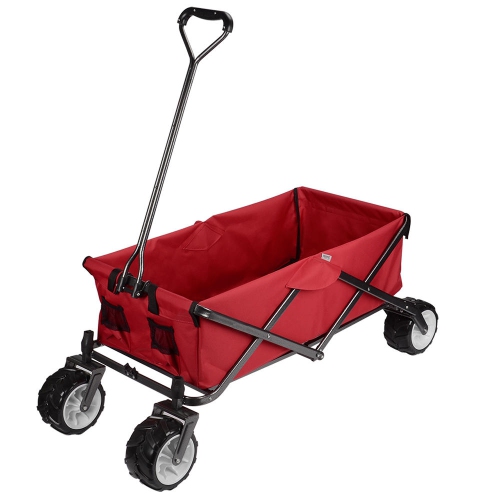
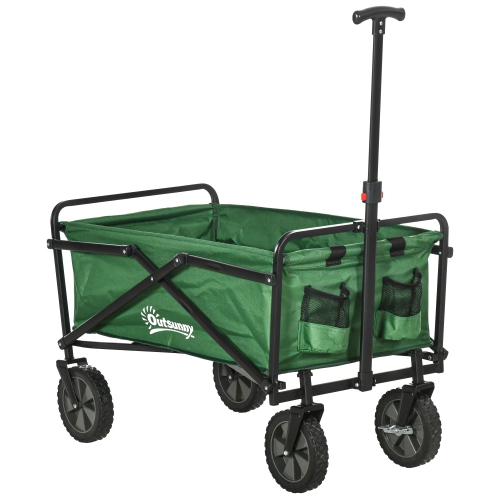
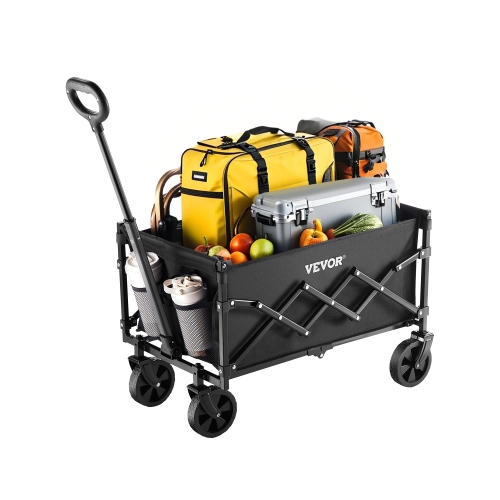

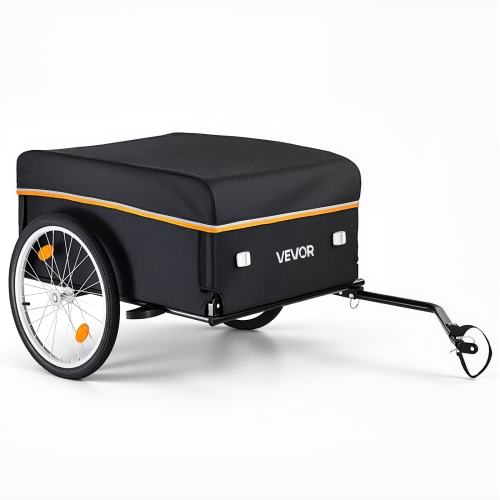
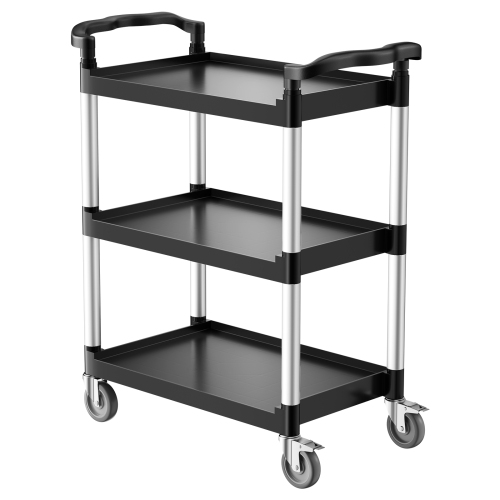
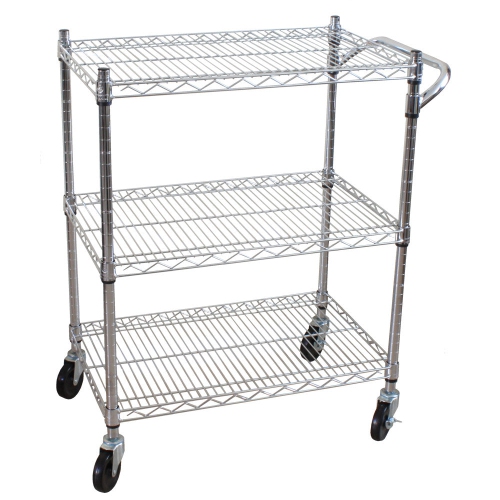
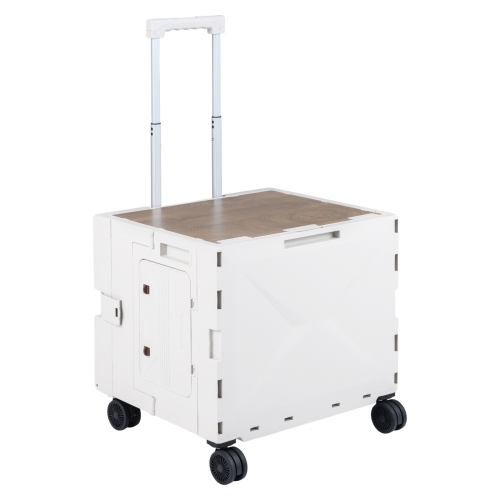
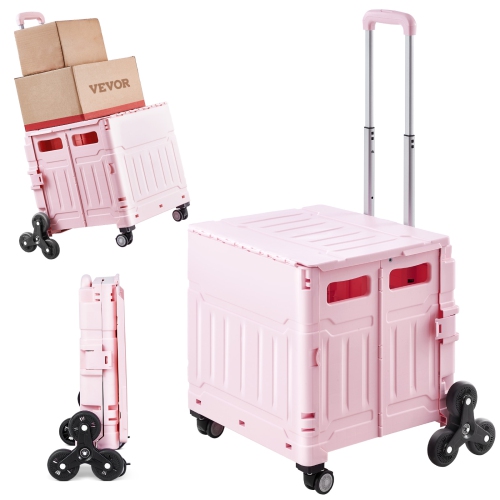
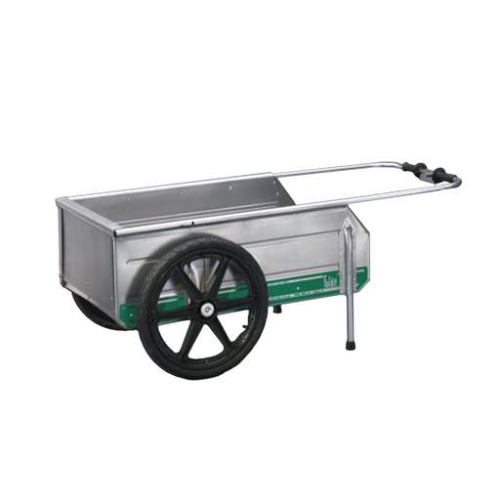
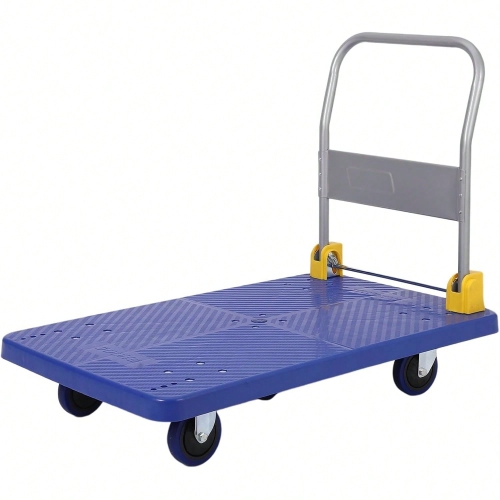
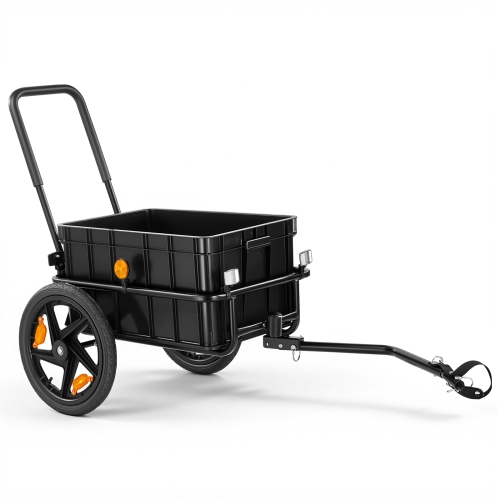
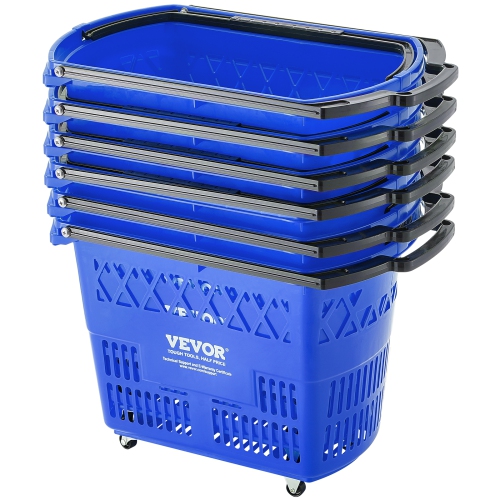
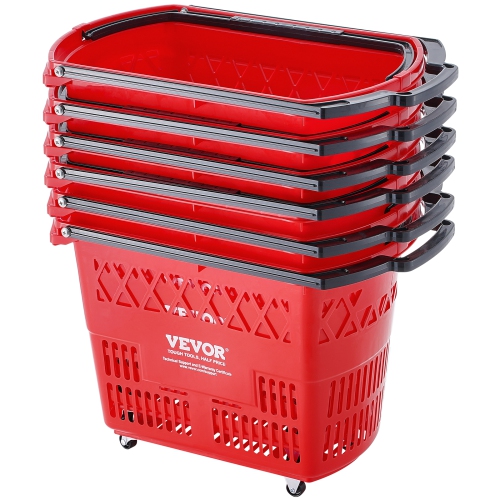
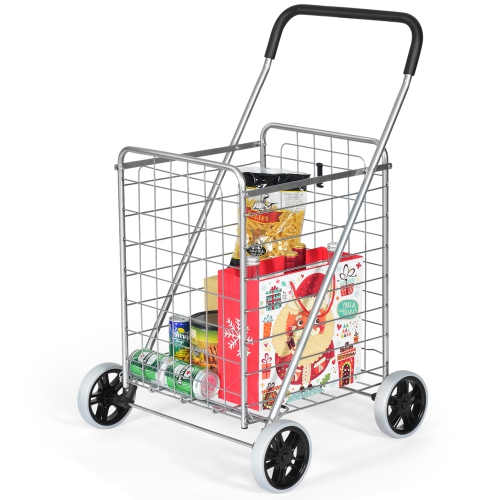

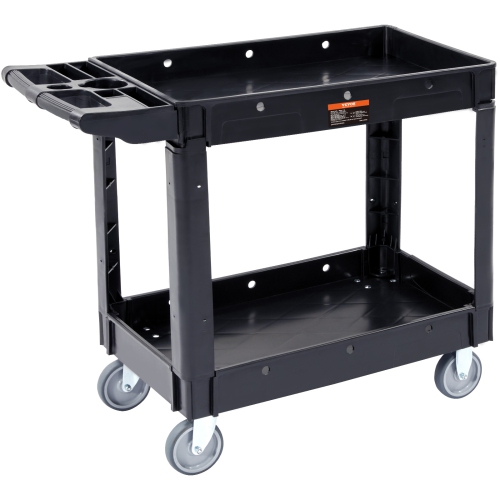


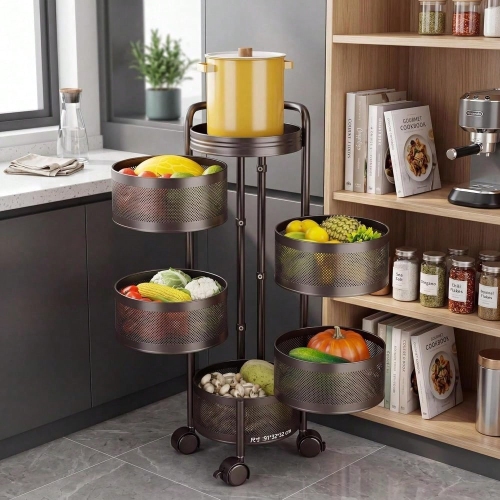
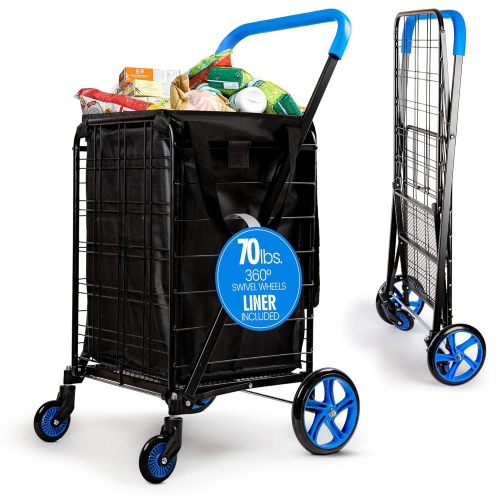
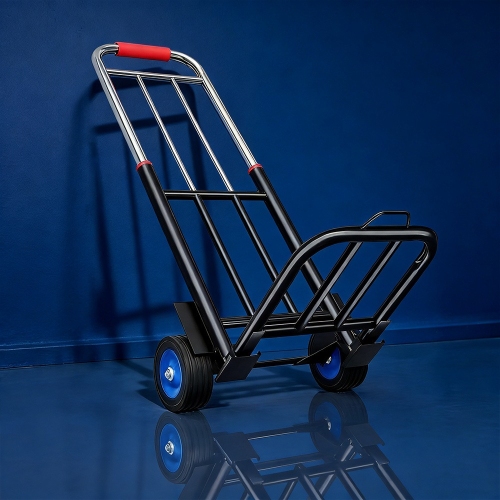

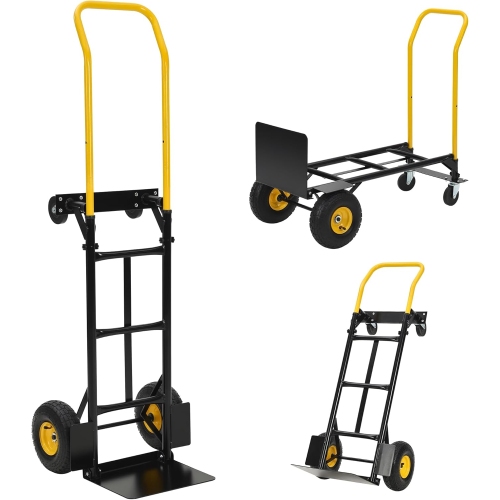
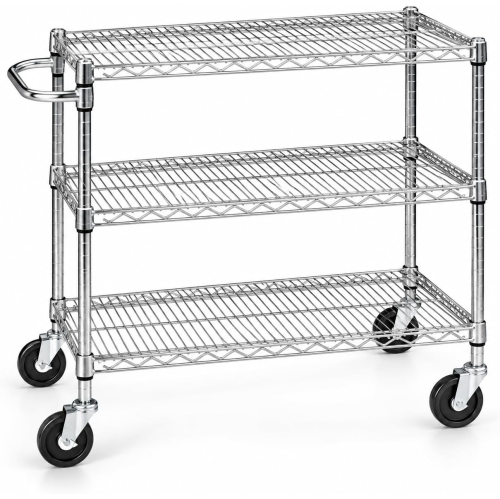

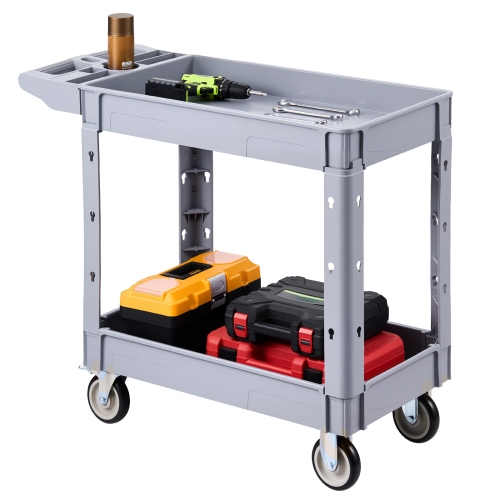
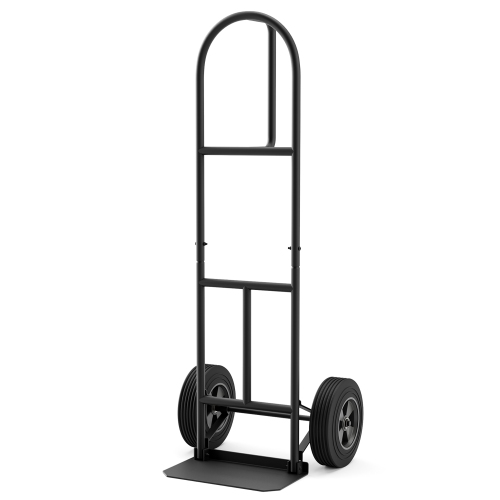
Easier grocery trips depend on more than capacity
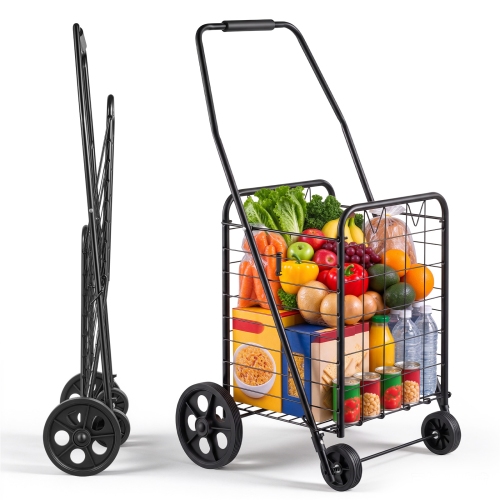
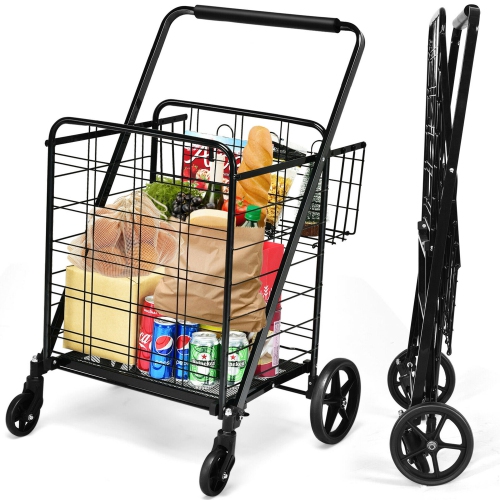
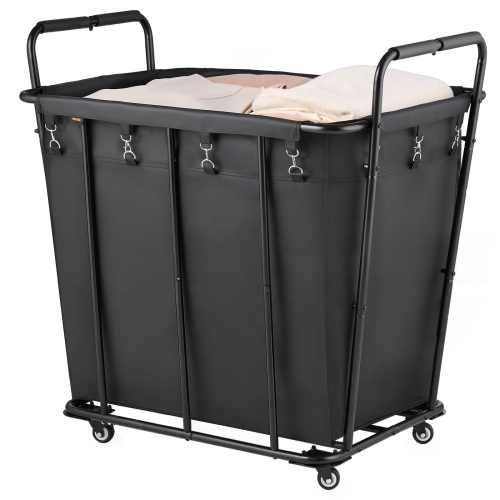
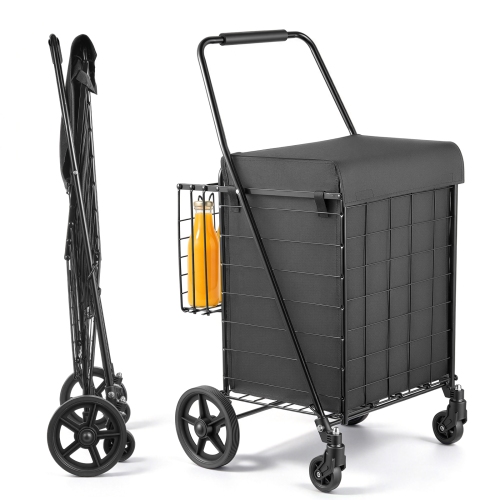
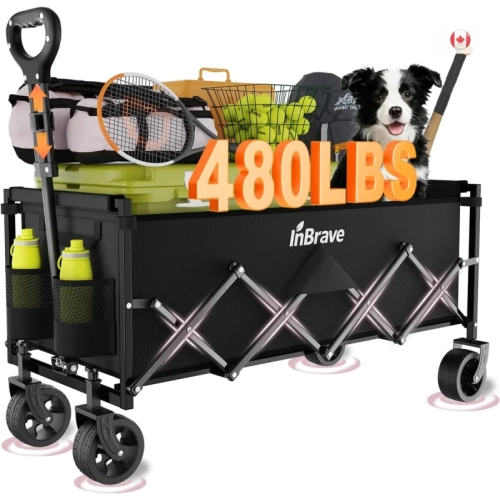
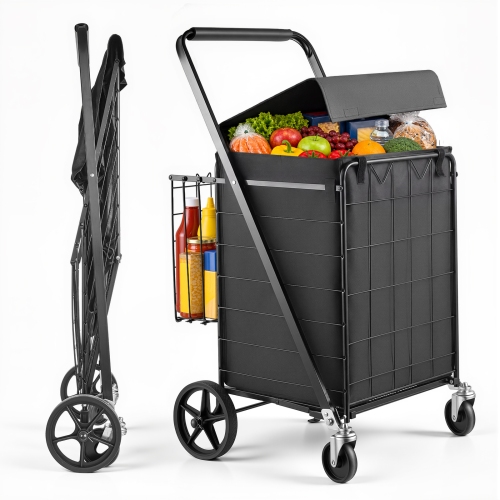
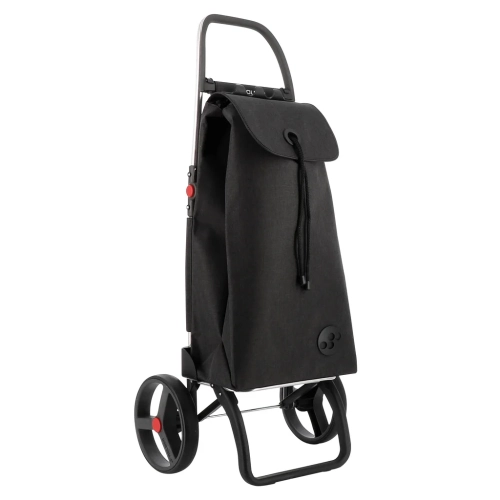
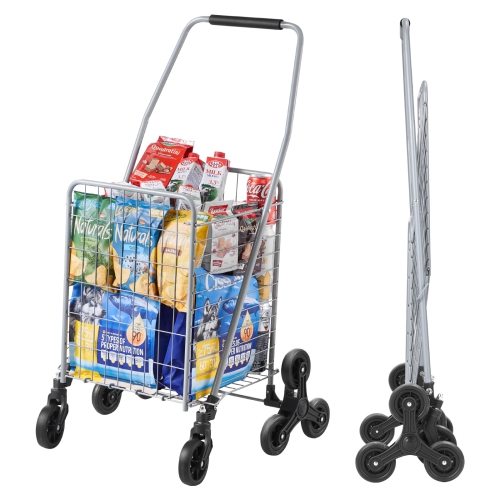
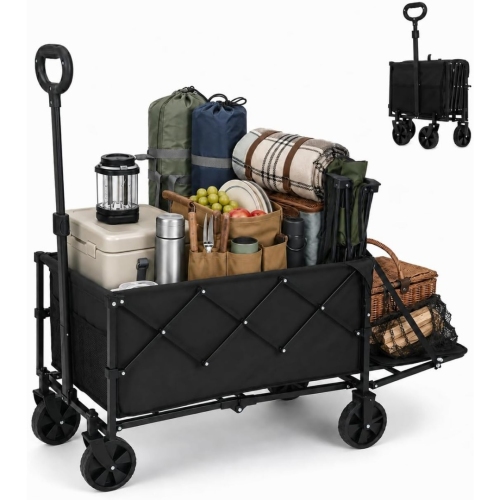
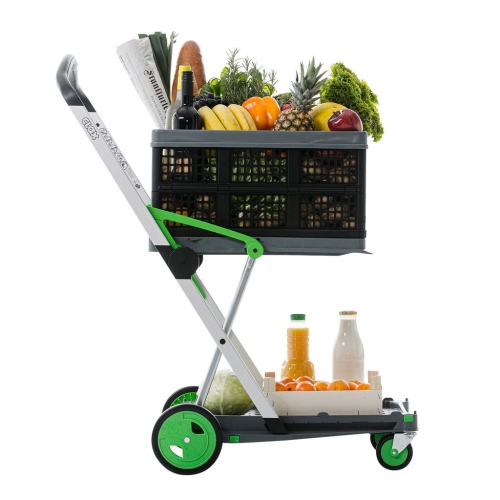
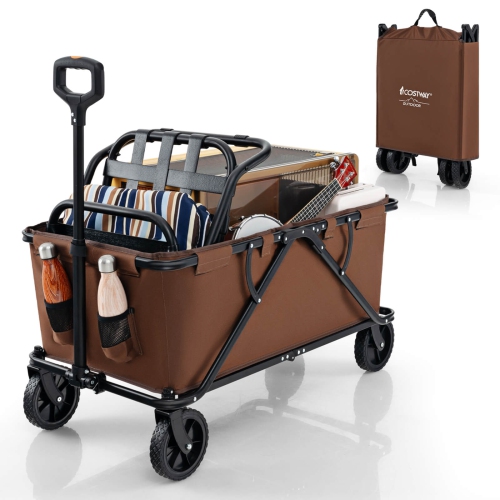
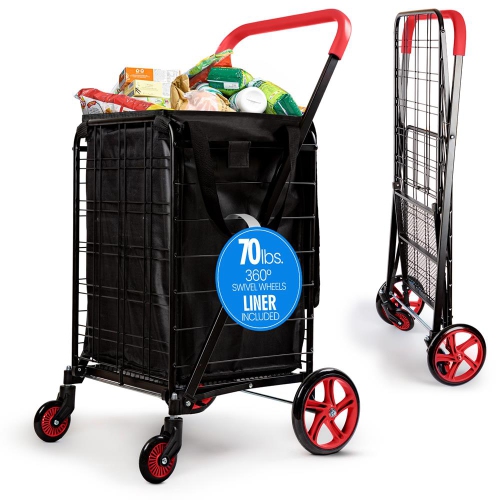
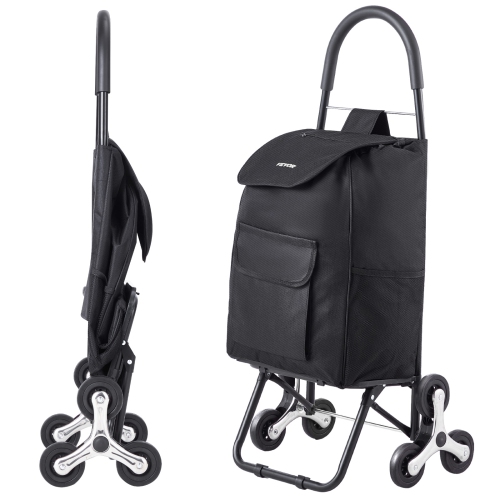
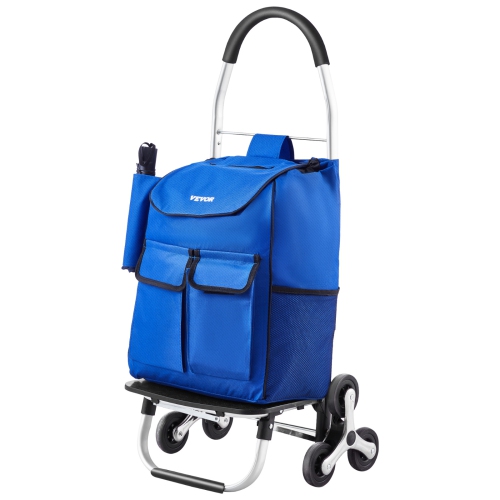
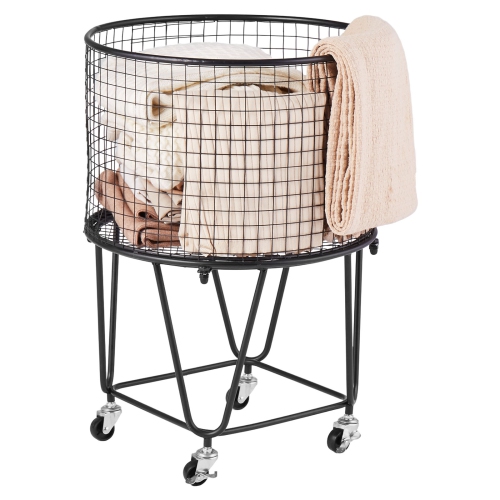
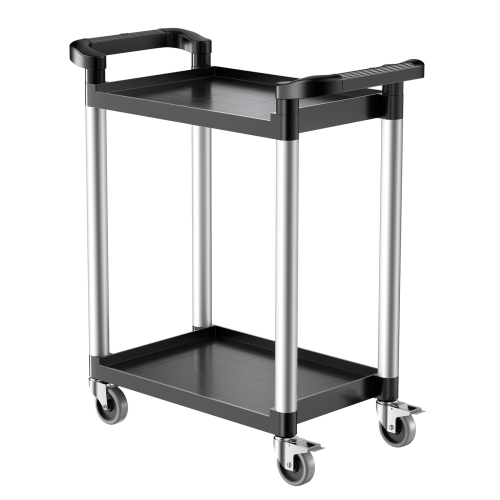
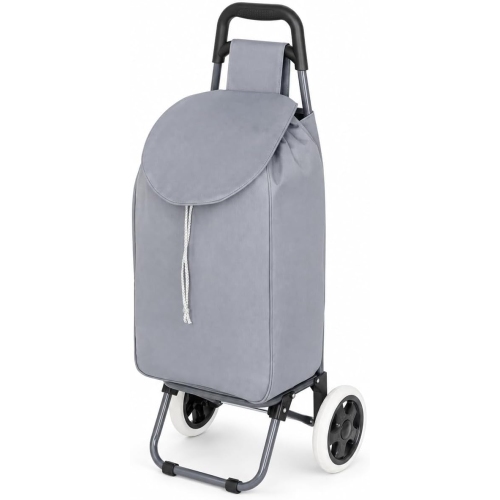
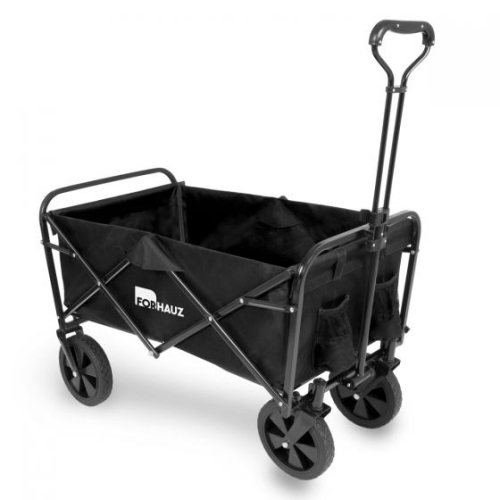
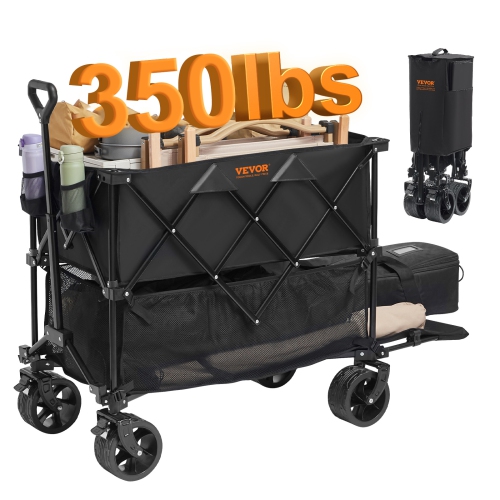
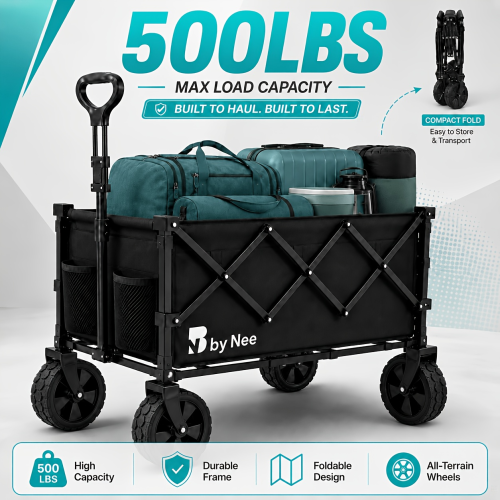
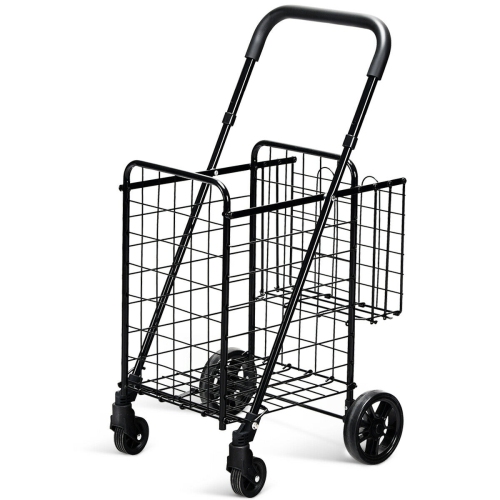
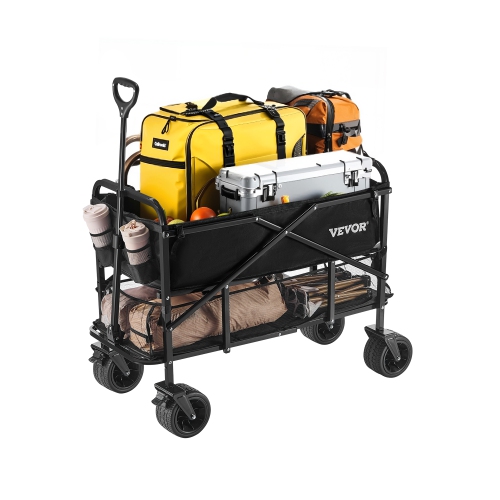
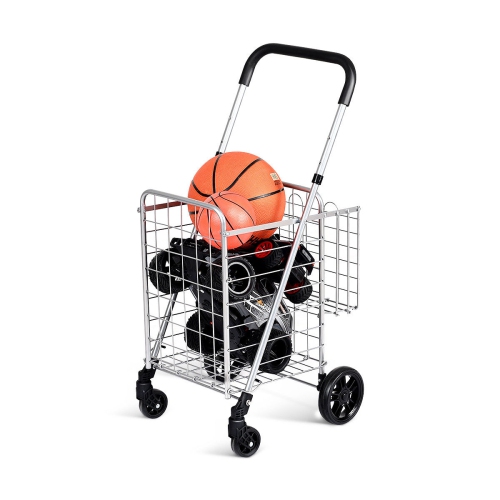
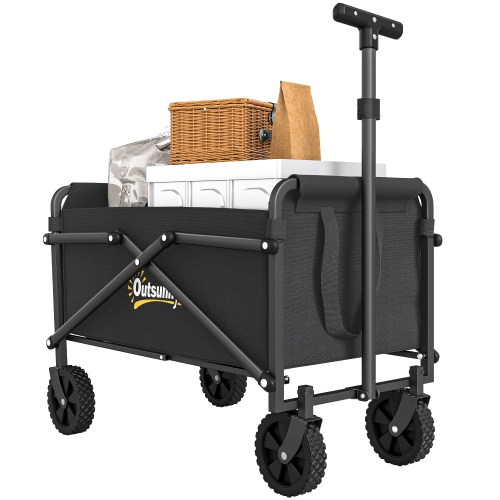
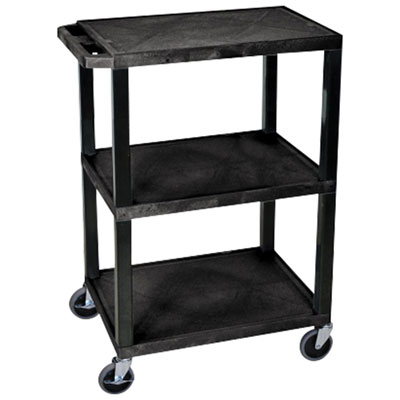
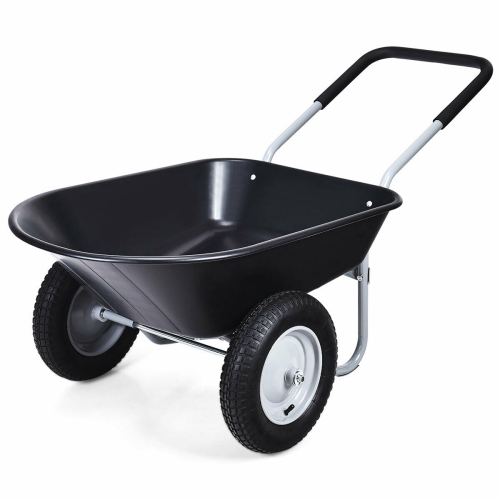
Heavy-duty grocery carts are wheeled carriers designed to move groceries and other everyday loads with less carrying by hand. They typically combine a sturdy metal frame, a basket or fabric compartment, and wheels suited to transporting more than a few shopping bags. Their usefulness comes from the whole design rather than a weight rating alone: frame construction, wheel size, handle position, and basket shape all affect how a loaded cart feels to move. A tall basket can hold several bags within a relatively narrow footprint, while a wider basket gives bulky packages more room to sit flat. For a trip that includes canned goods, a bag of rice, and fresh produce, a stable base helps keep the heavier groceries underneath without crowding delicate food at the top. Some designs include a smaller rear basket for separating lighter belongings from the main load, although its capacity and placement vary. These carts can be particularly useful for apartment residents moving groceries from a parking area to a lift, people who walk to nearby shops, and households that regularly bring home larger grocery orders. They can also carry laundry or household supplies when the load fits securely within the compartment and stays within the stated limits. The term heavy-duty does not describe one universal capacity, so the manufacturer’s maximum load rating matters more than the label itself. Basket volume and weight capacity are different measurements: a large compartment may fill with lightweight packages long before reaching its weight limit, while a compact load of bottles can become heavy quickly. A cart that rolls comfortably when empty may feel quite different with a full basket, particularly when turning or crossing a doorway threshold. For everyday use, the most practical design balances enough carrying space with a size and loaded weight that the person using it can comfortably control.
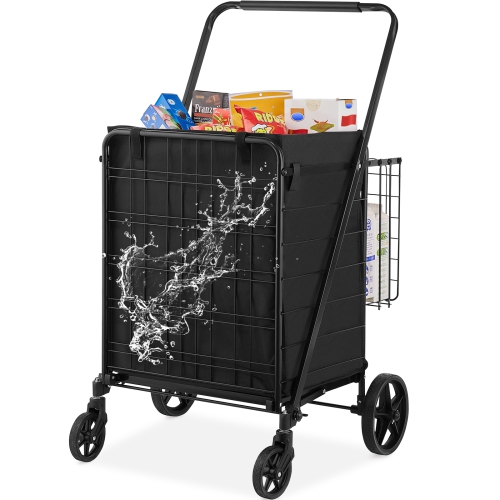
Materials and construction influence both durability and day-to-day handling. Steel frames are commonly used for strength and rigidity, while aluminum frames can reduce the weight that needs to be lifted into a vehicle or storage space. The material alone does not establish carrying capacity; the quality of the joints, axle supports, folding hinges, and basket attachments also matters. A protective finish helps shield metal surfaces from routine wear, but scratches and exposed areas still deserve attention during cleaning. Wire baskets provide structure and make the contents easy to see, though smaller packages may need a bag or liner to keep them contained. A fitted fabric liner helps hold loose groceries together and creates a barrier between shopping bags and the basket frame. Removable liners are especially practical when a bottle leaks or crumbs collect at the bottom, provided they are cleaned according to their care instructions. Fabric described as water-resistant should not be assumed to be waterproof, and seams or openings can affect how well a liner contains spills. Wheel design is just as important as the basket. Larger wheels generally pass over small gaps and uneven surfaces more easily than very small wheels, while swivelling front wheels can make turns easier in lift entrances and narrow corridors. Fixed wheels can feel straightforward on longer, direct routes, although changing direction may require more space. Wheel material, bearing quality, and the weight of the load all influence rolling resistance and noise. Stairs require particular care: a standard grocery cart is not automatically suitable for stair use, and even a stair-climbing wheel arrangement must be used within its stated limits. Keeping dense groceries low and centred helps support stability, while bags hanging from the handle can upset the cart’s balance. A comfortable grip and a handle at a suitable height allow a more natural arm position, but a grocery cart is a load carrier, not a walking aid or a support for body weight.
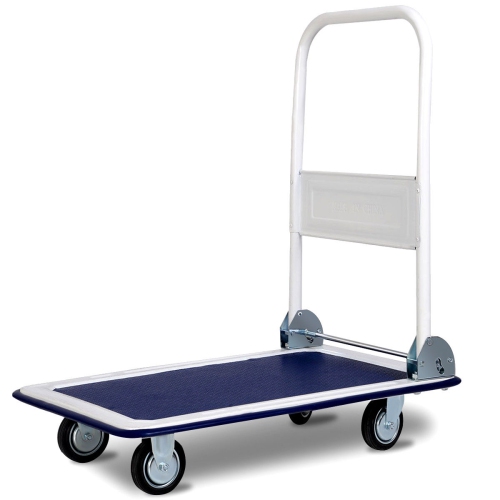
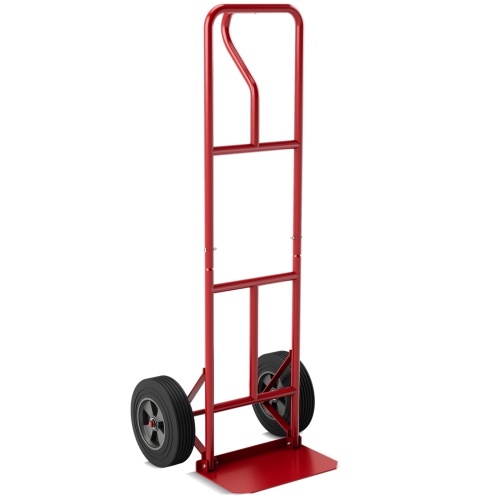
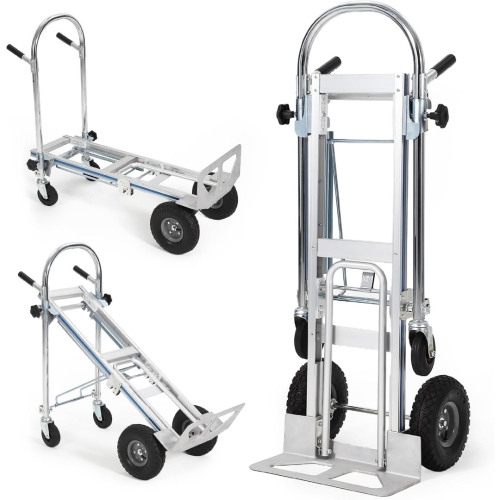
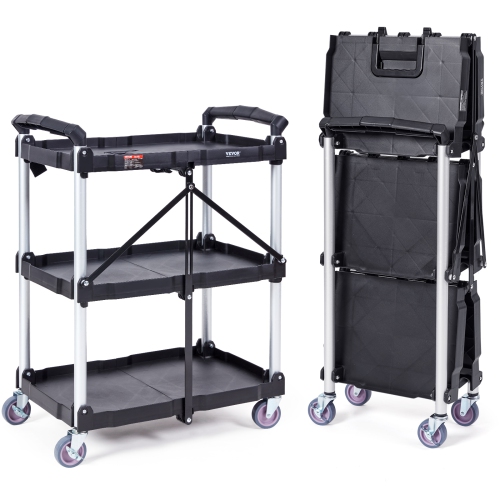
Fit also includes the spaces a cart needs to pass through and the place it will occupy between shopping trips. Open dimensions determine whether the basket clears a narrow doorway, while folded dimensions help establish whether it can fit in a cupboard, behind an entryway door, or inside a vehicle’s cargo area. The empty weight is worth considering separately from load capacity, especially when the cart needs to be lifted over a step or placed in a boot. Folding frames can make storage simpler, but their hinges and locking mechanisms need to be fully engaged before loading. A removable bag may make unloading more convenient, although lifting the entire contents at once can be much harder than taking out individual grocery bags. For someone who shops on foot, easy steering and a comfortable handle may matter most; for someone transporting groceries from a garage to a kitchen, a broad basket and compact folded shape may be more useful. People using public transit also need a cart they can manage without blocking aisles or doors, in keeping with the transit operator’s rules. As a practical gift, a grocery cart is best matched to the recipient’s routine, storage space, and ability to manoeuvre and lift it rather than chosen solely for its maximum capacity. Loads that are primarily large boxes or bulky household objects may be better suited to Heavy Duty Dolly Carts, which have a different carrying layout from a grocery basket. Routine care helps preserve dependable operation: wipe food residue from the frame, clean the liner as directed, and let washable components dry thoroughly before putting them away. Hair, thread, and grit caught around wheel axles can make rolling harder, so these areas benefit from regular inspection. Loose fasteners, damaged wheels, bent basket supports, or a folding lock that no longer holds securely should be addressed before the next load. With suitable capacity, manageable dimensions, and sound construction, a heavy-duty grocery cart can make the familiar journey from checkout to kitchen more organized and less dependent on carrying several bags at once.
Top selling and popular products
-
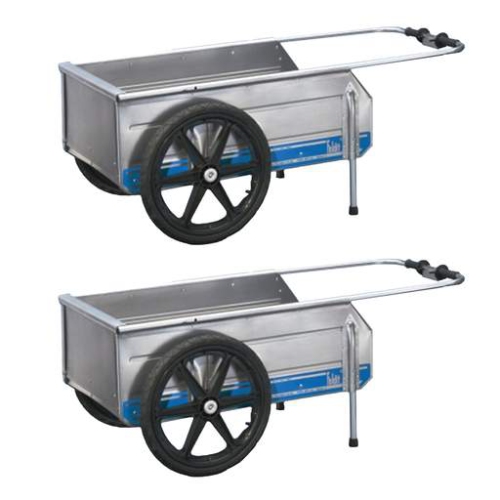 Your price for this item is $1576.99
-
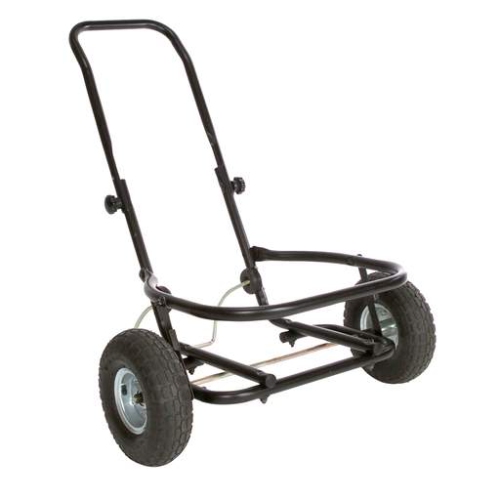 Your price for this item is $258.99
-
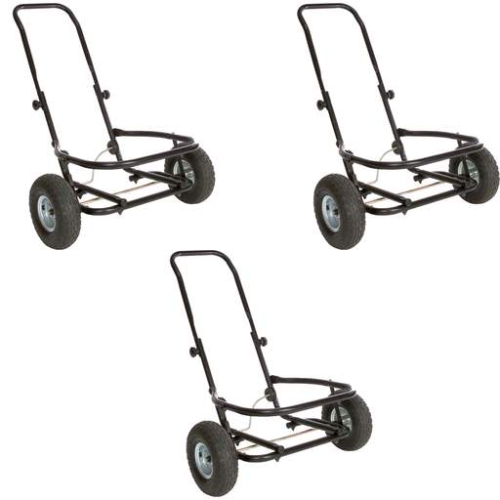 Your price for this item is $764.99
-
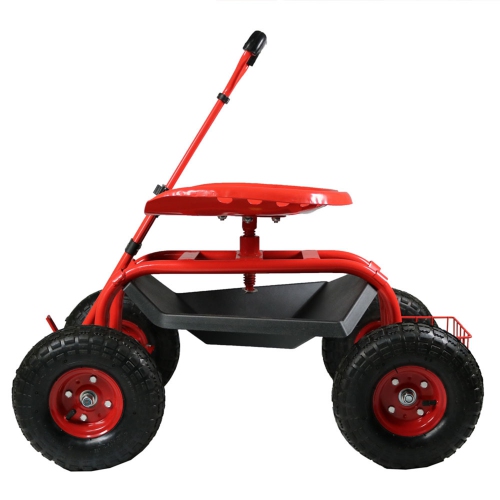 Your price for this item is $247.35
-
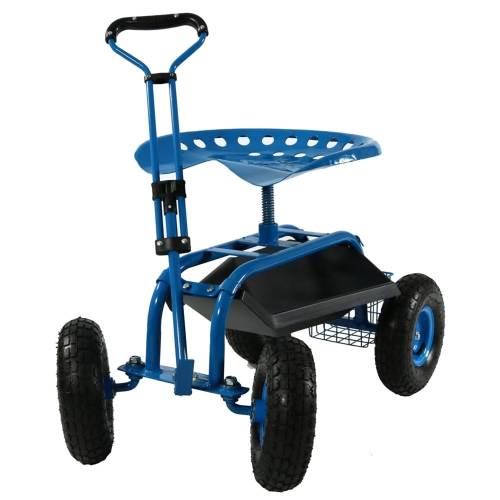 Your price for this item is $247.35
-
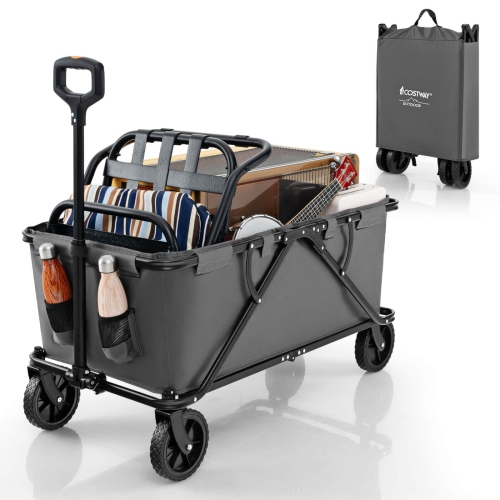 Your price for this item is $177.99
-
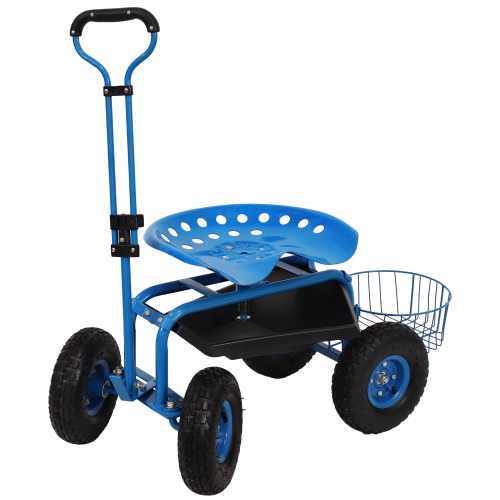 Your price for this item is $261.95
-
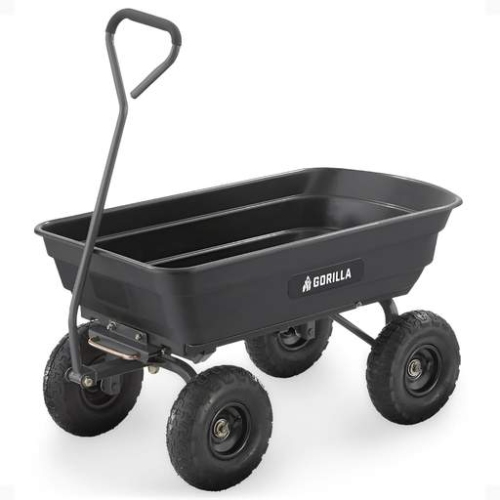 Your price for this item is $308.99
Discover more categories related to Heavy Duty Grocery Carts
Top Collections:
Best Black Friday Deals This Year, Best Black Friday Deals On Electronics, Kindle Devices, Dyson Airwrap, Best Cameras for Sports Photography, Best Budget Office Chairs, Canon G7X Cameras, PS5 Pro Consoles, Best Black Friday Deals On Apple Products, XBOX One S Consoles
Some products may be subject to Environmental Handling Fees
(EHF) depending on your province.
Learn more about EHFs.