Laminating Pouches for Photos
Laminating pouches for photos are the perfect way to preserve your favorite memories and keep your pictures looking their best. Designed to provide a protective layer, these pouches help safeguard your images from everyday wear and tear. Whether you’re organizing family albums, creating professional presentations, or displaying cherished moments, laminating pouches for photos offer a reliable solution for long-lasting photo protection. Explore a variety of sizes and thicknesses to find the ideal option for your needs.
Sort


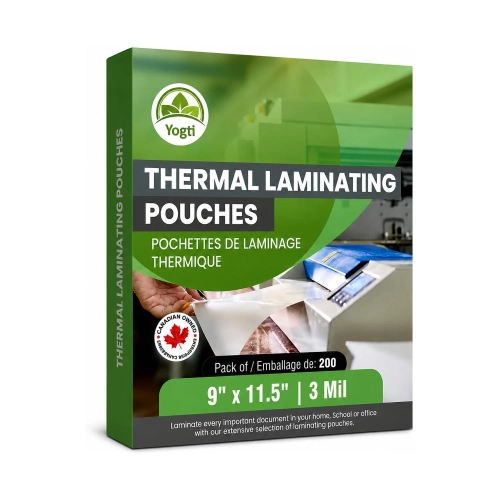


How pouch size and finish protect cherished photos
Laminating pouches for photos provide a clear protective layer around printed pictures, helping guard treasured images against fingerprints, splashes, scuffs, dust, and the everyday handling that can gradually wear down paper. They can be useful for more than family snapshots, too. School portraits, travel photos, children’s artwork, recipe cards, identification photos, scrapbook inserts, activity instructions, and small signs can all benefit from a smooth, sealed finish. A laminated photograph is easier to wipe clean and less likely to bend at the corners when it is kept in a wallet, displayed on a refrigerator, placed in a classroom, or carried in a bag. Many people choose these pouches for photographs that deserve to be enjoyed outside a frame, such as a child’s favourite picture for a bedroom noticeboard or a family image tucked into a memory box. They can also make a thoughtful, practical gift for someone who enjoys preserving family history, organizing keepsakes, creating photo displays, or making personalized cards and crafts during the cooler months. Before choosing a pack, consider the exact dimensions of the photos you plan to protect. A 4 x 6 inch pouch is a common fit for standard snapshot prints, while 5 x 7 inch and slightly larger formats suit portraits, school projects, and landscape photographs. The pouch should be large enough to leave a narrow, even border around the entire image; a clear border of about 1/8 inch on each side helps the sealed edges adhere properly and keeps the photograph enclosed. If a picture fills the sleeve from edge to edge, the seal may be incomplete or uneven. Measuring the photo rather than relying only on its label is a useful step, especially when prints have been trimmed, mounted, or produced in a non-standard size.
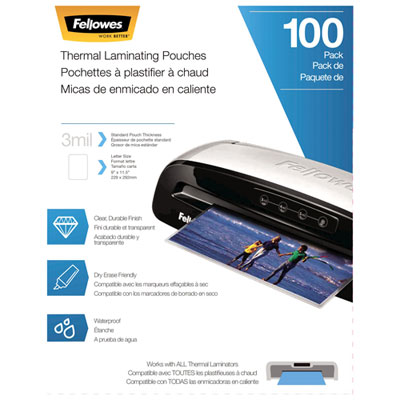
The next decision is whether to use thermal pouches or self-seal pouches. Thermal options are designed for use with a heated laminator. The machine warms the adhesive inside the pouch and applies pressure as the photo passes through, creating a neat, smooth finish when the pouch and laminator settings are compatible. If you already have a laminator at home, in a classroom, or in a small office, checking the machine’s supported pouch size and maximum thickness can help you choose confidently. For a selection of heated options, browse Heat Seal Laminating Pouches. Self-seal pouches use pressure-sensitive adhesive instead of heat, so they can be a convenient choice when you do not own a laminator or when you prefer to avoid applying heat to an especially delicate print. They are also handy for small projects that do not justify setting up a machine. Follow the pouch instructions carefully, align the photo before pressing the layers together, and smooth outward from the centre to reduce the chance of air pockets or creases. Thermal pouches are commonly available in different thicknesses, with 3 mil options offering a lighter, more flexible finish and 5 mil options providing a more substantial, rigid feel. A thinner pouch may work well for photos that will be slipped into albums, folders, or bags, while a thicker pouch can be preferable for images that will be handled frequently or displayed without a frame. Thickness alone does not determine quality, so also look for clear construction, dependable edge sealing, and compatibility with the equipment you plan to use. A glossy finish can make colours and details appear bright and vivid, which suits many photographs and colourful drawings. A matte finish can reduce glare under overhead lights and may be easier to view when a photo is displayed near a window. The right finish depends on where the image will be kept and how it will be viewed.
A little preparation makes photo lamination easier and helps the finished piece look polished. Begin with a clean, dry work surface and handle prints by their edges to limit fingerprints beneath the pouch. Check each photograph for dust, loose fibres, curled corners, or raised embellishments before sealing it. Once a photo is enclosed, it may be difficult to correct an alignment problem, so place it carefully and leave the same amount of clear space around each edge whenever possible. For thermal use, allow the laminator to reach its recommended operating temperature and feed the pouch with the sealed edge first unless the instructions specify otherwise. Let the laminated photo cool flat for a short time before stacking or trimming it. If trimming is necessary, keep a small sealed border around the image rather than cutting directly against the paper, since the border helps maintain the protective enclosure. It is also worth thinking about the intended setting. Photos kept in a family room, craft area, classroom, or office may only need protection from regular handling, while images carried outdoors or placed near food and drinks may benefit from a sturdier pouch and carefully sealed edges. Lamination does not replace proper storage: prolonged direct sunlight can still affect printed colours, and extreme heat, moisture, or repeated bending can eventually damage the image inside. Store finished photos away from sharp objects and keep them flat when possible. With the right size, thickness, finish, and sealing method, laminating pouches can turn an easily marked print into a durable keepsake that is comfortable to handle and simple to maintain. They are well suited to organizing family memories, protecting personal projects, and giving meaningful photographs a practical role in everyday spaces.
Top selling and popular products
-
 Your price for this item is $45.68
-
 Your price for this item is $71.68
-
 Your price for this item is $64.68
-
 Your price for this item is $26.98
-
 Your price for this item is $34.99
-
 Your price for this item is $24.99
-
 Your price for this item is $39.99
-
 Your price for this item is $39.99
Discover more categories related to Laminating Pouches for Photos
Top Collections:
Pokemon Centers, Best Cameras for Sports Photography, Kindle Devices, Samsung Galaxy Phones, Canon G7X Cameras, Pokémon 30th Celebration Cards, Refurbished Apple Laptops, iPhone 15 Apple, Laptops for Students, Budget Smartphones
Some products may be subject to Environmental Handling Fees
(EHF) depending on your province.
Learn more about EHFs.