Ink Sticks
Ink sticks are an essential tool for anyone who relies on vibrant, high-quality printing. Perfect for both home and office use, these innovative consumables offer a cost-effective and environmentally friendly alternative to traditional ink cartridges. Designed to deliver consistent, sharp results, ink sticks ensure that every document, photo, or creative project looks its best. Whether you're printing important business reports or cherished family photos, ink sticks provide the reliability and performance you need to achieve professional-grade outcomes every time. Explore the wide variety of options available to find the perfect match for your printer and enjoy seamless, efficient printing with every use.
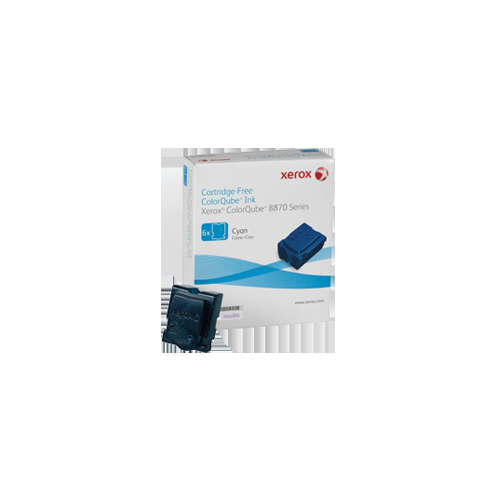
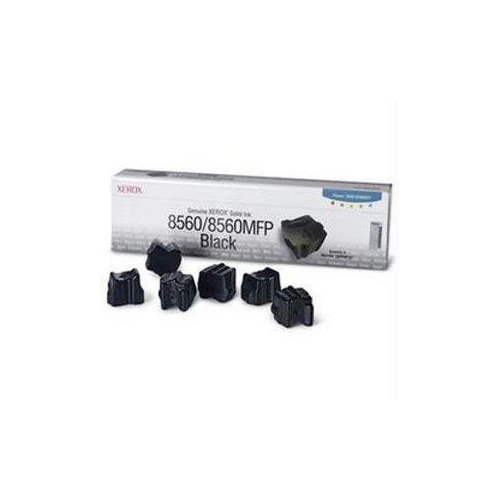
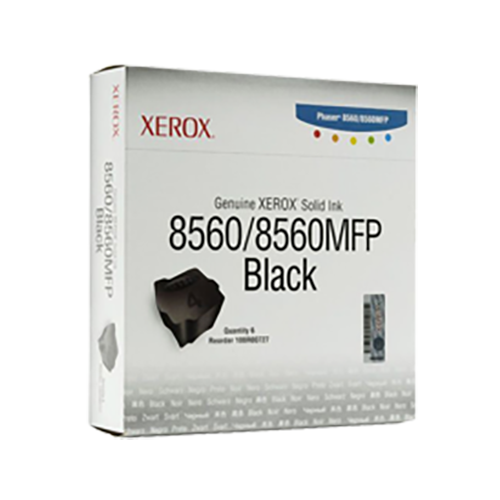
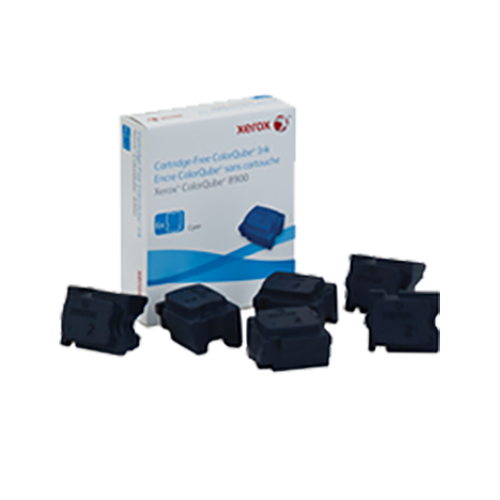
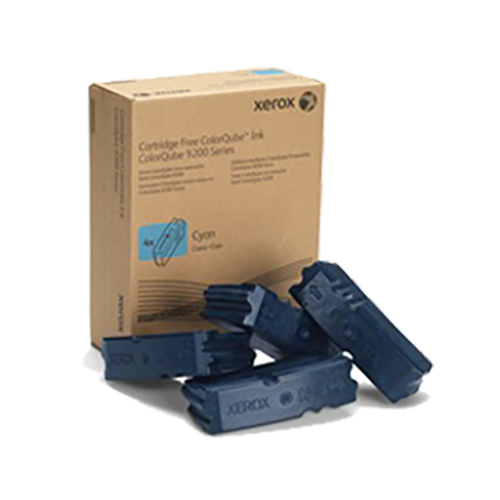
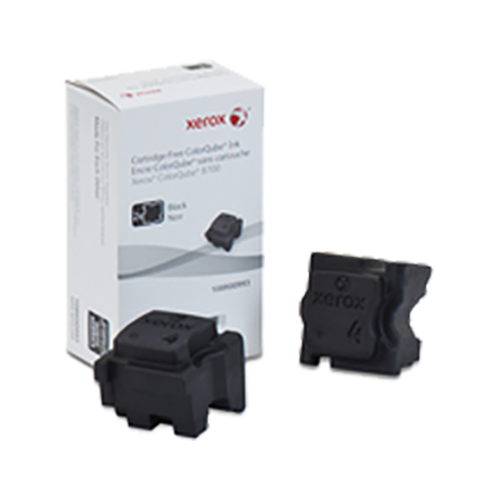
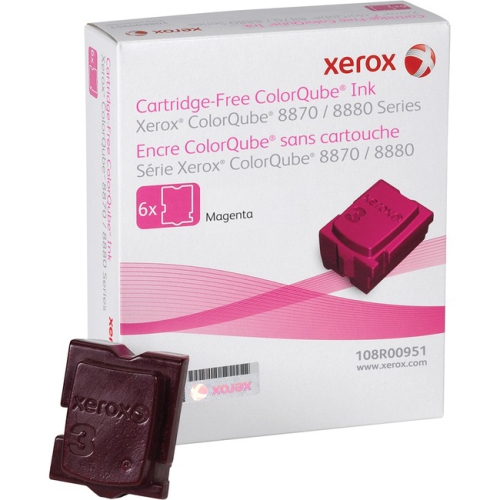



Traditional ink preparation for calligraphy and expressive brushwork
Using an ink stick is as much about preparing the medium as it is about making marks on paper. Begin with a clean, level inkstone and add only a small amount of water to its grinding area. Hold the stick upright or at a gentle angle, then rub it slowly in a circular motion rather than pressing aggressively. A steady pace helps the soot and binder mix evenly with the water, creating ink with a consistent texture. Continue until the liquid looks smooth and opaque, then test a small stroke on suitable paper before beginning a finished piece. If the ink feels too thick, add water a drop at a time; if it looks pale or runs too readily, grind for longer and gradually increase the concentration. This control is one of the main attractions of solid ink, particularly for artists who enjoy working from delicate grey washes to dramatic black lines within the same composition. Brush pressure, paper absorbency and the amount of moisture held in the brush will all affect the final mark, so a little practice can make a noticeable difference. Beginners often find it useful to work through simple strokes, circles, leaves or character forms before attempting a complete painting or calligraphy project. Keep a soft cloth nearby to wipe excess water from the stick and stone, and avoid soaking the ink stick or leaving it sitting in water. Prolonged moisture can cause uneven wear, softening or cracking, while grinding too forcefully may create an inconsistent surface. After use, dry the stick completely and clean the inkstone so old residue does not affect the colour or texture of a future session. Store the ink stick in a dry place away from direct sunlight, heavy heat and areas with large changes in humidity. Proper care helps preserve its shape and makes each preparation session more predictable.
Ink sticks can suit a wide range of creative routines, from focused calligraphy practice at a desk to larger brush-painting sessions in a studio or quiet corner of the home. They are a natural choice for people exploring Chinese, Japanese or Korean ink traditions, as well as artists interested in monochrome landscapes, botanical studies, lettering, illustration and meditative mark-making. Teachers and community art groups may use them when introducing students to the relationship between water, pressure, rhythm and line. They can also make thoughtful gifts for someone who enjoys drawing, stationery, cultural arts, handmade paper or collecting traditional tools. A carefully chosen ink stick can feel personal without requiring the recipient to follow one particular style; it may become part of a regular practice, a special project or an attractive addition to a creative workspace. When selecting one as a gift, consider whether the recipient is a beginner or an experienced artist and whether they already have an inkstone, brush and suitable paper. A coordinated set of essentials can make it easier for someone new to begin, while a distinctive carved or decorated stick may appeal to a collector or practiced calligrapher who already owns the basics. During the warmer or cooler seasons alike, the preparation of ink offers a calm way to slow down, practise concentration and create something tangible by hand. Whether used for formal characters, loose brushwork or personal sketches, ink sticks bring a measured, tactile quality to the creative process. Their compact format also makes them convenient to keep with other art supplies, provided they are protected from moisture and handled gently between sessions. With the right storage, a compatible stone and a little patience while grinding, an ink stick can support years of writing and painting in a broad range of tones.
Top selling and popular products
-
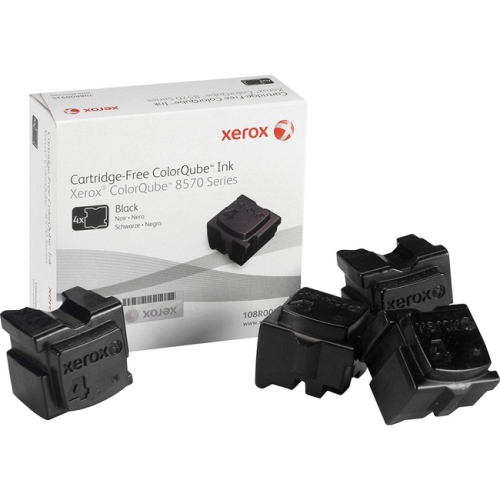 Your price for this item is $59.95
 -
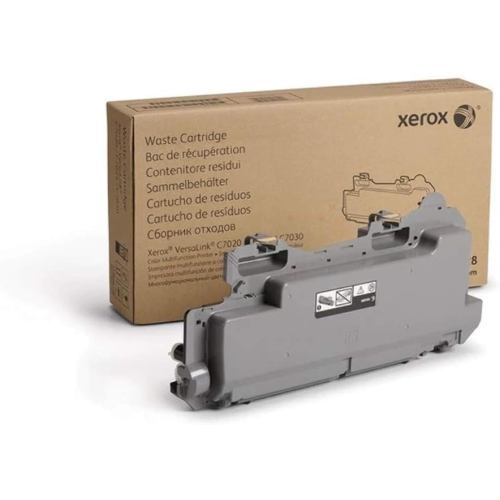 Your price for this item is $59.99
 -
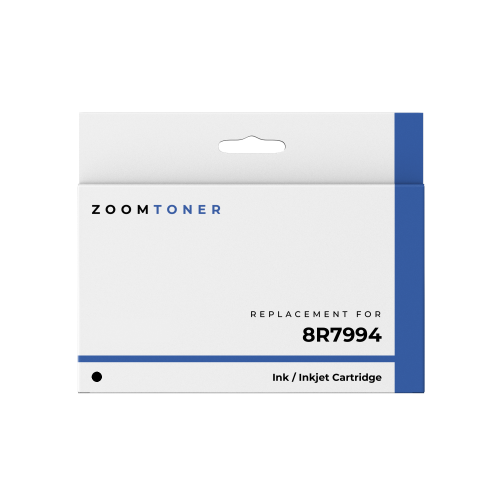 Your price for this item is $9.95
 -
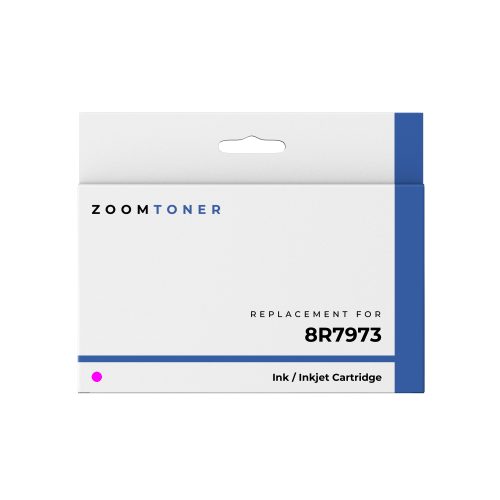 Your price for this item is $9.95
 -
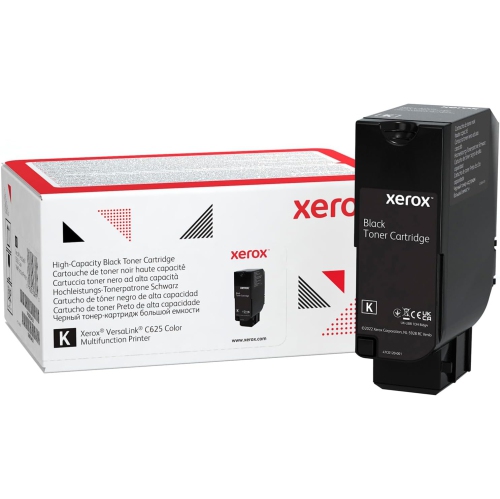 Your price for this item is $655.99
 -
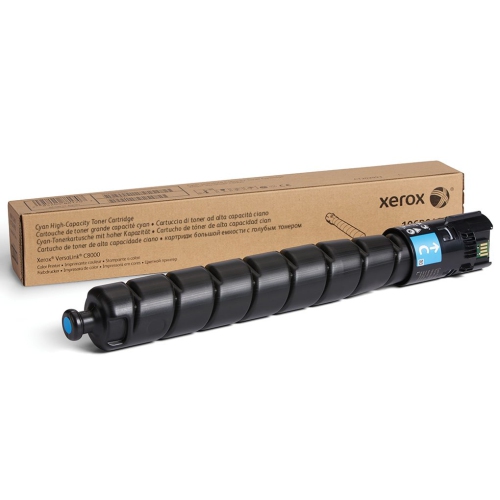 Your price for this item is $909.68
 -
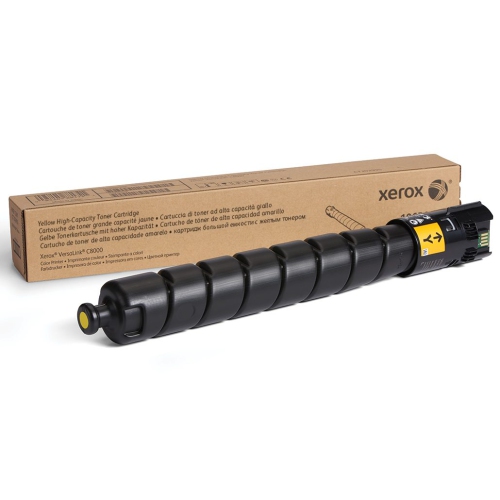 Your price for this item is $771.99
 -
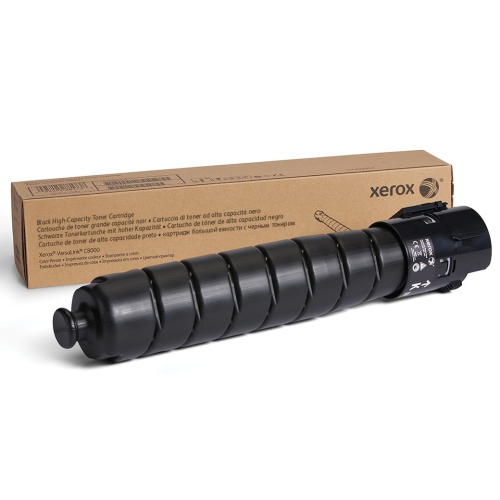 Your price for this item is $799.68