Ink Markers
Elevate your creativity and organizational skills with a diverse selection of high-quality ink markers. Perfect for artists, students, professionals, and hobbyists alike, these versatile tools offer vibrant colors, precision tips, and long-lasting performance. Whether you're sketching intricate designs, highlighting important notes, or adding a pop of color to your projects, our ink markers are designed to meet all your needs. Explore options that include an array of hues and features like quick-drying ink and ergonomic grips to ensure comfort during extended use. Discover the perfect ink markers to bring your ideas to life with ease and style.
Sort
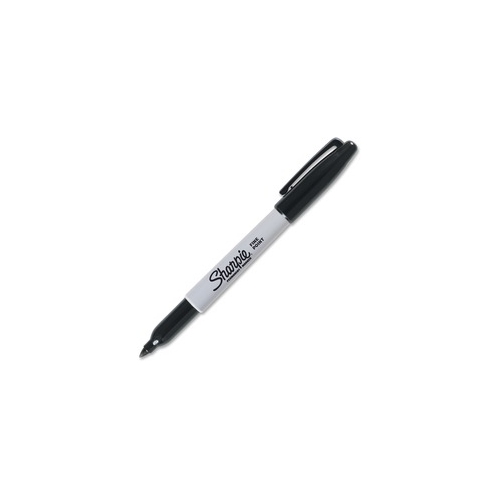
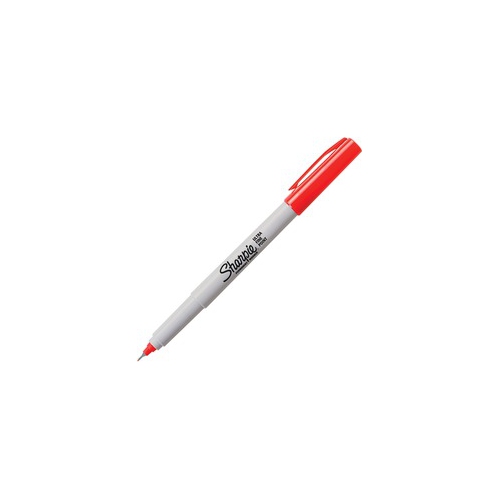
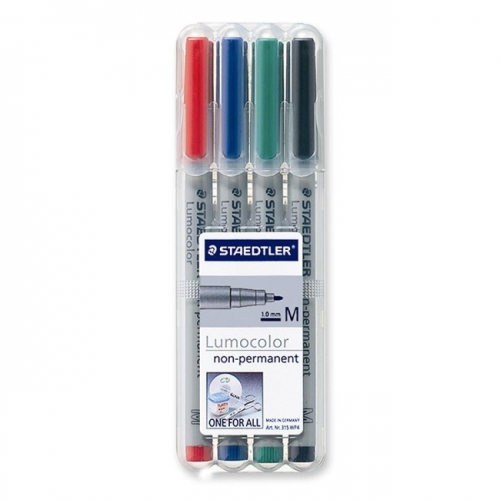
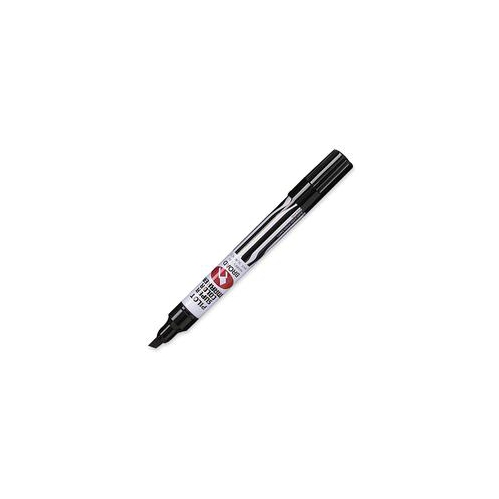
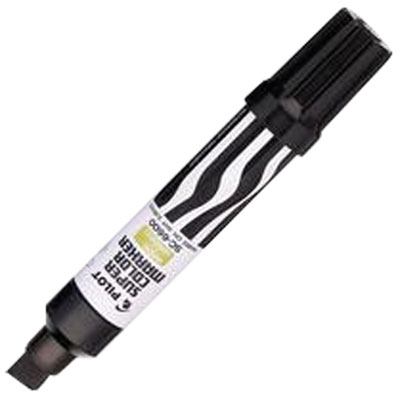

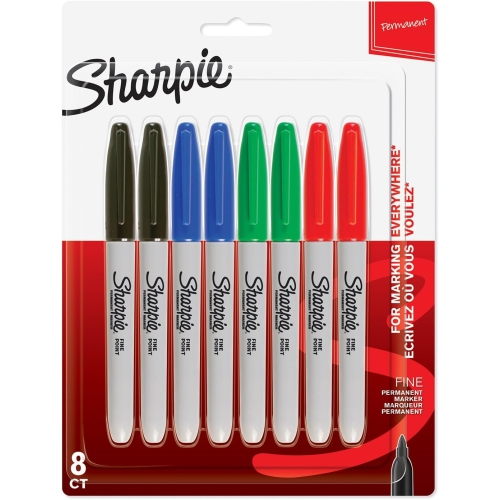
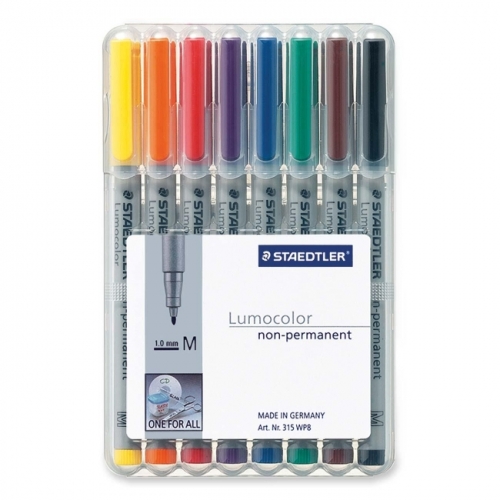
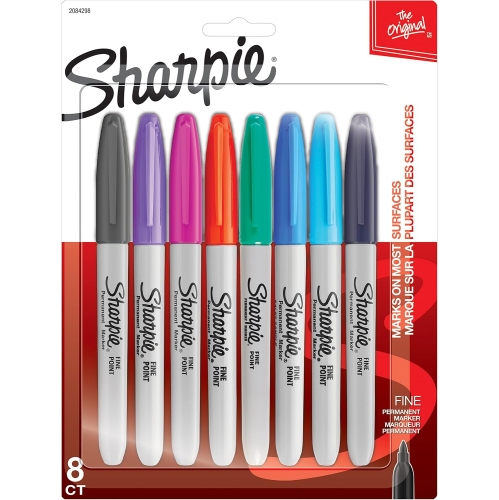

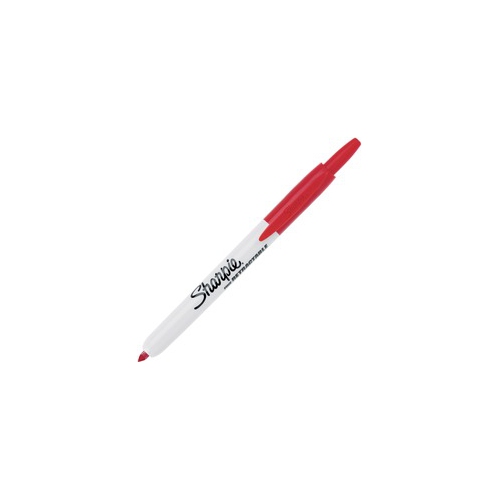
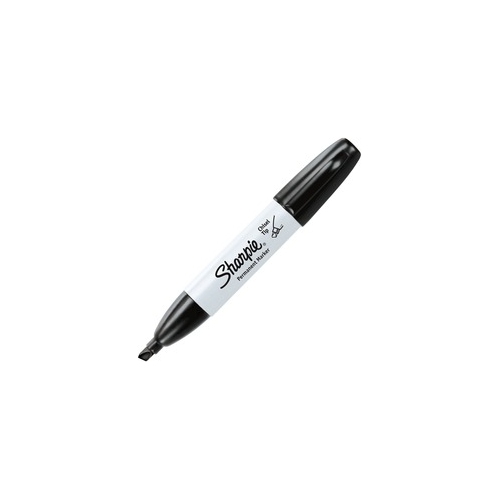
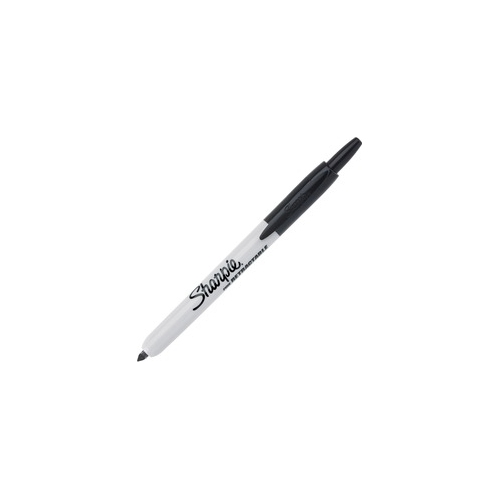
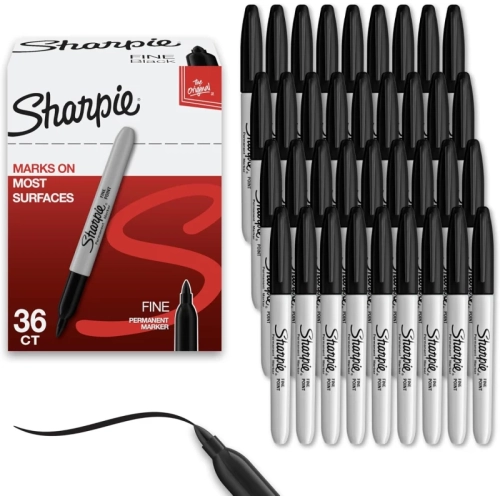
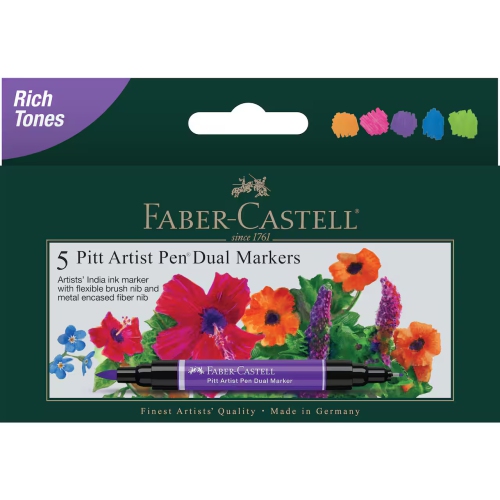
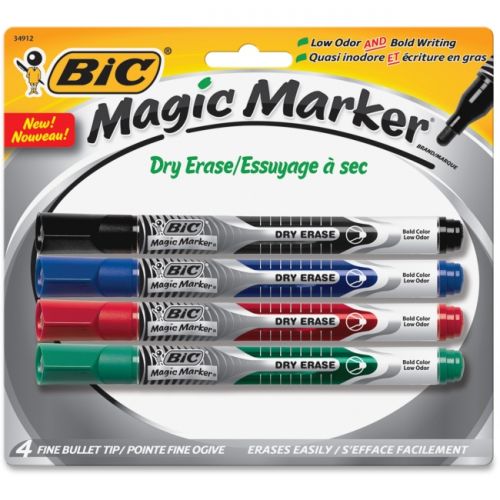
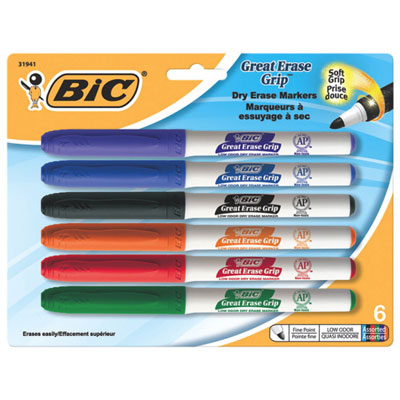
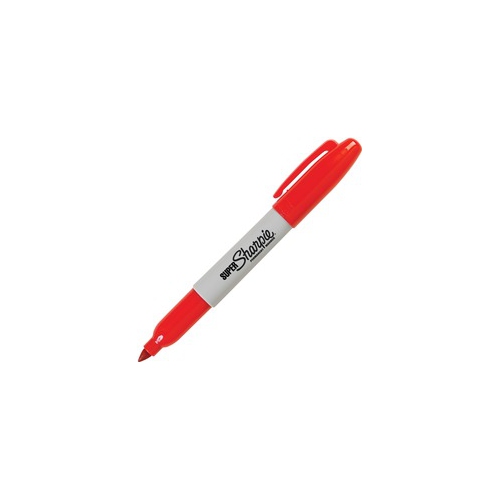
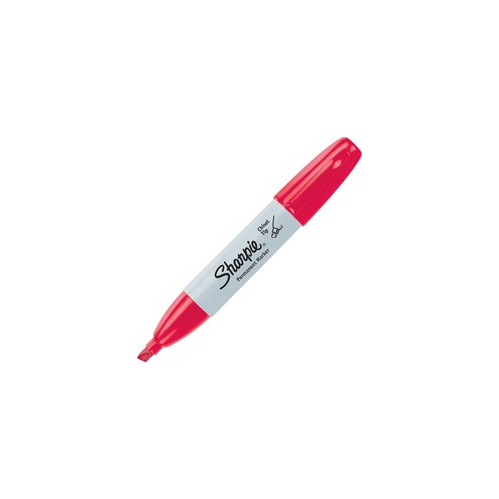
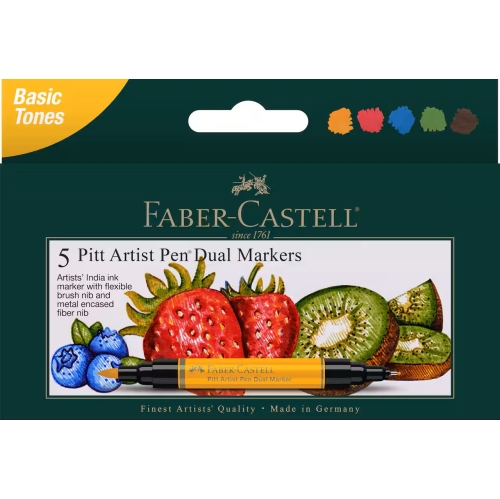
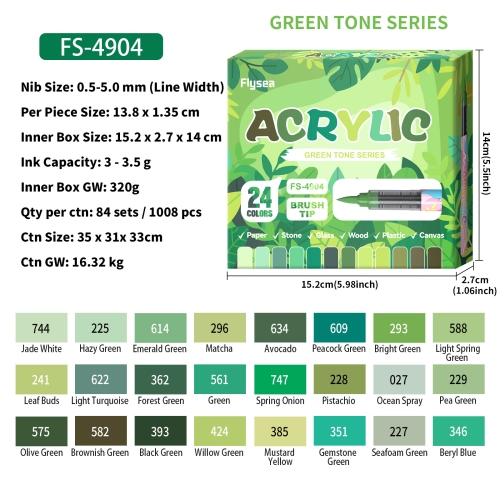
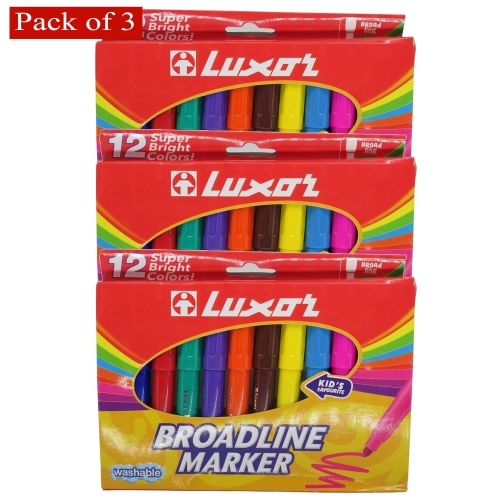
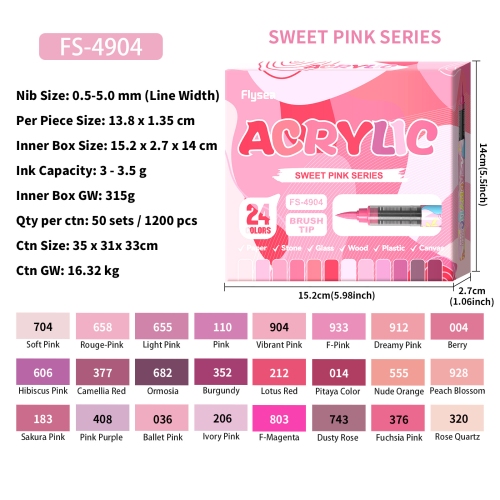
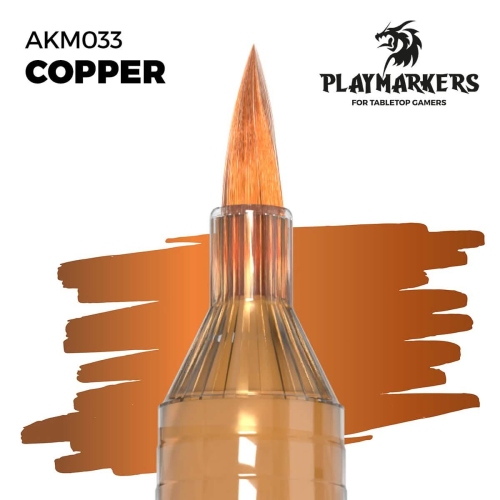
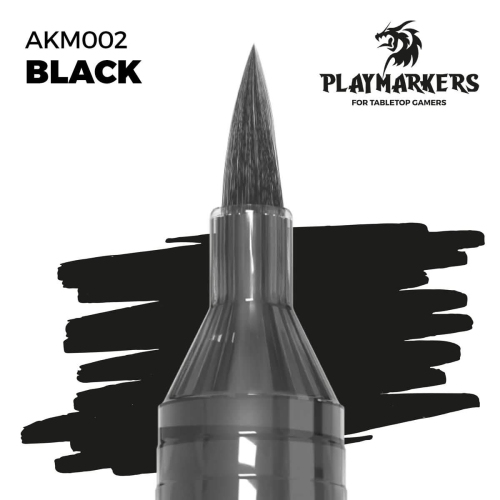
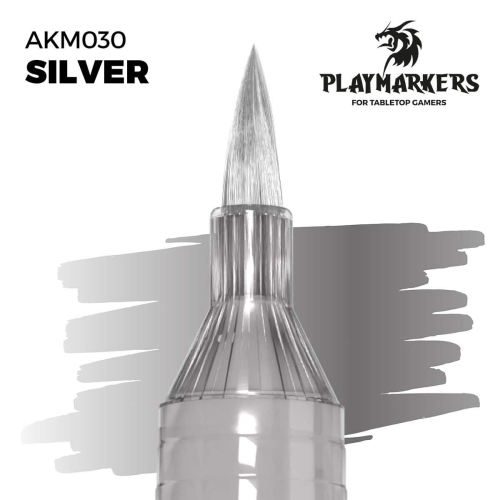

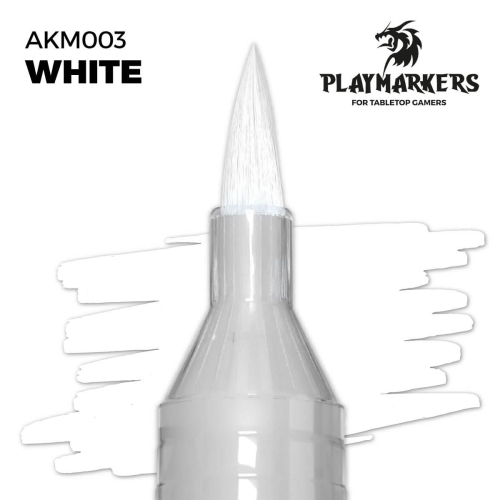
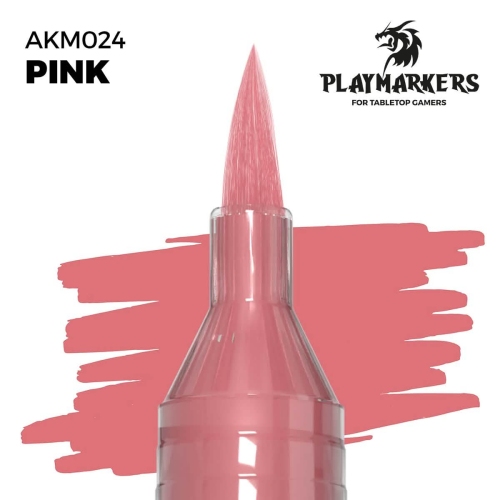

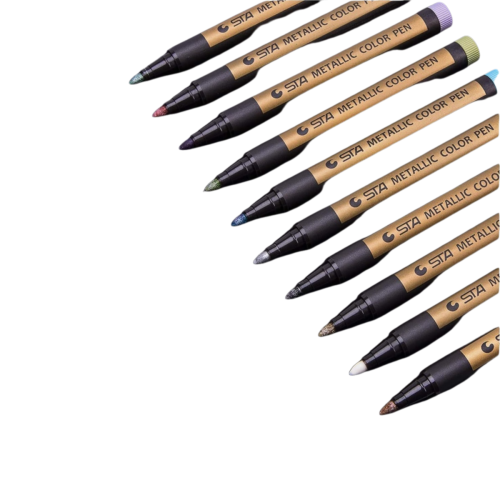
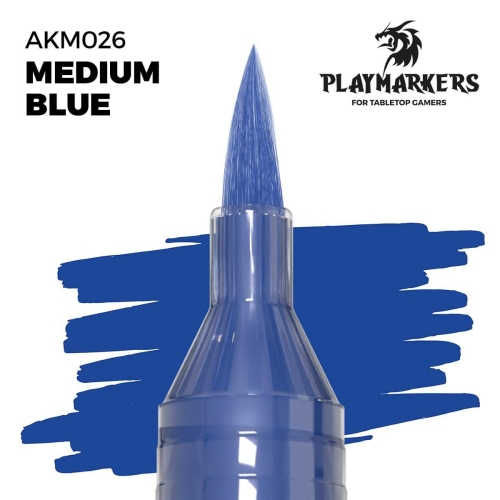
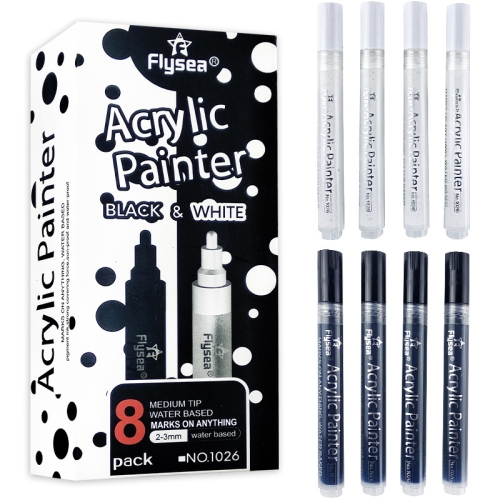
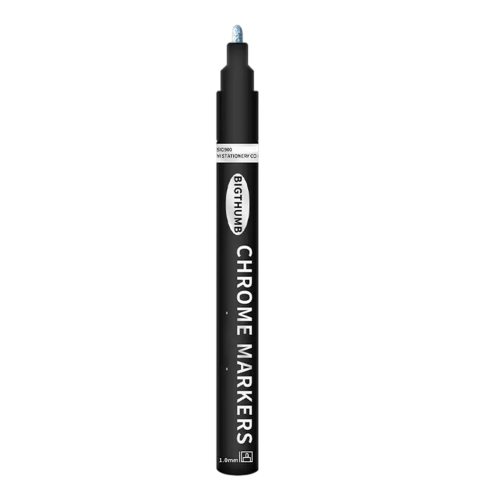
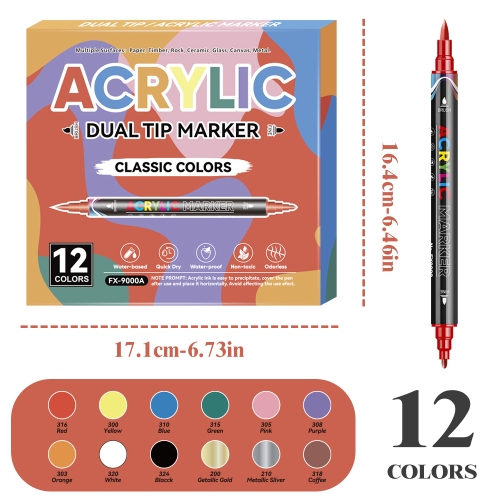
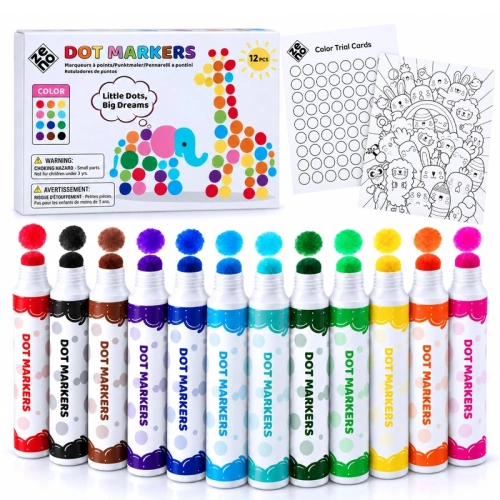
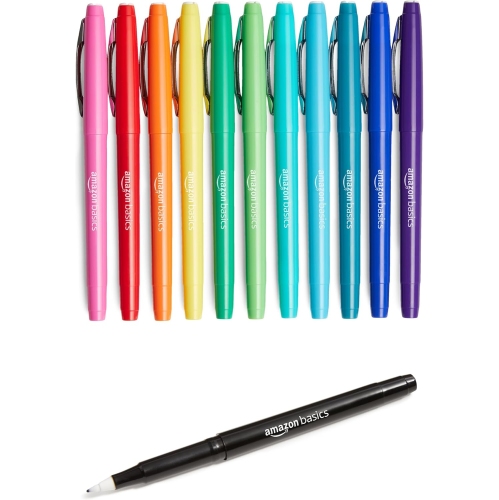
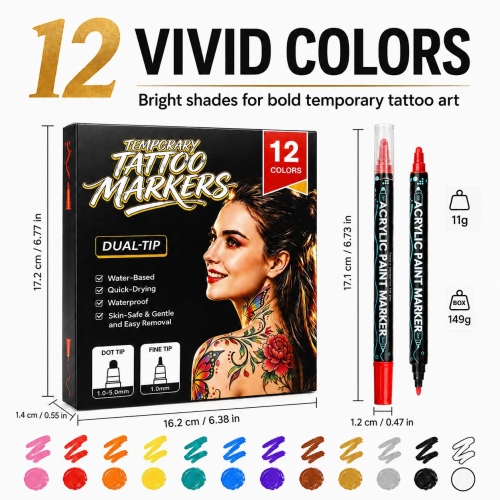
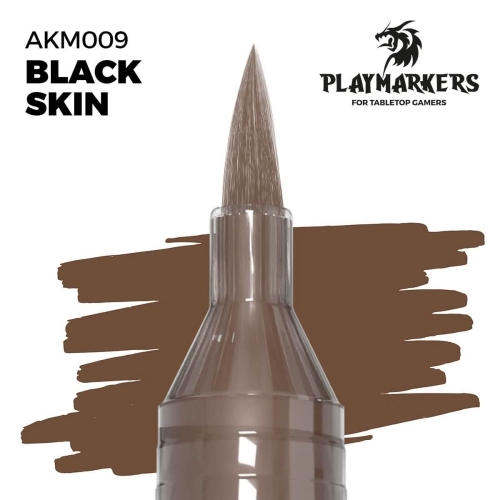
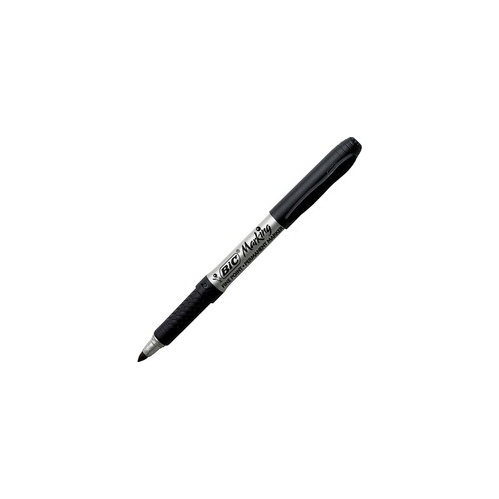
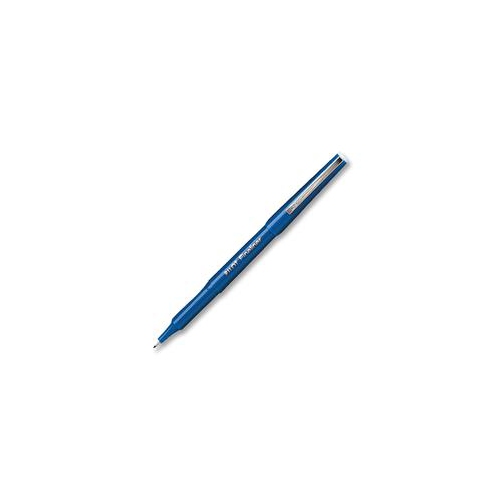
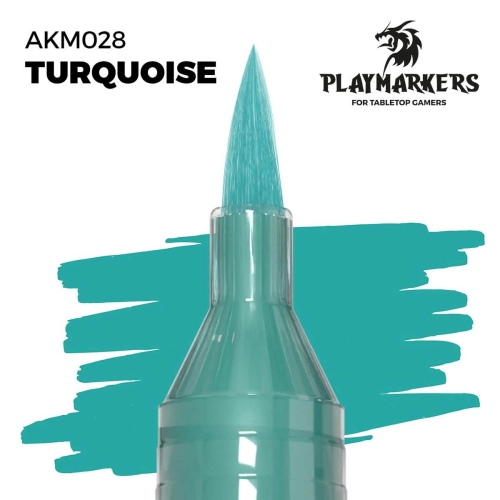
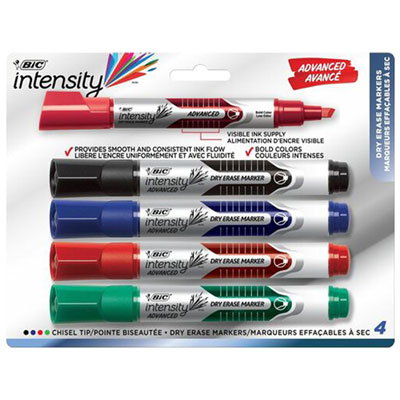
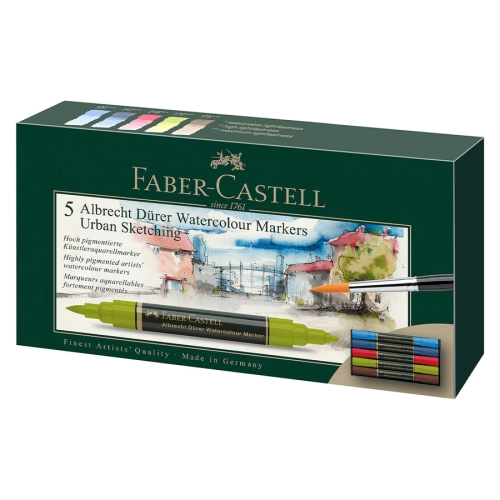

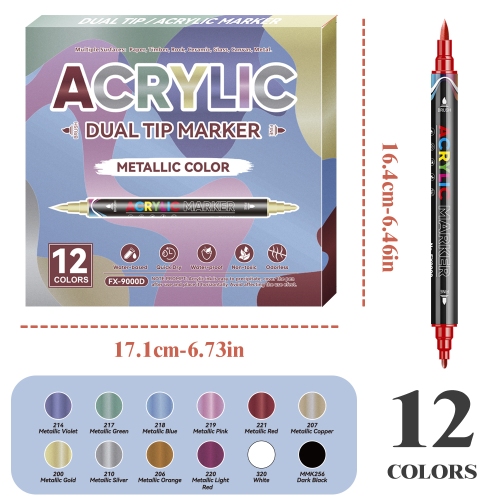
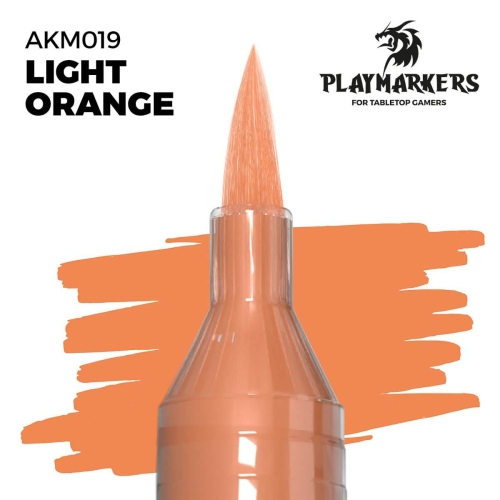

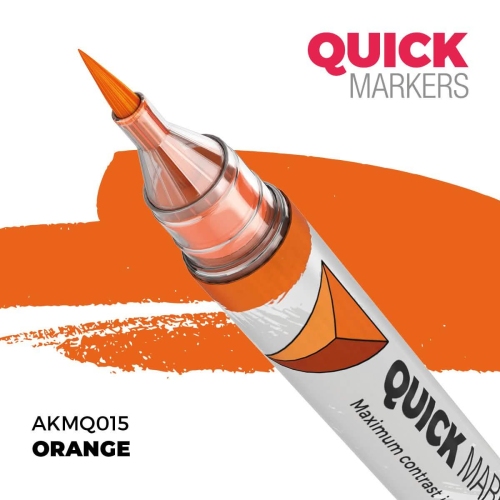
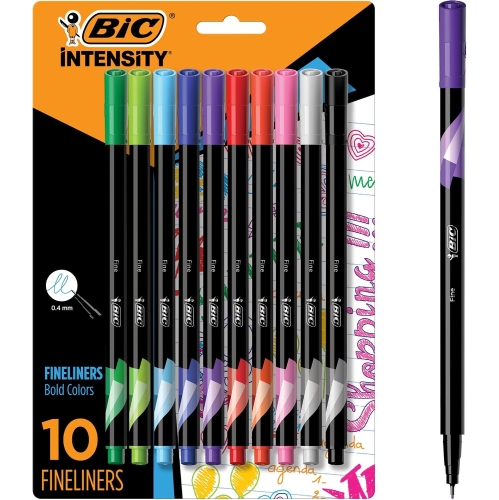
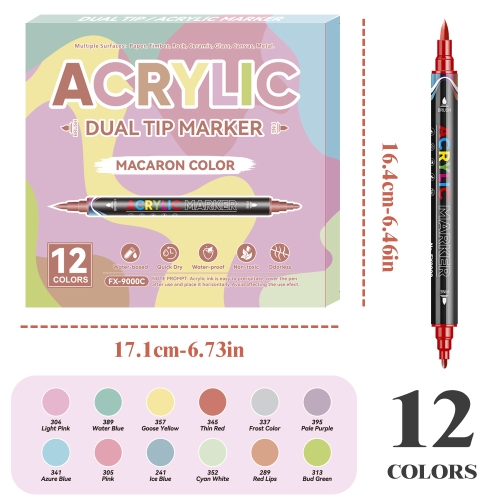

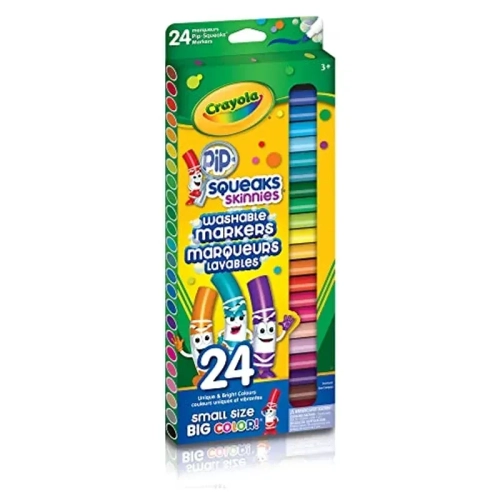
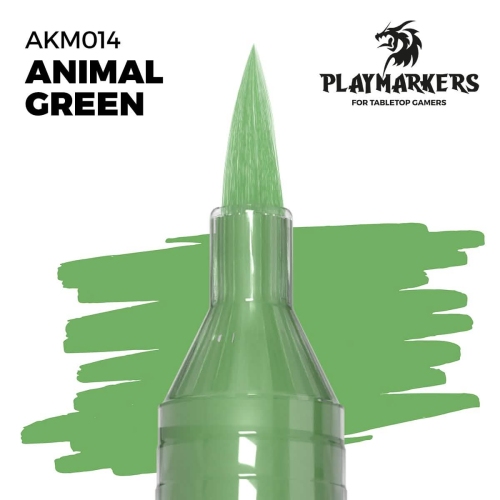
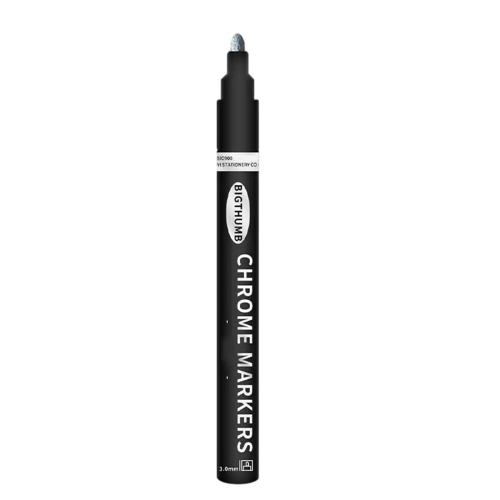


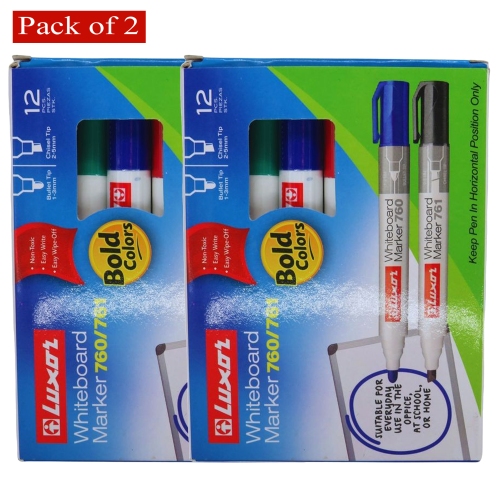
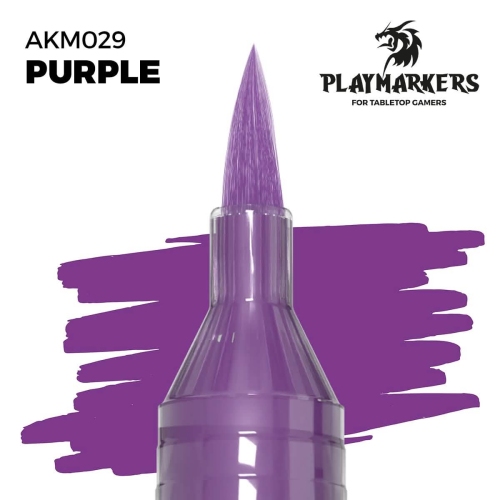
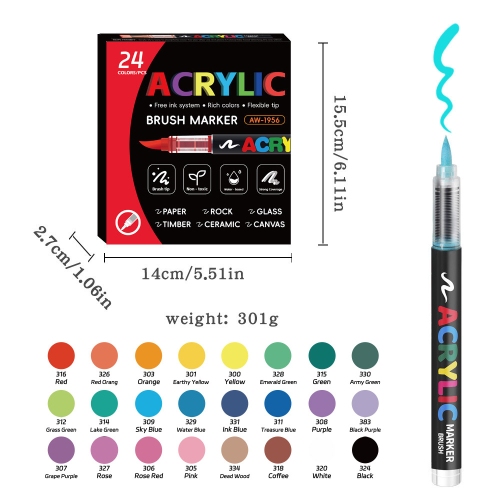
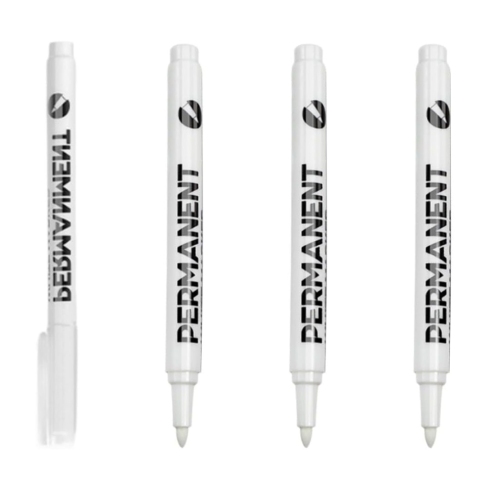
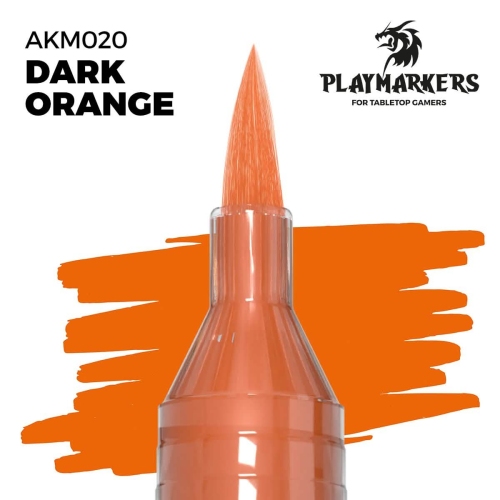
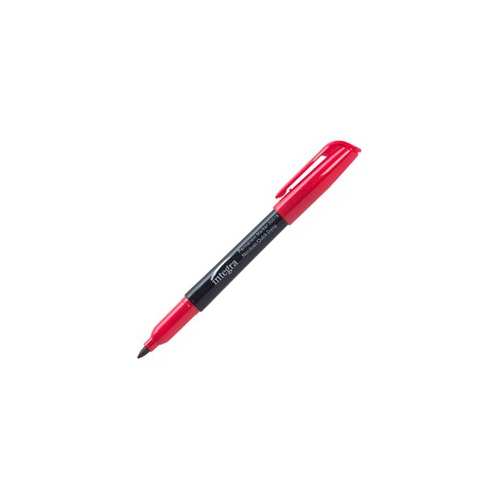
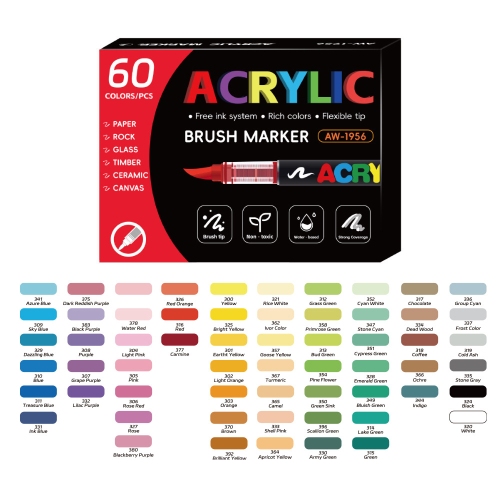
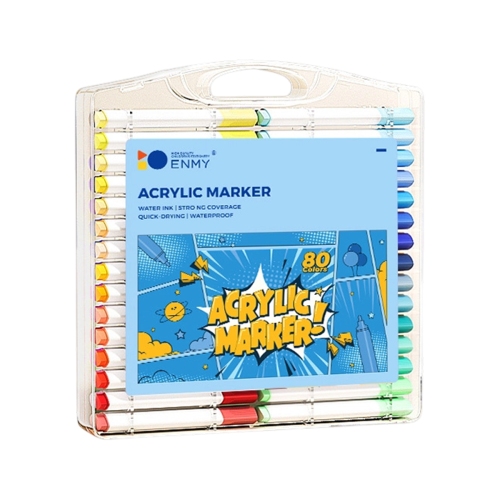
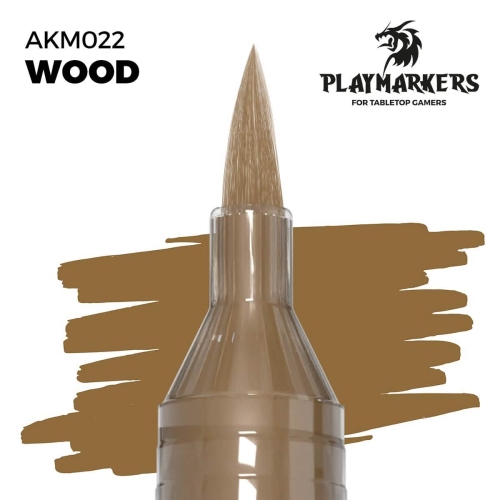
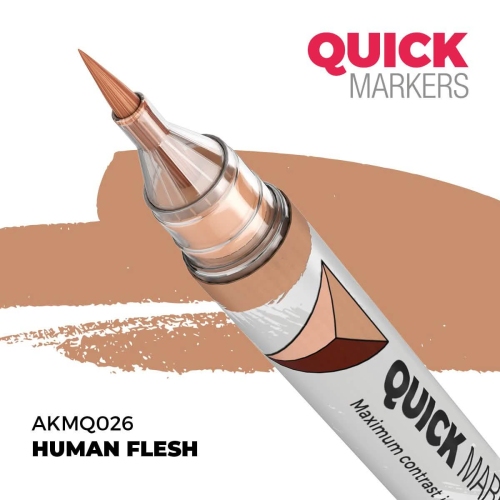
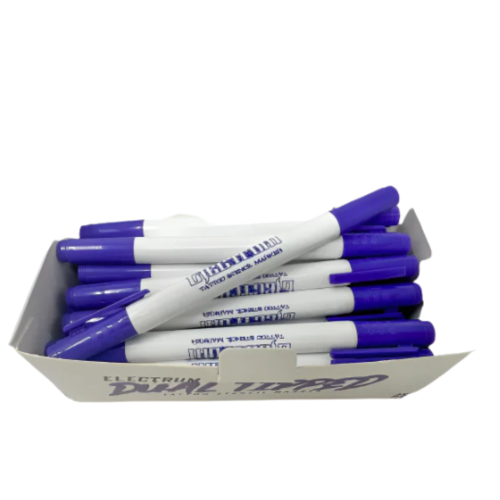
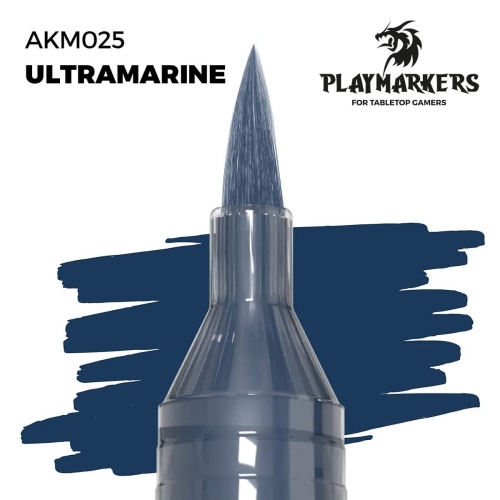
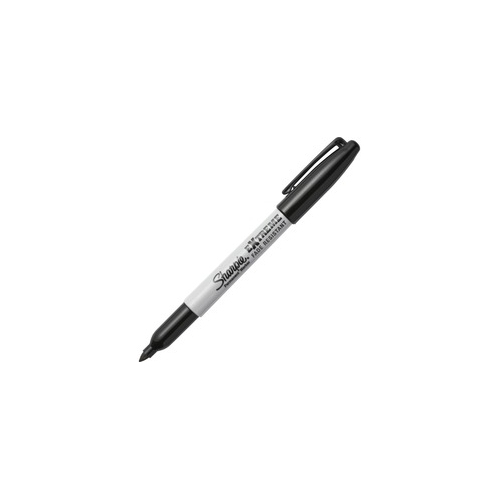
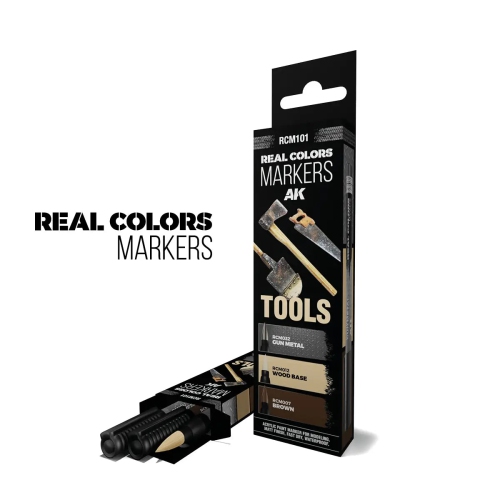
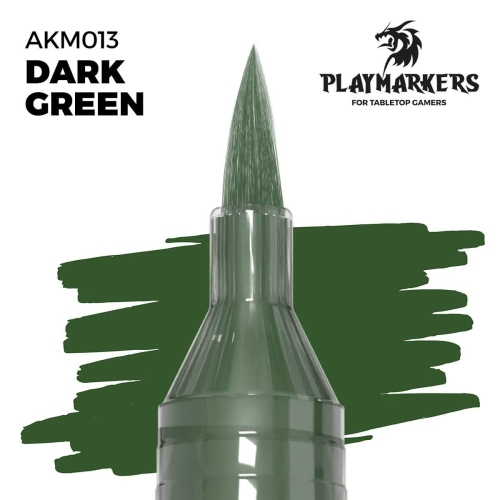
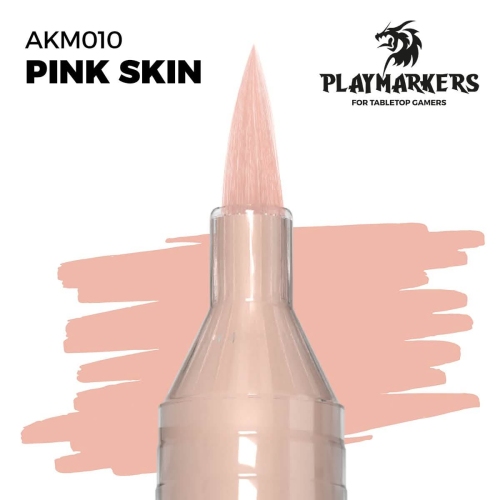

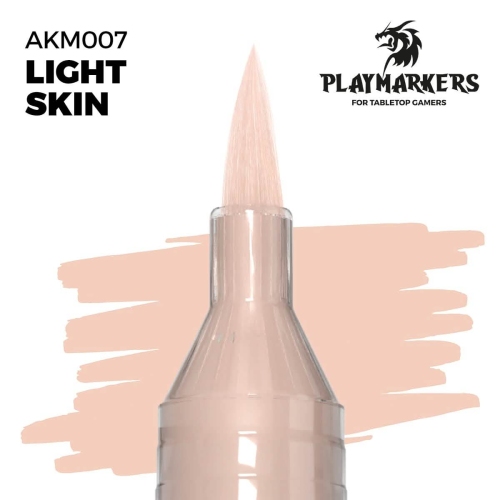
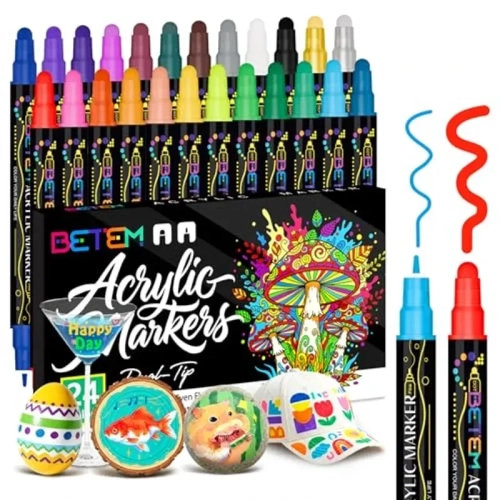
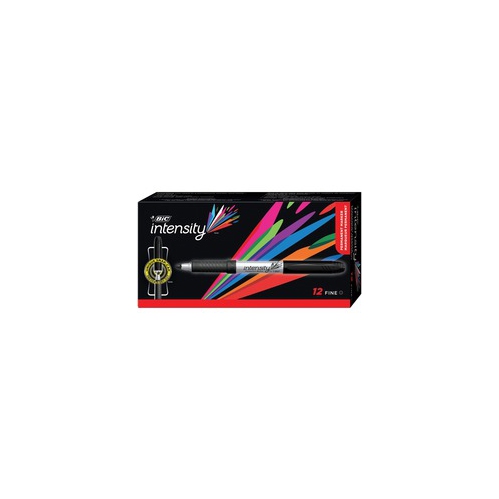
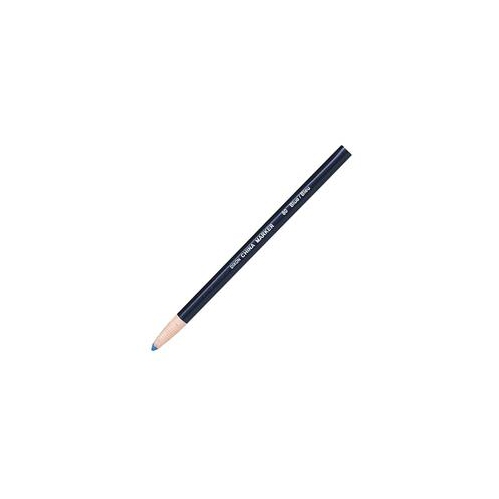
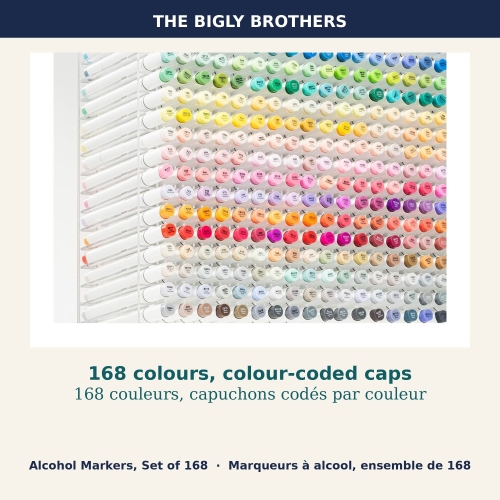
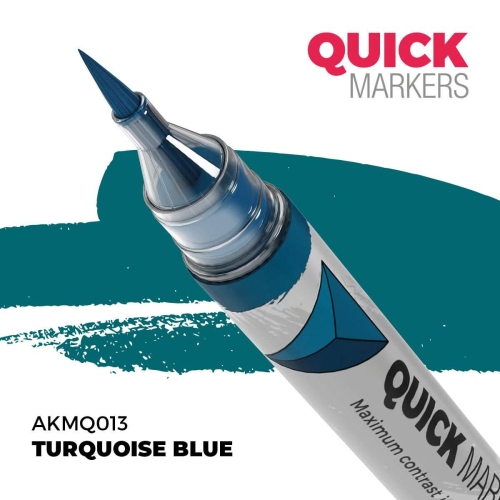
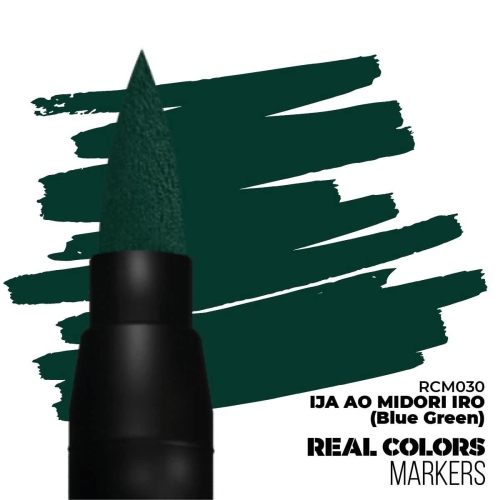
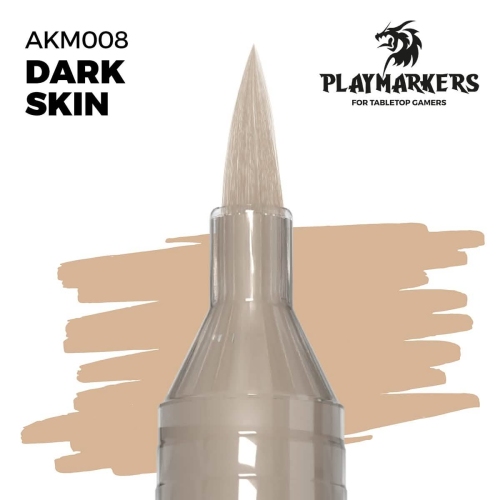

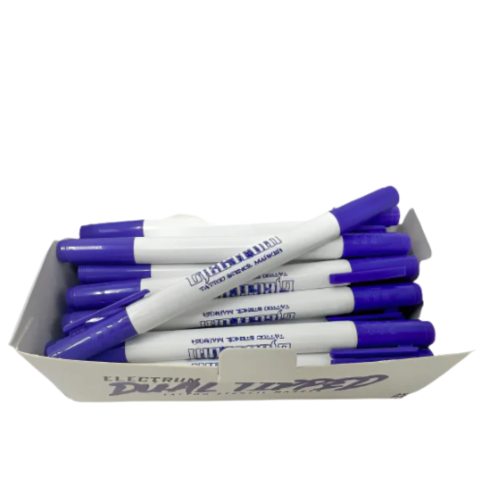
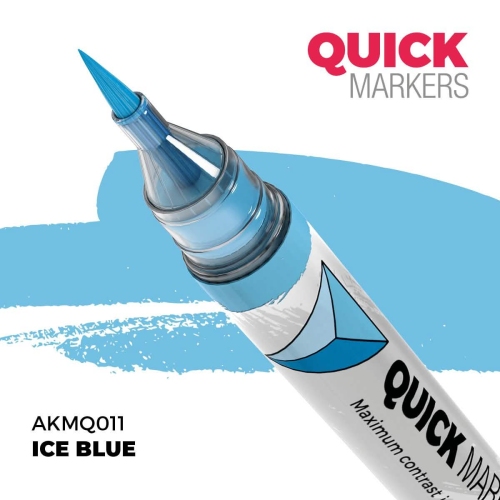
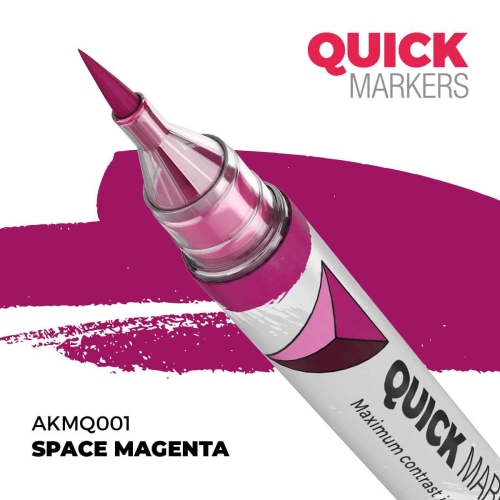

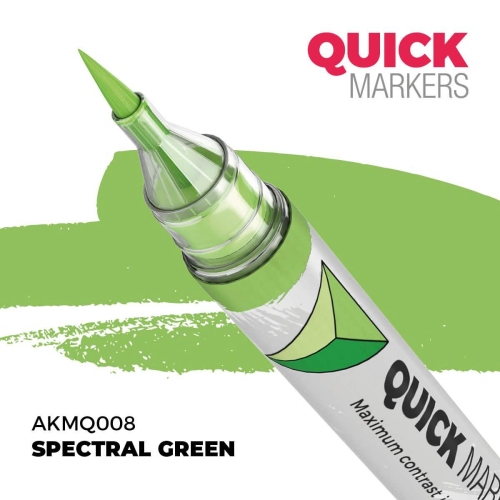
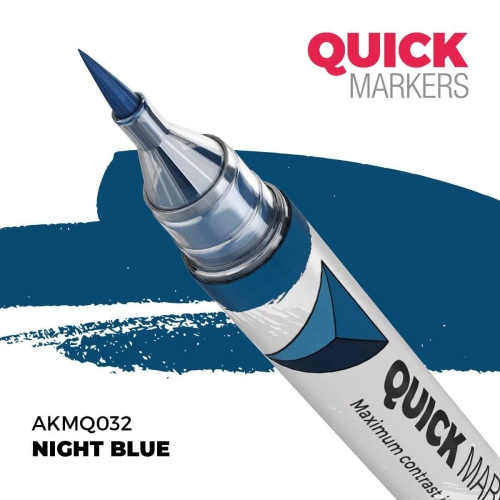
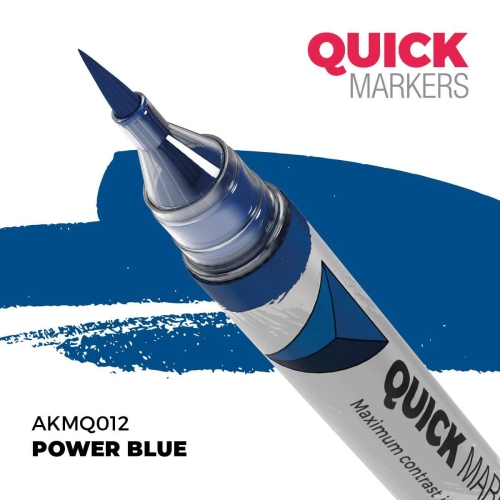
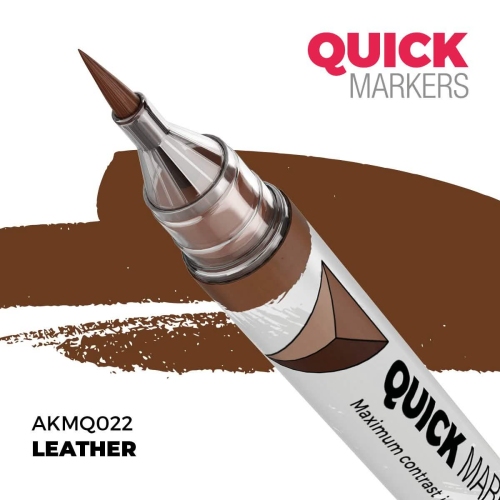

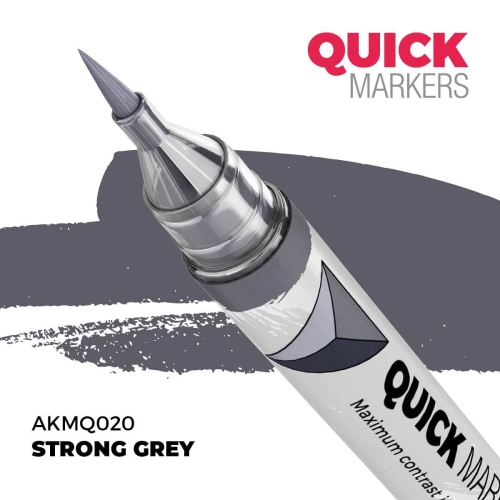
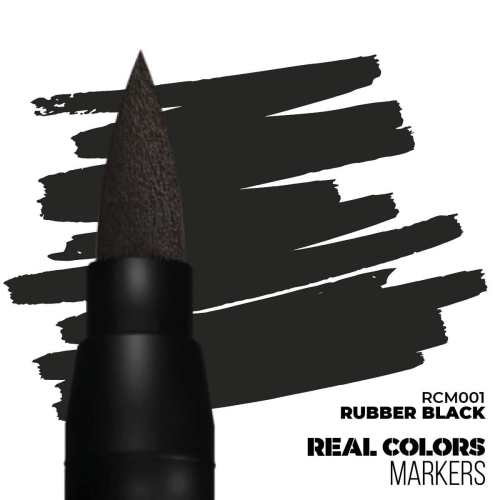
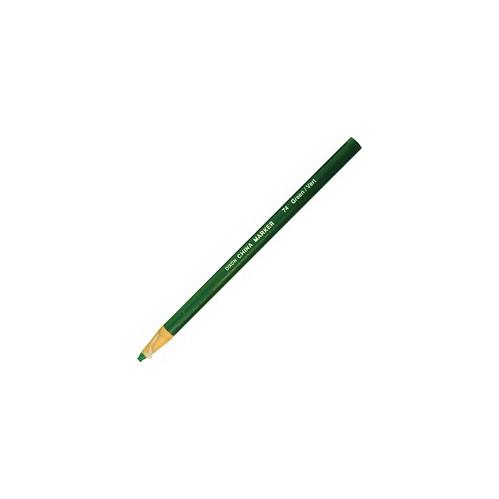
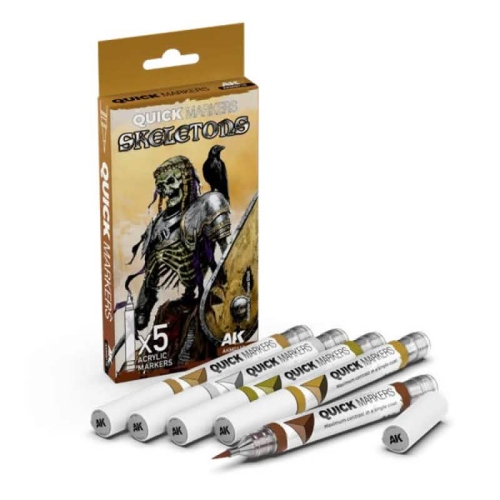

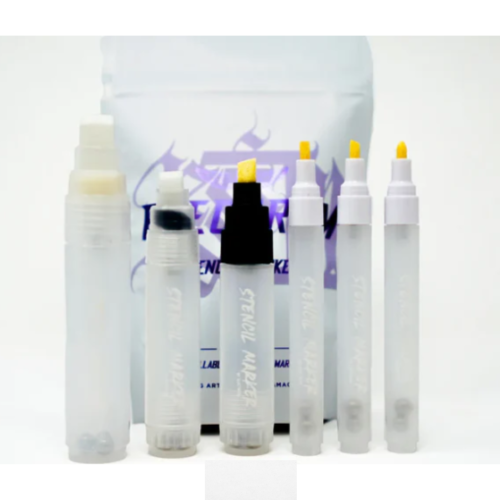
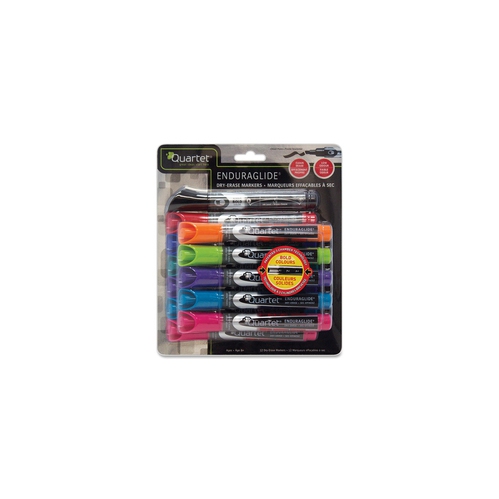
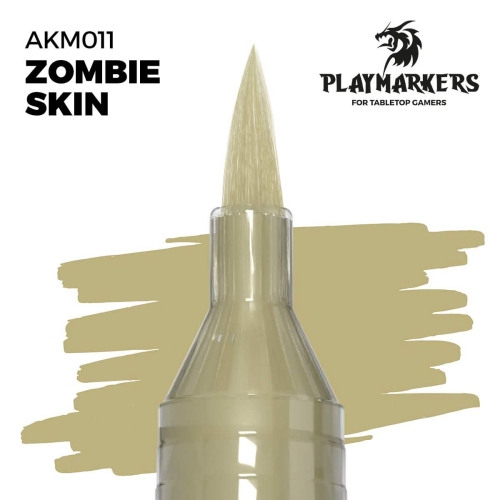
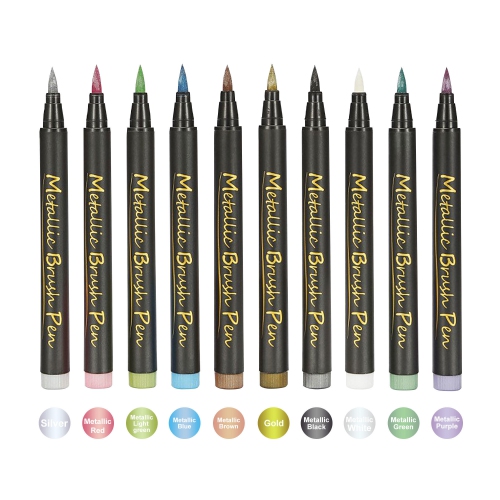
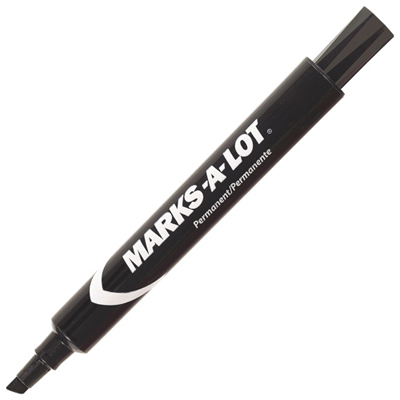
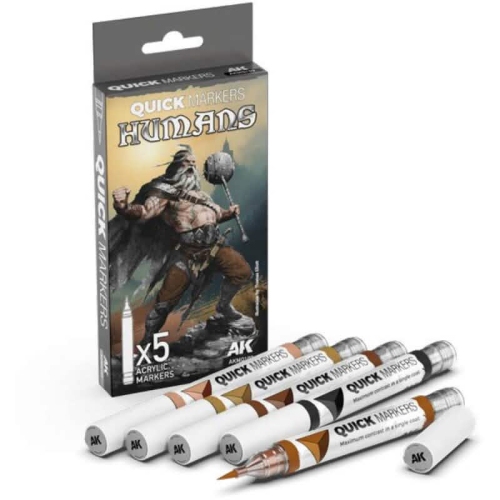
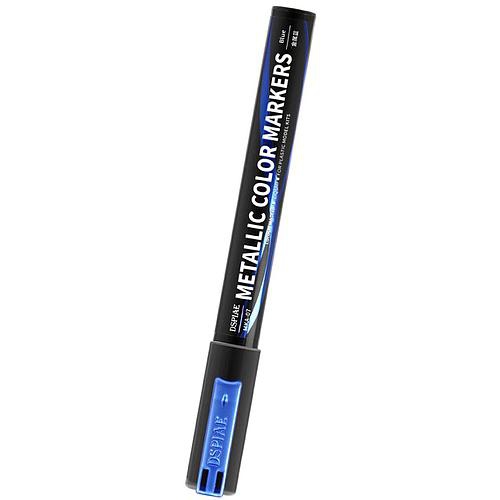
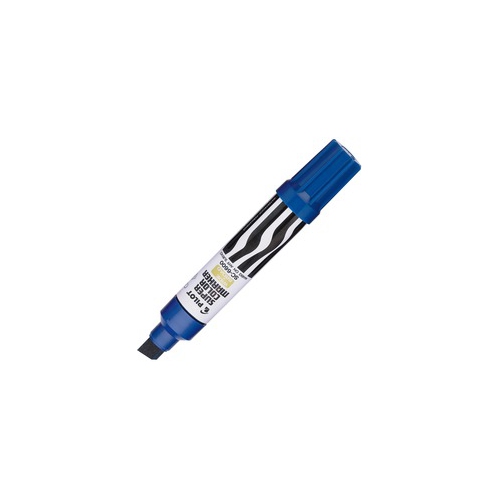
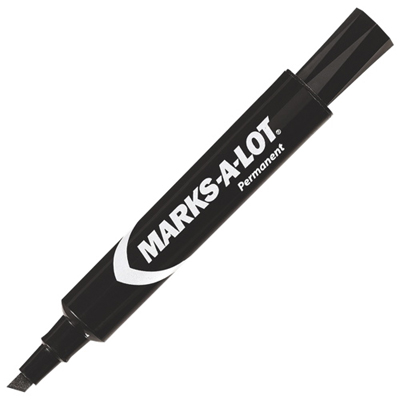
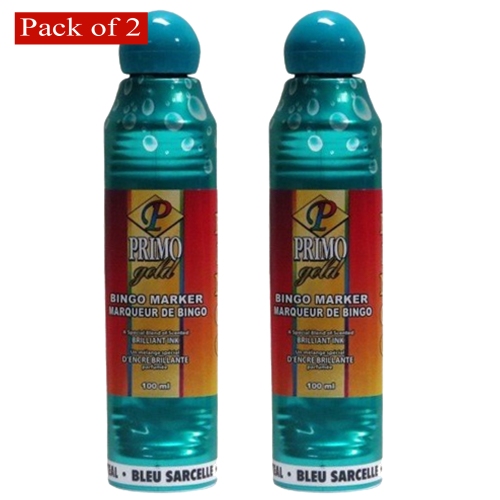


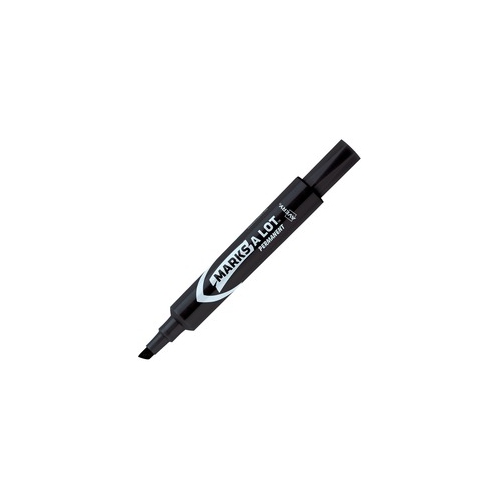
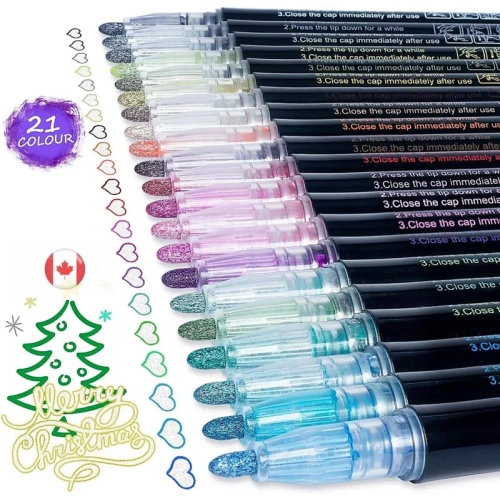


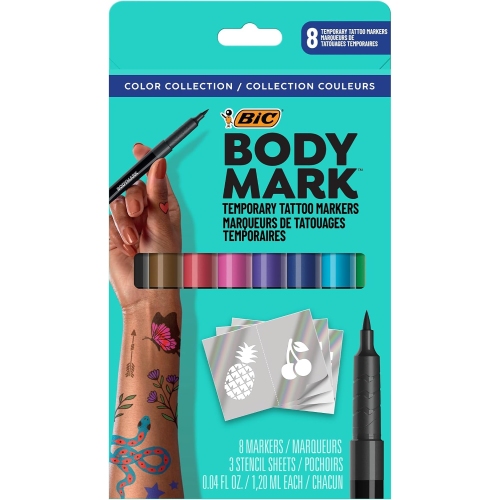
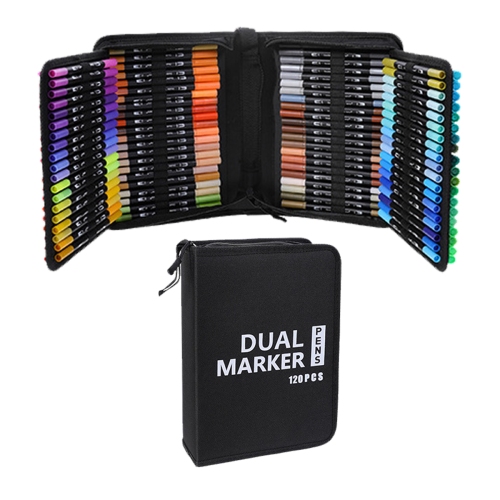
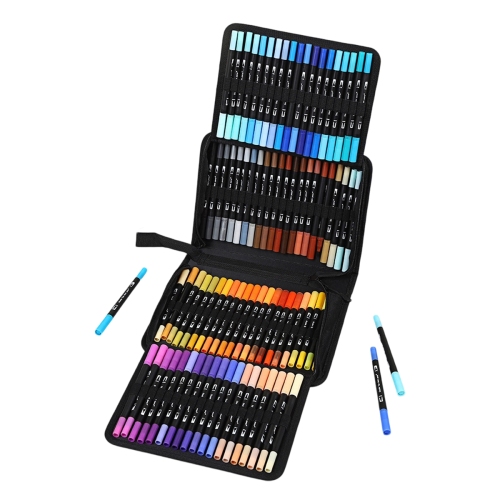

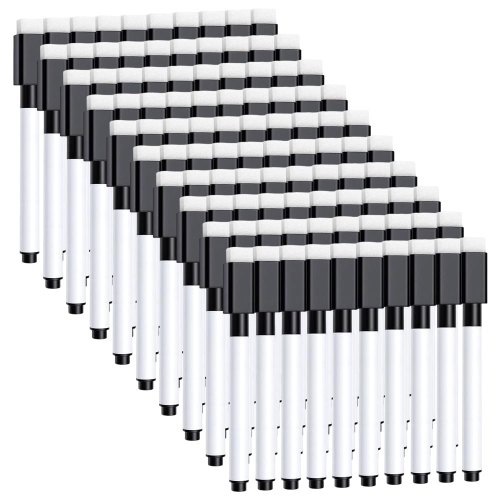
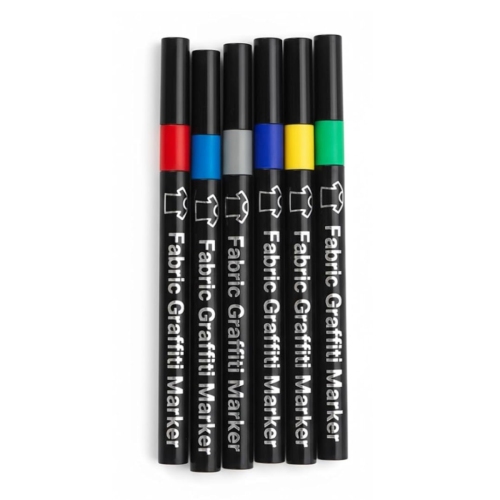
How ink and tip shape affect every mark
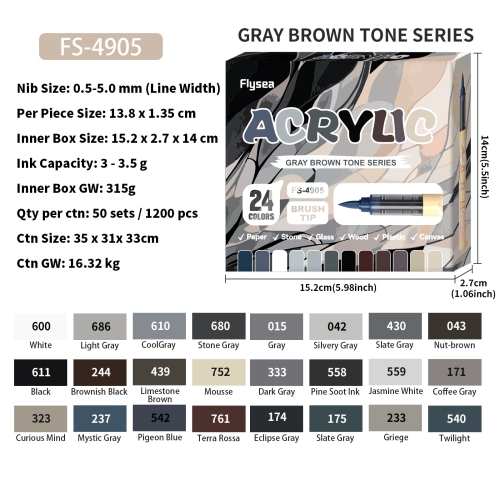
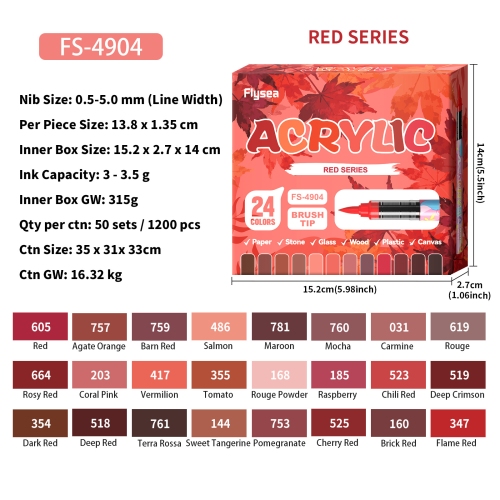
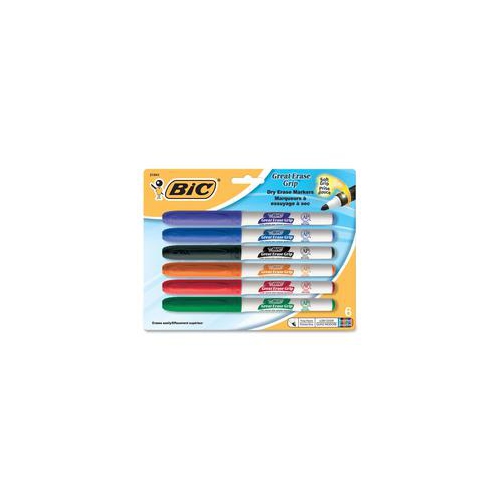
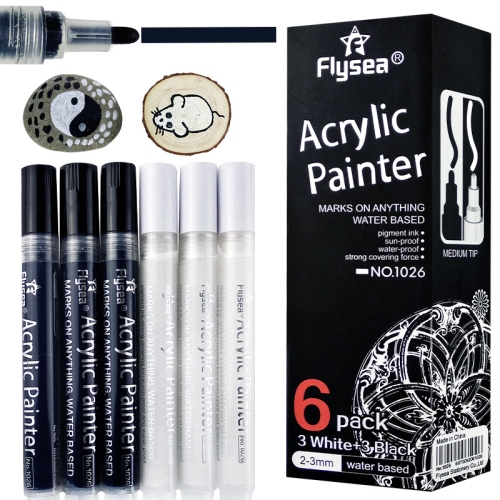
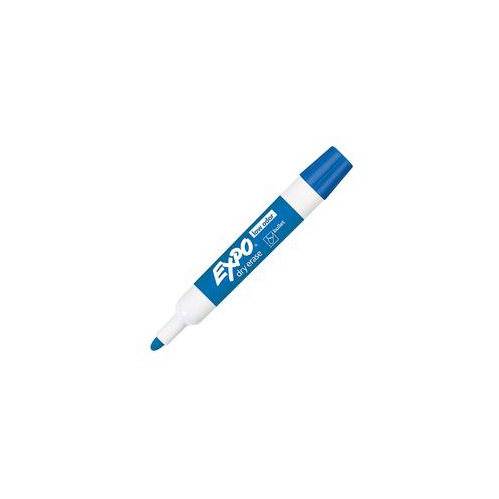
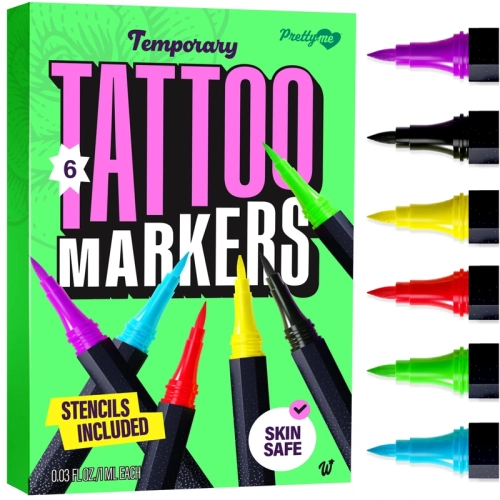
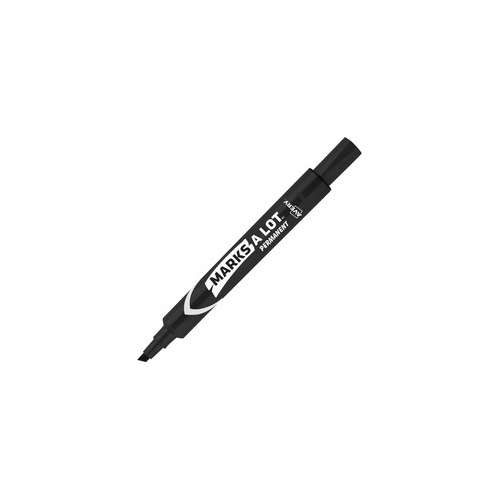
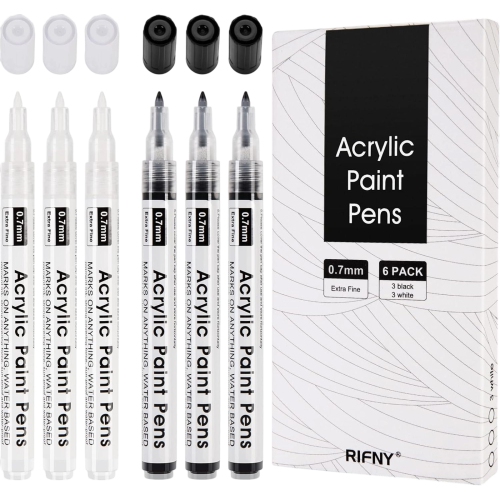
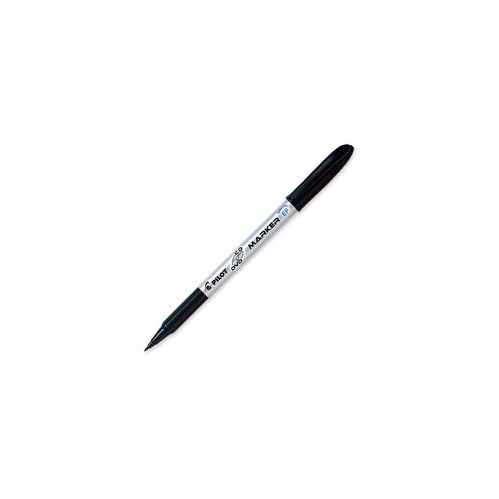
Ink markers are writing and drawing tools that deliver liquid colour through a porous tip, with the ink formulation and nib shape determining how each mark looks, dries, and holds to a surface. Most marker inks combine a colourant with a liquid carrier and ingredients that control flow, drying, and adhesion. The main distinctions include water-based, alcohol-based, and oil-based formulations, along with dye or pigment colourants. Water-based markers often have a relatively mild odour and suit everyday colouring, lettering, and paper crafts. Some can create watercolour-like effects when worked with a damp brush on suitable paper, although that behaviour depends on the formula. Alcohol-based markers are popular for illustration because their translucent colour can be layered and blended to create smooth transitions, from a pale highlight to a deeper shadow. They generally dry quickly, but may bleed through paper and are not automatically suitable for every plastic, coated surface, or display application. Paint markers deliver a more opaque mark and may use water-based or solvent-based formulations; their coverage can make lettering visible on dark materials where transparent ink would be difficult to see. Dye-based inks contain dissolved colourants, while pigment-based inks contain fine colour particles. Pigments often offer greater resistance to fading, but lightfastness, water resistance, and permanence depend on the complete formulation and the surface beneath it. Permanent markers and dry-erase markers serve different purposes, even when their barrels look similar: one is intended to leave a lasting mark on specified materials, while the other is designed to wipe away from compatible, non-porous boards. A washable marker is another distinct choice, with removal performance that depends on the labelled washing conditions and the material marked. These differences matter whether the task is adding colour to a sketch, writing a storage label, or making a presentation readable across a room. The most useful match comes from the intended surface, desired finish, and level of permanence rather than colour alone.
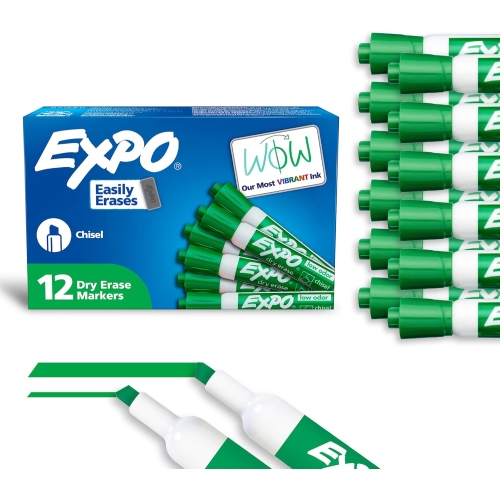
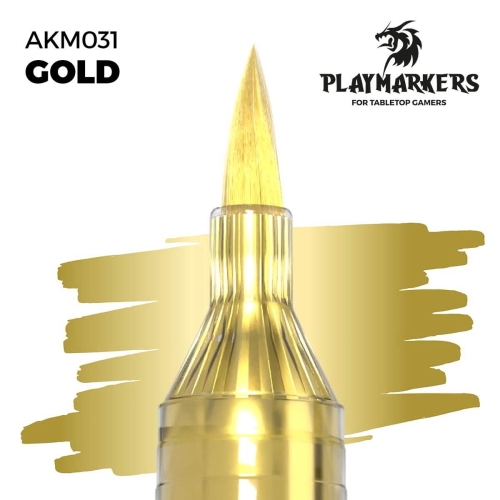
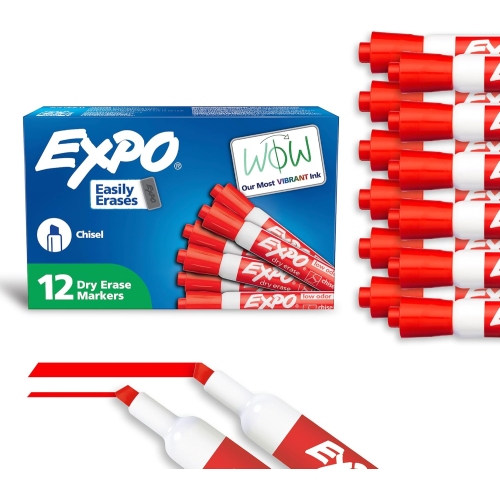
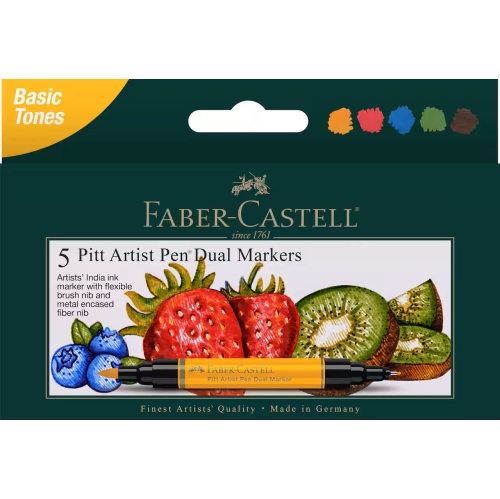
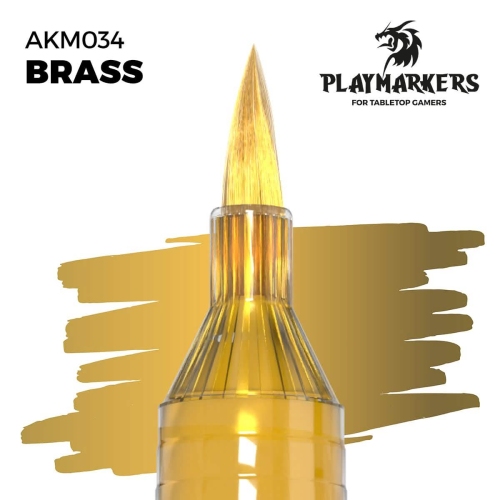
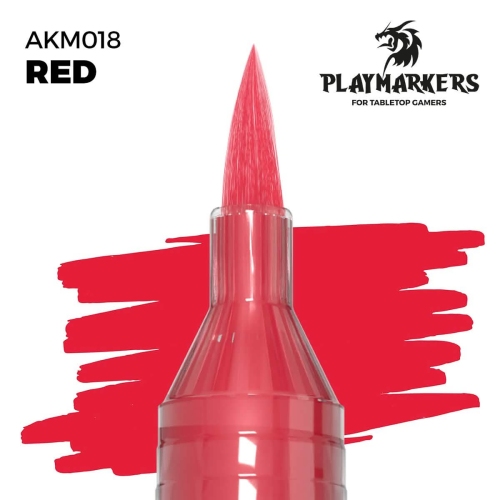
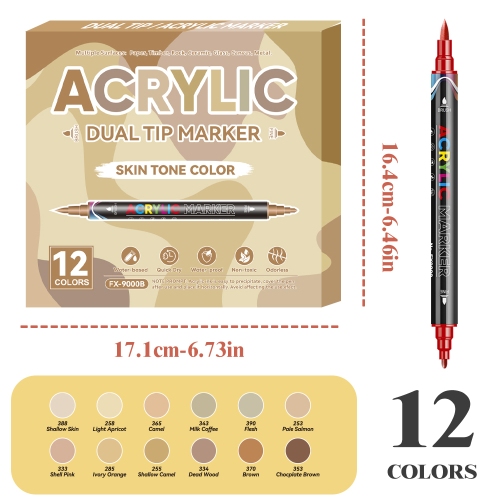
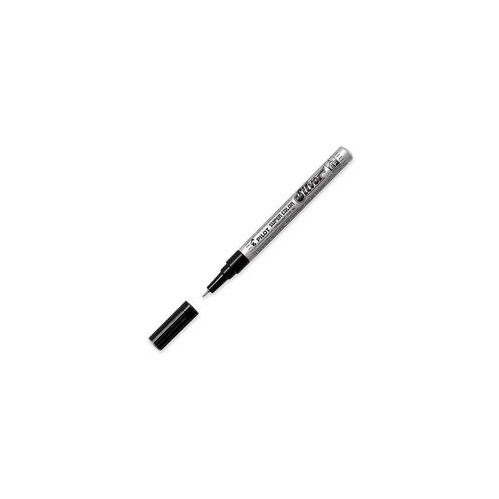
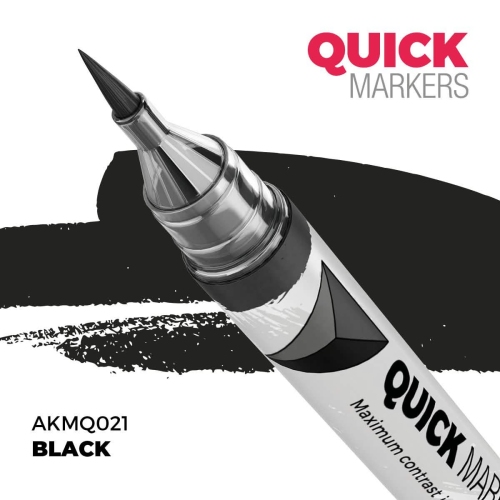
Tip shape has just as much influence on the finished work as the ink inside the barrel. A fine tip makes compact lettering, narrow outlines, and small details easier to control, while a bullet tip offers a rounded stroke for general writing and colouring. Chisel tips create both broad bands and narrower lines as the barrel turns, making them useful for headings, block lettering, and filling larger spaces. Flexible brush tips respond to pressure, moving from a delicate line to a fuller stroke for expressive lettering and illustration. Dual-ended designs bring two stroke styles into one tool, although the tip combination and ink characteristics vary. Barrel thickness, grip texture, and cap design also affect comfort during longer drawing or labelling sessions. A wider barrel may feel easier to hold for some hands, while a slimmer shape can suit detailed work or a compact pencil case. For projects built around coordinated shades, Colour Markers offer a related way to explore tools for colouring, lettering, and creative work. Paper choice remains important regardless of the colour range. Smooth marker paper can support even strokes and reduce wear on delicate nibs, while absorbent paper may draw ink outward and soften the edge of a line. Thick paper is not necessarily bleedproof, and a backing sheet can protect the next page or the work surface. Textured watercolour paper may suit certain water-based effects but can feel rough under a fine or brush tip. On glass, metal, plastic, wood, or fabric, adhesion and drying time depend on the particular ink and surface finish. A mark that feels dry may still need additional curing time before handling or exposure to moisture. A small test on a spare piece of the same material can reveal feathering, streaking, rubbing, or unexpected colour changes before the main project begins. Colour swatches on the intended paper are especially useful because a cap colour cannot fully show how an ink will appear once dry.
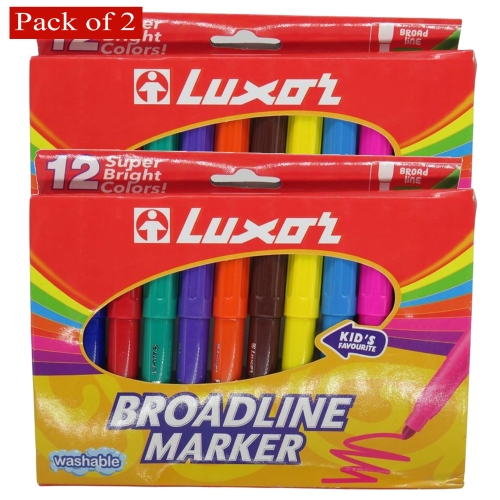
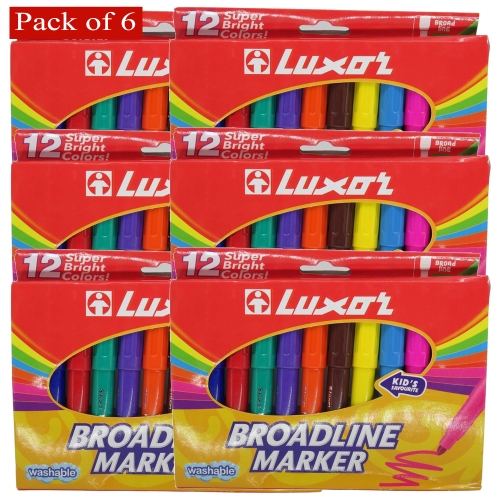
Ink markers fit into classrooms, home offices, studios, and practical household routines, but the features that matter change with the person and the task. Students may value clear lines and controlled ink flow for diagrams and colour-coded notes, while illustrators often look for consistent blending and a useful spread of light, medium, and dark tones. Crafters may prefer opaque coverage for decorative lettering, and anyone organizing storage benefits from marks that remain legible on the intended label material. A balanced colour selection can be more useful than a large range of very similar shades, particularly when a project relies on contrast or repeated colours. For gifting, the recipient’s usual activities offer a useful starting point: a frequent journal keeper, an aspiring lettering artist, and someone who sketches architectural details may each prefer a different tip and ink system. Age suitability also matters, especially for children, with washable formulas, comfortable barrels, and clearly stated safety information worth considering. Water-based does not automatically mean washable or non-toxic, and a non-toxic label does not make a marker suitable for skin, food-contact surfaces, or every age group. Solvent-based inks may require ventilation and additional handling precautions as directed on the label. Everyday care helps preserve reliable flow and nib shape. Securely fitted caps limit drying, gentle pressure protects finer points, and a clean work surface reduces the chance of debris collecting on a tip. Storage orientation varies by design, so the manufacturer’s directions take priority over a general rule about keeping markers upright or horizontal. Refillable designs and replaceable nibs can extend useful service where those features are supported, but replacement parts and inks must be compatible with the marker. Durability also includes the finished mark: resistance to rubbing, washing, water, and light are separate properties, not interchangeable promises. With the right combination of ink, tip, surface, and care, markers can deliver crisp everyday writing, expressive artwork, and clear labels without making one type do every job.
Top selling and popular products
-
 Your price for this item is $40.99
-
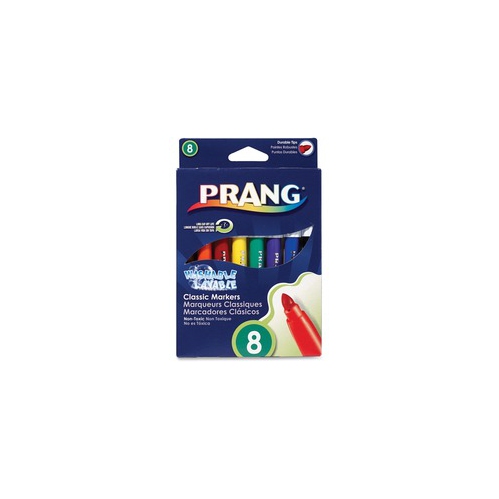 Your price for this item is $4.99
-
 Your price for this item is $5.99
-
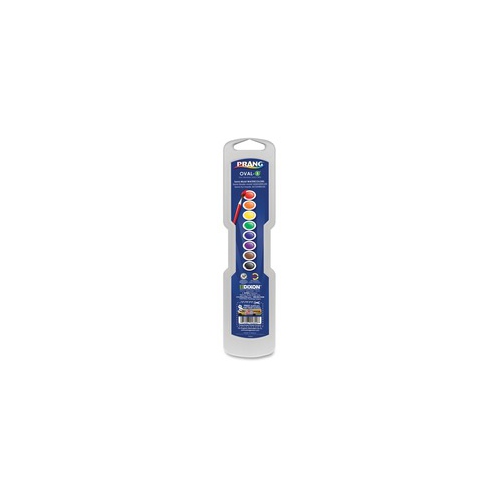 Your price for this item is $4.99
-
 Your price for this item is $7.99
-
 Your price for this item is $17.99
-
 Your price for this item is $17.99
-
 Your price for this item is $4.99
Discover more categories related to Ink Markers
Top Collections:
Best Black Friday Deals This Year, Best Black Friday Deals On Electronics, Kindle Devices, Pokemon Centers, Best Black Friday Deals On Apple Products, Best Cameras for Sports Photography, Dyson Airwrap, Pokémon 30th Celebration Cards, Apple iPhone 17 Pro, Canon G7X Cameras
Some products may be subject to Environmental Handling Fees
(EHF) depending on your province.
Learn more about EHFs.