Laminating Tools
Looking to protect and preserve your important documents or create professional-looking signage? Our range of laminating tools offers the perfect solution for all your lamination needs. Whether you're a teacher looking to make durable classroom materials, a business professional in need of laminated presentations, or a craft enthusiast wanting to add a glossy finish to your projects, we have the tools to help you achieve a flawless result every time. Browse our selection of laminating machines, pouches, and accessories to find the perfect tools to keep your documents safe and looking sharp.
Sort
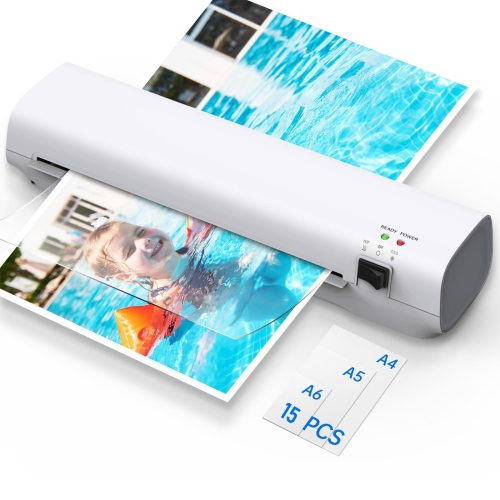
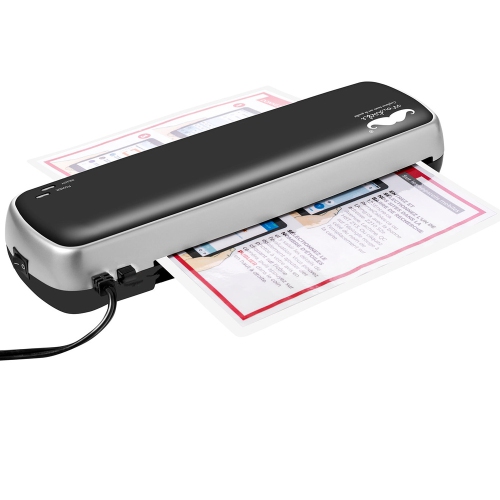
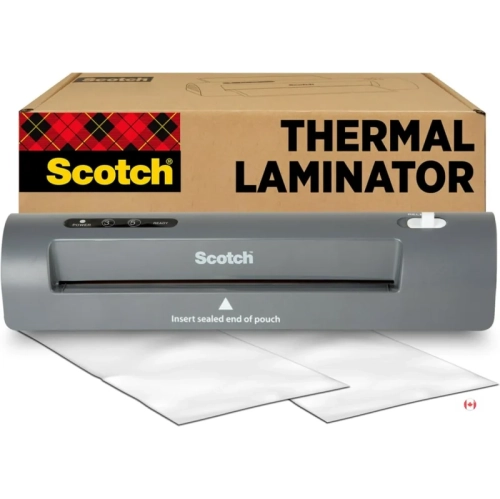
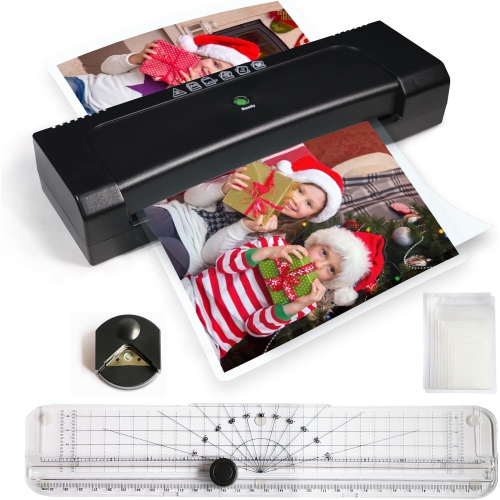
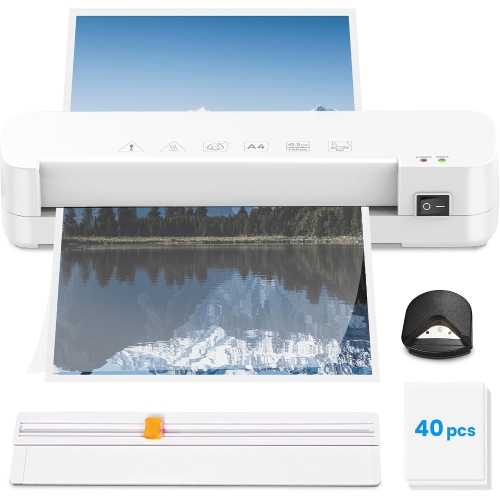
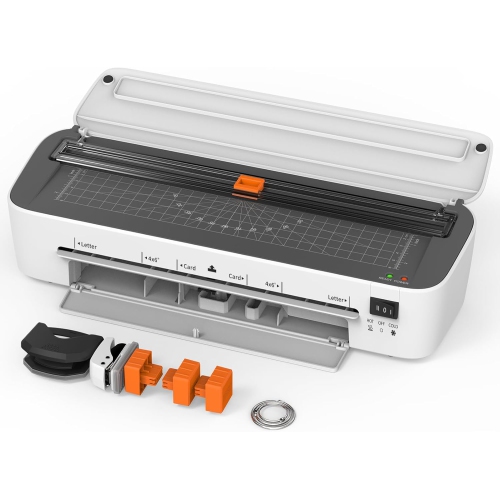
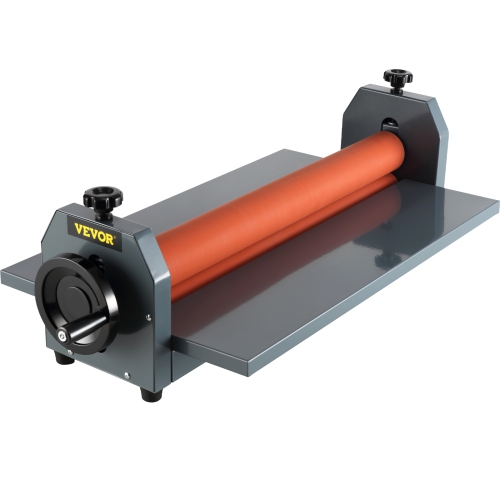
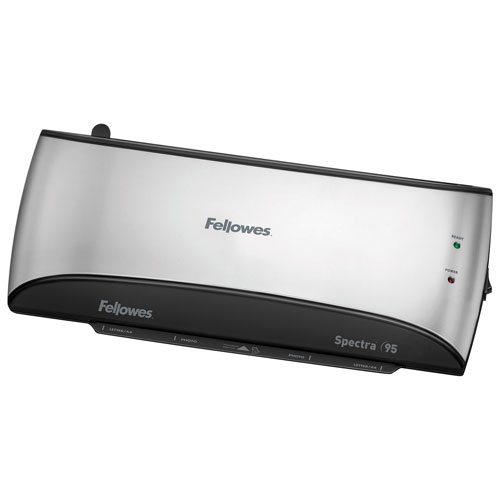
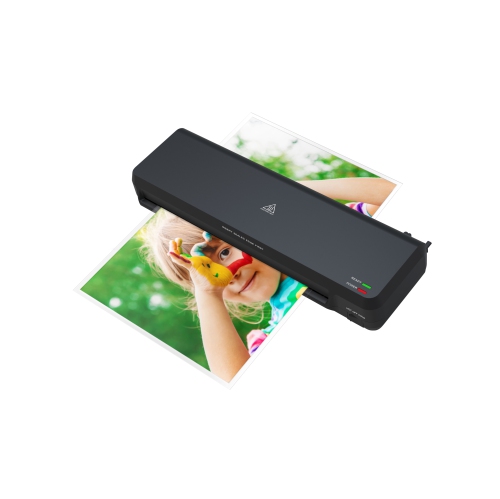
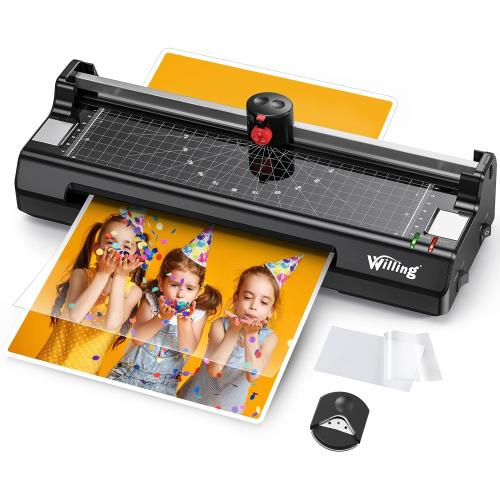
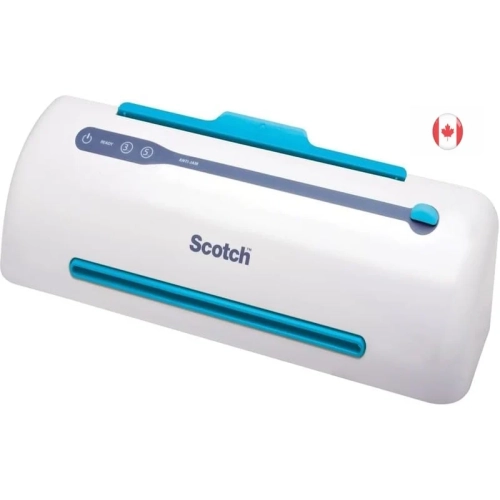
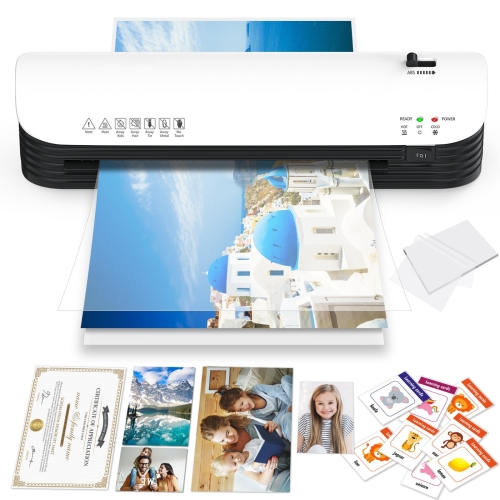
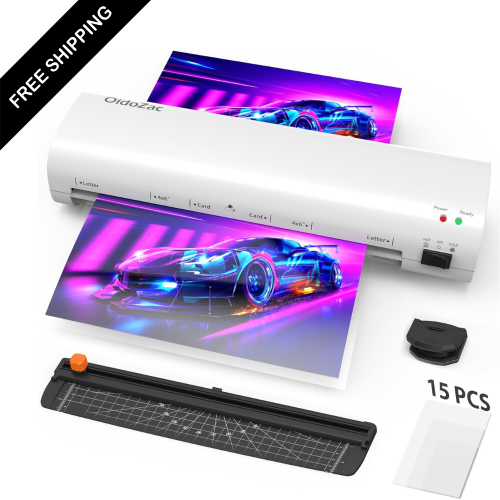

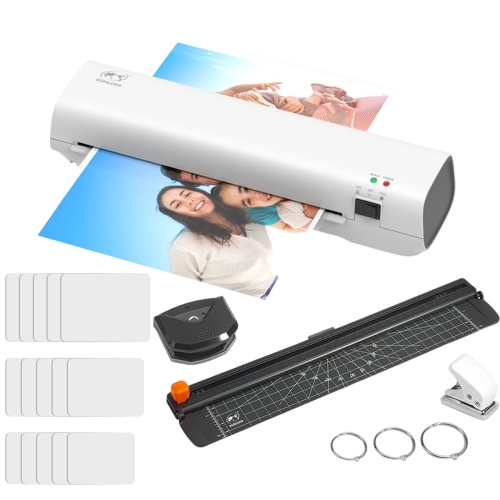
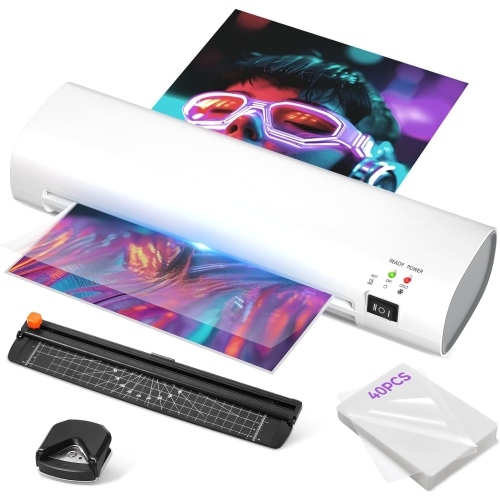
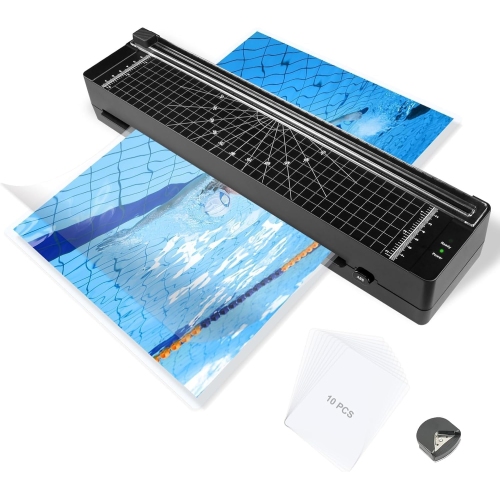
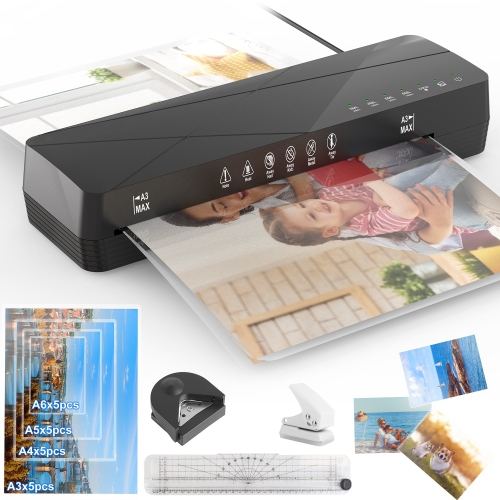
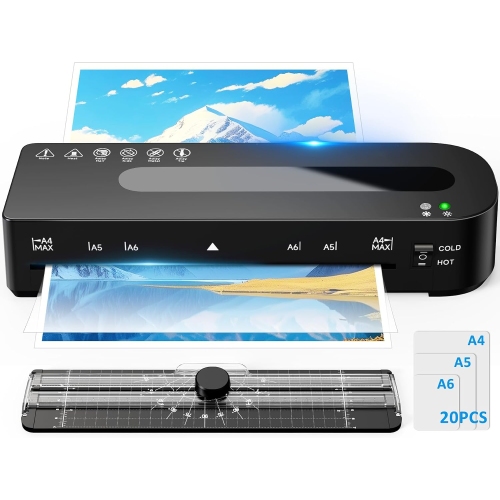
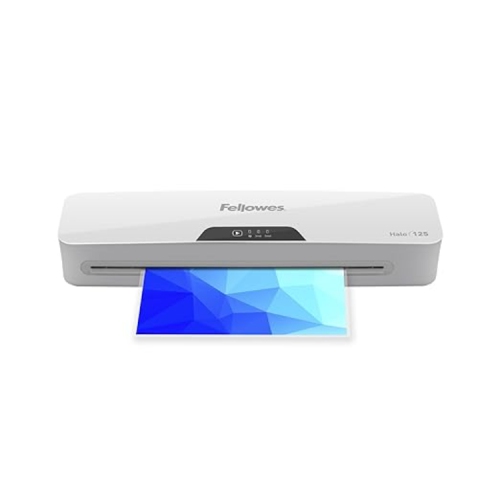
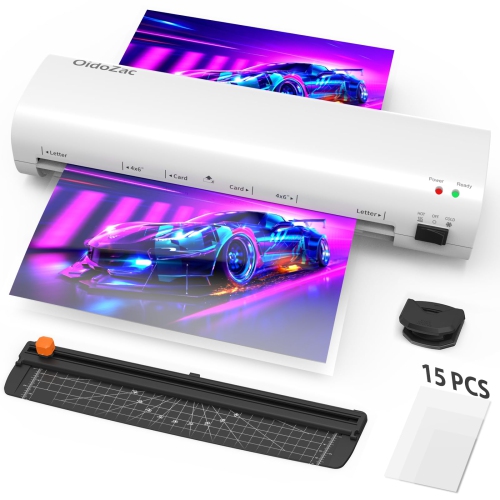
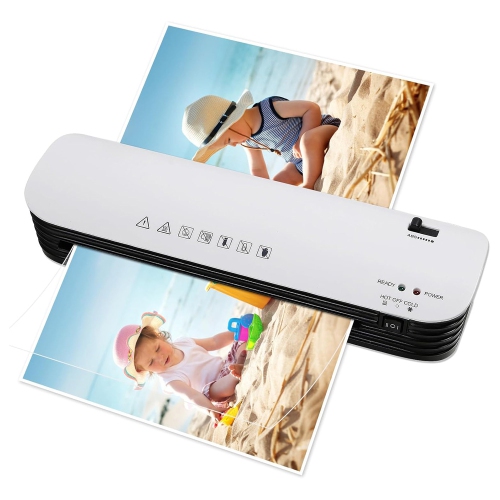
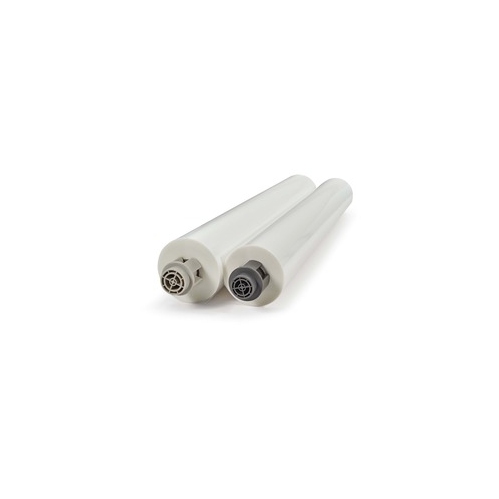
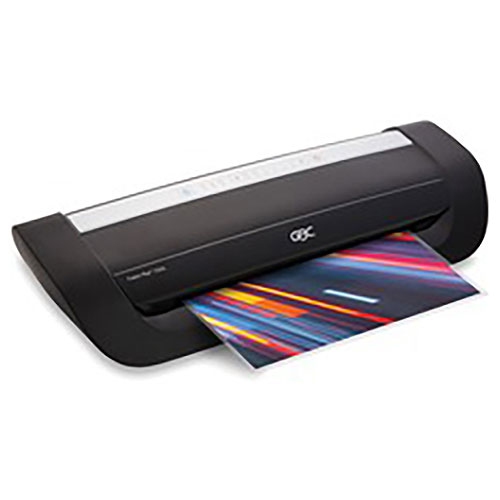
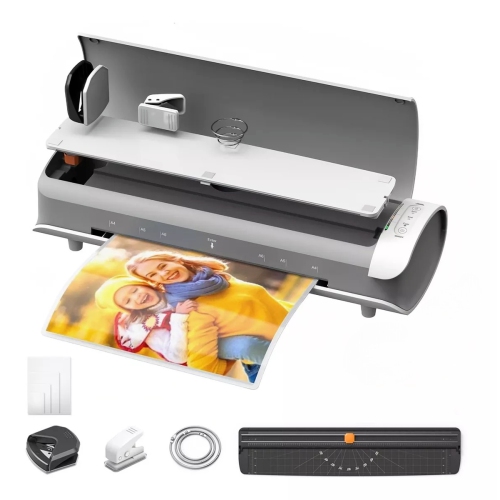
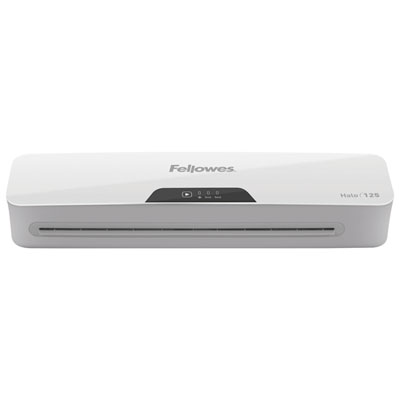
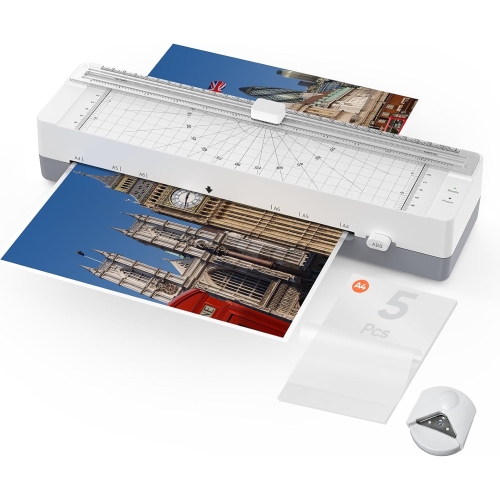
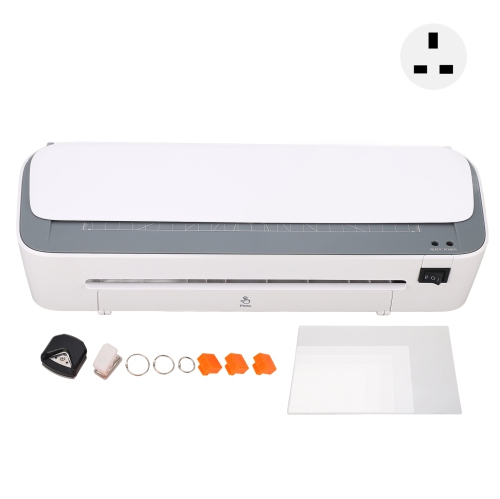
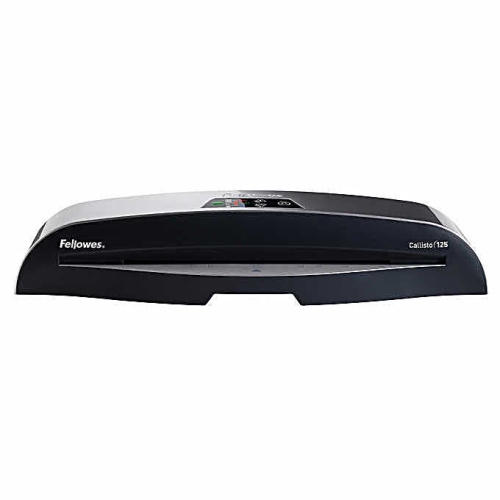
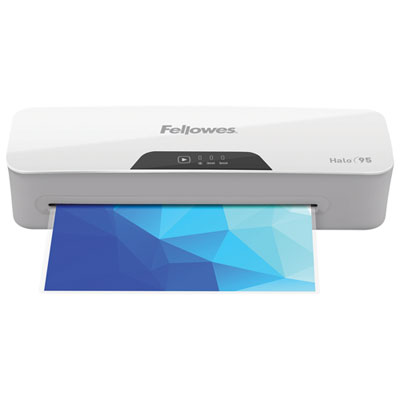

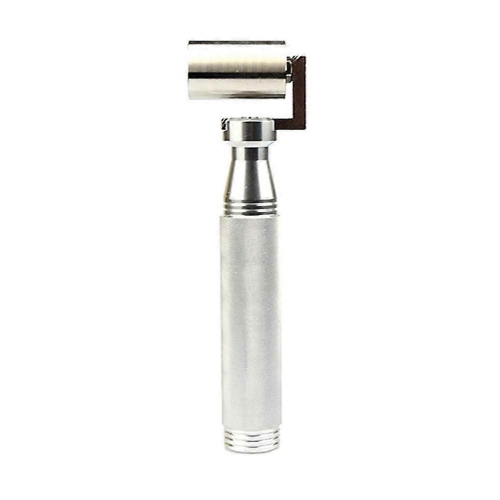






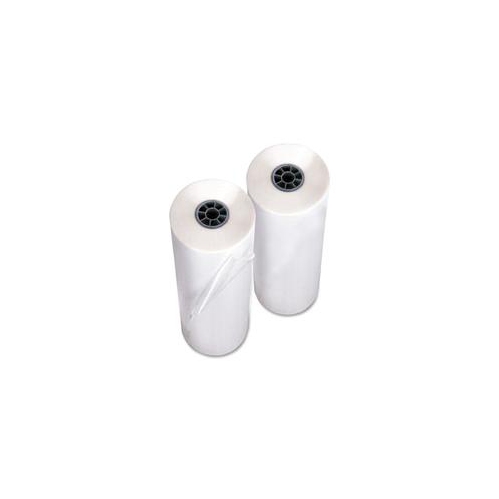


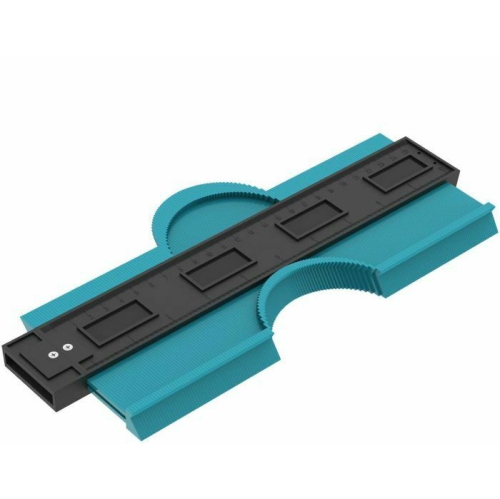


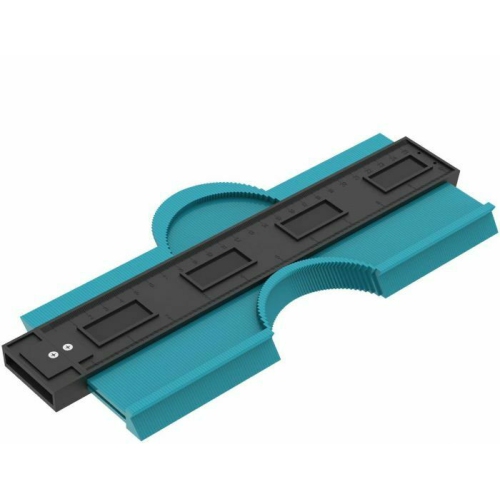


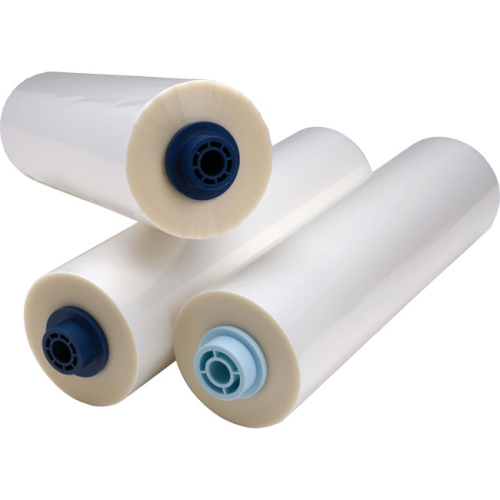


Tools for protecting documents and installing laminate materials
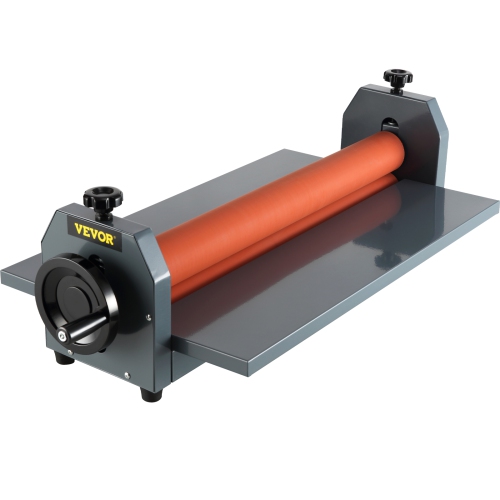
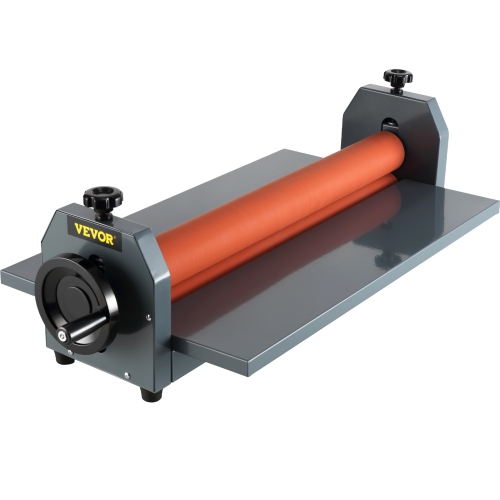
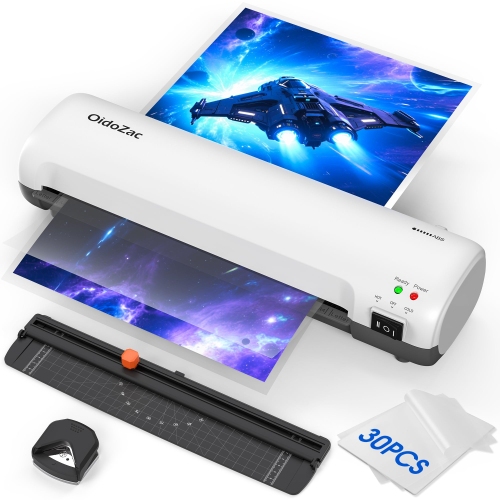
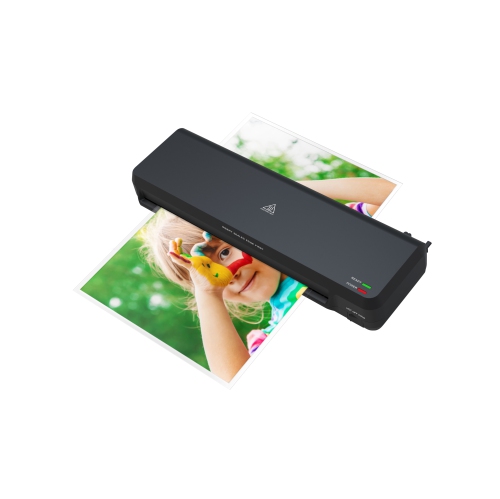
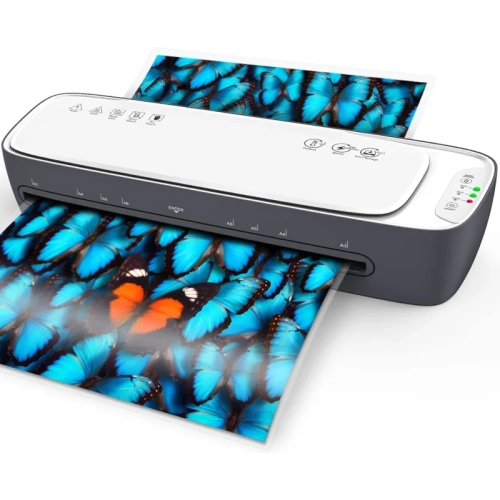
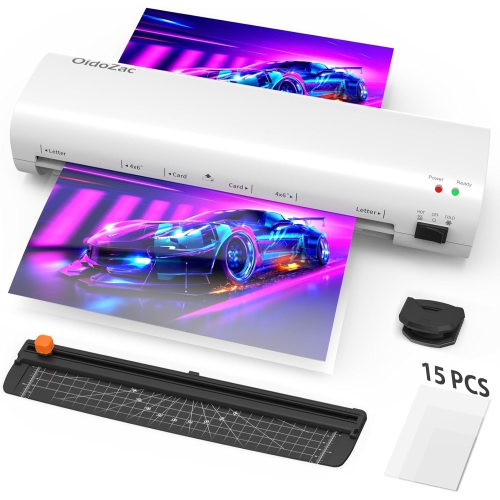
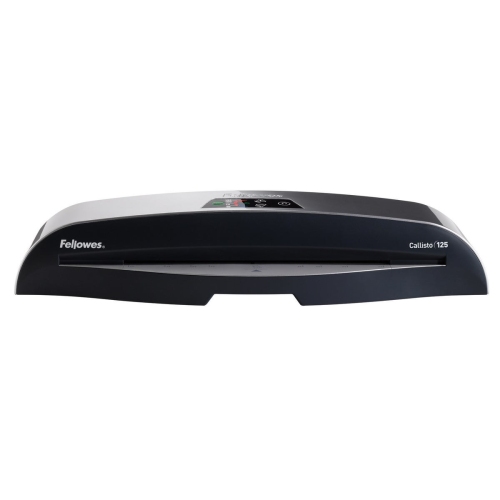
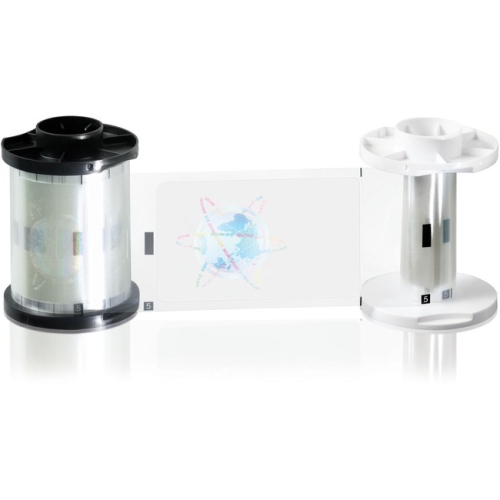
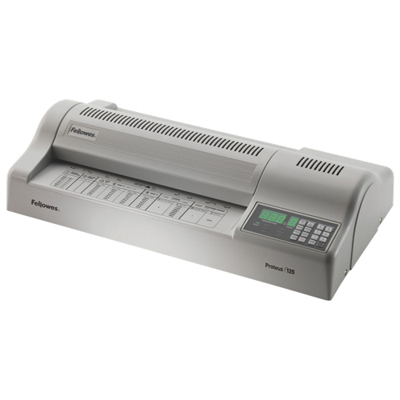
Laminating tools can help protect important documents, improve the presentation of printed materials, and support precise work with laminate flooring, countertops, and other home improvement projects. For paper-based tasks, the main choice is between thermal pouch laminators and cold roll laminators. Thermal pouch laminators use controlled heat to seal a sheet inside a plastic pouch, creating a smooth, durable surface that helps guard against moisture, fingerprints, creases, and everyday handling. They are useful for classroom signs, chore charts, recipe cards, reference sheets, flash cards, photographs, identification cards, menus, labels, and frequently handled instructions. When choosing a thermal model, consider the maximum document width, warm-up time, laminating speed, pouch thickness compatibility, and whether the machine accepts standard letter-size pages as well as smaller pieces. A wider opening can be helpful for posters, craft projects, certificates, and classroom displays, while a compact design may suit a home office or shared work area. A reverse function or jam-release feature can make occasional misfeeds easier to correct, and a visible heat setting or pouch guidance can help users achieve a clear seal without bubbles or cloudy patches. Pouch thickness is also important: thinner pouches are flexible and convenient for sheets that need to be stored in folders, while thicker pouches provide a more rigid finish for signs, tags, and teaching aids. Allow freshly laminated pages to cool on a flat surface so the sealed material can settle evenly. For heat-sensitive prints, adhesive-backed media, vinyl, or certain specialty papers, a cold roll laminator may be a better fit. These tools apply pressure rather than heat, making them useful when preserving the original appearance of a printed surface is especially important. Roll systems can also be practical for longer graphics, larger signs, and repeated projects, although they generally require more workspace and careful alignment. Accessories such as a paper trimmer, corner rounder, cutting mat, ruler, and replacement pouches can turn a basic laminating setup into a tidy finishing station. A paper trimmer creates clean, straight edges after sealing, while a corner rounder removes sharp points that may catch on bags, binders, or hands. Before buying, think about how often the tool will be used, the size of the materials being finished, available counter space, and the cost and availability of compatible supplies. A laminator can be a thoughtful gift for a teacher, student, caregiver, home organiser, crafter, small business owner, or anyone who likes to keep frequently used information neat and easy to wipe clean. Browse Laminators to compare options suited to home, school, office, and creative projects.
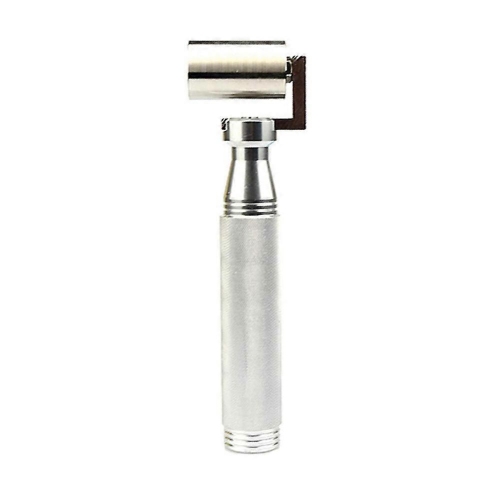
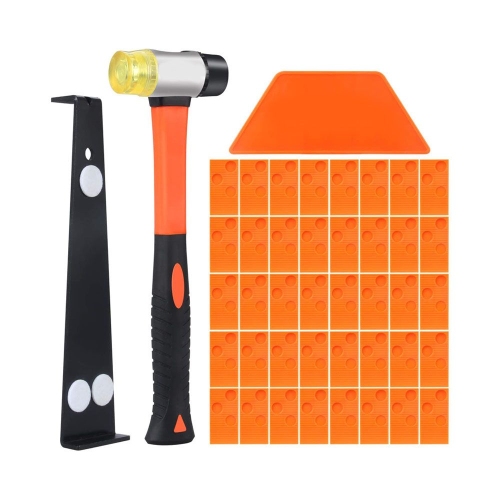
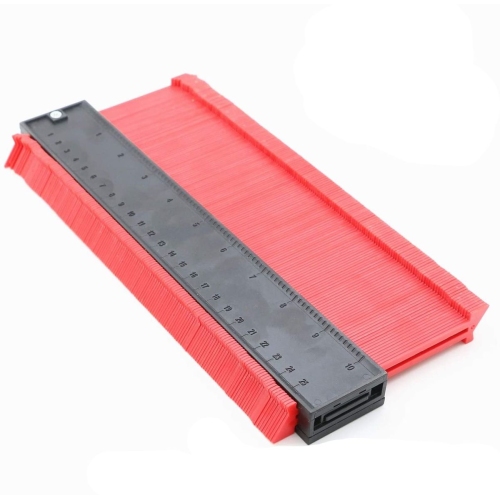
The phrase laminating tools can also refer to equipment used when installing laminate flooring or finishing laminate countertops, so the right selection depends on the material and the job at hand. For flooring, a laminate cutter or pair of heavy-duty shears can make quick, controlled cuts in planks, particularly for straight runs and smaller rooms where carrying a saw may be inconvenient. A suitable cutter should match the thickness and construction of the flooring, provide a stable base, and allow the plank to be positioned securely before pressure is applied. For more involved layouts, a fine-tooth saw, jigsaw, or circular saw may be needed for end cuts, notches, door jambs, vents, and irregular shapes. Measuring and marking tools are just as important as cutting tools: a tape measure, square, pencil, spacers, and a reliable straightedge help maintain accurate lines and consistent expansion gaps around walls. A tapping block distributes force across the edge of a plank, helping lock boards together without striking the tongue or groove directly. A pull bar is useful for drawing the final rows tightly into place, especially near walls where a tapping block may not fit. A rubber mallet can provide measured taps, while knee pads and work gloves make longer installation sessions more comfortable. For edging and trim work, an edgebanding trimmer can remove excess laminate from countertop edges or furniture panels, leaving a cleaner profile for further finishing. Depending on the material, a file, utility knife, sanding block, or fine abrasive may help refine an edge, but the tool should always be suited to the laminate thickness and the finish being created. Countertop projects may also call for clamps, a straightedge, a router, or specialised bits to shape openings and edges accurately. Dust management, ventilation, and eye protection are sensible considerations whenever cutting or routing laminate materials. Read the flooring or countertop manufacturer’s installation instructions before starting, since locking profiles, recommended gaps, cutting methods, and adhesive requirements can vary. For a small repair or occasional room refresh, a focused set of hand tools may be sufficient; for a full-floor installation or repeated renovation work, sturdy tools with comfortable handles, replaceable parts, and clear adjustment features can make the process more consistent. Keeping blades sharp and checking that bases, guides, and locking mechanisms remain secure can also reduce chipping and uneven cuts.
Laminating tools are useful for practical projects that range from preserving a child’s learning materials to completing a detailed room renovation. A family may laminate emergency contact information, cleaning checklists, game pieces, or activity cards that need to withstand frequent handling. A student can protect study notes and visual references for use at a desk or during group work, while a home-based seller or service provider may use sealed signs, price lists, appointment cards, or care instructions. During the warmer seasons and into the cooler months, these tools can also support home organisation projects, classroom preparation, hobby work, and indoor repairs when time is spent creating more functional spaces. For someone receiving these products as a gift, matching the tool to their habits is the most useful approach: a compact pouch machine suits occasional paper projects, a roll laminator fits larger or repeated graphics, and flooring or countertop tools are better for a confident do-it-yourselfer planning a specific installation. Storage deserves attention as well. Keep pouches flat and dry, store cutting tools with protective covers, and place tapping blocks, pull bars, spacers, and trimmers together so the complete set is ready when a project begins. Whether the goal is to preserve a treasured photograph, create durable classroom materials, achieve polished presentation pieces, or install laminate with cleaner joins and edges, the right combination of laminating tools can make the work more precise, organised, and satisfying.
Top selling and popular products
-
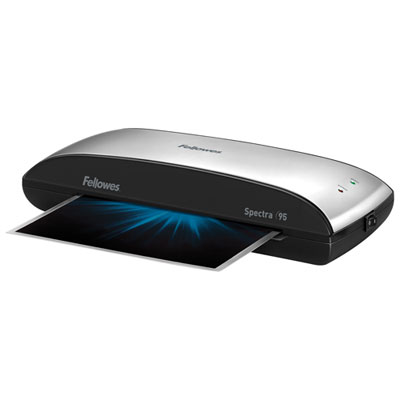 Your price for this item is $63.99
-
 Your price for this item is $34.99
-
 Your price for this item is $200.99
-
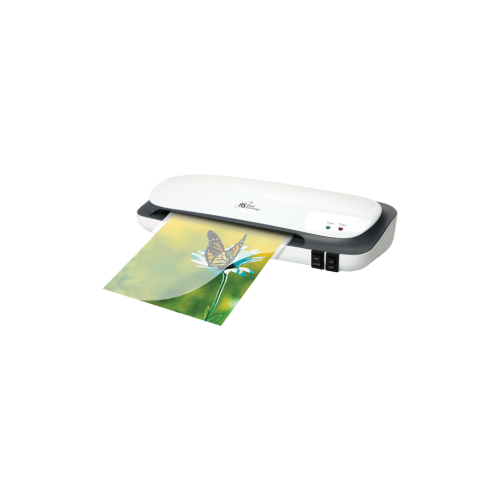 Your price for this item is $49.85
-
 Your price for this item is $299
-
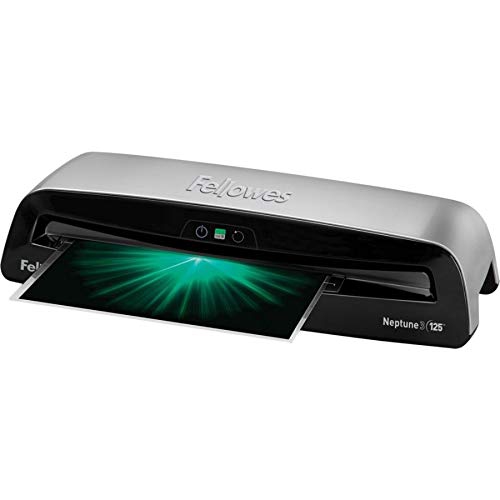 Your price for this item is $646.68
-
 Your price for this item is $1525.99
-
 Your price for this item is $317.99
Discover more categories related to Laminating Tools
Top Collections:
Pokemon Centers, Best Cameras for Sports Photography, Kindle Devices, Samsung Galaxy Phones, Canon G7X Cameras, Pokémon 30th Celebration Cards, Refurbished Apple Laptops, iPhone 15 Apple, Laptops for Students, Budget Smartphones
Some products may be subject to Environmental Handling Fees
(EHF) depending on your province.
Learn more about EHFs.