Large Button Home Phones for Seniors
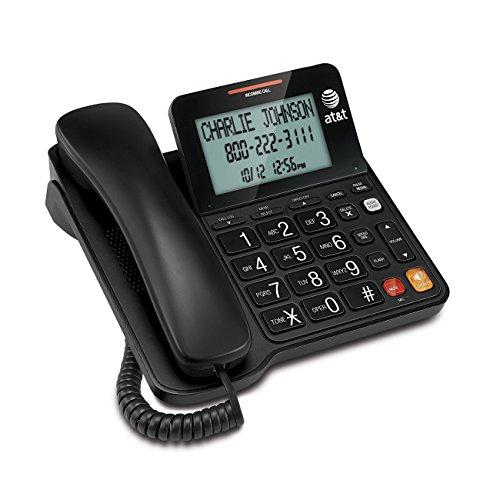
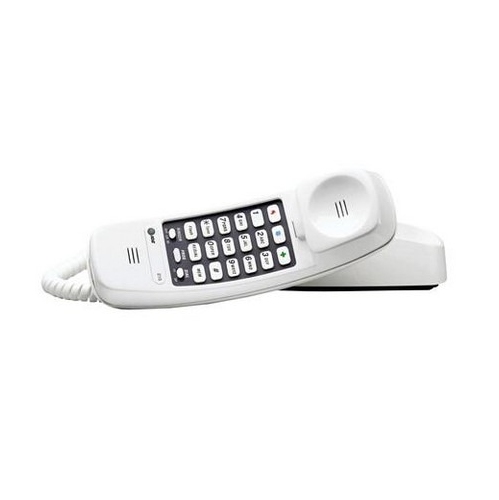
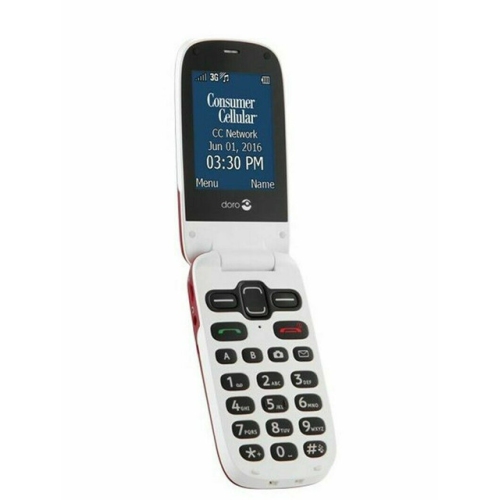
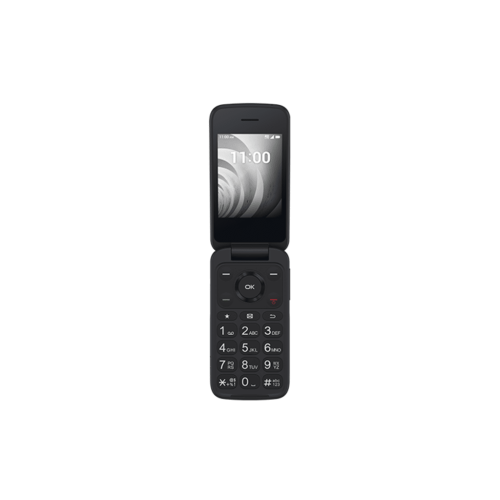
If you're looking for a home phone for seniors that are easy to use and can handle your family's calls, texts, and emergencies, you might want to consider a large-button home phone. These phones have larger buttons which makes them easier to dial by feel. Below are some of the best large-button home phones for seniors available today. We also carry simple cell phones for seniors which they can use outside of their home as well.
Sort
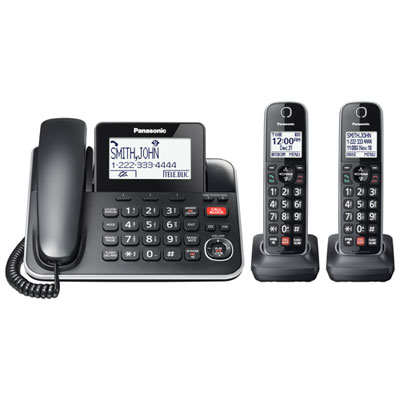
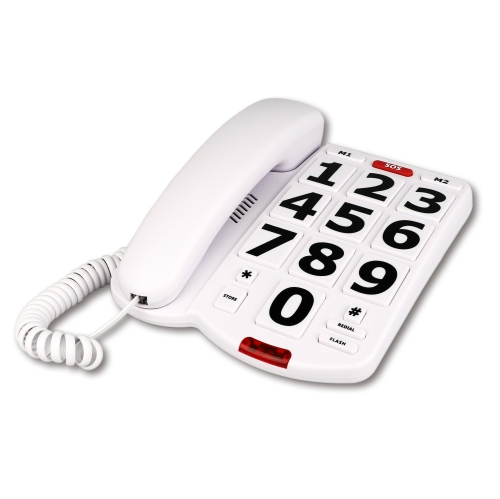
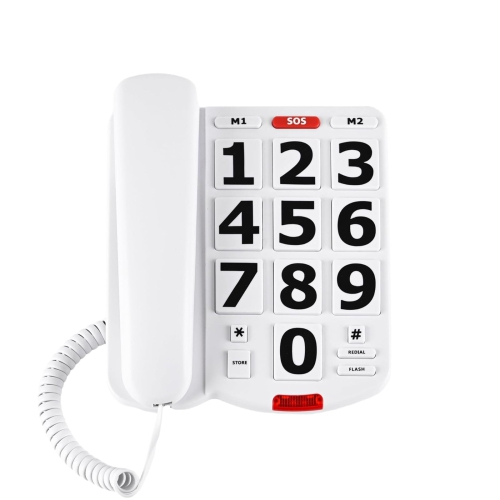
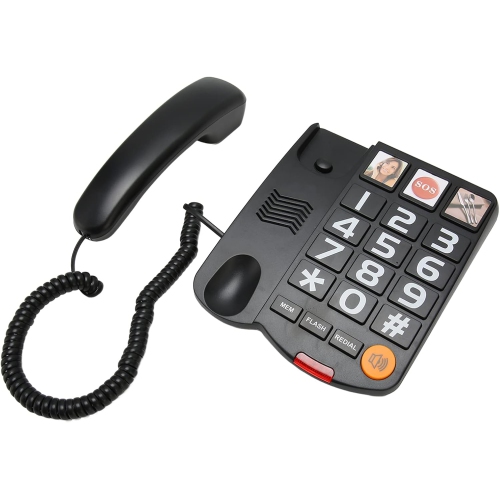
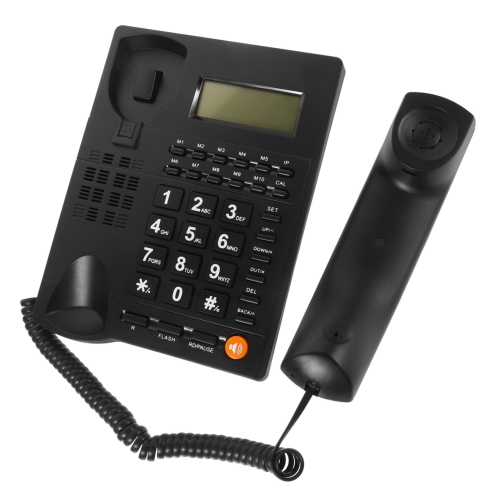
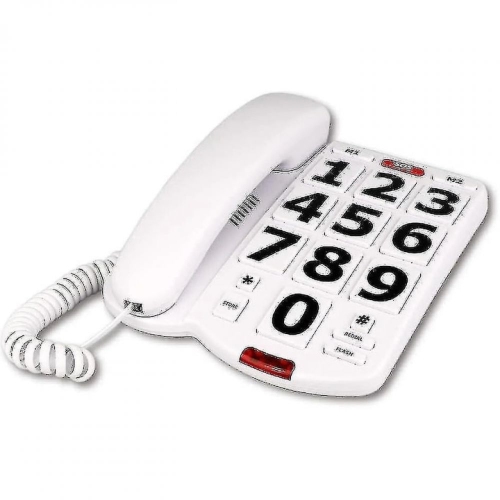
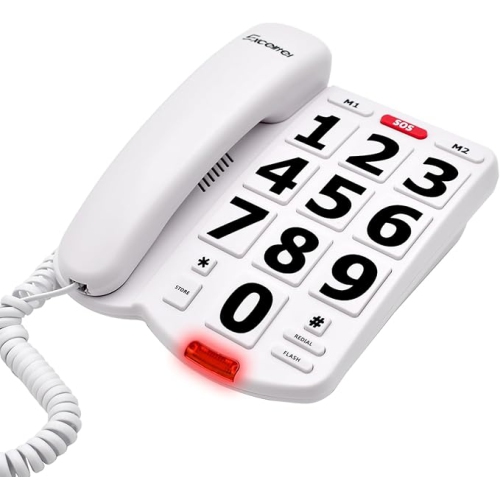
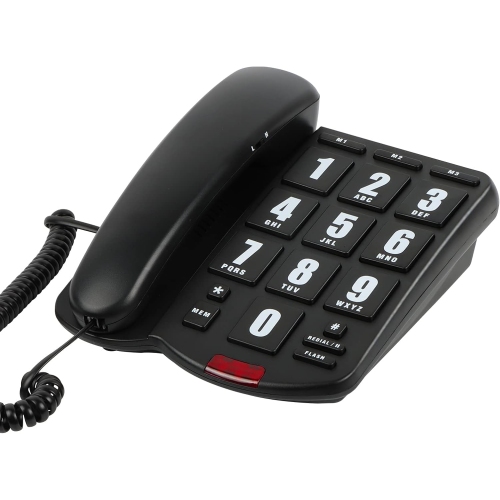
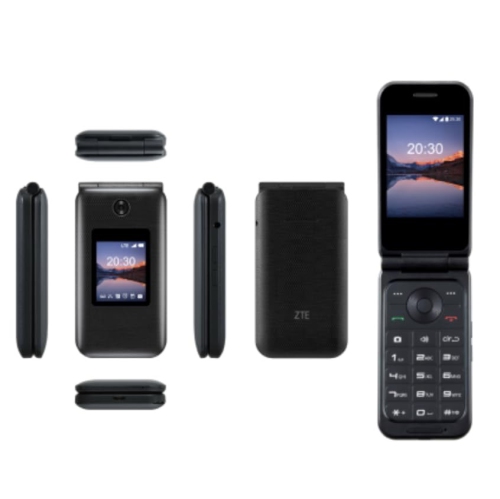
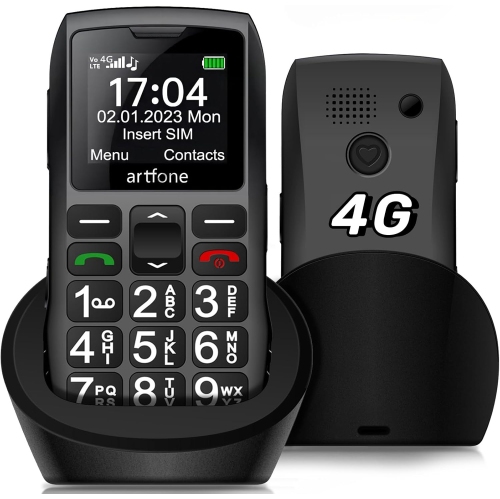
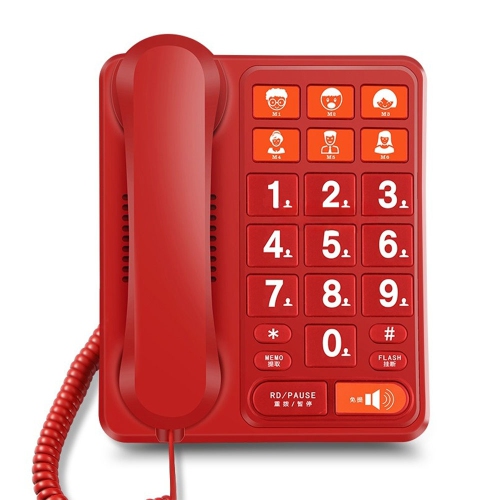
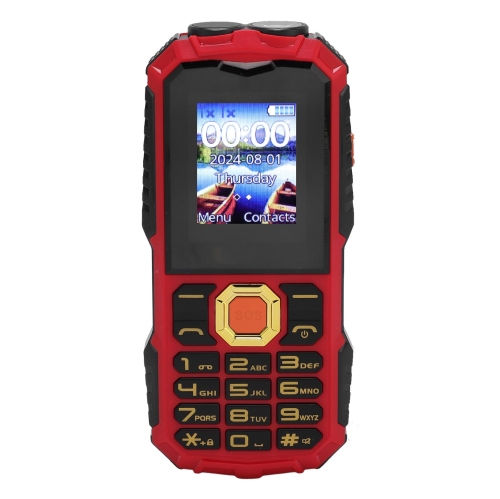
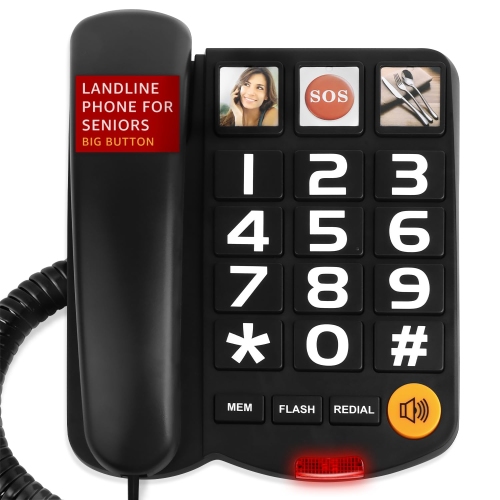
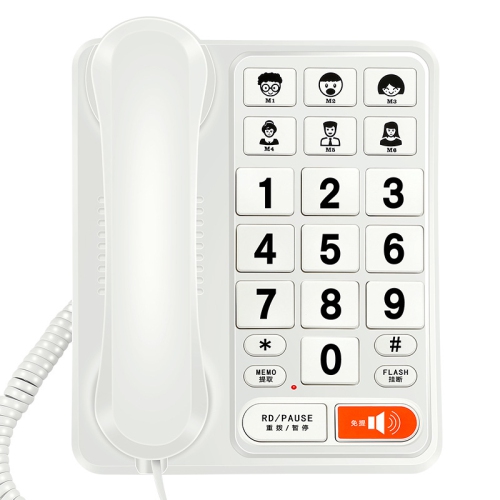
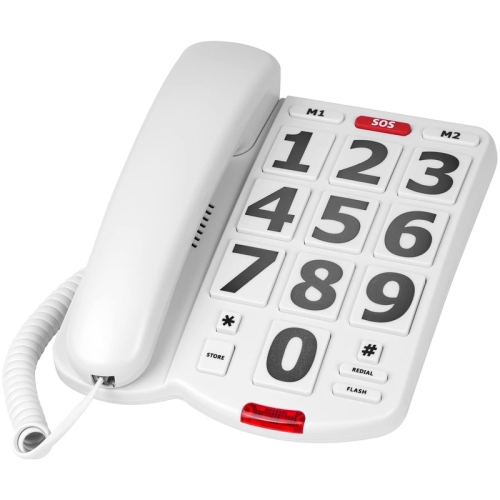
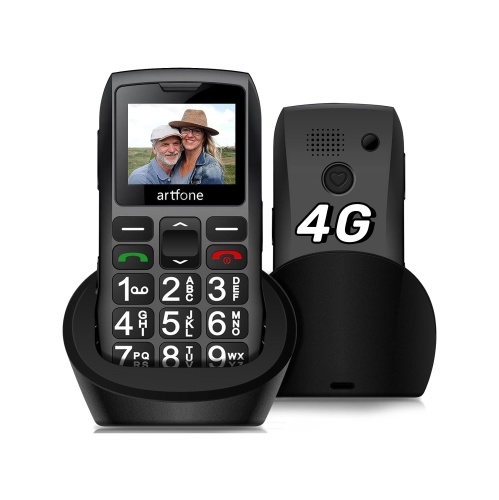
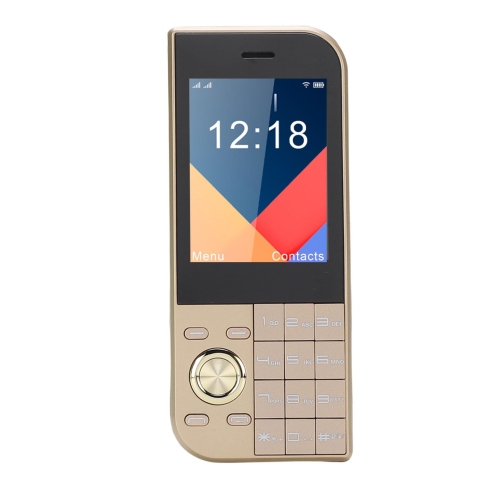
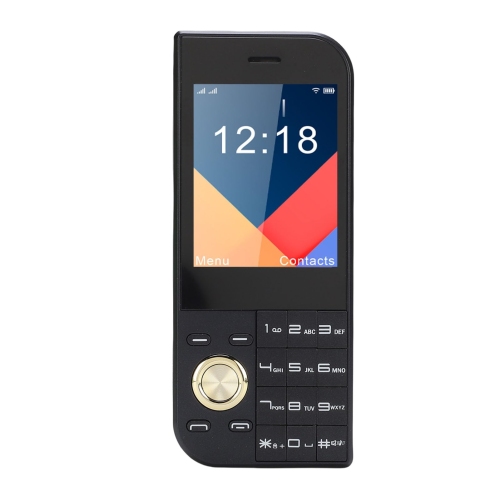
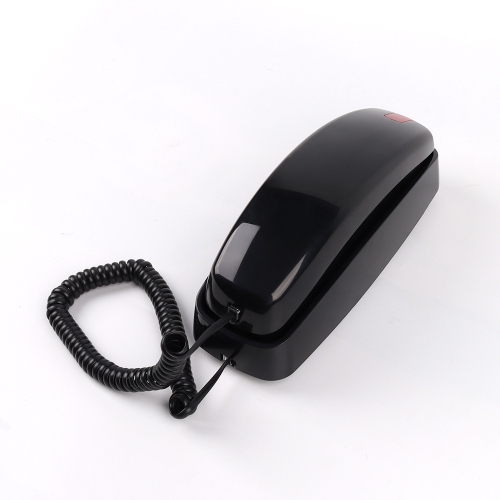
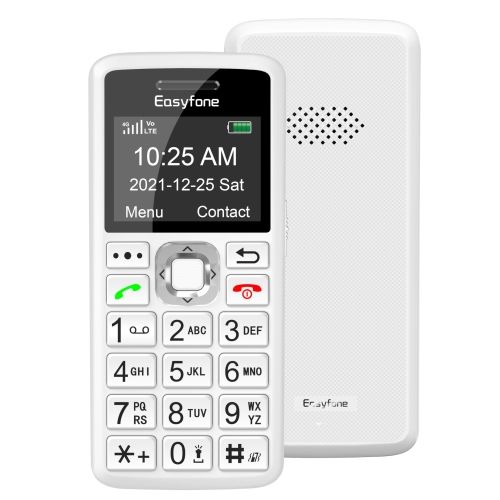
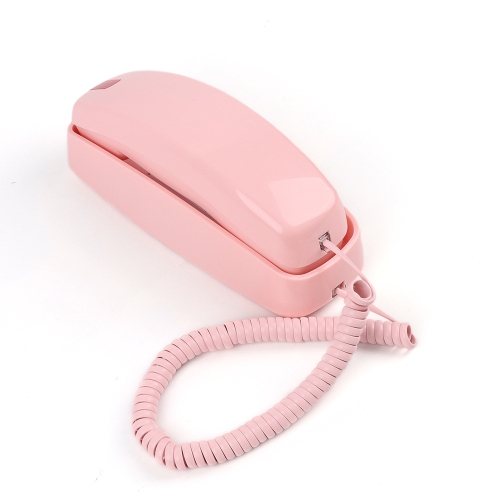
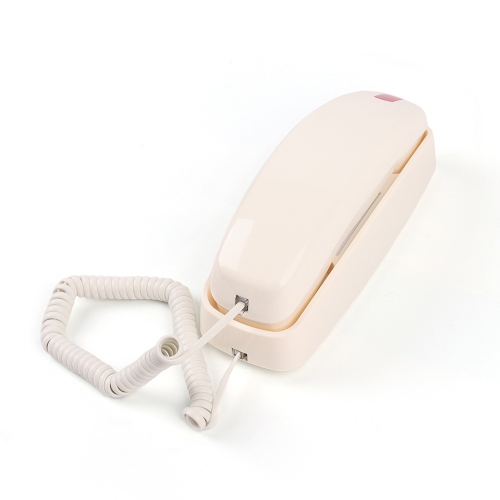
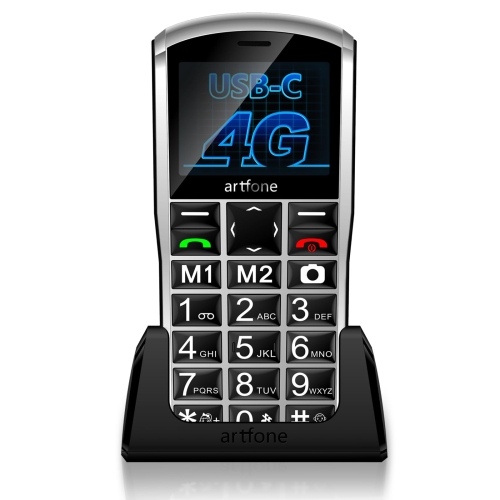
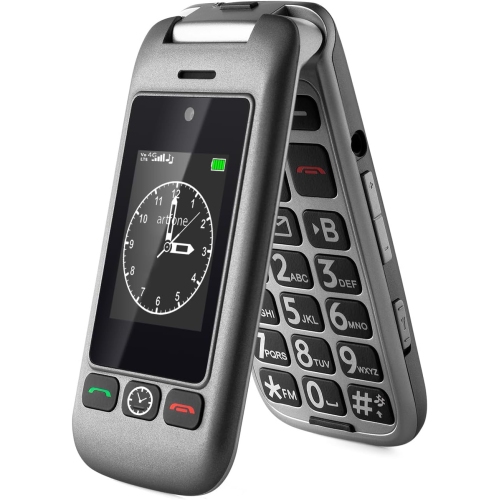
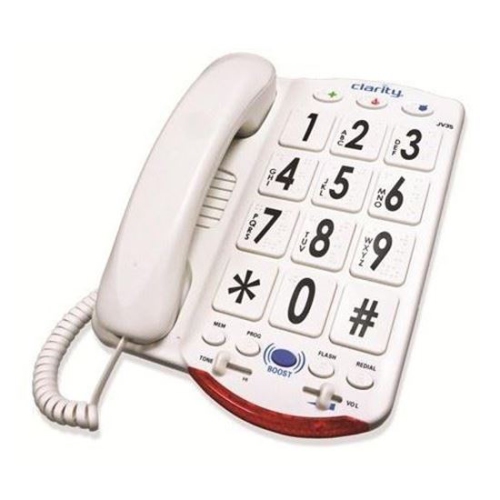
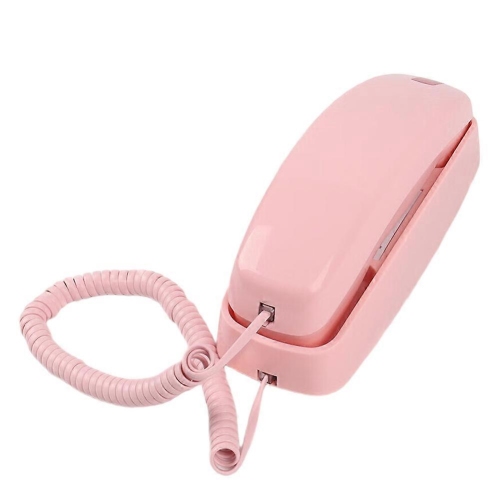
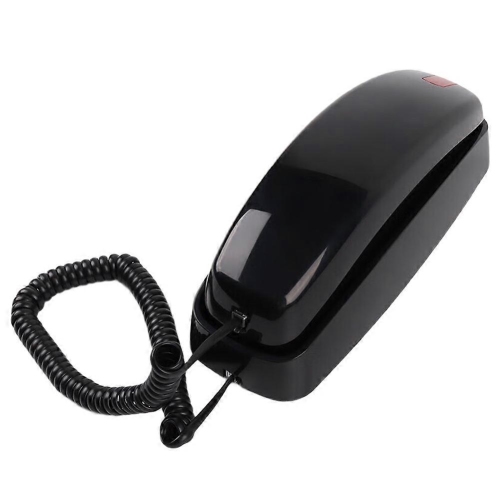
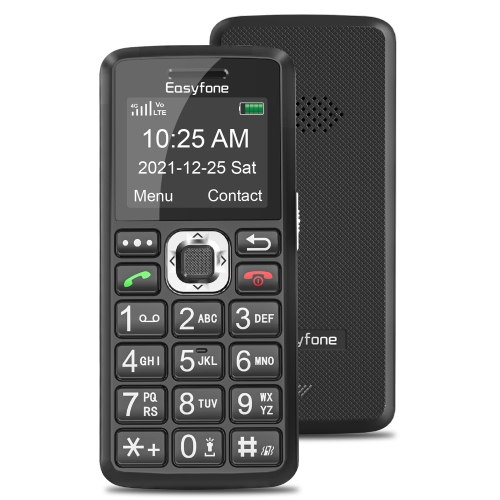
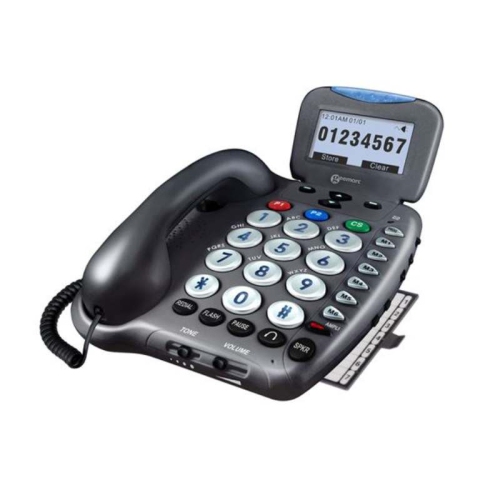
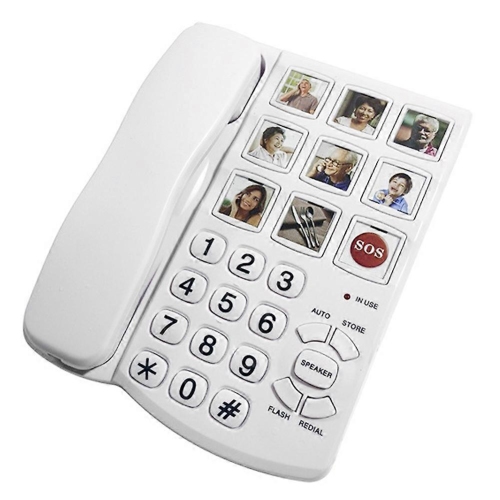
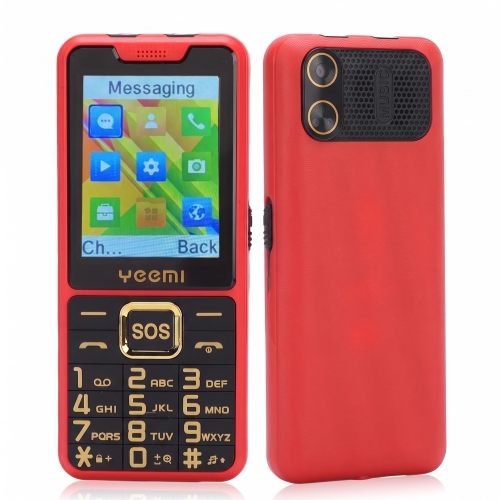
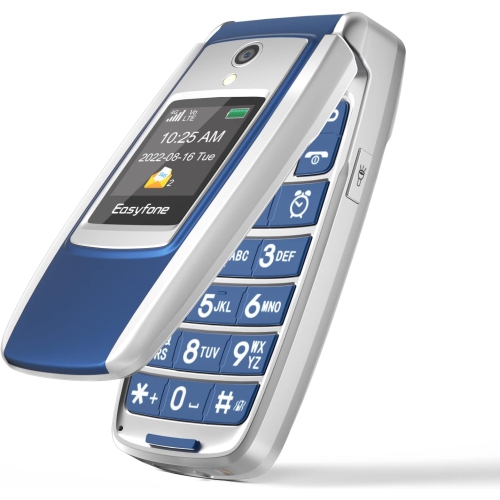
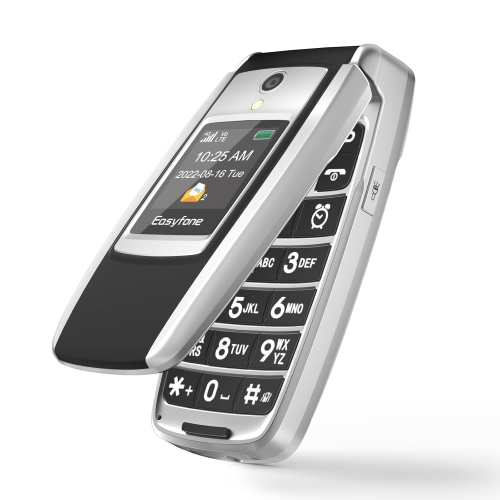
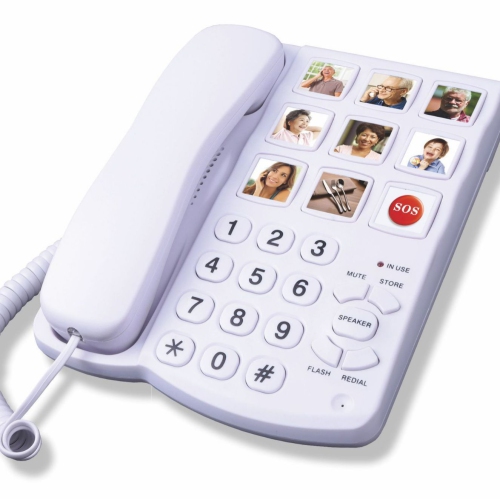
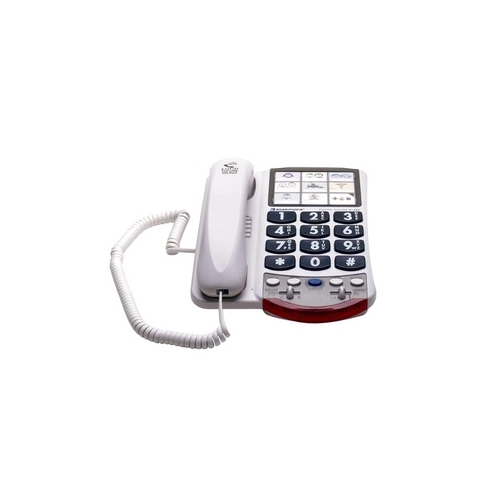
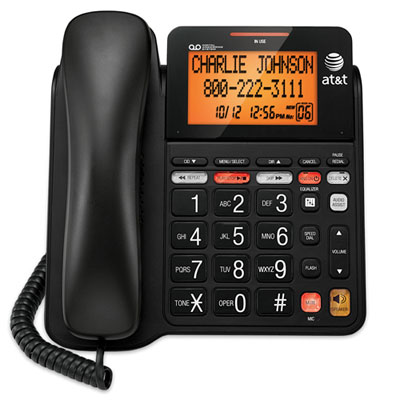
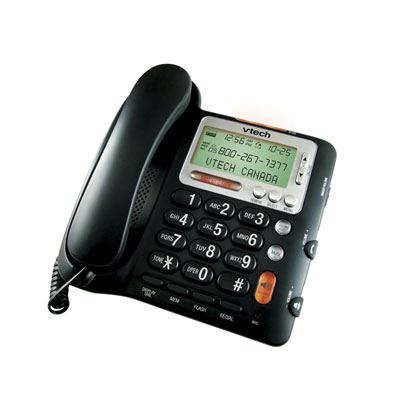
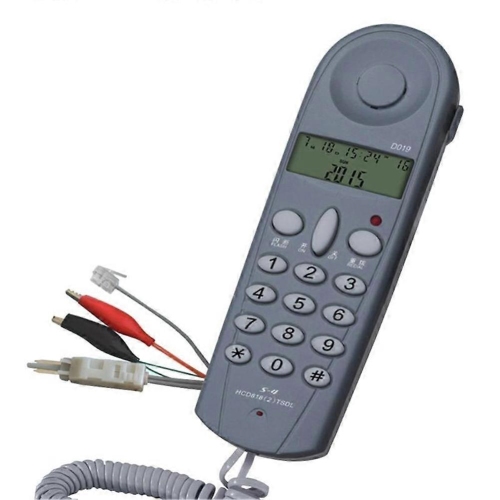
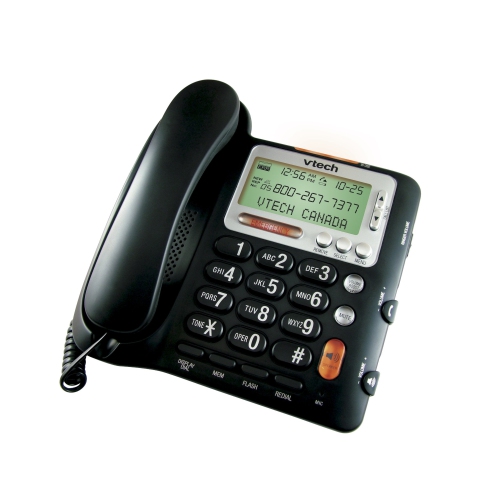
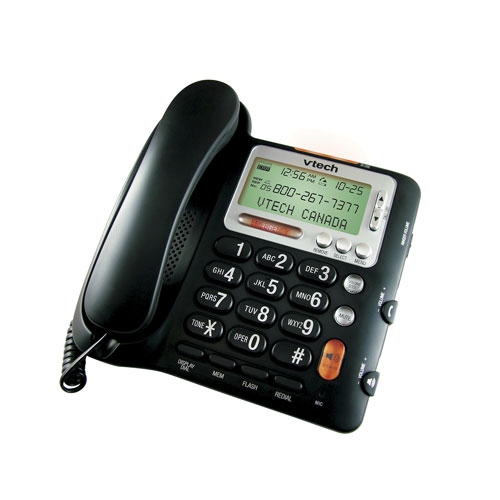
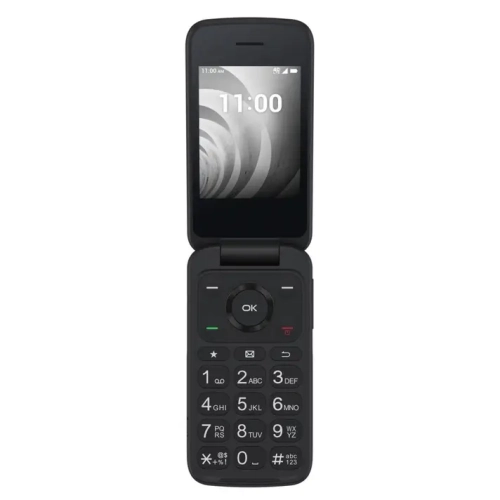
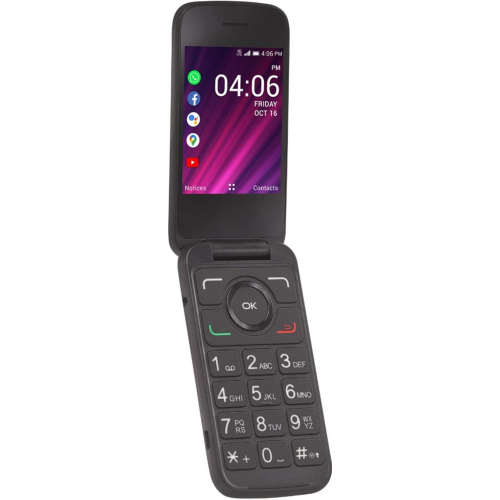
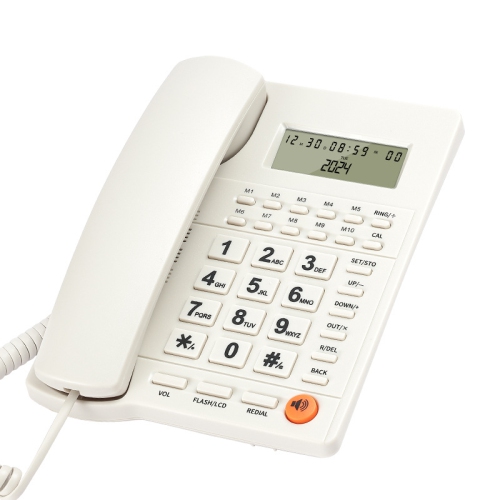
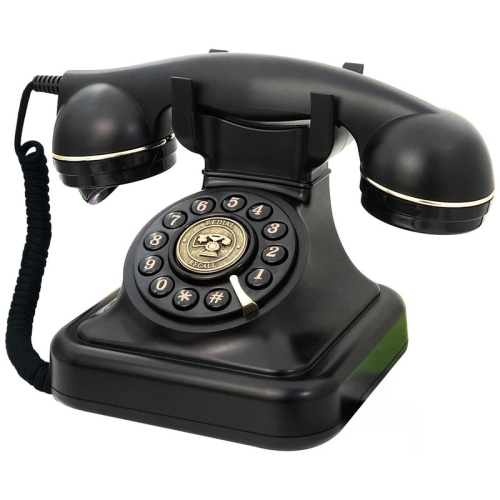
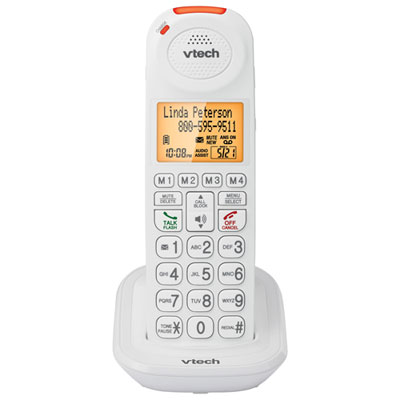
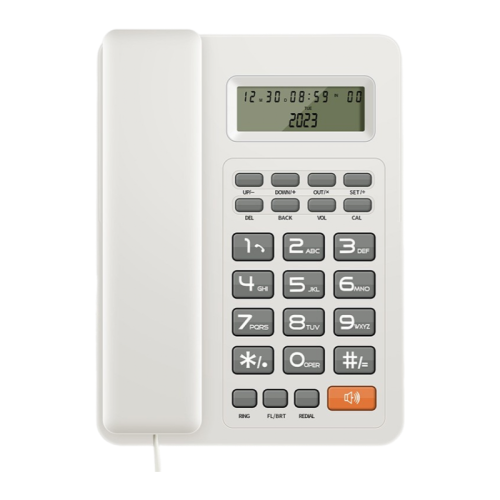
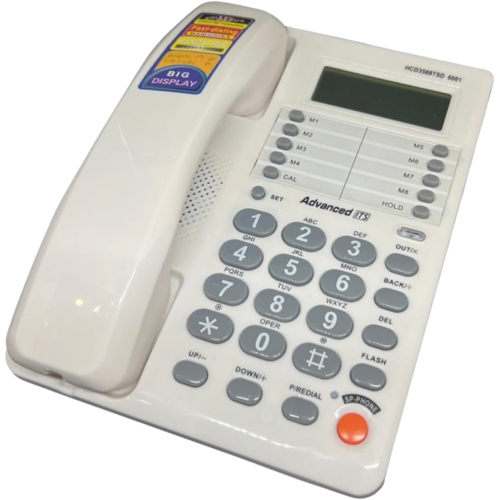
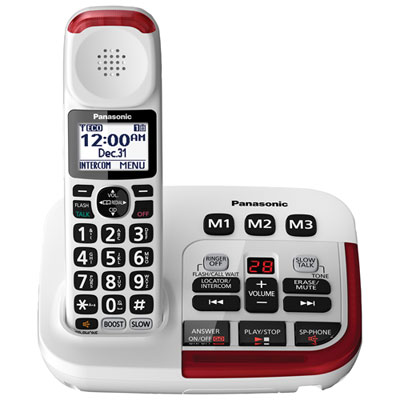
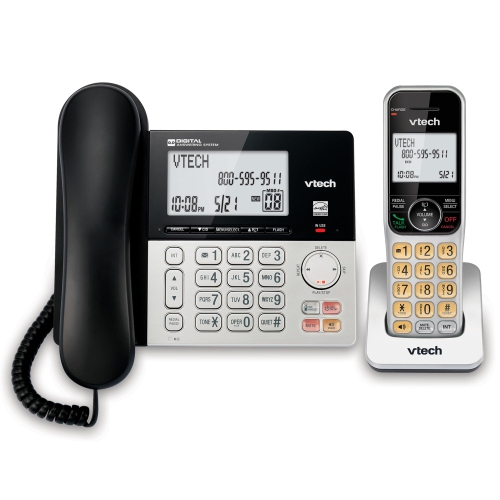
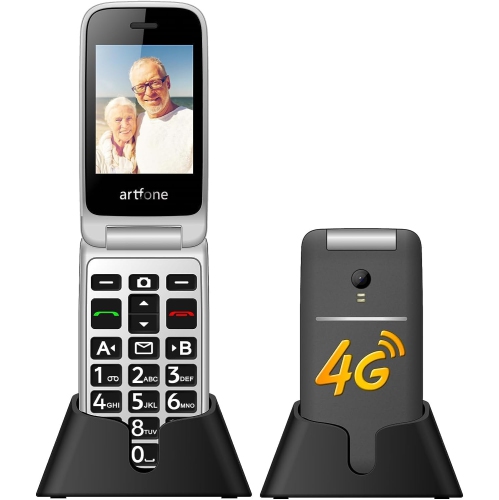
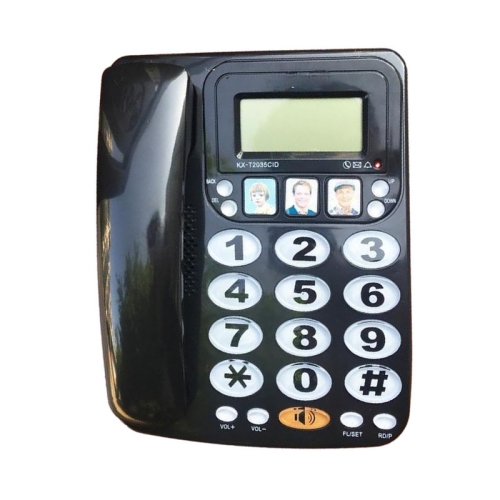
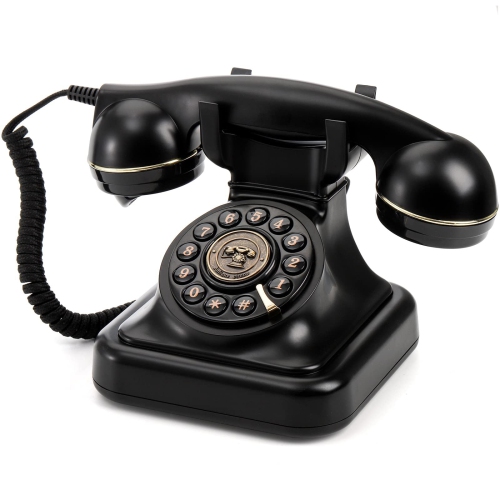
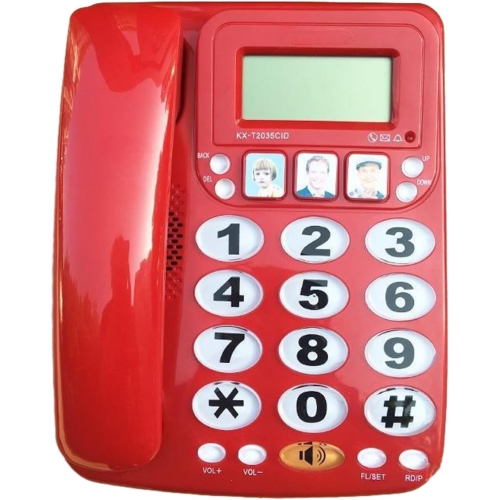
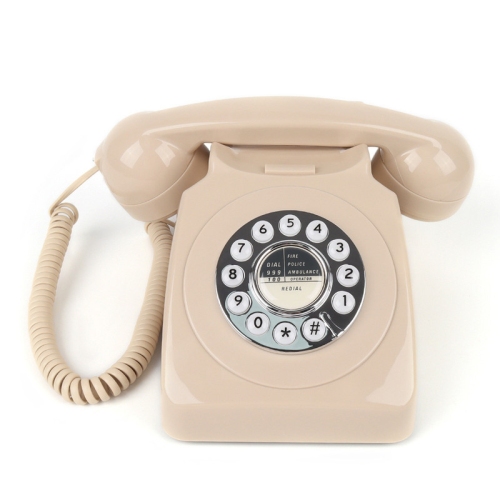
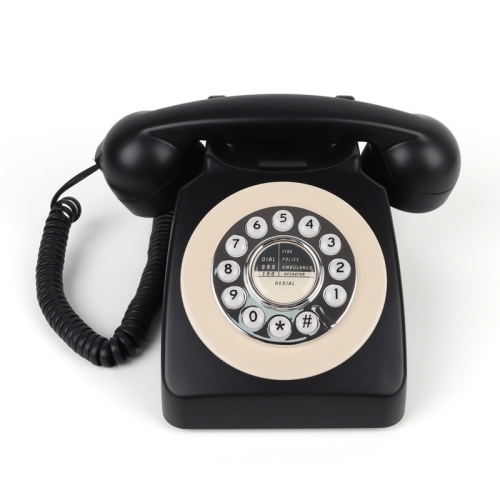
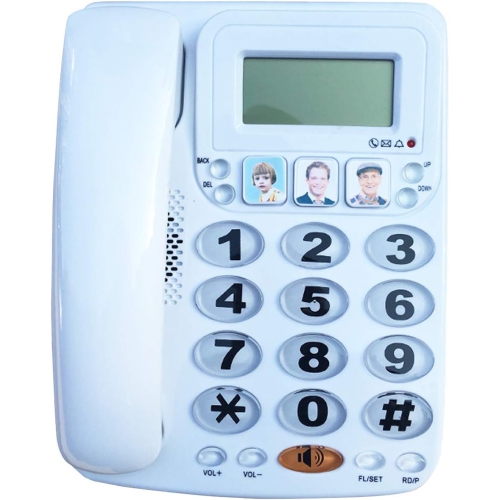
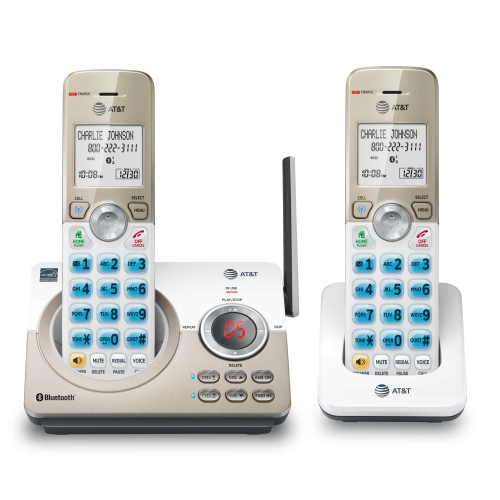
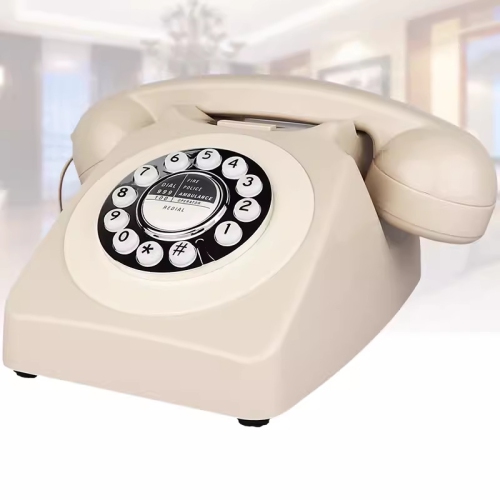
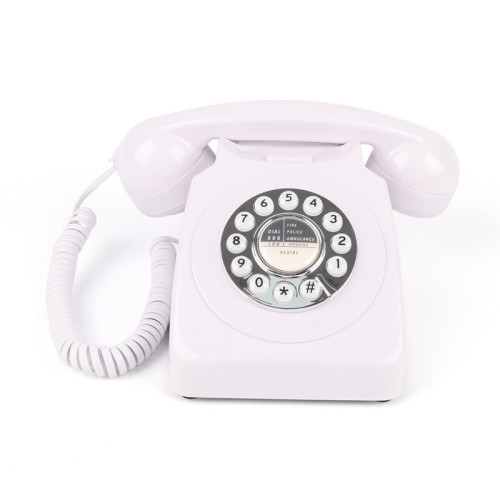

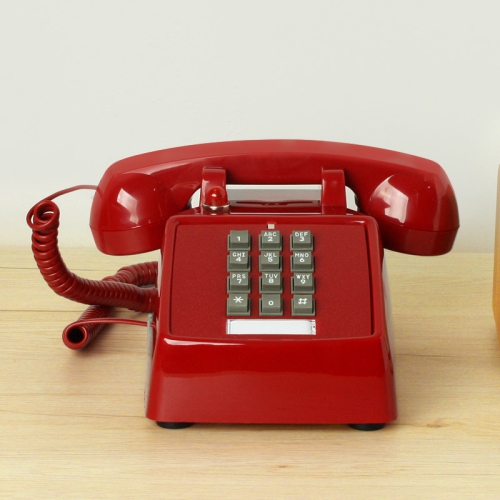
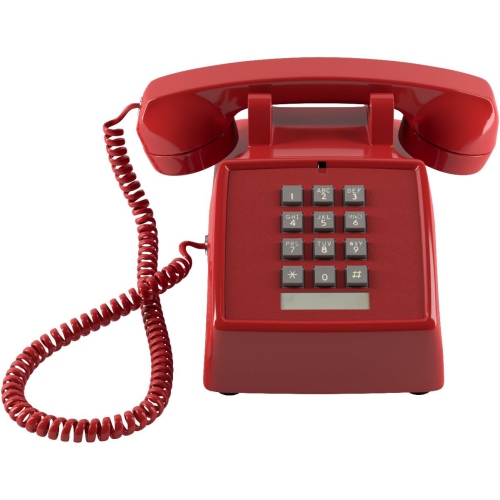
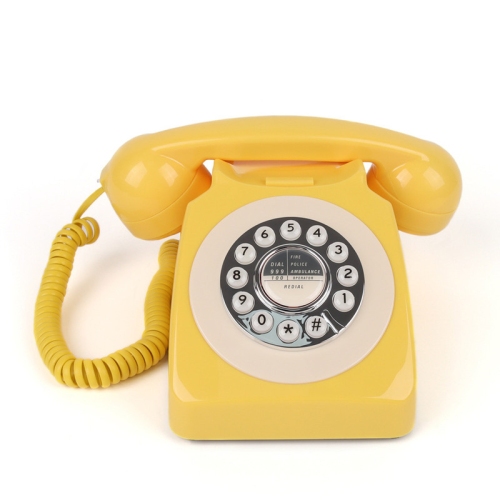
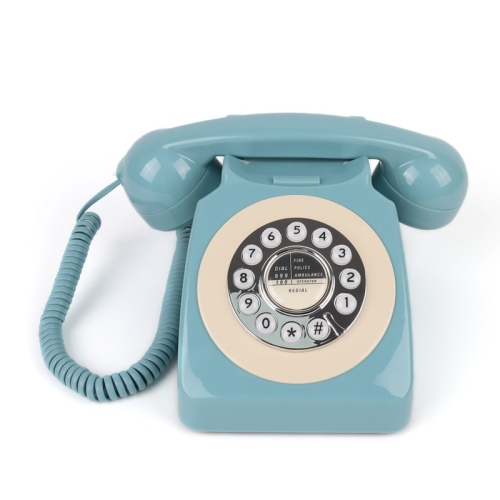
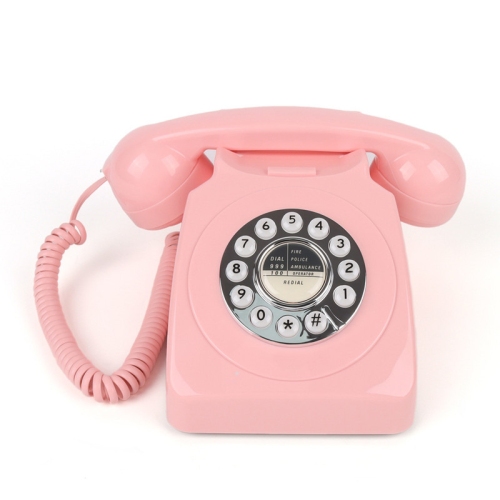
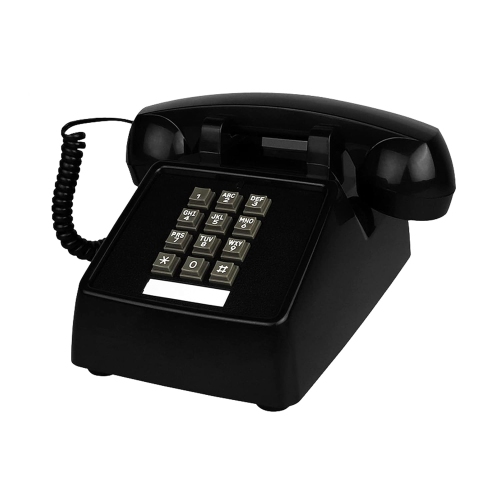
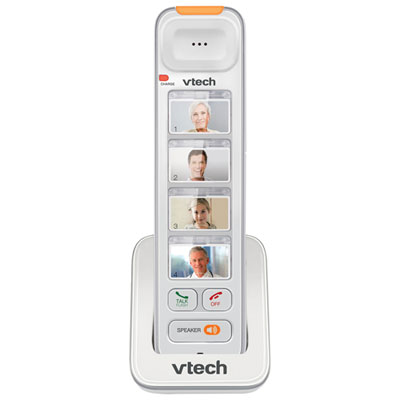
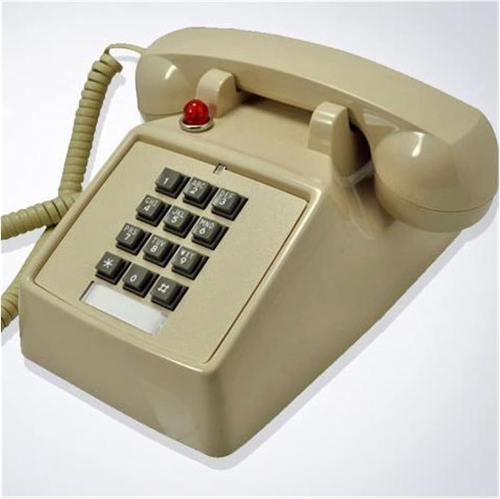
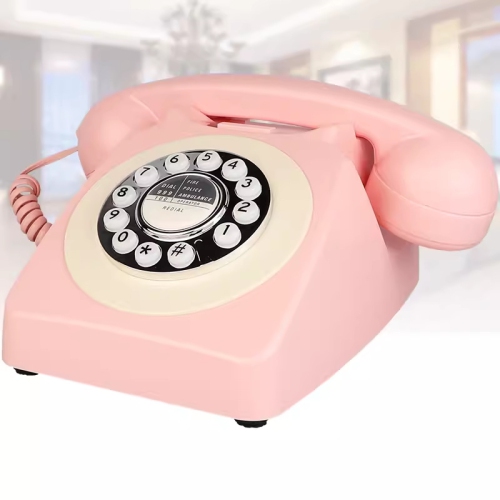
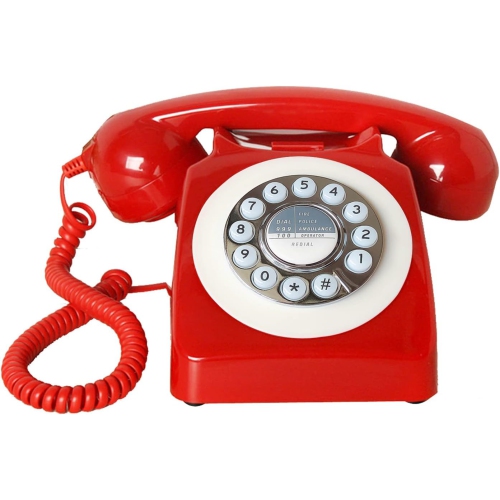
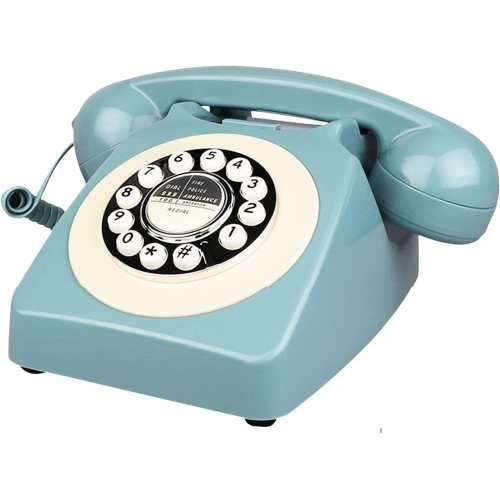
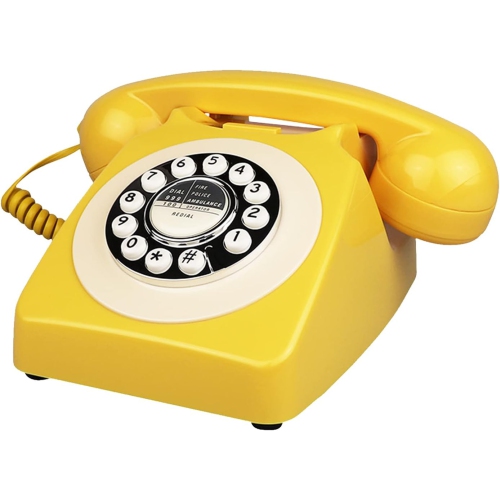
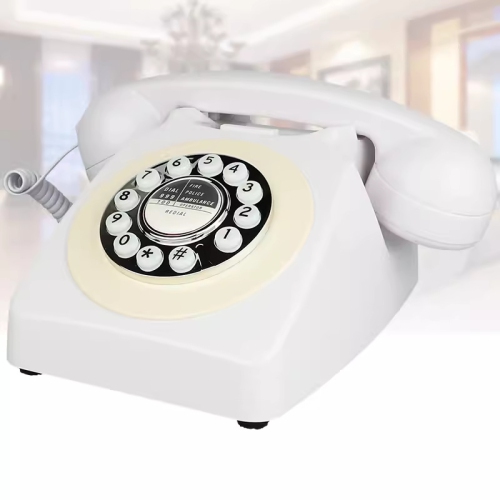
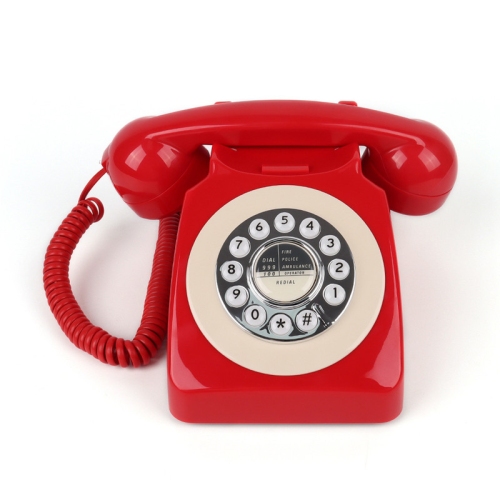
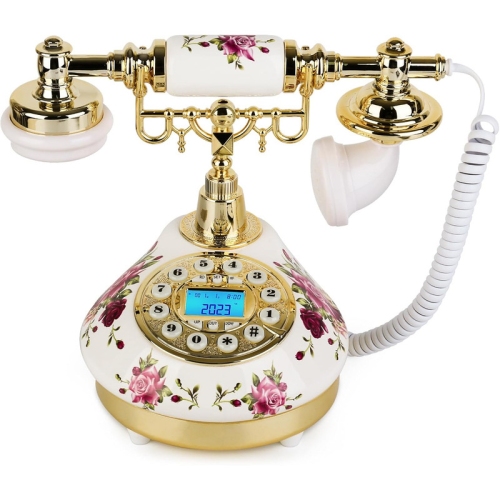
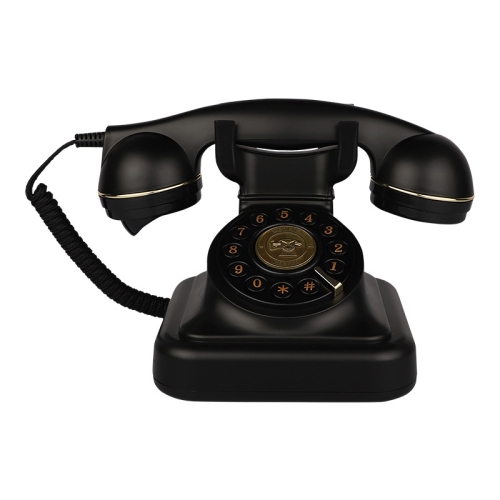
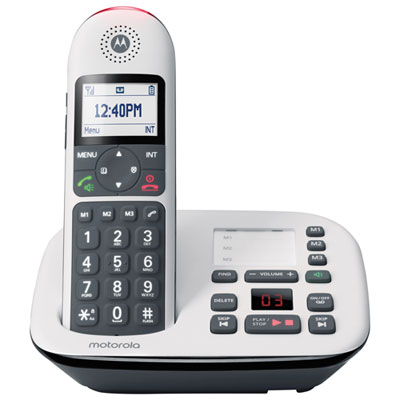
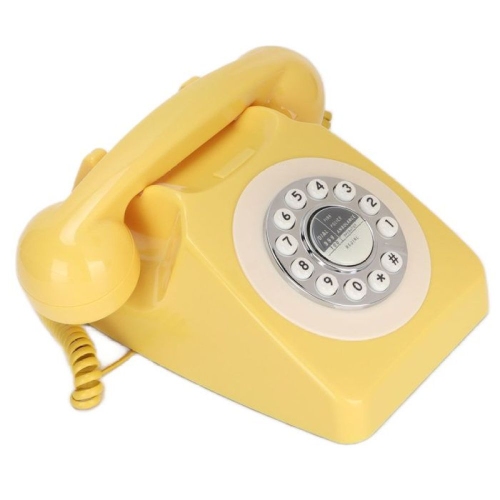
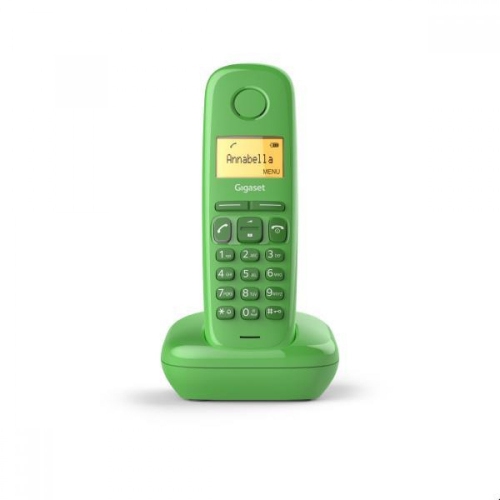
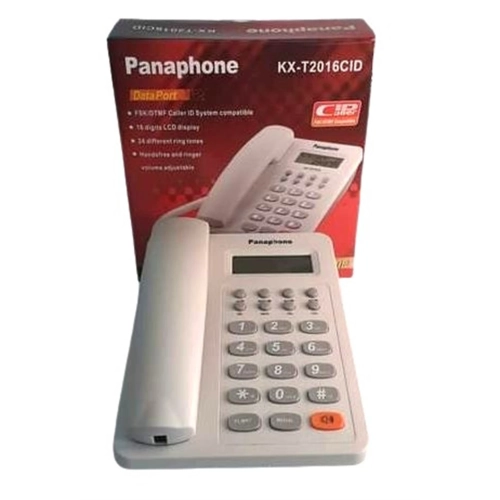
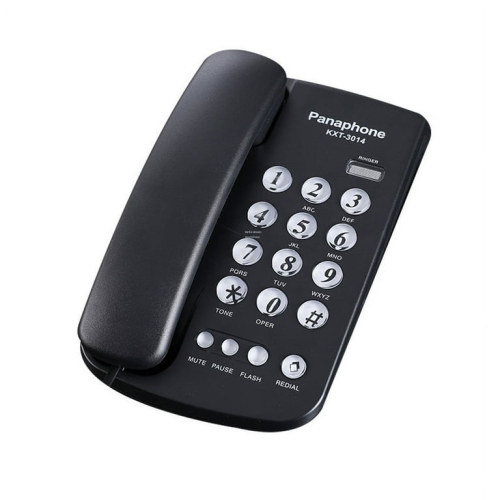
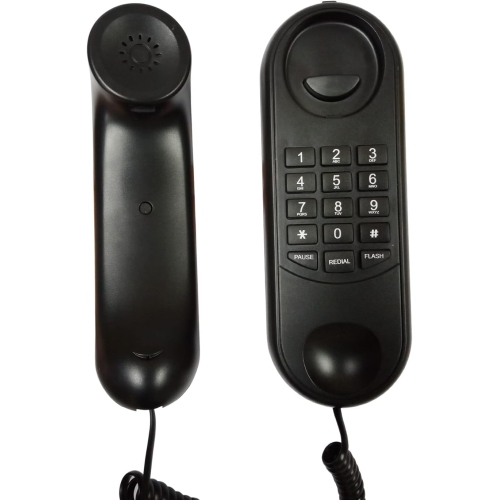
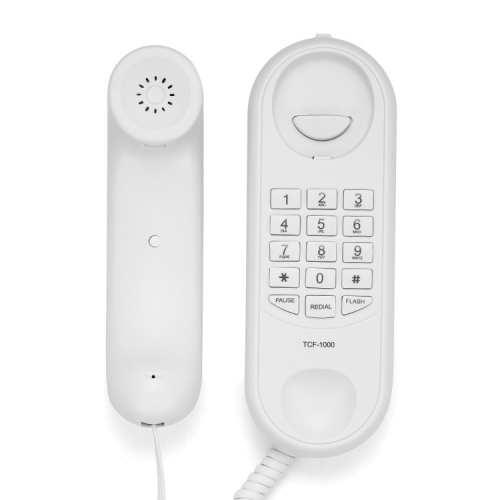

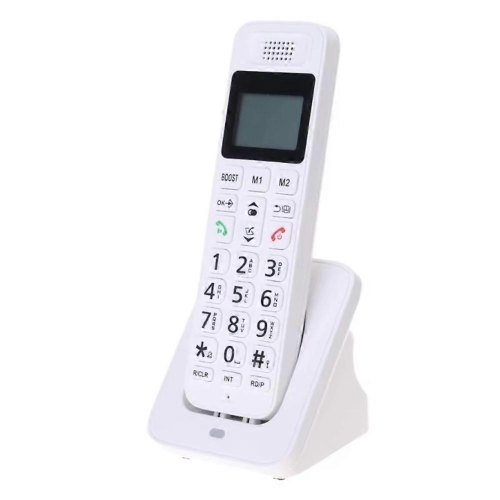
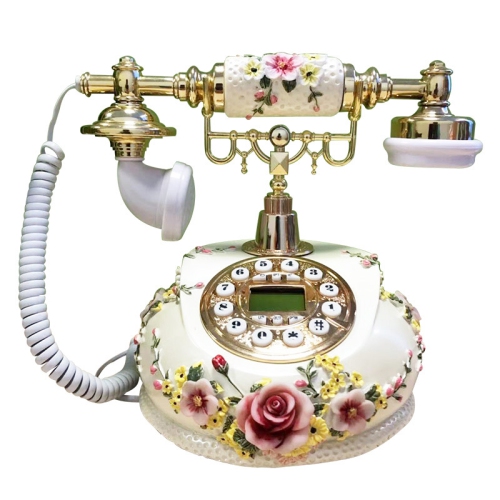
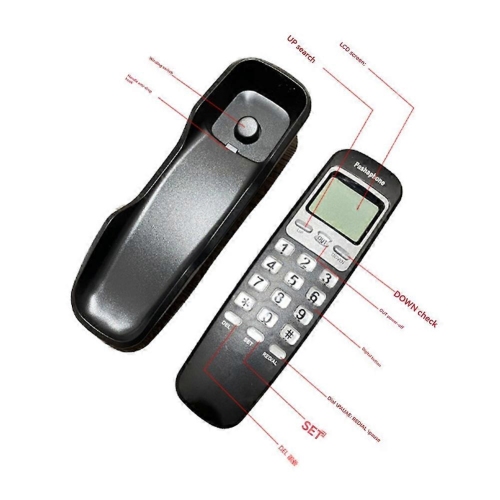
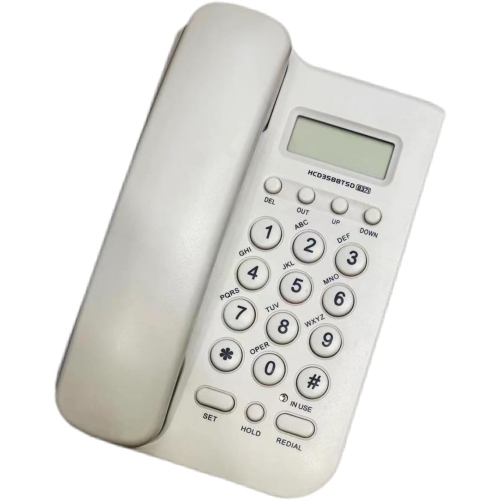
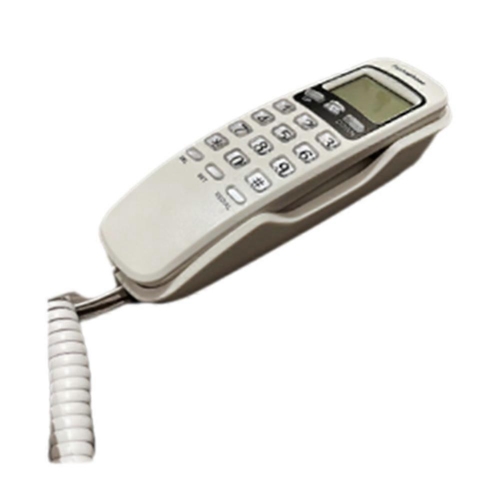
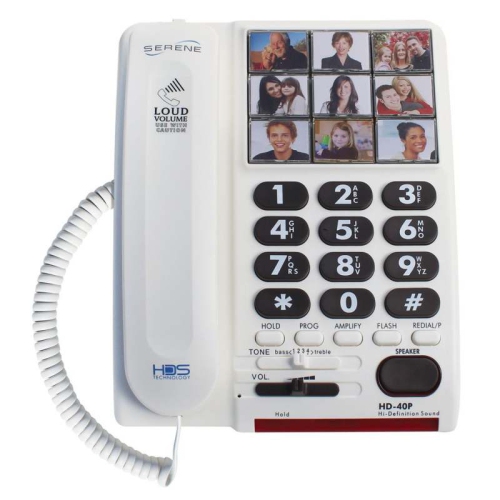
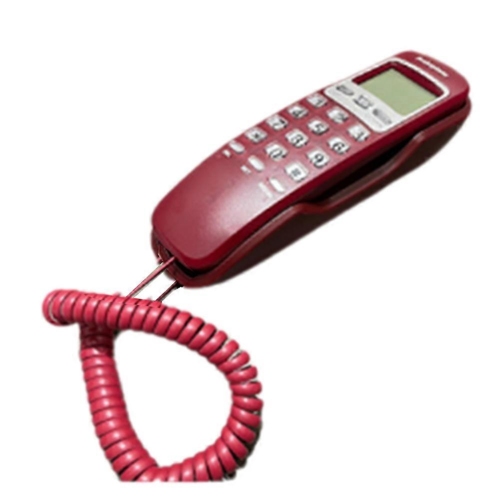
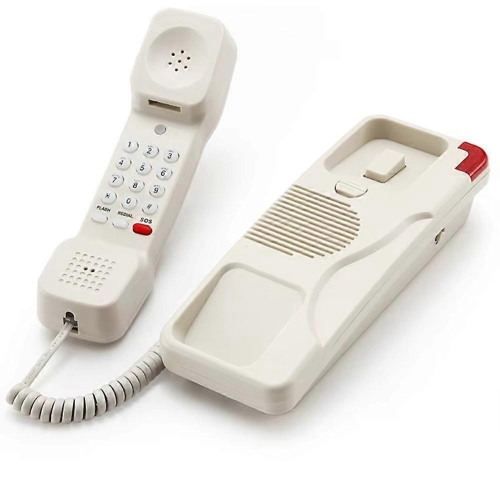
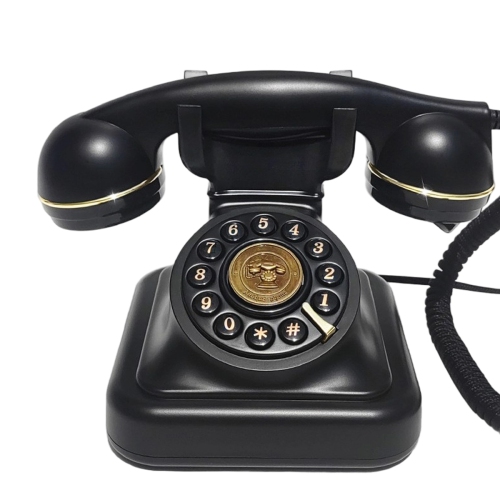
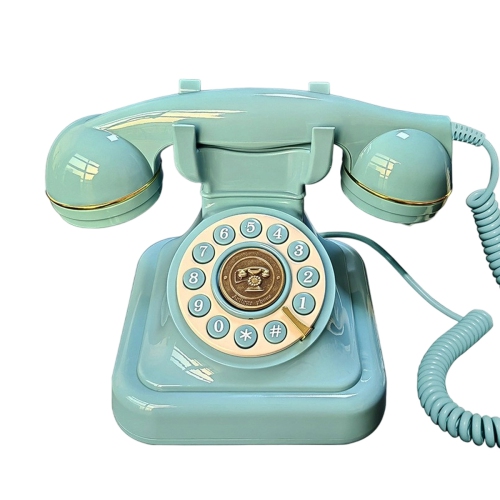
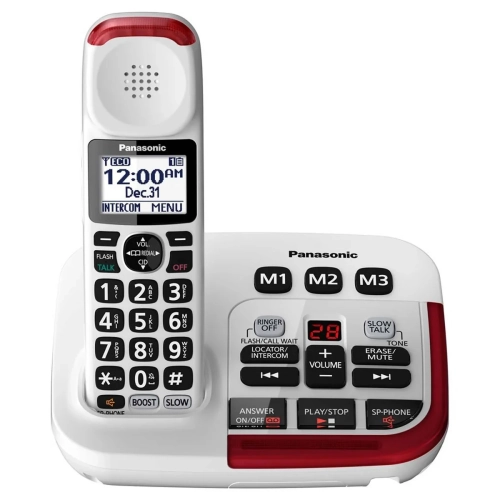
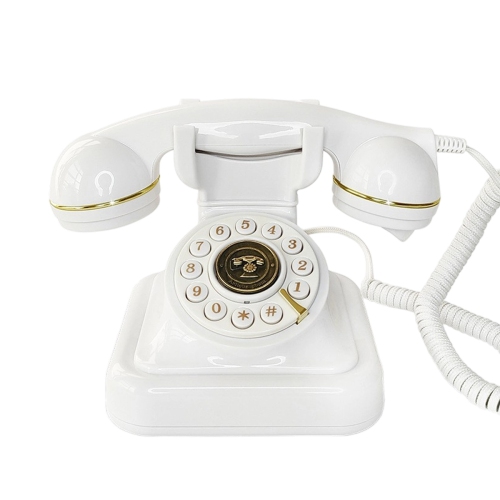
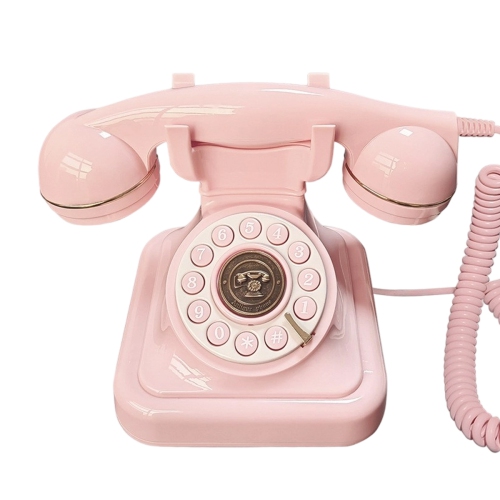
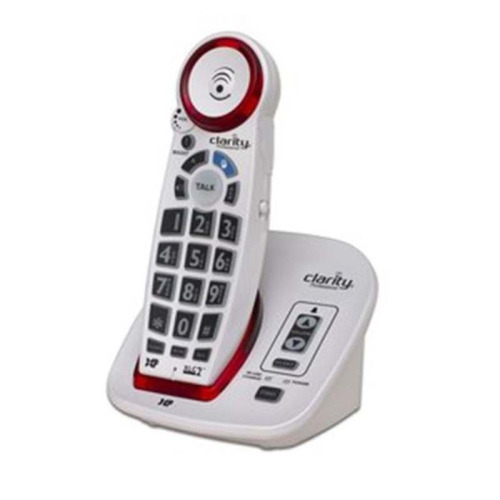
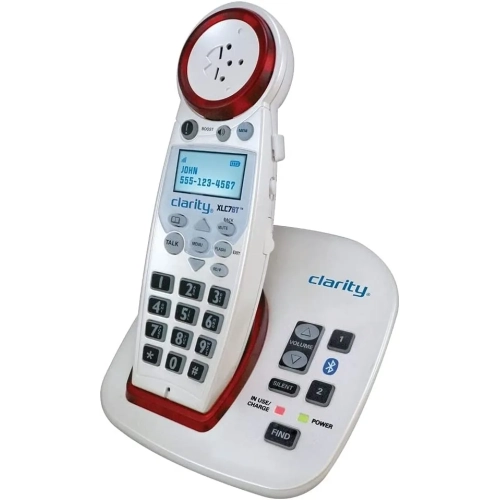
Practical features for clearer, more comfortable everyday calling
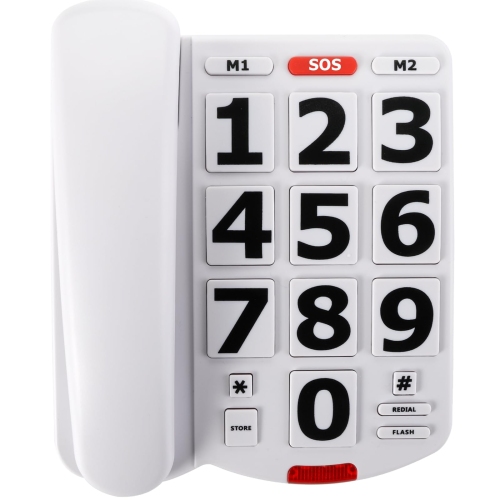
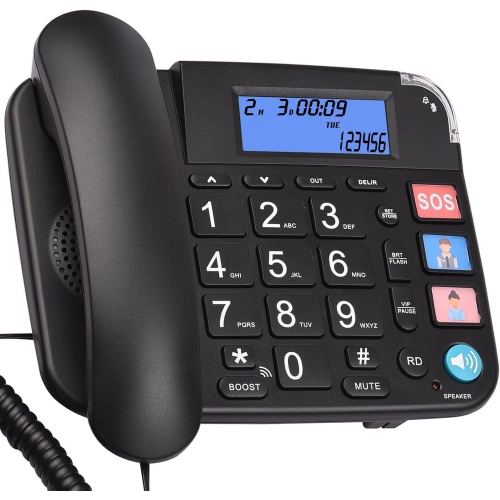
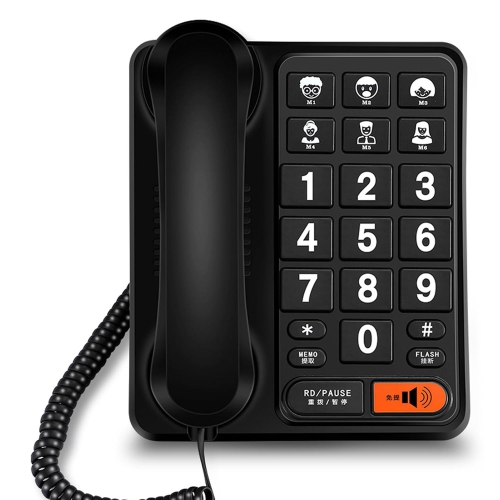
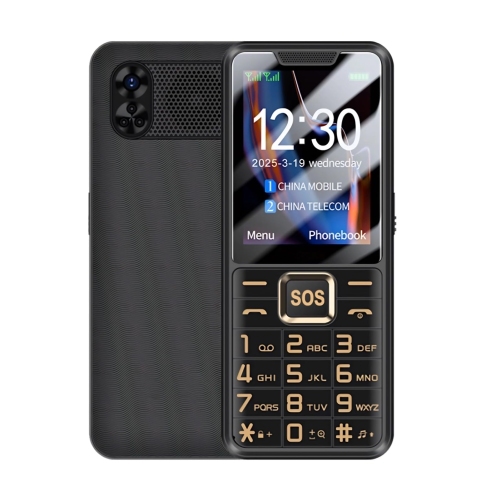
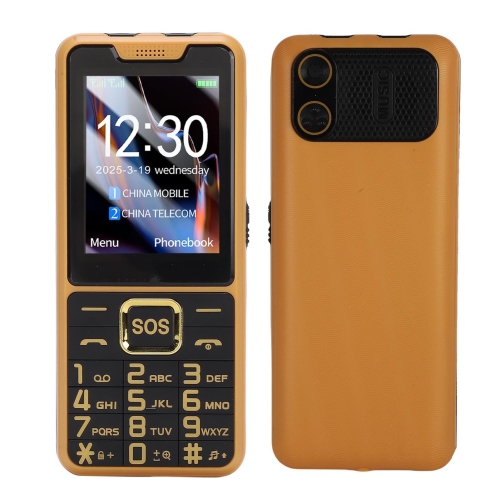
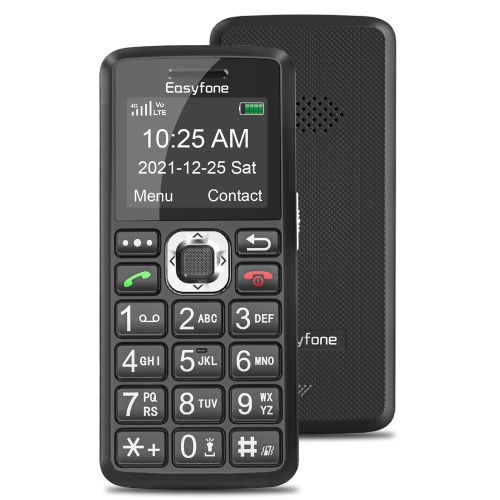
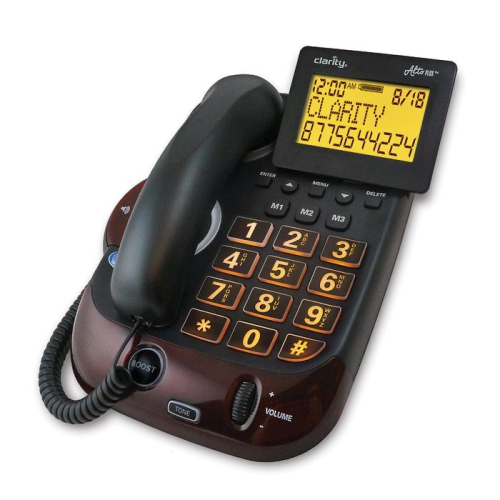
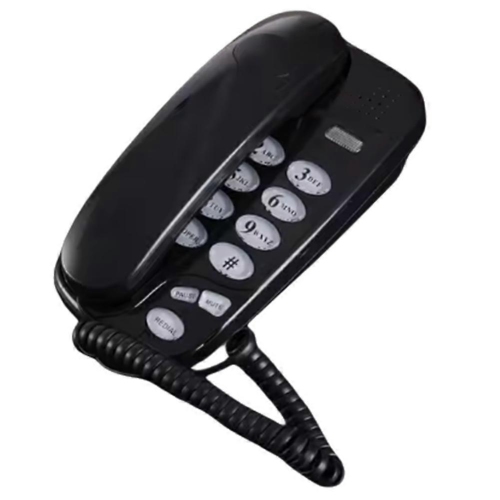
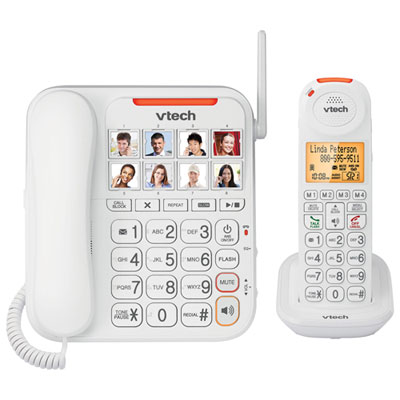
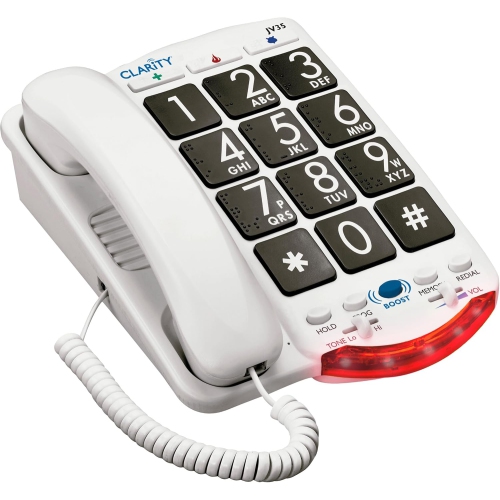
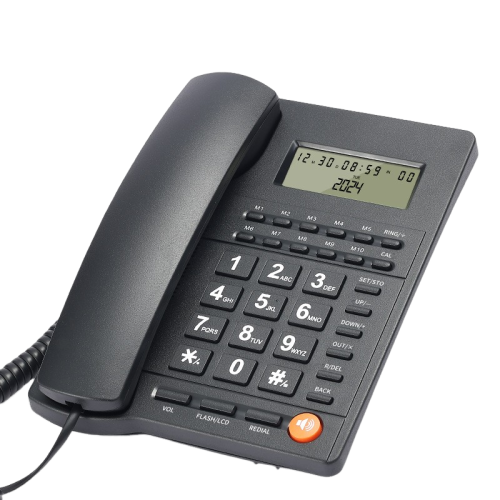
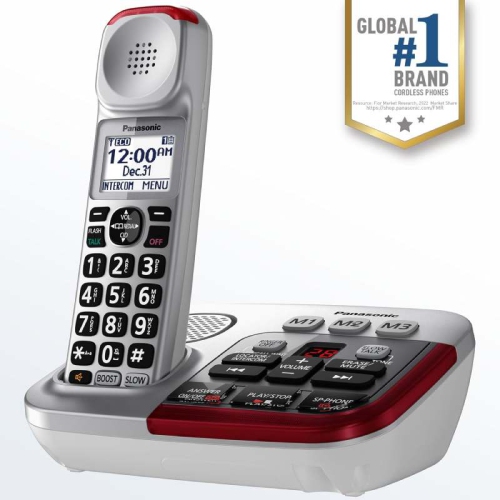
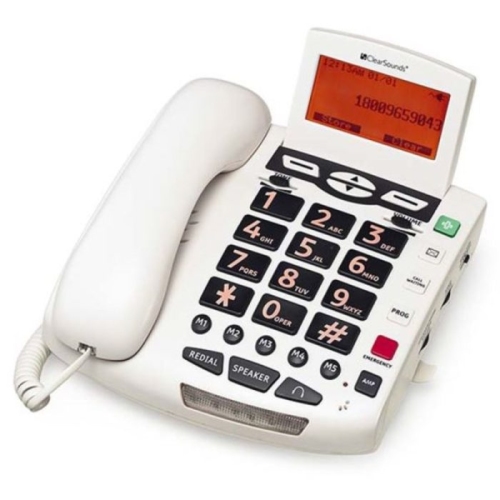
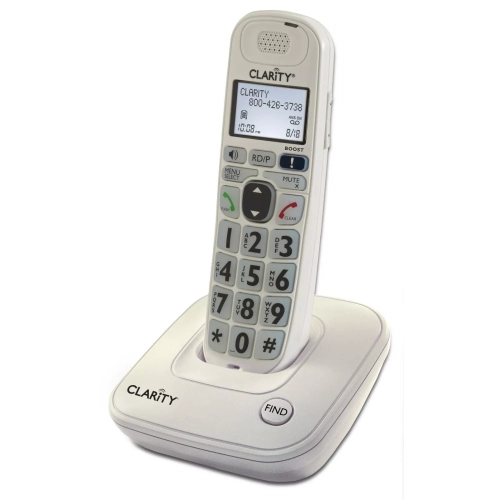
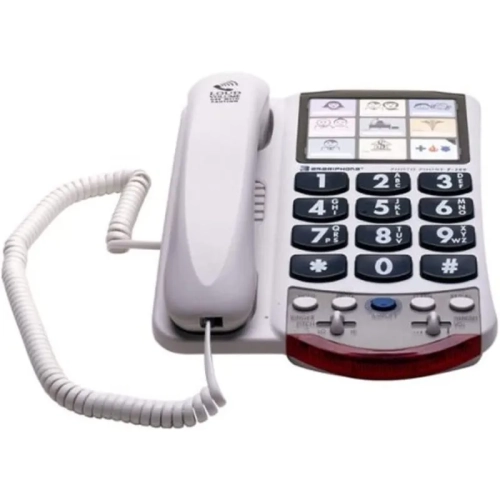
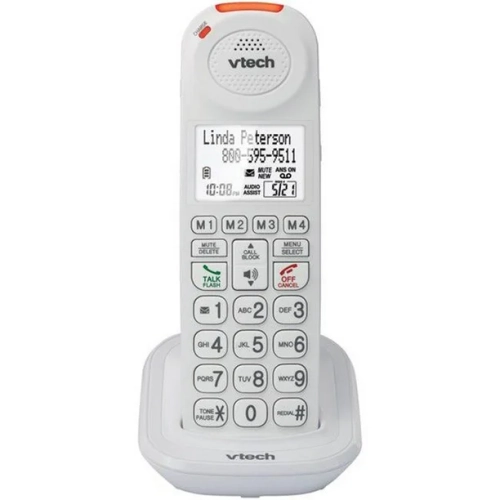
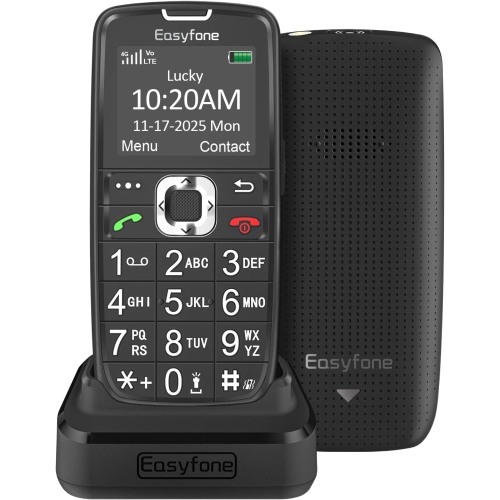
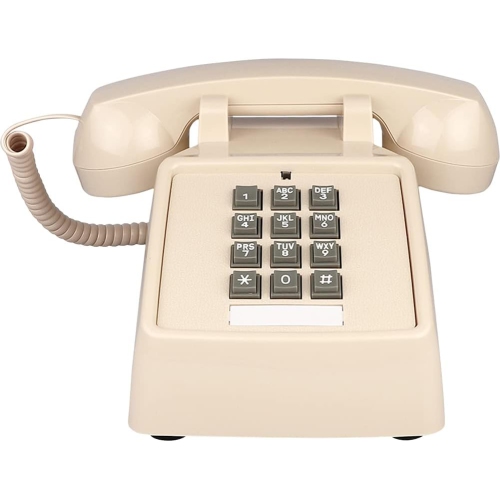
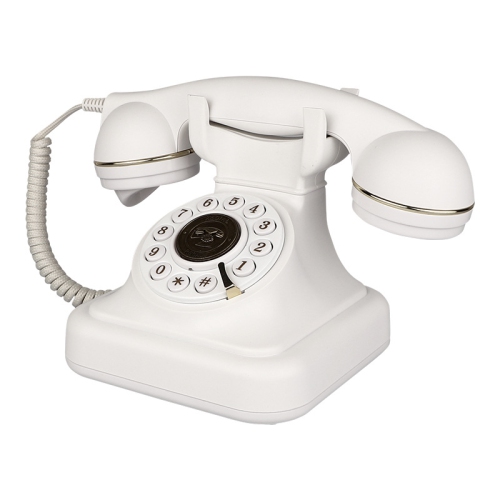
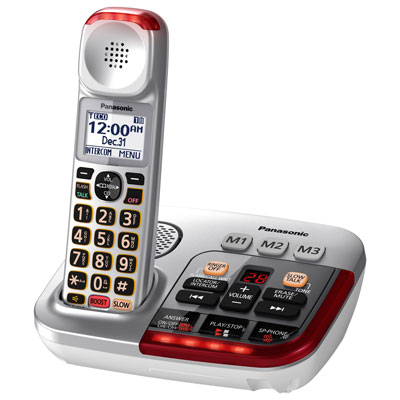
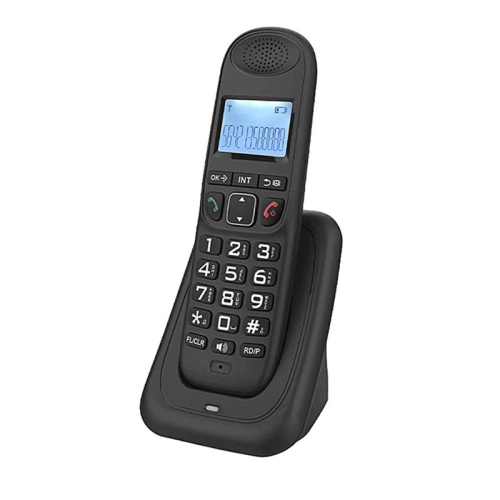
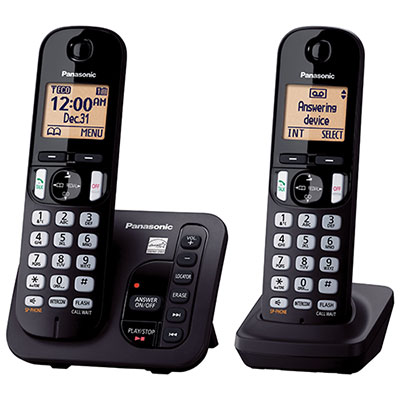
Large button home phones for seniors are designed to make everyday calling simpler, more comfortable, and easier to manage at home. They are especially helpful for people who find small keypads, narrow lettering, or quiet ringers difficult to use. Oversized, high-contrast buttons are usually spaced farther apart than those on a standard telephone, making it easier to see each number and press the intended key. Clear number markings can be useful for people with low vision, while a stable, easy-to-hold handset may help anyone with reduced dexterity, hand tremors, or arthritis. Many models also include a louder ringer, adjustable handset volume, and tone controls that make conversations easier to hear from another room. A corded design can be a practical choice for a kitchen counter, bedside table, or living room because it stays in one place and does not need to be charged. It can also be reassuring as a dependable backup when a mobile phone is misplaced, out of battery, or less comfortable to use for a longer conversation. Cordless options offer more freedom to move around the home, and a multi-handset system can place phones in convenient locations such as the bedroom, hallway, or den. When choosing a phone, consider where it will be used, how far the handset needs to travel, and whether the person using it prefers the familiarity of a traditional corded telephone or the flexibility of a cordless handset.
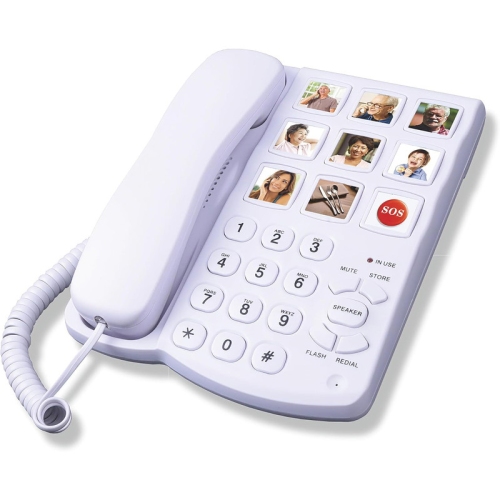
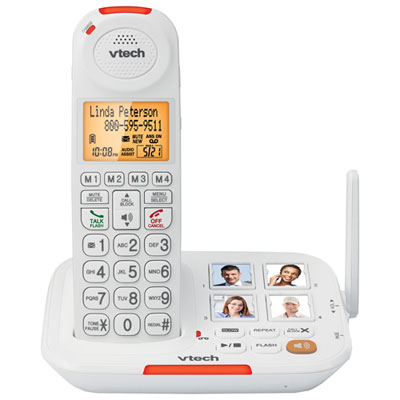
Accessibility features can make a meaningful difference in daily use. Talking digits or spoken number confirmation can announce each key as it is pressed, helping reduce misdialling and providing added reassurance for people with limited vision. Talking or enlarged caller ID can identify incoming calls before the handset is picked up, while a visual ringer or flashing indicator can help alert users who may not hear a conventional ring from another room. Some phones offer adjustable ringer volume and distinctive ring tones, allowing the sound to be matched to personal hearing preferences without being unnecessarily disruptive. Amplified handsets are worth considering when hearing conversations has become tiring, particularly if the phone will be used for regular check-ins with family, friends, caregivers, or health professionals. Look for straightforward volume controls that can be adjusted during a call, along with tone settings that improve the clarity of speech. Memory dialling is another useful feature, especially when it uses large dedicated buttons or spaces for photographs. A picture of a daughter, neighbour, doctor, or trusted friend can make an important contact easier to recognize at a glance, and one-touch calling can remove the need to remember or enter a long phone number. Some systems include a dedicated assistance or emergency button that can be programmed for a chosen contact; these features should be set up carefully and tested with the intended person so everyone understands what happens when the button is pressed. A home phone does not replace a personal emergency plan, but simple controls and visible contact information can support confidence and independence during ordinary routines.
These phones can suit older adults living independently, people with hearing or vision challenges, and anyone who prefers uncomplicated controls over a feature-heavy device. They can also be a thoughtful gift for a parent, grandparent, relative, or friend who has moved into a new home, is recovering from an injury, or would benefit from keeping important contacts close at hand. Before buying, check the phone service connection required in the home, the length of any cord, the availability of battery backup, and whether the device will work with the existing telephone setup. It is also helpful to measure the space where the phone will sit and confirm that the buttons, display, and ringer indicators can be seen clearly in the available light. For a cordless system, review charging requirements, expected range, handset count, and whether extra handsets can be added later. For a corded model, consider a location where the handset can be reached easily without stretching or bending. Keep in mind that amplified sound may be powerful, so start at a moderate setting and adjust it to a comfortable level. Families comparing traditional home phones with mobile alternatives may also wish to explore Digital Phones for Seniors for options that offer different ways to stay connected. Whether placed beside a favourite armchair, near the bed, or on a hallway table, a large button home phone can make calling feel familiar and manageable, with visible controls and practical features that support clear communication through the cooler months and throughout the year.
Accessibility features can make a meaningful difference in daily use. Talking digits or spoken number confirmation can announce each key as it is pressed, helping reduce misdialling and providing added reassurance for people with limited vision. Talking or enlarged caller ID can identify incoming calls before the handset is picked up, while a visual ringer or flashing indicator can help alert users who may not hear a conventional ring from another room. Some phones offer adjustable ringer volume and distinctive ring tones, allowing the sound to be matched to personal hearing preferences without being unnecessarily disruptive. Amplified handsets are worth considering when hearing conversations has become tiring, particularly if the phone will be used for regular check-ins with family, friends, caregivers, or health professionals. Look for straightforward volume controls that can be adjusted during a call, along with tone settings that improve the clarity of speech. Memory dialling is another useful feature, especially when it uses large dedicated buttons or spaces for photographs. A picture of a daughter, neighbour, doctor, or trusted friend can make an important contact easier to recognize at a glance, and one-touch calling can remove the need to remember or enter a long phone number. Some systems include a dedicated assistance or emergency button that can be programmed for a chosen contact; these features should be set up carefully and tested with the intended person so everyone understands what happens when the button is pressed. A home phone does not replace a personal emergency plan, but simple controls and visible contact information can support confidence and independence during ordinary routines.
These phones can suit older adults living independently, people with hearing or vision challenges, and anyone who prefers uncomplicated controls over a feature-heavy device. They can also be a thoughtful gift for a parent, grandparent, relative, or friend who has moved into a new home, is recovering from an injury, or would benefit from keeping important contacts close at hand. Before buying, check the phone service connection required in the home, the length of any cord, the availability of battery backup, and whether the device will work with the existing telephone setup. It is also helpful to measure the space where the phone will sit and confirm that the buttons, display, and ringer indicators can be seen clearly in the available light. For a cordless system, review charging requirements, expected range, handset count, and whether extra handsets can be added later. For a corded model, consider a location where the handset can be reached easily without stretching or bending. Keep in mind that amplified sound may be powerful, so start at a moderate setting and adjust it to a comfortable level. Families comparing traditional home phones with mobile alternatives may also wish to explore Digital Phones for Seniors for options that offer different ways to stay connected. Whether placed beside a favourite armchair, near the bed, or on a hallway table, a large button home phone can make calling feel familiar and manageable, with visible controls and practical features that support clear communication through the cooler months and throughout the year.
Top selling and popular products
-
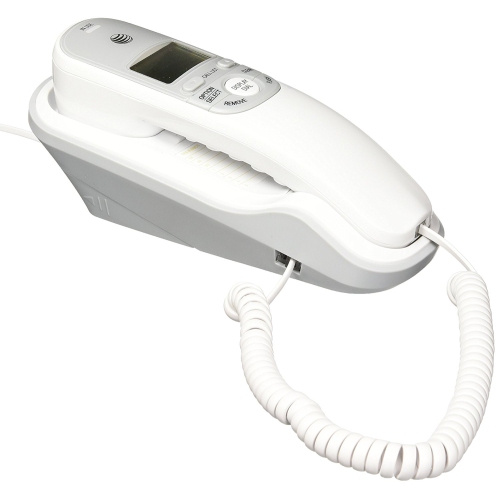 Your price for this item is $45.99
 -
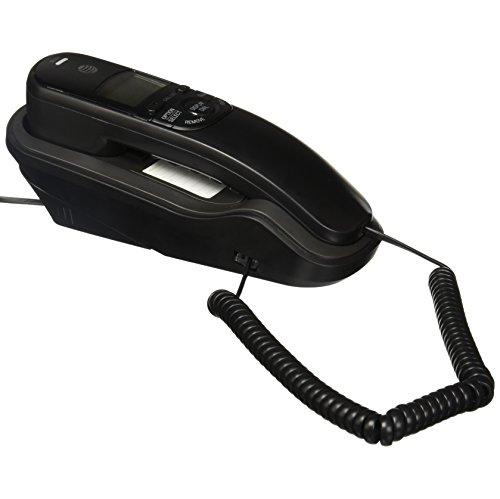 Your price for this item is $34.99
 -
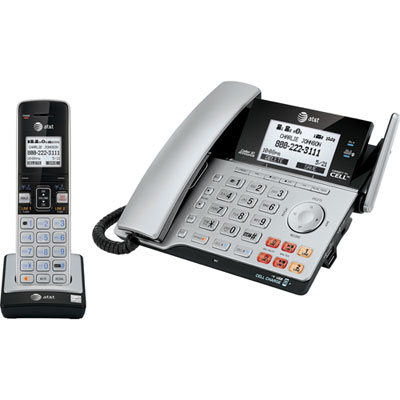 Your price for this item is $199.99
 -
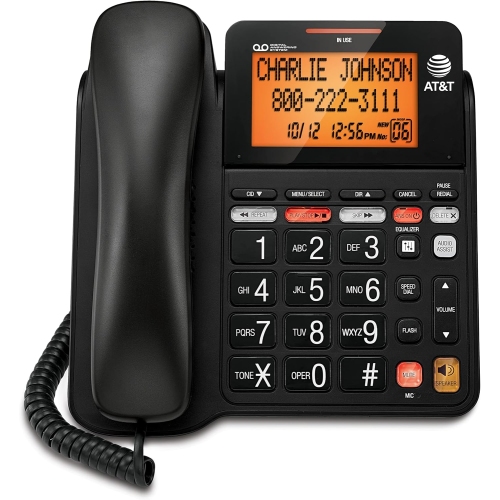 Your price for this item is $99.99
 -
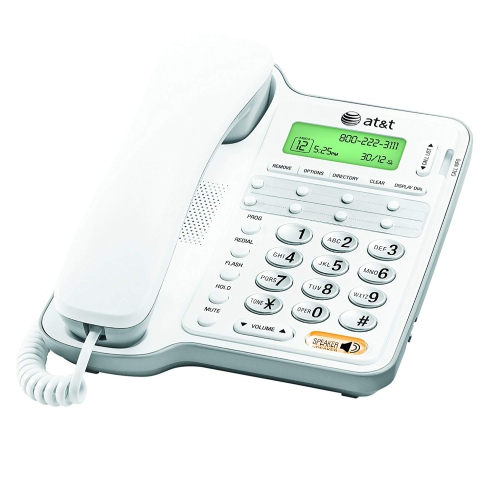 Your price for this item is $199.99
 -
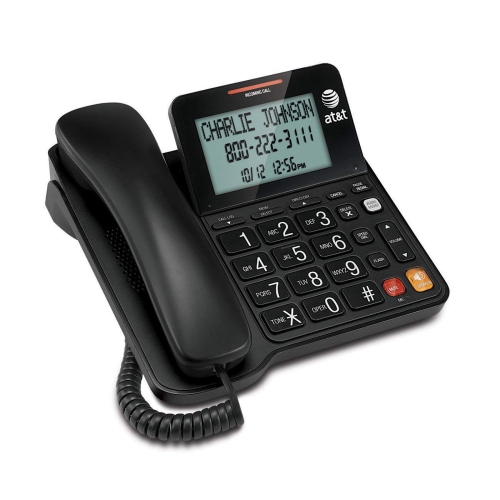 Your price for this item is $99.99
 -
 Your price for this item is $99.99
 -
 Your price for this item is $99.99
Discover more categories related to Large Button Home Phones for Seniors
Top Collections:
Pokemon Centers, Best Cameras for Sports Photography, Kindle Devices, Samsung Galaxy Phones, Canon G7X Cameras, Pokémon 30th Celebration Cards, Refurbished Apple Laptops, iPhone 15 Apple, Laptops for Students, Budget Smartphones
Some products may be subject to Environmental Handling Fees
(EHF) depending on your province.
Learn more about EHFs.