Legal Size Expanding File Folders
Legal Size Expanding File Folders are an essential addition to any office, home, or classroom setup, offering a convenient way to organize and store important documents. Designed to accommodate legal-sized papers, these folders help keep paperwork neat and accessible. Whether managing client files, sorting tax documents, or organizing project materials, Legal Size Expanding File Folders provide a practical solution for keeping your workspace tidy and efficient. Explore a variety of styles and capacities to find the perfect fit for your filing needs.
Sort
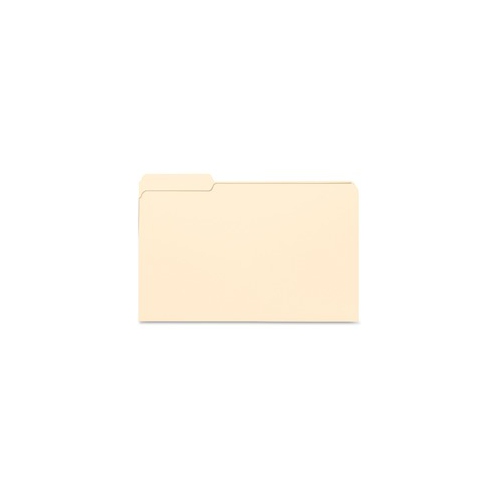
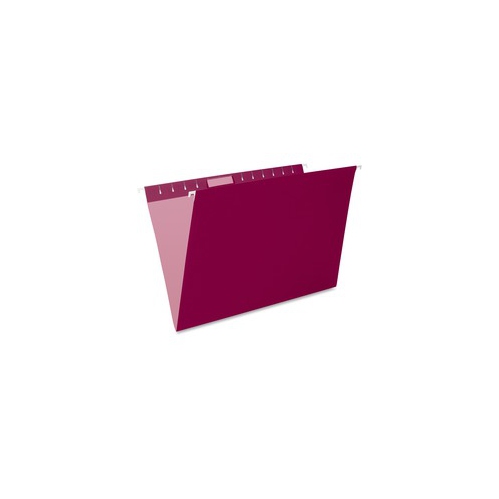

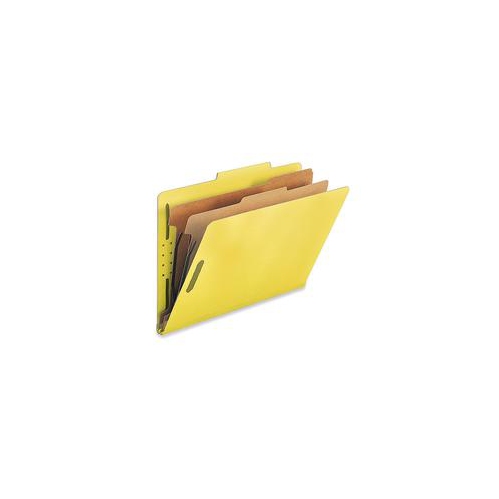
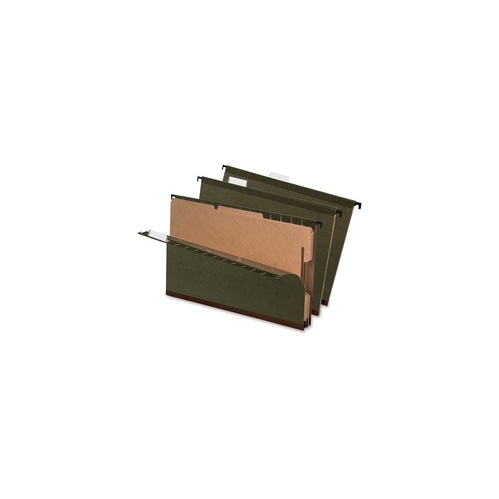

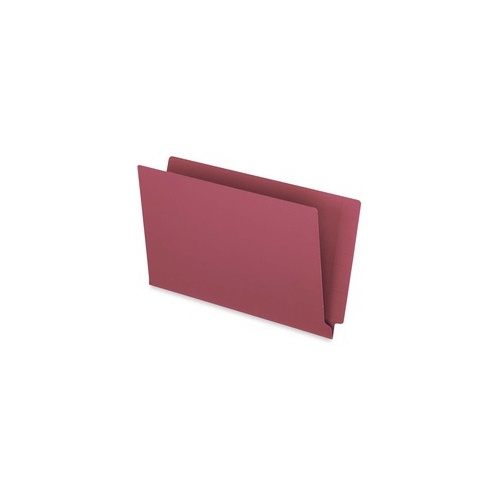
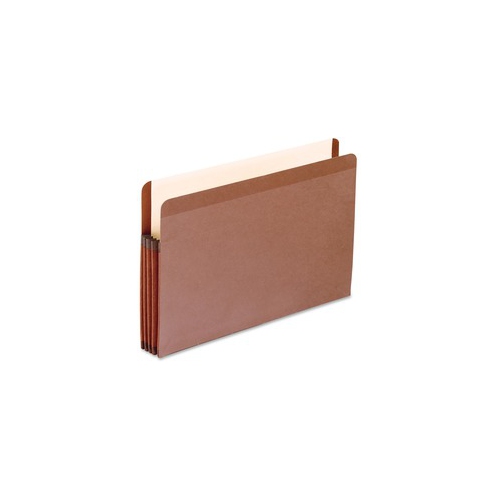
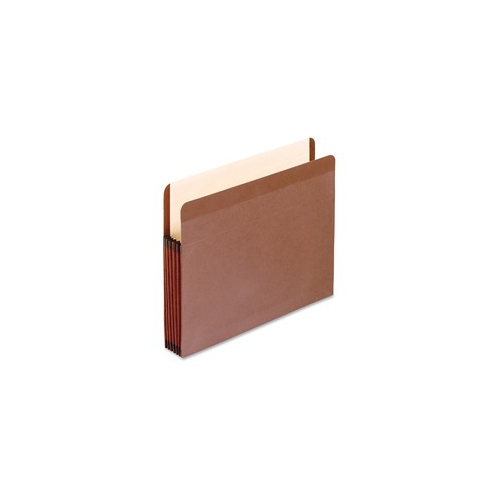
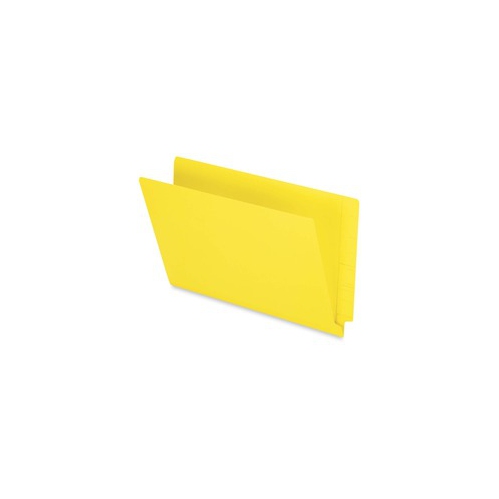
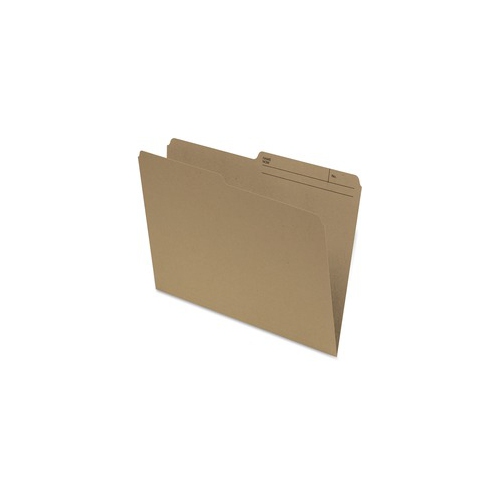
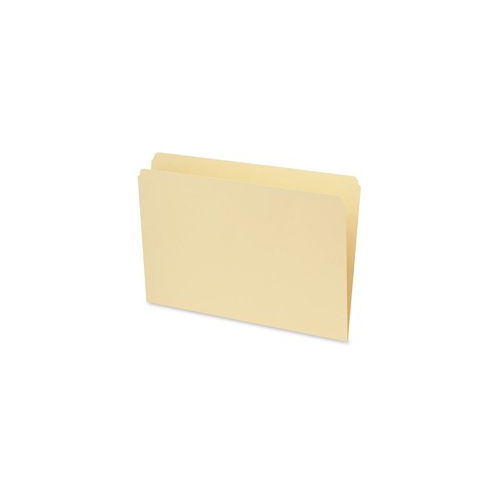
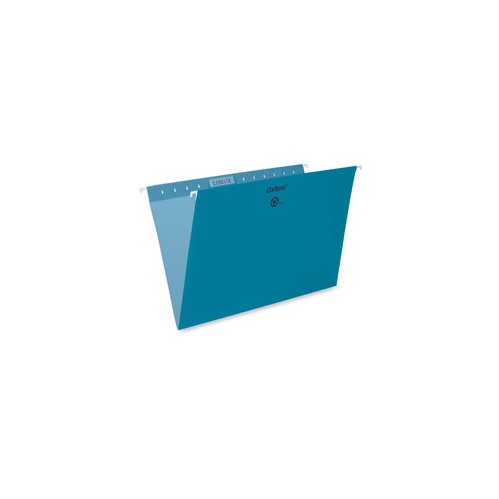
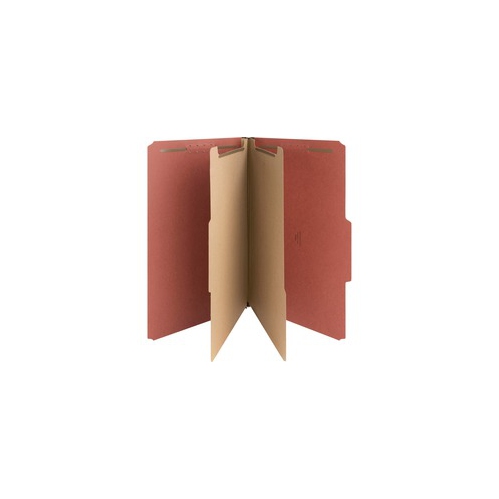
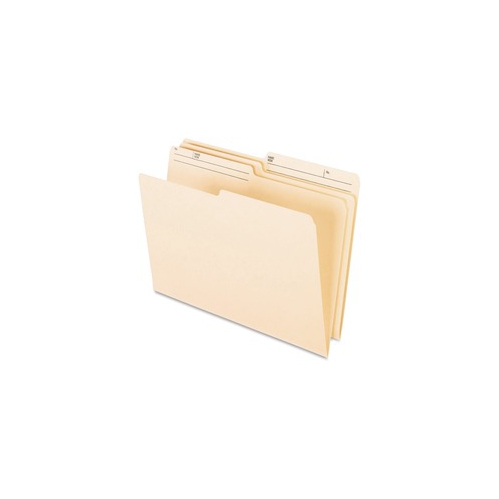
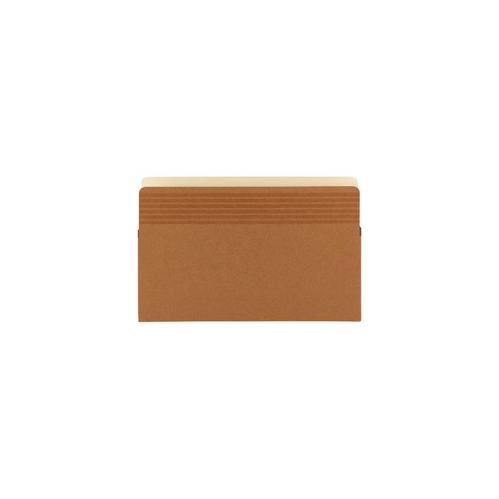
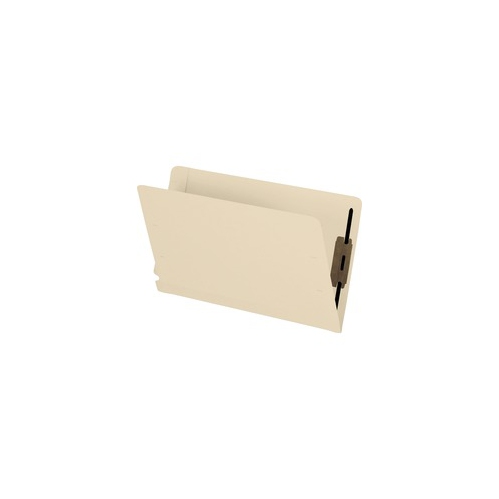
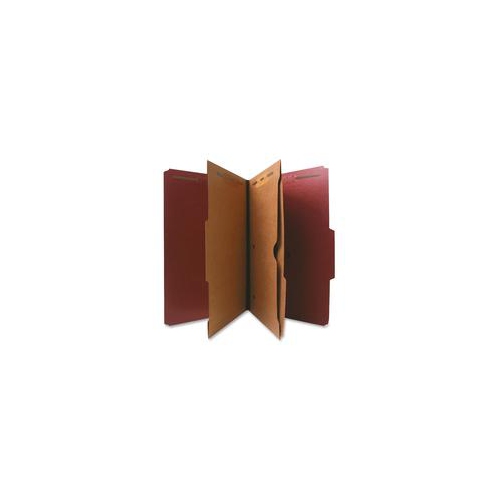
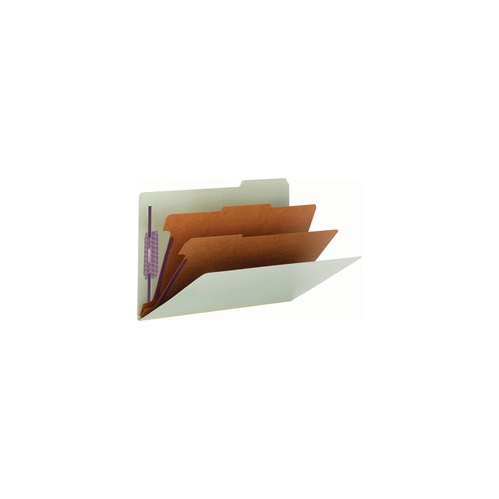
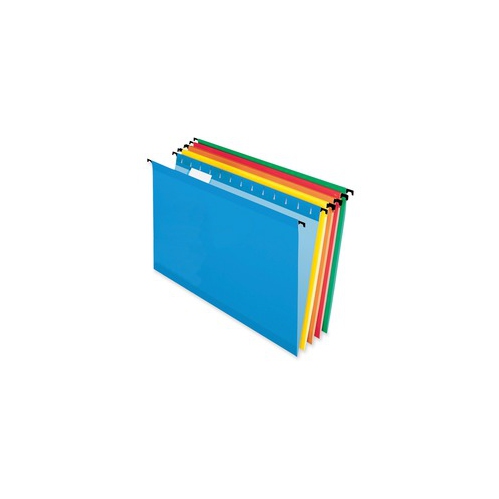
Room for longer documents and growing stacks of paperwork
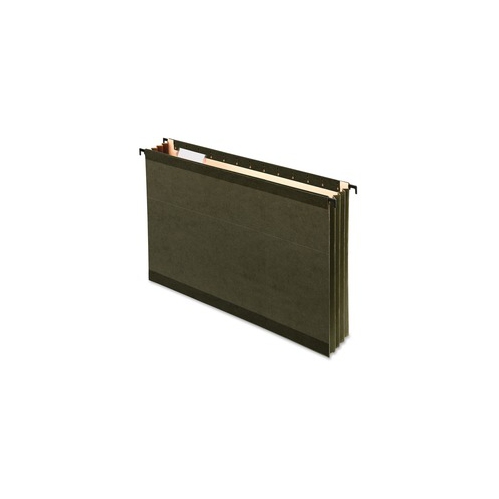
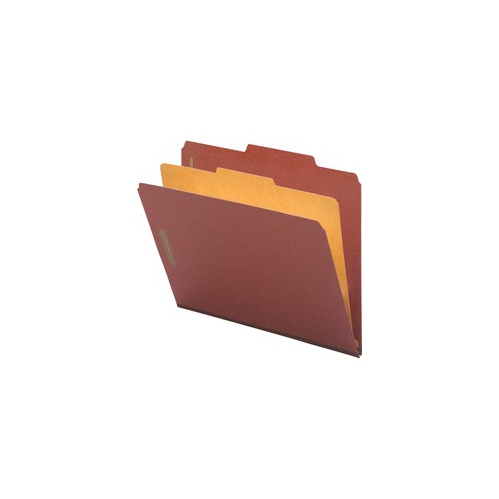
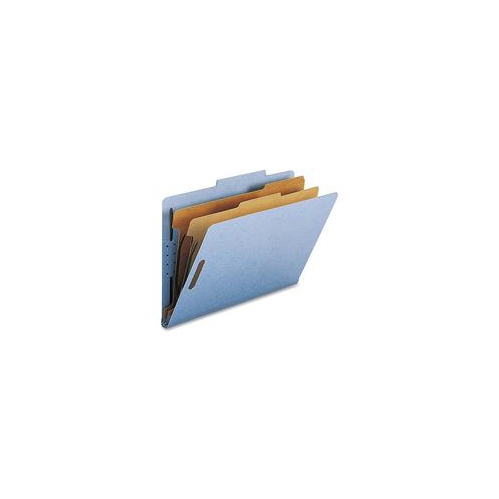
Legal-size expanding file folders organize and carry 8.5-inch by 14-inch documents in pockets that widen as paperwork is added. Their accordion-style sides, often called gussets, provide room for thicker bundles while allowing a lightly filled folder to take up less space. The longer format accommodates legal-size contracts, property records, financial statements, forms, and other documents without folding the ends to fit a letter-size folder. Despite the name, legal-size filing is not limited to law offices: these folders can serve home offices, small businesses, bookkeepers, contractors, and anyone managing longer sheets alongside everyday paperwork. A single-pocket expanding folder keeps one substantial set of records together, such as the signed agreement, supporting correspondence, and inspection documents for a property transaction. A divided expanding file separates several categories within one organizer, making it easier to keep related papers close without mixing them into a single stack. Pocket count and expansion capacity describe different features. More pockets provide more sorting sections, while expansion capacity indicates how much the folder or an individual pocket can widen, depending on the design. Neither measurement alone establishes how many sheets will fit comfortably, particularly when documents include staples, envelopes, or heavier paper. The most useful format depends on how the paperwork is handled: one broad pocket suits a complete project file, while multiple labelled sections suit records that need frequent sorting and retrieval. Legal-size sheets should sit fully inside the usable pocket area, with enough clearance for the flap or closure to fasten without bending the paper. Exterior dimensions are usually larger than the documents the folder holds, so the overall width and height also matter when the file needs to fit inside a desk drawer, cabinet, briefcase, or work bag. A folder that works well on a shelf may require more room once its pockets are filled, especially if it includes a handle or a structured outer cover.
Materials influence how an expanding file feels, how well it holds its shape, and how it stands up to repeated handling. Plastic designs, including polypropylene options, typically offer a wipeable surface and some resistance to splashes, though an ordinary expanding file should not be treated as waterproof. Open edges, seams, and closures can still allow moisture to reach the contents. Paper-based expanding folders often use heavy stock, pressboard, or redrope-style covers for a firmer, traditional filing feel. Reinforced gussets and strengthened edges can help support areas that receive repeated strain as pockets open and close. For paperwork that moves between appointments, a sturdy cover helps shield page corners from rubbing against other bag contents. For records stored mainly in a cabinet, a simpler pocket with clearly visible labelling space may be more useful than a carrying handle. Closure styles also change the everyday experience. An elastic cord can secure a flap around a changing volume of paper, while a snap or clasp offers a defined fastening point; either needs sufficient clearance to close without compressing the contents excessively. A closure helps contain loose sheets but does not, by itself, provide secure storage for confidential information. Handles can make a fuller organizer easier to carry, although handle attachments, folder construction, and the stated load limits remain important. Filling a file until its gussets are stretched tight places unnecessary stress on the seams and makes individual documents harder to remove. A little free space allows fingers to reach between sections and gives newly added pages somewhere to settle. Care is generally straightforward: plastic exteriors can often be wiped with a soft, lightly damp cloth, while paper-based covers are better kept dry and dusted gently, subject to the manufacturer's care directions. Rough surfaces, sharp objects, and forceful pulling can damage either type. Checking the corners, folds, and fastening points occasionally helps identify wear before a busy folder loses its ability to keep paperwork contained.
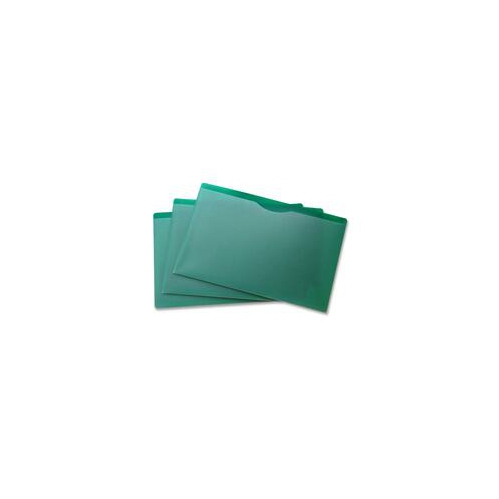
The internal layout makes a noticeable difference when a folder becomes part of a daily routine. Tabbed dividers create visible destinations for incoming papers, whether sections are arranged by client, supplier, project, household member, or document type. Alphabetical inserts suit name-based filing, numbered tabs can match an existing record system, and blank labels leave room for categories that reflect the work itself. Clear, readable labels are especially helpful when several people access the same records; colour can provide another visual cue, but written descriptions keep the system understandable without relying on colour alone. In a home office, separate sections might hold insurance paperwork, service agreements, warranties, and property documents. A tradesperson might keep quotations, work orders, receipts, and signed approvals together for appointments, while a bookkeeper could divide supporting records by account or reporting period. Shorter letter-size pages can share a legal-size file, although smaller receipts and slips may need a suitable sleeve or envelope to prevent them from disappearing beneath larger sheets. Dividers should be tall and sturdy enough for the intended contents, and tabs should remain visible when the pockets are filled. Open-top designs offer direct access during desk work, whereas covered designs are better suited to keeping loose papers contained during transport. For a slim presentation set rather than a growing collection of records, Legal Size Pocket Folders provide a related format for grouping longer documents without an accordion-style filing structure. Expanding folders serve a different purpose: they leave room for paperwork to accumulate while preserving a practical way to sort it. They can also keep original documents together after digital copies have been made, with labels that correspond to the digital filing system. Sensitive records still belong in appropriately secured storage when not in use. With the right combination of document fit, usable capacity, durable construction, and clear sections, a legal-size expanding file can make the difference between searching through a loose pile and finding the required page in its assigned place.
Materials influence how an expanding file feels, how well it holds its shape, and how it stands up to repeated handling. Plastic designs, including polypropylene options, typically offer a wipeable surface and some resistance to splashes, though an ordinary expanding file should not be treated as waterproof. Open edges, seams, and closures can still allow moisture to reach the contents. Paper-based expanding folders often use heavy stock, pressboard, or redrope-style covers for a firmer, traditional filing feel. Reinforced gussets and strengthened edges can help support areas that receive repeated strain as pockets open and close. For paperwork that moves between appointments, a sturdy cover helps shield page corners from rubbing against other bag contents. For records stored mainly in a cabinet, a simpler pocket with clearly visible labelling space may be more useful than a carrying handle. Closure styles also change the everyday experience. An elastic cord can secure a flap around a changing volume of paper, while a snap or clasp offers a defined fastening point; either needs sufficient clearance to close without compressing the contents excessively. A closure helps contain loose sheets but does not, by itself, provide secure storage for confidential information. Handles can make a fuller organizer easier to carry, although handle attachments, folder construction, and the stated load limits remain important. Filling a file until its gussets are stretched tight places unnecessary stress on the seams and makes individual documents harder to remove. A little free space allows fingers to reach between sections and gives newly added pages somewhere to settle. Care is generally straightforward: plastic exteriors can often be wiped with a soft, lightly damp cloth, while paper-based covers are better kept dry and dusted gently, subject to the manufacturer's care directions. Rough surfaces, sharp objects, and forceful pulling can damage either type. Checking the corners, folds, and fastening points occasionally helps identify wear before a busy folder loses its ability to keep paperwork contained.
The internal layout makes a noticeable difference when a folder becomes part of a daily routine. Tabbed dividers create visible destinations for incoming papers, whether sections are arranged by client, supplier, project, household member, or document type. Alphabetical inserts suit name-based filing, numbered tabs can match an existing record system, and blank labels leave room for categories that reflect the work itself. Clear, readable labels are especially helpful when several people access the same records; colour can provide another visual cue, but written descriptions keep the system understandable without relying on colour alone. In a home office, separate sections might hold insurance paperwork, service agreements, warranties, and property documents. A tradesperson might keep quotations, work orders, receipts, and signed approvals together for appointments, while a bookkeeper could divide supporting records by account or reporting period. Shorter letter-size pages can share a legal-size file, although smaller receipts and slips may need a suitable sleeve or envelope to prevent them from disappearing beneath larger sheets. Dividers should be tall and sturdy enough for the intended contents, and tabs should remain visible when the pockets are filled. Open-top designs offer direct access during desk work, whereas covered designs are better suited to keeping loose papers contained during transport. For a slim presentation set rather than a growing collection of records, Legal Size Pocket Folders provide a related format for grouping longer documents without an accordion-style filing structure. Expanding folders serve a different purpose: they leave room for paperwork to accumulate while preserving a practical way to sort it. They can also keep original documents together after digital copies have been made, with labels that correspond to the digital filing system. Sensitive records still belong in appropriately secured storage when not in use. With the right combination of document fit, usable capacity, durable construction, and clear sections, a legal-size expanding file can make the difference between searching through a loose pile and finding the required page in its assigned place.
Top selling and popular products
-
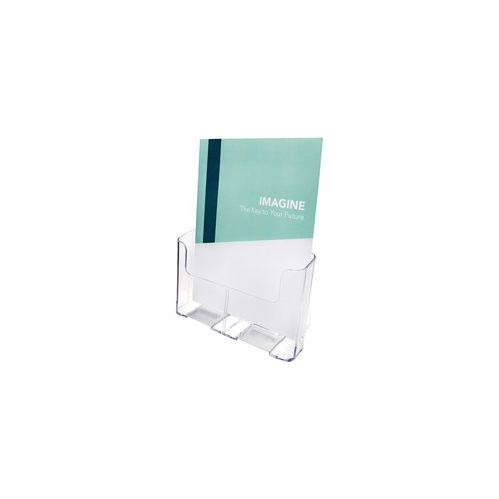 Your price for this item is $18.99
 -
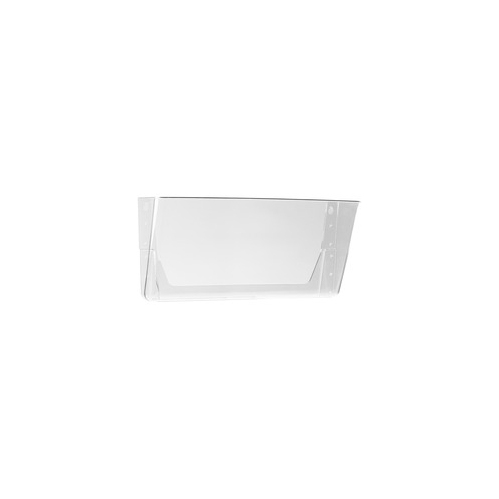 Your price for this item is $15.99
 -
 Your price for this item is $44.99
 -
 Your price for this item is $28.99
 -
 Your price for this item is $40.99
 -
 Your price for this item is $16.99
 -
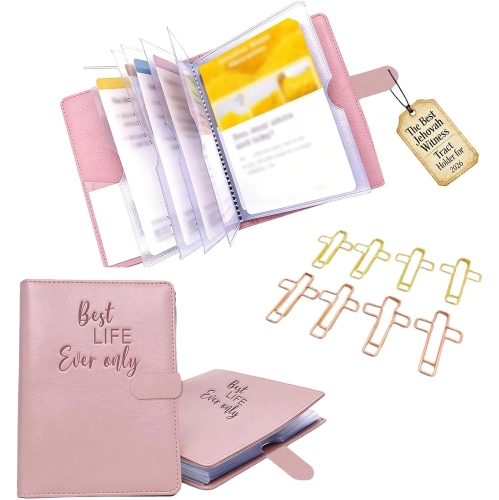 Your price for this item is $25.45
 -
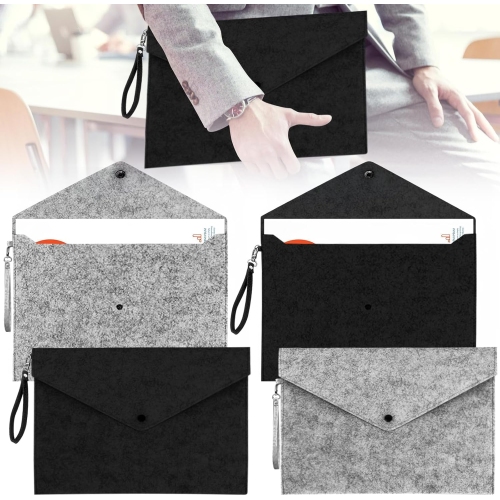 Your price for this item is $22.66
Discover more categories related to Legal Size Expanding File Folders
Top Collections:
Pokemon Centers, Kindle Devices, Best Budget Office Chairs, Apple iPhones 16, Best Laptops for Writers, iPhone 15 Apple, Canon G7X Cameras, Refurbished Apple Laptops, Alarm Clock, Motorola Razr Phones
Some products may be subject to Environmental Handling Fees
(EHF) depending on your province.
Learn more about EHFs.