Legal Size Pocket Folders
Legal Size Pocket Folders offer a convenient solution for organizing and storing important documents, contracts, and paperwork that require extra space. Designed to accommodate legal-sized papers, these folders help keep files neat and easily accessible whether at the office, in the classroom, or on the go. Explore a variety of Legal Size Pocket Folders to find options that suit your organizational needs and add efficiency to your daily routine.
Sort
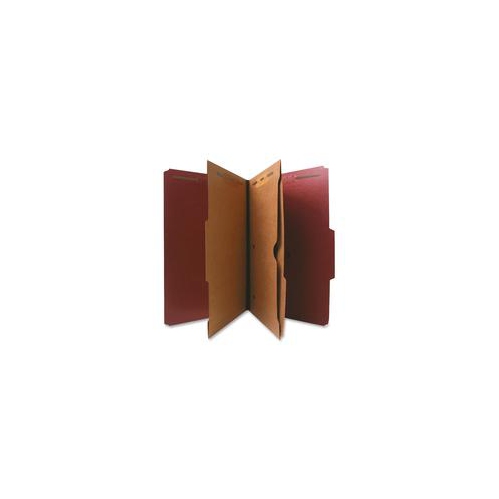
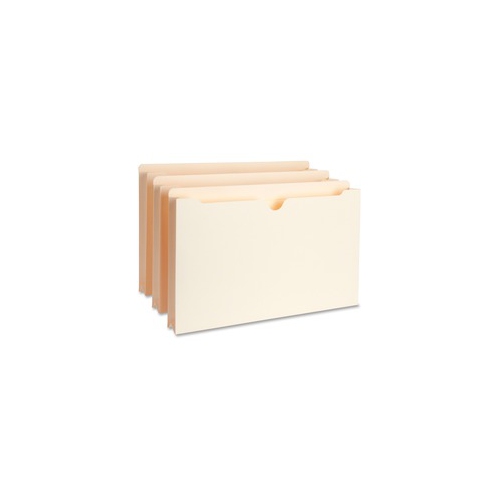
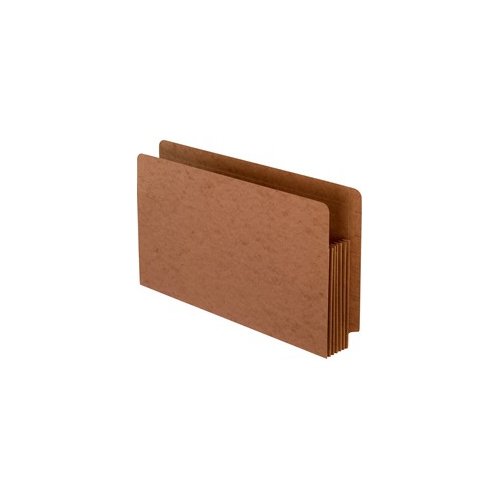
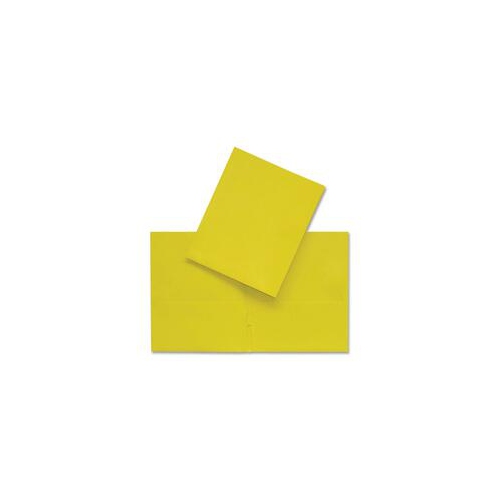
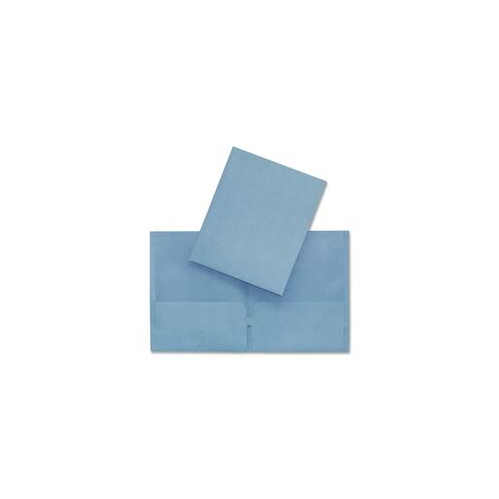
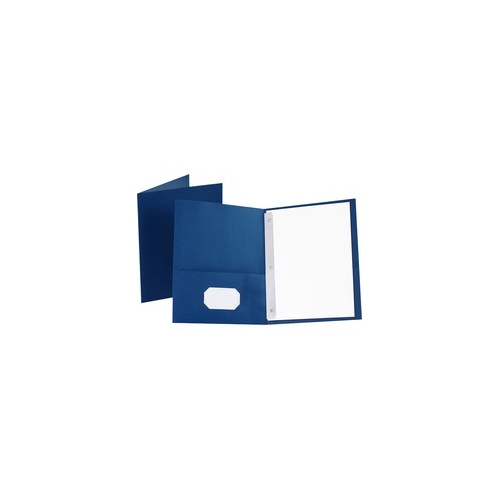
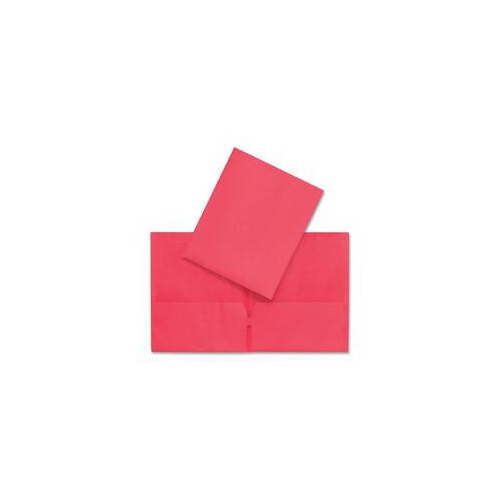

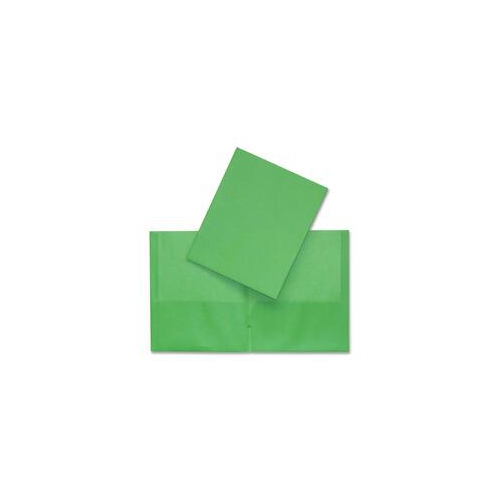

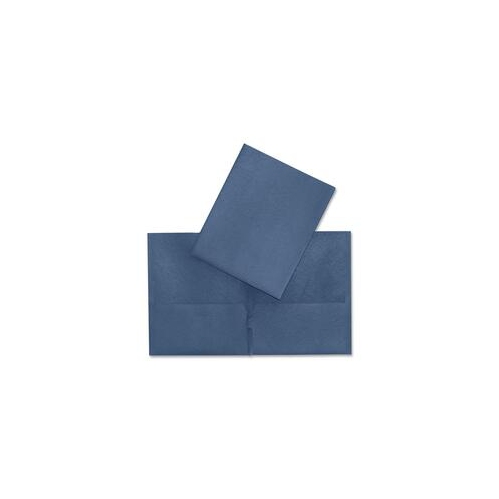
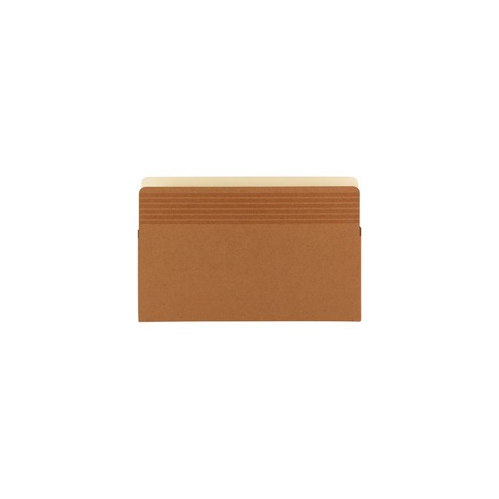
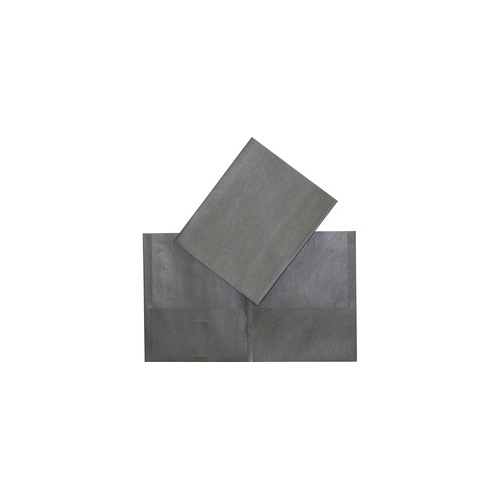
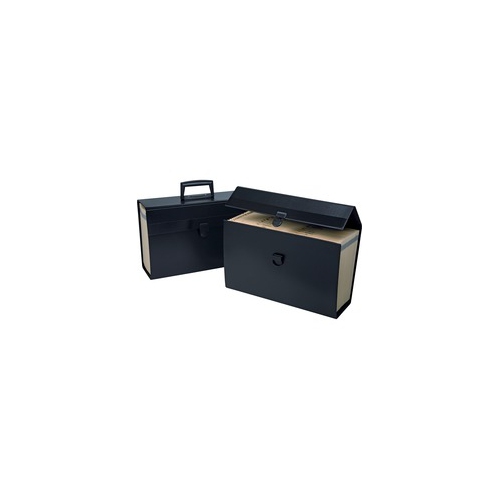


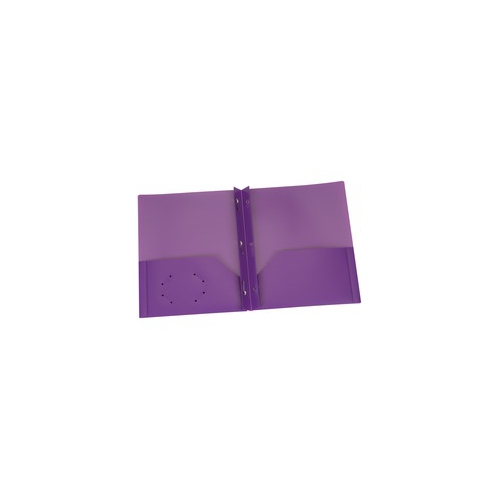
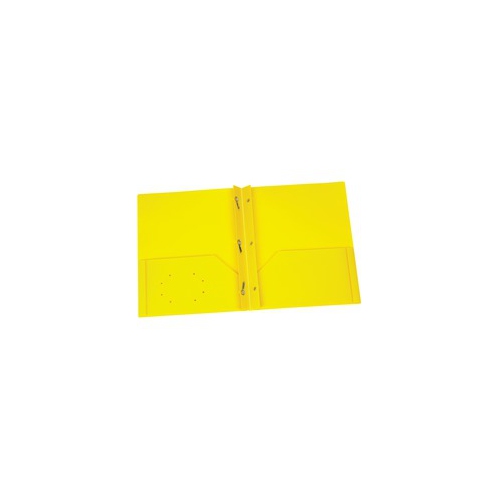
Room for longer paperwork without folds or punched holes
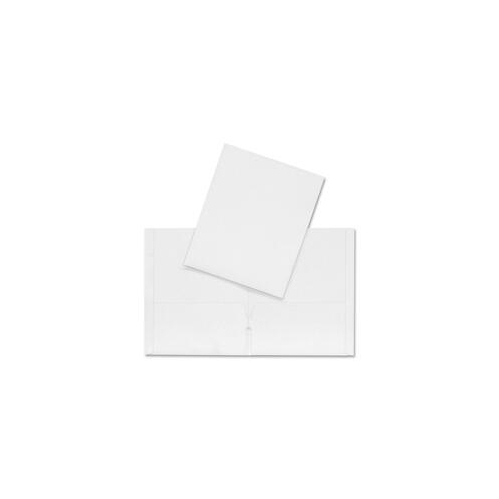
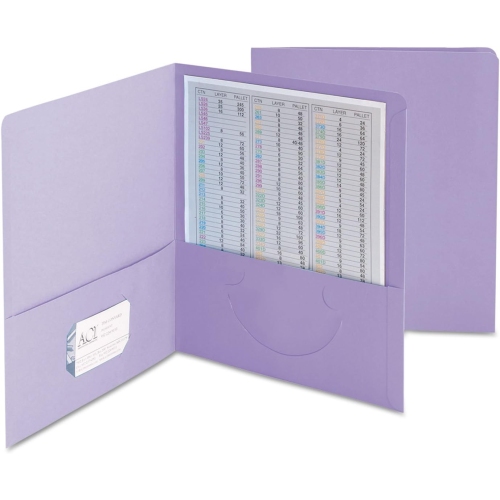
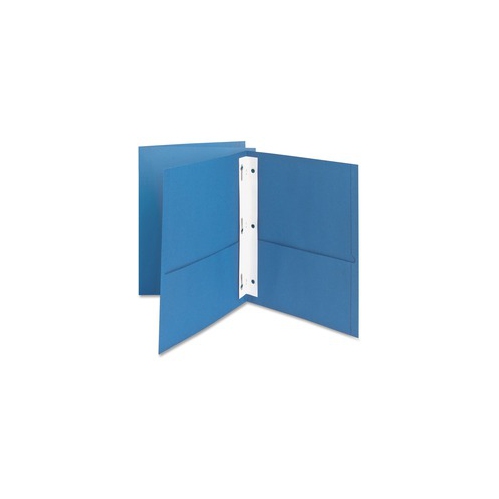
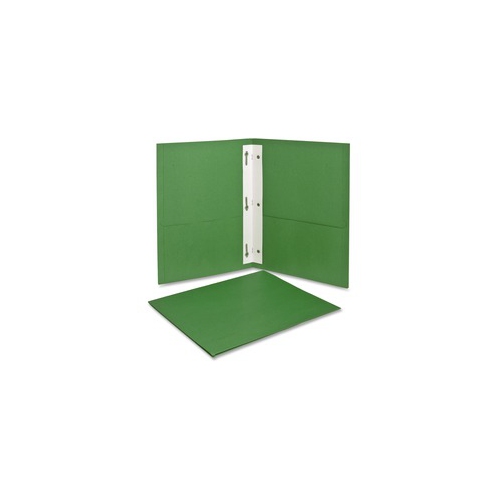
Legal-size pocket folders are document holders designed to organize 8.5-by-14-inch paper without folding it down to fit a smaller folder. Their interior pockets keep loose sheets together while allowing individual pages to be removed, reviewed, and returned without punching holes. The extra length matters when preparing contracts, property documents, financial statements, or other paperwork printed on legal-size sheets. A letter-size folder is intended for 8.5-by-11-inch paper, so longer pages may extend beyond its edges and become creased during handling. A properly fitted legal-size folder gives those pages room to lie flat, with the cover helping protect their corners during everyday use. The legal-size designation describes the paper format rather than limiting these folders to legal work: they can also hold classroom handouts, detailed schedules, application packages, and administrative paperwork. In a client meeting, two interior pockets can separate documents that need a signature from copies intended to go home with the recipient. For a property appointment, one side might hold the main agreement while the other keeps supporting pages close at hand. At home, a folder can bring together longer forms and related correspondence that would otherwise sit in separate piles. Paper size and folder size are not identical, however. The folder’s outside dimensions need to accommodate its covers, folds, and pockets, making them important when fitting it into a briefcase, laptop bag, desk drawer, or storage box. Interior pocket depth also affects how much of each sheet is supported and how easily a page can be grasped. A folder intended for a few presentation sheets serves a different purpose from one carrying a substantial document package, even when both accommodate the same paper dimensions. Keeping the sheet size, stack thickness, and carrying method in mind helps distinguish a neat presentation folder from a folder better suited to frequent handling.
Materials influence how a legal-size pocket folder feels, holds its shape, and responds to daily use. Paperboard and cardstock folders offer a familiar presentation surface with enough structure for lighter document packages. Their finish may be smooth, textured, or coated, and that finish affects whether handwritten labels, adhesive labels, or printed identification are practical. Heavier cardstock generally provides more support than a thin paper cover, although the folds and pocket attachments also contribute to durability. Repeatedly opening a heavily filled folder can put strain on the spine, while loose corners inside a crowded pocket may catch as sheets are removed. Plastic folders, including those made from polypropylene, provide a different balance of flexibility and resistance to incidental splashes. A wipeable surface can be useful for paperwork carried between appointments or handled frequently at a shared desk, but a plastic cover does not make an open-pocket folder waterproof. Liquid can still reach the contents through exposed edges. Opaque covers keep the top page from being immediately visible, while translucent covers can make it easier to recognize a document package without opening it; neither replaces secure storage for confidential information. Pocket construction matters as much as cover material. Taller pockets support more of the page, and reinforced edges can help with repeated insertion and removal. Some designs include business card slots for contact details, while others have fasteners for compatible hole-punched pages. A scored or flexible spine may accommodate a thicker stack, but stated capacity remains more useful than appearance alone. Overfilling can bow the covers, stretch the pocket joins, and leave sheets sitting unevenly. Basic care is straightforward: clean hands help keep paper covers presentable, and plastic surfaces can be wiped gently according to their care directions. Keeping folders away from spills, excessive weight, and sharp objects helps preserve both the holder and the paperwork inside. Adhesive labels also last better on clean, dry surfaces, especially when folders are repeatedly pulled from a shelf or bag.
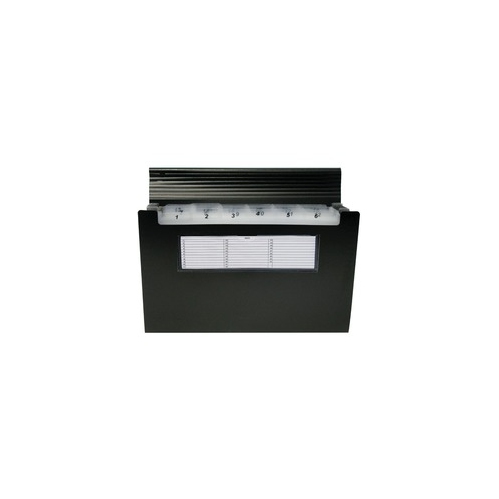
The most useful pocket arrangement depends on what happens to the paperwork after it is filed. A folder used for a presentation benefits from a clear reading order, with the main document easy to find and supporting information kept separate. For an accountant, office administrator, real estate professional, or legal support worker, that separation can help distinguish incoming forms from completed paperwork without creating several small stacks on a desk. Students and instructors may use the same format for oversized worksheets, course documents, or project submissions, while households can use it to keep a single application or transaction together. Colour can provide a simple visual cue when several folders share a drawer: one colour might identify a household member, another a project, and another paperwork awaiting a response. Written labels remain useful alongside colour, particularly when folders are stored with only an edge visible. Consistent placement of the name, subject, or reference number makes a folder easier to identify without opening every cover. Pocket folders work particularly well for a defined set of documents that needs to be reviewed or handed over together. For larger groups of paperwork that need separate compartments, Legal Size Expanding File Folders provide a different format, with divided sections that can organize documents by subject, date, or account. That distinction helps keep a slim presentation package from becoming an overfilled catch-all. Within a pocket folder, placing related pages in sequence and keeping small receipts in a suitable envelope can make the contents easier to handle. Clips may help secure a short set of sheets, provided their added thickness does not distort the cover. Open pockets allow convenient access, but they are not a closure system; carrying the folder upright inside a suitably sized bag reduces the chance of loose pages slipping out. Matching the format to the amount of paperwork and the way it travels keeps legal-size documents orderly, readable, and ready for their next use.
Top selling and popular products
-
 Your price for this item is $5.99
-
 Your price for this item is $20.99
-
 Your price for this item is $40.99
-
 Your price for this item is $40.99
-
 Your price for this item is $141.75
-
 Your price for this item is $7.99
-
 Your price for this item is $47.99
-
 Your price for this item is $25.99
Discover more categories related to Legal Size Pocket Folders

Top Collections:
Best Black Friday Deals This Year, Best Black Friday Deals On Electronics, Kindle Devices, Dyson Airwrap, Best Cameras for Sports Photography, Best Budget Office Chairs, Canon G7X Cameras, PS5 Pro Consoles, Best Black Friday Deals On Apple Products, XBOX One S Consoles
Some products may be subject to Environmental Handling Fees
(EHF) depending on your province.
Learn more about EHFs.