Letter Size Folders
Organize your important documents with ease using our collection of letter-size folders. Whether you're a student, a professional, or a busy parent, these folders are designed to keep your papers neat, organized, and easily accessible. With a variety of styles, colors, and materials to choose from, you can find the perfect folder to suit your needs. From basic file folders to expandable options for bulkier documents, our selection has something for everyone. Stay organized and efficient with our letter-size folders, available at Best Buy.
Sort



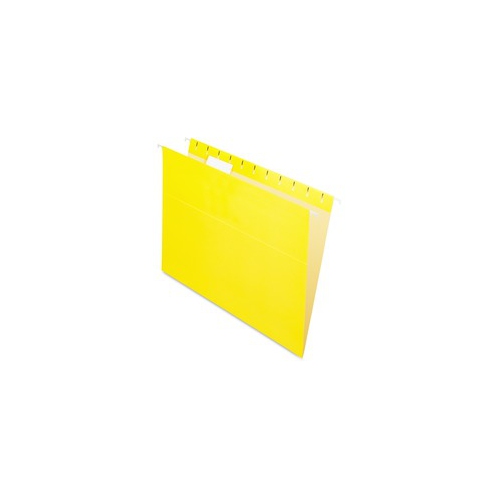
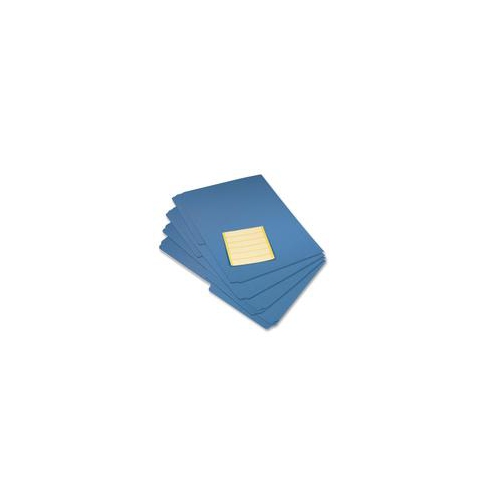
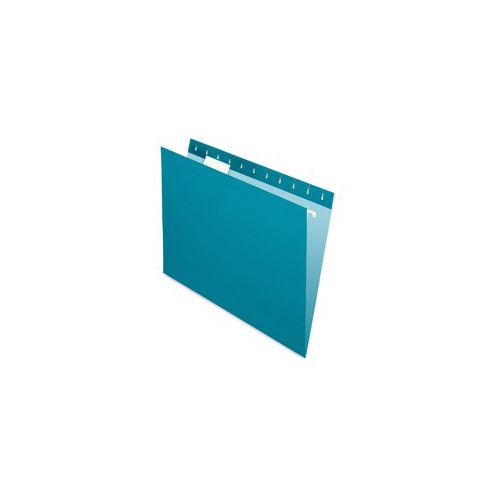
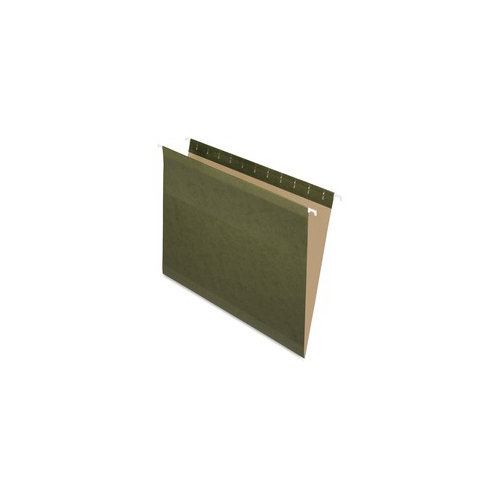

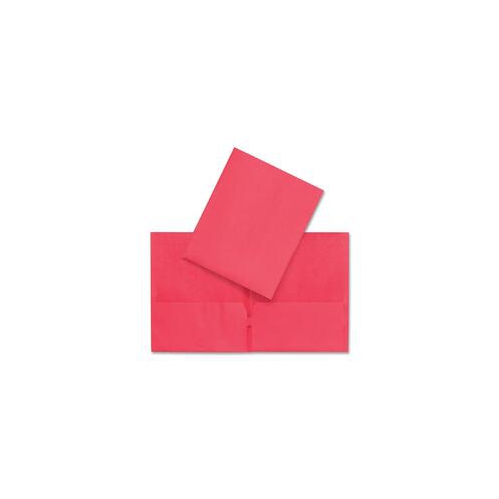
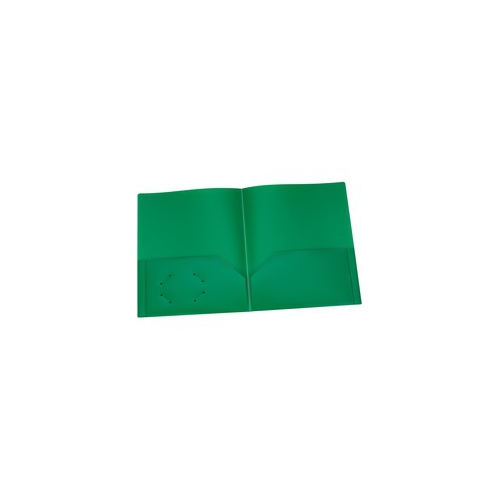
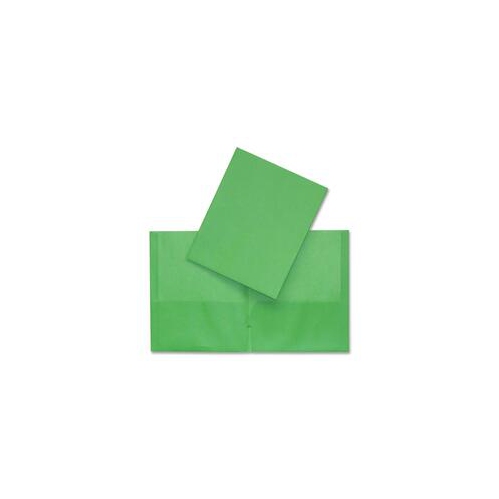
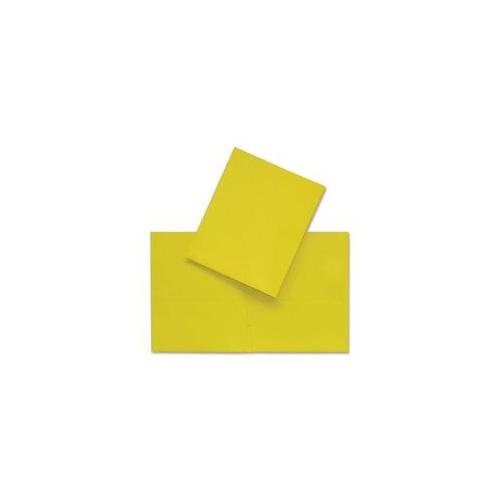

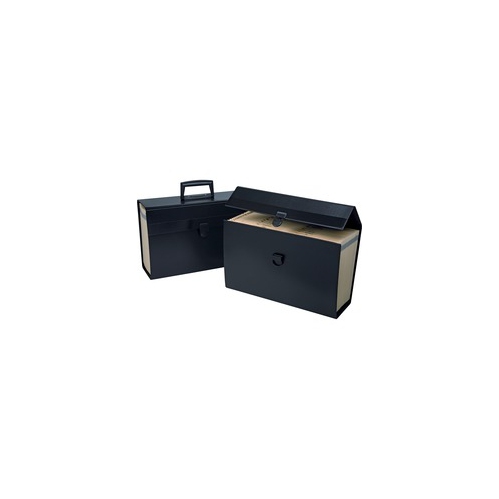
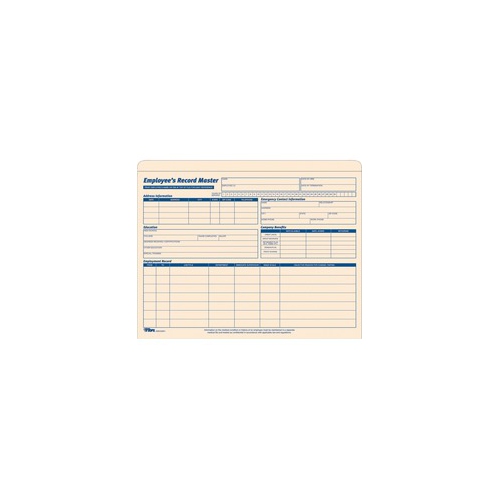
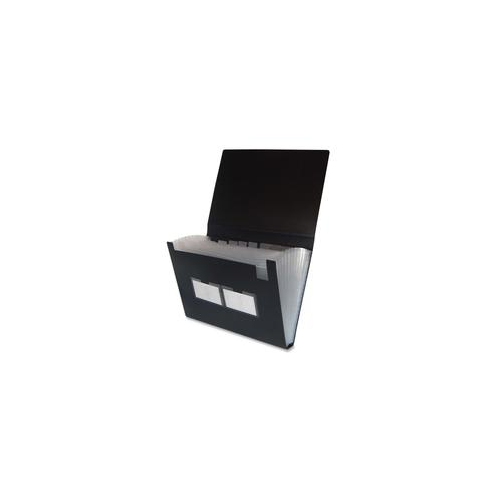
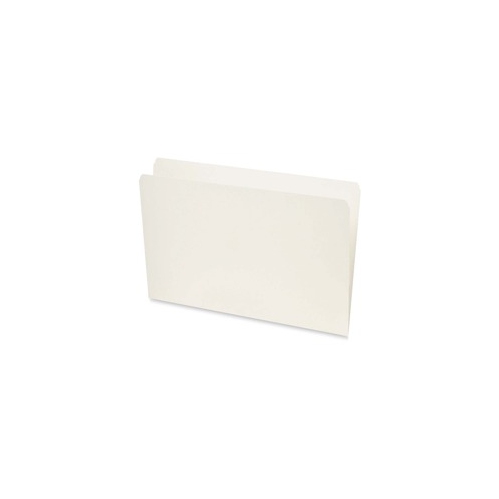
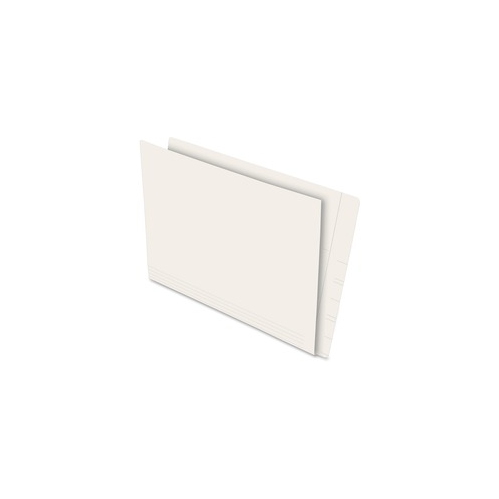



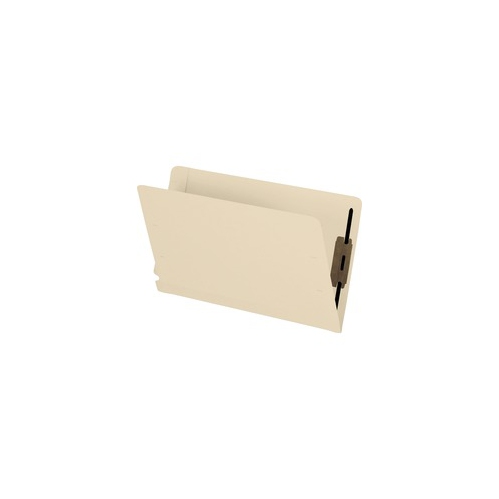

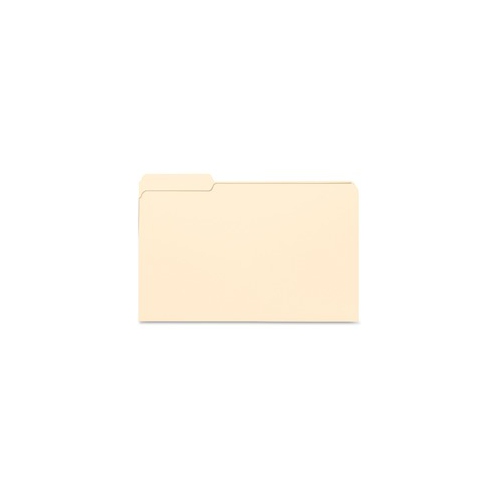


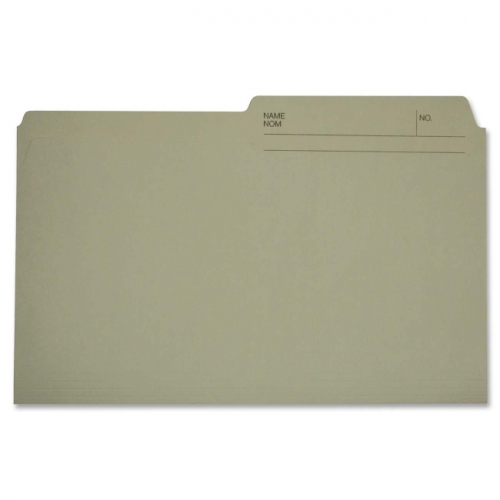

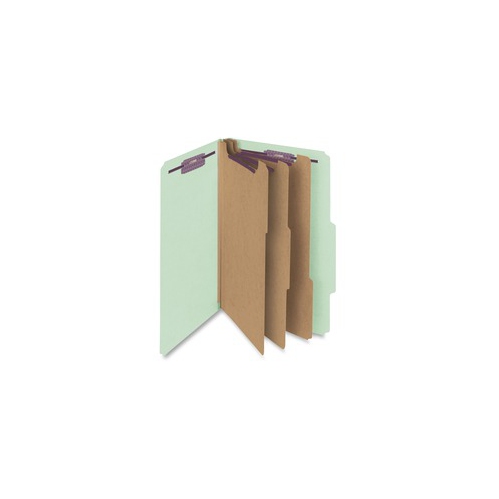
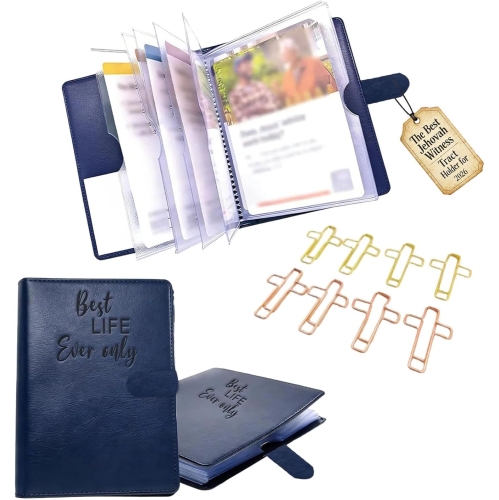
Practical filing ideas for papers at home, school, or work
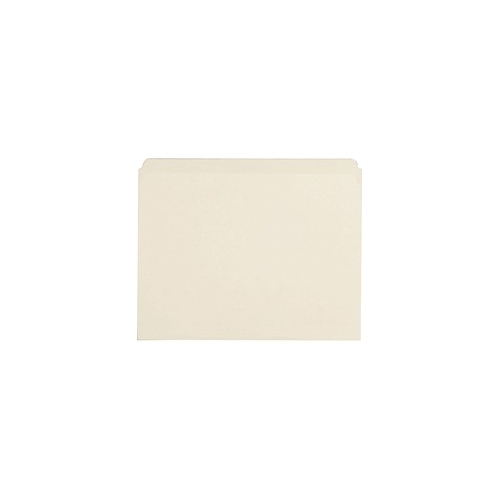
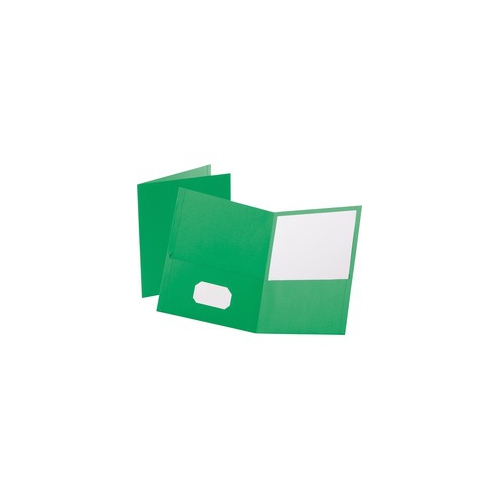
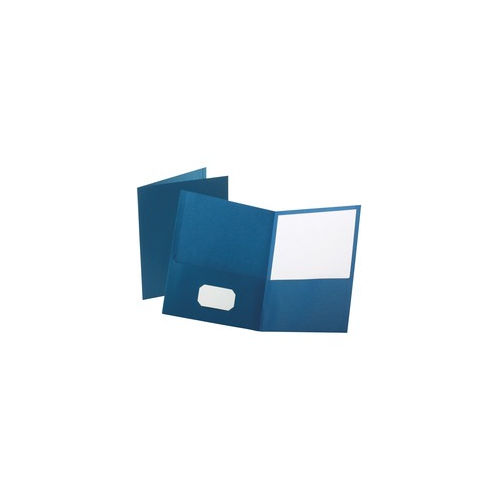
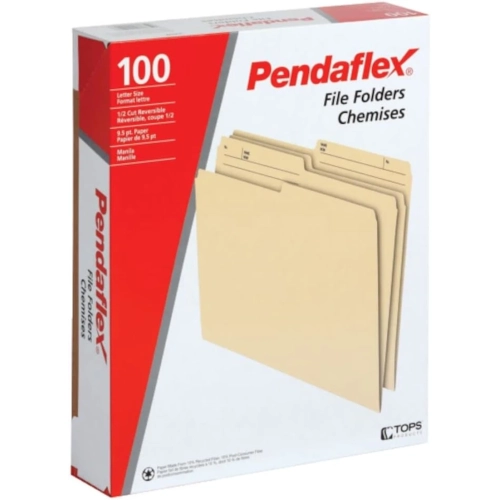
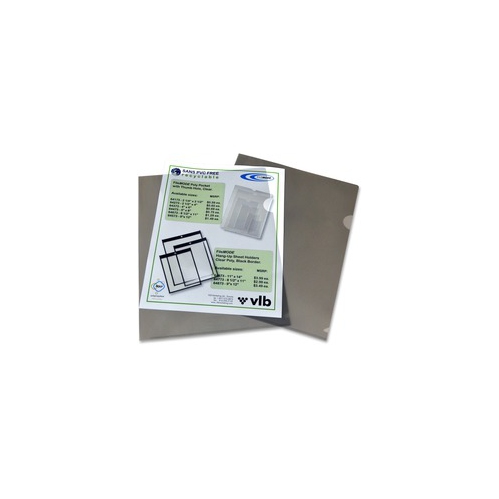
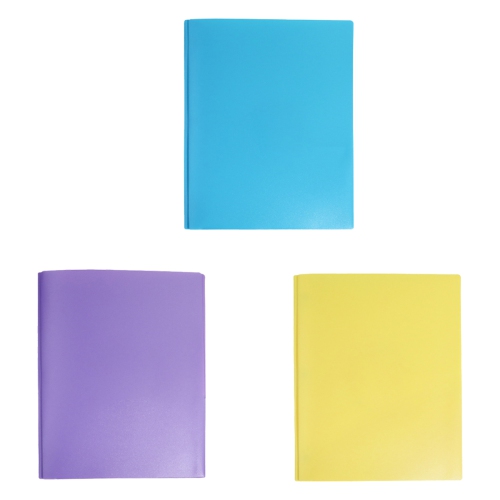
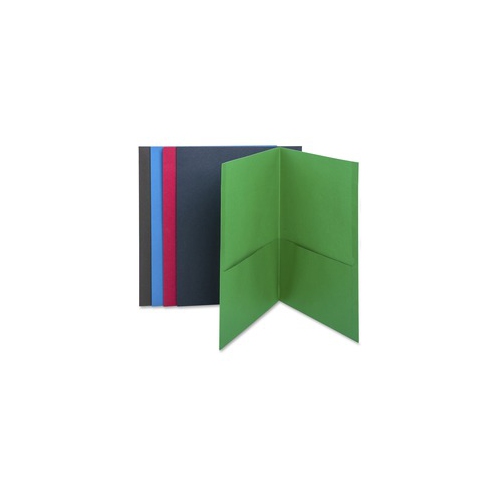
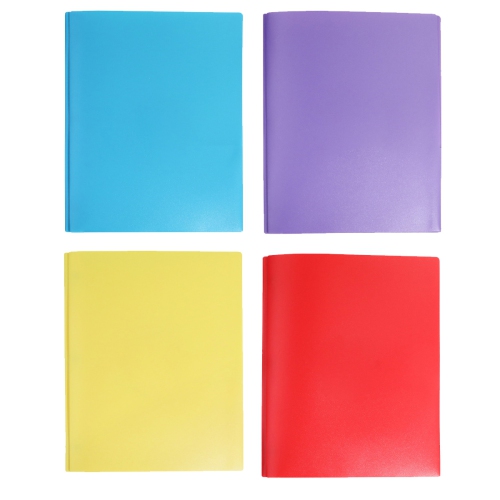
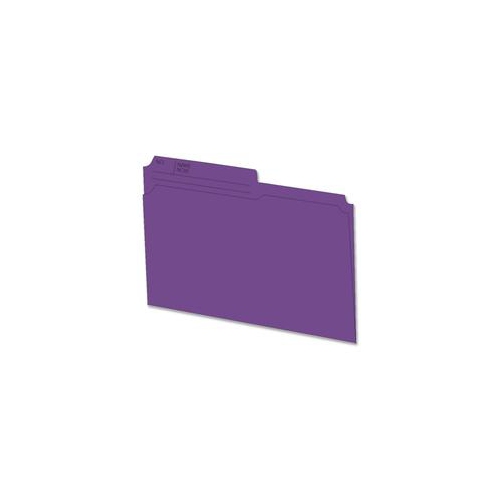
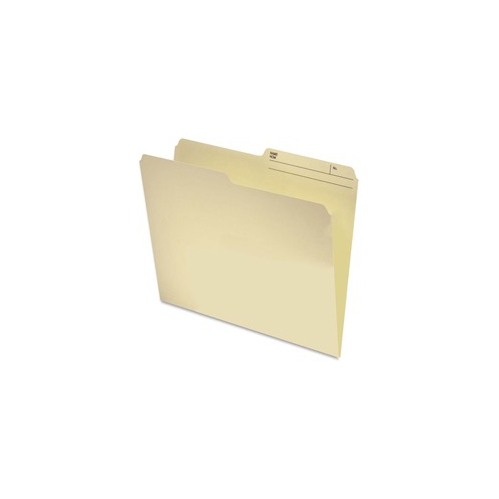
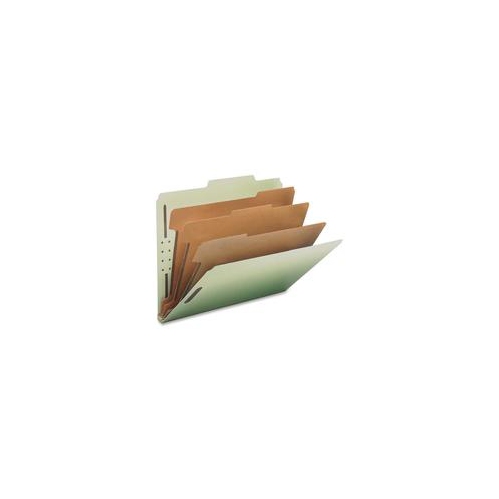
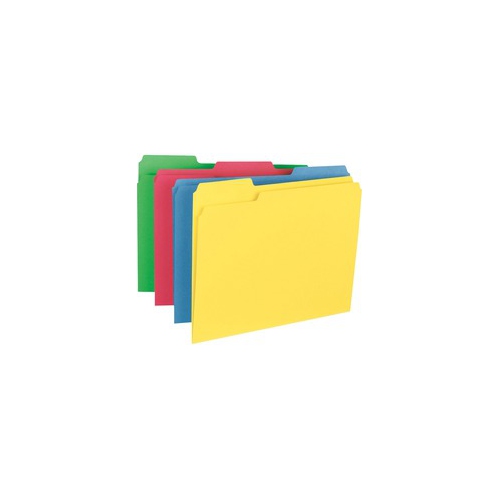
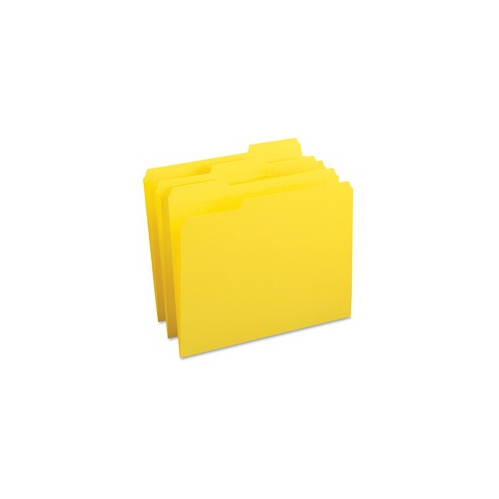
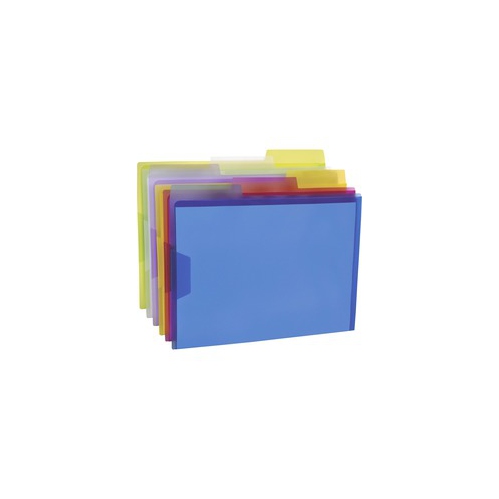
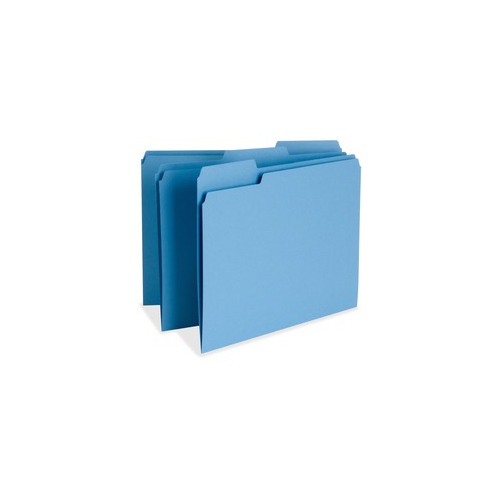
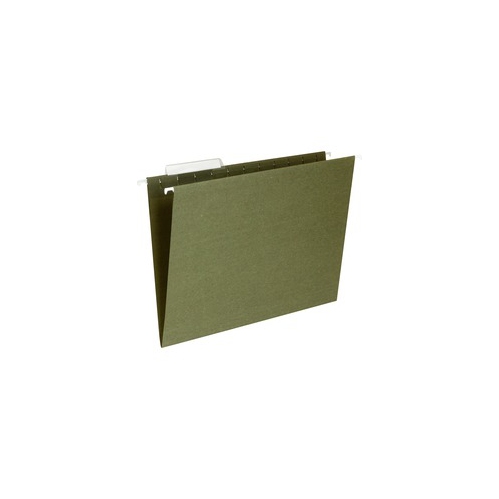
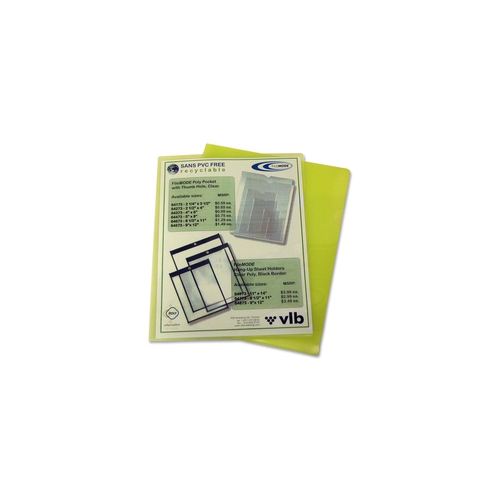
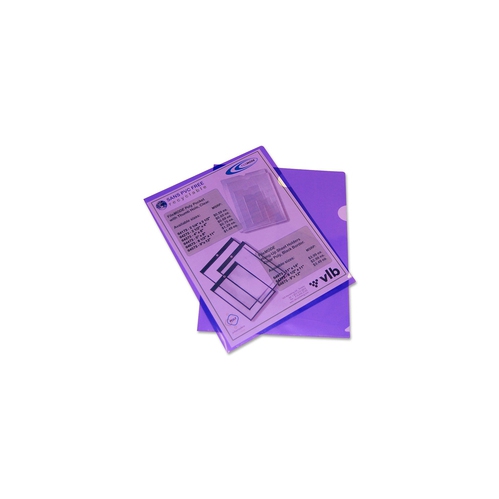
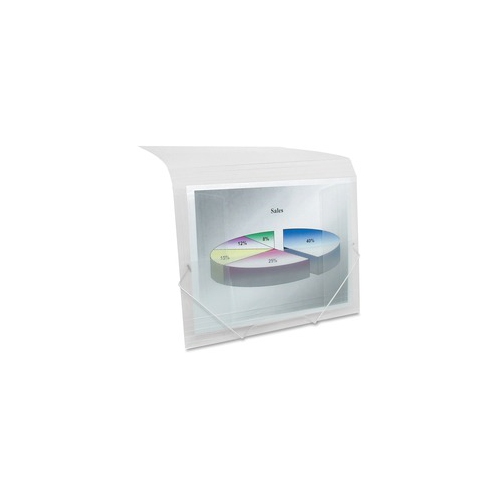
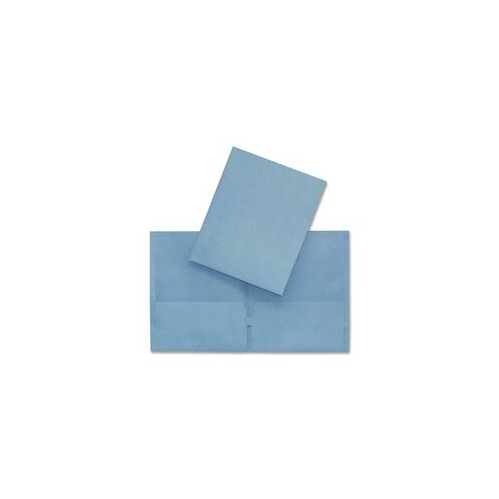
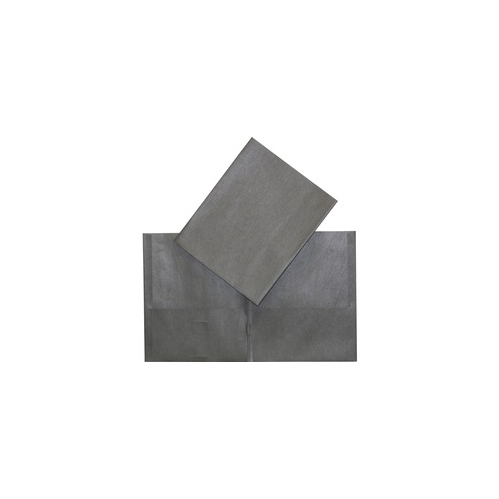
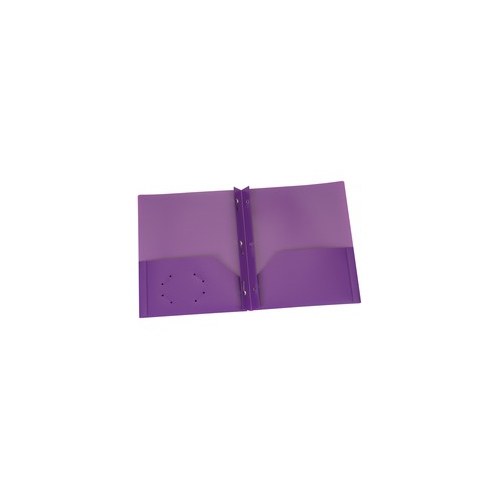
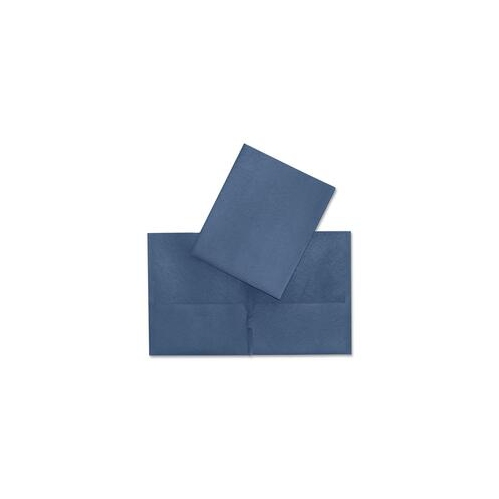
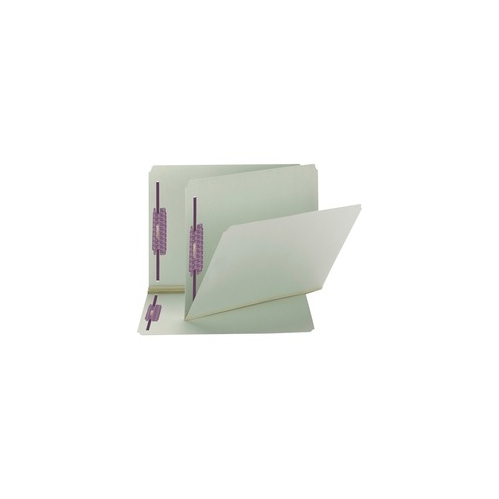
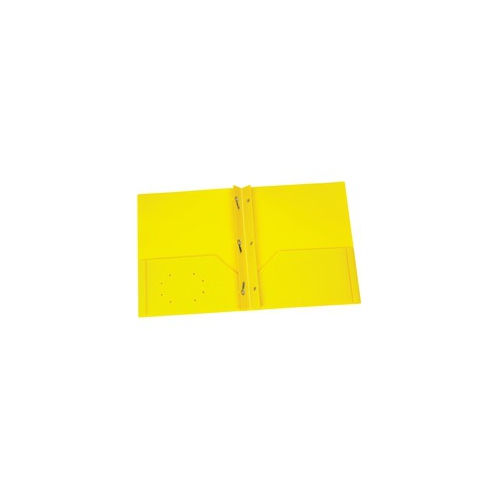
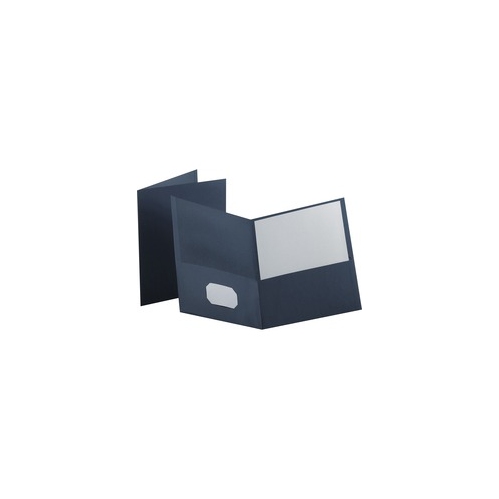
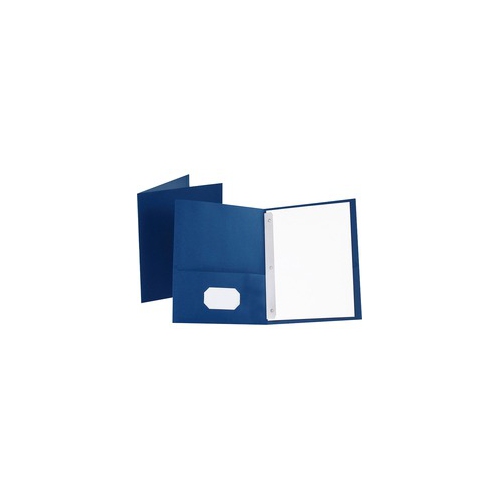
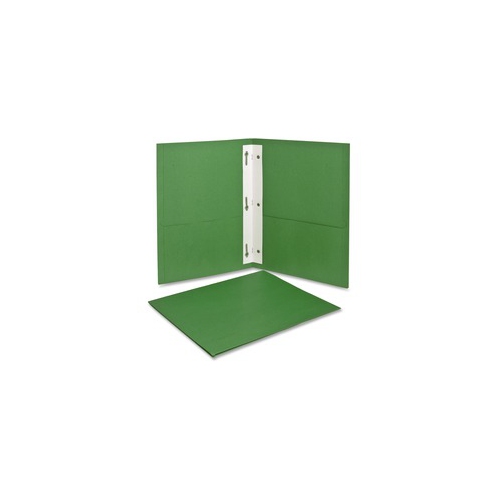
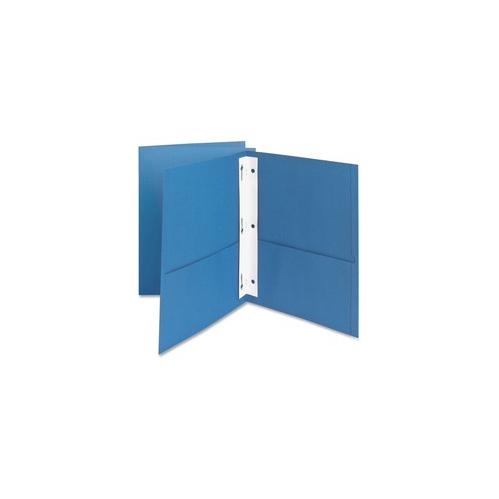
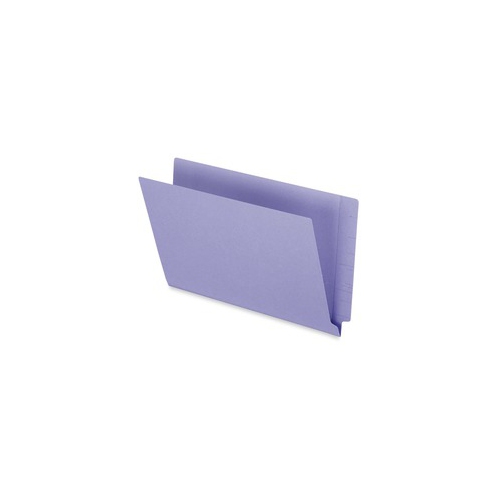
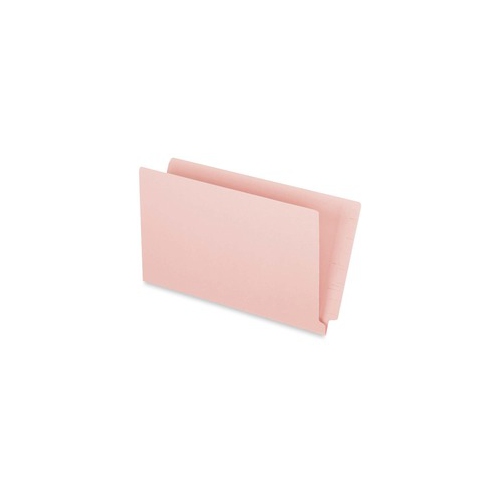
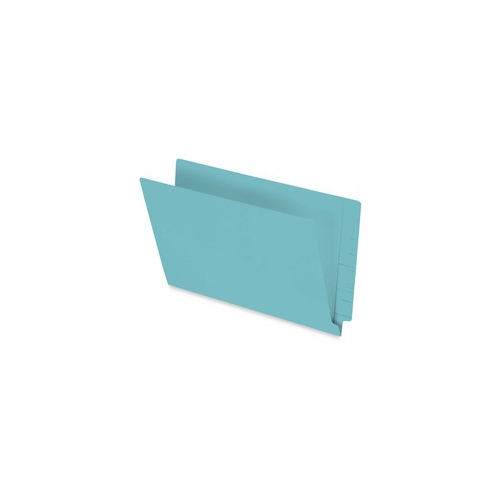
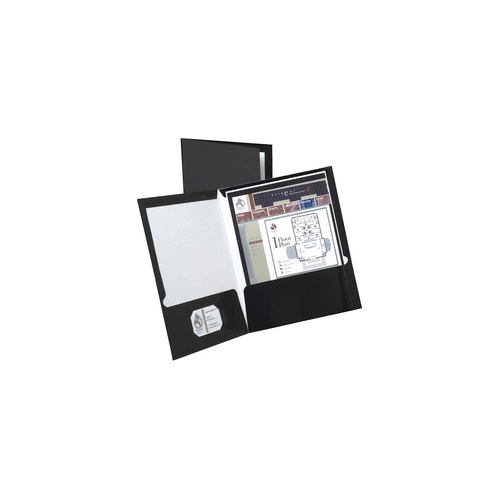
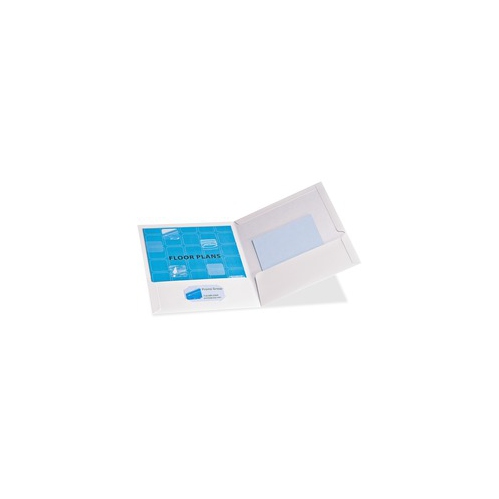
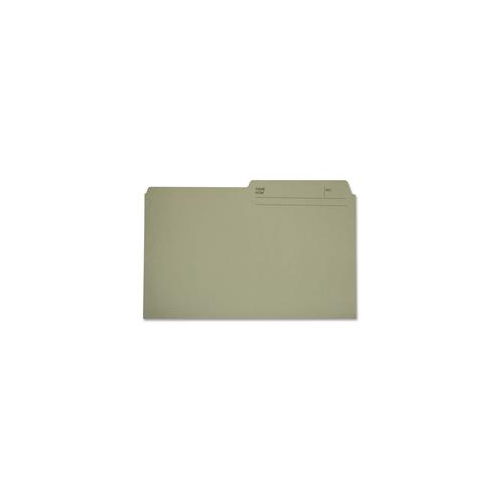
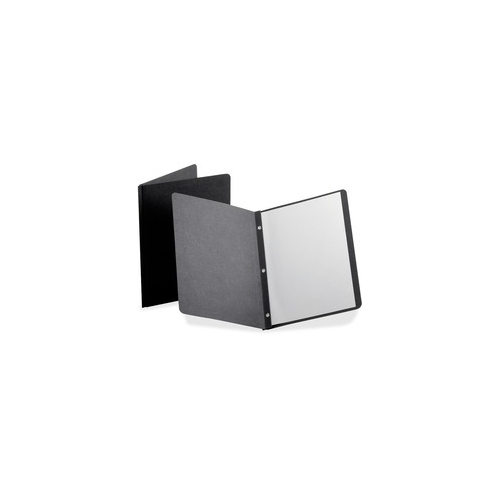
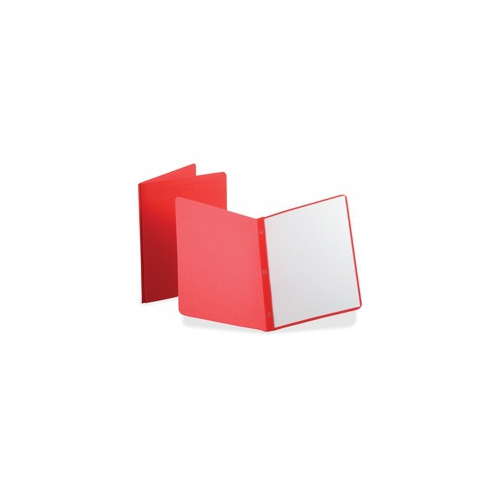
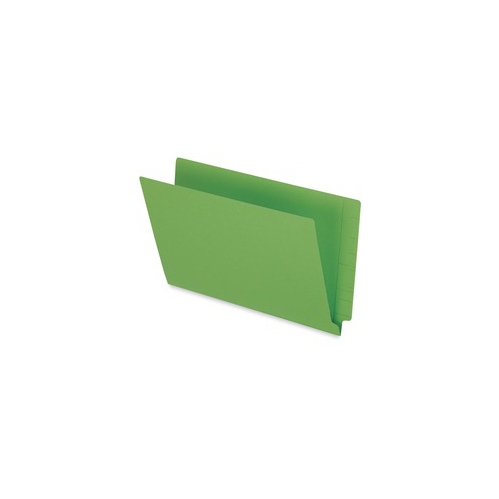
Letter size folders are made to organize standard 8.5 x 11 inch documents, making them a practical choice for home offices, classrooms, workplaces, studios, and family filing systems. Depending on the style, a folder may measure roughly 9 x 11.75 inches for everyday filing or closer to 9 x 12 inches when designed as a presentation portfolio with protective pockets. That small amount of extra room helps pages slide in smoothly without folded corners, while still allowing the folder to fit inside many drawers, cabinets, backpacks, and desk organizers. Letter size folders can hold invoices, receipts, contracts, school assignments, medical paperwork, project notes, reference sheets, and other documents that tend to collect in uneven stacks. They are also useful for separating papers by client, subject, household member, project, or deadline. A simple colour system can make a filing routine easier to maintain: one colour for financial records, another for home documents, and another for school or work materials. For a shared household, labelled folders can give each person a clear place for important papers, reducing the familiar scramble through a kitchen drawer when a warranty, permission form, or tax document is needed. When selecting folders, start with how the contents will be stored and handled. Standard paper or manila folders are lightweight and convenient for desk drawers and filing cabinets, while poly and plastic folders are better suited to frequent transport, damp environments, or materials that need additional protection from spills and tearing. A folder used mainly at a desk may only need a tab and a single compartment; one carried between home, school, and work may be more useful with reinforced edges, pockets, a closure, or a more flexible water-resistant surface.
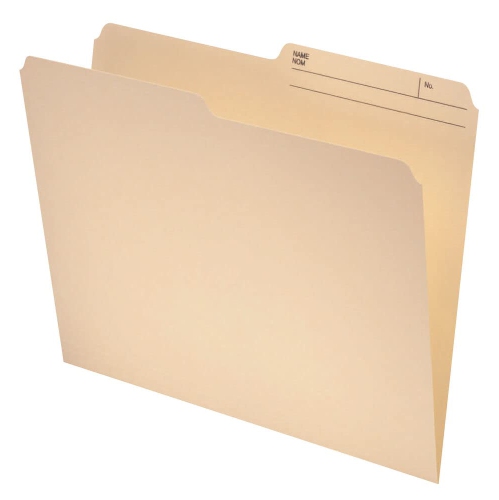
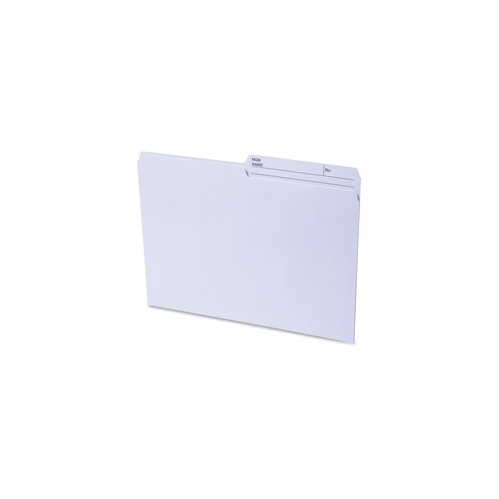
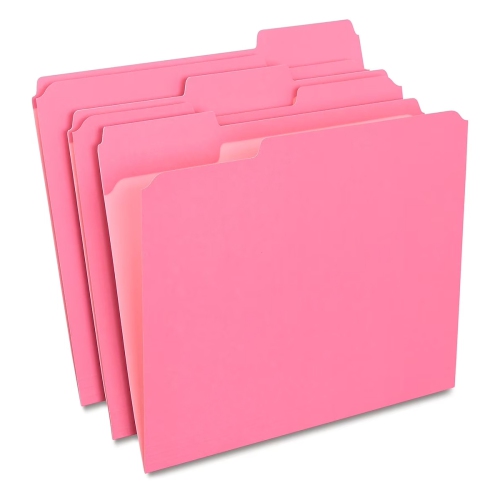
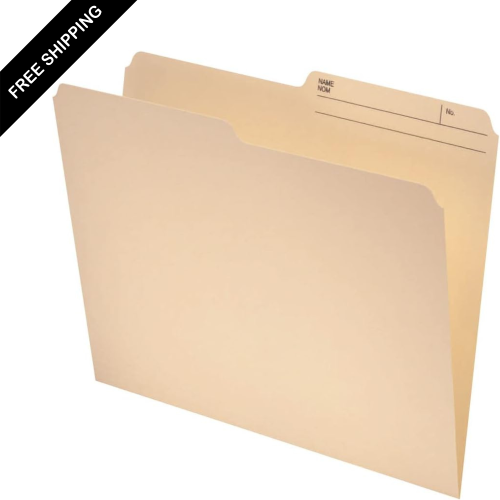
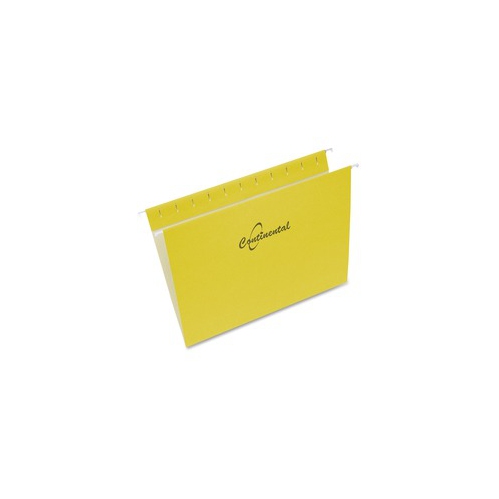
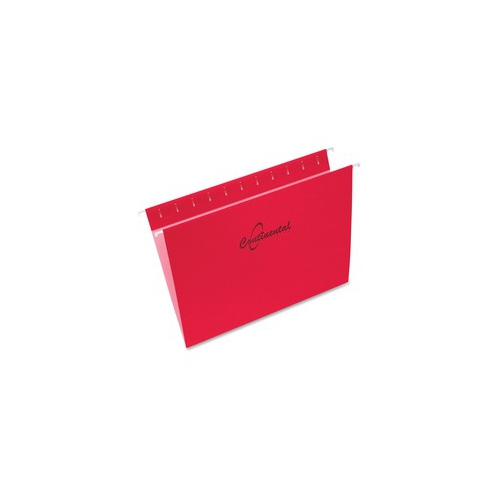
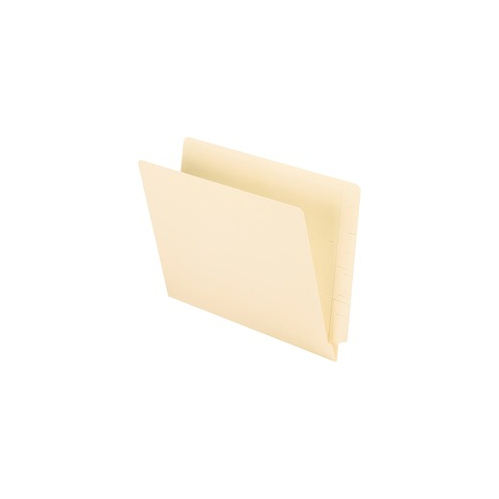
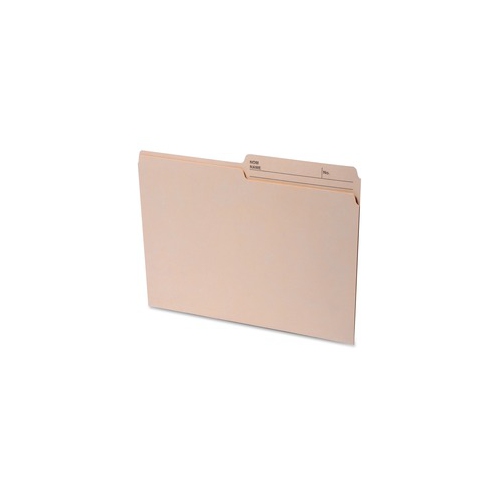
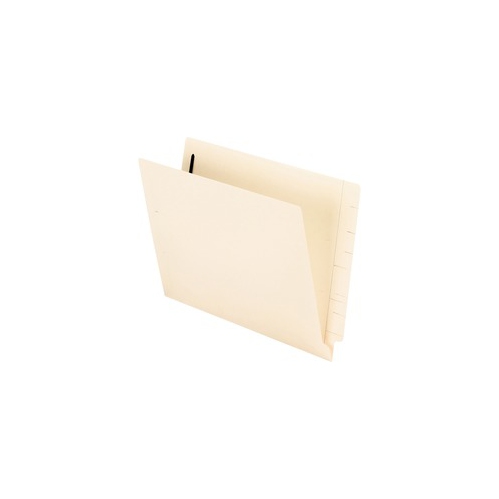
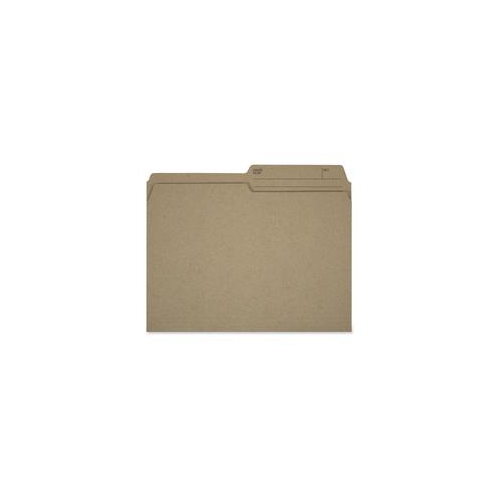
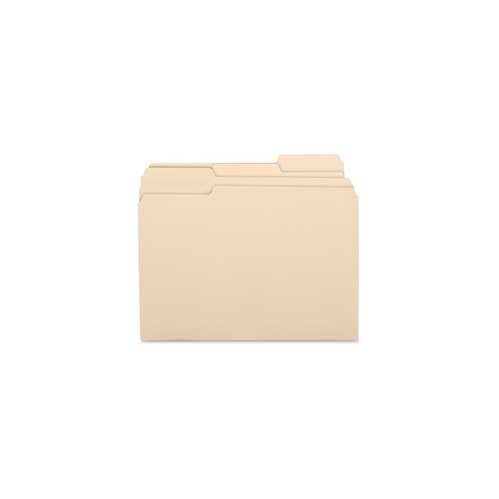
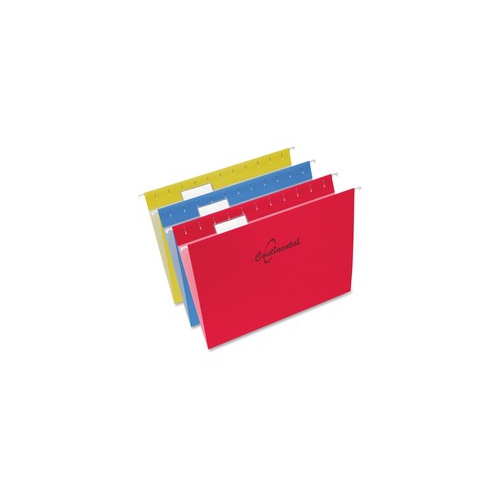
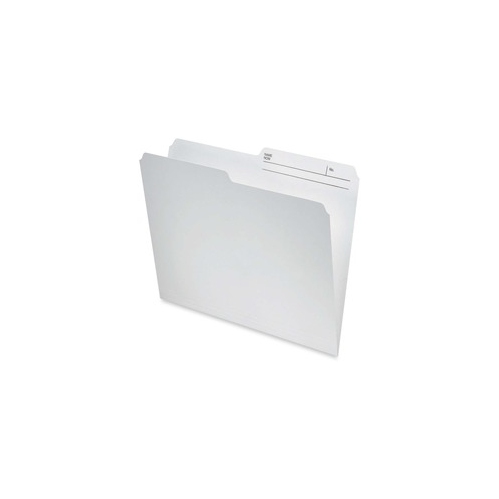
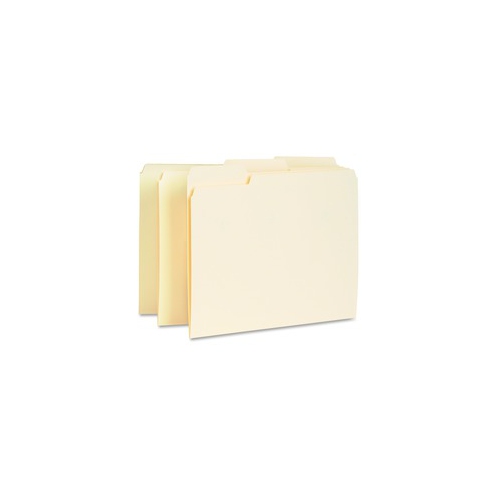
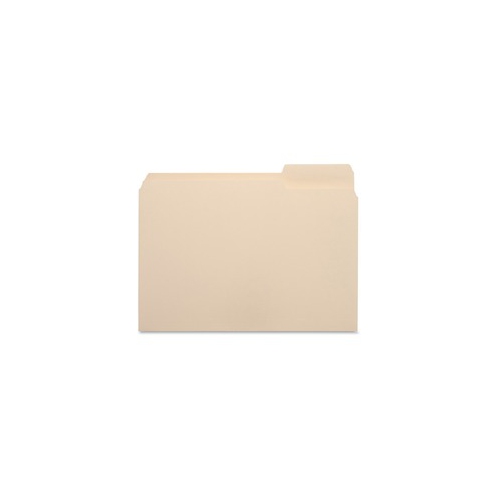
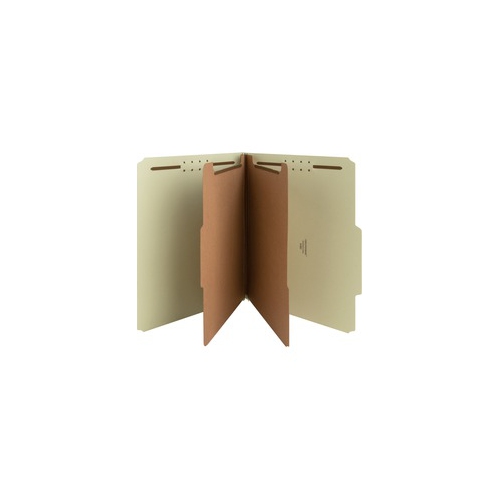
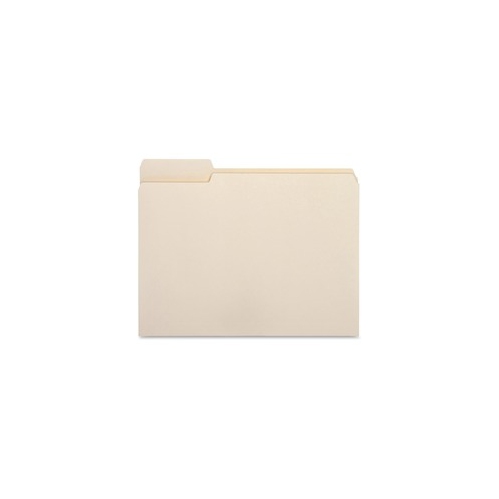
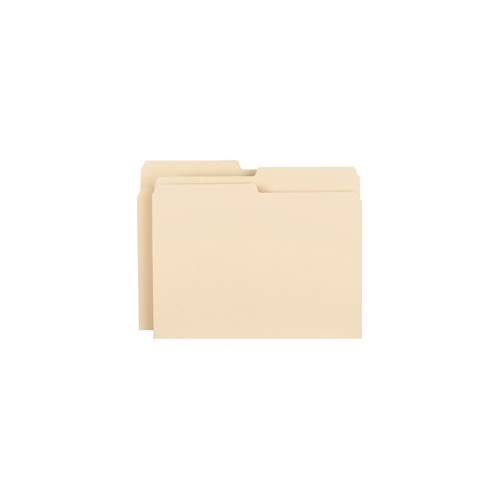
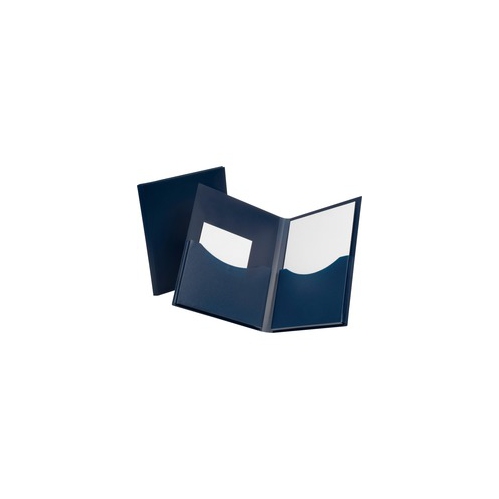
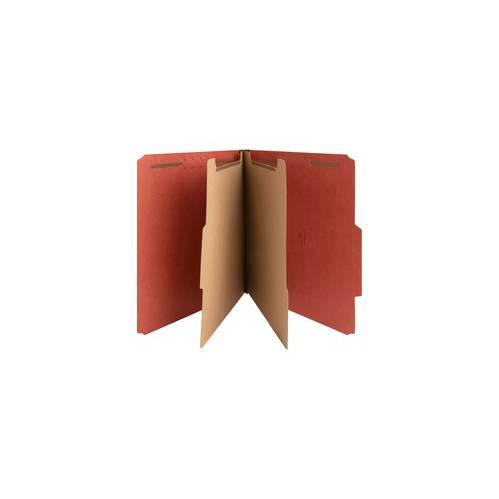
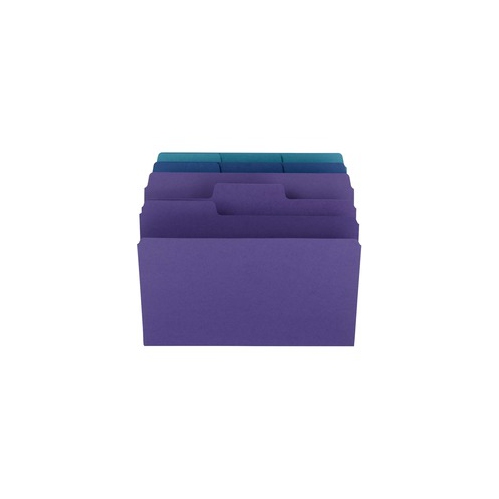
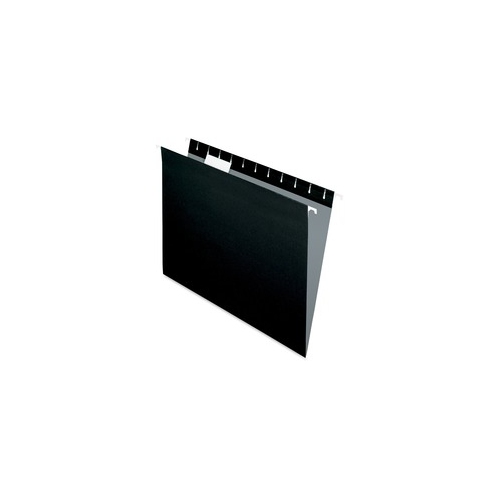
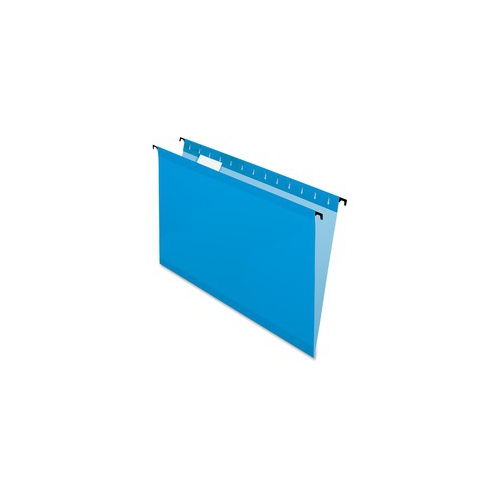
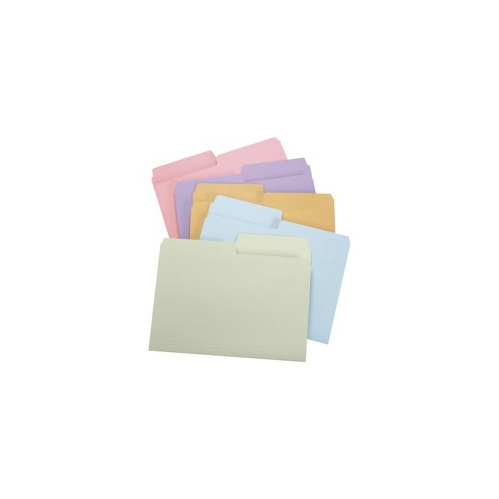
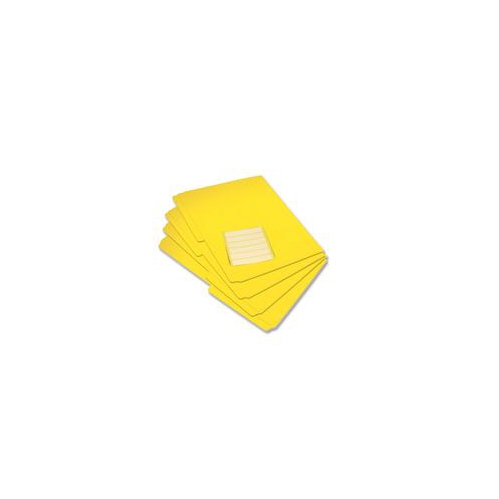
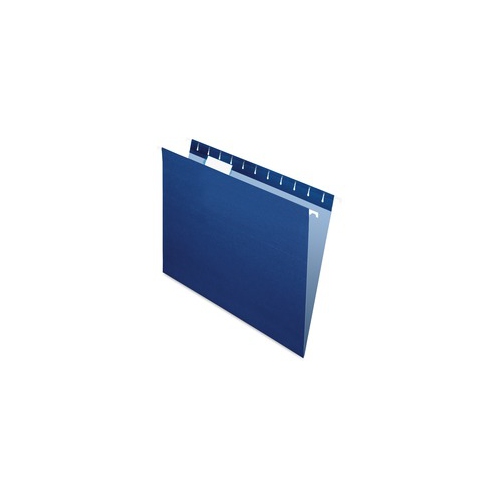
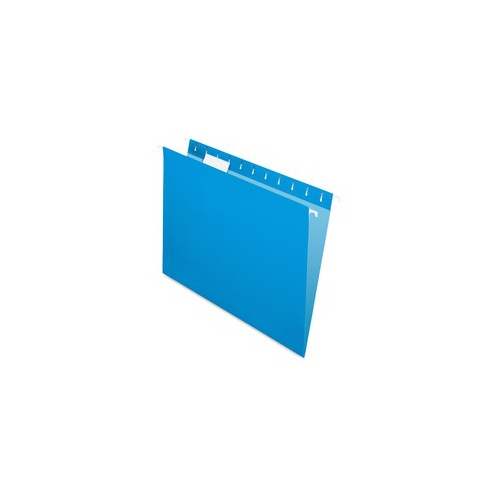
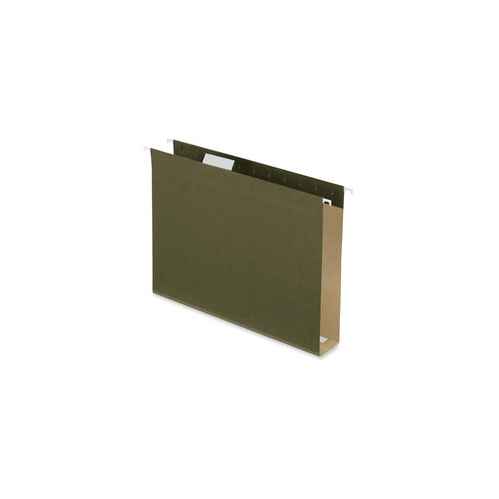
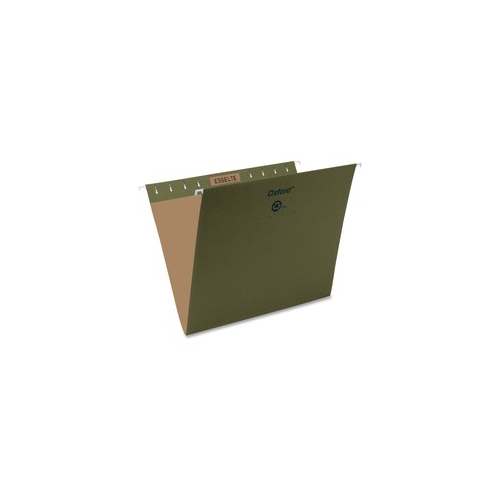
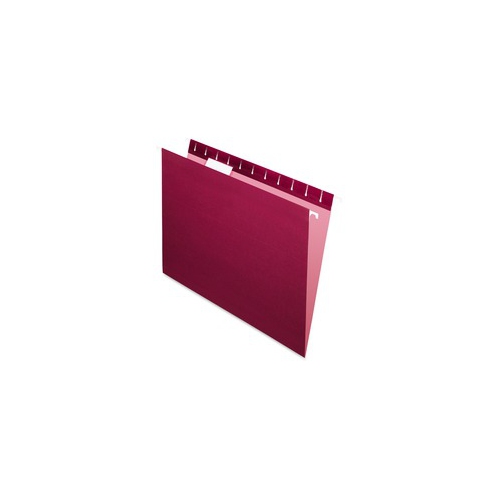
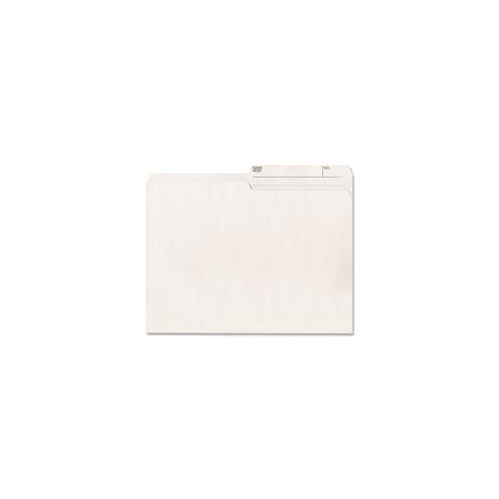
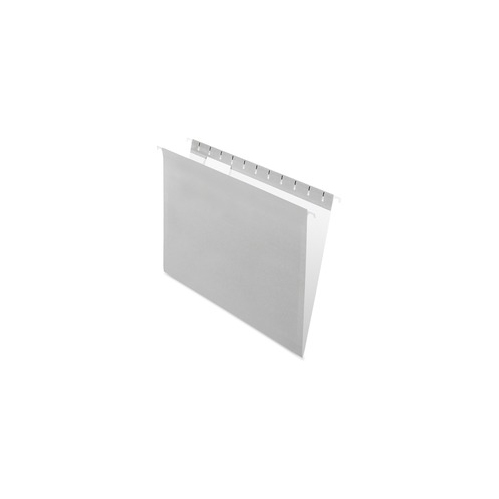
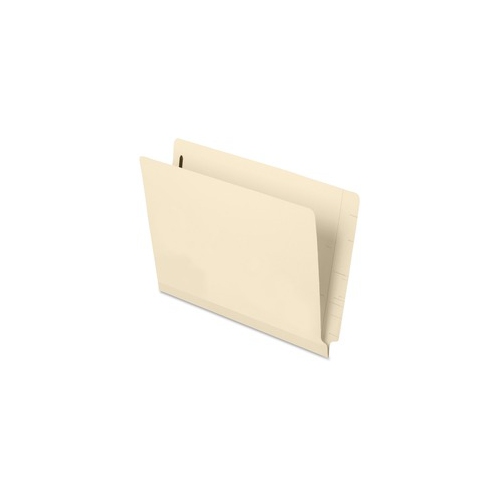
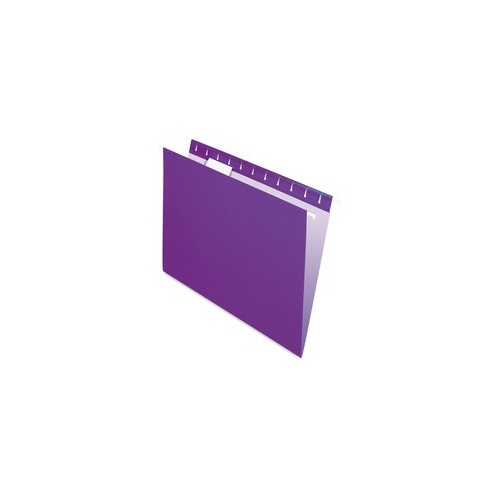
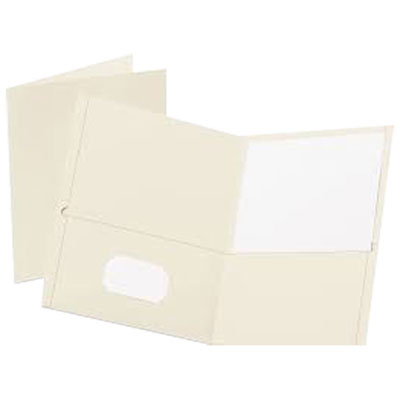
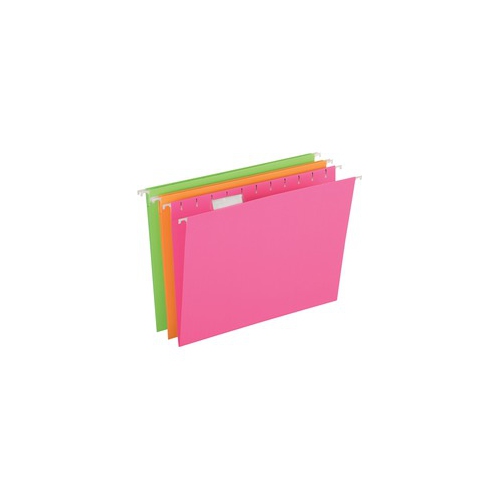
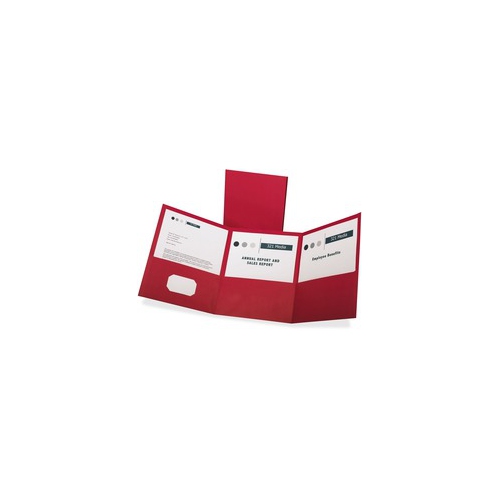
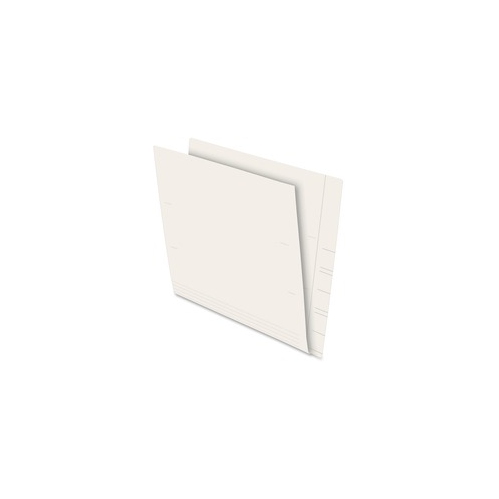
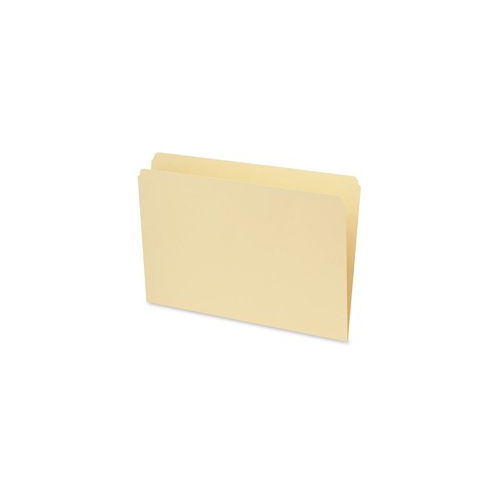
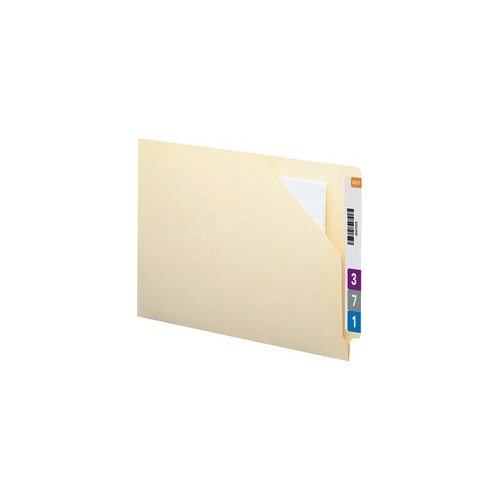
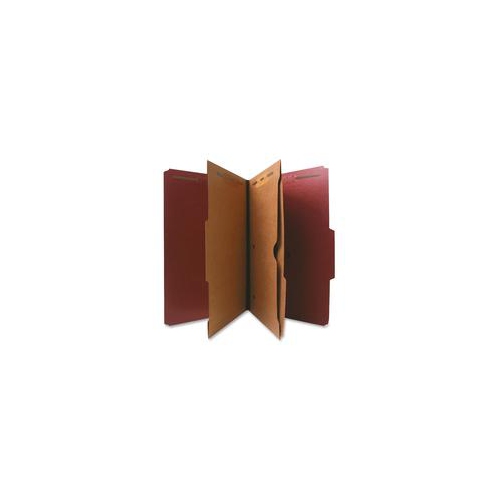
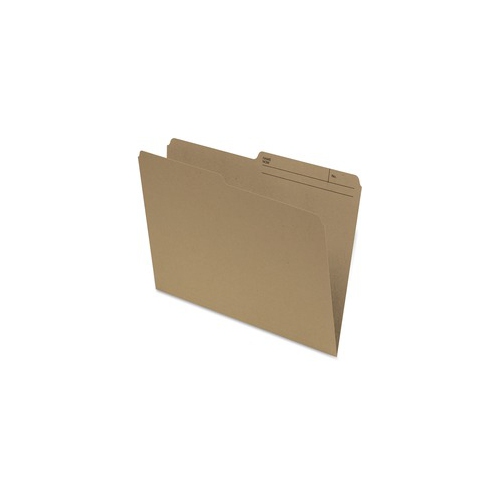
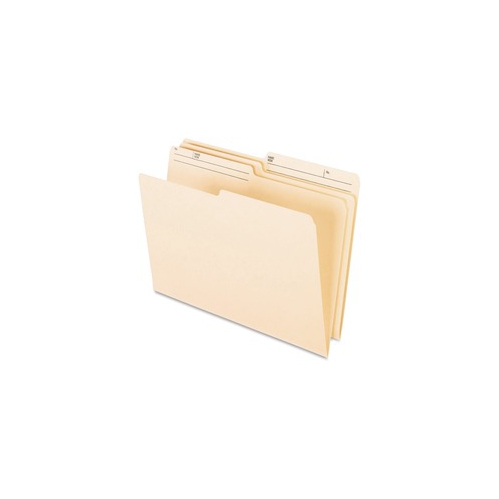
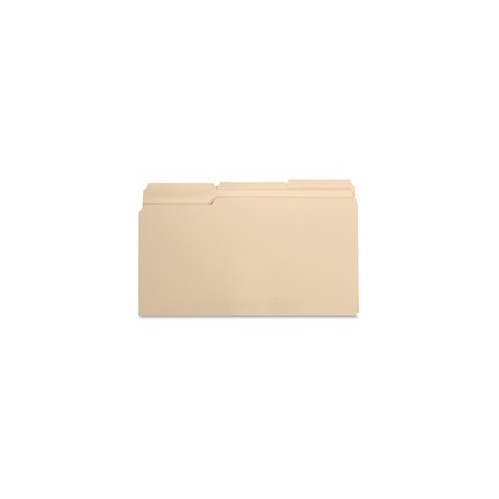
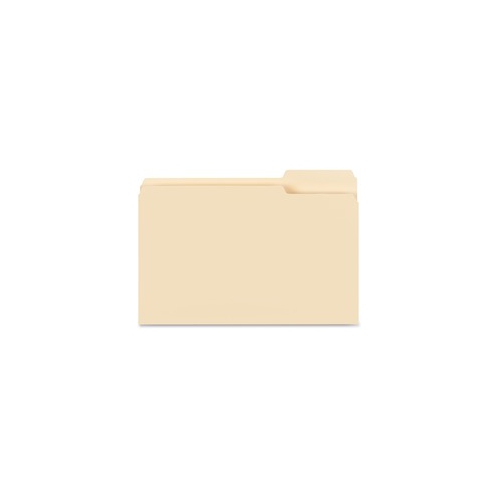
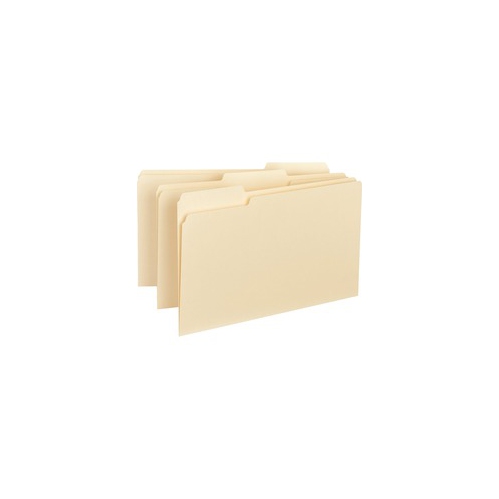
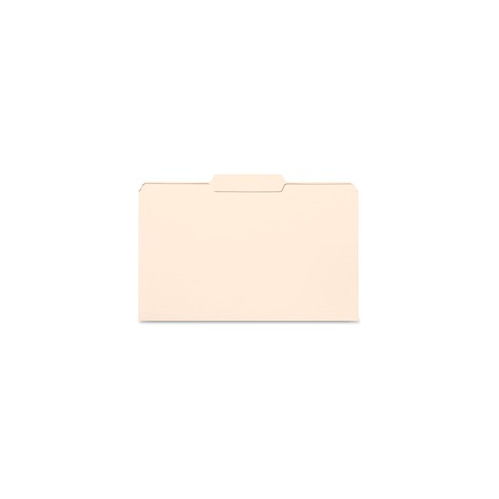
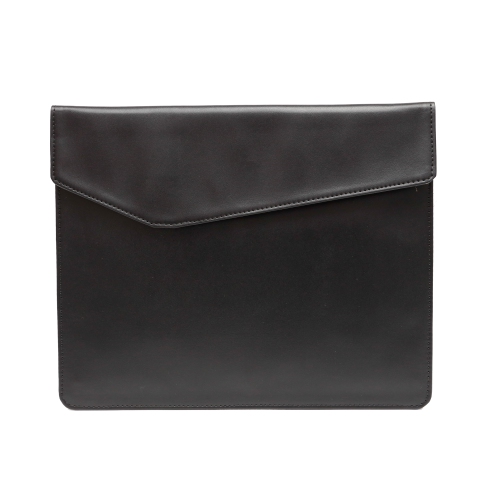
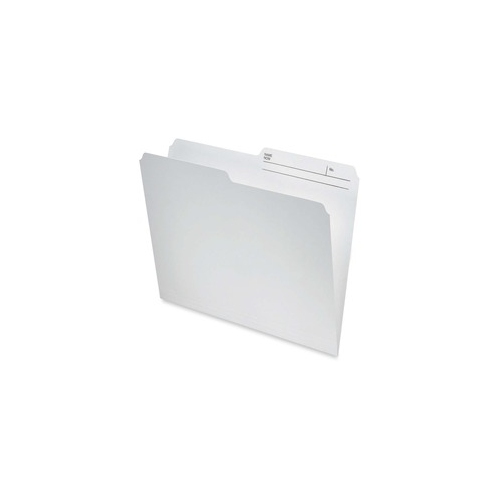
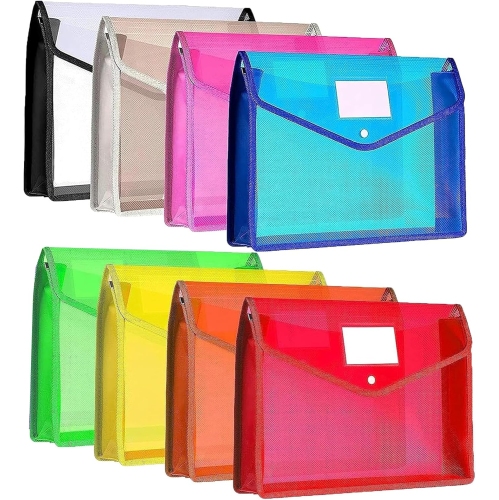
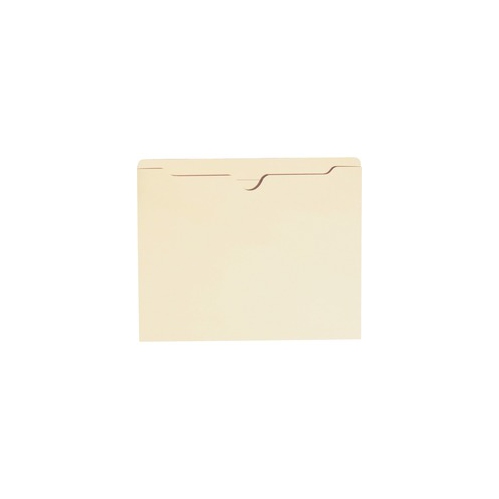
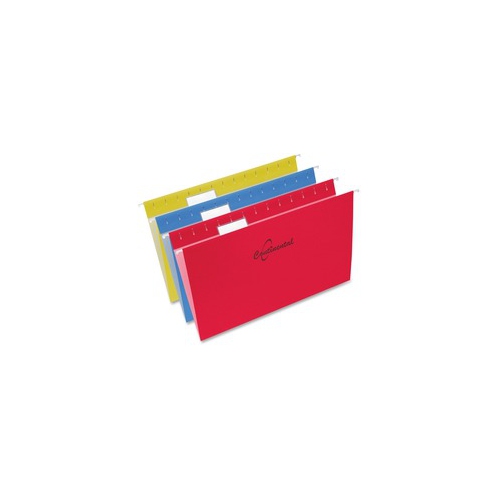
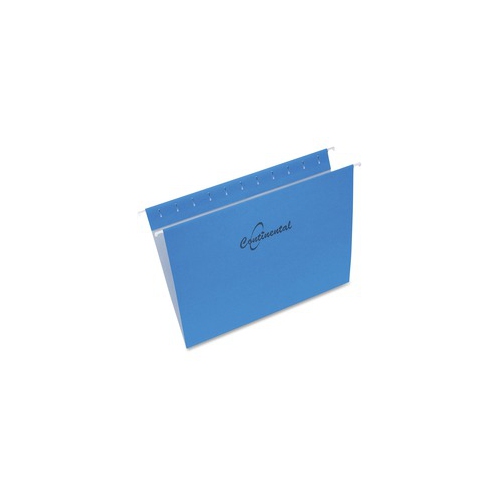
Letter size folders are available in several formats, each suited to a different kind of organization. Manila folders with half-cut or third-cut tabs are a familiar choice for filing cabinets because the tabs make labels easy to read while allowing related files to sit neatly beside one another. Tab placement can be alternated across a row so that folder names remain visible instead of being hidden behind one another. Pocket folders are better for loose pages, handouts, forms, and presentation materials that do not need to be punched or bound. A twin-pocket portfolio usually has a pocket on each inside cover, providing an easy way to separate completed work from documents still in progress or presentation copies from supporting notes. Some portfolios also include slots for business cards, identification labels, or writing instruments, which can be useful for meetings, interviews, training sessions, and school presentations. For documents that need to be added or removed often, Letter Size Hanging Folders can slide along the rails of a filing cabinet using built-in hooks, keeping files upright and accessible. Hanging folders are particularly helpful for active records that need regular attention, such as household bills, project paperwork, client files, or forms awaiting signatures. Before purchasing, check whether the folder is intended for a cabinet, drawer, desktop, binder, or bag, and confirm that the dimensions provide enough clearance for the intended documents. Features such as reinforced tabs, metal support bars, gusseted sides, snap closures, elastic bands, and label windows can make a noticeable difference when folders are used heavily. It is also worth considering whether the papers will be stored flat, carried vertically, or packed into a crowded drawer, as the right format can prevent pages from bending, sliding out, or becoming mixed with unrelated files.
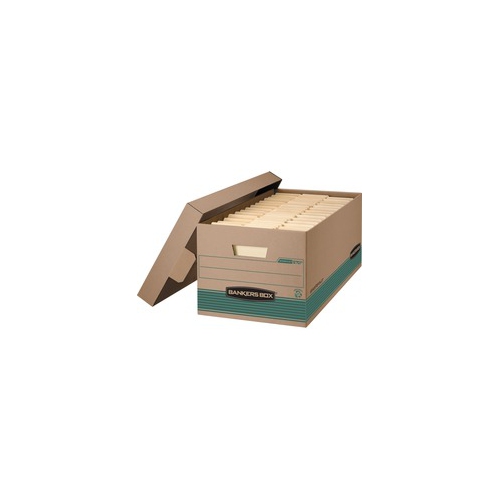
The number of folders in a pack is another important consideration. A small pack can be convenient for organizing a single course, renovation, appointment series, or short-term project, while larger packs are useful for building a complete filing system or preparing several workstations at once. For an office, folders can be assigned to clients, departments, suppliers, or recurring tasks; at home, they can help separate insurance information, property records, receipts, education documents, and personal correspondence. Teachers and students may use them for lesson materials, assignment collections, art projects, study notes, and take-home forms, while freelancers and small business owners can keep proposals, purchase records, invoices, and reference documents grouped by project. Letter size folders can also make a thoughtful, practical addition to a new-home setup, a student’s desk, or a home-office refresh, especially when paired with labels and a simple filing plan. During the warmer months and into the cooler months, they can help manage changing household paperwork, travel documents, school materials, seasonal service records, and event planning details without requiring a complicated storage system. For a more polished appearance, choose a consistent colour or finish throughout a filing area; for fast visual sorting, use contrasting colours and clearly written labels. Consider how many pages each folder should hold, whether papers may be added over time, and whether the material can withstand repeated handling. A thin paper folder is easy to store and economical for short-term use, while a sturdy poly folder may be preferable for documents that travel in a tote, backpack, or vehicle. Keeping folders close to where papers first arrive—beside a printer, near an entryway, or at a home-office desk—can make organization feel like a natural habit rather than a large clean-up project. With the right combination of size, material, pockets, tabs, and pack quantity, letter size folders provide a straightforward way to keep everyday documents protected, identifiable, and ready when they are needed.
Letter size folders are available in several formats, each suited to a different kind of organization. Manila folders with half-cut or third-cut tabs are a familiar choice for filing cabinets because the tabs make labels easy to read while allowing related files to sit neatly beside one another. Tab placement can be alternated across a row so that folder names remain visible instead of being hidden behind one another. Pocket folders are better for loose pages, handouts, forms, and presentation materials that do not need to be punched or bound. A twin-pocket portfolio usually has a pocket on each inside cover, providing an easy way to separate completed work from documents still in progress or presentation copies from supporting notes. Some portfolios also include slots for business cards, identification labels, or writing instruments, which can be useful for meetings, interviews, training sessions, and school presentations. For documents that need to be added or removed often, Letter Size Hanging Folders can slide along the rails of a filing cabinet using built-in hooks, keeping files upright and accessible. Hanging folders are particularly helpful for active records that need regular attention, such as household bills, project paperwork, client files, or forms awaiting signatures. Before purchasing, check whether the folder is intended for a cabinet, drawer, desktop, binder, or bag, and confirm that the dimensions provide enough clearance for the intended documents. Features such as reinforced tabs, metal support bars, gusseted sides, snap closures, elastic bands, and label windows can make a noticeable difference when folders are used heavily. It is also worth considering whether the papers will be stored flat, carried vertically, or packed into a crowded drawer, as the right format can prevent pages from bending, sliding out, or becoming mixed with unrelated files.
The number of folders in a pack is another important consideration. A small pack can be convenient for organizing a single course, renovation, appointment series, or short-term project, while larger packs are useful for building a complete filing system or preparing several workstations at once. For an office, folders can be assigned to clients, departments, suppliers, or recurring tasks; at home, they can help separate insurance information, property records, receipts, education documents, and personal correspondence. Teachers and students may use them for lesson materials, assignment collections, art projects, study notes, and take-home forms, while freelancers and small business owners can keep proposals, purchase records, invoices, and reference documents grouped by project. Letter size folders can also make a thoughtful, practical addition to a new-home setup, a student’s desk, or a home-office refresh, especially when paired with labels and a simple filing plan. During the warmer months and into the cooler months, they can help manage changing household paperwork, travel documents, school materials, seasonal service records, and event planning details without requiring a complicated storage system. For a more polished appearance, choose a consistent colour or finish throughout a filing area; for fast visual sorting, use contrasting colours and clearly written labels. Consider how many pages each folder should hold, whether papers may be added over time, and whether the material can withstand repeated handling. A thin paper folder is easy to store and economical for short-term use, while a sturdy poly folder may be preferable for documents that travel in a tote, backpack, or vehicle. Keeping folders close to where papers first arrive—beside a printer, near an entryway, or at a home-office desk—can make organization feel like a natural habit rather than a large clean-up project. With the right combination of size, material, pockets, tabs, and pack quantity, letter size folders provide a straightforward way to keep everyday documents protected, identifiable, and ready when they are needed.
Top selling and popular products
-
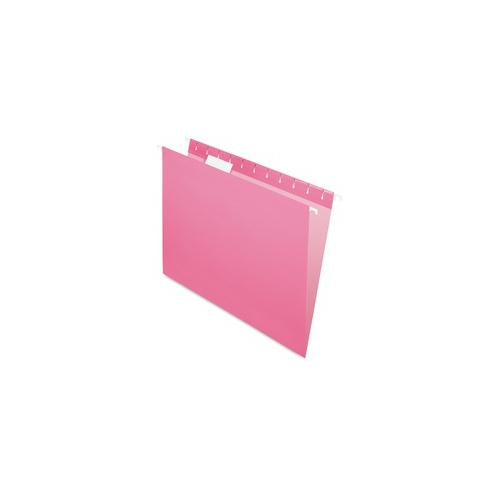 Your price for this item is $44.99
 -
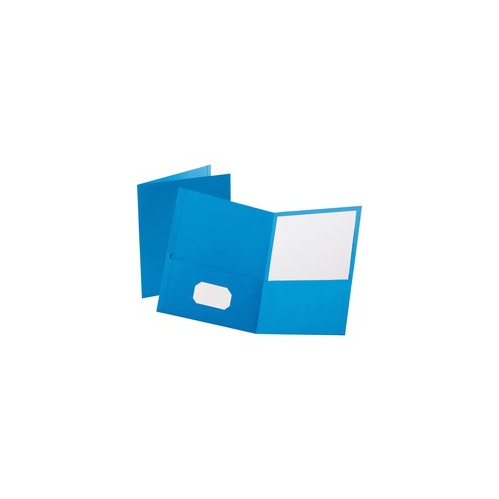 Your price for this item is $18.99
 -
 Your price for this item is $28.99
 -
 Your price for this item is $39.17
 -
 Your price for this item is $1.99
 -
 Your price for this item is $30.99
 -
 Your price for this item is $24.99
 -
 Your price for this item is $40.99
Discover more categories related to Letter Size Folders
Top Collections:
Pokemon Centers, Best Cameras for Sports Photography, Kindle Devices, Samsung Galaxy Phones, Canon G7X Cameras, Pokémon 30th Celebration Cards, Refurbished Apple Laptops, iPhone 15 Apple, Laptops for Students, Budget Smartphones
Some products may be subject to Environmental Handling Fees
(EHF) depending on your province.
Learn more about EHFs.