Marker Kits
Unleash your creativity with our diverse range of marker kits, perfect for artists, students, and professionals alike. Whether you're sketching, coloring, or designing, our selection offers vibrant colors and versatile options to meet all your artistic needs. Explore high-quality markers that deliver precision and durability, ensuring your projects stand out with every stroke. From beginners to seasoned creators, find the ideal kit to elevate your artistic journey. Dive into a world of color and inspiration with our exceptional marker kits today!
Sort


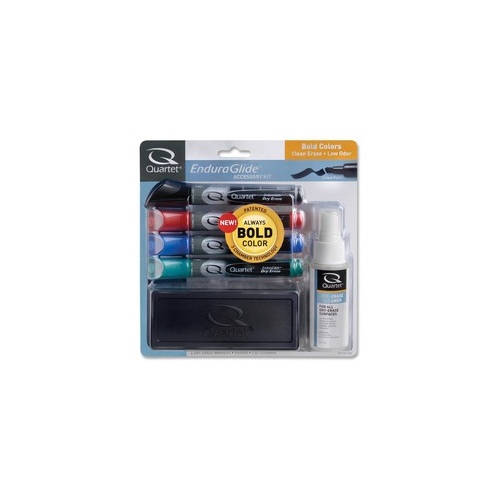
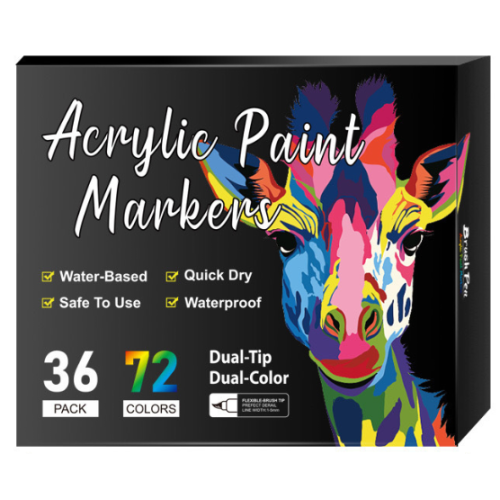
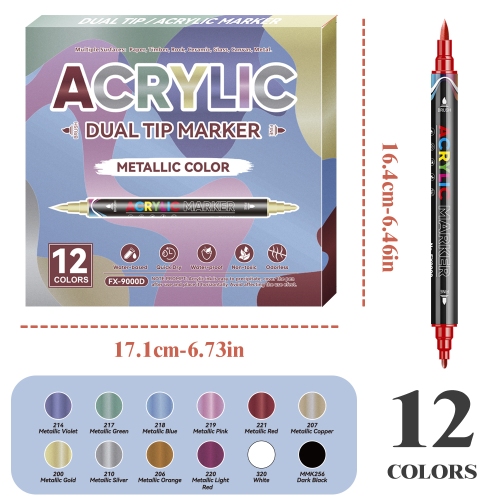
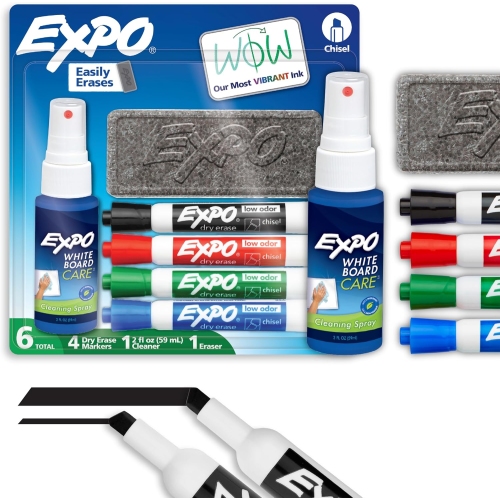
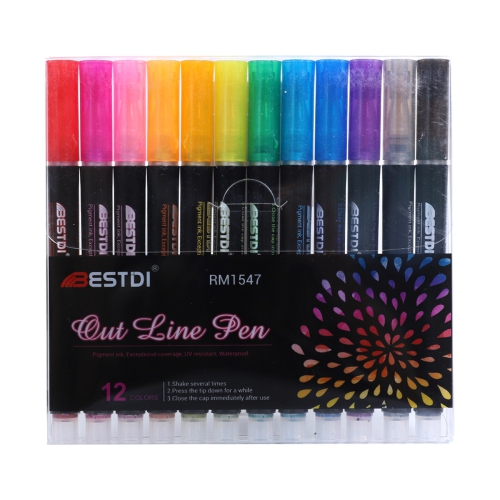
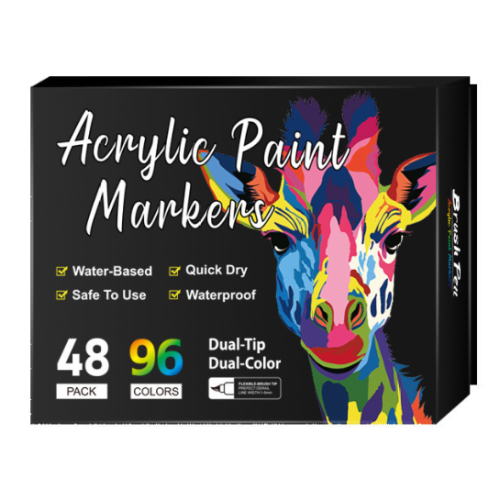

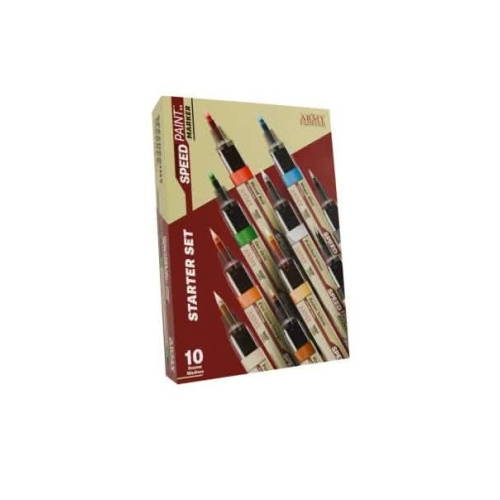

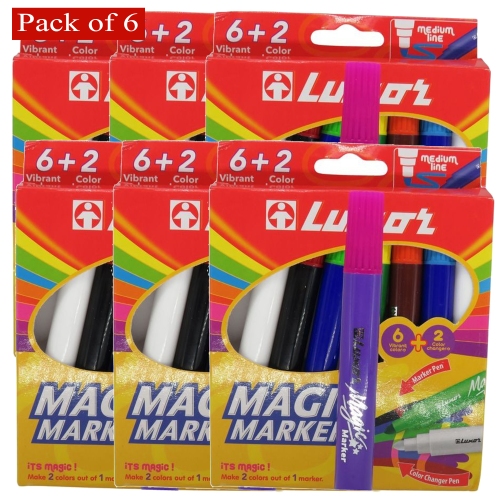

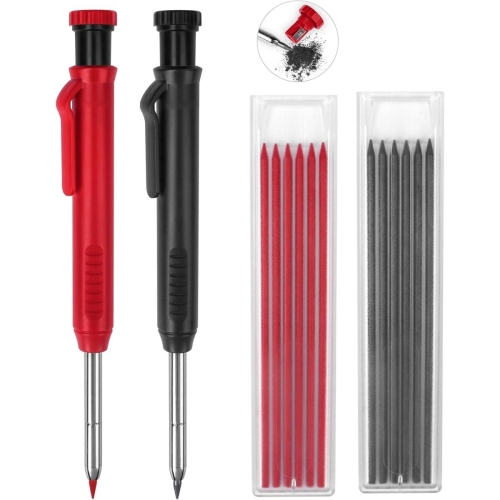
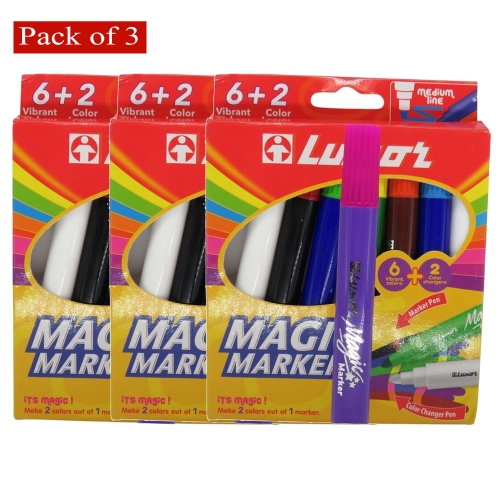
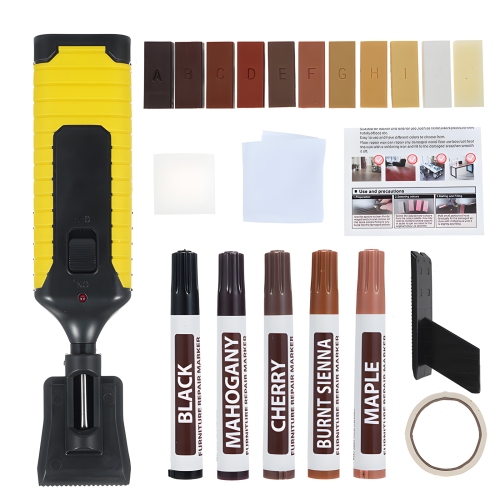
How marker tips and ink shape your artwork
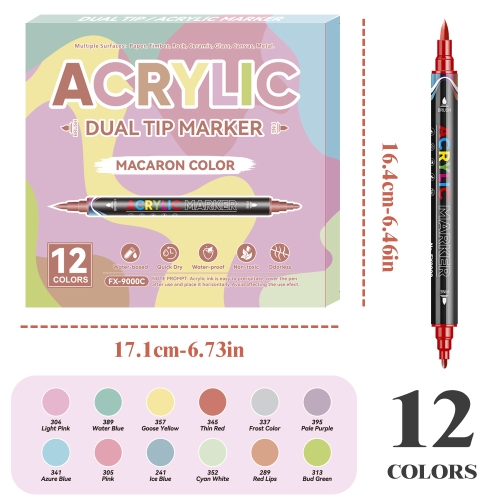
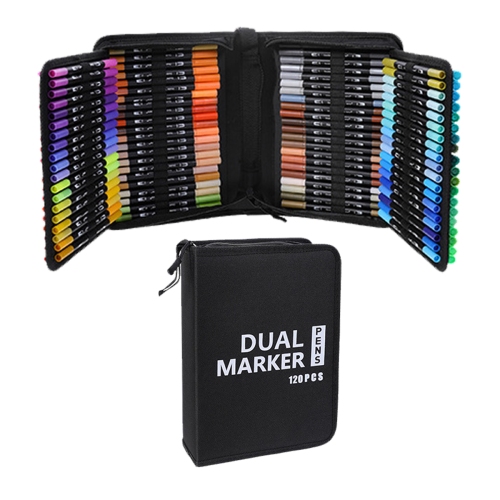
Marker kits bring colour, line work, and everyday creativity together in a coordinated set, whether the project is a sketchbook illustration, a classroom poster, or a handwritten birthday card. A useful assortment is about more than the number of colours: the balance of shades, the shape of the tips, and the way the ink behaves all influence what feels comfortable to create. A compact palette can suit quick doodles, colour-coded notes, and projects carried between home and school, while a broader range gives illustrators more options for shading skin tones, building depth in landscapes, or moving gradually from pale highlights to darker shadows. Neutral greys, warm browns, and lighter blending shades can be just as useful as vivid primary colours, especially for drawings that need subtle transitions rather than bold blocks of colour. Tip styles make a noticeable difference, too. Fine tips suit small lettering, outlines, and detailed patterns; bullet tips offer a familiar shape for writing and colouring; and chisel tips can cover broad areas or produce narrower strokes when turned on their edge. Flexible brush tips allow expressive lettering and varied line widths, although their response depends on the nib material and the pressure applied. Dual-tip designs combine two drawing options in one barrel, which can help keep a desktop or pencil case less crowded. Felt and synthetic-fibre nibs vary in firmness, so a marker intended for precise line work may feel quite different from one designed for sweeping brush strokes. The barrel matters during longer sessions as well: its thickness, shape, and grip should feel manageable in the intended user’s hand. For someone adding small details to a colouring page, control may matter most; for a student lettering a presentation board, comfortable handling and broad coverage may take priority. Kits with clearly labelled shades can also make it easier to return to a favourite colour when a drawing continues over several sittings.
Ink type helps define where a marker kit fits into a creative routine. Water-based markers are commonly used for drawing, journalling, and paper crafts, with some formulations allowing watercolour-style effects on suitable paper. Water-based does not automatically mean washable, however, and washability claims should be checked separately for skin, clothing, and other surfaces. Alcohol-based markers are often used for smooth colour coverage and layered shading, but they can bleed through paper, making a protective sheet underneath the artwork useful. Their blending behaviour also depends on the paper, the colours being combined, and how quickly another layer is applied. A smooth marker pad may keep edges more controlled than a loosely textured notebook page, while absorbent paper can draw in more ink and make fine details spread. Paper weight alone does not guarantee resistance to bleed-through, so compatibility matters as much as thickness. Paint markers offer another type of mark, with opaque coverage that may suit decorative work on surfaces named by the manufacturer. Adhesion, drying time, and permanence can differ between paper, glass, metal, wood, and plastic; a marker that works well on one material should not be assumed to perform the same way on another. For decorative lettering and borders, Outline Markers offer another way to explore contrasting edges and distinctive written effects. Metallic, pastel, and fluorescent finishes each bring a different character to cards, signs, and artwork, though visibility on dark paper varies by formulation. Ink described as permanent may still fade with prolonged light exposure, and lightfastness information is particularly relevant for pieces intended for display. A small test on matching scrap material can reveal colour, drying behaviour, and show-through before a finished project is marked. This is especially helpful when adding a title to a completed scrapbook page or colouring beside an inked outline that could smudge.
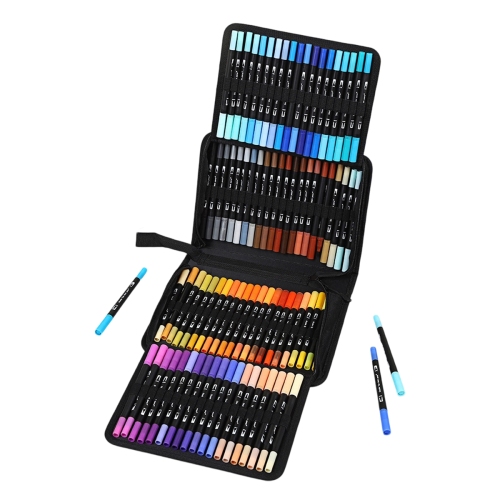
Storage and construction influence how well a marker kit stands up to regular use. Secure caps help limit drying, while a case with individual slots can keep shades organized and make missing caps easier to notice after a busy drawing session. Colour names or numbers on the barrel are useful when cap colours do not exactly match the ink, and a handwritten swatch sheet can show how each shade actually looks on the paper used most often. Storage orientation varies between marker designs, particularly with dual-ended barrels, so the manufacturer’s directions are the best reference. Caps should be replaced promptly, nibs kept free of lint, and tips protected from unnecessary pressure. Pressing harder rarely makes a drying marker work better and can flatten a fine point or damage a flexible brush nib. Rough surfaces may also wear tips faster than smooth paper. Where replacement nibs or refillable designs are offered, compatibility needs to match the marker system rather than just the apparent barrel size. A zippered pouch may be practical for a backpack, while a structured case can keep a larger palette visible on a work surface. For shared family use, clear separation between children’s drawing supplies and markers intended for specialized surfaces helps prevent mix-ups. Age recommendations, small caps, ventilation requirements, and any stated safety precautions deserve attention, especially when markers will be used by younger children. Non-toxic labelling does not mean a marker is intended for skin decoration or contact with food. As gifts, marker kits can suit students, journal keepers, hobby illustrators, and people who enjoy making cards or personalized gift tags. The most thoughtful match reflects the recipient’s habits: a portable assortment for someone who sketches away from home, flexible tips for a lettering enthusiast, or a well-spaced colour range for detailed colouring. With appropriate paper, sensible care, and a format that fits the user’s space, a marker kit can support anything from a few quiet lines in a notebook to a richly layered illustration.
Top selling and popular products
-
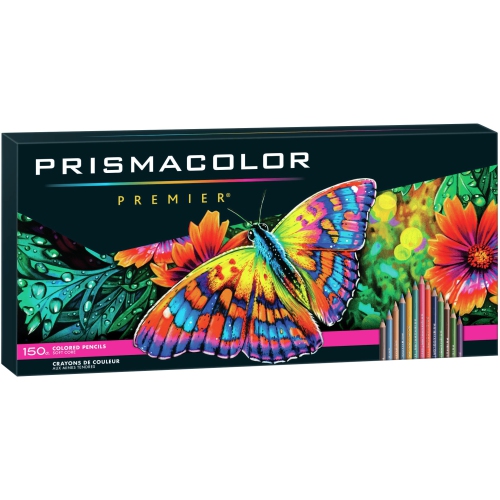 Your price for this item is $179.99
-
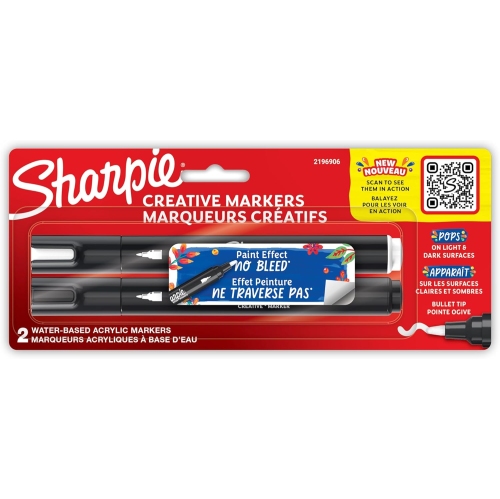 Your price for this item is $7.99
-
 Your price for this item is $1.99
-
 Your price for this item is $2.99
-
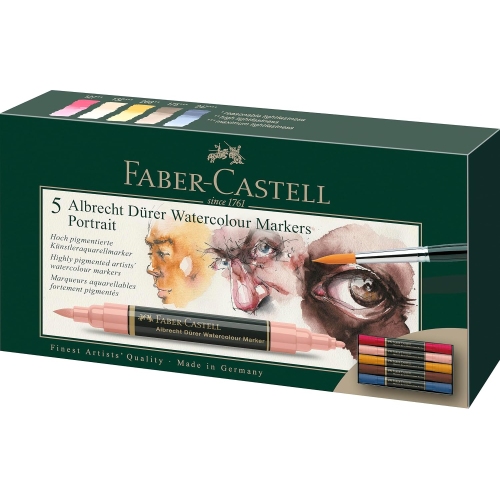 Your price for this item is $29.99
-
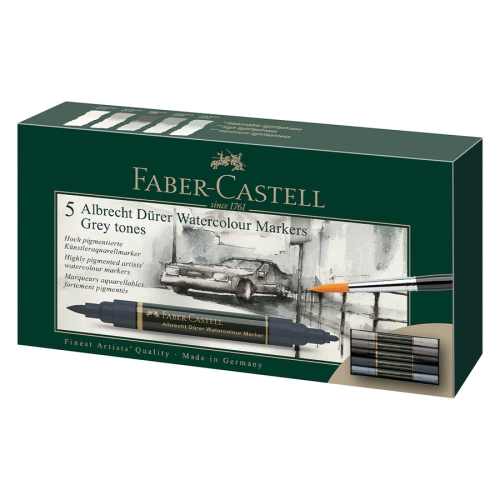 Your price for this item is $22.99
-
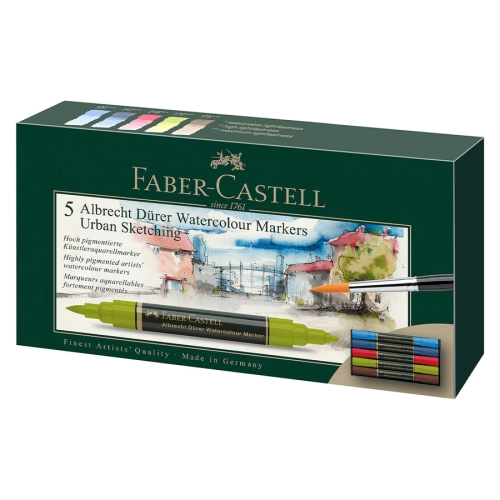 Your price for this item is $26.99
-
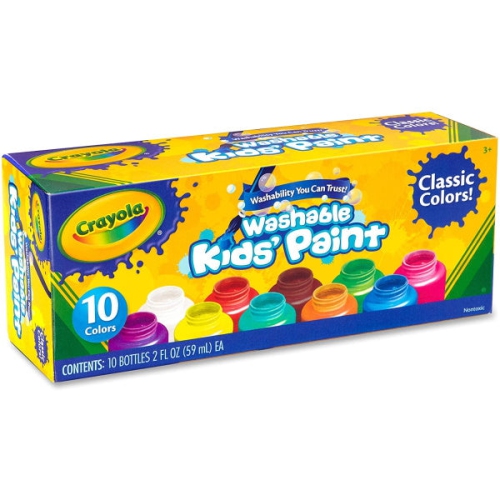 Your price for this item is $47.99
Discover more categories related to Marker Kits

Top Collections:
Best Black Friday Deals This Year, Best Black Friday Deals On Electronics, Kindle Devices, Pokemon Centers, Best Black Friday Deals On Apple Products, Best Cameras for Sports Photography, Dyson Airwrap, Pokémon 30th Celebration Cards, Apple iPhone 17 Pro, Canon G7X Cameras
Some products may be subject to Environmental Handling Fees
(EHF) depending on your province.
Learn more about EHFs.