Metal Carts With Wheels
Metal carts with wheels are versatile and practical solutions for organizing and transporting items in various settings. Whether you need a mobile storage solution for your garage, office, or kitchen, these carts offer durability and convenience. With their sturdy metal construction and smooth-rolling wheels, these carts can easily navigate different surfaces while providing ample space for your belongings. Explore our selection of metal carts with wheels to find the perfect solution for your organizational needs.
Sort
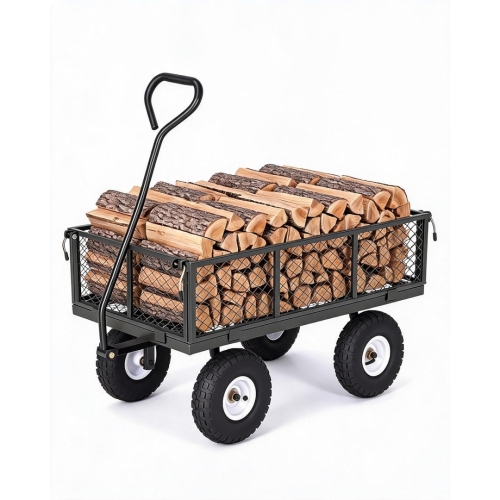
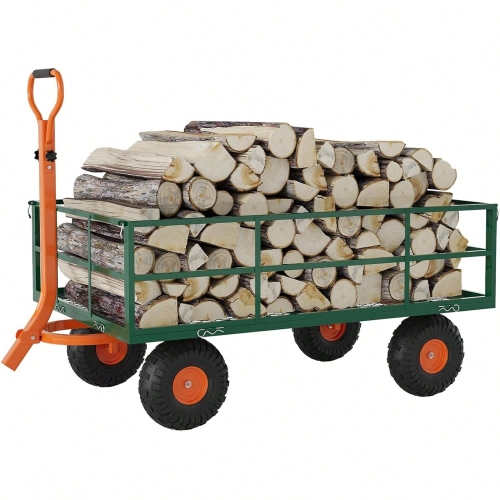
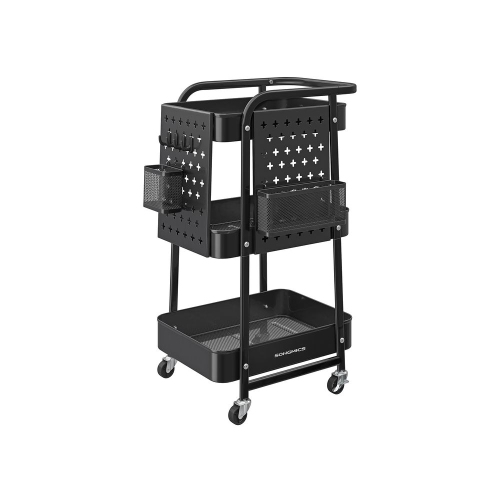
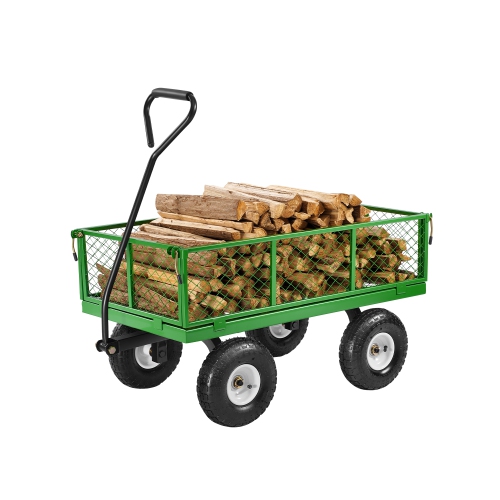
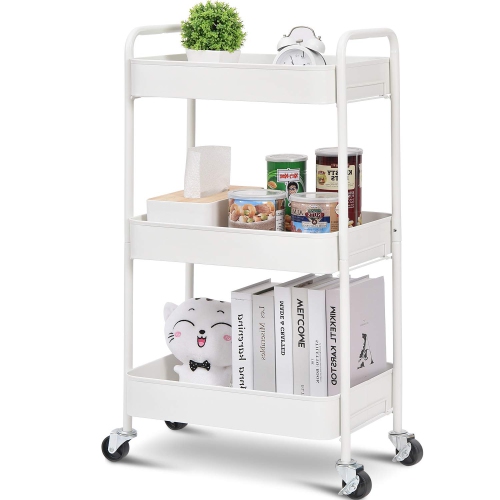
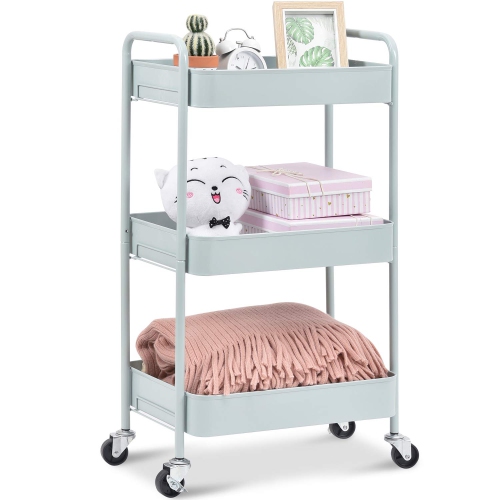
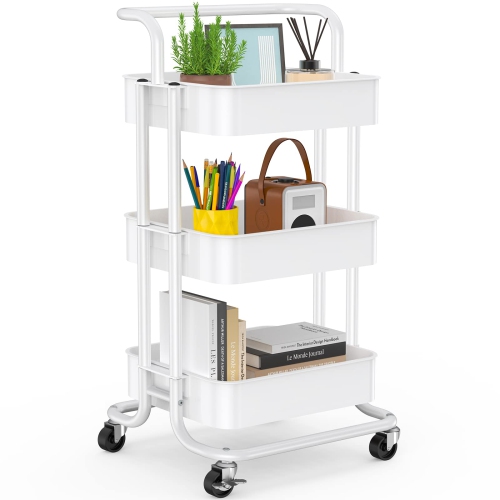
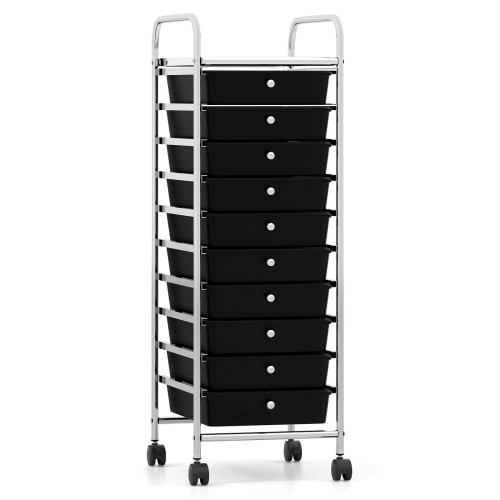
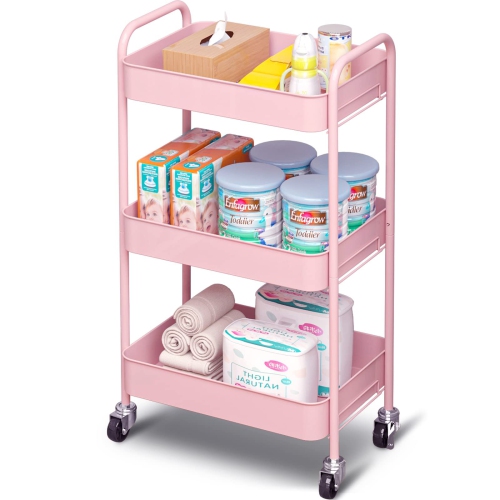
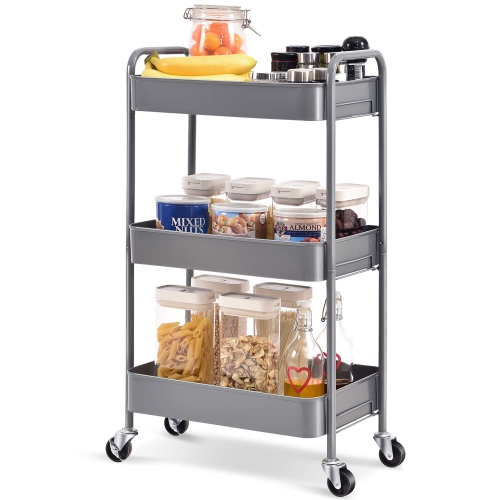
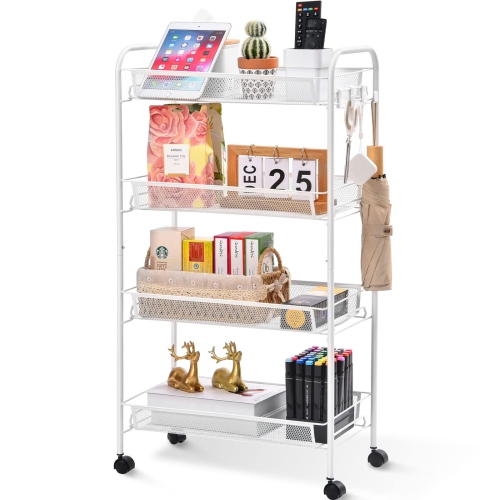
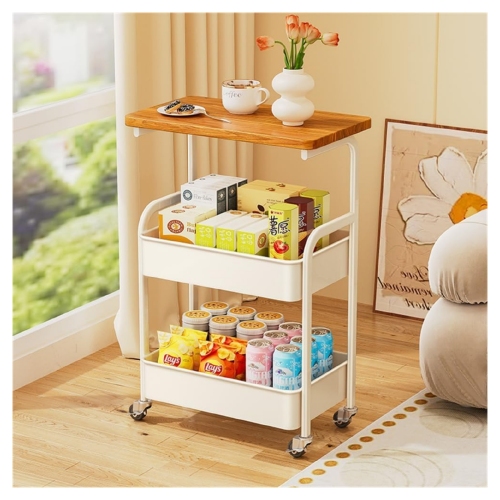


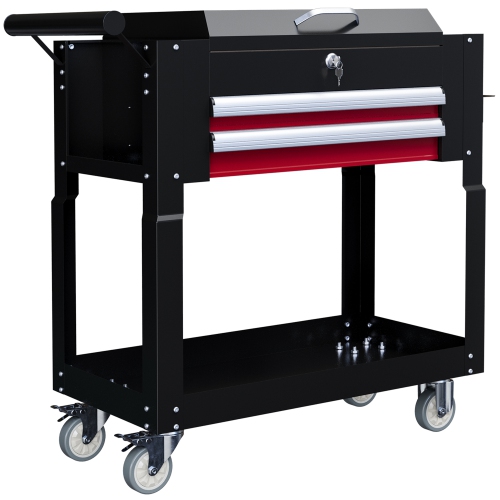
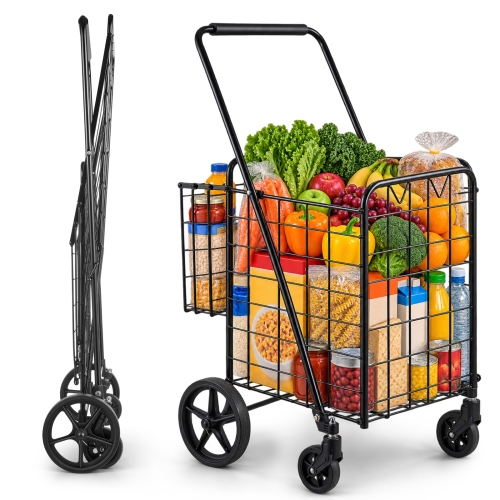
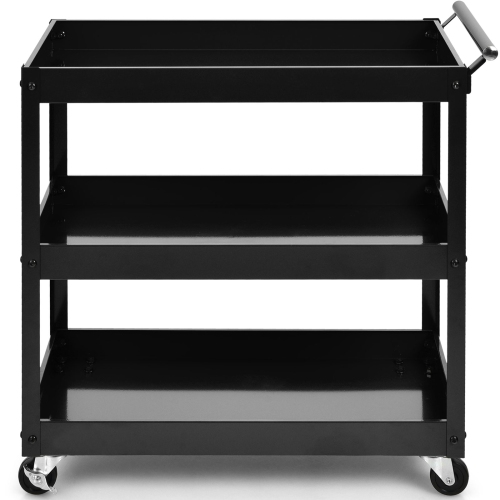
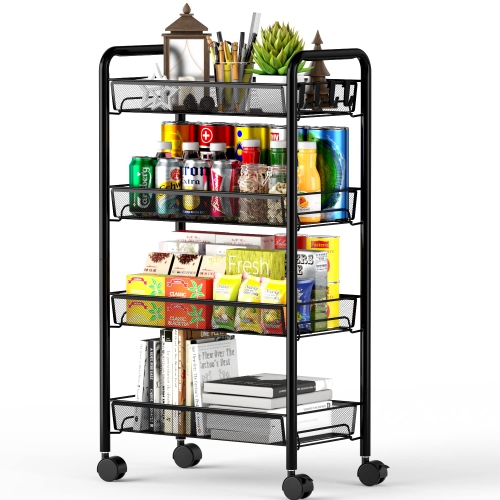
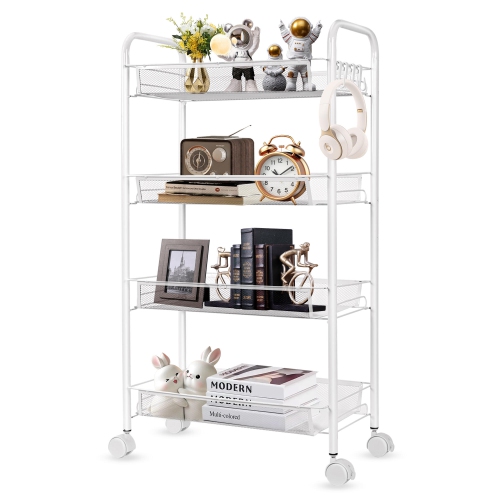
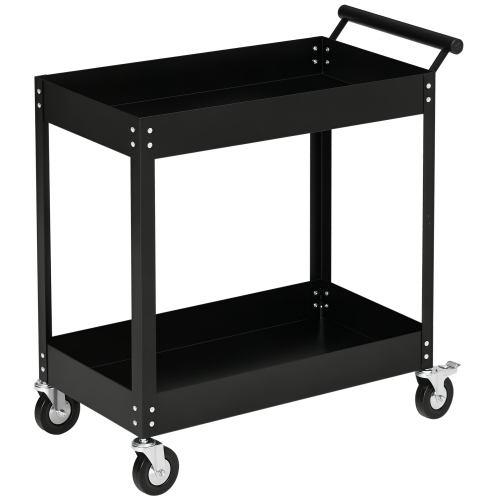
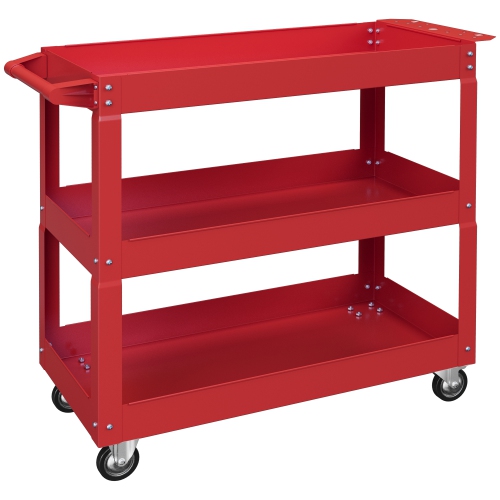
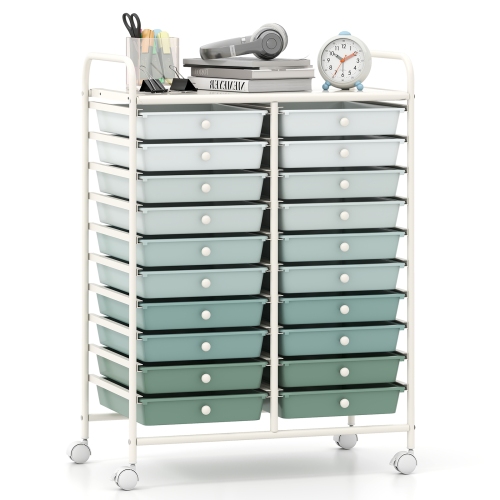



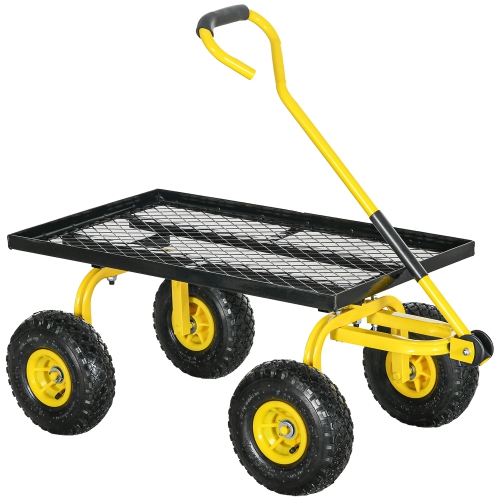
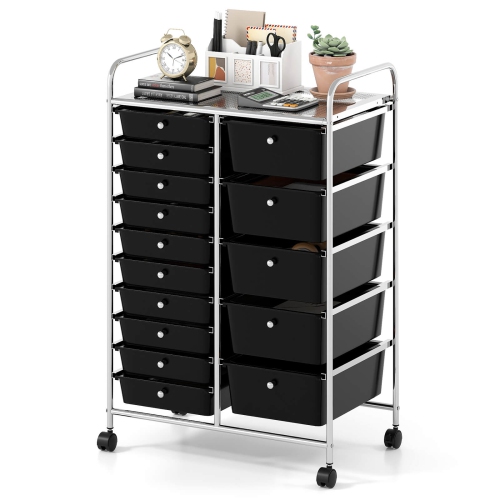
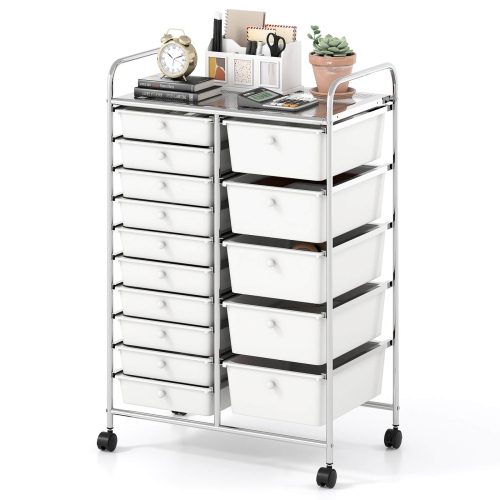
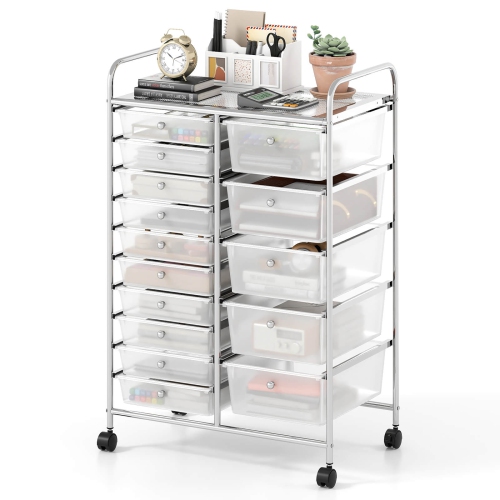
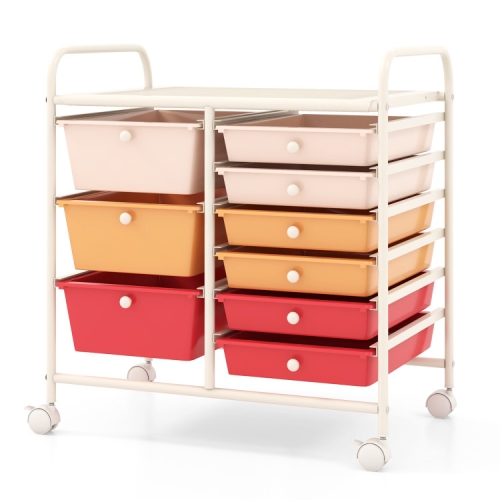
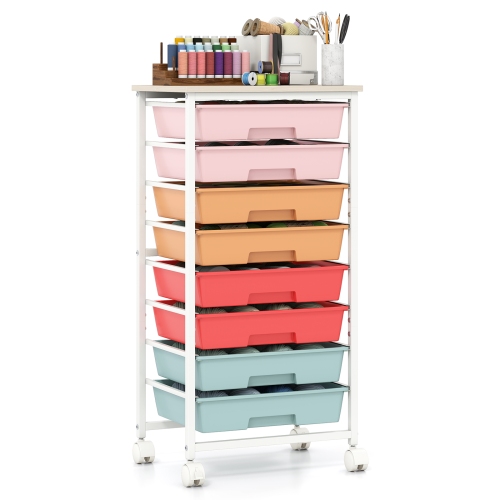

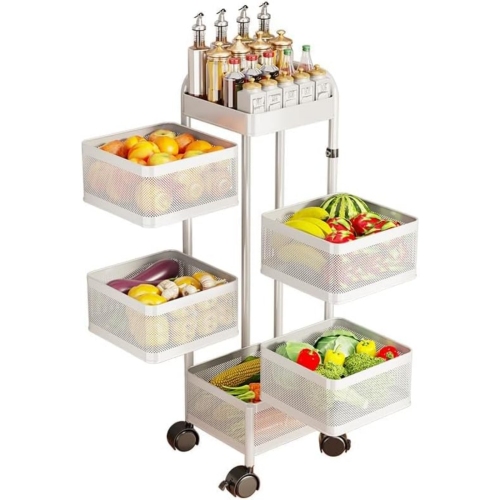
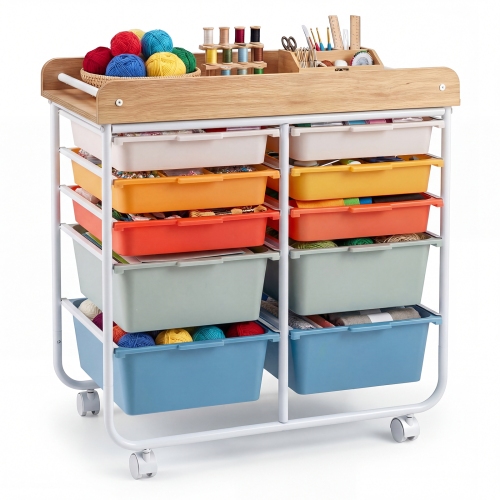
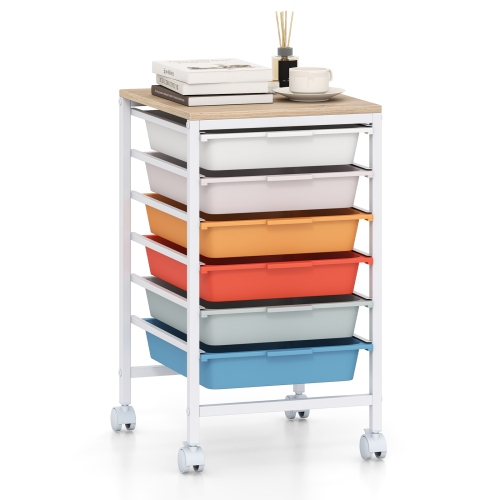
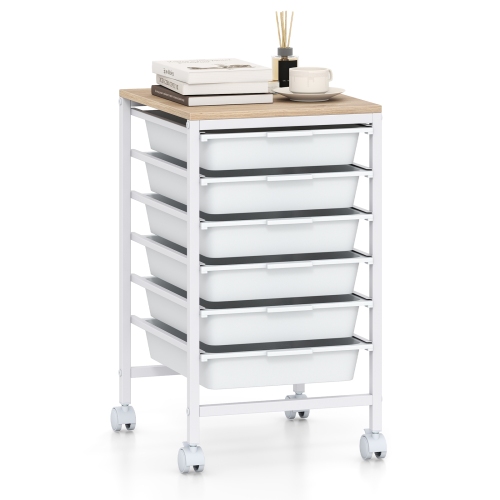
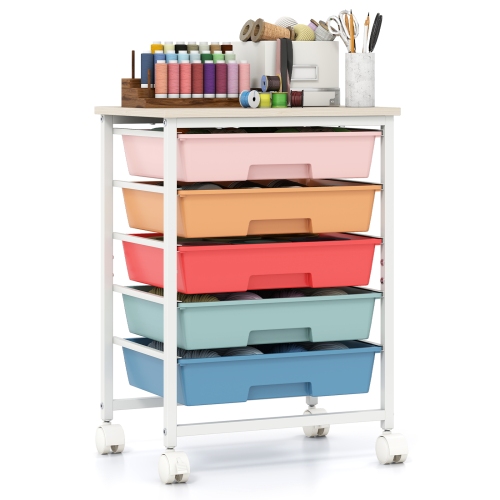
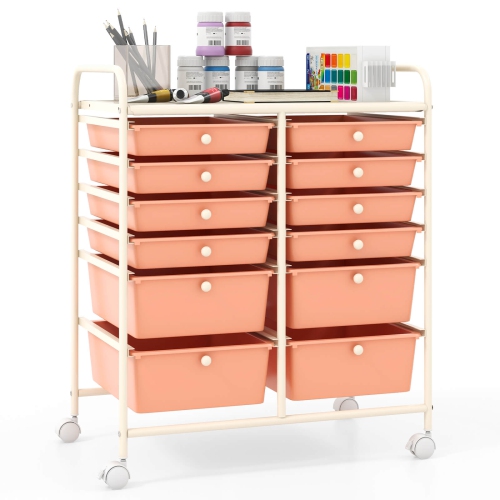

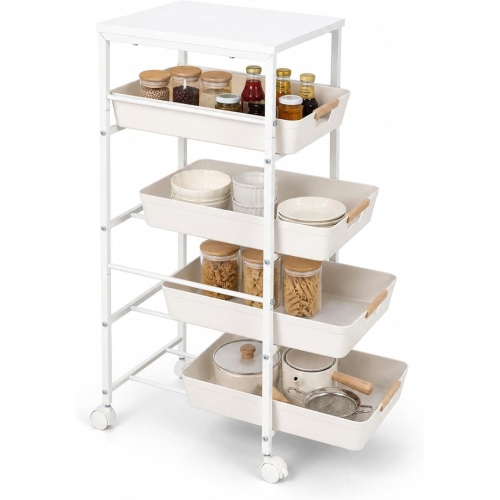
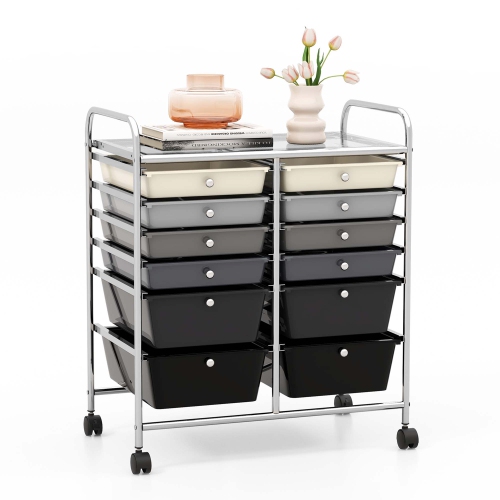
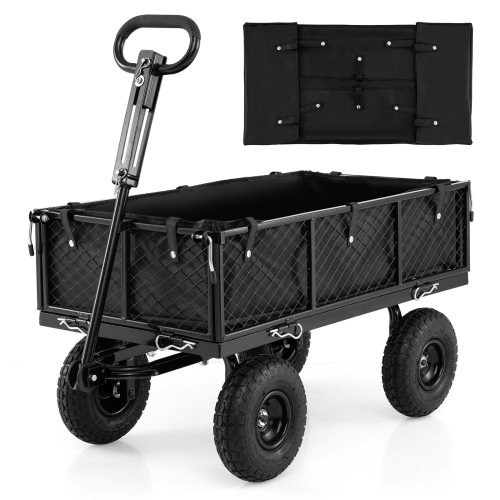
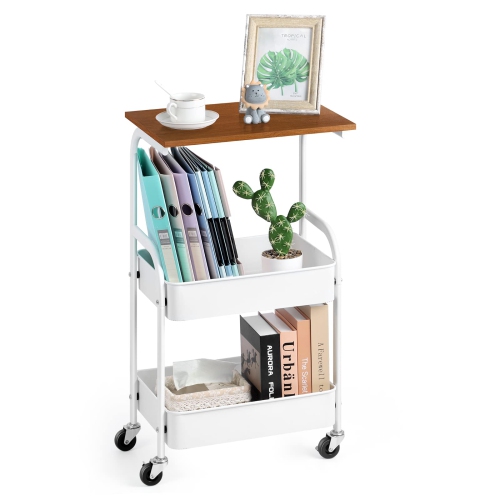
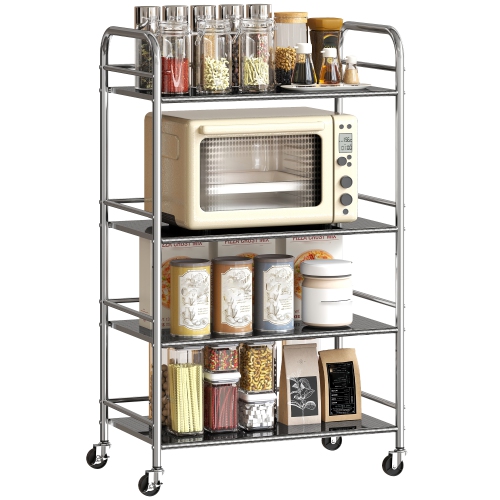
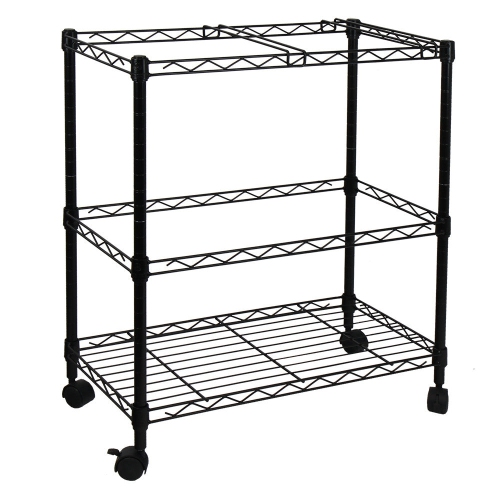
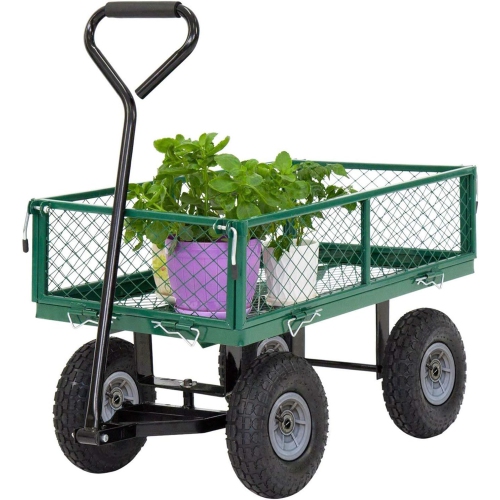
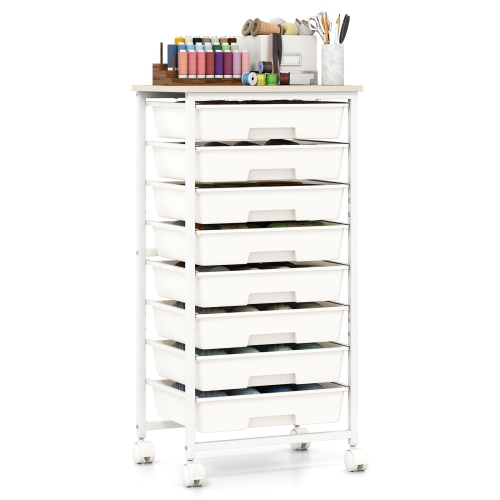

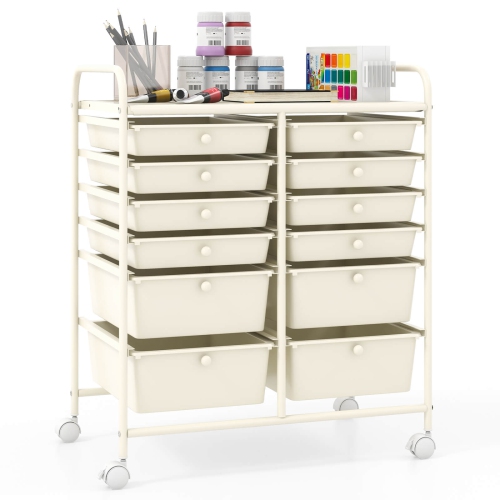
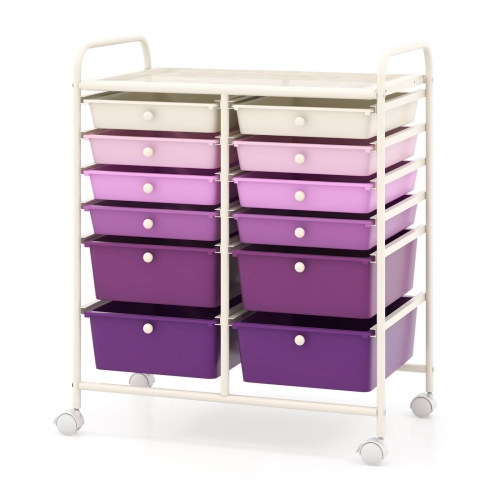
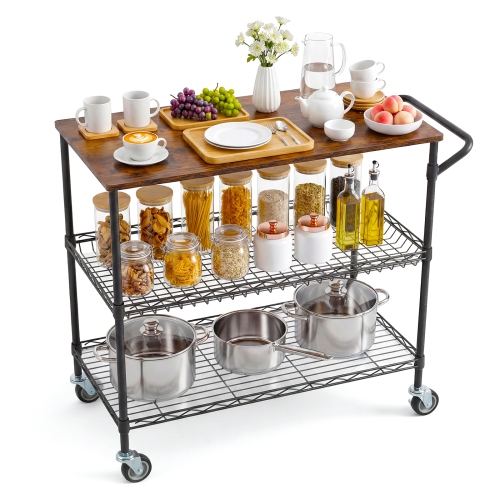
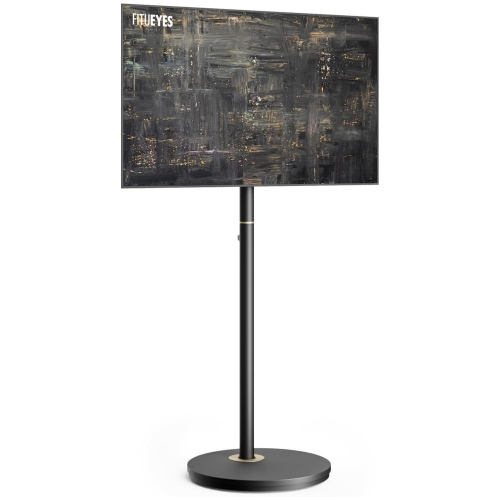
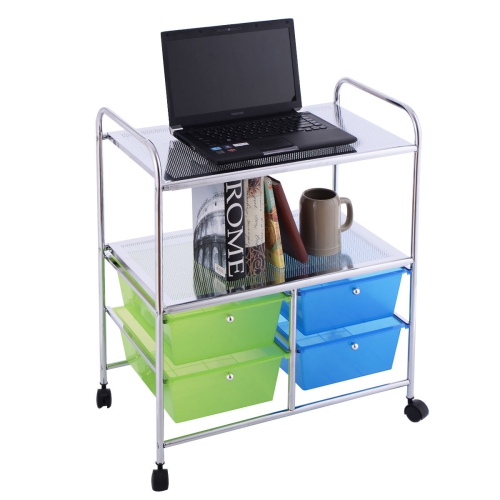

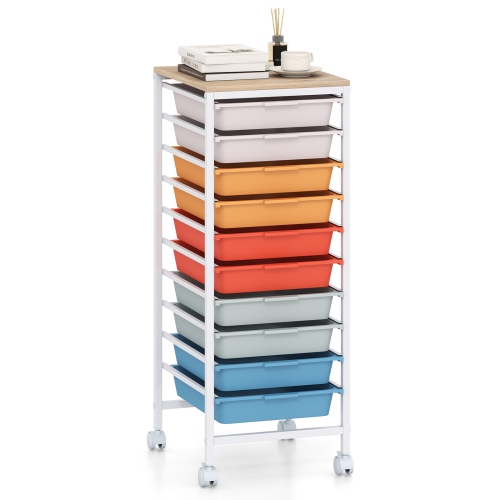
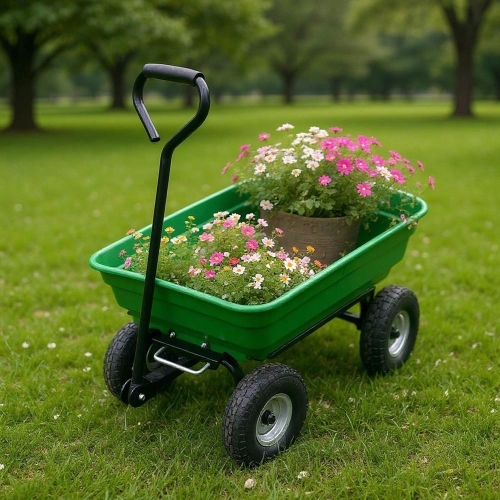
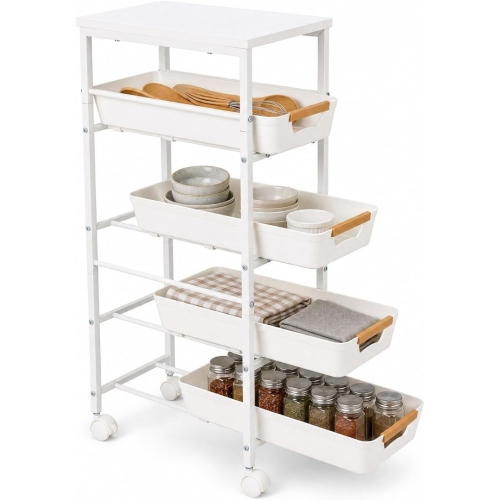
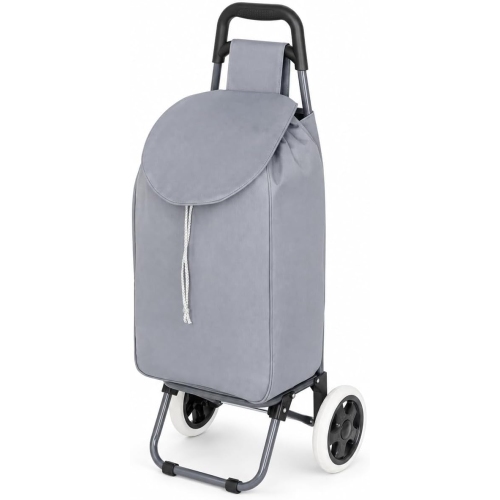
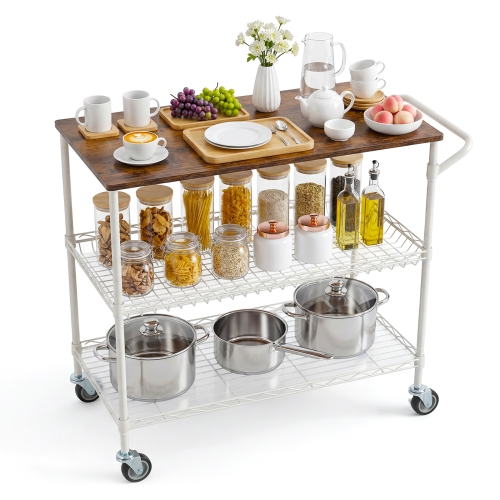
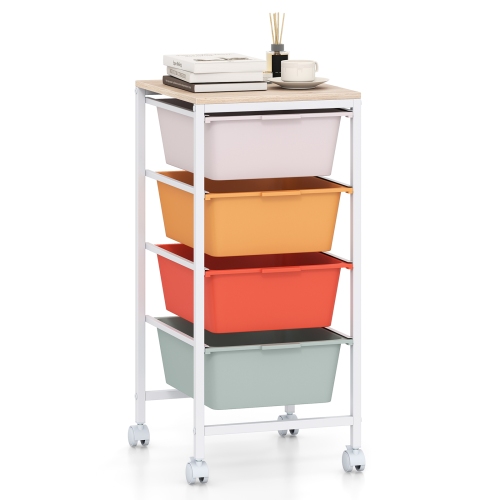
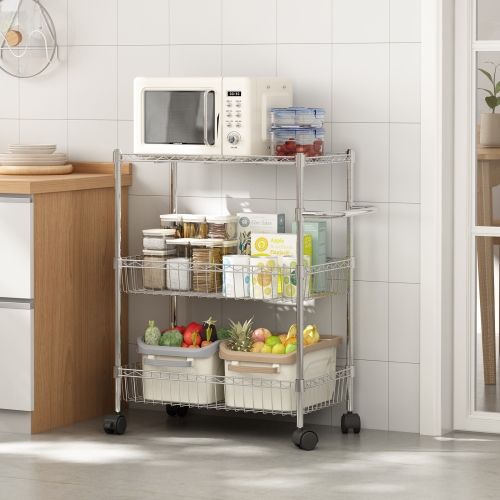
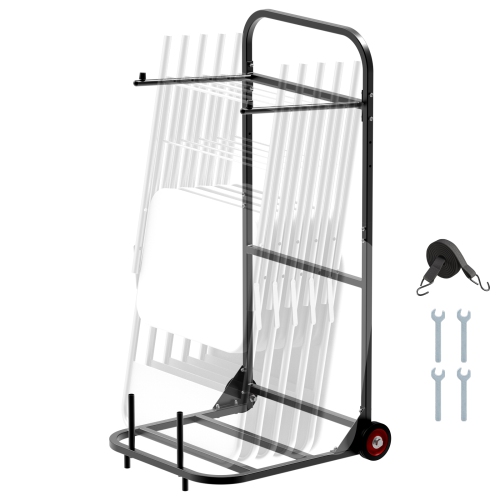
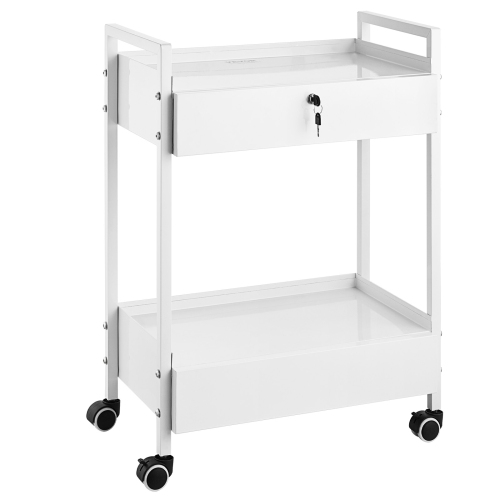
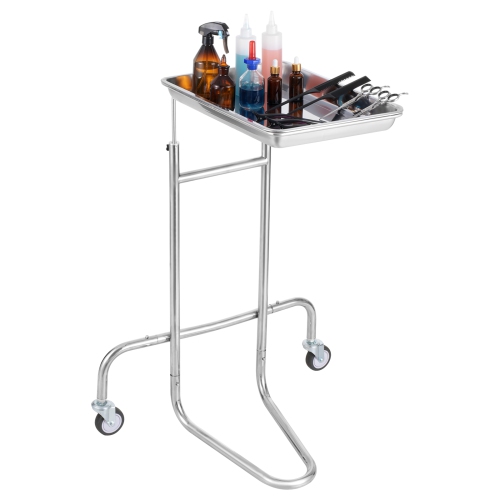
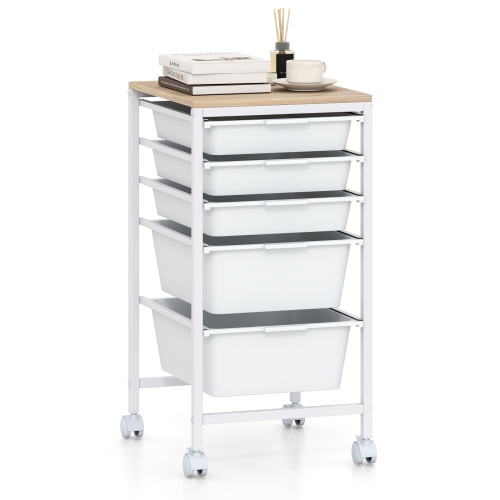
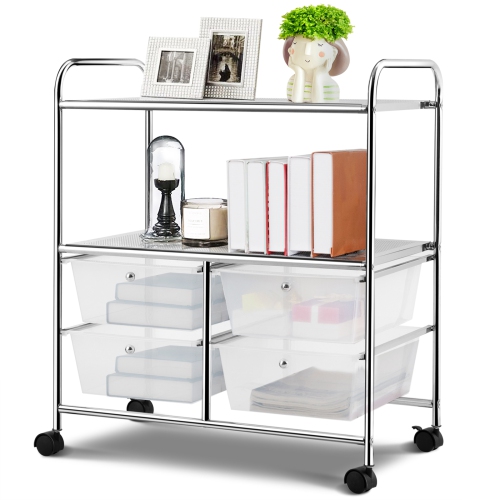
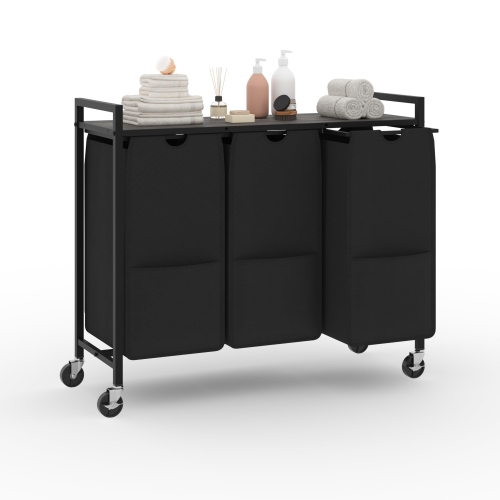
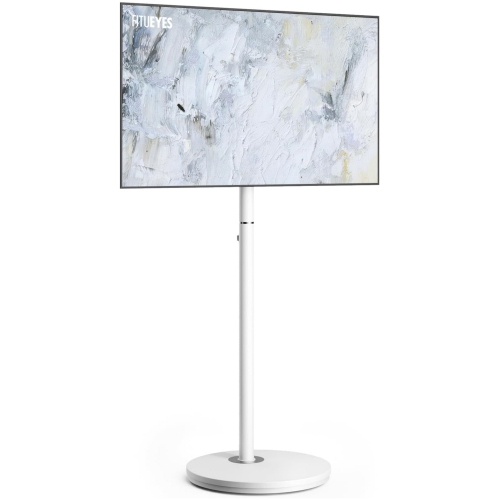
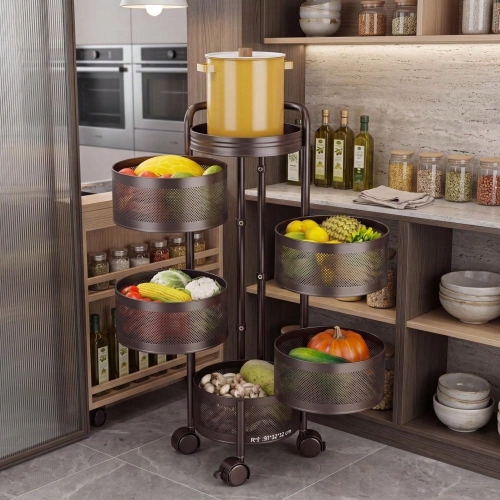
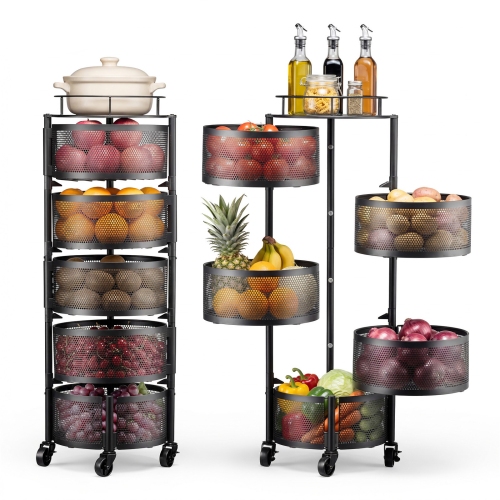
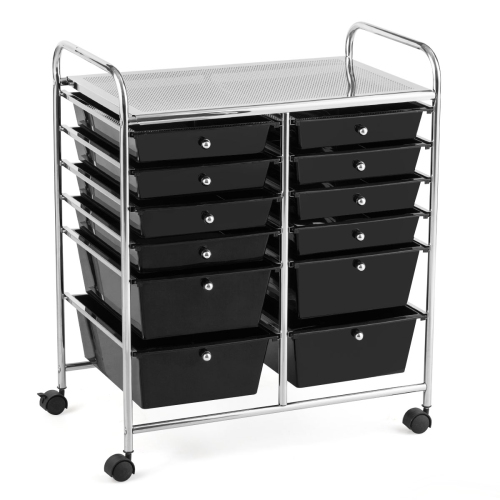
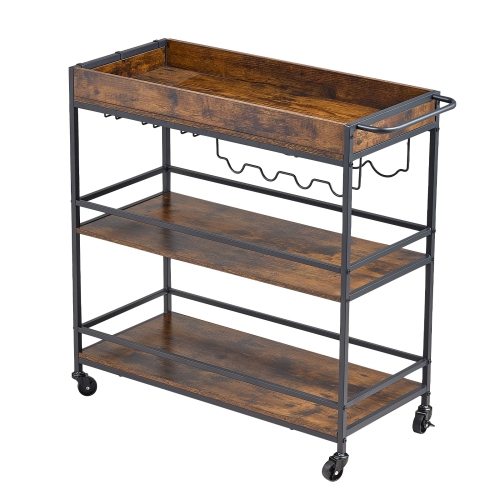
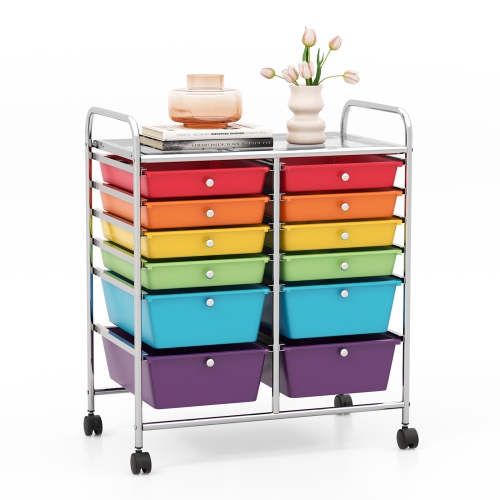
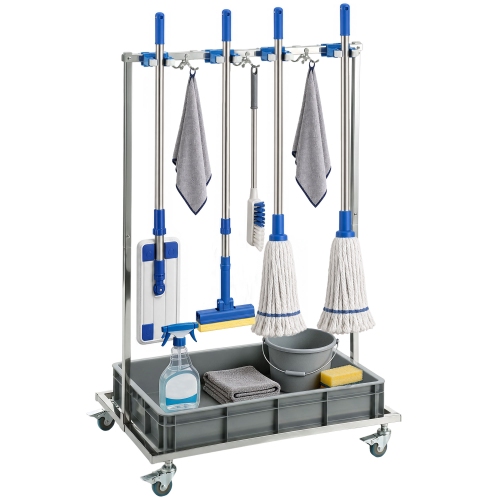
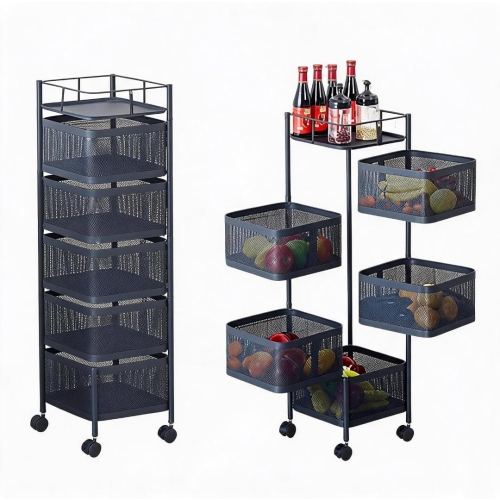
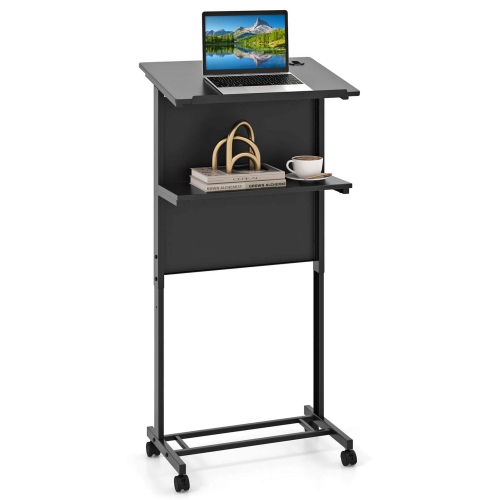
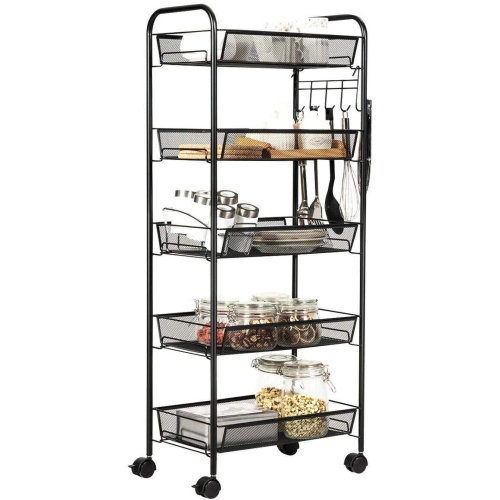
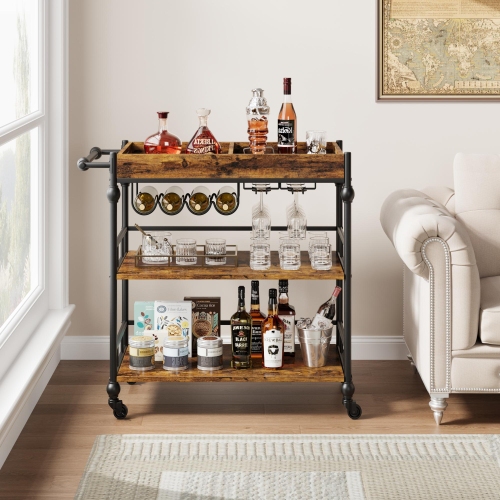
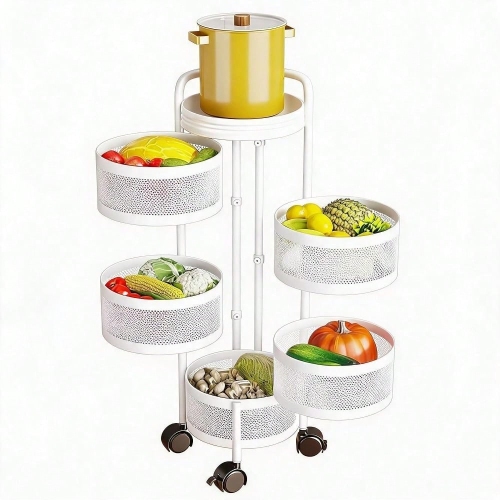
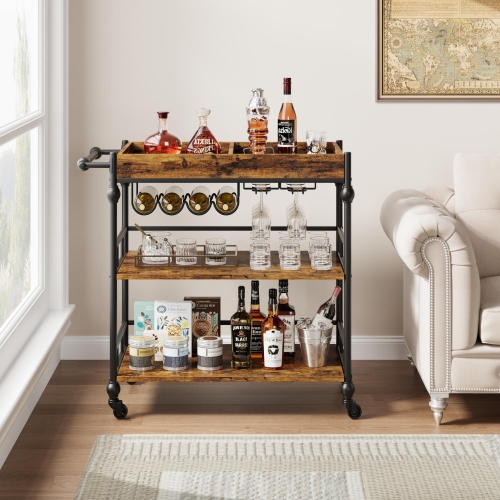
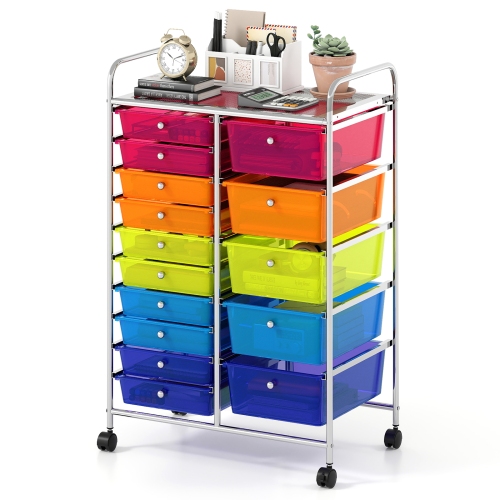
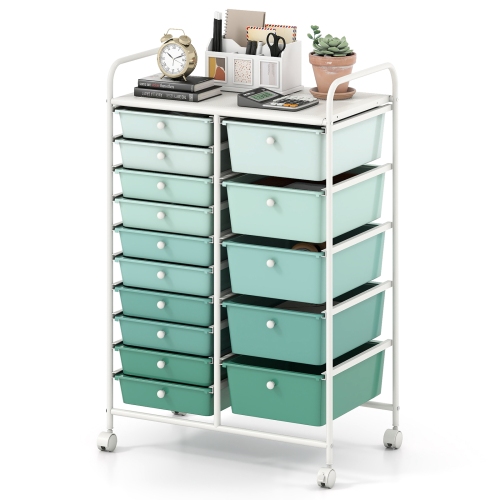
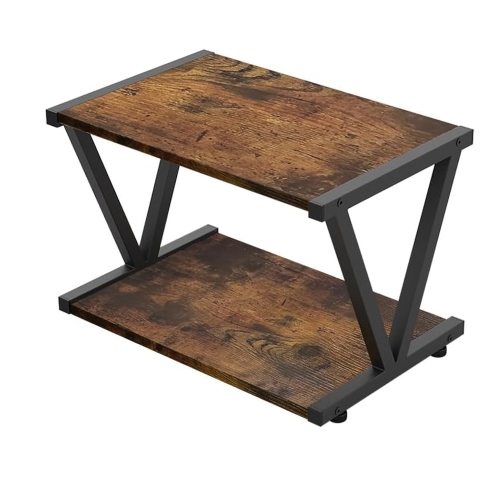
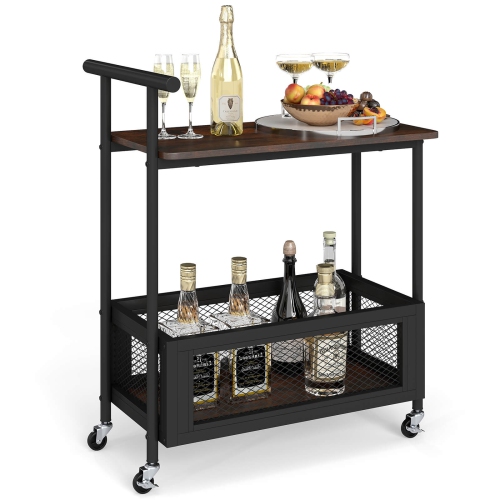
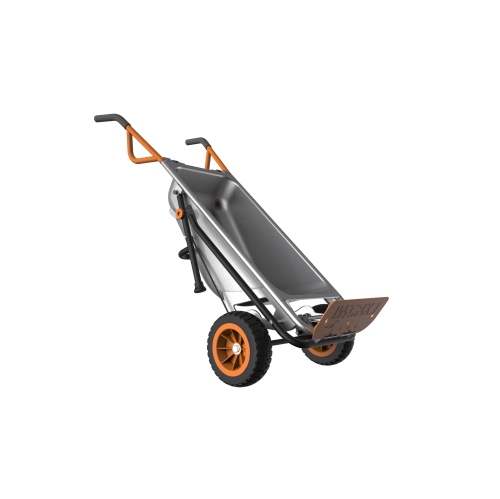
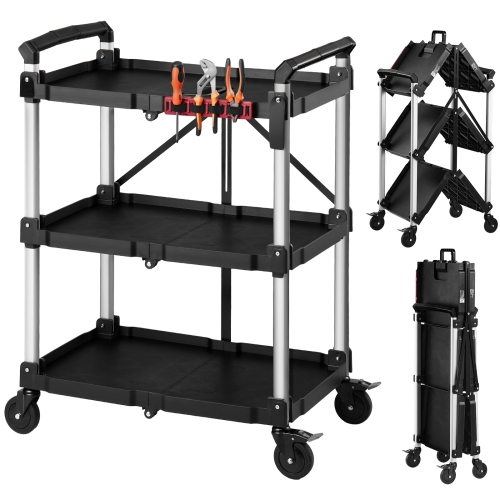
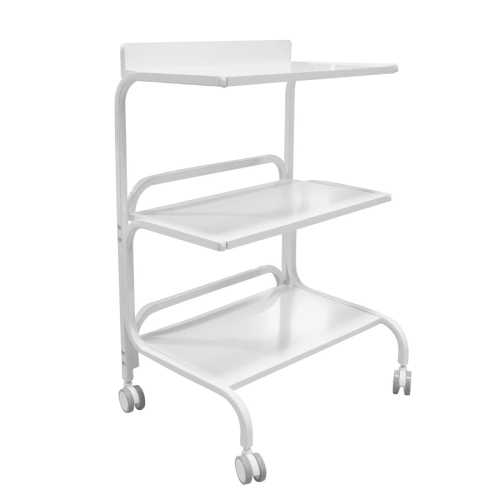
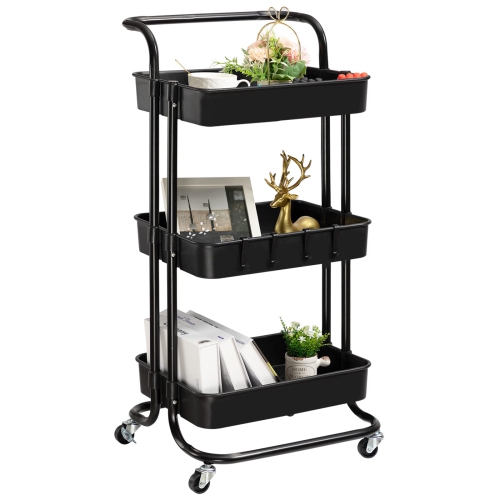
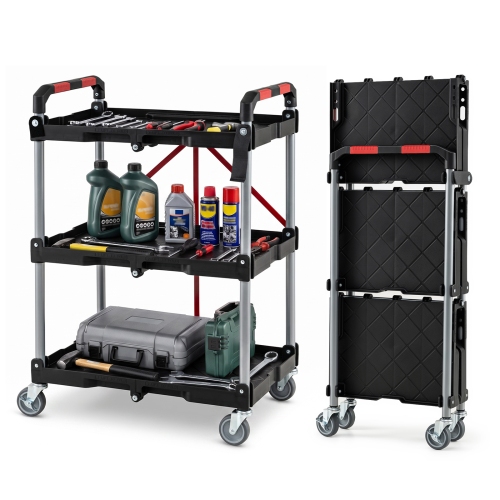
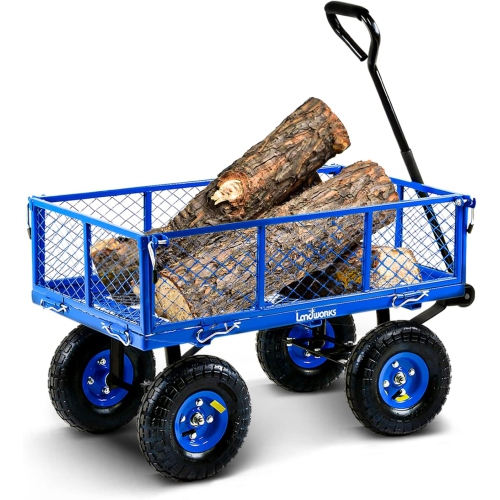

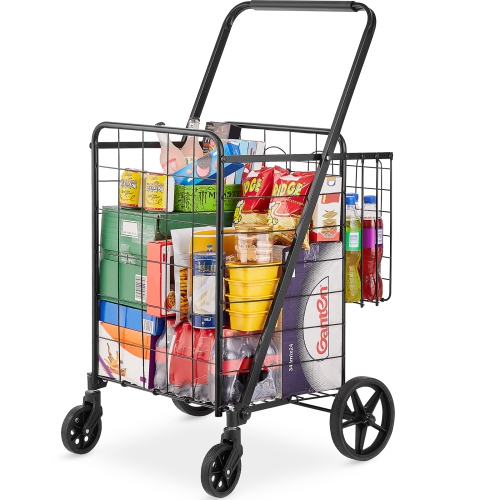
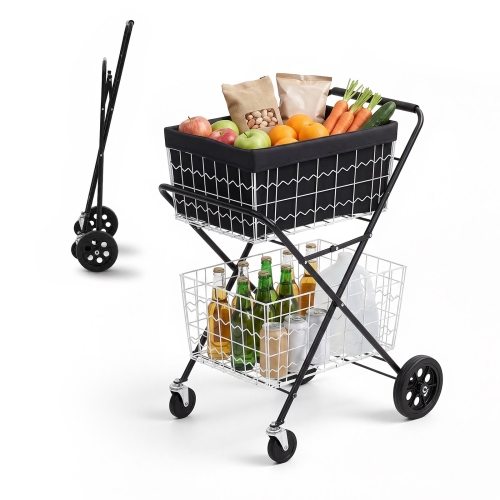
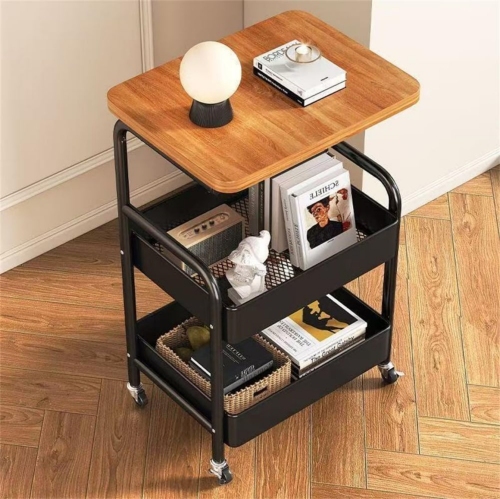
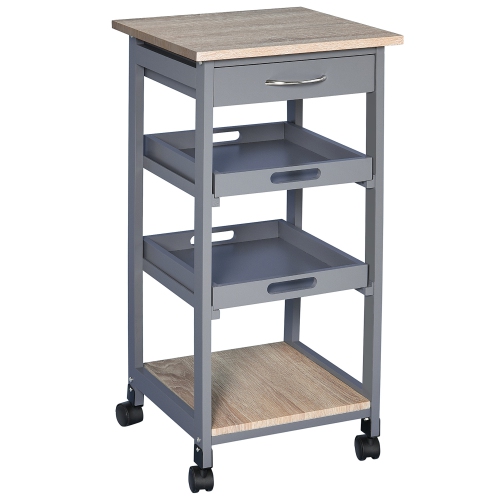
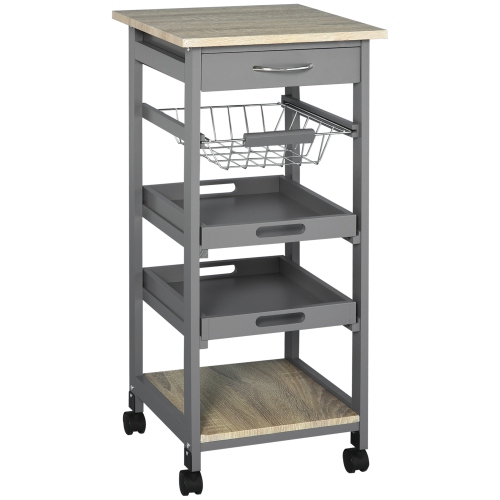
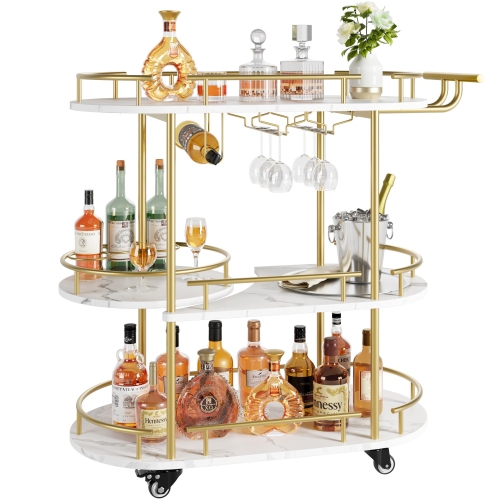
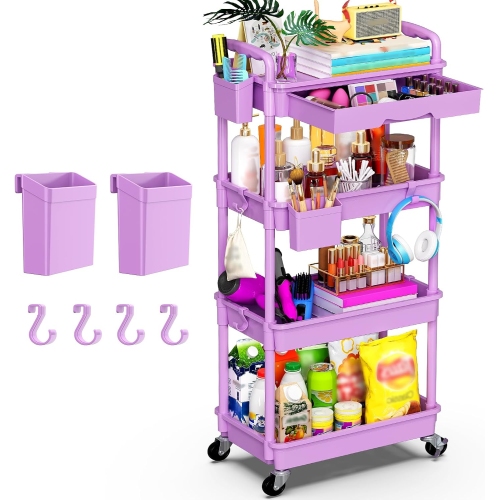
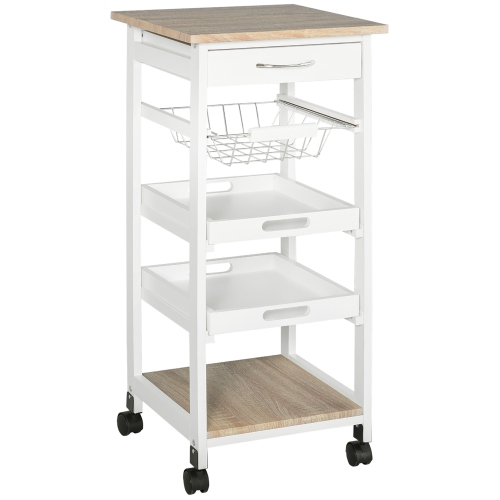
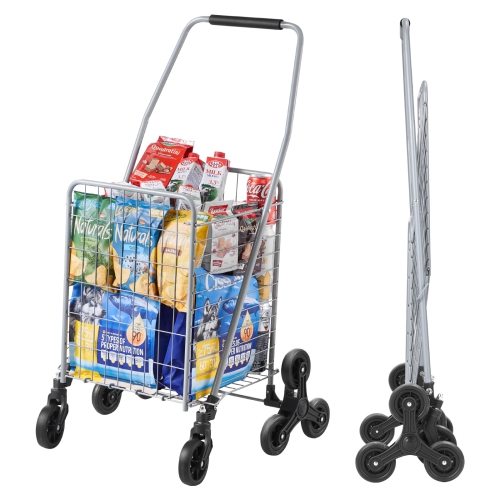

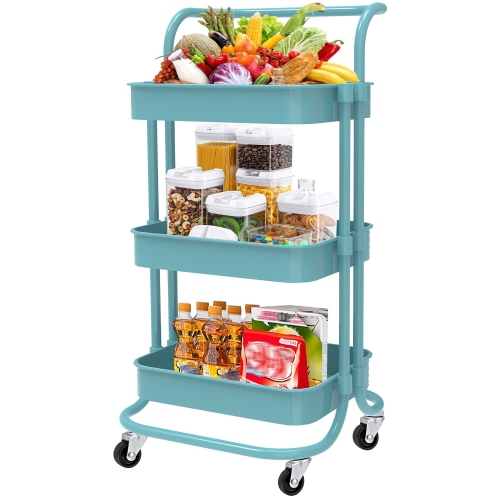

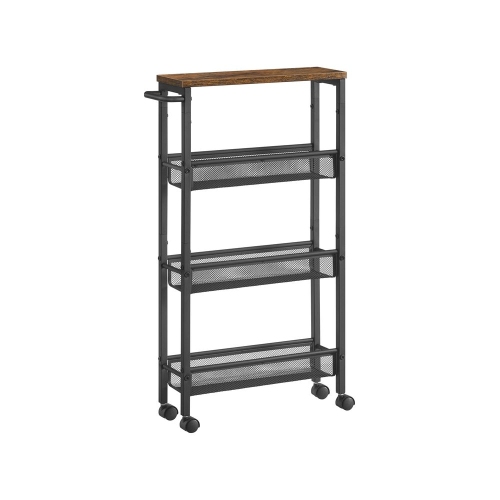
Storage that rolls where the work happens
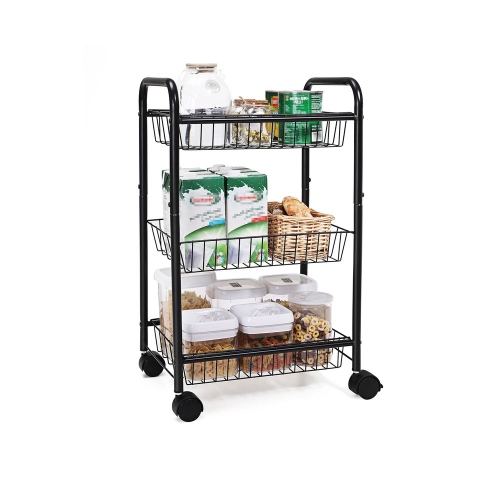
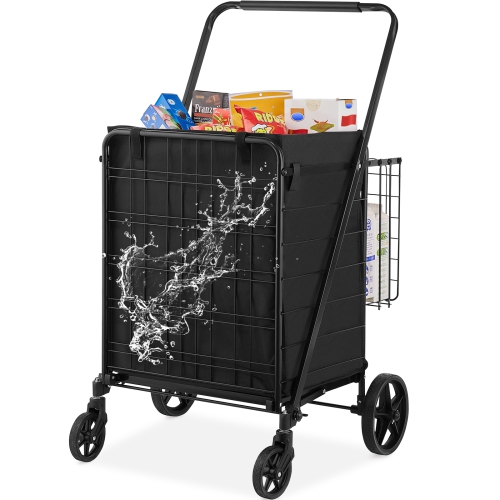
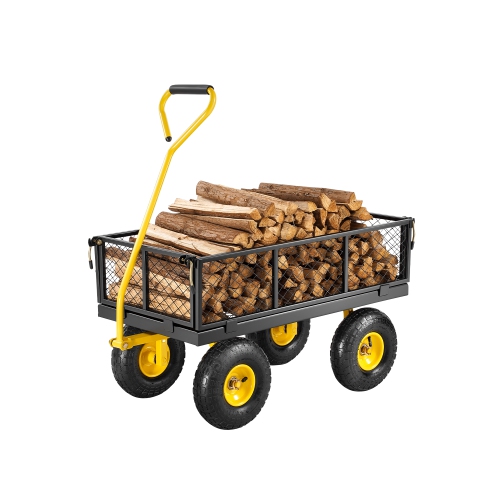
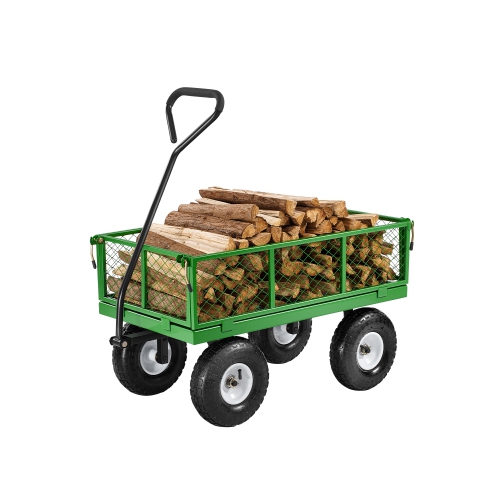
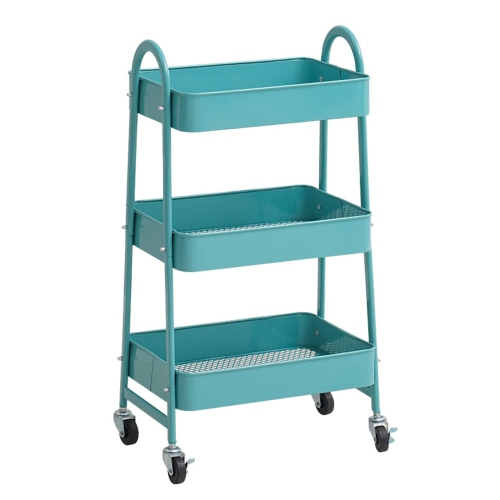
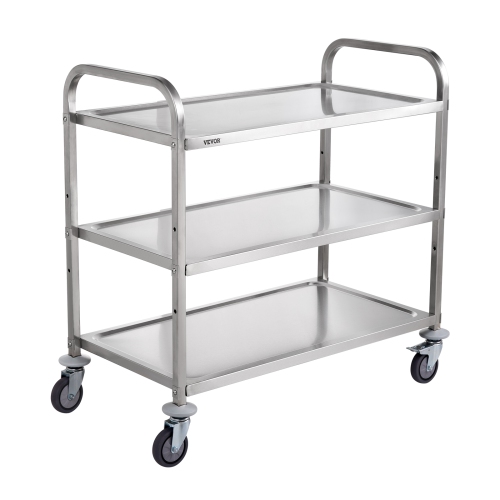
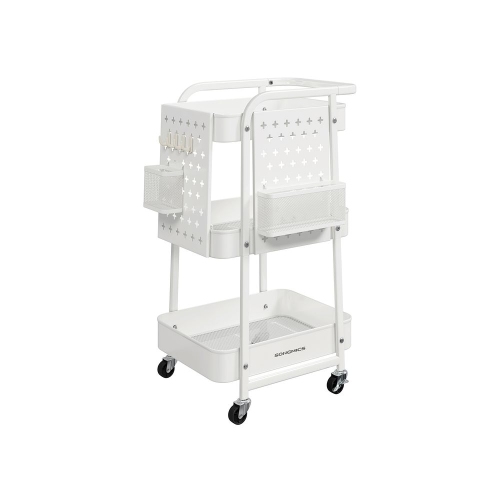
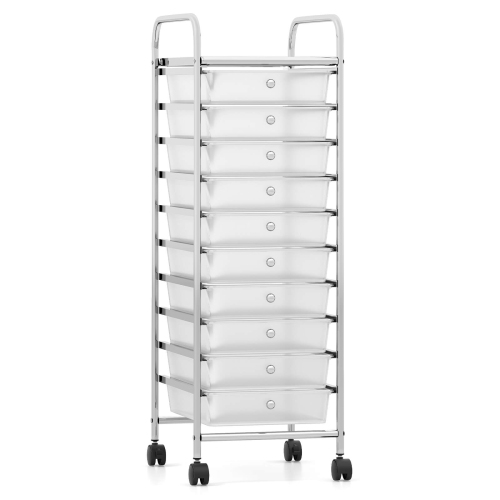
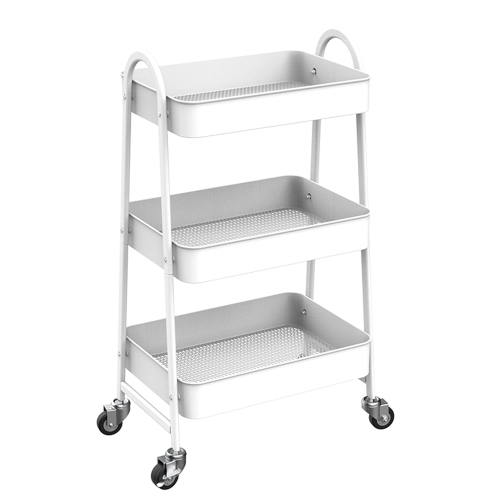
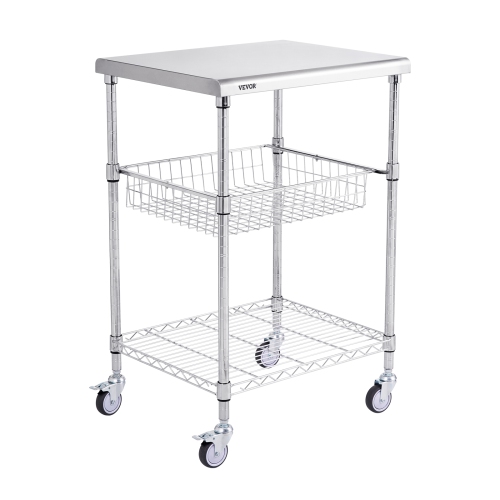
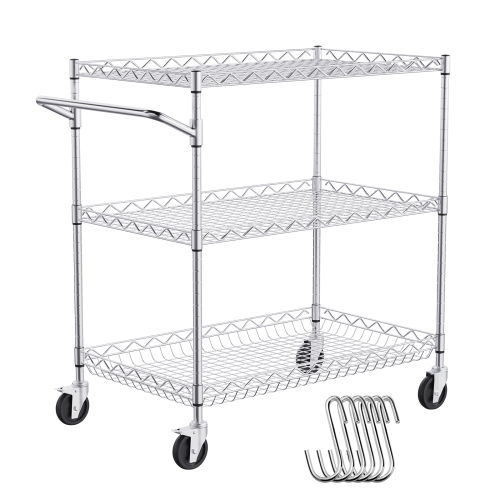
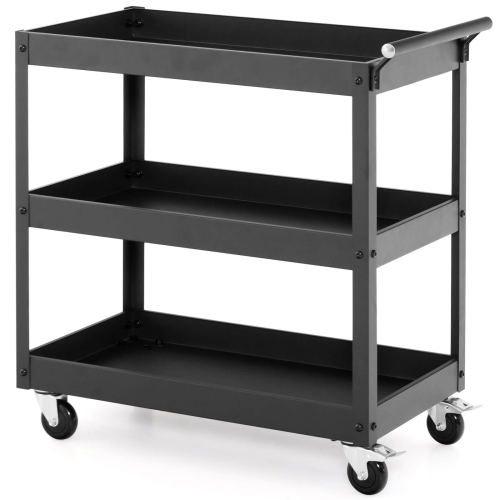
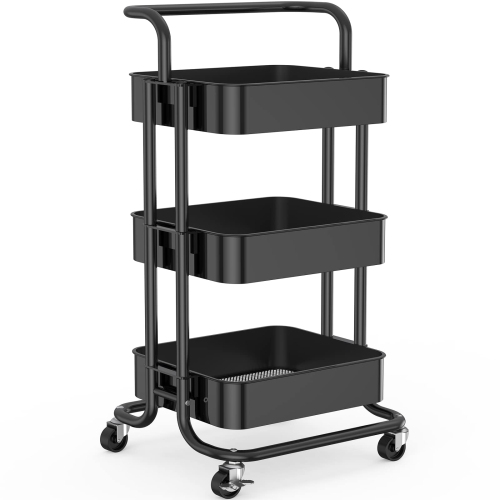
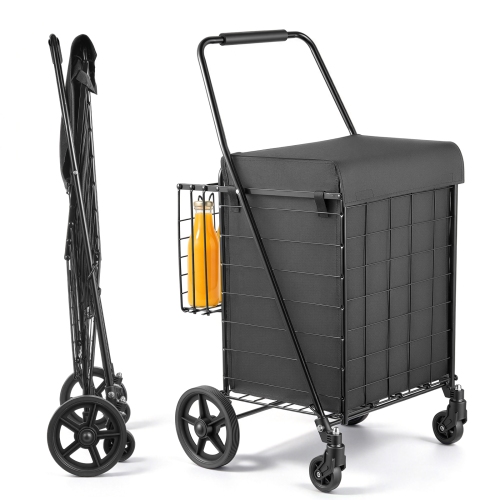
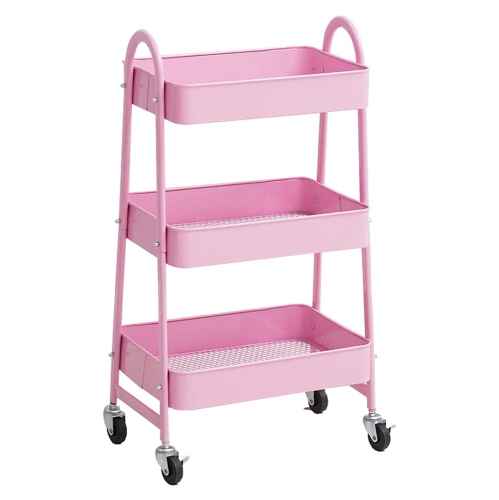
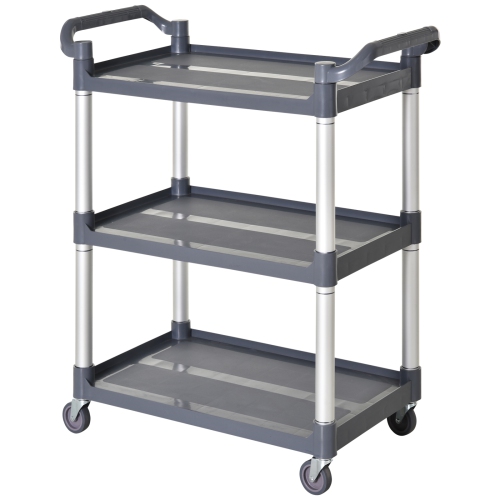
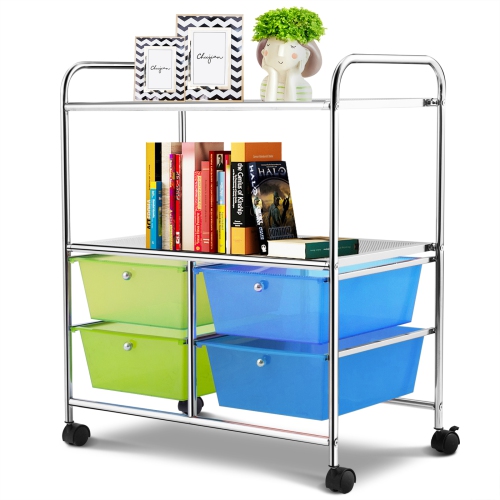
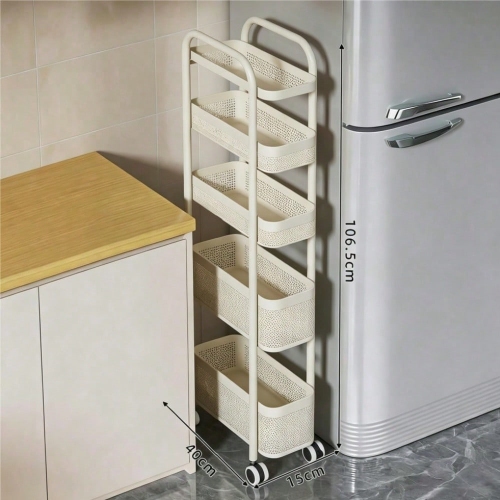
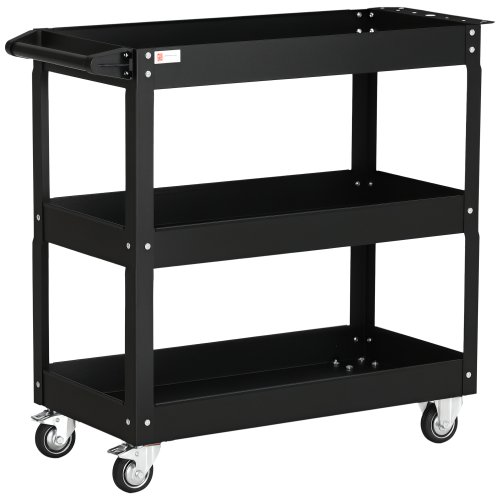
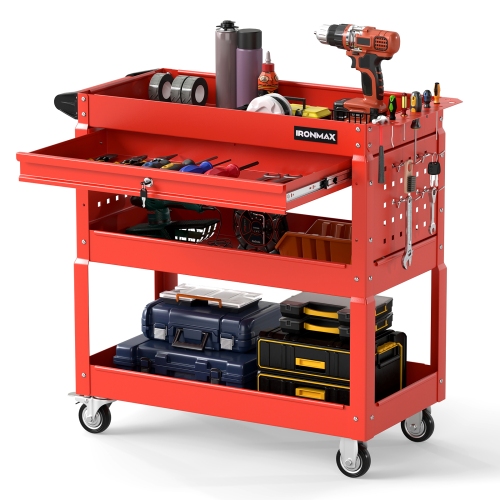
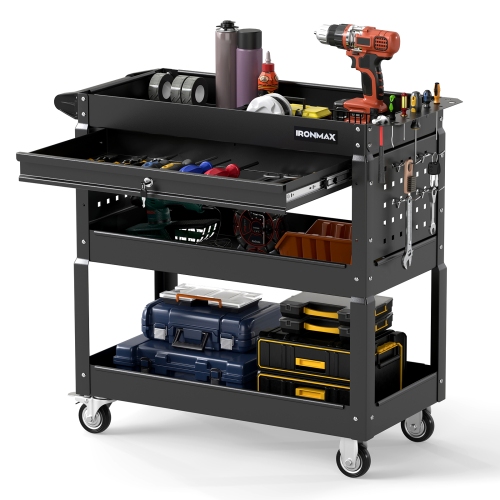
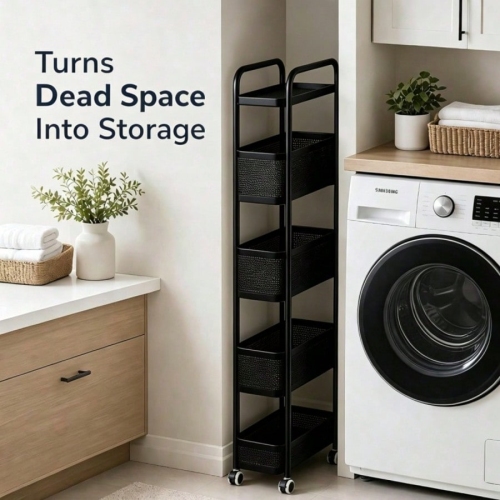
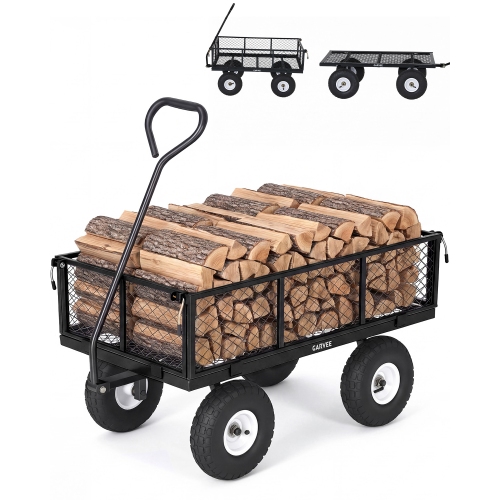
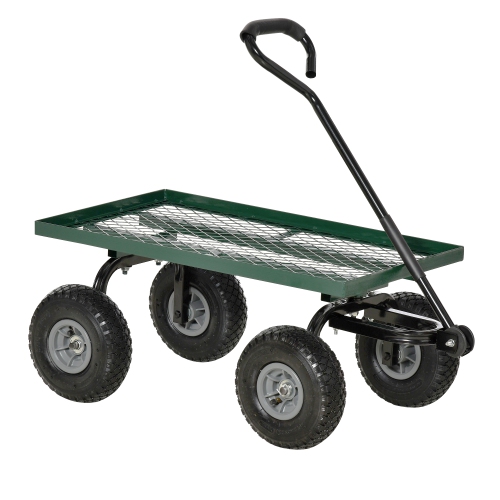
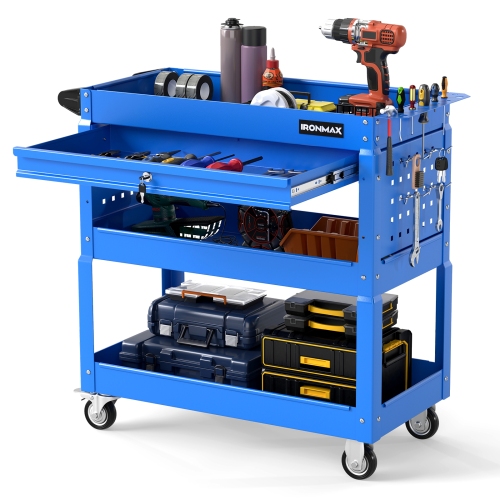
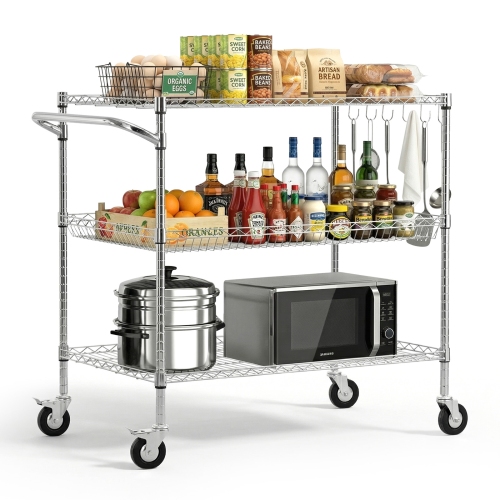
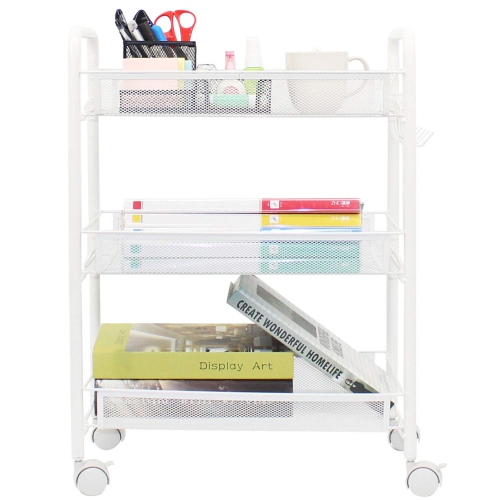
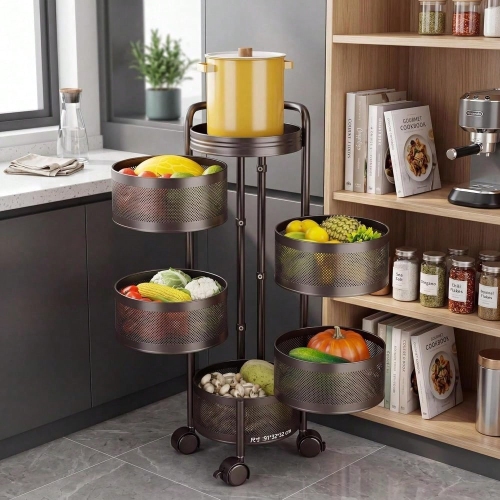
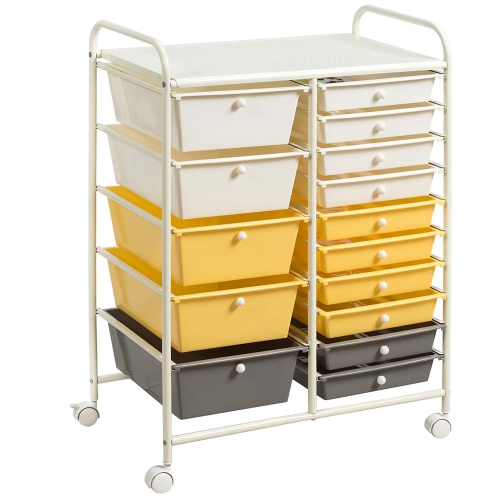
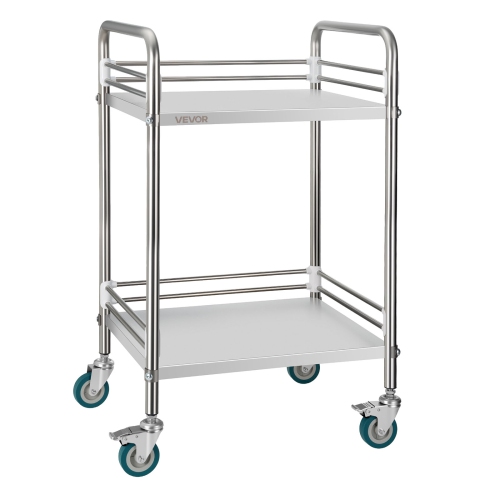
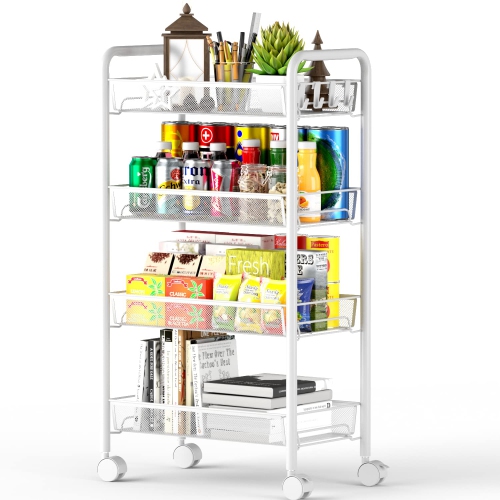
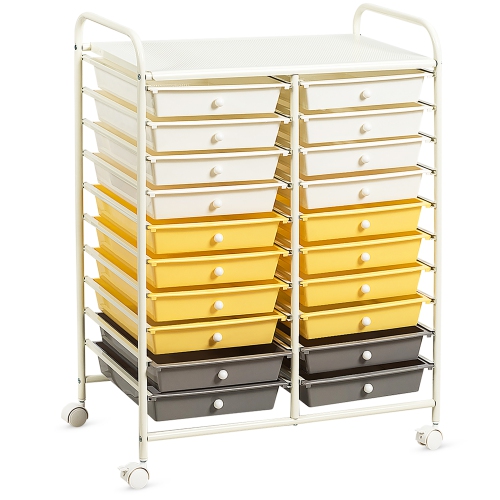
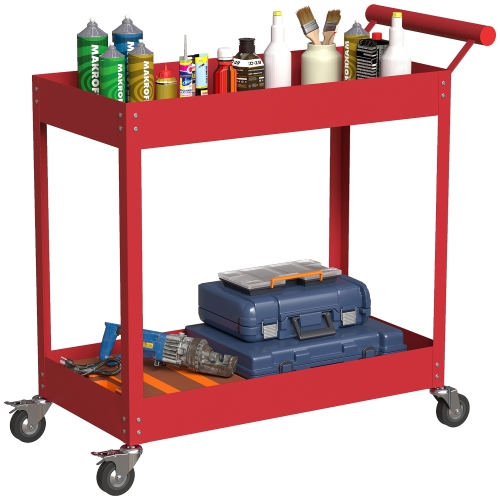
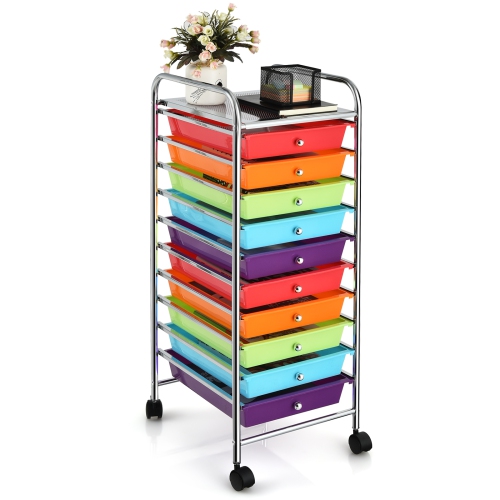
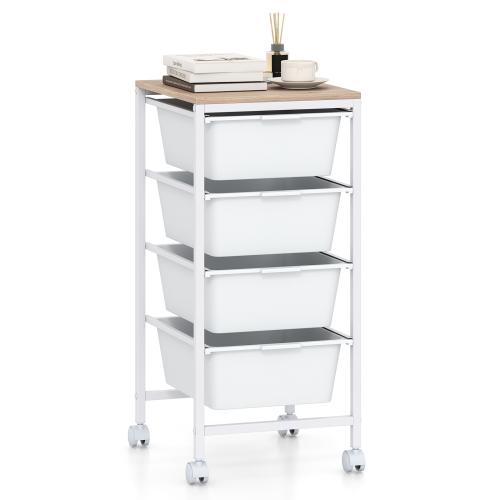
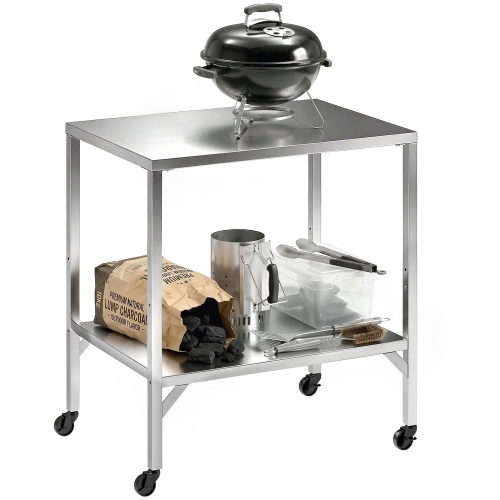
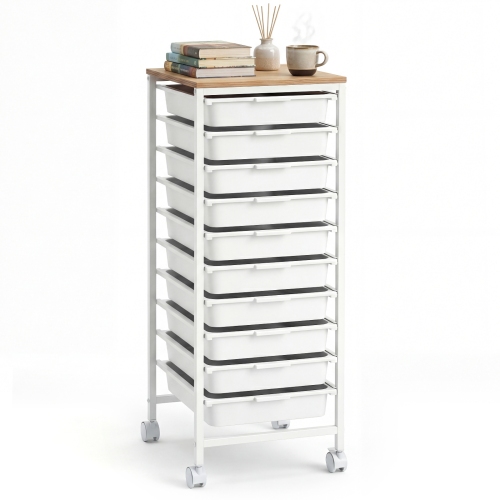
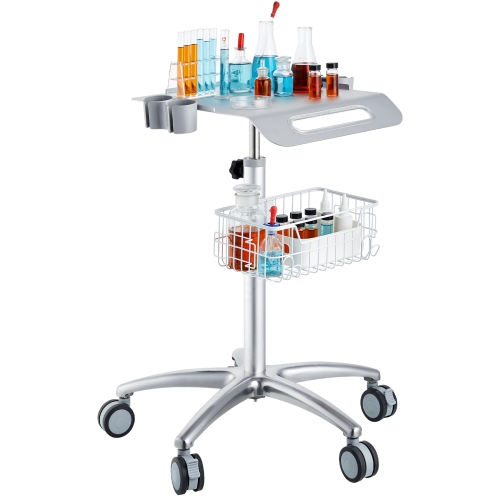
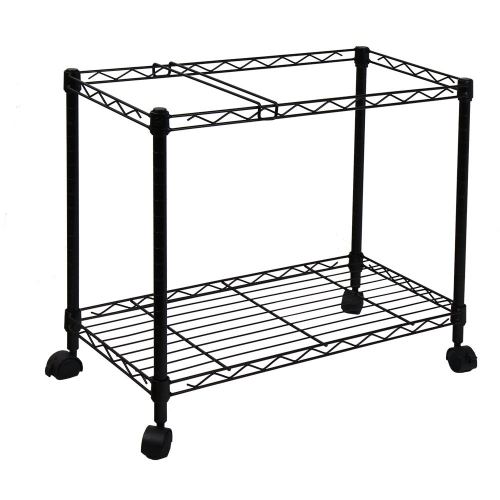
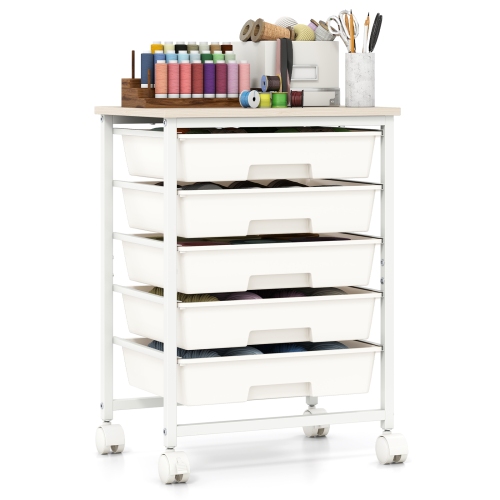
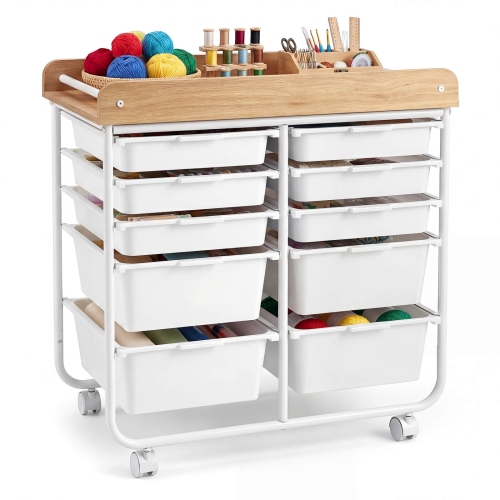
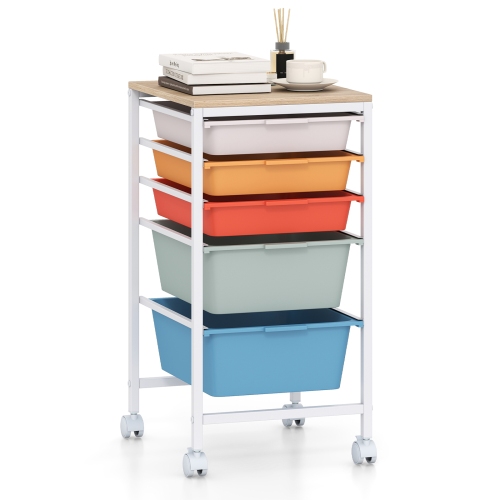
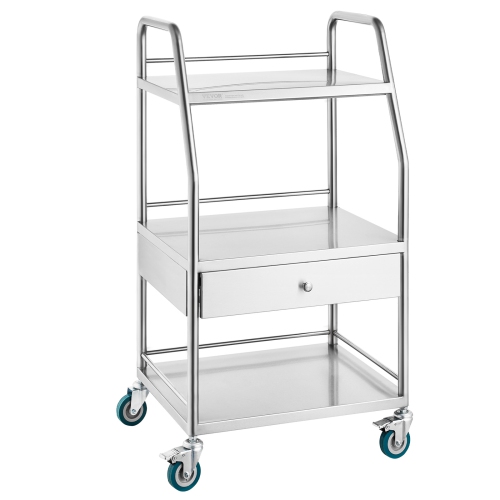
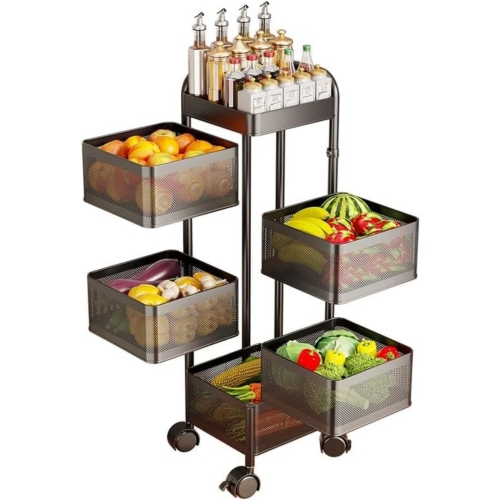
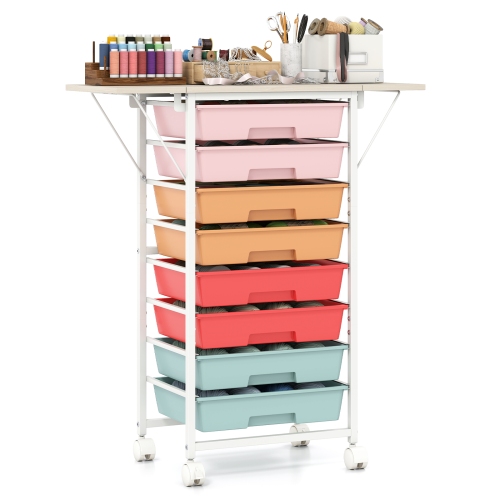
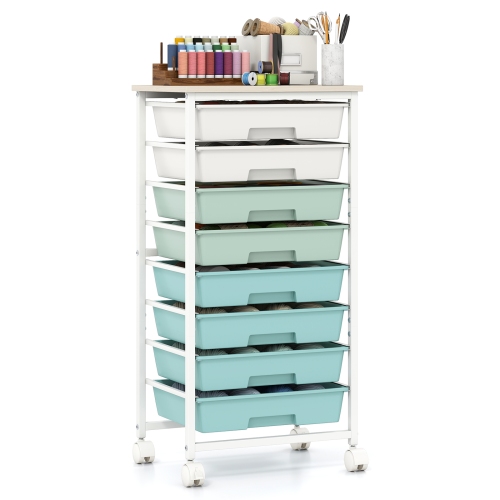
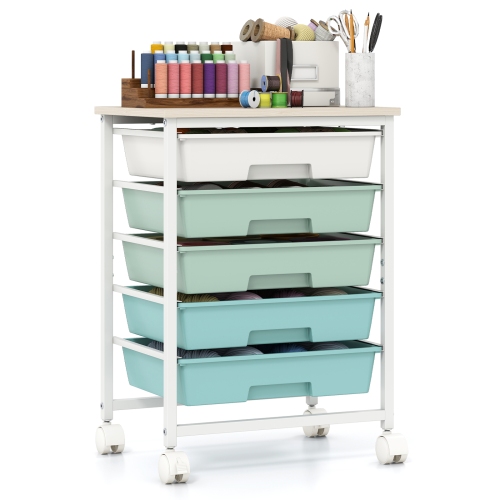
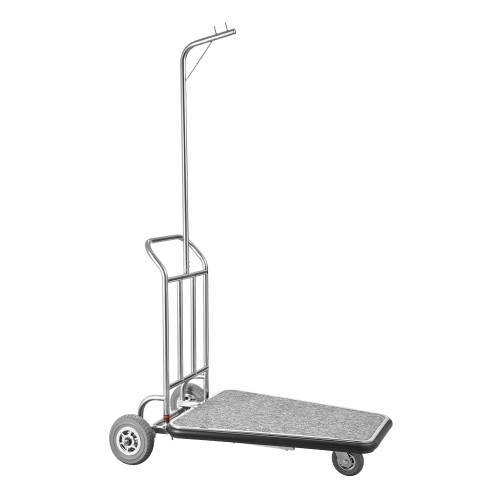
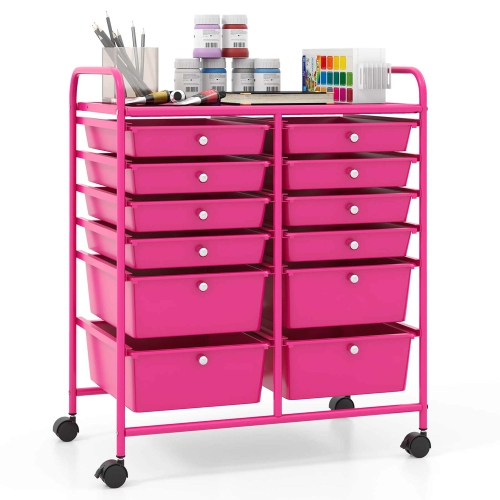
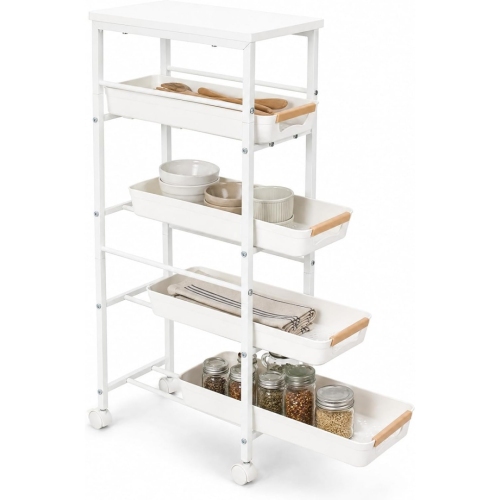
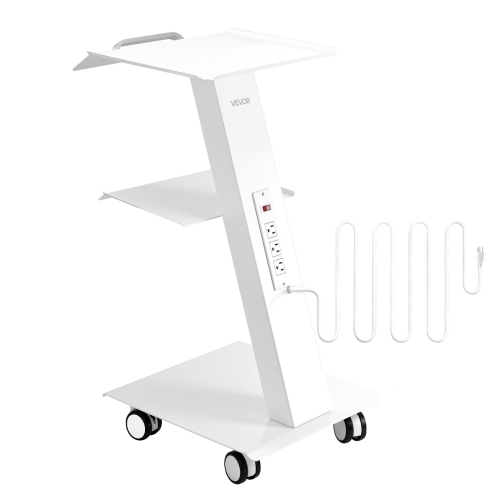
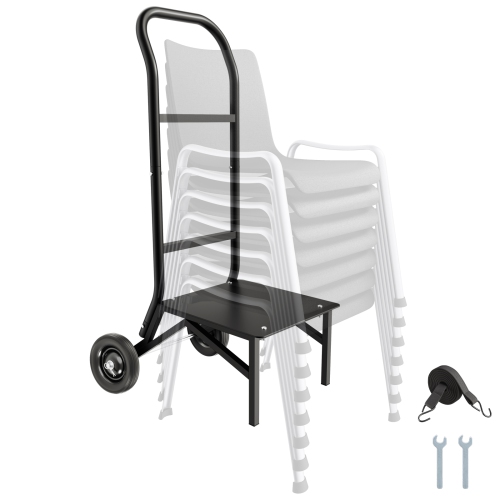
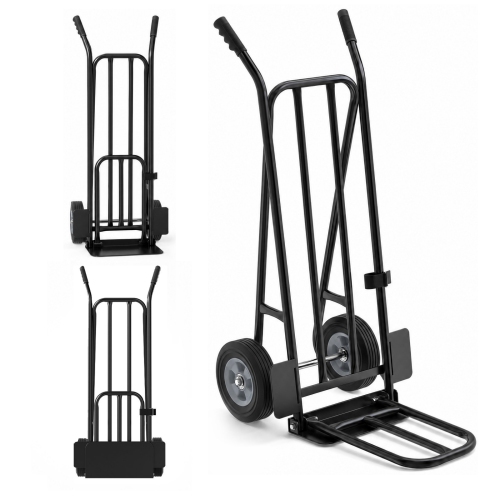
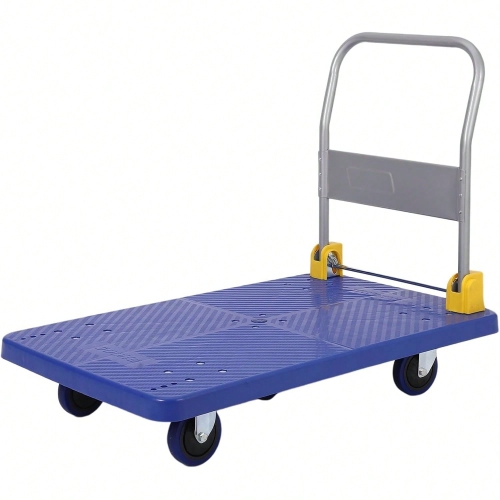
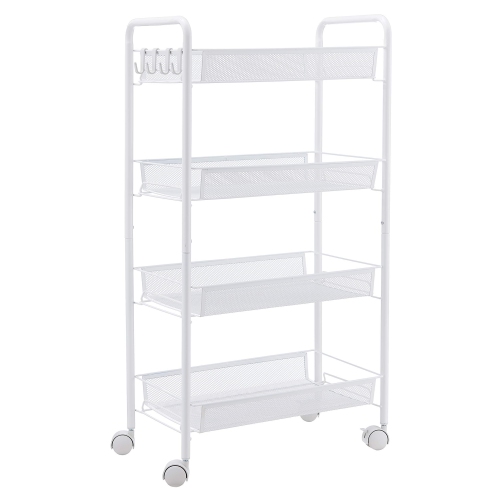
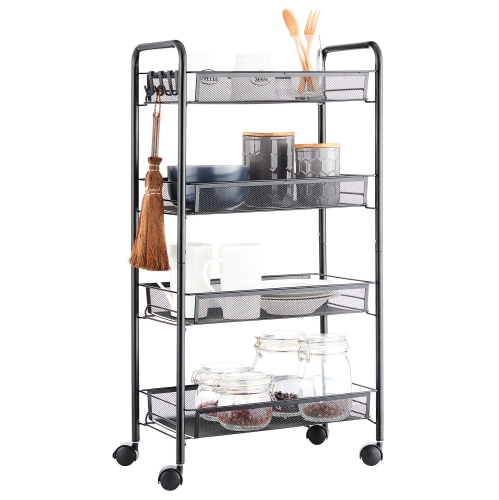
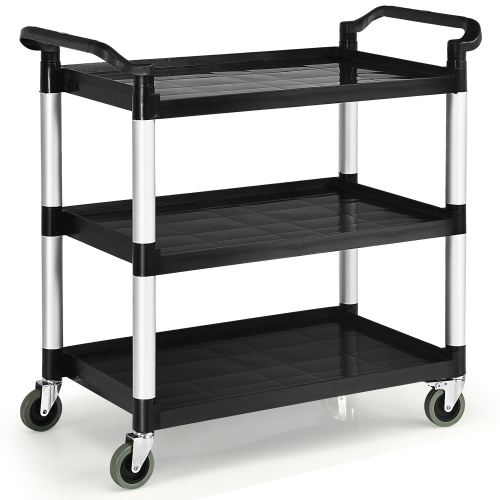
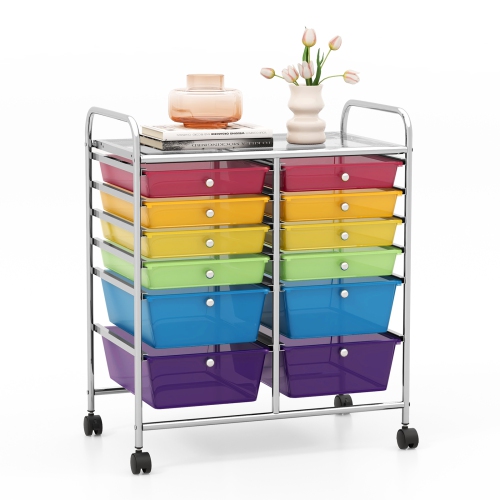
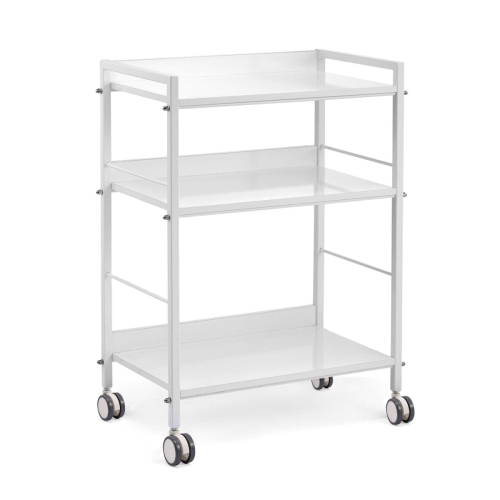
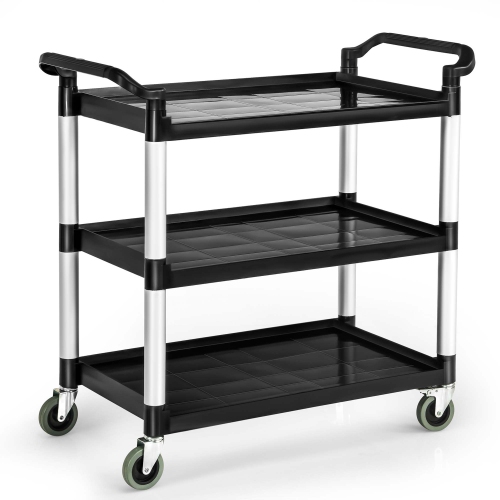
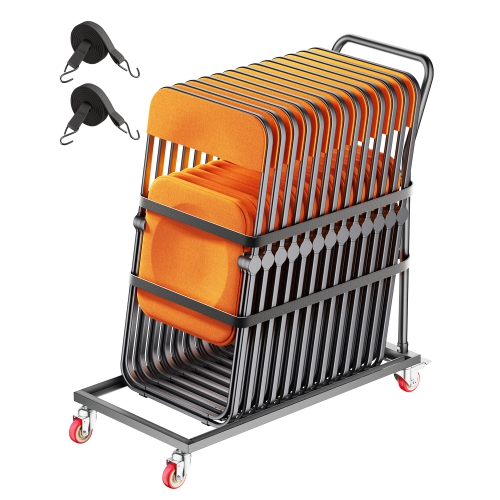
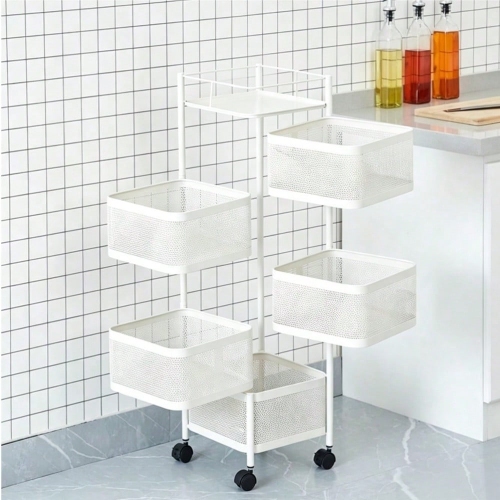
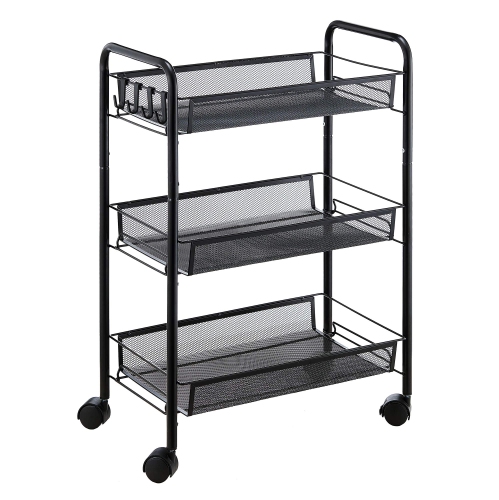
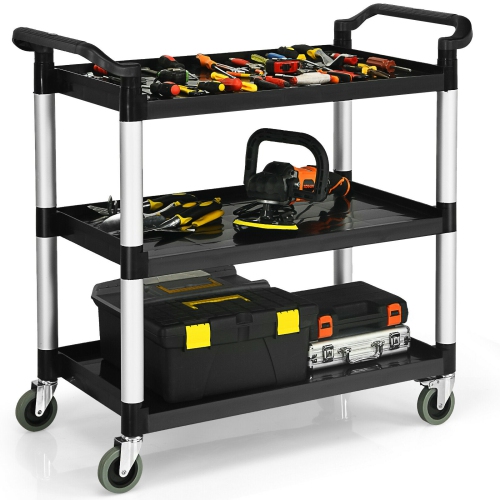
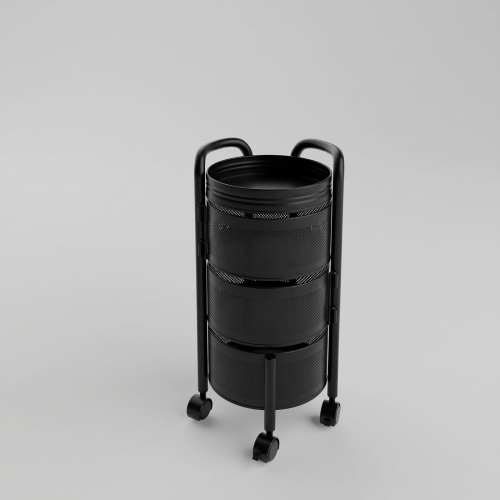
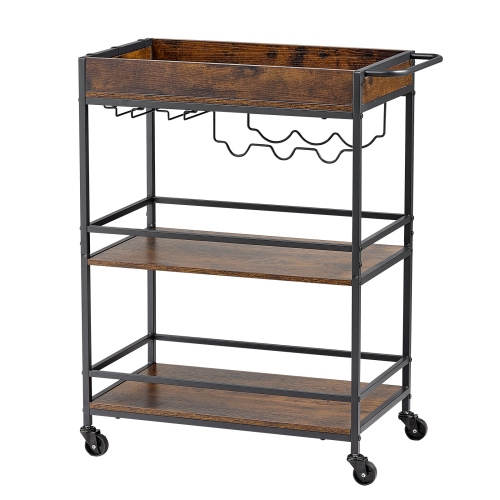
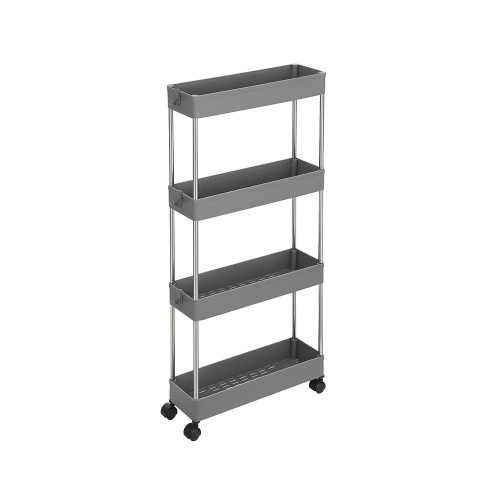
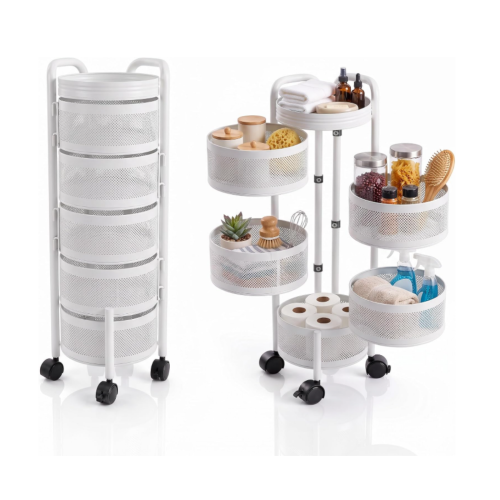
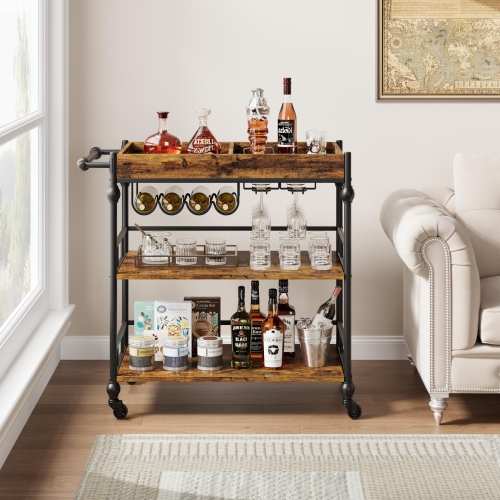
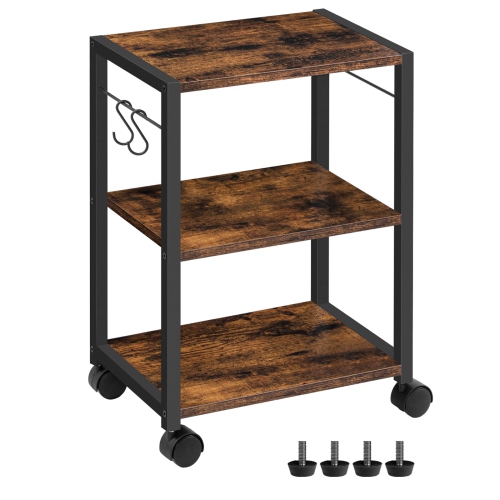
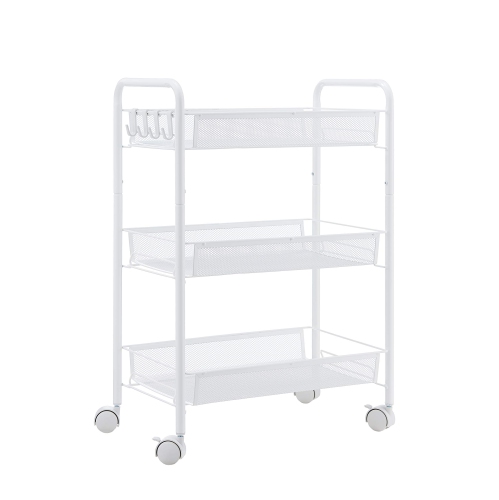
Metal carts with wheels bring storage closer to the task, whether that means keeping mixing bowls beside a kitchen worktop, moving paperwork between desks, or gathering craft supplies beside a sewing table. Their appeal lies in a combination of accessible shelving and a frame that can move when a room needs to serve a different purpose. A narrow cart can make use of a gap beside a cabinet, while a broader trolley can provide a movable landing spot for supplies that would otherwise crowd a table. Metal construction suits many of these everyday roles, though the material and finish affect how a cart feels and wears. Steel frames can provide a sturdy base for heavier contents, while aluminium construction may reduce the effort needed to reposition an empty cart. Stainless steel is often chosen for its clean appearance and resistance to corrosion, but it still benefits from prompt cleaning and drying. Painted and powder-coated finishes offer different colours and textures, from a discreet white frame in a laundry area to a dark finish beside office furniture. The condition of the coating matters, particularly around shelf edges and joints where bumps and rubbing are more likely. Shelf design also changes the way a cart works. Solid shelves provide an even base for small containers and loose supplies, while wire shelves allow air to circulate and make dust easier to spot underneath. Raised edges can help keep contents from sliding off during ordinary movement, although they do not replace careful loading. Basket-style tiers are useful for rolled towels, packaged pantry goods, or bundles of cables, while flatter shelves accommodate storage bins and equipment with wider bases. In a kitchen, a cart can hold utensils and serving dishes without necessarily providing a surface suitable for direct food preparation. That distinction depends on the stated purpose and care requirements of the top, not simply on whether it looks like metal. For households, shared offices, and hobby spaces, the most useful construction is the one that matches what the cart will carry and how often it will move.
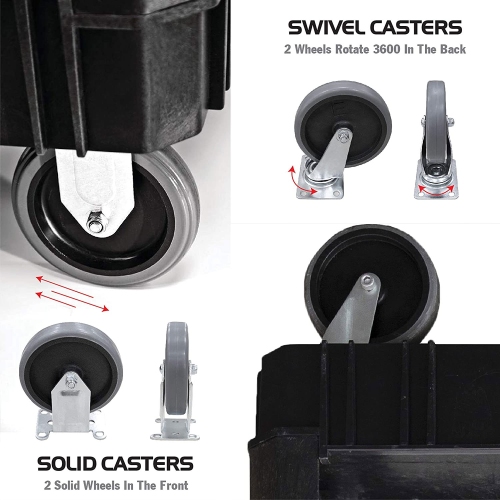
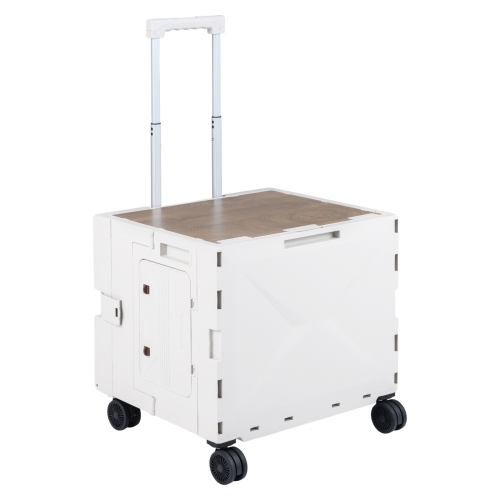
Fit involves more than finding a cart that slips into an empty corner. Overall width and depth need to account for handles, protruding wheels, and any accessories attached to the frame. A cart parked neatly beside a desk still needs enough clearance to pull out without catching a chair or blocking a doorway. Height matters just as much: a lower top may sit comfortably beneath a work surface, while a taller frame can bring frequently used supplies within easier reach. Shelf spacing determines whether upright bottles, binders, or storage baskets fit without being tilted, and adjustable shelves can make a cart more adaptable as those needs change. For anyone working from a seated position, the reach to the top shelf and the space around the handle deserve particular attention. Movement is another practical distinction between carts that look similar in a photograph. Wheel diameter, tread material, and the arrangement of swivelling and fixed casters all influence handling. Larger wheels may negotiate small floor transitions more easily, while softer treads can help reduce rolling noise and marks on some hard surfaces. Suitability still depends on the flooring and the wheel specifications; no tread should be assumed safe for every finish. A cart that rolls smoothly across tile may take more effort to move over thick carpet. Locking casters help hold a cart in place during loading or use, with some mechanisms locking the wheel and others also limiting swivel movement. Weight capacity needs the same close attention. A stated total capacity is not necessarily the allowance for each shelf, and evenly distributed weight is different from one heavy object concentrated in a small area. Keeping heavier contents on the lower shelves can improve stability and leave lighter, frequently used supplies above. Clear routes, manageable loads, and a comfortable handle position make everyday movement less awkward, especially through a compact kitchen or busy workspace. A wheeled cart is intended for suitable level surfaces, not for carrying a loaded stack down stairs or serving as a seat or step.
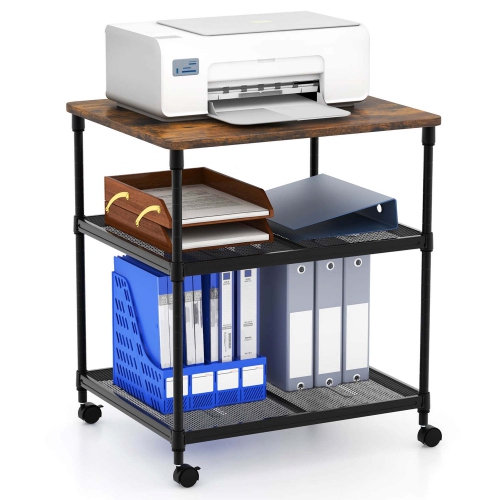
The way a cart is organized often determines whether it becomes useful storage or another place for things to collect. In a home office, separate bins can keep charging cables, stationery, and printer supplies from becoming tangled together, with the shelf above left open for paperwork in progress. Beside a craft table, shallow containers make small tools visible, while taller baskets can gather fabric or larger materials below. In a laundry area, a cart can keep cleaning supplies together and free up a folding surface, provided potentially harmful contents remain out of reach of children and pets. A kitchen trolley may be most useful as a movable station for serving pieces or small appliances, although any appliance needs a suitable supporting surface, the clearances specified by its manufacturer, and safe access to power. Cords should not trail across a route or remain connected while the cart is being moved. These small details help distinguish a cart chosen mainly for storage from one expected to support an active work area. For spaces that need a different balance of enclosed storage, shelf depth, or carrying capacity, utility carts on wheels offer another way to bring supplies together near the point of use. Day-to-day care helps preserve both appearance and movement. A soft cloth and a cleaner appropriate to the finish are generally preferable to abrasive pads that can scratch a coated surface. Spills deserve attention around seams, fasteners, and shelf corners, where moisture can linger unnoticed. Drying the frame after cleaning is especially helpful in areas where splashes are common. Wheels also need occasional attention: hair, thread, and dust can wrap around axles and make a previously smooth cart harder to steer. Periodic checks for loose fasteners, damaged shelves, and worn brakes can reveal problems before they interfere with use. With suitable dimensions, sensible loading, and straightforward upkeep, a metal cart can keep everyday essentials close without permanently committing a room to one layout.
Top selling and popular products
-
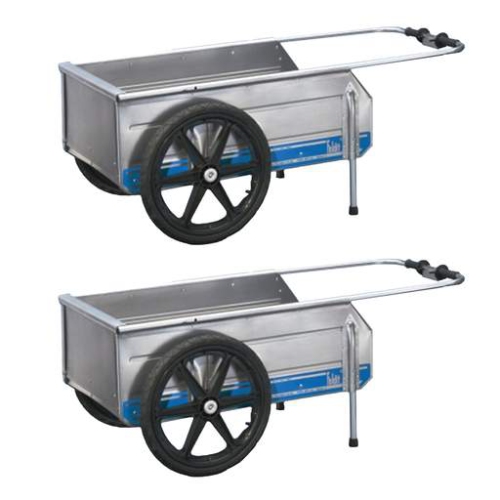 Your price for this item is $1576.99
-
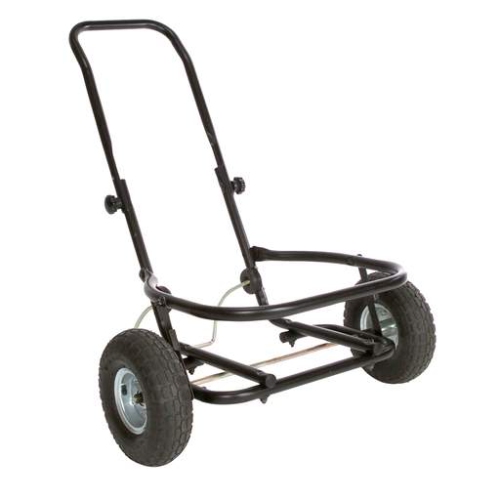 Your price for this item is $258.99
-
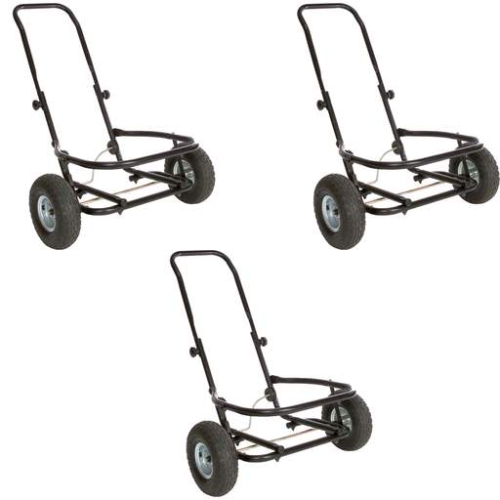 Your price for this item is $764.99
-
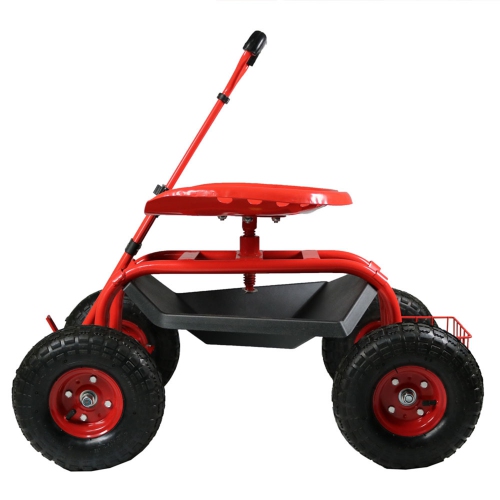 Your price for this item is $247.35
-
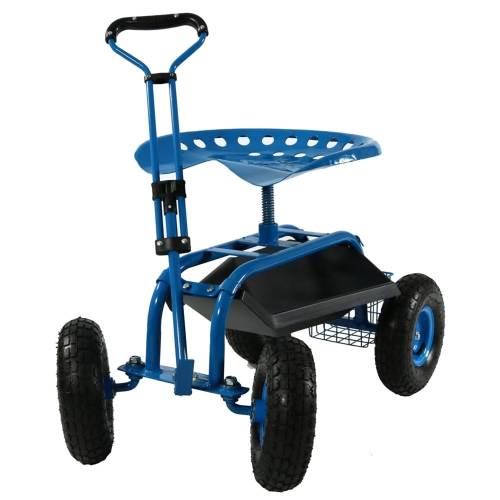 Your price for this item is $247.35
-
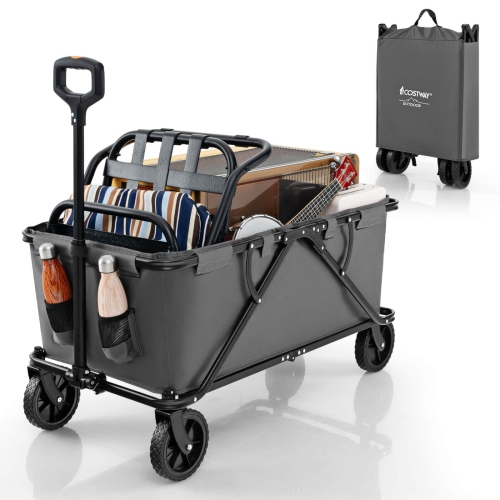 Your price for this item is $177.99
-
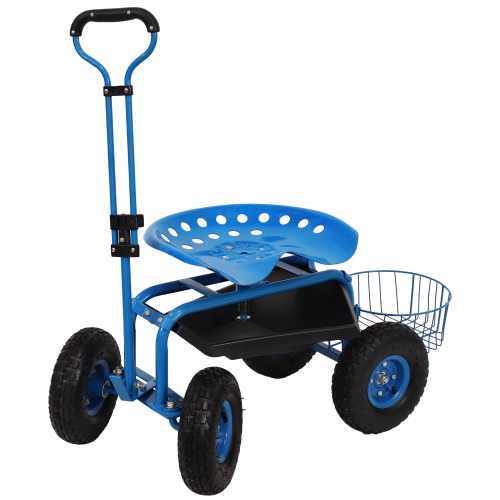 Your price for this item is $261.95
-
 Your price for this item is $308.99
Discover more categories related to Metal Carts With Wheels
Top Collections:
Best Black Friday Deals This Year, Best Black Friday Deals On Electronics, Kindle Devices, Dyson Airwrap, Best Cameras for Sports Photography, Best Budget Office Chairs, Canon G7X Cameras, PS5 Pro Consoles, Best Black Friday Deals On Apple Products, XBOX One S Consoles
Some products may be subject to Environmental Handling Fees
(EHF) depending on your province.
Learn more about EHFs.