Midland Walkie Talkie
Stay connected wherever your adventures take you with a Midland Walkie Talkie. Ideal for outdoor activities, family outings, or keeping in touch on the job, these reliable communication devices offer a convenient way to stay in contact without relying on cell service. Explore a range of Midland Walkie Talkies designed to make communication easy and efficient, whether you're hiking, camping, or coordinating events. Discover the perfect model to suit your needs and enjoy peace of mind knowing you can reach your group anytime, anywhere.
Sort
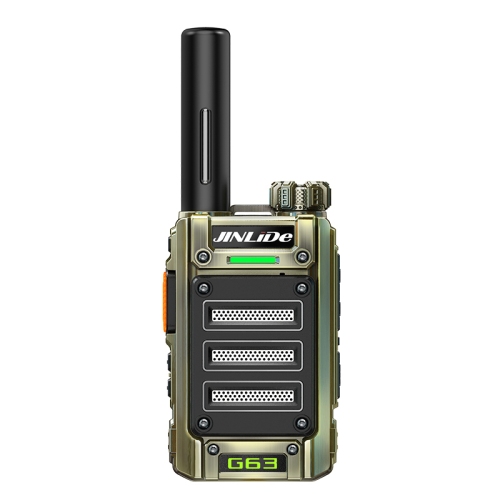
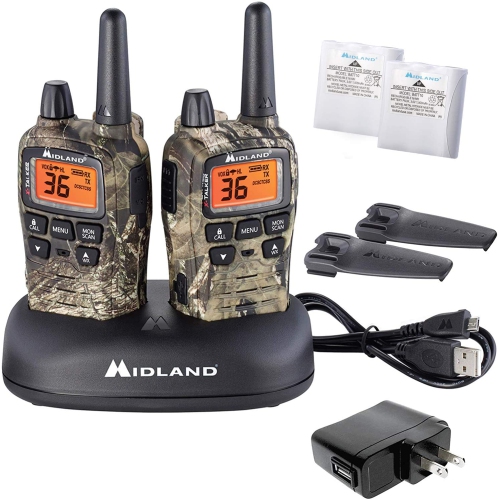
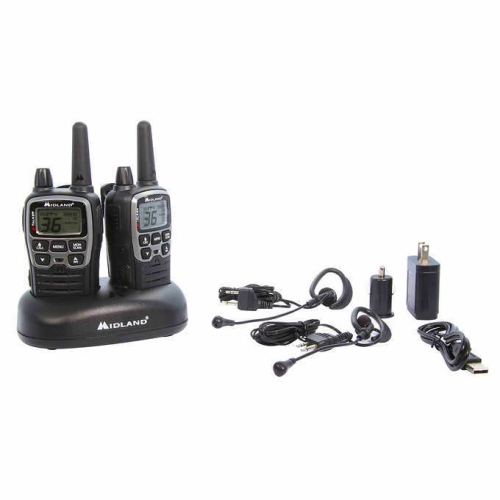
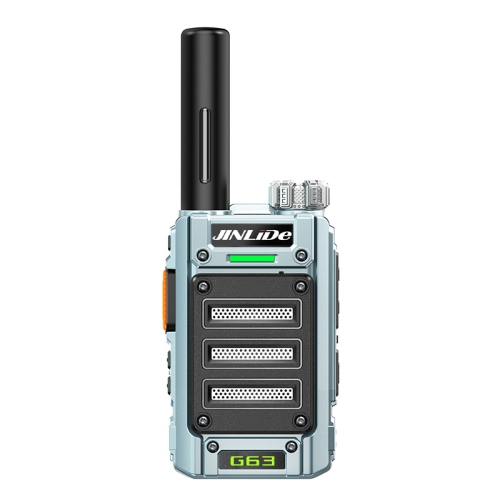
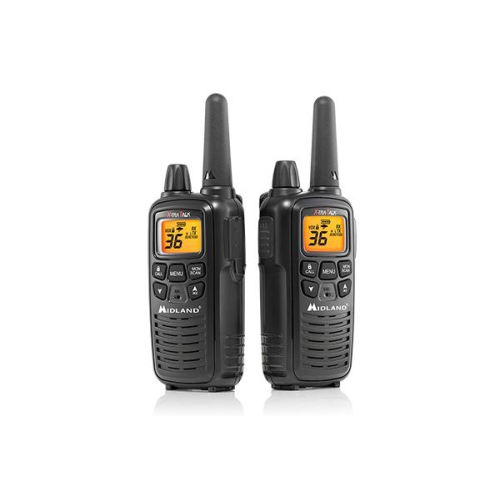
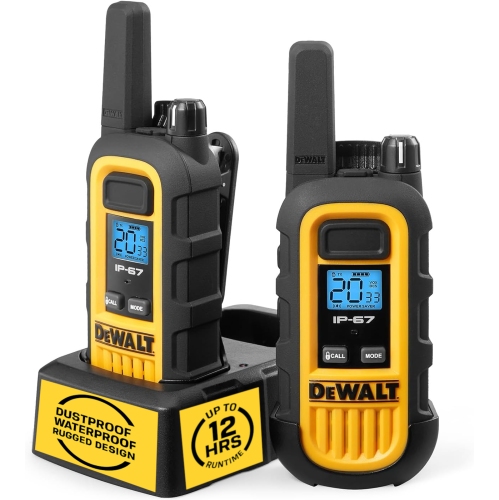
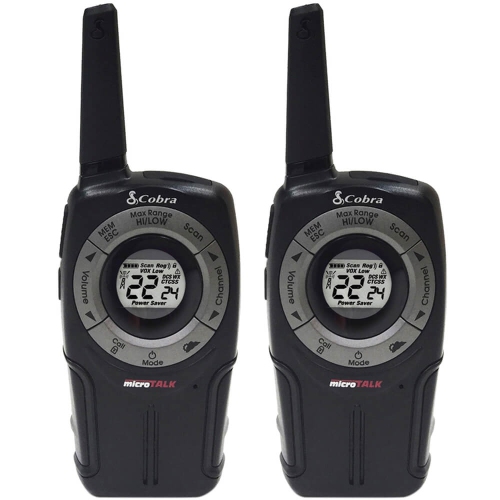
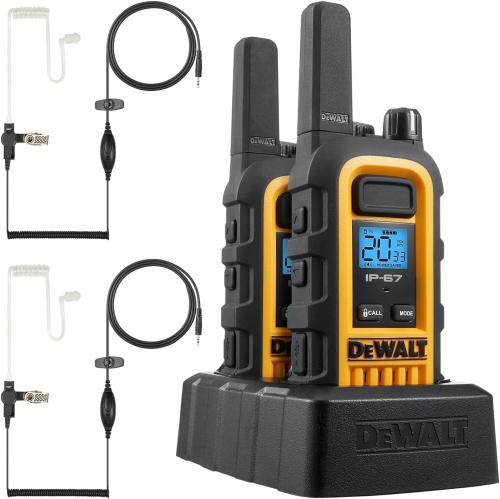
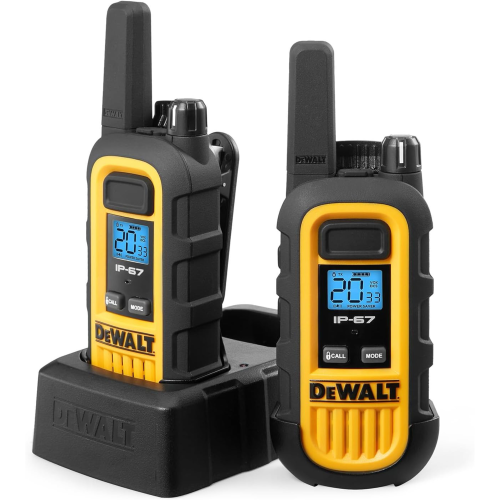
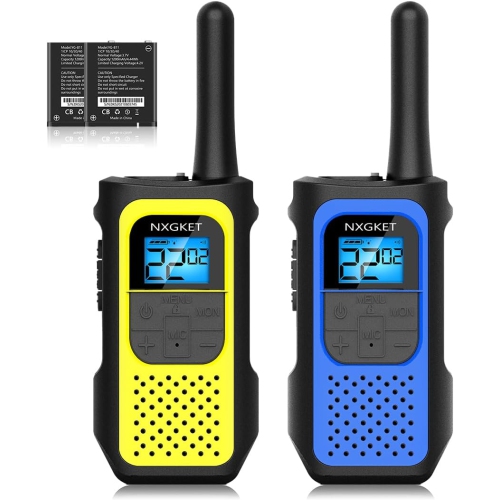
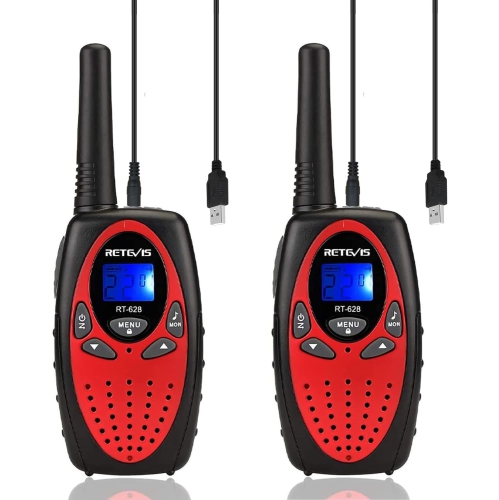
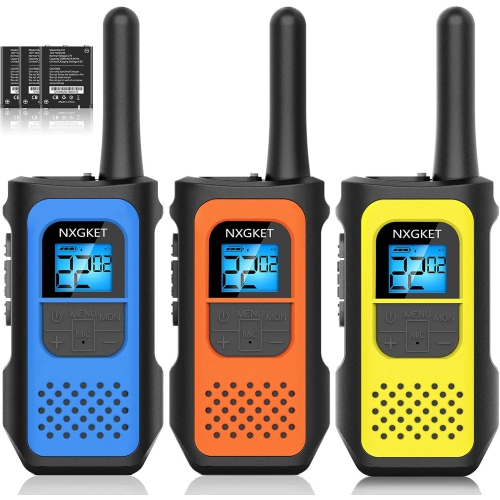
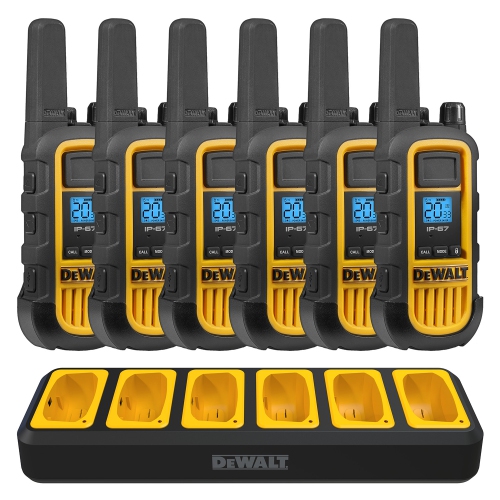
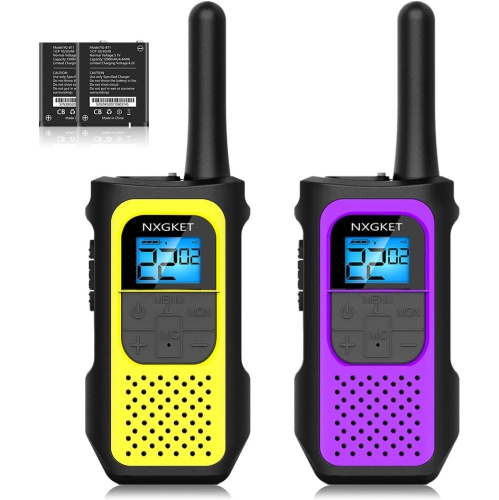
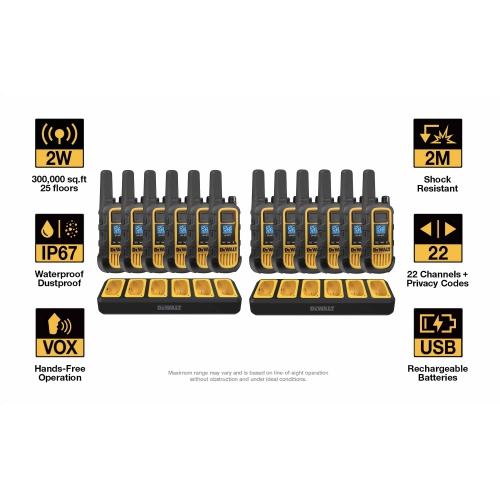
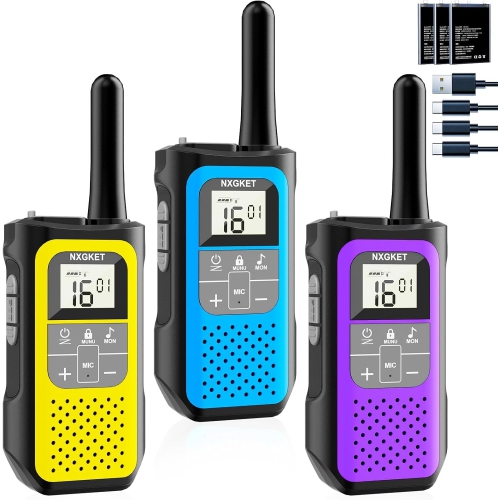
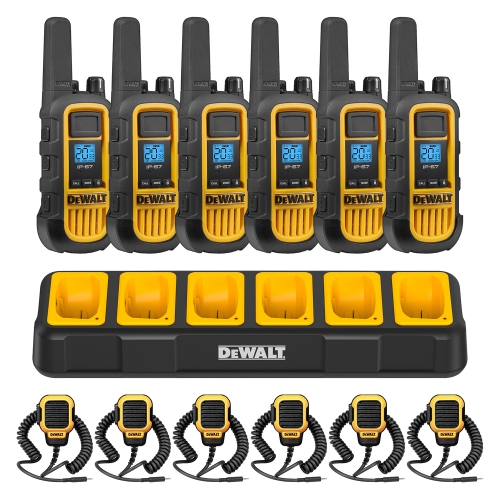
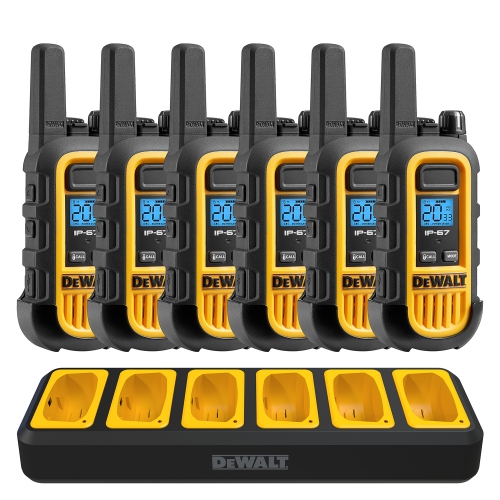
Group check-ins without relying on a cellular connection
Walkie-talkies are handheld two-way radios that let people speak directly to one another over a shared radio channel, without relying on a cellular connection for basic voice communication. Their push-to-talk operation suits short, practical exchanges: letting a hiking partner know which trail junction to take, checking whether another family member has reached the meeting point, or asking an event helper to bring another folding table. Unlike a phone call, a radio conversation can reach several people at once when their radios use compatible channels and settings. Only one person normally speaks on a channel at a time, which makes clear, brief messages especially useful. For families, recreational groups, and small teams, the appeal is straightforward communication with a dedicated button rather than a screen full of apps. Compact housings, belt clips, and accessible controls help keep a radio close at hand while leaving pockets free for other essentials. A pair can connect two people or two groups, while a larger set can give each participant a separate handset. Radio compatibility matters when adding handsets to an existing group: matching the channel number alone may not be enough unless the radios also share the same frequency and compatible privacy-code settings. Consumer FRS and GMRS radios certified for use in Canada can generally be operated without an individual radio licence, provided they meet Canadian requirements; rules and equipment requirements differ across borders. Intended use also shapes the most useful feature mix. A family visiting a large attraction may value simple controls and an easy-to-read display, while a trail group may place more importance on secure attachment points and flexible battery options. Walkie-talkies can also make a practical gift for campers, hikers, or relatives who enjoy shared outings, especially when the set includes enough handsets for the group. For younger users, manageable size, an uncomplicated channel lock, and adult help with setup can make communication easier without turning every exchange into a lesson in radio settings.
Communication range is one of the most important distinctions between walkie-talkies, but an advertised maximum is not a promise of the distance a radio will cover in everyday use. Long-range figures usually describe favourable conditions with a clear path between radios and few obstructions. Buildings, dense trees, hills, and differences in elevation can shorten that distance considerably. Two people on opposite sides of a concrete building may have more difficulty communicating than two people farther apart across open ground. Antenna position and the way a handset is carried also affect performance, so a radio clipped upright and clear of the body may work better than one buried deep in a packed bag. Clear audio at the distances a group actually uses matters more than the largest number on the packaging. Channel selection helps groups find a less busy frequency, while privacy codes filter out transmissions that do not carry the selected code. Those codes do not encrypt conversations or make a channel exclusive; other listeners may still hear the transmission, and overlapping calls can still cause interference. Features such as channel scanning, call alerts, keypad locks, and adjustable volume can make shared use more convenient, although the available functions vary by radio. Hands-free voice activation can be useful when carrying equipment, but surrounding noise may trigger it unintentionally, making push-to-talk a better fit in busy settings. A compatible headset or speaker microphone can keep speech easier to hear and controls easier to reach, provided the accessory connector and wiring match the handset. For recurring workplace communication, Professional Walkie Talkies offer another category to consider, with attention to duty cycle, accessory support, construction, and any applicable licensing requirements. Recreational radios remain useful for many everyday group activities, but they should not be treated as a guaranteed emergency connection. An agreed meeting place and a separate way to seek help remain important when a group travels beyond dependable cellular coverage.
The physical design of a walkie-talkie makes a noticeable difference over a full day of use. Moulded plastic housings keep many consumer radios relatively light, while textured sides and well-spaced buttons can improve grip and make operation more deliberate. A compact handset may fit comfortably in a smaller hand, but very small controls can be harder to identify by touch. Larger buttons, a readable display, and a volume control that stays where it is set can be more valuable than a long list of rarely used functions. A belt clip needs to hold securely without making the radio awkward to remove, and a lanyard attachment offers another carrying option where appropriate. Durability claims deserve attention to their specific meaning: a water-resistance rating is not the same as permission to submerge a radio, and a sturdy-looking housing does not establish a tested drop rating. Battery arrangements are equally practical. Rechargeable packs and charging docks can simplify preparation for repeated use, while radios designed to accept replaceable batteries provide another power option on longer outings. Not every handset supports both, and rechargeable batteries should only be charged using the method specified for that radio. Quoted battery life also depends on how often a person transmits, listens, and leaves the radio on standby, as well as volume and enabled features. A group making frequent calls may need a different charging routine from one checking in occasionally. Straightforward care helps preserve reliable operation: wiping the housing with a soft cloth, keeping charging contacts clean and dry, and checking clips, covers, and accessory ports for damage. Batteries benefit from storage and charging practices that follow the manufacturer's directions, including removal for extended storage where recommended. For a shared set, labelled handsets and a consistent place for charging can reduce mix-ups before departure. The most satisfying setup is one that fits the people using it, stays comfortable to carry, and makes routine messages easy to send and understand.
Top selling and popular products
-
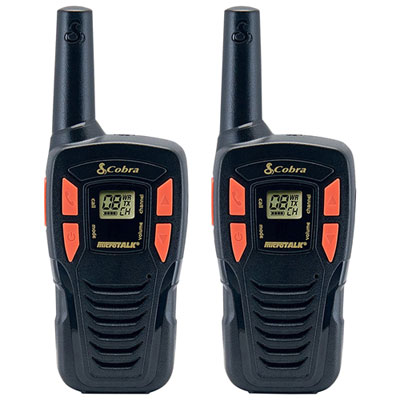 Your price for this item is $69.99
-
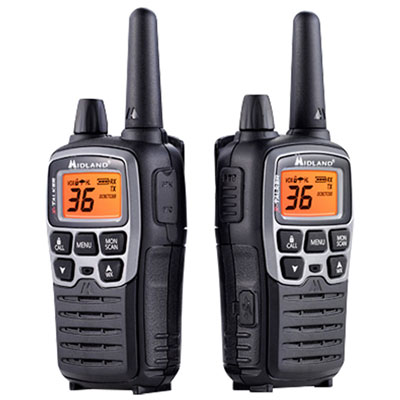 Your price for this item is $139.99
-
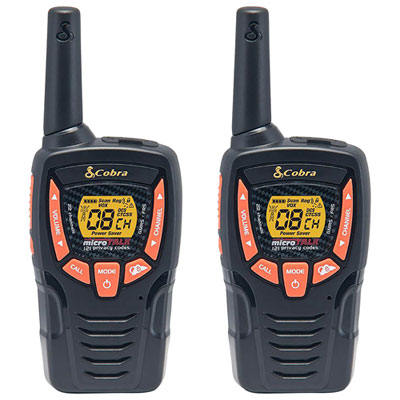 Your price for this item is $89.99
-
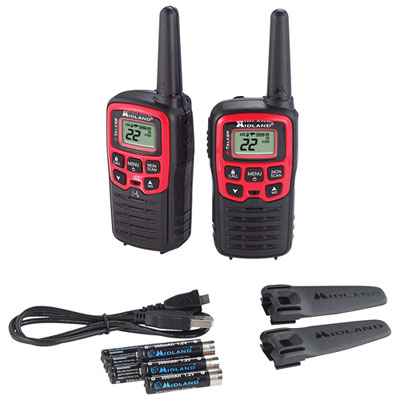 Your price for this item is $89.99
-
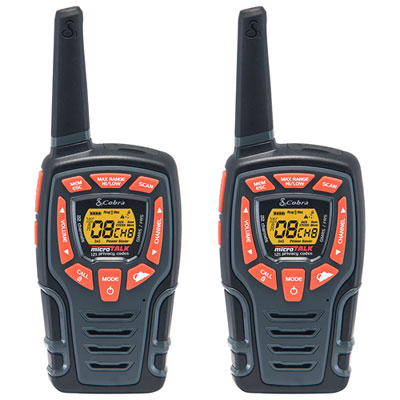 Your price for this item is $129.99
-
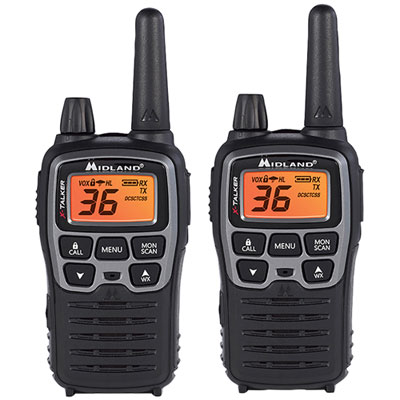 Your price for this item is $179.99
-
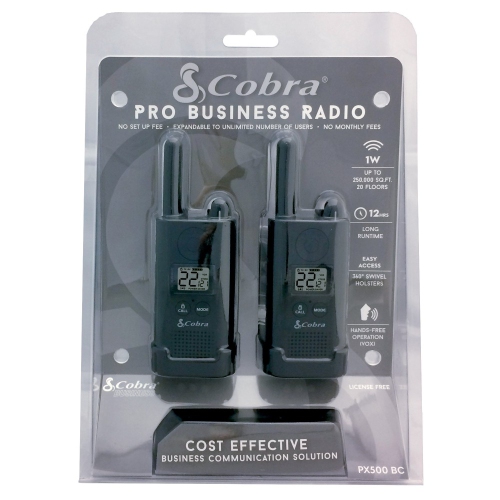 Your price for this item is $57.25
-
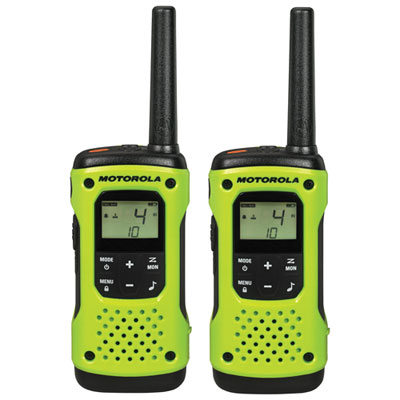 Your price for this item is $178.99
Discover more categories related to Midland Walkie Talkie

Top Collections:
Pokemon Centers, Best Cameras for Sports Photography, Kindle Devices, Samsung Galaxy Phones, Canon G7X Cameras, Pokémon 30th Celebration Cards, Refurbished Apple Laptops, iPhone 15 Apple, Laptops for Students, Budget Smartphones
Some products may be subject to Environmental Handling Fees
(EHF) depending on your province.
Learn more about EHFs.