Milwaukee M18 Batteries
Power your tools with confidence using a Milwaukee M18 Battery, designed to keep your projects moving without interruption. Whether you're tackling home improvement tasks or professional jobs, these batteries offer the reliable energy you need for a wide range of compatible devices. Explore options that help you stay productive and ready for any challenge. Find the right Milwaukee M18 Battery to keep your equipment running at its best.
Sort
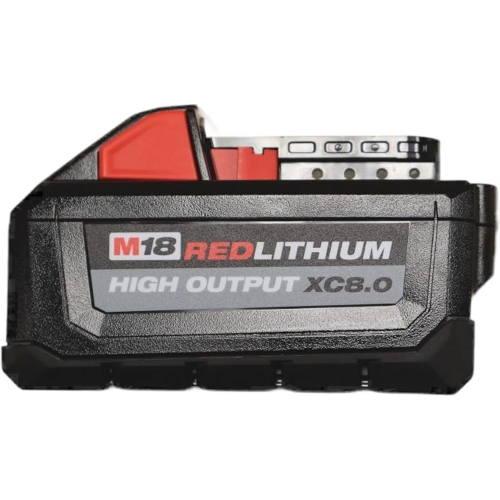

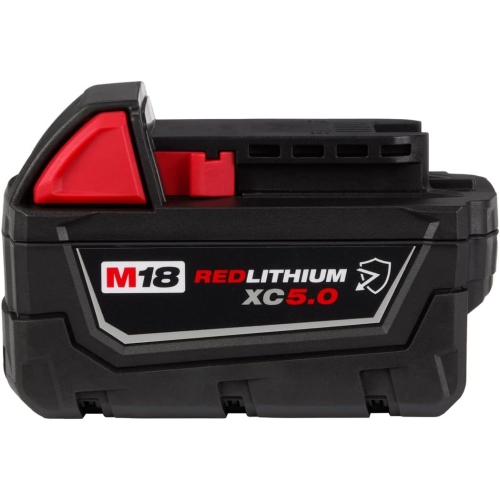


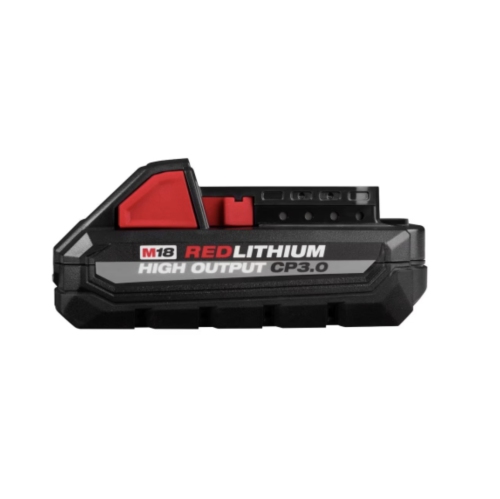


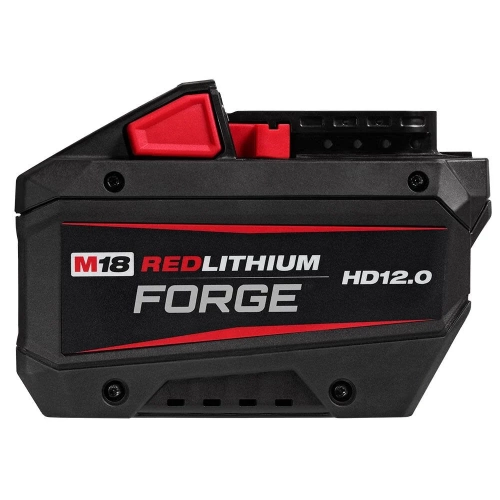





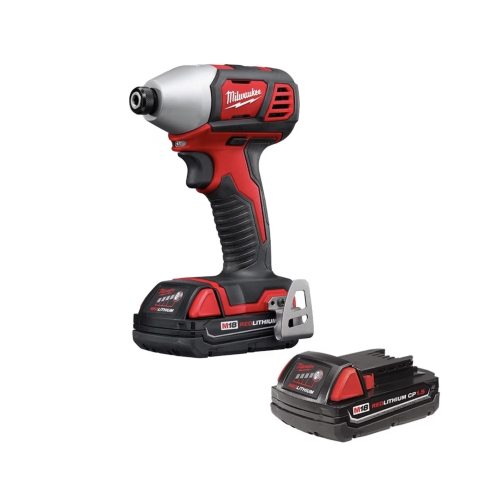

Why matching voltage does not guarantee battery compatibility
Rechargeable 18-volt lithium-ion tool batteries provide portable power for compatible cordless equipment, from drills and impact drivers to saws, sanders, work lights and jobsite vacuums. Their usefulness comes from more than the ability to work away from an outlet. Within a compatible tool platform, a removable battery can move between different tools, helping keep a project moving without a separate power source for every task. Someone assembling cabinets might move from drilling pilot holes to driving screws, while a renovator may alternate between cutting trim and collecting debris. Compact packs and larger-capacity packs support different working preferences: a smaller battery can make a handheld tool easier to manoeuvre, while a larger pack may suit longer sessions or equipment that draws more power. Physical fit matters as much as the electrical specification. The slide rails, locking mechanism, terminals and clearance around the tool’s battery mount all need to match the intended system. An 18-volt label alone does not establish compatibility, and a pack that looks similar is not necessarily suitable. The tool and battery documentation should identify the supported combinations. Weight and shape also affect how a tool feels in use. A compact pack can reduce the load during overhead fastening or work inside a cabinet, whereas a larger battery changes the balance and may extend farther below the handle. On tools with a stable base, that extra size may be less noticeable than it is on equipment held at arm’s length. Housing construction, secure latches and protected contact areas are practical details worth considering for repeated handling. A battery may travel from a tool case to a workbench several times during a project, so a dependable connection and an easy-to-grip shape contribute to everyday usability. For homeowners, furniture builders and tradespeople, the right fit is a combination of confirmed compatibility, manageable weight and enough usable energy for the work at hand.
Battery capacity is commonly expressed in amp-hours, abbreviated Ah, but that number describes only part of a pack’s performance. Within the same voltage platform, a higher amp-hour rating generally indicates more stored charge and the potential for longer operation between charges. It does not guarantee a fixed number of cuts, holes or minutes of use. Runtime changes with the tool, its settings, the material being worked and the amount of resistance encountered. Driving small screws into softwood places a different demand on a battery than making repeated cuts through thick lumber or running a vacuum continuously. Watt-hours describe stored energy and are calculated from nominal voltage multiplied by amp-hours, making them useful context when comparing capacity. Power delivery is a separate consideration. Cell design, electrical connections and battery management can affect how well a pack supplies the current required by demanding equipment. A larger capacity number should not be treated as a promise of greater tool speed or cutting force; the tool must also be designed to make use of the battery’s capabilities. Different cell formats and internal layouts can influence pack dimensions, weight and output characteristics, so similarly rated batteries may not feel identical in use. Charging compatibility deserves the same attention as tool compatibility. Chargers are designed for specified battery families, and charging time depends on the pack, its starting charge level and the charger’s supported output. A charger with multiple bays may charge batteries simultaneously or in sequence, depending on its design. Faster charging requires a supported battery-and-charger combination rather than simply a charger with a higher advertised rating. For work that involves several cordless tools, having a second compatible pack can allow one battery to charge while another powers the next task. For occasional repairs, a lighter pack with sufficient capacity may be more convenient than carrying extra weight that the job does not require. These differences make battery size, output and charging arrangements relevant to the whole tool setup, not just to a single specification.
Durability also depends on how a rechargeable battery is handled between jobs. A protective housing helps shield the cells and internal connections, but it should not be mistaken for permission to expose the pack to water, heavy impacts or loose metal objects. Terminals need protection from screws, keys and other conductive materials that could bridge the contacts inside a drawer or tool bag. A dedicated compartment or suitable protective cover can help keep those contacts separated during transport. Clean, dry contact areas support a reliable connection, while a battery with a cracked case, damaged latch, swelling or other visible damage should be taken out of use and assessed according to the manufacturer’s directions. Opening the housing or attempting makeshift repairs can create hazards and compromise the pack’s protection features. Routine care is generally straightforward: remove surface dust with a dry cloth, keep ventilation areas clear where present, and follow the specified charging and storage directions. Lithium-ion packs do not need to be deliberately run completely flat before every recharge. For longer periods without use, the recommended storage charge level is more useful than a blanket rule to leave every battery fully charged. Keeping batteries away from direct heat and moisture is also part of proper storage. These practical details matter whether a pack supports daily trade work, weekend furniture projects or occasional household maintenance. An additional compatible battery can be a thoughtful gift for someone who already owns cordless tools, especially when their projects regularly pause for charging, but the recipient’s exact platform and charger requirements need to be confirmed. Similar voltage descriptions across different systems do not make their batteries interchangeable. For tools belonging to another platform, Dewalt 20V Batteries provide a separate point of comparison, with compatibility determined by that system’s specifications. Across any cordless setup, a useful battery is one that connects securely, suits the tool’s demands and remains comfortable enough for the way the work gets done.
Top selling and popular products
-
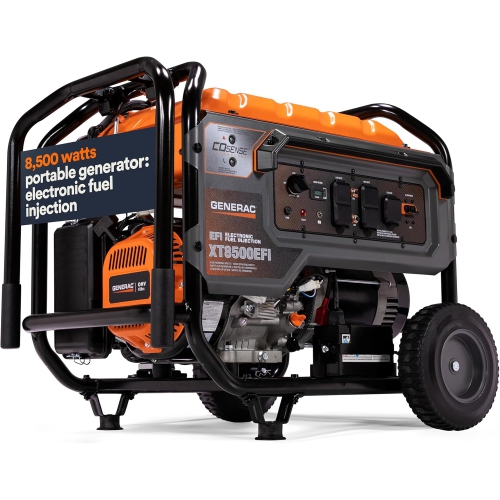 Your price for this item is $3000
-
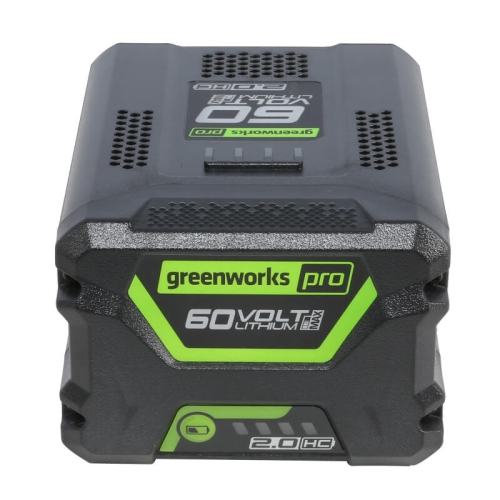 Your price for this item is $152.99
-
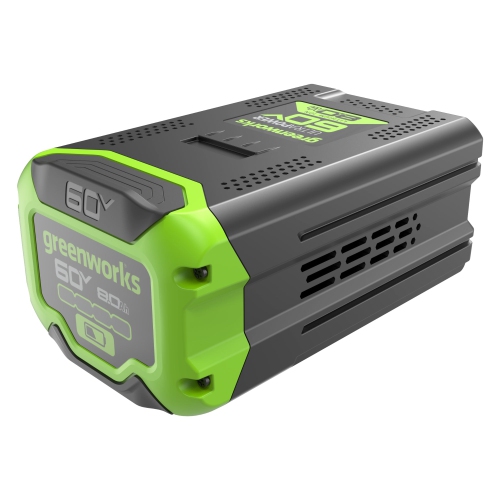 Your price for this item is $329.99
-
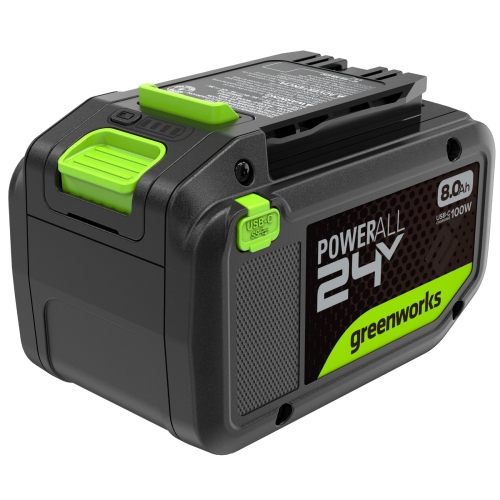 Your price for this item is $144.49
-
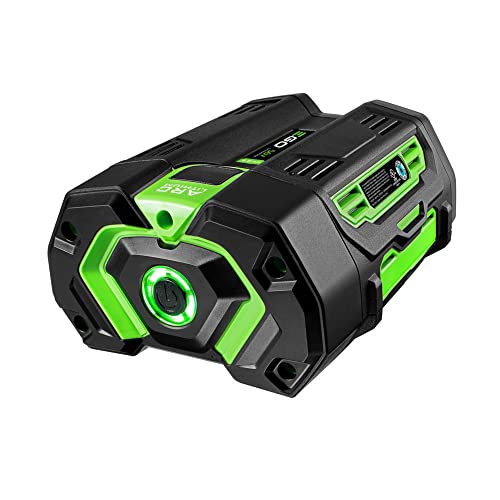 Your price for this item is $255
-
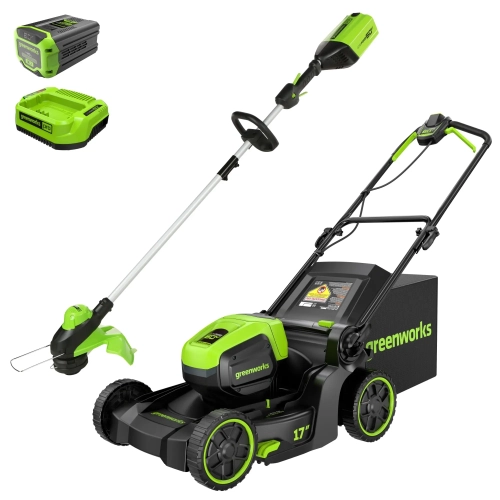 Your price for this item is $779.99
-
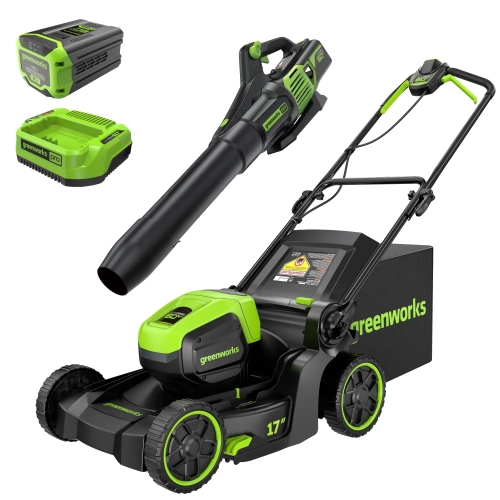 Your price for this item is $659.99
-
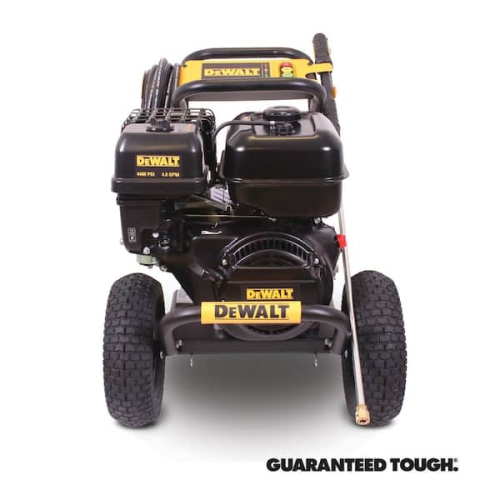 Your price for this item is $999.99
Discover more categories related to Milwaukee M18 Batteries

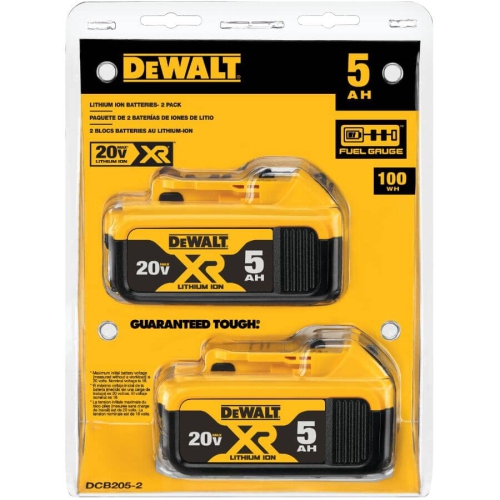
Top Collections:
Best Black Friday Deals This Year, Best Black Friday Deals On Electronics, Kindle Devices, Pokemon Centers, Best Black Friday Deals On Apple Products, Best Cameras for Sports Photography, Dyson Airwrap, Pokémon 30th Celebration Cards, Apple iPhone 17 Pro, Canon G7X Cameras
Some products may be subject to Environmental Handling Fees
(EHF) depending on your province.
Learn more about EHFs.