Dewalt 20V Batteries
Power up your tools and keep projects moving with the Dewalt 20V Battery. Designed to deliver reliable performance, these batteries are a must-have for any workshop or jobsite. Whether you’re tackling home improvements or professional tasks, the Dewalt 20V Battery offers the dependable energy you need to get the job done. Explore a range of options to find the right fit for your equipment and enjoy seamless compatibility with your favorite tools.
Sort





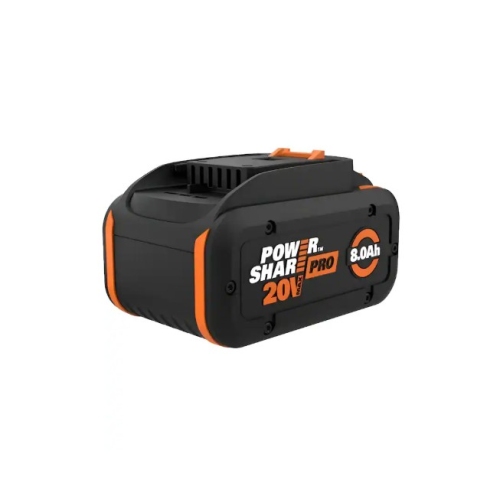
Why battery fit matters as much as runtime
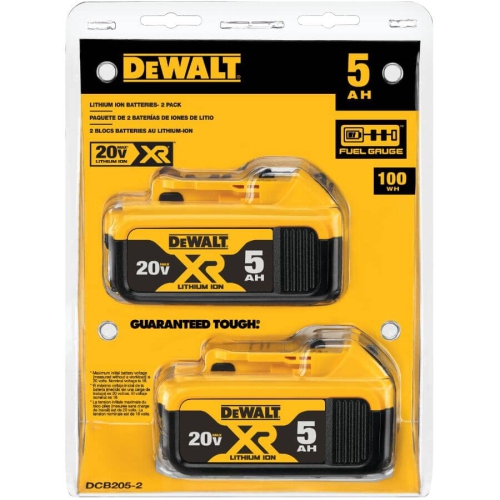
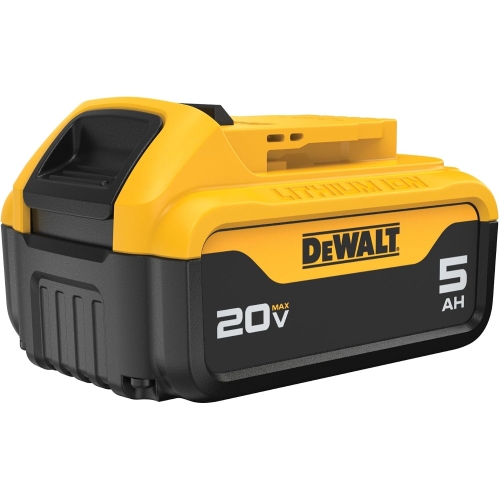
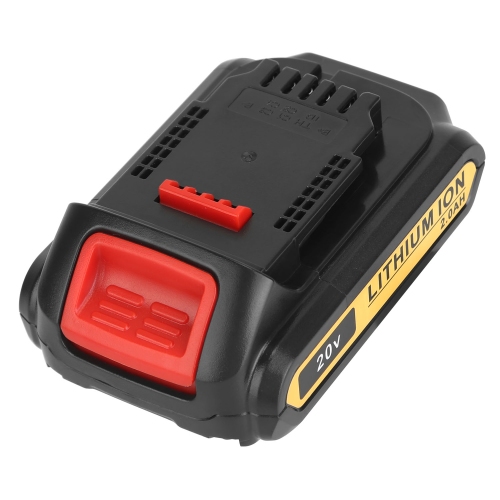
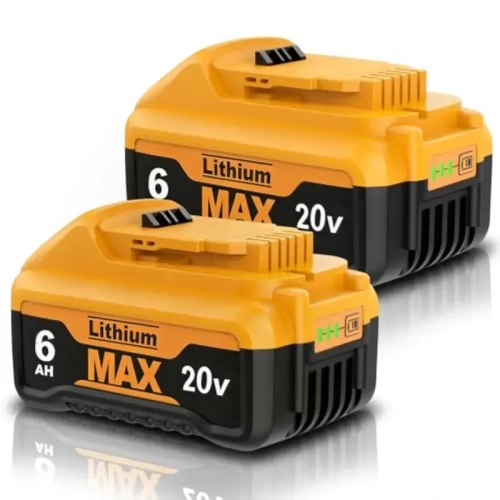
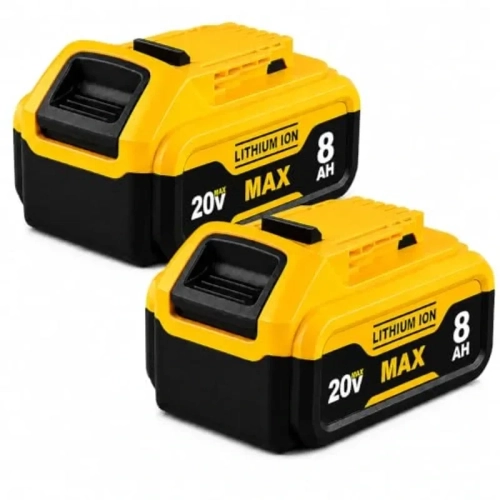
20V lithium-ion tool batteries supply rechargeable power for compatible cordless drills, impact drivers, saws, sanders, and other equipment, making the battery pack an important part of how a tool feels and performs. The right fit involves more than voltage: the battery must belong to a platform supported by the tool, attach securely, and work with an approved charger. Packs from different cordless systems are not interchangeable simply because both carry a 20V label. For an existing Dewalt 20V Max XR cordless setup, checking the stated battery compatibility helps distinguish a suitable replacement or spare from a pack with a similar appearance. Capacity, expressed in amp-hours or Ah, describes how much electrical charge a battery can store. A higher Ah rating generally supports longer runtime under comparable conditions, but it does not provide a fixed number of holes drilled or boards cut. Material thickness, bit sharpness, tool settings, and the effort required by the task all influence how quickly a charge is used. Driving small screws into cabinet hinges places a different demand on a battery than making repeated cuts through framing lumber. Compact packs can suit lighter work and tools held at arm’s length, where keeping weight down makes a noticeable difference. Larger-capacity packs can be useful for sustained work, particularly when stopping to recharge would interrupt a longer task. On systems labelled 20V MAX, the maximum initial battery voltage is measured without a workload; nominal voltage is 18V. That distinction explains the voltage terminology, but it does not establish compatibility with another 18V system. For someone extending an existing cordless tool collection, matching the battery platform remains the starting point, followed by a balance of capacity, weight, and the demands of the tools being used. A household user hanging shelves may value a lighter pack, while someone cutting sheet material for built-in storage may place greater importance on runtime and sustained output.
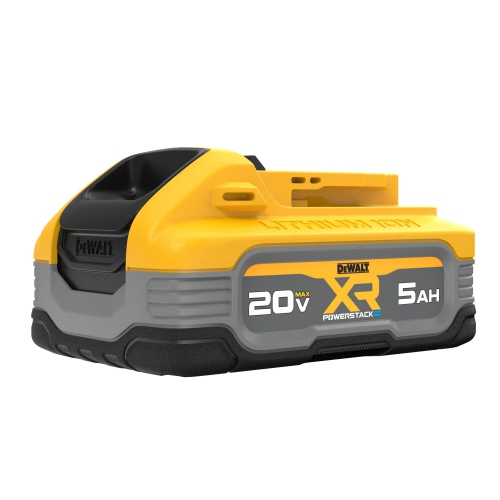
Battery construction affects both handling and performance. Lithium-ion cells sit inside a protective housing that also contains electrical contacts and components used to manage battery operation. Housing materials, reinforced contact areas, and a positive locking mechanism all contribute to everyday durability, although no pack should be treated as impact-proof. A secure latch matters when a tool is moved repeatedly between a workbench, a belt hook, and the task at hand. Battery shape also changes the balance of the assembled tool: a deeper pack can add useful runtime while making a drill feel heavier at the base, and a wider footprint may take up more room inside a crowded tool bag. For overhead fastening or work inside a narrow cupboard, those differences can matter as much as capacity. Cell design is another consideration. Conventional cylindrical cells, pouch cells, and tabless cylindrical cells use different internal arrangements, which can affect pack dimensions, resistance, and power delivery. Pouch-cell construction can support a compact profile, while tabless designs can help reduce internal resistance in demanding applications. Neither description alone guarantees better performance in every tool; the complete battery design and its intended application are more useful than a technology label by itself. Higher capacity also does not automatically mean a pack can deliver more power under load. Tools that draw substantial current may benefit from batteries specifically designed to support that demand, subject to the tool manufacturer’s compatibility guidance. Charge indicators, where fitted, provide a convenient estimate of remaining charge before starting another run of screws or moving away from the charging area. They are not precise countdowns, since a heavily loaded saw can use the remaining charge differently from a lightly loaded driver. For frequent users, a mixture of compatible compact and higher-capacity packs can make more sense than treating one size as the answer to every task. The smaller battery can remain on a finishing tool while the larger one supports equipment doing more sustained work.
Single batteries, multi-packs, and battery-and-charger kits serve different purposes within a cordless setup. A battery-only pack can suit someone who already has a compatible charger, while a kit can provide the charging equipment needed when starting with a platform. A spare pack is particularly practical when one battery can charge while another powers the tool, although charging time varies with the battery’s capacity, its condition, and the charger’s supported output. A higher-output charger is not a universal shortcut: both the pack and charger must be designed to work together. For home repairs, furniture assembly, woodworking, and renovation tasks, planning around the actual pattern of use is often more useful than choosing the largest battery. Someone working through short jobs around the house may recharge between projects, whereas a tradesperson moving between fastening, drilling, and cutting may need several compatible packs to keep the work moving. Batteries can also make a useful gift for a woodworker, renovator, or hands-on homeowner, provided the recipient’s exact cordless platform and charger requirements are known. Care helps preserve dependable operation. Keep the housing clean and dry, wipe away surface dust with a soft cloth, and follow the manufacturer’s cleaning directions rather than applying solvents or immersing the pack. Exposed terminals should be kept away from loose screws, keys, and other metal objects that could bridge the contacts. Remove a battery before cleaning a tool, changing accessories, or carrying out adjustments where the tool instructions require it. Packs with cracked housings, swelling, damaged contacts, or other visible damage should not be charged or used. Storage and charging practices should follow the battery manual, including any guidance for extended periods without use. Lithium-ion batteries do not need deliberate full discharge before every recharge. Their capacity gradually changes with age and use, so a familiar tool completing less work per charge can be a sign of battery wear rather than a change in the tool itself. Matching the pack to the workload and handling it carefully supports a more dependable cordless setup.
Top selling and popular products
-
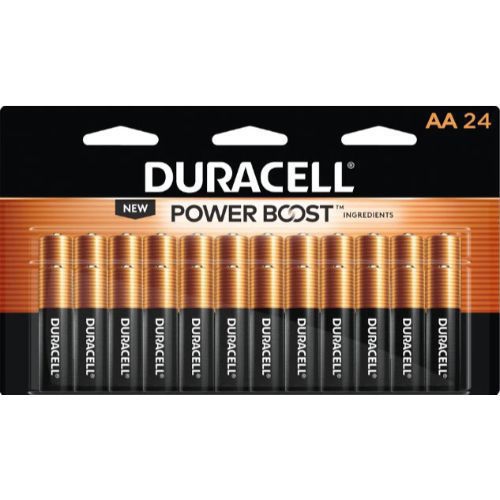 Your price for this item is $24.99
-
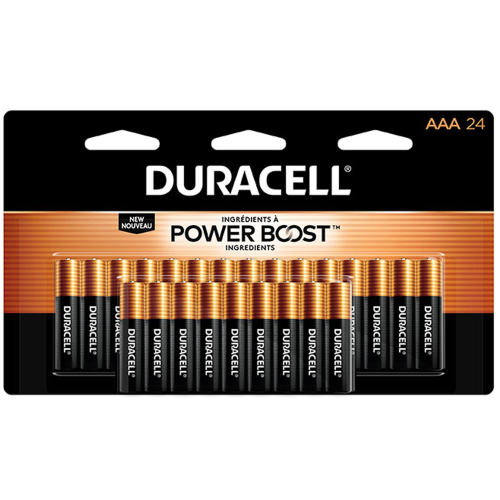 Your price for this item is $26.74
-
 Your price for this item is $22.97
-
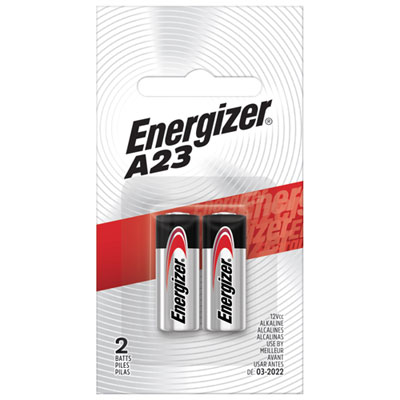 Your price for this item is $11.99
-
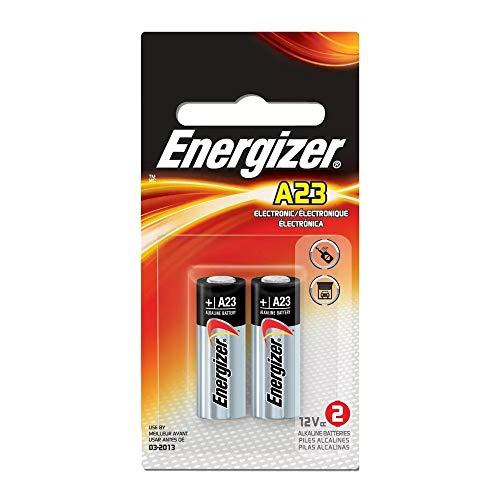 Your price for this item is $6.99
-
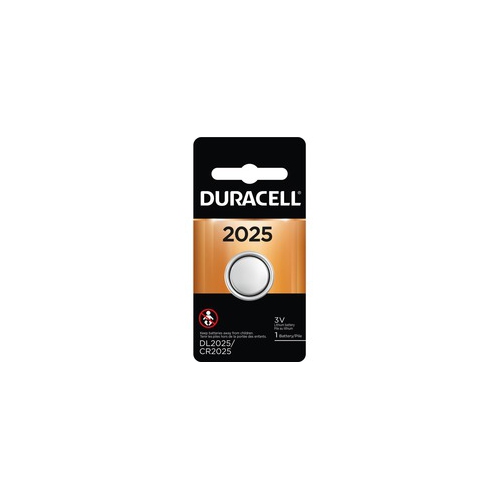 Your price for this item is $4.89
-
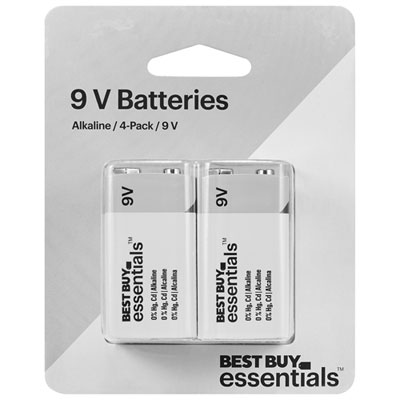 Your price for this item is $13.99
-
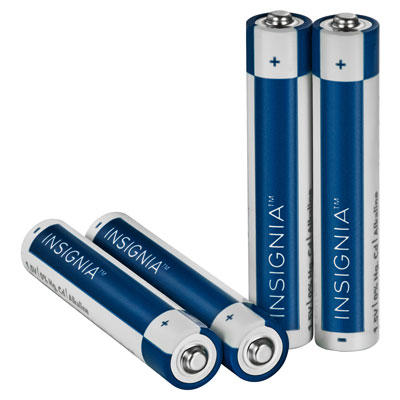 Your price for this item is $4.97
Discover more categories related to Dewalt 20V Batteries
Top Collections:
Best Black Friday Deals This Year, Best Black Friday Deals On Electronics, Kindle Devices, Pokemon Centers, Best Black Friday Deals On Apple Products, Best Cameras for Sports Photography, Dyson Airwrap, Pokémon 30th Celebration Cards, Apple iPhone 17 Pro, Canon G7X Cameras
Some products may be subject to Environmental Handling Fees
(EHF) depending on your province.
Learn more about EHFs.