Mop Heads
Keeping your floors spotless has never been easier with our wide selection of mop heads. Designed to tackle every type of mess, these essential cleaning tools are perfect for both residential and commercial spaces. Whether you're dealing with spills, stains, or everyday dirt, our mop heads offer superior absorbency and durability to make your cleaning routine more efficient. Choose from a variety of materials and styles to find the perfect match for your needs, ensuring a sparkling clean floor every time.
Sort


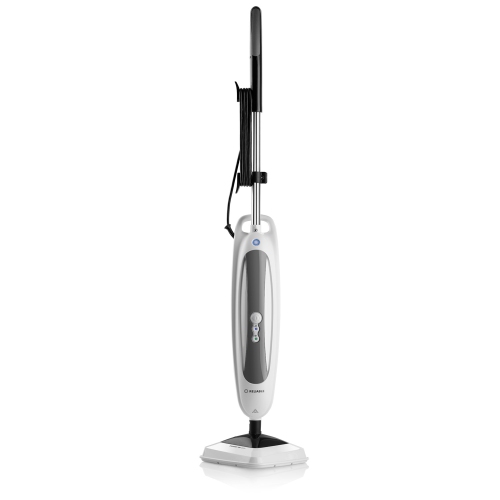
Why mop material matters for everyday floor cleaning
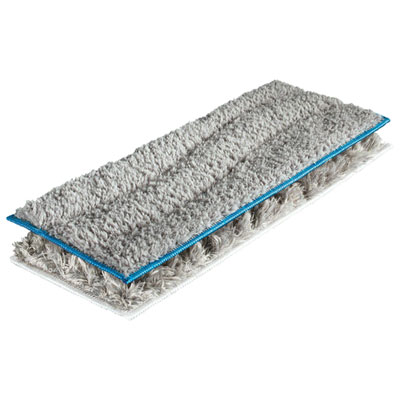
Mop heads are the replaceable cleaning parts of a mop, designed to collect dirt, absorb spills, and carry cleaning solution across a floor. Their material and shape affect how they move, how much water they hold, and how easily they reach edges or corners. Microfibre mop heads have fine synthetic fibres that capture dust and small particles while absorbing moisture, making them a practical choice for routine cleaning on compatible sealed floors. Flat microfibre pads sit close to the floor and can slide beneath furniture with enough clearance, while round or triangular heads work with particular spin-mop or swivel systems. Cotton string mop heads hold generous amounts of liquid and are often used for wet cleaning on water-tolerant hard surfaces. They can feel heavier when saturated, so an effective wringer makes a noticeable difference in handling. Blended-fibre string heads offer different balances of absorbency, strength, and drying time, depending on their construction. Looped-end designs help limit fraying and tangling, and many are made for repeated laundering. A tailband, which connects the strands near their ends, helps keep them spread across the floor rather than bunching together. Cut-end heads have individual loose strands and can suit general wet-cleaning tasks, although their washing requirements and resistance to shedding vary. Sponge heads provide another approach, absorbing liquid through a shaped sponge that usually works with a matching squeeze mechanism. For dry dusting, dedicated dust-mop heads sweep up loose debris over a broad area before wet cleaning begins. These differences matter in everyday spaces: fine crumbs beneath a kitchen table call for a different approach from a liquid spill across a tiled entrance. A replacement mop head can restore useful cleaning contact when an older head has become matted, misshapen, or difficult to rinse, provided the handle, frame, and wringing mechanism remain in good working order.
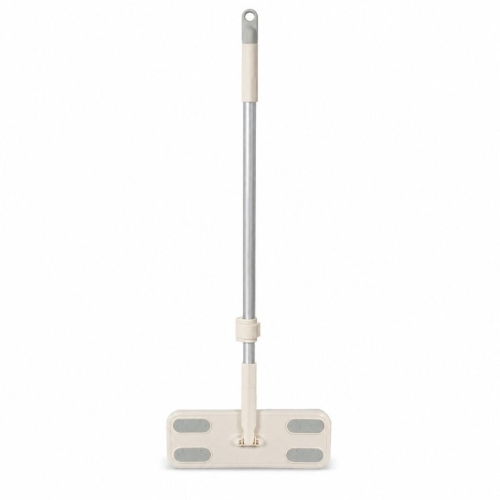
Compatibility is the starting point for choosing replacement mop heads, because a similar outline does not guarantee a secure fit. The attachment may use a threaded socket, a clamp, a snap-in ring, fabric pockets, or hook-and-loop strips, and each design needs to match the existing mop frame. With spin systems, both the connection and the head dimensions must work with the bucket basket so the head can rotate and release water as intended. For flat mops, check the pad’s length and width along with its fastening method; an oversized pad may fold at the edges, while one that is too small can leave part of the frame exposed. Labels describing a head as universal still need to be checked against the handle or frame requirements. Anyone comparing a complete cleaning setup rather than a refill can also explore Reusable Mops for context on washable-head formats. Once the connection is right, floor suitability becomes the next consideration. Sealed hardwood and laminate generally need controlled moisture rather than a soaking-wet pass, subject to the flooring manufacturer’s care instructions. A well-wrung microfibre head can help apply a light, even amount of moisture, but no mop material makes standing water safe for a moisture-sensitive floor. Vinyl, ceramic tile, and natural stone also have their own requirements for cleaning solutions and surface contact. Textured tile may benefit from fibres that reach into shallow recesses, while smooth flooring often responds well to a pad that maintains even contact. Scrubbing strips can help loosen adhered dirt on approved surfaces, but abrasive sections should not be assumed safe for every finish. Loose grit should be removed before mopping so it is not dragged across the floor. Head size also shapes the experience: a wider head covers an open room with fewer passes, whereas a compact, swivelling design is easier to manoeuvre around chair legs, bathroom fixtures, and narrow gaps. The most useful size balances coverage with control, including the weight of the head after it absorbs water.
Care and construction influence how long a mop head stays pleasant and effective to use. Washable does not mean every head can go through the same laundry cycle, so the care label should determine water settings, detergent choice, and drying method. Microfibre commonly needs washing without fabric softener, which can coat the fibres and reduce their ability to pick up dirt and absorb liquid. Bleach and high-heat drying may also be unsuitable for some materials or attachment components. Cotton and blended string heads have different laundering limits, especially where loose ends, stitching, or backing materials are concerned. Rinsing away soil after use and allowing the head to dry fully before storage helps prevent lingering odours; leaving a damp head sitting in dirty bucket water makes the next cleaning task harder. Removable pads are convenient for households that prefer to rotate a clean head into use while another is being washed and dried. Separate heads for bathrooms and kitchens can also help keep cleaning tasks distinct, particularly when they are clearly marked or identified by colour. For professional cleaners, caretakers, and busy shared households, reinforced stitching, secure attachment points, and a consistent shape after washing are useful durability features. A head that sheds strands, no longer fastens firmly, or stays visibly soiled after proper cleaning may be ready for replacement. Persistent streaks, however, can also come from too much cleaning solution or dirty rinse water rather than worn fibres alone. Using the floor cleaner’s specified dilution and refreshing the water when it becomes dirty can improve results without unnecessary scrubbing. In homes with pets, removing hair before wet mopping helps keep it from collecting in the fibres and being pushed from room to room. Whether the task is a quick kitchen clean-up or regular care across several rooms, a well-fitting mop head with suitable absorbency and manageable upkeep makes floor cleaning more consistent.
Top selling and popular products
-
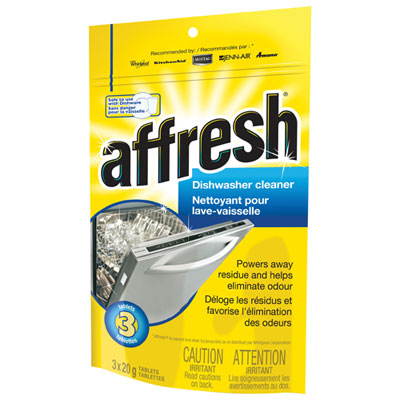 Your price for this item is $10.99
-
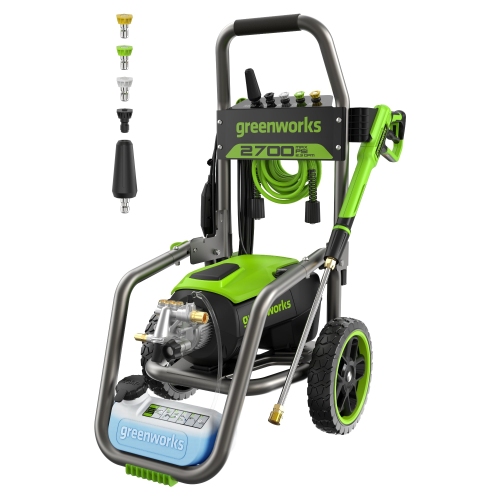 Your price for this item is $649.99
-
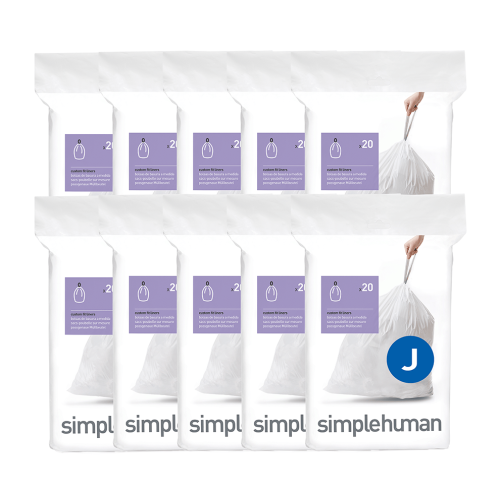 Your price for this item is $70
-
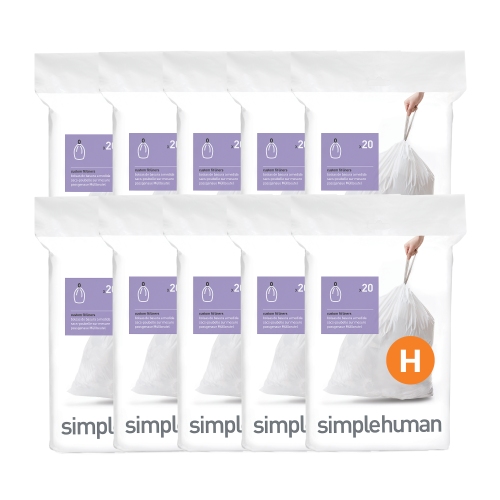 Your price for this item is $65
-
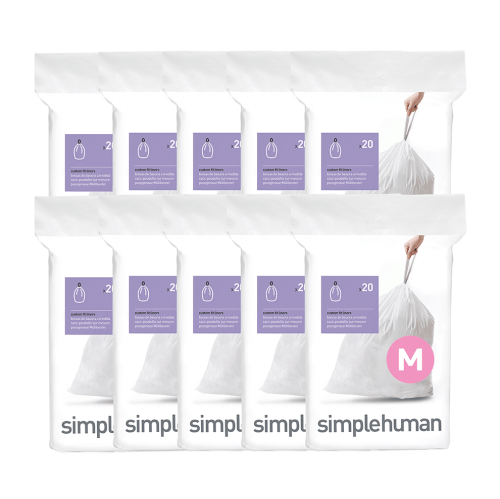 Your price for this item is $70
-
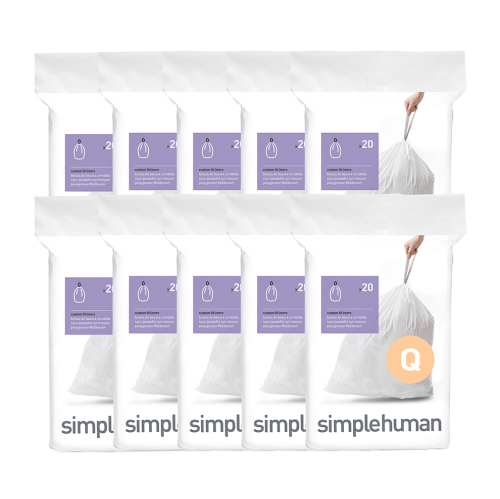 Your price for this item is $90
-
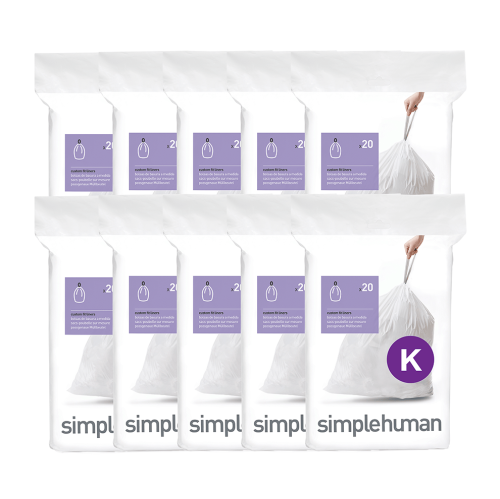 Your price for this item is $75
-
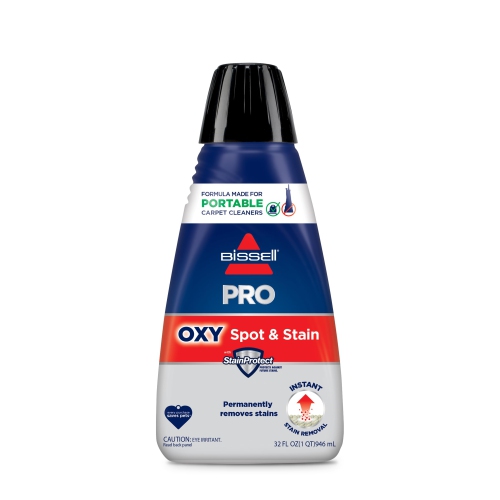 Your price for this item is $47.95
Discover more categories related to Mop Heads

Top Collections:
Pokemon Centers, Kindle Devices, Best Cameras for Sports Photography, Pokémon 30th Celebration Cards, Apple iPhones 16, Canon G7X Cameras, iPhone 15 Apple, Flip Phones, Samsung Galaxy Phones, Alarm Clock
Some products may be subject to Environmental Handling Fees
(EHF) depending on your province.
Learn more about EHFs.