Note Pads
Stay organized and jot down your thoughts with our collection of notepads. Whether you're making a to-do list, taking notes in a meeting, or sketching out your next big idea, our selection of notepads offers the perfect solution for all your writing needs. From compact pocket-sized options to larger pads for more detailed notes, find the perfect fit to keep your thoughts in order and stay productive throughout your day.
Sort

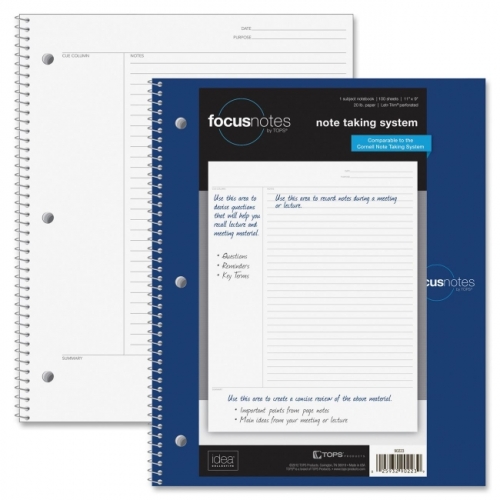
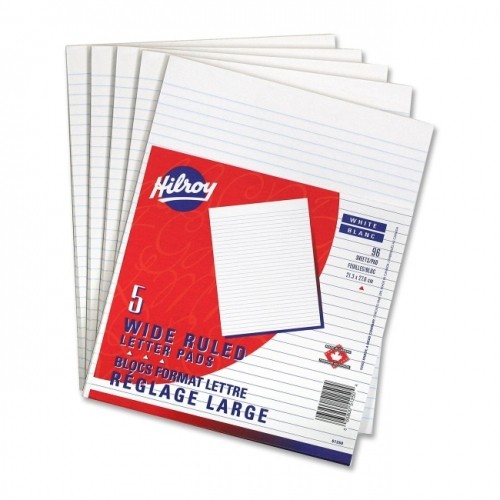
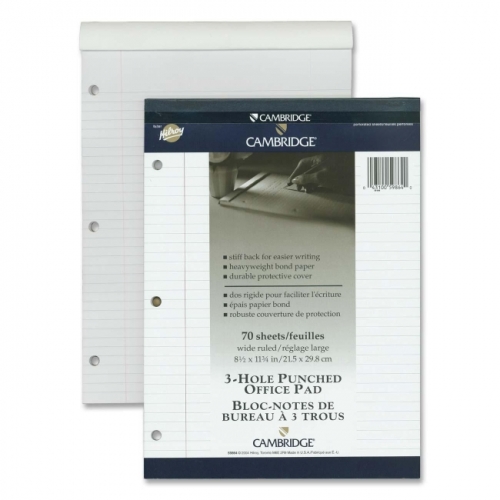

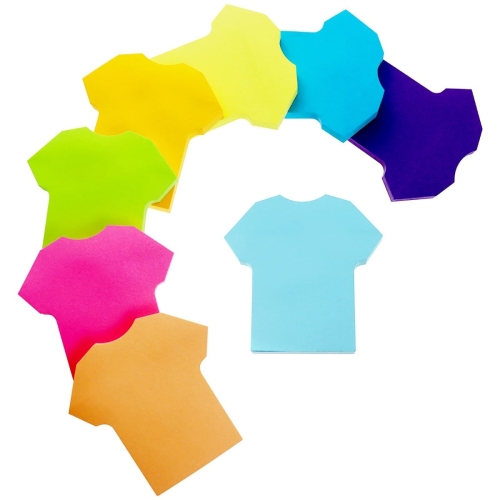
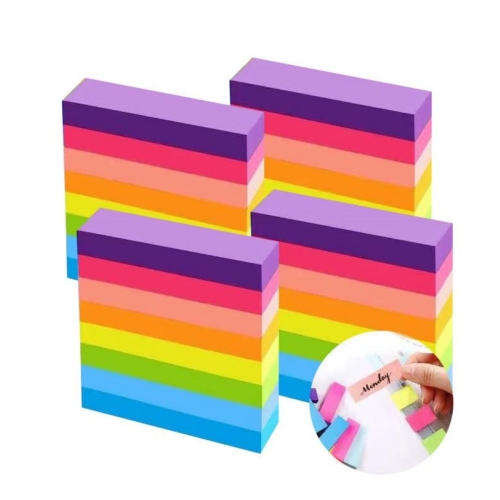
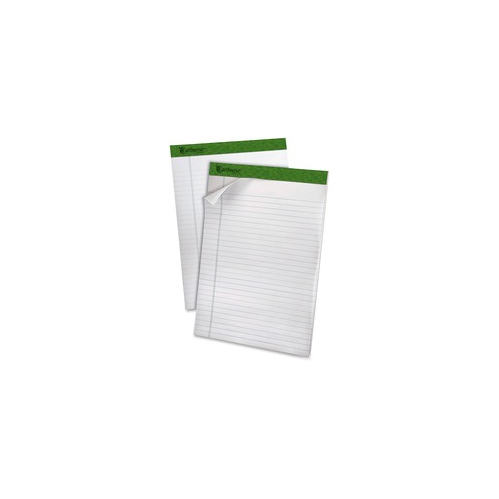
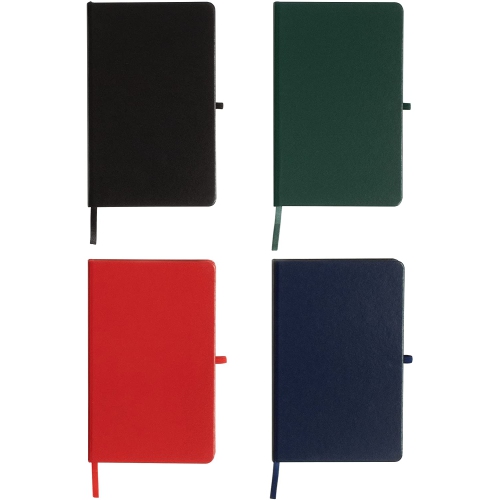
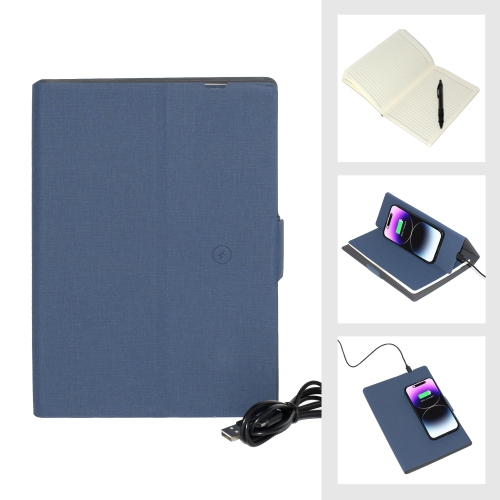
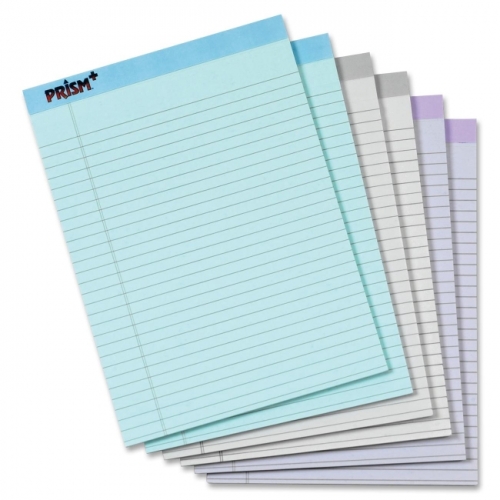
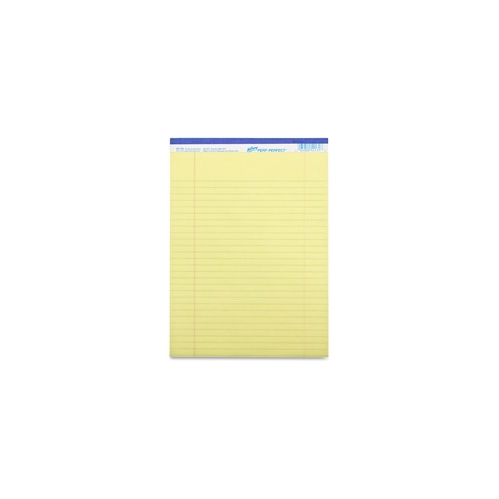

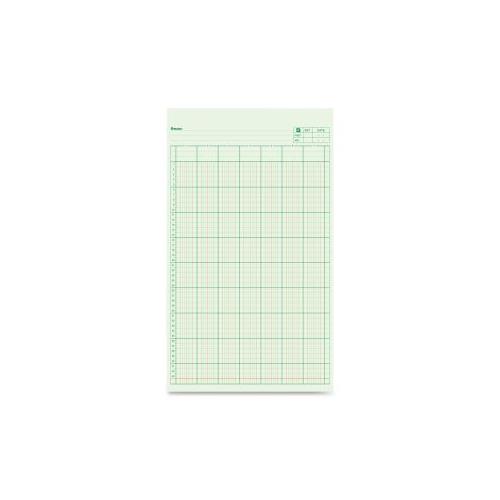
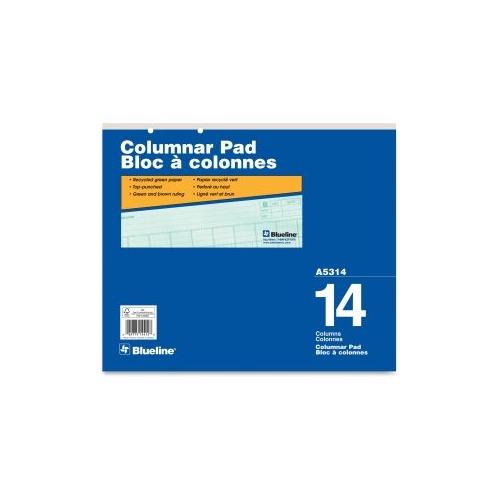
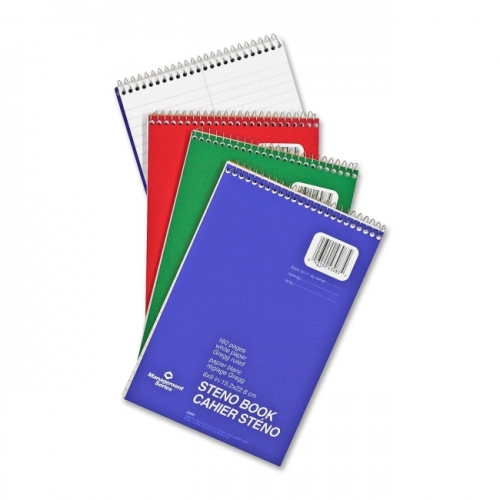
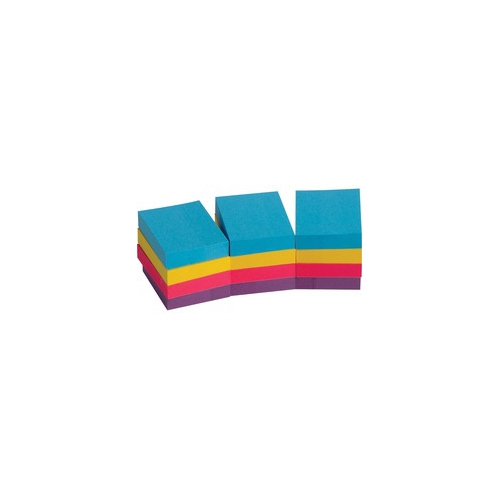
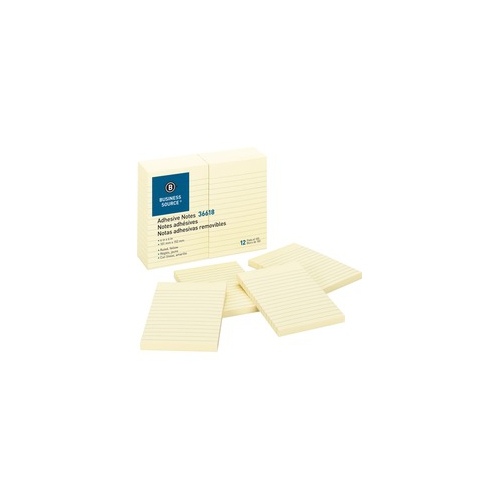
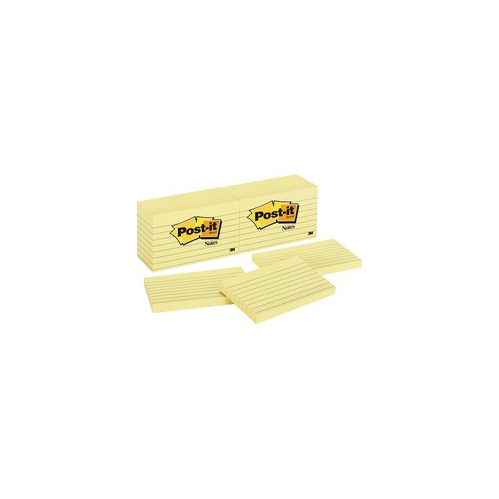
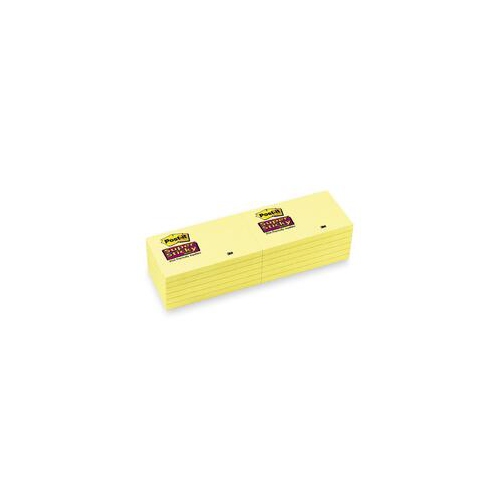
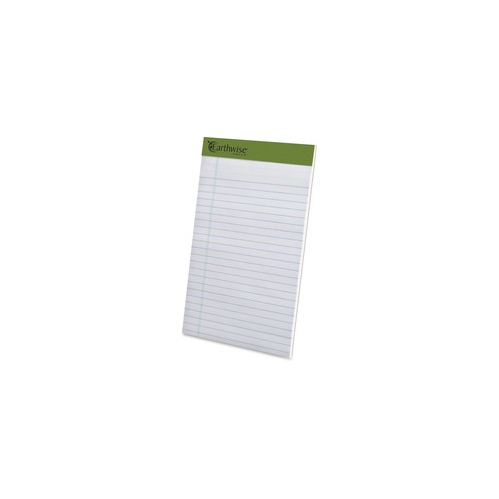
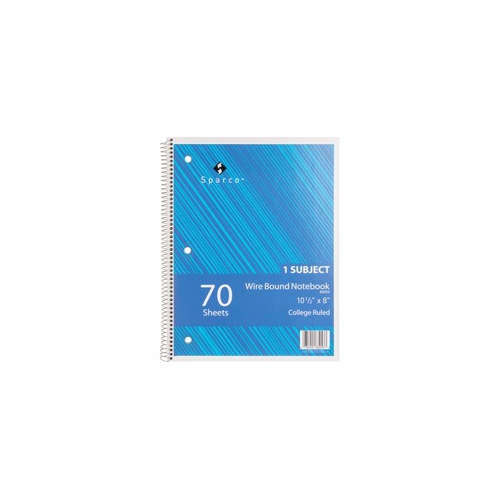
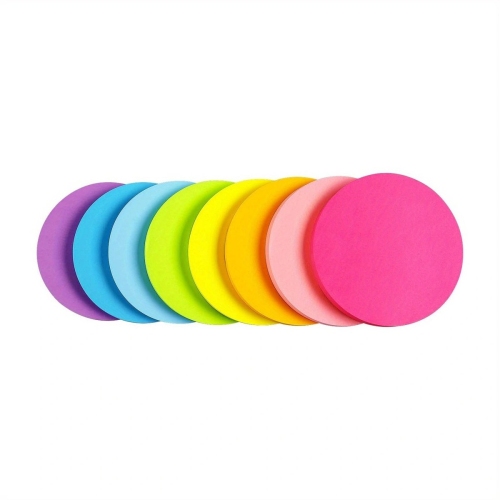
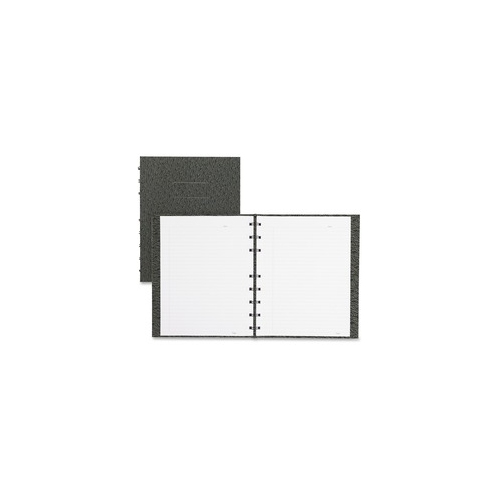
From desk reminders to lists that travel
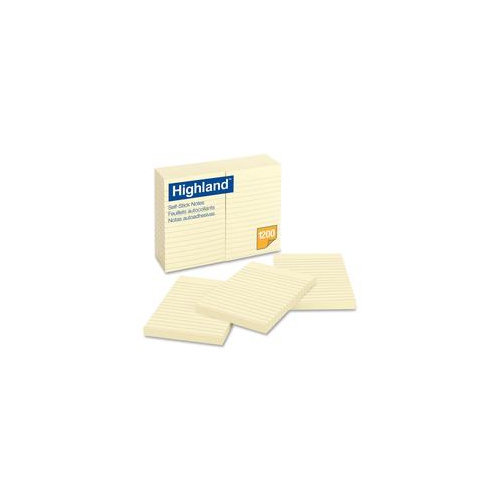
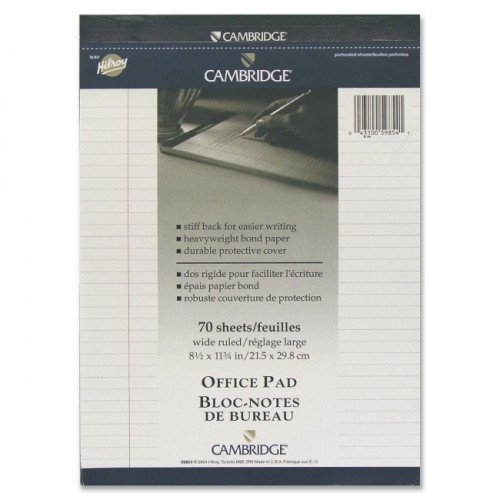
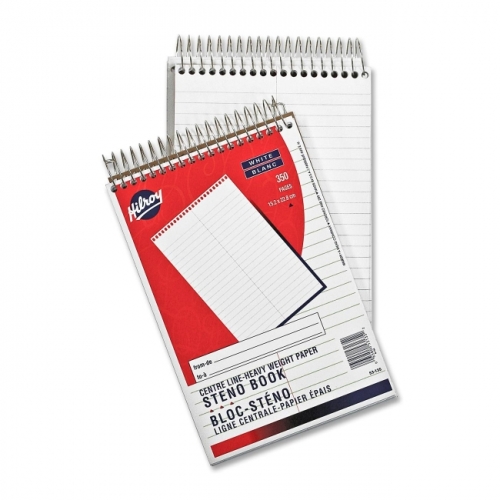
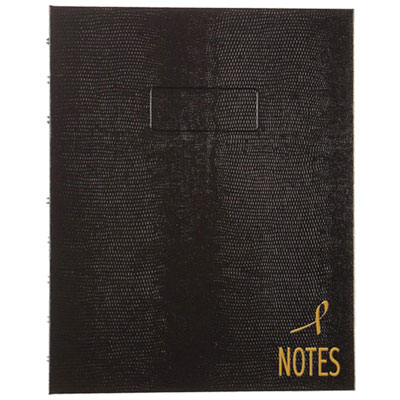
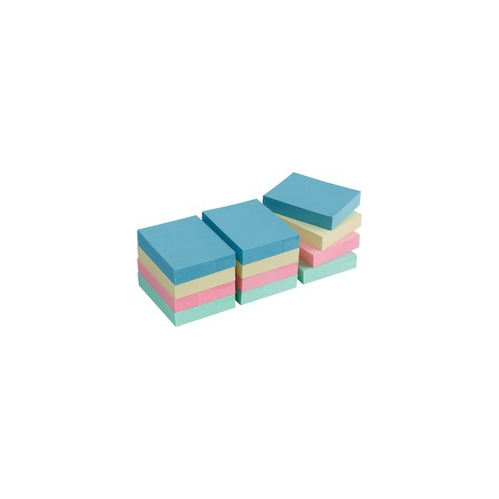
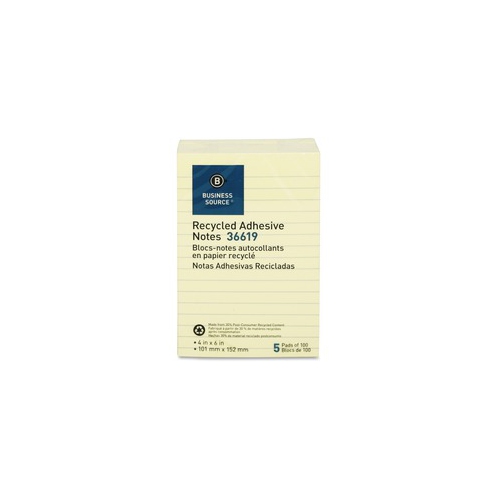
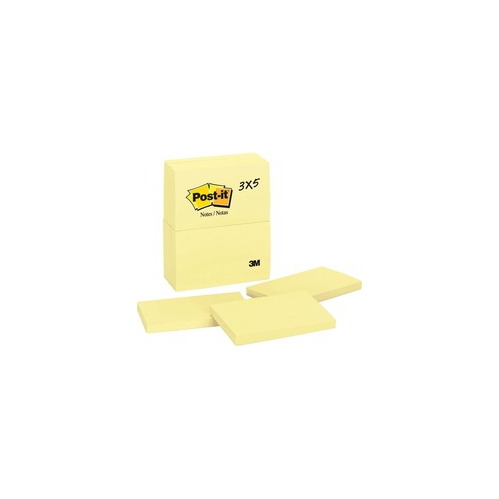
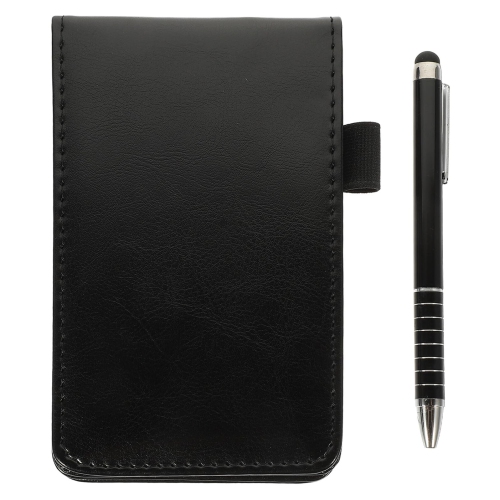
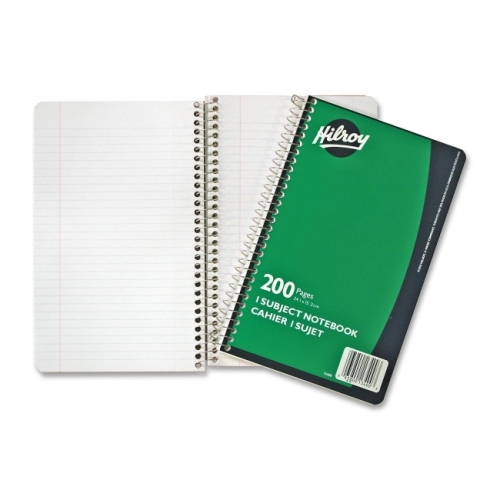
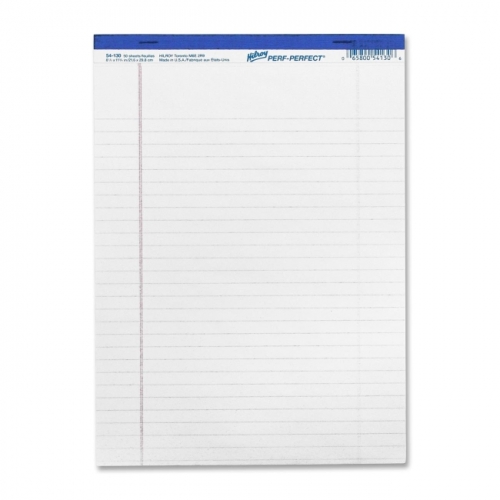
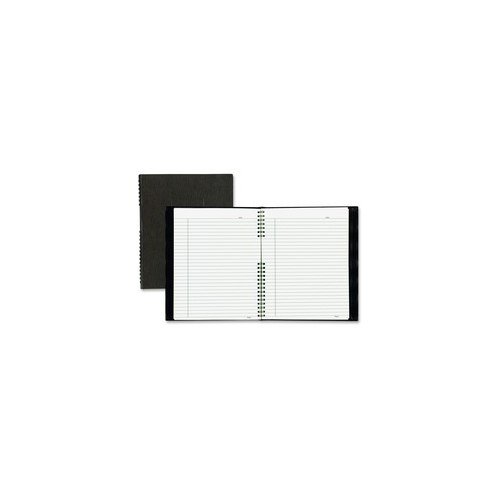
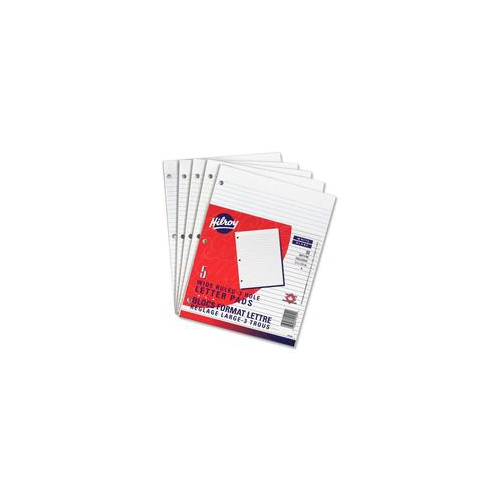
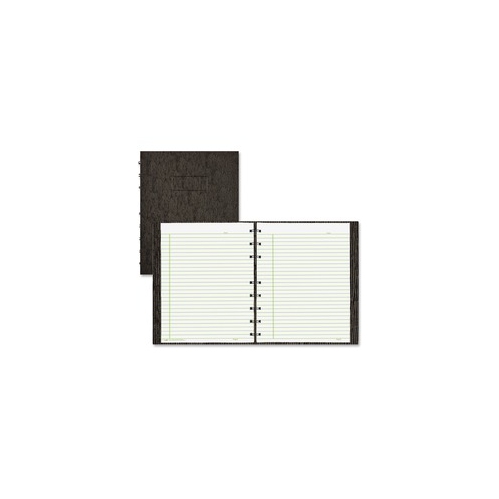
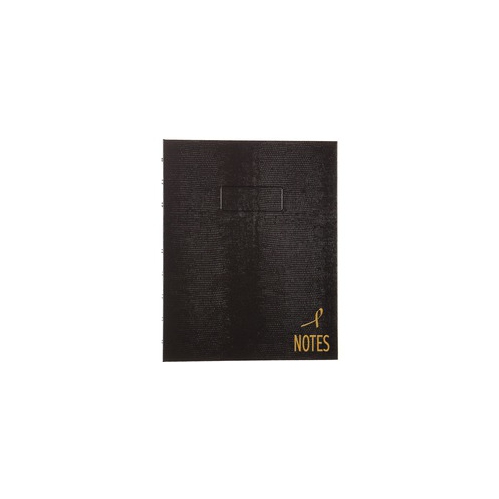
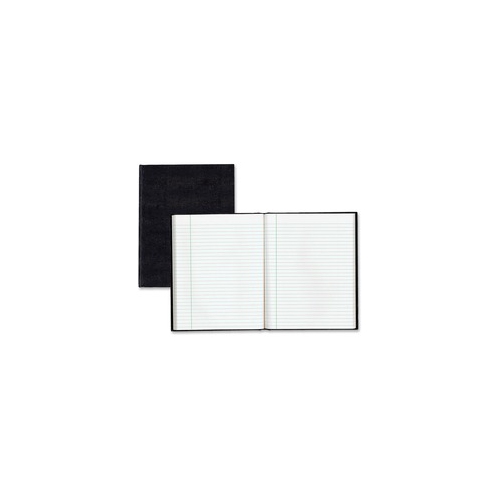
Note pads are stacks of paper bound along one edge, designed for jotting down reminders, making lists, taking meeting notes, and putting ideas on paper. Their appeal is straightforward: a clean sheet is ready whenever a phone number, measurement, or useful thought needs somewhere to land. Unlike a bound notebook intended to keep entries together, many note pads let individual sheets tear away, making them practical for handing over a message or carrying a shopping list without bringing the whole pad. Common formats range from small memo pads measuring about 3 × 3 inches to pocket note pads around 3 × 5 inches or 4 × 6 inches. Larger writing pads, including 5 × 8 inch and letter-size 8.5 × 11 inch formats, provide more room for lecture notes, project outlines, and detailed conversations. These measurements describe familiar sizes rather than fixed categories, so the actual dimensions matter more than the name alone. A compact pad can sit beside a keyboard without crowding the mouse, while a larger sheet gives a student room to connect a definition with an example and a supporting diagram. At home, a note pad near the telephone or on a kitchen counter makes it easy to leave clear messages for other members of the household. In an office, a desk pad provides a place for action points that might otherwise disappear among open browser tabs. Teachers, reception staff, tradespeople, and anyone who frequently writes short instructions can benefit from paper that is easy to reach and simple to pass along. For people who like a visible daily plan, a handwritten list also keeps the next task in view without requiring another screen. The most useful format depends on whether each page needs to travel, stay on the desk, or hold enough detail to refer back to later.
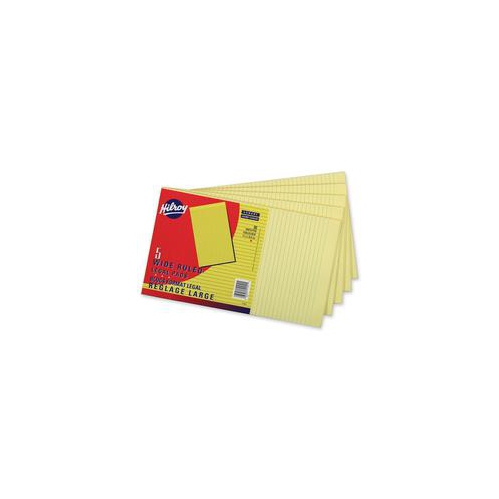
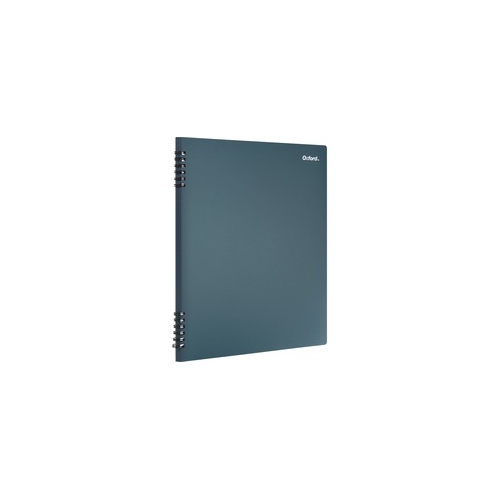
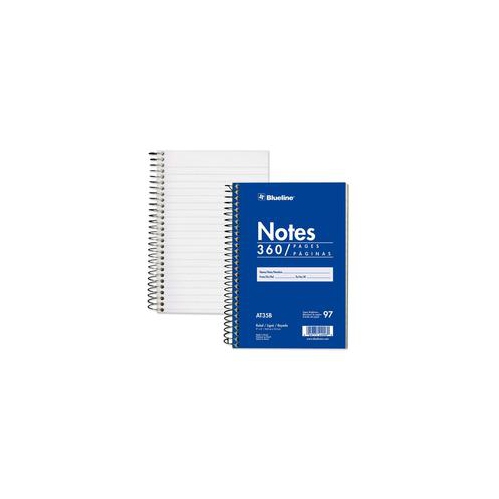
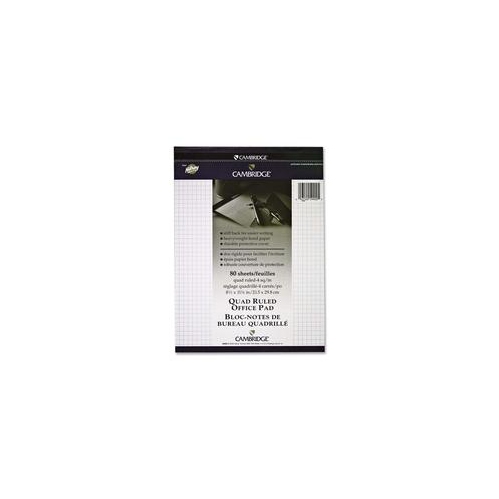
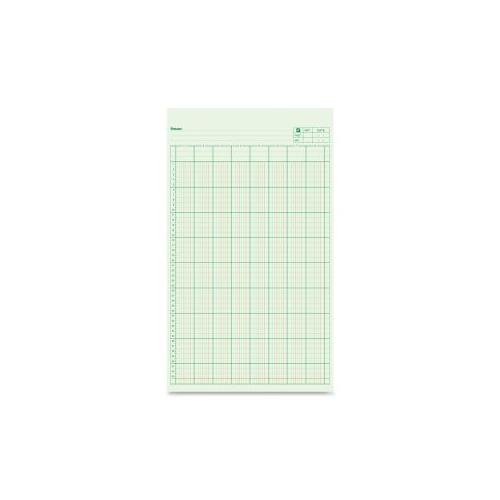
Paper layout and construction shape how a note pad feels in everyday use. Ruled pages help keep handwriting aligned and make longer notes easier to scan, especially when a page contains names, dates, and several follow-up tasks. Wider line spacing leaves more room for larger handwriting, while narrower ruling fits more information onto each sheet. Unruled pages offer an open surface for sketches, rough layouts, mind maps, and notes that mix words with drawings. Grid paper is useful for arranging columns of figures or drawing a simple room plan, and dotted layouts provide light structure without the stronger visual presence of continuous lines. Paper colour is another practical preference: white paper provides clear contrast with many inks, while cream or lightly tinted sheets offer a different background for handwriting. Surface texture matters as much as appearance. Smooth paper lets many pens move with little resistance, whereas a slightly textured sheet gives a pencil more grip. Paper weight, often expressed in grams per square metre, can offer a clue to thickness, but it does not tell the whole story about writing performance. Heavier paper may reduce show-through, yet ink absorption and surface treatment also affect whether a pen feathers or bleeds through. Anyone using fountain pens, wet rollerball ink, or highlighters should consider paper suited to those tools and try an inconspicuous area before filling a page. A firm cardboard backing supports writing when the pad rests on a knee during a site visit or a chair arm during a conversation. Glued bindings generally allow sheets to detach at the edge, while perforated pages provide a defined tear line; the ease and neatness of removal depend on the construction. Spiral-bound pads let pages turn over while remaining attached, although the wire can take up space in a pocket or bag. Binding position also deserves attention, particularly for left-handed writers who may prefer a top-bound pad that keeps the binding away from the writing hand.
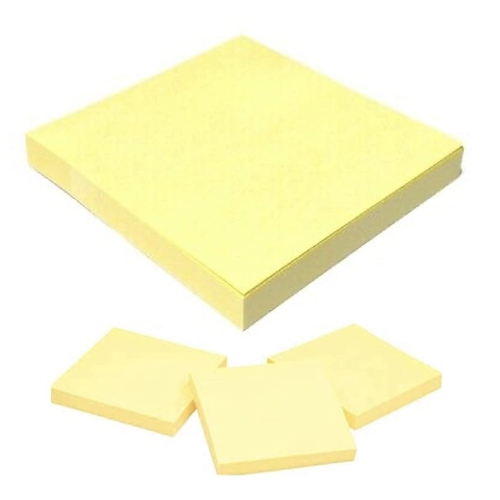
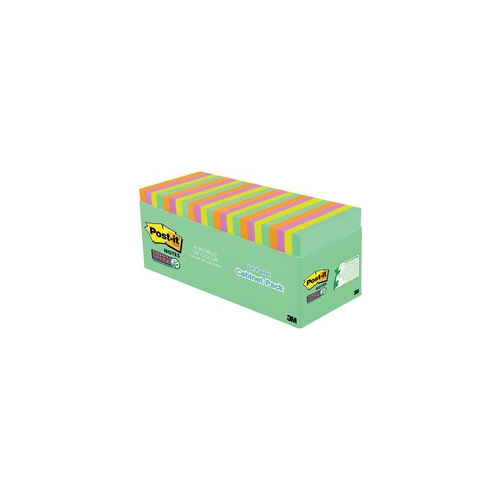
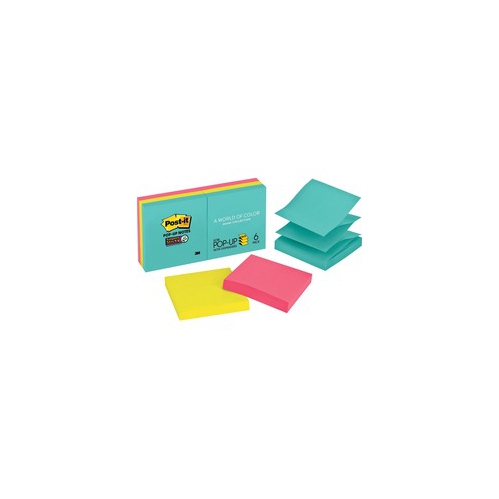
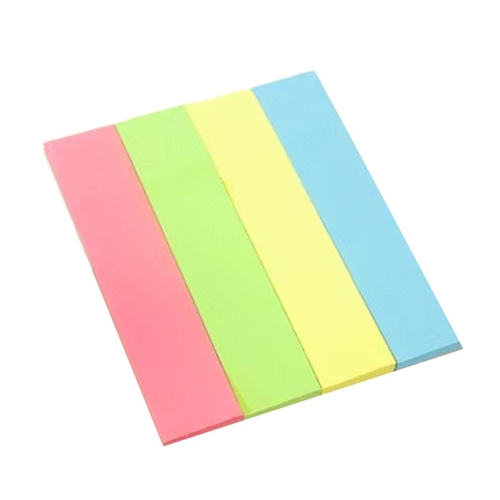
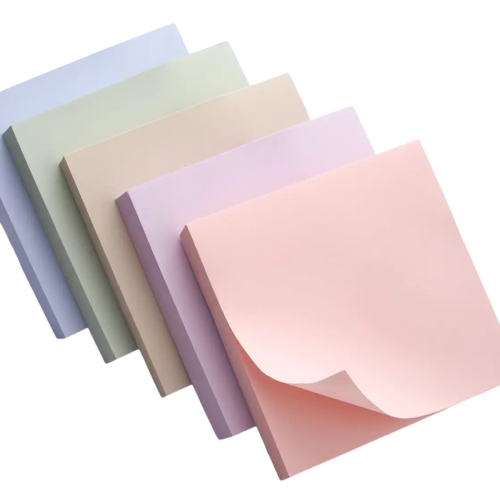
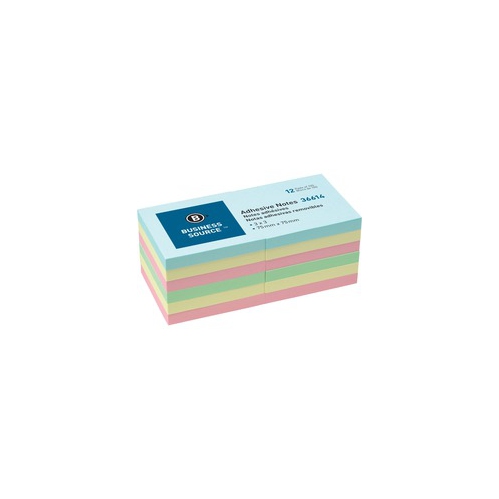
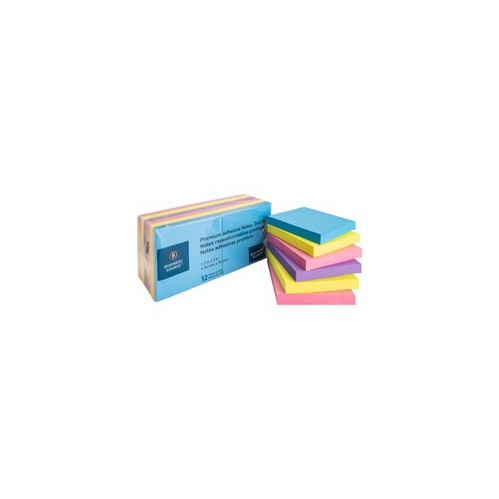
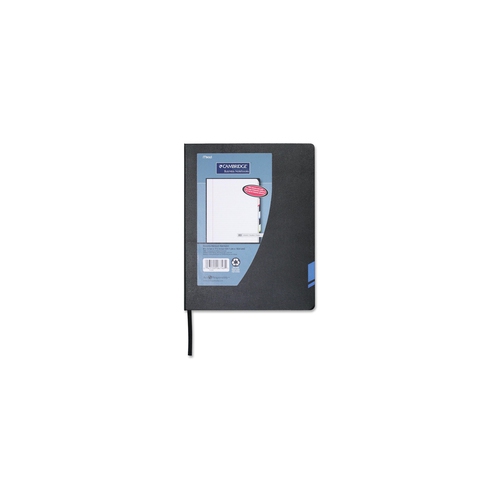
A note pad works best when its size, page count, and durability suit the place it will be used. For a bag or jacket pocket, checking both the sheet dimensions and the overall thickness helps avoid a bulky fit. A protective cover can shield the top page from scuffs, while a sturdy backing helps prevent folded corners and supports quick notes away from a desk. For a pad that stays beside a workstation, a larger footprint may be worth the space if it allows a full day's tasks or a meeting summary to remain on one sheet. More sheets mean less frequent replacement, but a thick pad can feel less comfortable to write on near the bottom edge, depending on hand position. Adhesive-backed notes serve a different purpose from loose tear-off sheets: they can place a reminder beside the object or document it concerns. Their hold varies by adhesive and surface, so they are better suited to temporary messages than to securing important paperwork. Keeping any paper pad flat and dry helps protect the binding and preserve a smooth writing surface. In a backpack, a separate stationery pocket or slim folder can keep pages from rubbing against keys, cables, and other everyday contents. Fresh ink may need a moment to dry before a page is folded or another sheet is pressed against it, particularly when using a wetter pen. For notes that need to stay together over time, paper notebooks offer an alternative to the easy separation of a tear-off pad. The two formats can also serve different parts of the same routine, with a pad holding temporary calculations or appointment reminders and a notebook keeping longer-term records. As a practical gift, a well-chosen note pad can suit a student, a colleague setting up a desk, or someone who enjoys handwritten lists. Matching the format to that person's habits—a pocket pad for quick observations, blank pages for visual thinking, or a roomy ruled pad for detailed notes—makes it useful beyond its appearance.
Paper layout and construction shape how a note pad feels in everyday use. Ruled pages help keep handwriting aligned and make longer notes easier to scan, especially when a page contains names, dates, and several follow-up tasks. Wider line spacing leaves more room for larger handwriting, while narrower ruling fits more information onto each sheet. Unruled pages offer an open surface for sketches, rough layouts, mind maps, and notes that mix words with drawings. Grid paper is useful for arranging columns of figures or drawing a simple room plan, and dotted layouts provide light structure without the stronger visual presence of continuous lines. Paper colour is another practical preference: white paper provides clear contrast with many inks, while cream or lightly tinted sheets offer a different background for handwriting. Surface texture matters as much as appearance. Smooth paper lets many pens move with little resistance, whereas a slightly textured sheet gives a pencil more grip. Paper weight, often expressed in grams per square metre, can offer a clue to thickness, but it does not tell the whole story about writing performance. Heavier paper may reduce show-through, yet ink absorption and surface treatment also affect whether a pen feathers or bleeds through. Anyone using fountain pens, wet rollerball ink, or highlighters should consider paper suited to those tools and try an inconspicuous area before filling a page. A firm cardboard backing supports writing when the pad rests on a knee during a site visit or a chair arm during a conversation. Glued bindings generally allow sheets to detach at the edge, while perforated pages provide a defined tear line; the ease and neatness of removal depend on the construction. Spiral-bound pads let pages turn over while remaining attached, although the wire can take up space in a pocket or bag. Binding position also deserves attention, particularly for left-handed writers who may prefer a top-bound pad that keeps the binding away from the writing hand.
A note pad works best when its size, page count, and durability suit the place it will be used. For a bag or jacket pocket, checking both the sheet dimensions and the overall thickness helps avoid a bulky fit. A protective cover can shield the top page from scuffs, while a sturdy backing helps prevent folded corners and supports quick notes away from a desk. For a pad that stays beside a workstation, a larger footprint may be worth the space if it allows a full day's tasks or a meeting summary to remain on one sheet. More sheets mean less frequent replacement, but a thick pad can feel less comfortable to write on near the bottom edge, depending on hand position. Adhesive-backed notes serve a different purpose from loose tear-off sheets: they can place a reminder beside the object or document it concerns. Their hold varies by adhesive and surface, so they are better suited to temporary messages than to securing important paperwork. Keeping any paper pad flat and dry helps protect the binding and preserve a smooth writing surface. In a backpack, a separate stationery pocket or slim folder can keep pages from rubbing against keys, cables, and other everyday contents. Fresh ink may need a moment to dry before a page is folded or another sheet is pressed against it, particularly when using a wetter pen. For notes that need to stay together over time, paper notebooks offer an alternative to the easy separation of a tear-off pad. The two formats can also serve different parts of the same routine, with a pad holding temporary calculations or appointment reminders and a notebook keeping longer-term records. As a practical gift, a well-chosen note pad can suit a student, a colleague setting up a desk, or someone who enjoys handwritten lists. Matching the format to that person's habits—a pocket pad for quick observations, blank pages for visual thinking, or a roomy ruled pad for detailed notes—makes it useful beyond its appearance.
Top selling and popular products
-
 Your price for this item is $11.99
 -
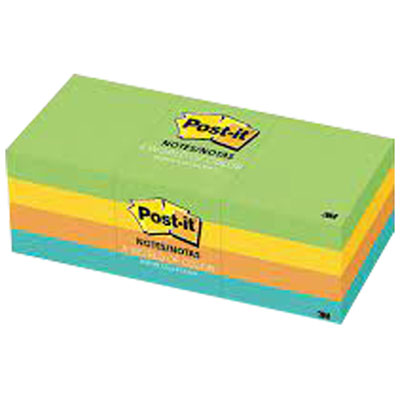 Your price for this item is $13.99
 -
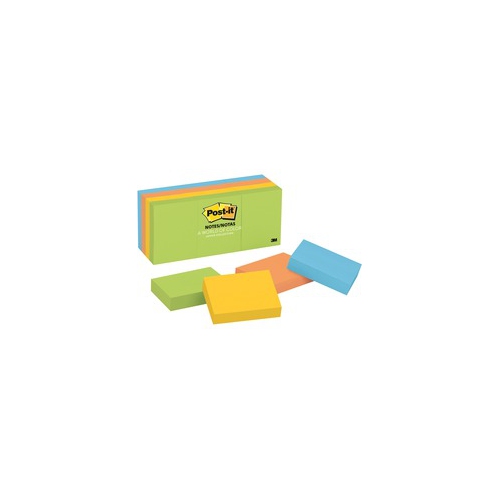 Your price for this item is $10.99
 -
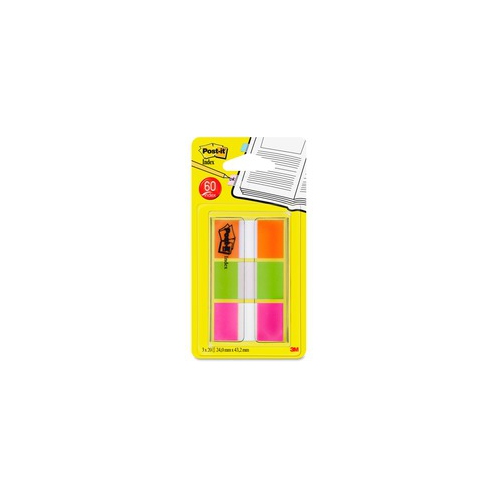 Your price for this item is $4.99
 -
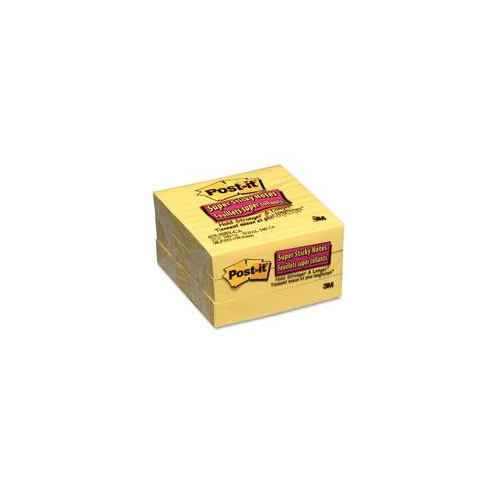 Your price for this item is $10.99
 -
 Your price for this item is $5.99
 -
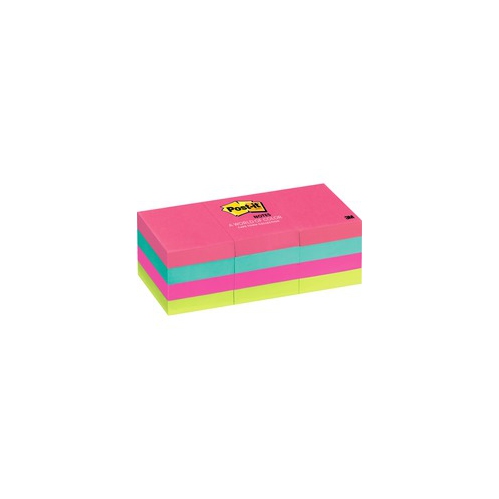 Your price for this item is $13.99
 -
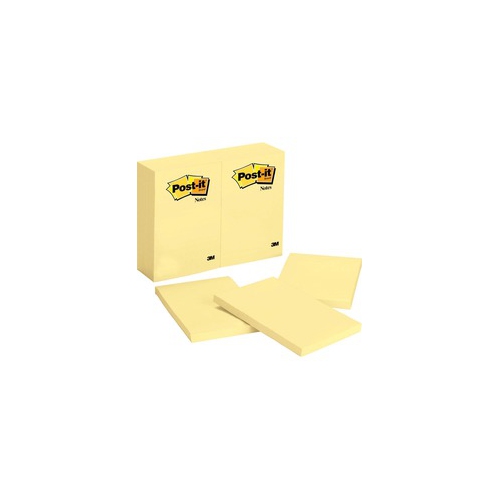 Your price for this item is $3.99
Discover more categories related to Note Pads

Top Collections:
Pokemon Centers, Kindle Devices, Best Budget Office Chairs, Apple iPhones 16, Best Laptops for Writers, iPhone 15 Apple, Canon G7X Cameras, Refurbished Apple Laptops, Alarm Clock, Motorola Razr Phones
Some products may be subject to Environmental Handling Fees
(EHF) depending on your province.
Learn more about EHFs.