Notebooks for Notes
Whether you're a student, a professional, or someone who simply loves jotting down your thoughts, having a reliable notebook is essential. At Best Buy, we understand the importance of finding the perfect notebook to suit your needs. That's why we've curated a wide selection of notebooks that are designed to help you stay organized, productive, and inspired. From sleek and stylish designs to functional features that enhance your note-taking experience, our collection offers something for everyone. Explore our range of notebooks and discover the perfect companion for all your note-taking adventures.
Sort

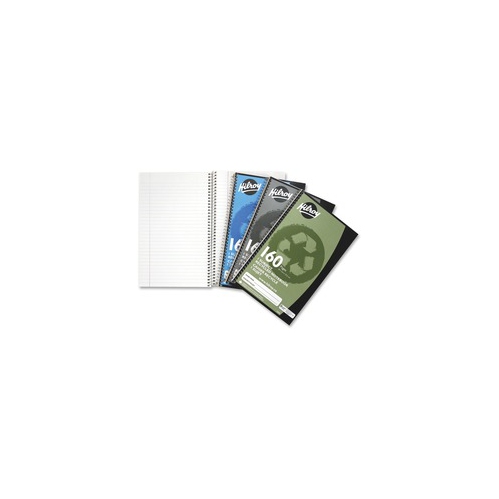
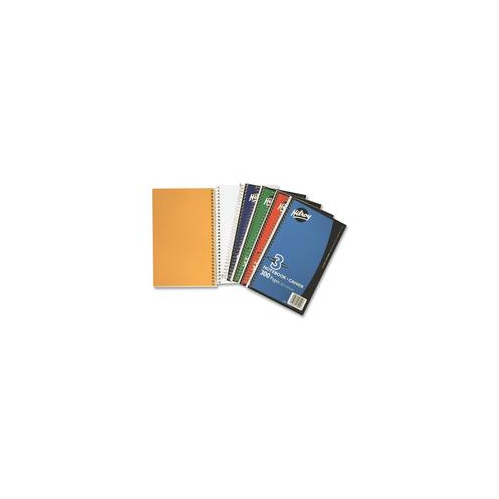
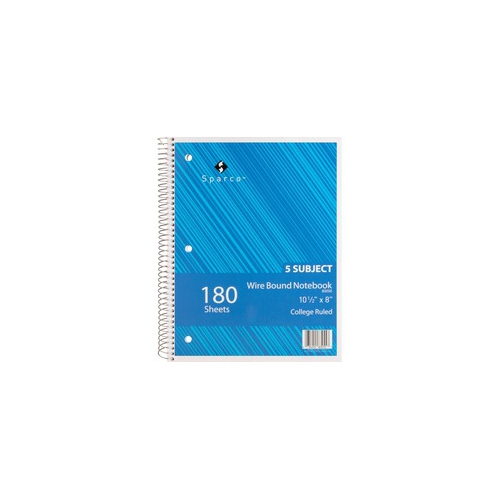
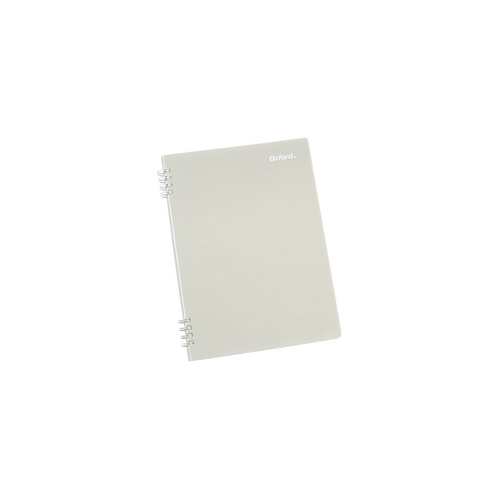
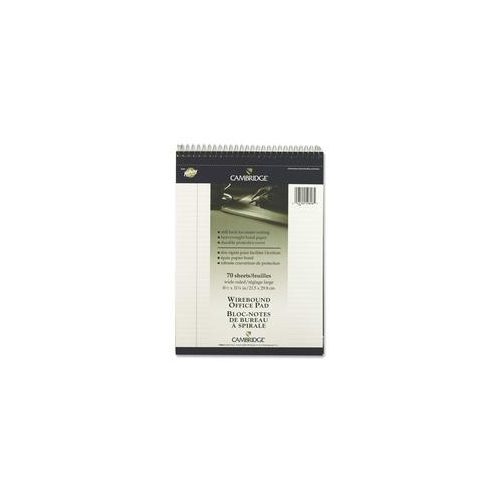
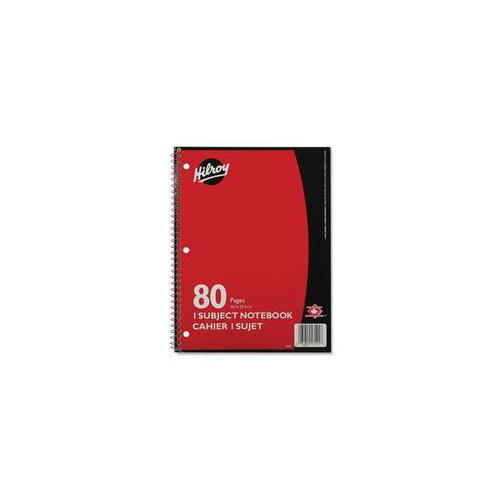
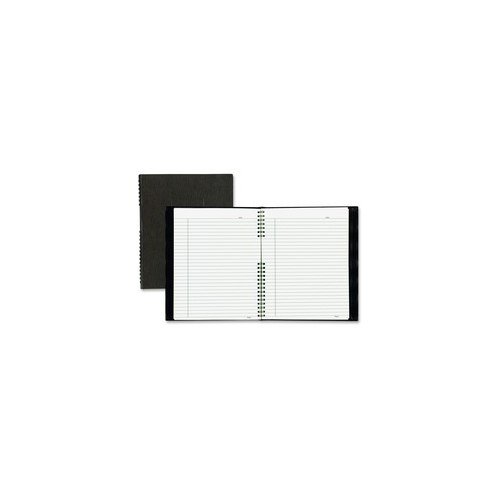
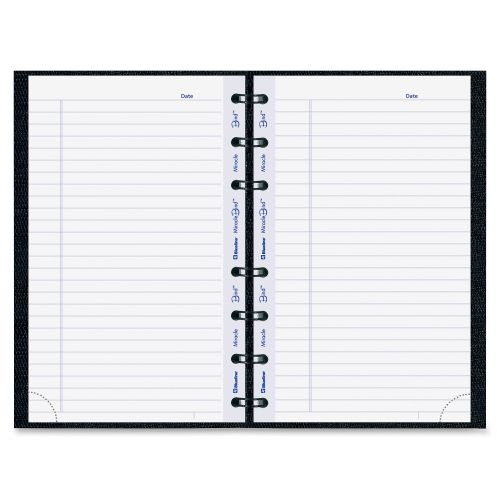
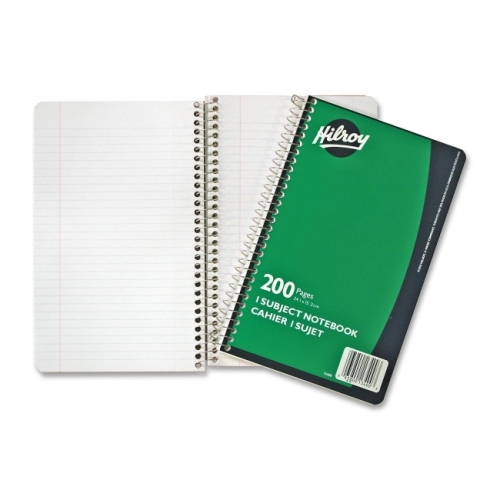
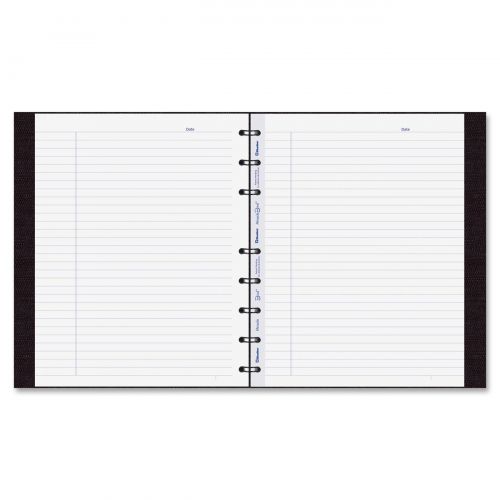
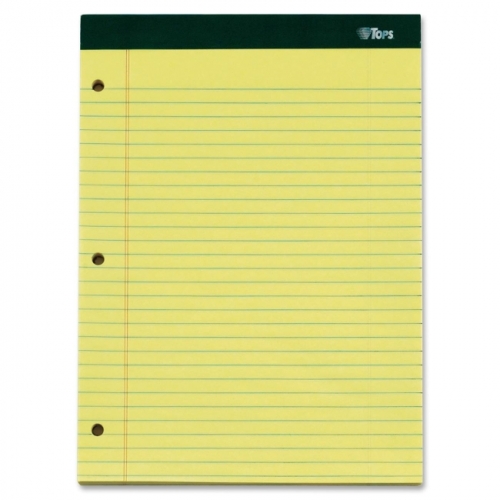
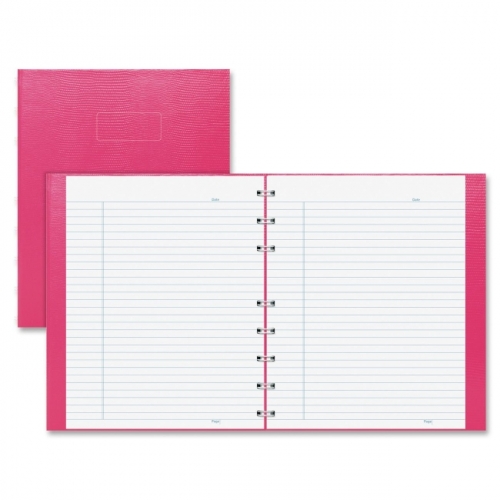
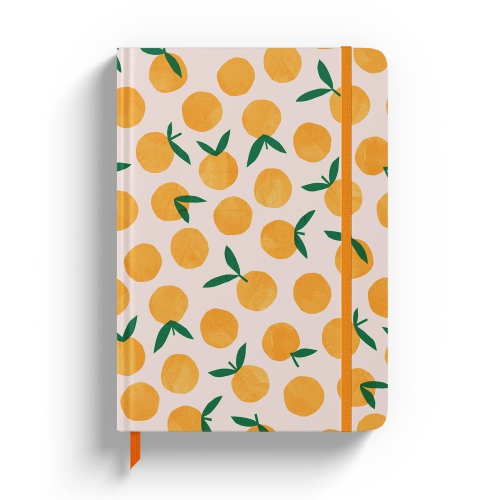
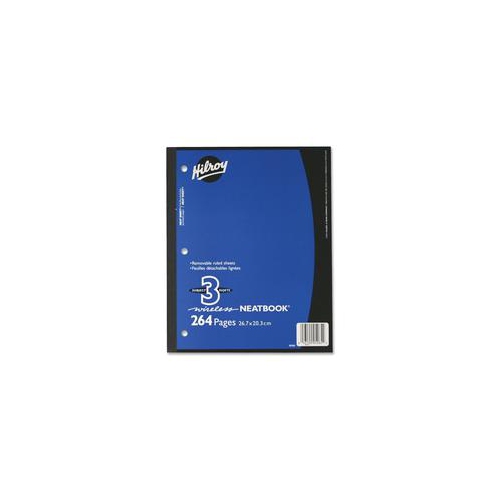
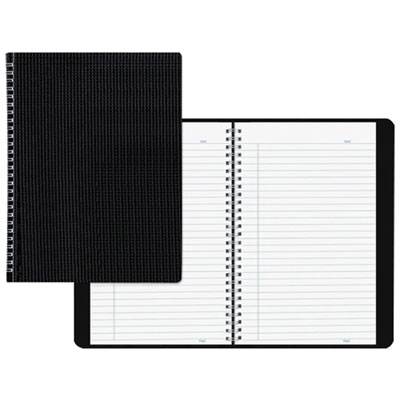
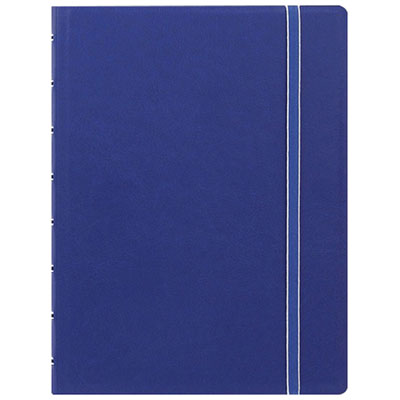
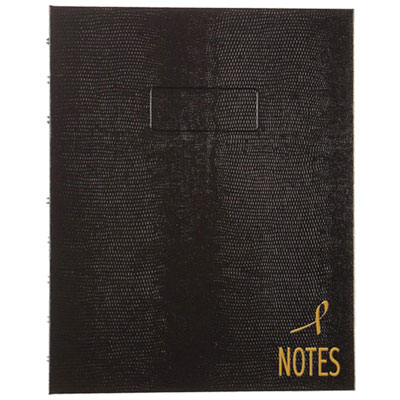
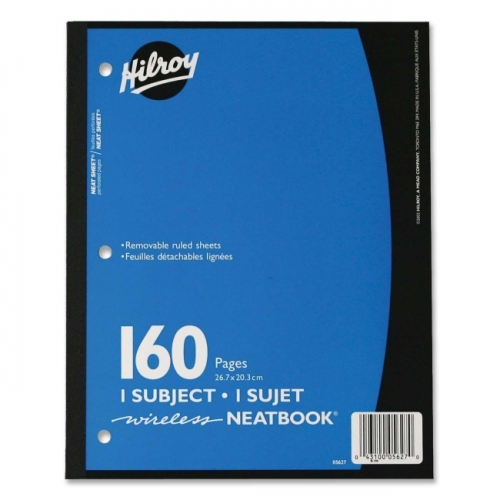
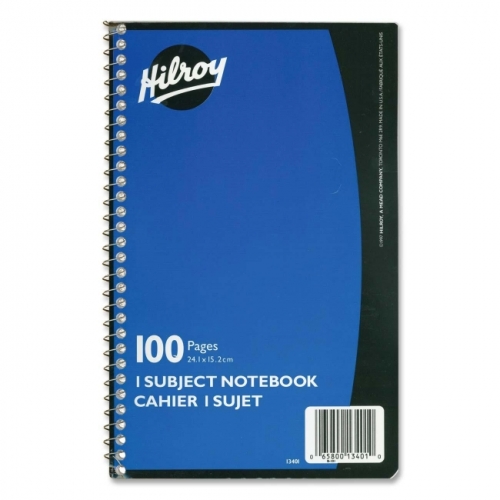
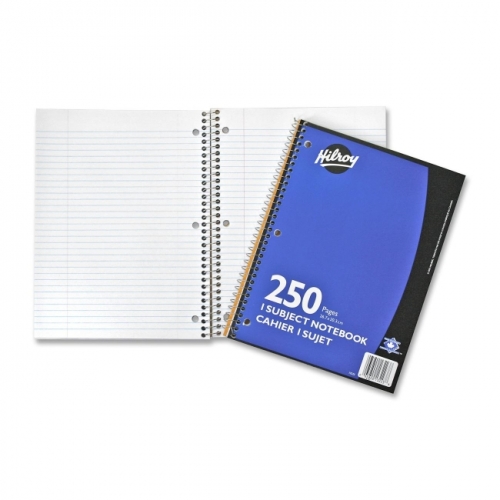
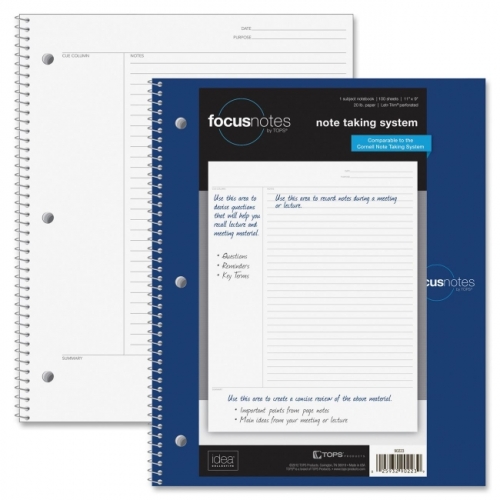
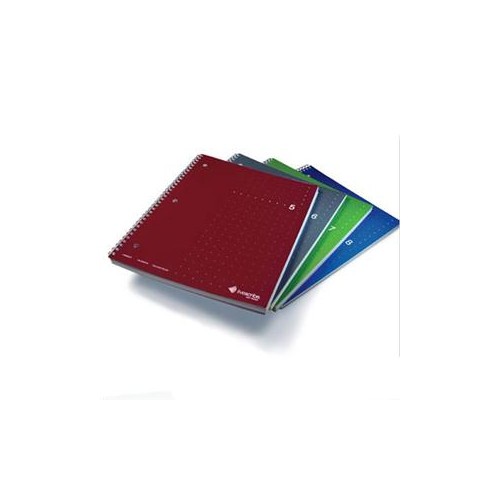
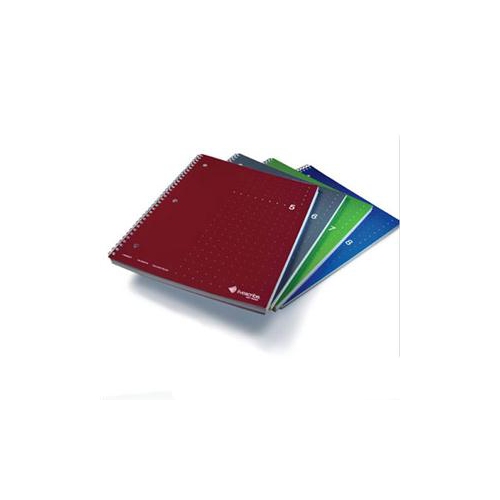
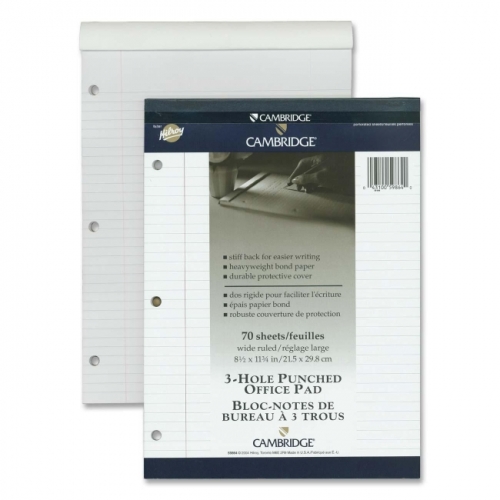
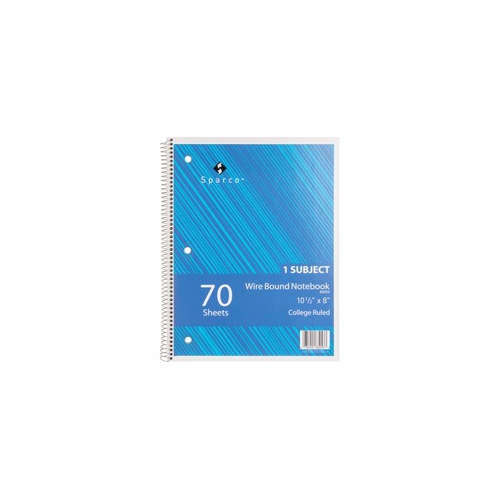
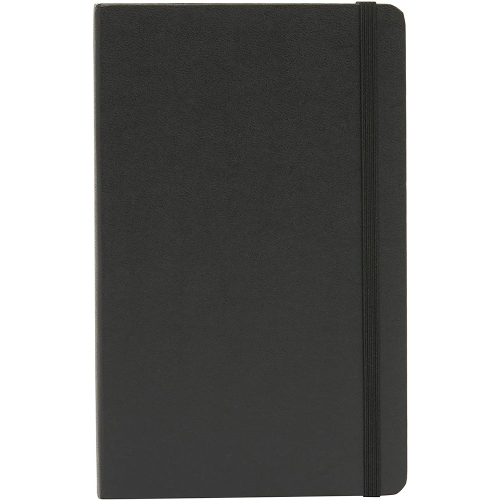
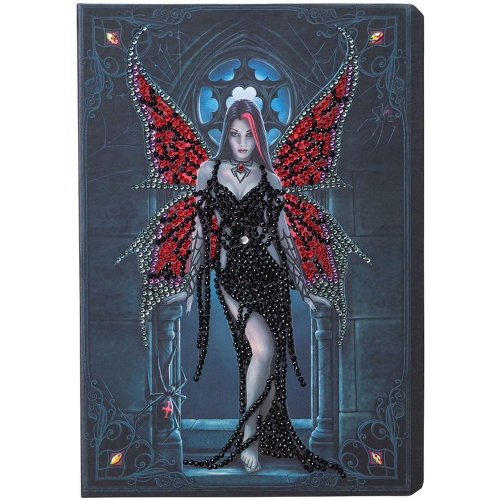

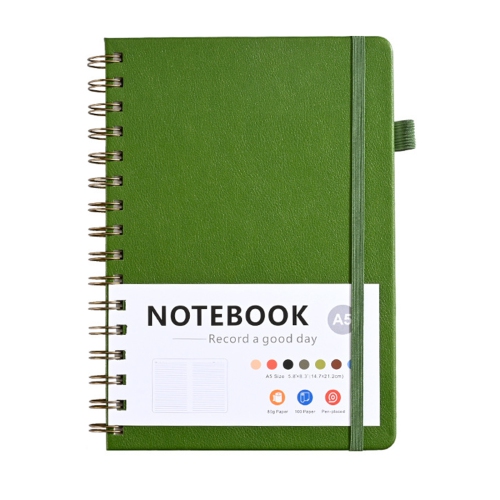



The right format supports notes, planning, and everyday writing
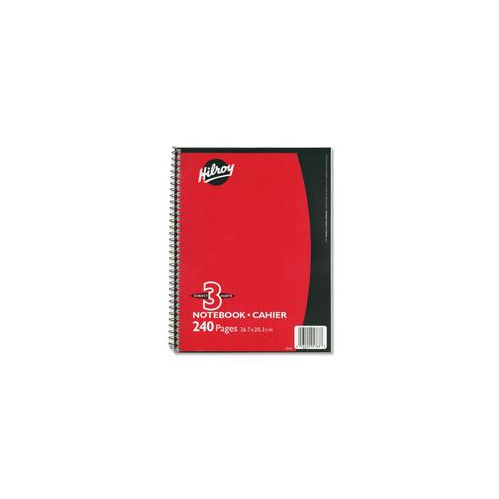
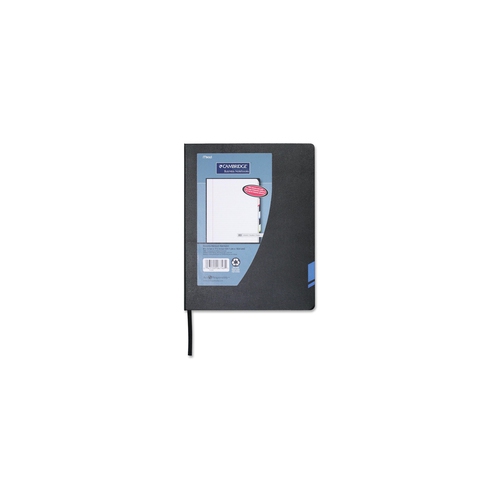
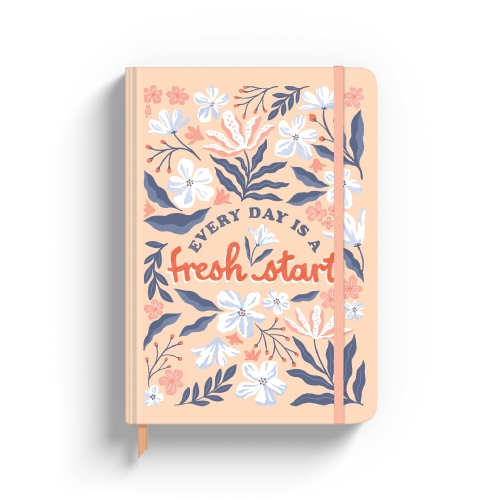
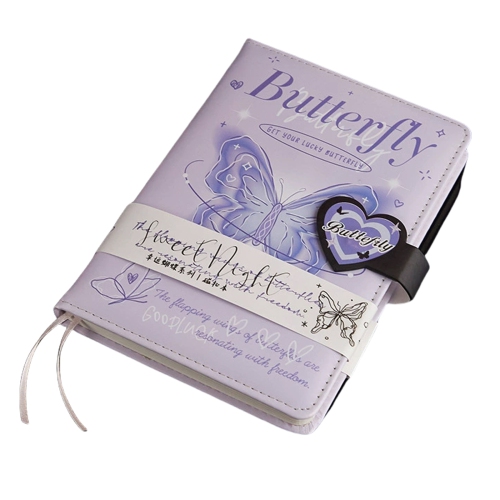
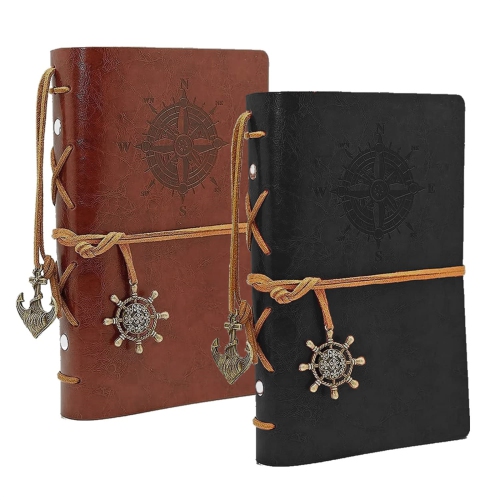
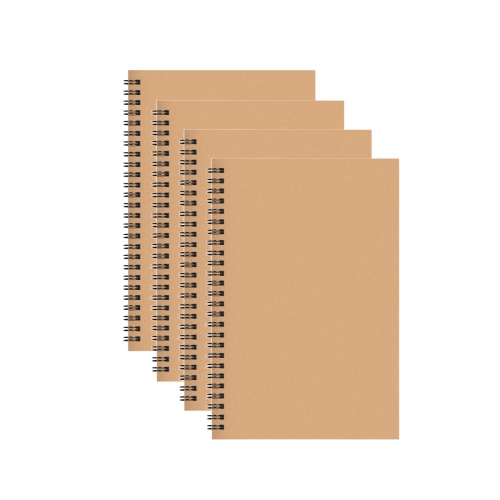
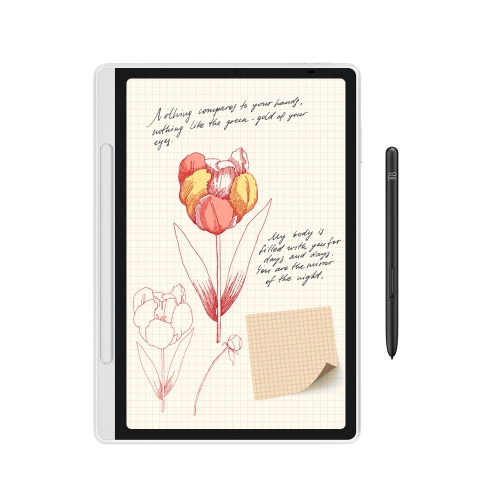
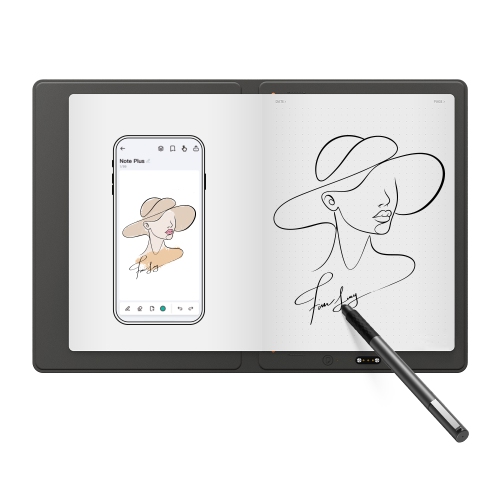
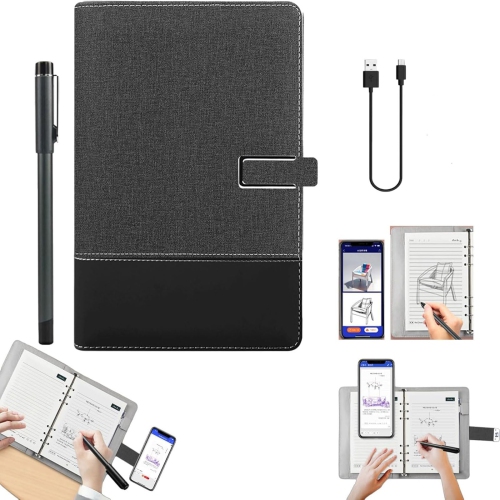
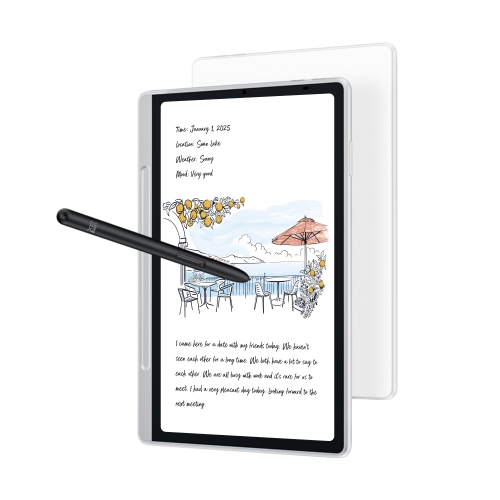
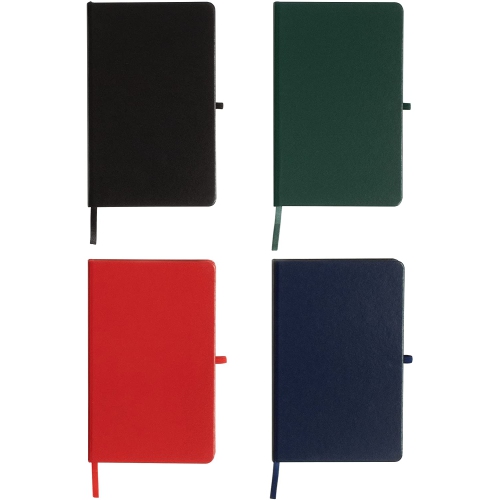
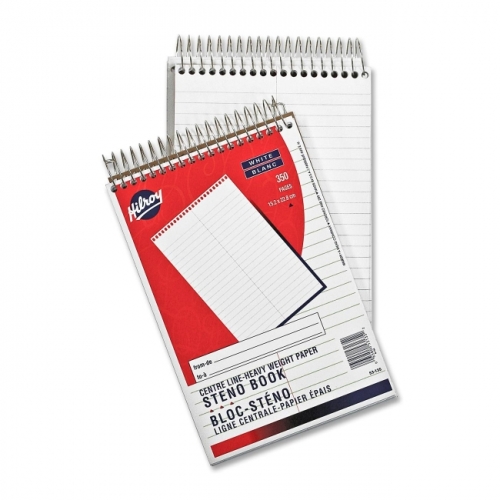
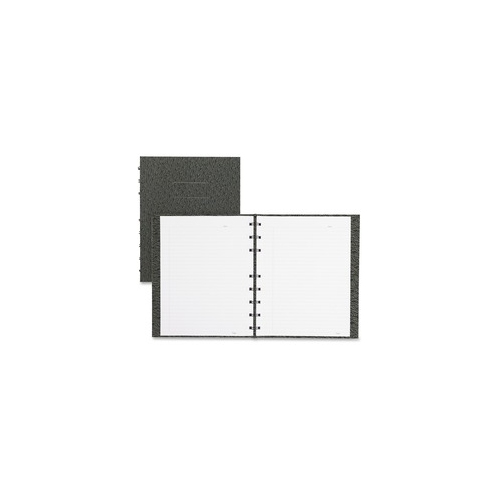
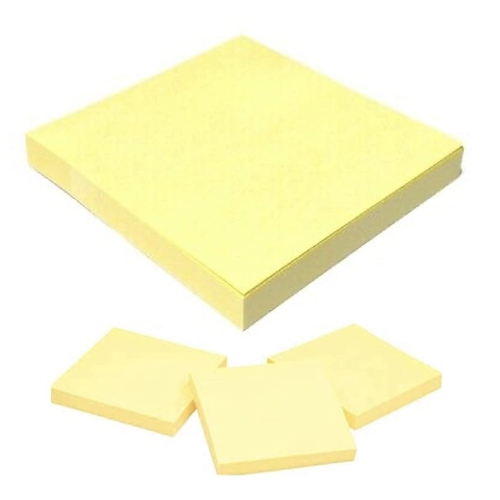
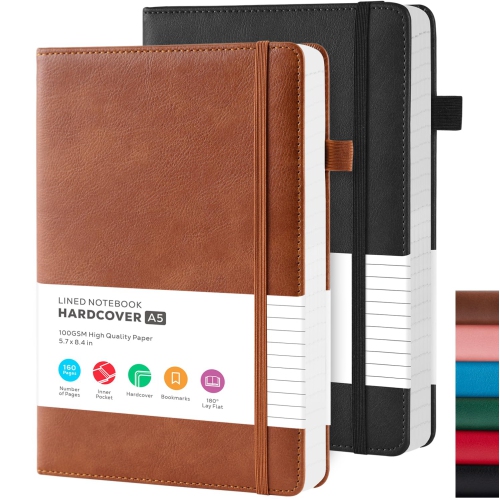
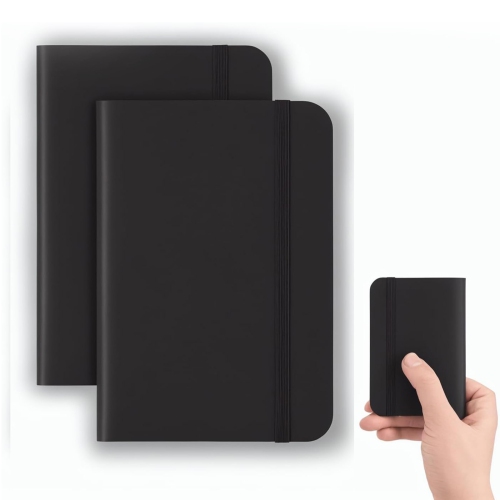
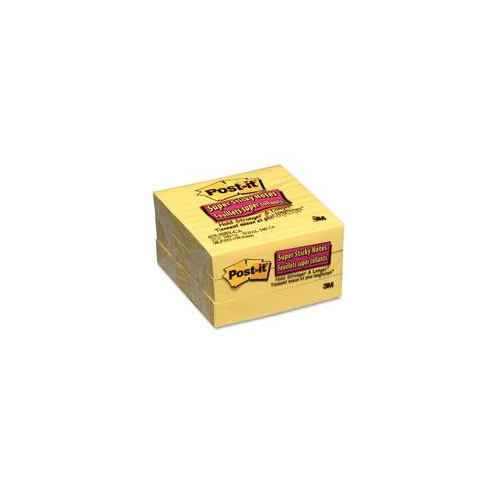
Notebooks for notes are practical tools for capturing information, planning tasks, and keeping everyday thoughts in one dependable place. The right notebook can make a noticeable difference to how comfortably and consistently you write, whether you are taking meeting notes at work, recording lecture details, outlining a project, keeping track of errands, or jotting down an idea before it disappears. Consider where the notebook will be used most often before choosing a size. A pocket notebook slips easily into a coat pocket, handbag, backpack, or desk drawer and is well suited to quick observations, shopping lists, reminders, and short to-do lists. A medium notebook, often around A5, offers a useful balance between portability and writing space for daily planning, study notes, journaling, and work appointments. Larger notebooks provide room for diagrams, detailed minutes, lesson planning, creative writing, and several subjects in one place. If the notebook will travel between home, school, and the office, look for a cover that feels comfortable to hold and durable enough for frequent handling. A sturdy cover can help protect pages in a busy bag, while a softer cover may be lighter and easier to carry. The number of pages matters as well: a slim notebook is convenient for short-term projects or rotating lists, while a thicker notebook can serve as a long-term record for a course, client, recipe collection, or personal planning system. For loose sheets and quick tear-off writing, Note Pads can be a useful companion to a bound notebook, especially beside a telephone, computer, kitchen counter, or shared workspace.
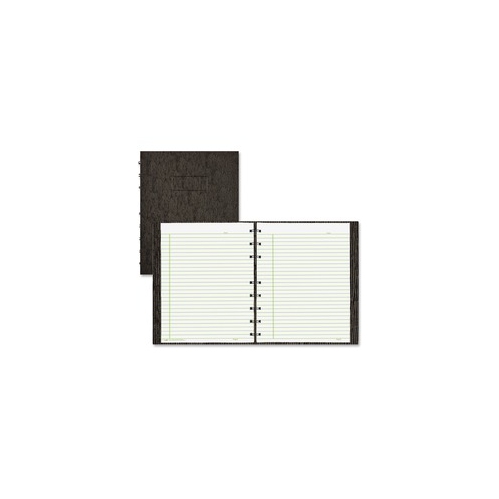
Page layout is one of the most important choices when selecting notebooks for notes. Lined paper is a familiar option for paragraphs, lists, class notes, interviews, and meeting records, with horizontal ruling that helps keep handwriting even across the page. Narrower ruling can provide more writing space for compact handwriting, while wider ruling may be more comfortable for larger lettering or younger writers. Dot-grid pages offer subtle reference points without the visual weight of full lines, making them flexible for bullet journals, calendars, tables, checklists, diagrams, and neatly arranged headings. Blank pages are a natural choice for sketching, mind maps, freeform planning, handwriting practice, or combining text with drawings. Some notebooks include numbered pages, contents pages, perforated sheets, or an elastic closure, features that can be helpful when notes need to be organized, removed, or kept secure. Binding also affects the writing experience. Wire-bound notebooks can open flat and fold back on themselves, which is convenient when writing at a narrow desk or standing at a counter. Thread-bound or otherwise lay-flat designs can feel more substantial for extended writing and allow both hands to remain free from holding pages open. Glue-bound formats are often slim and easy to stack, while sturdy hard covers can provide a firm surface for writing away from a desk. Paper quality should match the writing instruments you expect to use. Ballpoint pens and pencils work well on most everyday paper, while gel pens may benefit from smoother pages that allow ink to glide without catching. If you use fountain pens, brush pens, highlighters, or markers, check the paper weight and finish to help reduce show-through, feathering, or bleed-through. Paper weight is commonly described in GSM; heavier paper, such as 120 GSM or above, is generally better suited to wetter inks and layered colour, while lighter paper keeps a notebook thinner and easier to carry.
Notebooks for notes can suit nearly anyone who benefits from a simple, visible way to capture information. Students can use separate books for different courses, revision summaries, lab observations, reading notes, or assignment planning. Professionals may keep one near a computer for meeting actions, phone messages, project milestones, and ideas that arise between appointments. At home, a notebook can hold meal plans, household measurements, packing lists, gift ideas, daily priorities, or instructions that are easy to misplace when written on loose scraps. Creative users may prefer blank or dotted pages for story outlines, lettering practice, travel sketches, photography notes, or collections of visual references. A compact notebook can also be a thoughtful gift for a new student, a colleague starting a role, a teacher, a traveller, or anyone who enjoys putting pen to paper. For gifting, consider the recipient’s routine rather than choosing based only on appearance: a pocket format may suit someone who is always on the move, a larger lay-flat book may help an organized planner, and a lined notebook may be the most versatile choice for someone whose writing habits are unknown. During the warmer and cooler parts of the year, notebooks can accompany changing routines, from recording travel details and outdoor observations to planning indoor projects, classes, and personal goals. Keep a pen with the notebook, choose a size you will genuinely carry, and allow enough page space for the way you write. A notebook that opens comfortably, feels pleasant beneath the hand, and matches your preferred layout is more likely to become part of your daily routine than one chosen only for its cover.
Page layout is one of the most important choices when selecting notebooks for notes. Lined paper is a familiar option for paragraphs, lists, class notes, interviews, and meeting records, with horizontal ruling that helps keep handwriting even across the page. Narrower ruling can provide more writing space for compact handwriting, while wider ruling may be more comfortable for larger lettering or younger writers. Dot-grid pages offer subtle reference points without the visual weight of full lines, making them flexible for bullet journals, calendars, tables, checklists, diagrams, and neatly arranged headings. Blank pages are a natural choice for sketching, mind maps, freeform planning, handwriting practice, or combining text with drawings. Some notebooks include numbered pages, contents pages, perforated sheets, or an elastic closure, features that can be helpful when notes need to be organized, removed, or kept secure. Binding also affects the writing experience. Wire-bound notebooks can open flat and fold back on themselves, which is convenient when writing at a narrow desk or standing at a counter. Thread-bound or otherwise lay-flat designs can feel more substantial for extended writing and allow both hands to remain free from holding pages open. Glue-bound formats are often slim and easy to stack, while sturdy hard covers can provide a firm surface for writing away from a desk. Paper quality should match the writing instruments you expect to use. Ballpoint pens and pencils work well on most everyday paper, while gel pens may benefit from smoother pages that allow ink to glide without catching. If you use fountain pens, brush pens, highlighters, or markers, check the paper weight and finish to help reduce show-through, feathering, or bleed-through. Paper weight is commonly described in GSM; heavier paper, such as 120 GSM or above, is generally better suited to wetter inks and layered colour, while lighter paper keeps a notebook thinner and easier to carry.
Notebooks for notes can suit nearly anyone who benefits from a simple, visible way to capture information. Students can use separate books for different courses, revision summaries, lab observations, reading notes, or assignment planning. Professionals may keep one near a computer for meeting actions, phone messages, project milestones, and ideas that arise between appointments. At home, a notebook can hold meal plans, household measurements, packing lists, gift ideas, daily priorities, or instructions that are easy to misplace when written on loose scraps. Creative users may prefer blank or dotted pages for story outlines, lettering practice, travel sketches, photography notes, or collections of visual references. A compact notebook can also be a thoughtful gift for a new student, a colleague starting a role, a teacher, a traveller, or anyone who enjoys putting pen to paper. For gifting, consider the recipient’s routine rather than choosing based only on appearance: a pocket format may suit someone who is always on the move, a larger lay-flat book may help an organized planner, and a lined notebook may be the most versatile choice for someone whose writing habits are unknown. During the warmer and cooler parts of the year, notebooks can accompany changing routines, from recording travel details and outdoor observations to planning indoor projects, classes, and personal goals. Keep a pen with the notebook, choose a size you will genuinely carry, and allow enough page space for the way you write. A notebook that opens comfortably, feels pleasant beneath the hand, and matches your preferred layout is more likely to become part of your daily routine than one chosen only for its cover.
Top selling and popular products
-
 Your price for this item is $44.99
 -
 Your price for this item is $29.99
 -
 Your price for this item is $7.99
 -
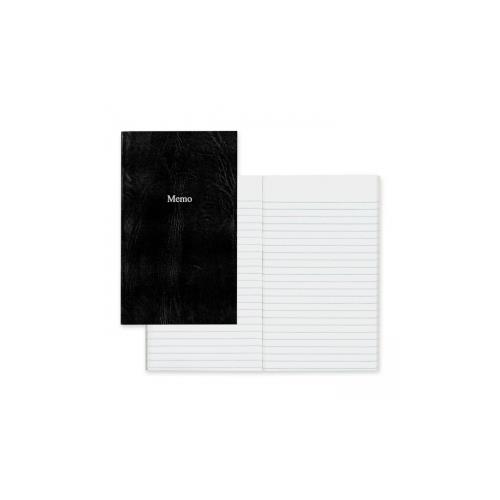 Your price for this item is $3.99
 -
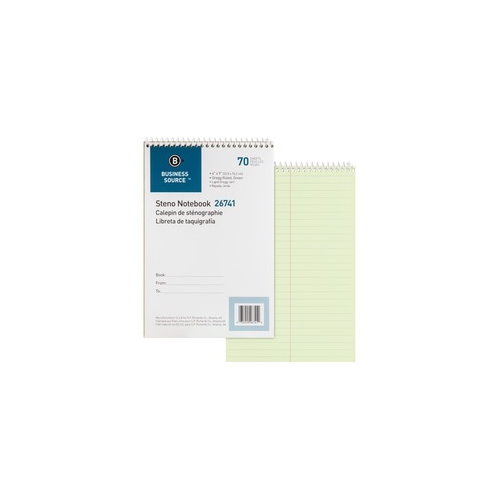 Your price for this item is $2.99
 -
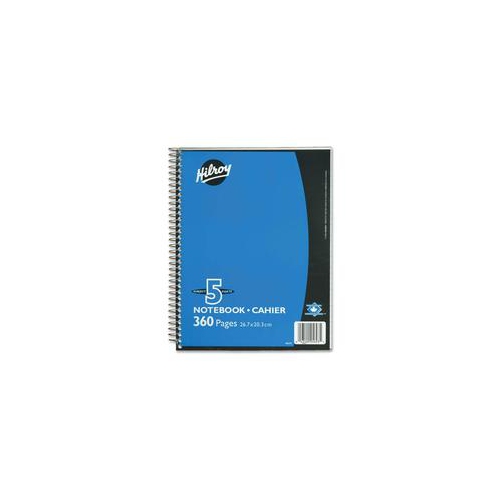 Your price for this item is $9.99
 -
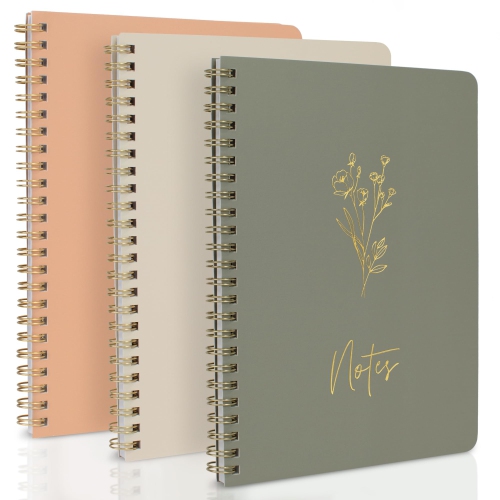 Your price for this item is $46.99
 -
 Your price for this item is $18.99
Discover more categories related to Notebooks for Notes
Top Collections:
Pokemon Centers, Budget 4K TVs, Best Budget Office Chairs, Kindle Devices, Canon G7X Cameras, Apple iPhones 16, iPhone 15 Apple, Laptops for Business Work, Xiaomi Phones, Flip Phones
Some products may be subject to Environmental Handling Fees
(EHF) depending on your province.
Learn more about EHFs.