Notebooks With Pockets
Stay organized on-the-go with our selection of notebooks with pockets. Perfect for keeping loose papers, receipts, or business cards in one convenient place, these versatile notebooks are ideal for students, professionals, or anyone looking to stay tidy and efficient. With a variety of sizes, styles, and colors to choose from, you can find the perfect notebook with pockets to suit your needs and showcase your personal style.
Sort
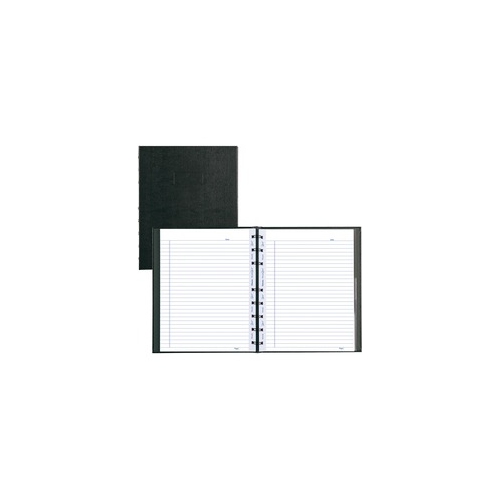
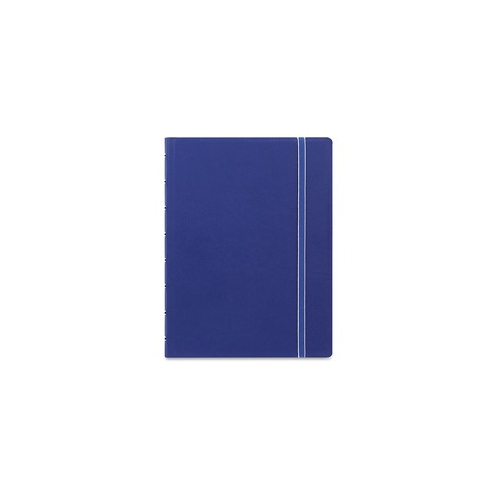
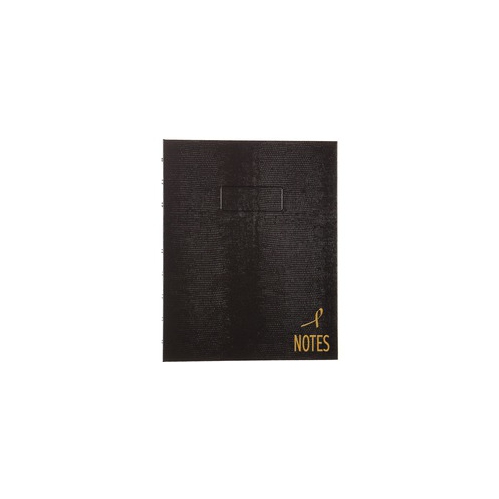
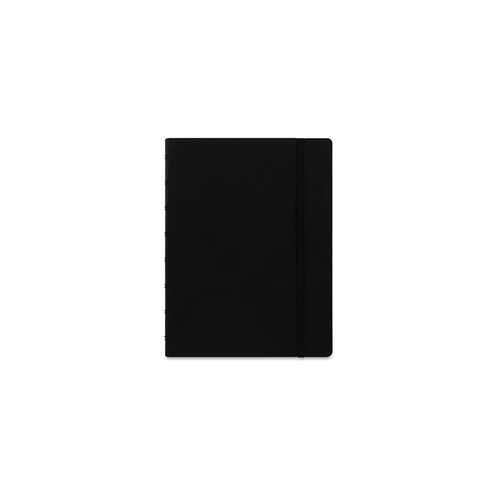

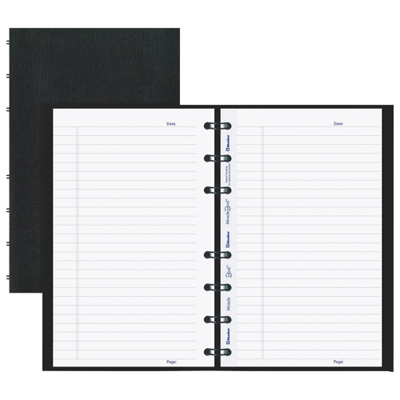
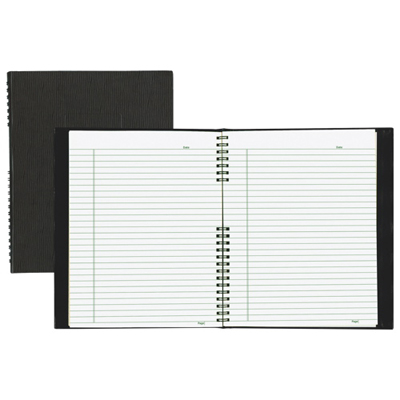
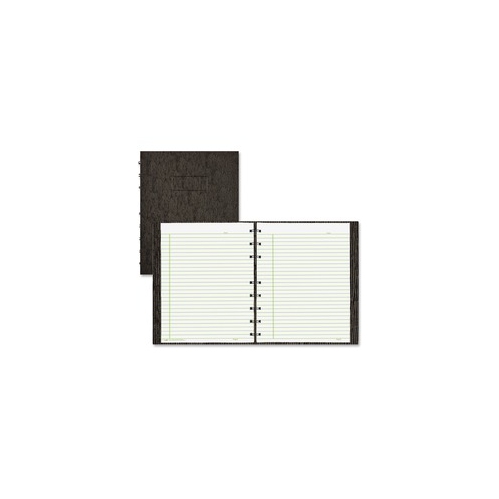
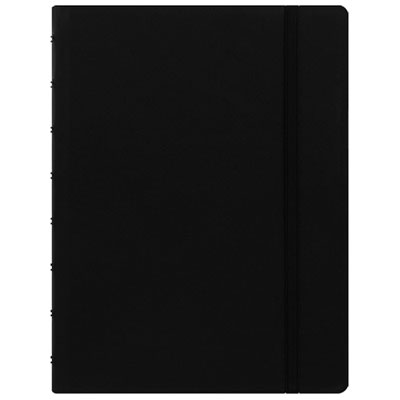
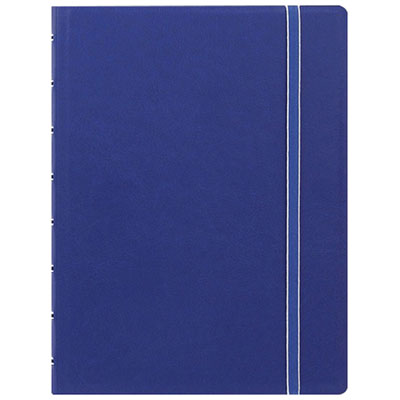
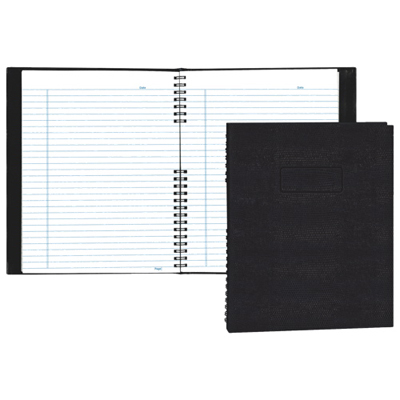
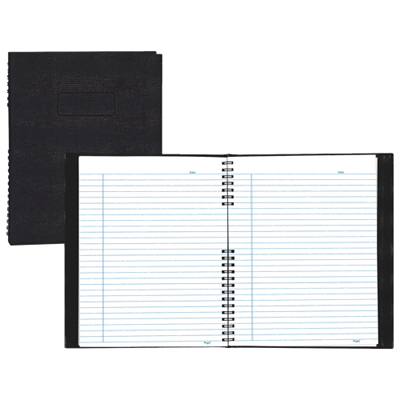
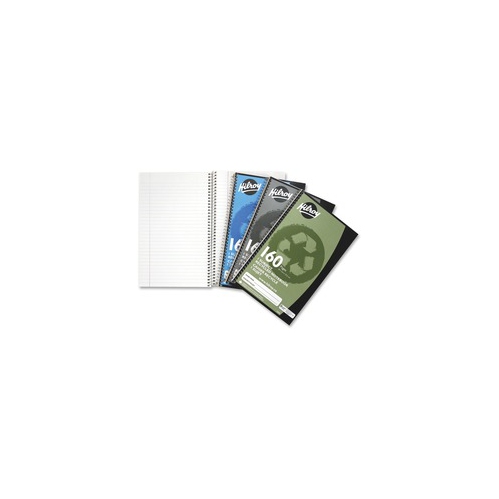
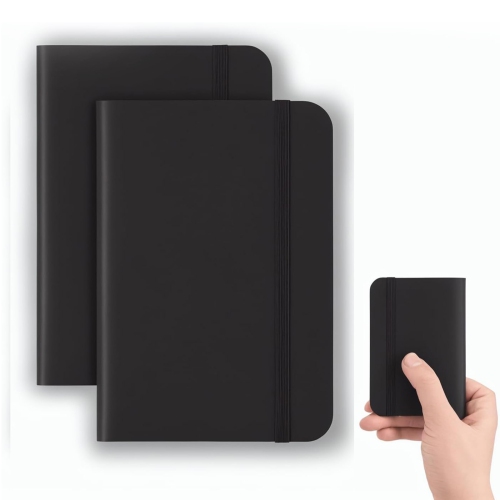
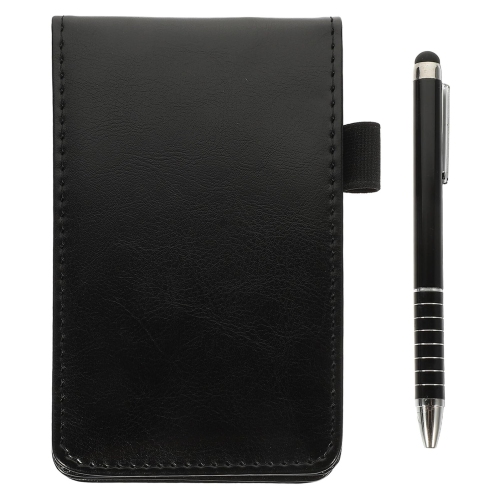
Practical storage for notes, papers, cards, and daily ideas
Notebooks with pockets combine the everyday usefulness of a writing pad with convenient storage for the small pieces of paper that tend to gather around a busy day. A back-cover pocket is particularly practical for receipts, appointment cards, transit tickets, business cards, sticky notes, spare labels, or a handwritten reminder that needs to stay with the notebook instead of disappearing into a bag. Expandable pockets can accommodate a modest stack of loose papers while keeping the notebook relatively neat, making them a helpful choice for commuting, campus life, office work, travel, or errands around town. Some designs also include internal pockets or dividers, which can make it easier to separate notes by subject, project, class, or destination. When comparing options, consider whether the pocket is located inside the cover or on the back cover, how far it opens, and whether it can hold the items you expect to carry without making the notebook bulky. A back pocket is often best for quick-access papers and cards, while several internal pockets can be more useful for people who sort information into categories. The type of binding also affects how the notebook feels in use. Spiral and wirebound styles can open flat on a desk and make it easy to turn through pages, while bound journal-style notebooks offer a more traditional feel and a clean profile for carrying. Flexible covers are light and easy to slip into a tote or backpack, whereas firmer covers can provide a steadier writing surface when there is no table nearby. Page layout is another important consideration: ruled pages suit lists, meeting notes, and classroom work; plain pages leave room for sketches, diagrams, and visual planning; and dotted or squared pages can support bullet journalling, charts, and neatly arranged notes.
Size can make a noticeable difference in how often a notebook is actually used. True pocket-sized formats, often around 3.5 x 5.5 inches, are convenient for jacket pockets, smaller handbags, belt bags, and the front compartment of a backpack. They are well suited to grocery lists, quick observations, daily reminders, measurements, and ideas captured while walking between appointments. A compact notebook can become a dependable everyday companion because it is easy to reach for without rearranging everything else in a bag. Larger A5 and similar formats provide more room for longer entries, study notes, project planning, and detailed sketches, while still remaining portable enough for a desk drawer, work bag, or school locker. Paper quality matters as well, especially for anyone who writes with gel pens, rollerballs, markers, or fountain pens. Look for paper that feels smooth and substantial enough for the intended writing tools, and consider whether pages are acid-free, numbered, perforated, or designed to resist ink showing through. A notebook with numbered pages can help track meeting notes or locate a particular idea later, while perforated pages are useful when a note needs to be removed and shared. Page count should match the expected routine: a slimmer notebook is easy to replace and carry in multiples, while a thicker one can keep a longer project or a full season of notes in one place. During the cooler months, a pocket notebook can be useful for recording gift ideas, errands, travel details, recipes, or household measurements when gloves, scarves, and extra layers make reaching for a phone less convenient. It can also provide a simple way to keep children occupied during a quiet café stop, a waiting room visit, or a family journey, especially when paired with pencils or coloured pens.
Notebooks with pockets can be practical gifts for students, writers, artists, travellers, teachers, office professionals, and anyone who enjoys keeping a handwritten record of the day. They also work well as thoughtful additions to a larger gift, since a pocket can hold a note, card, itinerary, or small stationery items without requiring separate wrapping. For students, the notebook can carry flashcards, permission slips, reference sheets, and quick study notes between classes. For work, it can store access details, contact information, task lists, and papers that need attention at the next meeting. Travellers may use the pocket for maps, tickets, reservation details, or a short list of places to visit, while creative users can keep colour swatches, clipped images, story prompts, and rough sketches close at hand. A notebook kept by the front door can collect delivery notes and errands; one beside the telephone can hold messages; another in a kitchen drawer can record measurements and meal ideas. If several people will use the notebook, a clear layout and durable binding may be more valuable than decorative details. For a personal journal or daily-carry notebook, cover texture, weight, page feel, and pocket capacity may matter most. Think about where the notebook will be stored, what it will carry, and whether it needs to open flat or remain compact. If the storage requirement is larger or the contents need to be organised into multiple sections, office filing options such as Binders With Pockets may be a better fit. With the right combination of size, binding, paper, and pocket placement, a notebook becomes more than a place to write: it becomes a small, reliable system for keeping loose details together and making useful ideas easier to find.
Size can make a noticeable difference in how often a notebook is actually used. True pocket-sized formats, often around 3.5 x 5.5 inches, are convenient for jacket pockets, smaller handbags, belt bags, and the front compartment of a backpack. They are well suited to grocery lists, quick observations, daily reminders, measurements, and ideas captured while walking between appointments. A compact notebook can become a dependable everyday companion because it is easy to reach for without rearranging everything else in a bag. Larger A5 and similar formats provide more room for longer entries, study notes, project planning, and detailed sketches, while still remaining portable enough for a desk drawer, work bag, or school locker. Paper quality matters as well, especially for anyone who writes with gel pens, rollerballs, markers, or fountain pens. Look for paper that feels smooth and substantial enough for the intended writing tools, and consider whether pages are acid-free, numbered, perforated, or designed to resist ink showing through. A notebook with numbered pages can help track meeting notes or locate a particular idea later, while perforated pages are useful when a note needs to be removed and shared. Page count should match the expected routine: a slimmer notebook is easy to replace and carry in multiples, while a thicker one can keep a longer project or a full season of notes in one place. During the cooler months, a pocket notebook can be useful for recording gift ideas, errands, travel details, recipes, or household measurements when gloves, scarves, and extra layers make reaching for a phone less convenient. It can also provide a simple way to keep children occupied during a quiet café stop, a waiting room visit, or a family journey, especially when paired with pencils or coloured pens.
Notebooks with pockets can be practical gifts for students, writers, artists, travellers, teachers, office professionals, and anyone who enjoys keeping a handwritten record of the day. They also work well as thoughtful additions to a larger gift, since a pocket can hold a note, card, itinerary, or small stationery items without requiring separate wrapping. For students, the notebook can carry flashcards, permission slips, reference sheets, and quick study notes between classes. For work, it can store access details, contact information, task lists, and papers that need attention at the next meeting. Travellers may use the pocket for maps, tickets, reservation details, or a short list of places to visit, while creative users can keep colour swatches, clipped images, story prompts, and rough sketches close at hand. A notebook kept by the front door can collect delivery notes and errands; one beside the telephone can hold messages; another in a kitchen drawer can record measurements and meal ideas. If several people will use the notebook, a clear layout and durable binding may be more valuable than decorative details. For a personal journal or daily-carry notebook, cover texture, weight, page feel, and pocket capacity may matter most. Think about where the notebook will be stored, what it will carry, and whether it needs to open flat or remain compact. If the storage requirement is larger or the contents need to be organised into multiple sections, office filing options such as Binders With Pockets may be a better fit. With the right combination of size, binding, paper, and pocket placement, a notebook becomes more than a place to write: it becomes a small, reliable system for keeping loose details together and making useful ideas easier to find.
Top selling and popular products
-
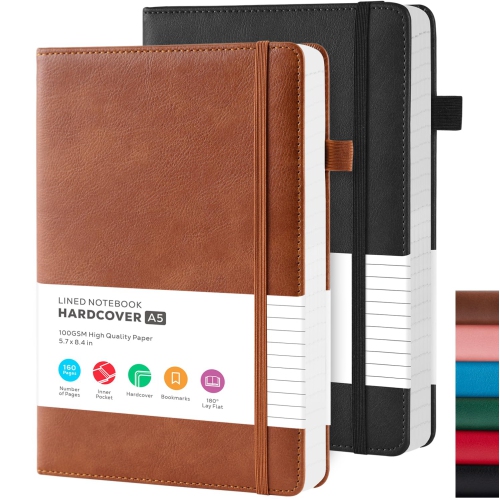 Your price for this item is $44.99
 -
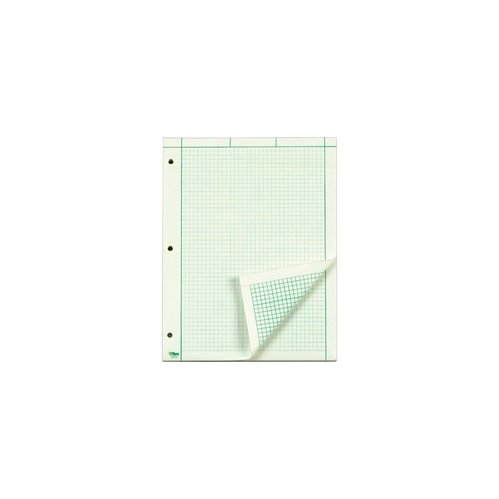 Your price for this item is $29.99
 -
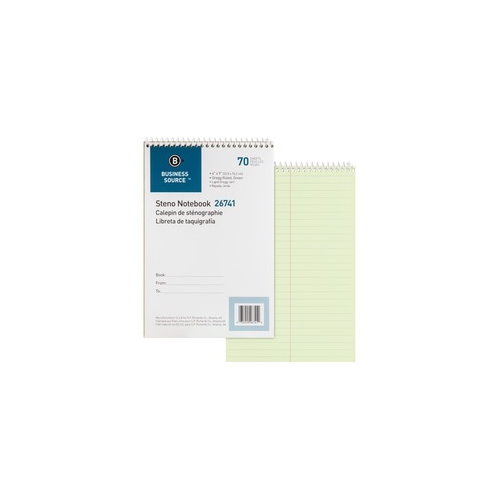 Your price for this item is $2.99
 -
 Your price for this item is $7.99
 -
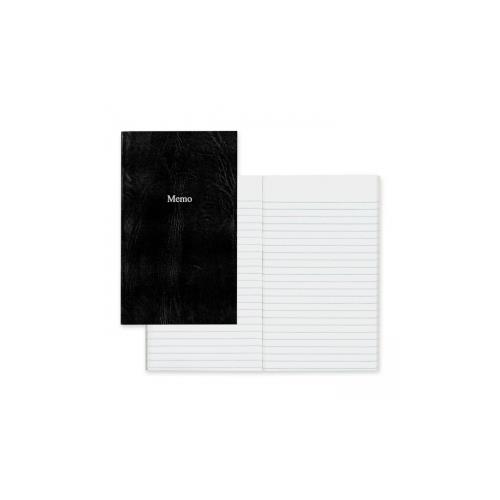 Your price for this item is $3.99
 -
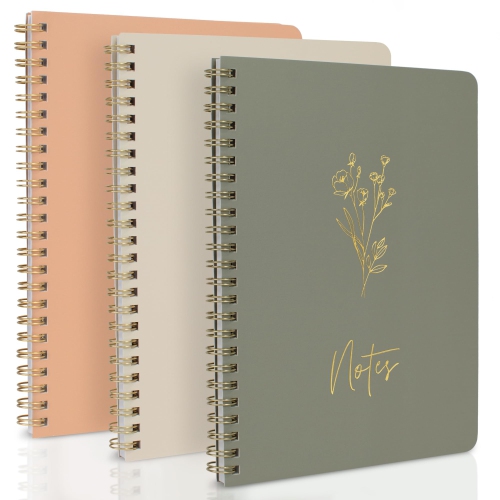 Your price for this item is $46.99
 -
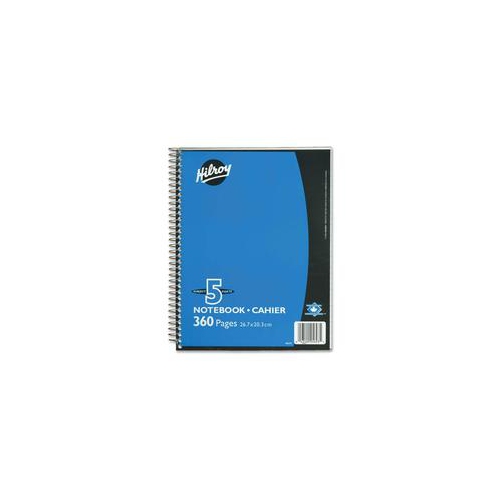 Your price for this item is $9.99
 -
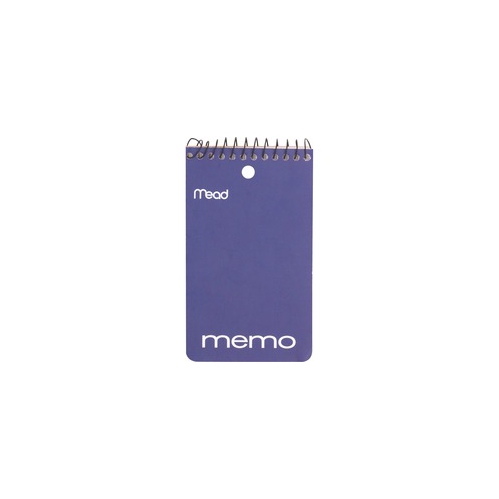 Your price for this item is $1.99
Discover more categories related to Notebooks With Pockets
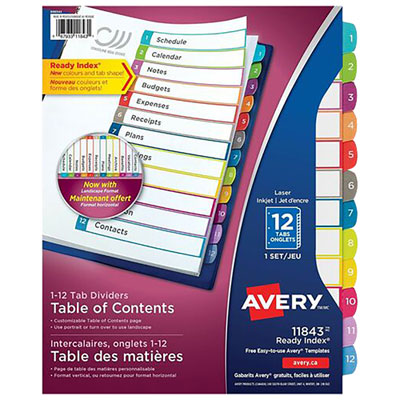
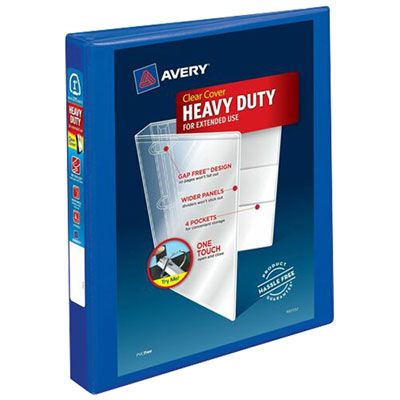
Top Collections:
Pokemon Centers, Kindle Devices, Best Budget Office Chairs, Apple iPhones 16, Best Laptops for Writers, iPhone 15 Apple, Canon G7X Cameras, Refurbished Apple Laptops, Alarm Clock, Motorola Razr Phones
Some products may be subject to Environmental Handling Fees
(EHF) depending on your province.
Learn more about EHFs.