Office File Cabinets
Organize your office space with our selection of stylish and functional office file cabinets. Whether you need a compact solution for a small home office or a spacious storage unit for a bustling workplace, we have the perfect cabinet to meet your needs. Our range of file cabinets offers a variety of sizes, materials, and designs, ensuring that you can find the ideal match for your office decor. From sleek and modern to classic and traditional, our collection has something to suit every style. Discover the convenience of easy access to your important documents while adding a touch of sophistication to your workspace with our office file cabinets.
Sort


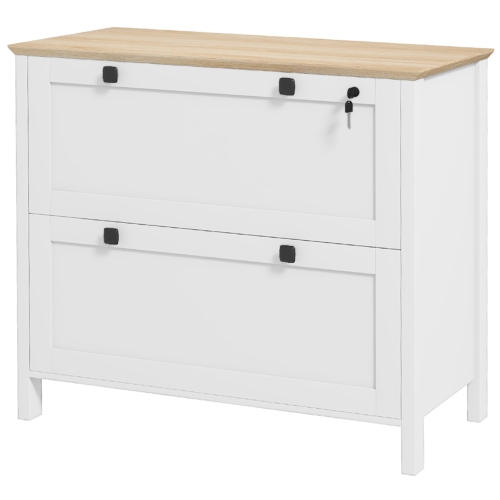
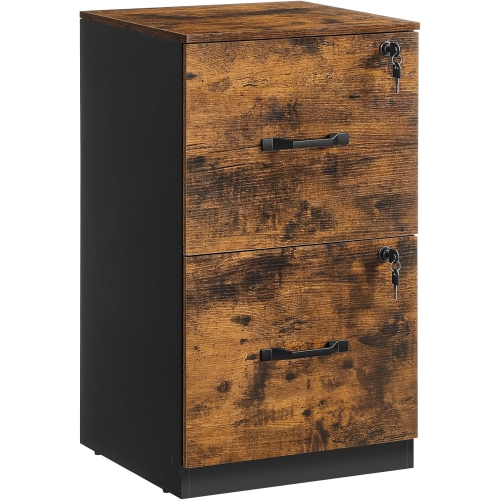

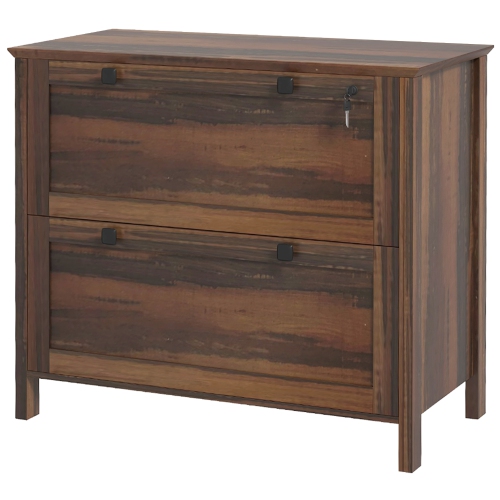


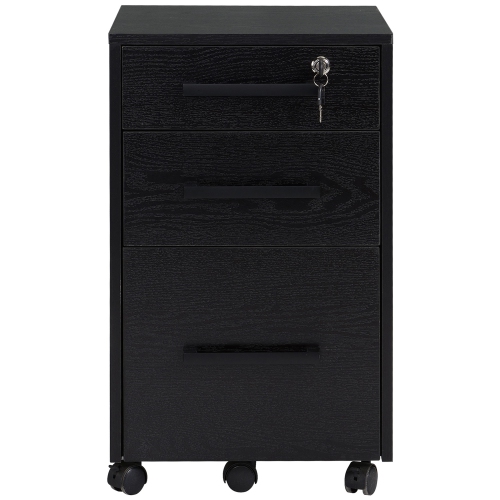
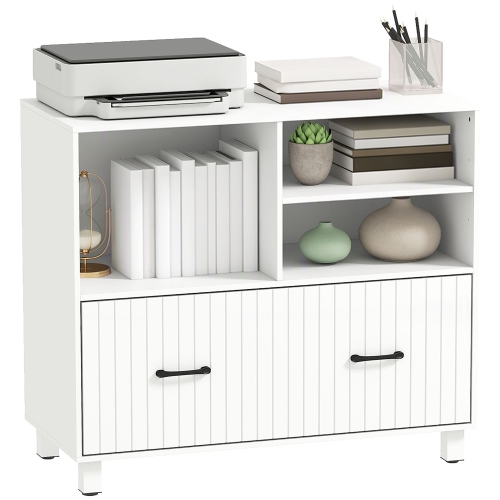
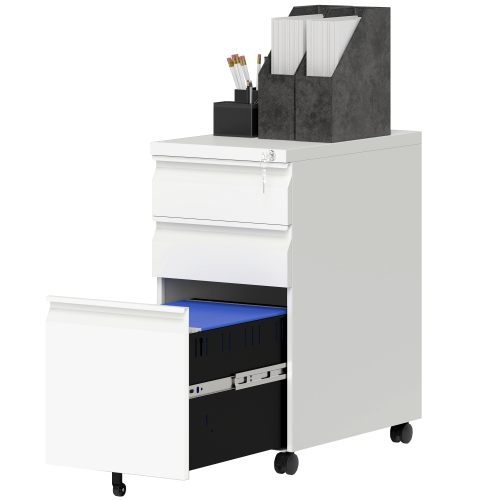

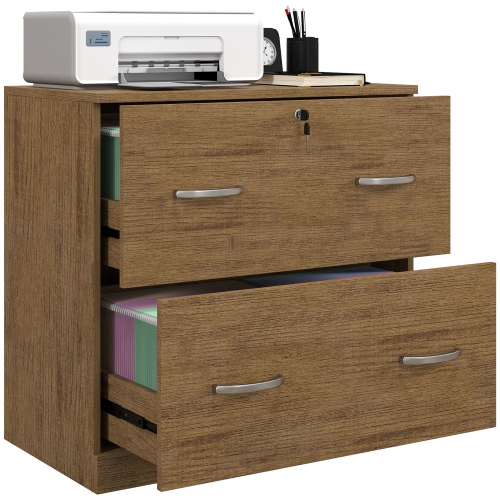

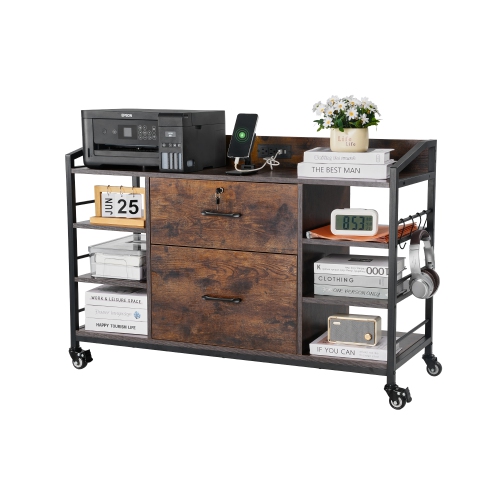


















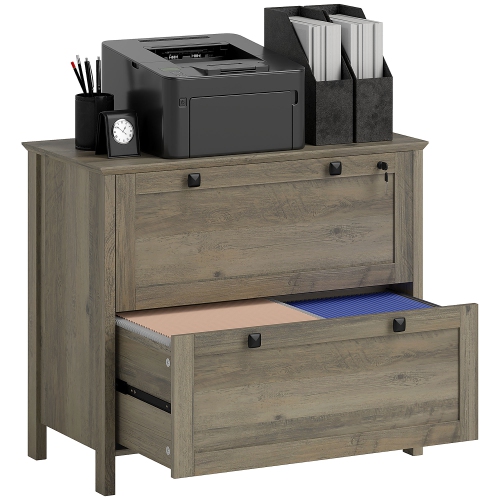
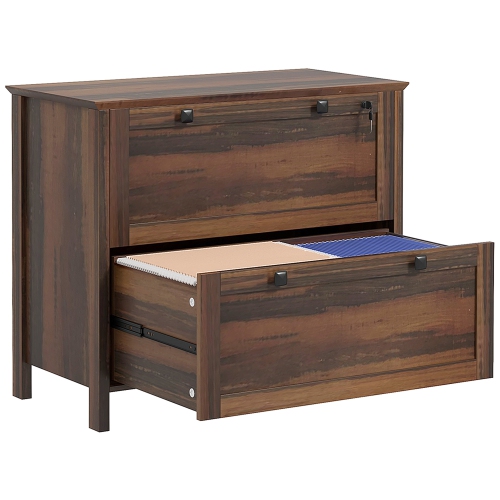


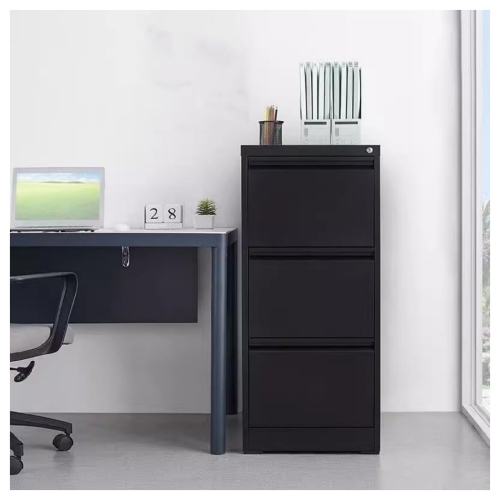


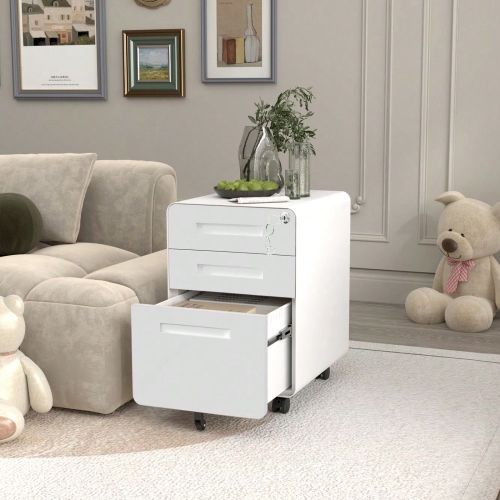





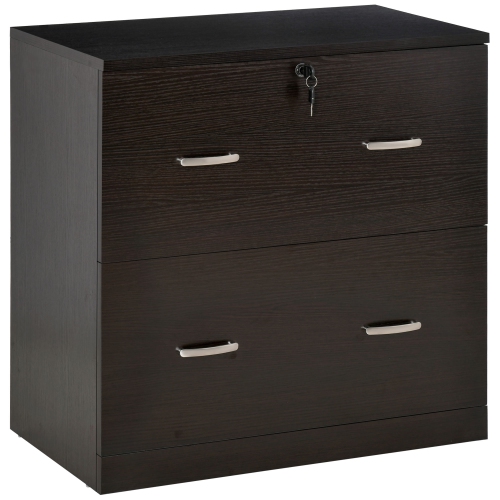

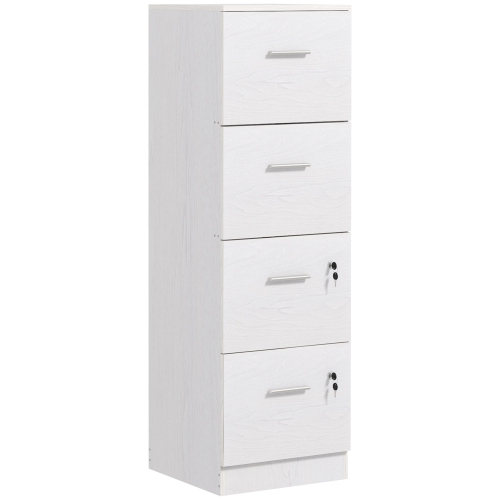
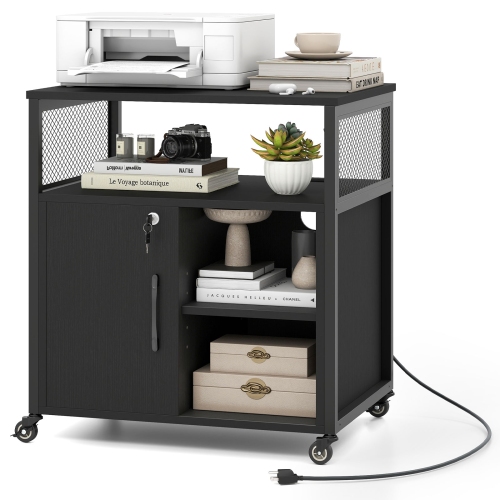

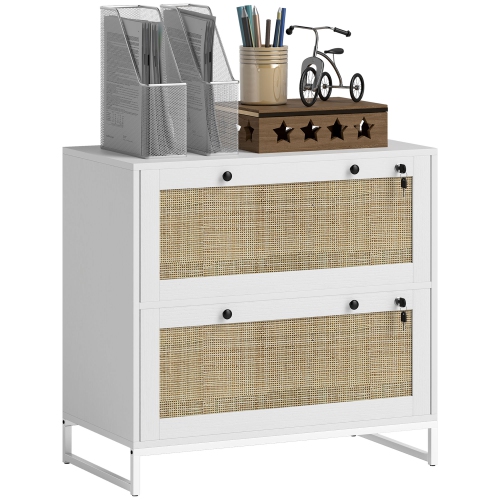

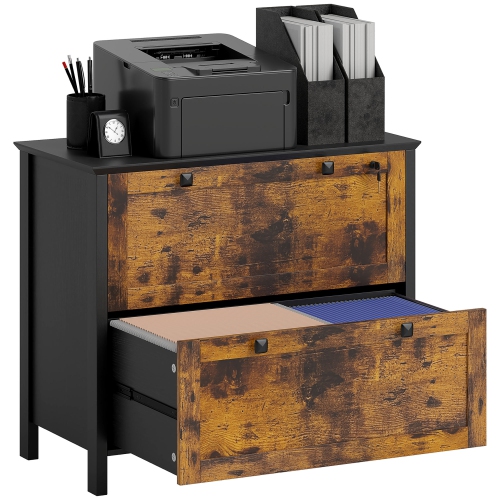
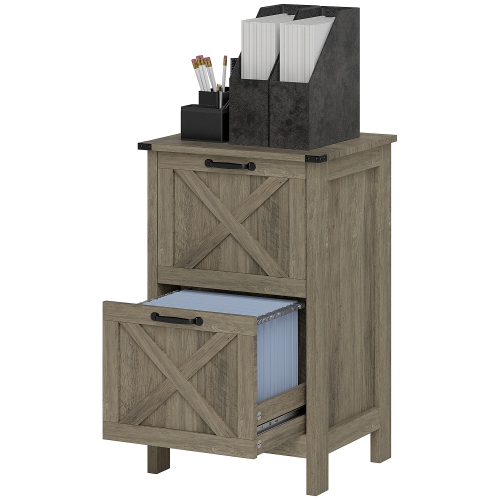
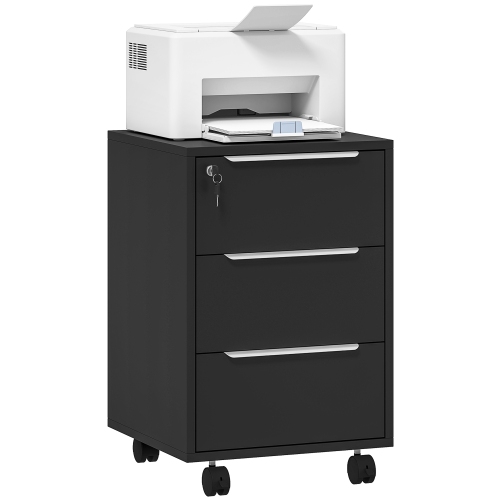
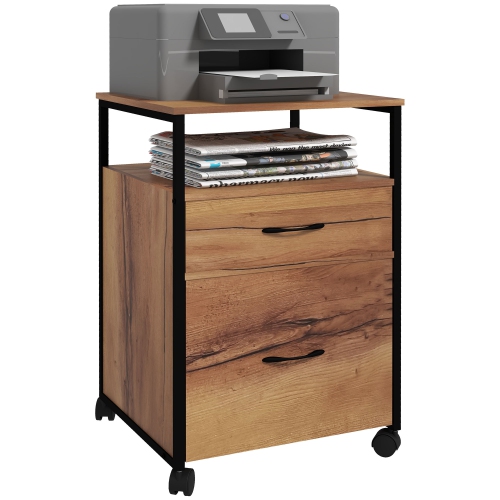


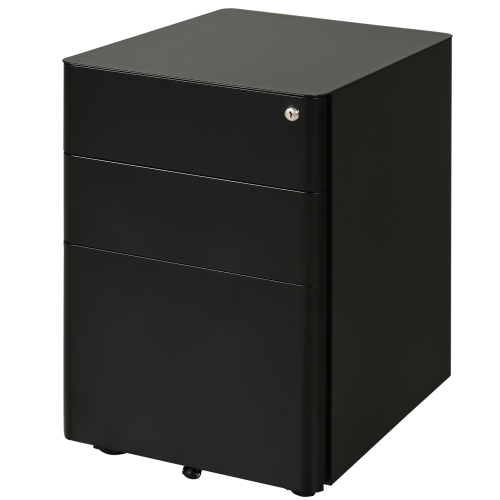
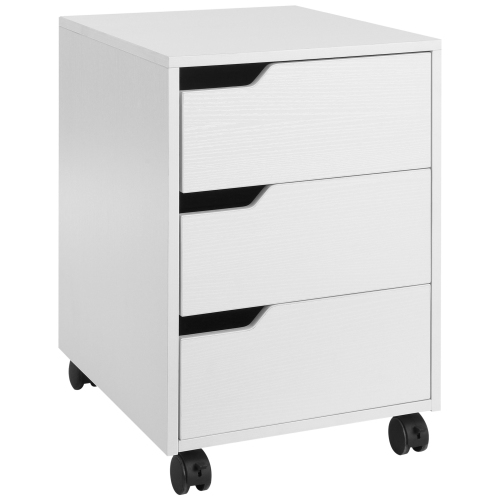
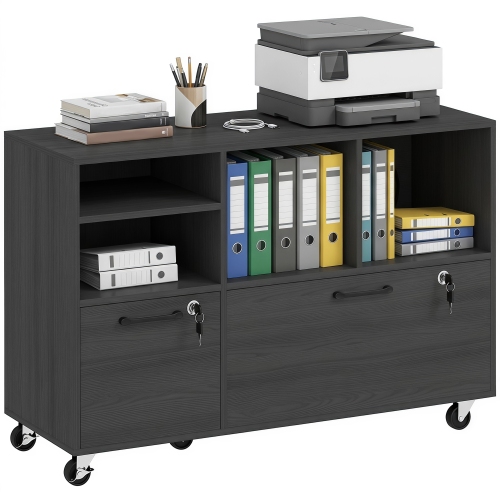
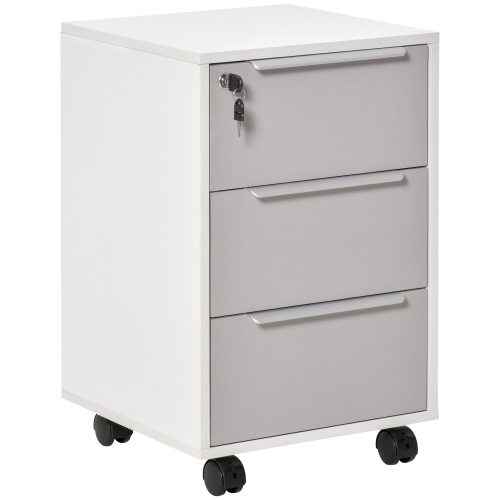
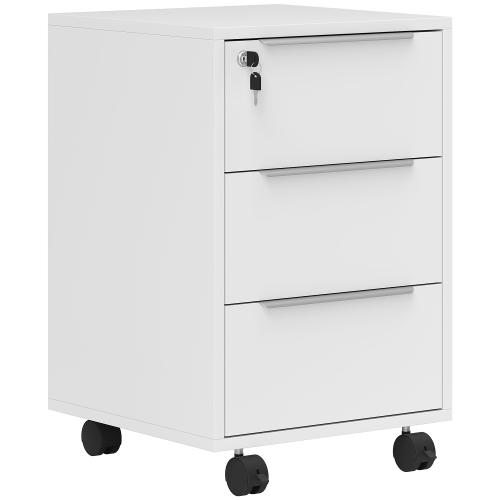
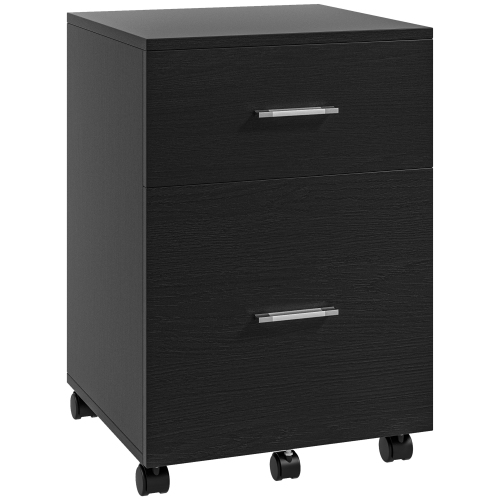
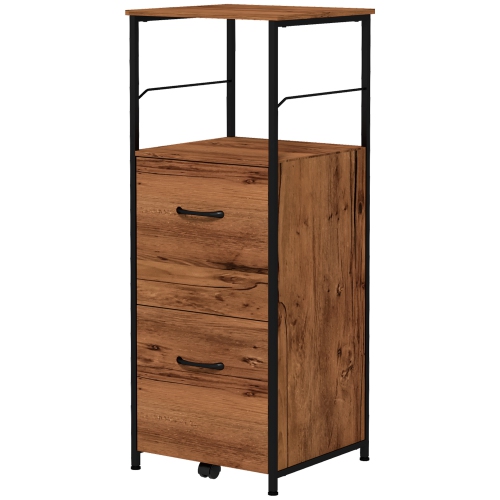




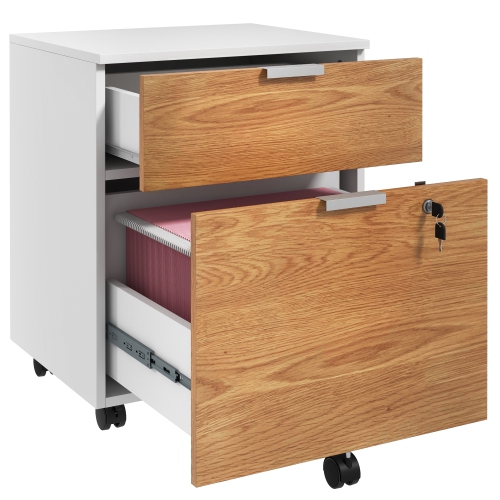
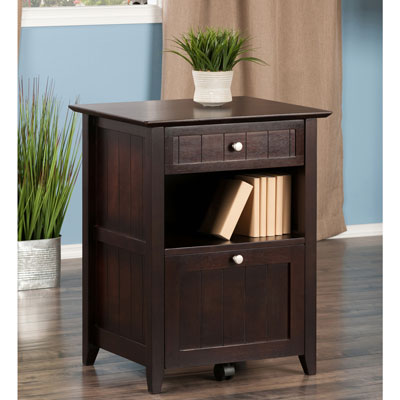
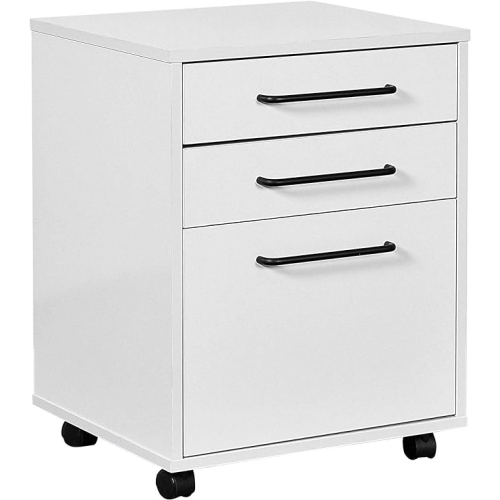
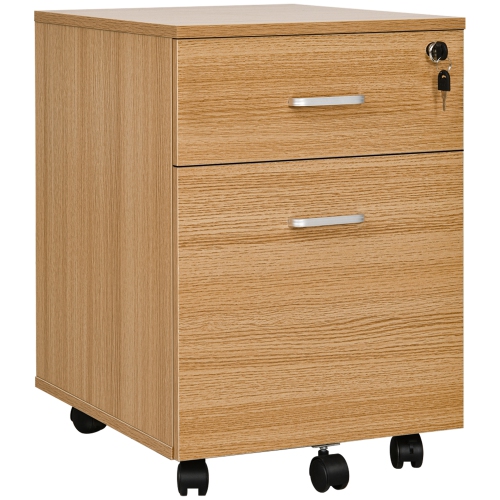




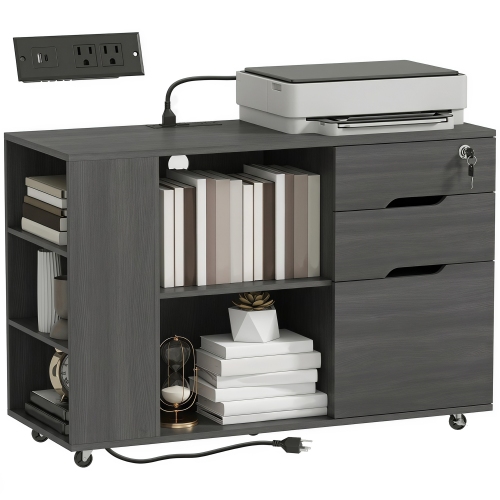

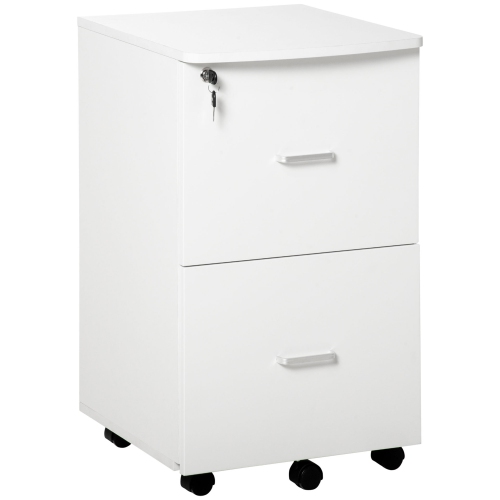
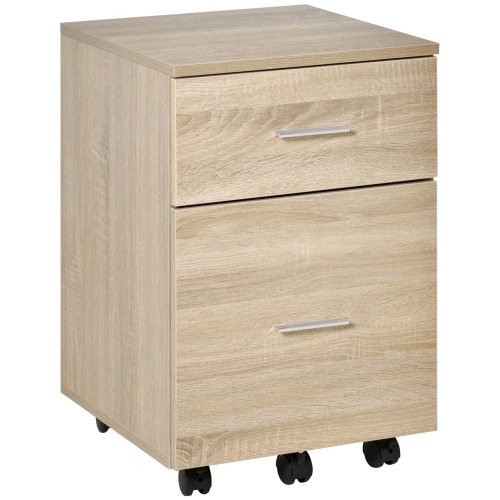
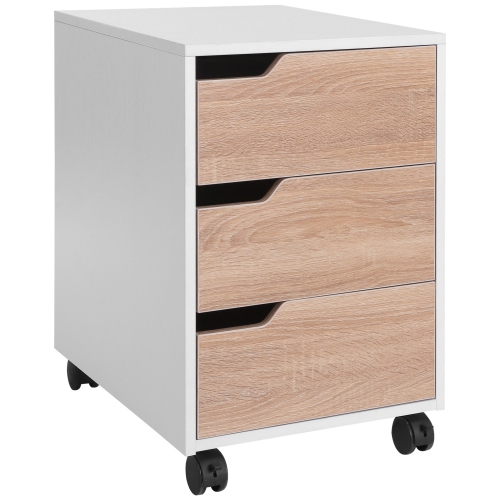



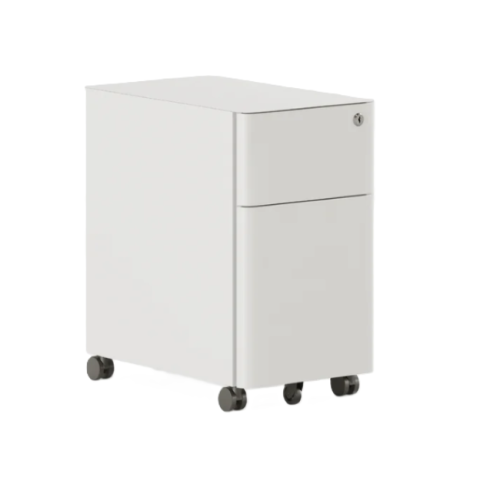
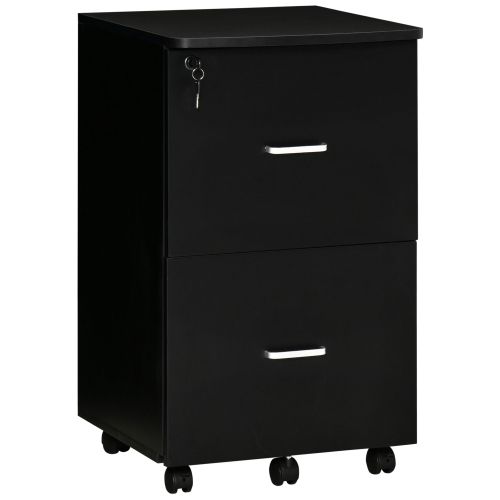

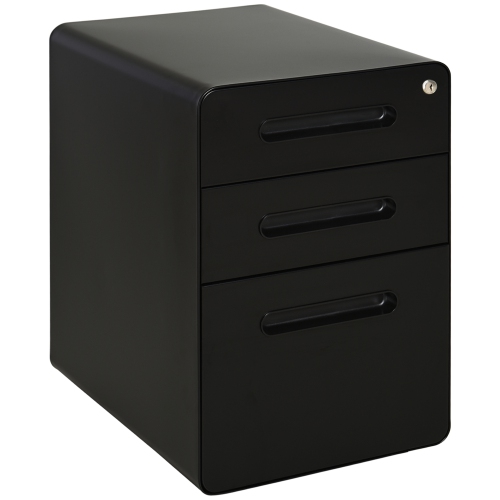
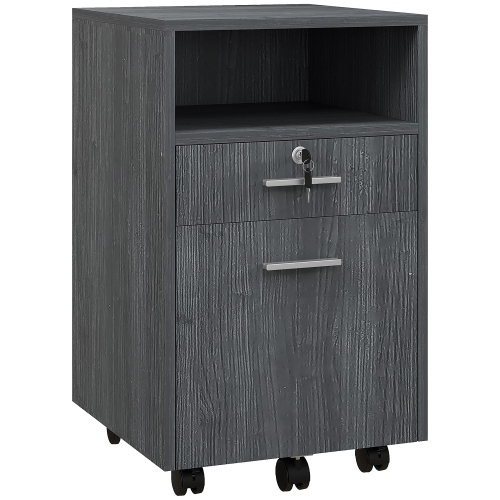
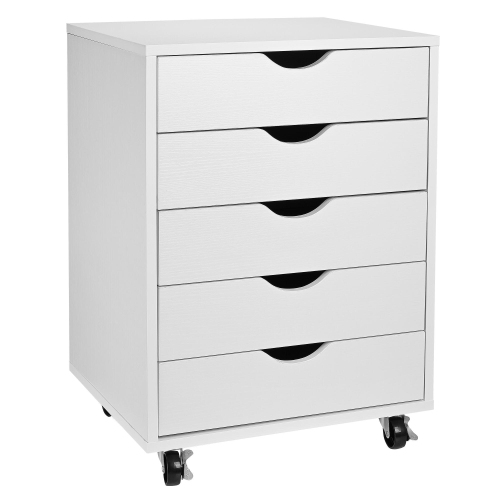

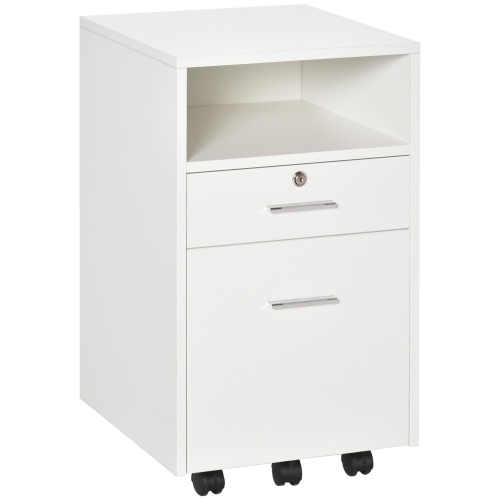
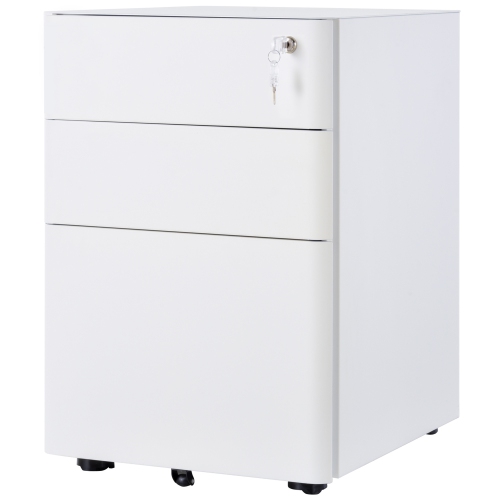
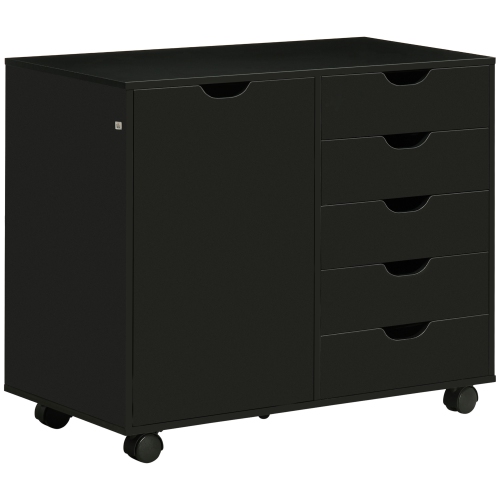
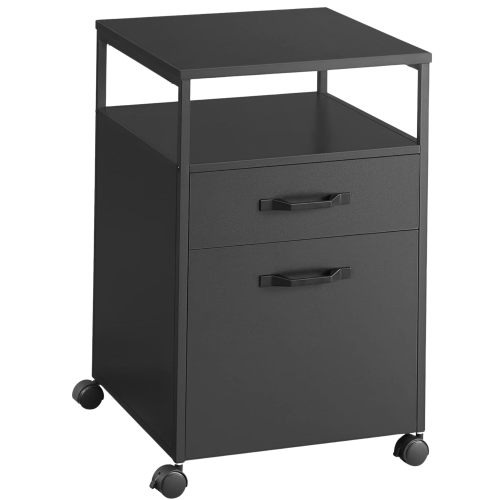


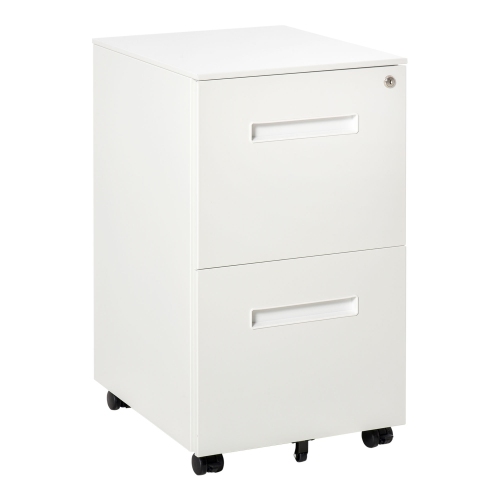
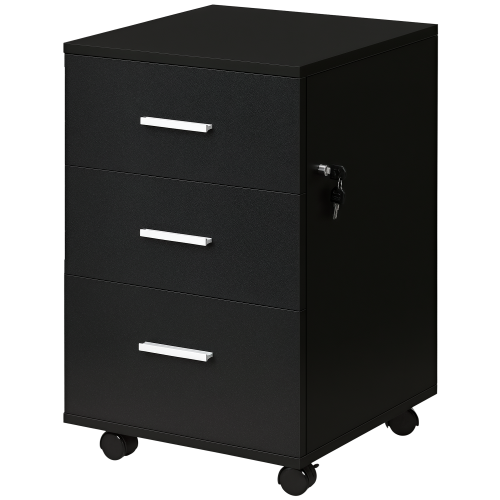
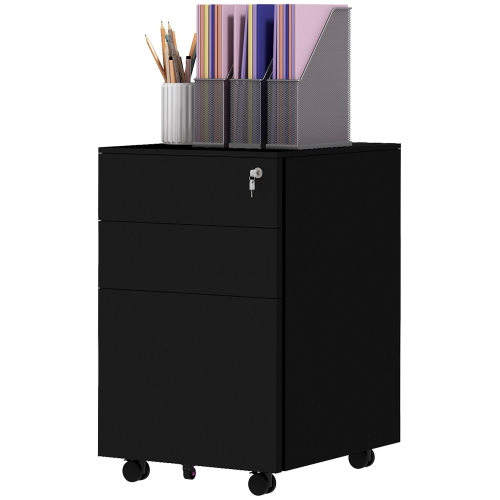

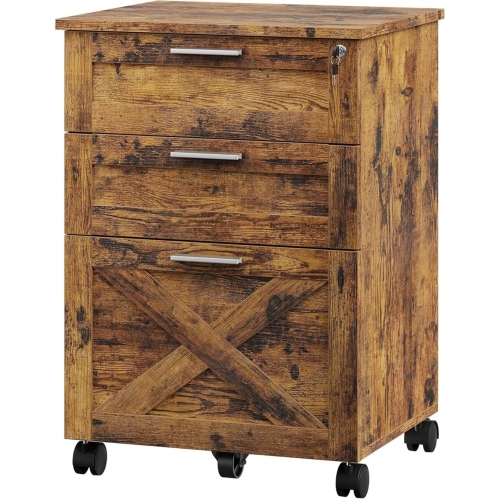
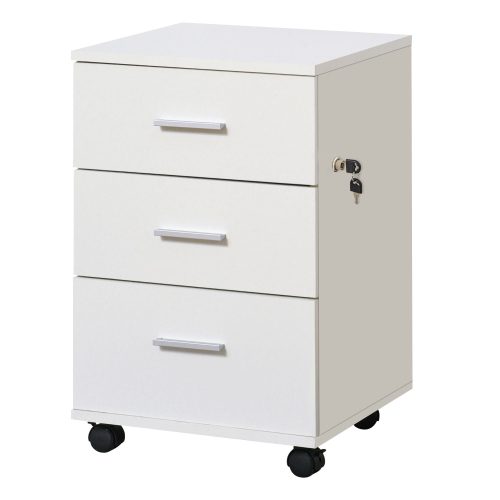

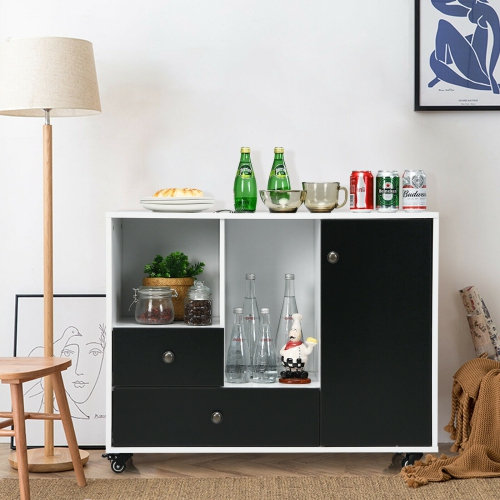
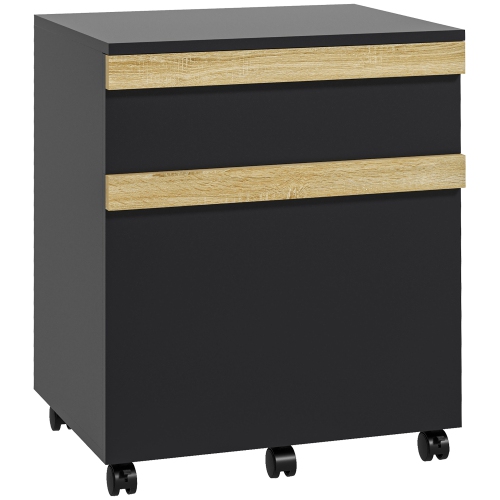



Paperwork storage that fits your space and workday
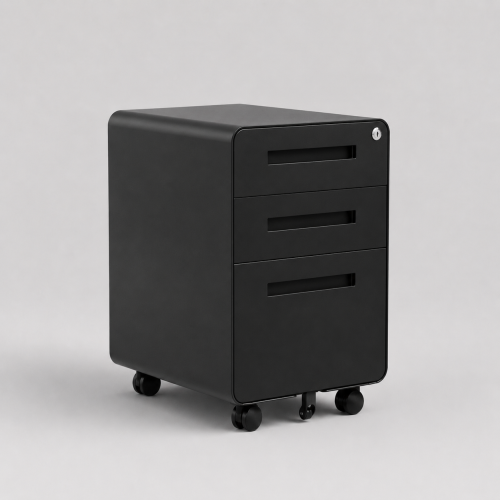
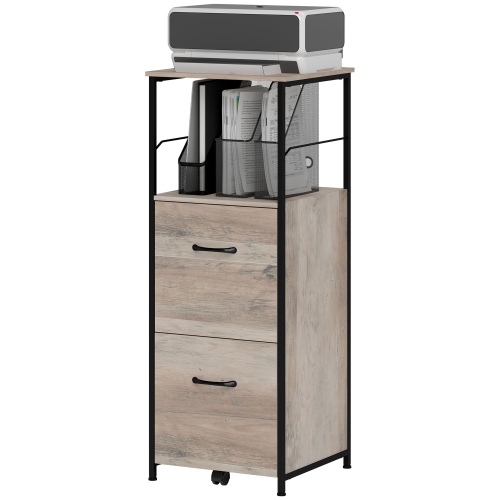
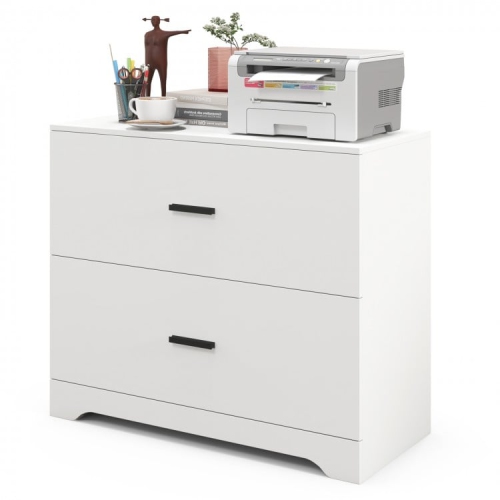
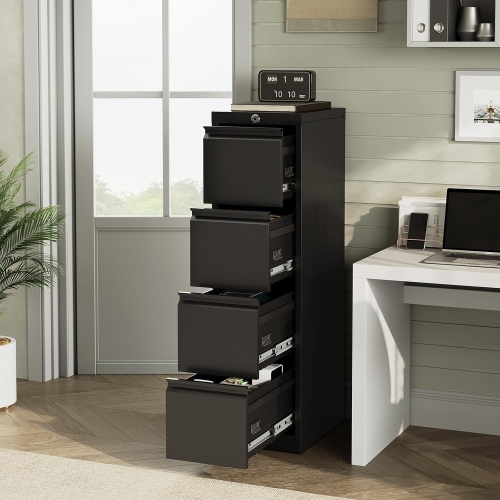
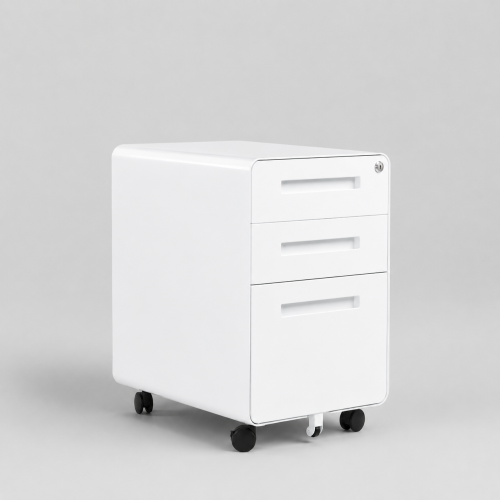
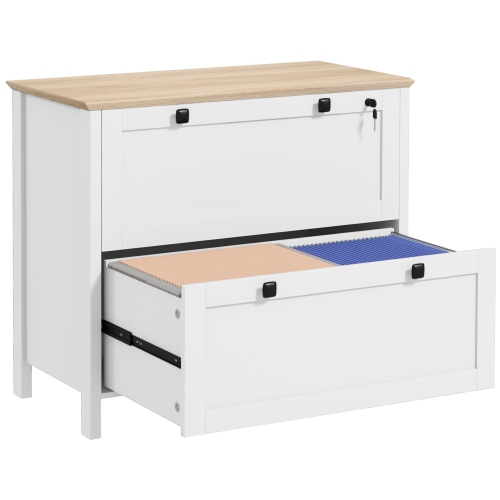
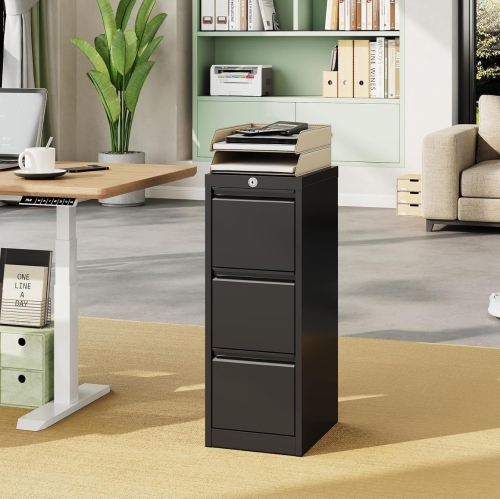
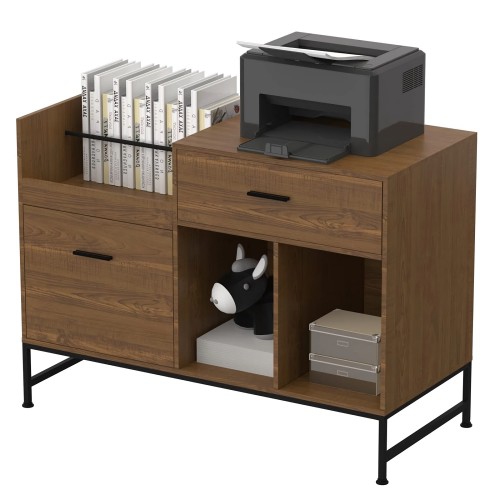
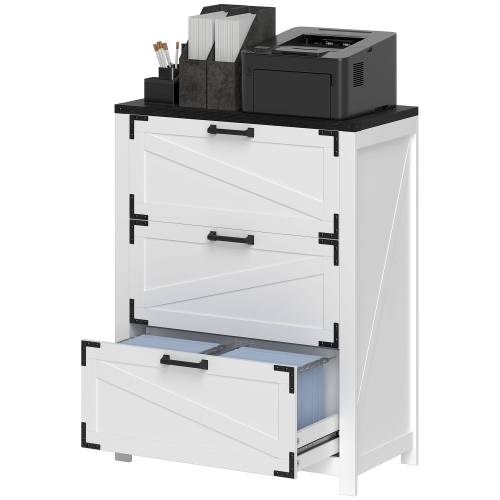
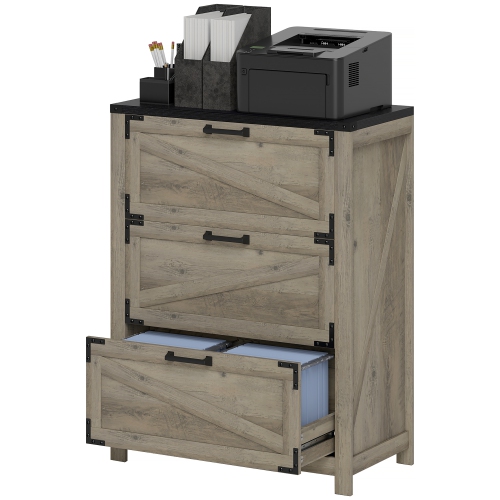
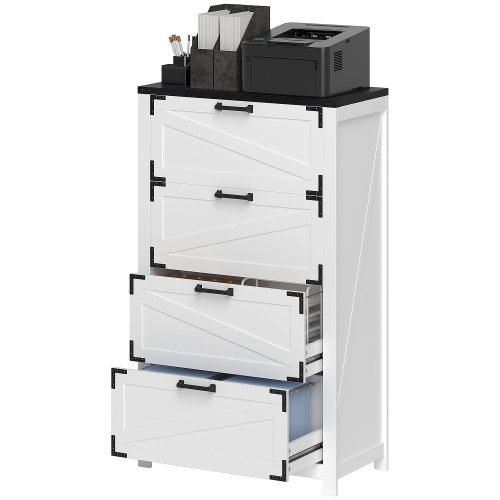
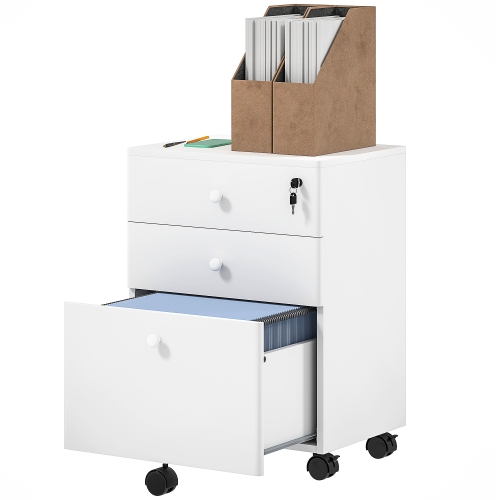
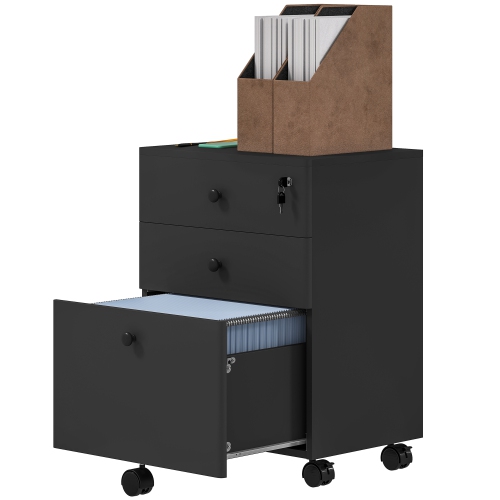
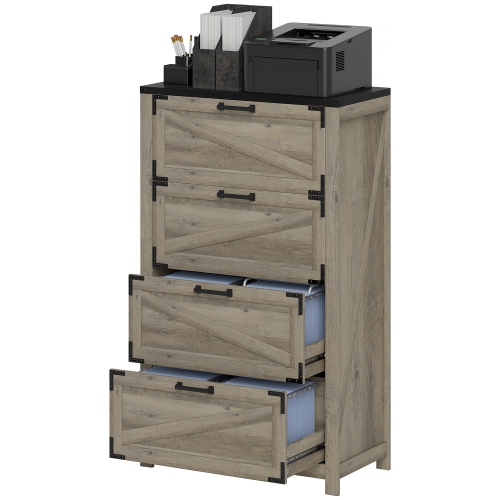
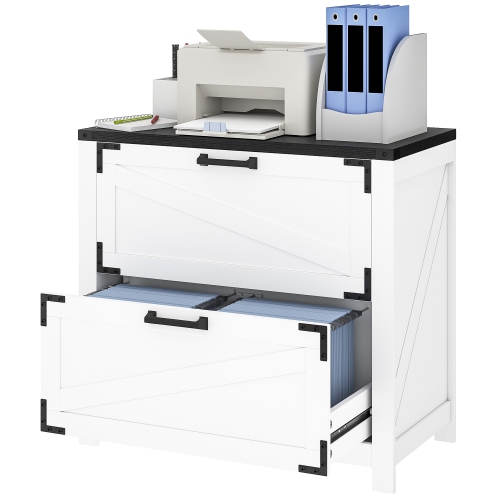
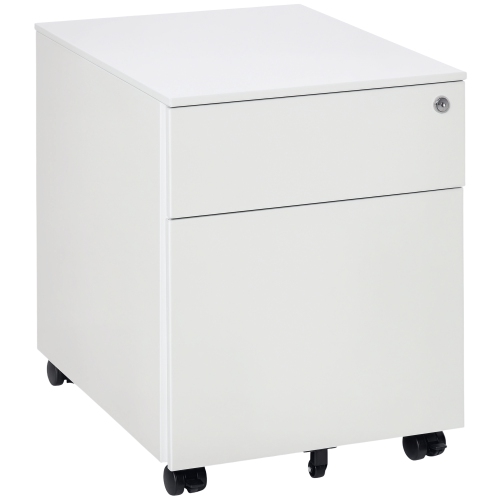
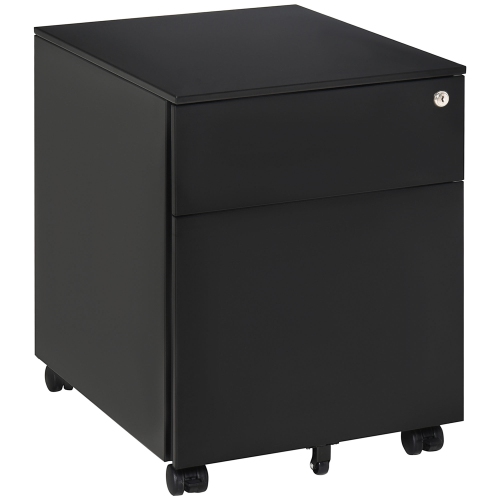
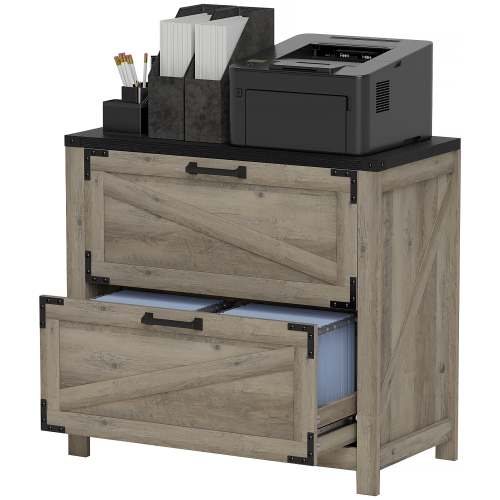
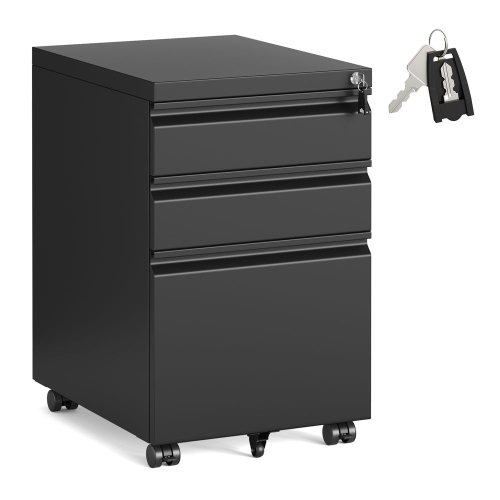
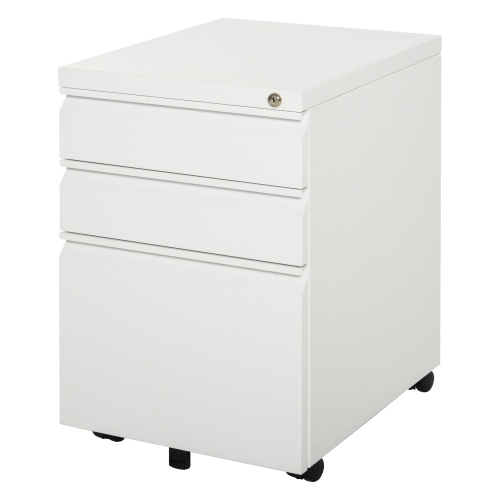
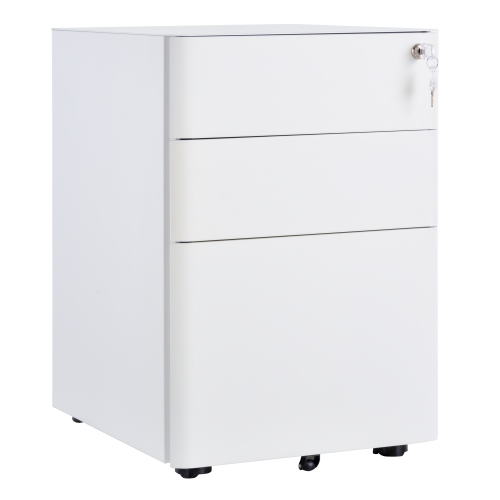
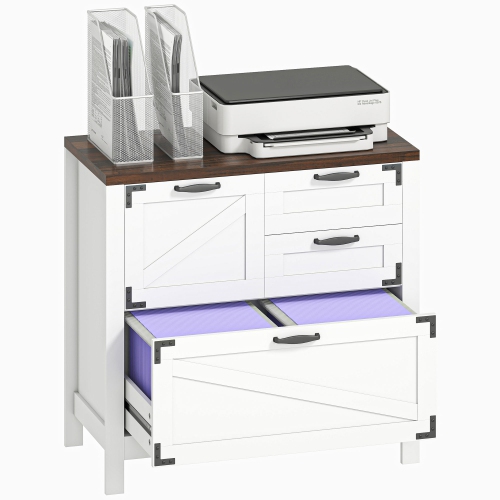
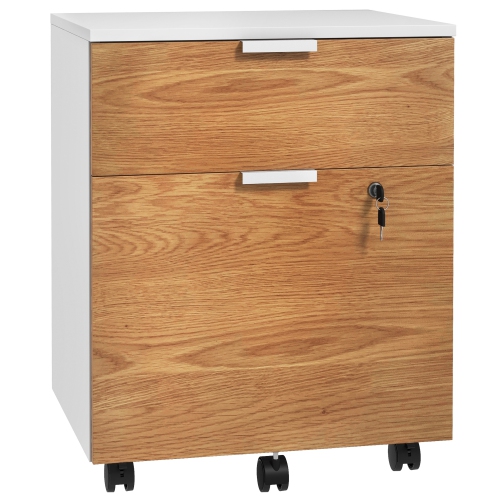
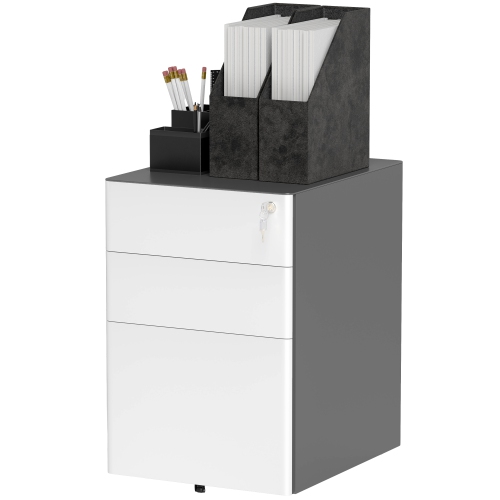
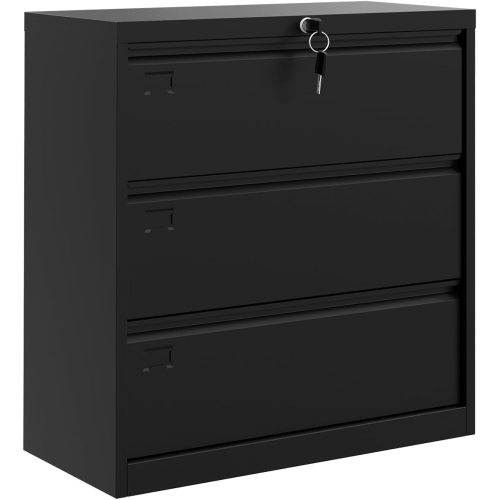
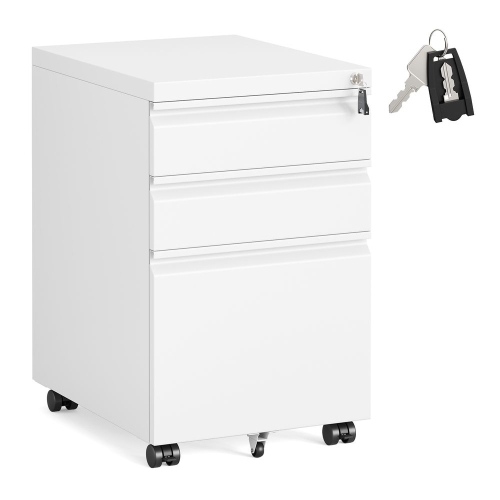
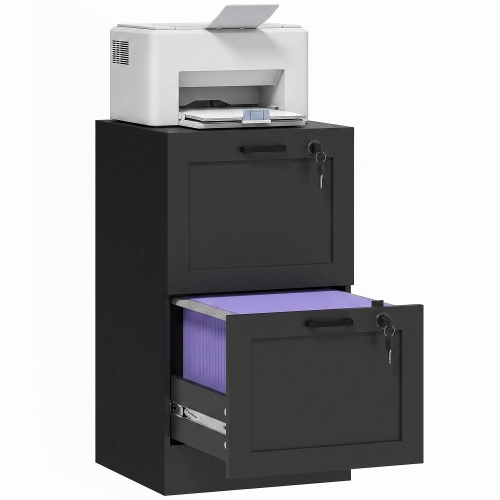
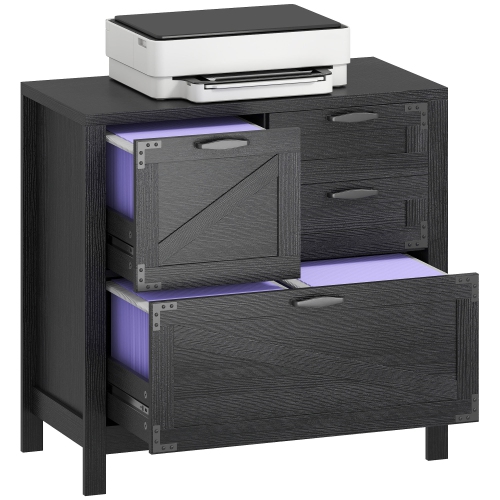
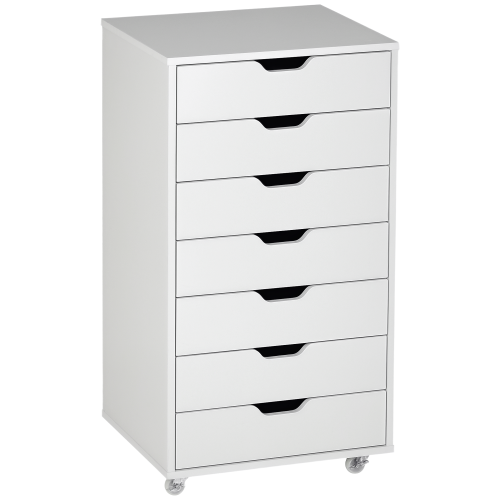
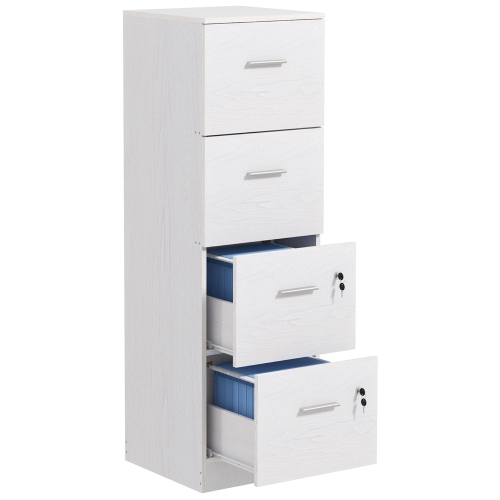
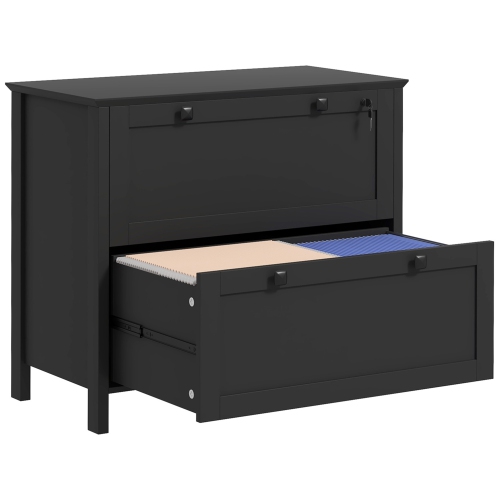
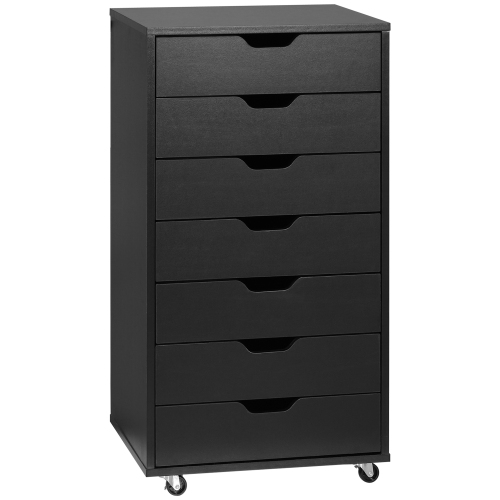
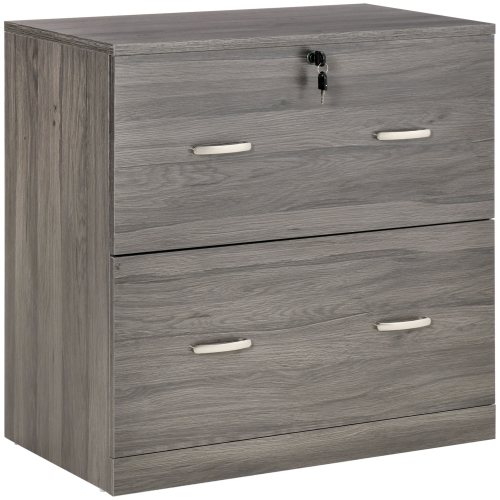
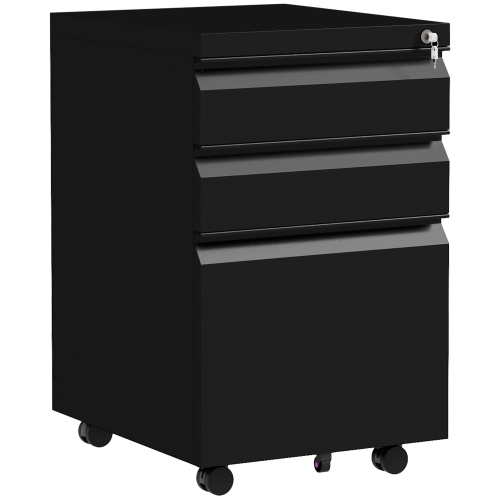
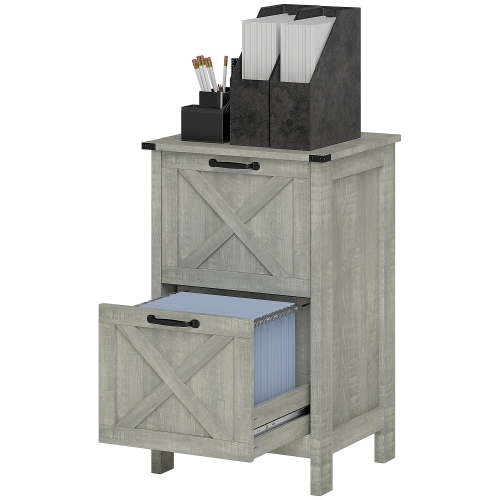
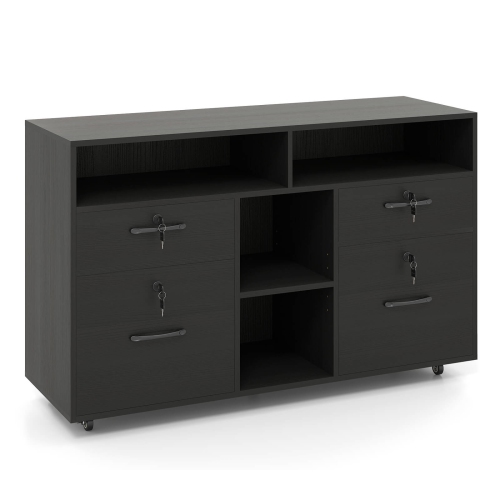
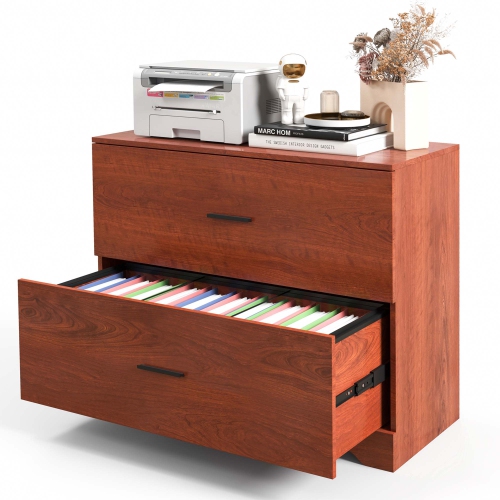
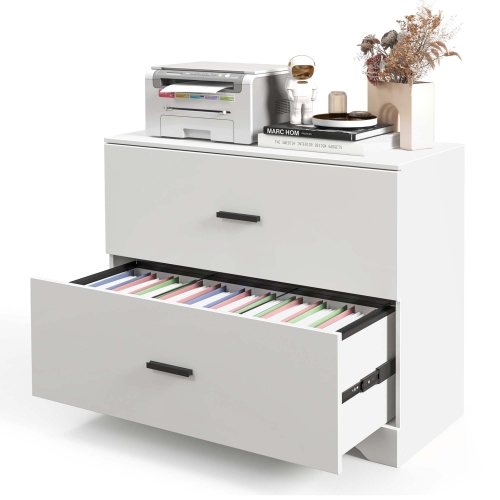
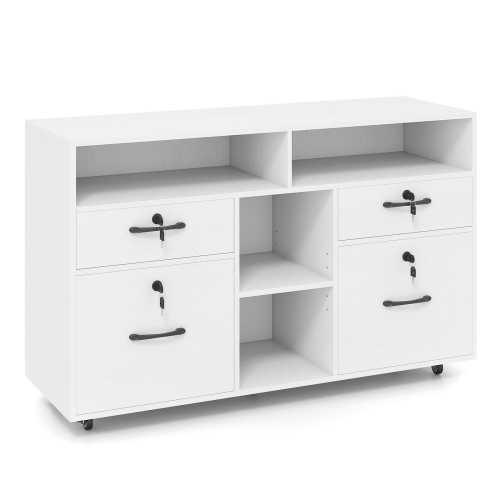
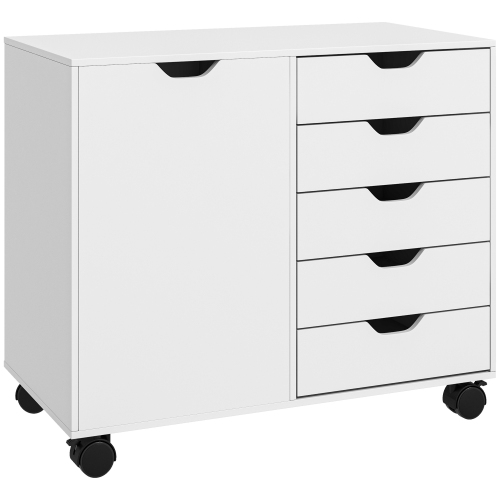
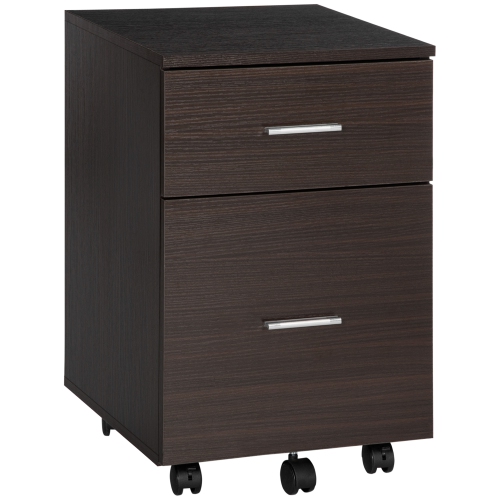
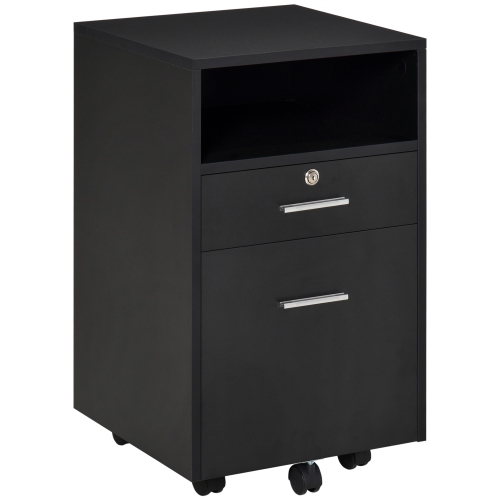
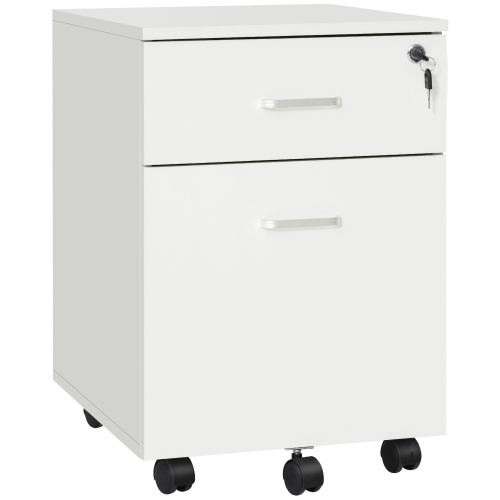
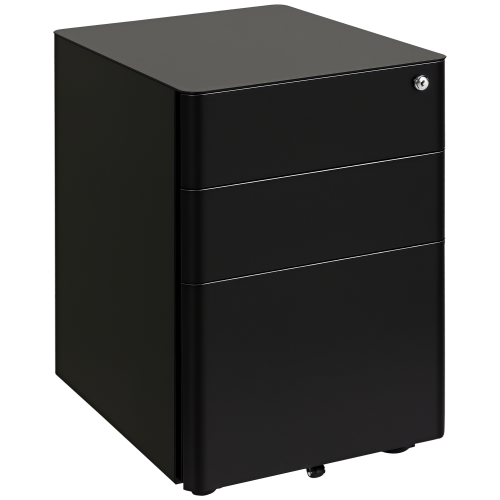
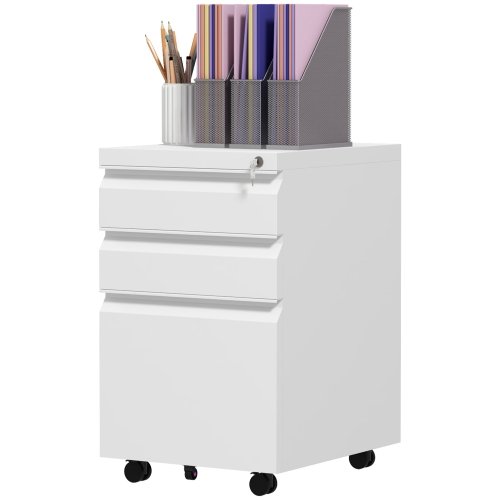
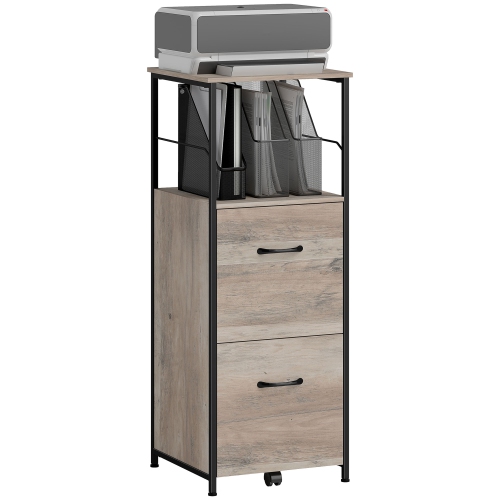
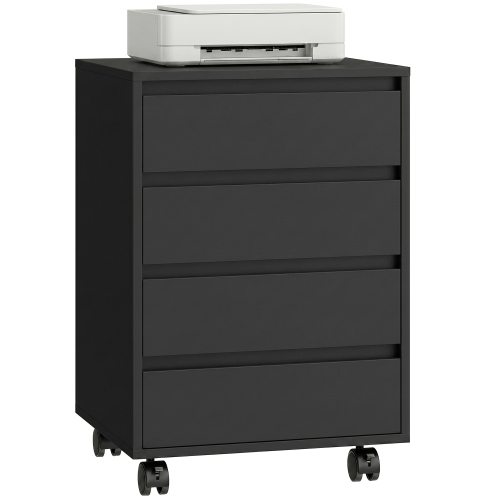
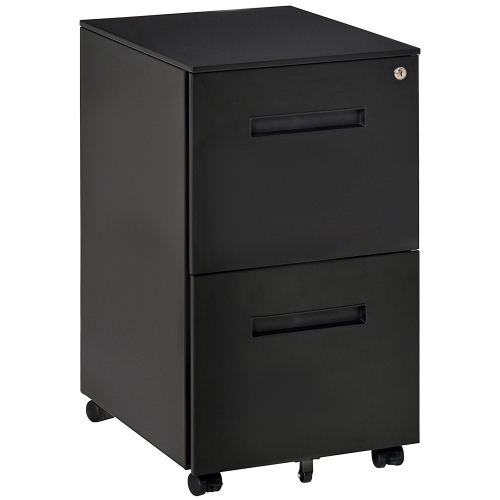
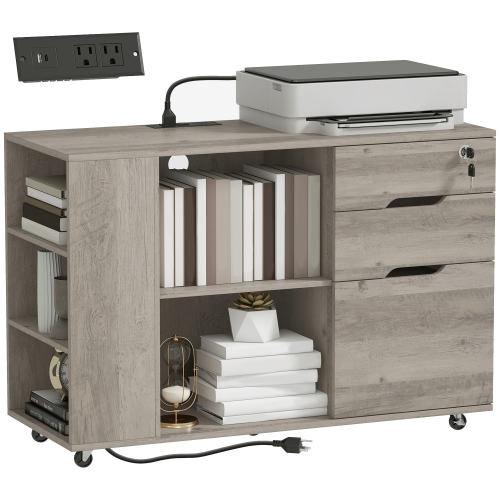
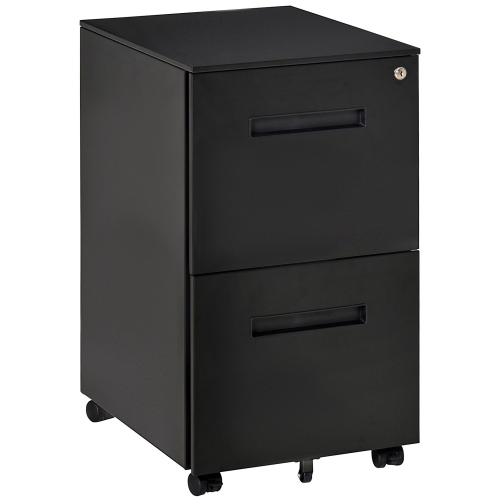
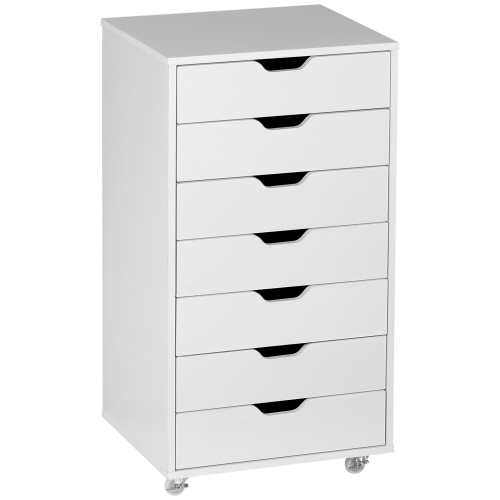
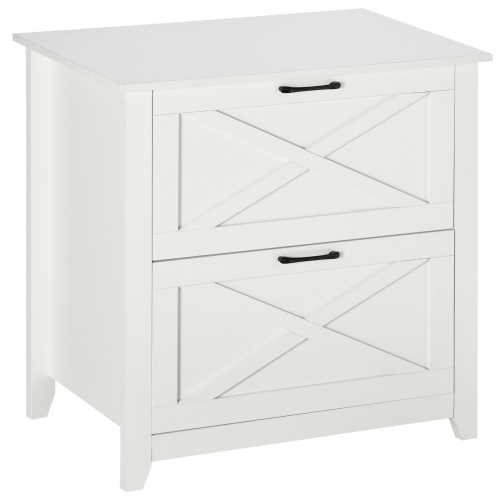
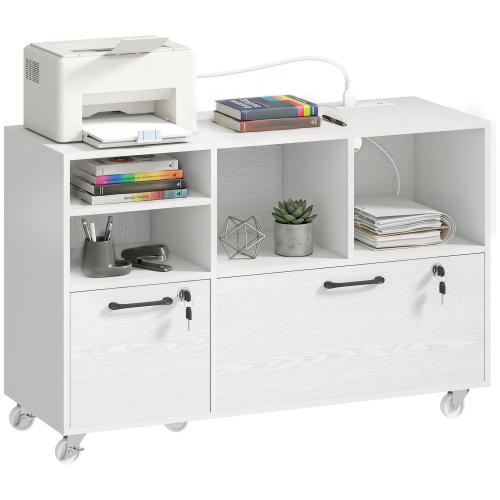
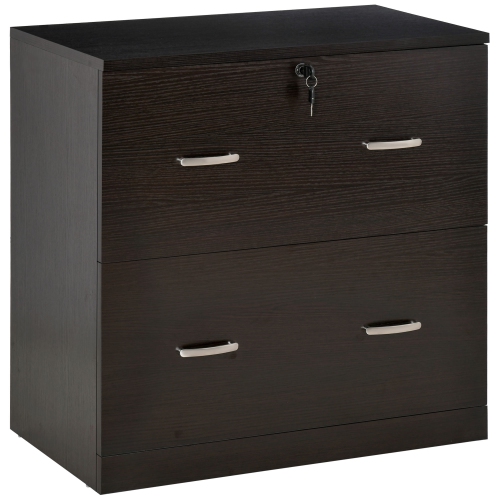
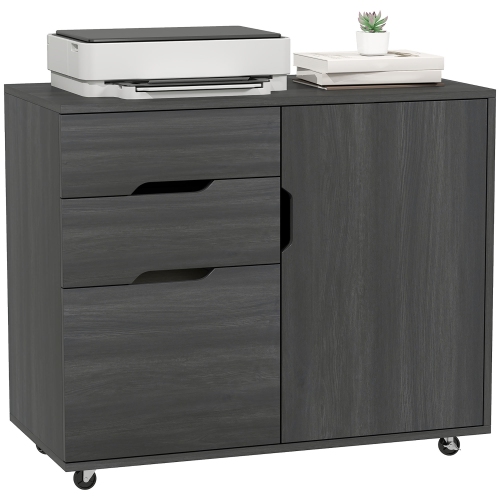
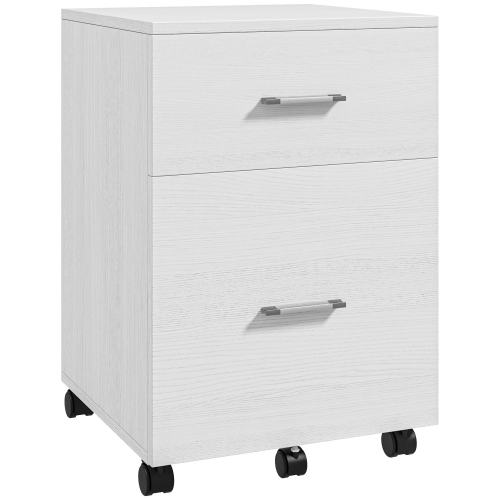
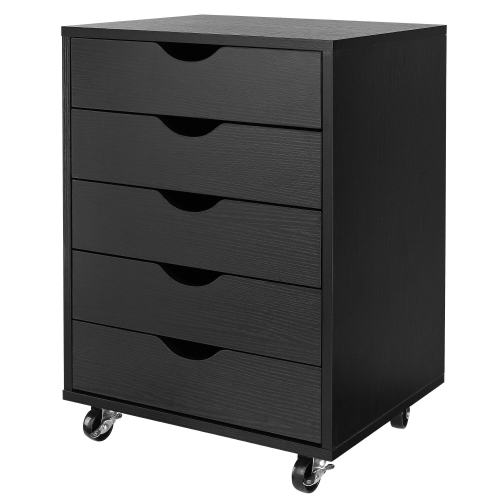
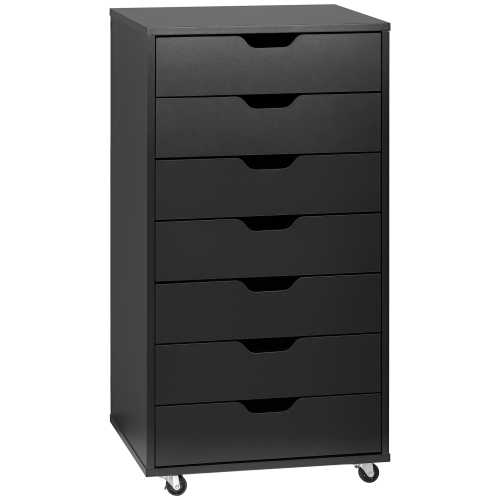
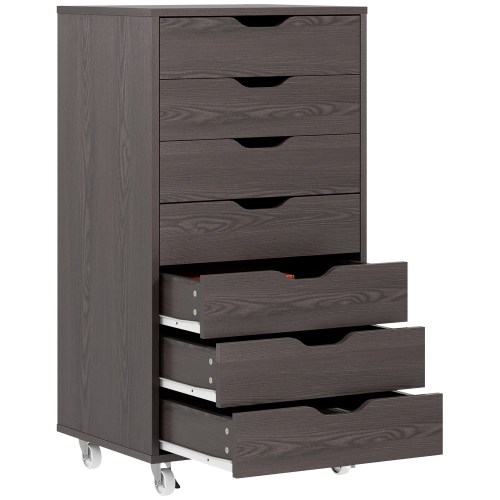
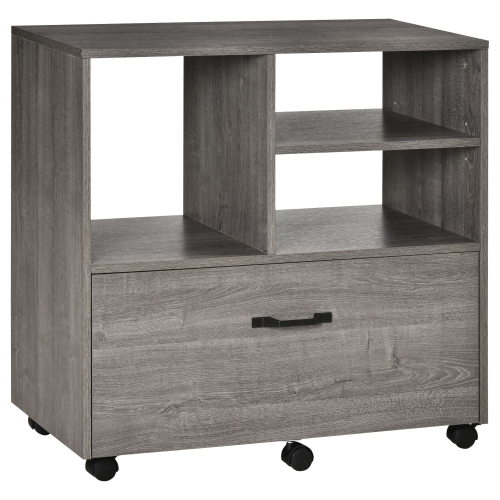
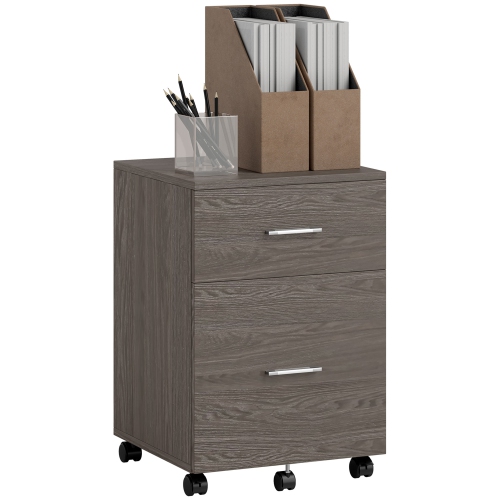
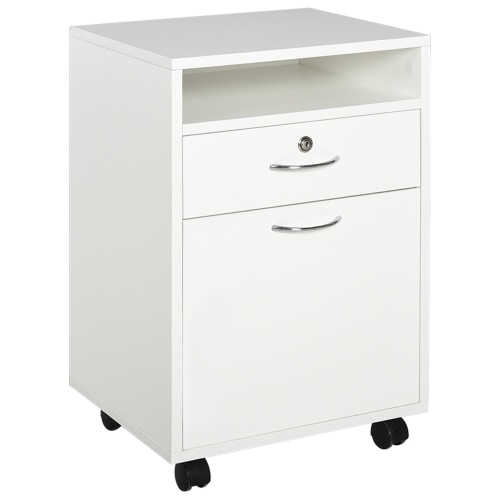
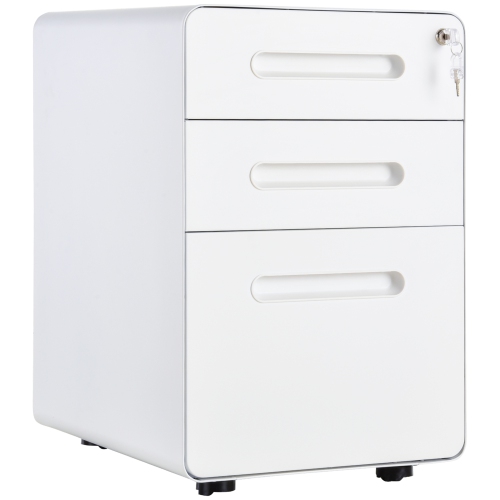
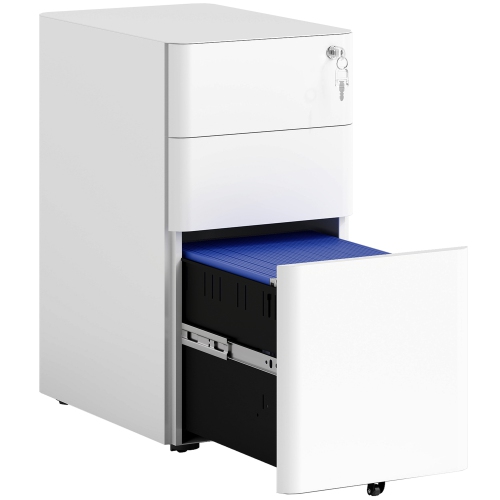
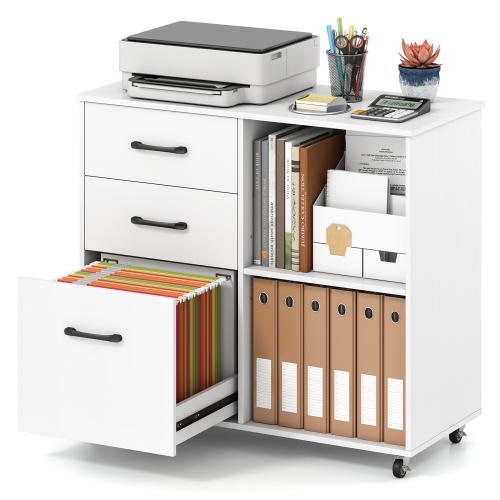
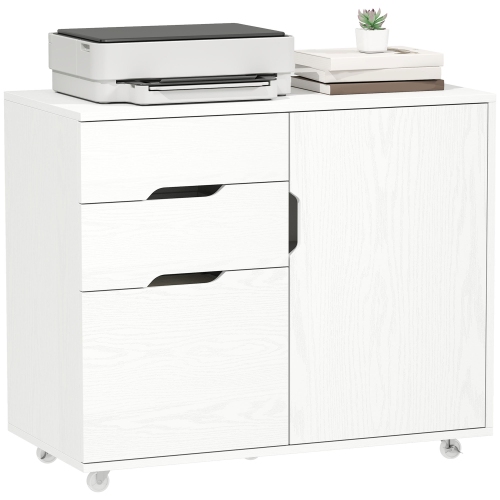
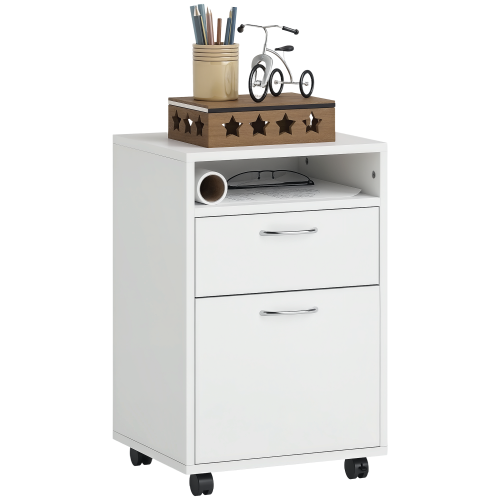
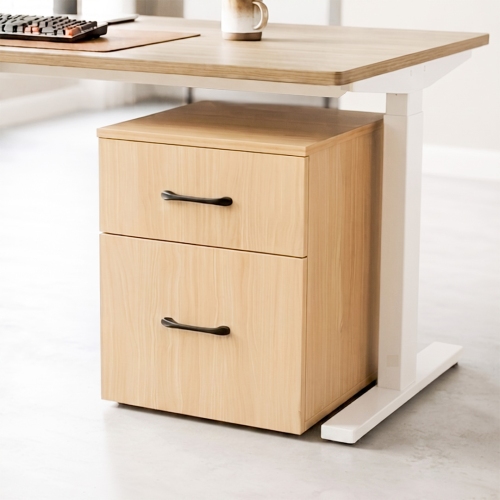
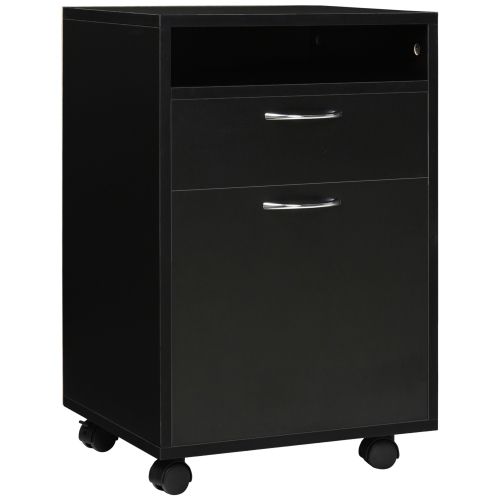
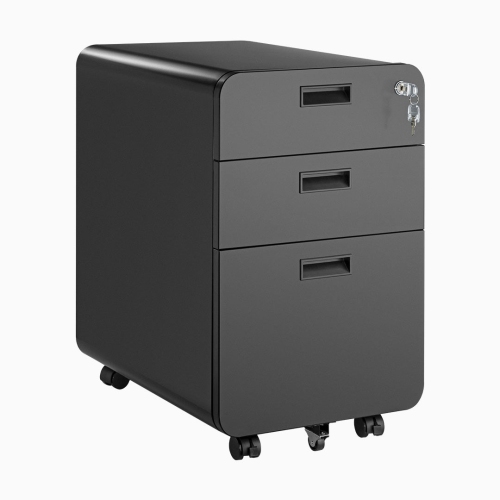
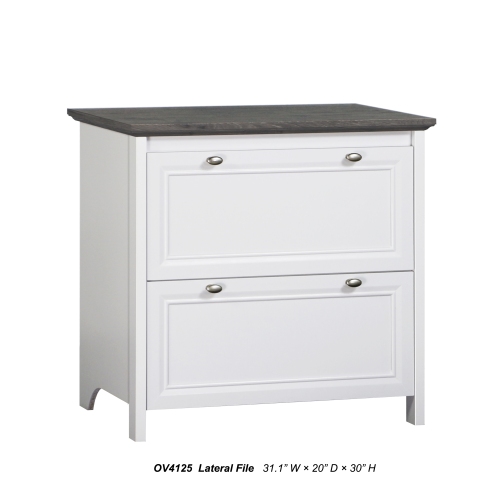
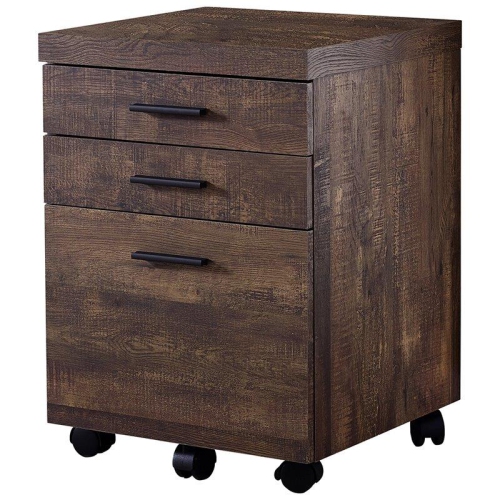
Office file cabinets keep paper records organized, accessible, and separate from the everyday activity on a desk. They serve a practical purpose in home offices, shared workspaces, reception areas, and small businesses, where signed agreements, invoices, client folders, and household documents still need a dependable place to live. The main cabinet styles are vertical, lateral, and mobile, each with a different relationship to floor space and working habits. Vertical file cabinets stack drawers in a relatively narrow footprint, making them useful beside a desk or along a short stretch of wall. Their drawers extend forward, so the space needed to open them matters as much as the cabinet’s closed dimensions. Lateral file cabinets have wider drawers that can accommodate files in different orientations, depending on the hanging-rail arrangement. Their broad shape can work well along an office wall, particularly where several people need access to shared records. Mobile file cabinets bring storage closer to the person using it, with casters that allow the unit to move beside a workstation or tuck beneath a compatible desk. Some combine shallow stationery drawers with a deeper filing drawer, keeping pens, labels, and frequently used folders together without spreading them across the work surface. Paper compatibility is another important distinction. Letter, legal, and A4 documents do not have identical dimensions, and a drawer’s exterior width does not establish which folders it holds. The internal dimensions and hanging-rail configuration determine the fit, while adjustable rails may support more than one format. For a home office handling bills and insurance paperwork, compact storage may be sufficient; a professional practice with separate client files may need more filing space. A comfortable layout also leaves room for chair movement, drawer access, and nearby doors, rather than filling every available gap with furniture. Under-desk placement needs particular attention to overall height, including casters, as well as clearance beneath aprons, support rails, and other parts of the desk frame.
Materials influence how office file cabinets look, feel, and stand up to repeated use. Steel cabinets have a straightforward appearance that suits administrative spaces, workshops, and busy shared offices. A durable coated finish can make routine cleaning easier, although resistance to scratches, dents, and corrosion varies with construction and finish quality. Solid wood brings visible grain and a furniture-like character to an office, while engineered wood with laminate or veneer offers a range of colours and surface textures. Laminate surfaces are often practical for everyday work areas because they can be wiped clean, but exposed edges and seams still need protection from standing moisture. Veneer has a thin layer of real wood over a supporting material and benefits from gentle cleaning suited to its finish. Mixed-material cabinets combine elements such as metal frames, wood-look panels, and contrasting handles, helping storage blend with desks, bookcases, and other office furniture. In a room that doubles as a living area, a finish that relates to nearby furniture can make filing storage feel less separate from the rest of the space. In a dedicated workplace, matching drawer fronts and consistent cabinet heights can create a more orderly appearance across several units. Durability depends on more than the visible surface. Drawer construction, slide quality, joint strength, and stated weight limits all affect how a cabinet handles a growing collection of paper. Files become heavy quickly, especially when several drawers hold tightly packed folders, so load ratings deserve attention. Smooth drawer travel makes a noticeable difference when searching for a document several times a day. Full-extension slides can improve access to folders at the back, though their presence and capacity vary. Routine care usually involves removing dust with a soft cloth, wiping spills promptly, and using cleaning products appropriate to the material. Hardware may also need occasional checks in line with the manufacturer’s care instructions, particularly on cabinets that are moved frequently.
Useful filing storage supports the way documents move through a working day, not just the amount of paper a drawer can contain. A drawer close to the desk can hold active projects and documents awaiting a signature, while another section can separate completed work, reference material, or household records. Hanging folders create clear divisions, and labelled tabs make it easier to return paperwork to the same place after use. Leaving enough space to move folders along the rails is often more practical than filling every drawer to capacity. Office file cabinets can also work alongside other Office File Storage solutions, with daily paperwork kept nearby and less frequently needed records stored separately. For an accountant, that might mean separating client folders from business administration; for a household, it could mean keeping property documents apart from school forms and appliance records. Locks are useful where access needs to be limited, but the locking arrangement varies: a central lock may secure several drawers, while another design may lock only one compartment. A standard lockable cabinet should not be assumed to provide protection against fire, water, or determined forced entry; those needs call for storage with appropriate stated ratings. Stability matters just as much as organization. Anti-tip mechanisms may limit how many drawers can open at once, and some cabinets require anchoring according to the manufacturer’s instructions. Heavy contents belong within the specified load limits, with weight distributed as directed rather than concentrated in an extended upper drawer. For mobile cabinets, caster suitability and brakes affect how well the unit moves and stays in place on a particular floor. A cabinet that rolls easily on a hard surface may behave differently on carpet. These details help distinguish storage suited to occasional household filing from furniture intended for frequent office use. The best fit brings together the right document capacity, comfortable access, dependable construction, and a footprint that leaves the workspace easy to use.
Top selling and popular products
-
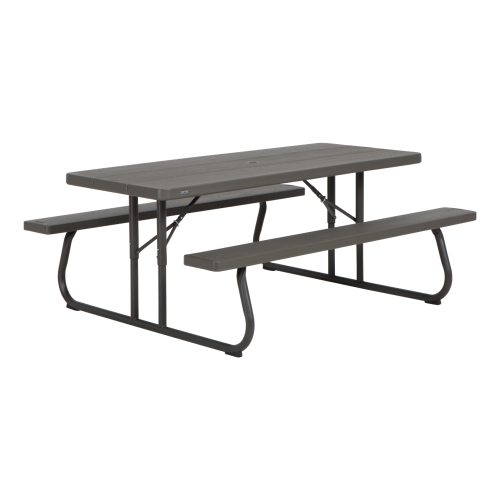 Your price for this item is $399.99
-
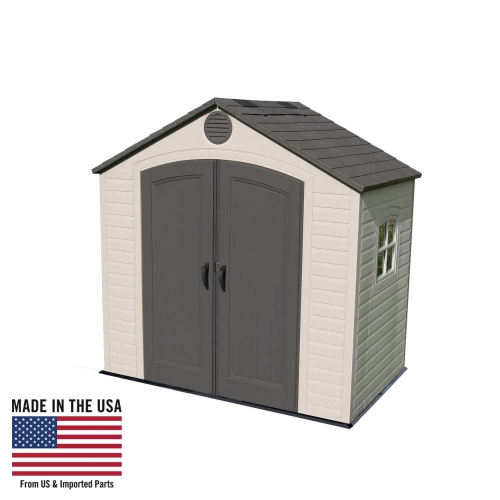 Your price for this item is $2399.99
-
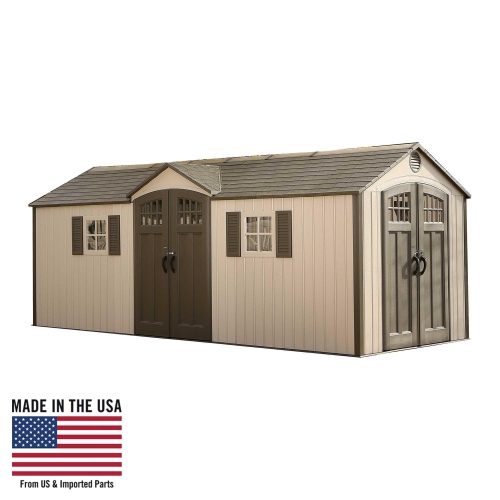 Your price for this item is $5999.99
-
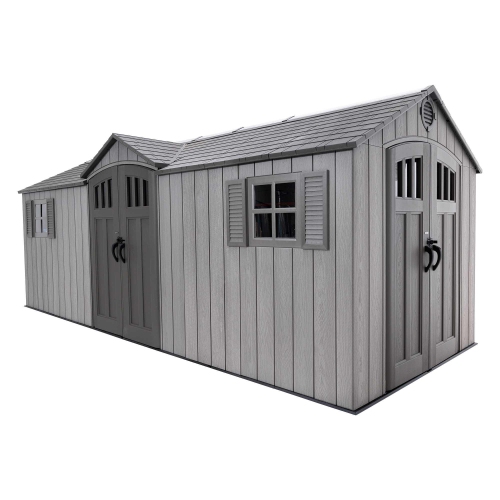 Your price for this item is $5999.99
-
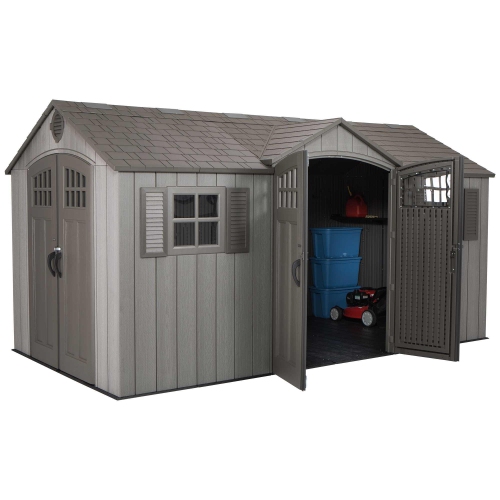 Your price for this item is $4499.99
-
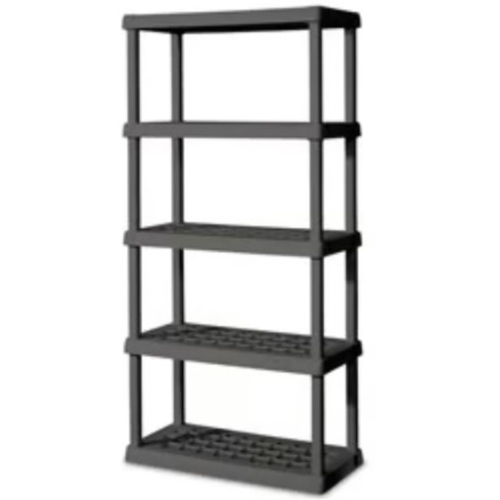 Your price for this item is $549.99
-
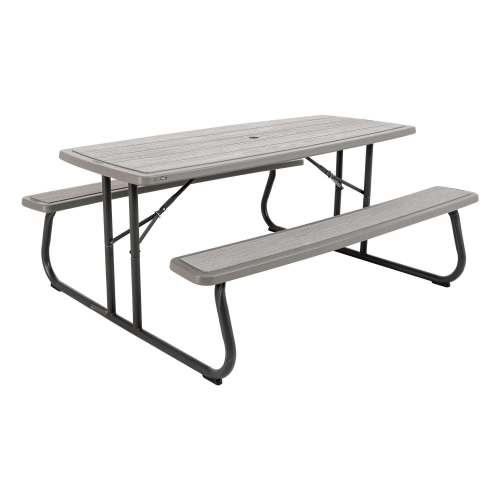 Your price for this item is $399.99
-
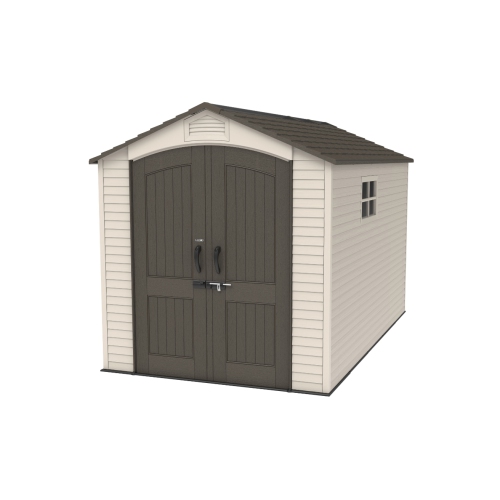 Your price for this item is $2799.99
Discover more categories related to Office File Cabinets
Top Collections:
Pokemon Centers, Pokémon 30th Celebration Cards, Best Budget Office Chairs, Kindle Devices, Best Cameras for Sports Photography, Canon G7X Cameras, Best Black Friday Deals On Electronics, Best Laptops for Writers, iPhone 15 Apple, Jackery Power Stations
Some products may be subject to Environmental Handling Fees
(EHF) depending on your province.
Learn more about EHFs.