Organization Binders
Transform your workspace or study area into a haven of efficiency and style with our selection of organization binders at Best Buy Canada. Perfect for students, professionals, and anyone looking to streamline their paperwork, these versatile binders offer a practical solution to keep your documents neatly arranged and easily accessible. Whether you're organizing notes, important documents, or creative projects, our range of binders provides the ideal balance of functionality and aesthetics to suit your needs. Explore the variety of sizes, colors, and designs available to find the perfect match for your organizational goals.
Sort

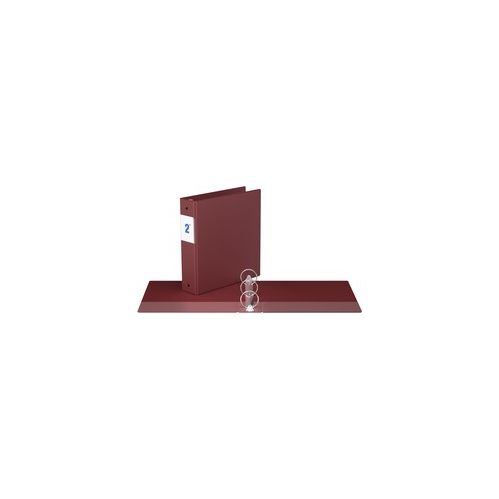
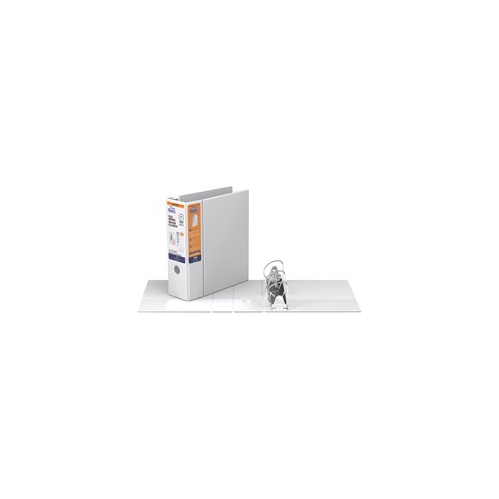
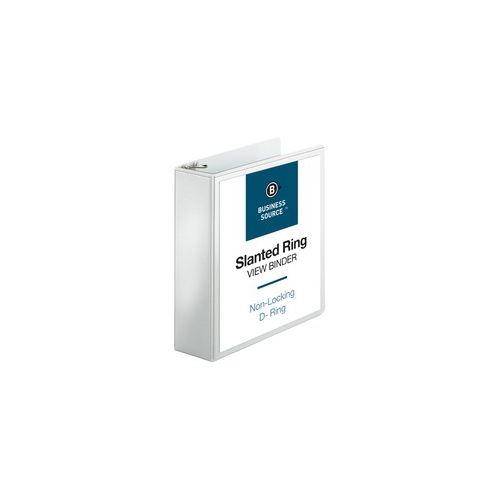
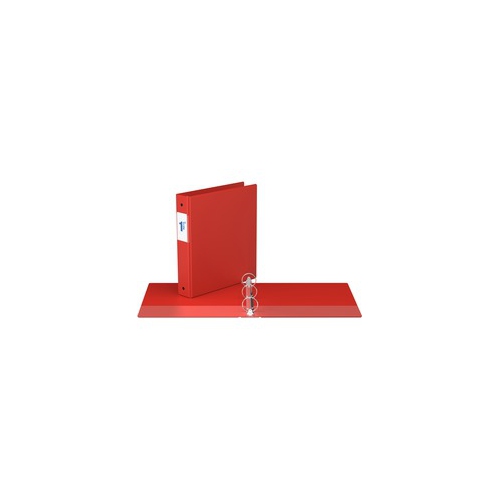
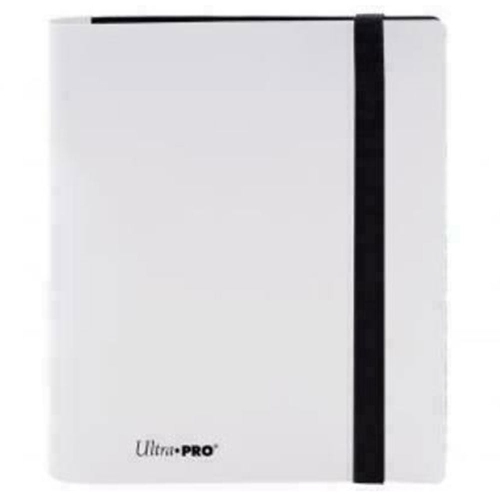
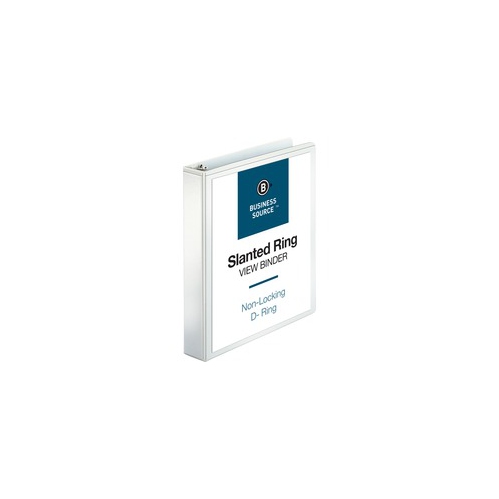
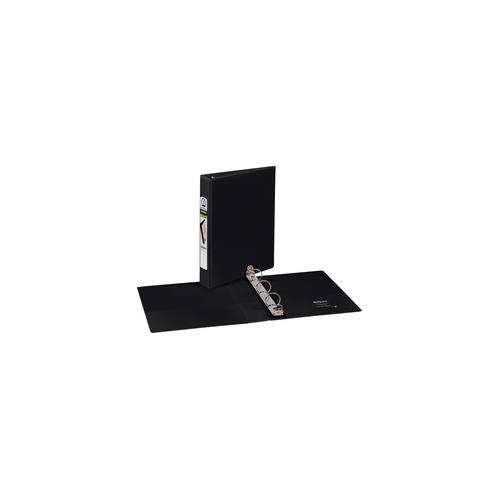




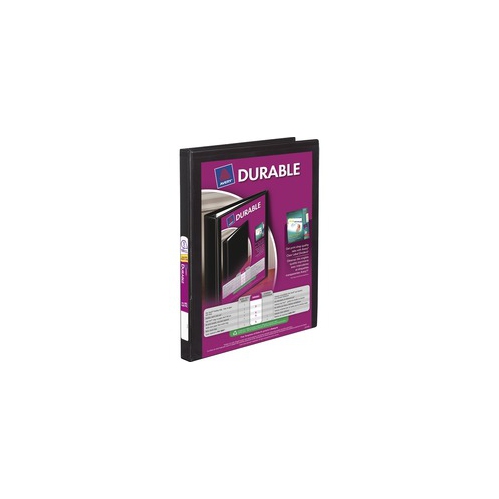
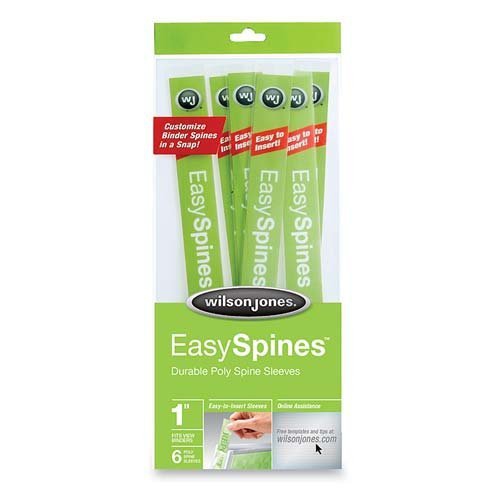
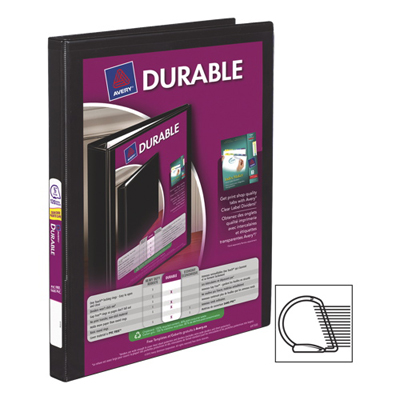
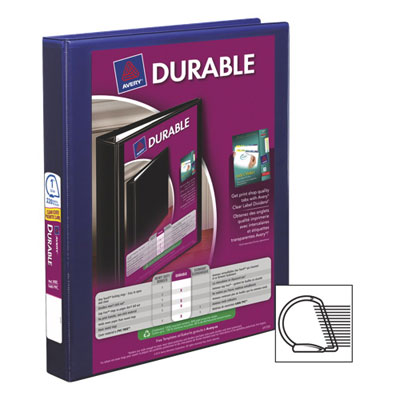
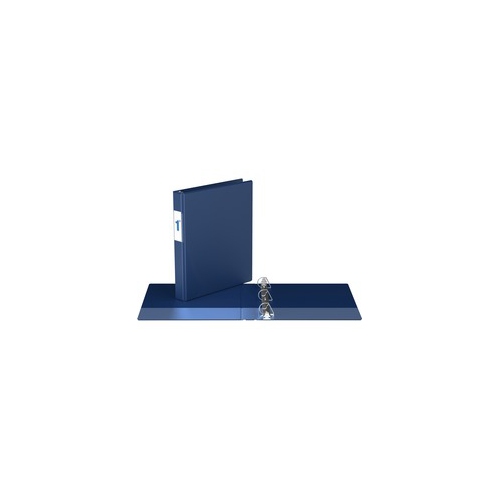
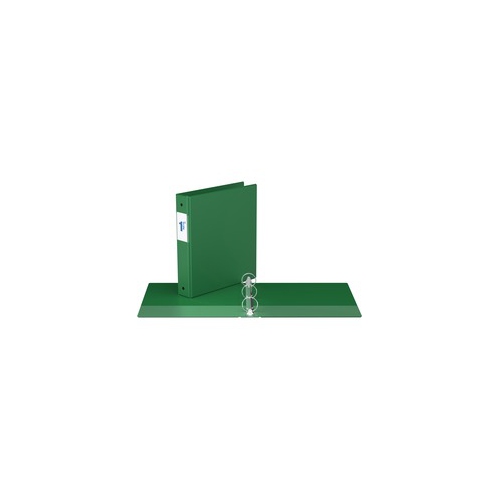
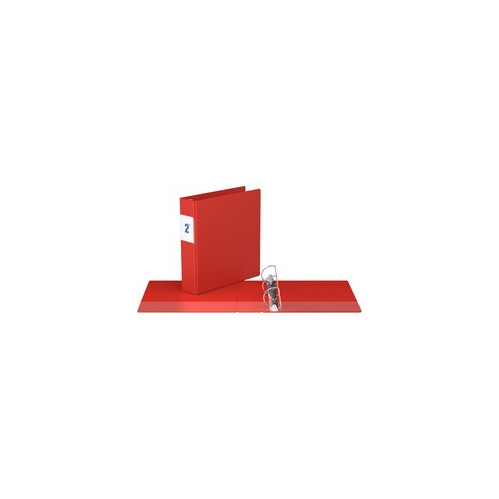
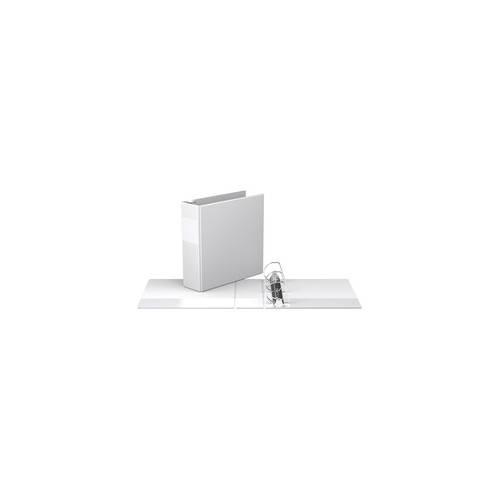
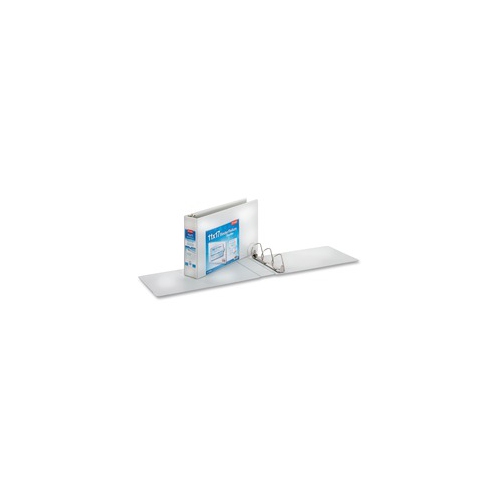
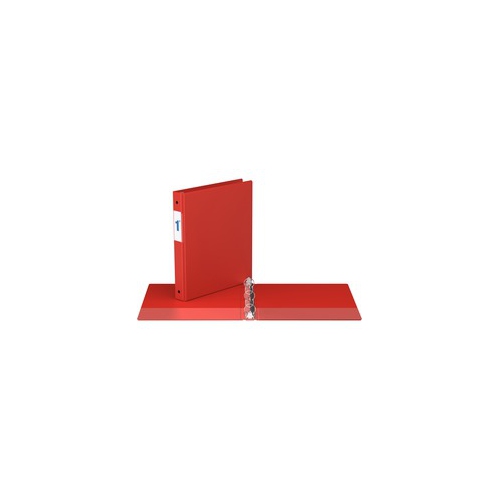
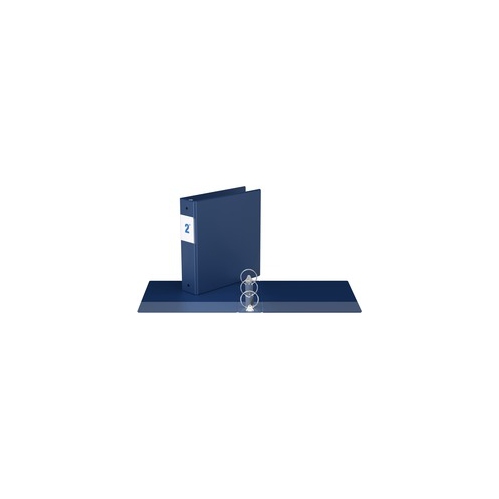
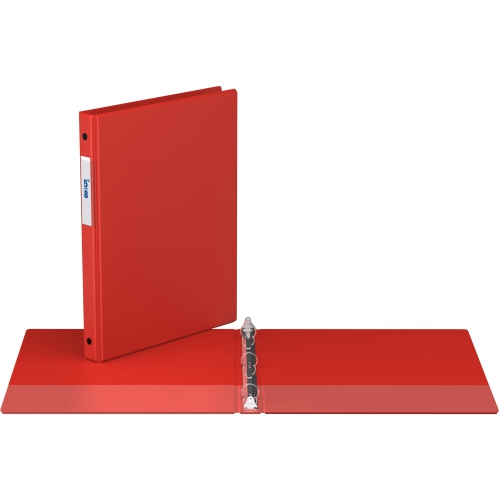
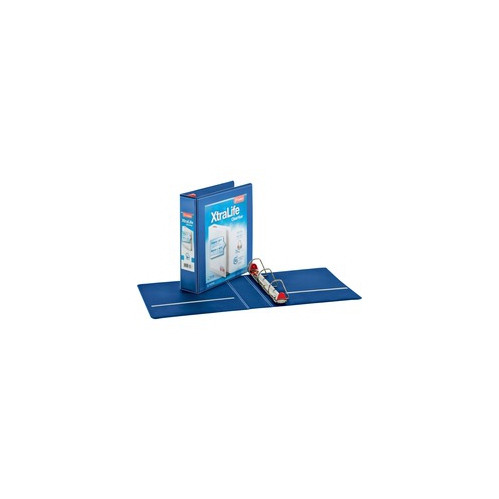
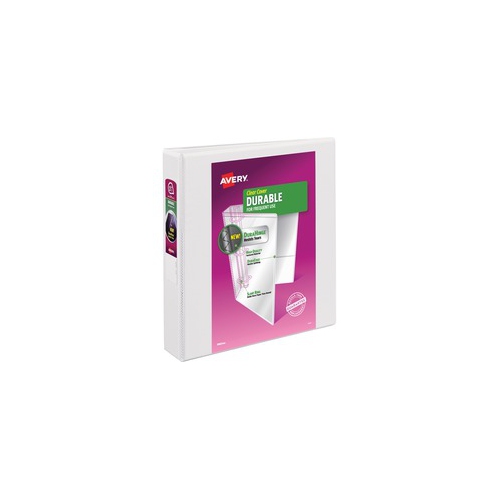
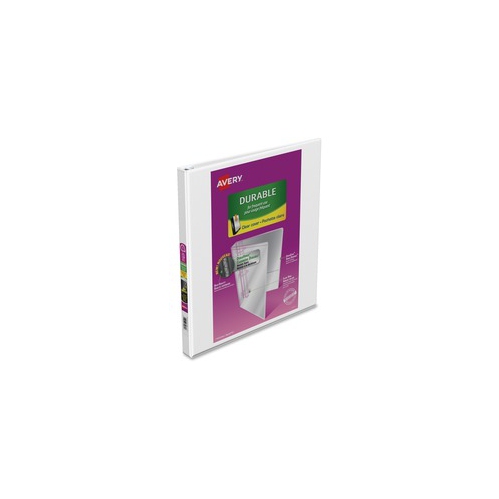
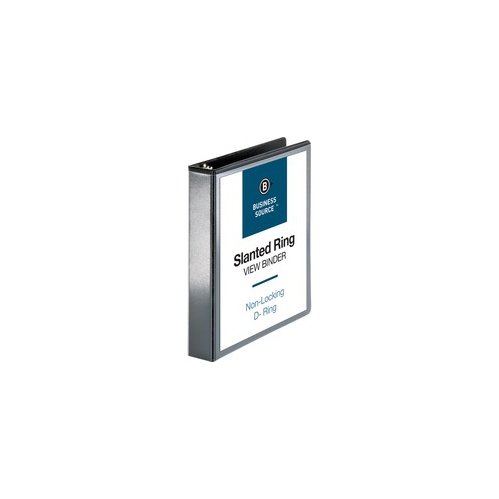
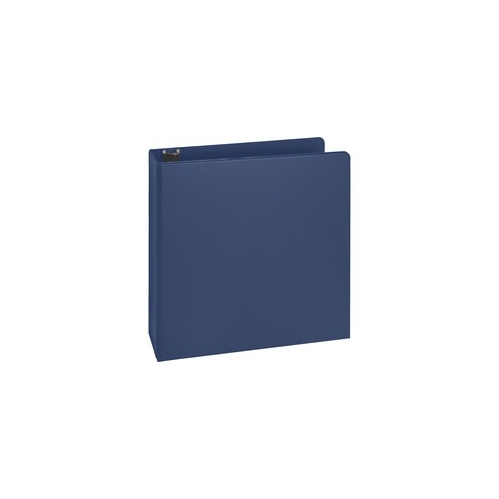
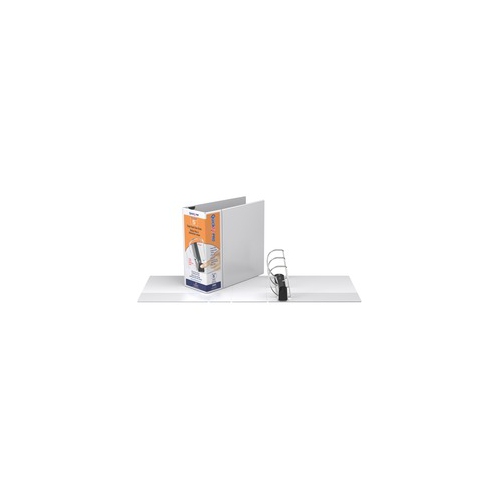
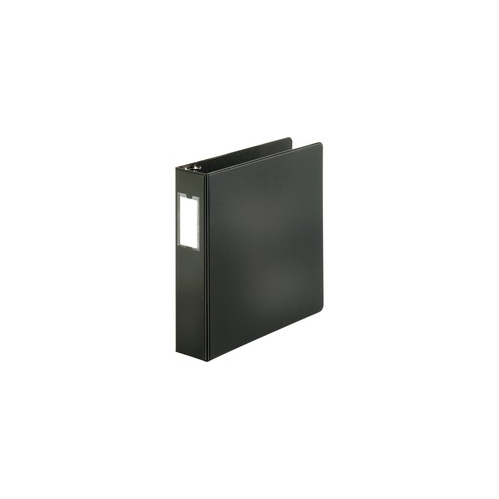

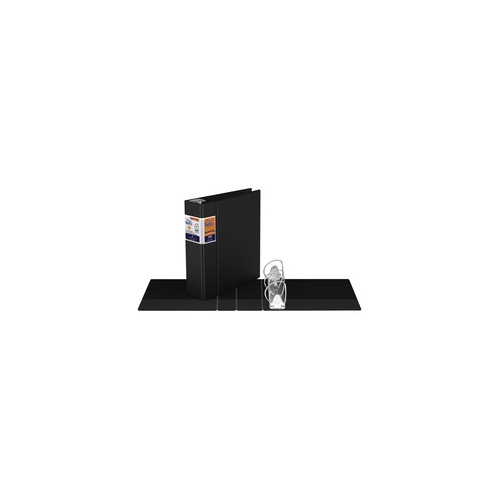

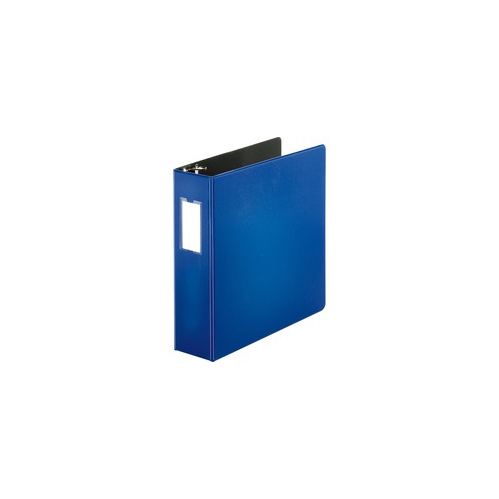
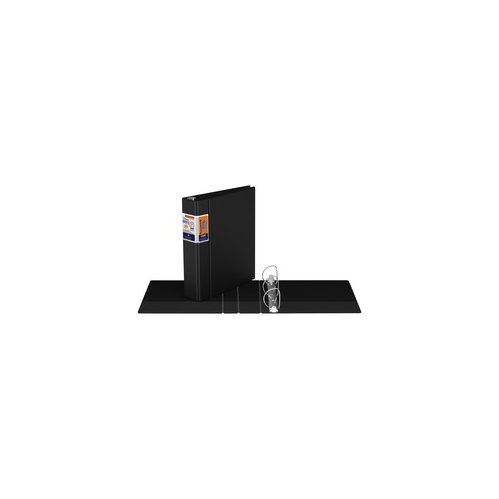
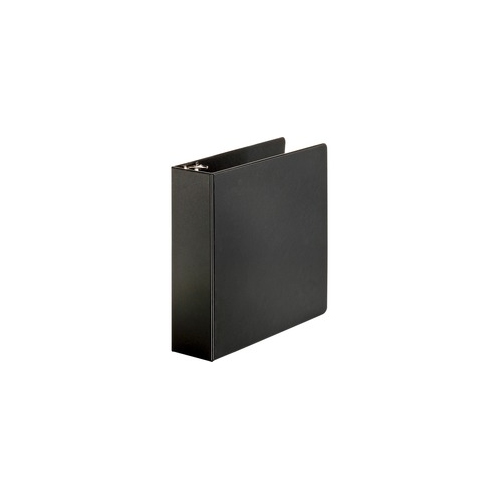
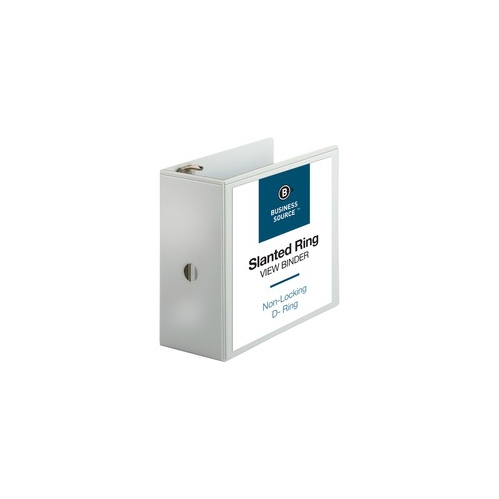
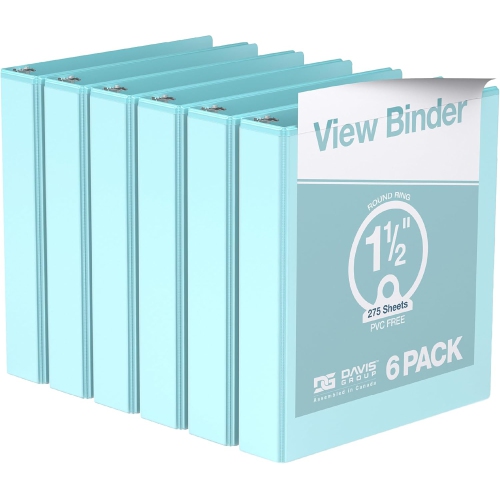
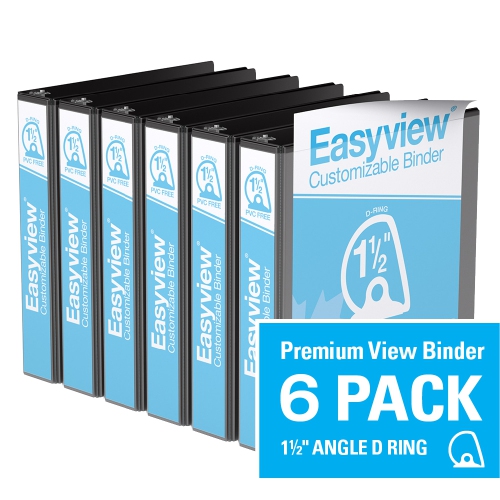
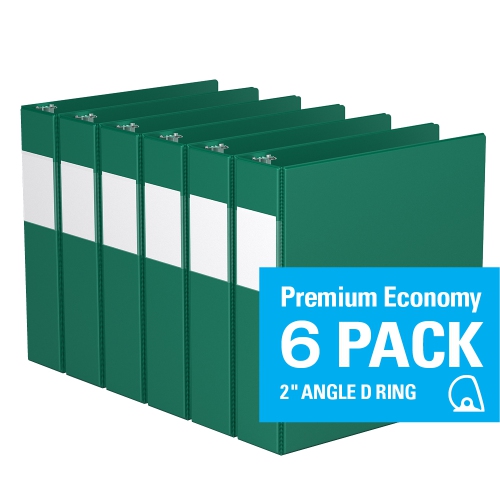
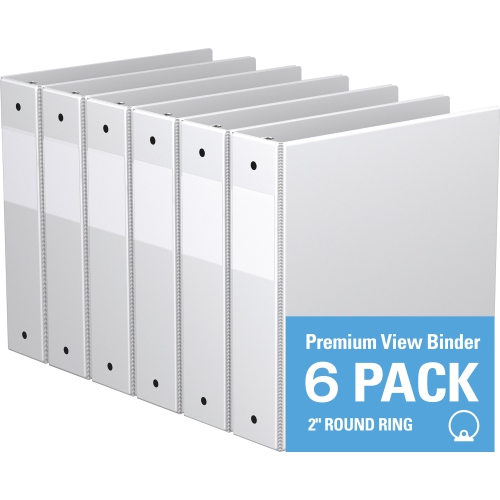
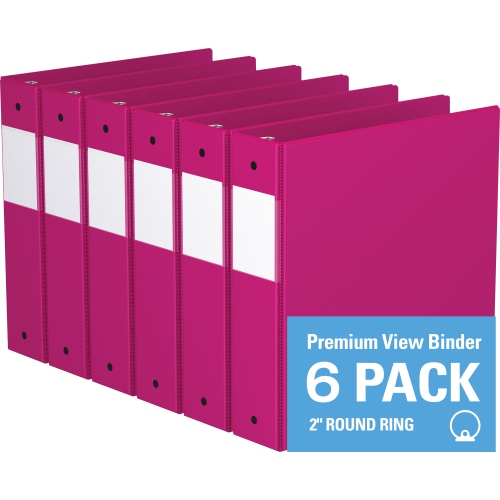
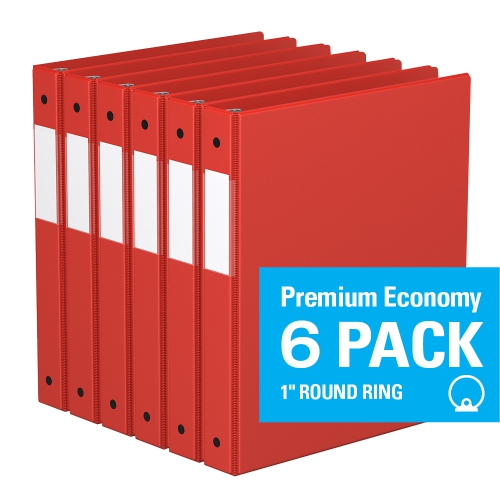
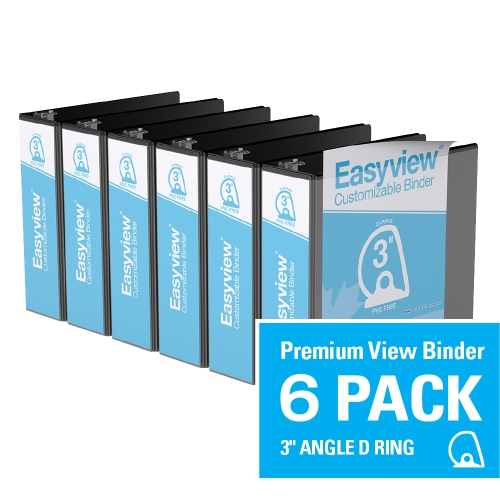
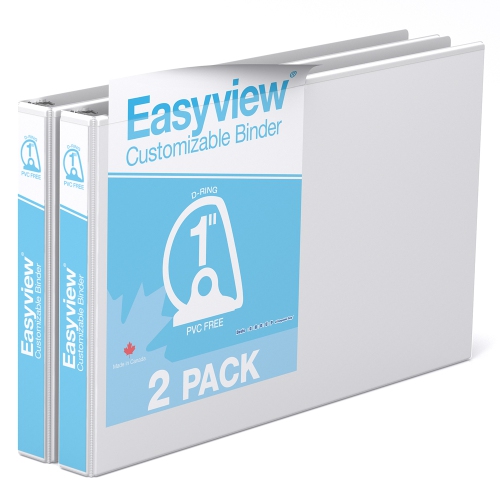
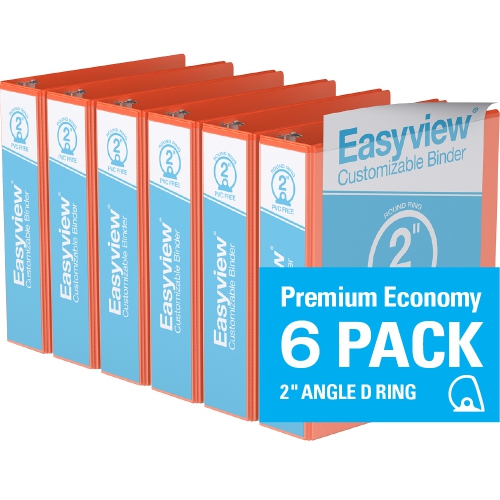
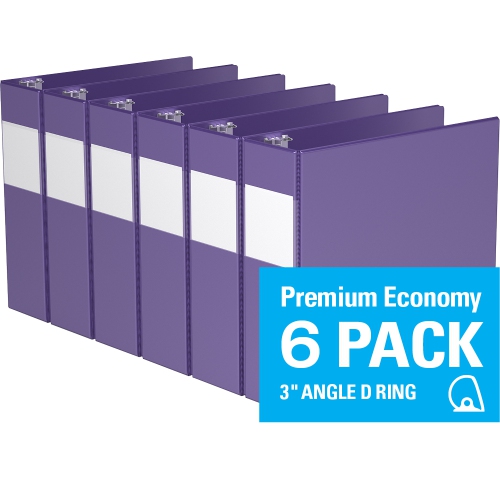
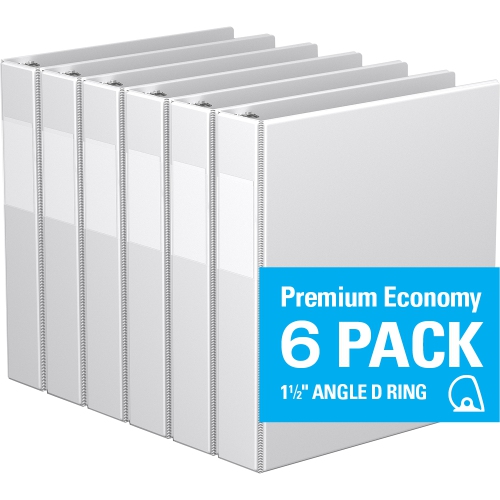
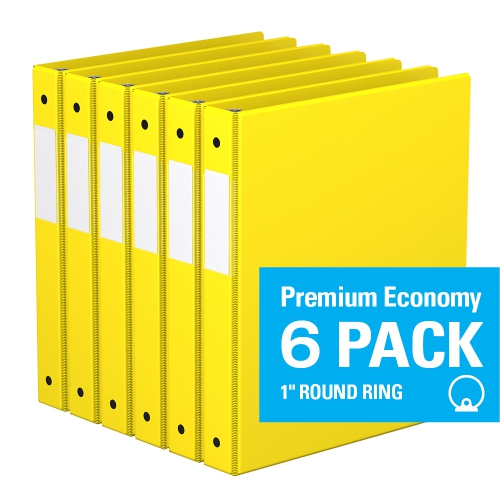
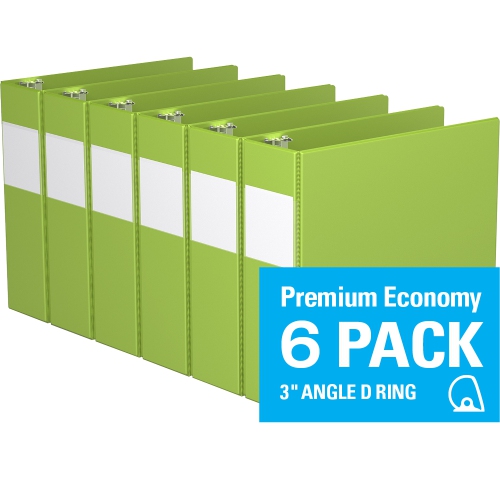
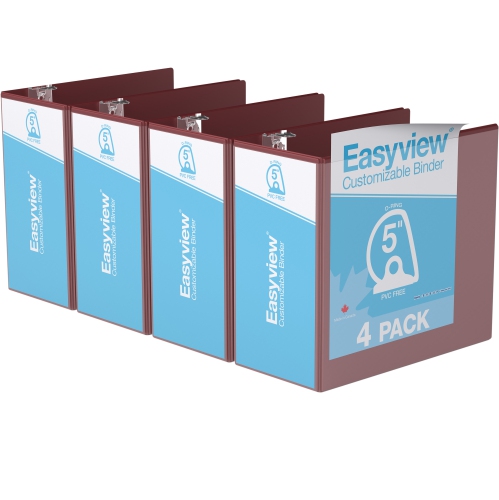

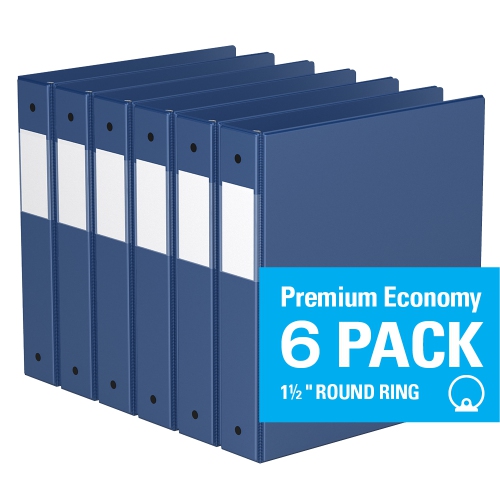
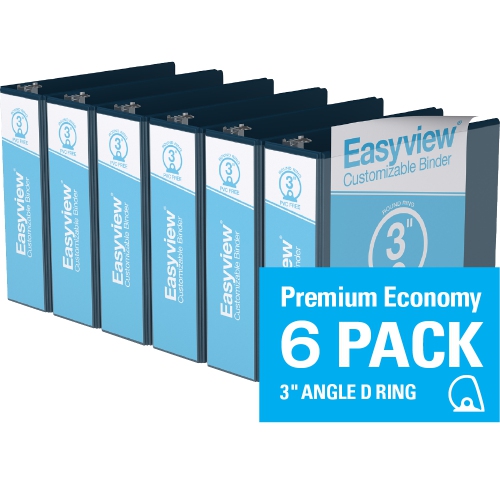
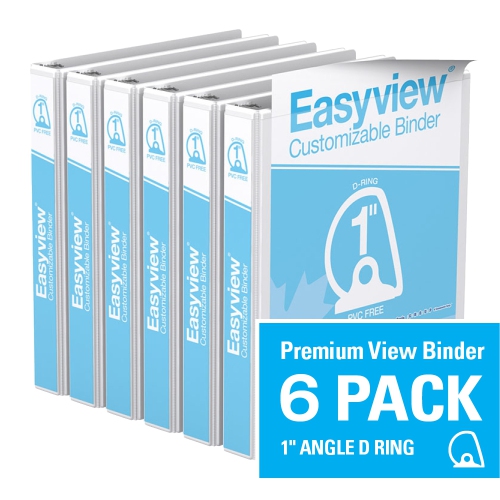
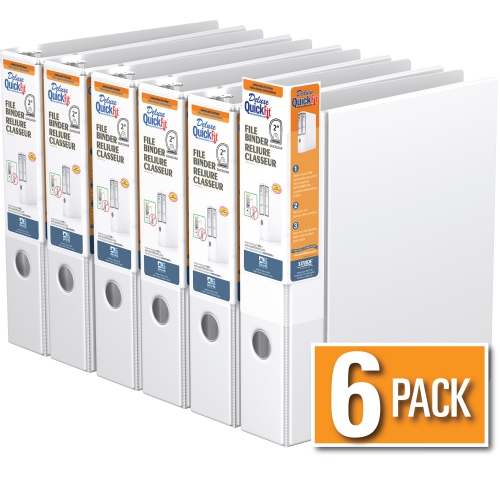
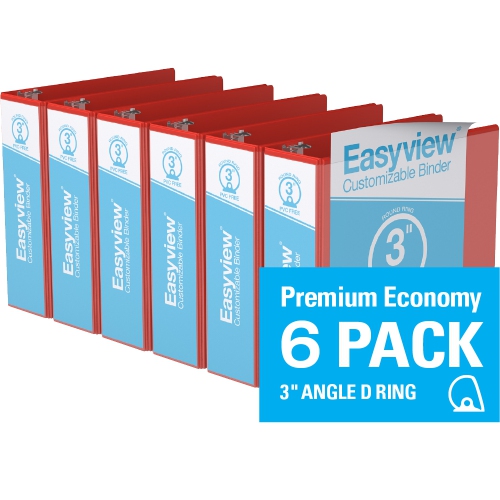
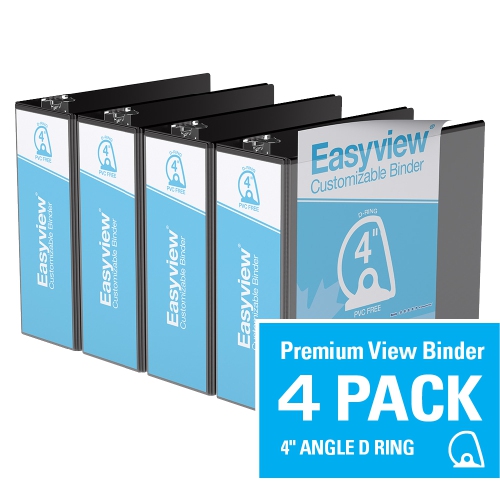
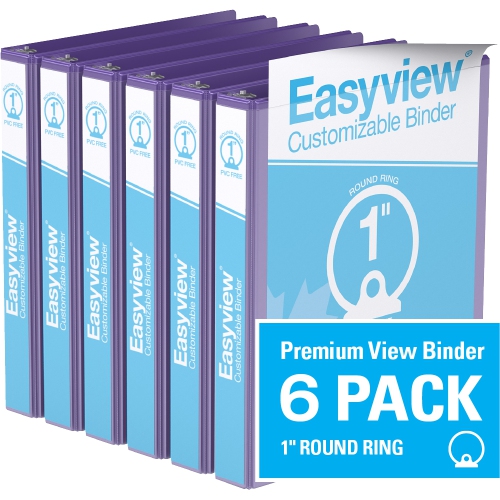
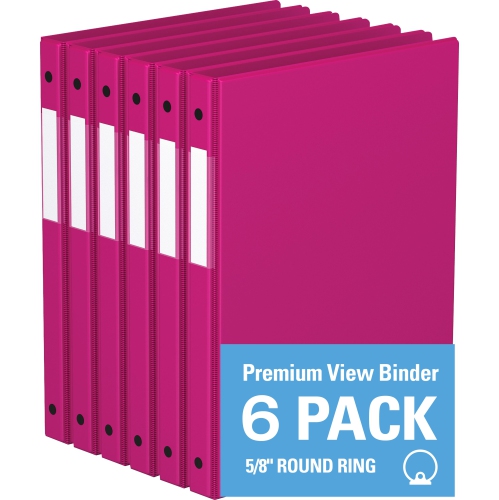
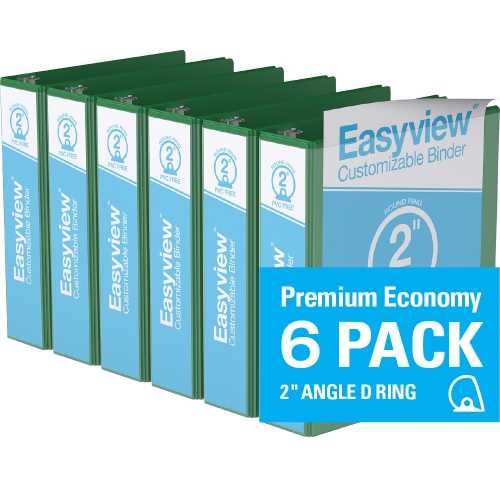
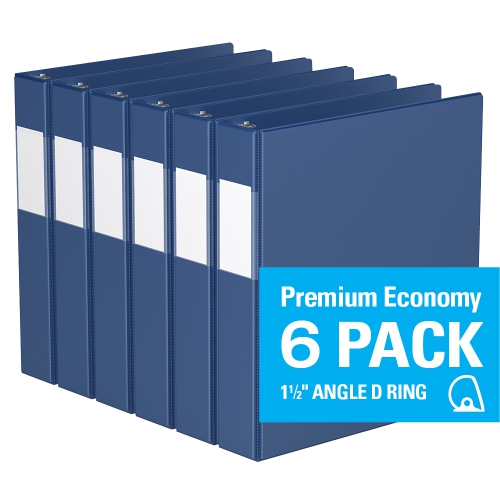
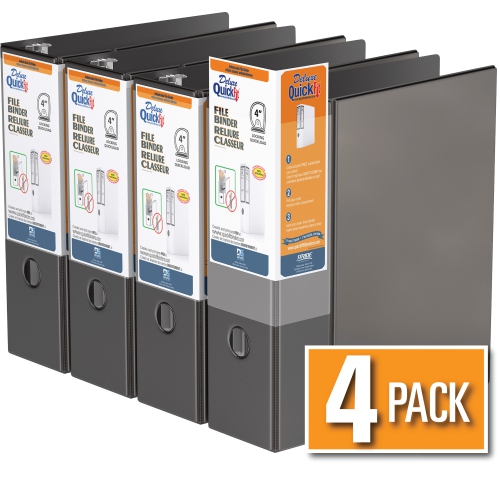
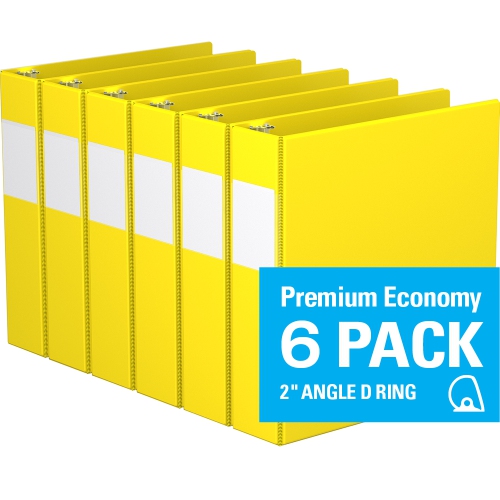
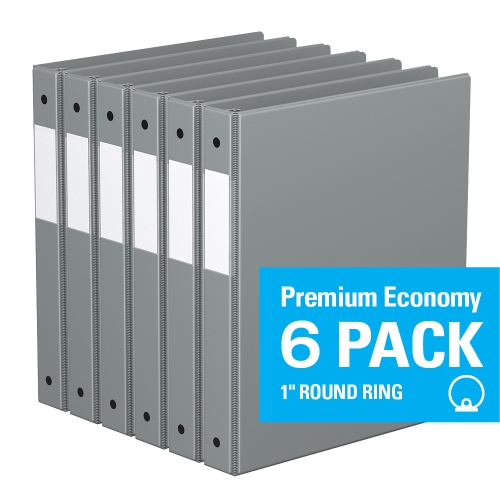
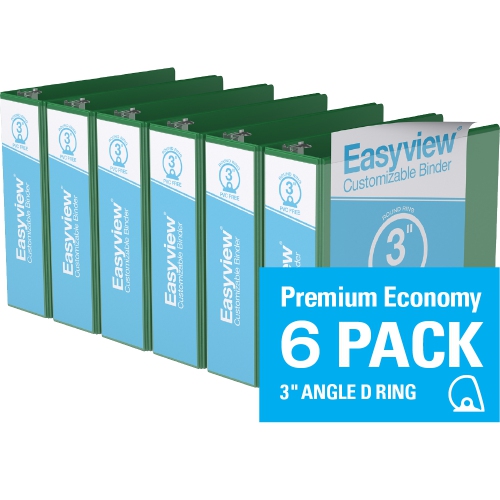
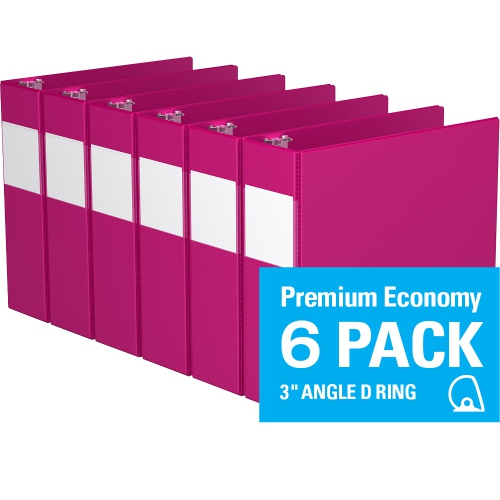

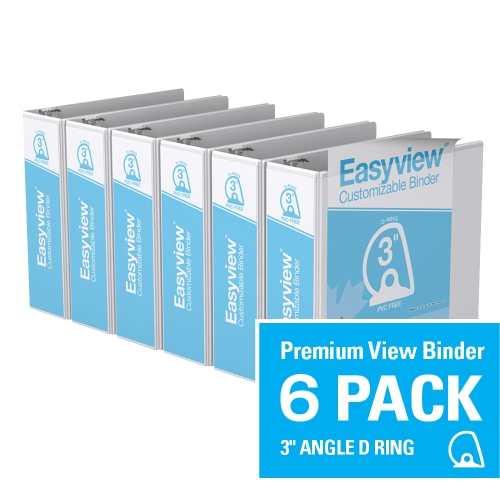
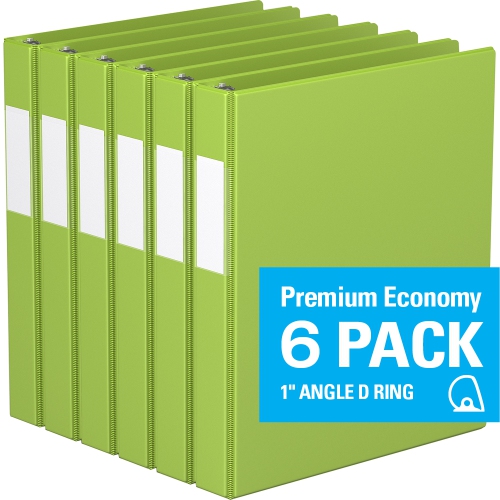
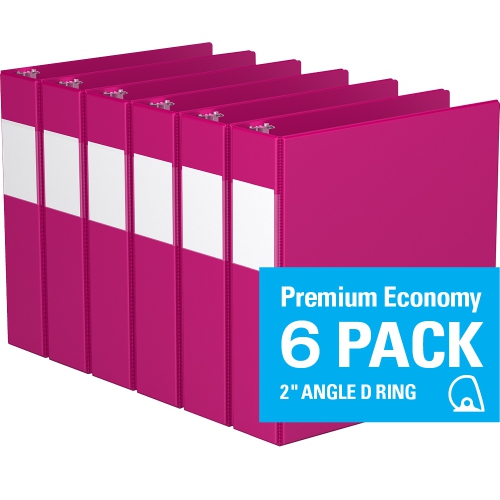
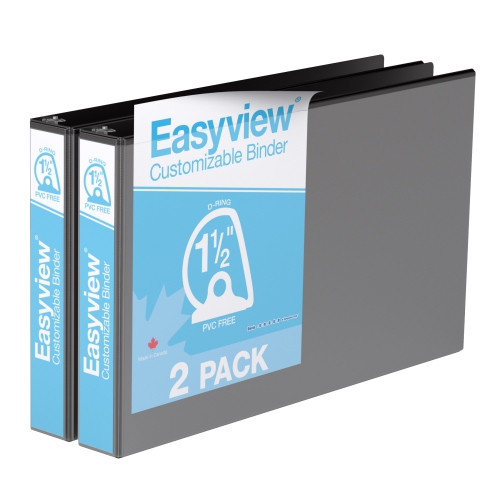
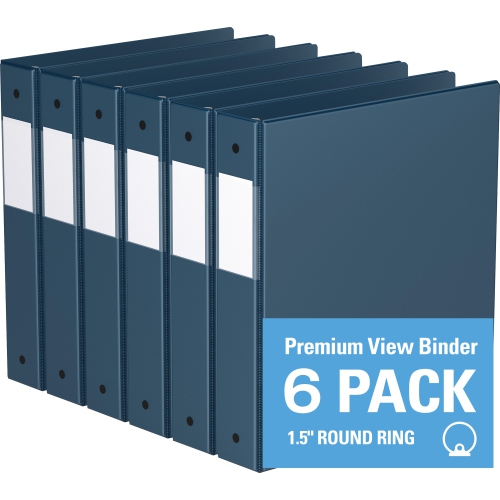
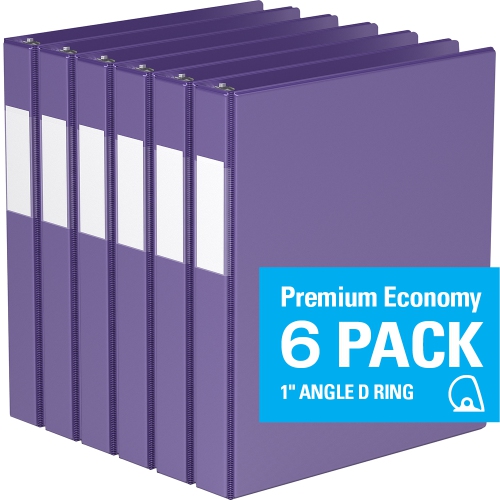
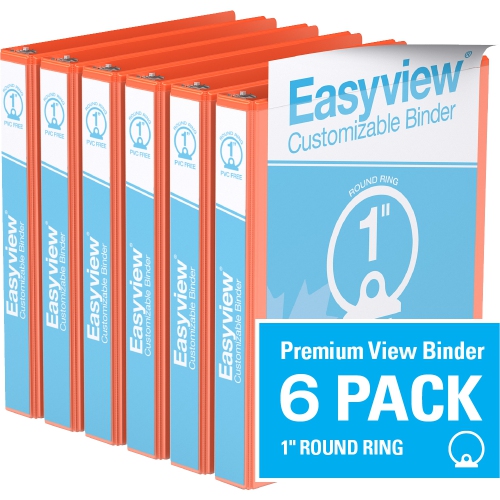
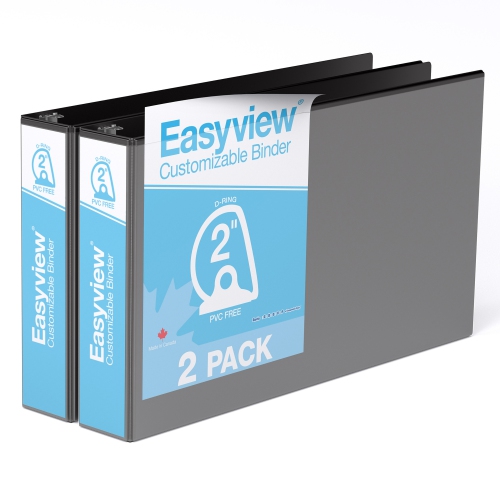
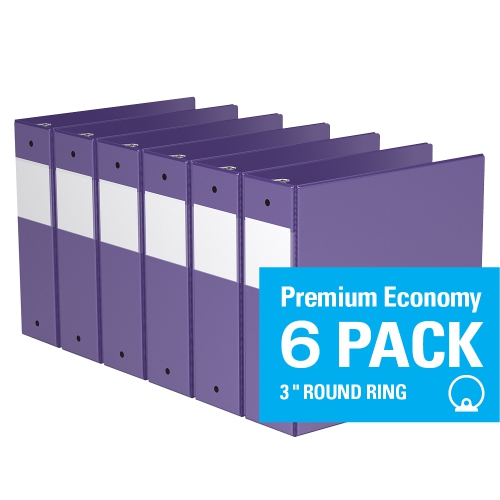


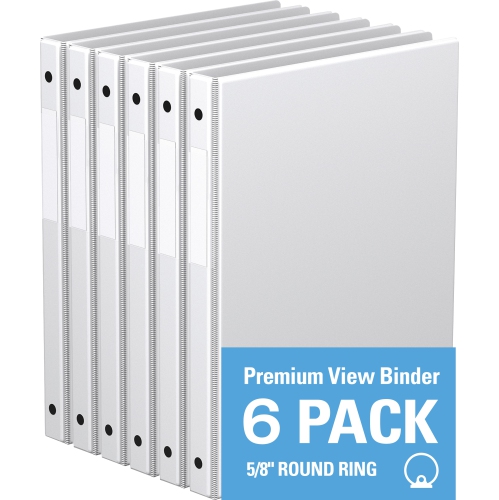
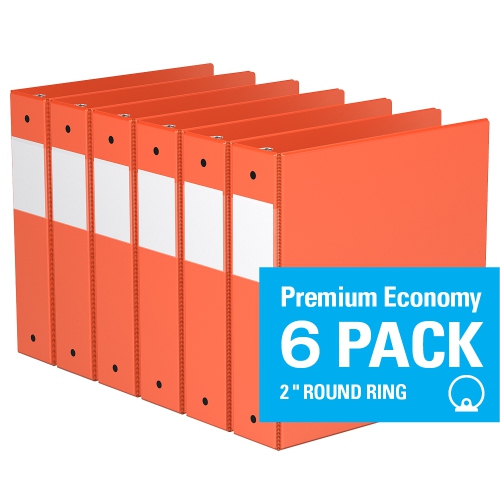
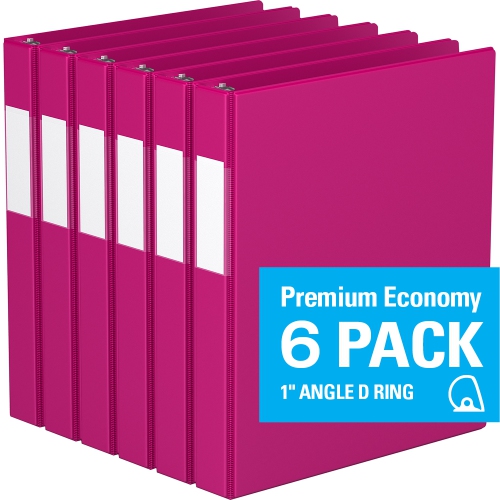
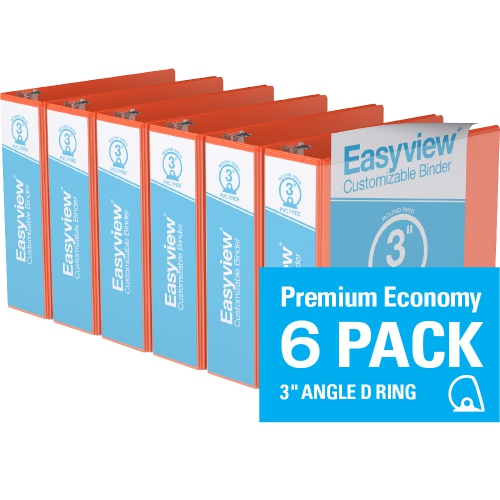
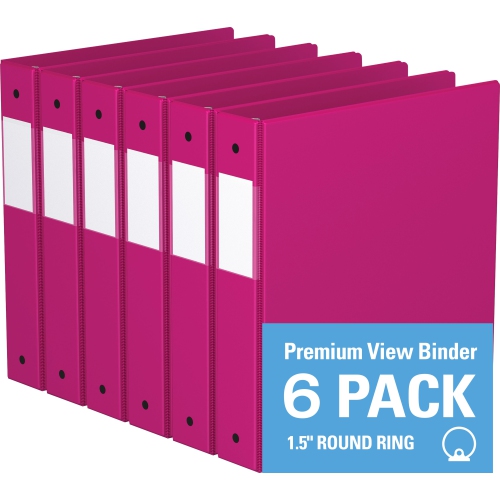
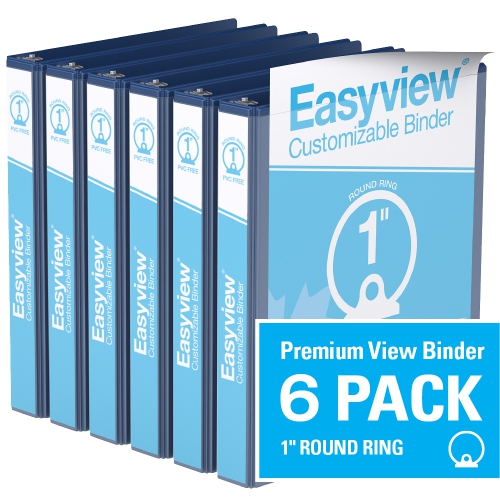
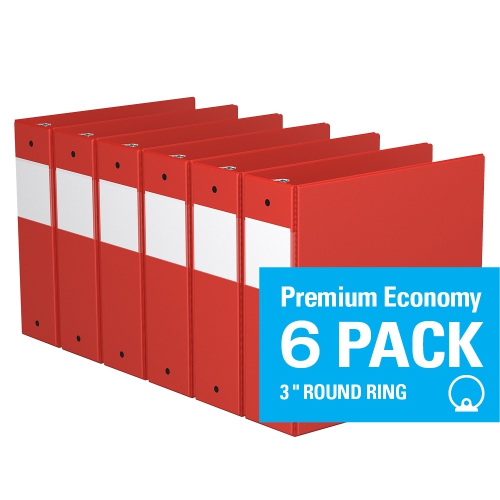
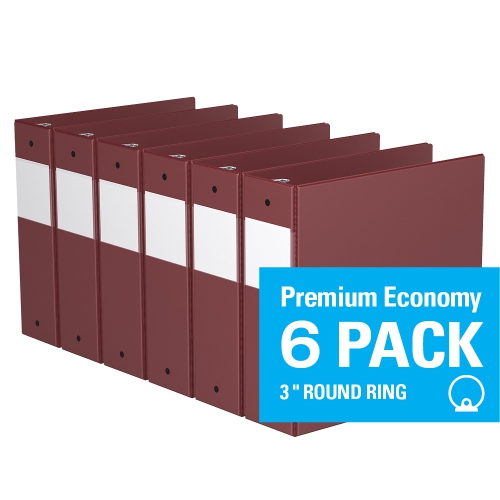
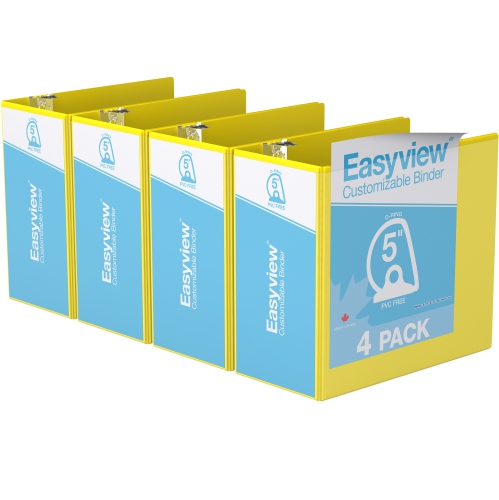
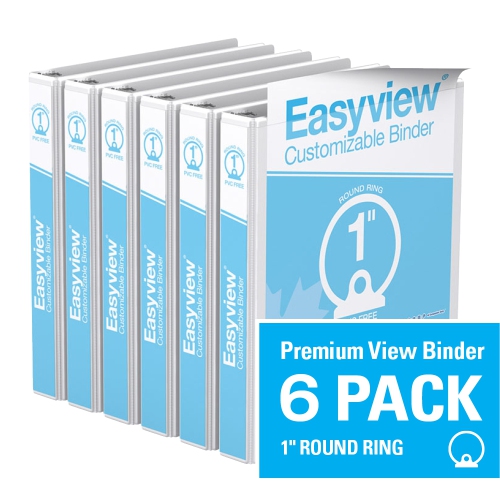
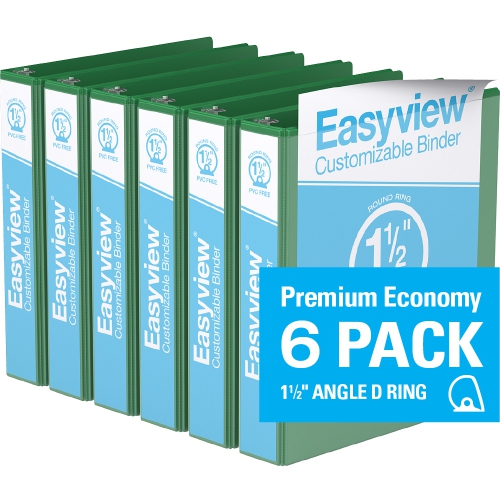
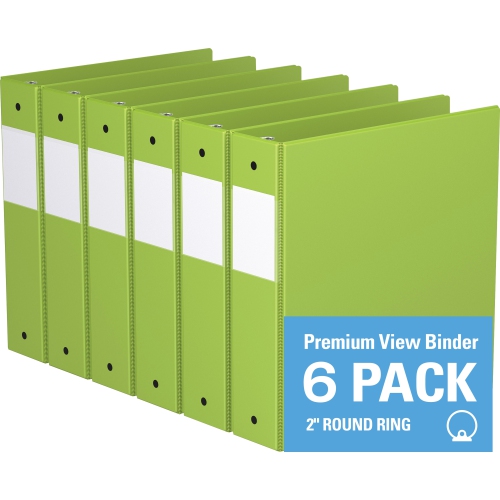

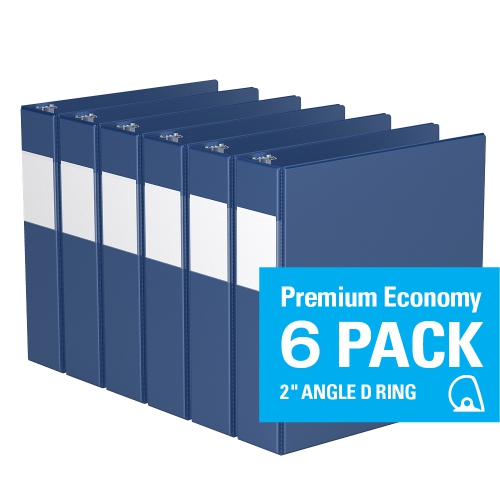
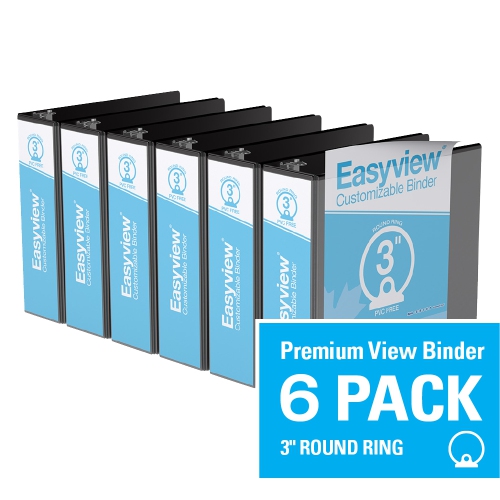

A portable system for keeping everyday information together
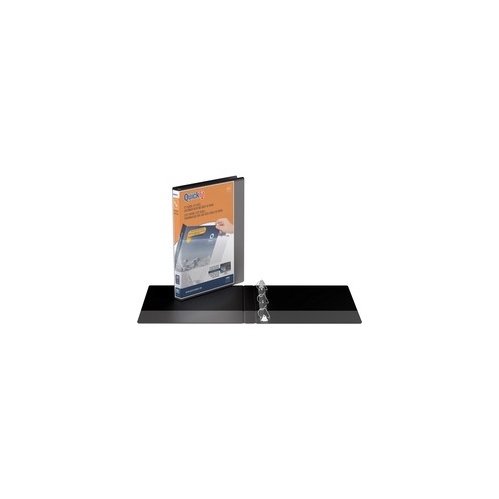
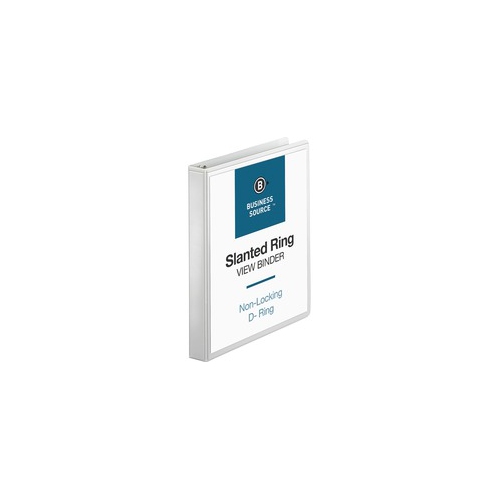
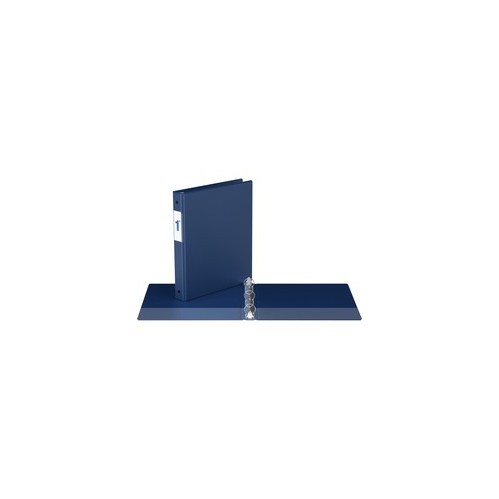
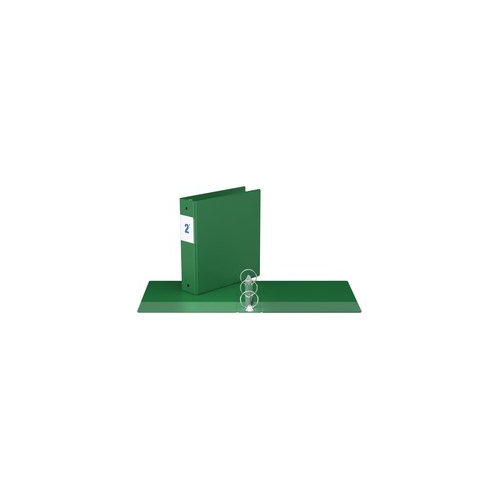
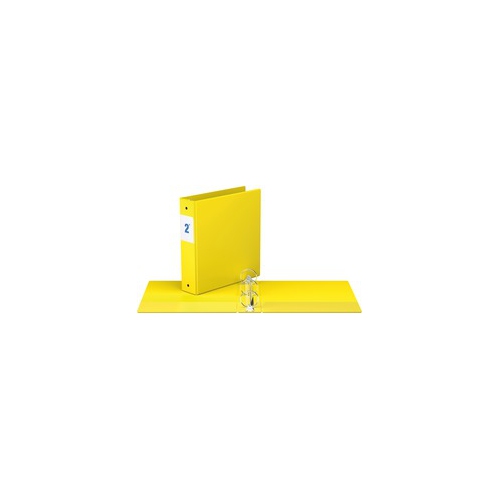
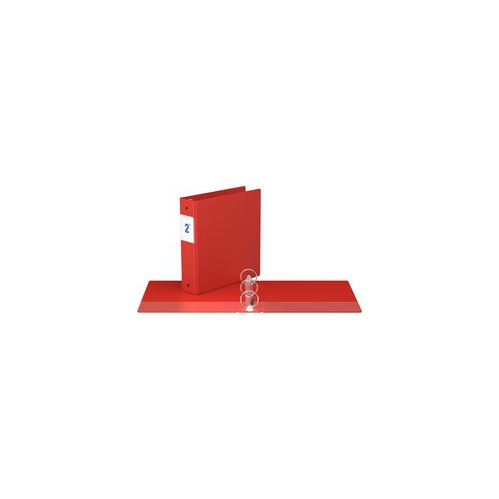
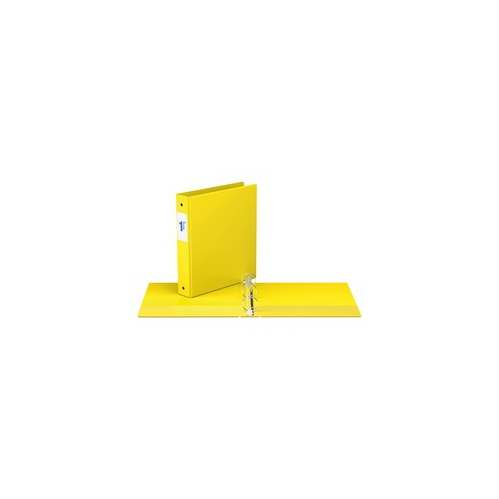
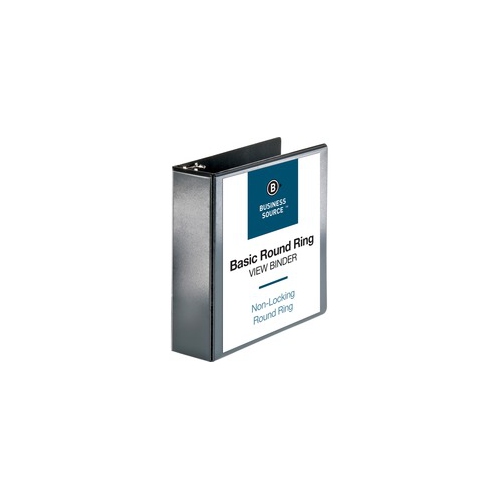
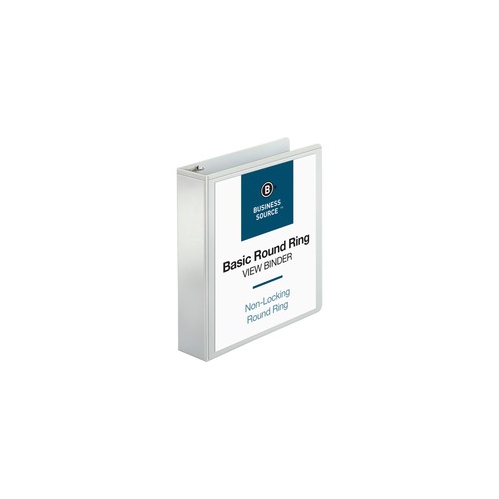
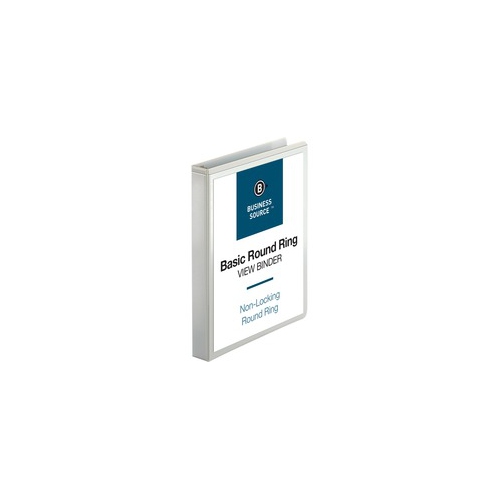
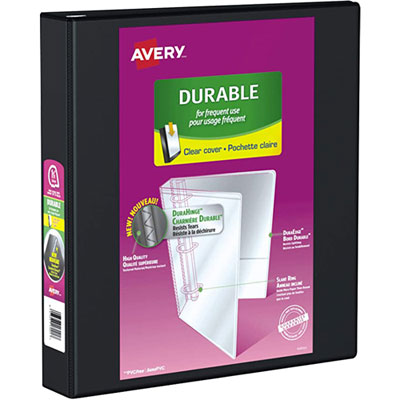
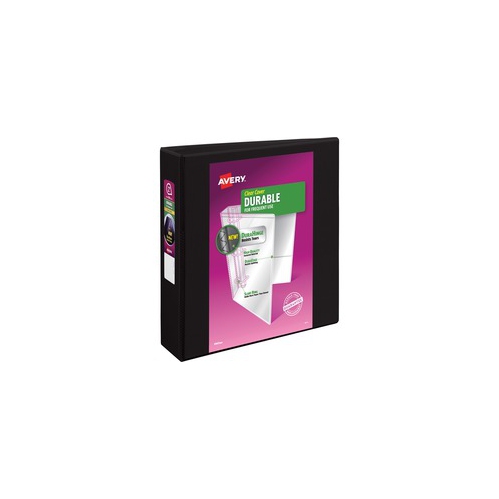
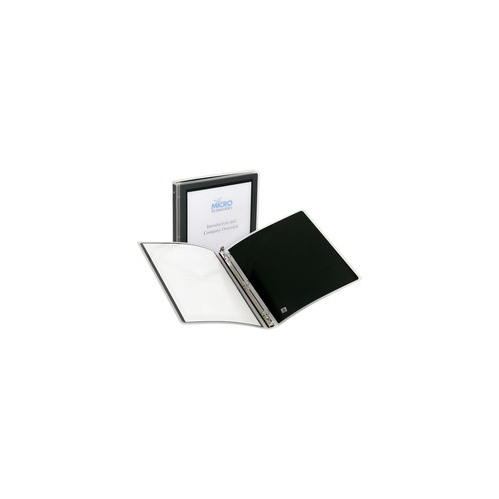
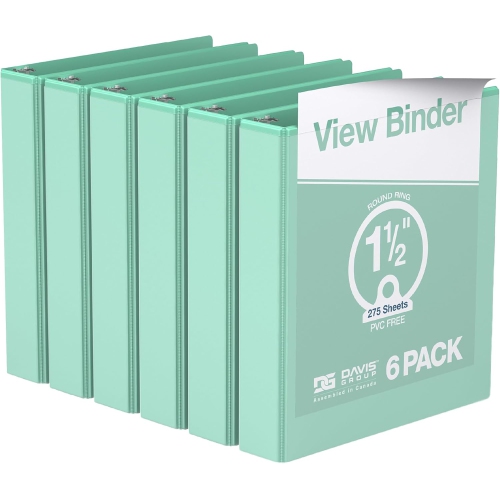
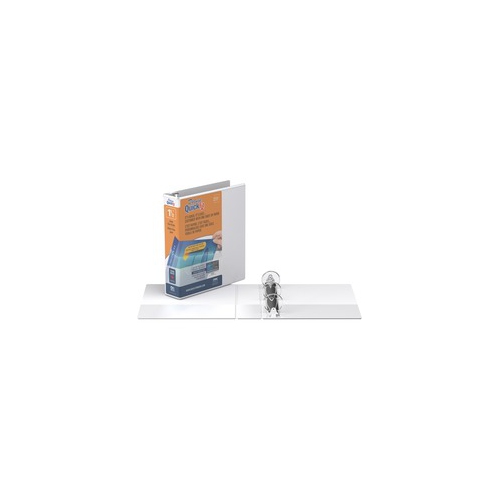
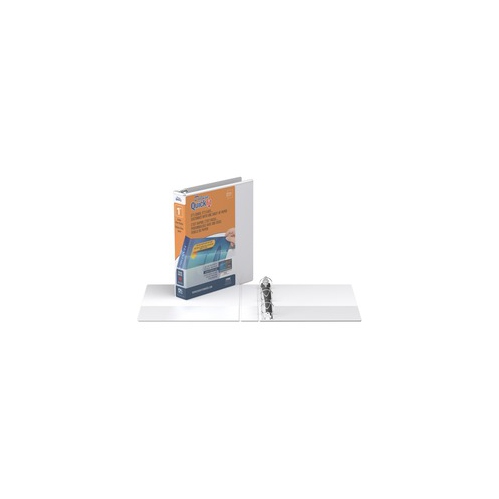
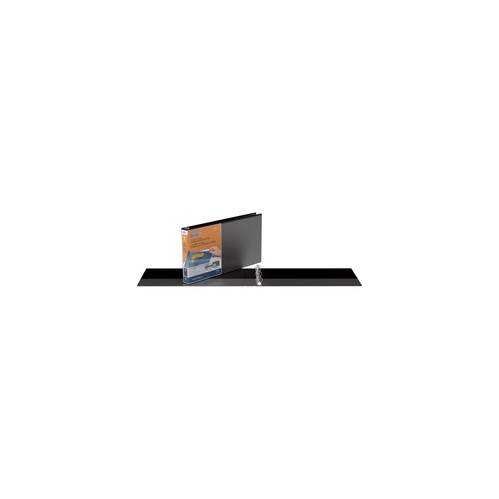
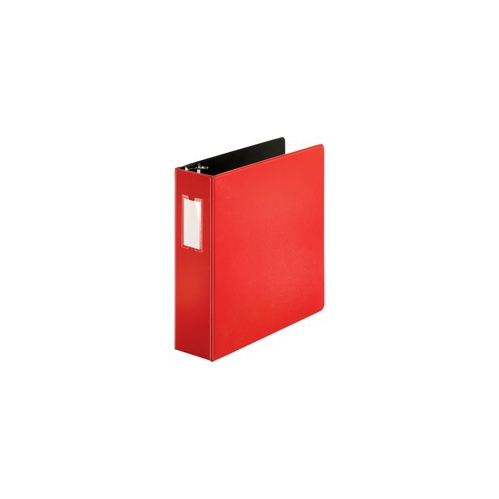
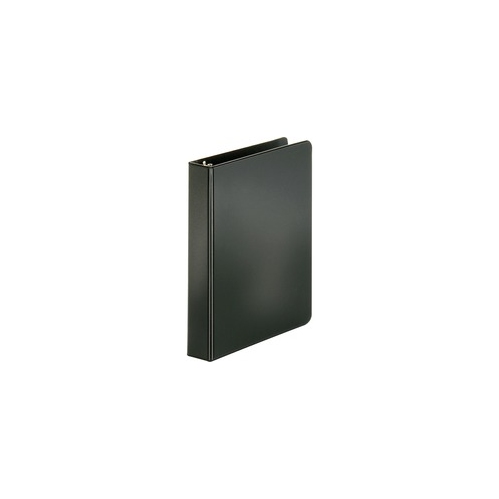
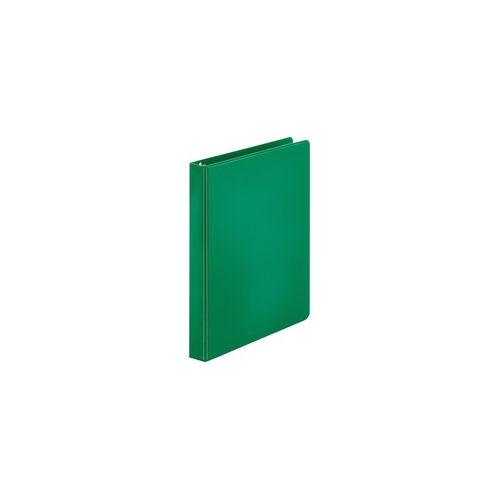
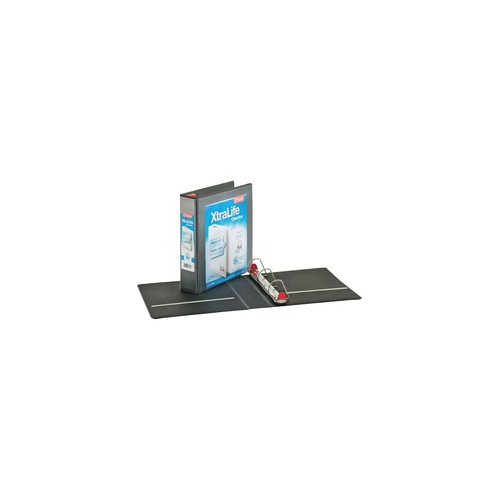
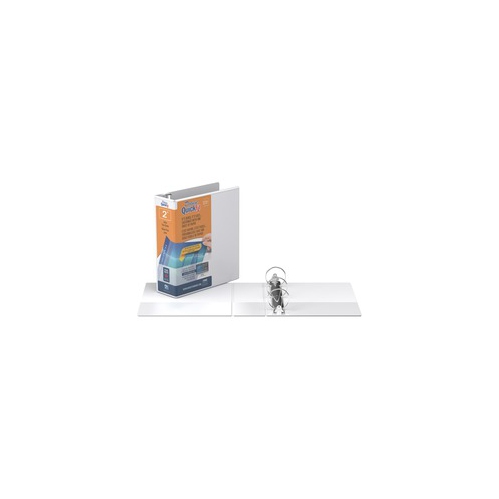
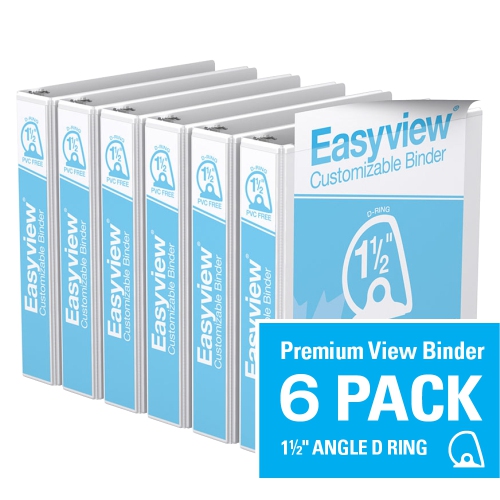
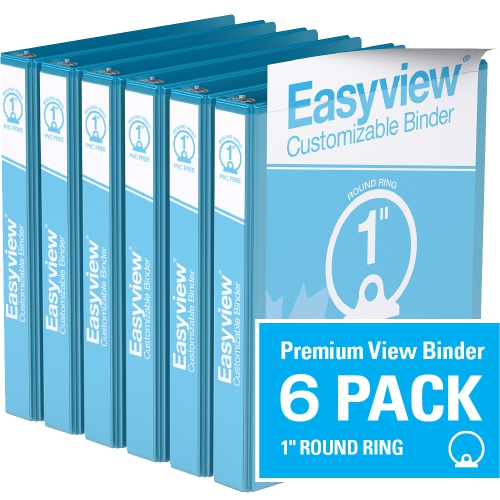
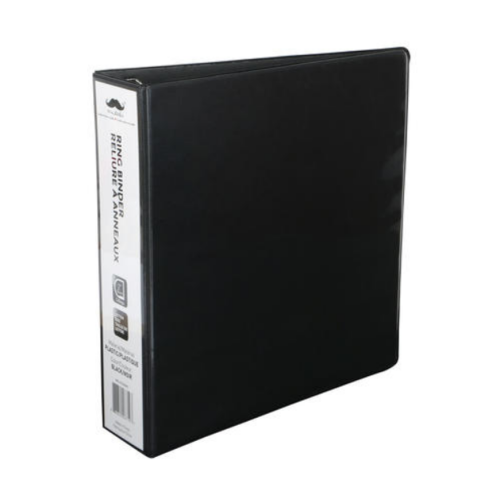
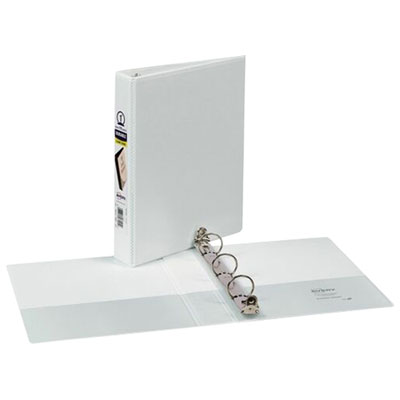
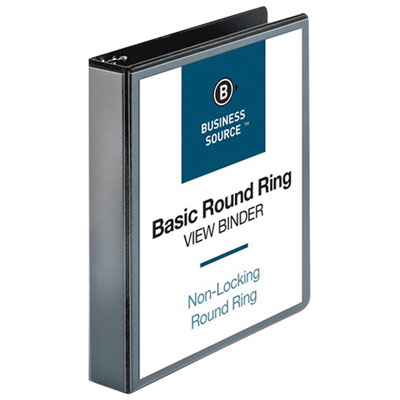
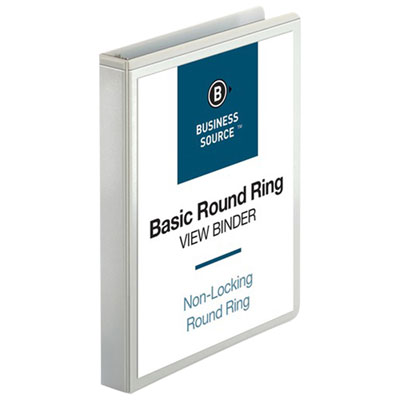
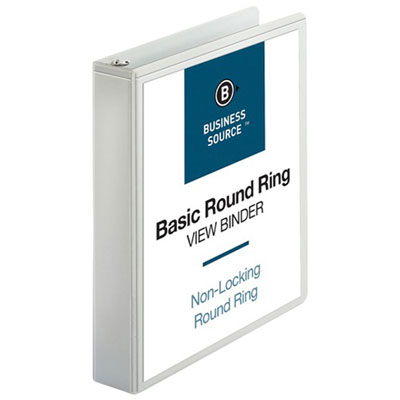
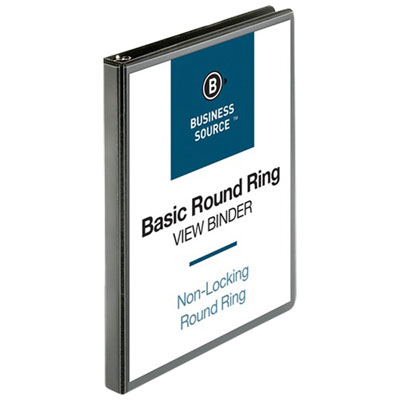
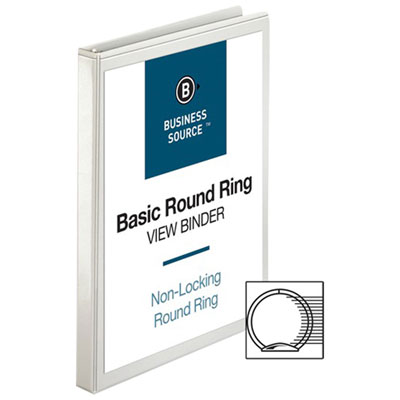
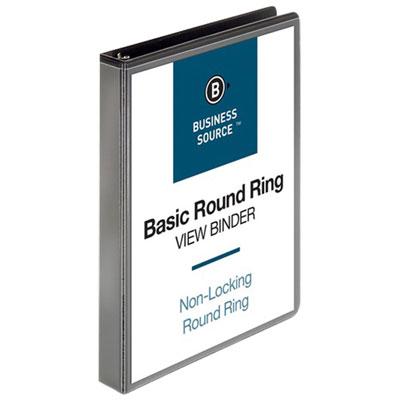
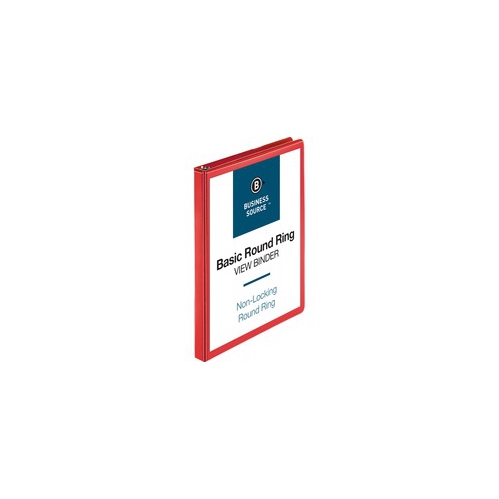
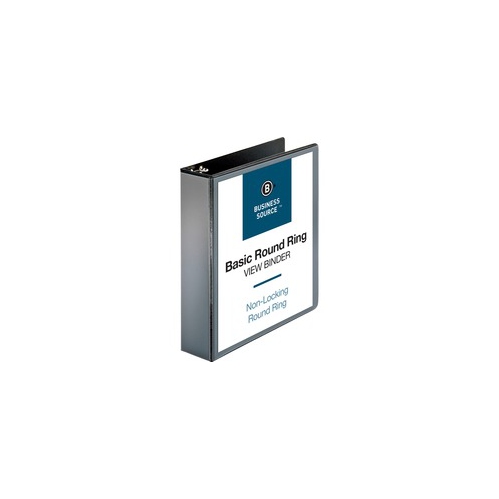
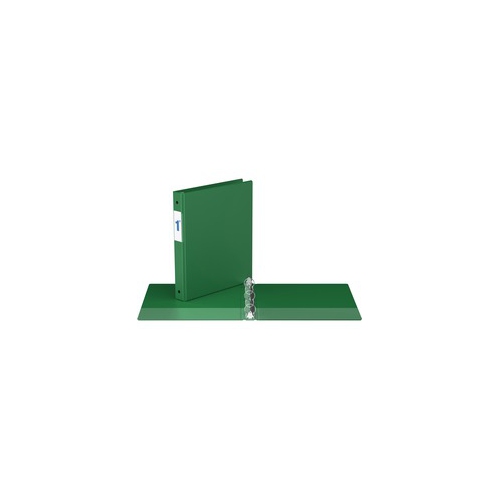
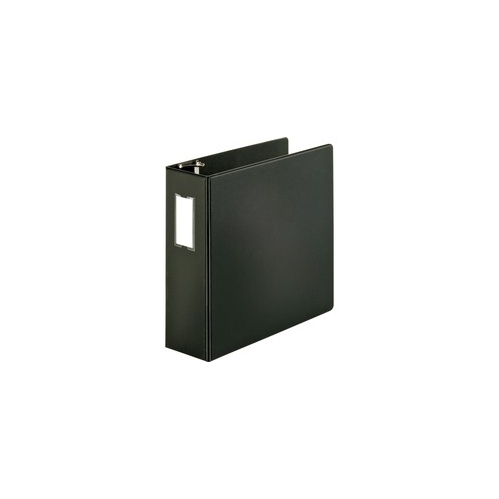
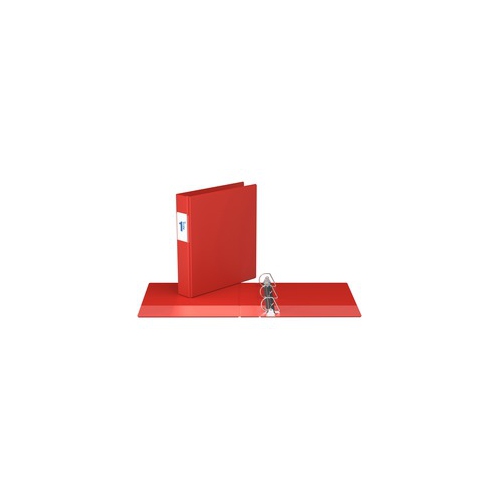
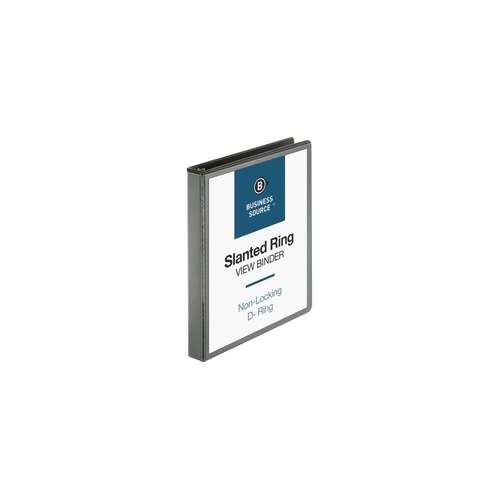
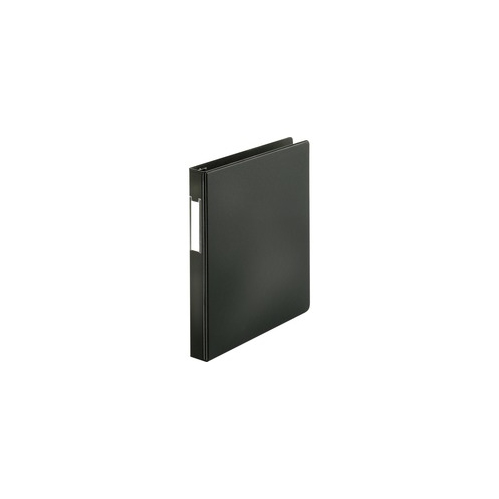
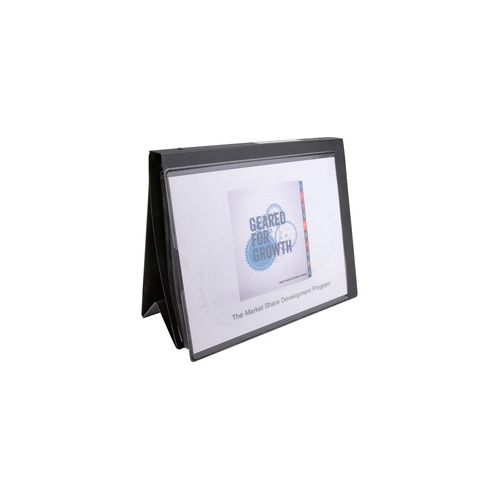
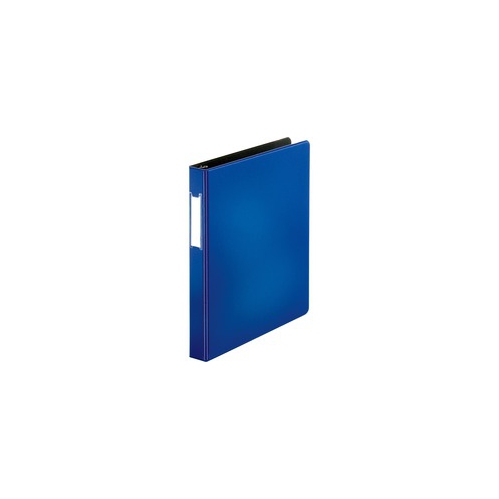
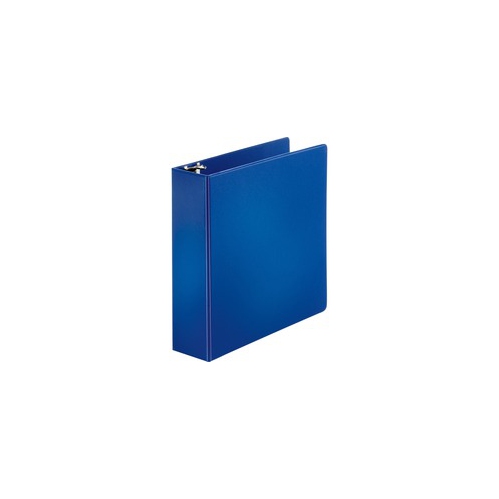
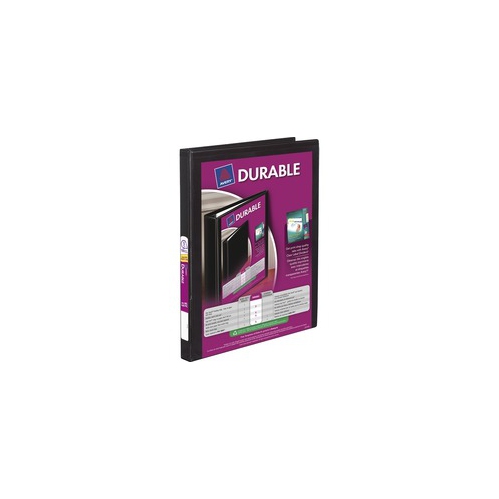
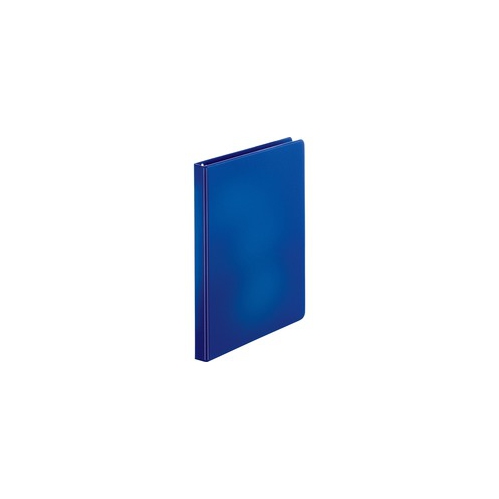
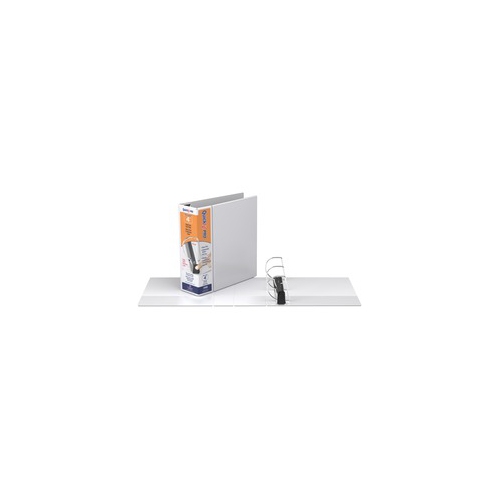
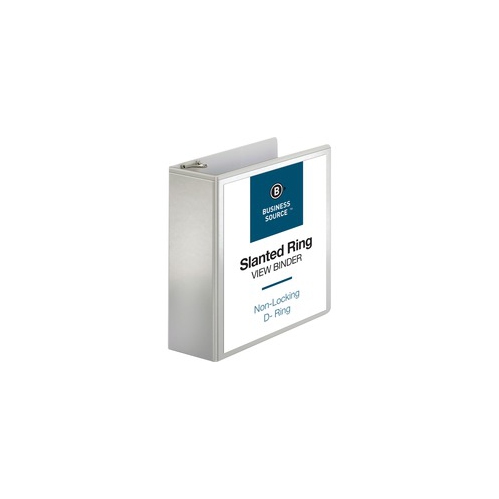
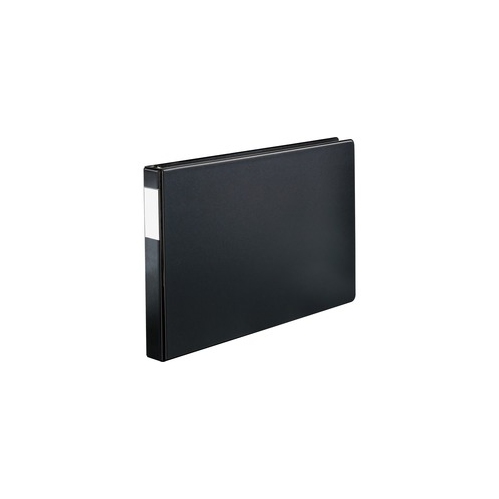
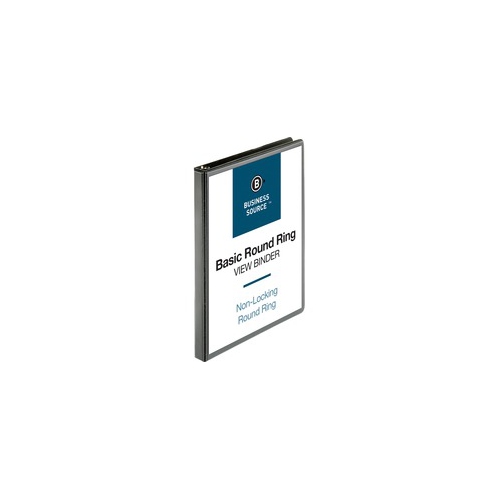
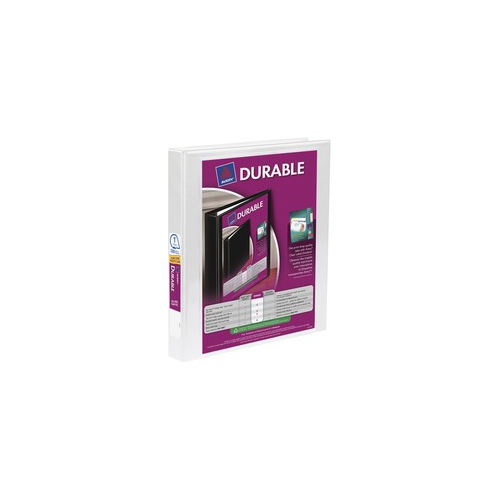
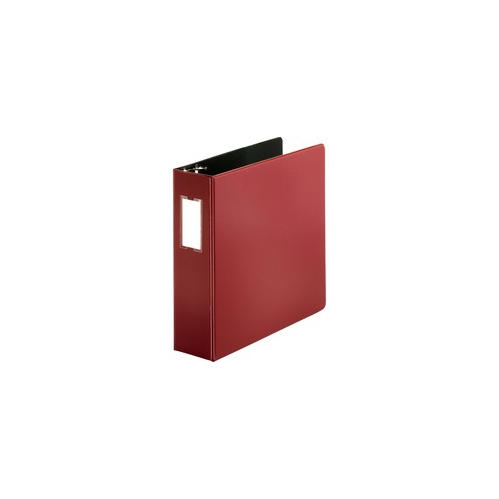
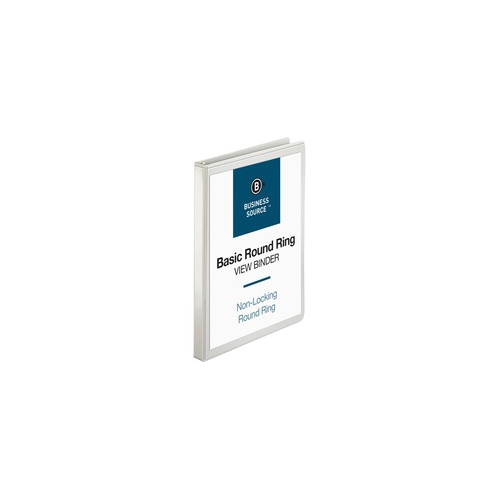
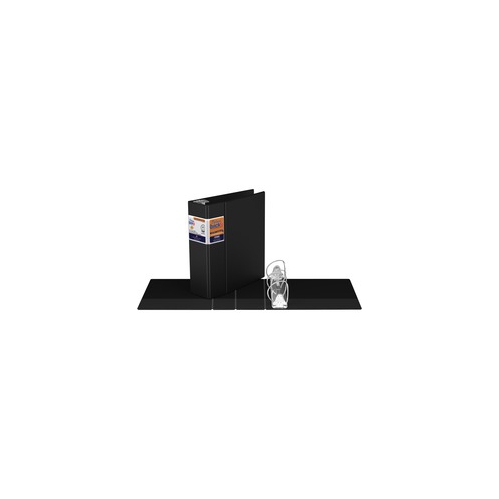
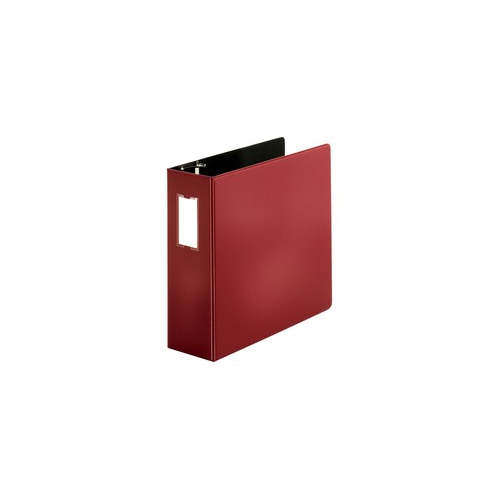
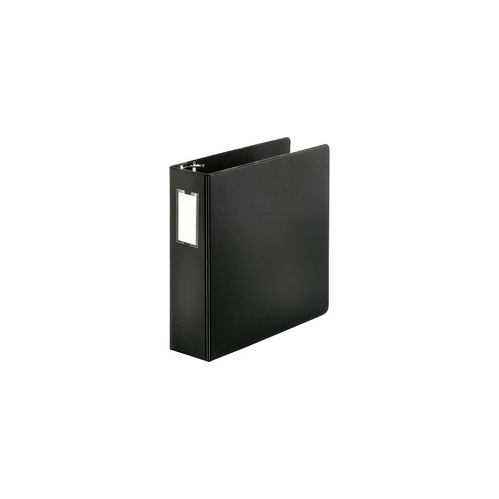
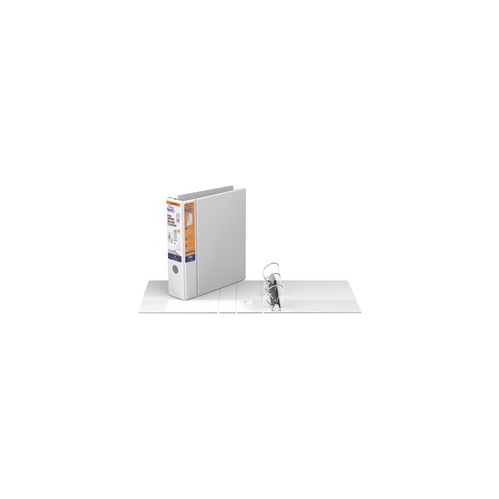
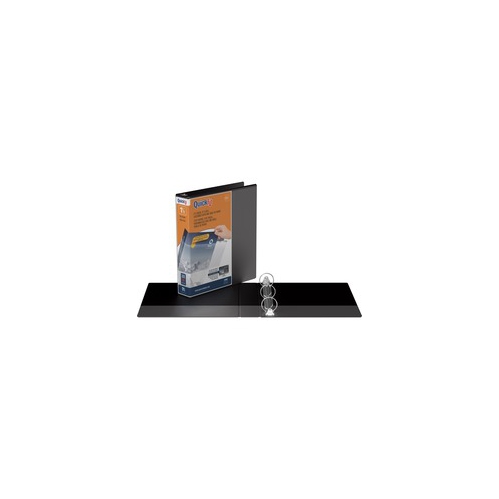
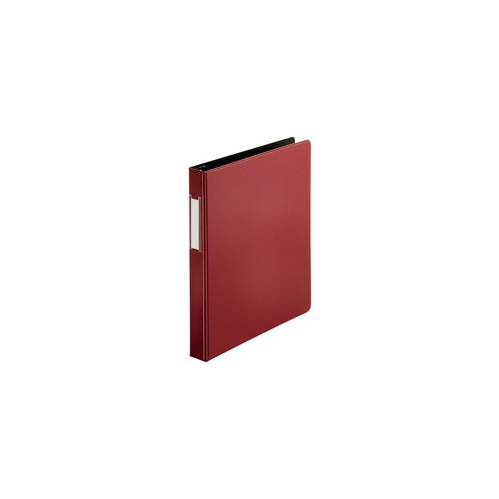
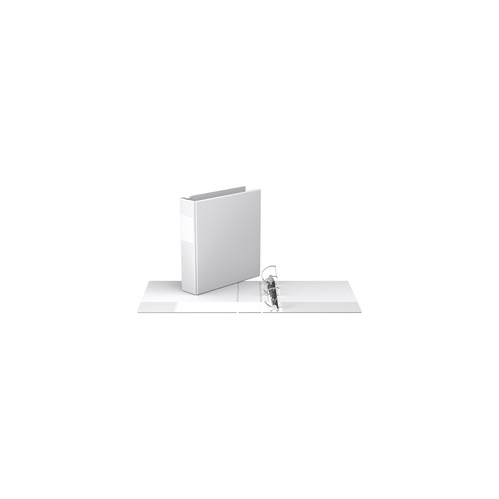
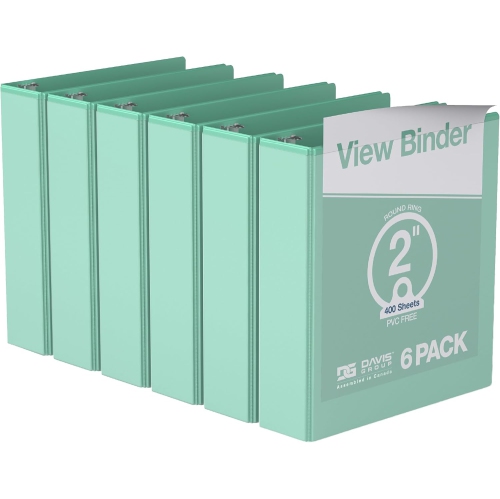
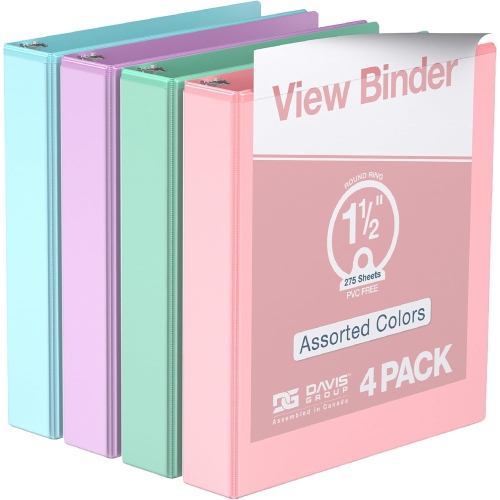
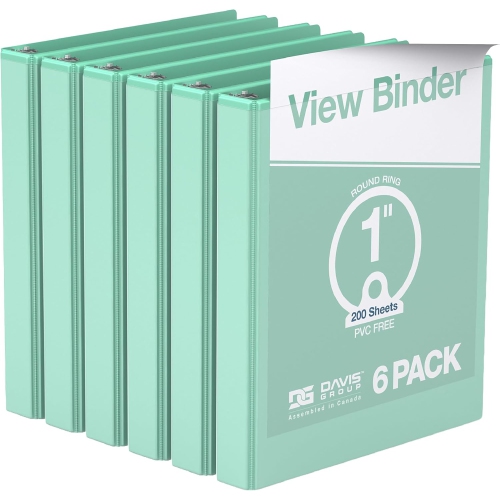
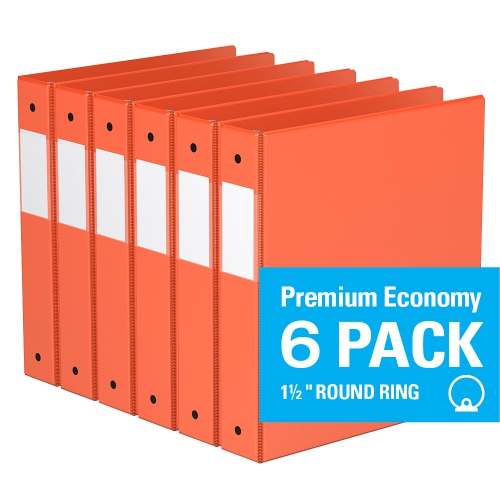
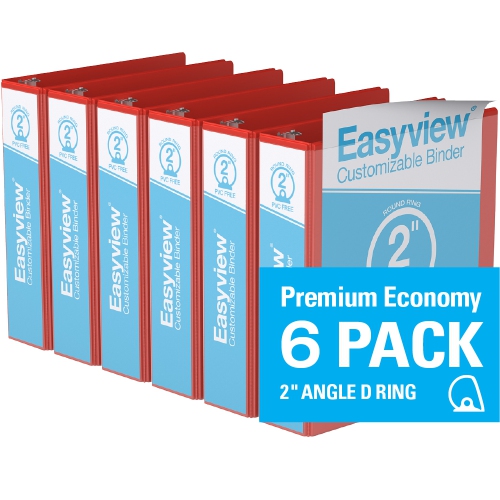
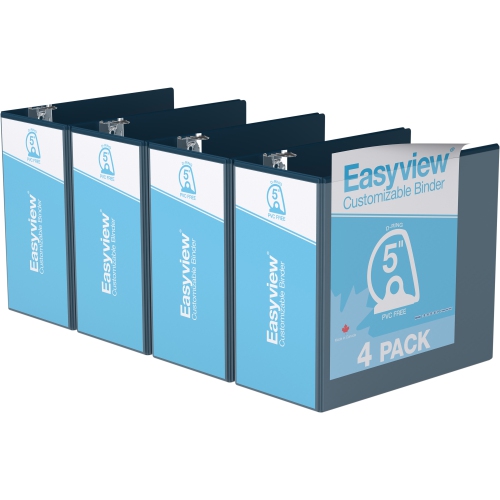
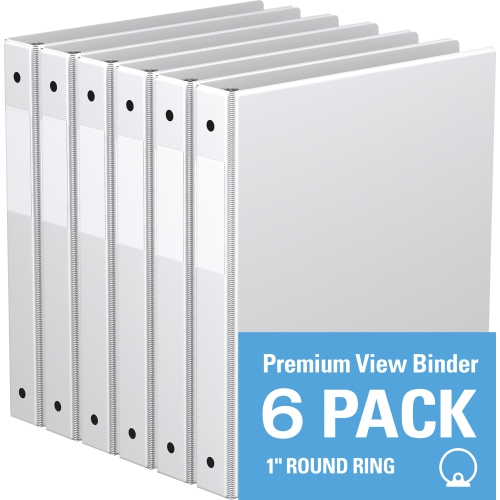
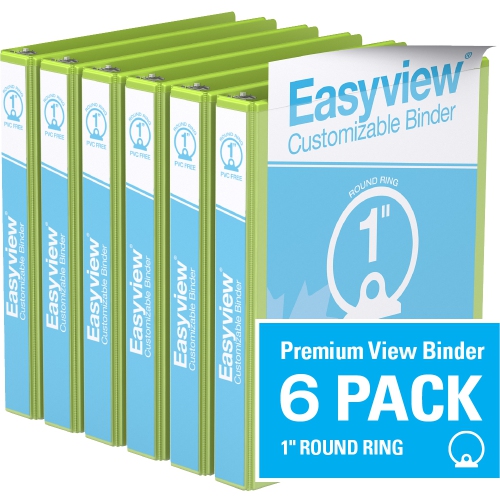
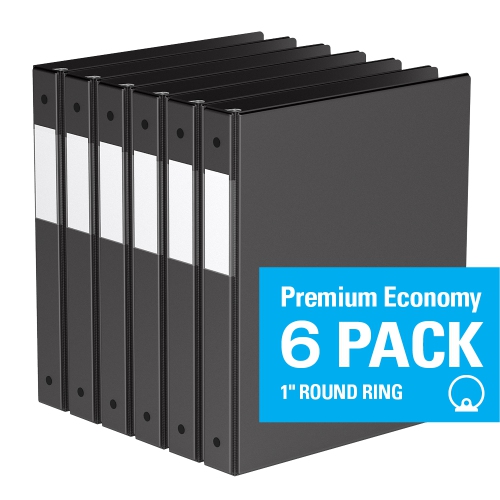
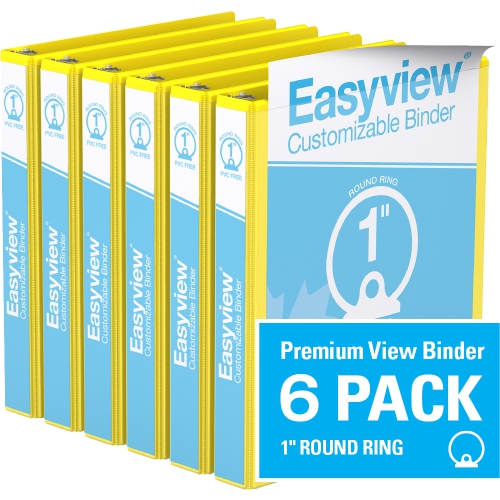
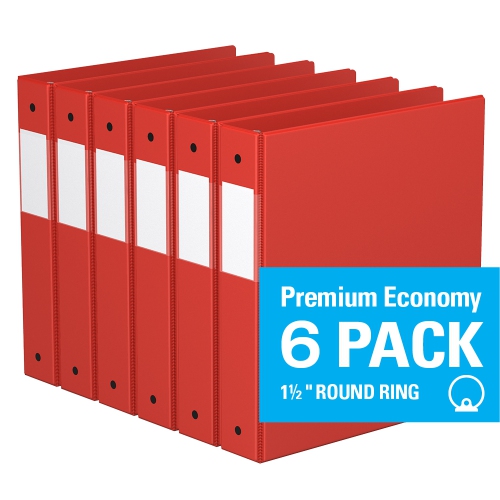
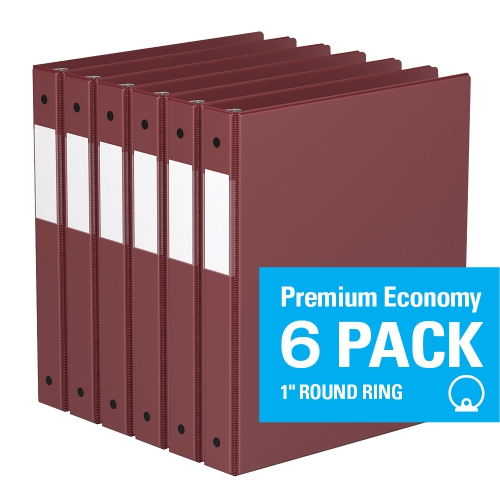
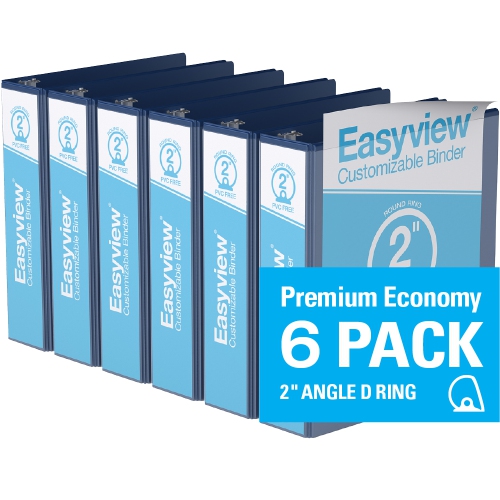
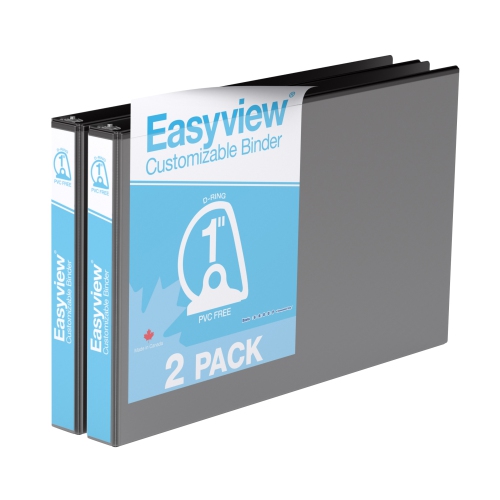
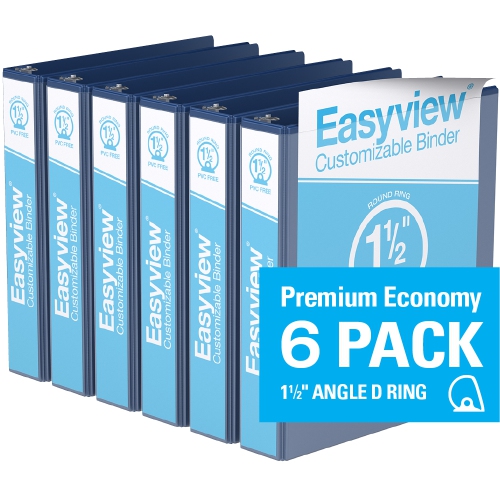
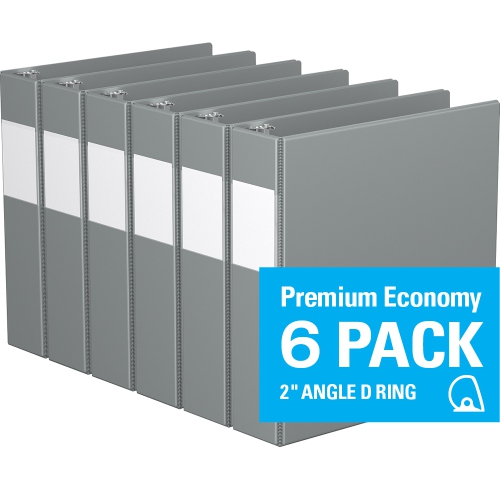
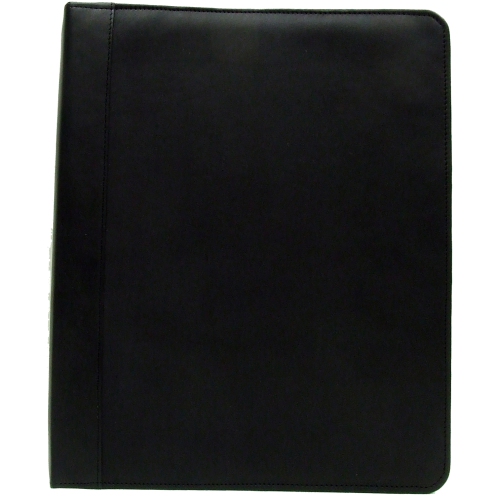
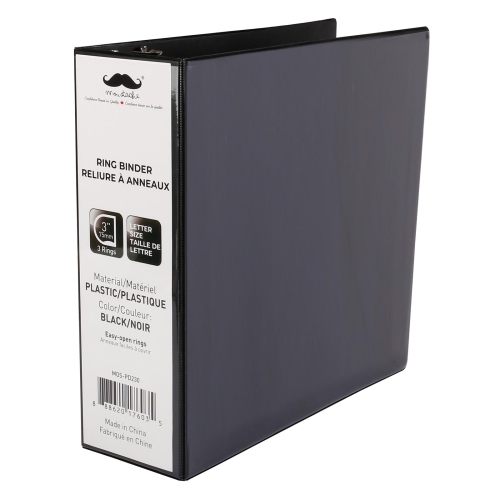
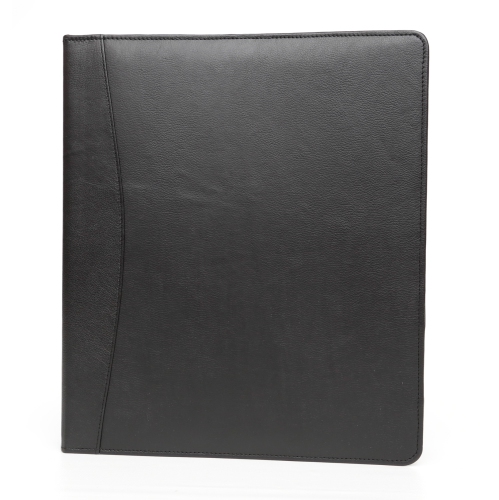
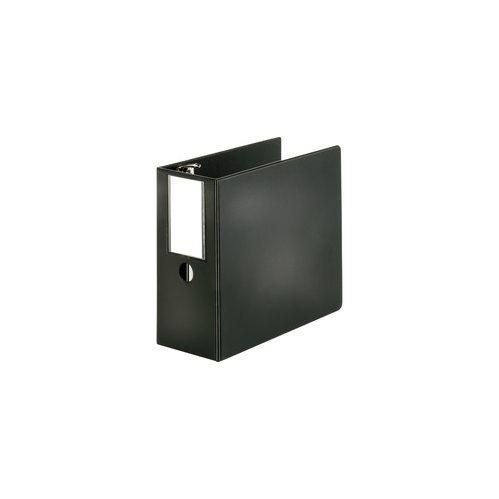
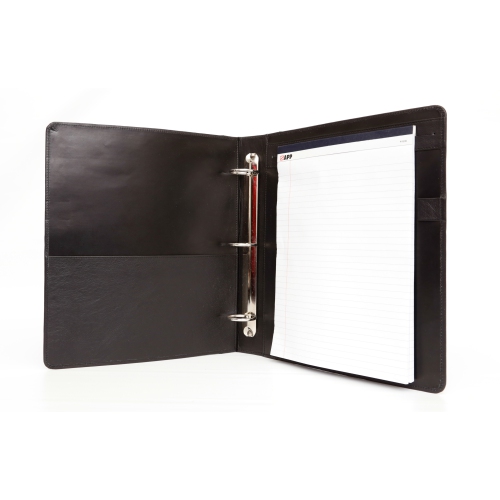
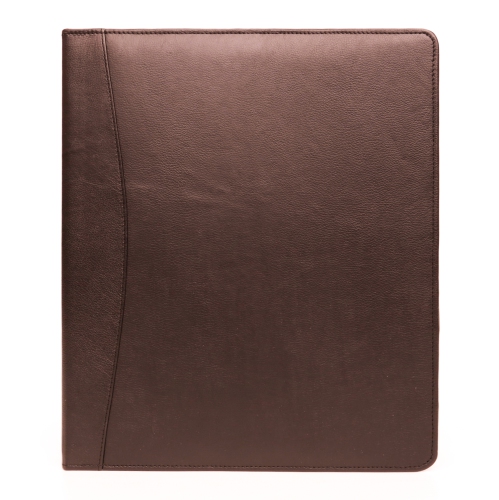
Organization Binders provide a practical way to keep paper records, schedules, reference materials, and everyday notes together in one easy-to-carry system. Rather than allowing important pages to spread across a desk, kitchen counter, backpack, or filing drawer, a well-chosen binder creates a single place for information that needs to be reviewed, updated, or shared. They can be useful for students managing course outlines and assignments, families keeping household records, home-based workers organizing invoices and project notes, and professionals who need printed materials close at hand during meetings. They also make thoughtful gifts for someone starting a new job, moving into a first home, returning to school, or preparing for a busy season of planning. When comparing Organization Binders, consider the size and volume of the papers you expect to store, how frequently the contents will be handled, and whether the binder needs to travel between rooms, classrooms, offices, or appointments. A compact binder can be convenient for a short-term project or a small collection of documents, while a larger format may be better for household management, long-term coursework, or several related projects. Look for a cover that feels comfortable to hold and sturdy enough for regular use, along with a closure and spine design that suit the way you store it. Clear covers or view pockets can make it easy to identify the contents at a glance, while opaque covers may give a more uniform appearance when several binders are stored together. For workplace records and frequently consulted documents, explore options such as Professional Binders that can support a more structured filing setup.
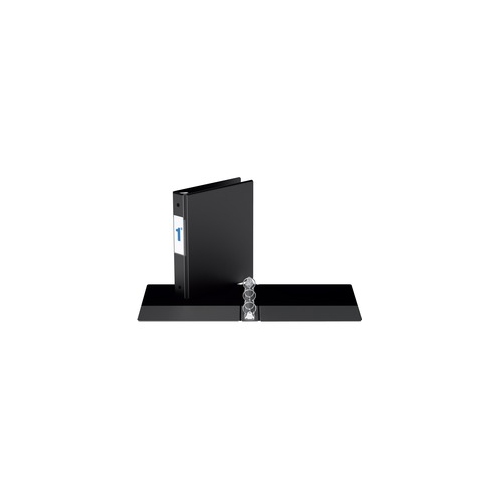
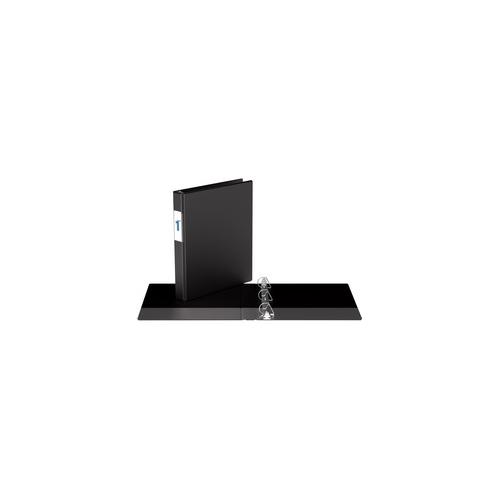
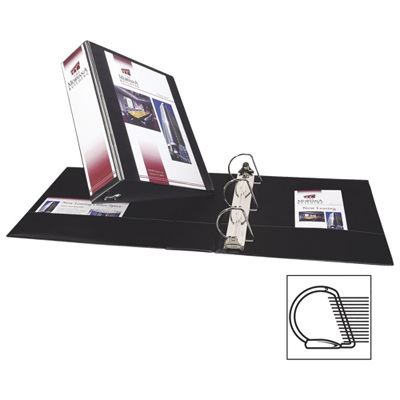
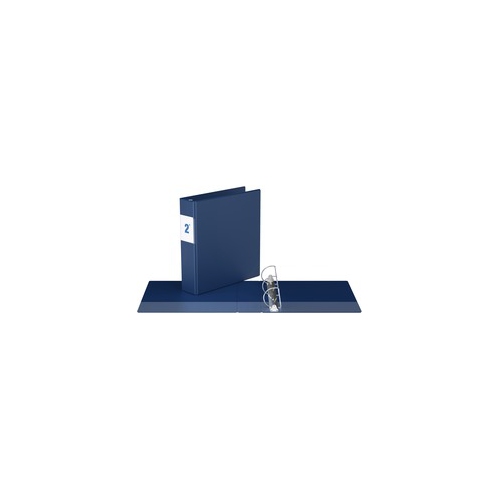
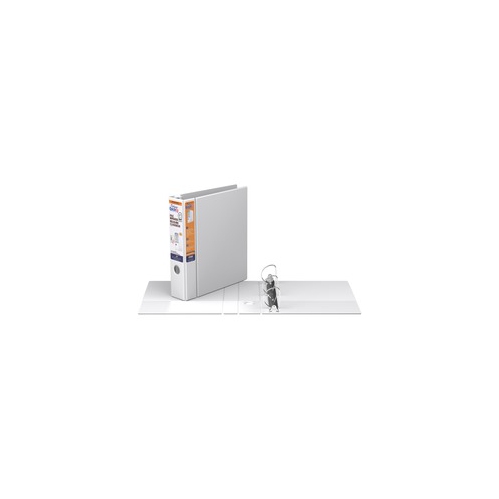
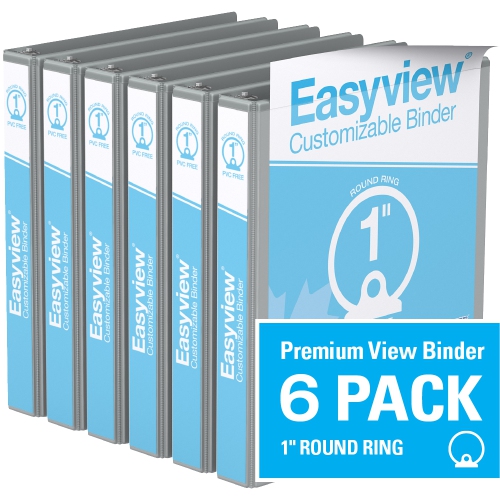
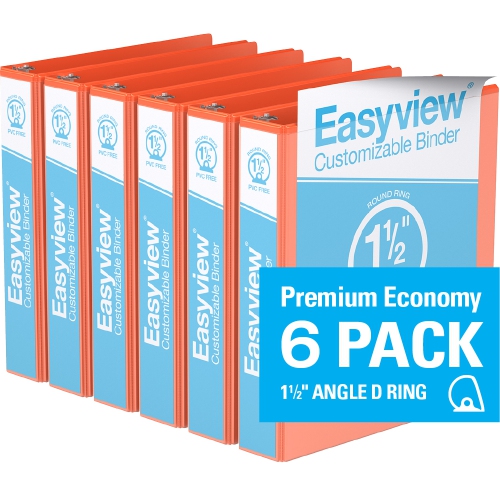
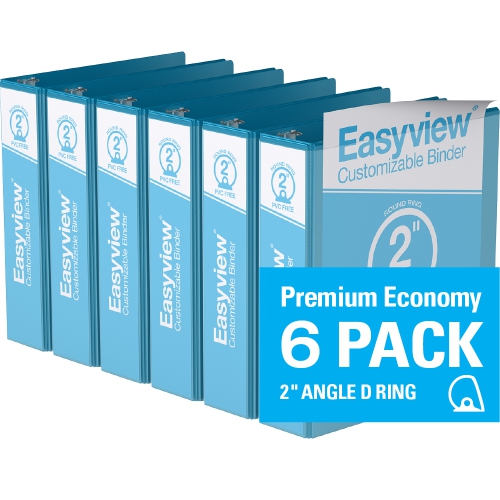
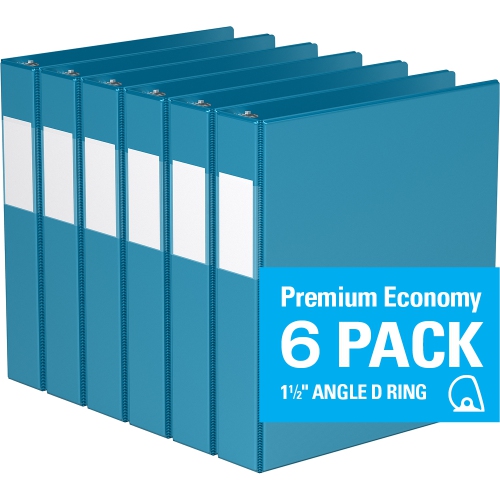
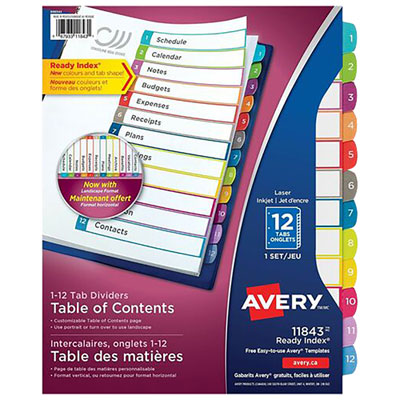
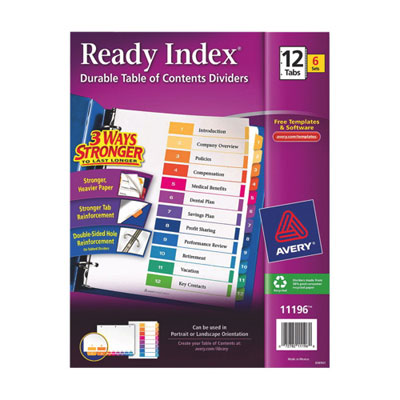
The ring style has a noticeable effect on how a binder handles paper. D-rings are often a strong choice when the binder needs to hold a larger collection, as their shape can help pages turn more smoothly and sit more evenly along the spine. Round rings are well suited to lighter, everyday use, such as a few forms, class notes, recipes, or a short planning set. Ring capacity should be matched to the thickness of the pages rather than chosen solely by the outer dimensions of the binder. Overfilling can make pages difficult to turn, put strain on the mechanism, and leave the cover unable to close neatly. Underfilling a very large binder may create unnecessary bulk, particularly when it needs to be carried in a bag. Dividers with labelled tabs make the contents easier to scan and can be arranged around the way information is actually used. Common sections include schedules, bills, medical forms, warranties, school information, travel documents, meeting notes, active projects, and reference pages. For a household binder, one section might hold recurring payment details, another could store appliance manuals or service records, and another could be reserved for contact information and important forms. A student may prefer separate tabs for each subject, with a pocket for assignment instructions and a dedicated area for papers that still need to be completed. At work, project phases, clients, departments, or deadlines can provide a logical structure. Place current or most frequently referenced items near the front so they can be reached without searching through every section, and move completed or less-used pages towards the back or into a separate archive.
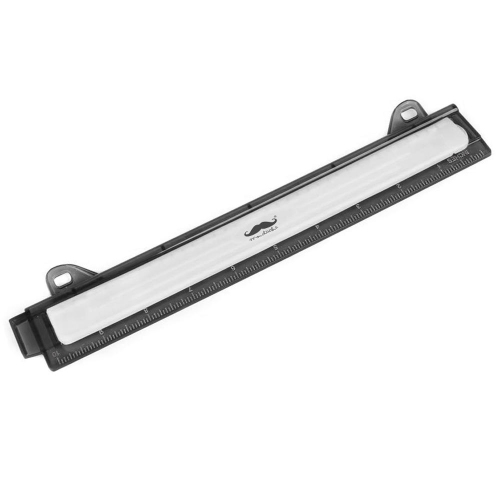
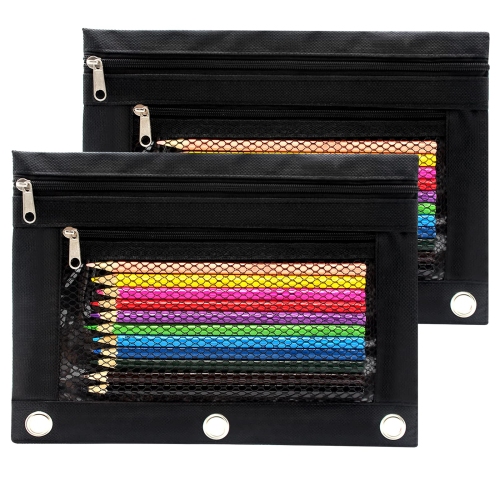
Small accessories can turn a basic ring binder into a more capable organization system. Zipper pouches and clear pocket pages are useful for keeping pens, highlighters, sticky notes, index cards, receipts, flash drives, and other loose essentials from slipping between documents. Business-card pages can keep contact details together, while sheet protectors are helpful for pages that need to be handled repeatedly or kept clean, such as checklists, calendars, diagrams, recipe cards, and frequently used forms. A portable hole punch can be stored in a utility pouch for adding pages without returning to a desk, although papers should be punched carefully so text and important information remain clear of the edge. Before setting up the binder, remove duplicates, recycle outdated drafts through the appropriate household process, and give each section a clear purpose. Use consistent labels and dates so older information can be identified quickly, especially when records accumulate during the cooler months or through a busy school and work period. Colour-coding can also help distinguish personal, household, school, or business materials without adding much effort. For a binder that will be carried often, keep the heaviest pages close to the spine and avoid loose items that could fall out when the cover is opened. For one that stays at home, arrange it near the place where paperwork usually arrives, such as a desk, entryway, or kitchen workspace. Whether used for daily planning, school organization, professional files, household administration, or a carefully assembled gift, Organization Binders make it easier to see what needs attention and keep useful information ready when it matters.
The ring style has a noticeable effect on how a binder handles paper. D-rings are often a strong choice when the binder needs to hold a larger collection, as their shape can help pages turn more smoothly and sit more evenly along the spine. Round rings are well suited to lighter, everyday use, such as a few forms, class notes, recipes, or a short planning set. Ring capacity should be matched to the thickness of the pages rather than chosen solely by the outer dimensions of the binder. Overfilling can make pages difficult to turn, put strain on the mechanism, and leave the cover unable to close neatly. Underfilling a very large binder may create unnecessary bulk, particularly when it needs to be carried in a bag. Dividers with labelled tabs make the contents easier to scan and can be arranged around the way information is actually used. Common sections include schedules, bills, medical forms, warranties, school information, travel documents, meeting notes, active projects, and reference pages. For a household binder, one section might hold recurring payment details, another could store appliance manuals or service records, and another could be reserved for contact information and important forms. A student may prefer separate tabs for each subject, with a pocket for assignment instructions and a dedicated area for papers that still need to be completed. At work, project phases, clients, departments, or deadlines can provide a logical structure. Place current or most frequently referenced items near the front so they can be reached without searching through every section, and move completed or less-used pages towards the back or into a separate archive.
Small accessories can turn a basic ring binder into a more capable organization system. Zipper pouches and clear pocket pages are useful for keeping pens, highlighters, sticky notes, index cards, receipts, flash drives, and other loose essentials from slipping between documents. Business-card pages can keep contact details together, while sheet protectors are helpful for pages that need to be handled repeatedly or kept clean, such as checklists, calendars, diagrams, recipe cards, and frequently used forms. A portable hole punch can be stored in a utility pouch for adding pages without returning to a desk, although papers should be punched carefully so text and important information remain clear of the edge. Before setting up the binder, remove duplicates, recycle outdated drafts through the appropriate household process, and give each section a clear purpose. Use consistent labels and dates so older information can be identified quickly, especially when records accumulate during the cooler months or through a busy school and work period. Colour-coding can also help distinguish personal, household, school, or business materials without adding much effort. For a binder that will be carried often, keep the heaviest pages close to the spine and avoid loose items that could fall out when the cover is opened. For one that stays at home, arrange it near the place where paperwork usually arrives, such as a desk, entryway, or kitchen workspace. Whether used for daily planning, school organization, professional files, household administration, or a carefully assembled gift, Organization Binders make it easier to see what needs attention and keep useful information ready when it matters.
Top selling and popular products
-
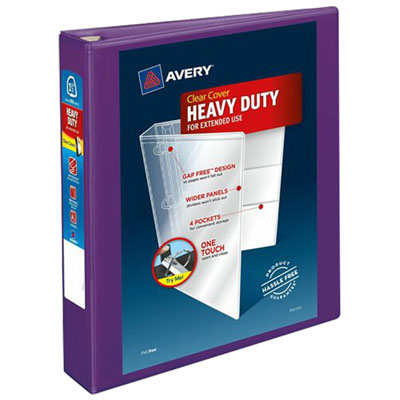 Your price for this item is $11.99
 -
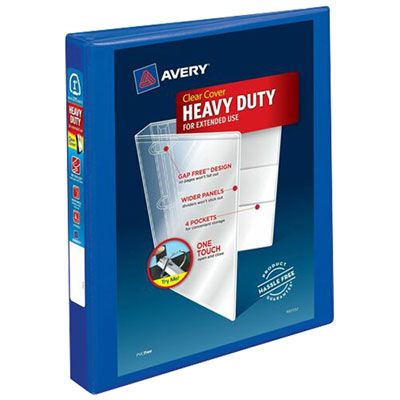 Your price for this item is $17.99
 -
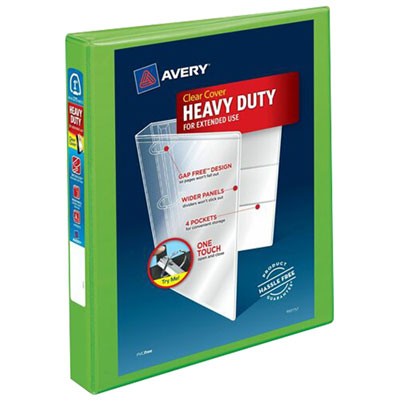 Your price for this item is $9.99
 -
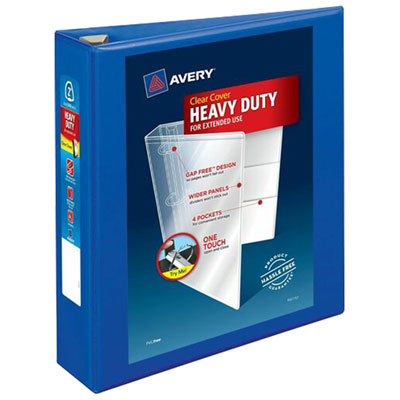 Your price for this item is $13.99
 -
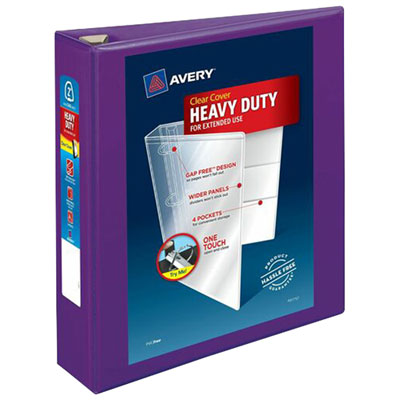 Your price for this item is $14.99
 -
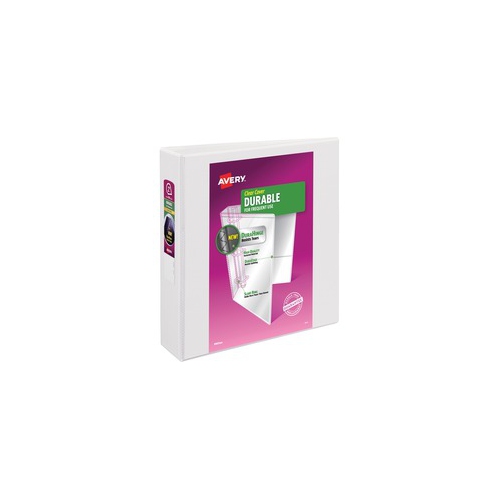 Your price for this item is $9.99
 -
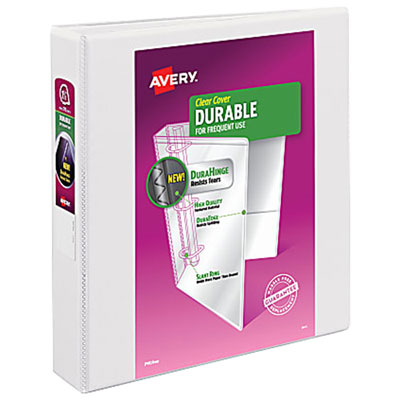 Your price for this item is $12.99
 -
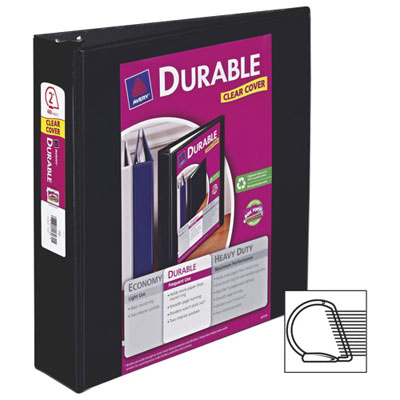 Your price for this item is $10.99
Discover more categories related to Organization Binders
Top Collections:
Pokemon Centers, Kindle Devices, Best Budget Office Chairs, Apple iPhones 16, Best Laptops for Writers, iPhone 15 Apple, Canon G7X Cameras, Refurbished Apple Laptops, Alarm Clock, Motorola Razr Phones
Some products may be subject to Environmental Handling Fees
(EHF) depending on your province.
Learn more about EHFs.