Paint Markers for Canvas
Unleash your creativity with paint markers designed specifically for canvas projects. These versatile tools offer vibrant colors and precision, making them a favorite among artists and hobbyists alike. Whether you're working on detailed illustrations or bold abstract pieces, paint markers provide the perfect solution for adding intricate details and expressive strokes. Explore a wide range of options that cater to various artistic styles and techniques, ensuring that every masterpiece is as unique as your imagination. Elevate your artwork with paint markers that deliver consistent quality and inspire endless possibilities.
Sort
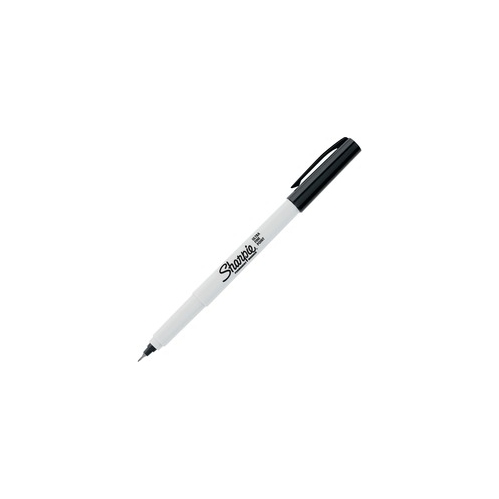
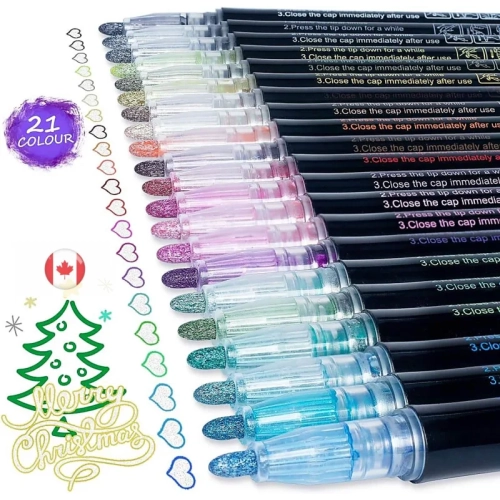
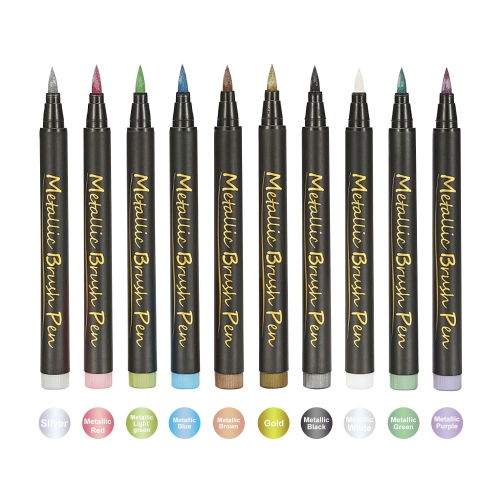
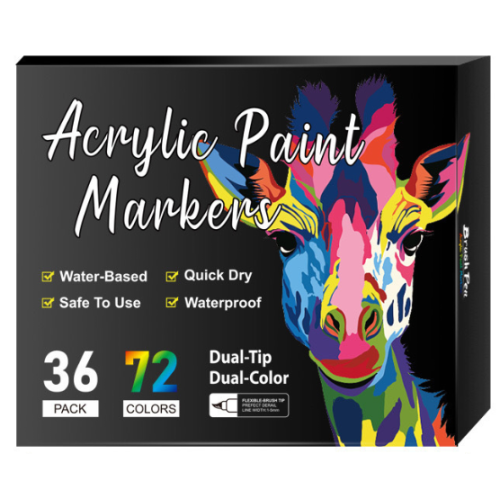
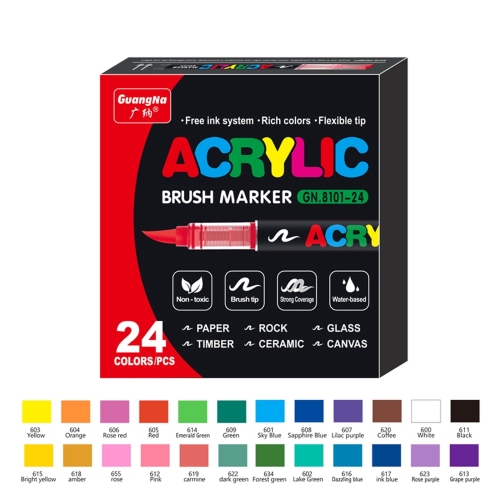
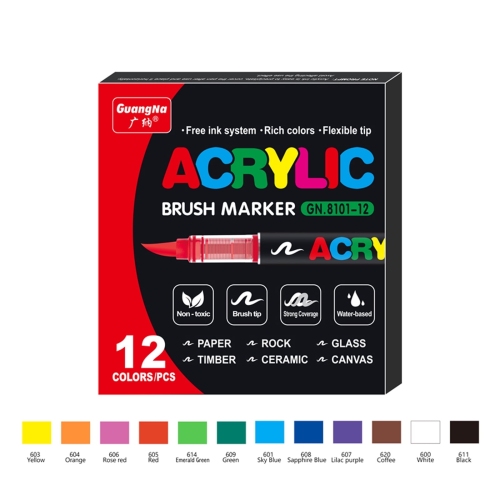
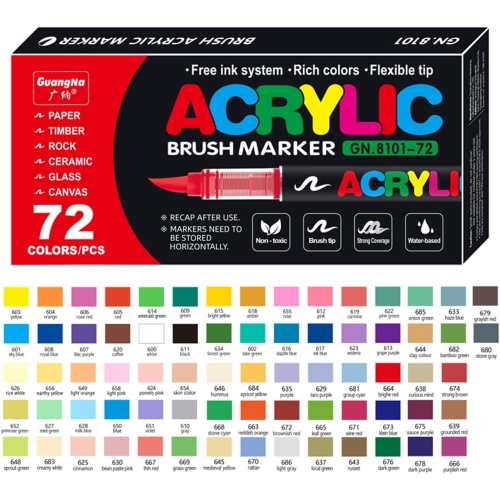
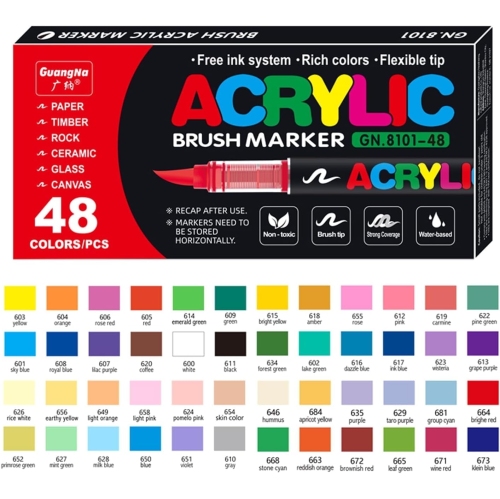
Tips for smoother, brighter, more detailed canvas artwork
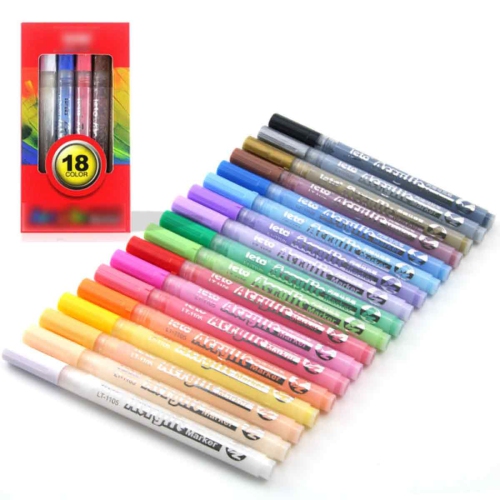
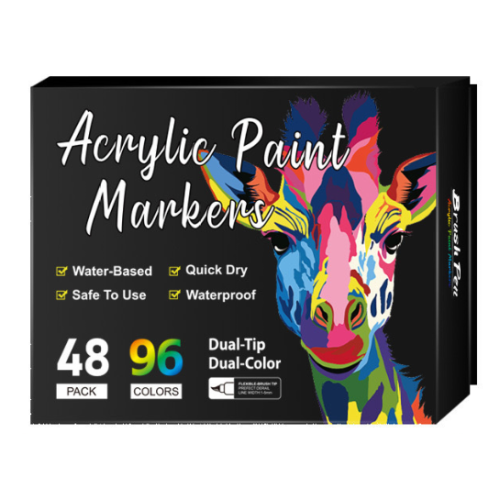
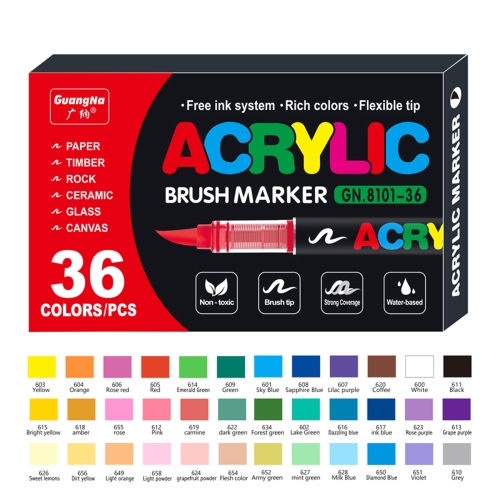
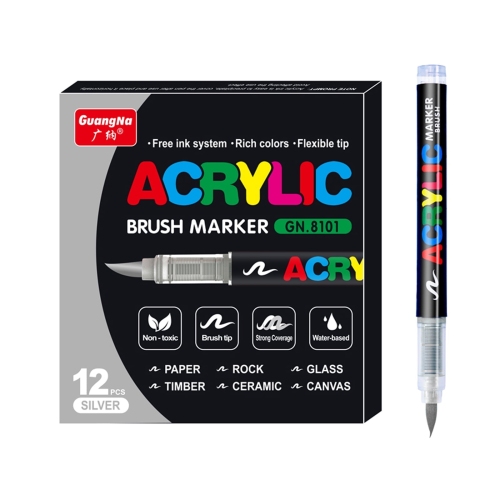
Paint markers for canvas are a practical choice for adding bold colour, fine details, lettering, outlines, and decorative accents to fabric-based artwork. Unlike traditional paintbrushes, markers offer the control of a pen while delivering the opaque coverage of paint, making them useful for beginners, experienced artists, crafters, students, and anyone who enjoys hands-on creative projects. Water-based acrylic paint markers are especially popular for canvas because they typically provide rich colour, smooth application, and a finish that dries quickly when used as directed. They can be used to create everything from delicate linework and handwritten quotes to large blocks of colour, geometric patterns, florals, abstract compositions, and layered illustrations. A set of assorted colours can be a thoughtful gift for a creative friend, art student, or family member who enjoys personalising tote bags, canvas shoes, wall art, storage bins, or handmade decorations. They are also convenient for indoor projects during the cooler months, when a compact art station at the kitchen table, desk, or studio corner can turn a blank canvas into a personal piece. When choosing paint markers for canvas, consider the type of artwork, the surface texture, the amount of coverage needed, and the preferred tip style. A fine tip is suited to outlines, small details, signatures, and lettering, while a medium or broad bullet tip can cover larger areas and generally holds up well against the woven texture of canvas. Brush-style tips can provide expressive variation in line width, which is helpful for calligraphy, sketching, and loose illustrative work. If the project involves several techniques, a set with multiple tip sizes can make it easier to move from background colour to detailed finishing touches without changing tools repeatedly.
Canvas preparation has a noticeable effect on how paint markers perform. Raw, unprimed canvas can absorb paint quickly, causing colours to look less vibrant and making the marker move unevenly across the weave. Loose fibres may also catch on a tip, particularly when drawing slowly or pressing firmly. For a smoother glide and more consistent colour, use a standard gesso-primed canvas or another surface labelled for acrylic painting. Before beginning the main artwork, test the marker on a spare section of canvas or a similar scrap surface. This helps you check the colour once it dries, understand how much pressure is needed, and see whether the tip produces the desired line. Shake markers according to their instructions and press the tip gently to start the paint flow; excessive pumping or force can cause flooding, splattering, or premature wear. Work in light layers when possible, allowing each layer to dry before adding another. This approach can create brighter coverage while reducing smudging and helping fine details stay crisp. Dark outlines are often easier to add after larger areas of colour have dried, and a light pencil sketch can help with placement without committing to permanent marks too soon. Keep the canvas flat while working on broad sections, and store markers capped tightly when they are not in use. If a tip becomes clogged, follow the care instructions rather than scraping it against the canvas. Acrylic markers can be paired with Acrylic Paints for Canvas Art when a project calls for brush-applied backgrounds, blended areas, or textured effects that complement marker details. Combining these tools lets you block in a soft sky, textured landscape, or colourful abstract base before adding sharper lines and personal flourishes with markers.
The finished piece should be allowed to dry completely before it is handled, packed, displayed, or transported. Drying time can vary with the number of layers, the size of the painted area, humidity, and the instructions supplied with the markers. Once the artwork is fully cured, a compatible clear acrylic varnish or fixative spray may help protect the surface from dust, handling, and gradual colour changes caused by light. Always check that the protective finish is suitable for acrylic paint and test it on a separate sample first, since some finishes can alter the sheen or deepen colours. A matte finish can reduce glare and create a soft, understated appearance, while a gloss finish can make colours appear more saturated and provide a brighter visual effect. Paint markers for canvas are well suited to shared creative activities, including family craft afternoons, classroom projects, studio sessions, and personalised gift making. They can turn a plain canvas into a name sign, seasonal decoration, memory piece, or one-of-a-kind present without requiring a large collection of brushes and paint jars. For a first project, a primed canvas, a small selection of dependable colours, a fine or bullet tip, and a protective work surface are enough to get started. More experienced artists may prefer broad colour ranges, assorted nib sizes, metallic or light shades, and markers designed for repeated layering. Whether the goal is precise lettering or energetic, expressive marks, selecting markers that match the canvas texture and the desired line quality will make the process more comfortable and help the finished artwork look intentional.
Canvas preparation has a noticeable effect on how paint markers perform. Raw, unprimed canvas can absorb paint quickly, causing colours to look less vibrant and making the marker move unevenly across the weave. Loose fibres may also catch on a tip, particularly when drawing slowly or pressing firmly. For a smoother glide and more consistent colour, use a standard gesso-primed canvas or another surface labelled for acrylic painting. Before beginning the main artwork, test the marker on a spare section of canvas or a similar scrap surface. This helps you check the colour once it dries, understand how much pressure is needed, and see whether the tip produces the desired line. Shake markers according to their instructions and press the tip gently to start the paint flow; excessive pumping or force can cause flooding, splattering, or premature wear. Work in light layers when possible, allowing each layer to dry before adding another. This approach can create brighter coverage while reducing smudging and helping fine details stay crisp. Dark outlines are often easier to add after larger areas of colour have dried, and a light pencil sketch can help with placement without committing to permanent marks too soon. Keep the canvas flat while working on broad sections, and store markers capped tightly when they are not in use. If a tip becomes clogged, follow the care instructions rather than scraping it against the canvas. Acrylic markers can be paired with Acrylic Paints for Canvas Art when a project calls for brush-applied backgrounds, blended areas, or textured effects that complement marker details. Combining these tools lets you block in a soft sky, textured landscape, or colourful abstract base before adding sharper lines and personal flourishes with markers.
The finished piece should be allowed to dry completely before it is handled, packed, displayed, or transported. Drying time can vary with the number of layers, the size of the painted area, humidity, and the instructions supplied with the markers. Once the artwork is fully cured, a compatible clear acrylic varnish or fixative spray may help protect the surface from dust, handling, and gradual colour changes caused by light. Always check that the protective finish is suitable for acrylic paint and test it on a separate sample first, since some finishes can alter the sheen or deepen colours. A matte finish can reduce glare and create a soft, understated appearance, while a gloss finish can make colours appear more saturated and provide a brighter visual effect. Paint markers for canvas are well suited to shared creative activities, including family craft afternoons, classroom projects, studio sessions, and personalised gift making. They can turn a plain canvas into a name sign, seasonal decoration, memory piece, or one-of-a-kind present without requiring a large collection of brushes and paint jars. For a first project, a primed canvas, a small selection of dependable colours, a fine or bullet tip, and a protective work surface are enough to get started. More experienced artists may prefer broad colour ranges, assorted nib sizes, metallic or light shades, and markers designed for repeated layering. Whether the goal is precise lettering or energetic, expressive marks, selecting markers that match the canvas texture and the desired line quality will make the process more comfortable and help the finished artwork look intentional.
Top selling and popular products
-
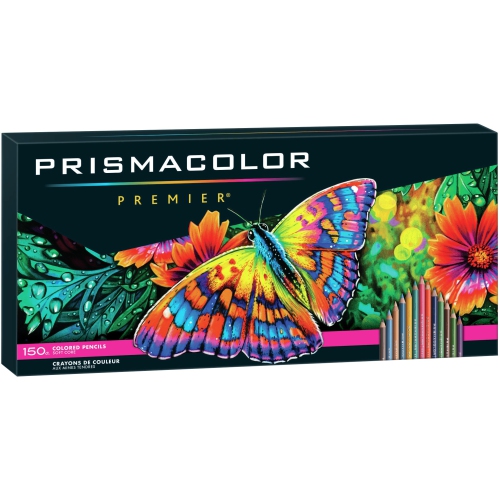 Your price for this item is $179.99
 -
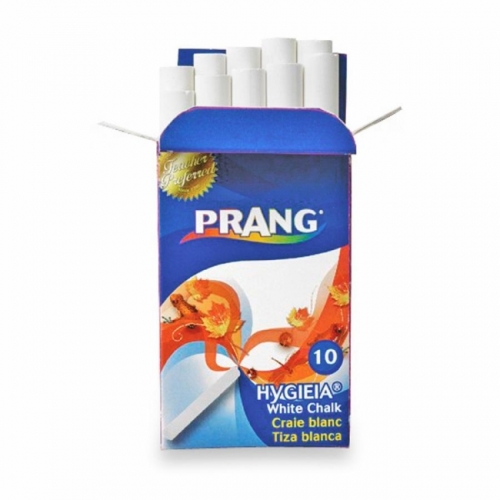 Your price for this item is $1.99
 -
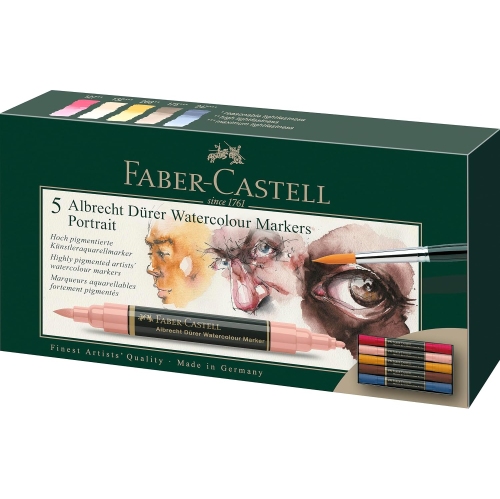 Your price for this item is $29.99
 -
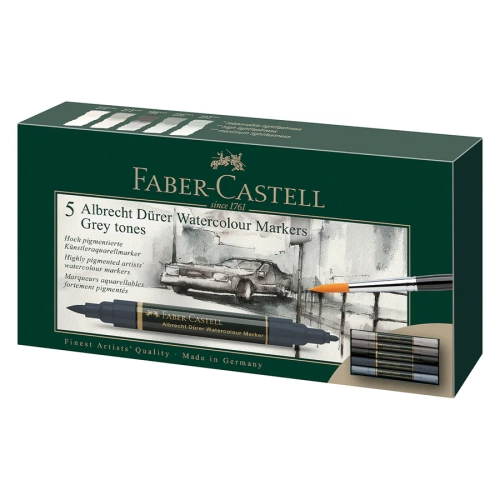 Your price for this item is $22.99
 -
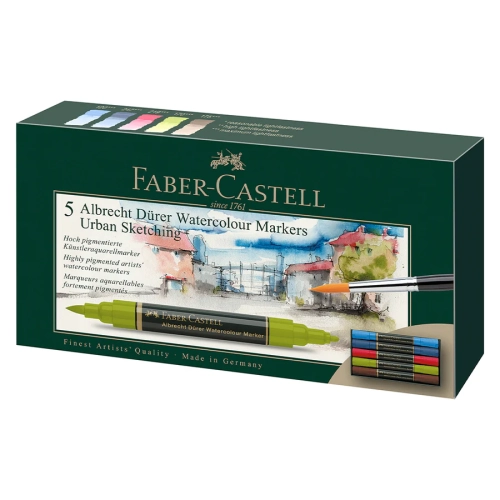 Your price for this item is $26.99
 -
![CRAYOLA Washable Kids Paint Classic Colors 10-Count - 59Ml / 2 Fl OZ [Toys, Ages 3+]](https://multimedia.bbycastatic.ca/multimedia/products/500x500/153/15332/15332313.jpeg) Your price for this item is $37.94
Your price for this item is $37.94 -
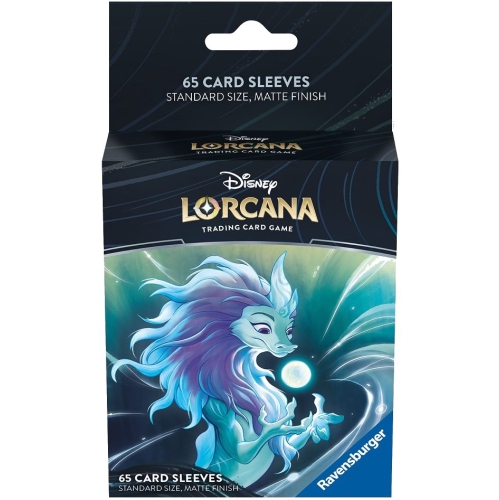 Your price for this item is $10.35
 -
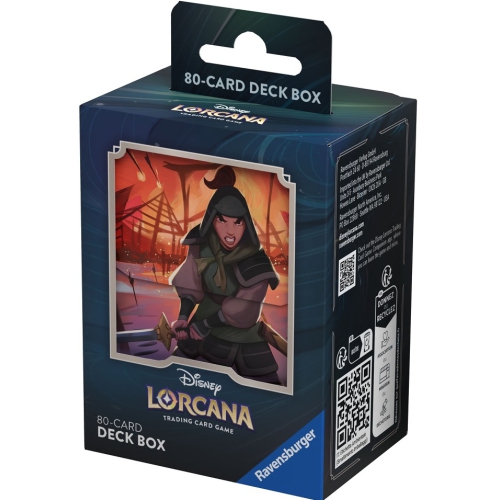 Your price for this item is $6.9
Discover more categories related to Paint Markers for Canvas
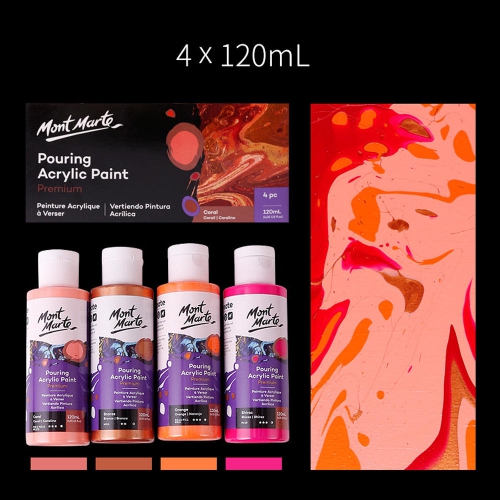
Top Collections:
Pokemon Centers, Kindle Devices, Best Budget Office Chairs, Apple iPhones 16, Best Laptops for Writers, iPhone 15 Apple, Canon G7X Cameras, Refurbished Apple Laptops, Alarm Clock, Motorola Razr Phones
Some products may be subject to Environmental Handling Fees
(EHF) depending on your province.
Learn more about EHFs.