Paint Markers
Transform your creative projects with the vibrant precision of paint markers. Perfect for artists, crafters, and DIY enthusiasts, these versatile tools offer bold, opaque colors that work on a variety of surfaces, including paper, wood, metal, glass, and fabric. Whether you're personalizing gifts, designing custom apparel, or adding intricate details to your artwork, paint markers provide the control and durability needed to bring your vision to life. Explore our wide selection of paint markers to find the perfect hues and tip sizes for your next masterpiece.
Sort

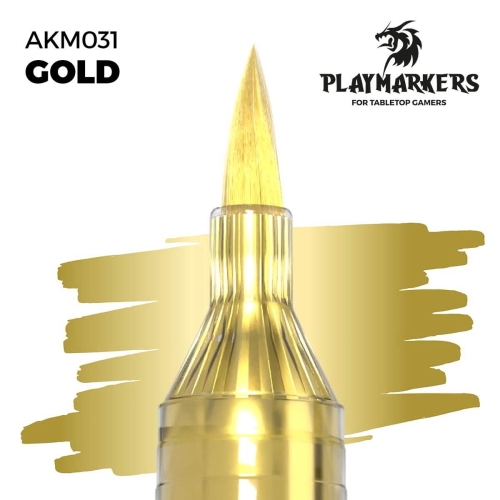
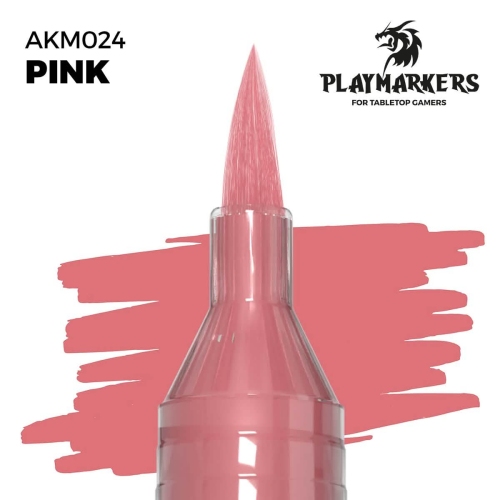
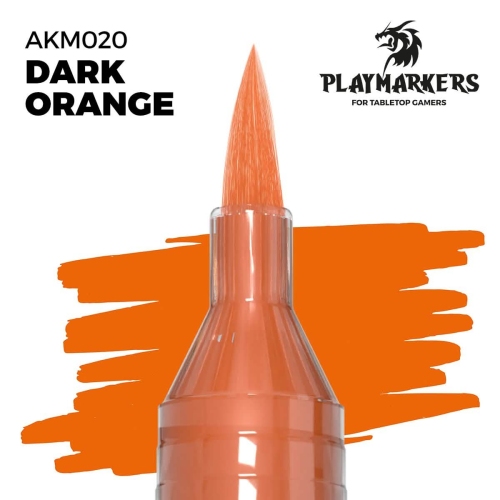
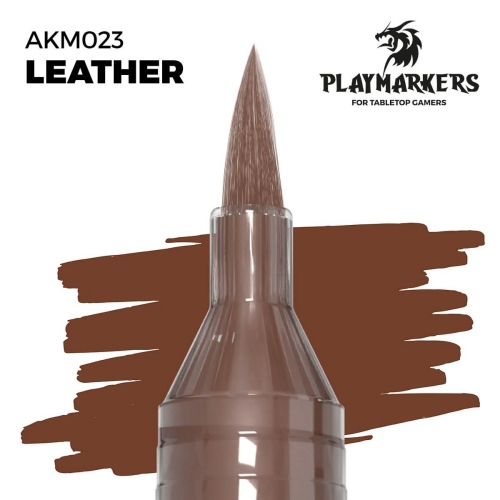
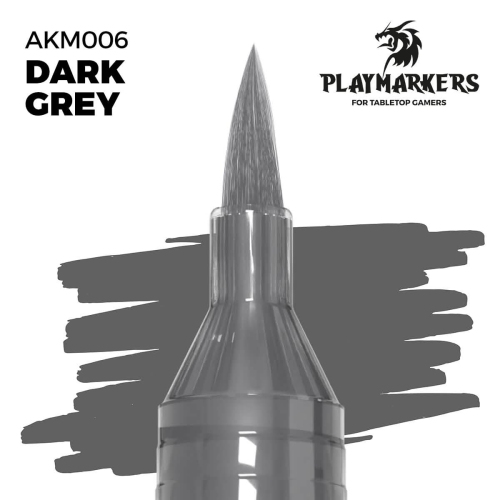
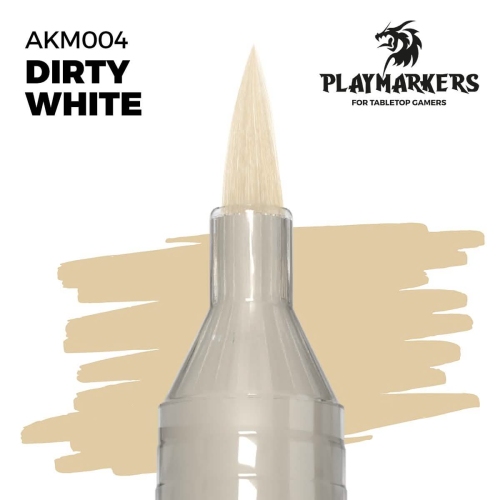
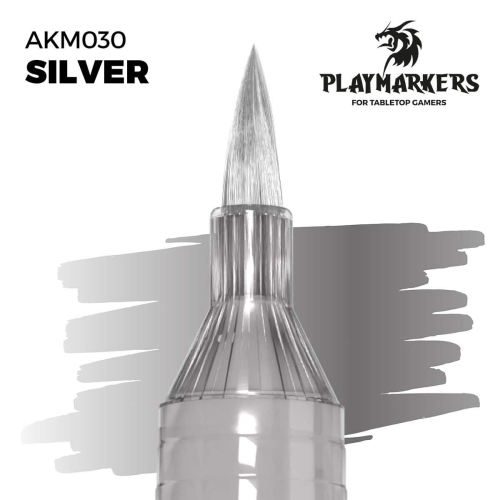
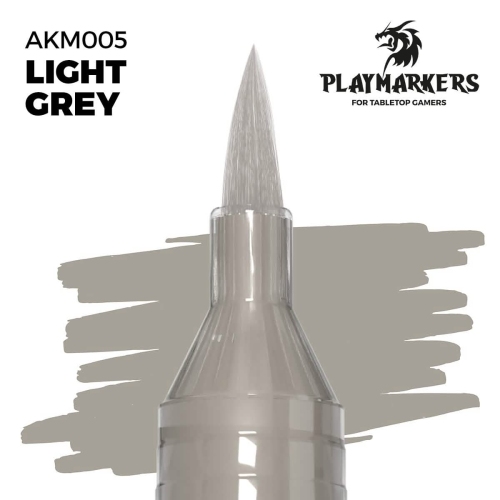
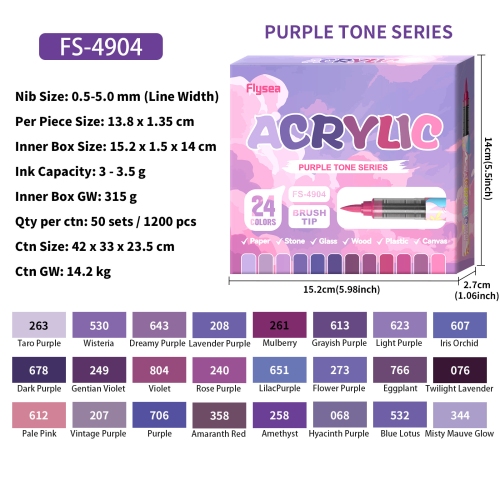
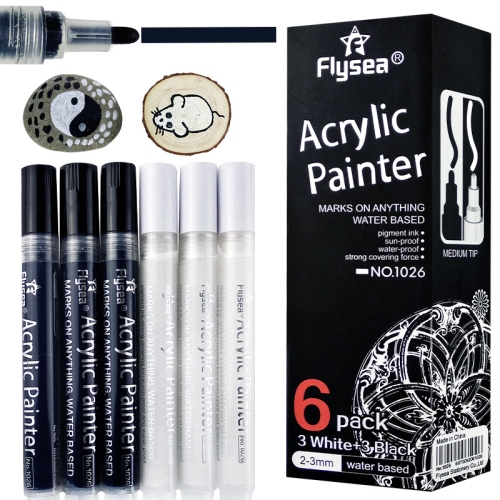
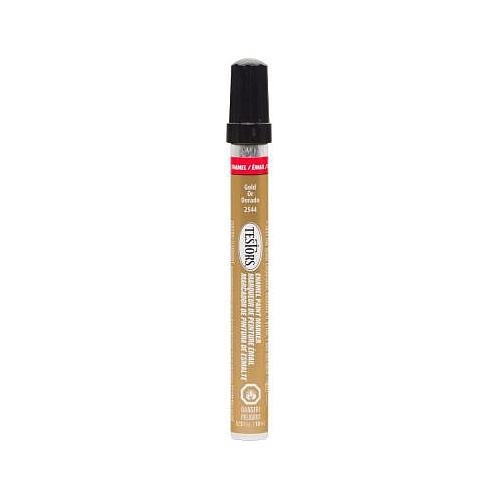
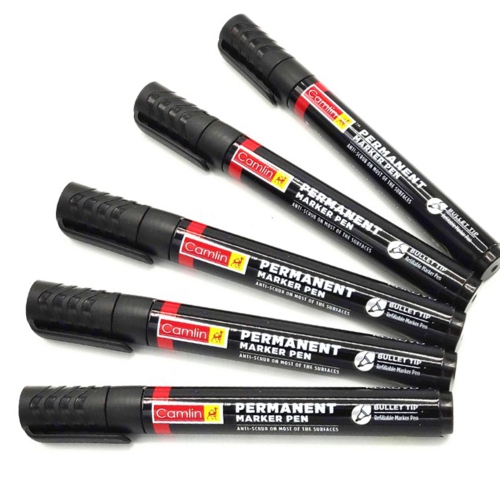
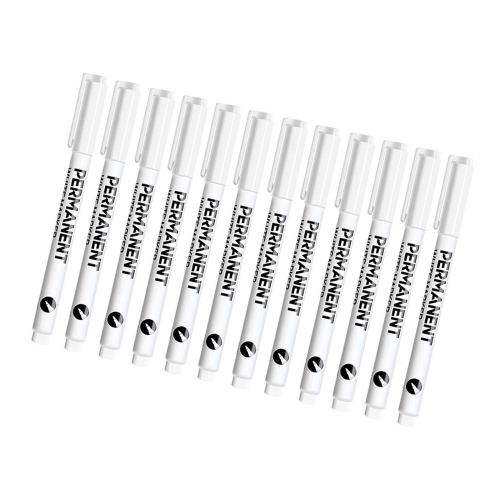
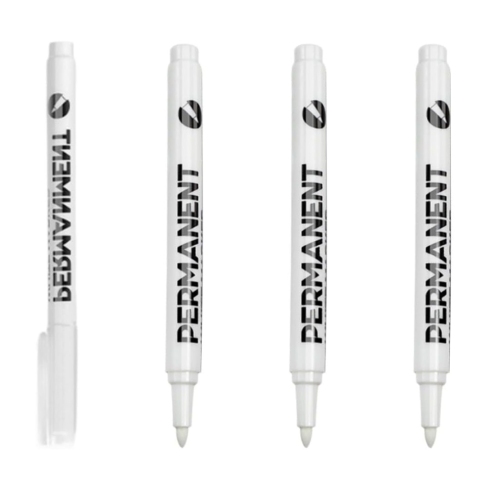
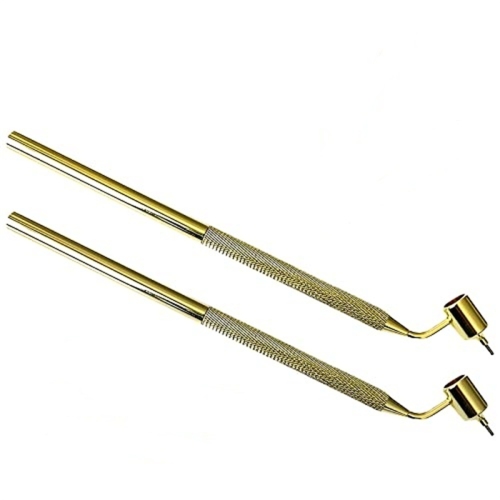
Bold colour with the precision of a pen
Paint markers are paint-filled pens that apply pigmented colour through a nib, combining the coverage of paint with the control of a writing instrument. They are used for lettering, illustration, craft projects, personalization and practical marking on surfaces such as paper, cardboard, wood, stone, glass, metal and some plastics. Unlike many dye-based markers, paint markers can produce opaque lines that remain visible against dark backgrounds, although coverage depends on the formula, colour and surface. Water-based acrylic paint markers are a common choice for artwork and crafts, while oil-based and other solvent-based formulas may suit projects that call for different adhesion or resistance properties. The formula matters more than the appearance of the barrel: two pens with similar tips can behave quite differently on a painted sign, a smooth glass panel or an unfinished wooden shape. Porous materials can absorb paint and make marks difficult to remove, while smooth, non-porous materials may allow some formulas to be wiped away. Neither permanence nor removability should be assumed without checking the marker’s intended uses. A water-based marker is not necessarily washable once dry, and a permanent marker is not automatically suitable for every surface. For projects involving plastic, existing paint finishes or coated materials, compatibility is especially important because paint may bead, lift or affect the finish underneath. Artists may favour the dense colour for illustrations on toned paper, hobbyists may use it to personalize storage boxes, and makers may choose it for small signs or identifying equipment. The appeal is the same across these uses: a contained paint supply, a defined point of contact and the ability to place colour precisely without a separate brush and palette. Paint markers can be particularly useful where a brush would feel cumbersome, such as tracing lettering around a curved edge or adding a small identifying mark to a tool handle.
Tip shape and line width have a noticeable effect on how paint markers feel in use. Extra-fine and fine tips suit small lettering, outlines, facial features and detailed patterns, while medium tips offer a balance between controlled lines and modest areas of fill. Broad and chisel tips cover more space and create strong lettering, with a chisel edge offering different stroke widths depending on its angle. Flexible brush tips respond to pressure, making them useful for expressive lettering and illustrations with changing line weight. A fine point can bring definition to a painted pebble or a handwritten name, but it will take longer to fill a large block of colour. A broader nib can make a sign easier to read from a distance, although very rough wood or textured stone may interrupt its edges. Surface texture also affects wear: abrasive materials can fray a nib sooner than smooth paper or glass. Depending on the marker’s design, replaceable nibs or refillable barrels may support longer use, but these features are not universal. Colour selection is another practical consideration. Black and white are useful for contrast, while a coordinated range of colours gives lettering, illustrations and patterns a consistent look. Metallic finishes can add reflective accents, though their appearance varies with the background and viewing angle. Matte and glossy finishes also interact differently with the underlying material. Layering can create crisp borders, highlights and shadows when the formula allows it, but an apparently dry layer may still lift or mix if another colour is applied too soon. Some colours need more than one pass for an even result, particularly over dark or highly absorbent surfaces. Paper weight matters as well: substantial drawing paper or card generally tolerates repeated applications better than thin sheets. For paper-based colouring and everyday drawing, Magic Markers provide another category to consider alongside paint markers, with the choice depending on the desired coverage, finish and surface.
Durability depends on the combination of paint formula, surface preparation, drying time and how the finished object will be handled. Dust, oil and residue can interfere with adhesion, so a clean, compatible surface gives paint a better foundation. Unfinished wood may absorb colour unevenly, while glazed ceramics and polished metal can leave paint more exposed to rubbing or scratching. Touch-dry paint is not necessarily fully cured; a mark that feels dry may still need additional time before regular handling. Water resistance also does not mean a design can withstand soaking, repeated washing or a dishwasher cycle. On frequently handled objects, resistance to abrasion can be just as important as resistance to moisture. A compatible protective finish may help with some projects, but sealants can alter colour, sheen or adhesion and are not suitable for every marker-and-surface combination. For fabric, suitability depends on the formula and fibre content, and any heat-setting or washing requirements need to come from the marker’s directions. Marks on mugs, plates and similar objects require particular care: suitability for the outer decorative surface does not establish safety for food-contact areas or drinking rims. Storage and handling affect performance, too. Secure caps help keep nibs from drying out, and the recommended storage position varies by design. Many valve-action paint markers need shaking and priming, with a spare piece of compatible material providing a useful place to check paint flow before touching the project. Age suitability, ventilation requirements and label warnings remain important, especially in shared craft spaces; water-based does not automatically mean suitable for young children or use on skin. As a gift, paint markers can suit an illustrator who enjoys bold outlines, a lettering enthusiast, a model maker or someone who likes personalizing everyday objects. Matching the tip range and formula to that person’s usual materials makes the gift more useful than choosing by colour count alone. A compact selection suited to the recipient’s projects can offer plenty of room for detailed artwork, distinctive labels and small finishing touches.
Top selling and popular products
-
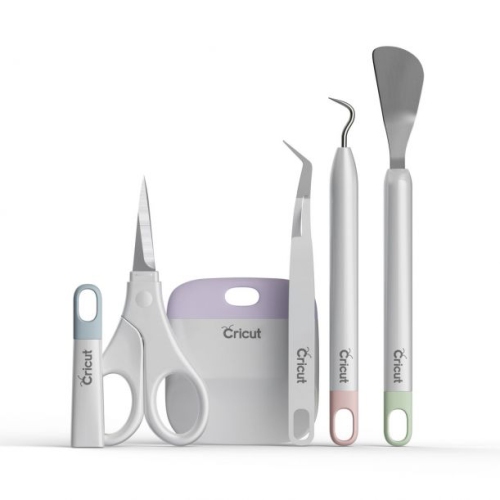 Your price for this item is $40.99
-
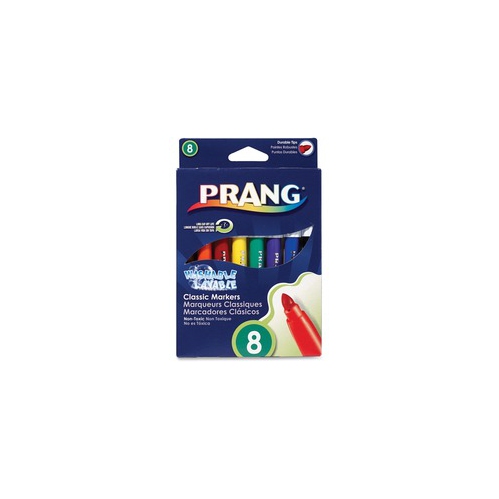 Your price for this item is $4.99
-
 Your price for this item is $5.99
-
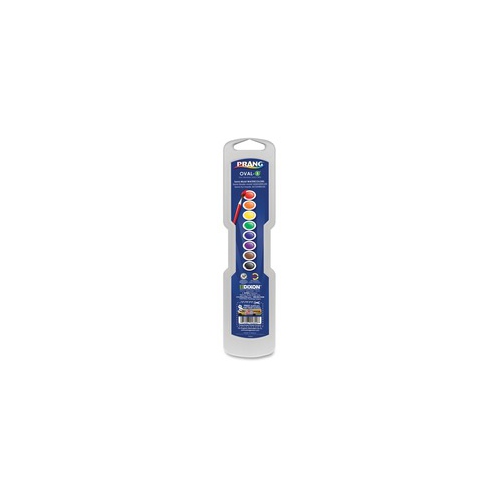 Your price for this item is $4.99
-
 Your price for this item is $7.99
-
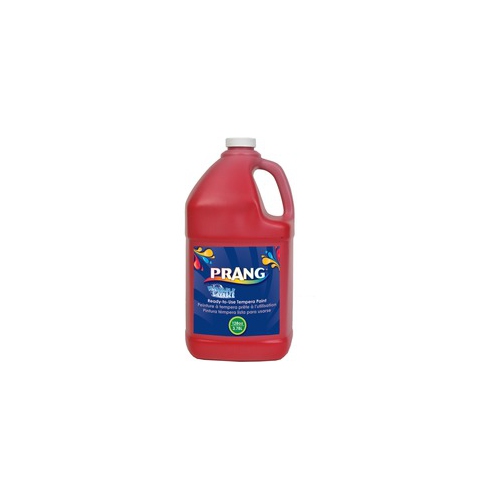 Your price for this item is $17.99
-
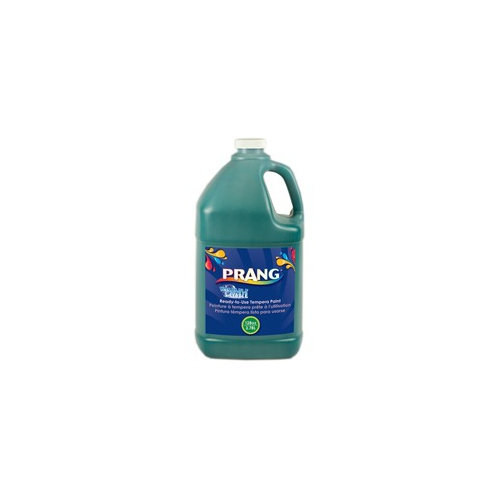 Your price for this item is $17.99
-
 Your price for this item is $4.99
Discover more categories related to Paint Markers

Top Collections:
Best Black Friday Deals This Year, Best Black Friday Deals On Electronics, Kindle Devices, Pokemon Centers, Best Black Friday Deals On Apple Products, Best Cameras for Sports Photography, Dyson Airwrap, Pokémon 30th Celebration Cards, Apple iPhone 17 Pro, Canon G7X Cameras
Some products may be subject to Environmental Handling Fees
(EHF) depending on your province.
Learn more about EHFs.